Tag: Foreign Policy

  • Cinema as a tool of National narratives and Geopolitics

    Cinema as a tool of National narratives and Geopolitics

    ABSTRACT

    This paper aims to understand how world politics, the geopolitical environment in the international arena, and economic relationships between countries are portrayed in films and entertainment media. This paper attempts to understand the portrayal of the themes through varied parameters, namely, the geopolitical timeline of when the film was released, the theme or the event that the film is trying to address, the region the movie was produced in and the audience it would cater to. As films are pretty nuanced and very interpretative, these themes might overlap. Nevertheless, it will attempt to identify and understand the themes as best possible. This paper also aims to understand the active relationship between films and the various global interactions among nation-states. It will also examine the impact of these films on the foreign policy decisions made by the State and how the narratives change with changing leadership. This paper will understand films through the lens of international politics and not just as a medium of entertainment.


    INTRODUCTION

    Beyond the fiction of reality, there is the reality of the fiction.

    – Slavoj Žižek

    Let’s ask a simple question. How much of the reality that we live in do we see in fiction? This question seems to have a complex answer. The main reason for the existence of films is their ability to transport viewers to a world of imagination or fiction where anything can happen, unlike the rigid realities we live in. However, upon closer examination, one might find that fiction interacts with present, everyday realities and fosters an ideology within itself. Films and ideology have a deep-rooted connection, and it is impossible to analyse films without encountering the ideology they inevitably promote. This is particularly evident in films that fall under the genre of politics or political commentary. Politics is often described as a struggle for power, where ideology plays a crucial role. Films have the power to influence the masses, making them a potent tool for those in power to wield. This is why ideology is embedded in films. According to Slavoj Žižek’s documentary ‘The Pervert’s Guide to Ideology’, ideology is a socio-economic and political apparatus that is created and propagated by humans. He argues that ideology is a social reality, and attempting to escape it is also an ideology.

    Ideology has a significant impact on the superstructure, shaping our perception of political reality. Unfortunately, this often results in a distorted or biased portrayal of events that goes unchallenged due to the disclaimer that it is a work of fiction. This allows ideologies to spread without being acknowledged. Films with political themes are particularly susceptible to this, as they are shaped by the prevailing ideology of the time and place in which they are created and discussed. These films serve as a means of propagating state-sponsored ideologies, which can then be used to legitimise state propaganda. They are essentially used as a trial run to measure the public’s reaction to certain ideas before implementing them. These films function as a symbolic order, swaying public opinion in line with the desired political narrative. The depictions in these movies, being fictional, are often exaggerated and used to evoke feelings of patriotism and nationalism, making it easier for political leaders to shape the status quo in their favour.

    Films are generally regarded as a source of entertainment, but they also have a profound impact on the realities of our lives. Even movies with superhero themes, which are purely fictional, have the power to shape political realities. For instance, the Marvel Cinematic Universe, a franchise that features individuals with exceptional abilities, highlights the inability of governments to address significant issues or credible threats. These governments tend to view those who can effect change as a greater threat than the aliens themselves. This commentary reflects on the governments’ and leadership’s propensity to prioritize personal insecurities and power politics over the greater good. This, in turn, questions the relevance of democratic institutions and government, which is ironic given that the films originate from a country that has historically promoted democracy. This paper aims to explore how these films portray global politics and economic relations, and the rationale behind these depictions.

    RELATIONSHIP BETWEEN POLITICS AND THE FILM INDUSTRY

    Before examining the portrayal of political institutions in films, it is important to consider the extent to which these institutions influence the film industry, as this relationship will greatly determine the narrative or nature of the films. It is crucial to understand the independence of the film industry when it comes to politics. During the Cold War era, also known as the era of ideological conflict, films played a significant role in fostering a sense of nationalism among the population. They served as an effective means of disseminating an ideology that would advantage the host country. Films became a tool of soft power, and both sides utilized them to the fullest.

    Independence Day, a motion picture released in 1996 and starring Will Smith, exemplifies the interconnection between politics and cinema. The film centres around an alien assault on Earth and the United States of America’s leadership and military’s endeavour to exact retribution and obliterate the extraterrestrial ships, thereby preventing further attacks. This reflects the ‘saviour of the world’ narrative that the United States of America champions and takes pride in. The movie’s portrayal of the United States as the epicentre of the world is strikingly evident. The Cold War period in Hollywood was greatly influenced by the United States’ aspiration for global dominance. It sought to establish US supremacy across the globe. The Cold War was a critical juncture in US political history, and it was essential to emerge victorious in ideological warfare. Consequently, the United States utilised film as a medium to rally the masses and legitimise its actions through an exalted portrayal of patriotism and nationalism. Depicting the US as the only state capable of addressing global threats was a recurring theme in these films. Although the movie is more than a decade old, it accurately portrays the nature of the international arena. It depicts the US at the centre, emphasising that the US is a superpower today and an economically advanced nation with immense financial resources and the ability to carry out military operations. However, compared to the present reality, this portrayal might not be entirely accurate, as the US is currently grappling with enormous debt and bearing significant costs for its interventions around the world.

    Nonetheless, it maintains a significant influence and directs economic ties in some manner or form. Hence, one can argue that the depiction is a fictionalized exaggeration of reality, despite the presence of some factual elements. How autonomous is the film industry -from any location or time frame- in creating or presenting narratives that challenge the established order? This study will delve into specific films as case studies and scrutinize them meticulously to glean a clearer understanding of the portrayal and to what extent it reflects the true picture of the global arena.

    Analysis

    Part 1 of the paper examined films as tools of ideological expression and explored the relationship between the film industry and the State. Moving forward, the paper will delve into regional cinema to investigate its narratives and discourses. Entertainment media has emerged as a powerful socio-political institution that wields influence over the state and individuals through the stories and ideologies it presents. Media has the capacity to depict social realities in accordance with the norms, values, and laws of society at a particular time (Zelizer and Allan, 2011). By comparing and contrasting films from different eras with the social realities of their respective times, it becomes possible to uncover the interconnections between reality and representation. During the Cold War era, films were utilized to foster domestic patriotism, thereby granting the State the legitimacy to pursue its ambitions and achieve greatness. Independence Day is an illustration of this phenomenon.

    The way in which the domestic audience receives information about foreign policy through portrayals of interstate relations is complex, and these portrayals are often influenced by state-centred bias and ideology, which can result in the transmission of biased information (Baum, 2007; Cohen, 1963; Entman, 2004; Chomsky, 1989; McChesney, 2008; McQuail, 2005). The role of the media as a discourse-producing entity and as an entity that defines the complex but symbiotic relationship between the government and the media is central. However, while the media should work independently, it is often commercially motivated and, therefore, promotes the ideas and beliefs of the status quo due to the intertwining of vested interests with the corridors of power (Bagdikian, 2004; Bettig and Hall, 2003; Norris, 1990; Vivian, 2006). This results in the media and government submitting to the interests of a small section of the community being propagated, rather than serving the socio-cultural aspect of the institution.
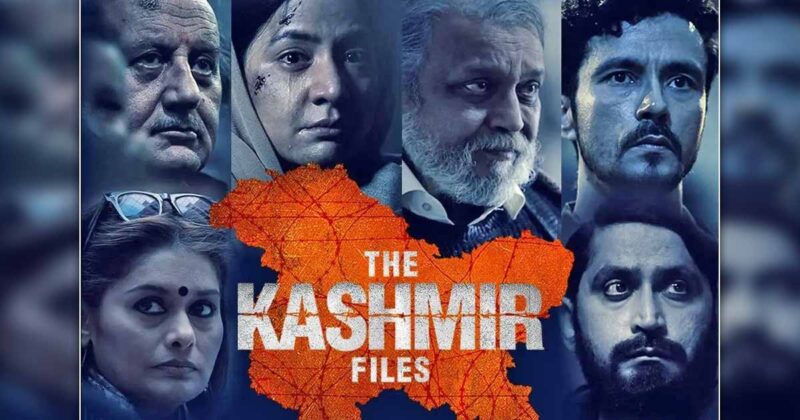
    In the 21st century, propaganda and ideology have become increasingly pervasive. This is due to the rise in content production that aligns with state agendas and the status quo. In India, the movie “The Kashmir Files” has sparked debates regarding whether it is a right-wing propaganda. The movie recounts the exodus of Kashmiri Pandits in Kashmir and the bloodshed that occurred during the 1990s. In today’s context, where right-wing ideologies are gaining momentum, it is evident that ideology and statecraft are interconnected. The portrayal of world and domestic politics is not devoid of an underlying ideological intent. For instance, Bollywood movies like “Raazi” and “LOC Kargil” play a crucial role in propagating India’s foreign policy stance within the domestic political arena. These movies depict India as a progressive global entity, while also propagating the Indian “Big Brother Syndrome” towards its neighbours.
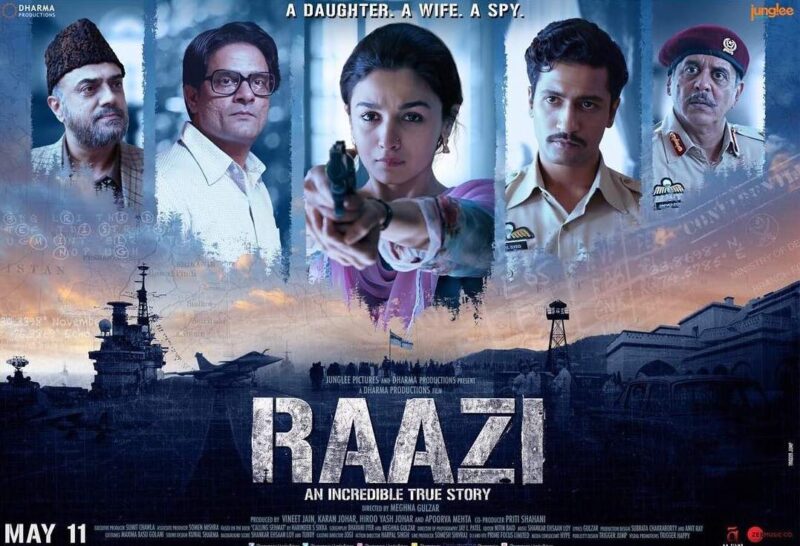
    In the movie “Raazi,” released in 2018 and starring Alia Bhatt and Vicky Kaushal, an undercover RAW agent is married to a Pakistani army official to retrieve crucial information regarding Pakistani moves in Bangladesh and India in 1971. The movie portrays India as a superior state trying to liberate Bangladesh (then East Pakistan) from the “Enemy.” This theme of Indian superiority among its neighbours is prevalent in most films that deal with world and domestic politics. Similarly, the developed West promotes capitalism through films and other visual media.

    Hollywood emerged as a centre for state-sponsored and ideology-driven content during the Cold War. Movies like Wall Street, released in 1987 during an ideological conflict between the United States and the USSR, reflected capitalist ideologies and demonized the USSR and its communist system. The film depicted the ruthless and often exploitative nature of capitalism that prevailed during the 1980s. One of the lead characters, Gordon Gekko, portrayed by Michael Douglas, advocated for the greed and highly capitalistic nature of businessmen. In the context of the Cold War, this promoted a specific type of capitalist ideology to counter the Soviet or communist threat. The glorification of the businessman and the discontentment of the businessman played a significant role in the domestic economic output. The 1980s glorified greed, and this movie accurately represented it. Wall Street explicitly conveyed the notion that morality should not be prioritized over money. The film also featured a speech by Gordon Gekko, in which he declared, “Greed is good.” Movies like this projected a sense of American exceptionalism in the political and economic sense.

    “Don’t Look Up” is a satirical film released in 2022 that critiques the global response to the impending climate crisis. Although the movie aimed to address the issue on a worldwide scale, it primarily focused on Western perspectives. A film that seeks to tackle an international issue should address it on a more comprehensive level. The film, produced in the United States and released on an Over-The-Top (OTT) platform, failed to address the problem it intended to address due to the country’s state-centred ideology and propaganda, which portrays the United States as the saviour of the world. Even though countries like Russia and India were mentioned, the film’s Western bias was evident in the portrayal of these countries as technologically inadequate in stopping the comet from colliding with Earth. This bias is also reflected in movies produced globally, where the notion that national interest takes precedence over all else is a recurring theme.

    Therefore, it can be asserted with confidence that when motion pictures address world politics and economic relationships either currently or historically, the narrative is not unconnected to the state’s agenda. It is permeated with ideology that continually resurfaces. The only solution is the establishment of an autonomous media institution. It is crucial to distinguish between art and the state, as art has proven to be revolutionary in the past. The art produced in India during its quest for independence embodies that essence of truth and authenticity which appears to be lacking in today’s profit-driven, capitalistic world. It is vital to view things objectively, removing the tint of ideology, and acknowledge reality for what it is. This is where the political economy comes into play, exposing the exploitative, biased, and dismissive workings of the industry and institution. Numerous academic studies have examined and concluded that films have significantly influenced the public’s perspective on the State and its actions, making a thorough analysis of contemporary films even more necessary. In a world where false information spreads rapidly, independent media is indispensable.


    Feature Image Credit:  Wikimedia Commons
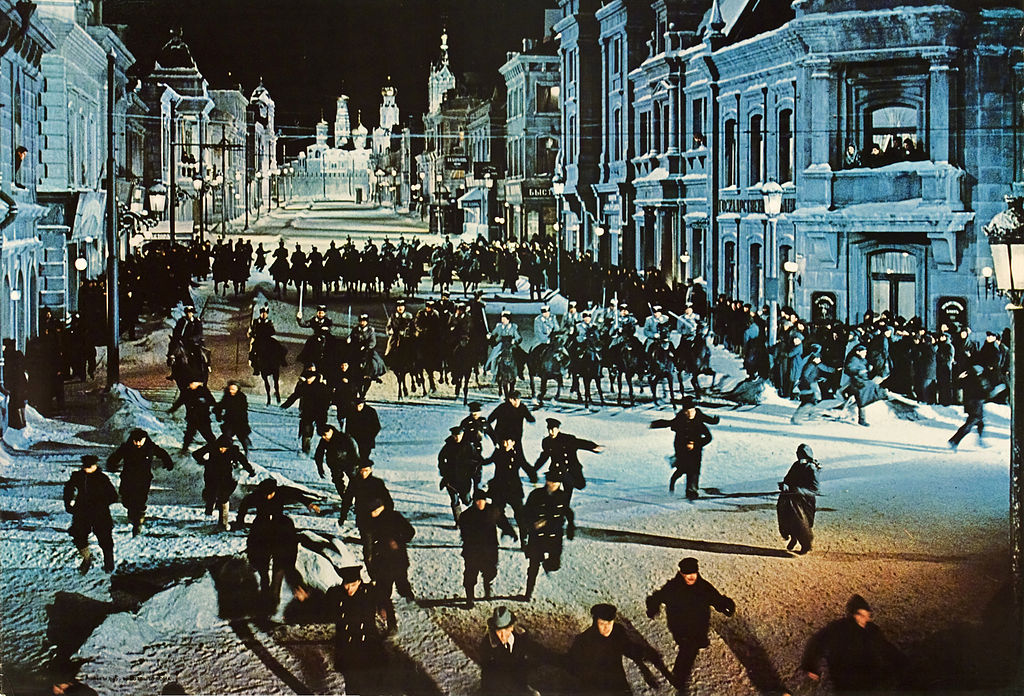
    Scene from Dr Zhivago depicting the Cossacks attacking peaceful demonstrators, a prelude to the Russian Revolution.  Dr Zhivago was a book written by Boris Pasternack, with the plot set in the last days of the Second World War and the break out of the Russian revolution. The book was banned in the USSR, was smuggle out into Europe and translated into English and other European languages. It was made into a classic movie by David Lean during the peak of the Cold War. The movie became a weapon in the cultural component of the Cold War, for its depiction of a totalitarian tendency inherent in the Russian revolution from the start. Boris Pasternack was awarded the Nobel prize (for his book ‘And Quite flows the Don’) but refused to receive it due to the pressure of the ideological  contest between the communist USSR and the capitalist West.    

    Kashmir Files poster Image: koimoi.com

    Raazi poster Image: Mumbai Mirror  

    Bibliography

    Bagdikian, Ben H. 2004. The New Media Monopoly. Boston: Beacon. https://library.uniteddiversity.coop/Media_and_Free_Culture/The_New_Media_Monopoly-Ben_H_Bagdikian.pdf.

    BAUM, MATTHEW A. 2007. “Soft News and Foreign Policy: How Expanding the Audience Changes the Policies.” Japanese Journal of Political Science 8 (1): 115–45. https://doi.org/10.1017/s1468109907002502.

    Bettig, Ronald V., and Jeanne Lynn Hall. (2003) . Big Media, Big Money : Cultural Texts and Political Economics. Lanham, Md.: Rowman & Littlefield Publishers, Inc.

    Chomsky, Noah. 1991. “Necessary Illusions: Thought Control in Democratic Societies, Noam Chomsky. 1989. Sough End Press, Boston, MA. 432 Pages. ISBN: 0-89608-366-7. $16.00.” Bulletin of Science, Technology & Society 11 (3): 183–83. https://doi.org/10.1177/027046769101100328.

    Cohen, Bernard C. 1963. The Press and Foreign Policy. The American Historical Review. https://doi.org/10.1086/ahr/69.3.805.

    Entman, Robert. 2005. “Robert M. Entman. Projections of Power: Framing News, Public Opinion, and U.S. Foreign Policy. Chicago: University of Chicago Press. 2003. .Public Opinion Quarterly 69 (2): 324–26. https://doi.org/10.1093/poq/nfi017.

    Mcchesney, Robert Waterman . 2008. The Political Economy of Media : Enduring Issues, Emerging Dilemmas. New York: Monthly Review Press.

    McQuail, Denis . 2005. McQuail’s Mass Communication Theory. Sage Publications Ltd., London. https://www.scirp.org/reference/referencespapers?referenceid=1839060.

    Norris, Pippa. 2002. “Studying the Media and Politics in Britain: A Tale of Two Literatures?” The British Journal of Politics and International Relations 4 (2): 359–73. https://doi.org/10.1111/1467-856x.t01-1-00009.

    Vivian, John. 2006. The Media of Mass Communication. Allyn & Bacon.

    Zelizer, Barbie, and Stuart Allan. 2011. Journalism after September 11. Taylor & Francis.
     

  • Foreign Policy through the Prism of Hindsight

    Foreign Policy through the Prism of Hindsight

    It goes without saying that at one time or the other we have all been victims of that old adage “20/20 hindsight”– the ability to clearlypick holes on past choices! Incidentally, the phrase was first used in 1962, when the British aeronautical journal, Flight International, noted the newest expression in the US air transport business– namely, 20/20 hindsight”. While hindsight is a wonderful prism to critique the past, we cannot ignore the fact that inevitably, every choice is predicated on the situation being faced and the consequences of earlier choices. Moreover, it’s worth remembering that in choosing, as American lawyer and politician Joe Andrews so aptly put it, “the hardest decisions in life are not between good and bad or right and wrong, but between two goods or two rights”, which in some cases may well be choosing the lesser evil. Of course, it also goes without saying that the choices we make are to a great extent intrinsically moulded by our personalities, life experiences, ideological beliefs and preferences, and ‘primordial biases’.


    Read more…

  • The Impact of Domestic Politics on Foreign Policy: The Colombian Case Study

    The Impact of Domestic Politics on Foreign Policy: The Colombian Case Study

    Introduction

    Colombia is amongst the world’s highly polarised states and has endured conflict for decades. The country witnessed around 50 years of armed struggle between militant groups, the government, and the drug cartels and has seen various forms of human rights violations in these years. The country saw more than 220,000 people killed in the conflict, roughly 25000 kidnapped or disappeared and more than 5 million displaced citizens (García-Perdomo, Harlow & Brown, 2022). However, after much pressure from the people and the government, the guerrilla factions and the ruling party convened to sign a peace agreement that essentially brought the active warring factions to a pause. On November 24, 2016, the Revolutionary Armed Forces of Colombia – People’s Army, or FARC, signed a landmark peace agreement, which also saw the militants present a public apology to the people of Colombia for their violent actions (Georgi, 2022).

    Since the end of the Second World War, Colombia has seen various governments adopt different stances and approaches to their foreign policies. Multiple domestic actors – state and non-state- have strongly influenced the country’s diplomacy. For example, between 1998 – 2002, Colombia moved from the narrative of remaining a failed state and developed ties with the US (Monroy & Sanchez, 2017). The Republic of Colombia has had 17 presidents since 1946, most of whom belong to Right-Wing conservative parties. The current President, Gustavo Francisco Petro Urrego, is the first President from a liberal and leftist political party (Tickner, 2022, 8:10) in decades. The country has never had a progressive-left leader in its political history, and his government has been making waves on all fronts concerning ties with neighbouring countries, attempting to resolve the internal conflict, and dealing with economic disparities within the population.

    A state’s foreign policy primarily focuses on interactions with other states and international actors and is essential to its political agenda. Given the interdependence of these two domains, domestic politics play a vital role in determining a state’s foreign policy. Foreign policy refers to a state’s approach and actions internationally. In contrast, domestic politics refers to the political processes, institutions, and actors within a state that affect the country’s policies. This essay uses Colombia as a case study to investigate how the country’s domestic politics and conflicts have affected its foreign policy. The timeline under revision is from the end of the Second World War to the present.

    This paper will look at the following factors as critical points of discussion. Determining the success of a policy is done by evaluating its efficiency and the evident improvement of situations. The paper will examine 1. How has the evolution of state leadership impacted Colombia’s foreign policy? 2. What role did the insurgents and drug lords play in this scenario? The state leadership (Hey, 1997), the insurgents, and the drug lords are critical players in Colombia’s political landscape and the evolution of its foreign policy. King, Keohane and Verba (1994, p.76) define causality as “a theoretical concept independent of the data used to learn about it”. It is difficult to draw causal inferences in a limited paper. Still, by examining the players mentioned earlier, this paper hopes to attract inferences between domestic politics and the direction of the country’s foreign policy.

    State Leadership and Foreign Policy

    There is a crisp scent of dependency theory when exploring literature about the foreign policies of Latin American countries (Hey, 1997). Similarly, Colombia – a state that witnessed long years of violent conflicts, deaths, kidnappings and illegal drug production continued on the same path as the rest of the countries in the continent. Significant economic disparities and multiple right-wing presidencies saw the inequality between people grow larger and larger (Hey, 1997). These were all critical factors in shaping how the country’s foreign policy presented itself to the world. After the end of the Second World War, Colombia maintained a low profile with respect to its foreign policy (Drekonja-Kornat, 1983). However, Colombia did have a traditional foreign policy – as in a Ministry to oversee relations and maintain ties with neighbouring countries, especially since border disagreements were high. Colombia had closer ties with the US than its immediate neighbouring states. At the same time, there appeared to be a consensus on the state leadership directing policies to suit principles of capitalistic democracy, free trade and markets; Colombia’s external affairs seemed to feed off of international support, especially from the United States of America. The US, in its quest to spread its capitalist democracy, assisted the various presidencies with aid and other means to combat guerrilla movements and insurgent activities. In turn, Colombia helped the US in the Korean War and stood by the US during the Cold War years, too. Drekonja-Kornat (1983) says Colombia was the only Latin American Country involved in the Korean conflict. During Turbay’s presidency, the US-Colombia ties grew closer, and US assistance helped establish his regime further (Hey, 1997). He held office from 1978 – 1982.

    The state’s leadership, in return, adopted and often tailored policies to suit strategic and international partners, particularly the US. Examples of presidencies adopting such policies include supporting the US stance on drugs (Hey, 1997), committing to recognise threats and terrorist activities as adjudged by the US and the EU, etc. (United States Department of State, 2021). Colombia’s constant internal security dilemma accentuates the existence of a dependency theory of Foreign Policy.

    Impact of the Internal Conflict on Colombia’s Foreign Policy

    The insurgents, guerrilla groups, and drug cartels played a role in shaping the foreign policy of Colombia. The entry of drugs into neighbouring countries, particularly the US, brought an international player into Colombia’s domestic issues (Gomez-Suarez & Newman, 2013). The United States desperately tried to solve the drug menace, which led to fighting the drug cartels and networks. America aided and supported the governments in curbing the cartel’s activities and eliminating insurgents who pushed for a more communist ideology, primarily in the Cold War period. Colombia’s alignment with the US on account of the Cold War influenced its domestic politics, which had a more significant say in shaping the country’s foreign policy. The United States of America is Colombia’s largest aid donor; listed below are some of the aid packages received by Colombia:

    1. The US has provided more than $1 billion in direct and indirect support for implementing peace in Colombia since 2016. (United States Department of State, 2021).
    2. The US provided roughly $700 million to assist Colombia with the Venezuelan migrant crisis and host approximately 1.8 million refugees in Colombia. (United States Department of State, 2021).

    Viewing the case from a realist perspective, much of Colombia’s foreign affairs has been dictated by the ebbs and flow of the insurgency. With Colombia’s development and domestic affairs requiring external support, it lacked the necessary flexibility to implement social development schemes as dependency on external aid was high (Monroy & Sanchez, 2017). Colombia became an instrument of the American War on Drugs, almost a pawn to the American foreign policy in Latin America (Tickner, 2011).

    While examining the history of how the state’s leadership handled its foreign policy directives and its domestic issues, there is space for some leniency. Many attempts to broker a peace agreement between the insurgents and the state were met with strong reluctance from the general public and a lack of participation from insurgent groups. Furthermore, corruption in various levels of government offices withheld any progress that could have been made. One could interpret the constant repetition of right-wing presidencies as people’s reluctance to move away from conservative rules, much to the dismay of insurgents, ultimately rendered the public most affected in the struggle for domestic power in the country.

    The Way Forward

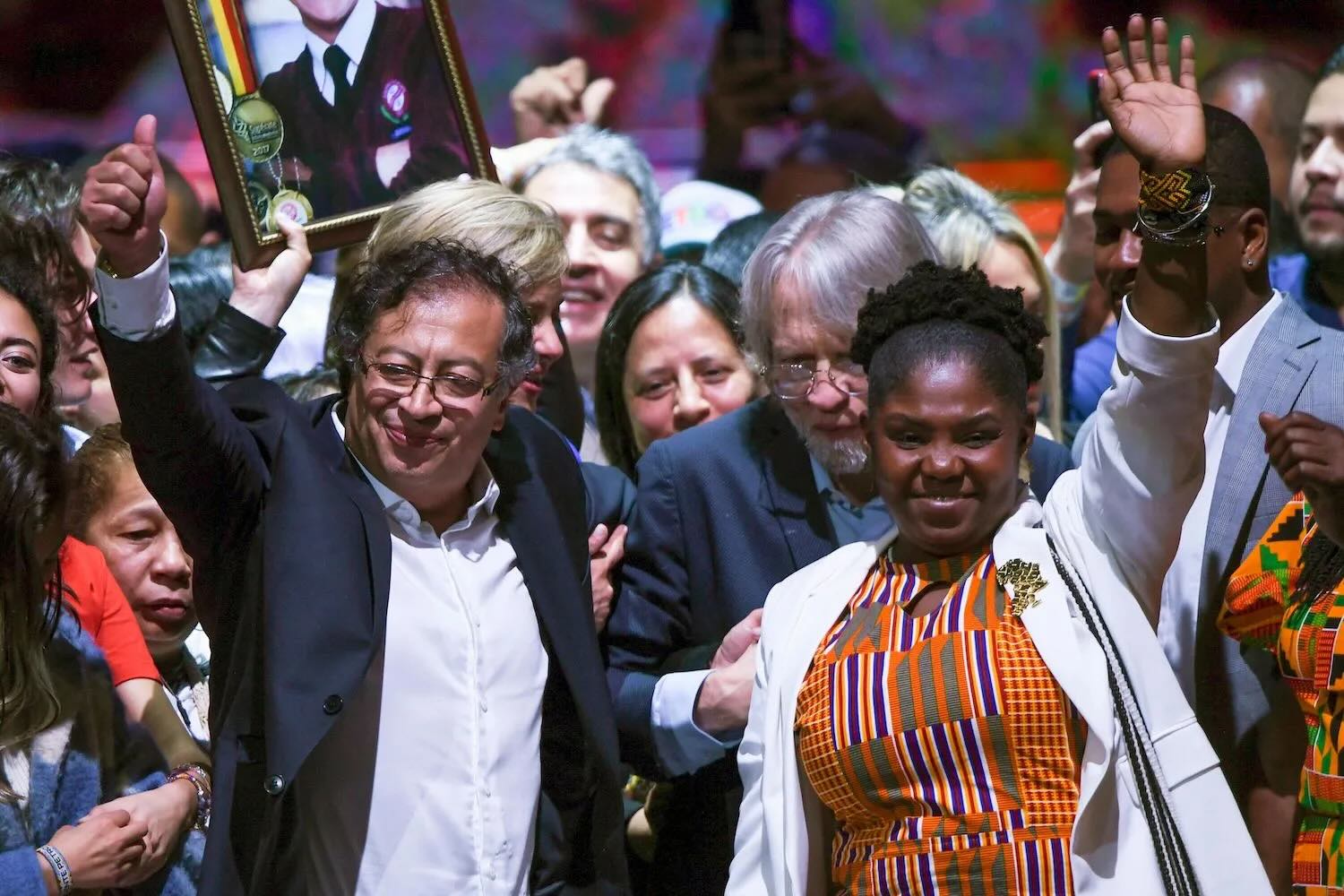
    Gustavo Petro became the first leftist President of Colombia on June 19, 2022, in decades (Freeman, 2023). His Presidential victory also marked the first-ever Afro-Colombian, Francia Marquez, to take office as Vice President. Unlike his liberal predecessors, the change in power was smooth from his rightist counterparts. As a leftist, there were questions about his merit and reputation as the country’s leftists were primarily likened to insurgents and militants. While the 2016 Peace Accords dismantled and disarmed most militants from the Fuerzas Armadas Revolucionarias de Colombia or FARC, the associations took longer to change.

    President Petro, however, is having quite the start to office. He is leading a policy of ‘Total Peace’, an effort to include all factions and players in the internal conflict and arrive at an end to the insurgency; his presidency plans to shift Colombia’s economic dependency on trade from the US, fossil fuels and the illicit drug trade to a more sustainable approach (Freeman, 2023), that would be similar to the Green Theory. One can interpret his actions as playing on both sides of the solid and historical US-Colombia ties (Santa Eulalia, 2022). Owing to the associations with his left-leaning tendencies, his moves are somewhat open to more scrutiny by the public. After all, no incumbent President has been re-elected to office in the last 15 elections (Freeman, 2023).

    A significant part behind his election to office has been the general public’s displeasure at rising economic inequalities between people, the inability of the previous government to provide and implement social welfare schemes and the financial toll caused by inactivity during the Covid-19 pandemic. While Drekonja-Konrat (1986) argues that most Latin-American countries can shape their foreign policies to the extent that it doesn’t hurt US interests, Petro is challenging the very notion of keeping his voters happy (Santa Eulalia, 2022). The truth in the details is that they are pretty co-dependent; Colombia needs the support of the US in tackling drug issues and the matter of the guerrilla militant groups, while the US views Colombia as a key strategic partner in the region. Accordingly, Petro has to carefully cater to his vote-bank’s anti-Americanism and yet maintain cordial ties with the US. It is a fragile line to tread, but the room to navigate and keep the US and the public happy is also quite small. Political revisionism is prevalent, given Petro is trying to appease both sides of support, constantly showing evident links as to how a country’s domestic politics can affect its foreign policy.

    References

    Drekonja-Kornat., G. (1983). Colombia: Learning the Foreign Policy Process, Journal of Inter-American Studies and World Affairs, 25(2). Pp- 229-250.

    Drekonja-Kornat., G. (1986). The rise of Latin America’s foreign policy: Between hegemony and autonomy. Latin American Research Review, 21(1), 239-259.

    Freeman, W. (February 2023). Colombia tries a transformative Left Turn, Council on Foreign Relations. Retrieved from: https://www.cfr.org/article/colombia-tries-transformative-left-turn

    García-Perdomo, V.,  Harlow, S. & Brown, D. K., (2022). Framing the Colombian Peace Process: Between Peace and War Journalism, Journalism Practice.

    Georgie, R. (2022). Peace that antagonises: Reading Colombia’s peace process as a hegemonic crisis, Security Dialogue, pp – 1-19.

    Gomez-Suarez, A. & Newman, J., (2013). Safeguarding Political Guarantees in the Colombian Peace Process: have Santos and FARC learnt the lessons from the past?, Third World Quarterly, 34(5), pp – 819-837.

    Hey, J. A. K. (1997). Three Building Blocks of a Theory of Latin American Foreign Policy, Third World Quarterly, 18(4), pp -631-658.

    King, G., Keohane, R.O, & Verba, S. (1994). Designing Social Inquiry: Scientific Inference in Qualitative Research.Princeton, NJ, Princeton University Press.

    Monroy, M. C. & Sánchez, F. (2017) Foreign Policy Analysis and the Making of Plan Colombia, Global Society, 31(2), pp – 245-271.

    Santaeulilah, I. (October 2022). Petro Playing Both Sides in Colombia-US Relations, El Pais. Retrieved from: https://english.elpais.com/international/2022-10-26/petro-playing-both-sides-in-colombia-us-relations.html

    Feature Image Credit: Foreign Policy


  • India and Myanmar: Two Years after the Coup

    India and Myanmar: Two Years after the Coup

    [powerkit_button size=”lg” style=”info” block=”true” url=”https://admin.thepeninsula.org.in/wp-content/uploads/2023/05/India-and-Myanmar-Two-years-after-the-Coup-1.pdf” target=”_blank” nofollow=”false”]
    Download
    [/powerkit_button]

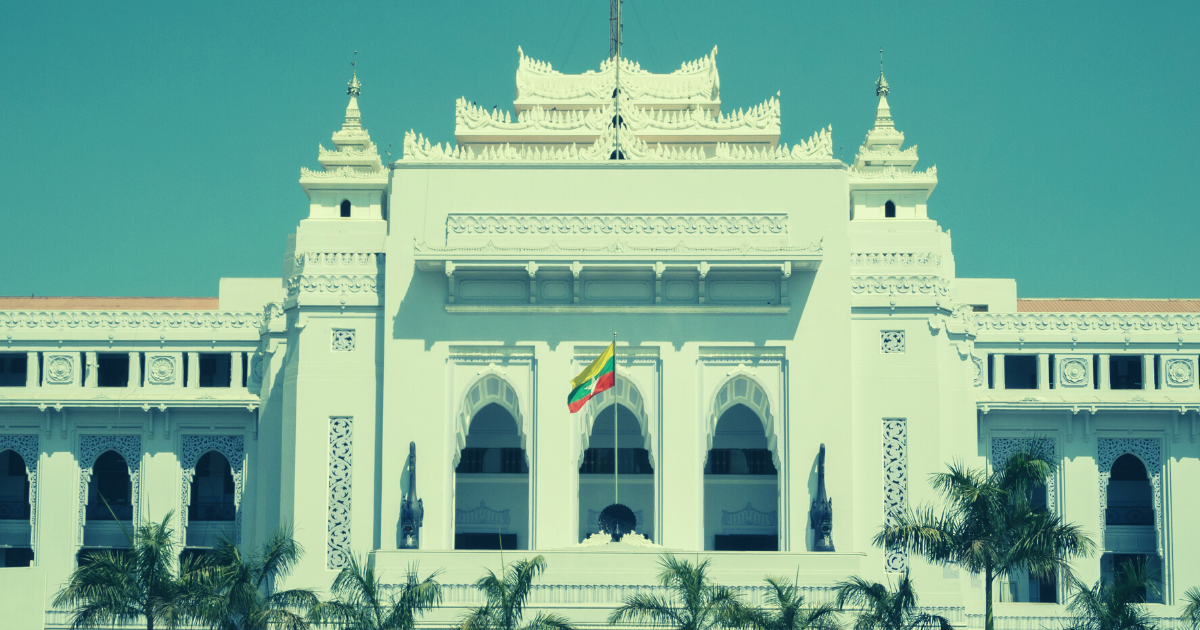
    Relegated to the sidelines with the ongoing Ukraine war and other crises like Taiwan, Myanmar has resurfaced in world headlines. In a recent dispatch, Associated Press (AP) reported that on 11 April 2023 ‘a fighter jet dropped bombs directly onto a crowd of people who were gathering at 8 am for the opening of a local office of the country’s opposition movement outside Pazigyi village in Sagaing region’s Kanbalu township….’ 1 . Subsequent information indicates that the number of dead including women and children is over 170. If so, this is the deadliest aerial attack carried out by the Myanmar military on its own people in the bloody aftermath of the military coup two years ago.

    With various Ethnic Armed Organisations (EAOs) and Peoples’ Defence Forces (PDFs) battling the Tatmadaw, martial law has been declared in 47 townships in Myanmar, cutting across states and regions. 2 More than 154,000 people have been displaced in the first two months of 2023, with total numbers of Internally Displaced People (IDPs) since the military takeover now at 1.3 million. Heavy fighting rages in Kachin State, the South East and North West of the country, 3 and overall 3000 civilian deaths since February 2021 are estimated 4 . Targeted assassination of military appointed government officials continues, the latest victim being the deputy director-general of the Union Election Commission who was shot dead on 22 April this year 5 . In 2022, up to 30,000 civilian infrastructures, including schools are reported to have been destroyed during military operations 6 . This situation has compelled the Tatmadaw to again postpone elections earlier scheduled for August 2023. The state of emergency has been extended.

    Important Developments Post February 2021

    The above statistics provide a telling perspective of the current violence in Myanmar. Yet there are other noteworthy developments in the country post the February 2021 coup. First of these is the increasing relevance of the opposition National Unity Government (NUG) around which civilian support appears to have coalesced.

    [powerkit_button size=”lg” style=”info” block=”true” url=”https://admin.thepeninsula.org.in/wp-content/uploads/2023/05/India-and-Myanmar-Two-years-after-the-Coup-1.pdf” target=”_blank” nofollow=”false”]
    Read More
    [/powerkit_button]

    Featured Image Credits: CNBC Indonesia

  • “Aapada mein Avasar”: Examining India’s Engagement with the International Community Amidst the Pandemic

    “Aapada mein Avasar”: Examining India’s Engagement with the International Community Amidst the Pandemic

    [powerkit_button size=”lg” style=”info” block=”true” url=”https://admin.thepeninsula.org.in/wp-content/uploads/2022/05/TPF-Issue-Brief-Aapada-mein-Avasar-1_compressed-2.pdf” target=”_blank” nofollow=”false”]
    Download PDF
    [/powerkit_button]

    Abstract

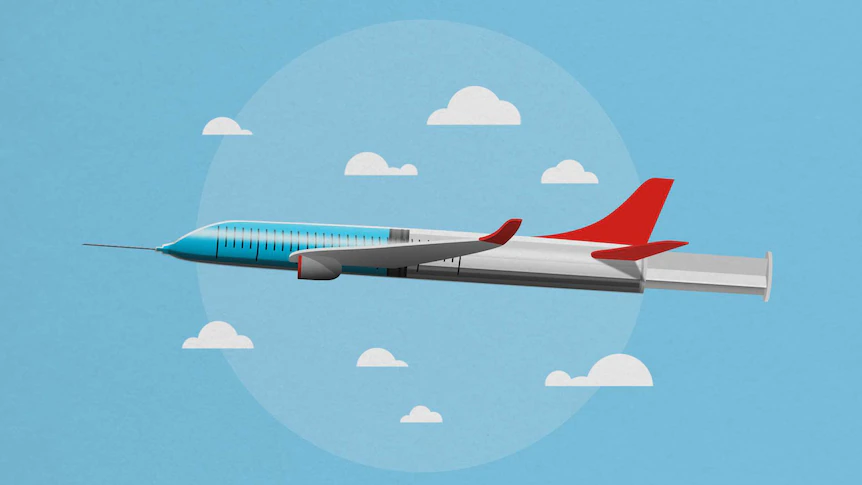
    Health security has often been considered an issue of “low politics”. However, in the past two years, the global economy has suffered the most since the Great Depression and global supply chains have been hampered. The developed countries were caught off-guard at par with the rest of the world with global resource inequities at display. As the developed world resorted to “medicine nationalism” and “vaccine nationalism,” their credibility as “global leaders” was sharply questioned. Amidst this, the allegations of the pandemic’s origins generated reactions from an emergent China which stopped concealing its geopolitical ambitions and adopted an unapologetically aggressive posture. Moreover, the credibility of a prominent international organization, the World Health Organization, in terms of its inability in notifying and managing the pandemic was heavily criticised. Each of these occurrences having emerged from a global health crisis has unexpectedly altered the prioritization of matters in the international order, and thereby international diplomacy.

    With the developing and least developed countries deprived of critical medical supplies due to hoarding by developed countries – India’s active engagement in medical diplomacy in the initial phase garnered international appreciation. While it cannot be looked at in a transactional sense, it visibly helped India push for its geopolitical interests in the middle of a global crisis – finding the adequate avasar (possibilities) in the ongoing aapada (crisis). Although flaws on the domestic front existed during the first wave, their impact on India’s medical diplomacy was limited. However, a domestic crisis during the second wave turned out to be an eye-opener and prominently impacted foreign policy initiatives. Considering the lessons so learnt and applied in managing the third wave, this paper examines the tremendous domestic potential of India, while also looking at its historical legacy. In doing so, it emphasises the relevance of domestic affairs as a determinant of successful medical diplomacy outreach – thereby impacting the larger foreign policy objectives.

    Introduction

    While health security has often been relegated as a low-priority issue in the geopolitical landscape, the last two years have unprecedentedly changed everything. A majority of developed nations have appeared helpless in managing the human catastrophe thereby resorting to vaccine and medicine protectionism. To put this on record, over six million people worldwide have lost their lives (COVID Live – Coronavirus Statistics, 2022) during these two years – with the maximum number of lives lost in the United States of America. The global economy has suffered the most since the Great Depression as a fallout of extended total lockdowns that hampered global supply chains. Moreover, an unexpected, unrealised over-dependency of global supply chains on a single country’s economy – China – caught the international community unprepared. Gradually, newer possibilities and threats have emerged through a changing character of the global economy, society, as well as politics and warfare – each of these shifting to the virtual domain.

    [powerkit_button size=”lg” style=”info” block=”true” url=”https://admin.thepeninsula.org.in/wp-content/uploads/2022/05/TPF-Issue-Brief-Aapada-mein-Avasar-1_compressed-2.pdf” target=”_blank” nofollow=”false”]
    Read More
    [/powerkit_button]

    Feature Image Credits: ABC