Tag: Food Security

  • Lebanon’s Food Security Crisis

    Lebanon’s Food Security Crisis

    Security has been a buzzword in the arena of International Politics since the Cold War, and this is widely recognized to be the subject’s genesis as articulated by Barry Buzan and Lene Hansen in their book, The Evolution of International Security Studies. The traditional view of security as largely related to military is the aspect that is given the most prominent focus in discourses on the subject. However, since the 1990s, “societal security” and concepts related to people are broader and sub-concepts such as food security have gained in importance. Food security looks at how much food is available, the access and affordability of food to all people in a country. Food security is also the ability of the country to keep sufficient food available during tough times, such as inflation, disasters, and other such hardships. The Food Climate Research Network speaks of the five factors of food security; availability of food, access to food, utilization of food, stability, and malnutrition. Perhaps food security is one of the most essential forms of security, as the lack of food leads to starvation. This is the reason one hears of bread riots and bread in many protest slogans; ‘bread’ symbolizes food security and represents people’s survival. The economic meltdown of Lebanon and the failure of governance has created a human catastrophe of instability and poverty. The recent Beirut explosion has highlighted not only the failure of the government but a complete breakdown of safety and social security for its common citizens. Under the current circumstances, Lebanon’s food security situation is a major cause for concern.

    Hikes in Food Prices

    Lebanon today is a country with massive debt, income inequality, with much of its revenue going towards servicing of national debts. In addition, Lebanon has been facing high inflation for the last few months, making it very difficult for families to access food. As a result, basic food items are overpriced and in short supply; for instance, a pat of butter costs 9.4 Euros.  Meat, fruits and other commodities have become luxuries for most Lebanese citizens. There are huge breadlines across Lebanon, and many grocery stores cannot afford to buy food to sell to consumers. The COVID-19 crisis has compounded the economic crisis. Prices of eight basic food items have increased by 56%. Lebanon’s food crisis is so grave that parents are bartering their children’s toys and furniture for food online.

     Economic collapse and Food Security

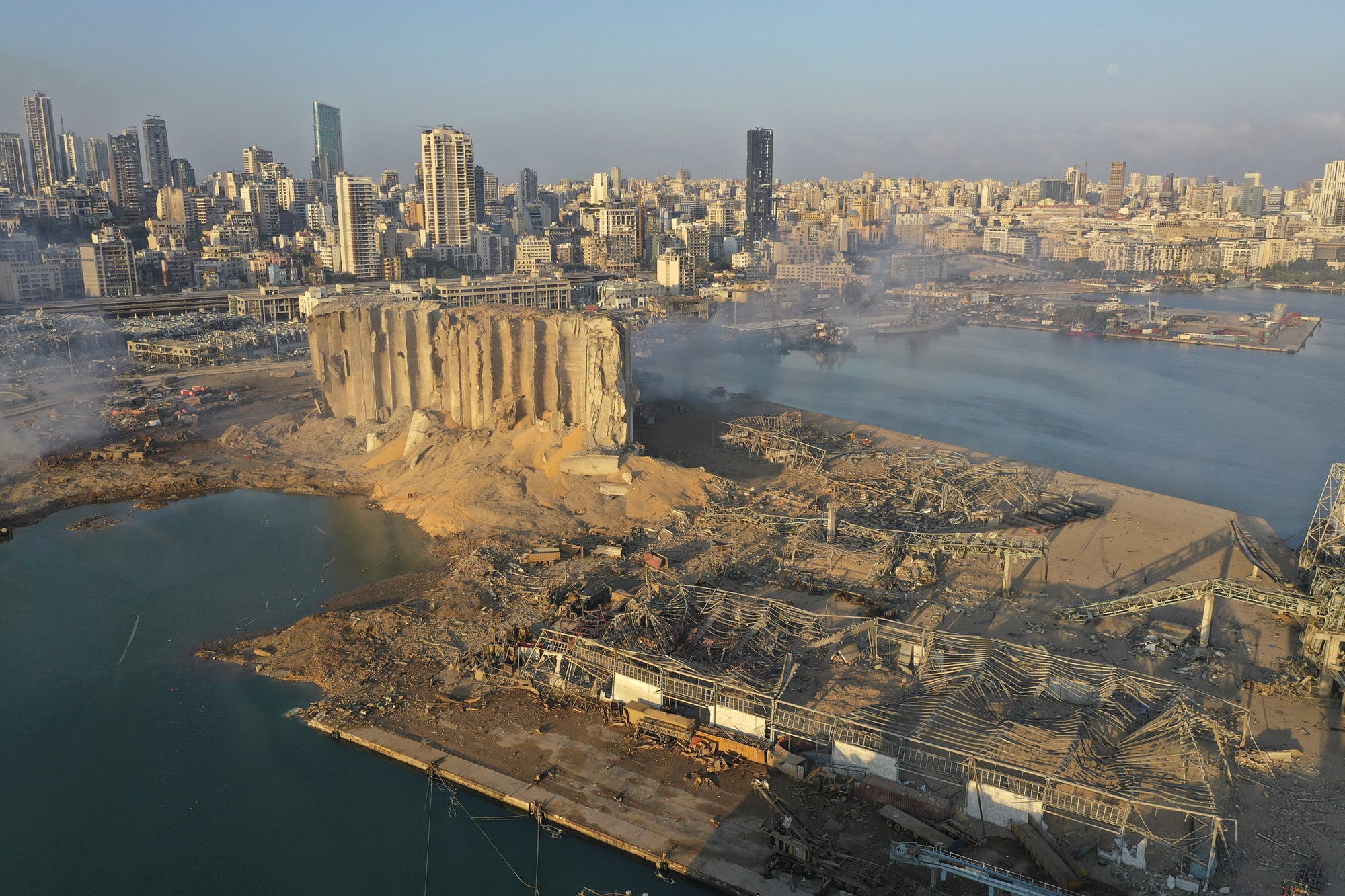
    The most circulated pictures over the last few weeks on media are of the explosion in Beirut and the spillage of grains. This blast occurred because of the unsafe storage of ammonium nitrate and has led to the death of over 200 people, with over 6,000 injured so far. There are many still missing. For Lebanon, this is a triple layer of burden, as the country is fighting a mismanaged economy, a pandemic, and now the horrific aftermath of the explosion. Post the explosion, many countries and global institutions have rushed emergency support by providing minimal aid and funding to facilitate fast recovery from this catastrophe.  While the world has come together to help Lebanon, the situation remains grim because of the shortage of various necessities like medicine and food. The second-largest port in Lebanon, Tripoli has some storage of flour; however, this suffices to cover just one month’s requirements. Beirut port, the largest in Lebanon, is virtually unusable because of the blast. The port infrastructure is severely damaged, thus hurting imports. Lebanon is a country that relies hugely on imports; it imports 85% of its food from outside, making this a major crisis . By one estimate the blast has destroyed 120,000 metric tons of grains, and this could affect food availability as well as sky-rocketing of food prices. The United Nations Food Program reiterated that Lebanon is in a grim situation regarding food security. The current assessment is that the grains can sustain them for less than a month.

    Grim Outlook and Tough Challenges

    The looming food security crisis is a direct fall-out of the economic collapse and multiple crises facing the country. Discontent with the government in Lebanon is not new, since the protests have been on since last October. The explosion and its resulting loss of life and property have triggered waves of protests again, forcing Hassan Diab, the Prime Minister of Lebanon, to step down from his office on 10th August. Decades of poor governance, entrenched kleptocracy, corrupt political class, criminal negligence, incompetence and economic mismanagement have led to the current catastrophe. The former economy minister, Nasser Saidi, says that ‘Lebanon is on the brink of the abyss of depression, with GDP declining by 25% this year, growing unemployment, hyperinflation, and humanitarian disaster with poverty exceeding half the population. The growing food crisis and poverty could lead to famine conditions’. The government will need to address income inequality, large-scale corruption, and the role of foreign players in contributing to the economic collapse.  Financial institutions and other creditors, more often foreign powers, need to suspend debt repayments and allow the Lebanese economy to recoup; since a considerable portion of the revenue goes into debt servicing, which is unsustainable for long.  International funding agencies, while sympathetic to the common peoples’ plight, are hesitant to go ahead with aid due to the poor governance track record of the political class. By some estimates, they put the immediate requirement for humanitarian aid and the cost of rebuilding essential infrastructure post the blast at USD 15 billion. This pales compared to the even bigger mess in the financial system. Ghazi Wazni, the country’s finance minister who quit with the rest of the government last week, has put the total losses in the banking system at $83 billion, and a black hole in the central banking system of $50 billion. The people are displaying discontent over the sectarian politics that have afflicted the country for decades and are the root cause of endemic corruption. Last year’s protests led to a new government in December, which was forced to resign post the explosion.

    Amidst the political crisis, food security is increasingly the major problem in Lebanon for months now. The blast has left 300,000 people homeless.  International Organizations and Civil Society Organizations, Ukraine, Russia, and the United States are enabling and mobilizing food supplies.

    Poverty is the immediate concern; there are already one million Lebanese in poverty, with the likelihood of more than half of the Lebanese population falling into poverty. Food shortages will most likely result in starvation, malnutrition, and death. Looking at the five tenets of food security mentioned above, Lebanon satisfies neither of the five criteria. Lebanon is an example of how decades of factional strife, warlordism, corruption, and power in the hands of the kleptocratic elite can push a country and its people into the abyss of poverty. While resolving Lebanon’s food security crisis is possible through immediate international aid and support, resolving the larger problem of its economic mess and humanitarian catastrophe will need international intervention.
  • Blue Economy: A Prospective Strategy For Sustainable Economy

    Blue Economy: A Prospective Strategy For Sustainable Economy

    Oceans, seas and coastal areas are the world’s largest ecosystems. They play a vital role in the food security and livelihood of billions of people all around the globe and contribute to the economic prosperity of many countries. Marine environments are able to provide jobs as well as nutrition, but increased human and economic interventions due to uncoordinated and not poorly researched development policies can pressurize and threaten the environment in the long-term. The United Nations Conference on sustainable development held in Rio de Janeiro in 2012 coined the concept of Blue Economy, defining the concept as a distinction between socio-economic development and environmental damages, which is the traditional view of global status quo. The concept is aligned with main stream economic activities in the marine and coastal ecosystems while incorporating the need to integrate the conservation and sustainable management of these ecosystems. These include the lowering of greenhouse gases emissions during consumption. A sustainable blue economy is basically a marine/ocean-based economy that contributes to food security, eradication of poverty, employment and income while providing socio-economic benefits for present and future generations. It should encompass the restoration, protection and sustenance of diverse, productive and intrinsic values of the marine and coastal ecosystem. This model should be based primarily on cleaner technologies, renewable energy resources and circular economy for securing economic and social stability by considering the capacity of the planet. Fisheries, shipping and ports, marine-based tourism, seabed mining and marine renewable energy are the main sectors in a blue economy framework.
    A sustainable blue economy is basically a marine/ocean-based economy that contributes to food security, eradication of poverty, employment and income while providing socio-economic benefits for present and future generations.
    Coastal economy includes activities related to employment, output and wages in the coastal ecosystem. Marine economy is the cluster of industries which includes the sectors that focuses on a common market for the final products, using similar technology or labour or similar natural resources. Marine economy can be considered as the subset of coastal economy. The concept of blue economy has multiple interpretations as it covers a variety of activities, locations and sectors.

    Key Economic Benefits

    The key economic issues addressed by the ‘blue economy’ concept are:
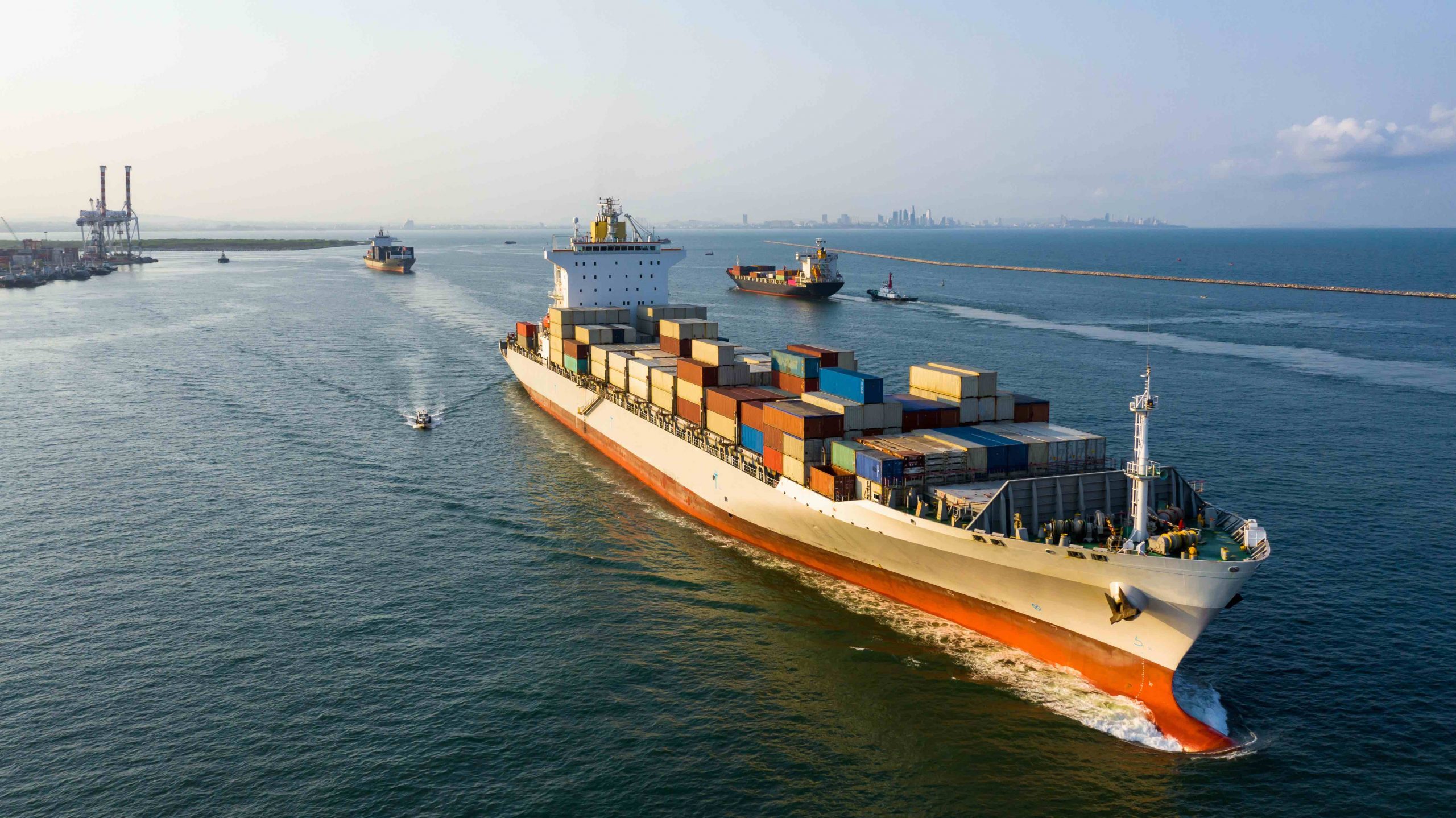
    Food Security and Protein Demand: The fisheries sector encompassing aquaculture and plants is a source of considerable amount of proteins, calories and fats which promote food security in a country. Food security can be fully ensured only if the access to food is enhanced by lowering the barriers of trade, reducing food wastage, increasing the availability of nutritious food and providing efficient food distribution system in countries that suffer from deficit. For ensuring a healthy life, a balanced diet of proteins and fats should be supplied. Food basket should consist of a minimum amount of protein intake, and fish is an important source of animal protein. It benefits countries even if they have a lower daily average consumption.Rising Coastal Tourism: A major sector of blue economy is coastal tourism with immense potential for employment and growth in the economy. Developing a focused policy addressing the potential and constraints of the tourism industry can yield concrete results. Scuba diving, bird watching, sea angling, boating, and other segments like hotels, restaurants, water sports have potential for huge investments and can contribute to a robust blue economy in the country.Seaborne Trade: Sea is considered as a cost-effective carbon friendly mode of transportation used widely around the world. 90 % of global trade is done through sea routes. In the blue economy framework, priorities and policies should be towards promoting trade especially through sea routes by making it more systematic and futuristic.Alternative Sources for Energy: If large renewable energy remains untapped in a country, blue economy can be a major source of clean energy. The demand for clean and affordable energy is increasing across the world. Blue economy can be a great source of clean and affordable energy. The Oceans are huge resources for renewable energy, like wave energy, tidal energy, solar energy etc. Exploitation of the oceans can reduce the pressure on finite traditional energy resources.

    India’s Blue Economy Potential

    Blue economy in India can be considered as the total sum of all economic activities that are based and sourced from marine and coastal resources. Deep sea mining, Offshore oil, fisheries contribute majorly towards the country’s blue economy. India has a coastline of about 8118kms and exclusive economic zones that cover almost 2 million sq kms including a continental shelf of 530000 kms. Almost 1.5 million kms of this continental shelf has been explored in the Bay of Bengal and the Arabian Sea. Majority of India’s population are based in coastal metro cities like Chennai, Mumbai and Kolkata. More than a million people are employed in full time coastal fishing activities while more than 1.3 million people are employed in post-harvest fisheries and allied activities. India contributes to more than 10 % of world’s fish varieties. The country ranks second in worldwide fish production with a growth rate of 7 % annually and ranks second in aquaculture activities as well. The Malabar coast, Konkan belt and other coastal areas have shown considerable increase in influx of tourists over the years. Polymetallic nodules and sulphides are two of the major mineral resources that are commercially available in India. India is also an offshore gas giant and the country is trying to substitute terrestrial sources of energy with offshore reserves and renewable sources in the future. The Sagarmala project is considered as a pioneering initiative by the government to steer the country into the path of blue economy. The project was in initiated in 2015, costing around 8700 billion rupees and is proposed to be implemented over 20 years.The Sagarmala project is considered as a pioneering initiative by the government to steer the country into the path of blue economy.To create a sustainable blue economy, significant investments in research and development need to be carried out in accordance with planning and execution of a detailed region-specific blue economy model. Goals for different economic, social and ecological segments as well as respective policies should be integrated in the framework. Governments, social and private organizations and communities should collaborate and contribute to the framework by assigning achievable goals. These goals should be assessed and reported with all the members in the framework so that performance is consistently monitored. Economic instruments like taxes, subsidies, tariff and quotas can be used to internalize the benefits which are both economic and environmental. International, laws, treaties and agreements can help to implement a global blue economy system and network to ease trade and flow of labour. By linking terrestrial economy with marine economy, a sustainable green economy on land can also be developed. Each country should develop its own blue economy framework by recognizing its potential to contribute to and strengthen a sustainable and eco-friendly global economy.

    References

    Asher, M., 2018. India’s Blue Economy Initiatives: Establishing New Growth Nodes and Helping to Address Regional Imbalances.
    Benzaken, D., 2017. Blue Economy in The Indian Ocean Region: Status And Opportunities. S. Rajaratnam School of International Studies.
    Economist Intelligence Unit, 2015. The Blue Economy: Growth, Opportunity And A Sustainable Ocean Economy. Events World Ocean Summit. Economist Intelligence Unit.
    Llewellyn, L., English, S. and Barnwell, S., 2016. A roadmap to a sustainable Indian Ocean blue economy. Journal of the Indian Ocean Region, 12(1), pp.52-66.
    Mohanty, S., Dash, P., Gupta, A. and Gaur, P., 2015. Prospects Of Blue Economy In The Indian Ocean. Research and Information System for Developing Countries.
    Roy, A. (2019, January 11). Blue Economy in the Indian Ocean: Governance Perspectives for sustainable development in the region. Retrieved from https://www.orfonline.org/research/blue-economy-in-the-indian-ocean-governance-perspectives-for-sustainable-development-in-the-region-47449Image Credit: Adobe Stock