Tag: Economy

  • Indian Economy at 75: Trapped in a Borrowed Development Strategy

    Indian Economy at 75: Trapped in a Borrowed Development Strategy

    In 1947, at the time of Independence, India’s socio-economic parameters were similar to those in countries of South East Asia and China. The level of poverty, illiteracy, and inadequacy of health infrastructure was all similar. Since then, these other countries have progressed rapidly leaving India behind in all parameters. ‘Why is it so?’ should be the big question for every Indian citizen in this time of our 75th anniversary celebrations.


    Introduction

    India at 75 is a mixed bag of development and missed opportunities. The country has achieved much since Independence but a lot remains to be done to become a developed society. The pandemic has exposed India’s deficiencies in stark terms. The uncivilized conditions of living of a vast majority of the citizens became apparent. According to a report by Azim Premji University, 90% of the workers said during the lockdown that they did not have enough savings to buy one week of essentials. This led to the mass migration of millions of people, in trying conditions from cities to the villages, in the hope of access to food and survival.

    Generally, technology-related sectors, pharmaceuticals and some producing essentials in the organized sectors have done well in spite of the pandemic. So, a part of the economy is doing well in spite of adversity but incomes of at least 60% of people at the bottom of the income ladder have declined (PRICE Survey, 2022). The great divide between the unorganized and organized parts of the economy is growing. The backdrop to these developments is briefly presented below.

    Structure and Growth of the Economy
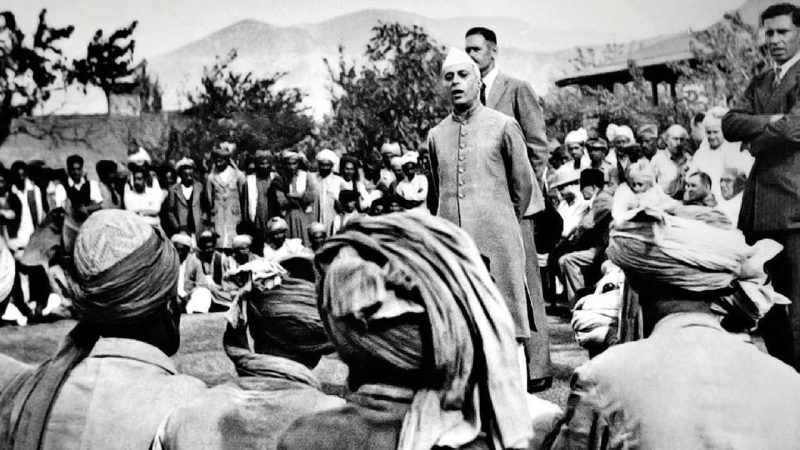
    In 1947, at the time of Independence, India’s socio-economic parameters were similar to those in countries of South East Asia and China. The level of poverty, illiteracy, and inadequacy of health infrastructure was all similar. Since then, these other countries have progressed rapidly leaving India behind in all parameters. So, India has fallen behind relatively in spite of improvements in health services and education, diversification of the economy and development of the industry.

    In 1950, agriculture was the dominant sector with a 55% share of GDP which has now dwindled to about 14%. The share of the services sector has grown rapidly and by 1980 it surpassed the share of agriculture and now it is about 55% of GDP. The Indian economy has diversified production `from pins to space ships’.

    Agriculture grows at a trend rate of a maximum of 4% per annum while the services sector can grow at even 12% per annum. So, there has been a shift in the economy’s composition from agriculture to services, accelerating the growth rate. The average growth rate of the economy between the 1950s and the 1970s was around 3.5%. In the 1980s and 1990s, it increased to 5.4% due to the shift in the composition. There was no acceleration in the growth rate of the economy in the 1990s compared to the 1980s. This rate again increased in the period after 2003 only to decline in 2008-09 due to the global financial crisis. Subsequently, the rate of growth has fluctuated wildly both due to global events and the policy conundrums in India.

    There was the taper tantrum in 2012-13 which cut short the post-global financial crisis recovery. Demonetization in November 2016 adversely impacted growth. That was followed by the structurally flawed GST. These policies administered shocks to the economy. Then came the pandemic in 2020. The economy’s quarterly growth rate had already fallen from 8% in Q4 2017-18 to 3.1% in Q4 2019-20, just before the pandemic hit.

    1980-81 marked a turning point. Prior to that, a drought would lead to a negative rate of growth in agriculture and of the economy as a whole. For instance, due to the drought in 1979-80, the economy declined by 6%. But, that was the last one. After that, a decline in agriculture has not resulted in a negative growth rate for the economy. The big drought of 1987-88 saw the economy grow at 3.4%. After 1980-81, the economy experienced a negative growth rate only during the pandemic which severely impacted the services sector, especially the contact services.

    Employment and Technology Related Issues

    Agriculture employs 45% of the workforce though its share in the economy (14%) has now become marginal. It has been undergoing mechanisation with increased use of tractors, harvester combines, etc., leading to the displacement of labour. Similar is the case in non-agriculture. So, surplus labour is stuck in agriculture leading to massive disguised unemployment.

    India is characterized by disguised unemployment and underemployment.Recent data points to growing unemployment among the educated youth. They wait for suitable work. The result is a low labour force participation rate (LFPR) in India (in the mid-40s) compared to similar other countries (60% plus).The gender dimension of unemployment and the low LFPR is worrying with women the worst sufferers.

    India’s employment data is suspect. The reason is that in the absence of unemployment allowance, people who lose work have to do some alternative work otherwise they would starve. They drive a rickshaw, push a cart, carry a head load or sell something at the roadside. This gets counted as employment even though they have only a few hours of work and are underemployed. So, India is characterized by disguised unemployment and underemployment.
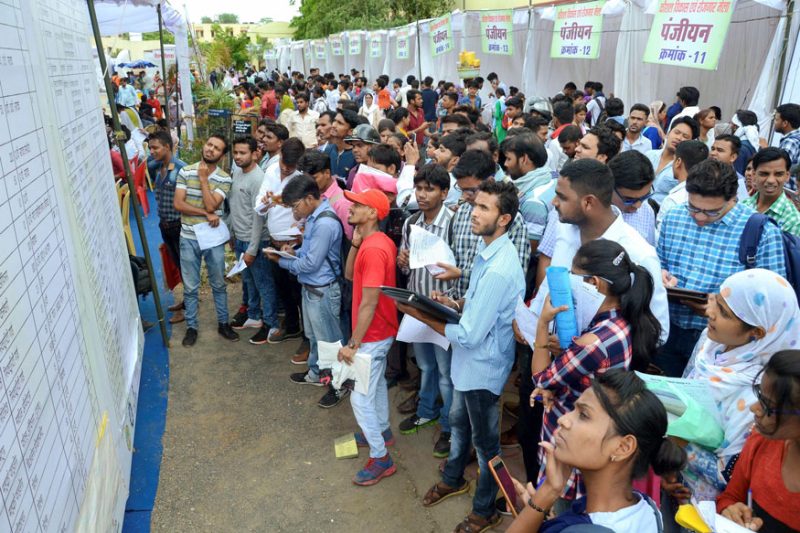
    Recent data points to growing unemployment among the educated youth. They wait for suitable work. The result is a low labour force participation rate (LFPR) in India (in the mid-40s) compared to similar other countries (60% plus). It implies that in India maybe 20% of those who could work have stopped looking for work. No wonder for a few hundred low-grade government jobs, millions of young apply. The gender dimension of unemployment and the low LFPR is worrying with women the worst sufferers.
    These aspects of inadequate employment generation are linked to automation and the investment pattern in the economy. New technologies that are now being used in the modern sectors are labour displacing. For instance, earlier in big infrastructure projects like the construction of roads, one could see hundreds of people working but now big machines are used along with a few workers.

    Further, the organized sectors get most of the investment so little is left for the unorganized sector. This is especially true for agriculture. Thus, neither the organized sector nor agriculture is generating more work. Consequently, entrants to the job market are mostly forced to join the non-agriculture unorganized sector, which in a sense is the residual sector, where the wages are a fraction of the wages in the organized sector. The unorganized sector also acts as a reserve army of labour keeping organized sector wages in check

    Lack of a Living Wage

    To boost profits, the organized sector is increasingly, employing contract labour rather than permanent employees. This is true in both the public and private sectors. So, not only the workers in the unorganized sector, even the workers in the organised sector do not earn a living wage. Thus, most workers have little savings to deal with any crisis. They are unable to give their children a proper education and cannot afford proper health facilities. Most of the children drop out of school and can only do menial jobs requiring physical labour. They cannot obtain a better-paying job and will remain poor for the rest of their lives.

    The Delhi socio-economic survey of 2018 pointed to the low purchasing power of the majority of Indians. It showed that in Delhi, 90% of households spent less than Rs. 25,000 per month, and 98% spent less than Rs. 50,000 per month. Since Delhi’s per capita income is 2.5 times the all India average, deflating the Delhi figures by this factor will approximately yield all India figures. So, 98 per cent of the families would have spent less than Rs.20,000 per month, and 90 per cent less than Rs.10,000 per month. This effectively implies that 90 per cent of families were poor in 2018, if not extremely poor (implied by the poverty line). During the pandemic, many of them lost incomes and were pauperized and forced to further reduce their consumption.

    Unorganized Sector Invisibilized

    In the unorganized sector, labour is not organized as a trade union and therefore, is unable to bargain for higher wages, when prices rise. It constitutes 94% of the workforce and has little social security. No other major world economy has such a huge unorganized sector. No wonder when such a large section of the population faces a crisis in their lives, the economy declines, as witnessed during the pandemic. India’s official rate of growth fell more sharply than that of any other G20 country.

    The micro sector has 99% of the units and 97.5% of the employment of MSME and is unlike the small and medium sectors. The benefits of policies made for the MSME sector do not accrue to the micro units.

    Policymakers largely ignore the unorganized sector. The sudden implementation of the lockdown which put this sector in a deep existential crisis points to that. The micro sector has 99% of the units and 97.5% of the employment of MSME and is unlike the small and medium sectors. The benefits of policies made for the MSME sector do not accrue to the micro units.

    Invisibilization of the unorganized sector in the data is at the root of the problem. Data on this sector become available periodically, called the reference years. In between, it is assumed that this sector can be proxied by the organized sector. This could be taken to be correct when there is no shock to the economy and its parameters remain unchanged.
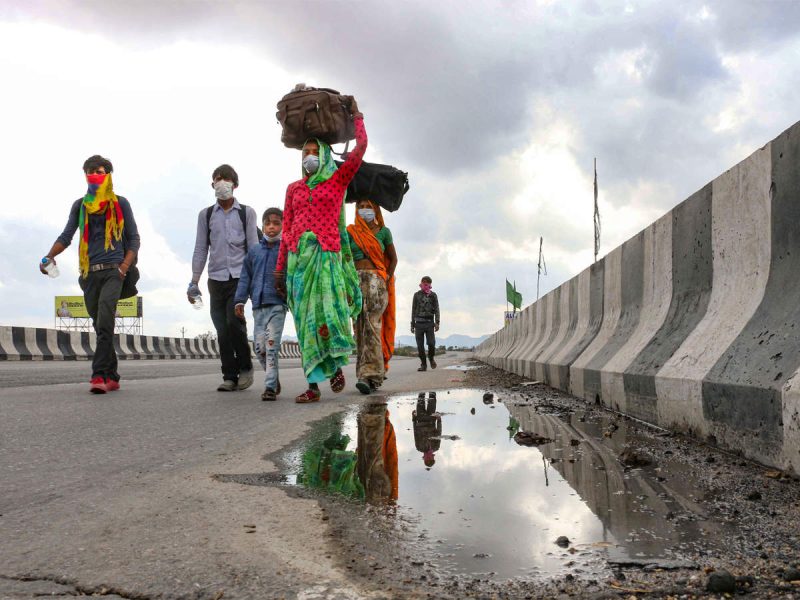
    Demonetization and the flawed GST administered big shocks to the economy and undermined the unorganized sector. Its link with the organized sector got disrupted. Thus, the methodology of calculating national income announced in 2015 became invalid.

    The implication is that the unorganized sector’s decline since 2016 is not captured in the data. Worse, the growth of the organized sector has been at the expense of the unorganized sector because demand shifted from the latter to the former. It suited the policymakers to continue using the faulty data since that presented a rosy picture of the economy. This also lulled them into believing that they did not need to do anything special to check the decline of the unorganized sector.

    Policy Paradigm Shift in 1947

    Growing unemployment, weak socio-economic conditions, etc., are not sudden developments. Their root lies in the policy paradigm adopted since independence.
    In 1947, the leadership, influenced by the national movement understood that people were not to blame for their problems of poverty, illiteracy and ill-health and could not resolve them on their own. So, it was accepted that in independent India these issues would be dealt with collectively. Therefore, the government was given the responsibility of tackling these issues and given a key role in the economy.

    Simultaneously, the leadership, largely belonging to the country’s elite, was enamoured of Western modernity and wanted to copy it to make India an ’advanced country’. The two paths of Western development then available were the free market and Soviet-style central planning. India adopted a mix of the two with the leading role given to the public sector. This path was chosen also for strategic reasons and access to technology which the West was reluctant to supply. But, this choice also led to a dilemma for the Indian elite. It had to ally with the Soviet Union for reasons of defence and access to technology but wanted to be like Western Europe.

    Both the chosen paths were based on a top-down approach. The assumption was that there would be a trickle down to those at the bottom. People accepted this proposition believing in the wider good of all. Resources were mobilized and investments were made in the creation of big dams and factories (called temples of modern India) that generated few jobs. They not only displaced many people trickle down was minimal. For instance, education spread but mostly benefitted the well-off.

    The Indian economy diversified and grew rapidly. An economy that for 50 years had been growing at about 0.75% grew at about 4% in the 1950s. But, the decline in the death rate led to a spurt in the rate of population growth. So, the per capita income did not show commensurate growth, and poverty persisted. Problems got magnified due to the shortage of food following the drought of 1965-67 and the Wars in 1962 and 1965. The Naxalite movement started in 1967, there was BOP crisis and high inflation in 1972-74 due to the growing energy dependence and the Yom Kippur war. Soon thereafter there was political instability and the imposition of an Emergency in 1975. The country went from crisis to crisis.

    Planning failed due to crony capitalism. The prevailing political economy enabled the business community to systematically undermine policies for their narrow ends by fueling the growth of the black economy.

    The failure of trickle-down and the cornering of the gains of development by a narrow section of people led to growing inequality and people losing faith in the development process. Different sections of the population realized that they needed a share in power to deliver to their group. Every division in society — caste, region, community, etc. — was exploited. The leadership became short-termist and indulged in competitive populism by promising immediate gains.

    The consensus on policies that existed at independence dissipated quickly. Election time promises to get votes were not fulfilled. For instance, PM Morarji Desai said that promises in the Janata Dal manifesto in 1977 were the party’s programme and not the government’s. Such undermining of accountability of the political process has undermined democracy and trust and aggravated alienation.

    Black Economy and Policy Failure

    The black economy has grown rapidly since the 1950s with political, social and economic ramifications. Even though it is at the root of the major problems confronting the country, most analysts ignore it.

    So, the black economy controls politics and to retain power it undermines accountability and weakens democracy.

    It undermines elections and strengthens the hold of vested interests on political parties. The compromised leadership of political parties is open to blackmail both by foreign interests and those in power. When in power it is willing to do the bidding of the vested interests. So, the black economy controls politics and to retain power it undermines accountability and weakens democracy.

    The black economy controls politics and corrupts it to perpetuate itself. The honest and the idealist soon are corrupted as happened with the leadership that emerged from the anti-corruption JP movement in the mid-1970s. Many of them who gained power in the 1990s was accused of corruption and even prosecuted. Proposals for state funding of elections will only provide additional funds but not help clean up politics.

    The black economy can be characterized as ’digging holes and filling them’. It results in two incomes but zero output. There is activity without productivity with investment going to waste. Consequently, the economy grows less than its potential. It has been shown that the economy has been losing 5% growth since the mid-1970s. So, if the black economy had not existed, today the economy could have been 8 times larger and each person would have been that much better off. Thus, development is set back. In 1988, PM Rajiv Gandhi lamented that out of every rupee sent only 15 paisa reaches the ground. P Chidambaram as FM said, `expenditures don’t lead to outcomes’.

    The black economy leads to the twin problem of development. First, black incomes being outside the tax net reduce resource availability to the government. If the black incomes currently estimated at above 60% of GDP could be brought into the tax net, the tax/GDP ratio could rise by 24%. This ratio is around 17% now and is one of the lowest in the world. Further, as direct tax collections rise, the regressive indirect taxes could be reduced, lowering inflation.

    India’s fiscal crisis would also get resolved. The current public sector deficit of about 14% would become a surplus of 10%. This would eliminate borrowings and reduce the massive interest payments (the largest single item in the revenue budget). It would enable an increase in allocations to public education and health to international levels and to infrastructure and employment generation.

    In brief, curbing the black economy would take care of India’s various developmental problems, whether it be lack of trickle-down, poverty, inequality, policy failure, employment generation, inflation and so on. It causes delays in decision-making and a breakdown of trust in society.

    Due to various misconceptions about the black economy, many of the steps taken to curb it have been counterproductive, like demonetization. Dozens of committees and commissions have analysed the issues and suggested hundreds of steps to tackle the problem. Many of them have been implemented, like reduction in tax rates and elimination of most controls but the size of the black economy has grown because of a lack of political will.

    Policy Paradigm Shift in 1991

    Failure of policies led to crisis after crisis in the period leading up to 1990. The blame was put on the policies themselves and not the crony capitalism and black economy that led to their failure. The policies prior to 1990 have been often labelled as socialist. Actually, the mixed economy model was designed to promote capitalism. At best the policies may be labelled as state capitalist and they succeeded in their goal. Private capital accumulated rapidly pre-1990. The Iraq crisis of 1989-90 led to India’s BOP crisis and became the trigger for a paradigm change in policies in favour of capital. The earlier more humane and less unequal path of development was discarded.

    Marketization has led to the ’marginalization of the marginals’, greater inequality and a rise in unemployment.

    In 1991, a new policy paradigm was ushered in. Namely, ’individuals are responsible for their problems and not the collective’. Under this regime, the government’s role in the economy was scaled back and individuals were expected to go to the market for resolving their problems. This may be characterized as ’marketization’. This brought about a philosophical shift in the thinking of individuals and society.
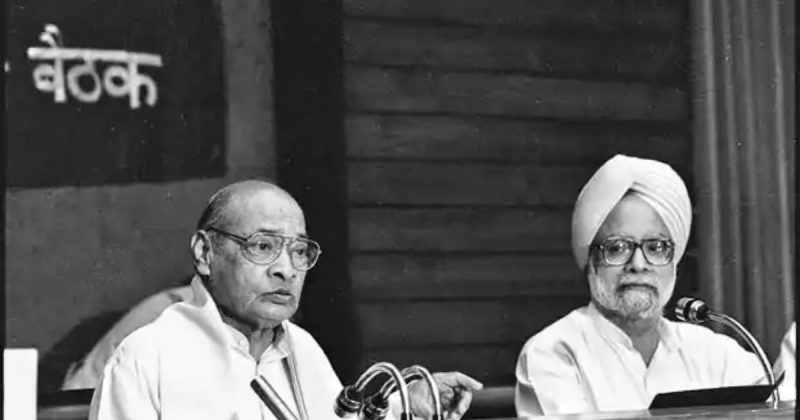
    Marketization has led to the ’marginalization of the marginals’, greater inequality and a rise in unemployment. These policies have promoted ’growth at any cost’ with the cost falling on the marginalized sections and the environment, both of which make poverty more entrenched. So, the pre-existing problems of Indian society have got aggravated in a changed form.

    Poverty is defined in terms of the ’social minimum necessary consumption’ which changes with space and time. Marketization has changed the minimum due to the promotion of consumerism and environmental decay imposing heavy health costs.
    The highly iniquitous NEP is leading to an unstable development environment. The base of growth has been getting narrower leading to periodic crises. Additionally, policy-induced challenges like demonetization, GST, pandemic and now the war in Ukraine have aggravated the situation. These social and political challenges can only grow over time as divisions in society become sharper.

    Weakness in Knowledge Generation

    Why does the obvious not happen in India? No one disagrees that poverty, illiteracy and ill health need to be eliminated. In addition to the problems due to the black economy and top-down approach, India has lagged behind in generating socially relevant knowledge to tackle its problems and make society dynamic.

    Technology has rapidly changed since the end of the Second World War. It is a moving frontier since newer technologies emerge leading to constant change and the inability of the citizens to cope with it. The advanced technology of the 1950s is intermediate or low technology today.

    Literacy needs to be redefined as the ability to absorb the current technology so as to get a decent job. Many routine jobs are likely to disappear soon, like, driver’s jobs as autonomous (self-driving) vehicles appear on the scene. Most banking is already possible through net banking and machines, like, ATMs. Banks themselves are under threat from digital currency.

    So, education is no more about the joy of learning and expanding one’s horizon. No wonder, the scientific temper is missing among a large number of the citizens.

    India’s weakness in knowledge generation is linked to the low priority given to education and R&D. Learning is based substantially on `rote learning’ which does not enable absorption of knowledge and its further development. So, education is no more about the joy of learning and expanding one’s horizon. No wonder, the scientific temper is missing among a large number of the citizens. Dogmas, misconceptions and irrationalities rule the minds of many and they are easily misled. This is politically, socially and economically a recipe for persisting backwardness.

    In spite of policy initiatives regarding education, like, the national education policy in 1968 and 1986, there is deterioration. This is because the milieu of education is all wrong. Policy is in the hands of bureaucrats, politicians or academics with bureaucratized mindsets. So, policies are mechanically framed. Like the idea that ’standards can be achieved via standardization’.

    Learning requires democratization. So, institutions need to be freed from the present feudal and bureaucratic control. Presently, institutions treat dissent as a malaise to be eliminated rather than celebrated. Courses are sought to be copied from foreign universities. JNU is told to be like Harvard or Cambridge. This is a contradiction in terms; originality cannot be copied. Courses copied from abroad tend to be based on the societal conditions there and not Indian conditions. Gandhi had said that the Indian education system is alienating and for many it still is.

    The best minds mostly go abroad and even if they return, they bring with them an alien framework not suited to India. So, as a society, we need to value ideas, prioritize education and R&D and generate socially relevant knowledge.

    Learning is given low priority because ideas are sought to be borrowed from abroad. So, the rulers have little value for institutions that could generate new ideas and inadequate funds are allotted to them. The best minds mostly go abroad and even if they return, they bring with them an alien framework not suited to India. So, as a society, we need to value ideas, prioritize education and R&D and generate socially relevant knowledge.

    Conclusion

    The growth at any cost strategy has been at the expense of the workers and the environment. This has narrowed the base of growth and led to instability in society — politically, socially and economically.

    India is a diverse society and the Indian economy is more complex than any other in the world. This has posed serious challenges to development in the last 75 years but undeniably things are not what they were. The big mistake has been to choose trickle-down policies that have not delivered to a vast number of people who live in uncivilized conditions. Poverty has changed its form and the elite imply that the poor should be grateful for what they have got. They should not focus on growing inequality, especially after 1991, when globalization entered the marketization phase which marginalizes the marginals.

    The growth at any cost strategy has been at the expense of the workers and the environment. This has narrowed the base of growth and led to instability in society — politically, socially and economically. The situation has been aggravated by the recent policy mistakes — demonetization, flawed GST and sudden lockdown. The current war in Ukraine is likely to lead to a new global order which will add to the challenges. The answer to ’why does the obvious not happen’ in India is not just economic but societal. Unless that challenge is met, portents are not bright for India at 75.

    This paper is based substantially on, `Indian Economy since Independence: Persisting Colonial Disruption’, Vision Books, 2013 and `Indian Economy’s Greatest Crisis: Impact of Coronavirus and the Road Ahead’, Penguin Random House, 2020.

    This article was published earlier in Mainstream Weekly.

    Feature Image Credit: Financial Express

    Other Images: DNA India, news18.com,  economictimes, rvcj.com
  • GST @ 5 Years: The Union Govt and States Can’t Ignore the Most Contentious Bits Any Longer

    GST @ 5 Years: The Union Govt and States Can’t Ignore the Most Contentious Bits Any Longer

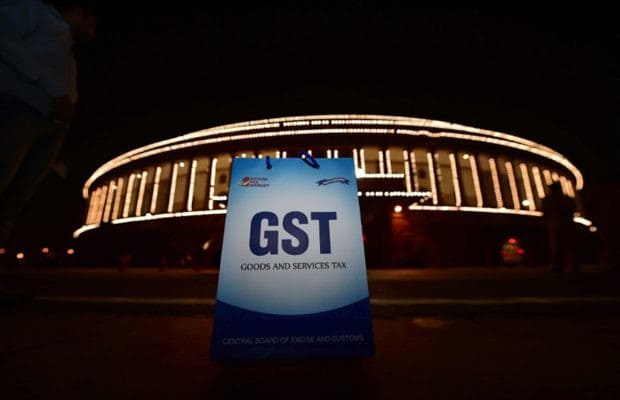
    India’s goods and services tax (GST) regime was launched with much fanfare on July 1, 2017. It was marketed by many as the nation’s second ‘tryst with destiny’, a reform that would unify the country by creating a single market while ushering in excellent ease of doing business.

    It was said that gross domestic product (GDP) would rise by 1% to 2%, inflation would decline with the elimination of the cascading effect and the ‘black economy’ would be checked. It was supposed to benefit backward states which are consuming states since GST is a last-point tax – collected where the final sale occurs. It was pitched as a win-win situation.

    Government officials, writing on the occasion of the completion of five years of operation of GST, have enumerated the various benefits but admitted to some problems which they feel can be sorted out soon. The Congress has asked for a revamp of the GST since it is fundamentally flawed that a bit of tinkering cannot resolve. Many of the states have been expressing their concerns for some time, most recently in the just-concluded GST Council meeting.

    [powerkit_button size=”lg” style=”info” block=”true” url=”https://thewire.in/economy/five-years-of-gst” target=”_blank” nofollow=”false”]
    Read More
    [/powerkit_button]

  • India is not the Fastest Growing Big Economy

    India is not the Fastest Growing Big Economy

    A closer look at recent data on GDP shows that the numbers are flawed and recovery is incomplete

    The Provisional Estimates of Annual National Income in 2021-22 just released show that GDP grew 8.7% in real terms and 19.5% in nominal terms (including inflation). It makes India the fastest-growing major economy in the world. Further, the real economy is 1.51% larger than it was in 2019-20, just before the…

    [powerkit_button size=”lg” style=”info” block=”true” url=”https://www.thehindu.com/opinion/lead/india-is-not-the-fastest-growing-big-economy/article65515195.ece” target=”_self” nofollow=”false”]
    Read More
    [/powerkit_button]

  • Optimisation of Water Resources

    Optimisation of Water Resources

    Community participation is the most important aspect of resource management and in this connection, the role of Panchayat, NGOs and Civil Society is very important. Therefor, a planned awareness strategy needs to be prepared and implemented.

    Introduction:

    Once again after the current sweltering warm weather, the monsoon is eagerly awaited; not only to get a respite from the heat but also to get water so essential for the crops. The good news is that as per the IMD prediction, this year the monsoon is going to be normal. However, the question is whether we are ready to make use of nature’s bounty for us? It may be noted that the total quality of water available in the world is 1600 million cubic km and 97.5% of it is saline. Of the balance, 2.5% of the fresh water, most of it lies deep and frozen in Antarctica and Greenland. Only 0.26% is available in rivers, lakes and in the soil and shallow aquifer.

    According to NITI Aayog surface water availability in India is 257 BCM of water per year which is likely to go up to 385 BCM in near future. India also has 432 BCM rechargeable ground water. India uses 634 BCM of water per year to grow food, generate energy and satisfy the needs of industry. Thus, theoretically, the availability should meet the requirements but the situation on the ground has many problems and availability gets impacted by other environmental and man-made factors. In this connection following two reports from World Bank and NASA are relevant.

    [powerkit_button size=”lg” style=”info” block=”true” url=”https://striveindia.in/optimization-of-water/” target=”_blank” nofollow=”false”]
    Read More
    [/powerkit_button]

  • Entrepot Development and Diversification: A comparative case study of Singapore and Dubai

    Entrepot Development and Diversification: A comparative case study of Singapore and Dubai

    [powerkit_button size=”lg” style=”info” block=”false” url=”https://admin.thepeninsula.org.in/wp-content/uploads/2022/03/Entrepot-Development-and-Diversification_Adithya-Subramoni-converted_compressed-1.pdf” target=”_blank” nofollow=”false”]
    Download
    [/powerkit_button]

    Introduction

    Dubai is a small city-state in the United Arab Emirates (henceforth UAE), which is renowned internationally for being a logistics hub. With hydrocarbon revenues accounting for less than 1% of its GDP, it is the most diversified sheikhdom in the region. Dubai’s development model is considered ideal and is being followed by other Gulf countries in the region. Dubai’s development approach was inspired by the Singaporean development model. Singapore developed by welcoming foreign firms to set up shop for export-oriented manufacturing and thus used its entrepot status to its advantage. The emirate followed a similar approach to development because it was historically an entrepot and housed merchants but not entrepreneurs. Thus, it followed the Singaporean model by opening its borders to foreign firms and sought to diversify its economy by building on its entrepot characteristics. However, the outcome of this approach has been different vis-à-vis Dubai and Singapore in terms of sectoral diversification which is interesting. This paper conducts a qualitative study that reviews literature about their development policies and follows the most similar systems design to explain the outcome in sectoral diversification based on the differences in inputs of their development policies. The study finds that domestic wage policies and initiatives to encourage technologically advanced firms to relocate were key factors that encouraged a service-oriented diversification of Dubai’s economy.

    While the author appreciates that Singapore developed without the support from hydrocarbon revenues that Dubai was privileged with, this study questions why Dubai, an emirate blessed with the resources and capability to direct its development narrative, witnessed a different outcome in its diversification experience. This research provides insight into two cases of late development which is not often discussed by late development theorists. This study has the potential to further encourage economic historians and development practitioners in this region’s context to think about how development approaches are affected by factors like history, geographic location, and political conditions. The paper uses primary data sources such as government publications and newspaper reports, and secondary sources such as scholarly work for this study. Following this, the methodology of the study is addressed, after key factors of Singapore’s development are highlighted, then literature regarding Dubai’s development is reviewed, and then the discussion is presented followed by the conclusion.

    [powerkit_button size=”lg” style=”info” block=”true” url=”https://admin.thepeninsula.org.in/wp-content/uploads/2022/03/Entrepot-Development-and-Diversification_Adithya-Subramoni-converted_compressed-1.pdf” target=”_blank” nofollow=”false”]
    Read the Full Paper
    [/powerkit_button]

  • Giveaways & Elections: Short-termism to the Fore

    Giveaways & Elections: Short-termism to the Fore

    BJP and AAP are the two winners in the just concluded crucial Assembly elections. The scale of victory of these two parties surprised most analysts. In UP after three decades, a ruling party won, overcoming severe anti-incumbency. There are accusations of the rigging of the EVMs but this can’t be proved when VVPAT slips are not being fully counted. Even if they were to be counted, fraud could have been committed in other ways and this could become an endless exercise. AAP, a new kid on the block, won on the promise of change from the terribly corrupt politics of the moribund established parties.

    Delivery is Important

    So, the ruling BJP won because it said that it had brought about a change in the lives of the common people while AAP won on the promise of bringing about change in their lives. What is this change that was so attractive to the people?

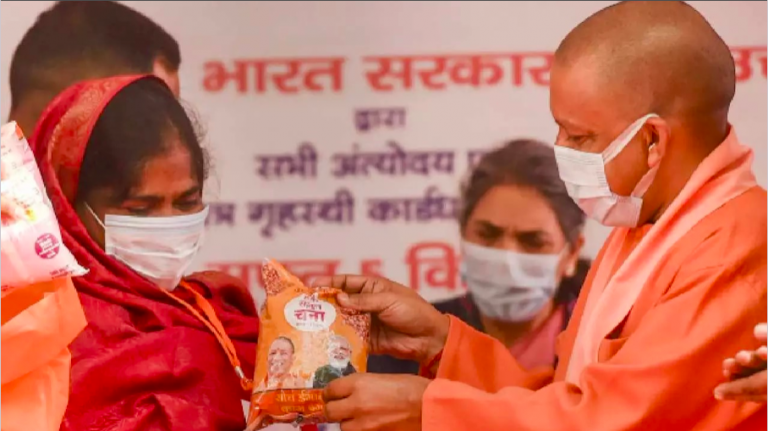
    BJP faced anti-incumbency due to high inflation, youth unemployment, farmers’ discontent, COVID mismanagement, etc. But its cadres went door to door to point to the Rs. 6000 is given to farmers, free grains, etc. to households, money for toilets and houses, etc. The beneficiaries from these schemes are called `Labhartis’ by the pundits. The opposition also promised various things if they came to power but obviously, a bird in hand is better than two in the bush. Also, the credibility of the opposition parties in UP is low since they delivered little when they were in power earlier. Finally, public memory is short. Many of the schemes that are listed as achievements by the present government were initiated by the earlier regimes.

    [powerkit_button size=”lg” style=”info” block=”true” url=”https://thepublicindia.com/2022/03/14/giveaways-elections-short-termism-to-the-fore/” target=”_blank” nofollow=”false”]
    Read More
    [/powerkit_button]

  • Sanctions on Russia: How will they play out?

    Sanctions on Russia: How will they play out?

    The rich nations supporting Ukraine in its war with Russia have imposed sanctions on the latter. They cannot intervene militarily directly since that would lead to a much wider conflagration and a possible catastrophic Third World War, as the Russian Foreign Minister has warned. The North Atlantic Treaty Organization realizes that and has not sent its troops to Ukraine, in spite of pleadings by the Ukrainian government. Instead, it is providing arms and other support to Ukraine to resist the invasion. The situation remains dangerous and tricky.

    Sanctions are supposed to punish the Russians for their aggression. It won’t halt the war but will it hurt the Russians enough that they will regret the invasion and not embark on future adventures? If the war drags on the costs could mount. This could lead to pressures for a regime change in Moscow and that may lead to a ratcheting up of the war. If sanctions are successful, will it be a lesson to China? Severe sanctions against Iran (0.3 per cent of the World’s Gross Domestic Product [GDP]) did not bring it to its knees. Given that the Russian economy is bigger (1.7 per cent of the World’s GDP) and much more advanced technologically, its economy may be much less impacted.

    [powerkit_button size=”lg” style=”info” block=”true” url=”https://theleaflet.in/sanctions-on-russia-how-will-they-play-out/” target=”_blank” nofollow=”false”]
    Read More
    [/powerkit_button]

  • 2021-22 Q1 GDP Data Overestimates: Economic Shocks Question Methodology

    2021-22 Q1 GDP Data Overestimates: Economic Shocks Question Methodology

    2021-22 Q1 GDP Data Overestimates: Economic Shocks Question Methodology: The demonetisation shock impacted the unorganised sector far more adversely than it did the organised sector

    There are methodological errors in estimating annual and quarterly GDP data, especially when there is a shock to the economy, by using projections from the previous year, dividing the annual estimates into the four quarters and using production targets as if they have been achieved, explains Professor Arun Kumar


    The Reserve Bank of India (RBI) has maintained its growth projection for 2021-22 at 9.5% while the World Bank has retained it at 8.3%. These are based on the union government’s growth estimate of 20.1% for first quarter of 2021-22—an unprecedented growth rate based on the low base in the same quarter of 2020-21, which witnessed a massive decline of 24.1%.

    A sharp rise in growth after a steep fall in the preceding year is not a new phenomenon for the economy. Prior to 1999, only annual, not quarterly, data was available. Official data shows that the economy has risen sharply several times since independence: 1953-54 (6.2%), 1958-59 (7.3%), 1967-68 (7.7%), 1975-76 (9.2%) 1980-81 (6.8%), 1988-89 (9.4%) and 2010-11 (9.8%). The data after 2011-12 base revision was controversial. For instance, the new series shows a high growth rate of 8.3% for 2016-17 though it is well known that demonetisation devastated the economy

    Methodological Issues

    If the new series, using 2011-12 as the base year, shows a high growth rate for 2016-17, the methodology is not right. This has been extensively discussed since 2015, when the series was announced. A major change has been the use of the data provided by the union ministry of corporate affairs, called the MCA-21 database, since 2015. But it has been pointed out that many of the companies in this database are shell firms and the government shut down several of them in 2018. Further, many companies were found to be missing.

    Another problem pointed out, starting the year of demonetisation, is that the measurement of the contribution of the unorganised sector—which constitutes 45% of the GDP—is not based on independent data.

    The data for the non-agriculture sector is collected during surveys every five years. In between these years, the organised sector is largely used as a proxy and projections are made from the past. Both these features of estimation pose a problem when there is a shock to the economy.

    The demonetisation shock impacted the unorganised sector far more adversely than it did the organised sector. Hence, after demonetisation, the organised sector data should not have been used as a proxy to measure the contribution of the unorganised sector. Further, due to the shock, projections from the past will not be a valid procedure. This problem was accentuated by the implementation of the Goods and Services Tax (GST), which again impacted the unorganised sector more adversely

    Demand started to shift from the unorganised sector to the organized, making the situation even more adverse. For instance, e-commerce has severely impacted the neighbourhood stores and taxi aggregators have displaced the local taxi stands.

    Due to the shocks, the earlier procedure of calculating GDP becomes invalid and should have been changed. Since this has not been done, in effect, the GDP data is measuring the organised sector and agriculture.

    Thus, 31% of the economy is not being measured, and by all accounts, this part is declining, not growing. Therefore, GDP growth is far lower than what has been officially projected since 2016-17.

    The pandemic and the lockdown have administered the biggest shock to the economy. But the organised sector was hit far less than the unorganised sector. The split between the two sectors has been far greater than due to demonetisation or GST. Therefore, there is an urgent need to revise the method of calculating GDP—also, projections from the past do not make sense.

    Quarterly Data Issues

     The problem is even greater when projecting quarterly GDP growth. The data used is sketchier than the annual data. Not only most of the data for the unorganised sector is unavailable (except for agriculture), even the organised sector data is partial. For instance, the data for businesses is based on companies that declare their results in that quarter. Only a few hundred companies out of the thousands might be declaring such data.

    Worse, the estimation is based on a) projections for the same quarter in the preceding year same quarter, b) in many cases, the projection is not just for the quarter but for the year as a whole and then it is divided into four to get the data for one quarter and c) cases where targets, not actual production data. are used to estimate the contribution to GDP.

    Worse, the estimation is based on a) projections for the same quarter in the preceding year same quarter, b) in many cases, the projection is not just for the quarter but for the year as a whole and then it is divided into four to get the data for one quarter and c) cases where targets, not actual production data. are used to estimate the contribution to GDP.

    Fishing and aquaculture, mining and quarrying, and quasi-corporate and the unorganised sector are a few sectors which belong to the first group. Some sectors belonging to the second category are other crops, major livestock products, other livestock products and forestry and logging. Livestock belongs to the third category, where annual targets/projections are used.

    This procedure is clearly inadequate but maybe acceptable in a normal year. But when there is a shock to the economy, does it make sense? If there is a projection from the previous year, it is likely to give an upward bias since the economy was performing better in the preceding year. Further, projections have to be based on some indicators and the data on these indicators were only partially available due to the lockdown.

    Finally, how can the annual projection be made and then divided into four to obtain the quarterly estimate when the economy is highly variable from quarter to quarter. In 2020, each quarter was very different from the previous one.

    Next, if the data for 2020-21 is erroneous, when there was a massive slump in the economy, the shock continues into 2021-22. How can projections be made from the 2020-21 to 2021-22? Thus, there would be large errors in the quarterly data for the current year. This will then be fed into the data for 2022-23. Therefore, the shock to the economy will play itself out for several years.

    Impact on other Macro Variables

    Quarterly data are also published for other macro variables like consumption, and investment by public and private sectors. The government-related data is available in the Budget documents, but the private sector data poses a huge challenge. These estimates are, again, based on projections from the previous year, and in some cases, annual estimates are divided between quarters. Production data is also used to project consumption and investment by the private sector. So, if the former is incorrect, as pointed out above, then the estimates for the latter will also be erroneous.

    The RBI’s survey of the organised sector showed that capacity utilisation was down to 63% in January 2021, but the official quarterly data was showing a growth of 1.3% rather than a decline of 10%. Thus, the quarterly data was not representative of even the organised sector.

    Similarly, consumer sentiment was down to 55.5 compared to 105 a year back, implying that even the organised sector consumption had not recovered to the pre-pandemic levels. Both these variables were further dented in the second wave of COVID-19 in Q1 of 2021-22. The implication is that the data on these variables is also not reliable.

    If the production data is an overestimate due to the use of projections from the last year, the consumption and investment data would also be over projections. The further implication is that if the data for 2020-21 is not right, the quarterly data for 2021-22, projected from the previous year, will also be erroneous and overestimate.

    Analysis of Macro Variables for Q1 of 2021-22

    For the moment, let us analyse the Q1 data leaving aside the errors pointed out above. When the economy was in decline in the preceding year, comparing rates of growth makes less sense than comparing the level of GDP.

    On a low base of 2020-21 (-24.4%), the rate of growth for 2021-22 looks impressive (+20.1%). But it is 9.2% less than the pre-pandemic Q1 of 2019-20—i.e., the economy has not recovered to the pre-pandemic level.

    Further, if the economy was growing at the pre-pandemic rate, the economy would have expanded another 7.5% in two years. Thus, compared to the possible level of GDP in 2021-22, it is down by about 16%.

    Except for agriculture and the utilities sectors, data shows that none of the other sectors have recovered to the levels in 2019-20. Private final consumption expenditure is down by 11.9% and gross fixed capital formation by 17.1%. Government consumption expenditure and exports have increased compared to their levels in 2019-20. The former does give a boost to the economy by increasing demand but the latter does not since imports remain much higher than exports.

    Therefore, out of the four sources of demand, only government expenditure has increased—but this is not enough to compensate for the decline in the other three and that is why the economy is still down compared to 2019-20.

    It may be argued that over time, data undergoes revision as more data becomes available. But the situation now is unusual due to the pandemic. This necessitated a major revision in the methodology itself due to lack of data and consequent non-comparability across quarters and years.

     The views expressed are those of the author.

    This article was published earlier in NEWSCLICK.

    Image Credit: The Federal


  • India’s Duality on Growth and EIA Regulations

    India’s Duality on Growth and EIA Regulations

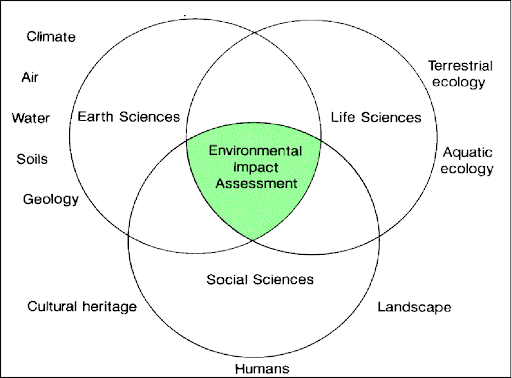
    Amidst the first nationwide Covid-19 emergency lockdown, the Ministry of Environment, Forest and Climate Change [MoEF&CC] published the draft Environment Impact Assessment (EIA) notification 2020 to replace the earlier 2006 notification under the Environment (Protection) Act, 1986. EIA is a process to estimate the overall environmental impacts of projects by taking into consideration the views of the people to decide whether the proposed project is approved for operation. Implementation of EIA is a form of control over the exploitative malpractices of private players while at the same time, it could also form a prerequisite for grants and loans by various international financing institutions.

    The major flaw with the previous EIA which even the current draft failed to fix was its low integration with other frameworks of ecological governance and public policy.

    Commonly the EIA has an entire process of reporting depending on the country and the industry. India follows four major steps in this process: scoping (issuing terms of reference), preparation of the report, public consultation, final expert appraisal. The major flaw with the previous EIA which even the current draft failed to fix was its low integration with other frameworks of ecological governance and public policy. The argument of rent-seeking, red-tape bureaucracy, delay in clearance were legitimate criticism by the current government and developers when we look into the number of scattered amendments made to EIA 2006.

    However, the aim of making the new draft more transparent and pragmatic was proposed through the removal of several activities from consultation and granting post-facto approval. It dismantles the notion of prior clearance from expert committees based on the categorization (A, B1 and B2), construction project size (built-up area up to 150,000 sq. m), reduction in monitoring period (from every 6 months to once a year), exemptions to ‘strategic’ programs and ‘border regions’ all of which were set arbitrarily (Gupta 2020). Reducing the notice period for a public hearing from 30 days to 20 days further dilutes the effectiveness.

    While massive online protests, public feedbacks and petitions ensued, there were cases of websites blocked by filing Unlawful Activities Prevention Act (UAPA) to few environmental groups such as ‘Fridays For Future’ and others

    Additionally, the possibility of granting resumption through remediation of ecological damage based on assessment goes against the precautionary principle of avoiding environmental harm. The notification also excludes reporting public violations, instead only reports by government and regulatory authority, appraisal community and violator-promoter are reckoned. According to many activists, the reluctance of the MoEF&CC in translating the draft document in vernacular languages for people without any literacy in Hindi and English further favour the majority. While massive online protests, public feedbacks and petitions ensued, there were cases of websites blocked by filing Unlawful Activities Prevention Act (UAPA) to few environmental groups such as ‘Fridays For Future’ and others (Kunal 2020).

    Nonetheless, the Ministry has appointed the National Environmental Engineering Research Institute (NEERI) to compile the comments received from the public. Post which the final draft will be scrutinised by the committee headed under SR Wate, former director of NEERI who was already given the mandate to re-engineering EIA 2006 and had chaired panels such as appraisal on post-factor clearance (Jackson and Gunasekar 2020). This poses a predicament, as the appointment of the above-mentioned individual might already have a biased viewpoint over the draft.

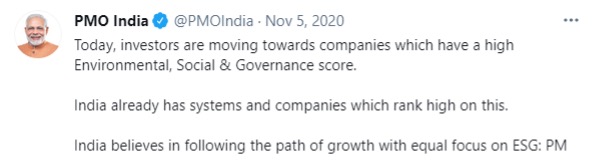
    The global economy, particularly the developed countries are working towards building an entire ecosystem of environmental, social and governance (ESG) investing. They were developed while keeping societal impact and the conservation and preservation of nature in mind. Various civil groups and governments are becoming more and more acceptable in forfeiting their wealth which increases their domestic input costs in an order to choose merchandise producing lower greenhouse gas emissions. Many mutual funds and portfolios are available for ESG investing though there has not been a uniform standard set to determine these stocks make the cut (Borate 2020).

    The adverse effect of polluting industries can be noted from the Environment Performance Index (EPI) 2020 by researchers in Yale and Columbia University which ranked India at 168th position out of 180 countries (“India EPI – Country Scorecard.” 2020).

    EIA draft presents a contradiction on the government’s aim of emphasising ESG metric (Figure Below). We notice a diversion in the policymaking when the recent National Guidelines on Responsible Business Conduct (NGRBC) was laid down by the Ministry of Corporate Affairs (MCA) in 2019. Based on which the subsequent consultation paper of the Business Responsibility and Sustainability Report (BRSR) from the top 100 to top 1000 listed market companies were released by the Securities and Exchange Board of India (SEBI) (Consultation paper 2020).


    EIA based on its principle was supposed to be a tool for the protection of natural resources and marginalised community who receive negative externalities from the polluting industries. The adverse effect of which can be noted from the Environment Performance Index (EPI) 2020 by researchers in Yale and Columbia University which ranked India at 168th position out of 180 countries (“India EPI – Country Scorecard.” 2020).

    The author’s opinion over the larger framework is that environmental costs are being balanced with post-facto redressal. The emphasis put upon the private sector for green investing and other mandatory disclosures cannot be followed by diminishing the baseline surveys and the benchmark of EIA regulations. This can lead to more frequent outcomes of incidents such as Assam’s Baghjan oil spill and fire and the Vizag gas leak incident. Instead, the government should develop policies that restrain further ecological damages in the first place.


    References:

    Borate, Neil. “ESG Investments Are Fast Gaining Traction in India.” Mint, 11 Nov. 2020, www.livemint.com/money/personal-finance/esg-investments-are-fast-gaining-traction-in-india-11605111323843.html.

    Consultation Paper on the Format for Business Responsibility and Sustainability Reporting. SEBI, 2020, www.sebi.gov.in/reports-and-statistics/reports/aug-2020/consultation-paper-on-the-format-for-business-responsibility-and-sustainability-reporting_47345.html.

    Gupta, Debayan, et al. The Draft EIA Notification, 2020: Reduced Regulations and Increased Exemptions Part I & II, 31 July 2020, www.cprindia.org/research/reports/draft-eia-notification-2020-reduced-regulations-and-increased-exemptions-part-i-ii.

    “India EPI – Country Scorecard.” Environment Performance Index (EPI), 2020, epi.yale.edu/epi-results/2020/country/ind.

    Jackson, Jacqueline, and Karthik Gunasekar. “Decoding the Current Status of Draft EIA 2020.” The News Minute, 23 Sept. 2020, www.thenewsminute.com/article/decoding-current-status-draft-eia-2020-133728.

    Kunal, Kumar. UAPA Charge in Notice to Environmental Group Fridays for Future Due to ‘Clerical Error’: Delhi Police. India Today, 23 July 2020, www.indiatoday.in/india/story/uapa-charge-in-notice-to-environmental-group-fridays-for-future-due-to-clerical-error-delhi-police-1703716-2020-07-23.

    Vencatesan, Anjana. “[Commentary] The Two Faces of Environmental Regulation.” Mongabay, 21 Dec. 2020, india.mongabay.com/2020/12/commentary-the-two-faces-of-environmental-regulation/.

  • Examining the Policy Effectiveness of Negative Interest Rates: A Case Study on Japan

    Examining the Policy Effectiveness of Negative Interest Rates: A Case Study on Japan

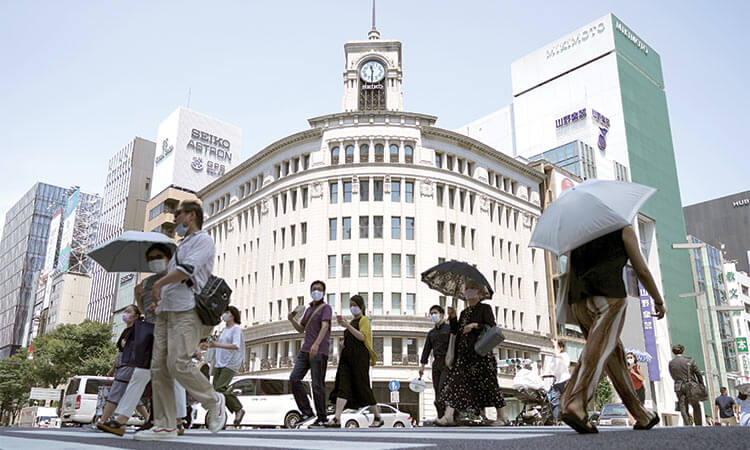
    As a global health crisis ravages across the world, central bankers have rushed to lower rates to historic levels in an attempt to soften the economic blow of the pandemic. Since the crisis hit in early 2020, interest rates have been slashed across the globe on 37 separate occasions. Almost all major economies have cut their policy rates and many are at near-zero levels. In light of this economic climate, the debate on whether negative interest rates could prove effective in adverse conditions has come to the forefront again.

    As of today, 5 economies in the world follow a negative interest rate policy (NIRP).  In 2012, Denmark was the first country to announce negative rates, subsequently followed by the Eurozone, Switzerland, Sweden and Japan.

    The decrease in interest rates is not a new phenomenon, rates have been sliding globally for the last 30 years [1]. This trend has been more pronounced since the financial crisis of 2008. While many economies have reached the theoretical zero lower-bound of rates, some have even dared to venture below the surface into negative territory. As of today, 5 economies in the world follow a negative interest rate policy (NIRP).  In 2012, Denmark was the first country to announce negative rates, subsequently followed by the Eurozone, Switzerland, Sweden and Japan. While the very concept of negative rates may seem baffling, it’s even more shocking to note that over $15 trillion’ worth of bonds is traded at negative yields globally [2]. This means that over 30% of the world’s investment-grade securities are traded in a manner such that lenders pay borrowers to use their funds.

    Negative Interest Rates in Theory

    Interest rates have widely been regarded as the most powerful weapon in a central banker’s arsenal. Until very recently, their only limitation seemed to be the zero-lower bound beyond which bankers have had their hands tied. However, with Denmark’s policy rates going negative in 2012, this limit seems to have been breached. In theory, the NIRP is put in effect by central banks making the policy rate or repo rate (rate at which banks park their funds with the central bank) negative. While the negative rates directly apply only to banks, its effects are transmitted to the entire system by effectively lowering overall real interest rates. Central banks envisage that negative policy rates would induce increased spending and stimulate the economy in two ways – firstly, by forcing banks to hold lesser deposits with the central bank and channelling these funds into increased lending to households and businesses. Secondly, a cut in the policy rate would also lead to lower rates in the overall lending market, thus encouraging borrowing and spending.

    This policy, however, is riddled with several loopholes and works only under certain conditions. There has also been evidence of unwanted externalities associated with negative rates. The experience of the 5 economies which implemented the NIRP has been mixed and there is no consensus so far among economists and policymakers on the merits/demerits of the policy.

    Japan’s Tryst with Negative Rates: A Case Study

    In 2016 the Bank of Japan (BOJ), facing a relentless battle against deflation and a depreciating Yen, decided to venture into negative territory and has stayed there ever since.  The Japanese economy’s long downward spiral began with the real-estate asset bubble bursting in 1989-90. While Japan’s ‘lost decade’ is a widely known concept, many academics argue that Japan has lost more than a decade and has not fully recovered yet. The economy has been in first-gear ever since the crash – today, almost 30 years hence, the Nikkei 225 is still languishing at about 40% of its 1989 peak [3].

    Over the years, the BOJ has tried almost every trick in the trade – low rates, printing more money, rounds of quantitative easing, you name it and it has been done already. But much like a car stuck in the mud, the Japanese economy just seems to be spinning its wheels in one place. It is in this backdrop that the BOJ pulled out one last trick up its sleeve, announcing a negative interest rate regime.

    What Did Japan Hope to Achieve Through the NIRP?

    To combat deflation, the BOJ has long been involved in multiple rounds of aggressive bond-buying, hoping to inject more cash in the economy. According to data from the BOJ statistics portal, the central bank has been purchasing bonds worth 8-12 trillion Yen per month consistently. This has led to a mammoth increase in the bond holdings of the BOJ and also the monetary base of the Japanese economy. This has had two direct implications –

    • Japanese banks were now flush with money but this did not translate into increased lending activity. Rather banks were now parking this excess cashback with the central bank as reserves, thus defeating the purpose. It has been estimated that over 90% of the new money created by the BOJ since 2013 has ended up back with the central bank
    • The downside of this aggressive bond-buying policy was that Japan had now accumulated a mountain of debt. As of 2020, Japan was the most indebted nation in the world, with its debt accounting for over 234% of its GDP [4]

    The BOJ hoped that the NIRP would help address both these concerns. By announcing a 0.1% negative interest rate on excess reserves, it hoped to force banks to hold lesser reserves with the BOJ and use the money for lending purposes. On the other hand, negative rates would also help ease the burden of interest payments on the national debt.

    Reasons for Failure of NIRP in Japan

    While the NIRP did succeed in its immediate goal of reducing banks holdings with the BOJ, it has failed to stimulate bank lending. Instead, Japanese banks are now looking to park their funds elsewhere, to beat the low returns at home. With rates at historic lows in Japan and lacklustre borrowing sentiment from households and businesses, banks have turned to foreign investments to rake up profits. The NIRP, rather than stimulate the economy through increasing lending has instead spurred a massive outflow of funds in favour of overseas assets. As a result, Japanese banks hold nearly 20% of the world’s CLO’s (collateralized loan obligations) [5]. The foreign investments of the Japan Post Office Bank (owned by the government) alone stood at $630 billion as of 2020, showing glimpses into the outflow of reserves from the domestic economy.

    The NIRP, rather than stimulate the economy through increasing lending has instead spurred a massive outflow of funds in favour of overseas assets. As a result, Japanese banks hold nearly 20% of the world’s CLO’s (collateralized loan obligations).

    The failure of the NIRP to stimulate domestic spending and investments has shown that the Japanese economy faces several structural challenges that need to be addressed first. Given Japan’s ageing workforce, it will not be easy to discourage households from saving, especially in the current economic climate. Unless businesses and households are willing to spend or invest, the availability of cheap loans is redundant. No matter how low the BOJ pushes interest rates, the economy cannot be revived unless the structural bottlenecks subduing growth are addressed.

    Policy Shortcomings of the NIRP

    Japan’s case and the experiences of the other four economies have highlighted several loopholes in the NIRP. While it has been successful in reducing commercial bank holdings with central banks, it has not managed to translate this into lending activity. As in the case of Japan, banks can always find other ways to make use of excess funds. Even if banks manage to pass on the negative rates to the general public, households would continue to hoard cash in the form of mattress money, thus defeating the purpose of the policy. Take Sweden’s case for example – despite having negative rates, Sweden still has the 3rd highest household savings rate in the world.

    The NIRP has also been associated with several unwanted externalities –

    • Decreasing Bank Profitability

    Negative rates can destabilize the entire banking system by adversely affecting bank profits. In the Euro-zone alone, banks have transferred $24.2 billion to the European Central Bank (ECB) as negative fees in the five years since negative interest rates were introduced

    • Create asset bubbles

    A negative rate regime could also lead to the creation of property and other asset bubbles. Since rates are low (or negative) for cash holdings, people tend to invest in real estate or other tangible assets, thus driving up prices.

    • Erode Pension Funds

    Many academics believe that negative rates would hurt economies in the long run by eroding pension funds. This could potentially be a major cause for concern for countries like Japan which have an ageing population

    Is the NIRP here to stay?

    Despite its long list of flaws and potential side-effects, nations still seem to be sticking with the NIRP, with trends showing that even more may follow suit soon. Given the current economic climate, central bankers are left with no choice but to continue with low rates – that they do so despite its shortcomings speaks volumes of the precarious global economic conditions. The NIRP however, cannot be written off as a completely failed policy as it has shown that it can be successful under certain conditions. In Switzerland for example, the NIRP has been largely successful in helping depreciate the Franc (to keep exports competitive) and maintaining exchange rate parity in the face of large foreign inflows into the country. Switzerland’s experience is replicated in Sweden, with negative rates helping boost exports, although not substantially.

    Different nations have had different motives for venturing into negative territory – while countries like Japan wanted to stimulate inflation, others like Switzerland and Sweden were more interested in maintaining their exchange rates. Success or failure of the NIRP depends on the prevailing conditions of the economy and the desired end-goals that countries are after. Since it has been a relatively new policy, countries are still in the phase of experimenting with negative rates and it is too early to draw conclusions on their successes and failures.  On whether the NIRP is an effective policy tool, the jury is still out.


    References

    [1] Neufeld, D. (2020, February 4). Visualizing the 700-Year Fall of Interest Rates. Visual Capitalist. https://www.visualcapitalist.com/700-year-decline-of-interest-rates/

    [2] Mullen, C & Ainger, J. (2020, November 6). World’s Negative-Yield Debt Pile Has Just Hit a New Record. Bloomberg Quint. https://www.bloombergquint.com/onweb/negative-yielding-debt-hits-record-17-trillion-on-bond-rally#:~:text=The%20market%20value%20of%20the,it%20reached%20in%20August%202019.

    [3] Tamura, M. (2019, December 29). 30 years since Japan’s stock market peaked, climb back continues. Nikkei Asia. https://asia.nikkei.com/Spotlight/Datawatch/30-years-since-Japan-s-stock-market-peaked-climb-back-continues

    [4] World Population Review. (2020). Debt to GDP Ratio by Country 2020. Retrieved from https://worldpopulationreview.com/countries/countries-by-national-debt

    [5] Japanese banks own 20% of collateralized loans market – survey. (2020, June 2). Reuters. https://in.reuters.com/article/japan-economy-boj-loans/japanese-banks-own-20-of-collateralised-loans-market-survey-idUSL4N2DF1LP


    Image Credit: www.gulftoday.ae