Tag: Development

  • Between the Devil & the Deep Blue Sea: Tackling India’s Internal Security Challenges

    Between the Devil & the Deep Blue Sea: Tackling India’s Internal Security Challenges

    Our ability to develop and prosper, both as a society and a nation, are wholly dependent on the smooth functioning of our democratic institutions and their ability to faithfully uphold the tenets laid down in our Constitution.

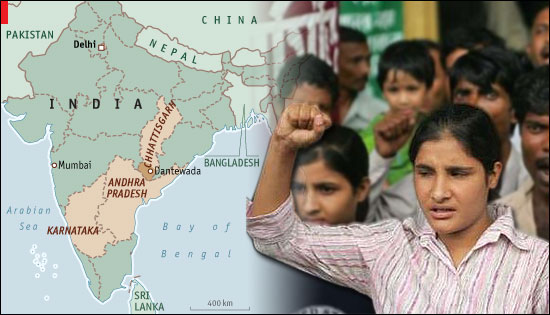
    Our progress since Independence has not been without bumps along the road. Not only has the detritus of Partition haunted us, but we have also had to confront antagonistic neighbours intent on grabbing territory, creating divisions and curtailing our economic development and influence around the world. They have tried to do this by resorting to conventional operations, grey zone warfare, including using terrorist groups. In addition, we’ve had to overcome our internal troubles as well, what V.S. Naipaul referred to as a “million mutinies”, rebellions and insurgencies, for the most part, along our border regions. Undertaken by our disaffected citizens, in most cases with external support, aspiring to establish their own independent homelands because of ideological or religious motivations or out of a sense of frustration at being treated as second-class citizens within their own country.

    The response of the State and Central Governments to these internal challenges has invariably been to initially attempt some sort of half-hearted political accommodation or initiative aimed at preserving the status quo and giving themselves political advantage. Once this fails, as it is bound to, the Central Armed Police Forces or the Army are brought in, depending on the levels of violence, to neutralise the insurgency and regain political and administrative control. This can take anywhere from a decade to three or more. The Mizoram Insurgency, for example, commenced in 1966 and was successfully terminated with the agreement being signed between opposing sides in 1986, while the Punjab Insurgency lasted from the mid-80s to the mid-90s, though there are efforts to restart it.

    Unfettered exploitation of natural resources and minerals from those resource-rich regions by large corporations and their political acolytes has led to the displacement of tribals from their homelands and added to their economic woes. Given that the political, security and administrative establishments are wholly compromised and corrupt, the tribals have alleged that they have had little choice but to take up arms in an effort to break the nexus and get their rightful dues.

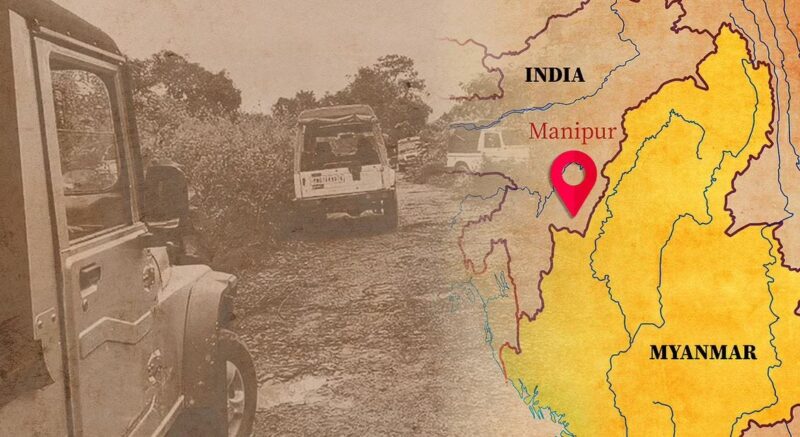
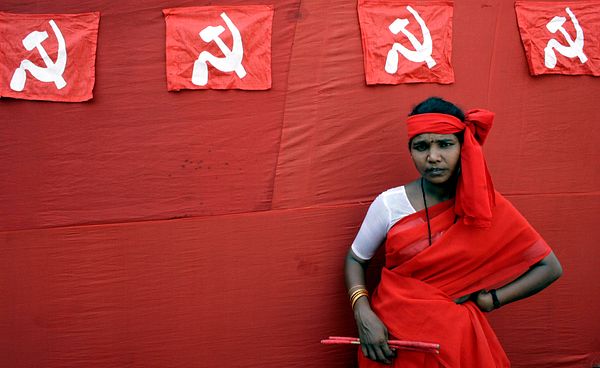
    We’ve had similar problems in our North-eastern States of Assam, Nagaland, Manipur and Tripura, which continue to persist in fits and starts, aided, and abetted by China. We have also faced a long-running Maoist rebellion in our hinterland, organised and conducted by tribals from those regions. Unfettered exploitation of natural resources and minerals from those resource-rich regions by large corporations and their political acolytes has led to the displacement of tribals from their homelands and added to their economic woes. Given that the political, security and administrative establishments are wholly compromised and corrupt, the tribals have alleged that they have had little choice but to take up arms in an effort to break the nexus and get their rightful dues.

    The issue we seem to have failed to comprehend is the transformation that has taken place in understanding what constitutes the basic elements of national security.

    Fortunately, good sense prevailed within the political and security establishment, and the military, other than limited support in casualty evacuation and surveillance by the Air Force was completely kept out of ant-Maoist operations. The military’s job is not to protect marauding corporates but our sovereignty from the depredations of inimical elements, both internal and external. The dynamics of the Military’s involvement in countering the Maoist insurgency would have undoubtedly had serious repercussions within the military’s functioning, and over a period of time, would have adversely impacted our existing governance structures, much in the manner that some of our neighbours have been so affected. The issue we seem to have failed to comprehend is the transformation that has taken place in understanding what constitutes the basic elements of national security. Until the end of the Cold War and before the advent of globalisation, national security had purely military and economic connotations with the stress on territorial control. This was achieved by controlling the flow of information, goods and services and the movement of people through various means, including physical barriers. The advent of the Info-Tech revolution and the consequent move towards globalisation made it increasingly difficult for governments to control access to and the free flow of information, ideas, digital services, and finances.

    As Professors, Wilson and Donan, note in their book, ‘Border Identities: Nation and State at the International Frontiers’ (UK, Cambridge: University Press, 1998), “International borders are becoming so porous that they no longer fulfil their historical role as barriers to the movement of goods, ideas and people and as markers of the extent of the power of the state.”

    Perforce, governments the world over have been forced into the realisation, for many at great cost, that it has become impossible to lock up people or ideas and isolate them from the global discourse. Thus, in the context of the security of the state, more than just ensuring territorial integrity, it is the security of the people through sustainable human development that is non-negotiable. We are today at a stage where, while traditional physical threats continue to pose serious challenges, especially from China and Pakistan, it is the non-military threats that are more dominant. These arise, on one side, from the host of cross-border insurgencies that afflict us because of ethnic, ideological, economic or religious conflicts, and on the other side, because of policies that emanate from politics of exclusion and economic exploitation. In both cases endemic corruption due to the nexus between the political-bureaucracy-security establishment and criminal elements involved in the smuggling of drugs and weapons and human trafficking remains the common thread. As a result, we not only face the threat of violence but also have to confront the increasing spread of religious radicalization.

    For example, in the Northeast, as my colleagues, Lt Gen J S Bajwa (Retd), Maj Gen N G George (Retd) and I, have pointed out in our paper, ‘Makeover of Rainbow Country: Border Security and connecting the Northeast’ (Manekshaw Paper No 62, Centre for Land Warfare Studies, 2016), “we are faced with a trans-border insurgency affecting our states that has metamorphosed into a serious law and order issue due to trans-national criminal syndicates having established linkages with armed gangs that are opposed to the existing political status-quo. This has also been accentuated with these groups being used by China and Pakistan for meeting their own nefarious designs…. Criminal syndicates have extended their reach to include complete control and dominance over all smuggling activities, be it of small arms, psychotropic drugs, livestock, or human trafficking. This economic clout has enabled them to subvert elements within the political parties, the bureaucracy, and the security establishment….”. Thus, it appears that the defining characteristic of on-going insurgencies is that they are nothing more than “businesses”, using all means at their disposal to make a profit. Thus, we see that has been that they have never crossed the threshold of violence or mass mobilisation that would lead to the next logical phase; from insurgency to civil war, where insurgent forces take on the military in conventional operations. These regions are further adversely impacted by poor governance, ineffective policing, agonisingly slow judicial processes, and unchecked criminal activity. The ability of the local populace to oppose the injustices heaped on them has been very subtly neutralised using the Security Forces and Police with wide ranging powers, including in some regions the use of AFSPA, to maintain the status quo. Our ability to develop and prosper, both as a society and a nation, are wholly dependent on the smooth functioning of our democratic institutions and their ability to faithfully uphold the tenets laid down in our Constitution. This is not feasible without sustained focus on providing high quality of universal education, emphasis on social justice and inclusion and an unvarying commitment to ensuring accountability and the rule of law. Focus on infrastructure development in border areas as well as ensuring free and fair elections, greater accountability and breaking the existing nexus between criminal groups and the local political and administrative establishment and unethical corporate houses. Clearly, all stakeholders have to accept that resorting to the use of force in order to ensure a stable security environment is an unviable option with very limited positives.

    The ability of the local populace to oppose the injustices heaped on them has been very subtly neutralised using the Security Forces and Police with wide ranging powers, including in some regions the use of AFSPA, to maintain the status quo.

    Finally, a word with regard to countering terrorist actions such as the one that targeted Mumbai on 26 November 2008. Much has changed since then with our major cites becoming far less vulnerable thanks to a quantum enhancement of the coastal surveillance infrastructure as well as better coordination, integration and demarcation of responsibilities amongst the stakeholders such as the Indian Navy, Coast Guard, local police and the intelligence agencies. In addition, the establishment of integrated National Security Guards (NSG) hubs in Mumbai and other metropolises ensures much speedier response as well as better coordination with local police and their Special Weapons and Tactics (SWAT) Teams. Efforts have also been directed to enhancing training of personnel and upgrading technical capabilities.

    Unfortunately, politics has played a major spoilsport and two important initiatives planned in the aftermath of the Mumbai attack, the establishment of the National Counter Terrorism Centre (NCTC) and its intelligence data exchange architecture (NATGRID) have not fully fructified. There can be little doubt that these initiatives, if pushed through as visualised, would have been of immense utility in ensuring our ability to prevent and respond to terror threats in a timely and effective manner. To conclude, it would be fair to suggest that we face an extremely difficult and challenging internal security environment that is deeply entwined in, and impacted by, our external threat perceptions. Of necessity, we must adopt robust policies, with the requisite capabilities, to be able to respond appropriately so as to be perceived as a ‘hard state’ by our neighbours. This would give us the necessary space andenvironment to push through policies focussing on sustainable human development, which is the only feasible option to ameliorate our internal security challenges.


    Feature Image Credit: the diplomat

  • Development Gone ‘Rogue’ and the High Flood in Delhi

    Development Gone ‘Rogue’ and the High Flood in Delhi

    Development has come to be equated only with growing production and higher GDP growth. This is sought to be achieved via hugely expensive and environmentally damaging urbanisation, the effect of which Delhi is reeling from.

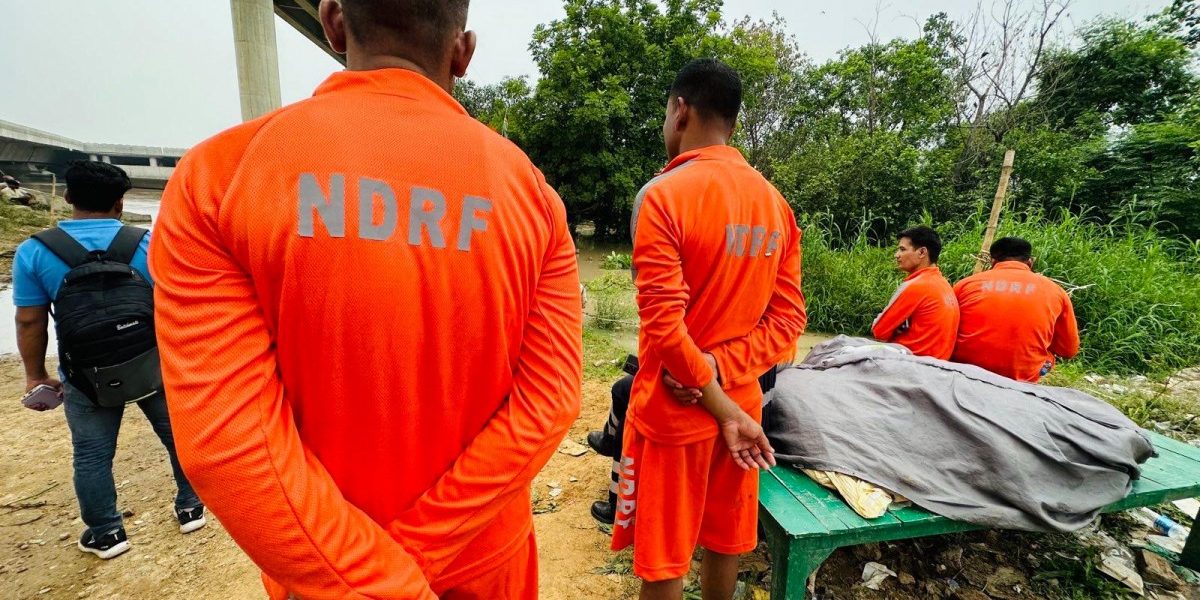
    Over the past few weeks, many parts of North India have faced severe flooding, landslides and deaths. The unprecedented floods in Delhi have brought this crisis to national and international attention. The water level in the river Yamuna reached a record high of 208.66 metres, much above the last great flood in Delhi in 1978 – when it had reached 207.49 metres. Yamuna, before it changed its course, used to flow by the ramparts of the Red Fort and once again has arrived there. It has led to the flooding of several projects of ‘development’ – water treatment plants, the arterial ring road, rich and poor residential areas, drainage, etc.

    [powerkit_button size=”lg” style=”info” block=”true” url=”https://thewire.in/environment/development-rogue-flood-delhi” target=”_blank” nofollow=”false”]
    Read More
    [/powerkit_button]

  • Search for Alternative Development Path: Relevance of Gandhian Thought

    Search for Alternative Development Path: Relevance of Gandhian Thought

    Frequency of extreme weather events has been increasing. Ferocious cyclones, severe droughts and floods, wild fires, melting glaciers and polar ice caps are reported all too frequently. The world needs to consider an alternative development path and Gandhi can be one starting point.

    Gandhi, tradition and modernity

    Gandhi is a hallowed figure in the world, not just in India. However, Gandhian thought has been increasingly pushed to the margins since his death in 1948. It survives in alternative spaces but is hardly practiced anywhere, including in India.

    This marginalisation is the result of Gandhians’ failure to create a milieu which could make Gandhi’s thoughts widely acceptable, especially to the youth. The dynamism required on their part to rapidly evolve their thought to meet the growing challenges in the world in the last 70 years has been missing. Gandhi himself was dynamic, ever-evolving with the changing social situation. In contrast, after his demise, his followers, wanting to remain true to what he had said, got frozen in the past.

    Gandhi was ahead of his time. During his lifetime he struggled to convince the public to pursue the path he propagated. Even the Indian national movement which he led veered off from the path he wanted India to pursue. In his India of my dreams, he argued that India could give a civilisational alternative to the Western civilization which he rejected as `evil’. He perhaps accepted later on that the Congress party was not willing to follow a different path than the path of western modernity.

    [powerkit_button size=”lg” style=”info” block=”true” url=”https://theleaflet.in/search-for-alternative-development-path-relevance-of-gandhian-thought/” target=”_blank” nofollow=”false”]
    Read More
    [/powerkit_button]


  • Indian Economy at 75: Trapped in a Borrowed Development Strategy

    Indian Economy at 75: Trapped in a Borrowed Development Strategy

    In 1947, at the time of Independence, India’s socio-economic parameters were similar to those in countries of South East Asia and China. The level of poverty, illiteracy, and inadequacy of health infrastructure was all similar. Since then, these other countries have progressed rapidly leaving India behind in all parameters. ‘Why is it so?’ should be the big question for every Indian citizen in this time of our 75th anniversary celebrations.


    Introduction

    India at 75 is a mixed bag of development and missed opportunities. The country has achieved much since Independence but a lot remains to be done to become a developed society. The pandemic has exposed India’s deficiencies in stark terms. The uncivilized conditions of living of a vast majority of the citizens became apparent. According to a report by Azim Premji University, 90% of the workers said during the lockdown that they did not have enough savings to buy one week of essentials. This led to the mass migration of millions of people, in trying conditions from cities to the villages, in the hope of access to food and survival.

    Generally, technology-related sectors, pharmaceuticals and some producing essentials in the organized sectors have done well in spite of the pandemic. So, a part of the economy is doing well in spite of adversity but incomes of at least 60% of people at the bottom of the income ladder have declined (PRICE Survey, 2022). The great divide between the unorganized and organized parts of the economy is growing. The backdrop to these developments is briefly presented below.

    Structure and Growth of the Economy
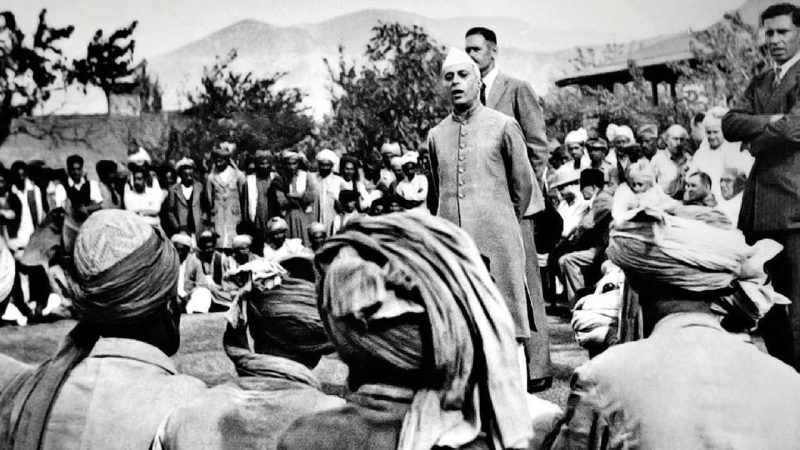
    In 1947, at the time of Independence, India’s socio-economic parameters were similar to those in countries of South East Asia and China. The level of poverty, illiteracy, and inadequacy of health infrastructure was all similar. Since then, these other countries have progressed rapidly leaving India behind in all parameters. So, India has fallen behind relatively in spite of improvements in health services and education, diversification of the economy and development of the industry.

    In 1950, agriculture was the dominant sector with a 55% share of GDP which has now dwindled to about 14%. The share of the services sector has grown rapidly and by 1980 it surpassed the share of agriculture and now it is about 55% of GDP. The Indian economy has diversified production `from pins to space ships’.

    Agriculture grows at a trend rate of a maximum of 4% per annum while the services sector can grow at even 12% per annum. So, there has been a shift in the economy’s composition from agriculture to services, accelerating the growth rate. The average growth rate of the economy between the 1950s and the 1970s was around 3.5%. In the 1980s and 1990s, it increased to 5.4% due to the shift in the composition. There was no acceleration in the growth rate of the economy in the 1990s compared to the 1980s. This rate again increased in the period after 2003 only to decline in 2008-09 due to the global financial crisis. Subsequently, the rate of growth has fluctuated wildly both due to global events and the policy conundrums in India.

    There was the taper tantrum in 2012-13 which cut short the post-global financial crisis recovery. Demonetization in November 2016 adversely impacted growth. That was followed by the structurally flawed GST. These policies administered shocks to the economy. Then came the pandemic in 2020. The economy’s quarterly growth rate had already fallen from 8% in Q4 2017-18 to 3.1% in Q4 2019-20, just before the pandemic hit.

    1980-81 marked a turning point. Prior to that, a drought would lead to a negative rate of growth in agriculture and of the economy as a whole. For instance, due to the drought in 1979-80, the economy declined by 6%. But, that was the last one. After that, a decline in agriculture has not resulted in a negative growth rate for the economy. The big drought of 1987-88 saw the economy grow at 3.4%. After 1980-81, the economy experienced a negative growth rate only during the pandemic which severely impacted the services sector, especially the contact services.

    Employment and Technology Related Issues

    Agriculture employs 45% of the workforce though its share in the economy (14%) has now become marginal. It has been undergoing mechanisation with increased use of tractors, harvester combines, etc., leading to the displacement of labour. Similar is the case in non-agriculture. So, surplus labour is stuck in agriculture leading to massive disguised unemployment.

    India is characterized by disguised unemployment and underemployment.Recent data points to growing unemployment among the educated youth. They wait for suitable work. The result is a low labour force participation rate (LFPR) in India (in the mid-40s) compared to similar other countries (60% plus).The gender dimension of unemployment and the low LFPR is worrying with women the worst sufferers.

    India’s employment data is suspect. The reason is that in the absence of unemployment allowance, people who lose work have to do some alternative work otherwise they would starve. They drive a rickshaw, push a cart, carry a head load or sell something at the roadside. This gets counted as employment even though they have only a few hours of work and are underemployed. So, India is characterized by disguised unemployment and underemployment.
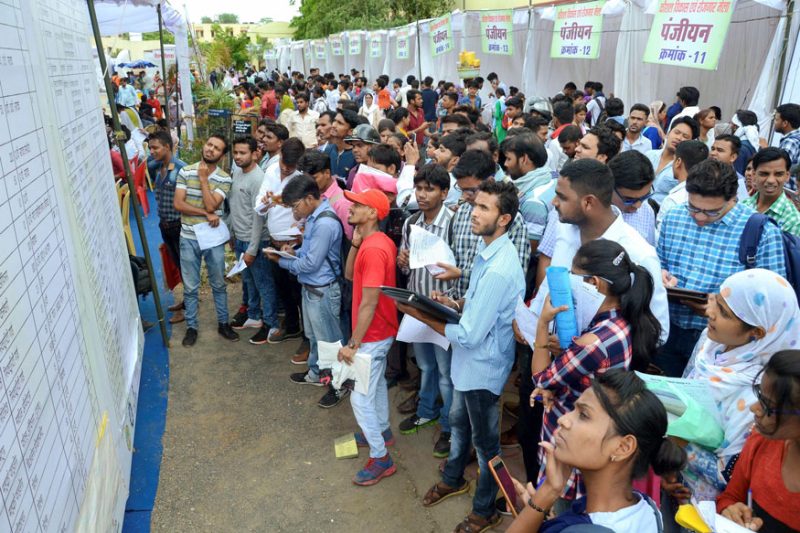
    Recent data points to growing unemployment among the educated youth. They wait for suitable work. The result is a low labour force participation rate (LFPR) in India (in the mid-40s) compared to similar other countries (60% plus). It implies that in India maybe 20% of those who could work have stopped looking for work. No wonder for a few hundred low-grade government jobs, millions of young apply. The gender dimension of unemployment and the low LFPR is worrying with women the worst sufferers.
    These aspects of inadequate employment generation are linked to automation and the investment pattern in the economy. New technologies that are now being used in the modern sectors are labour displacing. For instance, earlier in big infrastructure projects like the construction of roads, one could see hundreds of people working but now big machines are used along with a few workers.

    Further, the organized sectors get most of the investment so little is left for the unorganized sector. This is especially true for agriculture. Thus, neither the organized sector nor agriculture is generating more work. Consequently, entrants to the job market are mostly forced to join the non-agriculture unorganized sector, which in a sense is the residual sector, where the wages are a fraction of the wages in the organized sector. The unorganized sector also acts as a reserve army of labour keeping organized sector wages in check

    Lack of a Living Wage

    To boost profits, the organized sector is increasingly, employing contract labour rather than permanent employees. This is true in both the public and private sectors. So, not only the workers in the unorganized sector, even the workers in the organised sector do not earn a living wage. Thus, most workers have little savings to deal with any crisis. They are unable to give their children a proper education and cannot afford proper health facilities. Most of the children drop out of school and can only do menial jobs requiring physical labour. They cannot obtain a better-paying job and will remain poor for the rest of their lives.

    The Delhi socio-economic survey of 2018 pointed to the low purchasing power of the majority of Indians. It showed that in Delhi, 90% of households spent less than Rs. 25,000 per month, and 98% spent less than Rs. 50,000 per month. Since Delhi’s per capita income is 2.5 times the all India average, deflating the Delhi figures by this factor will approximately yield all India figures. So, 98 per cent of the families would have spent less than Rs.20,000 per month, and 90 per cent less than Rs.10,000 per month. This effectively implies that 90 per cent of families were poor in 2018, if not extremely poor (implied by the poverty line). During the pandemic, many of them lost incomes and were pauperized and forced to further reduce their consumption.

    Unorganized Sector Invisibilized

    In the unorganized sector, labour is not organized as a trade union and therefore, is unable to bargain for higher wages, when prices rise. It constitutes 94% of the workforce and has little social security. No other major world economy has such a huge unorganized sector. No wonder when such a large section of the population faces a crisis in their lives, the economy declines, as witnessed during the pandemic. India’s official rate of growth fell more sharply than that of any other G20 country.

    The micro sector has 99% of the units and 97.5% of the employment of MSME and is unlike the small and medium sectors. The benefits of policies made for the MSME sector do not accrue to the micro units.

    Policymakers largely ignore the unorganized sector. The sudden implementation of the lockdown which put this sector in a deep existential crisis points to that. The micro sector has 99% of the units and 97.5% of the employment of MSME and is unlike the small and medium sectors. The benefits of policies made for the MSME sector do not accrue to the micro units.

    Invisibilization of the unorganized sector in the data is at the root of the problem. Data on this sector become available periodically, called the reference years. In between, it is assumed that this sector can be proxied by the organized sector. This could be taken to be correct when there is no shock to the economy and its parameters remain unchanged.
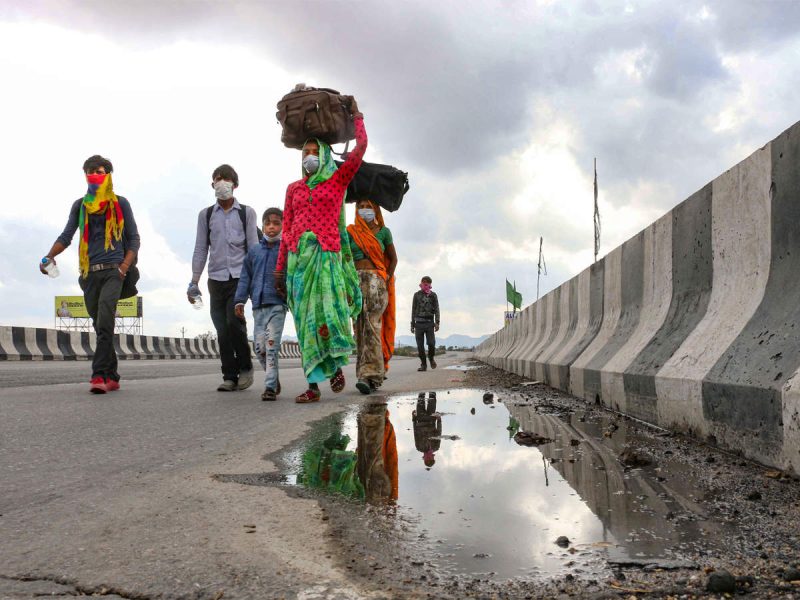
    Demonetization and the flawed GST administered big shocks to the economy and undermined the unorganized sector. Its link with the organized sector got disrupted. Thus, the methodology of calculating national income announced in 2015 became invalid.

    The implication is that the unorganized sector’s decline since 2016 is not captured in the data. Worse, the growth of the organized sector has been at the expense of the unorganized sector because demand shifted from the latter to the former. It suited the policymakers to continue using the faulty data since that presented a rosy picture of the economy. This also lulled them into believing that they did not need to do anything special to check the decline of the unorganized sector.

    Policy Paradigm Shift in 1947

    Growing unemployment, weak socio-economic conditions, etc., are not sudden developments. Their root lies in the policy paradigm adopted since independence.
    In 1947, the leadership, influenced by the national movement understood that people were not to blame for their problems of poverty, illiteracy and ill-health and could not resolve them on their own. So, it was accepted that in independent India these issues would be dealt with collectively. Therefore, the government was given the responsibility of tackling these issues and given a key role in the economy.

    Simultaneously, the leadership, largely belonging to the country’s elite, was enamoured of Western modernity and wanted to copy it to make India an ’advanced country’. The two paths of Western development then available were the free market and Soviet-style central planning. India adopted a mix of the two with the leading role given to the public sector. This path was chosen also for strategic reasons and access to technology which the West was reluctant to supply. But, this choice also led to a dilemma for the Indian elite. It had to ally with the Soviet Union for reasons of defence and access to technology but wanted to be like Western Europe.

    Both the chosen paths were based on a top-down approach. The assumption was that there would be a trickle down to those at the bottom. People accepted this proposition believing in the wider good of all. Resources were mobilized and investments were made in the creation of big dams and factories (called temples of modern India) that generated few jobs. They not only displaced many people trickle down was minimal. For instance, education spread but mostly benefitted the well-off.

    The Indian economy diversified and grew rapidly. An economy that for 50 years had been growing at about 0.75% grew at about 4% in the 1950s. But, the decline in the death rate led to a spurt in the rate of population growth. So, the per capita income did not show commensurate growth, and poverty persisted. Problems got magnified due to the shortage of food following the drought of 1965-67 and the Wars in 1962 and 1965. The Naxalite movement started in 1967, there was BOP crisis and high inflation in 1972-74 due to the growing energy dependence and the Yom Kippur war. Soon thereafter there was political instability and the imposition of an Emergency in 1975. The country went from crisis to crisis.

    Planning failed due to crony capitalism. The prevailing political economy enabled the business community to systematically undermine policies for their narrow ends by fueling the growth of the black economy.

    The failure of trickle-down and the cornering of the gains of development by a narrow section of people led to growing inequality and people losing faith in the development process. Different sections of the population realized that they needed a share in power to deliver to their group. Every division in society — caste, region, community, etc. — was exploited. The leadership became short-termist and indulged in competitive populism by promising immediate gains.

    The consensus on policies that existed at independence dissipated quickly. Election time promises to get votes were not fulfilled. For instance, PM Morarji Desai said that promises in the Janata Dal manifesto in 1977 were the party’s programme and not the government’s. Such undermining of accountability of the political process has undermined democracy and trust and aggravated alienation.

    Black Economy and Policy Failure

    The black economy has grown rapidly since the 1950s with political, social and economic ramifications. Even though it is at the root of the major problems confronting the country, most analysts ignore it.

    So, the black economy controls politics and to retain power it undermines accountability and weakens democracy.

    It undermines elections and strengthens the hold of vested interests on political parties. The compromised leadership of political parties is open to blackmail both by foreign interests and those in power. When in power it is willing to do the bidding of the vested interests. So, the black economy controls politics and to retain power it undermines accountability and weakens democracy.

    The black economy controls politics and corrupts it to perpetuate itself. The honest and the idealist soon are corrupted as happened with the leadership that emerged from the anti-corruption JP movement in the mid-1970s. Many of them who gained power in the 1990s was accused of corruption and even prosecuted. Proposals for state funding of elections will only provide additional funds but not help clean up politics.

    The black economy can be characterized as ’digging holes and filling them’. It results in two incomes but zero output. There is activity without productivity with investment going to waste. Consequently, the economy grows less than its potential. It has been shown that the economy has been losing 5% growth since the mid-1970s. So, if the black economy had not existed, today the economy could have been 8 times larger and each person would have been that much better off. Thus, development is set back. In 1988, PM Rajiv Gandhi lamented that out of every rupee sent only 15 paisa reaches the ground. P Chidambaram as FM said, `expenditures don’t lead to outcomes’.

    The black economy leads to the twin problem of development. First, black incomes being outside the tax net reduce resource availability to the government. If the black incomes currently estimated at above 60% of GDP could be brought into the tax net, the tax/GDP ratio could rise by 24%. This ratio is around 17% now and is one of the lowest in the world. Further, as direct tax collections rise, the regressive indirect taxes could be reduced, lowering inflation.

    India’s fiscal crisis would also get resolved. The current public sector deficit of about 14% would become a surplus of 10%. This would eliminate borrowings and reduce the massive interest payments (the largest single item in the revenue budget). It would enable an increase in allocations to public education and health to international levels and to infrastructure and employment generation.

    In brief, curbing the black economy would take care of India’s various developmental problems, whether it be lack of trickle-down, poverty, inequality, policy failure, employment generation, inflation and so on. It causes delays in decision-making and a breakdown of trust in society.

    Due to various misconceptions about the black economy, many of the steps taken to curb it have been counterproductive, like demonetization. Dozens of committees and commissions have analysed the issues and suggested hundreds of steps to tackle the problem. Many of them have been implemented, like reduction in tax rates and elimination of most controls but the size of the black economy has grown because of a lack of political will.

    Policy Paradigm Shift in 1991

    Failure of policies led to crisis after crisis in the period leading up to 1990. The blame was put on the policies themselves and not the crony capitalism and black economy that led to their failure. The policies prior to 1990 have been often labelled as socialist. Actually, the mixed economy model was designed to promote capitalism. At best the policies may be labelled as state capitalist and they succeeded in their goal. Private capital accumulated rapidly pre-1990. The Iraq crisis of 1989-90 led to India’s BOP crisis and became the trigger for a paradigm change in policies in favour of capital. The earlier more humane and less unequal path of development was discarded.

    Marketization has led to the ’marginalization of the marginals’, greater inequality and a rise in unemployment.

    In 1991, a new policy paradigm was ushered in. Namely, ’individuals are responsible for their problems and not the collective’. Under this regime, the government’s role in the economy was scaled back and individuals were expected to go to the market for resolving their problems. This may be characterized as ’marketization’. This brought about a philosophical shift in the thinking of individuals and society.
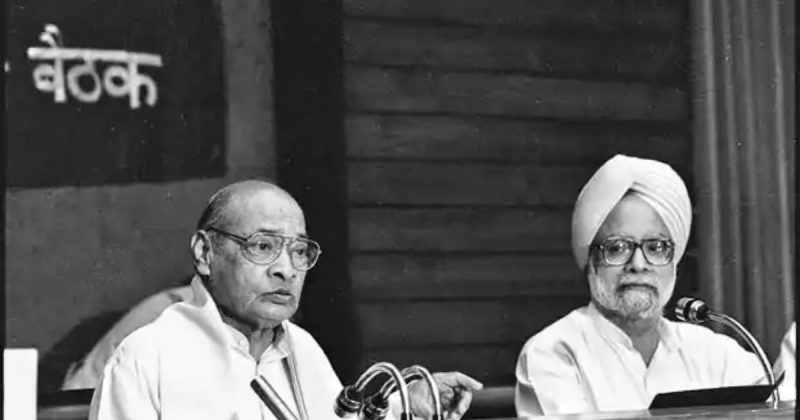
    Marketization has led to the ’marginalization of the marginals’, greater inequality and a rise in unemployment. These policies have promoted ’growth at any cost’ with the cost falling on the marginalized sections and the environment, both of which make poverty more entrenched. So, the pre-existing problems of Indian society have got aggravated in a changed form.

    Poverty is defined in terms of the ’social minimum necessary consumption’ which changes with space and time. Marketization has changed the minimum due to the promotion of consumerism and environmental decay imposing heavy health costs.
    The highly iniquitous NEP is leading to an unstable development environment. The base of growth has been getting narrower leading to periodic crises. Additionally, policy-induced challenges like demonetization, GST, pandemic and now the war in Ukraine have aggravated the situation. These social and political challenges can only grow over time as divisions in society become sharper.

    Weakness in Knowledge Generation

    Why does the obvious not happen in India? No one disagrees that poverty, illiteracy and ill health need to be eliminated. In addition to the problems due to the black economy and top-down approach, India has lagged behind in generating socially relevant knowledge to tackle its problems and make society dynamic.

    Technology has rapidly changed since the end of the Second World War. It is a moving frontier since newer technologies emerge leading to constant change and the inability of the citizens to cope with it. The advanced technology of the 1950s is intermediate or low technology today.

    Literacy needs to be redefined as the ability to absorb the current technology so as to get a decent job. Many routine jobs are likely to disappear soon, like, driver’s jobs as autonomous (self-driving) vehicles appear on the scene. Most banking is already possible through net banking and machines, like, ATMs. Banks themselves are under threat from digital currency.

    So, education is no more about the joy of learning and expanding one’s horizon. No wonder, the scientific temper is missing among a large number of the citizens.

    India’s weakness in knowledge generation is linked to the low priority given to education and R&D. Learning is based substantially on `rote learning’ which does not enable absorption of knowledge and its further development. So, education is no more about the joy of learning and expanding one’s horizon. No wonder, the scientific temper is missing among a large number of the citizens. Dogmas, misconceptions and irrationalities rule the minds of many and they are easily misled. This is politically, socially and economically a recipe for persisting backwardness.

    In spite of policy initiatives regarding education, like, the national education policy in 1968 and 1986, there is deterioration. This is because the milieu of education is all wrong. Policy is in the hands of bureaucrats, politicians or academics with bureaucratized mindsets. So, policies are mechanically framed. Like the idea that ’standards can be achieved via standardization’.

    Learning requires democratization. So, institutions need to be freed from the present feudal and bureaucratic control. Presently, institutions treat dissent as a malaise to be eliminated rather than celebrated. Courses are sought to be copied from foreign universities. JNU is told to be like Harvard or Cambridge. This is a contradiction in terms; originality cannot be copied. Courses copied from abroad tend to be based on the societal conditions there and not Indian conditions. Gandhi had said that the Indian education system is alienating and for many it still is.

    The best minds mostly go abroad and even if they return, they bring with them an alien framework not suited to India. So, as a society, we need to value ideas, prioritize education and R&D and generate socially relevant knowledge.

    Learning is given low priority because ideas are sought to be borrowed from abroad. So, the rulers have little value for institutions that could generate new ideas and inadequate funds are allotted to them. The best minds mostly go abroad and even if they return, they bring with them an alien framework not suited to India. So, as a society, we need to value ideas, prioritize education and R&D and generate socially relevant knowledge.

    Conclusion

    The growth at any cost strategy has been at the expense of the workers and the environment. This has narrowed the base of growth and led to instability in society — politically, socially and economically.

    India is a diverse society and the Indian economy is more complex than any other in the world. This has posed serious challenges to development in the last 75 years but undeniably things are not what they were. The big mistake has been to choose trickle-down policies that have not delivered to a vast number of people who live in uncivilized conditions. Poverty has changed its form and the elite imply that the poor should be grateful for what they have got. They should not focus on growing inequality, especially after 1991, when globalization entered the marketization phase which marginalizes the marginals.

    The growth at any cost strategy has been at the expense of the workers and the environment. This has narrowed the base of growth and led to instability in society — politically, socially and economically. The situation has been aggravated by the recent policy mistakes — demonetization, flawed GST and sudden lockdown. The current war in Ukraine is likely to lead to a new global order which will add to the challenges. The answer to ’why does the obvious not happen’ in India is not just economic but societal. Unless that challenge is met, portents are not bright for India at 75.

    This paper is based substantially on, `Indian Economy since Independence: Persisting Colonial Disruption’, Vision Books, 2013 and `Indian Economy’s Greatest Crisis: Impact of Coronavirus and the Road Ahead’, Penguin Random House, 2020.

    This article was published earlier in Mainstream Weekly.

    Feature Image Credit: Financial Express

    Other Images: DNA India, news18.com,  economictimes, rvcj.com
  • China’s Role in the Infrastructure Development in Post-Civil War Sri Lanka: A Causal Factor for Current Crisis

    China’s Role in the Infrastructure Development in Post-Civil War Sri Lanka: A Causal Factor for Current Crisis

    It is also obvious that the way China handles Sri Lanka’s issue will have a significant impact on the future of China’s debt strategy in other developing nations across the world

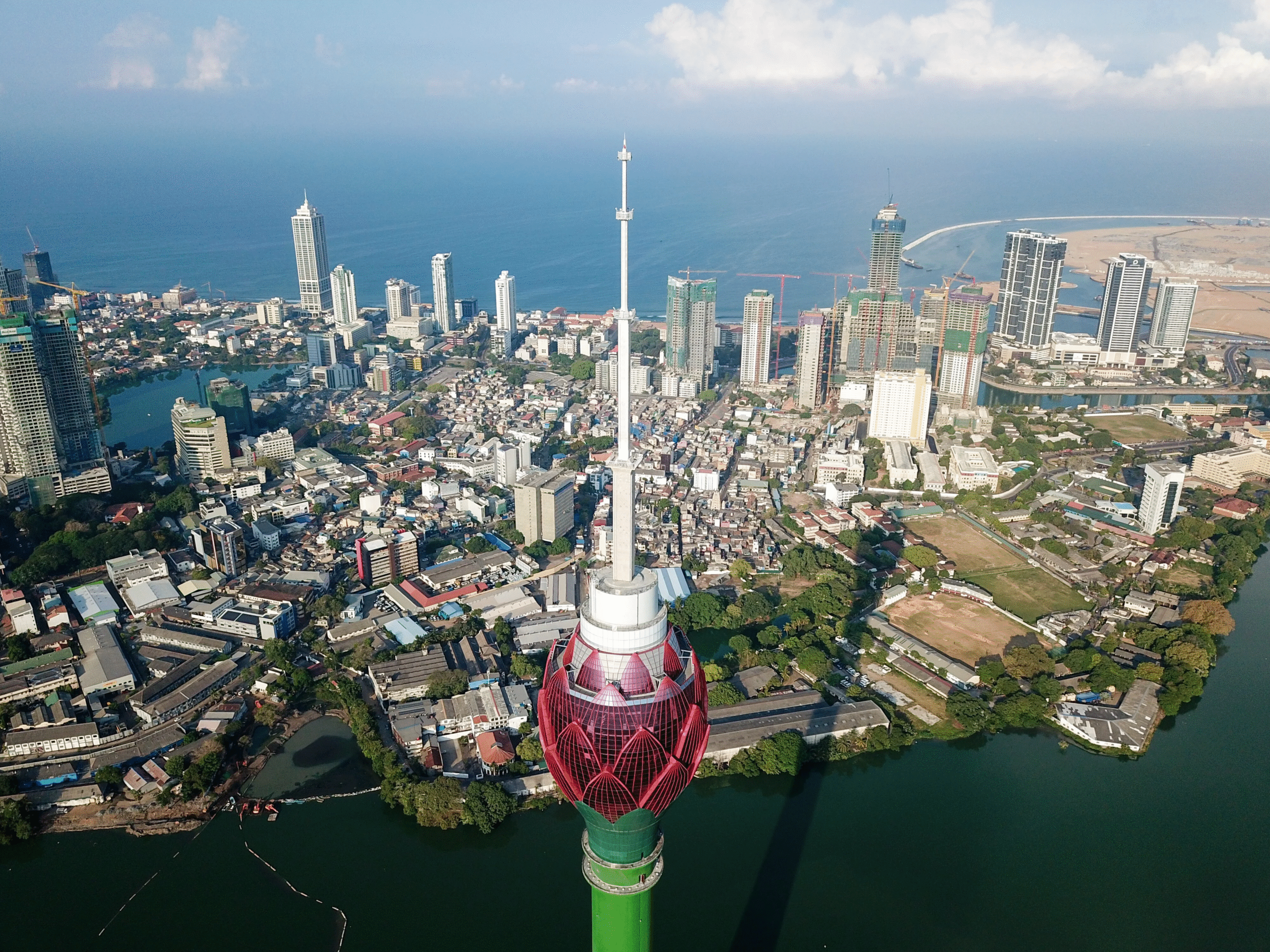
    Sri Lanka and China share an ‘all-weather friends’ relationship. Long-standing diplomatic ties between Sri Lanka and China have developed into an infrastructure-focused economic partnership. Beginning in the early 1970s, China began to offer support for the economic development of some landmark projects in the country. The financial assistance offered by China has increased significantly since 2005. Soon their relationship transformed into a model that made use of interest-bearing loans and foreign direct investments. With Chinese assistance, the Mahinda Rajapaksa administration launched significant transportation, energy, and telecommunications projects. Some of these were the coal-fired Norocholai power station in 2006, the Hambantota port in 2007, the Mattala International Airport in 2010, the Colombo International Container Terminal at the Colombo port in 2011, and the Lotus Tower in 2012. With the launch of China’s BRI (Belt and Road Initiative) strategy in 2013, projects like Colombo Port City were taken up and further investment was made in earlier projects like the Hambantota port deal (Wignaraja et al. 2020).

    During the period between 2006 and 2019, the total value of Chinese investment in Sri Lanka was around $12.1 Billion (Wignaraja et al. 2020). According to a data analysis, China’s bilateral assistance and export credit loans have tripled from US $386.1 million in 2007 to US$1.2 billion in 2009 (Nilanthi Samaranayake 2011). The major sector of Chinese investment is the road and expressway, which accounts for over 68% of the country’s total expressway length. The other significant sector which has received Chinese investment and loans is the port projects.

    Port City – Colombo

    The Port City of Colombo (PCC) is the dream project of Sri Lanka that was unveiled during Chinese President Xi Jinping’s visit in 2014. Since Colombo is one of the top 25 busiest ports in the world, the proposed project promoted Colombo as a “world-class city” not only for Sri Lanka but also for South Asia as a whole (Revi 2021), with the government expecting to turn it into a financial centre like Singapore and Dubai. The initiative is supposed to improve Sri Lanka’s economy, which is primarily dependent on the export of tea and tourism, to more prosperity through a wide range of service sectors. It is projected to cost $14 billion, with China investing $1.4 billion to assist PCC in reclaiming 269 hectares of land in the Indian Ocean. In return, China received a 99-year lease over 116 hectares of the surrounding area. The initiative is a private-public partnership project between the Sri Lankan government and CHEC Port City Colombo Pvt. Ltd. It is also the first Special Economic Zone of Sri Lanka. CHEC Port City Colombo Pvt. Ltd is a part of China Communication Construction Enterprise, which is the state-run infrastructure company that oversees the Belt and Road Initiative (Basu 2022). However, even if Port City manages to produce a sixth of Sri Lanka’s present economic production by 2041, as suggested by an independent study, it will still be a costly venture. Even though China is funding its construction, these commercial activities will provide little income for the debt-ridden country (Mukherjee 2022).

    The Hambantota Port 

    The Hambantota port is in southern Sri Lanka. Its construction began in 2008. The port was built under the state-owned enterprises – China Harbour Engineering and Sinohydro Corporation. Around $1.4 billion was financed by EXIM Bank China in the form of three fixed interest rate loans (Wignaraja et al. 2020, 9). The project’s first phase was finished in 2010 at a cost of US $361 million (Samaranayake 2011), and the port started operations in November 2011. The second phase started in 2012 and ended in 2015. The project took more time than was expected to complete, and was not very successful, leading to a substantial capital loss. By 2016, the Sri Lanka Ports Authority, which owned the Hambantota Port, had suffered losses roughly amounting to SLR 46.7 billion. By this time, it was also evident that this extravagant project was not commercially viable, as had been demonstrated in preliminary feasibility studies (Gupta 2022). To counter this financial loss, the government, in 2017, decided to grant the port to the Chinese state-owned enterprise – China Merchant Port Holdings Company Limited – for a 99-year lease. The revenue from the contract was primarily utilised to address the balance of payment problems brought on by the rising cost of debt payments in the country. 

    The leasing of the port also represents Sri Lanka’s current external sector crisis (Moramudali 2020). Despite restructuring and turning it over to a Chinese entity for 99 years, Sri Lanka is still responsible for paying the debt associated with the failed port. The presence of the established trans-shipment hub, Colombo Port, which is 200 kilometres from Hambantota also makes the port commercially unviable. Because of this proximity issue, even though the port possesses several berths for diverse purposes, just about 400 vessels visit it each year as compared to 4,000 vessels in Colombo Port (Gupta 2022). Moreover, the Mattala Rajapaksa International Airport (MRIA) constructed in the southern Hambantota district with a $200 million loan from China, is referred to as the “emptiest airport in the world” (Shepard 2016). 

    Investments in the Energy sector

    Another key sector that has received Chinese investment is the energy sector. The Norocholai power station was built by the China Machinery Engineering Corporation over a seven-year period in three phases. Three loans from the EXIM Bank of China totalling $1.4 billion and extra funding from the Sri Lankan government contributed to its co-financing. The power plant is now the largest and a vital contributor to the nation’s electricity supply (Wignaraja et al. 2020).

    Projects’ Viability and Performance

    In the Global Competitiveness Report 2019, released by the World Economic Forum, Sri Lanka ranked 84 out of 141 countries, which shows that the country’s infrastructure performance is far worse than that of other middle-income economies like Malaysia (Wignaraja et al. 2020). According to the publicly available figures, the Chinese debt is around 10% of Sri Lanka’s total foreign debt of $55 Billion and the actual figures are much higher than that. Chinese loans to Sri Lankan state-owned firms and other sorts of loans are not included in the current official estimates. According to some experts, this might amount to more than the US $6 billion, or about 20% of Sri Lanka’s external debt with higher interest rates (Gupta 2022). 

    The protracted effects of  Chinese investments must be carefully re-examined by the Sri Lankan government so as to prevent an increase in China’s coercive influence

    Hambantota Port which was built in the home district of the Rajapaksa family clearly portrays the family’s interest in their hometown. The 99-year lease of the port reflects the ever-increasing hold of China on the trade in the strategic Indian Ocean region and there are also prevailing accusations that China is likely to use the port for military purposes in future. In the case of Port City Colombo, scholars worry that it might develop into another Hambantota. Given the present situation, where Sri Lanka is unable to pay its obligations, Colombo Port City may also fall into Chinese control. Due to the political upheaval and financial issues the project construction has been interrupted multiple times. 

    The main causes behind the failures of these projects are that many of these were undertaken for political expediency and electoral considerations rather than for sound economic analysis and commercial viability. The government did not conduct proper feasibility studies to establish the commercial viability of these projects. Unbridled corruption made it worse. For the Hambantota port, more connectivity projects would provide more market and for the Port City Colombo, proper management plans should be given during its ongoing construction period.

    The protracted effects of such Chinese investments must be carefully re-examined by the Sri Lankan government so as to prevent an increase in China’s coercive influence. In light of the current economic crisis in Sri Lanka, China as the largest creditor in the country should offer reasonable restructuring on its loans. China’s response to the current crisis, particularly in the aftermath of the large-scale protests and a new government, will impact the relations between the two countries. It is also obvious that the way China handles Sri Lanka’s issue will have a significant impact on the future of China’s debt strategy in other developing nations across the world (Latiff and Wijesinha 2022).

    References

    Basu, Nayanima. 2022. “Crisis-Hit Sri Lanka Bets Big on $14 Bn China-Backed Port City, Wants Reluctant India to Invest.” ThePrint. March 24, 2022. https://theprint.in/diplomacy/crisis-hit-sri-lanka-bets-big-on-14-bn-china-backed-port-city-wants-reluctant-india-to-invest/883643/.

    Gupta, Shishir. 2022. “Was Cash Strapped Sri Lanka Duped by China in Hambantota Port?” Hindustan Times. June 26, 2022. https://www.hindustantimes.com/world-news/was-cash-strapped-sri-lanka-duped-by-china-in-hambantota-port-101656205405799.html.

    Latiff, Aquilah, and Anushka Wijesinha. 2022. “Understanding China’s Role in Sri Lanka’s Debt Restructuring Efforts.” Thediplomat.com. August 2, 2022. 

    Moramudali, Umesh. 2020. “The Hambantota Port Deal: Myths and Realities.” Thediplomat.com. January 1, 2020. https://thediplomat.com/2020/01/the-hambantota-port-deal-myths-and-realities/.

    Mukherjee, Andy. 2022. “Port City Colombo: The Great Chinese White Elephant of Sri Lanka.” Business Standard India, April 14, 2022. https://www.business-standard.com/article/international/port-city-colombo-the-great-chinese-white-elephant-of-sri-lanka-122041400365_1.html.

    Revi, Vinitha. 2021. “Colombo Port City Project: Controversial since Its Inception.” ORF. December 28, 2021. https://www.orfonline.org/expert-speak/colombo-port-city-project/.

    Samaranayake, Nilanthi. 2011. “Are Sri Lanka’s Relations with China Deepening? An Analysis of Economic, Military, and Diplomatic Data.” Asian Security 7 (2): 119–46. https://doi.org/10.1080/14799855.2011.581603.

    Shepard, Wade. 2016. “For Sale: The World’s Emptiest International Airport.” Forbes. July 18, 2016. https://www.forbes.com/sites/wadeshepard/2016/07/18/for-sale-the-worlds-emptiest-international-airport-mattala-international-hambantota-sri-lanka/?sh=74595f4c1e3b.

    Wignaraja, Ganeshan, Dinusha Panditaratne, Pabasara Kannangara, and Divya Hundlani. 2020. “Chinese Investment and the BRI in Sri Lanka.” Chatham House – International Affairs Think Tank. March 24, 2020. https://www.chathamhouse.org/2020/03/chinese-investment-and-bri-sri-lanka-0/2-economy.

    Feature Image Credits: South China Morning Post

  • PM Modi May Decry ‘Revdi Culture’ – But it Still Runs Our Political Economy

    PM Modi May Decry ‘Revdi Culture’ – But it Still Runs Our Political Economy

    There is little doubt that the practice of handing out freebies undermines both democracy and development. But the problem doesn’t lie just with the opposition

    Constitutional authorities in India have recently spoken about key challenges the country is facing.

    The Chief Justice of India (CJI) has said that there is “diminishing” space for the opposition, that there was no longer any mutual respect between the Union government and the opposition, and that these developments pose a threat to Indian democracy.

    The chief minister of Rajasthan recently spoke about lack of “tolerance” in the country and urged the prime minister to speak out against violence.

    The Union law minister flagged the issue of pendency of cases in courts – almost 5 crore.

    Finally, the CJI blamed the government for the inadequacy of judicial infrastructure and lamented that 80% of the 6.1 lakh prisoners are undertrials and the “process has become the punishment”. He labelled prisons as ‘black boxes’ and prisoners the most vulnerable.

    The CJI’s comments a few days later in Ranchi point to the anguish in the upper echelons of the judiciary when he said that media is “running kangaroo courts”, expresses “biased views” and runs “agenda driven debates”. He stated that many issues are difficult for the judges to decide but the media jumps into the fray all too quickly. He highlighted the threat to the judges after retirement. He also responded to the argument that judges – being unelected – should not get into legislative and executive areas by pointing to the constitutional responsibilities placed on the judiciary.

    [powerkit_button size=”lg” style=”info” block=”true” url=”https://thewire.in/political-economy/narendra-modi-revdi-culture-political-economy” target=”_blank” nofollow=”false”]
    Read More
    [/powerkit_button]

  • Entrepot Development and Diversification: A comparative case study of Singapore and Dubai

    Entrepot Development and Diversification: A comparative case study of Singapore and Dubai

    [powerkit_button size=”lg” style=”info” block=”false” url=”https://admin.thepeninsula.org.in/wp-content/uploads/2022/03/Entrepot-Development-and-Diversification_Adithya-Subramoni-converted_compressed-1.pdf” target=”_blank” nofollow=”false”]
    Download
    [/powerkit_button]

    Introduction

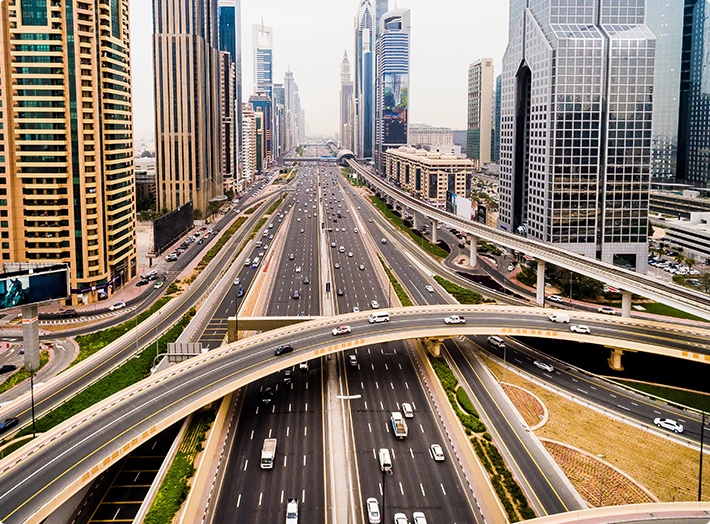
    Dubai is a small city-state in the United Arab Emirates (henceforth UAE), which is renowned internationally for being a logistics hub. With hydrocarbon revenues accounting for less than 1% of its GDP, it is the most diversified sheikhdom in the region. Dubai’s development model is considered ideal and is being followed by other Gulf countries in the region. Dubai’s development approach was inspired by the Singaporean development model. Singapore developed by welcoming foreign firms to set up shop for export-oriented manufacturing and thus used its entrepot status to its advantage. The emirate followed a similar approach to development because it was historically an entrepot and housed merchants but not entrepreneurs. Thus, it followed the Singaporean model by opening its borders to foreign firms and sought to diversify its economy by building on its entrepot characteristics. However, the outcome of this approach has been different vis-à-vis Dubai and Singapore in terms of sectoral diversification which is interesting. This paper conducts a qualitative study that reviews literature about their development policies and follows the most similar systems design to explain the outcome in sectoral diversification based on the differences in inputs of their development policies. The study finds that domestic wage policies and initiatives to encourage technologically advanced firms to relocate were key factors that encouraged a service-oriented diversification of Dubai’s economy.

    While the author appreciates that Singapore developed without the support from hydrocarbon revenues that Dubai was privileged with, this study questions why Dubai, an emirate blessed with the resources and capability to direct its development narrative, witnessed a different outcome in its diversification experience. This research provides insight into two cases of late development which is not often discussed by late development theorists. This study has the potential to further encourage economic historians and development practitioners in this region’s context to think about how development approaches are affected by factors like history, geographic location, and political conditions. The paper uses primary data sources such as government publications and newspaper reports, and secondary sources such as scholarly work for this study. Following this, the methodology of the study is addressed, after key factors of Singapore’s development are highlighted, then literature regarding Dubai’s development is reviewed, and then the discussion is presented followed by the conclusion.

    [powerkit_button size=”lg” style=”info” block=”true” url=”https://admin.thepeninsula.org.in/wp-content/uploads/2022/03/Entrepot-Development-and-Diversification_Adithya-Subramoni-converted_compressed-1.pdf” target=”_blank” nofollow=”false”]
    Read the Full Paper
    [/powerkit_button]

  • Post-Millennium Trends in the Global Energy Security

    Post-Millennium Trends in the Global Energy Security

    The concept of energy security has been at the front and center of many important changes in international relations and international law since the 1970s. While the 1970s witnessed a series of international and domestic contests and cooperation on energy security, in the recent past the situation has been slightly different. In particular the speed of evolution and the fleshing out of the scope and content of energy security has been quite dramatic. The period from 2000 to 2019 has been transformational in multiple ways in respect of the evolution of the concept of energy security, including power structures where sources of military and economic power are not necessarily overlapping. The simultaneous transformation of Russia, India, France, Japan, Germany and UK as multi-regional powers having pockets of influence much beyond their immediate neighborhood is underway. In essence, the North-South divide and East-West geographical construct and post World War 2 multilateralism are losing relevance. A deep study of these changes is required and the first two decades of the twenty first century offer a useful time frame. The book is an attempt to encapsulate the trends indicative of this emerging energy security architecture.