Tag: Climate Change

  • China’s Role in reducing the Global Carbon Footprint: The 2060 Promise and Geopolitics on the Climate Front

    China’s Role in reducing the Global Carbon Footprint: The 2060 Promise and Geopolitics on the Climate Front

    Introduction

    The devastating role carbon plays in climate change cannot be underestimated. The rise in global surface temperatures, air pollution, and sea levels are visible effects of a rapidly changing environment. China, the world’s second most populous country, is also the largest emitter of greenhouse gases[i]. According to the CAIT database, in 2020, China emitted what amounted to 27% of the total greenhouse gas emissions in the world[ii]. Under President Xi Jinping, China has moved to position itself as an “ecological civilization”, striving to advance its role in global climate protection[iii]. China’s endeavours received acclaim when it became one of the first major countries to ratify the Paris Agreement in 2015, pledging to attain peak emissions by 2030 and net zero carbon emissions by 2060. This article aims to delineate China’s strategies and motivations for addressing carbon emissions and contrast these with the measures implemented by Western and developing countries to diminish their carbon footprint.

    China’s Image and Geopolitics in the Climate Sector

    Considering China’s position on the world stage as one of the largest and fastest-growing economies in the world, it has faced international pressure to take accountability for its contribution to climate change. China has previously argued that as a developing country, it should not have to share the same responsibilities of curbing climate change that developed countries, whose emissions went “unchecked for decades”, have[iv]. Nonetheless, they have pledged to lead by example in the climate sector. A large part of President Xi’s campaign to amplify China’s climate ambitions may come from appeasing the West while also setting up leadership in the clean energy sector to better cement its role as a superpower. According to a New York Times article, their promise to contribute to climate protection could be used to soothe the international audience and to counterbalance the worldwide anger that China faces over their oppression of the Uyghur Muslims in the Xinjiang province and their territorial conflicts in the South China Sea and Taiwan[v]. President Xi’s pledge at the UN to reach peak emissions before 2030 may have been an attempt to depict China as a pioneering nation striving to achieve net zero carbon emissions, serving as an alternative powerful entity for countries to turn to in lieu of the United States. This holds particular significance, as the USA remained mute about taking accountability for its own carbon emissions and withdrew from the Paris Agreement during Donald Trump’s presidency[vi]. This also shows China’s readiness to employ the consequences of climate change on its geopolitical agenda[vii].

    The future actions of China may significantly influence the climate policies of both developing and developed nations, potentially establishing China as a preeminent global force in climate change mitigation.

    China has endeavoured to shape its image in the climate sector. In 2015, despite being classified as a developing country, China refrained from requesting climate finance from developed countries and instead pledged $ 3.1 billion in funding to assist other developing countries in tackling climate change[viii]. As per the World Bank’s Country Climate and Development Report for China, China is poised to transform “climate action into economic opportunity.”[ix] By transitioning to a net zero carbon emissions economy, China can generate employment opportunities while safeguarding its non-renewable resources from depletion. China’s economy is also uniquely structured to seize the technological and reputational benefits of early climate action[x]. The future actions of China may significantly influence the climate policies of both developing and developed nations, potentially establishing China as a preeminent global force in climate change mitigation. Nonetheless, if China fails to fulfil its commitment to attain net zero carbon emissions by 2060, it may suffer substantial reputational damage, particularly given its current status as a pioneer in “advancing low carbon energy supply”[xi].

    Domestic Versus International Efforts in the Clean Energy Race

    However, domestic and international factors could affect China’s goal to peak emissions and the deadlines it has set for itself. A global event that may have affected their efforts to peak carbon emissions was the COVID-19 pandemic, in which the rise in carbon emissions from industries and vehicles was interrupted[xii]. However, after the pandemic, China’s economy saw swift growth, and in 2021, China’s carbon emissions were 4% higher than in the previous year[xiii]. Not only is China back on track to peak carbon emissions by 2030, but the International Energy Agency and World Energy Outlook 2023 also found that “China’s fossil fuel use will peak in 2024 before entering structural decline.”[xiv]
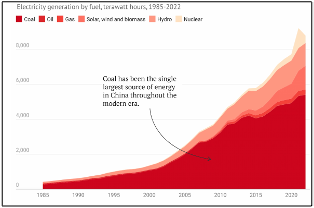
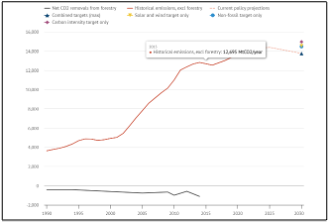
    Although China’s industrial sector is heavily reliant on coal and fossil fuels, it also boasts the world’s largest production of electric vehicles and is a leader in manufacturing solar panels and wind turbines[xv]. In contrast, developed countries, particularly the US, which withdrew from the Paris Agreement in 2017 during the Trump presidency, appear to be making less of an effort towards environmental protection.

    Developing countries, while not entirely possessed of the immense sprawl of China’s economy and population, are nonetheless not at the level of transitioning to clean energy that China is. India, too, has pledged to be carbon neutral by 2070 and to have emissions peak by 2030. Given its increasing economic growth rate, India must decrease its carbon intensity at the same pace. India lags behind China when it comes to manufacturing solar panels and other renewable energy sources. India’s central government is preparing to push energy modernization to “align with global energy transition trends.”[xvi] According to the Economic Times, particular emphasis has been laid on renewable energy sources like solar capacity and e-vehicles in the 2024-25 budget.[xvii]

    China and International Cooperation for Climate Protection

    With China producing sufficient solar capacity in 2022 to lead the rest of the world considerably and the deployment of solar power expected to rise until 2028, it is essential that the West does not make the mistake of isolating China

    Given that China has emerged as the leading manufacturer of electric vehicles (EVs), it remains to be seen whether developed and developing countries will leverage their supply chains to combat their own climate crises. While opportunities are plentiful for Western businesses to integrate with China’s cutting-edge alternatives for traditional energy sources, the United States has adopted a hardline stance towards China[xviii]. The US has imposed 100 per cent tariffs on Chinese-made e-vehicles, and solar cells face tariffs at 50 per cent.[xix] Simultaneously, rivalry and competition between the two countries on the climate front may help combat the climate dilemma and ever-increasing carbon emissions by avoiding the collective action problem. However, this will depend heavily on smooth cooperation and effective communication between Chinese authorities and developed nations within the EU and the USA[xxi]. Empowering domestic groups within countries can raise awareness of climate crises. A poll conducted in China revealed that 46% of the youth considered climate change the “most serious global issue.”[xxii] According to a survey conducted by the United Nations, 80% of people worldwide say they want climate action[vii]. With China producing sufficient solar capacity in 2022 to lead the rest of the world considerably and the deployment of solar power expected to rise until 2028, it is essential that the West does not make the mistake of isolating China[xxiii].

    Conclusion

    China has a significant advantage in its renewable energy sector. Western countries and other developing economies rely heavily on China’s green exports to address climate change urgently. China’s stringent measures to curb emissions from its coal-based industries and the growing output from its alternative energy sources reflect its proactive stance in becoming a global leader in addressing climate change — a position that surpasses other nations’ efforts. While it is debatable whether China’s commitment to reduce its carbon emissions was a political strategy to appease Europe, it is undeniable that tackling climate change is a pressing issue. With the public’s overwhelming support for implementing change in the climate sector, governments worldwide must prioritise their citizens’ needs and cooperate to develop policies that ensure a sustainable future for our planet.


    Notes:

    [i] Saurav Anand, “Solar Capacity, EVs, and Nuclear SMRs to Get Budget Boost for Energy Security – ET EnergyWorld,” ETEnergyworld.com, July 11, 2024, https://energy.economictimes.indiatimes.com/news/renewable/solar-capacity-evs-and-nuclear-smrs-to-get-budget-boost-for-energy-security/111648384?action=profile_completion&utm_source=Mailer&utm_medium=newsletter&utm_campaign=etenergy_news_2024-07-11&dt=2024-07-11&em=c2FuYS5zYXByYTIyMUBnbWFpbC5jb20.

    [ii]Saurav Anand, “Solar Capacity, EVs, and Nuclear Smrs to Get Budget Boost for Energy Security – ET EnergyWorld,” ETEnergyworld.com, July 11, 2024, https://energy.economictimes.indiatimes.com/news/renewable/solar-capacity-evs-and-nuclear-smrs-to-get-budget-boost-for-energy-security/111648384?action=profile_completion&utm_source=Mailer&utm_medium=newsletter&utm_campaign=etenergy_news_2024-07-11&dt=2024-07-11&em=c2FuYS5zYXByYTIyMUBnbWFpbC5jb20.

    [iii]Shameem Prashantham and Lola Woetzel, “To Create a Greener Future, the West Can’t Ignore China,” Harvard Business Review, April 10, 2024, https://hbr.org/2024/05/to-create-a-greener-future-the-west-cant-ignore-china.

    [iv]“Fact Sheet: President Biden Takes Action to Protect American Workers and Businesses from China’s Unfair Trade Practices,” The White House, May 14, 2024, https://www.whitehouse.gov/briefing-room/statements-releases/2024/05/14/fact-sheet-president-biden-takes-action-to-protect-american-workers-and-businesses-from-chinas-unfair-trade-practices/?utm_source=dailybrief&utm_medium=email&utm_campaign=DailyBrief2024May14&utm_term=DailyNewsBrief.

    [v]Noah J. Gordon et al., “Why US-China Rivalry Can Actually Help Fight Climate Change,” Internationale Politik Quarterly, March 24, 2023, https://ip-quarterly.com/en/why-us-china-rivalry-can-actually-help-fight-climate-change.

    [vi] Simon Evans Hongqiao Liu, “The Carbon Brief Profile: China,” Carbon Brief, November 30, 2023, https://interactive.carbonbrief.org/the-carbon-brief-profile-china/.

    [vii]“Climatechange,” United Nations, accessed July 18, 2024, https://www.un.org/en/climatechange#:~:text=The%20world’s%20largest%20standalone%20public,to%20tackle%20the%20climate%20crisis.

    [viii]Martin Jacques, “China Will Reach Climate Goal While West Falls Short,” Global Times, accessed July 19, 2024, https://www.globaltimes.cn/page/202402/1306788.shtml#:~:text=There%20has%20been%20constant%20low,than%202050%20for%20carbon%20zero.

    [ix] Steven Lee Myers, “China’s Pledge to Be Carbon Neutral by 2060: What It Means,” The New York Times, September 23, 2020

    [x] Simon Evans, Hongqiao Liu et al, “The Carbon Brief Profile: China,” Carbon Brief, November 30, 2023, https://interactive.carbonbrief.org/the-carbon-brief-profile-china/.

    [xi] China | nationally determined contribution (NDC), accessed July 17, 2024, https://www.climatewatchdata.org/ndcs/country/CHN?document=revised_first_ndc.

    [xii] Simon Evans, Hongqiao Liu et al, “The Carbon Brief Profile: China,” Carbon Brief, November 30, 2023, https://interactive.carbonbrief.org/the-carbon-brief-profile-china/.

    [xiii] Steven Lee Myers, “China’s Pledge to Be Carbon Neutral by 2060: What It Means,” The New York Times, September 23, 2020,https://www.nytimes.com/2020/09/23/world/asia/china-climate-change.html.

    [xiv] Steven Lee Myers, “China’s Pledge to Be Carbon Neutral by 2060: What It Means,” The New York Times, September 23, 2020, https://www.nytimes.com/2020/09/23/world/asia/china-climate-change.html.

    [xv] Simon Evans, Hongqiao Liu et al, “The Carbon Brief Profile: China,” Carbon Brief, November 30, 2023, https://interactive.carbonbrief.org/the-carbon-brief-profile-china/.

    [xvi] Matt McGrath, “Climate Change: China Aims for ‘Carbon Neutrality by 2060,’” BBC News, September 22, 2020, https://www.bbc.com/news/science-environment-54256826.

    [xvii] Simon Evans, Hongqiao Liu et al, “The Carbon Brief Profile: China,” Carbon Brief, November 30, 2023, https://interactive.carbonbrief.org/the-carbon-brief-profile-china/.

    [xviii] World Bank Group, “China Country Climate and Development Report,” Open Knowledge Repository, October 2022, https://openknowledge.worldbank.org/entities/publication/ef01c04f-4417-51b6-8107-b688061a879e.

    [xix] World Bank Group, “China Country Climate and Development Report,” Open Knowledge Repository, October 2022, https://openknowledge.worldbank.org/entities/publication/ef01c04f-4417-51b6-8107-b688061a879e.

    [xx] World Bank Group, “China Country Climate and Development Report,” Open Knowledge Repository, October 2022, https://openknowledge.worldbank.org/entities/publication/ef01c04f-4417-51b6-8107-b688061a879e.

    [xxi] Steven Lee Myers, “China’s Pledge to Be Carbon Neutral by 2060: What It Means,” The New York Times, September 23, 2020.

    [xxii]  Steven Lee Myers, “China’s Pledge to Be Carbon Neutral by 2060: What It Means,” The New York Times, September 23, 2020.

    [xxiii] Simon Evans, Hongqiao Liu et al, “The Carbon Brief Profile: China,” Carbon Brief, November 30, 2023, https://interactive.carbonbrief.org/the-carbon-brief-profile-china/.


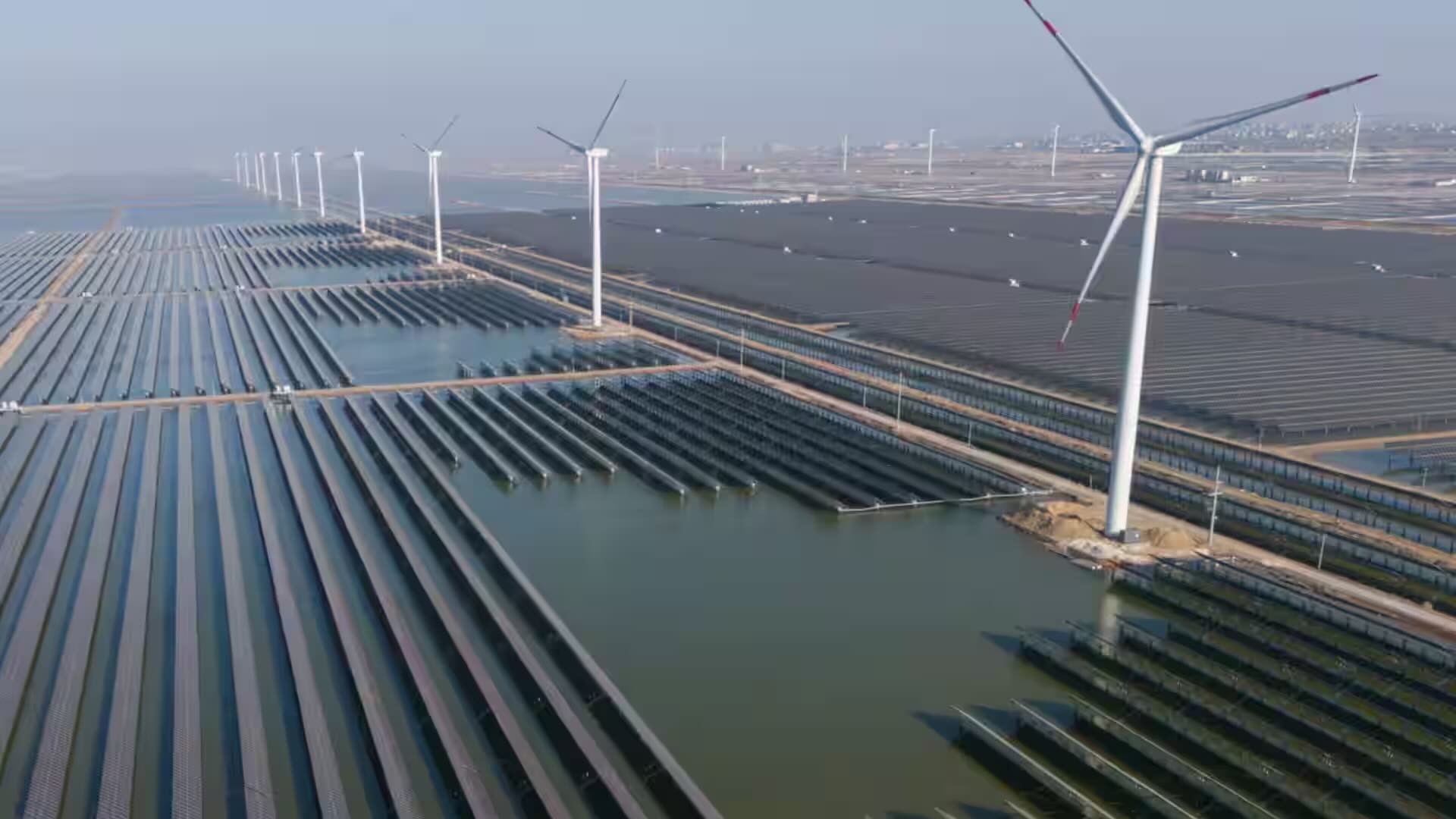
    Feature Image: wionews.com  China leads the charge: Beijing develops two-thirds of global wind and solar projects.
     

  • Most of the world’s ocean is unprotected: This is why that needs to change

    Most of the world’s ocean is unprotected: This is why that needs to change

    • More than three billion people rely on the ocean for their livelihoods, most of them in developing countries.
    • Only 7% of the world’s ocean, a vital resource for fighting climate change, is under any protection, and just 3% is highly protected.
    • The ‘Blue Leaders’ campaign urges countries to join international treaties that would protect the ocean and all the benefits it provides to humanity.

    The ocean is a vital life support system for the planet, and we are running out of time to preserve the marine biodiversity that it is home to and upon which we all depend.

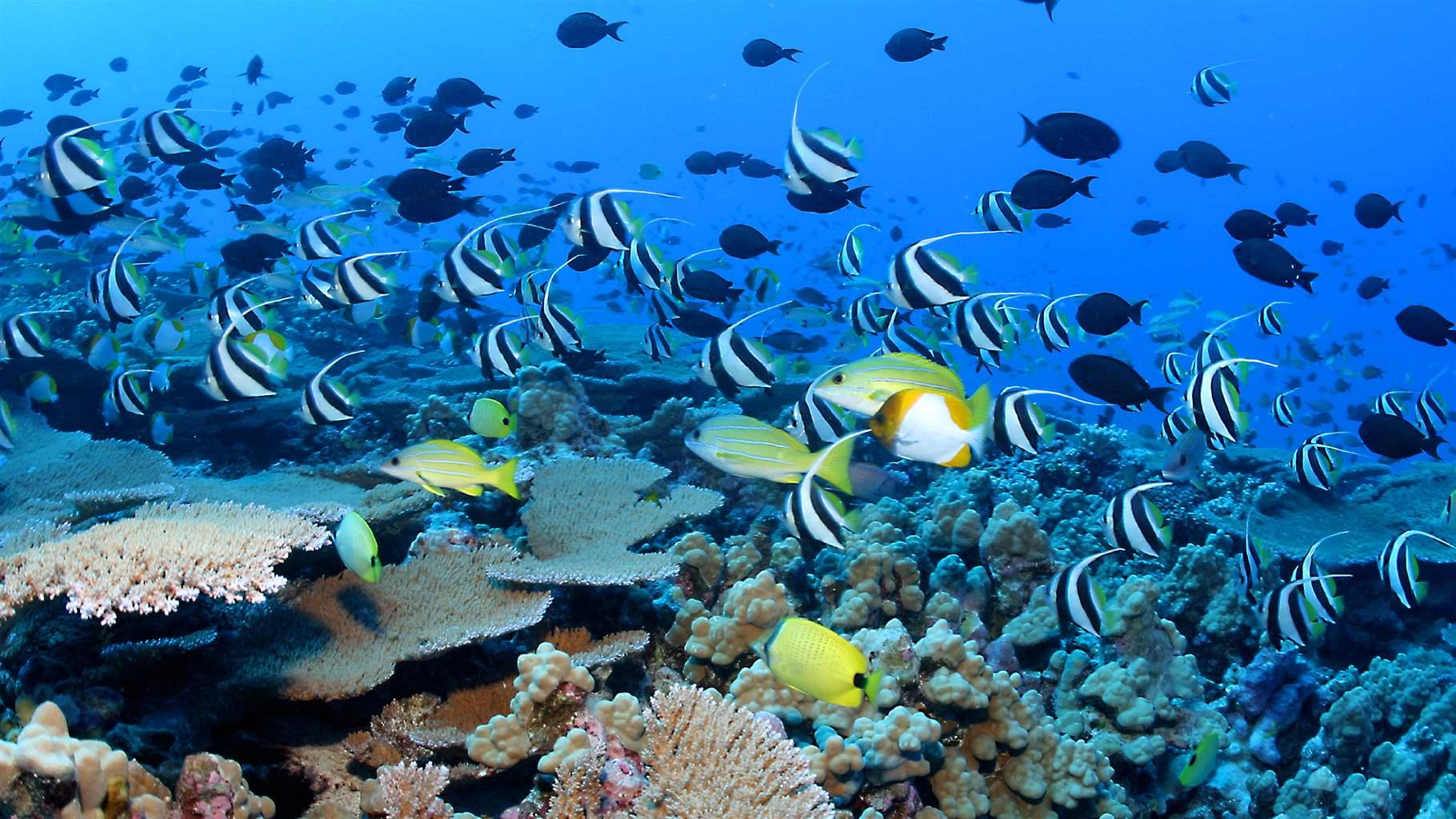
    Having played a key role thus far in the mitigation of climate change, our blue ally is quickly running out of steam. With water temperature and sea levels rising, acidification, pollution, unsustainable exploitation of marine resources, depletion of fish stocks, the near disappearance of coral reefs, and the destruction of fragile ecosystems, the ocean is being disproportionately impacted by human activities.

    Now, more than ever, we must consider the possible implications of its demise.

    The ocean plays an indispensable role in providing and regulating resources that are vital to sustaining life on Earth — from rainwater to drinking water, and as a source of our food, weather, and the oxygen we breathe

    Securing our ocean’s future

    Recognizing the key role that the ocean plays for people all over the world, the United Nations has adopted a sustainable development goal focused on conserving the ocean, with targets for action on an array of problems. While some progress has been made, more is yet needed to secure our ocean’s future.

    Scientists have called for securing at least 30% of marine waters as fully or highly protected sanctuaries, free from damaging human activities like bottom trawl fishing and seabed mining. By doing so, we can give the ocean a fighting chance in the face of climate change.

    Today, just 7% of the world’s ocean is under protection, and only 3% is highly protected. Moreover, there is no legal mechanism in place to establish fully protected marine areas in the high seas and deep seabed areas, our shared international waters that constitute nearly two thirds of the global ocean.

    Marine coastlines are home to 2.4 billion people — approximately 40% of the world’s population. More than three billion people rely on the ocean for their livelihoods, most of them in developing countries. Degradation of coastal and marine ecosystems threatens the physical, economic, and food security of communities around the world.

    Continuing along our current path towards ocean destruction will impact human lives and livelihoods.

    The role of the ocean and coastal and marine ecosystems in climate change mitigation is often overlooked. Protecting and restoring ocean habitats such as seagrass beds, salt marshes, and mangroves, and their associated food webs, can sequester carbon dioxide from the atmosphere at rates up to five times greater than tropical forests.

    Choosing not to prioritize the protection of our ocean is depriving us of the tools we desperately need to achieve our climate mitigation goals.

    Commitments are needed

    With multiple high-level ocean negotiations planned in 2022, this year is one filled with opportunity for the preservation of our oceans. Our only hope for a better future lies in the adoption of unprecedentedly bold ocean conservation commitments.

    The science is clear: to maximize the health and resilience of the global ocean, at least 30% of it must be protected through a network of “highly” and “fully” protected Marine Protected Areas (MPAs) by 2030.

    To achieve this goal, a new treaty for the conservation and management of marine life in the high seas must be concluded to ensure that human activities are managed to prevent significant adverse impacts, with robust oversight mechanisms and provisions to establish fully protected MPAs in the high seas.

    Governments who have joined the “Blue Leaders” campaign call on all countries to rally behind these commitments at the upcoming meeting of the Conference of the Parties to the Convention on Biological Diversity (CoP15), expected to take place in Kunming, China in August 2022.

    Another key moment is the UN Ocean Conference, which is scheduled to be held in Lisbon, Portugal, from 27 June to 1 July. Each of these meetings offers an opportunity for countries to come together, join the Blue Leaders, and take the action that our ocean desperately needs.

    The ocean knows no boundaries: it unites us all as a physical link between coastal countries, communities, and individuals, and as the source of our food, water, and air. We all face similar challenges and similar opportunities. Let us be bold for the ocean together.

    Feature Image: pewtrusts.org
    This article was published earlier in weforum.org  and is republished under the Creative Commons 4.0 International Public License.
  • Search for Alternative Development Path: Relevance of Gandhian Thought

    Search for Alternative Development Path: Relevance of Gandhian Thought

    Frequency of extreme weather events has been increasing. Ferocious cyclones, severe droughts and floods, wild fires, melting glaciers and polar ice caps are reported all too frequently. The world needs to consider an alternative development path and Gandhi can be one starting point.

    Gandhi, tradition and modernity

    Gandhi is a hallowed figure in the world, not just in India. However, Gandhian thought has been increasingly pushed to the margins since his death in 1948. It survives in alternative spaces but is hardly practiced anywhere, including in India.

    This marginalisation is the result of Gandhians’ failure to create a milieu which could make Gandhi’s thoughts widely acceptable, especially to the youth. The dynamism required on their part to rapidly evolve their thought to meet the growing challenges in the world in the last 70 years has been missing. Gandhi himself was dynamic, ever-evolving with the changing social situation. In contrast, after his demise, his followers, wanting to remain true to what he had said, got frozen in the past.

    Gandhi was ahead of his time. During his lifetime he struggled to convince the public to pursue the path he propagated. Even the Indian national movement which he led veered off from the path he wanted India to pursue. In his India of my dreams, he argued that India could give a civilisational alternative to the Western civilization which he rejected as `evil’. He perhaps accepted later on that the Congress party was not willing to follow a different path than the path of western modernity.

    [powerkit_button size=”lg” style=”info” block=”true” url=”https://theleaflet.in/search-for-alternative-development-path-relevance-of-gandhian-thought/” target=”_blank” nofollow=”false”]
    Read More
    [/powerkit_button]


  • Reality of India’s Performance as put Forth by the Environmental Performance Index (EPI)

    Reality of India’s Performance as put Forth by the Environmental Performance Index (EPI)

    India ranked 117 out of 180 countries as per the latest “The State of India’s Environment Report 2021” released by the Centre for Science and Environment (CSE) in June 2021, while it ranked 87th out of 115 countries in the Energy Transition Index (ETI) released by the World Economic Forum in 2021

    Taking adequate measures to combat climate change and global warming has become a key priority of nation-states today. With a global understanding that reducing greenhouse gas emissions, achieving carbon neutrality, and switching to renewable sources of energy are the ways forward for sustainable development, countries around the world, including India, have made various pledges and commitments to achieve defined targets in respect of climate change and environmental protection. While developing countries have called for the adoption of the principle of ‘Common but Differentiated Responsibilities and Respective Capabilities’ (CBDR–RC), India, as the third largest carbon emitter in the world, has considerable responsibility in enacting the much-needed changes. In the budget presented for 2022-23, the Indian government has pledged to reach net-zero carbon emissions by 2070, and achieve a non-fossil fuel energy capacity of 500 GW by 2030. It further seeks to meet 50% of the energy requirements from renewable sources, while also reducing the total projected carbon emissions by 1 billion tonnes and reducing the carbon intensity of the economy to less than 45%. These are stiff targets to achieve, maybe even impractical in the view of some analysts.

    While the Indian government has celebrated the inauguration of various policies and schemes which would contribute to these lofty goals, India’s performance according to global indices reveal an immediate need for a change of tactics.  India ranked 117 out of 180 countries as per the latest “The State of India’s Environment Report 2021” released by the Centre for Science and Environment (CSE) in June 2021, while it ranked 87th out of 115 countries in the Energy Transition Index (ETI) released by the World Economic Forum in 2021. Similar positions have been held by the country in other notable indices like the Climate Change Performance Index (CCPI) where India was ranked 10th out of 60 countries and the European Union released by German Watch. Thus, India’s rank of 180 out of 180 countries in the Environment Performance Index came as a surprise to many. 

    The Environment Performance Index presents a data-driven summary of the state of sustainability around the world using 40 performance indicators based on climate change performance, environmental health, and ecosystem vitality. It is released biennially by the Yale Centre for Environmental Law and Policy and the Columbia University Centre for International Earth Science Information Network in partnership with the World Economic Forum. India’s position in the latest 2022 report is a step down from EPI-2020 where it ranked 168th with a score of 27.6. 

    India’s aggregate score according to EPI -2022 is 18.9 with the report stating that “India slips to the bottom of the rankings for the first time, with increasingly hazardous air quality and quickly rising greenhouse gas emissions.” Further, according to EPI, India also ranks poorly in terms of rule of law, corruption control, and government performance. On its release, the results have been contested by the Indian government which claimed that many of the indicators used are based on “unfounded assumptions” and that these were based on “surmises and unscientific methods”. 

    According to the concerns raised by the Indian government, Projected GHG Emissions Levels in 2050 which is the new indicator in the Climate Policy Objective,  is calculated in the Environment Performance Index using the average rate of change in emissions over the previous ten years rather than modelling that takes into account a longer time period and which considers other factors like the level of renewable energy capacity and usage, extra carbon sinks, energy efficiency and the like in the individual nations. While the principle of ‘Common But Differentiated Responsibility and Respective Capabilities’ (CBDR–RC) has been enshrined in the United Nations Framework Convention on Climate Change (UNFCCC) acknowledges the different capabilities and differing responsibilities of individual countries in addressing climate change, the EPI report’s emphasis on data and statistics have led to the overlooking of this principle in the course of its analysis. The time period used by the EPI of 10 years with regards to projected Greenhouse Gas emissions is unlike other indices like the CCPI (Climate Change Performance Index) which uses a timeframe of 5 years for its calculations (to take into consideration the new and renewed commitments made by countries at the 2015 Paris conference). The CCPI in comparison also uses a past trends indicator under the category of GHG emissions (with a 40 % weightage) where historical GHG emissions (Co2, Methane, Fluorinated gases, Nitrous Oxide) are considered with reference to the base year of 1990 as put forth by the Kyoto Protocol. The absence of acknowledgement of India’s historical emissions which have been minimal i.e.:  from 1870 to 2019, its emissions have added up to a minuscule 4 percent of the global total is also noticeable in the EPI findings. 

    The exclusion of the Indian Forest cover, which is far greater than many countries, as a vital carbon sink is a significant downfall of the EPI analysis

    Forests and wetlands have been globally acknowledged as vital carbon sinks with great effectiveness in controlling carbon levels. The world’s forests absorb a total of 15.6 gigatons of CO2 per year although these figures are threatened by threats like deforestation, natural disasters, and forest fires. According to the latest Forest Survey of India report, the total forest cover in India (2022) is 7,13,789 square kilometres which are 21.71% of the total geographical area. In comparison, Denmark, which topped the EPI rankings 2022, officially possesses  608,078 ha or 6080.78 square kilometres of forest corresponding to 14.1% of the land area. The exclusion of the Indian Forest cover, which is far greater than many countries, as a vital carbon sink is a significant downfall of the EPI analysis. 

    Wetland ecosystems have been scientifically proven as one of the most biologically productive areas on the planet. They provide a wide range of important services, such as food, water, groundwater recharge, water purification, flood moderation, erosion control, microclimate regulation and landscape aesthetics outside of being viable carbon sinks. According to the National Wetland Inventory and Assessment compiled by the Indian Space Research Organisation (ISRO), wetlands are spread over 1,52,600 square kilometres (sq. km) in India which is 4.63 percent of the total geographical area of the country. The difference in topography of the high-ranking countries in the index with India can mean that the effect of wetlands and forests can have a significant impact on India’s rankings as opposed to countries like Denmark where wetlands make up only 0.6 % of the land area where the impact is comparatively much lower. 

    The government further argues that the equity principle is given relatively little weightage in the form of statistics such as GHG emission per capita and GHG emission intensity trend which can be found to be grounded in the EPI’s disregard of the CBDR principle. The EPI rankings with regards to GHG emissions are also in contrast to other indices like the CCPI where seven G20 countries received a very low rating for their performance, including Russia (with 165 ranking with respect to GHG emissions and an overall ranking of 112), Australia (with 171 ranking with respect to GHG per capita and an overall rank of 17), the United States (with 167 ranking with respect to GHG per capita and overall rating of 43), and Canada (with 169 ranking with respect to GHG emissions and overall rating of 49). 

    While the EPI utilises indicators like Pesticides and N mgmt index under the category of agriculture and solid waste, recycling and ocean plastics under the category of waste management, other indicators such as agricultural biodiversity, soil health, food loss and waste are also not included in the report despite the fact that these are critical for developing nations with significant agrarian populations. Furthermore, the index computes the geographical distribution of various ecosystems but makes no mention of their efficiency and functioning with regard to climate change which can have a significant impact when gauging factors like biodiversity, waste management, air quality and fisheries. 

    India installed 15.4 gigawatts (GW) of renewable energy projects in 2021 alone but operations of these projects remain a fraction of these capacities

    Thus, it can be found that certain critiques of the Environment Performance Index are well founded and must be acknowledged, and respective changes must be introduced to improve the reach, relevance, and functionality of the index. However, even with the addition of these factors, the fact remains that India’s performance on climate action is still underwhelming with significant gaps between capabilities and action in reality. India installed 15.4 gigawatts (GW) of renewable energy projects in 2021 alone but operations of these projects remain a fraction of these capacities. Therefore, the government must concentrate on redoubling its efforts to meet its 2030 targets and use the reports of various indices including the Environment Performance Index as a gauge of the country’s closeness to achieving its promised goals. 

    Feature Image Credits: The New York Times

  • Climate Change: A Review of the Rural Electrification Policies and Barriers to adopting Renewable Energy in Rural India

    Climate Change: A Review of the Rural Electrification Policies and Barriers to adopting Renewable Energy in Rural India

    Energy is crucial for a country’s growth and sustainable development. But over one-third of the world’s population, mostly consisting of people in rural areas of developing countries, do not have access to clean, affordable energy.

    The climate crisis is a battle that countries have been fighting for decades now. The policies and strategies developed by different countries have helped in small ways in achieving their energy and climate goals. One strategy among all countries is the development and improvement in the use of renewables. Various studies, across different fields, have shown us the need for countries to shift to this alternative set of energy sources that will sustain life in the long run. The use of renewable energy in both urban and rural areas should be monitored and developed to achieve the sustainable development goals that countries have vowed to achieve.

    Energy is crucial for a country’s growth and sustainable development. But over one-third of the world’s population, mostly consisting of people in rural areas of developing countries, do not have access to clean, affordable energy. This is an important factor contributing to the low standards of living in rural areas of developing countries.

    In India, more than two-thirds of the population live in rural areas whose primary source of income is agricultural activities. But a large proportion of the rural population does not have consistent access to energy. To this population, new alternative sources of energy remain unaffordable and inaccessible due to poverty and lack of adequate infrastructure, respectively. Hence, we find that the rural populations continue to use traditional sources of energy such as coal, fuelwood, agricultural waste, animal dung, etc. Not only do these cause pollution and quick erosion of natural resources, but they impact negatively on people’s health. The need for transitioning to the use of renewable energy, especially in the country’s rural areas is of prime importance. But, to achieve this, the government must bring out policies that will guide this transition. Moreover, it is important that the government positively supports companies – both private and public – that generate the required technology and research that transforms the available renewable energy sources into energy that the public can consume.

    Rural Electrification in India

    The Electricity Act of 2003 enabled the building of electricity infrastructure across the rural and remote regions of the country and thus, easy access to electricity for most of the people. The Indian Government launched the Rajiv Gandhi Grameen Vidyutikaran Yojana (RGGVY) in 2005, to extend electricity to all unelectrified villages. The programme focused largely on developing electrification infrastructure across villages in India and providing free connections to all rural households living below the poverty line. Further, state governments received a 90% grant from the central government which aided in extending electrification infrastructure to over one lakh villages during the period 2005–2013. Moreover, the central government worked towards increasing implementation efficiencies by engaging central PSUs in some states.

    In 2015, the NDA Government launched the Deen Dayal Upadhyaya Gram Jyoti Yojana (DDUGJY) under which, the villages that remained un-electrified under the RGGVY, were electrified. The scheme has also been significant in supporting distribution networks in rural areas, largely concerning metering distribution transformers, feeders, and consumers in rural areas (Gill, Gupta, and Palit 2019).

    The central government further introduced standalone mini-grids programs, under the DDUGJY in 2016. Guided by the National mini-grid policy, State governments also contributed through various mini-grid policies to promote decentralised renewable energy solutions. Further, the Unnat Jyothi Affordable LEDs for All was introduced to encourage the efficient use of energy and under this scheme, LED bulbs were distributed to all households with a metered connection at subsidised rates. The Ujwal DISCOM Assurance Yojana was also introduced under the DDUGJY to allow a financial turnaround and operational improvement of Discoms. According to the UDAY scheme, discoms were expected to improve operational efficiency and bring AT&C losses down to 15%.

    While the schemes were successfully implemented then, the rate of rural household electrification was still slow. Evaluations of the schemes found various limitations, such as high upfront connection costs, poor quality of supply, poor maintenance services, to name a few. Additionally, some states had also started initiating their electricity-access programmes to accelerate the electrification process, such as the West Bengal Rural Electrification Programme, the Har Ghar Bijli scheme in Bihar, the Bijuli Bati mobile-based app to enable last-mile connectivity and household connections in Odisha (Gill, Gupta, and Palit 2019). To address this issue, the central government then launched the Pradhan Mantri Sahaj Bijli Har Ghar Yojana (PM Saubhagya) in September 2017, with the ambitious target of providing electricity connections to all un-electrified rural households by March 2019. Under this scheme, the government has electrified all of 597,464 census villages in the country (Bhaskar 2019).

     Barriers to adopting Renewable Energy in Rural Areas

    This section focuses on the issues that restrict the efficient adaptation of renewable energy in rural areas. As the government continues to promote renewable energy in rural communities, it should keep in mind these following limitations and develop mechanisms to overcome them as and when they arise. While employing renewables to supply electricity, the problem of grid integration arises. Most electricity grids and the technology used, are designed and placed around fossil fuels. However, when they transition now to more non-conventional forms of energy such as wind and solar, the designs and placements of power generation systems have to change rapidly. Thus, heavy emphasis should be placed on improving the research and infrastructure required to make this transition as smooth as possible. That is, the government should research the most optimal locations for wind turbines and solar panels, as not all lands in rural areas can be employed for this purpose. Otherwise, it may negatively impact the quality of agricultural lands. Upon conducting the required research, the infrastructure to connect all areas to the electricity grids must be developed and well-financed by the government to satisfy the energy demands of the rural population. For instance, in Germany, while the wind power potential is in the northern regions, major demand for it is in the southern region. Thus, the country’s energy transition process emphasizes upgrading the electricity grid infrastructure that would make it possible for power to flow from north to south (UNCTAD 2019). Further, the planning should also focus on balancing the energy mix in the power grid. The transition to renewables will not be a quick one, which implies that for the short term the power grid will be a mix of different sources of energy. Thus, the plans should design the grids in such a way that the proportion of each energy source balances one another so that there is no leakage or wastage in the system, especially given the fact that energy storage technology is still underdeveloped in the country.

    For many years now, there has been an emphasis on the potential of decentralised electricity comprising off-grid or mini-grid systems to help with rural electrification. The government introduced a national mini-grid policy in 2016 to promote decentralised renewable energy. With the increase in the use of solar energy, solar-powered mini-grid systems were found to be more economical and accessible to rural households (Comello et al. 2016). These systems could substantially improve the people’s standard of living and eliminate the use of harmful fuels such as kerosene oil for simple household appliances such as lamps and cooking stoves. However, an IEA report found evidence that this potential is limited, and would not be beneficial for large, productive, income-generating activities. Thus, mini-grids are often considered a temporary solution, until grid connectivity is achieved (IEA 2017).

    Whether a grid system or an off-grid system is implemented, high connection charges will automatically limit the rural population’s ability to connect to the grid.

    A major challenge that the government must keep in mind is affordability. Whether a grid system or an off-grid system is implemented, high connection charges will automatically limit the rural population’s ability to connect to the grid. On the one hand, better access to electricity will increase productivity and lead to the growth and development in the region but on the other hand, most of the rural communities live below the poverty line and will not be able to afford the connection, even if they have access to it. While decentralised energy sounds economical and sounds like an obvious solution, it is also limited in capacity.

    Another factor that the government must keep in mind for the adaptation of renewable energy in rural areas is the situation of state and private distribution companies (discoms) in India that play a pivotal role in the rural electrification process. While the government set the goals and adopted a strategy to electrify all rural households under the Saubhagya scheme, it was the discoms’ responsibility to implement these strategies and achieve the goals. A TERI report found that the discoms had difficulty carrying out the electrification process because the strategy adopted by the government had not considered the difference in demographics in the rural areas (Gill, Gupta, and Palit 2019). That is, each area differs in population size, density, and topography and the discoms found it hard to implement a similar strategy to all places alike. Moreover, the financial status of many state-run discoms has been stressed over the past year due to increasing losses and lack of adequate support from the respective State governments. Over the past year, dues to power generators have increased to Rs 1.27 trillion (Economic Times 2021). The annual 2021 budget’s outlay of over Rs 3 trillion, to be spent over five years, to improve the viability of state-run discoms, is a step in the right direction. The TERI report also found that discoms face institutional burdens in the electrification process (Gill, Gupta, and Palit 2019). The companies are most often strapped for time and must deal with huge amounts of paperwork. Simultaneously, they have to be physically present to install the necessary infrastructure and manage the labour employed in different states. In the end, it remains to be seen how the discoms will manage to monitor and review the electricity infrastructure in the rural areas, especially given the huge amounts of debt that they are trapped in.

    The government must also work towards increasing and incentivising private sector participation. While the private companies were interested in taking up tenders for the production of electricity through renewable energy sources in the past, the recent withdrawal of benefits such as accelerated depreciation has been a cause for concern. Companies like Suzlon Energy Ltd. face lower returns on their investment, thus deterring them from investing in future projects. Removal of benefits also discourages smaller companies that are looking to invest in this sector as it increases not only the cost but uncertainty about the government’s policies. Companies will refrain from investing if they do not anticipate a high return in the future. For grid connection systems to be successful and efficient in the long term, the government must ensure a strong governance structure, and a stable and enabling policy environment that constantly encourages fresh private sector participation. Concerning the rural electrification process, the government must encourage private sector participation because it would complement the public sector companies thus sharing the burden of production, installations, and technology as well as the process of maintenance and regular checks once the grid connection is complete.

    A shift to renewable energy in rural areas will no doubt have a positive impact on the health and well-being of the population. It will also improve the standard of living and in most cases, the productivity of the people. But the change has to be a gradual process. Even if renewable energy and electricity are affordable and accessible to the people, alternative cooking fuels and technology will take time to be accepted in practice as they may not have the same performance quality as traditional stoves and appliances that the people are used to. To overcome this hurdle, the government must ensure that the policies formed will guide the adjustment to renewables for many years to come. Moreover, the government must spread knowledge and awareness about the benefits of shifting to appliances that are sourced through renewable sources of energy. Besides, some rural households collect firewood for not just individual consumption but also to sell it (IEA 2017). This is a source of income for these households hence, the government should tread carefully when they implement programs that seek to reduce the collection and use of firewood. For years now, the government has promoted and subsidised the use of LPG within rural communities, as an alternative for other harmful sources of energy. While it has helped improve people’s health to some extent, it would be beneficial for the government to gradually nudge the decrease in the use of LPG and increase the use of renewable alternatives. Apart from the definite benefits to the environment, such a change would serve to reduce the rural-urban energy gap in India.

    The shift to renewable energy sources holds huge amounts of risks and uncertainty. But, despite this, there is a need to make long-term, accurate forecasts of energy demand and develop drafts of policies beforehand that would guide the process of supplying energy to satisfy the demand. Energy supply projects necessitate this because they have long gestation and implementation periods. With the climate crisis advancing rapidly, it would serve the government well to be prepared.

    International Collaboration

     International cooperation can play a crucial role in expanding the distribution of renewables. It can help countries benefit from shared infrastructure, technology, and lessons. The challenge thus lies in designing policies that will facilitate this technology and infrastructure transfer, especially in countries where the renewable energy sector is emerging. International organizations such as the Commission on Science and Technology for Development can play an important role in supporting such collaborations. Policies should also facilitate mechanisms that will help improve the current capabilities in developing countries.

    For instance, the Indo-German Energy Programme – Access to Energy in Rural Areas was signed to create a favourable environment for rural renewable energy enterprises so that they can provide easily accessible energy services to the rural population.

    The bilateral collaboration brought in local and international professional expertise to support private sector development, to identify and improve viable sources of finance, and to help design government schemes to achieve sustainable energy security and provide clean cooking energy solutions to the rural population. The GIZ – the German Corporation for International Cooperation – worked closely with India’s Ministry of New and Renewable Energy (MNRE) to successfully implement the program. The program succeeded in training more than 10,000 professionals to qualify as energy auditors. It has also helped increase private sector investment and develop a calculation to determine the CO2 emissions for the Indian electricity supply grid.

    Way Forward

     Research and innovation are essential to improve renewable options for producing clean cooking fuel. There is also a need for location-based research to produce appropriate workable technologies. Long-term policies and outcomes are important to consider. So, conducting significant research will not only help understand the present conditions but will also help policymakers make informed decisions in the future. It is also important to educate and communicate to the rural population about the relative advantages of using modern energy sources over traditional sources. For instance, consumers may be unaware of the health impacts of using traditional sources of energy for cooking. Moreover, they may distrust conventional alternatives due to their unfamiliarity with them. Thus, the responsibility falls on the government to properly inform them of the need for the shift to renewables and curb the spread of misinformation.

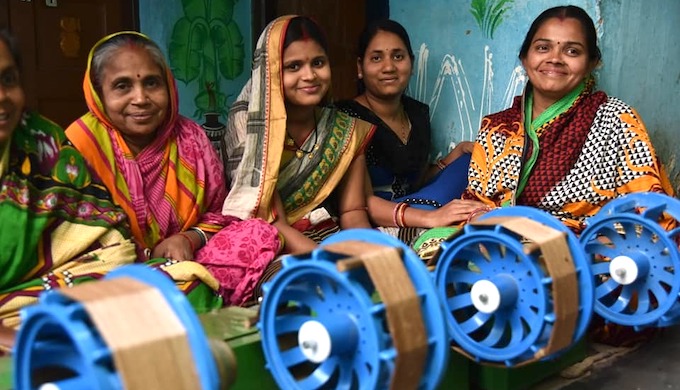
    Further, alternative solutions will only succeed if they are established in cooperation with the local users. “The women in rural areas play an important role when it comes to energy transition” (IEA 2017). Several initiatives such as the Global Alliance for Clean Cookstoves, SEforALL, and ECOWAS address the joint issues of gender empowerment, energy poverty, health, and climate (IEA 2017). Training and capacity building are key to the shift to renewable sources of power. And in rural energy applications, this can be improved by taking into account the gender issues that plague society. There is a high possibility that rural engineers, once trained, might migrate to urban areas in search of more lucrative work. In response to this, the Barefoot College International Solar Training Programme takes a different approach to capacity-building in rural areas and trains the grandmothers in villages who are more certain to stay and help develop the community.

    a shift to clean energy in rural areas that houses the section of the population that lives below the poverty line will be more successful if it is seen as a strategy to broaden community development.

    Thus, a shift to clean energy in rural areas that houses the section of the population that lives below the poverty line will be more successful if it is seen as a strategy to broaden community development. This includes higher employment, better infrastructure, roads, and telecommunications.  This process requires careful design of policies and the establishment of a supportive environment that includes not just innovative business models but also maintenance systems that will sustain the development in the long run.

    Conclusion

     To summarize, rural electrification and the transition to renewable energy in rural areas have been a part of the government’s agenda for many years now, irrespective of the ruling party at the centre. Necessary policies have been introduced to guide the process. While it is great that the government recently achieved universal electrification, it remains to be seen whether the quality of power provided to these villages meets the needs of the population. Further, in this process, state-owned discoms have taken a serious financial hit and it is a tough road to recovery from here. Adding on, the COVID pandemic has slowed down the development and recovery of these discoms. The government should first increase budget outlays in the following years and create a system to monitor the use of these finances. Second, it could turn to privatisation. Privatising discoms on a larger scale would reduce the financial and risk burden on the government and ensure efficient functioning of the companies. Additionally, it is important that while policies are being designed, the deciding parties have a complete understanding of the socio-economic situation of the communities within which they will make changes. To do this, experts who have studied the layout of these rural areas extensively should be involved in the process, along with leaders from the respective districts who are bound to be more aware of the situation and the problems in their areas. More importantly, the government should keep the process of the transition to alternative energy sources transparent and keep an open line of communication with the rural population to earn their trust before they make significant changes. Finally, India is one of the largest consumers of different renewable sources of energy. While it is important to make changes to the policies in this sector, it is also imperative that the government tries to maintain stability in policies that support the companies which help satisfy the growing energy demand in the country.


    References

    1. Bhaskar, Utpal. 2019. “All villages electrified, but last-mile supply a challenge.” mint, December 29, 2019. https://www.livemint.com/industry/energy/all-villages-electrified-but-last-mile-supply-a-challenge-11577642738875.html.
    2. Comello, Stephen D., Stefan J. Reichelstein, Anshuman Sahoo, and Tobias S. Schmidt. 2016. “Enabling Mini-grid Development in Rural India.” Stanford University. https://law.stanford.edu/wp-content/uploads/2016/04/IndiaMinigrid_Working_Paper2.pdf
    3. Economic Times. 2021. “Discom debt at Rs 6 trillion; negative outlook on power distribution: ICRA.” The Economic Times. https://economictimes.indiatimes.com/industry/energy/power/discom-debt-at-rs-6-trillion-negative-outlook-on-power-distribution-icra/articleshow/81431574.cms?from=mdr.
    4. Gill, Bigsna, Astha Gupta, and Debajit Palit. 2019. “Rural Electrification: Impact on Distribution Companies in India.” The Energy and Resources Institute. https://www.teriin.org/sites/default/files/2019-02/DUF%20Report.pdf.
    5. IEA. 2017. “Energy Access Outlook: From Poverty to Prosperity.” International Energy Agency. https://www.iea.org/reports/energy-access-outlook-2017.
    6. UNCTAD. 2019. “The Role of Science, Technology and Innovation in Promoting Renewable Energy by 2030.” United Nations Conference on Trade and Development. https://unctad.org/system/files/official-document/dtlstict2019d2_en.pdf.

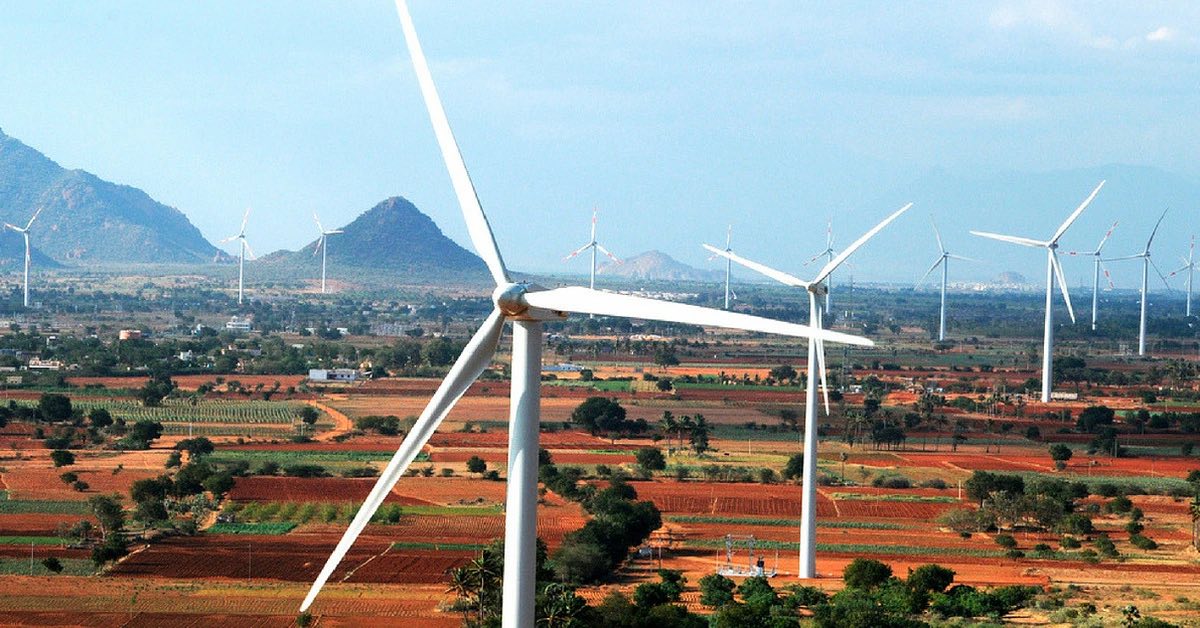
    Feature Image: The Better India 

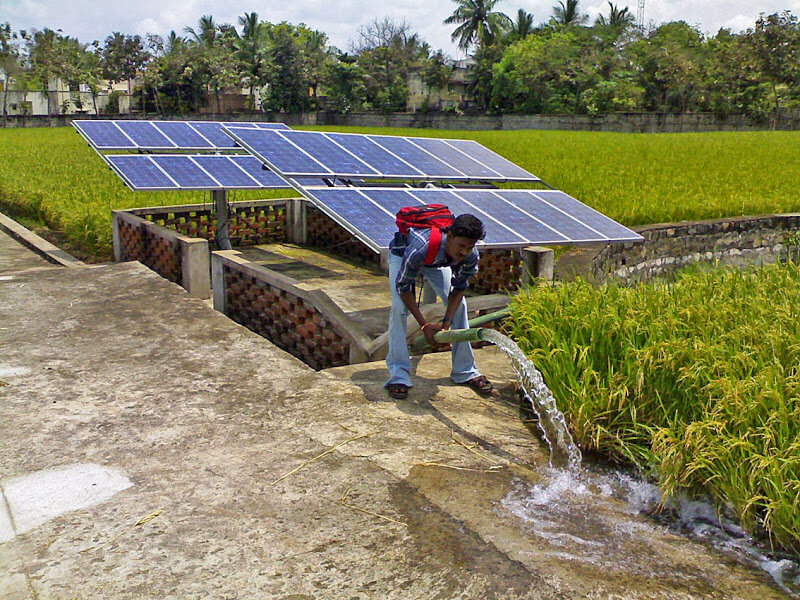
    Image 1: www.alliancemagazine.org

    Image 2: indiaclimatedialogue.net

  • PDC 3: Sustainable Living Practices: Individuals Role in Tackling Climate Change

    PDC 3: Sustainable Living Practices: Individuals Role in Tackling Climate Change

    A semi formal session on recording the ideas of Chennai youth on various sustainable living practices that an individual could undertake. The session began with defining a need for an individual to take part in the process of creating an ecosystem keeping the environment in mind. Firstly, the consumerism thriving on profits was challenged and sustainability as a concept had to take the front seat. To achieve this individuals have to write off the status element attached to adopting a pattern as a consumer. In making awareness among public, there is a lack of relatable factor to any outcome of climate change. State has a much larger role to play in rewarding a sustainable practice and penalizing a business or act that would damage the environment. Mainstreaming of eco friendly products and discouraging corporate that pollute the environment, state has to bridge the science and public in the area of climate change. As individuals, it is important to question state’s inability to maintain an environmental standard.

    Past Event: 30 Nov 2019

  • Winds of Climate Change Blow across South Asia

    Winds of Climate Change Blow across South Asia

    The India-Pakistan enmity is possibly the world’s most intractable and obdurate, with a mutual misreading of history made extremely volatile with the brandishing of nuclear weapons. Despite having two giant militaries at each others’ throats, the more immediate existential challenges that India and Pakistan face are related to how climate change and misuse of common natural resources have combined to confront both together. It is not the militaries which will determine our fates, but the degree of cooperation the two nations can summon. Our problems are common and perhaps India and Pakistan will find the good sense to act together?

    Looking at the climate change challenges Pakistan and India face together, collective action — as unlikely as it seems — may just be what is needed to secure the lives and livelihoods of future generations.

    According to climate researchers at Germanwatch, Pakistan ranks eighth on the Global Climate Risk Index, with over 145 catastrophic events — heat waves, droughts and floods — reported in the past 20 years. On the other hand, India ranks among the top 20 vulnerable countries in terms of climate risk. Pakistan is home to around 47 per cent of the Indus Basin, and India to around 39 per cent. The Indus Waters Treaty has been in effect since 1960. The recent political bickering aside, the Indus Waters Treaty has managed to survive the test of time, yet fails to comprehensively address climate change. Then again, at the time it was enacted, many of the stark realities we know today were not understood.

    According to the Pakistan Council of Research in Water Resources, Pakistan officially crossed the water scarcity line in 2005. The United Nations Development Programme and the Pakistan Council of Research in Water Resources have issued warnings about the upcoming scarcity of groundwater in just six years.

    According to some estimates, Pakistan is the fourth-largest user of its groundwater and over 70 per cent of drinking requirements and 50 per cent of irrigation needs are met through groundwater extraction. Due to excessive pumping, it is estimated that water tables could fall by as much as 20 per cent by 2025.

    South Asia is drained by the Indus, Ganga and Brahmaputra river basins, which collectively form the Indo-Gangetic Basin (IGB) and include some of the highest-yielding aquifers of the world. The aquifers associated with these river basins cross the international borders of the contiguous South Asian countries, forming numerous trans-boundary aquifers, including the Indus basin aquifers (between India and Pakistan), Ganga and Brahmaputra basin aquifers (between Bangladesh and India), the aquifers of the tributaries to the Ganga (between Nepal and India), the aquifers of the tributaries to the Brahmaputra (between Bhutan and India, and between India and Bangladesh).

    At the beginning of every hydrologic year, 4,000 billion cubic meters (bcm) water enters the South Asian hydrological systems, of which almost half is lost by poorly understood and un-quantified processes (such as overland flow, surface discharge through rivers to the oceans, submarine groundwater discharge and evaporation). The annual groundwater withdrawals in the region are estimated to exceed 340 bcm, and represent the most voluminous use of groundwater in the world. South Asia faces an acute shortage of drinking water and other usable waters in many areas, as it is seeing a rapid rise in water demand and change in societal water use pattern because of accelerated urbanisation and changes in lifestyle. In many urban and rural areas of the region, surface waters have been historically used as receptacles of sewage and industrial waste, rendering them unfit for domestic use, prompting a switch to groundwater and rainwater sources to meet drinking and agricultural water needs. At present, about 60–80 per cen
    t of the domestic water supplies across South Asia are met by groundwater.

    Irrigation accounts for 85 per cent of groundwater withdrawals and is considered to be the main contributor to groundwater depletion with the maximum possible groundwater footprint seen in the Gangetic aquifers.

    Among the main contributors to water stress in India and Pakistan are poor water resource management and poor water service delivery, including irrigation and drainage services. Moreover, the lack of reliable water data, subsequent analysis and consequent poor planning and allocation is leading to environmentally unviable methods of water withdrawal, causing an alarming reduction in groundwater.

    In both countries, water stress is attributed first and foremost to the massive population growth. Another cause is the lack of sufficient urban water treatment facilities, which prevent the usability of river water for drinking and irrigation.

    Air pollution contributes substantially to premature mortality and disease burden globally, with a greater impact in low-income and middle-income countries than in high-income countries. The northern plains of South Asia has one of the highest exposure levels to air pollution globally.

    The major components of air pollution are ambient particulate matter pollution, household air pollution, and to a smaller extent ozone in the troposphere, the lowest layer of atmosphere. The major sources of ambient particulate matter pollution are coal burning for thermal power production, industry emissions, construction activity and brick kilns, transport vehicles, road dust, residential and commercial biomass burning, waste burning, agricultural stubble burning, and diesel generators.

    In India and Pakistan, farm residues are burnt after harvesting in October to November, which affects the air quality of the region. In Pakistan, most of the rice cultivation takes place in Punjab, and the same is true for India’s Punjab due to suitable climatic conditions for the crop. In both countries, stubble burning is the key cause of smog. According to India’s new and renewable energy sources ministry, India’s Punjab contributes 44-51 million tonnes of residue annually. According to the estimates, paddy areas burnt every year in Indian Punjab and Haryana are 12.68 million hectares and 2.08 million hectares respectively. According to a study, farmers burn 30-90 per cent of residue, which contributes to the smog formation, not just in the immediate region, but the entire Indo-Gangetic plain. With air pollution levels lurking in the “extremely poor” band for almost half the year, the northern regions of South Asia may not be able to host healthy populations for very long.

    The number of deaths attributable to ambient particulate matter pollution in India in 2017 was 0·67 million and the number attributable to household air pollution was 0·48 million. The number of deaths due to ambient particulate matter pollution in Pakistan in 2017 was 60,000.

    Climate change over 3,000 years ago destroyed the Indus Valley Civilisation and it went into oblivion, leaving behind traces of what befell the people here before. The next few decades are extremely critical. Can we summon some good sense to survive or go the way of the Meluhans? The verses of Allama Iqbal, albeit in another context, still hold true: Watan ki fiqr kar nadaan museebat aane wali hai/ Teri barbadiyon ke mashware hain aasmanon mein…/ Na samjhoge tou mit jaoge Hindustan walon/ Tumari daastan tak bhi na hoge daastanon mein. (Think of the homeland, O ignorant one! Hard times are coming./Conspiracies for your destruction are afoot in the heavens./You will be finished if you do not care to understand, O ye people of India!/Even the mention of your being will disappear from the world’s chronicles).

    The author is a prolific commentator on economic, security, and China issues. He is a Trustee/Governing Council member of TPF.

    This article was published earlier in Deccan Chronicle.

    Image source: www.pri.org

  • China’s Climate Diplomacy and Energy Security

    China’s Climate Diplomacy and Energy Security

    Sakshi Venkateswaran                                                                                July 14, 2019/Analysis

    In the last two years, China has become the leading destination for energy investment. A significant portion of this investment lies in the renewable energy sector of China that has undergone rapid development, accounting for about 45% of global investment(126.6 billion) in 2017. The country overtook Germany in the production of solar panels and solar energy generation in 2014 and in 2015 China’s production of wind energy accounted for one third of global wind energy capacity and needless to say, China has always dominated the market in the production of hydro energy. This has led to widespread speculation of the country being a “renewable energy superpower” following a report by the Global Commission on the Geopolitics of Energy. It has also taken active steps to combat climate change in the form of revamping its energy policies. However, these positive shifts are not without issues. China still remains a net importer of coal and highest emitter of greenhouse gases. This article attempts to understand China’s climate change diplomacy against the backdrop of its energy security concerns and if there is any truth to China becoming a renewable energy superpower.

    The 2018 UN Intergovernmental Panel on Climate Change (IPCC) report highlighted that there was only 12 years to control global warming temperatures to 1.5 °Cfollowing which even a half degree rise would prove catastrophic in the form of unprecedented floods, droughts and millions being pushed towards poverty.  Even maintaining the 1.5 °C would require a complete overhaul in the energy, transportation, infrastructure and industrial sectors and global carbon emissions would need to reach net zero by 2050. The Paris Climate Accord was instrumentalized with the intention of capping carbon emissions and containing global warming temperatures below 2 °C. Since the Paris Agreement in 2015, perceptions toward climate change has seen massive shifts following extreme weather patterns in several countries. For one, the US has been strong in their intention to withdraw from the Paris Agreement while several others have taken steps to address climate change by decisive shifts in environmental and energy policies. Chief among them has been China’s actions to counter the climate crisis by investing in renewable energy.

    With a population of more than 1.4 billion and a boom in growth since the 2000s, China has been experiencing rising living standards and industrialization. As a consequence, China’s energy consumption has seen a surge as well. Historically, China’s major sources of energy have been its vast domestic coal reserves and imports of crude oil and natural gas from Russia and Middle East. This has resulted in China competing with the US for the position of being the largest emitter of carbon dioxide. In acknowledgment of this, the Chinese have been the first to invest billions in renewable energy.

    China’s Energy Landscape

    China’s investment in renewable energy began as early as 1949 with the construction of the world’s largest hydroelectric plant, the Three Gorges Dam over the Yangtze River. The reason the Chinese shifted towards hydroelectric energy was the rising dependency on imports and harmful effects to the environment due to the usage of coal. Prior to the Sino-Soviet split in 1960, China had been importing close to 50% of its oil from the Soviet Union. However, a combination of losing the Soviet’s support, economic collapse and a shift from being a net exporter of oil to being a net importer in 1993 accelerated China’s desire for energy self-sufficiency. Since the 2000s the country’s oil and natural gas imports from Russia and Middle East have exhibited a dramatic increase. In 2016 China’s imports of crude oil reached a record high of 68%while natural gas imports hit 33% in 2017.

    Concern regarding the emission of greenhouse gases and inefficient use of coal for power generation prompted a shift in the subsequent energy policies that China released. The Chinese established several economic and technological policies to promote energy conservation. An energy saving branch consisting of a three-tier system was set up within the central and local governments and enterprises in the 1980s. Under the 1988 Energy Conservation Law numerous policies were implemented beginning with the ‘Energy Conservation Propaganda Week’ in an attempt to increase energy efficiency and energy conservation. The government also began providing loans and tax incentives to entrepreneurs who developed small hydropower and wind power plants.

    Even the 13th Five Year Plan by the Energy Bureau of China revealed its plans to restrict coal to 58%of its energy mix by 2020 as opposed to previous levels of more than 60%. The country’s shift to renewable energy has garnered itself the title of being the world’s renewable energy superpower”; a title that has increasingly found its way into academic and policy circles.

    China’s Climate Diplomacy

    Climate change or rather, the climate crisis has metaphorically lit a fire under the member states signed on to the Paris Agreement to combat the greatest threat posed to mankind. Germany has rallied several EU member states to achieve “climate neutrality” by 2050 with net zero carbon emissions. Amidst mounting public pressure and weekly climate protests by students (Fridays for Future), several governments have convened in Bonnin Germany from June 17th to 27th of this year for a climate summit to address the carbon emissions. China has been proactive in that regard; having already shifted to electric vehicles and invested in technologies of carbon capture and storage among other initiatives. China’s share of electricity generation from renewable energy accounted for 26.4%in 2017. The country has also made large investments in the power sector in Africa, specifically for electricity generation in the last 20 years. They contributed up to 30% of capacities of which 56%of the total capacity comprised of renewable sources in 2016.

    Given these numbers regarding renewable energy and its position on climate change, it might be reasonable to speculate that China’s behavior in the international system — its dispute over the South China Sea (SCS) with the Southeast Asian countries, challenging the established status quo of the US as a superpower, the Belt and Road Initiative (BRI) and increasing energy diversification in Russia, Central Asia, Latin America and Africa — is an attempt at addressing its current energy insecurity.

    China claims the entirety of the SCS on the basis of historicity, what they refer to as the nine dash line; a claim that is contested by several countries in Southeast Asia. According to reports by the World Bank the SCS has proven reserves of natural gas and oil. China’s rising energy security concerns over the Malacca Strait, Strait of Lombok, Sunda and Ombai Weitar and the Persian Gulf compound its behavior regarding the SCS as more than 50% of China’s trade travels these waters. Another issue that arises is US’s presence and influence it wields in the region.

    In the last 10 years China’s imports of crude oil from the Middle East has been on the decline. Russia, Angola, Brazil and Venezuela have increasingly taken up a major portion in China’s energy mix (14%, 12%, 5.1% and 4% respectively). The influence that the US wields in the Middle East and the general instability pose a very credible threat to China’s imports. Recently, with the US unilaterally leaving the Iran nuclear deal and the return of sanctions on the country, any state continuing to trade with Iran has been under economic fire from the US (China, India, Turkey etc.). In such a scenario China’s focus on renewable energy would prove an alternative as well as a challenge to the US’s power in the international system. 

    Addressing the climate crisis has been on the agenda of energy policies of several countries. That China has taken a massive step towards that end impacts US’s credibility on that front. The Trump administration has made their position on climate change explicitly clear with their decision to withdraw from the Paris Climate Accord. China’s renewable energy generation will damage US’s optics. Barring this, investment in renewable energy could have an effect on the economies of oil rich countries in the Middle East. China’s ambitions to challenge the existing global order by strengthening their military and economy depend upon its strategies to combat their energy insecurity. Hence, the strategic value in investing in renewable energy.

    However, China’s energy shifts do not come without its own set of logistical issues. In spite of leading most of the world in the production of wind, solar and hydro energy, the percent of these in domestic electricity generation remains low. Only 19.2%, 3.8% and 1.2% of hydro, wind and solar power was utilized for domestic electricity generation in spite of a net installed capacity of 344 GW, 148.6 GW and 77.5 GW respectively in 2016. Though there has been incremental rises in these numbers, China still has a long way to go before attaining energy self-sufficiency. China still relies on heavy imports of coal from its neighbours such as Australia, Mongolia, Indonesia and Russia. The country’s usage of coal rose by 1% in 2018 though its share in the energy mix decreased to 59%, a 1.4% decrease from 2017.

    Conclusion

    The blame and burden for finding a solution to the climate crisis cannot solely rest on the shoulders of developing economies contrary to frequent statements made by the US President who blames Russia, China and India for climate change while ignoring the US’s emission of greenhouse gases. The bottom line is that the US and most of the West had almost 200 years to industrialize and develop their economies. Countries such as India and China have only experienced industrialization and a developing economy in the last 50 or so years. In such a situation, the scale to measure with whom the blame for climate change lays is skewed. Specifically in the case of China, a burgeoning population drove the need for rapid growth. Therefore, it is still a commendable fact that China has been environmentally conscious in the development of its economy. It remains one of the few countries on track to meet the Paris Climate Agreement targets for carbon emissions. 

    All this aside, it is rather premature to refer to China as a “renewable energy superpower” at this point in time. The numbers regarding the use of renewables in domestic electricity generation do not paint a picture of a country poised to change its energy dependency from fossil fuels to renewable energy. China’s goal of becoming a global superpower by 2049 does not just include powering up economically and militarily. Even a developed economy implies growth across the entire country and not just in certain provinces, as is the present situation in China. But it is increasingly becoming evident that any country that reaches their target to combat climate change along with being an economic and military powerhouse stand to become a global influencer and dictate the terms of the international system. If recent developments are any indication, China needs to continue its sustained efforts at decarbonization to attain the influence and recognition it seeks from the international community.

    Sakshi Venkateswaran is a Research Intern at The Peninsula Foundation.

    Image by Skeeze from Pixabay.