Tag: Blue Economy

  • Most of the world’s ocean is unprotected: This is why that needs to change

    Most of the world’s ocean is unprotected: This is why that needs to change

    • More than three billion people rely on the ocean for their livelihoods, most of them in developing countries.
    • Only 7% of the world’s ocean, a vital resource for fighting climate change, is under any protection, and just 3% is highly protected.
    • The ‘Blue Leaders’ campaign urges countries to join international treaties that would protect the ocean and all the benefits it provides to humanity.

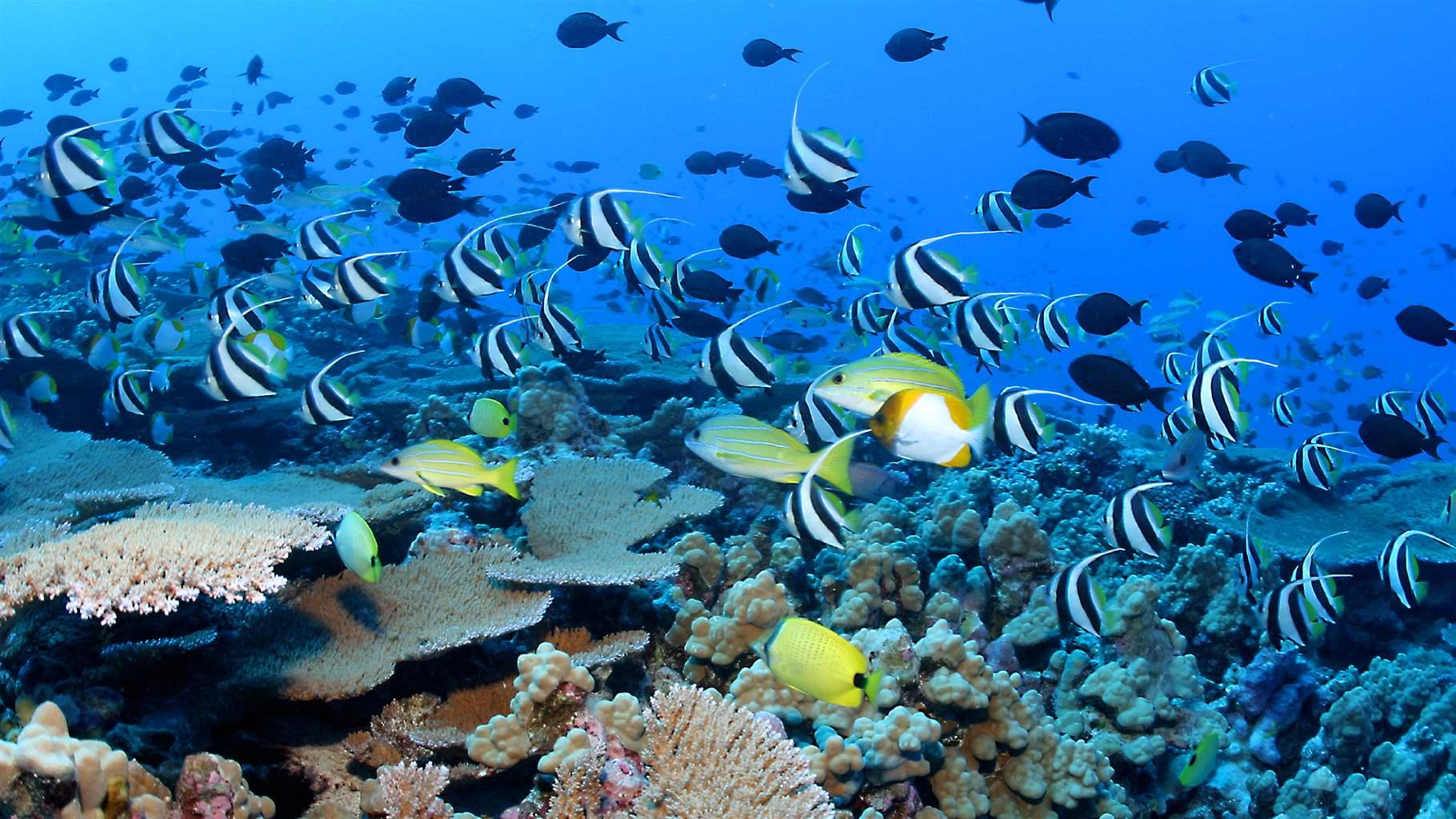
    The ocean is a vital life support system for the planet, and we are running out of time to preserve the marine biodiversity that it is home to and upon which we all depend.

    Having played a key role thus far in the mitigation of climate change, our blue ally is quickly running out of steam. With water temperature and sea levels rising, acidification, pollution, unsustainable exploitation of marine resources, depletion of fish stocks, the near disappearance of coral reefs, and the destruction of fragile ecosystems, the ocean is being disproportionately impacted by human activities.

    Now, more than ever, we must consider the possible implications of its demise.

    The ocean plays an indispensable role in providing and regulating resources that are vital to sustaining life on Earth — from rainwater to drinking water, and as a source of our food, weather, and the oxygen we breathe

    Securing our ocean’s future

    Recognizing the key role that the ocean plays for people all over the world, the United Nations has adopted a sustainable development goal focused on conserving the ocean, with targets for action on an array of problems. While some progress has been made, more is yet needed to secure our ocean’s future.

    Scientists have called for securing at least 30% of marine waters as fully or highly protected sanctuaries, free from damaging human activities like bottom trawl fishing and seabed mining. By doing so, we can give the ocean a fighting chance in the face of climate change.

    Today, just 7% of the world’s ocean is under protection, and only 3% is highly protected. Moreover, there is no legal mechanism in place to establish fully protected marine areas in the high seas and deep seabed areas, our shared international waters that constitute nearly two thirds of the global ocean.

    Marine coastlines are home to 2.4 billion people — approximately 40% of the world’s population. More than three billion people rely on the ocean for their livelihoods, most of them in developing countries. Degradation of coastal and marine ecosystems threatens the physical, economic, and food security of communities around the world.

    Continuing along our current path towards ocean destruction will impact human lives and livelihoods.

    The role of the ocean and coastal and marine ecosystems in climate change mitigation is often overlooked. Protecting and restoring ocean habitats such as seagrass beds, salt marshes, and mangroves, and their associated food webs, can sequester carbon dioxide from the atmosphere at rates up to five times greater than tropical forests.

    Choosing not to prioritize the protection of our ocean is depriving us of the tools we desperately need to achieve our climate mitigation goals.

    Commitments are needed

    With multiple high-level ocean negotiations planned in 2022, this year is one filled with opportunity for the preservation of our oceans. Our only hope for a better future lies in the adoption of unprecedentedly bold ocean conservation commitments.

    The science is clear: to maximize the health and resilience of the global ocean, at least 30% of it must be protected through a network of “highly” and “fully” protected Marine Protected Areas (MPAs) by 2030.

    To achieve this goal, a new treaty for the conservation and management of marine life in the high seas must be concluded to ensure that human activities are managed to prevent significant adverse impacts, with robust oversight mechanisms and provisions to establish fully protected MPAs in the high seas.

    Governments who have joined the “Blue Leaders” campaign call on all countries to rally behind these commitments at the upcoming meeting of the Conference of the Parties to the Convention on Biological Diversity (CoP15), expected to take place in Kunming, China in August 2022.

    Another key moment is the UN Ocean Conference, which is scheduled to be held in Lisbon, Portugal, from 27 June to 1 July. Each of these meetings offers an opportunity for countries to come together, join the Blue Leaders, and take the action that our ocean desperately needs.

    The ocean knows no boundaries: it unites us all as a physical link between coastal countries, communities, and individuals, and as the source of our food, water, and air. We all face similar challenges and similar opportunities. Let us be bold for the ocean together.
    Feature Image: pewtrusts.org
    This article was published earlier in weforum.org  and is republished under the Creative Commons 4.0 International Public License.
  • Blue Economy: A Prospective Strategy For Sustainable Economy

    Blue Economy: A Prospective Strategy For Sustainable Economy

    Oceans, seas and coastal areas are the world’s largest ecosystems. They play a vital role in the food security and livelihood of billions of people all around the globe and contribute to the economic prosperity of many countries. Marine environments are able to provide jobs as well as nutrition, but increased human and economic interventions due to uncoordinated and not poorly researched development policies can pressurize and threaten the environment in the long-term. The United Nations Conference on sustainable development held in Rio de Janeiro in 2012 coined the concept of Blue Economy, defining the concept as a distinction between socio-economic development and environmental damages, which is the traditional view of global status quo. The concept is aligned with main stream economic activities in the marine and coastal ecosystems while incorporating the need to integrate the conservation and sustainable management of these ecosystems. These include the lowering of greenhouse gases emissions during consumption. A sustainable blue economy is basically a marine/ocean-based economy that contributes to food security, eradication of poverty, employment and income while providing socio-economic benefits for present and future generations. It should encompass the restoration, protection and sustenance of diverse, productive and intrinsic values of the marine and coastal ecosystem. This model should be based primarily on cleaner technologies, renewable energy resources and circular economy for securing economic and social stability by considering the capacity of the planet. Fisheries, shipping and ports, marine-based tourism, seabed mining and marine renewable energy are the main sectors in a blue economy framework.
    A sustainable blue economy is basically a marine/ocean-based economy that contributes to food security, eradication of poverty, employment and income while providing socio-economic benefits for present and future generations.
    Coastal economy includes activities related to employment, output and wages in the coastal ecosystem. Marine economy is the cluster of industries which includes the sectors that focuses on a common market for the final products, using similar technology or labour or similar natural resources. Marine economy can be considered as the subset of coastal economy. The concept of blue economy has multiple interpretations as it covers a variety of activities, locations and sectors.

    Key Economic Benefits

    The key economic issues addressed by the ‘blue economy’ concept are:
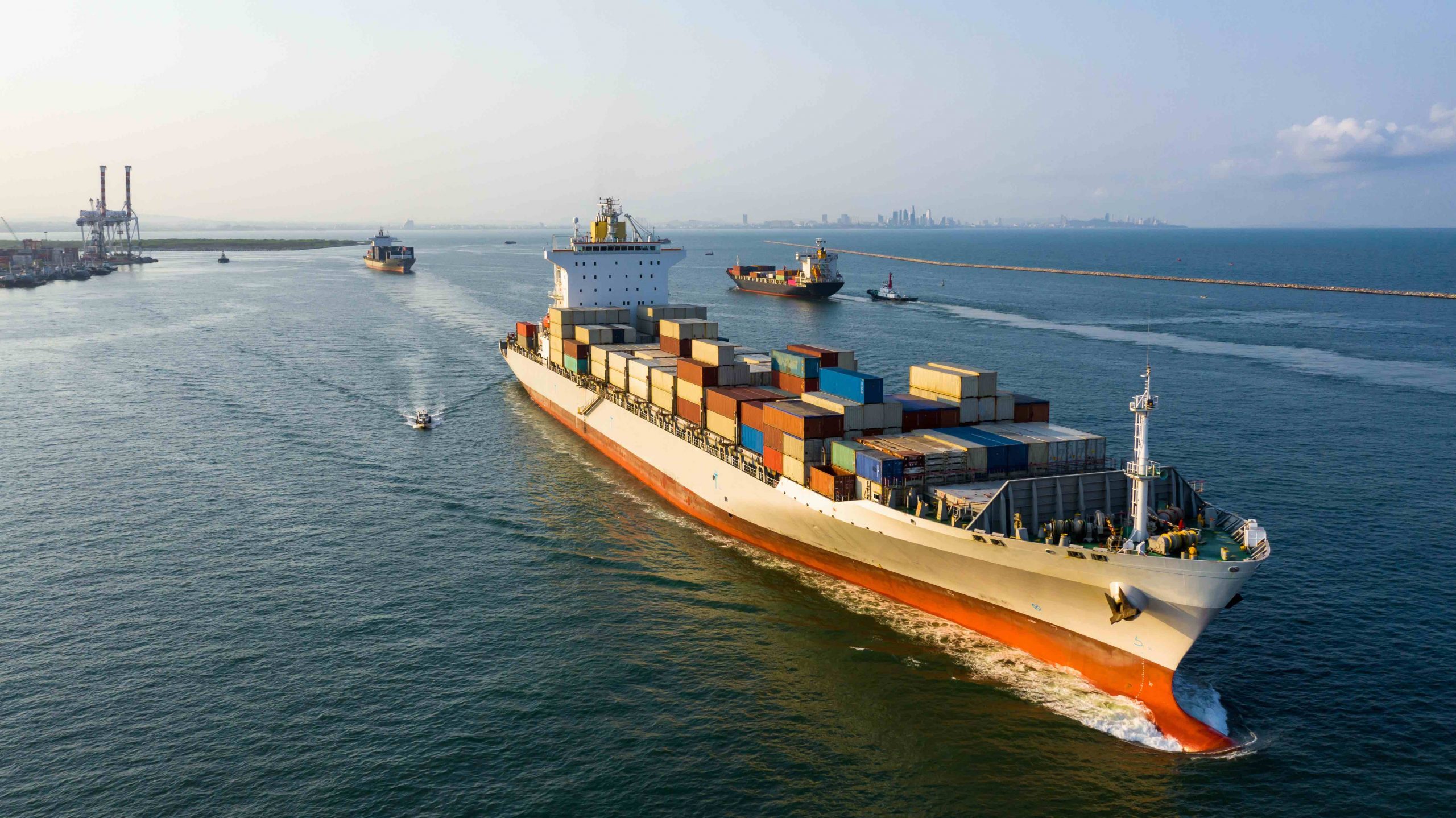
    Food Security and Protein Demand: The fisheries sector encompassing aquaculture and plants is a source of considerable amount of proteins, calories and fats which promote food security in a country. Food security can be fully ensured only if the access to food is enhanced by lowering the barriers of trade, reducing food wastage, increasing the availability of nutritious food and providing efficient food distribution system in countries that suffer from deficit. For ensuring a healthy life, a balanced diet of proteins and fats should be supplied. Food basket should consist of a minimum amount of protein intake, and fish is an important source of animal protein. It benefits countries even if they have a lower daily average consumption.Rising Coastal Tourism: A major sector of blue economy is coastal tourism with immense potential for employment and growth in the economy. Developing a focused policy addressing the potential and constraints of the tourism industry can yield concrete results. Scuba diving, bird watching, sea angling, boating, and other segments like hotels, restaurants, water sports have potential for huge investments and can contribute to a robust blue economy in the country.Seaborne Trade: Sea is considered as a cost-effective carbon friendly mode of transportation used widely around the world. 90 % of global trade is done through sea routes. In the blue economy framework, priorities and policies should be towards promoting trade especially through sea routes by making it more systematic and futuristic.Alternative Sources for Energy: If large renewable energy remains untapped in a country, blue economy can be a major source of clean energy. The demand for clean and affordable energy is increasing across the world. Blue economy can be a great source of clean and affordable energy. The Oceans are huge resources for renewable energy, like wave energy, tidal energy, solar energy etc. Exploitation of the oceans can reduce the pressure on finite traditional energy resources.

    India’s Blue Economy Potential

    Blue economy in India can be considered as the total sum of all economic activities that are based and sourced from marine and coastal resources. Deep sea mining, Offshore oil, fisheries contribute majorly towards the country’s blue economy. India has a coastline of about 8118kms and exclusive economic zones that cover almost 2 million sq kms including a continental shelf of 530000 kms. Almost 1.5 million kms of this continental shelf has been explored in the Bay of Bengal and the Arabian Sea. Majority of India’s population are based in coastal metro cities like Chennai, Mumbai and Kolkata. More than a million people are employed in full time coastal fishing activities while more than 1.3 million people are employed in post-harvest fisheries and allied activities. India contributes to more than 10 % of world’s fish varieties. The country ranks second in worldwide fish production with a growth rate of 7 % annually and ranks second in aquaculture activities as well. The Malabar coast, Konkan belt and other coastal areas have shown considerable increase in influx of tourists over the years. Polymetallic nodules and sulphides are two of the major mineral resources that are commercially available in India. India is also an offshore gas giant and the country is trying to substitute terrestrial sources of energy with offshore reserves and renewable sources in the future. The Sagarmala project is considered as a pioneering initiative by the government to steer the country into the path of blue economy. The project was in initiated in 2015, costing around 8700 billion rupees and is proposed to be implemented over 20 years.The Sagarmala project is considered as a pioneering initiative by the government to steer the country into the path of blue economy.To create a sustainable blue economy, significant investments in research and development need to be carried out in accordance with planning and execution of a detailed region-specific blue economy model. Goals for different economic, social and ecological segments as well as respective policies should be integrated in the framework. Governments, social and private organizations and communities should collaborate and contribute to the framework by assigning achievable goals. These goals should be assessed and reported with all the members in the framework so that performance is consistently monitored. Economic instruments like taxes, subsidies, tariff and quotas can be used to internalize the benefits which are both economic and environmental. International, laws, treaties and agreements can help to implement a global blue economy system and network to ease trade and flow of labour. By linking terrestrial economy with marine economy, a sustainable green economy on land can also be developed. Each country should develop its own blue economy framework by recognizing its potential to contribute to and strengthen a sustainable and eco-friendly global economy.

    References

    Asher, M., 2018. India’s Blue Economy Initiatives: Establishing New Growth Nodes and Helping to Address Regional Imbalances.
    Benzaken, D., 2017. Blue Economy in The Indian Ocean Region: Status And Opportunities. S. Rajaratnam School of International Studies.
    Economist Intelligence Unit, 2015. The Blue Economy: Growth, Opportunity And A Sustainable Ocean Economy. Events World Ocean Summit. Economist Intelligence Unit.
    Llewellyn, L., English, S. and Barnwell, S., 2016. A roadmap to a sustainable Indian Ocean blue economy. Journal of the Indian Ocean Region, 12(1), pp.52-66.
    Mohanty, S., Dash, P., Gupta, A. and Gaur, P., 2015. Prospects Of Blue Economy In The Indian Ocean. Research and Information System for Developing Countries.
    Roy, A. (2019, January 11). Blue Economy in the Indian Ocean: Governance Perspectives for sustainable development in the region. Retrieved from https://www.orfonline.org/research/blue-economy-in-the-indian-ocean-governance-perspectives-for-sustainable-development-in-the-region-47449Image Credit: Adobe Stock