Abstract
This article contends that insurgencies in India tend to be protracted and are often hard to resolve definitively. They are characterised as “shadow wars” involving asymmetrical tactics, blurred distinctions between combatants and civilians, and an ongoing struggle for legitimacy and control. In this article, the adaptability of insurgent organisations, deep-rooted socio-political and economic disputes, and the limitations of traditional counterinsurgency methods in the Indian context are identified as key factors contributing to the persistence of these conflicts. To effectively address these issues and foster sustainable conflict resolution, it is essential to tackle their root causes and long-term impacts on India’s internal security, governance, and development.
It is crucial to analyse the nature of India’s ongoing and persistent insurgencies, paying attention to the interplay between asymmetric warfare, socioeconomic grievances, and the effectiveness of counterinsurgency strategies.
Key words:
Shadow war, chronic, strategic, insurgency,
India’s Shadow Wars: The Chronic Challenge of Internal Disputes
Many highlight a fundamental and complex issue. India’s internal security landscape is marked by ongoing “shadow wars,” driven by several interconnected factors. In these asymmetric conflicts, the distinction between civilians and combatants blurs, creating a challenge that non-state actors often exploit by blending into local populations. At the same time, long-standing economic inequality, social injustice, and political marginalisation serve as breeding grounds for unrest, providing a continuous influx of recruits and supporters for insurgent groups. Developing effective counterinsurgency tactics demands a deep understanding of the complex interactions among these factors.
The Connection between the Blurring of Civilian-Combatant Lines and Asymmetric Warfare
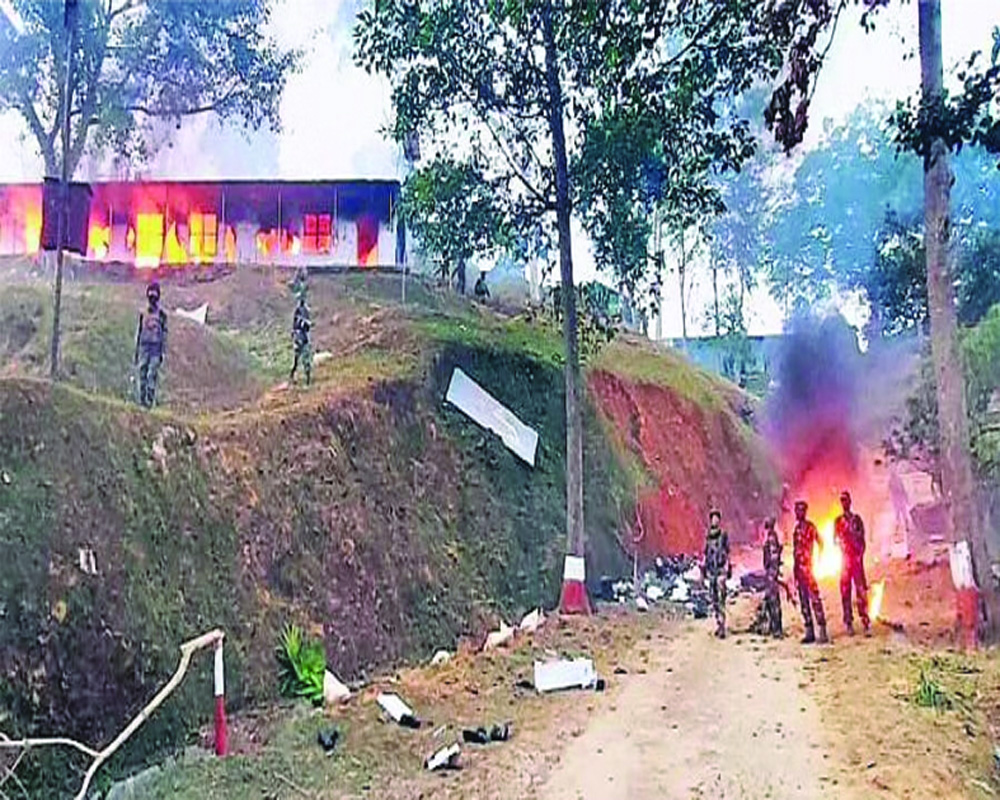
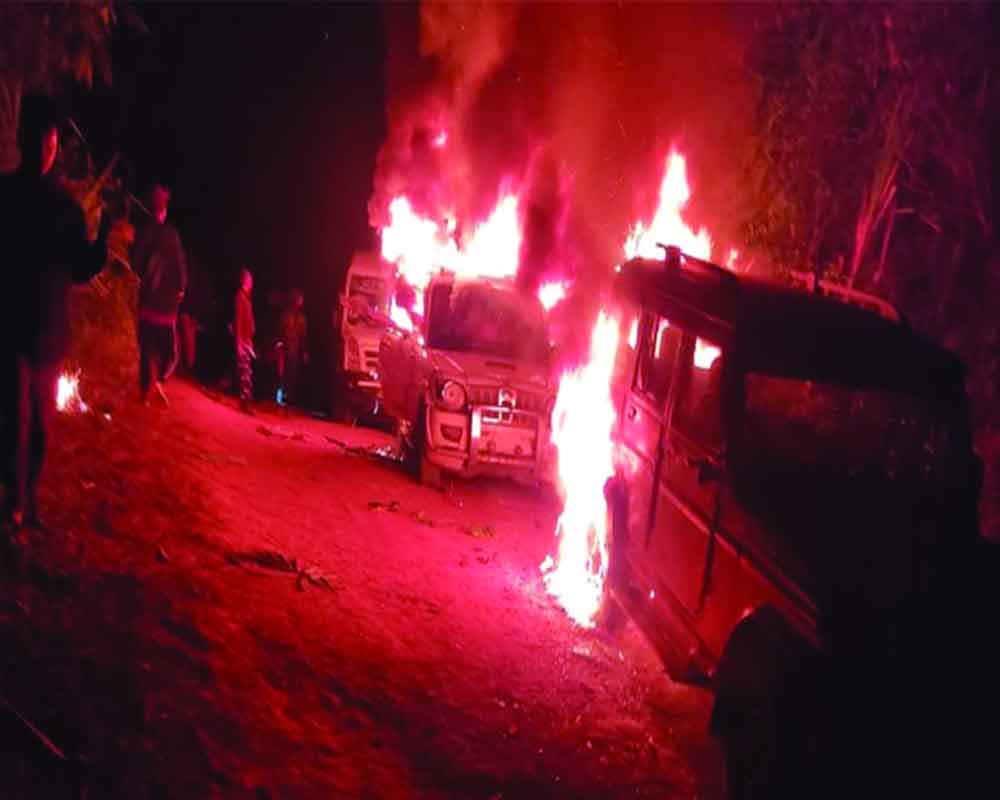
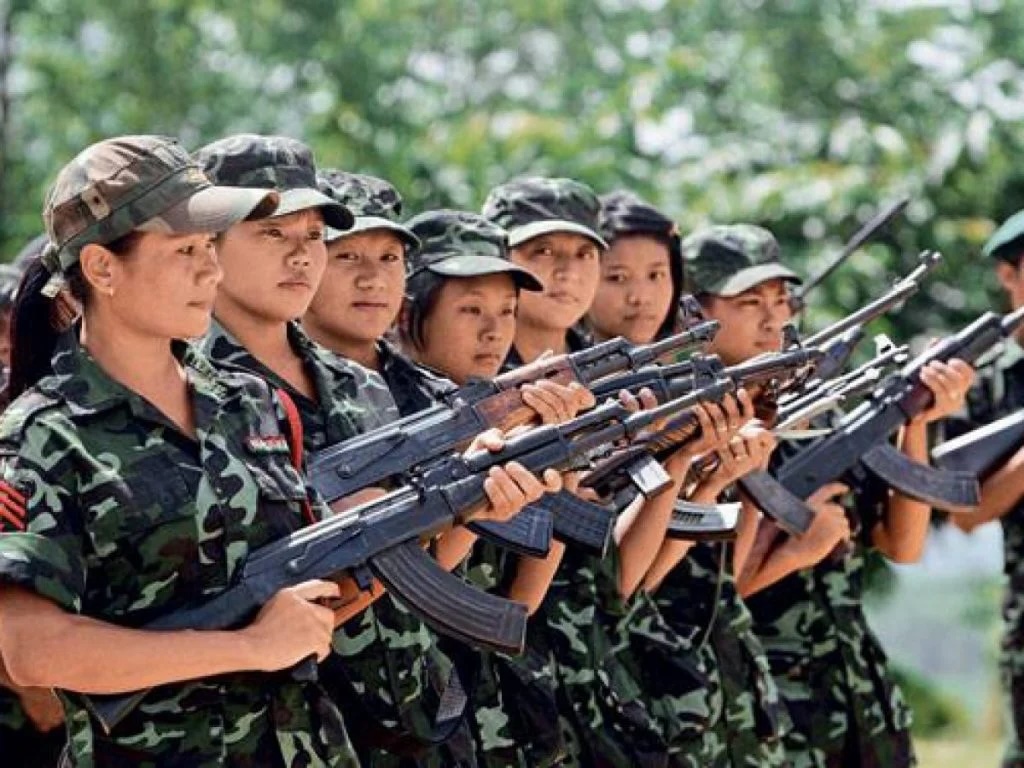
Ongoing domestic insurgencies are characterised by the interaction of asymmetric warfare and the blurring of civilian-combatant boundaries. When confronted with the Indian state’s overwhelming conventional military strength, insurgent organisations deliberately adopt asymmetric tactics. These include targeted killings to instil terror and undermine the state’s authority, the deployment of improvised explosive devices (IEDs) to attack security personnel, and guerrilla ambushes in challenging terrain, such as the mountains of Kashmir and the Northeast or the forests of Chhattisgarh. These strategies aim to minimise direct engagement where they would be at a disadvantage while maximising their impact. An important aspect of this asymmetric approach is the extensive infiltration of rebels into civilian communities, which is often driven by various factors. It arises from genuine local support rooted in a sense of marginalisation and historical grievances. Strong tribal ties, for example, sometimes provide rebels with local sympathy and logistical assistance in the Northeast. In other cases, where villages are compelled to provide food, shelter, or intelligence, coercion and intimidation become essential.
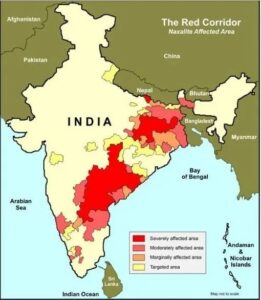
Furthermore, security forces find it challenging to conduct successful operations without risking civilian casualties, as operating within residential areas provides strategic cover. By operating in plain clothes and reintegrating into society following operations, insurgents often intentionally blur boundaries. This ambiguity hampers counterinsurgency efforts (Winter, 2011). The main challenge lies in accurately distinguishing between fighters and non-combatants. Indirect damage poses a significant threat to security operations, making intelligence gathering extremely difficult. Even unforeseen civilian casualties can deepen local discontent and alienation, potentially prompting more people to support the rebels. This leads to an endless cycle where harsh security measures aimed at ending the insurgency unintentionally exacerbate the problem by eroding trust and increasing local grievances. Traditional military tactics, emphasising direct conflict and large-scale operations, may fall short against foes that are deeply rooted and adaptable. A more sophisticated approach is needed—one that goes beyond military strength—requiring accurate intelligence, efforts to secure local cooperation, and tactics designed to minimise civilian harm. The persistent nature of India’s internal insurgencies mainly stems from the inability to effectively manage this complex interaction, which hampers long-term peace and stability by perpetuating cycles of violence and mistrust.
Enduring economic, social, and political grievances as catalysts
Long-standing sociopolitical and economic grievances significantly fuel internal insurgencies. A sense of isolation and alienation has been brought about by historical marginalisation, primarily affecting ethnic and tribal groups. Mining for resources and development projects have forced many tribal communities to flee their homelands, sometimes without appropriate compensation. This has led to hostility and the loss of traditional livelihoods. Insurgent groups exploit the narrative of the oppressed, driven by this historical injustice, to recruit new members. The inadequate political representation of certain communities further deepens these grievances. When groups believe their voices are not heard within the democratic system and that the state ignores their specific demands and concerns, feelings of helplessness may grow, and they may resort to more extreme methods for redress. For instance, a perceived lack of political agency and responsiveness by the central government often sparks calls for increased autonomy or even independence in various regions. Inequalities in development and economic status across India’s many regions are also significant. Areas affected by insurgency tend to have poor development outcomes and lag in employment, healthcare, education, and infrastructure. This uneven development fosters a sense of injustice, giving people a tangible reason to complain about ineffective or poor governance. Disadvantaged young people seeking purpose or financial stability may find insurgent groups appealing due to limited viable economic options. Security measures alone cannot resolve these complex, longstanding issues. Despite continuous counterinsurgency efforts, insurgencies may endure for decades because of the deeply rooted nature of these grievances. Addressing these underlying causes requires equitable development policies targeting underserved regions, inclusive governance that guarantees representation and participation for all communities, and a commitment to social justice that redresses historical wrongs and counters ongoing bias. Since the core causes of conflict persist, enduring peace cannot be achieved without these comprehensive, multifaceted strategies (Staniland, 2013).
The Efficacy and Obstacles of Counterinsurgency Strategies:
India has effectively contained violence in certain areas through its counterinsurgency methods, which often depend heavily on military and paramilitary forces. However, a solely kinetic approach has struggled to achieve lasting peace. Traditional military superiority is often insufficient due to the challenges of operating in complex terrains and among civilian populations, as well as the rebels’ asymmetric tactics. The “hearts and minds’ strategy, aimed at gaining local support through good governance and development initiatives, has yielded mixed results. These programmes are often impeded by corruption, flawed implementation, and a disconnect between policy and reality on the ground.
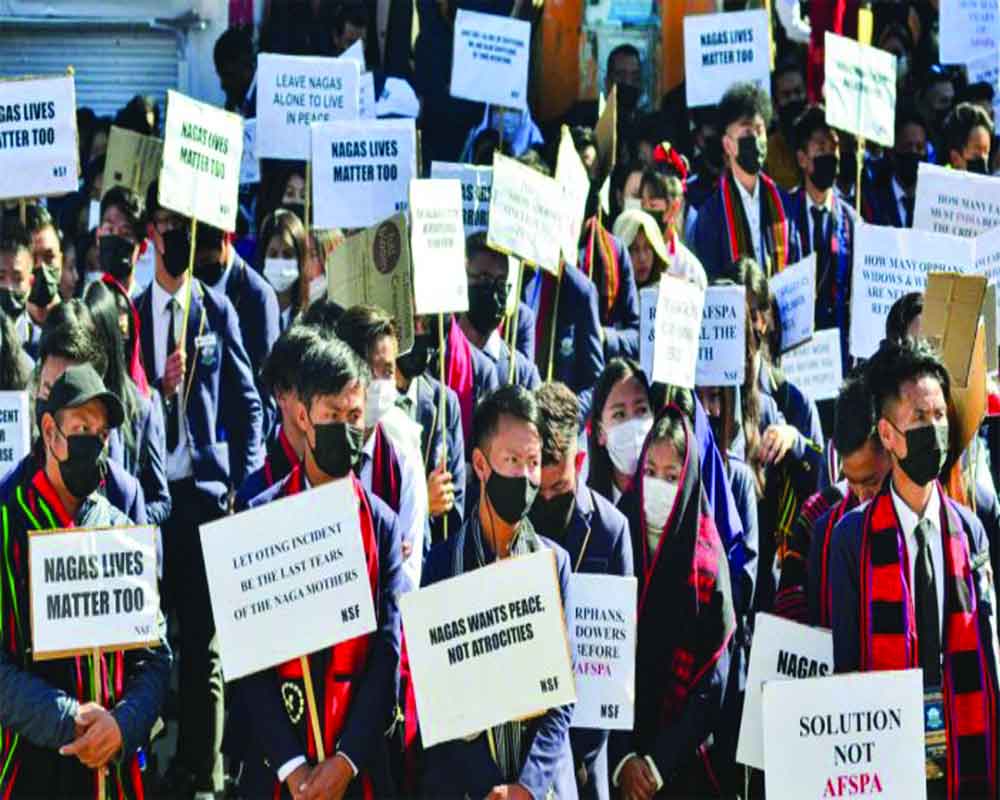
Furthermore, any benefits of development efforts may be undermined by strict security measures that alienate the population. Given its importance, political discourse is often irregular and uneven. Meaningful discussions are impeded by internal divisions within insurgent organisations and by a lack of trust between the state and rebel factions. The Armed Forces (Special Powers) Act (AFSPA), a legal and administrative framework designed to grant security forces operational freedom, has also faced criticism for suspected human rights abuses, further alienating local people and possibly escalating hostility. India’s ongoing insurgencies highlight the drawbacks of relying solely on fragmented or military-focused counterinsurgency tactics. A comprehensive strategy that combines security measures with genuine political participation, equitable and long-term development, and a commitment to addressing the underlying socio-political and economic grievances that sustain these conflicts is essential to achieve lasting peace (Rajagopalan, 2007).
Conclusion:
Addressing India’s ongoing internal conflicts requires an integrated approach that goes beyond mere security interventions. While managing existing conflicts involves effective counterinsurgency strategies, long-term stability relies on proactively addressing the root causes of unrest. This includes ensuring fair political participation, promoting social justice, and fostering inclusive economic growth. To truly heal divisions and achieve lasting peace, ending these “shadow wars” ultimately demands a comprehensive strategy that combines security efforts with broad socioeconomic and political reforms.
References:
Rajagopalan, R. (2007). Force and Compromise: India’s Counterinsurgency Grand Strategy. South Asia: Journal of South Asian Studies, 75-91. doi:https://doi.org/10.1080/00856400701264035
Staniland, P. (2013). Insurgencies In India. In Routledge Handbook of Indian Politics (p. 11). Routledge.
Winter, Y. (2011, September). The asymmetric war discourse and its moral economies: a critique. International Theory, 3(3). doi:https://doi.org/10.1017/S1752971911000145
Feature Image Credit: thekootneeti.in