Category: Vietnam

  • Vietnam-China Relations in 2022: Continuity and No Change

    Vietnam-China Relations in 2022: Continuity and No Change

    The year 2022 has begun on a positive note for Vietnam and China, and the General Secretary of the Communist Party of Vietnam (CPV) Central Committee Nguyen Phu Trong and General Secretary of the Communist Party of China (CPC) Central Committee and President Xi Jinping exchanged Spring Festival congratulatory messages.

     President Xi Jinping impressed on upholding the “spirits of good neighbours, good friends, good comrades and good partners, consolidate traditional friendship ….push for new achievements in China-Vietnam relations, elevate regional cooperation to new heights, and build a community with a shared future for mankind”.….”, and  General Secretary of CPV Nguyen Phu Trong emphasised on “promoting the sustainable, sound and stable development of relations both between the two parties and between the two countries… inject new impetus into the efforts to push Vietnam-China good-neighbourly friendship and comprehensive strategic partnership of cooperation to a higher level.”

    Both leaders expressed satisfaction with the state of relations between the CPV and CPC, and, looking ahead to 2022, hoped to maintain close communication. Also, Vietnamese Prime Minister Pham Minh Chinh and Premier Li Keqiang agreed to “properly manage differences, to push forward the China-Vietnam comprehensive strategic cooperative partnership”.  While that may be so, the bilateral relationship between the two countries presents a mixed bag of economic opportunities as well as strategic challenges. 

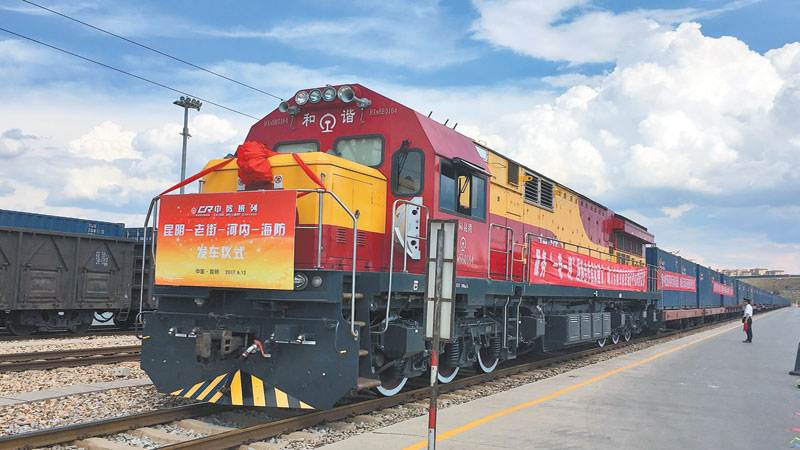
    the China-Vietnam freight train (launched in August 2017) run by the China Railway Nanning Group Co Ltd is a success story. It connects South China’s Guangxi Zhuang autonomous region with the Vietnam border and carries a variety of goods between China and ASEAN countries. In 2021, as many as 346 train trips were made, representing an increase of over 108 per cent from the previous year

     As far as bilateral economic relations are concerned, bilateral trade has grown.  In this regard, the China-Vietnam freight train (launched in August 2017) run by the China Railway Nanning Group Co Ltd is a success story. It connects South China’s Guangxi Zhuang autonomous region with the Vietnam border and carries a variety of goods between China and ASEAN countries. In 2021, as many as 346 train trips were made, representing an increase of over 108 per cent from the previous year. A total of 400 China-Vietnam freight train trips are expected to be made in 2022. China is also willing to provide more “customs clearance convenience for Vietnam’s high-quality agricultural products”, particularly durians, mangosteens, and longans.


    Prime Minister Pham Minh Chinh and Premier Li Keqiang have agreed to give a boost to their bilateral ties through the Regional Comprehensive Economic Partnership (RCEP) that came into force earlier this year. China has assured Vietnam that it is ready to “push for the effective implementation of the agreement, promote the regional economic integration to a higher level and bring more benefits to the people in the region”.

    at the strategic level, Vietnam continues to confront contentious initiatives by China, particularly on the issue of the South China Sea

     However, at the strategic level, Vietnam continues to confront contentious initiatives by China, particularly on the issue of the South China Sea. On March 7, pursuant to Hainan Maritime Safety Administration’s announcement on China’s military drills in the East Sea, Vietnam requested China to “respect and not to violate the nation’s exclusive economic zone and continental shelf, and not to take actions that complicate the situation, thereby contributing to maintaining peace, security and stability in the East Sea area. Vietnam has exchanged views with China on this issue”.

     Vietnamese Foreign Ministry spokesperson Le Thi Thu Hang observed that part of the area where Chinese military drills are planned is under the jurisdiction of Vietnam (exclusive economic zone and continental shelf of Vietnam) and reiterated that Vietnam always adheres to international law, especially the 1982 United Nations Convention on the Law of the Sea (UNCLOS). This has been refuted by China and it’s Foreign Ministry spokesman Zhao Lijian defended the military exercises by stating that the drill is lawful…“China’s military exercise on its own doorstep is reasonable and lawful. It is beyond reproach.” It is now learnt that China may have cordoned a part of the sea area close to Vietnam ostensibly to salvage a crashed military aircraft “while its forces searched for it, and also to conduct drills”.


    Notwithstanding the above challenges, it is fair to argue that the trajectory of Vietnam-China bilateral relations will not change in 2022 and can be expected to follow trends of the last year.  Vietnam is steadfast in its adherence to the one-China principle and supports China to play a greater role in regional and international affairs. This should go as a signal to the US which can be expected to send many political-diplomatic-military delegations to Vietnam in 2022 to influence the leadership, but Hanoi can be expected to pursue an independent foreign policy. 

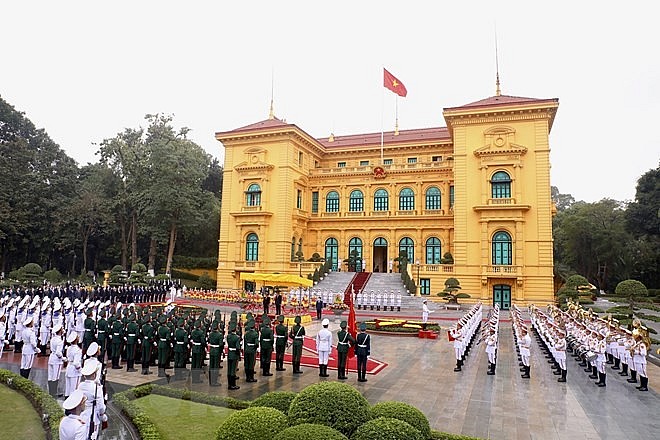
    Feature Image: The Independent
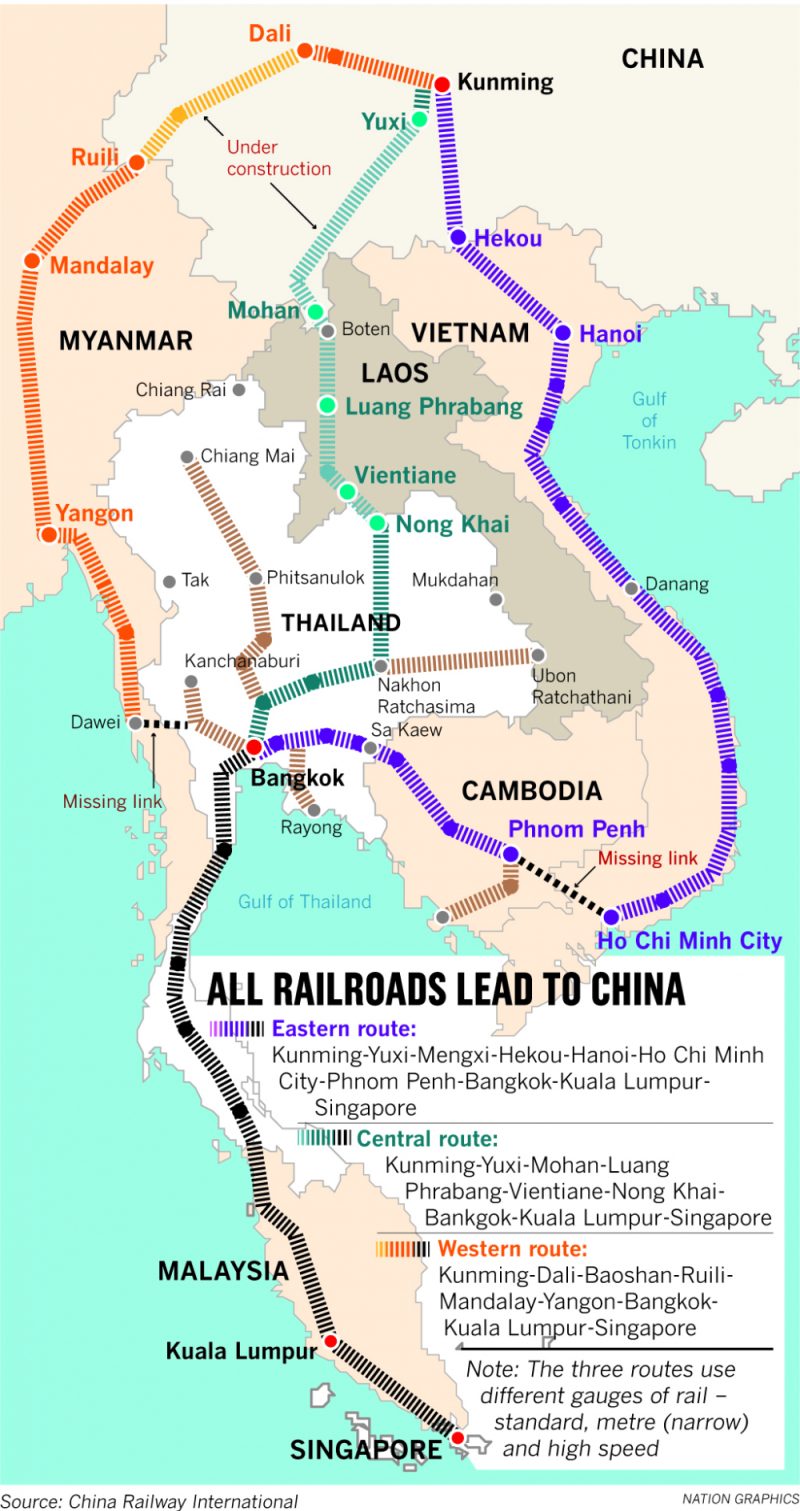
    Map: www.isanrealestate.com

  • RCEP, Indo-Pacific Economic Framework and Vietnam

    RCEP, Indo-Pacific Economic Framework and Vietnam

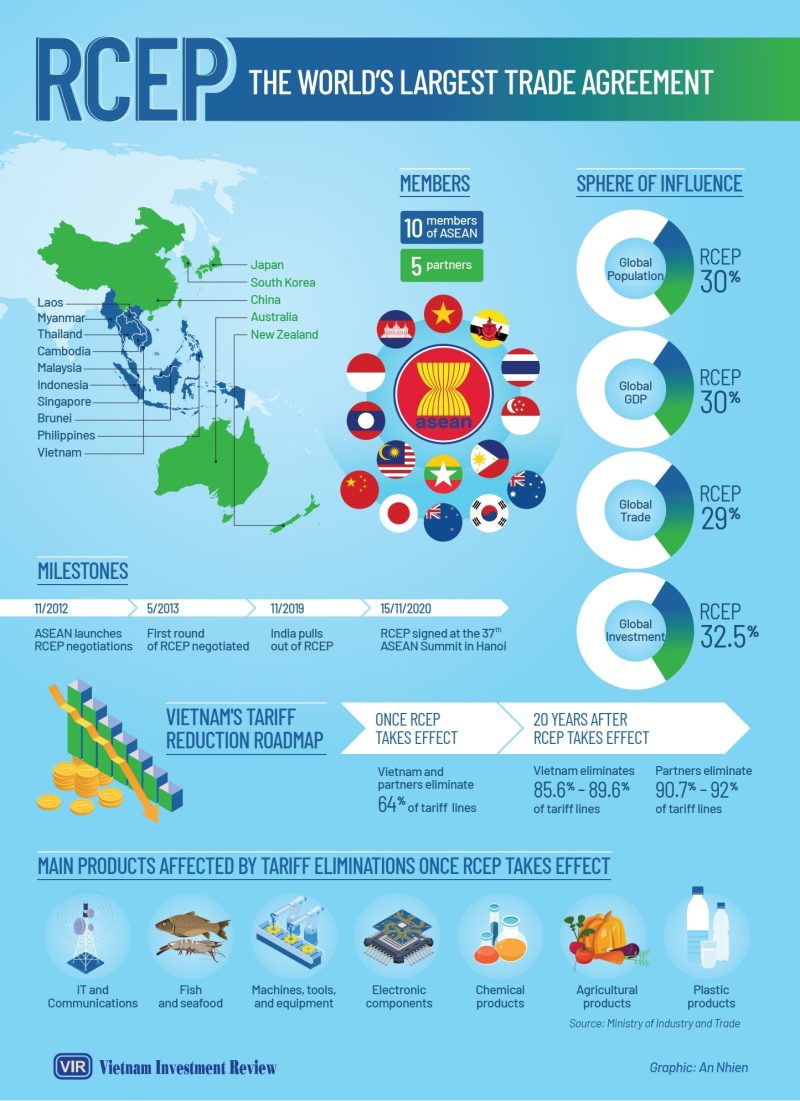
    The World Bank projection for the RCEP is indeed very impressive and the Member States will see GDP increase by 1.5 per cent. Furthermore, by some estimates, the RCEP could add almost US$ 200 billion to the global economy by 2030.

    ASEAN Member States, Australia, China, Japan, South Korea, and New Zealand have heralded the Regional Comprehensive Economic Partnership (RCEP) on 01 January 2022. This 15 Member consortium is the largest economic grouping and constitutes nearly 30 per cent of the global population which relates to a market of 2.3 billion people with an output value of about US$26.2 trillion with over a quarter in world exports. The World Bank projectionfor the RCEP is indeed very impressive and the Member States will see GDP increase by 1.5 per cent. Furthermore, by some estimates, the RCEP could add almost US$ 200 billion to the global economy by 2030.

    Infographics Credit: Vietnam Investment Review

    As far as Vietnam is concerned, the leaders in Hanoi must be happy to see the RCEP take concrete shape given that it was signed in November 2020 during the ASEAN Summit under Vietnam’s chairship. Vietnam, according to Fitch Solutions, is expected to benefit enormously from the RCEP particularly the IT, footwear, agriculture, automobiles, and telecommunications sectors being the major export categories. The RCEP will also provide Vietnam access to huge consumer markets which could be double the size of those included in the CPTPP. Vietnam can potentially move to become a high-tech manufacturer, and the RCEP can facilitate “local firms increase exports and attract high-quality goods for its consumers. Likewise, agriculture and fisheries product exports will benefit”.

    Vietnam, according to Fitch Solutions, is expected to benefit enormously from the RCEP particularly the IT, footwear, agriculture, automobiles, and telecommunications sectors being the major export categories

    Vietnam’s economic outlook for 2022 is positive with numerous growth opportunities. The National Assembly has identified (2021-2025 period) focus areas in sectors such as “digital economy, hi-tech industries, developing the urban economy, strengthening regional connectivity, strengthening the role of key economic zones, and restructuring to achieve a green and sustainable economy among others”. These sectors can be expected to grow given that the country has strong economic indicators notwithstanding the downturn in economic growth due to COVID-19. This is premisedon “investor-friendly policies, relative economic and political stability, cost efficiency, and consumer demand prospects, supply chains restructuring in Asia” which will attract both old and new investors.

    However, Vietnam should also be prepared for the ongoing and impending geo-economic and geopolitical triggers emerging from contestation between the US and China. During the East Asia Summit in October 2021, President Biden announced that the US was considering a major trade and economic initiative in the form of an “Indo-Pacific economic framework”. Soon thereafter Commerce Secretary Gina Raimondo visited Japan, Malaysia, Singapore, and South Korea to “begin discussions on potential negotiations that could start in early 2022”. Besides some Members of Congress, the new framework is also inspired by Australia and Japan, who had called for a “more active U.S. trade policy, including U.S. leadership in regional trade initiatives”. Above all, the initiative should be seen as a move by the Biden Administration to put to rest any doubts in the minds of regional leaders that the US “lacks an economic and trade strategy sufficient to counter China’s increasing economic influence” in the aftermath of President Trump decision to withdraw from the proposed 12-nation Trans-Pacific Partnership (TPP) in 2017.

    The new US economic framework, it is hoped, will also lessen fears in the minds of regional countries arising from the geopolitical-geostrategic issues between the US and China. The US’ “free and open Indo-Pacific” strategy which pivots on ‘rule of law’ is essentially diplomatic and military and is symbolized by the Quadrilateral Security Dialogue among the US, Japan, India, and Australia (the Quad) and the Australia-United Kingdom-United States (AUKUS) security partnership.

    The Quad has made significant progress and the first-ever in-person Leaders’ Summit was held in September 2021. It was agreed to advance practical cooperation on 21st-century challenges such as “ ending the COVID-19 pandemic, including by increasing production and access to safe and effective vaccines; promoting high-standards infrastructure; combatting the climate crisis; partnering on emerging technologies, space, and cyber security; and cultivating next-generation talent”. The leaders also called for building quality infrastructure in the Indo-Pacific region which was targeted against China’s Belt and Road Initiative (BRI).  As far as the AUKUS is concerned, the rationale is quite clear and is driven by the growing Chinese assertiveness amid fears of extreme coercion against regional countries particularly Taiwan and the claimants of the South China Sea.

    The RCEP and the “Indo-Pacific economic framework” are significant developments but can potentially pose a dilemma for Vietnam

    The RCEP and the “Indo-Pacific economic framework” are significant developments but can potentially pose a dilemma for Vietnam. There are numerous economic benefits to be accrued from the RCEP, but at the same time there are both economic and strategic rewards from the “Indo-Pacific economic framework”.  The US Indo-Pacific strategy has not found much favour in Hanoi; instead, Vietnam has chosen to support and pursue the ASEAN Outlook for Indo Pacific (AOIP) which envisages ASEAN Centrality and the East Asia Summit (EAS), as the underlying principle for promoting cooperation in the Indo-Pacific region.


    Feature Image Credit: worldakkam.com

  • Infrastructure development is high priority for Vietnam-Lao PDR relations

    Infrastructure development is high priority for Vietnam-Lao PDR relations

    The year 2022 is singularly important for Vietnam-Lao PDR relations. It marks the 60th anniversary of the bilateral diplomatic relations, and 45 years of the Vietnam-Laos Treaty of Amity and Cooperation. Both sides have accorded high priority to the current year, and Prime Minister Pham Minh Chinh extended the invitation to Lao Prime Minister Phankham Viphavanh to visit to commemorate the above events.  Accordingly, Prime Minister Viphavanh is in Vietnam and is leading a high-level delegation.

    Prime Minister Pham Minh Chinh, according to reports, will also co-chair the 44th meeting of the Vietnam-Laos Inter-Governmental Committee and launch the Vietnam-Laos Solidarity and Friendship Year 2022. This would help to “get a better understanding of each other’s socio-economic situation, development orientations and external policies” particularly during the ongoing COVID-19 pandemic.

    The visit is also intended to boost Vietnam-Laos cooperation strategy for the 2021-2030 period and the five-year cooperation plan for the 2021-2025 period that are now into the second year and involve bilateral engagements in multiple domains such as politics, diplomacy, security-defence, economy, science-technology, culture, and education-training.

    COVID-19 would be high on the agenda of both leaders given that the pandemic is impacting their countries. They are in the midst of the fourth wave with 8,236 and 354,075 active cases (as of 05 Jan 2022) respectively.

    In December 2021, the Lao government announced opening up of the country for trade and tourism in three phases: First phase – January 1, 2022; Second phase – April 1, 2022; and the Third phase July 1, 2022. In the first phase, 17 countries, including Vietnam and many neighbouring ASEAN countries, besides some European countries, China, the US, Australia and Canada would be welcomed. The Lao economy is impacted by COVID-19 and was projected to grow at 3 per cent, a figure lower than 4 per cent as approved by the Laotian National Assembly. This attributed to the pandemic and prolonged lockdowns that disrupted economic activities and companies, retail and wholesale shops had to shut down.

    Leaders in Vientiane recognize the importance of regional development particularly in the Cambodia-Laos-Vietnam Development Triangle Area (CLV-DTA)

    Vietnam and Lao PDR are also engaged in major connectivity projects. Lao is a landlocked country and ports in Vietnam provide the country access to the sea to engage in international seaborne commerce.

    Last year, during President Nguyen Xuan Phuc visit to Laos, 14 agreements spanning a wide range of issues were signed. The leaders agreed to fast-track joint projects including Vung Ang No.1, 2, 3 port projects, the Hanoi-Vientiane Expressway, Vientiane-Vung Ang Railway, Lao-Vietnam Friendship Park in Vientiane, Nongkhang Airport and hospitals in Lao Houaphan and Xiangkhouang Provinces.

    One of their flagship joint projects is the 1,450 kilometres long East-West Economic Corridor (EWEC). It is a road-building project and is supported by the Asia Development Bank (ADB). Its western leg includes Thailand, and in the east, it terminates at the Vietnamese port of Da Nang which is a major gateway to the Pacific.

    Similarly, the 555 kilometres railway link (452 kilometres in Laos and 103 kilometres in Ha Tinh central province in Vietnam) between Vientiane and the Vietnamese deep-water port of Vung Ang is important. It gives Laos yet another access to the sea. Importantly, it is being jointly developed and Laos would hold a 60% stake in the project, and Vietnam with 40%.

    China is also engaged in connectivity projects in Laos. In December 2021, after six years of construction, the Laos-China Railway project was finally operationalized. It is a complex project and includes 61 kilometres of bridges and 198 kilometres of tunnels and reduce travel time between Vientiane to the Chinese border from 15 hours by road to four hours. It will be operated by the Laos-China Railway Co., a joint venture between China Railway group and two other Chinese government-owned companies with a 70% stake and a Laotian state company with 30%.

    Vietnam offers Laos an alternative to Chinese infrastructure investments and it ranks third among investors in Lao with total investments of US$ 5.16 billion in 209 projects. There are fears that the Chinese funded projects do not generate economic benefits for Laos, instead these only benefit China.

    There are geopolitical dynamics at play in the CLV-DTA that are targeted against China, and Cambodia and Laos acknowledge Vietnam’s leadership

    Vietnam cannot match up with the Chinese investments in Laos, but leaders in Vientiane recognize the importance of regional development particularly in the Cambodia-Laos-Vietnam Development Triangle Area (CLV-DTA). Vietnam for example has invested nearly US$ 4 billion in Cambodia and as noted above over US$ 5 billion in Laos. It is fair to assume that there are geopolitical dynamics at play in the CLV-DTA that are targeted against China, and Cambodia and Laos acknowledge Vietnam’s leadership.

    Images Credit: Vietnam times

  • Vietnam Successfully Delivers at the UNSC

    Vietnam Successfully Delivers at the UNSC

    Vietnamese leaders and people have every reason to celebrate the successful completion of their country’s role as a non-permanent member of the United Nations Security Council (UNSC) for the years 2020 and 2021. Before assuming the responsibilities at the UNSC it had announced that it will “make the most of its two years to contribute to improving the effectiveness of the Council, to foster dialogue to help find peaceful solutions to conflicts and to bring the voice of small countries to the work of the council” with particular focus on “conflict prevention, preventive diplomacy, peaceful settlement of disputes, and strengthened implementation of Chapter VI of the UN Charter,” By all accounts, the country achieved all set goals notwithstanding the “complicated and unpredictable socio-economic, political, and security developments as well as unprecedented challenges, including the widespread impact of the COVID-19 pandemic”.

    Vietnam has accrued international prestige not only as an important regional actor but also responsible international actor whose focus is on Chapter VI and Chapter VIII of the UN Charter

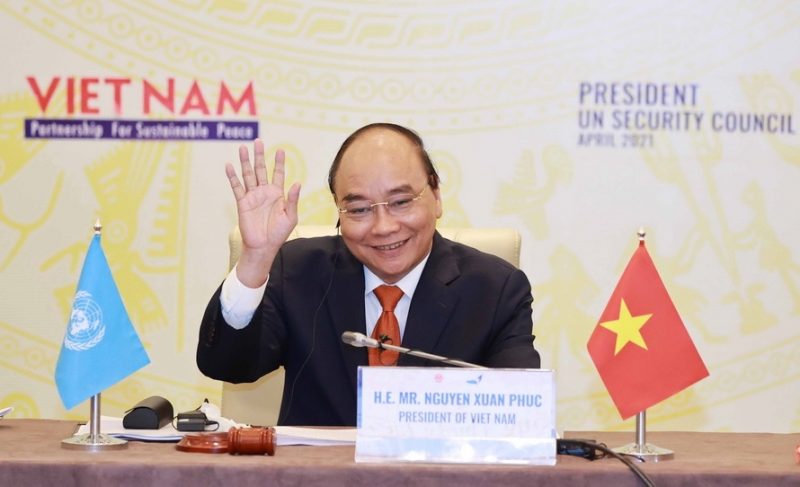
    During the above period, Vietnam served twice as President of UNSC in January 2020 and April 2021. It led to several events and initiatives, and these were acknowledged by other members of the UNSC; above all, these received an active response. Some of the important proposals led by Vietnam were (a) two resolutions on reappointing the prosecutor and reviewing the two-year operation of the International Residual Mechanism for Criminal Tribunals (IRMCT)  and on the protection of essential infrastructure; (b) three President’s statements on respecting the UN Charter, strengthening the relationship between the UN and regional organisations in promoting trust-building and resolving the consequences of mines; (c) one press statement on the terrorist attack in Indonesia; and (d) the Hanoi declaration on women, peace and security. It also promoted issues concerning UN peacekeeping and called on the international community to “respond to and reduce climate change impacts on international peace and security”.

    Vietnam also supported issues raised by other non-permanent members of the UNSC. For instance, Prime Minister Pham Minh Chinh supported Indian Prime Minister Modi’s Five Principles and assured that Vietnam is “committed to working with India and other Council members in promoting dialogue, cooperation and mutual respect, for global peace and prosperity”. He too made three proposals i.e. (a) sustainably utilizing the oceans and seas; (b) comprehensive and holistic maritime security through “cooperation, dialogue and international law” and led by the UN; and (c) uphold legal obligations in line with international law, especially the United Nations Charter and UNCLOS 1982.

    In the context of the latter, Prime Minister Chinh made known that his country was “determined” to engage with ASEAN and China to “seriously, fully and effectively implement the 2002 Declaration of Conduct of Parties in the South China Sea (DOC) and negotiate an effective and substantive Code of Conduct of Parties in the South China Sea (COC) consistent with international law, in particular, UNCLOS 1982”.

    The country can be credited for raising the issue of the South China Sea at the United Nations 

    During its tenure-ship as a non-permanent member of the UNSC, Vietnam concurrently held the Chairship of the ASEAN in 2020.  The country can be credited for raising the issue of the South China Sea at the United Nations. In his message to the High-level General Debate of the UN General Assembly, President Nguyen Phu Trong conveyed that while Vietnam is committed to the “maintenance and promotion of peace, stability, maritime security and safety and freedom of navigation in the East Sea (South China Sea)” and upholding international law, particularly the 1982 UNCLOS, emphasised and called on “all concerned parties to exercise restraint, avoid unilateral acts that would complicate the situation, and settle disputes and differences through peaceful means with due respect for diplomatic and legal processes.” It is not surprising that there was a reaction from Beijing and the Chinese Foreign Ministry spokesperson stated that the “Security Council is not a suitable place to discuss the South China Sea issue,”

    In essence, Vietnam not only addressed international-transnational-global issues at the UNSC, but it also raised regional issues such as the South China Sea which is the collective voice of the ASEAN as well as the claimant States. This is a big politico-diplomatic advantage for the ASEAN and Vietnam has accrued international prestige not only as an important regional actor but also responsible international actor whose focus is on Chapter VI and Chapter VIII of the UN Charter.


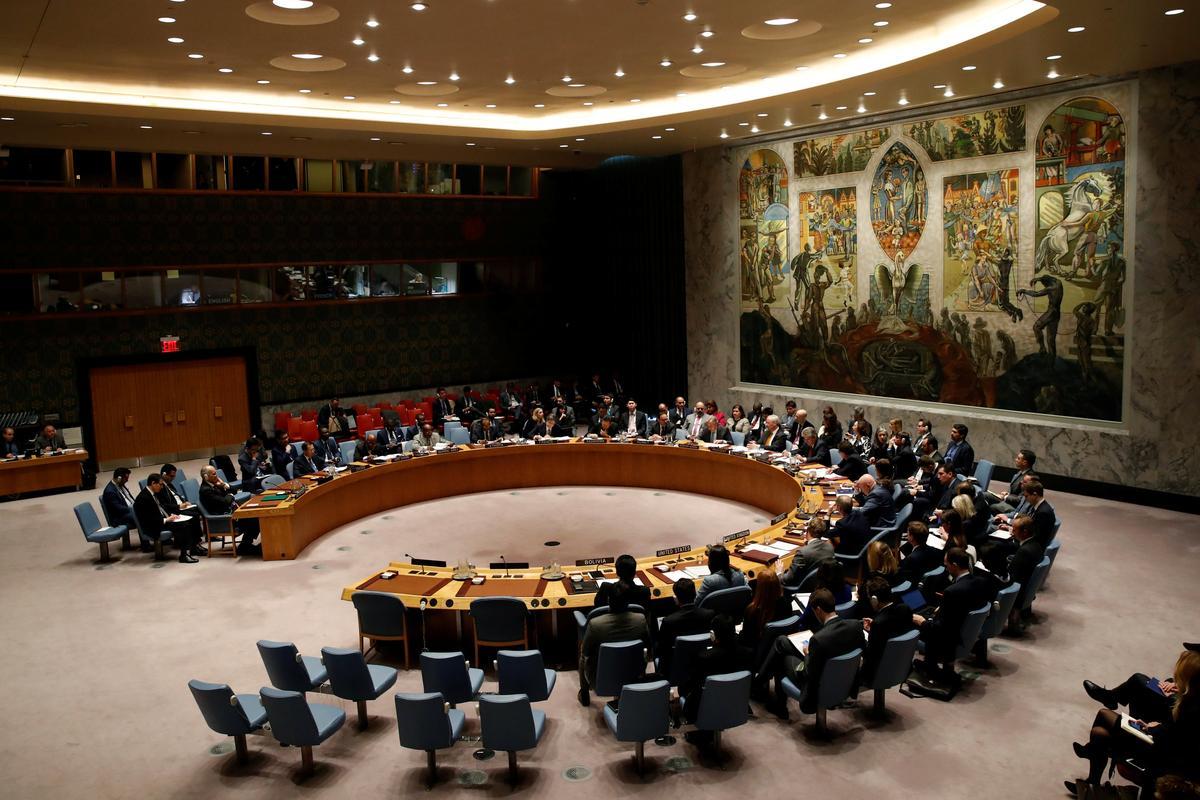
    Feature Image Credit: VnExpress International

  • India and Vietnam Need to set up an Industry 4.0 Technology Task Force

    India and Vietnam Need to set up an Industry 4.0 Technology Task Force

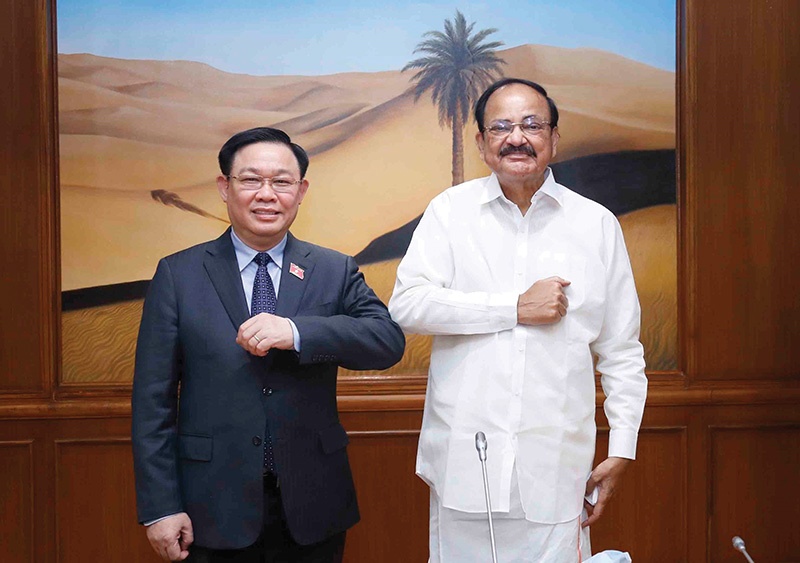
    Amid the ongoing difficult times marked by the COVID-19 pandemic and the fear of its highly virulent Omicron variant spreading across the globe, India and Vietnam pledged to further deepen the Comprehensive Strategic Partnership.  In this context, the recent visit to India by National Assembly Chairman Vuong Dinh Hue to New Delhi this month has strengthened the relationship between the two countries.  Also, next year, India and Vietnam would be celebrating the 50thanniversary of the establishment of their diplomatic relations and their legislative bodies plan to organise commemorative joint events both in New Delhi and Hanoi.

    Chairman Vuong Dinh Hue held wide-ranging discussions in New Delhi with India’s Vice President of India and Chairman of Rajya Sabha, Shri M Venkaiah Naidu and these focused on international matters of common concern and other global challenges. Both sides aim to contribute to global peace, security, stability and development in the region. At the bilateral level, issues concerning COVID-9, socio-economic development in respective countries, economy, trade & investment, energy, security-defence, science-technology, air connectivity, culture, education and training were also the agenda. As many as 12 MoUs were exchanged between Vietnamese and Indian enterprises in the fields of public health, provision of pharmaceutical materials, drug and vaccine production, oil and gas, information technology and technology transfer, education, and tourism.

    India acknowledged and extended gratitude for the timely supply by Vietnam of oxygen and related equipment and the gifting of 40,000 facemasks to the Indian Red Cross Society. As a reciprocal and goodwill gesture, India has announced a donation of 2,00,000 doses of indigenously developed Bharat Biotech COVAXIN to Vietnam through Duc Minh, Bharat Biotech’s local partner in Vietnam. It is useful to mention that Bharat Biotech has been working with Duc Minh Medical JSC, towards the commercialisation of INDIRAB (Inactivated Rabies Vaccine).

    The bilateral cooperation and mutually beneficial partnership between India and Vietnam in the field of energy are noteworthy. For the last three decades, India’s ONGC Videsh Limited (OVL) has been engaged in Vietnam’s offshore energy projects in the South China Sea. New Delhi is now seeking a 15-year extension of the existing arrangement beyond May 2023 when the current MOU between OVL and PetroVietnam (PVN) expires. India hopes that Vietnam and other claimants including China can establish a binding ‘Conduct of Conduct’ and develop concrete mechanisms to institutionalize a regional dialogue among the claimants and other stakeholders to serve for de-escalation of tensions.

    During his interactions, Chairman Vuong Dinh Hue was also assured of India’s support for the ASEAN Outlook for Indo Pacific (AOIP). External Affairs Minister S Jaishankar has noted that “From the Indian perspective, Vietnam is a key partner both in the ASEAN and the Indo-Pacific context,” It was also reiterated that there is strong convergence between India’s Indo-Pacific Oceans Initiative (IPOI) and the AOIP and India is looking forward to continuing working closely with Vietnam.

    In an interview with a major Indian media house, Chairman Vuong Dinh Hue emphasised investments in the digital sphere to usher in Fourth Industrial Revolution in Vietnam. This fits into Vietnam’s call for greater investment from Indian corporations in fields such as information technology, innovation and renewable energy. Industry 4.0 technologies are high on Vietnam’s agenda and the Party and the State have introduced several policies, guidelines and programs to harness these technologies.  In particular, the country hopes that the digital component of the economy could account for about 20% of the GDP. According to a consulting company, Vietnam’s “GDP may rise by US$28.5-62.1 billion by 2030 depending on the level of technology put into use by businesses, or equivalent to an increase of between 7-16% of the GDP”.

    Earlier this year, Vietnam issued the National Strategy on the Fourth Industrial Revolution by 2030 under which Vietnam hopes to be named among the 40 top performers in the Global Innovation Index (GII), the top 30 in the International Telecommunication Union (ITU)’s Global Cybersecurity Index (GCI) and the top 50 in the United Nations (UN)’s e-Government Development Index (EGDI) by 2030.

    Vietnam is committed to expanding international cooperation and integration in science and technology, particularly the Fourth Industrial Revolution technologies. India too has similar ambitions and PM Modi highlighted the issue at the WEF’s Davos Digital Agenda, how India is harnessing AI and other technologies of the fourth industrial revolution for achieving its developmental objectives and for promoting social good. Given the political will of both sides, India and Vietnam could explore setting up a task force to ascertain areas of convergences.


    Image Credit: vir.com.vn

  • Vietnam and Russia Commit to Engagements across Domains

    Vietnam and Russia Commit to Engagements across Domains

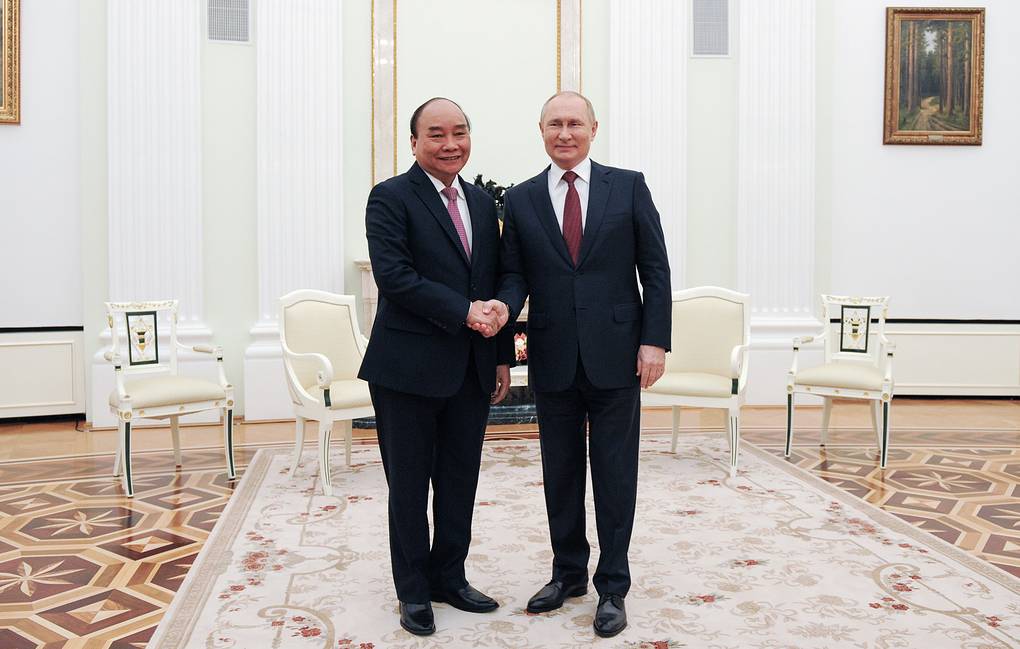
    Vietnamese President Nguyen Xuan Phuc has completed a “very successful and meaningful” visit to Russia with both sides making commitments to reinforce the comprehensive strategic partnership that spans multifaceted engagements across domains. Vietnam figures prominently in the Russian foreign policy and their bonhomie is best demonstrated by the fact that President Vladimir Putin has visited the country five times, a number more than any other country.

    Russian President Vladimir Putin and President of Vietnam Nguyen Xuan Phuc made a statement in the wake of their talks in Moscow – “The relations of comprehensive strategic partnership between the Russian Federation and the Socialist Republic of Vietnam are based upon years-long traditions of friendship and mutually beneficial cooperation, laid down by the previous generations. They have been tested by time, they are not affected by conjuncture oscillations, and serve as an example of mutually respectful cooperation that corresponds to the basic interests of the two countries”

    President Nguyen Xuan Phuc’s visit to Russia merits attention from at least five perspectives. First at the politico-diplomatic levels: both sides have a common understanding of international issues; they endorse a multipolar world order; guided by the principles of resolving major conflicts in the world through diplomacy based on respect for international law. Moscow also acknowledges the increasing role of the ASEAN and Vietnam as important Member State. Russia has also agreed to “explore promising areas of cooperation” within the framework of the ASEAN Outlook for Indo-Pacific.

    Second, the Vietnam-Russia bilateral trade has made significant strides. Their bilateral trade reached US$4.05 billion in the first ten months of 2020 and Russia ranked 24 among 129 countries and territories investing in Vietnam. Russia plans to increase its offshore energy business in the country and the joint statement notes that “creation of favourable conditions for the expansion of activities of Russian and Vietnamese oil and gas companies in the territories of the two states and the implementation of joint projects in third countries in accordance with international law, including the 1982 UN Convention on the Law of the Sea, and the national legislation of Russia and Vietnam”;  however, it is important to mention that there are frequent standoffs. For instance, there was a major standoff in the Vanguard Bank involving 50 Vietnamese and 40 Chinese vessels over the operations of the drilling rig Hakuryu 5 operated by Russia’s Rosneft in Vietnam’s oil and gas Block 06-01.

    Third, their bilateral defence and security cooperation is well established and in September this year, Russian Foreign Minister Sergey Lavrov and his Vietnamese counterpart Bui Thanh Son announced plans to ramp up military-technical cooperation including setting up a centre for nuclear science and technologies in Vietnam. Vietnamese military has acquired Russian origin naval and air platforms (Kilo Class submarines and SU-30MKK fighter jets) and the bilateral trade in arms increased from US$ 293 million (1993-99) to US$ 6514 million (1999-2018) and constituted nearly 84 per cent of all its military purchases.

    Fourth is about the COVID-19 pandemic that continues to rage in the world and its new variant Omicron bringing new fears. Vietnam has been impacted severely by the pandemic and has recently begun to open up. The US and China have provided it with vaccines. During President of Vietnam Nguyen Xuan Phuc visit to Russia, the  Russian Direct Investment Fund has signed an agreement for the “expansion of cooperation with partners in Vietnam aimed at the production of the Russian Sputnik V vaccine” involving the Russian pharmaceutical company Binnopharm Group and Vietnam’s T&T GROUP. RDIF, leading to creating a full-cycle production of Sputnik V in Vietnam.

    Fifth is the US-led Indo Pacific initiatives that clearly target China.  It merits mention that the joint statement issued at the end of the Summit notes that Russia and Vietnam “do not enter alliances and do not sign agreements with third countries to carry out actions that harm each other’s independence, sovereignty, territorial integrity and basic interests,” and that “the development of Russian-Vietnamese relations is not aimed against any third side.”

    Vietnam has no plans to align with the US’ Indo Pacific strategy or any US initiatives that target China even though it has disputes with China in the South China Sea. Russia has stayed clear of the South China Sea disputes and has not supported China. It is conscious that it enjoys cordial relations with the majority of the ASEAN Member States.

    Meanwhile, the Russian Navy recently conducted joint exercises with the ASEAN navies including the Vietnamese Navy. The Russian ambassador to the ASEAN has stated that the exercises were about “peace, stability and prosperity in the region,” and the Indonesian first fleet commander said the exercise “enhance the interoperability and understanding between the Russian and ASEAN militaries”. Interestingly, these exercises are also being viewed as signalling ASEAN’s principle of non-alignment, particularly in current times of high regional tensions given that the ASEAN navies held similar exercises with the PLA Navy. The ASEAN Member States routinely conduct bilateral military-naval exercises with the navies of the US, Japan, Australia, India, France and the UK.

    Vietnam has adopted a pragmatic foreign policy and successive leadership have successfully managed tensions in the South China Sea. Likewise, Russia has major stakes in augmenting regional stability which provides for crucial convergences between Hanoi and Moscow.


    Feature Image Credit: tass.com

  • Vietnam’s Future Strategy to fight COVID-19

    Vietnam’s Future Strategy to fight COVID-19

    Vietnam’s experiences with fighting the COVID-19 pandemic has been highlighted not only as a success story but a good model. It pursued an aggressive containment policy, rigorous contact tracing procedures and effective quarantine regimes. It successfully contained the three waves of the Pandemic that infected 9,635 Vietnamese people including 55 deaths and 3636 have recovered since February 2020.  The majority of these have occurred from April to June 2021. Besides, effective public communications and awareness campaign, and availability of testing kits were instrumental in limiting the spread of the virus.

    However, Vietnam is now witnessing the Fourth Wave which has impacted at least three major cities and some provinces. Perhaps the most worrying part of this wave is that new variants of the Coronavirus are being detected among people. This variant is known to spread more quickly especially in areas where there is a high concentration of people such as industrial parks.

    Given the severity of the Fourth Wave of Covid-19, there is visible concern among the political leadership, and Prime Minister Pham Minh Chinh has called upon the entire political machinery and Vietnamese people to take extreme steps to “fighting the pandemic” similar to situations where they would be fighting an enemy.  Prime Minister Chinh did not shy away from warning the people that any deliberate attempts to disregard “national regulations on pandemic prevention and therefore, spread the virus to the communities, against the joint efforts of the whole nation and people, should be strictly punished.”

    It is now widely accepted that vaccine production is both technology-intensive and cannot be developed overnight. While the developing countries led by India and South Africa have been pushing for waving off Trade Related Intellectual Property Rights (TRIPS) protection for COVID-19 vaccines, and have been supported by the U.S. and EU at the World Trade Organization, yet countries must build national capacities to produce vaccines. In this context, the Vietnamese government hopes to not only buy COVID-19 vaccines but set up a production plant and supply to other needy countries.

    There are four vaccines under development in Vietnam at (a) Nanogen Pharmaceutical Biotechnology JSC; (b) Institute of Vaccines and Medical Biologicals; (c)  Vaccine and Biological Production Company No 1’ and (d) Polyvac. The Vietnam Military Medical University is actively participating in COVID-19 vaccine development at home.

    Vietnam is also has a forward-looking vaccine import strategy pivoting on “patent-based production and local research and production”. This, it is believed would help the country achieve “herd immunity in late 2021 or mid-2022”. This strategy is significant given that Vietnam has nearly 100 million people including children who would require COVID-19 vaccination.  Nearly 30 million doses were acquired from the British-Swedish AstraZeneca vaccine and the vaccination programme started in March 2021. There are plans to acquire 20 million Russian Sputnik V vaccines; may buy 5 million doses from Moderna and 31 million from Pfizer. Meanwhile, Vietnam has also approved China’s Sinopharm for emergency use. Also, homegrown vaccines are expected to fill in the gap of 30 million doses.

    Similarly, vaccine production infrastructure is a financially demanding activity. The Vietnamese government plans to apportion VND 16 trillion for the vaccination program. It plans to procure 150 million doses of vaccines in 2021 to cover 70 per cent of its population and this is estimated to cost VND25.2 trillion ($1 billion). In June 2021, the government launched the Fund for Vaccination and Prevention of Coronavirus Disease 2019.

    As per the Finance Ministry’s state budget department,  in “addition to the [public] budget, it is necessary to mobilize more resources from the voluntary contributions of domestic and foreign organizations and individuals, to join with the state,”  During a live broadcast to launch the campaign for public participation in raising funds to acquire/locally produce Covid-19 vaccine, Prime Minister Pham Minh Chinh called on the Vietnamese people to financially support a mass vaccination roll-out. This call has attracted a positive response and several companies, organizations and individuals have come forward. According to the Ministry of Finance, as of 05 June 2021, i.e., ten days since the announcement of the fund, as many as 950 organizations and more than 124,600 individuals had contributed VND 928 billion ($40.2 million). Besides domestic contributors, several foreign companies such as Hanwha Life Insurance and Daewoo of South Korea, Japan’s Tokio Marine and Taiwanese insurer Cathay Life have announced contributions. Minister of Finance Ho Duc Phoc has underscored transparency in the management of the fund and stated that his ministry is “committed to using this fund publicly and transparently,”

    Vietnam’s preference to import as also set up domestic infrastructure to set up production are indeed noteworthy; however, the challenge would be to run an accelerated mass vaccination program and achieve a high degree of herd immunity.

    Image Credit: www.dw.com

  • Economic prospect of Vietnam under new leadership

    Economic prospect of Vietnam under new leadership

    The International Monetary Fund (IMF) has projected a positive outlook for the post-pandemic global economic recovery for 2021. This is notwithstanding the uncertainty associated with numerous mutations of the Coronavirus emerging in different parts of the world and successes with the vaccine which is now into full-fledged production to meet global demands. Furthermore, according to the IMF, the world economy could grow by 6% in 2021, up from the 5.5% forecast in January 2021. Another significant development in the post-pandemic economic recovery would be a “generational shift towards higher government spending” with projections of over US$ 10 trillion being allocated by the governments across the world to absorb the “shock of the COVID pandemic”. In this context, the Vietnamese government can be expected to make significant post-Pandemic investments.

    Prime Minister Chinh who was an earlier member of the national steering committee for anti-corruption also announced that the government would “drastically and persistently push for anti-corruption.”

    Earlier this month, the Vietnamese National Assembly elected Pham Minh Chinh as the new Prime Minister of the country. In his inaugural speech, Prime Minister Pham Minh Chinh said that his administration’s economic policies would continue as hitherto i.e. “socialism with a market orientation” and will centre on “economic reforms, developing digital economy and focusing on solving difficulties for industries and businesses.” Prime Minister Chinh who was an earlier member of the national steering committee for anti-corruption also announced that the government would “drastically and persistently push for anti-corruption.”

    There is a strong element of continuity in the Vietnamese government policies concerning economic reforms, investments, and addressing the bottlenecks in economic growth since the last five-year plan. The projections for economic growth during 2021-2025 are high and pegged at 6.5%-7%. This compares well with the last five-year plan which witnessed 5.9% growth. The per capita GDP is also projected to improve from US$ 2,750 at the end of 2020 to $4,700-$5,000 by 2025.

    While these are indeed very promising economic indicators, according to risk consultancy Eurasia Group, Prime Minister Chinh will also have to deal with additional challenges such as reforms required for “new trade deals” necessitating additional infrastructure, respond to existing bottlenecks impacting on the manufacturing sector as also sustained and reliable energy requirements.

    Prime Minister Chinh would have to skillfully manoeuvre Vietnam’s relations with the US and China who are among its top trading partners.

    At another level, Prime Minister Chinh would have to skillfully manoeuvre Vietnam’s relations with the US and China who are among its top trading partners. As far as the US is concerned, US imports from Vietnam increased to $64.8 billion in the first 10 months of 2020, and the trade deficit increased to $56.6 billion in 2020. Hanoi has now won over the US in the context of being labelled as a “currency manipulator”. The Biden Administration’s first foreign-exchange policy report has removed Vietnam from the list of countries that are known to prevent “effective balance of payments adjustments or gaining unfair competitive advantage in international trade”. This suggests that the US is not taking a confrontationist approach.

    Similarly, Vietnam’s trade with China is an inescapable part of its economic growth. China is its top trading partner and the bilateral trade in 2020 was US$ 133 billion. The future projections for Vietnam –China bilateral trade are quite promising given that China would continue to be the strongest economy in the coming years which will have numerous spinoffs for Vietnam. Perhaps it merits attention that China is the seventh-largest foreign investor in Vietnam.

    By all counts, Prime Minister Chinh would continue to pursue the national mantra of “socialism with a market orientation” and engage and promote pragmatic economic policies, open the national economy to global markets and importantly balancing relations with China and the US. The US-China trade war has been a trigger for a large number of countries particularly Japan shifting businesses into Vietnam. This has led to Vietnam being labelled as a “mini-China” and is best represented by the fact that Vietnam’s “factory-heavy growth model, sizable population, low labour and land costs, rapid gross domestic product and geographical placement” make it the preferred destination for setting up a business and attracting investments.

    While that may be so, Vietnam would have to diversify from manufacturing cheap goods for exports to investing in its service industry as also in innovation and tech startups. Vietnam is likely to witness a surge in the digital economy and this segment could expand to US$52 billion by 2025. In particular, e-commerce and digital banking are significant growth sub-sectors.

    it is not unthinkable to anticipate Chinese companies too making a beeline and moving production to Vietnam to lessen the risks of the US-China trade war which has now taken a very strong geopolitical and geostrategic turn.

    Today, Vietnam can boast of three comprehensive strategic partnerships, fourteen strategic partnerships, and 13 comprehensive partnerships with different countries. Besides, the conditions are ripe for Vietnam to attract investors beyond Asia and the EU-Vietnam FTA is an important trigger for encouraging European firms to explore investment opportunities in Vietnam. Also, it is not unthinkable to anticipate Chinese companies too making a beeline and moving production to Vietnam to lessen the risks of the US-China trade war which has now taken a very strong geopolitical and geostrategic turn. Under the circumstances, Vietnam would have to diversify its strategic relations and not be left hostage to one partner.

    Featured Image: Hanoi to Ho Chi Minh

  • Vietnam-US Relations under Biden Likely to Remain Unchanged

    Vietnam-US Relations under Biden Likely to Remain Unchanged

    Communist Party Chief and State President Nguyen Phu Trong and Prime Minister Nguyen Xuan Phuc have sent a congratulatory message to U.S. President-elect Joe Biden. Both leaders have also expressed hope that their comprehensive partnership will “continue to develop in a stable, effective manner, benefiting people of both countries and promoting peace, security, stability, cooperation and development in the region and the world”. Meanwhile, Vice President Dang Thi Ngoc Thinh sent a congratulatory message to the U.S. Vice president-elect Kamala Harris. The Vietnamese leaders also invited Biden and Harris to visit Vietnam.

    The Biden administration could even explore new “areas in which to deepen ties with Vietnam in the economic, political, military, and people-to-people spheres”.

    While these messages and invitations are part of customary diplomacy, strategic commentators across domains believe that US-Vietnam relations will continue as hitherto under President-elect Joe Biden’s Presidency. They argue that the US acknowledges Vietnam’s geopolitical and geostrategic heft, and the new administration will continue to give top priority to cooperation with Vietnam. The Biden administration could even explore new “areas in which to deepen ties with Vietnam in the economic, political, military, and people-to-people spheres”.

    As far as economic relations, the Vietnam-US bilateral trade has grown significantly from US$ 450 million in 1994 to US$ 75.7 billion in 2019. However, in the last few months, a thorny issue has come up. In October 2020, the U.S. Trade Representative announced an investigation of Vietnam for its large trade surplus with the US. The trade deficit widened to US$ 44.3 billion in the first nine months in 2020, as against US$ 33.96 billion in 2019. It has also been noted that some of it is because of US companies exiting China and setting up new supply chains in Vietnam. However, it is unlikely that trade deficit would have an adverse impact on bilateral relations, which would continue to remain “relatively good under Biden unless complicated by an unexpected upsurge in trade tensions.”

    As far as strategic issues, US-Vietnam defence diplomacy had received impetus under President Trump. The bilateral cooperation in security and defence matters between the two militaries has been at an all-time high. In particular, naval cooperation has been top of the agenda and USS Carl Vinson, a US aircraft carrier, made a historic port call to Da Nang in March 2018. This was significant, given that there had been no such port call by an aircraft carrier to Vietnamese ports since the end of the Vietnam War in 1975. Another visit of the aircraft carrier USS Theodore Roosevelt followed this in March 2020, clearly showcasing growing defence cooperation between the US and Vietnam.

    Perhaps what merits attention is that Vietnam strictly adheres to ‘three-no policy’ i.e. no military alliances; no foreign troops stationed on Vietnamese soil; and no partnering with a foreign power to combat another.

    It is important to keep in mind that such port visits are a significant element of naval diplomacy by any navy. Vietnam has welcomed naval, coast guard, and marine patrol vessels from friendly countries. For instance, in 2018 a Japanese submarine and in 2019 a Canadian warship visited Vietnamese ports; likewise, many other navies have made goodwill visits. It dispatches Vietnamese military personnel and vessels for International Fleet Reviews and other similar events. Also, in 2019, Vietnam signed the Framework Participation Agreement (FPA) with the European Union (EU) which will provide it “new opportunities for Vietnam to portray itself as a cooperative and pro-active power through land and maritime missions” and “participate and contribute to EU’s Common Security and Defence (CSDP) missions and operations”

    Perhaps what merits attention is that Vietnam strictly adheres to ‘three-no policy’ i.e. no military alliances; no foreign troops stationed on Vietnamese soil; and no partnering with a foreign power to combat another. In this context, it is useful to recall the visit to Hanoi by U.S. Secretary of State Mike Pompeo in October 2020. The surprise visit was labelled as an occasion to celebrate the 25th anniversary of diplomatic normalisation of bilateral relations, Pompeo’s tour was also to share with the Vietnamese leaders the US “Free and Open Indo-Pacific” (FOIP) strategy and seek their support.

    There is every reason to believe that Vietnam is unlikely to gravitate towards the US, notwithstanding the fact that its relations with China have been quite rancorous particularly over territorial disputes in the South China Sea, military-naval buildup on the reclaimed features and harassment by Chinese Coast Guard ships of Vietnamese fishing vessels operating in the Paracel Islands including intentional ramming. Vietnam is unlikely to offer affirmation to the US FOIP or the Quadrilateral Security Dialogue (QSD), a grouping of Australia, India, Japan and US to balance against China.

    We can expect Vietnam to exercise strategic autonomy and its position of ‘not taking sides’ pivoting on its ‘three-no policy’ could prove to be an incentive for the Biden Administration to pursue an enhanced and constructive engagement with Vietnam.

    There are clear signs of contestation between the US and China, which might create Blocks (with the US or with China) that might upset the peace and stability in the region. We can expect Vietnam to exercise strategic autonomy and its position of ‘not taking sides’ pivoting on its ‘three-no policy’ could prove to be an incentive for the Biden Administration to pursue an enhanced and constructive engagement with Vietnam.

    Image Credit: Atlantic Sentinel

  • Vietnam: Economic Prospects in Post Second Wave Covid-19

    Vietnam: Economic Prospects in Post Second Wave Covid-19

    The global community is into the ninth month of the COVID-19 pandemic and international efforts to develop a vaccine are at advanced stages.  Meanwhile in Russia over 250 Moscow residents received a dose of Sputnik V[i] and the Chinese Center for Disease Control and Prevention (CDC) has announced that the vaccine will be ready by November this year.[ii]Similarly, many American, British, European, and Indian companies are developing the vaccine which is at different levels of trials.  While the above progress is very encouraging, the global COVID-19 infections continue to rise and as on 13 October, according to the World Health Organisation (WHO), the total confirmed cases of COVID-19 were 37,601,848 people including 1,077,799 deaths.[iii] The top four countries with the highest infections were the US, India, Brazil and Russia.

    Vietnam’s COVID response since 23 January 2020, when the first case was detected, has been noteworthy. It successfully contained the spread of the virus by instituting local quarantine measures in early stages, declaring a state of emergency in February, and banning flights to and from China. For the next two months, Vietnam maintained strict COVID related measures including national lockdown and it was only in late April that some restrictions were removed in localities if they had contained the virus; but non-essential public services remained suspended. The opening up continued slowly with the resumption of flights to select destinations and cross-border travel restrictions were lifted. Meanwhile, Vietnam registered to buy a Russian Covid-19 vaccine as also developing vaccine on its own.

    In August, the second largest COVID-19 outbreak (after Danang) was reported in Quang Nam Province. The ‘second wave’ has now been successfully controlled.

    However, in July, Danang, a tourist hotspot, reported several new cases and a massive evacuation of nearly 80,000 tourists was undertaken. In August, the second largest COVID-19 outbreak (after Danang) was reported in Quang Nam Province. The ‘second wave’ has now been successfully controlled. As of 15 September, in Vietnam (total population 95,540,000) there were 1063 cases; 35 deaths; 261,004 tests had been conducted, and 11cases per million was recorded.[iv]

    Vietnam’s economic outlook in the ‘post-COVID Second Wave’ is a mixed bag of opportunities and challenges. There are at least four issues which merit attention. First, the Vietnamese economy, like any other global economies, suffered due to the pandemic. The 2020 first-half growth was about 1.8% compared with 7% in 2019 (year-on-year), but the Vietnamese economy has shown enormous resilience when compared with major global economies who have recorded negative growth. This is due to the proficient handling of the pandemic and the country is now on a quick and steady recovery path. The HSBC has revised Vietnam’s 2020 growth forecast from 1.6% to 3.0%.[v]

    It is also important to mention that the Vietnamese government has offered attractive incentives to multinational investors to help them “move up the value chain” and build supply chains in the country.

    Second, there are clear signs that Vietnam continues to be an attractive destination for foreign investments. This trend is not only due to global conglomerates moving out of China and seeking new destinations with attractive options for setting up of their businesses, but Vietnamese handing of the pandemic has provided them enormous business confidence in the country. According to the Ministry of Planning and Investment, total foreign investment in the first half was worth US$18.47 billion.[vi] Japanese (Panasonic), South Korean (LG Electronics), US (Foxconn; Apple) and the European (Heineken) companies moved to Vietnam. It is also important to mention that the Vietnamese government has offered attractive incentives to multinational investors to help them “move up the value chain” and build supply chains in the country.

    Third, is about renewable energy. Vietnam’s current energy generation mix is skewed towards coal (18,516 MW) and hydrocarbons (8,978 MW). Notwithstanding the COVID-19, the country’s average electricity consumption per day during the first few months of 2020 was 615 million KWh, an increase of 7.5 per cent compared with 2019.[vii] It is estimated that “Vietnam’s energy demand will increase by over 10 per cent by the end of 2020, followed by an eight per cent growth per year in 2021 to 2030.” The “government wants to reduce its greenhouse gas emissions by eight per cent by 2030” for which investments in renewable sources of energy such as solar and wind would have to be made,

    Fourth, is about immersion in Industry 4.0 technologies. There are now clear trends of widespread digital transformation across the globe and is impacting every aspect of the industry from commercial operations, technology management, use in fintech to support banking and financial services, new business models through analytics, and human resource management.  These technologies can potentially boost productivity and improve Vietnam’s GDP. For that innovative national policies for growth are needed. Also, the human resource would require ‘up-skilling, reskilling and retooling’ to embrace these technologies.  The industry leaders too have to recognize the importance of educating themselves and using new technologies as also adopting innovative models for their operations.

    Vietnam should build upon its successes of handling the COVID-19 pandemic and ‘build back better’ by offering long-term stimulus for investments and accord high priority to zero-carbon technologies to spur inclusive and resilient growth.

    Finally, Vietnam should build upon its successes of handling the COVID-19 pandemic and ‘build back better’ by offering long-term stimulus for investments and accord high priority to zero-carbon technologies to spur inclusive and resilient growth. It must adopt strategies for investments in technologies, products and services as also create new jobs tailored for Industry 4.0.


    Notes

    [i] “Russia Covid-19 vaccine: Over 250 people in Moscow get inoculated, says report”, https://www.livemint.com/news/world/russia-covid-19-vaccine-over-250-people-in-moscow-get-inoculated-says-report-11600085464168.html  (accessed 16 September 2020).
    [ii] “China coronavirus vaccine may be ready for public in November: Official”, https://www.hindustantimes.com/world-news/china-coronavirus-vaccine-may-be-ready-for-public-in-november-official/story-1DzVCBrdOwleJXxuw0wvyI.html  (accessed 16 September 2020).
    [iii] “WHO Coronavirus Disease (COVID-19) Dashboard”, https://covid19.who.int/?gclid=CjwKCAjwzIH7BRAbEiwAoDxxTlG5T6XZYiHVHBesW5cmAa9DKUytaVgH01haDH10TpmFA3OP-2s_phoCk9sQAvD_BwE  (accessed 16 September 2020).
    [iv] “Southeast Asia Covid-19 Tracker”, https://www.csis.org/programs/southeast-asia-program/southeast-asia-covid-19-tracker-0#National%20Responses  (accessed 16 September 2020).
    [v] “Vietnam’s positive growth in Q2 defies market expectations: HSBC”, http://hanoitimes.vn/vietnam-positive-growth-in-q2-defies-market-expectations-hsbc-313035.html  (accessed 16 September 2020).
    [vi] “Vietnam expects imminent new wave of foreign investment”, https://www.nationthailand.com/news/30392781?utm_source=homepage&utm_medium=internal_referral  (accessed 15 September 2020).
    [vii] “Assessing Vietnam’s Economic Prospects for Foreign Investors After COVID-19”, https://www.vietnam-briefing.com/news/assessing-vietnams-economic-prospects-foreign-investors-after-covid-19.html/  (accessed 15 September 2020).

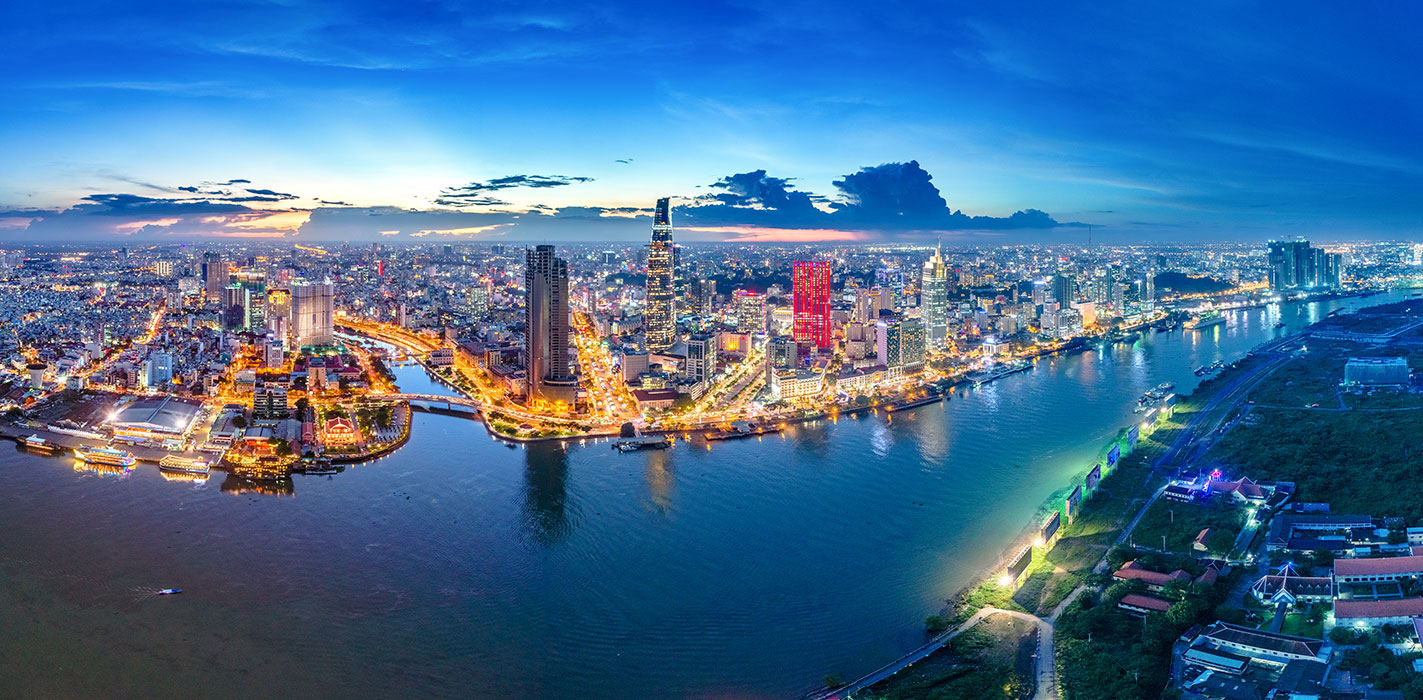
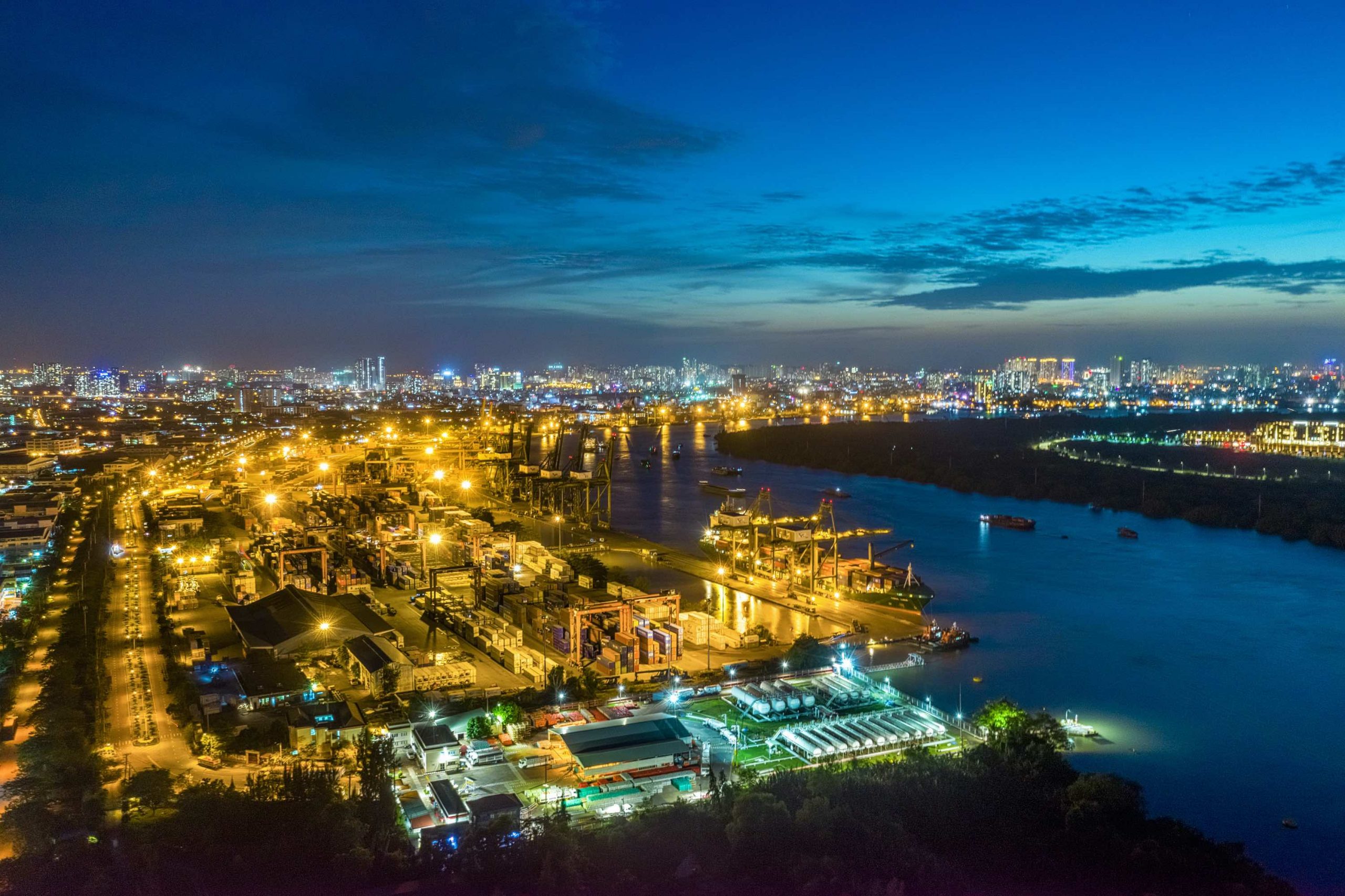
    Image: Ho chi-min City