Category: Research

  • Mankind as a wholeness – we must comprehend ourselves as a unity in order to survive

    Mankind as a wholeness – we must comprehend ourselves as a unity in order to survive

    One might think that mankind has not changed for millennia – we are still antiquated, as Günther Anders had pointed out after his visit to Hiroshima shortly after the atomic bombing. Basically, Anders argued that technical-industrial possibilities have rushed far ahead of comprehension and our moral responsibility – as evidenced in the use of nuclear power, the possibility of self-destruction of humanity during the nuclear arms race (especially in 1983), which was partly prevented only by chance, genetic engineering, and medical possibilities at the beginning and end of life. Add to this climate change and obscene inequality throughout the world.
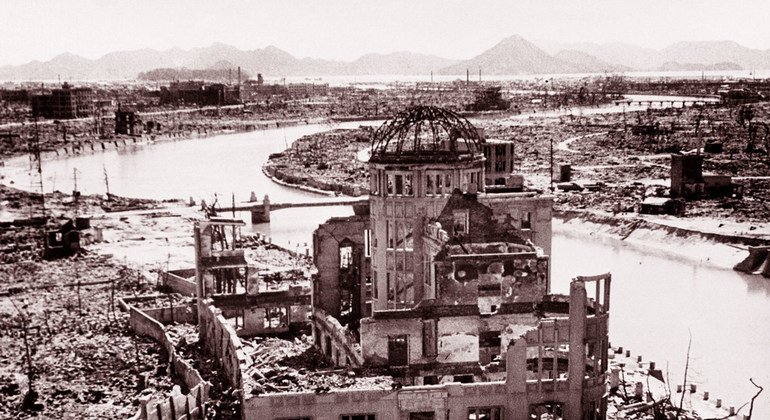
     

    Looking at the current explosions of violence on the macro level (Ukraine, Syria, new arms race between the great powers) as well as on the micro level (for example in Central America the Maras) one might think that mankind has not changed for millennia – we are still antiquated, as Günther Anders had pointed out after his visit to Hiroshima shortly after the atomic bombing. Basically, Anders argued that technical-industrial possibilities have rushed far ahead of comprehension and our moral responsibility – as evidenced in the use of nuclear power, the possibility of self-destruction of humanity during the nuclear arms race (especially in 1983), which was partly prevented only by chance, genetic engineering, and medical possibilities at the beginning and end of life. Add to this climate change and obscene inequality throughout the world, we must ask ourselves who we are as humans? How can we explain to our children and grandchildren what we have done for them – or more importantly, not done? Statistically, however, we are living in the most peaceful age in human history to date. The present dominance of the violence topic, of fears and despair as world-politically effective emotions can therefore be a question of the increased and partly medially staged perception – or nevertheless a real setback.  But also, here it could be true that mainly our terms and conceptions are put to the test. For such setbacks primarily question the idea of the linearity of progress, not necessarily progress itself. If we assume the models of a linear ascending progress as in the Enlightenment or in Kant or an equally linear pure history of decay, we cannot integrate contrary developments into our world view – and every contrary development calls the whole model into question. In contrast, models of history based on a cycle (Greek Stoa, Hinduism) are able to capture the constant in change but can only imperfectly explain progress at the societal level. The historical model of a Machiavelli, on the other hand, includes change, but change is always repeated and can best be compared to a sine curve.

    The argument about models of history is by no means abstract, as it appears at first sight. The Marxists as well as Leninists and finally the Stalinists have pursued radical politics with the linear model of progress, just as the idea of the thousand-year Reich had influence on the politics of the National Socialists. Are there alternative models beyond pure decay, equally linear progress, or the assumption that humans do not change after all, or lag behind their technological capabilities in moral and spiritual terms?

    Models for Understanding History – G W F Hegel
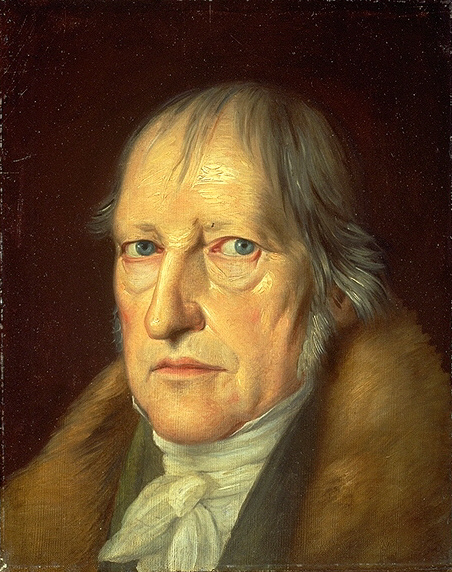
    These positions are not unfounded – however, their absolutization is wrong. As in various psychological (Piaget and Kohlberg) and sociological (Auguste Comte) approaches, the German philosopher Georg W.F. Hegel starts from a stage model in which he develops a progress of world history in the consciousness of freedom. Despite his own Eurocentrism, stage models are in principle capable of countering a pure binary opposition of affirmation or negation of progress in human history. They also do not imply an absolutely inevitable development, as can be seen from the fact that Kohlberg, for example, does not assume that all people reach the highest level, but emphasizes, like all stage theorists, that one cannot skip any of the stages. But Hegel was just not in the tradition of the Enlightenment and Kant, who assumed a linear model of progress, but developed a dialectical sequence of stages, which in my interpretation could best be compared to a sine curve (as in Machiavelli) but erected on an ascending x-axis. In such a model, we can think of the Enlightenment’s idea of progress (in the ascending x-axis) as well as cyclical developments (Machiavelli) of rise and fall, progress, and regress in world history together.

    In this model developed by the author, there is progress, but it is not linear, but itself cyclical. We know such cycles from the business cycle theories in the wake of Kondratieff’s research or also from hegemonic cycles. In contrast to these theoretical approaches, the model of history advocated here is related to a (more or less) slightly ascending x-axis and is derived from Hegel’s conception of becoming at the beginning of his monumental work on the “Science of Logic”, since coming into being and passing away are not completely cancelled out, but a “surplus” arises which goes beyond the infinite coming into being and passing away.  Such a model is on the one hand closed (with respect to the high and low points on the Y-axis), at the same time open on the X-axis and develops “between” its high and low points.

    Hegel’s stage model has itself been a great historical advance; at the same time, we need to go beyond Hegel to overcome his tendency of constructing a systematic closure (which was then taken as an absolute by Marx in a perfect society of communism) in favour of an approach that is at once closed and open. Despite his Eurocentric reductions, Hegel develops a systematic development of the idea of freedom. In his sequence of stages, human history begins with the development of states in which at first only one was free – the ruler, mostly in the figure of the priest-king, who symbolizes the laws of the gods and rule. Still with Plato we find the construction of the philosopher, who must be at the same time king and vice versa. This all-surpassing freedom of the priest-kings is clearly found for Hegel in the pyramids of Egypt. Hegel calls this phase the infancy of history. Greek antiquity, and here especially the city of Athens, is for him the adolescence of world history – the first individualities are formed. The aesthetics of the Greek statues symbolize for him this phase, in which man understands himself as free, when he professes his free polis. In a certain sense, this phase can be understood as that of the aristocracy, because Athens symbolizes the beginning of democracy, but of the approximately 200,000 inhabitants, only about 30,000 were free – slaves, women and metics (“strangers”) were excluded from freedom.

    The focus is no longer on the individual, but on the supra-individual law. Even today, the study of law begins with Roman law (e.g., in dubio pro reo or nulla poene sine lege). Of course, not only Hegel’s choice of words is problematic (e.g., that of “oriental despotism” as the beginning of world history), but also the identification of the fourth stage with the “Germanic period” as the “goal of world history.”

    For Hegel, the manhood of world history is that of the Roman Empire. Here, not the individual but the state has become the supreme purpose and Roman law is developed. The focus is no longer on the individual, but on the supra-individual law. Even today, the study of law begins with Roman law (e.g., in dubio pro reo or nulla poene sine lege). Of course, not only Hegel’s choice of words is problematic (e.g., that of “oriental despotism” as the beginning of world history), but also the identification of the fourth stage with the “Germanic period” as the “goal of world history.” Nevertheless, his characterization is noteworthy. In this stage the state is ordered according to reasonable principles, the individual is completely free because he lives in a reasonable society whose laws he recognizes and to which he can refer. Community and individual are reconciled, the ups and downs of world history (as illustrated in the sine curve) seem to have come to their end and now the real history of mankind begins, a happy time.

    Of course, we know that this was not so, as Hegel assumed – the violent conquest of the world in colonial times, two world wars, Auschwitz, and Hiroshima, the almost self-destruction of mankind in the cold war, all this was still to come. But is Hegel thereby refuting? Or can and perhaps must we continue Hegel?

    Differences to Hegel

     In contrast to Hegel’s conception of world history as a progress in the consciousness of freedom, I argue that this development is a progress in the consciousness and practices of humanity to be a wholenessness. Hereby, I no longer foreground Kant’s four questions concerning the individual human being or even an “I”, but rather transform them into who is humanity, what should we do as humanity, what can we know and hope as humanity? The concept of humanity contains the single individual, but this goes beyond the generalization of the individual as in Kant’s categorical imperative. Also, here the old sentence of Aristotle is valid that the whole is more than the sum of the parts – and so I would like to add, mankind as a wholeness is more than the accumulation of at present over 7.8 billion people. At the same time, humanity is realized in individual human beings; there is no humanity without individual human beings.

    According to the “Out of Africa thesis,” the genus Homo originated in Africa and spread from there to all continents. One of these groups, immodestly calling itself homo sapiens, has not only outlasted all other human species, but has populated even the most distant tip of this earth, moreover, is making its way to other planets of our solar system. Arnold Gehlen’s determination of man (as also already Aristotle) as imperfect, forces mankind to develop more and more. During this time of spreading over the whole planet, however, the individual groups lost contact with each other, because this lasted for millennia and the distances became too great for the time to bridge in shorter periods of time – they became estranged from each other and lived in isolated cultural islands (for example in China, India, in Africa south of the Sahara, the two Americas or also in the more European part of Eurasia as well as in West Asia). With the increasing spread of these initially isolated cultural islands, they came back into contact with each other – which turned out to be peaceful or sometimes warlike. Huntington’s thesis that these contacts were mainly violent underestimates the mutual cultural influences and learning processes. Globalization since European colonization brought humanity into ever closer contact with each other and made it possible for the first time to think of humanity as a wholeness.

     Of course, the setbacks and low blows must not be forgotten – the wars between the great empires, the almost perpetual state of war at the edges of these empires, colonialism, Islamic and Atlantic slavery, racism, two world wars and Auschwitz as a sign of history – but in the end they confirmed the dictum of Goethe and, derived from this, systematized by Hegel as the cunning of history. This is a part of that force which always wills evil and yet creates good. This does not mean to relativize the suffering of countless people. But perhaps we must differentiate and not already take the ideals of the Enlightenment at face value. For this was not only compatible with racism, colonialism, and slavery, two world wars and the Cold War – according to Zygmunt Bauman, these were even direct consequences of a one-sided Enlightenment.

    There is currently a worldwide biologisation of the social in the form of ethnicities, gender antagonisms, nationalism and tribalism (Make America great again by Donald Trump, the Chinese Dream by President Xi Jinping, New Russia by Vladimir Putin, Salafism, right-wing nationalist movements in Europe).

    If, on the other hand, we assume that the impulse of the realization of human rights could actually only fully develop after World War II and the Holocaust, and included all people, not just one’s own ethnic, cultural, or religious group, we are only at the beginning of the realization of human rights. Again, while it is true that there are setbacks at present – in the form of a discourse of “We against the Rest,” the current replacement of global governance by a renationalisation of world politics, the return of tribal thinking to cope with the demands of globalization, this is not the whole picture. It is also true that globalized liquid modernity (Bauman) is leading to the dissolution of all traditional identities including patriarchy as well as consumerism and many states and nations are updating ancient identities because they trust them to outdo even this accelerated transformation, There is currently a worldwide biologisation of the social in the form of ethnicities, gender antagonisms, nationalism and tribalism (Make America great again by Donald Trump, the Chinese Dream by President Xi Jinping, New Russia by Vladimir Putin, Salafism, right-wing nationalist movements in Europe). Nevertheless, while we are simultaneously witnessing the (often violent) dissolution of the old world, we are also experiencing the birth pangs of a new world. After the West defeated the rest of the world in the 19th century, colonised or submerged peoples and civilizations in the 20th century had to learn to live with the victorious West. In the 21st century, the world’s civilizations must finally learn to live with each other.

    In the 1990s, Samuel P. Huntington put forward the much-publicised thesis that the cold war between the ideologically opposed superpowers would be replaced by a similar contest between the world’s civilizations and their respective core states (Russia, India, China, the United States). On the surface, Huntington received more criticism than approval. A closer reading of his approach reveals that he had not drawn up an instruction manual for the “clash of civilizations,” but had formulated a warning to avoid it. The liberal critics, however, emphasized in particular that not only should there not be a clash of civilizations, but also that there could not be, because there was only one civilization in the world, the Western one. The other civilizations mentioned by Huntington are determined by different religions and cultures, but they would not be civilizations. In contrast, the “clash of civilizations” involves a conflict, but the implicit recognition that civilizations other than the Western one exists at all.

    In the 21st century, the world’s civilizations must finally learn to live with each other.

    This recognition of a limited plurality of civilizations makes possible for the first time the thinking, experiencing, and acting of humanity as a wholenessness. In such a wholenessness, opposites, conflicts and even wars are conceivable – from a sociological perspective, conflicts are not opposed to a socialization of humanity (sociology of conflict in the wake of Tönnies and Simmel), even if these bring much suffering with them.  All high religions that emerged between the 7th century B.C. (Judaism, Confucianism, Buddhism, Hinduism, Christianity) and the 7th century A.D. (Islam) formulate an overcoming and renunciation of infinite suffering. This ethicization of transcendence (Jaspers) or also of immanence (Confucianism) contains in its core a perspective of the abolition of suffering, which can be overcome either in transcendence or, with appropriate conduct of life, already in immanence. Suffering, war, and violence are thus no longer accepted as “natural”, but an attempt is made to leave them behind. Although in Hinduism the cycle (symbolized in the wheel) is emphasized – but the goal of life in the different rebirths consists in overcoming this cycle. Therefore, a core message of Hinduism is the statement that the end is good – but if it is not good, it is not the end. While in the “nature religions” like also the Egyptian mythology, before the emergence of these high religions the transcendence was only a mirror of the earthly life, this is explained now to be absolute good – connected with the perspective to orientate the own life at this construction.

    in Hinduism the cycle (symbolized in the wheel) is emphasized – but the goal of life in the different rebirths consists in overcoming this cycle. Therefore, a core message of Hinduism is the statement that the end is good – but if it is not good, it is not the end.

    Here it should not be concealed that this ethicization of the transcendent as well as of immanence can be and has been used to legitimize violence – in direct inversion to Goethe and Hegel we have to acknowledge that the absolutization of the good has also contributed to the legitimization of war and violence in the form: “this is a part of that force which always wants the good and yet creates evil” (Herberg-Rothe). In contrast to positions that attribute the positive sides of religions only to these themselves, the negative ones exclusively to the respective social, political, cultural, and historical circumstances, I assume that the absolutization of the respective ideas contains a tendency to violence. After the western modernity had written the generalization of the presupposed individual on the flags, a new balance of the individual and the communality is to be constructed for a dialogue of the civilizations, which contains at the same time their further development.

    Mankind understood in this way does not include a pure juxtaposition in the sense of a diversity of the civilizations of the world, as this is laid out – despite all remarkable insights – in the conception of a multiplex world or a Global International Relations Theory (Global IRT), both by Amitav Acharya, which is connected only by communication. The conceptions of diversity also do not go beyond mere multiplicity. All these conceptions in the wake of the French post-structuralisms have their strength in the critique as well as overcoming of totalitarian and authoritarian social relations or system constraints and discourses of power. However, since their own approach excludes borders per se, they cannot include any border of their respective approach. Diversity is wonderful and colourful – also the questioning and de-construction of the “normal” following Foucault has been an essential progress, just as tolerance is a moral value to be demanded always. The question, however, is where the limits of tolerance are – we should be far less tolerant of human rights violations, even if the understanding of human rights remains contested in different “cultures.”

    Conclusion

    From Thomas Hobbes we have learned that unlimited freedom leads to war of all against all, civil war.  Freedom must therefore be limited in order to enable people to live together peacefully. But how can freedom be meaningfully limited without oppressing people? Kant’s solution, that my freedom ends where the freedom of the other begins, is a nice metaphor, but far from adequate when two or more parties lay claim to the same good in the broadest sense.  The idea that it is not an oppression of freedom if it is limited only by the freedom of the other is a pure illusion. Even if in the wars and civil wars of the present, the refugee movements and in the worldwide slums, a human life seems to count for little, it must be maintained that all human beings have the same human rights, they are equally endowed with dignity and conscience. Freedom thus finds its limits not primarily in the freedom of others, but, since it is not an abstract freedom, rather one of human beings – thus in their fundamental equality as human beings and thus human rights. Following Hannah Arendt, one can say that freedom does not consist in arbitrariness, but in the right to be different from others. The path of humanity is shown here as self-preservation based in our equality and self-transgression in the freedom to differ from other humans. Such an understanding of the equality of us all as humans seem to contradict all current developments and appears as a kind of wishful thinking. But it is perhaps not just an idea of a better future, but the question how mankind could see itself as a wholeness in order to survive.


    References:

    Acharya, Amitav and Barry Buzan (ed.). Non-Western International Relations Theory: Perspectives on and beyond Asia. New York: Routledge, 2010.

    Anders, Gunther; Christopher John Muller. Prometheanism: technology, digital culture, and human obsolescence. London: Rowman & Littlefield International Ltd., 2016.

    Arendt, Hannah; Danielle Allen and Margaret Canovan. The Human Condition. Chicago: The University of Chicago Press, 2018.

    Arendt, Hannah and Anne Applebaum. The Origins of Totalitarianism. Harcourt: Brace & co, 1951.

    Bauman, Zygment. Modernity and the Holocaust. New York: Cornell University Press, 2000.

    Bauman, Zygment. Born Liquid. Polity Press, 2018.

    Comte, Auguste and Harriet Martineau. The Positive Philosophy of Auguste Comte: Freely translated and condensed by Harriet Martineau. New York: C. Blanchard, 1858.

    Gehlen, Arnold. Man, his Nature and Place in the World. New York: Columbia University Press, 1988.

    Hobbes, Thomas. Leviathan. London: Andrew Crooke, 1651.

    Huntington, Samuel P. The Clash of Civilizations and the Remaking of World Order. New York: Simon & Schuster, 1996.

    Kant, Immanuel; J M D Meiklejohn. Critique of Pure Reason: Tr. from German of Immanuel Kant. London: Bell, 1881.

    Machiavelli, Niccolo. Discourses. S. I.: Open Road Media, 2020. Internet.

    Magen, Nathan H. The Kondratieff Waves. New York: Praeger, 987.

    Marx, Karl and Friedrich Engels; David McLellen. Communist Manifesto. Oxford University Press, 1992.

    Shuman James B., and David Rosenau. The Kondratieff Wave by James B. Shuman and David Rosenau.New York: World Pub, 1972.

    Tonnies, Ferdinand; edited by Jose Harris. Ferdinand Tonnies: Community and Society. Cambridge; Cambridge University Press, 2001.


    Feature Image Credit: NDTV
  • TPF Analysis Series on Russia – Ukraine Conflict #2

    TPF Analysis Series on Russia – Ukraine Conflict #2

    [powerkit_button size="lg" style="info" block="true" url="https://admin.thepeninsula.org.in/2022/03/29/tpf-analysis-series-on-russia-ukraine-conflict/" target="_blank" nofollow="false"]
    The First Paper of the Series – TPF Analysis Series on Russia – Ukraine Conflict #1
    [/powerkit_button]

    What’s in Ukraine for Russia? 

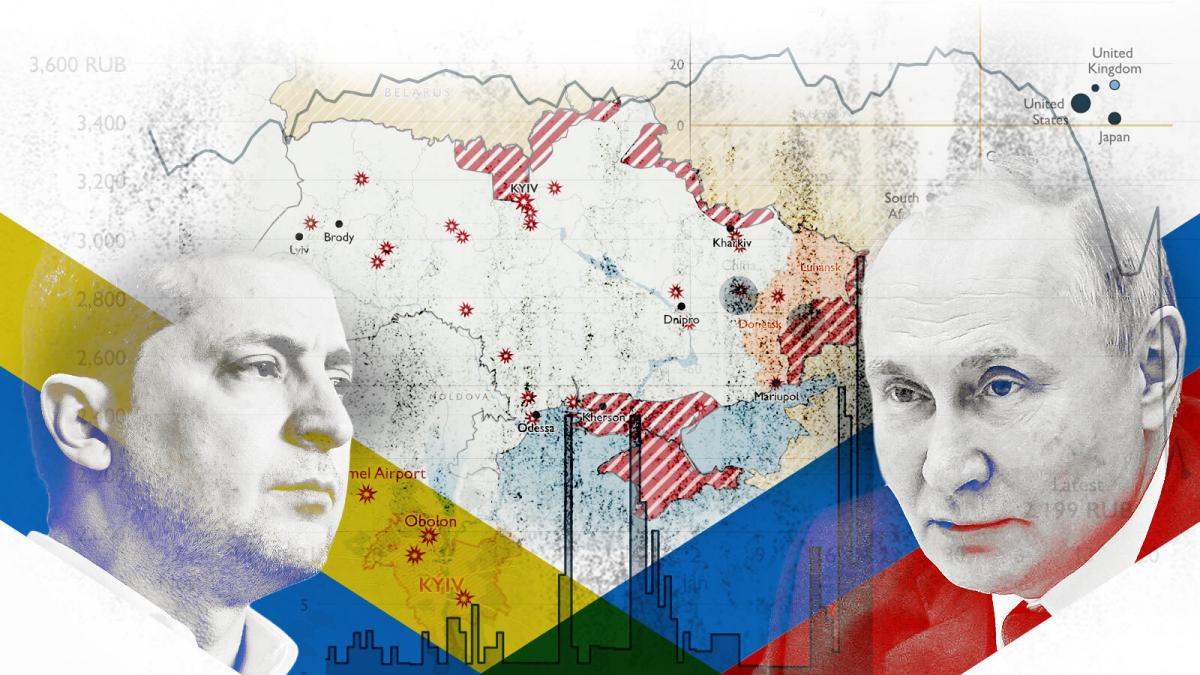
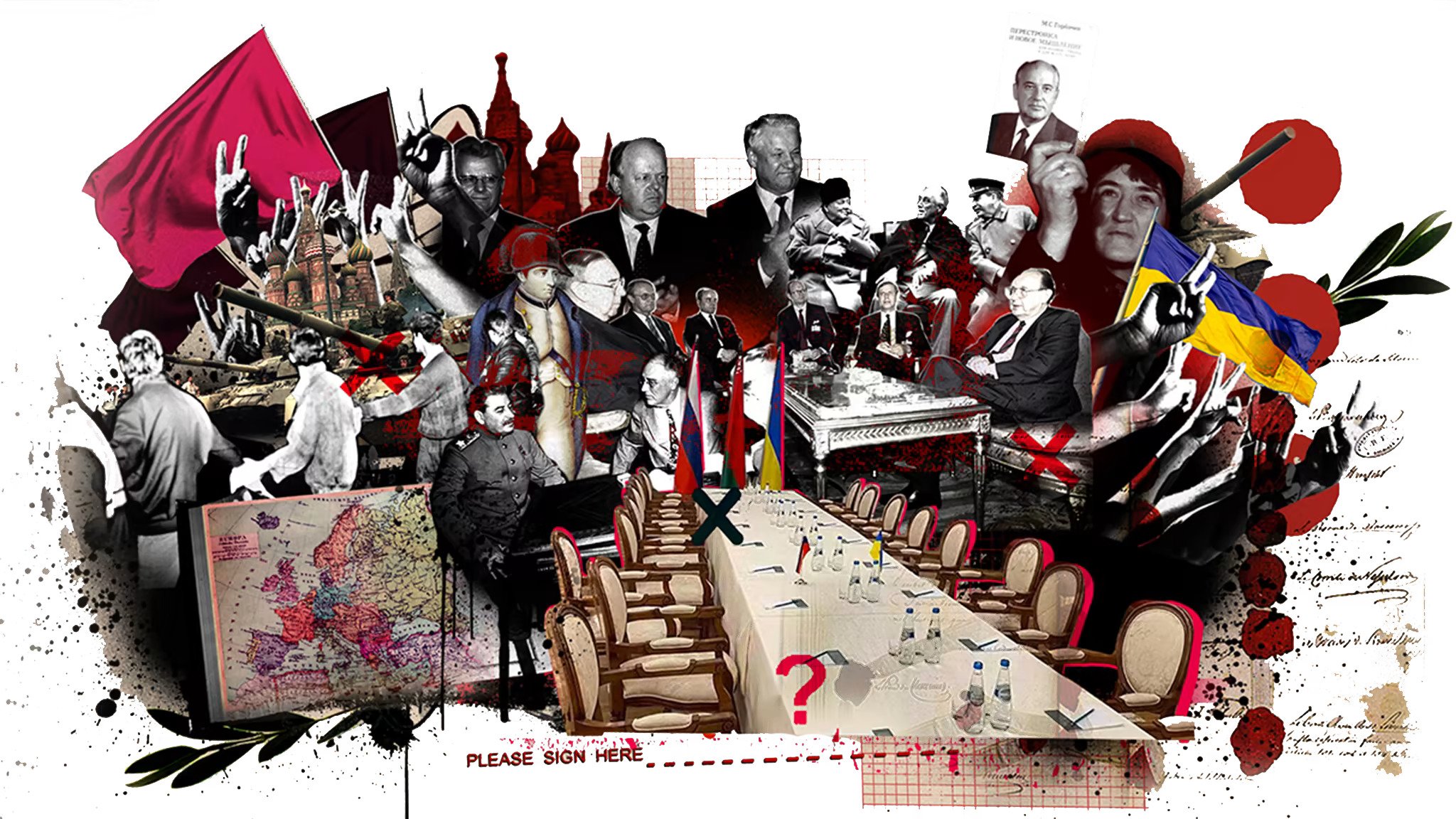
    In a press conference marking his first year in office, President Biden, on the question of Russia invading Ukraine, remarked that such an event would, “be the most consequential thing that’s happened in the world, in terms of war and peace, since World War Two”. [1] It has now been two months since Russia officially launched its “special military operation” in Ukraine, which the US and its allies consider an unjustified invasion of a sovereign state. The conflict in the Eurasian continent has drawn global attention to Europe and US-Russia tensions have ratcheted to levels that were prevalent during the Cold War. The conflict has also raised pertinent questions on understanding what exactly are Russian stakes in Ukraine and the latter’s role in the evolving security architecture of Europe. The second paper in this series will delve into these questions.

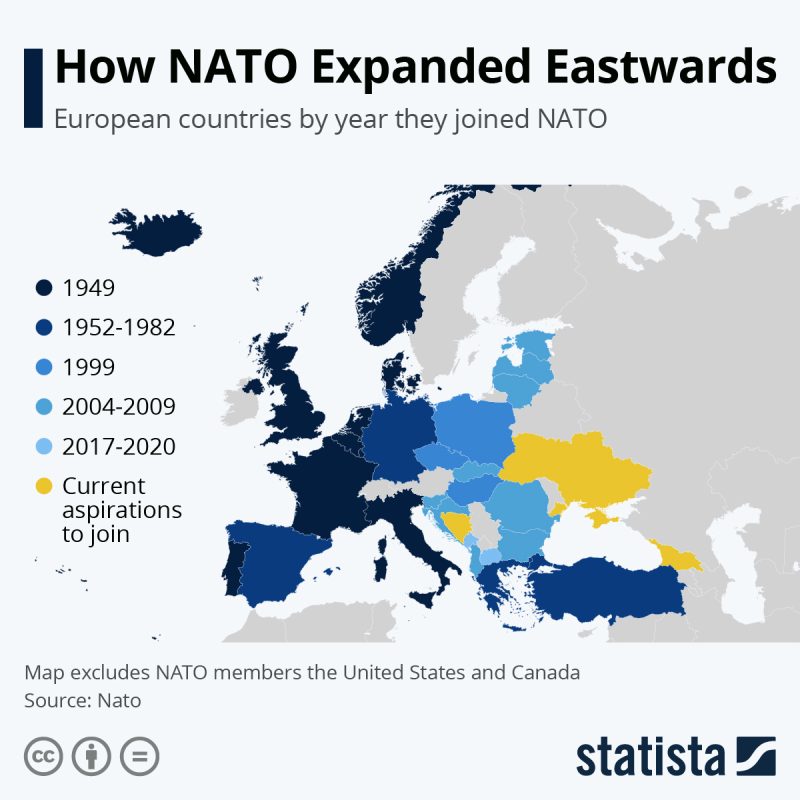
    The current Russian position stems from the experience that Russia, and Putin, gained while dealing with the West on a host of issues, not least of which was NATO expansion.

    The Ties that Bind

    An examination of post-Soviet history reveals that Russian preoccupation with security threats from NATO is not embedded in Russian geopolitics; instead, it has been reported that, early on, Russia was even agreeable to joining the military alliance. The current Russian position stems from the experience that Russia, and Putin, gained while dealing with the West on a host of issues, not least of which was NATO expansion. A line of argument sympathetic to Russia is President Putin’s contention that terms dictated to Russia during the post-Cold War settlements were unfair. The claim is a reference to Secretary of State James Baker’s statement on the expansion of NATO, “not an inch of NATO’s present military jurisdiction will spread in an eastern direction”, in 1990 in a candid conversation with Mikhael Gorbachev on the matter of reunification of Germany. [2] It could be argued that it is this commitment and subsequent violation through expansions of NATO is one of the main causes of the current conflict. 

    At the root of the problem was Russia’s security concerns – regarding both traditional and hybrid security – that ultimately led to the centralisation of power after a democratic stint under Yeltsin. Accordingly, Putin had put it in late 1999, “A strong state for Russia is not an anomaly, or something that should be combated, but, on the contrary, the source and guarantor of order, the initiator and the main driving force of any changes”. [3]

    Historically being a land power, Russia has viewed Ukraine as a strategically critical region in its security matrix. However, as the central control of Moscow weakened in the former USSR, the nationalist aspirations of the Ukrainian people began to materialise and Ukraine played a crucial role, along with the Russian Federation and Belarus, in dissolving the former Soviet Union. The two countries found themselves on opposite sides on extremely fundamental issues, such as security, economic partnership, post-Soviet order, and, not least, sovereignty. In Belovezh, in early December of 1991, when Russian President Boris Yeltsin, Ukrainian President Leonid Kravchuk and Belarusian leader Stanislav Shushkevich met to dissolve the USSR, major disagreements regarding the transitional phase and future of the republics erupted. Yeltsin expressed his desire for some sort of central control of the republics, whereas Kravchuk was vehemently opposed to any arrangement that might compromise his country’s sovereignty. Later, at the foundational ceremony of the Commonwealth of Independent States (CIS), he stressed a common military, the most potent rejection of which came from Kravchuk. [4]

    Source: Wikimedia Commons

    The elephant in the room, however, was the status of Sevastopol, which housed the headquarters of the Black Sea Fleet. Yeltsin was quoted saying that “The Black Sea Fleet was, is and will be Russia’s. No one, not even Kravchuk will take it away from Russia”. [5] Though the issue was soon temporarily resolved –with the two countries dividing the fleet equally amongst themselves, it continued to dominate and sour their relationship. Russia, as the successor state of the USSR, wanted the base and the entire fleet in its navy. Yeltsin even offered gas at concessional rates to Ukraine if it handed over the city and nuclear weapons to Russia. The issue remained unresolved until the 1997 Friendship Treaty under which Ukraine granted Moscow the entire fleet and leased Sevastopol to Russia until 2017 (later extended).

    Ukraine, under Kravchuk and, later, Leonid Kuchma, struggled to tread a tightrope between Russia and the European Union. On one hand, it was economically knit with former Soviet Republics, and on the other, it was actively looking to get economic benefits from the EU. However, soon a slide towards the west was conspicuous. In 1994, it preferred a Partnership and Cooperation Agreement with the EU over CIS Customs Union, which was a Russian initiative. Later, in 1996, it declined to join a new group consisting of former Soviet Republics ‘On Deepening Integration’, scuttling the initiative, since its purpose was to bring Ukraine back into the Russian fold. [6] By 1998, the Kuchma government had formulated a ‘Strategy of Integration into the European Union’. [7]

    Nuclear weapons were another point of contention between the two. Ukraine was extremely reluctant to give up its arsenal, citing security threats from Russia. Kravchuk received a verbal ‘security guarantee’ from the US which forced Russia to “respect the independence, sovereignty, and territorial integrity of each nation” [8] in exchange for surrendering Ukraine’s nuclear weapons. 

    Notwithstanding the disputes, there was a great deal of cooperation between the two, especially after Kuchma’s re-election in 1999. Kuchma’s hook-up with authoritarianism distanced Kyiv from Brussels and brought it closer to Moscow. Ukraine agreed to join Russian initiatives of the Eurasian Economic Community as an observer and Common Economic Space as a full member. At home as well, his support in the eastern parts of the country, where ethnic Russians dwelled, increased dramatically, as evident in the 2002 Parliamentary Elections. [9] However, the bonhomie was soon disrupted by a single event.

    The Orange Revolution was Russia’s 9/11. [10] It dramatically altered Russian thinking on democracy and its ties with the West. It raised the prospect in Russia that Ukraine might be lost completely. It further made them believe the colour revolutions in former Soviet republics were CIA toolkits for regime change. More importantly, it made the Russians apprehensive of a similar revolution within their borders. As a result, the distrust between Russia and the West, and Russia and Ukraine grew considerably. As a nationalist, Victor Yushchenko formulated policies that directly hurt Russian interests. The two countries fought ‘Gas Wars’ in 2006 and 2009, which made both the EU and Russia uncomfortable with Ukraine as a gas transit country. Furthermore, Yushchenko bestowed the title of ‘Hero of Ukraine’ upon Stepan Bandera, a Nazi collaborator and perpetrator of the Holocaust, a decision that surely did not go well with Moscow.

    Geoeconomics: Ukraine as a Gas Transit Country

    The current war is the worst in Europe since the Second World War. Still, Ukraine continues to transit Russian gas through its land, Russia continues to pay for it, and Western Europe continues to receive the crucial resource. The war has shattered all the big bets on Russian dependence on Ukraine for delivering gas to Western Europe and has renewed the discourse on reducing European energy dependence on Russia. Since the EU imports 40% of its gas from Russia, almost a quarter of which flows through Ukraine, Kyiv has had leverage in dealing with Russians in the past. It has been able to extract favourable terms by either stopping or diverting gas for its own domestic use at a time of heightened tensions between Ukraine and Russia. As a result, the EU was directly drawn into the conflict between them, infructuating Moscow’s pressure tactics for a long.

    Moscow has made numerous attempts in the past to bypass Ukraine by constructing alternate pipelines. Nord Stream, the most popular of them, was conceived in 1997, as an attempt to decrease the leverage of the transit states. The pipeline was described as the “Molotov-Ribbentrop Pipeline” by Polish Defence Minister Radoslaw Sirkosi for the geoeconomic influence it gave to Russia. [11] Another project – the South Stream – was aimed at providing gas to the Balkans, and through it to Austria and Italy. The pipeline was conceived in the aftermath of the Orange Revolution and its construction was motivated by geoeconomics, rather than economic viability. It would have led to Russia bypassing Ukraine in delivering gas to the Balkans and Central Europe, thus seizing its significant leverage, and relegating it to vulnerable positions in which Moscow could have eliminated the gas subsidies Ukraine was being provided. [12]As a result of economic unviability, the project was abandoned in 2014.

    To a certain extent, the European Union has been complicit in making matters worse for Russia. For instance, during the 2009 ‘Gas War’ – that began due to Ukraine’s non-payment of gas debt to Russia – instead of holding Ukraine accountable, the EU countries blamed Russia for the gas crisis in Europe and asked Russia to resume gas supply to Ukraine. Later, realising the importance of Ukraine as a transit country, it reached an agreement with Kyiv that “recognized the importance of the further expansion and modernization of Ukraine’s gas transit system as an indispensable pillar of the common European energy infrastructure, and the fact that Ukraine is a strategic partner for the EU gas sector”. The agreement excluded Russia as a party, which saw it as undermining the collaboration between itself and Ukraine, and injuring its influence on the country. [13] The Russian grievance becomes even more palpable when we view the significant gas subsidies it has provided to Ukraine for more than two decades. 

    Similarly, the EU countries viewed Nord Stream 2 from a geostrategic and geo-economic perspective. In December last year, German Economic Affairs Minister Robert Habeck warned Russia of halting Nord Stream 2 if it attacks Ukraine. German Chancellor Olaf Scholz was quoted saying that he would do ‘anything’ to ensure that Ukraine remains a transit country for Russian gas. [14] In fact, the pipeline – that is set to double the capacity of gas delivered to the EU – has faced opposition from almost all Western European countries, the US, the EU as well as Ukraine, which has described it as ‘A dangerous Geopolitical Weapon’. [15] The pipeline had raised concerns amongst Ukrainians of losing a restraining factor on Moscow’s behaviour. [16] However, with the pipeline still inoperable, the Kremlin has already made the restraining factor ineffective.

    The Security Objective

    The Russian Federation is a country which spreads from the European Continent to Asia. In this giant nation, the hospitable region where people live is mainly on the European side, which also comprises main cities like St. Petersburg, Volgograd and the Capital City Moscow. Throughout history, Russia has seen invasions by Napoleon as well as Hitler, and the main area through which these invasions and wars happened was through Ukrainian land which gave them direct access to Russia – due to the lack of any geographical barriers. It was certainly a contributing factor towards the initial success of these invasions. Today, we might understand these events as Russia’s sense of vulnerability and insecurity if history is any indicator. 

    The Russian Federation also follows a similar approach to ensuring its security, survival and territorial integrity. Russia’s interest in Ukraine is as much geopolitical as cultural. Since Russians and Ukrainians were intrinsically linked through their culture and language, Ukraine quickly came to be seen as Russian land, with Ukrainians being recognized as ‘Little Russians’ (Kubicek, 2008), as compared to the “Great Russians”. They were consequently denied the formation of a distinct Ukrainian identity. Putin gave substance to this sentiment as, according to a US diplomatic cable leak, he had “implicitly challenged the territorial integrity of Ukraine, suggesting that Ukraine was an artificial creation sewn together from the territory of Poland, the Czech Republic, Romania, and especially Russia in the aftermath of the Second World War” during a Russia-NATO Council meeting. [17]

    Crimea and much of eastern Ukraine are ethnically Russian and desire closer ties with Russia. But moving further west, the people become increasingly cosmopolitan and it is mostly this population that seeks greater linkage with the Western European countries and membership into the EU and NATO. This in addition to the Euro Maidan protests is what Putin has used to justify the annexation of Crimea in 2014. The other security consideration was the threat it faced from the likelihood of NATO establishing a base in Crimea given its own presence in Sevastopol in the Black Sea. 

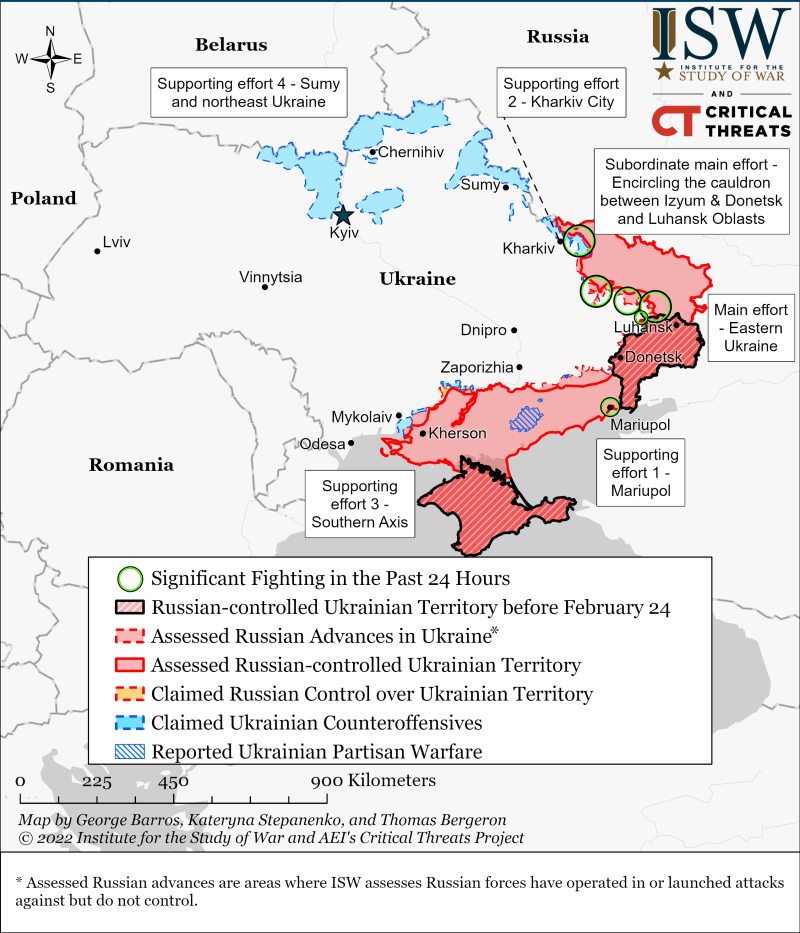
    In the current scenario, the second phase of Russian Military operation in the East and South has shown us the larger vulnerabilities Moscow has which are being countered through control of certain points in the region. By liberating the Donbass region in the east, Russia plans to create a buffer zone between itself and the west to stop future aggression and keep enemies at bay. But the extension of this buffer zone all the way to Odessa is indicative of other strategic considerations. Mariupol in the south of Ukraine is one of the many extended strategic points Russia now controls leading us to ask just why Mariupol is a game-changer in this conflict?

    The port city of Mariupol is a small area geographically, but it provides the land bridge for the Russian forces in the Crimean Peninsula to join the Military operation in the Donbas region. Moreover, it gives Russia a land bridge to Crimea from the Russian Mainland. According to General Sir Richard Barrons, former Commander of UK Joint Forces Command, Mariupol is crucial to Russia’s offensive movement, – “When the Russians feel they have successfully concluded that battle, they will have completed a land bridge from Russia to Crimea and they will see this a major strategic success.” [18]

    Source: ISW (Assessment on 09 May, 2022)

    If the port city of Mariupol is important for the creation of a land corridor, then the Sea of Azov which is adjacent to it is even more important due to its strategic position. [19] The three geopolitical reasons why this sea is important are as follows:

    1. The Sea of Azov is a major point for the economic and military well-being of Ukraine. Proximity to the frontlines of the Donbass region where the fighting between Ukrainian forces and Pro-Russian separatists is taking place makes the control of this sea vital to the Russian military as it helps weaken Ukrainian defence in the region via control of the Kerch Strait.
    2. Controlling the Sea of Azov is strategically important for Russia, to maintain its control in the Crimean Peninsula, which allows Moscow to resupply its forces through the Strait of Kerch.
    3. Finally, it also involves Eurasian politics into why Russia needs to control this region and here the discussion of the Volga-Don canal which links the Caspian Sea with the Sea of Azov comes to the fore. Russia has always used this canal to move warships between the Caspian Sea to the Black Sea and project its power in both regions. Moreover, Russia sees this connection as a significant strategic advantage in any future crisis.

    If Mariupol and the Sea of Azov are considered the most important strategically valuable features by Russia, there also exists the crucial points of Kherson and Odessa which will give Russia complete dominance of the Ukrainian coast line, thus giving larger access and control in the Black Sea region that has the potential to be militarised in the future in conflicts with the West. Moreover, it gives Russia a land corridor to Transnistria which is a Pro-Russian separatist area in Moldova and an opening into the Romanian border through Odessa, thus balancing the build-up of NATO forces in the region. 

    Conclusion

    The Ukrainian crisis is as much the West’s doing as Russia’s and an ear sympathetic to the Russian narrative might even say that the West took advantage of Russia when it was vulnerable immediately following the collapse of the Soviet Union in negotiations regarding the German state reunification and NATO enlargement.

    The bottom line is that, presently, Putin views NATO as an existential security threat to the Russian state and sees the US and its allies’ support of Ukraine as a challenge. Ukraine’s membership in the EU and NATO is a non-starter for Russia and pitting a Ukraine, that has a symbiotic relationship with Russia at all levels, against a slightly diminished but still formidable great power will have consequences for the security architecture and geopolitics of the region.  The Ukrainian crisis is as much the West’s doing as Russia’s and an ear sympathetic to the Russian narrative might even say that the West took advantage of Russia when it was vulnerable immediately following the collapse of the Soviet Union in negotiations regarding the German state reunification and NATO enlargement. On some level, NATO countries recognize the fact that Ukraine and Georgia can never be allowed membership into the North Atlantic alliance because the alternative of wilfully ignoring Russia’s security and national interests is just a recipe for disaster and might just launch the region into the single biggest armed conflict since World War 2. 

    References:

    [1] The White House. (2022, January 20). Remarks by president Biden in the press conference. https://www.whitehouse.gov/briefing-room/speeches-remarks/2022/01/19/remarks-by-president-biden-in-press-conference-6/

    [2] Savranskaya, S., Blanton, T. S., & Zubok, V. (2010). Masterpieces of history: The peaceful end of the Cold War in Europe, 1989. Central European University Press.

    [3] Putin, Vladimir. “Rossiya na Rubezhe Tysyacheletii,” Nesavisimaya Gazeta, December 30, 1999, quoted in D’Anieri, Paul (2019). Ukraine and Russia: From Civilized Divorce to Uncivil War. Cambridge University Press.

    [4] Ibid

    [5] Rettie, J. and James Meek, “Battle for Soviet Navy,” The Guardian, January 10, 1992

    [6] Ibid, no. iii

    [7] Solchanyk, R., Ukraine and Russia: The Post-Soviet Transition. Rowman and Littlefield Publishers. 2000.

    [8] Goldgeier, J. and Michael McFaul. “Power and Purpose: U.S. Policy Toward Russia after the Cold War”, Brookings Institution Press, 2003

    [9] Ibid, no. iii

    [10]  The comment was made by Gleb Pavlovskii, a Russian Political Scientist. quoted in Ben Judah (2013), Fragile Empire: How Russia Fell In and Out of Love with Vladimir Putin. New Haven, CT: Yale University Press, p. 85.

    [11] Ibid, no. iii

    [12] Wigell, M. and  A. Vihma, Geopolitics versus geoeconomics: the case of Russia’s geostrategy and its effects on the EU. International Affairs, 92: 605-627. May 6, 2016

    [13] Ibid, no. iii

    [14] Harper, J. (2021, December 23). Nord stream 2: Who wins, who loses? Deutsche Welle. https://www.dw.com/en/nord-stream-2-who-wins-who-loses/a-60223801

    [15] Ukraine: Nord stream 2 a ‘dangerous geopolitical weapon’. (2021, August 22). DW.COM. https://www.dw.com/en/ukraine-nord-stream-2-a-dangerous-geopolitical-weapon/a-58950076

    [16] Pifer, S. “Nord Stream 2: Background, Objectives and Possible Outcomes”, Brookings, April 2021 https://www.brookings.edu/research/nord-stream-2-background-objections-and-possible-outcomes/

    [17] WikiLeaks. (2008, August 14). UKRAINE, MAP, AND THE GEORGIA-RUSSIA CONFLICT, Canonical ID:08USNATO290_ahttps://wikileaks.org/plusd/cables/08USNATO290_a.html

    [18] Gardner, F. (2022, March 21). Mariupol: Why Mariupol is so important to Russia’s plan. BBC News. https://www.bbc.com/news/world-europe-60825226

    [19] Blank, S. (2018, November 6). Why is the Sea of Azov so important? Atlantic Council. https://www.atlanticcouncil.org/blogs/ukrainealert/why-is-the-sea-of-azov-so-important/

    Featured Image Credits: Financial Times

    [powerkit_button size="lg" style="info" block="true" url="https://admin.thepeninsula.org.in/2022/03/29/tpf-analysis-series-on-russia-ukraine-conflict/" target="_blank" nofollow="false"]
    TPF Analysis Series on Russia – Ukraine Conflict #1
    [/powerkit_button]

  • Technology, Politics and China’s Quest for Energy Dominance

    Technology, Politics and China’s Quest for Energy Dominance

    [powerkit_button size=”lg” style=”info” block=”false” url=”https://admin.thepeninsula.org.in/wp-content/uploads/2022/05/Technology-Politics-and-Chinas-Quest-for-Renewable-Energy-Dominance-3.pdf” target=”_blank” nofollow=”false”]
    Download
    [/powerkit_button]

    Abstract:

    This paper will empirically investigate the role of technology in international politics through a case study of China’s development of renewable energy infrastructure (solar PV and wind energy) and its impact on international politics. This paper looks at how technology helps shape a state’s identity using renewable energy technology as an explanatory variable. The paper employs Grygiel’s Model of Geopolitics to analyse the case study; geopolitics because much of China’s development in the renewable sector has been a function of its geography and abundance of natural resources.

    Introduction:

    China has experienced decades of near double-digit economic growth and since the 2000s, has witnessed a growing population and rapid industrialization that has correspondingly driven demand for energy. Its expeditious implementation of economic reforms has elevated it to the status of a global power capable of challenging the US-established status quo. Stability is increasingly being viewed as a function of China’s behaviour vis-à-vis its strategic rivals, primarily the US, and to a lesser extent Japan, India, Russia and the littoral states of Southeast Asia. But more importantly, it has been China’s near fanatic fervour to rise as a technologically superior state, as the US emerged post the World Wars, that has generated interest. The modernization of its military, near the meteoric rise of installed capacities for renewable sources of energy and technological revolution, underscores the importance and role technological advancement plays in a state’s development. Technology and international politics have a near symbiotic relationship and the former has the potential to fundamentally alter the way states exercise their sovereignty in pursuit of their national interests.

    [powerkit_button size=”lg” style=”info” block=”true” url=”https://admin.thepeninsula.org.in/wp-content/uploads/2022/05/Technology-Politics-and-Chinas-Quest-for-Renewable-Energy-Dominance-3.pdf” target=”_blank” nofollow=”false”]
    Read the Full Paper
    [/powerkit_button]

  • Recent advances in the use of ZFN-mediated gene editing for human gene therapy

    Recent advances in the use of ZFN-mediated gene editing for human gene therapy

    Targeted genome editing with programmable nucleases has revolutionized biomedical research. The ability to make site-specific modifications to the human genome, has invoked a paradigm shift in gene therapy. Using gene editing technologies, the sequence in the human genome can now be precisely engineered to achieve a therapeutic effect. Zinc finger nucleases (ZFNs) were the first programmable nucleases designed to target and cleave custom sites. This article summarizes the advances in the use of ZFN-mediated gene editing for human gene therapy and discusses the challenges associated with translating this gene editing technology into clinical use.

    Zinc finger nucleases: first of the programmable nucleases

    In the late seventies, scientists observed that when DNA is transfected into yeast cells, it integrates at homologous sites by homologous recombination (HR). In stark contrast, when DNA was transfected into mammalian cells, it was found to integrate randomly at non-homologous sites by non-homologous end joining (NHEJ). HR events were so rare that it required laborious positive and negative selection techniques to detect them in mammalian cells [1]. Later work performed by Maria Jasin’s lab using I-SceI endonuclease (a meganuclease) and a homologous DNA fragment with sequences flanking the cleavage site, revealed that a targeted chromosomal double-strand break (DSB) at homologous sites can stimulate gene targeting by several orders of magnitude in mammalian cells that are refractory to spontaneous HR [2]. However, for this experiment to be successful, the recognition site for I-SceI endonuclease had to be incorporated at the desired chromosomal locus of the mammalian genome by classical HR techniques. Thus, the generation of a unique, site-specific genomic DSB had remained the rate limiting step in using homology-directed repair (HDR) for robust and precise genome modifications of human cells, that is, until the creation of zinc finger nucleases (ZFNs) – the first of the programmable nucleases that could be designed to target and cleave custom sites [3,4].

    Because HR events are very rare in human cells, classical gene therapy – use of genes to achieve a therapeutic effect – had focused on the random integration of normal genes into the human genome to reverse the adverse effects of disease-causing mutations. The development of programmable nucleases – ZFNs, TALENs and CRISPR-Cas9 – to deliver a targeted DSB at a pre-determined chromosomal locus to induce genome editing, has revolutionized the biological and biomedical sciences. The ability to make site-specific modifications to the human genome has invoked a paradigm shift in gene therapy. Using gene-editing technologies, the sequence in the human genome can now be precisely engineered to achieve a therapeutic effect. Several strategies are available for therapeutic gene editing which include: 1) knocking-out genes by NHEJ; 2) targeted addition of therapeutic genes to a safe harbour locus of the human genome for in vivo protein replacement therapy (IVPRT); and 3) correction of disease-causing mutations in genes.

    The first truly targetable reagents were the ZFNs that showed that arbitrary DNA sequences in the human genome could be cleaved by protein engineering, ushering in the era of human genome editing [4]. We reported the creation of ZFNs by fusing modular zinc finger proteins (ZFPs) to the non-specific cleavage domain of the FokI restriction enzyme in 1996 [3]. ZFPs are comprised of ZF motifs, each of which is composed of approximately 30 amino acid residues containing two invariant pairs of cysteines and histidines that bind a zinc atom. ZF motifs are highly prevalent in eukaryotes. The Cys2His2 ZF fold is a unique ββα structure that is stabilized by a zinc ion [5]. Each ZF usually recognizes a 3–4-bp sequence and binds to DNA by inserting the α-helix into the major groove of the double helix. Three to six such ZFs are linked together in tandem to generate a ZFP that binds to a 9–18-bp target site within the genome. Because the recognition specificities can be manipulated experimentally, ZFNs offered a general means of delivering a unique, site-specific DSB to the human genome. Furthermore, studies on the mechanism of cleavage by 3-finger ZFNs established that the cleavage domains must dimerize to affect an efficient DSB and that their preferred substrates were paired binding sites (inverted repeats) [6]. This realization immediately doubled the size of the target sequence recognition of 3-finger ZFNs from 9- to 18-bp, which is long enough to specify a unique genomic address within cells. Moreover, two ZFNs with different sequence specificities could cut at heterologous binding sites (other than inverted repeats), when they are appropriately positioned and oriented within a genome.

    ZFNs paved the way for human genome editing

    In collaboration with Dana Carroll’s lab, we then showed that a ZFN-induced DSB stimulates HR in frog oocytes in 2001 [7]. The groundbreaking experiments on ZFNs established the potential for inducing targeted recombination in a variety of organisms that are refractory to spontaneous HR, and ushered in the era of site-specific genome engineering, also commonly known as genome editing. A number of studies using ZFNs for genome editing in different organisms and cells, soon followed [4,8–10]. The modularity of DNA recognition by ZFs, made it possible to design ZFNs for a multitude of genomic targets for various biological and biomedical applications [4]. Thus, the ZFN platform laid the foundation for genome editing and helped to define the parameters and approaches for nuclease-based genome engineering.

    Despite the remarkable successes of ZFNs, the modularity of ZF recognition did not readily translate into a simple code that enabled easy assembly of highly specific ZFPs from ZF modules. Generation of ZFNs with high sequence specificity was difficult to generate for routine use by at large scientists. This is because the ZF motifs do not always act as completely independent modules in their DNA sequence recognition; they are influenced more often than not by their neighbours. ZF motifs that recognize each of the 64 possible DNA triplets with high specificity, never materialized. Simple modular assembly of ZFs did not always yield highly specific ZFPs, hence ZFNs. Thus, DNA recognition by ZF motifs turned out to be more complex than originally perceived. With this realization came the understanding that the ZFPs have to be selected in a context-dependent manner that required several cycles of laborious selection techniques and further optimization. This is not to say that it can’t be done, but just that it requires substantial cost and time-consuming effort. This is evidenced by the successful ZFN-induced genome editing applications to treat a variety of human diseases that are underway. For example, ZFN-induced mutagenesis of HIV co-receptor CCR5 as a form of gene therapy has the potential to provide a functional cure for HIV/AIDS.

    Successor technologies – TALENs and CRISPR/Cas9 – have made the delivery of a site-specific DSB to the mammalian genome much easier and simpler. Custom nuclease design was facilitated further by the discovery of TAL effector proteins from plant pathogens, in which two amino acids (repeat variable di-residues, also known as RVDs) within a TAL module, recognize a single base pair, independent of the neighbouring modules [11,12]. In a similar fashion to ZFNs, TAL effector modules were fused to the FokI cleavage domain to form TAL effector nucleases, known as TALENs [13]. The development of TALENs simplified our ability to make custom nucleases by straightforward modular design for the purposes of genome editing. However, the discovery of CRISPR/Cas9 – an RNA-guided nuclease in bacterial adoptive immunity – has made it even easier and cheaper, given that no protein engineering is required [14–17]. A constant single nuclease (Cas9) is used for cleavage together with an RNA that directs the target site specificity based on Watson-Crick base pairing. CRISPR/Cas9 system has democratized the use of genome editing, by making it readily accessible and affordable by small labs around the world.

    ZFN specificity & safety

    The efficacy of ZFNs to a large extent depends on the specificity of the ZFPs that are fused to the FokI nuclease domain. The higher the specificity of the ZFPs, the lower the ZFN’s off-target cleavage, and hence toxicity. The early ZFNs designed for genomic targets displayed significant off-target activity and toxicity due to promiscuous binding and cleavage, particularly when encoded in plasmids and expressed in high levels in human cells. One way to increase the specificity of the ZFNs is to increase the number of ZF motifs within each ZFN of the pair. This helps to improve specificity, but it is not always sufficient. Many different mechanisms could account for the off-target activity. They include ZFNs binding to single or unintended target sites as well as to homodimer sites (the inverted repeat sites for each of the ZFN pair). Binding of a ZFN monomer to single or unintended target sites could be followed by dimerization of the cleavage domain to another monomer in solution. Therefore, one approach to reduce ZFNs toxicity is to re-design the dimer interface of the cleavage domains to weaken the interaction and generate a heterodimer variant pair that will actively cleave only at heterodimer binding sites and not at the homodimer or single or unintended binding sites. We had previously shown that the activity of the ZFNs could be abolished by mutating the amino acid residues that form the salt bridges at the FokI dimer interface [6]. Two groups achieved a reduction in ZFN’s off-target cleavage activity and toxicity by introducing amino acid substitutions at the dimer interface of the cleavage domain that inhibited homodimer formation, but promoted the obligate heterodimer formation and cleavage [18,19]. We showed further improvements to the obligate heterodimer ZFN pairs by combining the amino acid substitutions reported by the two groups [20].

    Another approach to reducing ZFN toxicity is to use ZF nickases that cleave at only one predetermined DNA strand of a targeted site. ZFN nickases are produced by inactivating the catalytic domain of one monomer within the ZFN pair [4]. ZFN nickases induce greatly reduced levels of mutagenic NHEJ, since nicks are not efficient substrates for NHEJ. However, this comes at a cost, in terms of lowered efficiency of cleavage. A standard approach that has been widely used to increase the sequence specificity of ZFPs (and the DNA binding proteins in general) is to abolish non-specific protein contacts to the DNA backbone by amino acid substitutions. Again, this comes at the price of ZFPs’ lowered binding affinity for their targets, resulting in lower efficiency of on-target cleavage.

    Methods for ZFN delivery into cells

    The first experiments to show that ZFNs were able to cleave a chromatin substrate and stimulate HR in intact cells were performed by microinjection of ZFNs (proteins) and synthetic substrates into Xenopus oocytes [7]. Plasmid-encoded ZFNs and donors have also been co-transfected into human cells by using electroporation, nucleofection or commercially available chemical reagents. This potentially has two drawbacks: 1) the plasmids continue to express the ZFNs that accumulate at high levels in cells, promoting promiscuous DNA binding and off-target cleavage; and 2) there is also the possibility that the plasmid could integrate into the genome of the cells. To circumvent these problems, one could transfect mRNAs coding for the ZFNs along with donor DNA into cells. Adeno-associated virus (AAV) and lentivirus (LV) are the common vehicles used for the delivery of ZFNs and the donor into human cells.

    First-in-human study

    ZFN-mediated CCR5 disruption was the first-in-human application of genome editing, which was aimed at blocking HIV entry into cells [21]. Most HIV strains use CCR5 co-receptor to enter into cells. The CCR5∆32 allele contains a 32-bp deletion that results in a truncated protein; it is not expressed on the cell surface. The allele confers protection against HIV-1 infection without any adverse health effects in homozygotes. Heterozygotes show reduced levels of CCR5; their disease progression to AIDs is delayed by 1 to 2 years. The potential benefit of CCR5 targeted gene therapy was highlighted in the only reported case of an HIV cure. The so-called “Berlin patient” received allogeneic bone marrow transplants from a CCR5∆32 donor during treatment of acute myeloid leukaemia and ever since has remained HIV-1 free without antiviral treatment (ART). This report gave impetus to gene therapy efforts to create CCR5-negative autologous T cells or hematopoietic stem/progenitor cells (HSPCs) in HIV-infected patients. The expectation was that the edited cells will provide the same anti-HIV effects as in the Berlin patient, but without the risks associated with the allogeneic transplantation. CCR5 knockout via NHEJ was used in this strategy, since gene modification efficiency by HDR is relatively low. ZFN-induced genome editing of CCR5 is the most clinically advanced platform, with several ongoing clinical trials in T cells and HSPCs [22].

    The Phase I clinical trial (#NCT00842634), of knocking out the CCR5 receptor to treat HIV, was conducted by Carl June’s lab in collaboration with Sangamo Biosciences (California) scientists. The goal was to assess the safety of modifying autologous CD4+ T cells in HIV-1–infected individuals [21]. Twelve patients on ART were infused with autologous CD4+ T cells, in which the CCR5 gene was inactivated by ZFN treatment. The study reported: 1) a significant increase in CD4+T cells post-infusion; and 2) long-term persistence of CCR5-modified CD4+ T cells in peripheral blood and mucosal tissue. The therapeutic effects of the ZFN treatment in five patients were monitored by a 12-week interruption of ART. The study established that the rate of decline of the CCR5-modified CD4+ T cells was slower than that of the unmodified cells, indicating a protective effect of CCR5 disruption [22]. One patient showed both delayed viral rebound and a peak viral count that was lower than the patient’s historical levels. This patient was later identified as being heterozygous for CCR5∆32, which suggested that the beneficial effects of the ZFN treatment were magnified in this patient, probably due to increased levels of bi-allelic modification [22]. Thus, heterozygous individuals may have a greater potential for a functional HIV cure. The obvious next step is to apply the ZFN treatment to earlier precursors or stem cells. Editing HSPCs instead of CD4+ T cells have the potential to provide a long-lasting source of modified cells. The success of this strategy has been established in preclinical studies [23] and a recent clinical trial (#NCT02500849) has been initiated using this approach. Programs to disrupt CCR5 in T cells and HSPCs, using the other nuclease platforms that include TALENs, CRISPR/Cas9 and megaTALs (a meganuclease fused to TAL effector modules), are also underway; these are at the pre-clinical stage.

    ZFN preclinical trials aimed at treating human monogenic diseases

    Sangamo Biosciences, Inc. has leveraged its proprietary database of proven ZFNs (that includes an extensive library of functional ZF modules and 2-finger units for the assembly of highly specific ZFNs) and its ZFN patent portfolio to enter into research collaborations with academic scientists for the application of ZFN-mediated gene editing strategies to treat a number of human diseases. Many of these programs are at the preclinical stage.

    An interesting gene editing approach is gene replacement therapy. ZFN-mediated gene editing has shown promise for in vivo correction of the hFIX gene in hepatocytes of haemophilia B mice. Katherine High’s lab in collaboration with Sangamo scientists, is developing a general strategy for liver-directed protein replacement therapies using ZFN-mediated site-specific integration of therapeutic transgenes within the albumin gene locus [24]. Using in vivo AAV delivery, they have achieved long-term expression of hFVIII and hFIX in mouse models of haemophilia A and B at therapeutic levels. Because albumin is very highly expressed, modifying less than 1% of liver cells can produce therapeutic levels of relevant proteins, essentially correcting the disorders. Several pre-clinical studies are now underway to develop liver-directed protein replacement therapies for lysosomal storage disorders including Hurler, Hunter, Gaucher, Fabry and many others. We have previously shown that the CCR5 gene could serve as a safe harbour locus for protein replacement therapies [25]. We reported that by targeted addition of the large CFTR transcription unit at the CCR5 chromosomal locus of human-induced pluripotent stem cells (hiPSCs), one could achieve efficient CFTR expression. Thus, therapeutic genes could be expressed from the CCR5 chromosomal locus for autologous cell-based transgene-correction therapy to treat various recessive monogenic human disorders. Other safe harbour loci such as AAVS1 in the human genome are also available for gene replacement therapy.

    Many labs around the world are also working to develop gene-editing strategies to treat several other diseases such as sickle cell anaemia, SCID, cancer (CAR T cells for immunotherapy) and many others, which are not discussed here. A list of clinical and pre-clinical studies using genome editing technologies for gene and cell therapy of various diseases is outlined elsewhere [26].

    Challenges facing ZFN-based gene editing before routine translation to the clinic

    Several challenges still remain that need to be addressed before we see the routine translation of ZFN-based gene editing to the clinic. They include: 1) potential harmful human genome perturbations due to off-target DSBs, which may be genotoxic or oncogenic; 2) current gene editing efficiencies may not be sufficient for certain diseases, particularly where gene-edited cells have no survival advantage; 3) safe and efficient delivery of ZFNs into target cells and tissues, when using the in vivo approach; and 4) the treatment costs, if and when ZFN-based gene editing is translated to clinic for routine use.

    First, these gene-editing tools need further refinement before they can be safely and effectively used in the clinic. The off-target effects of gene editing technologies are discussed in detail elsewhere [4]. The efficacy of ZFNs is largely governed by the specificity of the ZFPs that are fused to the FokI cleavage domain. The higher the specificity of the ZFPs, the lower the ZFNs’ off-target cleavage is and hence toxicity. As seen with the CCR5 clinical trial, some highly evolved ZFNs are very specific. In the clinic, engineered highly specific ZFNs will be used repeatedly to treat many different individuals [4]. Therefore, the design and construction of highly evolved ZFNs for a particular disease target, will likely be a small part of the overall effort.

    Second, further improvements to gene editing efficiencies are needed for successful therapeutic genome editing. HSPCs gene editing may not yield a sufficient number of edited cells for autologous transplantation due to the difficulties associated with the ex vivo culture and expansion. An alternative approach is to modify patient-specific iPSCs, which then could be reprogrammed into HSPCs. Since clonal selection, expansion and differentiation of gene edited iPSCs are performed ex vivo, this may enable very high editing efficiencies, particularly when coupled with HDR-mediated insertion of a selection cassette. This would also allow for complete genome-wide analysis of gene edited cells for off-target effects. The patient-specific ex vivo approach has the potential to become a viable clinical alternative to modifying autologous HSPCs [25, 27]. In the case of autosomal recessive disorders that require two copies of the gene to be mutated, correction of mono-allele in sufficient number of cells may be enough to confer a therapeutic effect in patients. However, in the case of autosomal dominant disorders that require only one mutated copy of the gene, bi-allelic modification in sufficient number of cells, will be essential to achieve a therapeutic effect in patients. Therefore, methods need to be developed to increase the levels of bi-allelic modification in human cells.

    Third, another potential issue pertains to the safe and efficient delivery of ZFNs into the appropriate target cells and tissues [4]. ZFNs are much smaller than TALENs or Cas9. Therefore, ZFNs can be readily delivered using AAV or LV constructs. The method of ZFN delivery could also vary depending on the human cell types. For example, Ad5/F35-mediated delivery of ZFNs was very efficient in CD4+ T cells while it was less efficient in HSPCs [23]. The nontoxic mRNA electroporation has been efficient for the introduction of ZFNs into HSPCs. This approach has been adapted in a recent clinical trial (#NCT02500849). Recently, Kohn’s lab compared the efficiency, specificity, and mutational signatures during the reactivation of fetal haemoglobin expression by BCL11A knock-out in human CD34+ progenitor cells, using ZFNs, TALENs and CRISPR/Cas9 [28]. ZFNs showed more allelic disruption in the BCL11A locus when compared to the TALENs or CRISPR/Cas9. This was consistent with increased levels of fetal haemoglobin in erythroid cells generated in vitro from gene-edited CD34+ cells. Genome-wide analysis revealed high specific BCL11A cleavage by ZFNs, while evaluated TALENs and CRISPR/Cas9 showed off-target cleavage activity. This study highlights the high variability in cleavage efficiencies at different loci and in different cell types by the different technology platforms. Therefore, there is a critical need to investigate ways to further optimize the delivery of these nucleases into human cells.

    Fourth, if and when therapeutic gene editing is translated into clinics for routine use, a major challenge will relate to the treatment costs associated with these technologies. In the age of $1000 per pill and $100,000 – $300,000 per year treatment costs for certain chronic disease conditions, it is critical to simplify these 21st century cures, if they are to become accessible and affordable for the average citizen and the poor populations of the third world. Many labs are working towards simultaneous gene correction and generation of patient-specific iPSCs to simplify treatment [4]. CRISPR/Cas9 may be best suited for this strategy [29].

    Finally, since all these gene-editing platforms have been shown to cleave at off-target sites with mutagenic consequences, a word of caution is warranted: a careful, systematic and thorough investigation of off-target effects at the genome-wide scale, for each and every reagent that will be used to treat human diseases, is absolutely essential to ensure patient safety. For these reasons, therapeutic gene editing by these technology platforms, will ultimately depend on risk versus benefit analysis and informed consent.

    Financial & competing interests disclosure

    Dr Chandrasegaran is the inventor of the ZFN technology. Johns Hopkins University (JHU) licensed the technology exclusively to Sangamo Biosciences, Inc. (concomitant to its formation in 1995) to develop ZFNs for various biological and biomedical applications. As part of the JHU licensing agreement, Dr Chanrasegaran served on the Sangamo scientific advisory board from 1995 to 2000 and received royalties and stock as per JHU guidelines. The JHU ZFN patents expired in 2012 and became part of the public domain. No writing assistance was utilized in the production of this manuscript.

    References

    1. Mansour SL, Thomas KR, Cappechi M. Disruption of proto-oncogene int-2 in mouse embryo-derived stem cells: a general strategy for targeting mutations to non-selectable genes. Nature 1988; 366: 348–52.
    CrossRef

    2. Rouet P, Smith F, Jasin M. Expression of a site-specific endonuclease stimulates homologous recombination in mammalian cells. Proc. Natl Acad. Sci. USA 1994; 91: 6064–8.
    CrossRef

    3. Kim Y-G, Cha J, Chandrasegaran S. Hybrid restriction enzymes: Zinc finger fusions to FokI cleavage domain. Proc. Natl Acad. Sci. USA 1996; 93: 1156–60.
    CrossRef

    4. Chandrasegaran S, Carroll D. Origins of programmable nucleases for genome engineering. J. Mol. Biol. 2016; 428: 963–89.
    CrossRef

    5. Pavletich NP, Pabo CO. Zinc finger-DNA recognition: crystal structure of a Zif268-DNA complex at 2.1 Å. Science 1991; 252: 809–17.
    CrossRef

    6. Smith JJ, Bibikova M, Whitby F, Reddy AR, Chandrasegaran S, Carroll D. Requirements for double-strand cleavage by chimeric restriction enzymes with zinc finger DNA-Recognition domain. Nucleic Acids Res. 2000; 28: 3361–9.
    CrossRef

    7. Bibikova M, Carroll D, Segal DJ et al. Stimulation of homologous recombination through targeted cleavage by a chimeric nuclease.Mol. Cell. Biol. 2001; 21: 289–97.
    CrossRef

    8. Bibikova M, Golic M, Golic KG, Carroll D. Targeted chromosomal cleavage and mutagenesis in Drosophila using zinc-finger nucleases. Genetics 2002; 161: 1169–75.

    9. Bibikova M, Beumer K, Trautman JK, Carroll D. Enhancing gene targeting using designed zinc finger nucleases. Science 2003; 300: 764.
    CrossRef

    10. Urnov FD, Miller JC, Lee YL et al. Highly efficient endogenous human gene correction using designed zinc-finger nucleases. Nature 2005; 435: 646–51.
    CrossRef

    11. Moscou MJ, Bogdanove AJ. A simple cipher governs DNA recognition by TAL effectors. Science 2009; 326: 1501.
    CrossRef

    12. Boch J, Scholze H, Schornack S. Breaking the code of DNA binding specificity of TAL-type III effectors. Science 2009; 326: 1509–12.
    CrossRef

    13. Christian M, Cermark T, Doyle EL et al. Targeting DNA double-strand breaks with TAL effector nucleases. Genetics 2010; 186: 757–61.
    CrossRef

    14. Gasiunas G, Barrangou R, Horvath P, Siksnys V. Cas9-crRNA ribonucleoprotein complex mediates specific DNA cleavage for adaptive immunity in bacteria. Proc. Natl Acad. Sci. USA 2012; 109: E2579–86.
    CrossRef

    15. Jinek M, Chylinski K, Fonfara I, Hauer M, Doudna JA, Charpentier E. A programmable dual-RNA-guided DNA endonuclease in adaptive bacterial immunity. Science 2012; 337: 816–21.
    CrossRef

    16. Mali P, Yang L, Esvelt KM et al. RNA-guided human genome engineering via Cas9. Science 2013; 339: 823–6.
    CrossRef

    17. Cong L, Ran FA, Cox D et al. Multiplex genome engineering using CRISPR/Cas systems. Science 2013; 339: 819–23.
    CrossRef

    18. Miller JC, Holmes MC, Wang J et al. An improved zinc-finger nuclease architecture for highly specific genome editing. Nat. Biotechnol. 2007; 25: 778–85.
    CrossRef

    19. Szczepek M, Brondani V, Buchel J et al. Structure-based redesign of the dimerization interface reduces the toxicity of zinc-finger nucleases. Nat. Biotechnol.2007; 25: 786-793.
    CrossRef

    20. Ramalingam S, Kandavelou K, Rajenderan R, Chandrasegaran S. Creating designed zinc finger nucleases with minimal cytotoxicity. J. Mol. Biol. 2011; 405: 630–41.
    CrossRef

    21. Tebas P, Stein D, Tang WW et al. Gene editing of CCR5 in autologous CD4 T cells of persons infected with HIV. N. Engl. J. Med. 2014; 370: 901–10.
    CrossRef

    22. Wang CX, Cannon PM. The clinical applications of genome editing in HIV. Blood 2016; 127: 2546–52.
    CrossRef

    23. DiGiusto DL, Cannon PM, Holmes MC et al. Preclinical development and qualification of ZFN-mediated CCR5 disruption in human hematopoietic stem/progenitor cells. Mol. Ther. Methods Clin. Dev. 2016; 3: 16067.
    CrossRef

    24. Sharma R, Anguela XM, Doyon Y et al. In vivo editing of the albumin locus as a platform for protein replacement therapy. Blood 2015; 126: 1777–84.
    CrossRef

    25. Ramalingam S, London V, Kandavelou K et al. Generation and genetic engineering of human induced pluripotent stem cells using designed zinc finger nucleases. Stem Cells Dev. 2013; 22: 595–610.
    CrossRef

    26. Maeder ML, Gersbach CA. Genome editing technologies for gene and cell therapy. Mol. Ther. 2016; 24: 430–46.
    CrossRef

    27. Ramalingam S, Annaluru N, Kandavelou K, Chandrasegaran S. TALEN-mediated generation and genetic correction of disease-specific hiPSCs. Curr. Gene Ther.2014; 14: 461–72.
    CrossRef

    28. Bjurström CF, Mojadidi M, Phillips J, Kuo C et al. Reactivating fetal hemoglobin expression in human adult erythroblasts through BCL11A knockdown using targeted nucleases. Mol. Ther. – Nucleic Acids 2016; 5: e351. 29.

    29. Howden SE, Maufort JP, Duffin BM et al. Simultaneous Reprogramming and Gene Correction of Patient Fibroblasts. Stem Cell Rep. 2015; 5: 1109–18.
    CrossRef

    This article was published earlier in 2017 in CELL & GENE THERAPY INSIGHTS. It is republished under the Creative Commons Licence.

    Feature Image Credit: www.nationalhogfarmer.com

  • The Military Situation in Ukraine

    The Military Situation in Ukraine

    Understanding the war in Ukraine is a challenge as all the available information is mired in Western Propaganda. However, there are sane voices of scholars like John Mearsheimer and a small group of excellent professionals and military veterans who provide extremely accurate analysis to ensure we get the true picture of this geopolitical contest between Russia and the US and NATO. Jacques Baud is a former Colonel of the General Staff, intelligence expert in NATO, and ex-member of the Swiss intelligence, and specialist on Eastern countries.

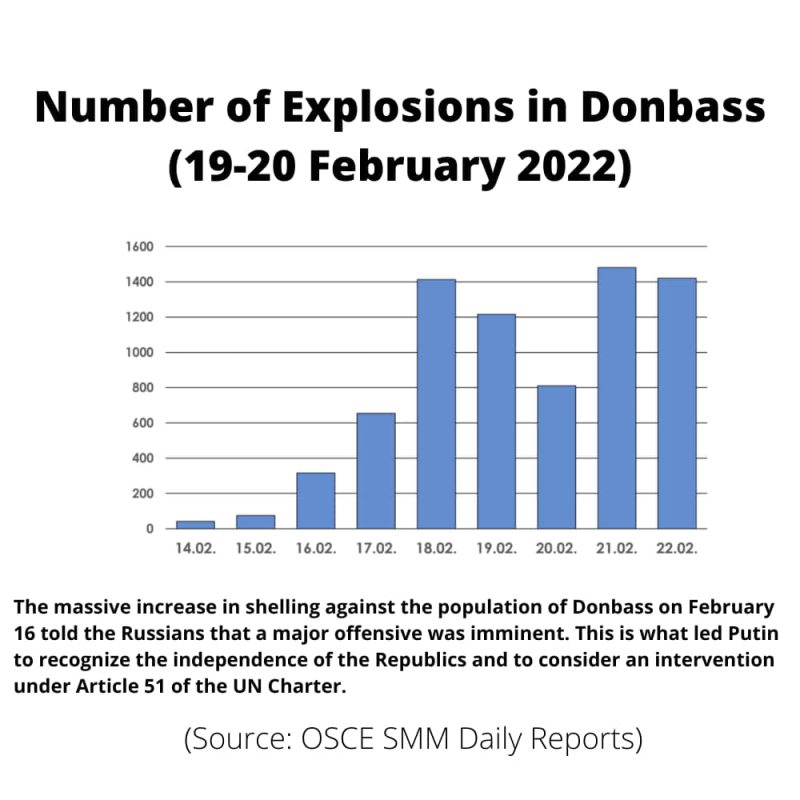
    In this excellent analysis, Jacques Baud brings out how the US and NATO have created conditions for the war and are using Ukraine as the sacrificial pawn in their proxy war against Russia. Jacques Baud demolishes the West’s propaganda about Russia’s invasion of Ukraine on Feb 24th and traces the start of the war to Feb 16th by the US and NATO.  Contrary to the American propaganda, he sees Putin as the master strategist. The end of this conflict will usher in a new multi-polar world order, in which the West may cease to be the rule maker.

    TPF is immensely happy to republish this article through the gracious courtesy of Centre Francaise de Recherche sure le Renseignement

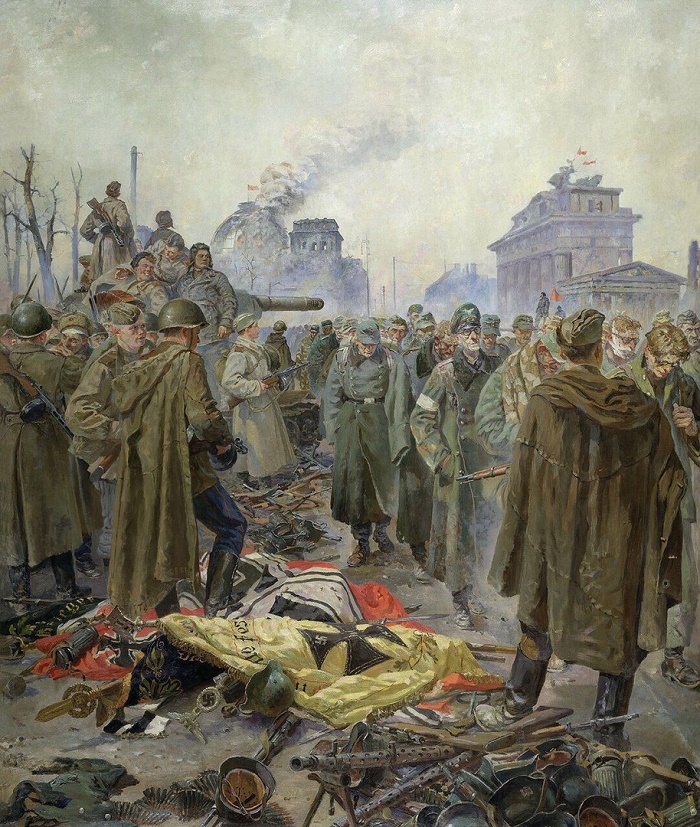
    Capitulation – 1946 painting by Soviet Artist Pyotr Aleksandrovich Krivonogov, a veteran of The Great Patriotic War


    PART ONE: ON THE ROAD TO WAR

    For years, from Mali to Afghanistan, I worked for peace and risked my life for it. It is therefore not a question of justifying the war, but of understanding what led us to it. I note that the “experts” who take turns on the television sets analyze the situation based on dubious information, most often hypotheses turned into facts, and therefore we no longer manage to understand what is happening. That’s how you create panic.

    The problem is not so much who is right in this conflict, but how our leaders make their decisions.

    Let’s try to examine the roots of the conflict. It starts with those who for the past eight years have been talking to us about “separatists” or “independence” from the Donbas. It’s wrong. The referendums conducted by the two self-proclaimed republics of Donetsk and Luhansk in May 2014 were not ”  independence ” (независимость) referendums, as some unscrupulous journalists claimed, but ”  self-determination  ” or ”  autonomy (самостоятельность). The term “pro-Russian” suggests that Russia was a party to the conflict, which was not the case, and the term “Russian speakers” would have been more honest. Moreover, these referendums were conducted against the advice of Vladimir Putin.

    In fact, these republics did not seek to separate from Ukraine, but to have a statute of autonomy guaranteeing them the use of the Russian language as an official language. Because the first legislative act of the new government resulting from the overthrow of President Yanukovych, was the abolition, on February 23, 2014, of the Kivalov-Kolesnichenko law of 2012 which made Russian an official language. A bit as if putschists decided that French and Italian would no longer be official languages ​​in Switzerland.

    This decision causes a storm in the Russian-speaking population. This resulted in fierce repression against the Russian-speaking regions (Odesa, Dnepropetrovsk, Kharkov, Lugansk and Donetsk) which began in February 2014 and led to a militarization of the situation and a few massacres (in Odesa and Mariupol, for the most important). At the end of summer 2014, only the self-proclaimed republics of Donetsk and Lugansk remained.

    At this stage, too rigid and stuck in a doctrinaire approach to the operational art, the Ukrainian staff suffered the enemy without succeeding in imposing themselves. Examination of the course of the fighting in 2014-2016 in the Donbas shows that the Ukrainian general staff systematically and mechanically applied the same operational plans. However, the war waged by the autonomists was then very close to what we observed in the Sahel: very mobile operations carried out with light means. With a more flexible and less doctrinaire approach, the rebels were able to exploit the inertia of the Ukrainian forces to “trap” them repeatedly.

    In 2014, I am at NATO, responsible for the fight against the proliferation of small arms, and we are trying to detect Russian arms deliveries to the rebels in order to see if Moscow is involved. The information that we receive then comes practically all from the Polish intelligence services and does not “match” with the information from the OSCE: in spite of rather crude allegations, we do not observe any delivery of arms and materials Russian military.

    The rebels are armed thanks to the defections of Russian-speaking Ukrainian units which cross over to the rebel side. As the Ukrainian failures progressed, the entire tank, artillery or anti-aircraft battalions swelled the ranks of the autonomists. This is what drives the Ukrainians to commit to the Minsk Accords.

    But, just after signing the Minsk 1 Accords, Ukrainian President Petro Poroshenko launched a vast anti-terrorist operation (ATO/Антитерористична операція) against Donbas. Bis repetita placent: poorly advised by NATO officers, the Ukrainians suffered a crushing defeat at Debaltsevo which forced them to commit to the Minsk 2 Agreements…

    It is essential to recall here that the Minsk 1 (September 2014) and Minsk 2 (February 2015) Agreements provided for neither the separation nor the independence of the Republics, but their autonomy within the framework of Ukraine. Those who have read the Accords (they are very, very, very few) will find that it is written in full that the status of the republics was to be negotiated between Kyiv and the representatives of the republics, for an internal solution in Ukraine.

    This is why since 2014, Russia has systematically demanded their application while refusing to be a party to the negotiations, because it was an internal matter for Ukraine. On the other side, the Westerners – led by France – have systematically tried to replace the Minsk Accords with the “Normandy format”, which put Russians and Ukrainians face to face. However, let us remember, there were never any Russian troops in the Donbas before February 23-24, 2022. Moreover, OSCE observers have never observed the slightest trace of Russian units operating in the Donbas. Thus, the US intelligence map published by the Washington Post on December 3, 2021, does not show Russian troops in Donbas.

    In October 2015, Vasyl Hrytsak, director of the Ukrainian Security Service (SBU), confessed that only 56 Russian fighters had been observed in the Donbas. It was even comparable to that of the Swiss going to fight in Bosnia during the weekends, in the 1990s, or the French who are going to fight in Ukraine today.

    The Ukrainian army was then in a deplorable state. In October 2018, after four years of war, Ukraine’s chief military prosecutor Anatoly Matios said that Ukraine had lost 2,700 men in the Donbas: 891 from disease, 318 from traffic accidents, 177 from other accidents, 175 from poisoning (alcohol, drugs), 172 from careless handling of weapons, 101 from breaches of safety rules, 228 from murder and 615 from suicide.

    In fact, the army is undermined by the corruption of its cadres and no longer enjoys the support of the population. According to a UK Home Office report, when reservists were called up in March-April 2014, 70% did not show up for the first session, 80% for the second, 90% for the third and 95% for the fourth. In October/November 2017, 70% of callers did not show up during the “  Autumn 2017  ” callback campaign. This does not include suicides and desertions(often for the benefit of the autonomists) which reach up to 30% of the workforce in the ATO zone. Young Ukrainians refuse to go and fight in the Donbas and prefer emigration, which also explains, at least partially, the country’s demographic deficit.

    The Ukrainian Ministry of Defense then turned to NATO to help it make its armed forces more “attractive”. Having already worked on similar projects within the framework of the United Nations, I was asked by NATO to participate in a program intended to restore the image of the Ukrainian armed forces. But it’s a long process and the Ukrainians want to go quickly.

    Thus, to compensate for the lack of soldiers, the Ukrainian government resorted to paramilitary militias. They are essentially made up of foreign mercenaries, often far-right activists. As of 2020, they constitute around 40% of Ukraine’s forces and number around 102,000 men according to Reuters. They are armed, financed and trained by the United States, Great Britain, Canada and France. There are more than 19 nationalities – including Swiss.

    Western countries have therefore clearly created and supported Ukrainian far-right militias. In October 2021, the Jerusalem Post sounded the alarm by denouncing the Centuria project. These militias have been operating in the Donbas since 2014, with Western support. Even if we can discuss the term “Nazi”, the fact remains that these militias are violent, convey a nauseating ideology and are virulently anti-Semitic. Their anti-Semitism is more cultural than political, which is why the adjective “Nazi” is not really appropriate. Their hatred of the Jew comes from the great famines of the years 1920-1930 in Ukraine, resulting from the confiscation of crops by Stalin in order to finance the modernization of the Red Army. However, this genocide – known in Ukraine as the Holodomor – was perpetrated by the NKVD (predecessor of the KGB) whose upper echelons of leadership were mainly made up of Jews. That is why, today, Ukrainian extremists are asking Israel to apologize for the crimes of communism, as the Jerusalem Post reports. We are therefore a long way from a “  rewriting of history  ” by Vladimir Putin.

    These militias, stemming from the far-right groups that led the Euromaidan revolution in 2014, are made up of fanatical and brutal individuals. The best known of these is the Azov regiment, whose emblem is reminiscent of that of the 2nd SS Das Reich Panzer Division, which is the object of real veneration in Ukraine, for having liberated Kharkov from the Soviets in 1943, before perpetrating the massacre of Oradour-sur-Glane in 1944, in France.

    Among the famous figures of the Azov regiment was the opponent Roman Protassevich, arrested in 2021 by the Belarusian authorities following the case of RyanAir flight FR4978. On May 23, 2021, there is talk of the deliberate hijacking of an airliner by a MiG-29 – with Putin’s agreement, of course – to arrest Protassevich, although the information then available does not confirm this scenario in any way.

    But it must then be shown that President Lukashenko is a thug and Protassevich a “journalist” in love with democracy. However, a rather edifying investigation produced by an American NGO in 2020, highlighted Protassevich’s far-right militant activities. Western conspiracy then sets in motion and unscrupulous media “groom” his biography. Finally, in January 2022, the ICAO report is published and shows that despite some procedural errors, Belarus acted in accordance with the rules in force and that the MiG-29 took off 15 minutes after the RyanAir pilot decided to land in Minsk. So no Belarus plot and even less with Putin. Ah!… One more detail: Protassevich,cruelly tortured by Belarusian police, is now free. Those who would like to correspond with him can go to his Twitter account.

    The labelling of “Nazi” or “neo-Nazi” given to Ukrainian paramilitaries is considered Russian propaganda. Perhaps; but that is not the opinion of The Times of Israel, the Simon Wiesenthal Center or the Counterterrorism Center at West Point Academy. But this remains debatable, because, in 2014, Newsweek magazine seemed to associate them with… the Islamic State. A choice!

    So the West supports and continues to arm militias that have been guilty of numerous crimes against civilian populations since 2014: rape, torture and massacres. But while the Swiss government has been very quick to impose sanctions against Russia, it has not adopted any against Ukraine, which has been slaughtering its own population since 2014. In fact, those who defend the rights of the men in Ukraine have long condemned the actions of these groups, but have not been followed by our governments. Because, in reality, we are not trying to help Ukraine, but to fight Russia.

    The integration of these paramilitary forces into the National Guard was not at all accompanied by a “denazification”, as some claim. Among the many examples, that of the insignia of the Azov Regiment is edifying:


    In 2022, very schematically, the Ukrainian armed forces fighting the Russian offensive are structured as:

    – Army, subordinate to the Ministry of Defence: it is articulated in 3 army corps and composed of manoeuvre formations (tanks, heavy artillery, missiles, etc.).

    – National Guard, which depends on the Ministry of the Interior and is articulated in 5 territorial commands.

    The National Guard is therefore a territorial defence force that is not part of the Ukrainian army. It includes paramilitary militias, called ”  volunteer battalions” (добровольчі батальйоні), also known by the evocative name of ”  retaliatory battalions  “, composed of infantry. Mainly trained for urban combat, they now ensure the defence of cities such as Kharkov, Mariupol, Odesa, Kyiv, etc.

    PART II: THE WAR

    The former head of the Warsaw Pact forces in the Swiss strategic intelligence service, I observe with sadness – but not astonishment – ​​that our services are no longer in a position to understand the military situation in Ukraine. The self-proclaimed “experts” who parade across our screens wirelessly relay the same information modulated by the assertion that Russia – and Vladimir Putin – is irrational. Let’s take a step back.

    • THE OUTBREAK OF WAR

    Since November 2021, the Americans have constantly brandished the threat of a Russian invasion against Ukraine. However, the Ukrainians do not seem to agree. Why?

    We have to go back to March 24, 2021. On that day, Volodymyr Zelensky issued a decree for the reconquest of Crimea and began to deploy his forces towards the south of the country. Simultaneously, several NATO exercises were conducted between the Black Sea and the Baltic Sea, accompanied by a significant increase in reconnaissance flights along the Russian border. Russia then conducts a few exercises to test the operational readiness of its troops and show that it is following the evolution of the situation.

    Things calm down until October-November with the end of the ZAPAD 21 exercises, whose troop movements are interpreted as a reinforcement for an offensive against Ukraine. However, even the Ukrainian authorities refute the idea of ​​Russian preparations for a war and Oleksiy Reznikov, Ukrainian Minister of Defense declares that there has been no change on its border since the spring.

    In violation of the Minsk Accords, Ukraine is conducting aerial operations in Donbas using drones, including at least one strike against a fuel depot in Donetsk in October 2021. The American press points this out, but not the Europeans and no one condemns these violations.

    In February 2022, events rush. On February 7, during his visit to Moscow, Emmanuel Macron reaffirms to Vladimir Putin his attachment to the Minsk Accords, a commitment he will repeat after his interview with Volodymyr Zelensky the next day. But on February 11, in Berlin, after 9 hours of work, the meeting of the political advisers of the leaders of the ”  Normandy format  “ ends, without a concrete result: the Ukrainians still and always refuse to apply the Accordsof Minsk, apparently under pressure from the United States. Vladimir Putin then notes that Macron has made empty promises to him and that the West is not ready to enforce the Accords, as they have been doing for eight years.

    Ukrainian preparations in the contact zone continue. The Russian Parliament is alarmed and on February 15 asks Vladimir Putin to recognize the independence of the Republics, which he refuses.

    On February 17, President Joe Biden announces that Russia will attack Ukraine in the coming days. How does he know? Mystery… But since the 16th, the artillery shelling of the populations of Donbas has increased dramatically, as shown by the daily reports of OSCE observers. Naturally, neither the media, nor the European Union, nor NATO, nor any Western government reacts and intervenes. We will say later that this is Russian disinformation. In fact, it seems that the European Union and some countries purposely glossed over the massacre of the people of Donbas, knowing that it would provoke Russian intervention.

    At the same time, there are reports of acts of sabotage in the Donbas. On January 18, Donbas fighters intercept saboteurs equipped with Western equipment and speaking Polish seeking to create chemical incidents in Gorlivka. They could be CIA mercenaries, led or “advised” by Americans and made up of Ukrainian or European fighters, to carry out sabotage actions in the Donbas Republics.

    In fact, as early as February 16, Joe Biden knows that the Ukrainians have begun to shell the civilian populations of Donbas, putting Vladimir Putin in front of a difficult choice: to help Donbas militarily and create an international problem or to sit idly by and watch the Russian speakers. from the Donbas being run over.

    If he decides to intervene, Vladimir Putin can invoke the international obligation of “  Responsibility To Protect  ” (R2P). But he knows that whatever its nature or scale, the intervention will trigger a shower of sanctions. Therefore, whether its intervention is limited to the Donbas or whether it goes further to put pressure on the West for the status of Ukraine, the price to be paid will be the same. This is what he explains in his speech on February 21.

    That day, he acceded to the request of the Duma and recognized the independence of the two Republics of Donbas and, in the process, he signed treaties of friendship and assistance with them.

    The Ukrainian artillery bombardments on the populations of Donbas continued and, on February 23, the two Republics requested military aid from Russia. On the 24th, Vladimir Putin invokes Article 51 of the United Nations Charter which provides for mutual military assistance within the framework of a defensive alliance.

    In order to make the Russian intervention totally illegal in the eyes of the public, we deliberately obscure the fact that the war actually started on February 16th. The Ukrainian army was preparing to attack the Donbas as early as 2021, as certain Russian and European intelligence services were well aware… The lawyers will judge.

    In his speech on February 24, Vladimir Putin stated the two objectives of his operation: to “demilitarize” and “denazify” Ukraine. It is therefore not a question of seizing Ukraine, nor even, in all likelihood, of occupying it and certainly not of destroying it.

    From there, our visibility on the progress of the operation is limited: the Russians have excellent security of operations (OPSEC) and the detail of their planning is not known. But fairly quickly, the course of operations makes it possible to understand how the strategic objectives were translated into the operational plan.

    – Demilitarization:

    . ground destruction of Ukrainian aviation, air defence systems and reconnaissance assets;

    . neutralization of command and intelligence structures (C3I), as well as the main logistics routes in the depth of the territory;

    . encirclement of the bulk of the Ukrainian army massed in the southeast of the country.

    – Denazification:

    . destruction or neutralization of volunteer battalions operating in the cities of Odesa, Kharkov and Mariupol, as well as in various facilities on the territory.

    • THE “DEMILITARIZATION”

    The Russian offensive proceeds in a very “classic” manner. At first – as the Israelis had done in 1967 – with the destruction on the ground of the air forces in the very first hours. Then, we witness a simultaneous progression on several axes according to the principle of “flowing water”: we advance wherever resistance is weak and we leave the cities (very voracious in troops) for later. To the north, the Chernobyl plant is occupied immediately to prevent acts of sabotage. The images of Ukrainian and Russian soldiers jointly guarding the plant are naturally not shown…

    The idea that Russia is trying to take over Kyiv, the capital, to eliminate Zelensky, typically comes from the West: this is what they did in Afghanistan, Iraq, Libya and what they wanted to do in Syria with the help of the Islamic State. But Vladimir Putin never intended to take down or overthrow Zelensky. On the contrary, Russia seeks to keep him in power by pushing him to negotiate by encircling Kyiv. He had refused to do so far to apply the Minsk Accords, but now the Russians want to obtain Ukraine’s neutrality.

    Many Western commentators marvelled that the Russians continued to seek a negotiated solution while conducting military operations. The explanation is in the Russian strategic conception, since Soviet times. For Westerners, war begins when politics ceases. However, the Russian approach follows a Clausewitzian inspiration: war is the continuity of politics and one can pass fluidly from one to the other, even during combat. This creates pressure on the opponent and pushes him to negotiate.

    From an operational point of view, the Russian offensive was an example of its kind: in six days, the Russians seized a territory as vast as the United Kingdom, with a speed of advance greater than what the Wehrmacht made in 1940.

    The bulk of the Ukrainian army was deployed in the south of the country for a major operation against Donbas. This is why the Russian forces were able to encircle it from the beginning of March in the “cauldron” between Slavyansk, Kramatorsk and Severodonetsk, by a thrust coming from the east via Kharkov and another coming from the south from the Crimea. The troops of the Republics of Donetsk (DPR) and Lugansk (RPL) complete the action of the Russian forces with a push from the East.

    At this stage, the Russian forces are slowly tightening the noose, but are no longer under time pressure. Their objective of demilitarization is practically achieved and the residual Ukrainian forces no longer have an operational and strategic command structure.

    The “slowdown” that our “experts” attribute to poor logistics is only the consequence of having achieved the objectives set. Russia does not seem to want to engage in an occupation of the whole Ukrainian territory. In fact, it seems rather that Russia is trying to limit its advance to the country’s linguistic border.

    Our media speak of indiscriminate bombardments against civilian populations, particularly in Kharkov, and Dantesque images are broadcast on a loop. However, Gonzalo Lira, a Latin American who lives there, presents us with a calm city on March 10, and on March 11. Admittedly, it’s a big city and you can’t see everything, but that seems to indicate that we are not in the total war that we are being served continuously on our screens.

    As for the Republics of Donbas, they have “liberated” their own territories and are fighting in the city of Mariupol.

    • “DENAZIFICATION”

    In cities like Kharkov, Mariupol and Odesa, defence is provided by paramilitary militias. They know that the objective of “denazification” is aimed primarily at them.

    For an attacker in an urbanized area, civilians are a problem. This is why Russia seeks to create humanitarian corridors to empty the cities of civilians and leave only the militias in order to fight them more easily.

    Conversely, these militias seek to keep civilians in the cities in order to dissuade the Russian army from coming to fight there. This is why they are reluctant to implement these corridors and do everything so that Russian efforts are in vain: they can thus use the civilian population as “human shields”. Videos showing civilians trying to leave Mariupol and being beaten up by fighters from the Azov regiment are naturally carefully censored here.

    On Facebook, the Azov group was considered in the same category as the Islamic State and subject to the platform’s ”  dangerous individuals and organizations policy  “. It was therefore forbidden to glorify him, and the “posts” that were favourable to him were systematically banned. But on February 24, Facebook changed its policy and allowed posts favourable to the militia. In the same spirit, in March, the platform authorizes, in the former Eastern European countries, calls for the murder of Russian soldiers and leaders. So much for the values ​​that inspire our leaders, as we will see.

    Our media propagate a romantic image of popular resistance. It is this image that has led the European Union to finance the distribution of arms to the civilian population. It is a criminal act. In my role as chief of doctrine for peacekeeping operations at the UN, I worked on the issue of the protection of civilians. We then saw that violence against civilians took place in very specific contexts. Especially when weapons abound and there are no command structures.

    Now, these command structures are the essence of armies: their function is to channel the use of force according to an objective. By arming citizens in a haphazard fashion as is currently the case, the EU turns them into combatants, with the attendant consequences: potential targets. Moreover, without command, without operational goals, the distribution of arms inevitably leads to settling of scores, banditry and actions that are more deadly than effective. War becomes a matter of emotions. Force becomes violence. This is what happened in Tawarga (Libya) from August 11 to 13, 2011, where 30,000 black Africans were massacred with weapons parachuted (illegally) by France. Moreover, the British Royal Institute for Strategic Studies(RUSI) sees no added value in these arms deliveries.

    Moreover, by delivering arms to a country at war, one exposes oneself to being considered as a belligerent. The Russian strikes on March 13, 2022, against the Mykolaiv airbase follow Russian warnings that weapons transports would be treated as hostile targets.

    The EU repeats the disastrous experience of the Third Reich in the last hours of the Battle of Berlin. War should be left to the military and when one side has lost, it should be admitted. And if there is to be resistance, it must imperatively be led and structured. However, we are doing exactly the opposite: we are pushing citizens to go and fight and at the same time, Facebook is allowing calls for the murder of Russian soldiers and leaders. So much for the values ​​that inspire us.

    In some intelligence services, this irresponsible decision is seen as a way of using the Ukrainian population as cannon fodder to fight Vladimir Putin’s Russia. This kind of murderous decision had to be left to the colleagues of Ursula von der Leyen’s grandfather. It would have been wiser to engage in negotiations and thus obtain guarantees for the civilian populations than to add fuel to the fire. It’s easy to be combative with other people’s blood…

    • MARIUPOL MATERNITY

    It is important to understand beforehand that it is not the Ukrainian army that ensures the defence of Mariupol, but the Azov militia, composed of foreign mercenaries.

    In its summary of the situation on March 7, 2022, the Russian UN mission in New York states that ”  Residents report that the Ukrainian armed forces have expelled the personnel of the Natal Hospital No. 1 from the city of Mariupol and have installed a shooting station inside the establishment. »

    On March 8, the independent Russian media Lenta.ru published the testimony of civilians from Mariupol who said that the maternity hospital was taken over by the militias of the Azov regiment, and chased out the civilian occupants, threatening them with their weapons. They thus confirm the statements of the Russian ambassador a few hours earlier.

    The Mariupol hospital occupies a dominant position, perfectly adequate for installing anti-tank weapons and for observation. On March 9, Russian forces hit the building. According to CNN, there are 17 injured, but the footage shows no casualties on the premises and there is no evidence that the reported casualties are related to this strike. We talk about children, but in reality, we see nothing. It may be true, but it may be false… Which does not prevent EU leaders from seeing it as a war crime … Which allows Zelensky, just afterwards, to claim a no-fly zone over Ukraine…

    In reality, we don’t know exactly what happened. But the sequence of events tends to confirm that the Russian forces struck a position of the Azov regiment and that the maternity ward was then free of all civilians.

    The problem is that the paramilitary militias that ensure the defence of cities are encouraged by the international community not to respect the customs of war. It seems that the Ukrainians have re-enacted the scenario of the maternity hospital in Kuwait City in 1990, which had been completely staged by the firm Hill & Knowlton for the amount of 10.7 million dollars in order to convince the United Nations Security Council to intervene in Iraq for Operation Desert Shield/Storm.

    Western politicians have also accepted strikes against civilians in Donbas for eight years, without adopting any sanctions against the Ukrainian government. We have long since entered into a dynamic where Western politicians have agreed to sacrifice international law to their objective of weakening Russia .

    PART THREE: CONCLUSIONS

     As a former intelligence professional, the first thing that strikes me is the total absence of Western intelligence services in representing the situation for a year. In Switzerland, the services have been criticized for not having provided a correct picture of the situation. In fact, it seems that all over the Western world, the services have been overwhelmed by the politicians. The problem is that it is the politicians who decide: the best intelligence service in the world is useless if the decision-maker does not listen to it. This is what happened during this crisis.

    That said, while some intelligence services had a very precise and rational image of the situation, others clearly had the same image as that propagated by our media. In this crisis, the services of the countries of the “new Europe” played an important role. The problem is that, by experience, I found that they were extremely bad on the analytical level: doctrinaire, they do not have the intellectual and political independence necessary to appreciate a situation with a military “quality”. It is better to have them as enemies than as friends.

    Then, it seems that in some European countries, politicians have deliberately ignored their services to respond ideologically to the situation. This is why this crisis has been irrational from the start. It will be observed that all the documents that have been presented to the public during this crisis have been presented by politicians on the basis of commercial sources…

    Some Western politicians obviously wanted there to be a conflict. In the United States, the attack scenarios presented by Anthony Blinken to the Security Council were only the fruit of the imagination of a Tiger Team working for him  : he did exactly like Donald Rumsfeld in 2002, who thus “bypassed” the CIA and other intelligence services that were far less assertive about Iraqi chemical weapons.

    The dramatic developments we are witnessing today have causes we knew about, but refused to see:

    – on the strategic level, the expansion of NATO (which we have not dealt with here);

    – on the political level, the Western refusal to implement the Minsk Agreements;

    – and on the operational level, the continuous and repeated attacks on the civilian populations of Donbass for years and the dramatic increase at the end of February 2022.

    In other words, we can naturally deplore and condemn the Russian attack. But WE (that is to say: the United States, France and the European Union in the lead) have created the conditions for a conflict to break out. We show compassion for the Ukrainian people and the two million refugees . It’s good. But if we had had a modicum of compassion for the same number of refugees from the Ukrainian populations of Donbass massacred by their own government and who have been accumulating in Russia for eight years, none of this would probably have happened.


    Whether the term “genocide” applies to the abuses suffered by the populations of Donbass is an open question. This term is generally reserved for larger cases (Holocaust, etc.), however, the definition given by the Genocide Convention is probably broad enough to apply. Lawyers will appreciate.

    Clearly, this conflict has led us into hysteria. Sanctions seem to have become the preferred tool of our foreign policies. If we had insisted that Ukraine respect the Minsk Accords, which we negotiated and endorsed, none of this would have happened. The condemnation of Vladimir Putin is also ours. There is no point in whining after the fact, we had to act before. However, neither Emmanuel Macron (as guarantor and as a member of the UN Security Council), nor Olaf Scholz, nor Volodymyr Zelensky have respected their commitments. Ultimately, the real defeat is that of those who have no voice.

    The European Union was unable to promote the implementation of the Minsk agreements, on the contrary, it did not react when Ukraine bombarded its own population in the Donbass. Had she done so, Vladimir Putin would not have needed to react. Absent from the diplomatic phase, the EU distinguished itself by fueling the conflict. On February 27, the Ukrainian government agrees to start negotiations with Russia. But a few hours later, the European Union voted a budget of 450 million euros to supply arms to Ukraine, adding fuel to the fire. From there, the Ukrainians feel that they will not need to come to an agreement. The resistance of the Azov militias in Mariupol will even causea raise of 500 million euros for weapons .

    In Ukraine, with the blessing of Western countries, those who are in favor of a negotiation are eliminated. This is the case of Denis Kireyev, one of the Ukrainian negotiators, assassinated on March 5 by the Ukrainian secret service (SBU) because he is too favorable to Russia and is considered a traitor. The same fate is reserved for Dmitry Demyanenko, former deputy head of the main directorate of the SBU for Kiev and its region, assassinated on March 10 , because too favorable to an agreement with Russia: he is killed by the Mirotvorets militia (”  Peacemaker  “). This militia is associated with the Mirotvorets website which lists the ”  enemies of Ukraine”, with their personal data, address and telephone numbers, so that they can be harassed or even eliminated  ; a punishable practice in many countries, but not in Ukraine . The UN and some European countries have demanded its closure… refused by the Rada.

    Eventually, the price will be high, but Vladimir Putin will likely achieve the goals he set for himself. Its ties with Beijing have solidified. China emerges as a mediator of the conflict, while Switzerland enters the list of enemies of Russia. The Americans must ask Venezuela and Iran for oil to get out of the energy impasse in which they have gotten themselves: Juan Guaido leaves the scene definitively and the United States must pitifully reverse the sanctions imposed on their enemies.

    Western ministers who seek to collapse the Russian economy and make the Russian people suffer , even calling for the assassination of Putin, show (even if they partially reversed the form of their remarks, but not on bottom!) that our leaders are no better than those we hate. Because, sanctioning Russian athletes from the Para-Olympic Games or Russian artists has absolutely nothing to do with a fight against Putin.

    So, therefore, we recognize that Russia is a democracy since we consider that the Russian people are responsible for the war. If not, then why are we trying to punish an entire population for the fault of one? Remember that collective punishment is prohibited by the Geneva Conventions…

    The lesson to be drawn from this conflict is our sense of variable geometry humanity. If we were so attached to peace and to Ukraine, why didn’t we encourage her more to respect the agreements that she had signed and that the members of the Security Council had approved?

    Media integrity is measured by their willingness to work under the terms of the Munich Charter. They had succeeded in propagating hatred of the Chinese during the Covid crisis and their polarized message leads to the same effects against the Russians . Journalism is stripping itself more and more of professionalism to become militant…

    As Goethe said: “  The greater the light, the darker the shadow  ”. The more the sanctions against Russia are excessive, the more the cases where we have done nothing highlight our racism and our servility. Why has no Western politician reacted to the strikes against the civilian populations of Donbass for eight years?

    After all, what makes the conflict in Ukraine more blameworthy than the war in Iraq, Afghanistan or Libya? What sanctions have we adopted against those who have deliberately lied before the international community to wage unjust, unjustified, unjustifiable and murderous wars? Did we try to “make suffer” the American people who had lied to us (because it is a democracy!) before the war in Iraq? Have we even adopted a single sanction against the countries, companies or politicians who are fueling the conflict in Yemen, considered the ”  worst humanitarian disaster in the world  “? Have we sanctioned the countries of the European Union who practice the most abject torture on their territory for the benefit of the United States?

    To ask the question is to answer it… and the answer is not glorious.


    Feature Image Credit: Raising the Flag over Reichstag – iconic photo in 1945 by Yevegny Khaldei – kosmofoto.com 


  • National Education Policy, 2020 – Policy Brief

    National Education Policy, 2020 – Policy Brief

    [powerkit_button size=”lg” style=”info” block=”true” url=”https://admin.thepeninsula.org.in/wp-content/uploads/2022/04/Policy-Brief-NEP-2020.docx-1_compressed-1.pdf” target=”_blank” nofollow=”false”]
    Download – Policy Brief on National Education Policy, 2020
    [/powerkit_button]

    Executive Summary:

    In line with the New Education Policy (NEP) 2020 mandate, the UGC released the draft National Higher Educational Qualifications Framework (NHEQF) in February 2022. Its release has reignited the controversy over the policy that was criticized and even rejected by many state governments. The inclusion of Education in the concurrent list gives overriding powers to the centre. However, the sweeping changes the NEP is set to bring have raised concerns that the states would turn into mere implementing agencies while all the decisions regarding education will be taken by the centre. At the root of the controversy lies the federal structure of India which would be jeopardized by the implementation of the policy. Hence, significant and appropriate amendments to the draft are required to address the grievances of the states.

    What is NEP (2020)?

    The NEP, released in July of 2020 by the Union Government, seeks to overhaul the entire education system of the country by replacing the thirty four-year-old National Policy on Education (1986). In the domain of pre-University education, the new policy aims to transform the curricula structure from 10+2 to 5+3+3+4, mandates the Three Language Formula (TLF), reduces the syllabus to make board exams “easier” and gives thrust to vocational training and skill development. In the realm of higher education, it envisions a single regulator- the Higher Education Council India (HECI)- for Higher Education Institutes (HEIs) by merging UGC, AICTE and other regulatory bodies. The HECI is further divided into four verticals, namely the National Higher Education Regulatory Council (NHERC), National Accreditation Council (NAC), Higher Education Grants Council (HEGI) and General Education Council (GEC). 

    The policy introduces four-year undergraduate programmes with multiple exit options, along with proposing a national Academic Bank of Credit and a national entrance exam for all universities. It further allows higher education to be taught in regional languages. Additionally, it proposes the National Testing Agency (NTA) conduct a “high quality” common entrance test and a common specialized subject exam in sciences, humanities, language, arts, and vocational subjects, at least twice a year. It blurs the distinction between research-oriented and employment-oriented education, emphasizing a multidisciplinary approach to education. Additionally, it proposes facilitation to top global universities to set up campuses in India and to top Indian Universities to establish campuses abroad.

    The policy also touches upon the issue of Adult Education. It proposes strong and innovative government initiatives to achieve 100% adult literacy, educate about critical life skills (including financial literacy, digital literacy, commercial skills, health care and awareness etc.), impart vocational skills and provide basic education to adults. It also ensures providing the necessary infrastructure for adults to facilitate its implementation.  

    Why is it a problem? 

    Since its release, the policy has been opposed by a few states. Though other states have voiced their reservations, none have been as vocal and vehement as Tamil Nadu. 

    • The foremost reason pertains to the Three Language Formula. The policy states that out of the three languages that ought to be taught at the pre-University level, two must be Indian. This leaves the students from the southern states to learn Hindi, along with English and the regional language in their curriculum. The formula was brought forward in 1968 by the then Indira Gandhi government as recommended by Kothari Commission. All states adopted the policy except Tamil Nadu, which continued its two language policy.

    The Three Language Formula finds its explicit mention in Section 4.13 of the Draft policy. In order to promote multilingualism, the draft states that, “The three-language formula will continue to be implemented”. Moreover, a student is given the option to change one of the three languages only once- in Grade 6 or 7. Though the formula has been in continuance since the 1970s, an exclusive emphasis upon it raises eyebrows. The draft further falls short of assuring the states unwilling to implement the formula of any compulsion by the centre, instead offering “greater flexibility” in its implementation. 

    Learning Hindi has always been a controversial issue in Tamil Nadu. The state has seen numerous instances of violence and public protests against the imposition of Hindi. The state has also actively promoted Tamil learning in schools. In 2006, the state enacted Tamil Nadu Tamil Learning Act, making it compulsory for every school operating in the state to teach Tamil. The state government is also opposed to the establishment of Navodaya Schools by the centre in the state.

    • The draft also places an unprecedented emphasis on learning Sanskrit. Section 4.16 stresses the need for learning Sanskrit since most of the Indian other languages attribute “their origins and sources of vocabularies” to it. Section 4.17 emphasizes the importance of classical literature possessed by the language. It thus offers its teaching “at all levels of school and higher education”. Moreover, it promotes the teaching of the language through its classical literature in mathematics, philosophy, grammar, music, politics, medicine, architecture, metallurgy, drama, poetry etc.

    Laying such a huge emphasis upon an archaic language in schools and even HEIs at “all levels” would leave a student burdened with an unnecessary curriculum. Offering courses in Sanskrit to college students, for instance, in non-Hindi speaking states would decrease their grades. Worse still, in Central Universities- mostly dominated by Hindi speakers, such courses will make naked and even exacerbate the language barrier the non-Hindi speaking students face. Further, the postulate that most of the major Indian languages owe their “origins” to Sanskrit is not even remotely true. Additionally, the literature in Sanskrit can be discriminatory against varna, caste or group, especially in social sciences. 

    • However, the major concern relates to the federal structure of India. The policy proposes the establishment of the all-powerful HECI and its verticals. The NHERC, one of its verticals, reserves the power to regulate every facet of HEIs, including financial probity, good governance, and the full online and offline public self-disclosure of all finances, audits, procedures, infrastructure, faculty/staff, courses, and educational outcomes[Section 18.3]. It further envisions a “graded accreditation” system to be given by the NAC, that will “specify phased benchmarks for all HEIs to achieve set levels of quality, self-governance, and autonomy…to attain the highest level of accreditation over the next 15 years” [Section 18.4]. The GECI, another of its verticals, will frame “expected learning outcomes for higher education programmes” and mandate the identification of “specific skills that students must acquire during their academic programmes” [Section 18.6].

    Owing to its vague language, the draft lacks clarity on the extent of jurisdiction of HECI and its verticals. It reserves the power to regulate the faculty/staff, courses, educational outcomes etc., thus infringing upon the state’s rights on reservations and education. Moreover, the students are required to acquire “specific skills” and “learning outcomes” framed by the central government, making it difficult for them to cater to the needs of their respective states. Further, the vocabulary used, such as “good governance”, leaves room for significant manipulation in the future.

    • The policy veritably promotes the centralization of education at every level. For instance, it envisages a nation-wide “high-quality” common aptitude test for admission into the universities, as well as “specialized common subject exams in the sciences, humanities, languages, arts, and vocational subjects” [Section 4.42], which it assumes will reduce the burden on students. Moreover, an all-India test is to be conducted by NTA for admission into pre-service teacher preparation programmes of Teacher Education Institutions (TEIs) [Section 15.7], which it envisions to convert into multidisciplinary institutions [Section 15.4]. Moreover, it places an undue emphasis on centralized vocational training in all schools and HEIs which would be overseen by the National Committee for the Integration of Vocational Education (NCIVE) [Section 16.8]. In the field of academic research, the policy envisions the establishment of the National Research Foundation to provide funding for research [Section 17.9]. Further, it proposes to establish the National Research Foundation (NRF) which is meant to provide funding for research to the institutions, and “undertake major initiatives to seed and grow research at the state universities and other public institutions”[Section 17.9], centralizing disbursement of research-oriented funding. It is further empowered to ensure that the Research Scholars are “constantly made aware of the most urgent national research issues” to allow breakthroughs to be optimally brought into policy [Section 17.11(c)].

    Tamil Nadu’s objection to a country-wide entrance test is premised upon the recommendations of the M. Anandakrishnan committee. Constituted in 2006, it recommended the abolition of the Common Entrance Test (CET) in the state from the academic year 2007-08 (Srinivasan, 2016), due to the unaffordability of the high fees of coaching for the rural and underprivileged students. Furthermore, the NRF is empowered to fund the research on urgent “national” issues, thus again leaving the door ajar for manipulation of their jurisdiction, and depriving state-funded institutions of funding for research on regional issues.

    • The policy seizes the administrative autonomy from both public and private HEIs. It mandates every such institution to establish a Board of Governors (BoG) which would be empowered to govern the institution[Section 19.2], including the selection of leaders of the institution [Section 19.4]. Further, the policy subjugates the BoG to guidelines formulated by NHERC[Section 19.3]. Additionally, it makes it compulsory for every institution to formulate its own Institutional Development Plan [Section 19.5] to strategize its roadmap.

    In subjugating the administrative system of the colleges to a central body, the central government ignores the urban-rural divide and caste-based discrimination entrenched in them. Moreover, drafting the same guidelines for urban, rural, minority etc. institutions would, along with waning their autonomy, undermine the purpose they are meant to serve. 

    • The policy provides multiple exit and entry options to the students pursuing higher education[Section 11.9], along with the creation of an Academic Bank of Credits to digitally store credits earned by the student and different designs of Master’s programmes [Section 11.10].  

    The central government does not contemplate the unintended consequences of the above proposition, especially for the backward communities and female students. It leaves the students of the said groups with multiple exit options but few entry options. Multiple choices of exit will compel such students facing monetary or familial issues to quit their education in the middle. Further, it burdens a teenage student with critical life-changing decisions.  Moreover, the proposed system disallows a student to carry backlogs into the next year, bringing about the apprehension of exacerbation of the dropout rate, which currently stands at 12.6%.

    • Both the draft NHEQF and the draft policy suggest, in multiple instances, that all colleges either become multidisciplinary or merge with existing universities. However, both the documents do not provide any provision regarding how the same will be executed without any monetary assistance. This has raised concerns about many state government colleges becoming defunct due to a lack of finances to become multidisciplinary, thus depriving a large number of students of educational opportunities. 
    • The policy makes no mention of the Reservation System in educational institutions, both in admission and faculty recruitment, making it non-inclusive to all sections of the society. Further, it does not mention the drop-out rates among the backward communities, let alone ways to tackle them. The NEP policy-makers veritably fail to view education as a tool to uplift the poor and backward classes while formulating it.
    • The proposal also lacks a grievance redressal mechanism, either for the states or the institutions regarding any facet of the policy. The institutions and state governments are left with no choice but to follow the guidelines of the would-be central institutions. Institutions failing to comply with the guidelines are feared to become defunct. Moreover, the power of ‘light but tight’ regulation bestowed upon the central bodies also leaves the door ajar for manipulation of their jurisdiction. 

    Tamil Nadu’s response to NEP

    Since early on, Tamil Nadu’s policies have emphasized education as a modus operandi to uplift the backward castes. As early as 1919, certain legislations were in place to encourage and mandate local education authorities to establish schools at places that were accessible to everyone, thus broadening the social base of its educated bracket. The reasons for the Tamil Nadu government opposing NEP are manifold. 

    Tamil Nadu Chief Minister MK Stalin has explicitly stated that the policy will not be implemented in the state. He has called it a policy “for elites” and, if implemented, education “will be confined and limited to a few sections”. The state government has even set up a committee to formulate its own State Education Policy in a bid to replace the NEP. Furthermore, the state plans to implement only some ‘good aspects’ of the central policy (Sathyanarayana, 2021). It claims that the policy negates the efforts of more than a hundred years of social justice aspirations that were carefully envisaged in Tamil Nadu. State Education Minister K. Ponmudi noted that mandating entrance exams for getting admissions to arts and science colleges would affect the students from rural areas.

    Similar concerns were raised by L. Jawahar Nesan, head of the All India Save Education Committee, while complaining that the proposed Academic Bank of Credits (ABC) could result in “students dropping out of higher educational institutions before completing their course”. “The proposed system aims at furthering vocational education and creation of a workforce pool”, he added (“Academics call for the withdrawal of draft”, 2022). The State Platform for Common School System- Tamil Nadu (SPCSS-TN) termed the framework “a crude form of diarchy”(Sathyanarayana, 2022). Regarding the mandatory entrance test akin to NEET, PB Prince Gajendra Babu, General Secretary of the body, said that the students don’t have sufficient time and their family circumstances do not permit them to undergo separate coaching for entrance exams(ibid). In September last year, the Coimbatore-based Aram Seiya Virumbu Trust filed a writ petition in Madras High Court challenging the constitutionality of Section 57 of the 42nd Amendment that brought education in the concurrent list as a response to the policy, whose implementation, the trust alleged, will lead to “autonomy of the states in education be completely taken away thereby striking at the very root of the federal structure”(Imranullah S., 2021).

    The issue of centralization of education has always been a hot potato in the state. Back in 2006, M. Karunanidhi’s government constituted a committee under the chairmanship of M. Anandakrishnan to recommend measures for the abolition of the Common Entrance Test (CET) in the state from the academic year 2007-08. On the recommendations of the committee, the state government terminated its practice of conducting CET for admission into technical and medical courses, making it easier for underprivileged students to pursue the said graduate courses (Rajasekaran, 2021). Other policy decisions taken by the state for similar causes include the 50% ‘in-service’ super speciality seats quota in government medical colleges which was recently upheld by the Supreme Court. Prior to NEET, the quota had provided opportunities to the lower strata of society to enter the colleges which in turn helped the state government in providing an uninterrupted supply of doctors in primary health centres (P.M., 2019). 

    Other States’ Response

    Among other states, West Bengal has most emphatically opposed the implementation of the policy. Within a month of its release, Partha Chatterjee, the state Education Minister, announced the government’s unwillingness to implement the policy in the state “any time soon”, due to its undermining of the federal structure and non-inclusion of Bengali in the list of classical languages(“No NEP 2020 in West Bengal”, 2020). He also said that no one in the state government was consulted for its formulation. Kerala has also protested against the policy in the report of the six-member committee, chaired by Professor Prabhat Patnaik. 

    Delhi Education Minister Manish Sisodia accused the central government of encouraging the privatisation of education and reducing its responsibility as a government to provide quality education to all, while questioning the need to make board exams easier. Chhattisgarh CM Bhupesh Baghel termed it as centralization of education which goes against the federal structure of the country(Sharma, 2020). Rajasthan Education Minister Govind Datasra also criticized the draft for lack of clarity.

    Conclusion

    The policy possesses strong tendencies of centralization of education, contravening federalism as a basic structure of our constitution. It establishes bodies that are empowered to determine policies and curriculum for all educational institutions, including state institutions, with little or no role of the states in formulating them, turning them into mere implementing bodies. Moreover, it imposes teaching of Hindi and Sanskrit in all schools across the country with no consent of the states. The policy violates numerous Supreme Court rulings that have upheld federalism as a basic structure of the constitution. The central government must make significant changes to the draft policy to make it more reflective, just and fair to India’s diversity.

    Recommendations

    • The draft policy is an onslaught on federalism as a basic structure of our constitution. The concerned authorities, while acknowledging the competence of the states in educational planning and execution, and its role as a determinant of their development, must re-draft the policy to omit the provisions that dilute the federal structure.
    • The Three Language Formula must be waived off for the states unwilling to pursue it. Additionally, the students of the states that choose to implement the formula must be given the option to change any of the languages in secondary schooling.
    • In view of the large endemic socio-economic disparity in India, the states must be allowed to formulate their own processes of enrolling the students into higher education. Imposing a central exam on constituents of the backward community might disrupt the smooth process in which they have been uplifted from their backwardness in the last few decades.
    • The proposed provision of multiple exit options in higher education must be reformulated so as to prevent dropouts in the middle of the courses. The policy must also consider instating multiple options to clear backlogs to further reduce the number of dropouts.
    • The colleges must be given more autonomy in deciding their curriculum. To turn a vast number of government colleges into multidisciplinary ones might be expensive for the state governments, which could possibly result in these colleges being permanently closed.
    • The attempts to centralize education must be clamped down to address the grievances of various states. Moreover, the necessary central bodies proposed in the draft must be given adequate representation by all the states.
    • The policy must explicitly uphold the reservation system in educational institutions regarding admissions and jobs.
    • The draft lacks clarity on the extent of jurisdiction of the proposed central bodies. Hence, the government must elaborate on the roles of these institutions
    • The undue emphasis on vocational education must be dialled down. Instead, emphasis must be placed upon academic education and critical thinking.  

    References

    1. “Academics call for withdrawal of draft National Higher Education Qualification Framework”,(2022, March 9) The Hindu. https://www.thehindu.com/news/national/tamil-nadu/academics-call-for-withdrawal-of-draft-national-higher-education-qualification-framework/article65207193.ece
    2. Imranullah S., Mohamed. (2021, September 14) “Case in Madras HC challenges constitutional amendment shifting education from state list to concurrent list” The Hindu. https://www.thehindu.com/news/national/tamil-nadu/case-in-madras-hc-challenges-constitutional-amendment-shifting-education-from-state-list-to-concurrent-list/article36448046.ece
    3. “No NEP 2020 in West Bengal, it undermines role of states: Education minister”(2020, September 7) Livemint. https://www.livemint.com/politics/news/no-nep-2020-in-west-bengal-it-undermines-role-of-states-state-education-minister-11599477761391.html
    4. P.M., Yazhini.(2019, June 8) “Common Entrance Exams Like NEET Ignore India’s Gender and Social Realities”. The Wire. https://thewire.in/education/neet-tamil-nadu-caste-gender
    5. Rajasekaran, Ilangovan.(2021, May 29) “M. Anandakrishnan, an educationist who democratised technical education in Tamil Nadu, passes away”. Frontline. https://frontline.thehindu.com/dispatches/m-anandakrishnan-educationist-who-democratised-technical-education-in-tamil-nadu-passes-away/article34677215.ece
    6. Sathyanarayana, R.(2021, December 30) “Tamil Nadu to accept ‘good aspects’ of National Education Policy”. DT Next. https://www.dtnext.in/News/TopNews/2021/12/30135026/1336439/Tamil-Nadu-to-accept-good-aspects-of-National-Education-.vpf
    7. Sathyanarayana, R.(2022, February 22) “Experts flay draft higher education framework”. DT Next. https://www.dtnext.in/News/TopNews/2022/02/22022833/1354869/Experts-flay-draft-higher-education-framework.vpf
    8.  Sharma, Nidhi. (2020, August 18) “New Education Policy an attempt to centralise education: Opposition-ruled states” The Economic Times. https://economictimes.indiatimes.com/news/politics-and-nation/new-education-policy-an-attempt-to-centralise-education-opposition-ruled-states/articleshow/77604704.cms?from=mdr
    9. Srinivasan, R.(2016). Reservation in Educational Institutions: Who Gains from Abolishing the Common Entrance Test (CET) in Tamil Nadu. The Hindu Centre. https://www.thehinducentre.com/incoming/article23697651.ece/BINARY/Policy%20Watch%20No_3.pdf

    Featured Image: Deloitte

    [powerkit_button size=”lg” style=”info” block=”true” url=”https://admin.thepeninsula.org.in/wp-content/uploads/2022/04/Policy-Brief-NEP-2020.docx-1_compressed-1.pdf” target=”_blank” nofollow=”false”]
    Download – Policy Brief on National Education Policy, 2020
    [/powerkit_button]

  • Mining the Moon

    Mining the Moon

    In view of our upcoming event on ‘Scramble for the Skies: The Great Power Competition to control the Resources of Outer Space’, TPF is happy republish this old but excellent article under the Creative Commons License 4.0. Establishing outer space colonies and ‘mining the moon’ is a very distinct possibility in the near future. However, commercial scale of this process may take decades. Space resources, in terms of materials to be mined, will become the major focus in the coming decades.

    This article by Paul K Byrne was published originally in The Conversation.

    If you were transported to the Moon this very instant, you would surely and rapidly die. That’s because there’s no atmosphere, the surface temperature varies from a roasting 130 degrees Celsius (266 F) to a bone-chilling minus 170 C (minus 274 F). If the lack of air or horrific heat or cold don’t kill you then micrometeorite bombardment or solar radiation will. By all accounts, the Moon is not a hospitable place to be.

    Yet if human beings are to explore the Moon and, potentially, live there one day, we’ll need to learn how to deal with these challenging environmental conditions. We’ll need habitats, air, food and energy, as well as fuel to power rockets back to Earth and possibly other destinations. That means we’ll need resources to meet these requirements. We can either bring them with us from Earth – an expensive proposition – or we’ll need to take advantage of resources on the Moon itself. And that’s where the idea of “in-situ resource utilization,” or ISRU, comes in.

    Underpinning efforts to use lunar materials is the desire to establish either temporary or even permanent human settlements on the Moon – and there are numerous benefits to doing so. For example, lunar bases or colonies could provide invaluable training and preparation for missions to farther flung destinations, including Mars. Developing and utilizing lunar resources will likely lead to a vast number of innovative and exotic technologies that could be useful on Earth, as has been the case with the International Space Station.

    As a planetary geologist, I’m fascinated by how other worlds came to be, and what lessons we can learn about the formation and evolution of our own planet. And because one day I hope to actually visit the Moon in person, I’m particularly interested in how we can use the resources there to make human exploration of the solar system as economical as possible.

    A rendering of a possible lunar habitat. credit: Eos.org

    In-situ resource utilization

    ISRU sounds like science fiction, and for the moment it largely is. This concept involves identifying, extracting and processing material from the lunar surface and interior and converting it into something useful: oxygen for breathing, electricity, construction materials and even rocket fuel.

    Many countries have expressed a renewed desire to go back to the Moon. NASAhas a multitude of plans to do so, China landed a rover on the lunar farside in January and has an active rover there right now, and numerous other countrieshave their sights set on lunar missions. The necessity of using materials already present on the Moon becomes more pressing.

    Anticipation of lunar living is driving engineering and experimental work to determine how to efficiently use lunar materials to support human exploration. For example, the European Space Agency is planning to land a spacecraft at the lunar South Pole in 2022 to drill beneath the surface in search of water ice and other chemicals. This craft will feature a research instrument designed to obtain water from the lunar soil or regolith.

    There have even been discussions of eventually mining and shipping back to Earth the helium-3 locked in the lunar regolith. Helium-3 (a non-radioactive isotope of helium) could be used as fuel for fusion reactors to produce vast amounts of energy at very low environmental cost – although fusion as a power source has not yet been demonstrated, and the volume of extractable helium-3 is unknown. Nonetheless, even as the true costs and benefits of lunar ISRU remain to be seen, there is little reason to think that the considerable current interest in mining the Moon won’t continue.


    It’s worth noting that the Moon may not be a particularly suitable destination for mining other valuable metals such as gold, platinum or rare earth elements. This is because of the process of differentiation, in which relatively heavy materials sink and lighter materials rise when a planetary body is partially or almost fully molten.

    This is basically what goes on if you shake a test tube filled with sand and water. At first, everything is mixed together, but then the sand eventually separates from the liquid and sinks to the bottom of the tube. And just as for Earth, most of the Moon’s inventory of heavy and valuable metals are likely deep in the mantle or even the core, where they’re essentially impossible to access. Indeed, it’s because minor bodies such as asteroids generally don’t undergo differentiation that they’re such promising targets for mineral exploration and extraction.

    Artist’s impression of In Situ Resource Utilisation. Credit: Universe Today

    Lunar formation

    Apollo 17 astronaut Harrison H. Schmitt standing beside a boulder on the lunar surface. NASA

    Indeed, the Moon holds a special place in planetary science because it is the only other body in the solar system where human beings have set foot. The NASA Apollo program in the 1960s and 70s saw a total of 12 astronauts walk, bounce and rove on the surface. The rock samples they brought back and the experimentsthey left there have enabled a greater understanding of not only our Moon, but of how planets form in general, than would ever have been possible otherwise.

    From those missions, and others over the ensuing decades, scientists have learned a great deal about the Moon. Instead of growing from a cloud of dust and ice as the planets in the solar system did, we’ve discovered that our nearest neighbor is probably the result of a giant impact between the proto-Earth and a Mars-sized object. That collision ejected a huge volume of debris, some of which later coalesced into the Moon. From analyses of lunar samples, advanced computer modeling and comparisons with other planets in the solar system, we’ve learned among many other things that colossal impacts could be the rule, not the exception, in the early days of this and other planetary systems.

    Carrying out scientific research on the Moon would yield dramatic increases in our understanding of how our natural satellite came to be, and what processes operate on and within the surface to make it look the way it does.

    The coming decades hold the promise of a new era of lunar exploration, with humans living there for extended periods of time enabled by the extraction and use of the Moon’s natural resources. With steady, determined effort, then, the Moon can become not only a home to future explorers, but the perfect stepping stone from which to take our next giant leap.


    Feature Image Credit: SciTechDaily


  • TPF Analysis Series on Russia – Ukraine Conflict #1

    TPF Analysis Series on Russia – Ukraine Conflict #1

    The Peninsula Foundation is releasing a series of analysis papers on the Ukraine-Russia conflict to help the public have a better understanding of the geo-political and security dimensions underlying the conflict. The first paper of the series will introduce you to an overview of the historical, political and humanitarian aspects of the ongoing conflict which is snowballing to be a major conflict and a turning point in Europe’s history since World War II.

    Russia – Ukraine History

    Russia and Ukraine have had a long interwoven history, since as early as the 18th century. One of the most contested territories, Crimea, was first annexed by the Russian empire in 1783 back when it was controlled by the Crimean Khanate. The territory then became a part of the erstwhile Soviet Union in 1921, to be later controlled by Nazi Germany for a brief period in 1942. Following the end of World War II, the autonomous status of Crimea was dissolved as it now became a province of the USSR, but was later handed over to Ukraine as a goodwill gesture by Nikita Khrushchev in 1954 to mark the 300th anniversary of Ukraine’s reunification with the USSR.

    Crimea: White Russian refugees gathering at a Crimean port during the Russian Civil War.

    Image: Library of Congress, Washington, D.C.

    With the dissolution of the Soviet Union in 1991, many had expected Boris Yelsten to take up the issue and bring back Crimea to Russia, but instead, the Crimean parliament proclaimed the independence of its territory in May 1992, a proclamation only to be annulled by Ukraine. Over twenty years later, a similar referendum, with most of the Crimean population voting to join Russia – a referendum declared illegal by Ukrainian and European governments alike. What followed next was a dramatic escalation with the deployment of the Russian Black Sea Fleet.

    Some have argued that NATO’s expansion towards the East is the primary cause of the war, since the organisation was formed primarily to counter the Soviet Union during the Cold War. While it must be acknowledged that such expansion was to be viewed by Russian officials as a provocation even back in the 1990s, the arguments, however, also take away the agency of states in Eastern Europe with most of them ‘demanding’ to join NATO, eager to reap the benefits of the West’s economic system. Over the years, several small states, including Georgia, Ukraine, Uzbekistan, Azerbaijan and Moldova, have seen their relationship with the West as a tool to bring regional stability, and increase their bargaining power against Russia.

    Events leading up to the war

    2021 was a year of security challenges that shook the world amid an ever-mutating Covid-19 pandemic. In October 2021, Russia started moving its troops and military equipment closer to the Ukraine border rekindling concerns of a potential invasion. By mid-December 2021, Russia’s Foreign Minister, Sergey Lavrov released a set of security guarantees and assurances to be met by the U.S. and NATO in exchange for non-intervention in Ukraine. Putin also threatened unspecified ‘military technical’ measures if the West fails to accede to his demands. Putin’s major demands were; (i) Ban on Ukraine entering NATO, (ii) No further expansion of NATO in the Eastern European region, (iii) Withdrawal of any troops or weapons deployed in countries which entered NATO after 1997 (Poland, Estonia, Lithuania, Latvia, and the Balkan countries), (iv) No NATO drills to be conducted in Ukraine, Georgia and Central Asia without prior agreement with Russia. Although NATO was formed to counter the USSR during the Cold War,  it continued its expansion into Eastern Europe territories even long after the dissolution of the USSR. Putin was threatened by the continuous NATO expansionism, the security implications and the loss of the Russian sphere of influence in Eastern Europe.

    The U.S. and NATO immediately rejected these main demands warning if Russia invades Ukraine, there will be serious retaliation and Russia will be met with a ‘massive forceful package’ of economic sanctions. Ukraine’s Foreign Minister Kuleba had said that although they were expecting and already experiencing aggressive Russian cyber-attacks and destabilisation of the Ukrainian economy, the number of Russian troops on the border was ‘insufficient’ and the build-up was missing some key military indicators to execute an imminent ‘full-scale invasion’ of Ukraine. Many experts and theorists also opined that despite Putin’s bold demands and his game of brinkmanship, the reality of war was in question.

    On 21st February, in a televised address Putin said that ‘Ukraine is an integral part of Russia’s history’ and declared the regions of Donetsk and Luhansk as independent Republic States and sent Russian troops into those regions for ‘peacekeeping’.

    The beginning of February showed some positive signs of diplomacy or at the least maintenance of the status quo between Ukraine and Russia despite the West’s declining Putin’s demands. However, it was only calm before the storm. On 21st February, in a televised address Putin said that ‘Ukraine is an integral part of Russia’s history’ and declared the regions of Donetsk and Luhansk as independent Republic States and sent Russian troops into those regions for ‘peacekeeping’. As a response to this, the US and other NATO members imposed economic sanctions on Russian parliament members, banks and other assets and Germany decisively halted the Nord Stream 2 gas pipeline project.

    ‘Special Military Operation’

    On 24th February, Putin announced a ’special military operation’ and Russian forces launched missile and artillery attacks on major Ukrainian cities including Kyiv. Ukrainian Foreign Minister affirmed that Russia has launched a ‘full-scale invasion of Ukraine’, following which Ukraine shut down its entire airspace as a response to the Russian operation in Donbas. The West imposed further sanctions on Russia including but not limited to, removing select Russian banks from the SWIFT system, freezing the assets of the Russian Central Bank and curbing products exported to Russia.

    Zaporizhzhia is a vital asset in fulfilling Ukraine’s energy requirements with six nuclear reactors with a capacity of generating 950MW per reactor. Capturing Zaporizhzhia nuclear power plant would have been a major plan of the invading forces given its strategic nature.

    Nearly four weeks since the Russian Federation launched a ‘special military operation’, the situation on the ground in Ukraine continues to remain dire. The United Nations Human Rights Monitoring Mission in Ukraine (HRMMU) has been responsible for documenting civilian casualties in Ukraine since 2014. In the span of three weeks, Ukraine’s infrastructure and cultural heritage have suffered irreparable damage or been completely destroyed. The ceaseless shelling by Russian forces of cities and hospitals have exacerbated the human toll.

    According to a press briefing released by the Office of the High Commissioner for Human Rights (OHCHR), civilian casualties as of 26 March 2022 stand at 2,909 – 1,119 people killed and 1,790 injured.

    The OHCHR assesses that actual figures might be higher than what is currently being reported as they wait for figures to be corroborated. Most of the civilian casualties are reportedly caused by explosive weapons with a wide impact area. This includes shelling from heavy artillery and multiple-launch rocket systems and missile and air strikes.

    In a rather unexpected move, on 4th March, 2022 the Russian forces attacked and captured the Zaporizhzhia nuclear power plant, located in Energodar, Ukraine. Zaporizhzhia is a vital asset in fulfilling Ukraine’s energy requirements with six nuclear reactors with a capacity of generating 950MW per reactor. Capturing Zaporizhzhia nuclear power plant would have been a major plan of the invading forces given its strategic nature.

    The Russian attack on the nuclear plant raised alarm bells among nations and nuclear watchdogs. Intense shelling on the complex caused a fire in one of the training buildings. Reports have noted the damage to multiple locations within the complex. The Ukrainian government was quick to act and called it an “act of terror”. Contrary to Ukrainian claims, the Russian Ministry of Defence spokesperson Maj. Gen. Igor Konashenkov claimed that the entire event was a sabotage act by the Ukrainian forces. With Chernobyl captured very early in the invasion, the attack on Zaporizhzhia nuclear power plant raises questions about the safety and security of nuclear infrastructures during times of crisis.

    On March 9, 2022, a hospital in Mariupol that also housed a maternity ward came under attack. It was reported that at least 4 people were killed in the bombing, including a pregnant woman. Presently, Mariupol is seeing some of the fiercest attacks, since the port city is a strategic target for Russia. It is estimated that some 300,000 people are trapped with supplies running low. The Russian Federation’s offer of safe passage out of Mariupol for the Ukrainian people has been summarily rejected by Ukraine’s Deputy Prime Minister Iryna Vereshchuk who was quoted saying, “There can be no question of any surrender, laying down of arms”.

    Other areas to have been hit include Kyiv, Kharkiv, Borodyanka, Ochakiv, Sumy, Mykolaiv, Odessa etc. On March 1, the Central Freedom Square in Kharkiv was bombed that leaving both the administrative building and surrounding structures destroyed. On 14 March the Ukrainian health minister Viktor Liashko reported that nearly 100 hospitals had been damaged. As of 17 March, the World Health Organisation (WHO) has verified 44 instances of attacks on healthcare facilities in Ukraine. 

    West’s Sanctions

    The global media coverage of the invasion can be best described as a cacophony of partisanship. The western media has been charged with accusations of brushing off Russian security concerns and, of course, brazen racism. It has followed its own orientalist approach to present the crisis as a result of Russian imperialism.

    The West has swiftly responded by imposing sanctions; a course of action meant to deter and halt Russia’s actions in Ukraine. Germany’s Chancellor Olaf Scholz announced halting final approval for the Nord Stream 2 gas pipeline following Russia’s recognition of two breakaway regions of Eastern Ukraine – Luhansk and Donetsk.

    On 8 March, President Biden, with bipartisan support, announced that the US would be banning imports of Russian oil, gas and energy. The UK also announced that it would phase out Russian oil imports by the end of 2022 on the same day. Both the US and the UK are working with their European counterparts to reduce dependency on Russian hydrocarbon imports. The European Commission responded to Russia’s aggression in Ukraine by stating that the EU countries would work to become independent of Russian energy imports “well before 2030”. Other economic deterrents imposed have been the ban on exports of luxury goods like vehicles, fashion and art to Russia by the UK and EU. The UK has also imposed a 35% tax on imports from Russia, including vodka. Russian oligarchs’ assets in the US, UK and the EU have been targeted. Sanctions have also been imposed on former Russian leaders, ministers and current members of the Russian Parliament.

    Russian flights and private jets have been banned from the US, UK, EU and Canadian airspaces. The G7 countries have also stripped Russia of its “most favoured nation” status; a move that will impact Russia’s trade. Assets of most Russian banks have been frozen and some of them have been removed from the international financial system SWIFT. Other countries to have imposed sanctions on Russia include Japan, Taiwan, New Zealand, Australia and Switzerland. Australia moved to ban exports of alumina and aluminium ore, including bauxite to Russia. Russia relies on Australia for 20% of its alumina requirements – aluminium being a major export for Russia. Several energy, automobile, tech, financial, food and fashion companies have also halted operations in Russia – Exxon, Shell, Apple, Alphabet, Goldman Sachs, JP Morgan, Ferrari, Harley-Davidson, Nike, McDonald’s etc.

    Globally, the impact of the Russia-Ukraine war has been felt in oil markets as prices continue to surge to well over $100 per barrel. Russia’s response to being hit with global sanctions has been to ban the exports of over 200 products, including telecoms, electrical equipment, agricultural, medical goods etc. However, this list does not include energy and raw material resources. It has also banned and blocked interest payments to foreign investors and dividends to overseas shareholders and also banned the sale of Russian stocks and bonds held by foreign investors. It has also passed a decree suspending the IP rights of ‘unfriendly countries’.

    On 15 March, President Zelensky said that it must be accepted that Ukraine will not become a member of NATO, possibly appeasing one of Putin’s major security concerns. Additionally, on 15 March, Moscow announced its decision to withdraw from the Council of Europe after 26 years of membership, hours ahead of a formal decision taken by the Council to expel Russia over its aggression in Ukraine. The move also means that Russia will no longer be a signatory to the European Convention on Human Rights, depriving its citizens of the right to appeal to the European Court of Human Rights. A statement from the Russian foreign ministry cited that the EU and NATO had “destroyed” the Council of Europe and turned the organisation into an “anti-Russia policy tool”.

    Russia also made the decision to sanction President Biden, Prime Minister Trudeau and several top US officials. The list includes Secretary of State Anthony Blinken, Defence Secretary Lloyd Austin, National Security Advisor Jake Sullivan, CIA Director William Burns, WH Press Secretary Jen Psaki and former Secretary of State and Democratic Presidential candidate Hilary Clinton.

    The global media coverage of the invasion can be best described as a cacophony of partisanship. The western media has been charged with accusations of brushing off Russian security concerns and, of course, brazen racism. It has followed its own orientalist approach to present the crisis as a result of Russian imperialism. Popular Russian media channels such as RT and Sputnik have been banned by YouTube across Europe, essentially leading to the West dominating the information warfare, controlling the narrative and presenting a one-sided perspective to the world.  The Russian Federal Service for Supervision of Communications, Information Technology and Mass Media, commonly known as the Roskomnadzor, released a statement informing media and other information sources that any publication regarding the ‘special military operation’ must only use the information received from Russian officials. Several independent Russian media outlets like Ekho Moskvy, InoSMI, Mediazona, New Times, Dozhd, Svobodnaya Pressa, Krym, Realii, Novaya Gazeta, Journalist, Lenizdat etc. were sent notifications by the Roskomnadzor on allegations of reporting false information regarding the actions of the Russian Army, shelling in Ukrainian cities and referring to the military operation as ‘war’, ‘invasion’ and ‘attack’. Nonetheless, some media houses have stood up to the pressure to report more appropriately.

    The war in Ukraine could also leave lasting environmental damage, being a highly industrialised state. The threat of radiation resulting from an attack on any one of Ukraine’s nuclear plants could have devastating consequences. Carcinogenic dust from bombed buildings, groundwater contaminations from spilled chemicals and attacks on industrial facilities will have a lasting impact on the health of the people in the country.

    UN Response

    As Russian troops continue to shell Ukrainian cities, the various United Nations bodies have called for emergency meetings, albeit with no successful outcome to halt the war. In February 2022, a Security Council meeting calling for a resolution to condemn the Russian military operations and demanding an end to Russian attacks had similarly failed with the resolution having been vetoed by Russia.

    Although Putin’s end may not justify his means, one needs to look at this crisis holistically and historically. Putin may have been the one to declare war, but the triggering and contributing events and actions by NATO and the US should also be taken into consideration while analysing this conflict.

    However, the United Nations has been swift with its humanitarian response, an effort visible with its coordinated appeals calling for the allocation of an estimated USD 1.7 billion to help the Ukrainians. Dividing the allocation of funds into two categories – one for people within Ukraine, and the other for its comprehensive response towards refugees coming from Ukraine, the United Nations’ relief efforts have seen one of the most generous responses to its funding appeal. Further, as fighting continues amidst multiple rounds of talks between Russia and Ukraine, UN Agencies, including UNICEF, continue to supply humanitarian aid, including medical supplies to the country. As part of its cash-response strategy, the UN agencies have additionally planned to implement its program of cash-for-rent assistance, where they seek to provide the affected population with the resources to find themselves an accommodation, in order to avoid large-scale displacement.

    Although Putin’s end may not justify his means, one needs to look at this crisis holistically and historically. Putin may have been the one to declare war, but the triggering and contributing events and actions by NATO and the US should also be taken into consideration while analysing this conflict. It seems to be that Putin has not entered into an all-out war yet, as his objectives and weaponry employed are limited. In the forthcoming series of analyses, The Peninsula Foundation delves into each of the facets of the conflict mentioned in this paper.

    Featured Image Credits: The Times

    NATO Expansion Image Credits: Statista

    Russian General Image Credits: Moscow Times

    UNSC Image Credits: Harvard Law Today

  • Liquid Globalization and Intercultural Practical Philosophy

    Liquid Globalization and Intercultural Practical Philosophy

    This essay is based on a lecture given by the author at the German Jordanian University in Amman on the 18th of November 2021.

    Abstract

    We are witnessing the birth pains of a new global order. The previous order based on the hegemony of the Western states is in tatters and the newly industrialized nations are no longer seeking to imitate Western modernity but to rely on their own civilizational achievements. They are trying to combine a kind of modernity with an identity of their own. Nevertheless, opposing the declining West is not enough to initiate a global order, which is surpassing the previous one. The most successful challengers of Western modernity are relying on authoritarian or even totalitarian (IS, Taliban) conceptions of identity. But the alternative to the (neo-)liberal world order should not be an illiberal order. In order to design such an alternative, we need to conduct a discourse of the civilizational foundations of our different approaches by further developing intercultural philosophy. Intercultural philosophy has had already its height after the demise of the USSR but remained mainly a theoretical enterprise; it is of paramount importance in the conflicts about the new world order.   Assuming that we are witnessing a new phase of globalization, which can be characterized by the simultaneous processes of the rise (Zakaria) as well as the demise of the other (Herberg-Rothe), intercultural philosophy is becoming a practical philosophy designated to mitigate conflicts about interests.

    Intercultural Philosophy as a Practical Approach

    The Western model of society is viewed to be in crisis and for many people, nations and civilizations it is no longer an attractive role model.

    Intercultural philosophy has had already its height after the end of the Cold War but was mainly a theoretical enterprise. Assuming that we are witnessing a new phase of globalization, which can be characterized by the simultaneous processes of the rise (Zakaria, 2008) as well as the demise of the other (Herberg-Rothe and Foerstle, 2020), intercultural philosophy is becoming a practical philosophy designated to mitigate conflicts about interests and culture to cope with this process. The current phase of globalization, which in the footsteps of Zygmunt Bauman could be labelled hybrid globalization (Bauman, 2000), is accompanied by emotions (Moisi, 2010) like insecurity, uncertainty and dissolution of identities. Hybrid globalization is characterized by the ongoing process of globalization and local resistance against it. The Western model of society is viewed to be in crisis and for many people, nations and civilizations it is no longer an attractive role model. But all nations and civilizations need to find a balance between their civilizational traditions and coping with hybrid globalization. Mutual recognition of the civilizational foundations of the Western and Non-Western world may be a possible means to cope with this process. I’m assuming that the alternative to Western modernity and the global order which is based on it should not be illiberalism or even authoritarian rule but a new balance of the normative foundations of all civilizations (Katzenstein, 2009).

    What we need, therefore, is to initiate a virtuous circle as follows:

    1. Research on the subject of how conflicts are articulated in terms of culture and religion.
    2. Relating these concepts to different understandings of civilization.
    3. Mutual recognition of the civilizational foundations of Islam and Western thinking.
    4. Self-recognition is not only as religion or culture but as a civilization.
    5. Self-binding to civilizational norms in order to be recognized as equally valued civilization.

    Based on our interpretation of Clausewitz (Herberg-Rothe, 2007) we think that mutual recognition among the great civilizations of the earth is the prerequisite of settling disputes over diverging interests. 

    What we need, therefore, is the initiative of a discourse of mutual recognition of the great civilizations on earth and even a discourse, where the diverse understandings of central concepts like order, self-determination, emancipation, identity, dignity and so forth differ. At the same time, a closer look at the civilizations’ common grounds is essential, to eventually provide a basis for a meaningful dialogue. We think that we must find a balance between the Western model of the billiard game and the Eastern model of the concentric circles (Qin, 2016 and Yan, 2011).

    Additionally, most countries of the Non-Western world are no longer seeing the Western world as a role model they must follow but are seeking to find their own identity as a balance of their traditions and civilizational achievements – be it the Chinese dream of Xi Jinping, Hindu nationalism in India, and the revival of Confucianism in East Asia.

    We assume that there is a close linkage of struggles for recognition, the question of identity and increasing radicalization (Herberg-Rothe and Foerstle, 2020). The fundamental problem existed in the assumption that the uprooted, redundant, and excluded members of society would come to terms with their destiny on an individual level. We assume that these excluded are forming violent groups, in which they find a kind of stable identity through recognition by exercising violence. Only by recognizing the contributions of the civilizations of the world to the heritage of mankind, it is possible to enable a stable identity contrary to violent actions (Herberg-Rothe and Son, 2018). Additionally, most countries of the Non-Western world are no longer seeing the Western world as a role model they must follow but are seeking to find their own identity as a balance of their traditions and civilizational achievements – be it the Chinese dream of Xi Jinping, Hindu nationalism in India, and the revival of Confucianism in East Asia. Especially in China, the concept of harmony in Confucianism serves the purpose of balancing the other two C’s, communism and capitalism (Herberg-Rothe and Son, 2018).

    The denial of recognition versus mutual recognition

    The denial of recognition and the struggle for recognition play an ever-increasing role in intra-state conflicts in a globalized world as well as the international sphere, which is characterized by the “Rise of the Other” (Zakaria, 2008). We live in an increasingly globalized world, in which we assume that difficulties concerning recognition (between individuals, groups, ethnos, religious communities, nations or even civilizations) are a major source for radicalization. If mutual recognition is non-existent or cannot be built, conflicting interests are much more likely to escalate. There is a broad consensus (in the field of socialization research and increasingly also within social sciences in general) that the urge for recognition is the important factor for forming and stabilizing identity (personal, group, national, and civilizational) (Daase, 2015)

    Samuel P. Huntington was widely criticized for his assumption that we are facing a clash of civilizations (Huntington, 1996). What the liberal critics of Huntington were highlighting was that there should not be a clash of civilizations, but even more important that there could not be a clash of civilizations because in their view there was only one civilization, the Western one. The others were in their view religions or cultures, but no civilizations, because they did not undergo the process of secularization, which is in the Western discourse a dogma (Katzenstein, 2009).

    So, my first proposition for the mutual recognition of the civilizations of the earth is that most are based on religion, not in opposition to or separation from their related religions. For example, the Han dynasty created Confucianism as a civilization three centuries after Confucius, similarly Buddhist culture and civilization was constructed and expanded on a worldwide scale by Emperor Ashoka in India, nearly three centuries after Buddha. 

    Through the achievement of mutual recognition, the rapidly growing radicalization tendencies are supposed to be reduced and in the long run, peaceful coexistence is more likely. However, recognition requires awareness for differences and communalities (ontological perspective) or is otherwise produced within a process (epistemological approach). The outlook is thus the development of a third way in between universalization of only one culture or civilization (in the form of “We against the Rest”; Herberg-Rothe and Son, 2018), be it eurocentrism or any other kind of ethnocentrism and cultural relativism to stimulate peaceful cooperation and to limit the dramatic tendencies of radicalization throughout the world (Herberg-Rothe and Foerstle, 2020).

    Given the absence or non-maturity of Chinese, Russian, African, Islamic, or Indian IRTs, the mainstream IRT originated almost exclusively from the Anglo-Saxon world, for example, realism, neo-realism, neo-conservatism, liberal institutionalism, and theories of democratic peace (although in connection to Kant).

    In the wake of globalization, many pundits articulated whether the theoretical concepts developed from the era of nation-states (Beck, 1992) are still tenable for the portrayal of twenty-first century international relations. Furthermore, many concepts regarded as central in the IRT came to be perceived as a mere form of American political science (Acharya, 2000 and 2014). Given the absence or non-maturity of Chinese, Russian, African, Islamic, or Indian IRTs, the mainstream IRT originated almost exclusively from the Anglo-Saxon world, for example, realism, neo-realism, neo-conservatism, liberal institutionalism, and theories of democratic peace (although in connection to Kant). The reason is that in most Non-Western countries’ societies, cultures and civilizations are more important than the state, whereas in the Western understanding the state is the most important institution.

    My second proposition for the mutual recognition of the civilizations of the earth is, therefore, to be aware that in the Western world the state has the dominant role – international relations are relations between states – whereas in the Non-Western world the state is a variable of society, culture. In the process of globalization this separation between the Western World and all other civilizations is dissolving (Herberg-Rothe and Son,  2018)

    The problem of identity in a globalized world

    One’s identity is shaped through a difficult and open-ended interplay and mutual interdependency of personal performance and societal consideration. Recognition is thus the result of an exchange, during which the failure of a human being is feasible. No given script through societal framing is existent anymore, whereby risk and insecurity increase significantly. It is not necessarily the need for recognition that is “new” and for this reason just generated through modernity, rather the conditions are new in this context. An unsatisfactory identity-building leads to rage and an imminent loss of identity leads to fear – both hold enormously destructive potentials. The paradox of all rebellious attempts to create an identity is thereby that a conspicuous or provocative behaviour of young persons is often, citing Erik Erikson, just a “request for brotherly recognition” (Herberg-Rothe and Son, 2018). Although I share the critique of identity politics put forward by Francis Fukuyama in general, in which identity is related to a fixed core, my consequence is to conceptualize identity as a balance of conflicting tendencies within individuals, societies and communities (Herberg-Rothe, 2007; Herberg-Rothe and Son, 2018 and  Fukuyama, 2018)

    Through the social change in rendering globalization, the individual, as well as collectives, face increasing societal pressure. Zygmunt Bauman speaks of the transition from a “solid” into a “fluid” modernity (Bauman, 2000). Former stable identities (determined through solid social and spatial borders which offer, despite quite critical aspects of these borders, still a secured room for identity shaping) become insecure, if not destructed (Beck, 1992). The outcome of this is a high demand on individuals as well as collectives to cope with the obstacles of identity building in constant active work. The continually transforming social, cultural and political spaces and contexts hinder this process additionally. If the obstacles appear to be insuperable or if no realistic options for action exist, societies with a multiplicity of fragmented identities develop. 

    To sum up, the big identity question has such importance because radicalization drifts are an increasing phenomenon in heterogeneous societies.

    To sum up, the big identity question has such importance because radicalization drifts are an increasing phenomenon in heterogeneous societies. Globalization represents profound structural changes that are accompanied by momentous crises (Moisi, 2010). Anyway, existing social inequalities become more and more intensified and find expression in intra-societal tensions. Adjustment processes appear almost impossible, as the promises based on modernity are broadly seen as unrealistic or not reasonable. According to this, an alternative to cope with the rapidly changing transformation must be discovered (Herberg-Rothe and Son, 2018)

    The developments and assumptions regarding identity, recognition and radicalization serve as the basis for our research project. To enable unstable individuals or collectives to recover their identity, it is necessary, by focusing on the macro level, to foster mutual recognition between the world’s civilizations. Dialogue and with it an associated discourse of mutual recognition is supposed to contribute as a crucial component of avoidance of radicalization. The aim is to establish dialogues and to find practical approaches for inter-civilizational agreement. Under the overall scheme of mutual recognition versus radicalization, it is, for now, the purpose to elaborate differences and similarities of the world’s civilizations. The focus lies on the understanding of societal and international relations in order to initiate a dialogue in which the denial of recognition does not transform conflicts about interests into struggles for recognition, which are again the main source for radicalization processes (Herberg-Rothe and Foerstle, 2020).

    One can view this kind of balancing and harmonizing as a form of limited plurality or as articulated by Hannah Arendt, unity of multiplicity and multiplicity within unity.

    According to this, the focus lies on mutual understanding and recognition as powerful tools to prevent vanished and unstable identities in the globalized world, to see the last resort in radical thinking and acting. Yet the question arises, how much plurality and variety in thinking and acting is really desirable, respectively rated as positive in principle. It is therefore also an important element of our research, to find a way in between the fundamental contrast, on the one side of the universalism of values of just one civilization and cultural relativism on the other. Amitav Acharya’s concept of “universal pluralism” is in this respect ground-breaking, but still insufficient in our eyes (Acharya 2000 and 2014). We advocate the development of a process, in which the concepts of Clausewitz’s “floating balance” (Clausewitz, 1976), Confucian’s “harmony”, and Hegel’s “mutual recognition” are examined closely (Herberg-Rothe and Son, 2018). One can view this kind of balancing and harmonizing as a form of limited plurality or as articulated by Hannah Arendt, unity of multiplicity and multiplicity within unity. In this way, we aim to devise ways to effectively cope with or govern differences and contrasts facing the international society of the twenty-first century. All in all, we seek to adopt a harmonious mutual recognition of Western and East Asian thoughts and devise a better set of theories and methodologies to analyse the contemporary world.  It is our deepest conviction that the Western and like-minded states could only hold on to such values as freedom, equality, emancipation, and human rights if these could be harmoniously balanced with the contributions of other civilizations (Zhang, 2012) and cultures.

    Intercultural philosophy as a foundational approach for mutual recognition

    Intercultural philosophy can play an important role in this process of the mutual recognition of the civilizations of the earth. Since Karl Jaspers, the godfather of intercultural philosophy acknowledged the existence of four different civilizations, immense progress has been made concerning understanding of the different approaches (Katzenstein, 2009). Nevertheless, I strongly believe that all civilizations have posed the same question but did find different answers. So, intercultural philosophy is in my view possible beyond the acknowledgement of a mere multiplicity of philosophies, because we as humans are posing the same questions. For example, concerning being born, living and dying, between immanence and transcendence, between the individual and community, between our limited abilities and the desire for eternity, the relation of us as being to some degree animals and ethics which constitutes us as humans – our ethical convictions may be different, but all civilizations have an ethical foundation. I would even argue that it is ethics, which distinguishes us from animals, not our intellect. We might get aware of the full realization of this proposition when relating it to the development of artificial intelligence.

    Although I’m advocating the development of intercultural philosophy as a part of transnational governance and the mutual recognition of the civilizations of the earth, I would like to highlight the main problem, at least in my view.

    Aristotle already posed the decisive question, whether the whole is more than the sum of its parts? If I understand with my very limited knowledge of Islamic philosophy rightly it is based on the assumption that the whole is more than the sum of its parts – we might label this position a holistic approach. On the contrary Western thinking is characterized by the approach of exchanging the whole exactly through the sum of its parts. We might label this an atomistic approach – atoms are just differentiated by the number of electrons, neutrons and so on. Concerning holism, I would argue that the task might be how to distinguish the whole from mere hierarchies – concerning the concept of harmony in Confucianism I would argue that true harmony is related to a balance of hierarchical and symmetrical societal and international relations. Instead of the false assumption in Western approaches that we could transform all hierarchical relations into symmetrical ones, I think that we need to construct a balance between both (Herberg-Rothe and Foerstle, 2020). If I’m not misguided there is also a concept in Islam that might be comparable to that of balance and harmony. Harmony is not sameness but implies a lot of tensions: to be clear: harmony can be characterized by “unity with difference and difference with unity” (Herberg-Rothe and Son, 2018). I compare this perspective sometimes with a water wave in a sea: If there are no waves at all, the sea is dying, if the waves are Tsunamis, they are destructive for society.

    My colleague Peng Lu from Fujian university made the following proposition: In the 19th century, the Europeans conquered the whole world, in the twentieth century the defeated nations and civilizations needed to live with the victorious West, in the twenty-first century the civilizations of the earth finally need to learn to live with one another.  This is the task of the century.

    References: 

    Acharya, Amitav. The End of American World Order. Cambridge: Polity Press, 2014.

    Acharya, Amitav, The Quest for Identity: International Relations of Southeast Asia. Oxford: Oxford University Press, 2000.

    Bauman, Zygmunt, Liquid Modernity. Cambridge: Polity Press, 2000.

    Beck, Ulrich, Risk Society. Towards a New Modernity. Thousand Oaks: Sage publications, 1992.

    Clausewitz, Carl von, On War. Edited and translated by Michael Howard and Peter Paret. Princeton: Princeton University Press. 1976

    Daase, Christopher et. al. (eds.), Recognition in International Relations. Rethinking a Political Concept in a Global Context. New York: Palgrave, 2015.

    Fukuyama, Francis (2018), Against Identity Politics. The New Tribalism and the Crisis of Democracy. In: Foreign Affairs, Sept./Oct. Retrieved from: https://www.foreignaffairs.com/articles/americas/2018-08-14/against-identity-politics-tribalism-francis-fukuyama; last access, 3.10.2018, 10.21.

    Herberg-Rothe, Andreas, Clausewitz‘s puzzle. The political theory of war. OUP: Oxford 2007.

    Herberg-Rothe, Andreas und Son, Key-young, Order wars and floating balance. How the rising powers are reshaping our world view in the twenty-first century. Routledge: New York 2018.

    Herberg-Rothe, Andreas und Foerstle, Miriam, The dissolution of identities in liquid globalization and the emergence of violent uprisings. In: African Journal of Terrorism and Insurgency Research – Volume 1 Number 1, April 2020 b, pp. 11-32.

    Huntington, Samuel. The clash of civilizations and the remaking of world order. New York: Simon & Schuster, 1996.

    Katzenstein, Peter J, Civilizations in world politics. Plural and pluralistic perspectives. Routledge: New York 2009.

    Moisi, Dominique, The Geopolitics of Emotion: How Cultures of Fear, Humiliation, and Hope are Reshaping the World, New York: Doubleday, 2010.

    Qin, Yaqing. “A Relational Theory of World Politics.” International Studies Review 18 (2016): 33-47.

    Yan, Xuetong. Ancient Chinese Thought, Modern Chinese Power. Princeton: Princeton University Press, 2011.

    Zakaria, Fareed, The Post-American World, New York/London: W. W. Norton, 2008.

    Zhang, Wei-Wei, The China Wave: Rise of A Civilizational State. Hackensack: World Century Publishing Corporation, 2012.

    Feature Image Credit: Harvard Business Review

  • Democracy in Retreat: India’s declining Parliamentary Practices and Debates

    Democracy in Retreat: India’s declining Parliamentary Practices and Debates

    Abstract

    The Indian Political climate is always one of enormous diversity and vibrancy. In recent times it has tended to become politically charged with extreme ideologies. In 2014, the Bhartiya Janata Party (BJP) came to power with a landmark majority, which it sustained in the following 2019 general elections. In the time that the Bhartiya Janata Party has been in power, there have been popular protests and reports that give rise to apprehensions that the democratic practices of India are in serious decline.  This paper analyses whether the government led by the BJP is functioning more as a majoritarian entity that disregards democratic norms. In doing so it aims to answer the primary question of whether there is erosion in adherence to constitutional mechanisms in policymaking and carries out a review of the educational realm with regards to allegations of bypassing democratic and constitutional norms. The research is based on primary and secondary sources and mixed methodology: collation and analysis are based on already existing data with a mixed focus on quantitative and qualitative aspects. For the former, numerical data has been gathered from official government sites while the latter is drawn from pre-existing literature, published research papers and journal articles. The paper concludes by affirming the thesis and supports the argument that anti-democratic trends are indeed present in the Indian Governmental apparatus.


    Introduction

    Bhartiya Janata Party (BJP) came to power gaining a spectacular single-party majority in the general elections of 2014, the first in nearly three decades (Jaffrelot, 2019). This success was replicated in the Lok Sabha elections of 2019 which marked two full consecutive terms of the BJP regime for the first time. This is also the first time in nearly three decades that a single-party majority government is in power since 2014.

    India is, for long, seen as the World’s largest Democracy. Although this is a well-known tag bestowed to India, with the vast diversity of thought, ideologies and practices adopted by different governments there have been times in Indian political history where the actions of governments do not align with the overarching democratic values at large.

    A relevant instance of the same is the 1975 declaration of Emergency under Prime Minister Indira Gandhi. Dubbed as one of the darkest times of Indian democracy, this period witnessed civil liberties being harrowingly curbed and journalistic freedom and opposition faced a draconian crackdown. Gyan Prakash, a historian and a scholar, reflects upon this event under Congress rule in a way that has significance when analysing the political happenings of contemporary times.  The essence of his work is that the Emergency was brought on by a larger reason than an individual’s quest for power (Prakash, 2019); he asserts that Indian democracy’s strained relationship with popular politics is to blame. There is then merit in assessing how Indian Democracy may be vulnerable to subversion and the extent to which structural issues in the democratic framework are being exploited currently by the BJP, the party in power.

    The decline in adhering to Democratic norms under the BJP Rule

    In the recent past, three international reports have suggested that the democratic nature of the Indian nation-state is on a decline.
    Freedom House, a non-profit think tank located in the United States, downgraded India from a free democracy to a “somewhat free democracy” in its annual report on worldwide political rights and liberties. The V-Dem Institute, based in Sweden, in its most recent study on democracy, claimed that India has devolved into an “electoral autocracy. Additionally, India fell two spots to 53rd place in The Economist Intelligence Unit’s recent Democracy Index (Biswas, 2021).

    These reports, however, are of international origins and subject to an ethnocentric view of what constitutes democracy and democratic practices. Although they are worth mentioning, their evaluation cannot be fully accepted at face value.

    The sentiments of this report however do find echoes on the national front. A recent event wherein the ruling government was criticised internally for showcasing a lack of democratic conduct was with regards to the new National Education Policy.

    National Education Policy 2020 was unveiled on July 30, 2020. In 2017, the Ministry of Human Resource Development (MHRD) formed a committee chaired by Dr K. Kasturirangan (former chairman of ISRO) to review the existing education policy and submit a new proposal (Ministry of Human Resource Development, Government of India, 2020). The committee circulated a draught NEP for public comment in the year 2019, the edited version of the same is expected to replace the decades-old 1986 Policy on Education.

    Some key features of the NEP 2020 include restructuring and reform of school curriculum, changes to curriculum content, the aim to achieve foundational literacy, and ensure that the children who enrol in schools are retained in the system and finish their schooling rather than dropping out and more (Ministry of Human Resource Development, Government of India, 2020) .

    The reforms and restructuring that the NEP suggests have the potential to elevate India to the status of a desirable educational hub. It offers a welcome and refreshing change from the rote learning patterns and administrative limitations that have so far dominated the educational realm.

    The policy thus cannot be denied credit where it is due. There are, however, some strong critiques levelled against the NEP by scholars, educators, opposition and students alike. The nature of these critiques signals the idea that some anti-democratic elements underlie the policy and its construction.

    The first of these criticisms is against the centralisation of education while the second criticism concerns itself with the lack of commitment to a secular curriculum. The Constitution had mandated education as a state subject, which was later amended to make it a concurrent subject thus bringing in a stronger role for the Union government. This amendment is seen as a blow to the federal structure of the country. The NEP is fully dominated by the Centre thus making the states mere bystanders.

    Opposition ruled states have questioned the need for the NEP to take effect during the Covid 19 pandemic and levelled a range of accusations. The Delhi Education Minister stated that the NEP lacks mention of the government-run school system and that he believes the policy will pave the way to privatize education, which is a concern as it will create a situation where not all can have access to high-quality education. The Chhattisgarh chief minister commented along similar lines alleging that the fine print of the NEP displayed no space for state concerns nor any tangible improvement in educational quality.  In Rajasthan, a three-member committee was formed to analyse and evaluate the NEP, working off their findings Rajasthan’s Education minister expressed concern regarding the funding of the policy and raised the question of lack of clarity regarding the 6% GDP being attributed to the educational realm (Sharma, 2020).

    The contention regarding NEP also stems from the fact that Education is on the concurrent list. The Sarkaria commission, set up in 1983 by the central government stated that to pass a law on a concurrent list subject, the union government should ensure that the states have been adequately brought into the folds of discussion and weight is given to their opinions during consultation. The NEP 2020 is, however, not a law and is a policy, therefore it does not fully fit into the ambit of this suggestion.  It is perhaps the content of the policy that has created furore from the states regarding not being adequately consulted (Menon, 2020).

    The educational sector is one where the states have had tremendous sway and many practicalities fall within the state jurisdiction, additionally, 75-80 per cent of the expenditure is accounted for by the state (Jha, 2019).

    The NEP in contrast to previous national policies was approved by the Union Cabinet and did not go through the parliament. Thus, the level to which states accept it and subsequently the larger question of how well Indian federalism is operating comes under scrutiny.

    Prior to the 42nd Amendment in 1976- Education remained on the state list. Through an amendment made in 1976 to Schedule VII of the constitution, education was shifted to the concurrent list upon the recommendation of the Swaran Singh Committee. This move was regarded as an avenue to empower the centre with centralised policymaking advantages.

    Some experts find parallels between the dark Era of Democracy, the period of emergency under Indira Gandhi, and the current government under the BJP. The 1976 provisions under Prime Minister Indira Gandhi saw the transfer of five state subjects to the concurrent list, including the education sector. This has been identified as the foundation on which NEP stands and thereby has been interpreted as having a basis that does not align with constitutional democratic values (Raveendhren, 2020).

    The relationship between the States and the Union government concerning all educational policies from the eve of independence until the NEP 2020 has undergone noticeable changes. NEP 1968 gave a primary role to the state while the union government committed to assisting states (Menon, 2020). On the other hand NEP 1986, in the aftermath of the Emergency and on the recommendation of the Sarkaria committee, put forth a vision for partnership between the union and the states. NEP 2020, mentions neither of these, assumed to have taken the approval of the states for granted.

    The second major critique of NEP that implies an anti-democratic approach brings to the forefront the proposed curricula for moral values. The Indian Nation state adopted a form of secularism that rested on the strategy of non-interference. This form of secularism espouses that the state and religion are not completely and wholly separated. Instead, it proposes an equidistance of the state from all religions and accordance of equal respect to them without favour or priority being given to one over another.

    One of the ways in which the ideal of Indian secularism is affirmed is through the education system. According to article 28 of the Indian constitution Governmental educational institutes in India do not permit the dissemination of religious instruction, however, they do not prohibit religious text or books from being used in the classroom (Gowda C. , 2019). This is most often noticeable in the literature curriculum where devotional poetry is present. Tulsidas, Kabir to Malik Muhammad Jayasi to even John Henry Newman are all often included and studied. The inclusion of various religious poets and works from a variety of religions reflects the attempt made by the Indian educational system to embody the constitutional ideal of secularism. It is of course debatable and subject to change the extent to which each school adheres to upholding this secular and diverse teaching, although there is a commitment to the ideal, nonetheless.

    The second critique against NEP can be understood against this background. In a section termed inspiring lessons from the literature and people of India, stories of Panchatantra, Jataka, Hitopadesha etc are mentioned. Critics assert that these stories come from an unequivocal Hindu background and a secular curriculum should ideally have included Aesop’s Stories and Arabian Nights as an equal part of Indian folklore.

    They emphasize the importance of this measure to ensure that all students, no matter their faith feel represented and included in the classroom and the moral imagination of pupils are shaped to respect diversity and tolerance.

    Education: Policy Changes in Academia

    The NEP controversy hints at some concerns in the larger system of education. The BJP government which has been in power since 2014 has enacted several policies, laws and acts, and much like all governments has garnered appreciation and criticism alike. It is the content of the critical claims that warrant discussion, for much of the disapproval claims that democratic and secular ideals of the Indian nation are being cast aside.

    A recent contention arose due to the decision of CBSE to reduce the curriculum to alleviate student pressure on the line forum. The Central Board of Secondary Education announced a 30 per cent reduction in the curriculum. One of the concerns is that under this provision, chapters on federalism, secularism, democratic rights need not be taught in class 12 (Sanghera, 2020). Class 10 political science syllabus also saw the removal of chapters such as “popular struggles and movements” and “democracy and diversity”.

    These omissions have invited considerable disapproval from scholars and experts across fields. The former director of the National Council of Education Research and Training commented that the cuts have rendered some remaining topics “incomprehensible”. Educators on the ground state discontent with the removal of topics for they believe it to promote self-reflection and criticality (Sanghera, 2020).

    The rewriting of textbooks has persisted at state levels before the 2014 elections and is not a novel phenomenon. In BJP ruled states it can be noted that a counter idea of history is underway in educational texts. In this exercise, some ideologically conservative Hindu organisations have been accorded more space and appreciation for their contributions, however, the educational attention accorded to ideals of secularism and so forth has been minimized.

    In Gujrat for instance as far back as 2000, there was a move that made it compulsory for teachers to attend Sanskrit training camps in preparation for when the subject would be made mandatory.

    The focus on the educational sphere and the changes that occur in it are of significance because the policies of the state in such realms are not divorced from the Indian climate and foster a culture of tolerance at large.

    In recent times, experts have raised some concerns regarding the qualifications of those in high governmental positions. The Prime Minister of the country stated his belief regarding the roots of cosmetic surgery and reproductive advancements of modern times as having already existed in ancient India (Rahman, 2014). Drawing upon the Sanskrit epic of Mahabharata, he spoke of genetic science as an explanation for the birth of Karna and cosmetic surgery as an explanation for the physique of Ganesha- an elephant-headed Hindu God. The Minister of Science and technology in 2018 stated at the 105th edition of the Indian Science Congress, that Stephen Hawking went on record to assert that the Vedas, a body of Indian scripture, had a theory that superseded Einstein’s famous E=mc2 theory of relativity (Koshy, 2018).

    In contrast, the first National Democratic Alliance headed by Atal Bihari Vajpayee demonstrated an affinity for learning and scientific rigour. M.M. Joshi, the Human Resource Development Minister for instance had completed a doctorate in physics. George Fernandes, Yashwant Sinha and Lk Advani are among some other examples of cabinet ministers who were profoundly involved with academia on public policy and history. Some members of the government such as Jaswant Singh and Arun Shourie also authored some works (Guha, 2019).

    Since it is noticeable that some policies of the ruling government have garnered critique, perhaps the logical next step is to evaluate the process of policymaking as it has shaped up in the last 7 years.

    Institutional norms and parliamentary procedures in India, especially for legislation making are designed to ensure space for debate, discussion and dissent. This operates as a system where all decisions are subjected to scrutiny by the people’s representatives. To that end, adherence to parliamentary procedure is an indicator of a government’s treatment of and respect for democracy. To carry out any analysis of this sort in an objective manner, one must first ascertain what exactly constitutes an ideal parliamentary procedure.

    Parliamentary Procedure on Legislation Making: How Does A Bill Become An Act?

    Acts usually start as bills which simply put, is the draft of a legislative proposal. This bill may be introduced by public members or private members and requires passing in the Lok Sabha and Rajya Sabha as well as the president’s assent to become a law.

    There are (Lok Sabha Secretariate, 2014) three stages through which a bill is passed in the parliament: these are known as the first, second and third reading respectively.

    For the First Reading, the speaker puts forth the request for leave of the house, which if granted is used to introduce the bill. Following this stage is the second reading which entails general discussion. It is during this stage that the House may choose to refer the bill to a parliamentary committee for further input or even circulate it to gauge public opinion. During the second reading, parliamentary procedure states that a clause-by-clause reading must proceed, and it is during this time amendments are moved. The second reading concludes with the adoption of ‘Enacting Formula’ and ‘Long Title of the Bill’. The next stage is the third and the last reading. At this Juncture, debates for and against the bill take place. For an ordinary bill, only a simple majority of the members present, and voting suffices, however for a constitutional amendment bill, in keeping with article 368 of the constitution, a majority of the house’s total members and at least 2/3rd members present, and voting is deemed necessary. Once this process is complete, the bill is sent to the other house of the parliament and goes through the same stages after which is referred to the president for his assent.

    Analysis of Parliamentary Procedure under the BJP Government

    With the great furore over the recent Monsoon session of the parliament, opposition leaders and journalists have expressed dissatisfaction with the government’s treatment of parliamentary procedure.

    The monsoon session of the parliament is one example where a couple of mechanisms that have increasingly been used as of late signify a subversion of the democratic process (Brien, Autocratic Government doesn’t want Parliament to Function, 2021).

    The first of these is the misuse of Article 123 also known as the Ordinance Route. Article 123 of the constitution permits the president to enact a temporary law in the event of urgent and unavoidable circumstances.

    During the first 30 years of our parliamentary democracy, for every 10 bills in the parliament, one ordinance was issued. In the following 30 years, this number went to 2 ordinances per every 10 bills. In the BJP Government’s first term from 2014-2019, this number went up to 3.5 ordinances per every ten bills. For perspective, while 61 ordinances were issued under the UPA government spanning ten years the BJP-led NDA government issued 76 ordinances in a time frame of 7 years spanning from May 2014 to April 2021. It is also useful to note that ten of these ordinances were issued right before the 2019 Lok Sabha elections (Gowda M. R., 2021).

    As many as 11 ordinances have been passed since March 24th, 2020, which is when the lockdown was imposed. Five of these relate to covid 19, two to the health sector, every other ordinance such as the Banking Regulation Amendment and the Agriculture bills do not have anything to do with the coronavirus pandemic (Brien, The ordinance raj of the Bharatiya Janata Party, 2020).

    Another practice that raises serious concern relates to the issue of repromulagation. However, it is important to note that the recourse to ordinance route and repromulgation is not an exclusively BJP action. Before the year 1986, no central government was known to have issued a repromulagation and this method came into view during the Narasimha Rao government in 1992. This was the landmark time frame that one can trace the trends of repromulagation as originating from.

    As far as the ordinances are concerned, they are an emergency provision, however, many governments have used them with an almost immoral frequency (Dam, 2015). According to PRS Legislative Research’s reports, average ordinances issued could be placed at around 7.1 per year in the 1950’s while in the 1990s there was a marked increase to an average of 19.6 per year. The 2010s witnessed a dip in the trend with an average number of ordinances being 7.9 per year (Madhvan, The Ordinance route is bad, repromulgation is worse, 2021). This number has unfortunately risen again in recent years with an average number of ordinances numbering 16 in 2019 and 15 in 2020.

    The issue of repromulagation of ordinances was brought up in the Supreme Court and was deemed as an unconstitutional practice in January of 2017 by a bench of seven judges. This judgement decisively stated that repromulagation of ordinances was an unconstitutional practice that sought to subvert the constitutionally prescribed legislative processes (Madhvan, The Ordinance route is bad, repromulgation is worse, 2021).

    States have also used ordinances to pass legislation. A non-BJP ruled state Kerala, for example, published 81 regulations in 2020, whereas Karnataka issued 24, and Maharashtra issued 21. Kerala has also re-promulgated ordinances: between January 2020 and February 2021, one ordinance to establish a Kerala University of Digital Sciences, Innovation, and Technology was repromulgated five times (Madhvan, The Ordinance route is bad, repromulgation is worse, 2021).

    Although previous administrations and other states have utilized ordinances to undermine the constitutional process, the problem is decidedly amplified under the present rule with regards to the number of ordinances produced per given period.

    This sort of rise in ordinances being issued points to a trend of avoiding in-depth critical evaluation and discussion on proposals by rushing them into becoming acts.

    One of the most controversial ordinances in the recent past pertains to the three farm laws which now stand repealed after year-long demonstrations and protests at the Singhur border by farmers. The reason for not introducing these proposals in the parliament and instead enacting ordinances is unclear for there seems to be no urgent link to the covid 19 pandemic. Additionally, the farm bills not being subjected to any discussions nor being referred to parliamentary committees for any further report making has led to removing any possibility for amendment. These laws provide a useful avenue to assess why the bill was not passed through a proper parliamentary process and instead rushed through the ordinance. This assumes critical relevance since agriculture is essentially a state subject, and the States were not consulted on the farm laws.

    The ordinance culture has also extended to BJP run states, for instance, Uttar Pradesh, Madhya Pradesh, and Gujarat adopted ordinances weakening labour laws without consulting workers’ unions or civil rights organisations during the lockdown. Moreover, this was followed up on 15th March 2020, when colonial-era legislation was enacted as an Ordinance. This was the Uttar Pradesh Recovery of Damages to Public and Private Property ordinance which would heavily fine any damage to property, public or private during a protest.

    Under the BJP-led NDA rule, there has been slim or no involvement of parliamentary committees. Parliamentary committees are key in assessing a proposal with necessary scrutiny and expertise.  These committees provide a place for members to interact with subject experts and government officials while they are studying a bill (Kanwar, 2019).

    60 per cent of proposals were referred to Standing or Select Committees during the United Progressive Alliance’s first term. During the UPA-II administration, this rose to 71 per cent. Modi’s first term from 2014-19 had a 27 per cent reference rate, while his second term so far has only a 12 per cent rate (Gowda M. R., 2021). Not only is there a blatant and marked disregard for referring bills to parliamentary committees, but the administration has also actively worked to hinder committee work. A meeting of the Parliamentary Standing Committee on Information Technology on July 28, 2021, had to be cancelled owing to a lack of quorum when 15 BJP members refused to sign the attendance register. It is speculated this was to avoid the discussion on the Pegasus scandal.

    Monsoon Session of Parliament 2021 and other Statistics

    Adherence to the parliamentary procedure can be gauged through a wide avenue of categories including but not limited to hours lost to disruptions, adjournments, the productivity of each session, time spent on deliberation and so on.

    A record number of 12 bills were passed by the parliament in the first 10 days of the monsoon session. All these bills were passed by a voice vote which is widely viewed as a largely inaccurate mechanism to assess supporters of a particular proposal. None of these 12 bills nor the overall 14 bills was referred to standing committees for in-depth analysis.  According to TMC leader (Brien, 2021), Derek O’Brien in the monsoon session bills were rushed through and 12 bills were passed at an average time of under 7 minutes per bill (Brien, Indian Express, 2021). In the same vein, BSP MP Danish Ali commented that the Essential Defence Services Bill was passed in less than 10 minutes (Nair, 2021).

    Since 2014, the 2021 monsoon session of the parliament ranks the third highest in terms of time lost to forced adjournments and interruptions. In this session, the number of sitting hours was, unfortunately, lower than the number of hours lost to disruptions which came to be around 74.46 hours.

    The lack of debates on bills has become a major controversy. With a per bill time of fewer than 10 minutes, 14 new bills were passed in the monsoon session, a worrying number that indicates no involvement of the parliamentary committees, and no sustained debates, a feature essential to provide checks to freehand power (Radhakrishnan, 2021).

    The time accorded to bill discussion is another avenue to assess the functioning of parliamentary procedure. In 2019, the average time spent on bill discussion stood at 213 minutes. At present, it stands at 85 minutes. Furthermore, in the 16thand 17th Lok Sabha, which subsumes the two terms of the Bhartiya Janata Party, 27% and 12% bills respectively were referred to parliamentary committees. In contrast during the 14th Lok Sabha (17 May 2004 – 18 May 2009) 60% of the bills were referred to parliamentary committees, and 71% of the bills were referred to the parliamentary committees for discussion in the 15th Lok Sabha (2009-14).

    With regards to the passing of bills, around 18% of the bills were introduced and passed in the same session in the 15thLok Sabha. In the 16th Lok Sabha (2014-2019) this number jumped to 33 per cent while in the 17th one it increased drastically to 70%, indicating the lack of debate.


    Conclusion

    This paper has attempted to evaluate primarily the basic question of whether constitutional methods have been followed in policymaking under the Bhartiya Janata Party’s tenure. In doing so it has analysed the educational realm beginning from the recent criticisms against the NEP. These critiques highlighted that a centralised decision-making structure that is detrimental to federal values is visible alongside a lack of focus on secular education. Additionally, statements from top officials, policies of CBSE, and those responsible for the change in curriculum hint that policies of late seem to have an aim of fostering educational sensibilities that further an ideological agenda of the ruling party. The paper also attempted to broaden its lens to assess the larger process of policymaking and legislation. Herein it was determined that there is an incongruity between the parliamentary procedures of recent years and the constitutional norms. This includes the statistics that highlight a growing recourse to ordinances, the curtailing of question hour, minimal involvement of parliamentary committees and the excessive use of voice vote. The state of affairs in India at the moment stands to suggest that parliamentary procedures do not adhere to constitutional norms, and thus there is a reason for apprehension as this trend could give way to majoritarian politics and set precedent for unethical conduct in the political realm at large.


    Works Cited:

    Biswas, S. (2021, March 16). Electoral autocracy’: The downgrading of India’s democracy. Retrieved November 15, 2021, from https://www.bbc.com/news/world-asia-india-56393944

    Brien, D. O. (2020, September 11). The ordinance raj of the Bharatiya Janata Party. Retrieved October 29, 2021, from https://www.hindustantimes.com/analysis/the-ordinance-raj-of-the-bharatiya-janata-party/story-NlVvn0pm6updxwYlj0gSvJ.html

    Brien, D. O. (2021, August 7). Autocratic Government doesn’t want Parliament to Function. (NDTV, Interviewer)

    Brien, D. O. (2021, August 5). Indian Express. Retrieved October 31, 2021, from https://indianexpress.com/article/india/parliament-monsoon-session-bills-passed-derek-obrien-7440026/

    Dam, S. (2015, June 3). Repromulgation Game. Retrieved October 30, 2021, from https://www.thehindu.com/opinion/columns/legal-eye-column-repromulgation/article7275518.ece

    Gowda, C. (2019, June 26). Missing secularism in National Education Policy. Retrieved November 7, 2021, from https://www.livemint.com/education/news/missing-secularism-in-new-education-policy-1561564775831.html

    Gowda, M. R. (2021, August 16). The 2021 Monsoon Session Is Proof of Modi Govt’s Disregard for Parliament. Retrieved October 31, 2021, from https://thewire.in/government/the-2021-monsoon-session-is-proof-of-the-modi-govts-disregard-for-parliament

    Guha, R. (2019, April 28). Modi Government’s surgical strike against science and scholarship. Retrieved November 10, 2021, from https://thewire.in/education/the-modi-governments-surgical-strike-against-science-and-scholarship

    Jaffrelot, C. G. (2019). BJP in Power: Indian Democracy and Religious Nationalism. Washington DC: Carnegie Endowment for International Peace.

    Jha, J. a. (2019, September 10). India’s education budget cannot fund proposed education policy. Retrieved November 1, 2021, from https://www.indiaspend.com/indias-education-budget-cannot-fund-proposed-new-education-policy/

    Kanwar, S. (2019, September 19). Importance of Parliamentary committees. Retrieved November 1, 2021, from https://prsindia.org/theprsblog/importance-parliamentary-committees

    Koshy, J. (2018, March 16). Stephen Hawking said Vedas had a ‘theory’ superior to Einstein’s thesis, says Harsh Vardan. Retrieved November 10, 2021, from https://www.thehindu.com/news/national/stephen-hawking-said-vedic-theory-superior-to-einsteins-science-minister-claims/article23272193.ece

    Lok Sabha Secretariate, N. D. (2014, May). How a bill becomes an act. Retrieved October 28, 2021, from Parliament of India – Lok Sabha: http://164.100.47.194/our%20parliament/How%20a%20bill%20become%20an%20act.pdf

    Madhvan, M. (2021). Ordinance route is bad repromulgation is worse. PRS Legislative research. Retrieved October 27, 2021, from https://prsindia.org/articles-by-prs-team/the-ordinance-route-is-bad-repromulgation-worse

    Madhvan, M. (2021, April 19). The Ordinance route is bad, repromulgation is worse. Retrieved October 27, 2021, from https://prsindia.org/articles-by-prs-team/the-ordinance-route-is-bad-repromulgation-worse

    Menon, S. (2020, August 11). Imposing NEP on the states. Retrieved October 30, 2021, from https://www.tribuneindia.com/news/comment/imposing-nep-on-states-124964

    Ministry of Human Resource Development, Government of India. (2020). National Education Policy 2020. New Delhi: MHRD, Government of India.

    Nair, S. K. (2021, August 3). The Hindu. Retrieved November 3, 2021, from https://www.thehindu.com/news/national/opposition-cries-foul-as-12-bills-were-passed-in-10-days-of-monsoon-session/article35707105.ece

    Prakash, G. (2019). Emergency Chronicles. Princeton University Press.

    Radhakrishnan, V. S. (2021, August 17). 2021 Monsoon session: LS passed 14 Bills after discussing each less than 10 minutes. Retrieved October 30, 2021, from The Hindu: https://www.thehindu.com/data/data-2021-monsoon-session-ls-passed-14-bills-after-discussing-each-less-than-10-minutes/article35955980.ece

    Rahman, M. (2014, October 28). Indian prime minister claims genetic science existed in ancient times. Retrieved November 15, 2021, from https://www.theguardian.com/world/2014/oct/28/indian-prime-minister-genetic-science-existed-ancient-times

    Raveendhren, R. S. (2020, August 19). New education policy and erosion of state powers. Retrieved November 1, 2021, from https://timesofindia.indiatimes.com/city/chennai/new-education-policy-and-erosion-of-states-powers/articleshow/77624663.cms

    Sanghera, T. (2020, August 6). Modi’s textbook manipulations. Foreign Policy. https://foreignpolicy.com/2020/08/06/textbooks-modi-remove-chapters-democracy-secularism-citizenship/

    Sharma, N. (2020, August 18). New Education Policy an attempt to centralise education: Opposition-ruled states. Retrieved October 21, 2021, from https://economictimes.indiatimes.com/news/politics-and-nation/new-education-policy-an-attempt-to-centralise-education-opposition-ruled-states/articleshow/77604704.cms