Category: Journal Article

  • UARCs: The American Universities that Produce Warfighters

    UARCs: The American Universities that Produce Warfighters

    America’s military-industrial complex (MIC) has grown enormously powerful and fully integrated into the Department of Defense of the US Government to further its global influence and control. Many American universities have become research centres for the MIC. Similarly, American companies have research programs in leading universities and educational institutions across the world, for example in few IITs in India. In the article below, Dr Sylvia J. Martin explores the role of University Affiliated Research Centers (UARCs) in the U.S. military-industrial complex. UARCs are institutions embedded within universities, designed to conduct research for the Department of Defense (DoD) and other military agencies. The article highlights how UARCs blur the lines between academic research and military objectives, raising ethical questions about the use of university resources for war-related activities. These centres focus on key areas such as nano-technology, immersive simulations, and weapons systems. For example, the University of South California’s Institute for Creative Technologies (ICT) was created to develop immersive training simulations for soldiers, drawing from both science and entertainment, while universities like Johns Hopkins and MIT are involved in anti-submarine warfare and soldier mobility technologies. Sylvia Martin critically examines the consequences of these relationships, particularly their impact on academic freedom and the potential prioritization of military needs over civilian research. She flags the resistance faced by some universities, like the University of Hawai’i, where concerns about militarisation, environmental damage and indigenous rights sparked protests against their UARCs. As UARCs are funded substantially, it becomes a source of major influence on the university. Universities, traditionally seen as centres for open, unbiased inquiry may become aligned with national security objectives, further entrenching the MIC within academics.

    This article was published earlier in Monthly Review.

    TPF Editorial Team

    UARCs: The American Universities that Produce Warfighters

    Dr Sylvia J Martin

    The University of Southern California (USC) has been one of the most prominent campuses for student protests against Israel’s campaign in Gaza, with students demanding that their university “fully disclose and divest its finances and endowment from companies and institutions that profit from Israeli apartheid, genocide, and occupation in Palestine, including the US Military and weapons manufacturing.”

    Students throughout the United States have called for their universities to disclose and divest from defense companies with ties to Israel in its onslaught on Gaza. While scholars and journalists have traced ties between academic institutions and U.S. defense companies, it is important to point out that relations between universities and the U.S. military are not always mediated by the corporate industrial sector.1 American universities and the U.S. military are also linked directly and organizationally, as seen with what the Department of Defense (DoD) calls “University Affiliated Research Centers (UARCs).” UARCs are strategic programs that the DoD has established at fifteen different universities around the country to sponsor research and development in what the Pentagon terms “essential engineering and technology capabilities.”2Established in 1996 by the Under Secretary of Defense for Research and Engineering, UARCs function as nonprofit research organizations at designated universities aimed to ensure that those capabilities are available on demand to its military agencies. While there is a long history of scientific and engineering collaboration between universities and the U.S. government dating back to the Second World War, UARCs reveal the breadth and depth of today’s military-university complex, illustrating how militarized knowledge production emerges from within the academy and without corporate involvement. UARCs demonstrate one of the less visible yet vital ways in which these students’ institutions help perpetuate the cycle of U.S.-led wars and empire-building.

    The University of Southern California (USC) has been one of the most prominent campuses for student protests against Israel’s campaign in Gaza, with students demanding that their university “fully disclose and divest its finances and endowment from companies and institutions that profit from Israeli apartheid, genocide, and occupation in Palestine, including the US Military and weapons manufacturing.”3  USC also happens to be home to one of the nation’s fifteen UARCs, the Institute of Creative Technology (ICT), which describes itself as a “trusted advisor to the DoD.”4  ICT is not mentioned in the students’ statement, yet the institute—and UARCs at other universities—are one of the many moving parts of the U.S. war machine that are nestled within higher education institutions, and a manifestation of the Pentagon’s “mission creep” that encompasses the arts as well as the sciences.5
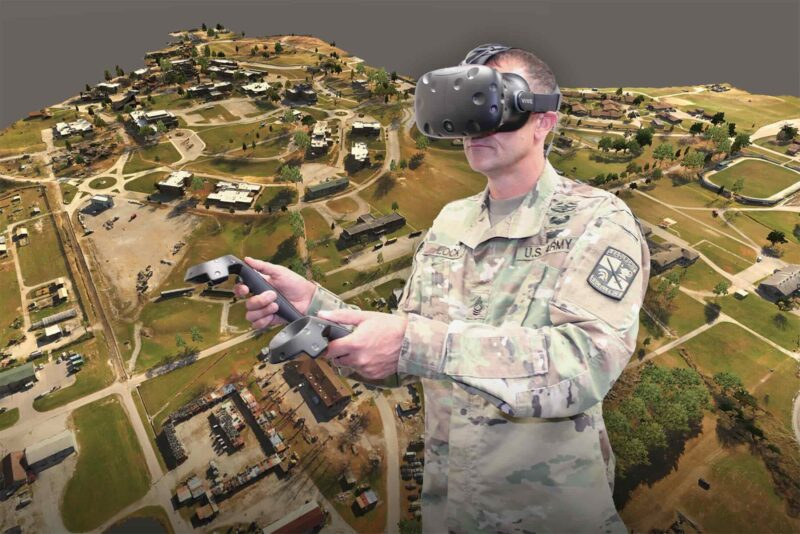
    Institute of Creative Technologies – military.usc.edu

    Significantly, ICT’s remit to develop dual-use technologies (which claim to provide society-wide “solutions”) entails nurturing what the Institute refers to as “warfighters” for the battlefields of the future, and, in doing so, to increase warfighters’ “lethality.6 Established by the DoD in 1999 to pursue advanced modelling and simulation and training, ICT’s basic and applied research produces prototypes, technologies, and know-how that have been deployed for the U.S. Army, Navy, and Marine Corps. From artificial intelligence-driven virtual humans deployed to teach military leadership skills to futuristic 3D spatial visualization and terrain capture to prepare these military agencies for their operational environments, ICT specializes in immersive training programs for “mission rehearsal,” as well as tools that contribute to the digital innovations of global warmaking.7  Technologies and programs developed at ICT were used by U.S. troops in the U.S.-led Global War on Terror. One such program is UrbanSim, a virtual training application initiated in 2006 designed to improve army commanders’ skills for conducting counterinsurgency operations in Iraq and Afghanistan, delivering fictional scenarios through a gaming experience.8  From all of the warfighter preparation that USC’s Institute researches, develops, prototypes, and deploys, ICT boasts of generating over two thousand academic peer-reviewed publications.

    I encountered ICT’s work while conducting anthropological research on the relationship between the U.S. military and the media entertainment industry in Los Angeles.9  The Institute is located not on the university’s main University Park campus but by the coast, in Playa Vista, alongside offices for Google and Hulu. Although ICT is an approximately thirty-minute drive from USC’s main campus, this hub for U.S. warfighter lethality was enabled by an interdisciplinary collaboration with what was then called the School of Cinema-Television and the Annenberg School for Communications, and it remains entrenched within USC’s academic ecosystem, designated as a unit of its Viterbi School of Engineering, which is located on the main campus.10  Given the presence and power of UARCs at U.S. universities, we can reasonably ask: What is the difference between West Point Military Academy and USC, a supposedly civilian university? The answer, it seems, is not a difference in kind, but in degree. Indeed, universities with UARCs appear to be veritable military academies.

    What Are UARCs?
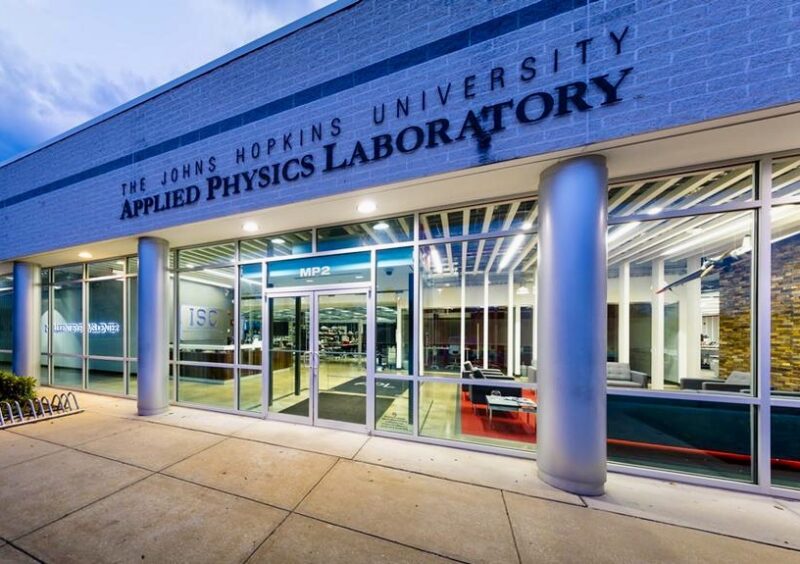
    UARCs are similar to federally funded research centres such as the Rand Corporation; however, UARCs are required to be situated within a university, which can be public or private.11  The existence of UARCs is not classified information, but their goals, projects, and implications may not be fully evident to the student bodies or university communities in which they are embedded, and there are differing levels of transparency among them about their funding. DoD UARCs “receive sole source funds, on average, exceeding $6 million annually,” and may receive other funding in addition to that from their primary military or federal sponsor, which may also differ among the fifteen UARCs.12  In 2021, funding from federal sources for UARCs ranged “from as much as $831 million for the Johns Hopkins University Applied Physics Lab to $5 million for the University of Alaska Geophysical Detection of Nuclear Proliferation.”13  Individual UARCs are generally created after the DoD’s Under Secretary of Defense for Research and Engineering initiates a selection process for the proposed sponsor, and typically are reviewed by their primary sponsor every five years for renewed contracts.14  A few UARCs, such as Johns Hopkins University’s Applied Physics Lab and the University of Texas at Austin’s Applied Research Lab, originated during the Second World War for wartime purposes but were designated as UARCs in 1996, the year the DoD formalized that status.15
    UARCs are supposed to provide their sponsoring agency and, ultimately, the DoD, access to what they deem “core competencies,” such as MIT’s development of nanotechnology systems for the “mobility of the soldier in the battlespace” and the development of anti-submarine warfare and ballistic and guided missile systems at Johns Hopkins University.16  Significantly, UARCs are mandated to maintain a close and enduring relationship with their military or federal sponsor, such as that of ICT with the U.S. Army. These close relationships are intended to facilitate the UARCs’ “in-depth knowledge of the agency’s research needs…access to sensitive information, and the ability to respond quickly to emerging research areas.”17  Such an intimate partnership for institutions of higher learning with these agencies means that the line between academic and military research is (further) blurred. With the interdisciplinarity of researchers and the integration of PhD students (and even undergraduate interns) into UARC operations such as USC’s ICT, the question of whether the needs of the DoD are prioritized over those of an ostensibly civilian institute of higher learning practically becomes moot: the entanglement is naturalized by a national security logic.

    Table 1 UARCs: The American Universities that Produce Warfighters

    Primary Sponsor University UARC Date of Designation (*original year established)
    Army University of Southern California Institute of Creative Technologies 1999
    Army Georgia Institute of Technology Georgia Tech Research Institute 1996 (*1995)
    Army Massachusetts Institute of Technology Institute for Soldier Nanotechnologies 2002
    Army University of California, Santa Barbara Institute for Collaborative Biotechnologies 2003
    Navy Johns Hopkins University Applied Physics Laboratory 1996 (*1942)
    Navy Pennsylvania State University Applied Research Laboratory 1996 (*1945)
    Navy University of Texas at Austin Applied Research Laboratories 1996 (*1945)
    Navy University of Washington Applied Physics Laboratory 1996 (*1943)
    Navy University of Hawai’i Applied Research Laboratory 2004
    Missile Defense Agency Utah State University Space Dynamics Laboratory 1996
    Office of the Under Secretary of Defense for Intelligence and Security University of Maryland, College Park Applied Research Laboratory for Intelligence and Security 2017 (*2003)
    Under Secretary of Defense for Research and Engineering Stevens Institute of Technology Systems Engineering Research Center 2008
    U.S. Strategic Command University of Nebraska National Strategic Research Institute 2012
    Department of the Assistant Secretary of Defense (Threat Reduction and Control) University of Alaska Fairbanks Geophysical Detection of Nuclear Proliferation 2018
    Air Force Howard University Research Institute for Tactical Autonomy 2023
    Sources: Joan Fuller, “Strategic Outreach—University Affiliated Research Centers,” Office of the Under Secretary of Defense (Research and Engineering), June 2021, 4; C. Todd Lopez, “Howard University Will Be Lead Institution for New Research Center,” U.S. Department of Defense News, January 23, 2023.

    A Closer Look

    The UARC at USC is unique from other UARCs in that, from its inception, the Institute explicitly targeted the artistic and humanities-driven resources of the university. ICT opened near the Los Angeles International Airport, in Marina del Rey, with a $45 million grant, tasked with developing a range of immersive technologies. According to the DoD, the core competencies that ICT offers include immersion, scenario generation, computer graphics, entertainment theory, and simulation technologies; these competencies were sought as the DoD decided that they needed to create more visually and narratively compelling and interactive learning environments for the gaming generation.18  USC was selected by the DoD not just because of the university’s work in science and engineering but also its close connections to the media entertainment industry, which USC fosters from its renowned School of Cinematic Arts (formerly the School of Cinema-Television), thereby providing the military access to a wide range of storytelling talents, from screenwriting to animation. ICT later moved to nearby Playa Vista, part of Silicon Beach, where the military presence also increased; by April 2016, the U.S. Army Research Lab West opened next door to ICT as another collaborative partner, further integrating the university into military work.19  This university-military partnership results in “prototypes that successfully transition into the hands of warfighters”; UARCs such as ICT are thus rendered a crucial link in what graduate student worker Isabel Kain from the Researchers Against War collective calls the “military supply chain.”20

    universities abandon any pretence to neutrality once they are assigned UARCs, as opponents at the University of Hawai’i at Mānoa (UH Mānoa) asserted when a U.S. Navy-sponsored UARC was designated for their campus in 2004. UH Mānoa faculty, students, and community members repeatedly expressed their concerns about the ethics of military research conducted on their campus, including the threat of removing “researchers’ rights to refuse Navy directives”

    USC was touted as “neutral ground” from which the U.S. Army could help innovate military training by one of ICT’s founders in his account of the Institute’s origin story.21  Yet, universities abandon any pretence to neutrality once they are assigned UARCs, as opponents at the University of Hawai’i at Mānoa (UH Mānoa) asserted when a U.S. Navy-sponsored UARC was designated for their campus in 2004. UH Mānoa faculty, students, and community members repeatedly expressed their concerns about the ethics of military research conducted on their campus, including the threat of removing “researchers’ rights to refuse Navy directives.”22  The proposed UARC at UH Mānoa occurred within the context of university community resistance to U.S. imperialism and militarism, which have inflicted structural violence on Hawaiian people, land, and waters, from violent colonization to the 1967 military testing of lethal sarin gas in a forest reserve.23 Hawai’i serves as the base of the military’s U.S. Indo-Pacific Command, where “future wars are in development,” professor Kyle Kajihiro of UH Mānoa emphasizes.24

    Writing in Mānoa Now about the proposed UARC in 2005, Leo Azumbuja opined that “it seems like ideological suicide to allow the Navy to settle on campus, especially the American Navy.”25 A key player in the Indo-Pacific Command, the U.S. Navy has long had a contentious relationship with Indigenous Hawaiians, most recently with the 2021 fuel leakage from the Navy’s Red Hill fuel facility, resulting in water contamination levels that the Hawai’i State Department of Health referred to as “a humanitarian and environmental disaster.”26  Court depositions have since revealed that the Navy knew about the fuel leakage into the community’s drinking water but waited over a week to inform the public, even as people became ill, making opposition to its proposed UARC unsurprising, if not requisite.27  The detonation of bombs and sonar testing that happens at the biennial international war games that the U.S. Navy has hosted in Hawai’i since 1971 have also damaged precious marine life and culturally sacred ecosystems, with the sonar tests causing whales to “swim hundreds of miles, rapidly change their depth (sometimes leading to bleeding from the eyes and ears), and even beach themselves to get away from the sounds of sonar.”28  Within this context, one of the proposed UARC’s core competencies was “understanding of [the] ocean environment.”29

    In a flyer circulated by DMZ Hawaii, UH Mānoa organizers called for universities to serve society, and “not be used by the military to further their war aims or to perfect ways of killing or controlling people.”30  Recalling efforts in previous decades on U.S. campuses to thwart the encroachment of military research, protestors raised questions about the UARC’s accountability and transparency regarding weapons production within the UH community. UH Mānoa’s strategic plan during the time that the Navy’s UARC was proposed and executed (2002–2010) called for recognition of “our kuleana (responsibility) to honour the Indigenous people and promote social justice for Native Hawaiians” and “restoring and managing the Mānoa stream and ecosystem”—priorities that the actions of the U.S. Navy disregarded.31  The production of knowledge for naval weapons within the auspices of this public, land-grant institution disrupts any pretension to neutrality the university may purport.

    while the UH administration claimed that the proposed UARC would not accept any classified research for the first three years, “the base contract assigns ‘secret’ level classification to the entire facility, making the release of any information subject to the Navy’s approval,” raising concerns about academic freedom, despite the fanfare over STEM and rankings

    Further resistance to the UARC designation was expressed by the UH Mānoa community: from April 28 to May 4, 2005, the SaveUH/StopUARC Coalition staged a six-day campus sit-in protest, and later that year, the UH Mānoa Faculty Senate voted 31–18 in favour of asking the administration to reject the UARC designation.32  According to an official statement released by UH Mānoa on January 23, 2006, at a university community meeting with the UH Regents in 2006, testimony from opponents to the UARC outnumbered supporters, who, reflecting the neoliberal turn of universities, expressed hope that their competitiveness in science, technology, engineering, and mathematics (STEM) would advance with a UARC designation, and benefit the university’s ranking.33  Yet in 2007, writing in DMZ Hawaii, Kajihiro clarified that while the UH administration claimed that the proposed UARC would not accept any classified research for the first three years, “the base contract assigns ‘secret’ level classification to the entire facility, making the release of any information subject to the Navy’s approval,” raising concerns about academic freedom, despite the fanfare over STEM and rankings.34  However, the campus resistance campaign was unsuccessful, and in September 2007, the UH Regents approved the Navy UARC designation. By 2008, the U.S. Navy-sponsored Applied Research Laboratory UARC at UH Mānoa opened.

    “The Military Normal”

    Yet with the U.S. creation of the national security state in 1947 and its pursuit of techno-nationalism since the Cold War, UARCs are direct pipelines to the intensification of U.S. empire

    UH Mānoa’s rationale for resistance begs the question: how could this university—indeed, any university—impose this military force onto its community? Are civilian universities within the United States merely an illusion, a deflection from education in the service of empire? What anthropologist Catherine Lutz called in 2009 the ethos of “the military normal” in U.S. culture toward its counterinsurgency wars in Iraq and Afghanistan—the commonsensical, even prosaic perspective on the inevitability of endless U.S.-led wars disseminated by U.S. institutions, especially mainstream media—helps explain the attitude toward this particular formalized capture of the university by the DoD.35  Defense funding has for decades permeated universities, but UARCs perpetuate the military normal by allowing the Pentagon to insert itself through research centres and institutes in the (seemingly morally neutral) name of innovation, within part of a broader neoliberal framework of universities as “engines” and “hubs,” or “anchor” institutions that offer to “leverage” their various forms of capital toward regional development in ways that often escape sustained scrutiny or critique.36  The normalization is achieved in some cases given that UARCs such as ICT strive to serve civilian needs as well as military ones with dual-use technologies and tools. Yet with the U.S. creation of the national security state in 1947 and its pursuit of techno-nationalism since the Cold War, UARCs are direct pipelines to the intensification of U.S. empire. Some of the higher-profile virtual military instructional programs developed at ICT at USC, such as its Emergent Leader Immersive Training Environment (ELITE) system, which provides immersive role-playing to train army leaders for various situations in the field, are funnelled to explicitly military-only learning institutions such as the Army Warrant Officer School.37

    The fifteenth and most recently created UARC, at Howard University in 2023—the first such designation for one of the historically Black colleges and universities (HBCUs)—boasts STEM inclusion

    The military normal generates a sense of moral neutrality, even moral superiority. The logic of the military normal, the offer of STEM education and training, especially through providing undergraduate internships and graduate training, and of course funding, not only rationalizes the implementation of UARCs, but ennobles it. The fifteenth and most recently created UARC, at Howard University in 2023—the first such designation for one of the historically Black colleges and universities (HBCUs)—boasts STEM inclusion.38  Partnering with the U.S. Air Force, Howard University’s UARC is receiving a five-year, $90 million contract to conduct AI research and develop tactical autonomy technology. Its Research Institute for Tactical Autonomy (RITA) leads a consortium of eight other HCBUs. As with the University of Hawai’i, STEM advantages are touted by the UARC, with RITA’s reach expanding in other ways: it plans to supplement STEM education for K–12 students to “ease their path to a career in the fields of artificial intelligence, cybersecurity, tactical autonomy, and machine learning,” noting that undergraduate and graduate students will also be able to pursue fully funded research opportunities at their UARC. With the corporatization of universities, neoliberal policies prioritize STEM for practical reasons, including the pursuit of university rankings and increases in both corporate and government funding. This fits well with increased linkages to the defence sector, which offers capital, jobs, technology, and gravitas. In a critique of Howard University’s central role for the DoD through its new UARC, Erica Caines at Black Agenda Reportinvokes the “legacies of Black resistance” at Howard University in a call to reduce “the state’s use of HBCUs.”39  In another response to Howard’s UARC, another editorial in Black Agenda Report draws upon activist Kwame Ture’s (Stokely Carmichael’s) autobiography for an illuminative discussion about his oppositional approach to the required military training and education at Howard University during his time there.40

    With their respectability and resources, universities, through UARCs, provide ideological cover for U.S. war-making and imperialistic actions, offering up student labour at undergraduate and graduate levels in service of that cover. When nearly eight hundred U.S. military bases around the world are cited as evidence of U.S. empire and the DoD requires research facilities to be embedded within places of higher learning, it is reasonable to expect that university communities—ostensibly civilian institutions—ask questions about UARC goals and operations, and how they provide material support and institutional gravitas to these military and federal agencies.41  In the case of USC, ICT’s stated goal of enhancing warfighter lethality runs counter to current USC student efforts to strive for more equitable conditions on campus and within its larger community (for example, calls to end “land grabs,” and “targeted repression and harassment of Black, Brown and Palestinian students and their allies on and off campus”) as well as other reductions in institutional harms.42  The university’s “Minor in Resistance to Genocide”—a program pursued by USC’s discarded valedictorian Asna Tabassum—also serves as mere cover, a façade, alongside USC’s innovations for warfighter lethality.

    the Hopkins Justice Collective at Johns Hopkins University recently proposed a demilitarization process to its university’s Public Interest Investment Advisory Committee that cited Johns Hopkins’s UARC, Applied Physics Lab, as being the “sole source” of DoD funding for the development and testing of AI-guided drone swarms used against Palestinians in 2021

    Many students and members of U.S. society want to connect the dots, as evident from the nationwide protests and encampments, and a push from within the academy to examine the military supply chain is intensifying. In addition to Researchers Against War members calling out the militarized research that flourishes in U.S. universities, the Hopkins Justice Collective at Johns Hopkins University recently proposed a demilitarization process to its university’s Public Interest Investment Advisory Committee that cited Johns Hopkins’s UARC, Applied Physics Lab, as being the “sole source” of DoD funding for the development and testing of AI-guided drone swarms used against Palestinians in 2021.43  Meanwhile, at UH Mānoa, the struggle continues: in February 2024, the Associated Students’ Undergraduate Senate approved a resolution requesting that the university’s Board of Regents terminate UH’s UARC contract, noting that UH’s own president is the principal investigator for a $75 million High-Performance Computer Center for the U.S. Air Force Research Laboratory that was contracted by the university’s UARC, Applied Research Laboratory.44  Researchers Against War organizing, the Hopkins Justice Collective’s proposal, the undaunted UH Mānoa students, and others help pinpoint the flows of militarized knowledge—knowledge that is developed by UARCs to strengthen warfighters from within U.S. universities, through the DoD, and to different parts of the world.45

    Notes

    1. Jake Alimahomed-Wilson et al., “Boeing University: How the California State University Became Complicit in Palestinian Genocide,” Mondoweiss, May 20, 2024; Brian Osgood, “U.S. University Ties to Weapons Contractors Under Scrutiny Amid War in Gaza,” Al Jazeera, May 13, 2024.
    2. Collaborate with Us: University Affiliated Research Center,” DevCom Army Research Laboratory, arl.devcom.army.mil.
    3. USC Divest From Death Coalition, “Divest From Death USC News Release,” April 24, 2024.
    4. USC Institute for Creative Technologies, “ICT Overview Video,” YouTube, 2:52, December 12, 2023.
    5. Gordon Adams and Shoon Murray, Mission Creep: The Militarization of U.S. Foreign Policy?(Washington DC: Georgetown University Press, 2014).
    6. USC Institute for Creative Technologies, “ICT Overview Video”; USC Institute for Creative Technologies, Historical Achievements: 1999–2019 (Los Angeles: University of Southern California, May 2021), ict.usc.edu.
    7. Yuval Abraham, “‘Lavender’: The AI Machine Directing Israel’s Bombing Spree in Gaza,” +972 Magazine.
    8. “UrbanSim,” USC Institute for Creative Technologies.
    9. Sylvia J. Martin, “Imagineering Empire: How Hollywood and the U.S. National Security State ‘Operationalize Narrative,’” Media, Culture & Society 42, no. 3 (April 2020): 398–413.
    10. Paul Rosenbloom, “Writing the Original UARC Proposal,” USC Institute for Creative Technologies, March 11, 2024.
    11. Susannah V. Howieson, Christopher T. Clavin, and Elaine M. Sedenberg, “Federal Security Laboratory Governance Panels: Observations and Recommendations,” Institute for Defense Analyses—Science and Technology Policy Institute, Alexandria, Virginia, 2013, 4.
    12. OSD Studies and Federally Funded Research and Development Centers Management Office (FFRDC), Engagement Guide: Department of Defense University Affiliated Research Centers (UARCs) (Alexandria, Virginia: OSD Studies and FFRDC Management Office, April 2013), 5.
    13. Christopher V. Pece, “Federal Funding to University Affiliated Research Centers Totaled $1.5 Billion in FY 2021,” National Center for Science and Engineering Statistics, National Science Foundation, 2024, ncses.nsf.gov.
    14. “UARC Customer Funding Guide,” USC Institute for Creative Technologies, March 13, 2024.
    15. Federally Funded Research and Development Centers (FFRDC) and University Affiliated Research Centers (UARC),” Department of Defense Research and Engineering Enterprise, rt.cto.mil.
    16. OSD Studies and FFRDC Management Office, Engagement Guide.
    17. Congressional Research Service, “Federally Funded Research and Development Centers (FFDRCs): Background and Issues for Congress,” April 3, 2020, 5.
    18. OSD Studies and FFRDC Management Office, Engagement Guide, 18.
    19. Institute for Creative Technologies (ICT),” USC Military and Veterans Initiatives, military.usc.edu.
    20. USC Institute for Creative Technologies, Historical Achievements: 1999–2019, 2; Linda Dayan, “‘Starve the War Machine’: Workers at UC Santa Cruz Strike in Solidarity with Pro-Palestinian Protesters,” Haaretz, May 21, 2024.
    21. Richard David Lindholm, That’s a 40 Share!: An Insider Reveals the Origins of Many Classic TV Shows and How Television Has Evolved and Really Works (Pennsauken, New Jersey: Book Baby, 2022).
    22. Leo Azambuja, “Faculty Senate Vote Opposing UARC Preserves Freedom,” Mānoa Now, November 30, 2005.
    23. Deployment Health Support Directorate, “Fact Sheet: Deseret Test Center, Red Oak, Phase I,” Office of the Assistant Secretary of the Defense (Health Affairs), health.mil.
    24. Ray Levy Uyeda, “U.S. Military Activity in Hawai’i Harms the Environment and Erodes Native Sovereignty,” Prism Reports, July 26, 2022.
    25. Azambuja, “Faculty Senate Vote Opposing UARC Preserves Freedom.”
    26. Kyle Kajihiro, “The Militarizing of Hawai’i: Occupation, Accommodation, Resistance,” in Asian Settler Colonialism, Jonathon Y. Okamura and Candace Fujikane, eds. (Honolulu: University of Hawai’i Press, 2008), 170–94; “Hearings Officer’s Proposed Decision and Order, Findings of Fact, and Conclusions of Law,” Department of Health, State of Hawaii vs. United States Department of the Navy, no. 21-UST-EA-02 (December 27, 2021).
    27. Christina Jedra, “Red Hill Depositions Reveal More Details About What the Navy Knew About Spill,” Honolulu Civil Beat, May 31, 2023.
    28. “Does Military Sonar Kill Marine Wildlife?,” Scientific American, June 10, 2009.
    29. Joan Fuller, “Strategic Outreach—University Affiliated Research Centers,” Office of the Under Secretary of Defense (Research and Engineering), June 2021, 4.
    30. DMZ Hawaii, “Save Our University, Stop UARC,” dmzhawaii.org.
    31. University of Hawai’i at Mānoa, Strategic Plan 2002–2010: Defining Our Destiny, 8–9.
    32. Craig Gima, “UH to Sign Off on Navy Center,” Star Bulletin, May 13, 2008.
    33. University of Hawai’i at Mānoa, “Advocates and Opponents of the Proposed UARC Contract Present Their Case to the UH Board of Regents,” press release, January 23, 2006.
    34. Kyle Kajihiro, “The Secret and Scandalous Origins of the UARC,” DMZ Hawaii, September 23, 2007.
    35. Catherine Lutz, “The Military Normal,” in The Counter-Counterinsurgency Manual, or Notes on Demilitarizing American Society, The Network of Concerned Anthropologists, ed. (Chicago: Prickly Paradigm Press, 2009).
    36. Anne-Laure Fayard and Martina Mendola, “The 3-Stage Process That Makes Universities Prime Innovators,” Harvard Business Review, April 19, 2024; Paul Garton, “Types of Anchor Institution Initiatives: An Overview of University Urban Development Literature,” Metropolitan Universities 32, no. 2 (2021): 85–105.
    37. Randall Hill, “ICT Origin Story: How We Built the Holodeck,” Institute for Creative Technologies, February 9, 2024.
    38. Brittany Bailer, “Howard University Awarded $90 Million Contract by Air Force, DoD to Establish First-Ever University Affiliated Research Center Led by an HCBU,” The Dig, January 24, 2023, thedig.howard.edu.
    39. Erica Caines, “Black University, White Power: Howard University Covers for U.S. Imperialism,” Black Agenda Report, February 1, 2023.
    40. Editors, “Howard University: Every Black Thing and Its Opposite, Kwame Ture,” The Black Agenda Review (Black Agenda Report), February 1, 2023.
    41. David Vine, Base Nation: How U.S. Military Bases Abroad Harm America and the World (New York: Metropolitan Books, 2015).
    42. USC Divest from Death Coalition, “Divest From Death USC News Release”; “USC Renames VKC, Implements Preliminary Anti-Racism Actions,” Daily Trojan, June 11, 2020.
    43. Hopkins Justice Collective, “PIIAC Proposal,” May 4, 2024.
    44. Bronson Azama to bor.testimony@hawaii.edu, “Testimony for 2/15/24,” February 15, 2024, University of Hawai’i; “UH Awarded Maui High Performance Computer Center Contract Valued up to $75 Million,” UH Communications, May 1, 2020.
    45. Isabel Kain and Becker Sharif, “How UC Researchers Began Saying No to Military Work,” Labor Notes, May 17, 2024.


    Feature Image: Deep Space Advanced Radar Capability (DARC) at Johns Hopkins Advanced Physical Laborotory, A UARC facility – www.jhuapl.edu
  • U.S. Hegemony and its Perils

    U.S. Hegemony and its Perils

    This analytical report on the perils of US hegemony was released by China on the 20th of February 2023. It is evident that much of the world is now alienated by the USA and the West. This is particularly so after the Ukraine-Russia conflict that erupted a year ago. The majority of the world remains non-commital but certainly does not support the US or Ukraine in this conflict nor do they condemn Russia. In effect, the non-western world has openly indicated that this unnecessary war is caused by the aggressive actions of NATO and the US to provoke Russia. The constant interventions and wars waged by the US and NATO in the name of democracy and disregarding the UN are now being questioned. China has cleverly utilised this sentiment to time its publication. The paper is very well analysed, crisply argued, and has flagged real questions to the world community. In short, the paper implies that the US and its allies pose the gravest threat to global stability and peace, and more so to the sovereignty of all countries.

    This paper was published earlier in fmprc.gov.cn


    Introduction

    Since becoming the world’s most powerful country after the two world wars and the Cold War, the United States has acted more boldly to interfere in the internal affairs of other countries, pursue, maintain and abuse hegemony, advance subversion and infiltration, and willfully wage wars, bringing harm to the international community.

    The United States has developed a hegemonic playbook to stage “colour revolutions,” instigate regional disputes and even directly launch wars under the guise of promoting democracy, freedom and human rights. Clinging to the Cold War mentality, the United States has ramped up bloc politics and stoked conflict and confrontation. It has overstretched the concept of national security, abused export controls and forced unilateral sanctions upon others. It has taken a selective approach to international law and rules, utilizing or discarding them as it sees fit, and has sought to impose rules that serve its own interests in the name of upholding a “rules-based international order.”

    This report, by presenting the relevant facts, seeks to expose the U.S. abuse of hegemony in the political, military, economic, financial, technological and cultural fields and to draw greater international attention to the perils of the U.S. practices to world peace and stability and the well-being of all peoples.

    I. Political Hegemony – Throwing Its Weight Around

    The United States has long been attempting to mould other countries and the world order with its own values and political system in the name of promoting democracy and human rights.

    ◆ Instances of U.S. interference in other countries’ internal affairs abound. In the name of “promoting democracy,” the United States practised a “Neo-Monroe Doctrine” in Latin America, instigated “colour revolutions” in Eurasia, and orchestrated the “Arab Spring” in West Asia and North Africa, bringing chaos and disaster to many countries.

    In 1823, the United States announced the Monroe Doctrine. While touting an “America for the Americans,” what it truly wanted was an “America for the United States.”

    Since then, the policies of successive U.S. governments toward Latin America and the Caribbean Region have been riddled with political interference, military intervention and regime subversion. From its 61-year hostility toward and blockade of Cuba to its overthrow of the Allende government of Chile, U.S. policy on this region has been built on one maxim-those who submit will prosper; those who resist shall perish.

    The year 2003 marked the beginning of a succession of “colour revolutions” – the “Rose Revolution” in Georgia, the “Orange Revolution” in Ukraine and the “Tulip Revolution” in Kyrgyzstan. The U.S. Department of State openly admitted playing a “central role” in these “regime changes.” The United States also interfered in the internal affairs of the Philippines, ousting President Ferdinand Marcos Sr. in 1986 and President Joseph Estrada in 2001 through the so-called “People Power Revolutions.”

    In January 2023, former U.S. Secretary of State Mike Pompeo released his new book Never Give an Inch: Fighting for the America I Love. He revealed in it that the United States had plotted to intervene in Venezuela. The plan was to force the Maduro government to reach an agreement with the opposition, deprive Venezuela of its ability to sell oil and gold for foreign exchange, exert high pressure on its economy, and influence the 2018 presidential election.

    ◆ The U.S. exercises double standards on international rules. Placing its self-interest first, the United States has walked away from international treaties and organizations and put its domestic law above international law. In April 2017, the Trump administration announced that it would cut off all U.S. funding to the United Nations Population Fund (UNFPA) with the excuse that the organization “supports, or participates in the management of a program of coercive abortion or involuntary sterilization.” The United States quit UNESCO twice in 1984 and 2017. In 2017, it announced leaving the Paris Agreement on climate change. In 2018, it announced its exit from the UN Human Rights Council, citing the organization’s “bias” against Israel and failure to protect human rights effectively. In 2019, the United States announced its withdrawal from the Intermediate-Range Nuclear Forces Treaty to seek the unfettered development of advanced weapons. In 2020, it announced pulling out of the Treaty on Open Skies.

    The United States has also been a stumbling block to biological arms control by opposing negotiations on a verification protocol for the Biological Weapons Convention (BWC) and impeding international verification of countries’ activities relating to biological weapons. As the only country in possession of a chemical weapons stockpile, the United States has repeatedly delayed the destruction of chemical weapons and remained reluctant in fulfilling its obligations. It has become the biggest obstacle to realizing “a world free of chemical weapons.”

    ◆ The United States is piecing together small blocs through its alliance system. It has been forcing an “Indo-Pacific Strategy” onto the Asia-Pacific region, assembling exclusive clubs like the Five Eyes, the Quad and AUKUS, and forcing regional countries to take sides. Such practices are essentially meant to create division in the region, stoke confrontation and undermine peace.

    ◆ The U.S. arbitrarily passes judgment on democracy in other countries and fabricates a false narrative of “democracy versus authoritarianism” to incite estrangement, division, rivalry and confrontation. In December 2021, the United States hosted the first “Summit for Democracy,” which drew criticism and opposition from many countries for making a mockery of the spirit of democracy and dividing the world. In March 2023, the United States will host another “Summit for Democracy,” which remains unwelcome and will again find no support.

    II. Military Hegemony – Wanton Use of Force

    The history of the United States is characterized by violence and expansion. Since it gained independence in 1776, the United States has constantly sought expansion by force: it slaughtered Indians, invaded Canada, waged a war against Mexico, instigated the American-Spanish War, and annexed Hawaii. After World War II, the wars either provoked or launched by the United States included the Korean War, the Vietnam War, the Gulf War, the Kosovo War, the War in Afghanistan, the Iraq War, the Libyan War and the Syrian War, abusing its military hegemony to pave the way for expansionist objectives. In recent years, the U.S. average annual military budget has exceeded $700 billion, accounting for 40 percent of the world’s total, more than the 15 countries behind it combined. The United States has about 800 overseas military bases, with 173,000 troops deployed in 159 countries.

    According to the book America Invades: How We’ve Invaded or been Militarily Involved with almost Every Country on Earth, the United States has fought or been militarily involved with almost all the 190-odd countries recognized by the United Nations with only three exceptions. The three countries were “spared” because the United States did not find them on the map.

    ◆ As former U.S. President Jimmy Carter put it, the United States is undoubtedly the most warlike nation in the history of the world. According to a Tufts University report, “Introducing the Military Intervention Project: A new Dataset on U.S. Military Interventions, 1776-2019,” the United States undertook nearly 400 military interventions globally between those years, 34 percent of which were in Latin America and the Caribbean, 23 percent in East Asia and the Pacific, 14 percent in the Middle East and North Africa, and 13 percent in Europe. Currently, its military intervention in the Middle East and North Africa and sub-Saharan Africa is on the rise.

    Alex Lo, a South China Morning Post columnist, pointed out that the United States has rarely distinguished between diplomacy and war since its founding. It overthrew democratically elected governments in many developing countries in the 20th century and immediately replaced them with pro-American puppet regimes. Today, in Ukraine, Iraq, Afghanistan, Libya, Syria, Pakistan and Yemen, the United States is repeating its old tactics of waging proxy, low-intensity, and drone wars.

    ◆ U.S. military hegemony has caused humanitarian tragedies. Since 2001, the wars and military operations launched by the United States in the name of fighting terrorism have claimed over 900,000 lives, with some 335,000 of them civilians, injured millions and displaced tens of millions. The 2003 Iraq War resulted in some 200,000 to 250,000 civilian deaths, including over 16,000 directly killed by the U.S. military, and left more than a million homeless.

    The United States has created 37 million refugees around the world. Since 2012, the number of Syrian refugees alone has increased tenfold. Between 2016 and 2019, 33,584 civilian deaths were documented in the Syrian fighting, including 3,833 killed by U.S.-led coalition bombings, half of them women and children. The Public Broadcasting Service (PBS) reported on November 9, 2018, that the air strikes launched by U.S. forces on Raqqa alone killed 1,600 Syrian civilians.

    The two-decade-long war in Afghanistan devastated the country. A total of 47,000 Afghan civilians and 66,000 to 69,000 Afghan soldiers and police officers unrelated to the September 11 attacks were killed in U.S. military operations, and more than 10 million people were displaced. The war in Afghanistan destroyed the foundation of economic development there and plunged the Afghan people into destitution. After the “Kabul debacle” in 2021, the United States announced that it would freeze some 9.5 billion dollars in assets belonging to the Afghan central bank, a move considered “pure looting.”

    In September 2022, Turkish Interior Minister Suleyman Soylu commented at a rally that the United States has waged a proxy war in Syria, turned Afghanistan into an opium field and heroin factory, thrown Pakistan into turmoil, and left Libya in incessant civil unrest. The United States does whatever it takes to rob and enslave the people of any country with underground resources.

    The United States has also adopted appalling methods in war. During the Korean War, the Vietnam War, the Gulf War, the Kosovo War, the War in Afghanistan and the Iraq War, the United States used massive quantities of chemical and biological weapons as well as cluster bombs, fuel-air bombs, graphite bombs and depleted uranium bombs, causing enormous damage on civilian facilities, countless civilian casualties and lasting environmental pollution.

    III. Economic Hegemony – Looting and Exploitation

    After World War II, the United States led efforts to set up the Bretton Woods System, the International Monetary Fund and the World Bank, which, together with the Marshall Plan, formed the international monetary system centred around the U.S. dollar. In addition, the United States has established institutional hegemony in the international economic and financial sector by manipulating the weighted voting systems, rules and arrangements of international organizations, including “approval by 85 percent majority” and its domestic trade laws and regulations. By taking advantage of the dollar’s status as the major international reserve currency, the United States is basically collecting “seigniorage” from around the world; and using its control over international organizations, it coerces other countries into serving America’s political and economic strategy.

    ◆ The United States exploits the world’s wealth with the help of “seigniorage.” It costs only about 17 cents to produce a $100 bill, but other countries had to pony up $100 worth of actual goods in order to obtain one. It was pointed out more than half a century ago that the United States enjoyed exorbitant privilege and deficit without tears created by its dollar and used the worthless paper note to plunder the resources and factories of other nations.

    ◆ The hegemony of the U.S. dollar is the main source of instability and uncertainty in the world economy. During the COVID-19 pandemic, the United States abused its global financial hegemony and injected trillions of dollars into the global market, leaving other countries, especially emerging economies, to pay the price. In 2022, the Fed ended its ultra-easy monetary policy and turned to aggressive interest rate hikes, causing turmoil in the international financial market and substantial depreciation of other currencies, such as the euro, many of which dropped to a 20-year low. As a result, a large number of developing countries were challenged by high inflation, currency depreciation and capital outflows. This was exactly what Nixon’s secretary of the treasury, John Connally, once remarked, with self-satisfaction yet sharp precision, “The dollar is our currency, but it is your problem.”

    ◆ With its control over international economic and financial organizations, the United States imposes additional conditions for assisting other countries. In order to reduce obstacles to U.S. capital inflow and speculation, the recipient countries are required to advance financial liberalization and open up financial markets so that their economic policies would fall in line with America’s strategy. According to the Review of International Political Economy, along with the 1,550 debt relief programs extended by the IMF to its 131 member countries from 1985 to 2014, as many as 55,465 additional political conditions had been attached.

    ◆ The United States willfully suppresses its opponents with economic coercion. In the 1980s, to eliminate the economic threat posed by Japan and control and use the latter in service of America’s strategic goal of confronting the Soviet Union and dominating the world, the United States leveraged its hegemonic financial power against Japan and concluded the Plaza Accord. As a result, the yen was pushed up, and Japan was pressed to open up its financial market and reform its financial system. The Plaza Accord dealt a heavy blow to the growth momentum of the Japanese economy, leaving Japan to what was later called “three lost decades.”

    ◆ America’s economic and financial hegemony has become a geopolitical weapon. Doubling down on unilateral sanctions and “long-arm jurisdiction,” the United States has enacted such domestic laws as the International Emergency Economic Powers Act, the Global Magnitsky Human Rights Accountability Act, and the Countering America’s Adversaries Through Sanctions Act, and introduced a series of executive orders to sanction specific countries, organizations or individuals. Statistics show that U.S. sanctions against foreign entities increased by 933 percent from 2000 to 2021. The Trump administration alone has imposed more than 3,900 sanctions, which means three sanctions per day. So far, the United States had or has imposed economic sanctions on nearly 40 countries across the world, including Cuba, China, Russia, the DPRK, Iran and Venezuela, affecting nearly half of the world’s population. “The United States of America” has turned itself into “the United States of Sanctions.” And “long-arm jurisdiction” has been reduced to nothing but a tool for the United States to use its means of state power to suppress economic competitors and interfere in normal international business. This is a serious departure from the principles of a liberal market economy that the United States has long boasted.

    IV. Technological Hegemony – Monopoly and Suppression

    The United States seeks to deter other countries’ scientific, technological and economic development by wielding monopoly power, suppression measures and technology restrictions in high-tech fields.

    ◆ The United States monopolizes intellectual property in the name of protection. Taking advantage of the weak position of other countries, especially developing ones, on intellectual property rights and the institutional vacancy in relevant fields, the United States reaps excessive profits through monopoly. In 1994, the United States pushed forward the Agreement on Trade-Related Aspects of Intellectual Property Rights (TRIPS), forcing the Americanized process and standards in intellectual property protection in an attempt to solidify its monopoly on technology.

    In the 1980s, to contain the development of Japan’s semiconductor industry, the United States launched the “301” investigation, built bargaining power in bilateral negotiations through multilateral agreements, threatened to label Japan as conducting unfair trade, and imposed retaliatory tariffs, forcing Japan to sign the U.S.-Japan Semiconductor Agreement. As a result, Japanese semiconductor enterprises were almost completely driven out of global competition, and their market share dropped from 50 percent to 10 percent. Meanwhile, with the support of the U.S. government, a large number of U.S. semiconductor enterprises took the opportunity and grabbed a larger market share.

    ◆ The United States politicizes and weaponizes technological issues and uses them as ideological tools. Overstretching the concept of national security, the United States mobilized state power to suppress and sanction Chinese company Huawei, restricted the entry of Huawei products into the U.S. market, cut off its supply of chips and operating systems, and coerced other countries to ban Huawei from undertaking local 5G network construction. It even talked Canada into unwarrantedly detaining Huawei’s CFO, Meng Wanzhou, for nearly three years.

    The United States has fabricated a slew of excuses to clamp down on China’s high-tech enterprises with global competitiveness and has put more than 1,000 Chinese enterprises on sanction lists. In addition, the United States has also imposed controls on biotechnology, artificial intelligence and other high-end technologies, reinforced export restrictions, tightened investment screening, suppressed Chinese social media apps such as TikTok and WeChat, and lobbied the Netherlands and Japan to restrict exports of chips and related equipment or technology to China.

    The United States has also practised double standards in its policy on China-related technological professionals. To sideline and suppress Chinese researchers, since June 2018, visa validity has been shortened for Chinese students majoring in certain high-tech-related disciplines, repeated cases have occurred where Chinese scholars and students going to the United States for exchange programs and study were unjustifiably denied and harassed, and large-scale investigation on Chinese scholars working in the United States was carried out.

    ◆ The United States solidifies its technological monopoly in the name of protecting democracy. By building small blocs of technology, such as the “chips alliance” and “clean network,” the United States has put “democracy” and “human rights” labels on high technology and turned technological issues into political and ideological issues to fabricate excuses for its technological blockade against other countries. In May 2019, the United States enlisted 32 countries to the Prague 5G Security Conference in the Czech Republic and issued the Prague Proposal in an attempt to exclude China’s 5G products. In April 2020, then U.S. Secretary of State Mike Pompeo announced the “5G clean path,” a plan designed to build a technological alliance in the 5G field with partners bonded by their shared ideology on democracy and the need to protect “cyber security.” The measures, in essence, are the U.S. attempts to maintain its technological hegemony through technological alliances.

    ◆ The United States abuses its technological hegemony by carrying out cyberattacks and eavesdropping. The United States has long been notorious as an “empire of hackers,” blamed for its rampant acts of cyber theft around the world. It has all kinds of means to enforce pervasive cyberattacks and surveillance, including using analogue base station signals to access mobile phones for data theft, manipulating mobile apps, infiltrating cloud servers, and stealing through undersea cables. The list goes on.

    U.S. surveillance is indiscriminate. All can be targets of its surveillance, be they rivals or allies, even leaders of allied countries such as former German Chancellor Angela Merkel and several French Presidents. Cyber surveillance and attacks launched by the United States, such as “Prism,” “Dirtbox,” “Irritant Horn” and “Telescreen Operation,” are all proof that the United States is closely monitoring its allies and partners. Such eavesdropping on allies and partners has already caused worldwide outrage. Julian Assange, the founder of Wikileaks, a website that has exposed U.S. surveillance programs, said, “Do not expect a global surveillance superpower to act with honour or respect. There is only one rule: There are no rules.”

    V. Cultural Hegemony – Spreading False Narratives

    The global expansion of American culture is an important part of its external strategy. The United States has often used cultural tools to strengthen and maintain its hegemony in the world.

    ◆ The United States embeds American values in its products, such as movies. American values and lifestyle are tied to its movies, TV shows, publications, media content and programs by government-funded non-profit cultural institutions. It thus shapes a cultural and public opinion space in which American culture reigns and maintains cultural hegemony. In his article “The Americanization of the World,” John Yemma, an American scholar, exposed the real weapons in U.S. cultural expansion, Hollywood, the image design factories on Madison Avenue and the production lines of Mattel Company and Coca-Cola.

    There are various vehicles the United States uses to keep its cultural hegemony. American movies are the most used; they now occupy more than 70 percent of the world’s market share. The United States skillfully exploits its cultural diversity to appeal to various ethnicities. When Hollywood movies descend on the world, they scream the American values tied to them.

    ◆ American cultural hegemony not only shows itself in “direct intervention” but also in “media infiltration” and as “a trumpet for the world.” U.S.-dominated Western media has a particularly important role in shaping global public opinion in favour of U.S. meddling in the internal affairs of other countries.

    The U.S. government strictly censors all social media companies and demands their obedience. Twitter CEO Elon Musk admitted on December 27, 2022, that all social media platforms work with the U.S. government to censor content, reported Fox Business Network. Public opinion in the United States is subject to government intervention to restrict all unfavourable remarks. Google often makes pages disappear.

    The U.S. Department of Defense manipulates social media. In December 2022, The Intercept, an independent U.S. investigative website, revealed that in July 2017, U.S. Central Command official Nathaniel Kahler instructed Twitter’s public policy team to augment the presence of 52 Arabic-language accounts on a list he sent, six of which were to be given priority. One of the six was dedicated to justifying U.S. drone attacks in Yemen, such as by claiming that the attacks were precise and killed only terrorists, not civilians. Following Kahler’s directive, Twitter put those Arabic-language accounts on a “white list” to amplify certain messages.

    ◆The United States practices double standards on the freedom of the press. It brutally suppresses and silences the media of other countries by various means. The United States and Europe bar mainstream Russian media, such as Russia Today and Sputnik, from their countries. Platforms such as Twitter, Facebook and YouTube openly restrict official accounts of Russia. Netflix, Apple and Google have removed Russian channels and applications from their services and app stores. Unprecedented draconian censorship is imposed on Russia-related content.

    ◆The United States abuses its cultural hegemony to instigate “peaceful evolution” in socialist countries. It sets up news media and cultural outfits targeting socialist countries. It pours staggering amounts of public funds into radio and TV networks to support their ideological infiltration, and these mouthpieces bombard socialist countries in dozens of languages with inflammatory propaganda day and night.

    The United States uses misinformation as a spear to attack other countries and has built an industrial chain around it; there are groups and individuals making up stories and peddling them worldwide to mislead public opinion with the support of nearly limitless financial resources.

    Conclusion

    While a just cause wins its champion-wide support, an unjust one condemns its pursuer to be an outcast. The hegemonic, domineering, and bullying practices of using strength to intimidate the weak, taking from others by force and subterfuge, and playing zero-sum games are exerting grave harm. The historical trends of peace, development, cooperation and mutual benefit are unstoppable. The United States has been overriding truth with its power and trampling justice to serve self-interest. These unilateral, egoistic and regressive hegemonic practices have drawn growing, intense criticism and opposition from the international community.

    Countries need to respect each other and treat each other as equals. Big countries should behave in a manner befitting their status and take the lead in pursuing a new model of state-to-state relations featuring dialogue and partnership, not confrontation or alliance. China opposes all forms of hegemonism and power politics and rejects interference in other countries internal affairs. The United States must conduct serious soul-searching. It must critically examine what it has done, let go of its arrogance and prejudice, and quit its hegemonic, domineering and bullying practices.

    Feature Image: Photograph by M Matheswaran

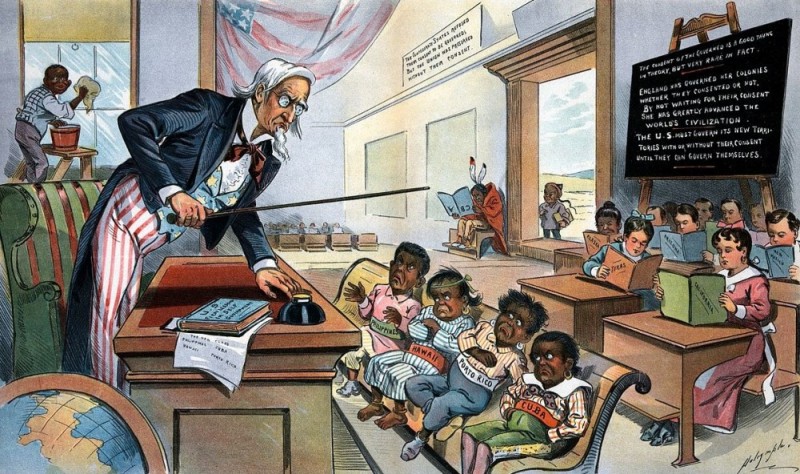
    Cartoon: canadiandimensions.com    Caricature showing Uncle Sam lecturing four children labelled Phillippines (who appears similar to Phillippine leader Emilio Aguinaldo), Hawaii, Porto (sic) Rio, and Cuba in front of children holding books labelled with various US states. In the background are an American Indian holding a book upside down, a Chinese boy at the door and a black boy cleaning the window. Originally published on p. 8-9 of the January 25, 1899 issue of Puck magazine.

  • Valuing Folk Crop Varieties for Agroecology and Food Security

    Valuing Folk Crop Varieties for Agroecology and Food Security

    India’s Ministry of Environment, Forest and Climate Change (MoEFCC) has recently, through an office memorandum, excluded the new generation genetically modified (GM) plants – also known as genetically edited (GE) plants – from the ambit of India’s biosafety rules. The use of GMO plant seeds like Monsanto’s Bt Cotton gave promising results initially but over a longer period it has resulted in many problems leading to large number of marginal farmer suicides. Based on this bitter experience the Government of India has brought in place very stringent bio-safety rules. However, with new biotech breakthroughs like Genome Editing techniques, there is a huge pressure from corporate giants like Monsanto, Bayer etc to open up agricultural markets in major countries like India and the global south. There is a fear that American capitalism driven biotech companies may destroy indigenous bio-diversities that could result in food insecurity in the long run. India adopted ‘Green Revolution’ in a big way to increase its food production. It lead to the use of High Yield Variety seeds and mono-cultural farming in a big way. Half a century later, there is a need to review the after effects of the ‘Green Revolution’ as the country is plagued by over use of fertilisers, pesticides, water scarcity, increasing salinity, and battling loss of nutrition in farmlands due to the loss of traditional crop diversity. India was home to a vast gene pool of 110000 varieties of native rice before the Green revolution, of which less than 600 are surviving today. The use of GMO crops will lead to further destruction of Indian food diversity. Genome editing, a newer technology, should be examined carefully from a policy perspective. The European Union treats all GMO and GE as one and therefore it has a single stringent policy. Dr Debal Deb has done a pioneering work in saving many of the indigenous rice varieties and campaigns against the industrial agriculture. His is a larger and vital perspective of Agricultural ecology. The Peninsula Foundation revisits his article of 2009 to drive home the importance of preserving and enhancing India’s bio-diversity and agricultural ecology as pressures from capitalist biotech predators loom large for commercial interests.

    – TPF Editorial Team

    On May 25, 2009, Hurricane Aila hit the deltaic islands of the Sunderban of West Bengal. The estuarine water surged and destroyed the villages. Farmer’s homes were engulfed by the swollen rivers, their properties vanished with the waves, and their means of livelihood disappeared, as illustrated by the empty farm fields, suddenly turned salty. In addition, most of the ponds and bore wells became salinized.

    Since Aila’s devastation, there has been a frantic search for the salt-tolerant rice seeds created by the ancestors of the current Sunderban farmers. With agricultural modernization, these heirloom crop varieties had slipped through the farmers’ hands.

    But now, after decades of complacency, farmers and agriculture experts alike have been jolted into realizing that on the saline Sunderban soil, modern high-yield varieties are no match for the “primitive,” traditional rice varieties. But the seeds of those diverse salt-tolerant varieties are unavailable now; just one or two varieties are still surviving on the marginal farms of a few poor farmers, who now feel the luckiest. The government rice gene banks have documents to show that they have all these varieties preserved, but they cannot dole out any viable seeds to farmers in need. That is the tragedy of the centralized ex situ gene banks, which eventually serve as morgues for seeds, killed by decades of disuse.

    The only rice seed bank in eastern India that conserves salt-tolerant rice varieties in situ is Vrihi, which has distributed four varieties of salt-tolerant rice in small quantities to a dozen farmers in Sunderban. The success of these folk rice varieties on salinized farms demonstrates how folk crop genetic diversity can ensure local food security. These folk rice varieties also promote sustainable agriculture by obviating the need for all external inputs of agrochemicals.

    Folk Rice Varieties, the Best Bet

    Not only the salinization of soil in coastal farmlands but also the too-late arrival of the monsoon this year has caused seedlings of modern rice varieties to wither on all un-irrigated farms and spelled doom for marginal farmers’ food security throughout the subcontinent. Despite all the brouhaha about the much-hyped Green Revolution, South Asia’s crop production still depends heavily on the monsoon rains and too much, too late, too early, or too scanty rain causes widespread failure of modern crop varieties. Around 60 per cent of India’s agriculture is unirrigated and totally dependent on rain.

    In 2002, the monsoon failure in July resulted in a seasonal rainfall deficit of 19 percent and caused a profound loss of agricultural production with a drop of over 3 percent in India’s GDP (Challinor et al. 2006). This year’s shortfall of the monsoon rain is likely to cause production to fall 10 to 15 million tons short of the 100 million tons of total production forecast for India at the beginning of the season (Chameides 2009). This projected shortfall also represents about 3 percent of the expected global rice harvest of 430 million tons.

    In the face of such climatic vagaries, modern agricultural science strives to incorporate genes for adaptation — genes that were carefully selected by many generations of indigenous farmer-breeders centuries ago. Thousands of locally-adapted rice varieties (also called “landraces”) were created by farmer selection to withstand fluctuations in rainfall and temperature and to resist various pests and pathogens. Most of these varieties, however, have been replaced by a few modern varieties, to the detriment of food security.

    Until the advent of the Green Revolution in the 1960s, India was believed to have been home to about 110,000 rice varieties (Richharia and Govindasamy 1990), most of which have gone extinct from farm fields. Perhaps a few thousand varieties are still surviving on marginal farms, where no modern cultivar can grow. In the eastern state of West Bengal, about 5600 rice varieties were cultivated, of which 3500 varieties of rice were shipped to the International Rice Research Institute (IRRI) of the Philippines during the period from 1975 to 1983 (Deb 2005). After an extensive search over the past fourteen years for extant rice varieties in West Bengal and a few neighboring states, I was able to rescue only 610 rice landraces from marginal farms. All others–about 5000–have disappeared from farm fields. The 610 extant rice varieties are grown every year on my conservation farm, Basudha. Every year, these seeds are distributed to willing farmers from the Vrihi seed bank free of charge.

    Vrihi (meaning “rice seed” in Sanskrit) is the largest non-governmental seed repository of traditional rice varieties in eastern India. These varieties can withstand a much wider range of fluctuations in temperature and soil nutrient levels as well as water stress than any of the modern rice varieties. This year’s monsoon delay has not seriously affected the survivorship and performance of the 610 rice varieties on the experimental farm, nor did the overabundant rainfall a few years earlier.

    Circumstances of Loss

    If traditional landraces are so useful, how could the farmers afford to lose them? The dynamics are complex but understandable. When government agencies and seed companies began promoting “miracle seeds,” many farmers were lured and abandoned their heirloom varieties. Farmers saw the initial superior yields of the high input–responsive varieties under optimal conditions and copied their “successful” neighbors. Soon, an increasing number of farmers adopted the modern, “Green Revolution” (GR) seeds, and farmers not participating in the GR were dubbed backward, anti-modern, and imprudent. Seed companies, state agriculture departments, the World Bank, universities, and national and international development NGOs (non-governmental organizations) urged farmers to abandon their traditional seeds and farming practices–both the hardware and software of agriculture. After a few years of disuse, traditional seed stocks became unviable and were thereby lost. Thus, when farmers began to experience failure of the modern varieties in marginal environmental conditions, they had no other seeds to fall back on. Their only option was, and still is, to progressively increase water and agrochemical inputs to the land. In the process, the escalating cost of modern agriculture eventually bound the farmers in an ever-tightening snare of debt. After about a century of agronomists’ faith in technology to ensure food security, farming has become a risky enterprise, with ever greater debt for farmers. Over 150,000 farmers are reported to have committed suicide between 1995 and 2004 in India (Government of India 2007), and the number grew by an annual average of 10,000 until 2007 (Posani 2009).

    The government gave ample subsidies for irrigation and fertilizers to convert marginal farms into more productive farms and boosted rice production in the first decade that GR seeds were used. Soon after, however, yield curves began to decline. After 40 years of GR, the productivity of rice is declining at an alarming rate (Pingali 1994). IRRI’s own study revealed yield decreases after cultivation of the “miracle rice variety” IR8 over a 10-year period (Flinn et al 1982). Today, just to keep the land productive, rice farmers in South Asia apply over 11 times more synthetic nitrogen fertilizers and 12.8 times more phosphate fertilizers per hectare than they did in the late 1960s (FAI 2008). Cereal yield has plummeted back to the pre-GR levels, yet many farmers cannot recall that they had previously obtained more rice per unit of input than what they are currently getting. Most farmers have forgotten the average yields of the traditional varieties and tend to believe that all traditional varieties were low-yielding. They think that the modern “high-yielding” varieties must yield more because they are so named.

    In contrast, demonstration of the agronomic performance of the 610 traditional rice varieties on Basudha farm over the past 14 years has convinced farmers that many traditional varieties can out-yield any modern cultivar. Moreover, the savings in terms of water and agrochemical inputs and the records of yield stability against the vagaries of the monsoon have convinced them of the economic advantages of ecological agriculture over chemical agriculture. Gradually, an increasing number of farmers have been receiving traditional seeds from the Vrihi seed bank and exchanging them with other farmers. As of this year, more than 680 farmers have received seeds from Vrihi and are cultivating them on their farms. None of them have reverted to chemical farming or to GR varieties.

    Extraordinary Heirlooms

    Every year, farmer-researchers meticulously document the morphological and agronomic characteristics of each of the rice varieties being conserved on our research farm, Basudha. With the help of simple equipment–graph paper, rulers, measuring tape, and a bamboo microscope (Basu 2007)–the researchers document 30 descriptors of rice, including leaf length and width; plant height at maturity; leaf and internode color; flag leaf angle; color and size of awns; color, shape and size of rice seeds and decorticated grains; panicle density; seed weight; dates of flowering and maturity; presence or absence of aroma; and diverse cultural uses.

    Vrihi’s seed bank collection includes numerous unique landraces, such as those with novel pigmentation patterns and wing-like appendages on the rice hull. Perhaps the most remarkable are Jugal, the double-grain rice, and Sateen, the triple-grain rice. These characteristics have been published and copyrighted (Deb 2005) under Vrihi’s name to protect the intellectual property rights of indigenous farmers.

    A few rice varieties have unique therapeutic properties. Kabiraj-sal is believed to provide sufficient nutrition to people who cannot digest a typical protein diet. Our studies suggest that this rice contains a high amount of labile starch, a fraction of which yields important amino acids (the building blocks of proteins). The pink starch of Kelas and Bhut moori is an essential nutrient for tribal women during and after pregnancy, because the tribal people believe it heals their anemia. Preliminary studies indicate a high content of iron and folic acid in the grains of these rice varieties. Local food cultures hold Dudh-sar and Parmai-sal in high esteem because they are “good for children’s brains.” While rigorous experimental studies are required to verify such folk beliefs, the prevalent institutional mindset is to discard folk knowledge as superstitious, even before testing it– until, that is, the same properties are patented by a multinational corporation.

    Traditional farmers grow some rice varieties for their specific adaptations to the local environmental and soil conditions. Thus, Rangi, Kaya, Kelas, and Noichi are grown on rainfed dryland farms, where no irrigation facility exists. Late or scanty rainfall does not affect the yield stability of these varieties. In flood-prone districts, remarkable culm elongation is seen in Sada Jabra, Lakshmi-dighal, Banya-sal, Jal kamini, and Kumrogorh varieties, which tend to grow taller with the level of water inundating the field. The deepest water that Lakshmi-dighal can tolerate was recorded to be six meters. Getu, Matla, and Talmugur can withstand up to 30 ppt (parts per thousand) of salinity, while Harma nona is moderately saline tolerant. No modern rice variety can survive in these marginal environmental conditions. Traditional crop varieties are often recorded to have out-yielded modern varieties in marginal environmental conditions (Cleveland et al. 2000).

    Farmer-selected crop varieties are not only adapted to local soil and climatic conditions but are also fine-tuned to diverse local ecological conditions and cultural preferences. Numerous local rice landraces show marked resistance to insect pests and pathogens. Kalo nunia, Kartik-sal, and Tulsi manjari are blast-resistant. Bishnubhog and Rani kajal are known to be resistant to bacterial blight (Singh 1989). Gour-Nitai, Jashua, and Shatia seem to resist caseworm (Nymphula depunctalis) attack; stem borer (Tryporyza spp.) attack on Khudi khasa, Loha gorah, Malabati, Sada Dhepa, and Sindur mukhi varieties is seldom observed.

    Farmers’ agronomic practices, adapting to the complexity of the farm food web interactions, have also resulted in selection of certain rice varieties with distinctive characteristics, such as long awn and erect flag leaf. Peasant farmers in dry lateritic areas of West Bengal and Jharkhand show a preference for long and strong awns, which deter grazing from cattle and goats (Deb 2005). Landraces with long and erect flag leaves are preferred in many areas, because they ensure protection of grains from birds.

    Different rice varieties are grown for their distinctive aroma, color, and tastes. Some of these varieties are preferred for making crisped rice, some for puffed rice, and others for fragrant rice sweets to be prepared for special ceremonies. Blind to this diversity of local food cultures and farm ecological complexity, the agronomic modernization agenda has entailed drastic truncation of crop genetic diversity as well as homogenization of food cultures on all continents.

    Sustainable Agriculture and Crop Genetic Diversity

    Crop genetic diversity, which our ancestors enormously expanded over millennia (Doebley 2006), is our best bet for sustainable food production against stochastic changes in local climate, soil chemistry, and biotic influences. Reintroducing the traditional varietal mixtures in rice farms is a key to sustainable agriculture. A wide genetic base provides “built-in insurance” (Harlan 1992) against crop pests, pathogens, and climatic vagaries.

    Traditional crop landraces are an important component of sustainable agriculture because their long-term yield stability is superior to most modern varieties. An ample body of evidence exists to indicate that whenever there is a shortage of irrigation water or of fertilizers–due to drought, social problems, or a disruption of the supply network– “modern crops typically show a reduction in yield that is greater and covers wider areas, compared with folk varieties” (Cleveland et al. 1994). Under optimal farming conditions, some folk varieties may have lower mean yields than high-yield varieties but exhibit considerably higher mean yields in the marginal environments to which they are specifically adapted.

    All these differences are amply demonstrated on Basudha farm in a remote corner of West Bengal, India. This farm is the only farm in South Asia where over 600 rice landraces are grown every year for producing seeds. These rice varieties are grown with no agrochemicals and scant irrigation. On the same farm, over 20 other crops, including oil seeds, vegetables, and pulses, are also grown each year. To a modern, “scientifically trained” farmer as well as a professional agronomist, it’s unbelievable that over the past eight years, none of the 610 varieties at Basudha needed any pesticides–including bio-pesticides–to control rice pests and pathogens. The benefit of using varietal mixtures to control diseases and pests has been amply documented in the scientific literature (Winterer et al. 1994; Wolfe 2000; Leung et al. 2003). The secret lies in folk ecological wisdom: biological diversity enhances ecosystem persistence and resilience. Modern ecological research (Folke et al. 2004; Tilman et al. 2006; Allesina and Pascual 2008) supports this wisdom.

    If the hardware of sustainable agriculture is crop diversity, the software consists of biodiversity-enhancing farming techniques. The farming technique is the “program” of cultivation and can successfully “run” on appropriate hardware of crop genetic and species diversity. In the absence of the appropriate hardware however, the software of ecological agriculture cannot give good results, simply because the techniques evolved in an empirical base of on-farm biodiversity. Multiple cropping, the use of varietal mixtures, the creation of diverse habitat patches, and the fostering of populations of natural enemies of pests are the most certain means of enhancing agroecosystem complexity. More species and genetic diversity mean greater complexity, which in turn creates greater resilience–that is, the system’s ability to return to its original species composition and structure following environmental perturbations such as pest and disease outbreaks or drought, etc.

    Ecological Functions of On-Farm Biodiversity

    Food security and sustainability at the production level are a consequence of the agroecosystem’s resilience, which can only be maintained by using diversity on both species and crop genetic levels. Varietal mixtures are a proven method of reducing diseases and pests. Growing companion crops like pigeonpea, chickpea, rozelle, yams, Ipomea fistulosa, and hedge bushes provide alternative hosts for many herbivore insects, thereby reducing pest pressure on rice. They also provide important nutrients for the soil, while the leaves of associate crops like pigeonpea (Cajanus cajan) can suppress growth of certain grasses like Cyperus rotundus.

    Pest insects and mollusks can be effectively controlled, even eliminated, by inviting carnivorous birds and reptiles (unless they have been eliminated from the area by pesticides and industrial toxins). Erecting bamboo “T’s” or placing dead tree branches on the farm encourages a range of carnivorous birds, including the drongo, bee eaters, owls, and nightjars, to perch on them. Leaving small empty patches or puddles of water on the land creates diverse ecosystems and thus enhances biodiversity. The hoopoe, the cattle egret, the myna, and the crow pheasant love to browse for insects in these open spaces.

    Measures to retain soil moisture to prevent nutrients from leaching out are also of crucial importance. The moisturizing effect of mulching triggers certain key genes that synergistically operate to delay crop senescence and reduce disease susceptibility (Kumar et al. 2004). The combined use of green mulch and cover crops nurtures key soil ecosystem components–microbes, earthworms, ants, ground beetles, millipedes, centipedes, pseudoscorpions, glow worms, and thrips — which all contribute to soil nutrient cycling.

    Agricultural sustainability consists of long-term productivity, not short-term increase of yield. Ecological agriculture, which seeks to understand and apply ecological principles to farm ecosystems, is the future of modern agriculture. To correct the mistakes committed in the course of industrial agriculture over the past 50 years, it is imperative that the empirical agricultural knowledge of past centuries and the gigantic achievements of ancient farmer-scientists are examined and employed to reestablish connections to the components of the agroecosystem. The problems of agricultural production that arise from the disintegration of agorecosystem complexity can only be solved by restoring this complexity, not by simplifying it with technological fixes.

    Further Reading and Resources: in situ conservation and agroecology

    References

    Allesina S and Pascual M (2008). Network structure, predator-prey modules, and stability in large food webs. Theoretical Ecology 1(1):55-64.

    Basu, P (2007). Microscopes made from bamboo bring biology into focus. Nature Medicine 13(10): 1128. http://www.nature.com/nm/journal/v13/n10/pdf/nm1007-1128a.pdf.

    Challinor A, Slingo J, Turner A and Wheeler T (2006). Indian Monsoon: Contribution to the Stern Review. University of Reading. www.hm-treasury.gov.uk/d/Challinor_et_al.pdf.

    Chameides B (2009). Monsoon fails, India suffers. The Green Grok. Nicholas School of the Environment at Duke University. www.nicholas.duke.edu/thegreengrok/monsoon_india.

    Cleveland DA, Soleri D and Smith SE (1994). Do folk crop varieties have a role in sustainable agriculture? BioScience 44(11): 740–751.

    Cleveland DA, Soleri D and Smith SE (2000). A biological framework for understanding farmers’ plant breeding. Economic Botany 54(3): 377–394.

    Deb D (2005). Seeds of Tradition, Seeds of Future: Folk Rice Varieties from east India. Research Foundation for Science Technology & Ecology. New Delhi.

    Doebley J (2006). Unfallen grains: how ancient farmers turned weeds into crops. Science 312(5778): 1318–1319.

    FAI (2008). Fertiliser Statistics, Year 2007-2008. Fertilizer Association of India. New Delhi. http://www.faidelhi.org/

    Flinn JC, De Dutta SK and Labadan E (1982). An analysis of long term rice yields in a wetland soil. Field Crops Research 7(3): 201–216.

    Folke C, Carpenter S, Walker B, Scheffer M, Elmqvist T, Gunderson L and Holling CS (2004). Regime shifts, resilience and biodiversity in ecosystem management. Annual Review of Ecology, Evolution and Systematics 35: 557–581.

    Government of India (2007). Report of the Expert Group on Agricultural Indebtedness. Ministry of Agriculture. New Delhi. http://www.igidr.ac.in/pdf/publication/PP-059.pdf

    Harlan JR (1992) Crops and Man (2nd edition). , p. 148. American Society of Agronomy, Inc and Crop Science Society of America, Inc., Madison, WI.

    Kumar V, Mills DJ, Anderson JD and Mattoo AK (2004). An alternative agriculture system is defined by a distinct expression profile of select gene transcripts and proteins. PNAS 101(29): 10535–10540

    Leung H, Zhu Y, Revilla-Molina I, Fan JX, Chen H, Pangga I, Vera Cruz C and Mew TW (2003). Using genetic diversity to achieve sustainable rice disease management. Plant Disease 87(10): 1156–1169.

    Pingali PI (1994). Technological prospects for reversing the declining trend in Asia’s rice productivity. In: Agricultural Technology: Policy Issues for the International Community (Anderson JR, ed), pp. 384–401. CAB International.

    Posani B (2009). Crisis in the Countryside: Farmer suicides and the political economy of agrarian distress in India. DSI Working Paper No. 09-95. Development Studies Institute, London School of Economics and Political Science. London. http://www.lse.ac.uk/collections/DESTIN/pdf/WP95.pdf

    Richharia RH and Govindasamy S (1990). Rices of India. Academy of Development Science. Karjat.

    Note: The only reliable data are given in Richharia and Govindasamy (1990), who estimated that about 200,000 varieties existed in India until the advent of the Green Revolution. Assuming many of these folk varieties were synonymous, an estimated 110,000 varieties were in cultivation. Such astounding figures win credibility from the fact that Dr. Richharia collected 22,000 folk varieties (currently in custody of Raipur University) from Chhattisgarh alone – one of the 28 States of India. The IRRI gene bank preserves 86,330 accessions from India [FAO (2003) Genetic diversity in rice. In: Sustainable rice production for food security. International Rice Commission/ FAO. Rome. (web publication) URL: http://www.fao.org/docrep/006/y4751e/y4751e0b.htm#TopOfPage ]

    Singh RN (1989). Reaction of indigenous rice germplasm to bacterial blight. National Academy of Science Letters 12: 231-232.

    Tilman D, Reich PB and Knops JMH (2006). Biodiversity and ecosystem stability in a decade-long grassland experiment. Nature 441: 629-632.

    Winterer J, Klepetka B, Banks J and Kareiva P (1994). Strategies for minimizing the vulnerability of rice to pest epidemics. In: Rice Pest Science and Management. (Teng PS, Heong KL and Moody K, eds.), pp. 53–70. International Rice Research Institute, Manila.

    Wolfe MS (2000). Crop strength through diversity. Nature 406: 681–682.

    This article was published earlier in Independent Science News and is republished under the Creative Commons Attribution 3.0 License.

    Feature Image Credit: www.thebetterindia.com

  • Recent advances in the use of ZFN-mediated gene editing for human gene therapy

    Recent advances in the use of ZFN-mediated gene editing for human gene therapy

    Targeted genome editing with programmable nucleases has revolutionized biomedical research. The ability to make site-specific modifications to the human genome, has invoked a paradigm shift in gene therapy. Using gene editing technologies, the sequence in the human genome can now be precisely engineered to achieve a therapeutic effect. Zinc finger nucleases (ZFNs) were the first programmable nucleases designed to target and cleave custom sites. This article summarizes the advances in the use of ZFN-mediated gene editing for human gene therapy and discusses the challenges associated with translating this gene editing technology into clinical use.

    Zinc finger nucleases: first of the programmable nucleases

    In the late seventies, scientists observed that when DNA is transfected into yeast cells, it integrates at homologous sites by homologous recombination (HR). In stark contrast, when DNA was transfected into mammalian cells, it was found to integrate randomly at non-homologous sites by non-homologous end joining (NHEJ). HR events were so rare that it required laborious positive and negative selection techniques to detect them in mammalian cells [1]. Later work performed by Maria Jasin’s lab using I-SceI endonuclease (a meganuclease) and a homologous DNA fragment with sequences flanking the cleavage site, revealed that a targeted chromosomal double-strand break (DSB) at homologous sites can stimulate gene targeting by several orders of magnitude in mammalian cells that are refractory to spontaneous HR [2]. However, for this experiment to be successful, the recognition site for I-SceI endonuclease had to be incorporated at the desired chromosomal locus of the mammalian genome by classical HR techniques. Thus, the generation of a unique, site-specific genomic DSB had remained the rate limiting step in using homology-directed repair (HDR) for robust and precise genome modifications of human cells, that is, until the creation of zinc finger nucleases (ZFNs) – the first of the programmable nucleases that could be designed to target and cleave custom sites [3,4].

    Because HR events are very rare in human cells, classical gene therapy – use of genes to achieve a therapeutic effect – had focused on the random integration of normal genes into the human genome to reverse the adverse effects of disease-causing mutations. The development of programmable nucleases – ZFNs, TALENs and CRISPR-Cas9 – to deliver a targeted DSB at a pre-determined chromosomal locus to induce genome editing, has revolutionized the biological and biomedical sciences. The ability to make site-specific modifications to the human genome has invoked a paradigm shift in gene therapy. Using gene-editing technologies, the sequence in the human genome can now be precisely engineered to achieve a therapeutic effect. Several strategies are available for therapeutic gene editing which include: 1) knocking-out genes by NHEJ; 2) targeted addition of therapeutic genes to a safe harbour locus of the human genome for in vivo protein replacement therapy (IVPRT); and 3) correction of disease-causing mutations in genes.

    The first truly targetable reagents were the ZFNs that showed that arbitrary DNA sequences in the human genome could be cleaved by protein engineering, ushering in the era of human genome editing [4]. We reported the creation of ZFNs by fusing modular zinc finger proteins (ZFPs) to the non-specific cleavage domain of the FokI restriction enzyme in 1996 [3]. ZFPs are comprised of ZF motifs, each of which is composed of approximately 30 amino acid residues containing two invariant pairs of cysteines and histidines that bind a zinc atom. ZF motifs are highly prevalent in eukaryotes. The Cys2His2 ZF fold is a unique ββα structure that is stabilized by a zinc ion [5]. Each ZF usually recognizes a 3–4-bp sequence and binds to DNA by inserting the α-helix into the major groove of the double helix. Three to six such ZFs are linked together in tandem to generate a ZFP that binds to a 9–18-bp target site within the genome. Because the recognition specificities can be manipulated experimentally, ZFNs offered a general means of delivering a unique, site-specific DSB to the human genome. Furthermore, studies on the mechanism of cleavage by 3-finger ZFNs established that the cleavage domains must dimerize to affect an efficient DSB and that their preferred substrates were paired binding sites (inverted repeats) [6]. This realization immediately doubled the size of the target sequence recognition of 3-finger ZFNs from 9- to 18-bp, which is long enough to specify a unique genomic address within cells. Moreover, two ZFNs with different sequence specificities could cut at heterologous binding sites (other than inverted repeats), when they are appropriately positioned and oriented within a genome.

    ZFNs paved the way for human genome editing

    In collaboration with Dana Carroll’s lab, we then showed that a ZFN-induced DSB stimulates HR in frog oocytes in 2001 [7]. The groundbreaking experiments on ZFNs established the potential for inducing targeted recombination in a variety of organisms that are refractory to spontaneous HR, and ushered in the era of site-specific genome engineering, also commonly known as genome editing. A number of studies using ZFNs for genome editing in different organisms and cells, soon followed [4,8–10]. The modularity of DNA recognition by ZFs, made it possible to design ZFNs for a multitude of genomic targets for various biological and biomedical applications [4]. Thus, the ZFN platform laid the foundation for genome editing and helped to define the parameters and approaches for nuclease-based genome engineering.

    Despite the remarkable successes of ZFNs, the modularity of ZF recognition did not readily translate into a simple code that enabled easy assembly of highly specific ZFPs from ZF modules. Generation of ZFNs with high sequence specificity was difficult to generate for routine use by at large scientists. This is because the ZF motifs do not always act as completely independent modules in their DNA sequence recognition; they are influenced more often than not by their neighbours. ZF motifs that recognize each of the 64 possible DNA triplets with high specificity, never materialized. Simple modular assembly of ZFs did not always yield highly specific ZFPs, hence ZFNs. Thus, DNA recognition by ZF motifs turned out to be more complex than originally perceived. With this realization came the understanding that the ZFPs have to be selected in a context-dependent manner that required several cycles of laborious selection techniques and further optimization. This is not to say that it can’t be done, but just that it requires substantial cost and time-consuming effort. This is evidenced by the successful ZFN-induced genome editing applications to treat a variety of human diseases that are underway. For example, ZFN-induced mutagenesis of HIV co-receptor CCR5 as a form of gene therapy has the potential to provide a functional cure for HIV/AIDS.

    Successor technologies – TALENs and CRISPR/Cas9 – have made the delivery of a site-specific DSB to the mammalian genome much easier and simpler. Custom nuclease design was facilitated further by the discovery of TAL effector proteins from plant pathogens, in which two amino acids (repeat variable di-residues, also known as RVDs) within a TAL module, recognize a single base pair, independent of the neighbouring modules [11,12]. In a similar fashion to ZFNs, TAL effector modules were fused to the FokI cleavage domain to form TAL effector nucleases, known as TALENs [13]. The development of TALENs simplified our ability to make custom nucleases by straightforward modular design for the purposes of genome editing. However, the discovery of CRISPR/Cas9 – an RNA-guided nuclease in bacterial adoptive immunity – has made it even easier and cheaper, given that no protein engineering is required [14–17]. A constant single nuclease (Cas9) is used for cleavage together with an RNA that directs the target site specificity based on Watson-Crick base pairing. CRISPR/Cas9 system has democratized the use of genome editing, by making it readily accessible and affordable by small labs around the world.

    ZFN specificity & safety

    The efficacy of ZFNs to a large extent depends on the specificity of the ZFPs that are fused to the FokI nuclease domain. The higher the specificity of the ZFPs, the lower the ZFN’s off-target cleavage, and hence toxicity. The early ZFNs designed for genomic targets displayed significant off-target activity and toxicity due to promiscuous binding and cleavage, particularly when encoded in plasmids and expressed in high levels in human cells. One way to increase the specificity of the ZFNs is to increase the number of ZF motifs within each ZFN of the pair. This helps to improve specificity, but it is not always sufficient. Many different mechanisms could account for the off-target activity. They include ZFNs binding to single or unintended target sites as well as to homodimer sites (the inverted repeat sites for each of the ZFN pair). Binding of a ZFN monomer to single or unintended target sites could be followed by dimerization of the cleavage domain to another monomer in solution. Therefore, one approach to reduce ZFNs toxicity is to re-design the dimer interface of the cleavage domains to weaken the interaction and generate a heterodimer variant pair that will actively cleave only at heterodimer binding sites and not at the homodimer or single or unintended binding sites. We had previously shown that the activity of the ZFNs could be abolished by mutating the amino acid residues that form the salt bridges at the FokI dimer interface [6]. Two groups achieved a reduction in ZFN’s off-target cleavage activity and toxicity by introducing amino acid substitutions at the dimer interface of the cleavage domain that inhibited homodimer formation, but promoted the obligate heterodimer formation and cleavage [18,19]. We showed further improvements to the obligate heterodimer ZFN pairs by combining the amino acid substitutions reported by the two groups [20].

    Another approach to reducing ZFN toxicity is to use ZF nickases that cleave at only one predetermined DNA strand of a targeted site. ZFN nickases are produced by inactivating the catalytic domain of one monomer within the ZFN pair [4]. ZFN nickases induce greatly reduced levels of mutagenic NHEJ, since nicks are not efficient substrates for NHEJ. However, this comes at a cost, in terms of lowered efficiency of cleavage. A standard approach that has been widely used to increase the sequence specificity of ZFPs (and the DNA binding proteins in general) is to abolish non-specific protein contacts to the DNA backbone by amino acid substitutions. Again, this comes at the price of ZFPs’ lowered binding affinity for their targets, resulting in lower efficiency of on-target cleavage.

    Methods for ZFN delivery into cells

    The first experiments to show that ZFNs were able to cleave a chromatin substrate and stimulate HR in intact cells were performed by microinjection of ZFNs (proteins) and synthetic substrates into Xenopus oocytes [7]. Plasmid-encoded ZFNs and donors have also been co-transfected into human cells by using electroporation, nucleofection or commercially available chemical reagents. This potentially has two drawbacks: 1) the plasmids continue to express the ZFNs that accumulate at high levels in cells, promoting promiscuous DNA binding and off-target cleavage; and 2) there is also the possibility that the plasmid could integrate into the genome of the cells. To circumvent these problems, one could transfect mRNAs coding for the ZFNs along with donor DNA into cells. Adeno-associated virus (AAV) and lentivirus (LV) are the common vehicles used for the delivery of ZFNs and the donor into human cells.

    First-in-human study

    ZFN-mediated CCR5 disruption was the first-in-human application of genome editing, which was aimed at blocking HIV entry into cells [21]. Most HIV strains use CCR5 co-receptor to enter into cells. The CCR5∆32 allele contains a 32-bp deletion that results in a truncated protein; it is not expressed on the cell surface. The allele confers protection against HIV-1 infection without any adverse health effects in homozygotes. Heterozygotes show reduced levels of CCR5; their disease progression to AIDs is delayed by 1 to 2 years. The potential benefit of CCR5 targeted gene therapy was highlighted in the only reported case of an HIV cure. The so-called “Berlin patient” received allogeneic bone marrow transplants from a CCR5∆32 donor during treatment of acute myeloid leukaemia and ever since has remained HIV-1 free without antiviral treatment (ART). This report gave impetus to gene therapy efforts to create CCR5-negative autologous T cells or hematopoietic stem/progenitor cells (HSPCs) in HIV-infected patients. The expectation was that the edited cells will provide the same anti-HIV effects as in the Berlin patient, but without the risks associated with the allogeneic transplantation. CCR5 knockout via NHEJ was used in this strategy, since gene modification efficiency by HDR is relatively low. ZFN-induced genome editing of CCR5 is the most clinically advanced platform, with several ongoing clinical trials in T cells and HSPCs [22].

    The Phase I clinical trial (#NCT00842634), of knocking out the CCR5 receptor to treat HIV, was conducted by Carl June’s lab in collaboration with Sangamo Biosciences (California) scientists. The goal was to assess the safety of modifying autologous CD4+ T cells in HIV-1–infected individuals [21]. Twelve patients on ART were infused with autologous CD4+ T cells, in which the CCR5 gene was inactivated by ZFN treatment. The study reported: 1) a significant increase in CD4+T cells post-infusion; and 2) long-term persistence of CCR5-modified CD4+ T cells in peripheral blood and mucosal tissue. The therapeutic effects of the ZFN treatment in five patients were monitored by a 12-week interruption of ART. The study established that the rate of decline of the CCR5-modified CD4+ T cells was slower than that of the unmodified cells, indicating a protective effect of CCR5 disruption [22]. One patient showed both delayed viral rebound and a peak viral count that was lower than the patient’s historical levels. This patient was later identified as being heterozygous for CCR5∆32, which suggested that the beneficial effects of the ZFN treatment were magnified in this patient, probably due to increased levels of bi-allelic modification [22]. Thus, heterozygous individuals may have a greater potential for a functional HIV cure. The obvious next step is to apply the ZFN treatment to earlier precursors or stem cells. Editing HSPCs instead of CD4+ T cells have the potential to provide a long-lasting source of modified cells. The success of this strategy has been established in preclinical studies [23] and a recent clinical trial (#NCT02500849) has been initiated using this approach. Programs to disrupt CCR5 in T cells and HSPCs, using the other nuclease platforms that include TALENs, CRISPR/Cas9 and megaTALs (a meganuclease fused to TAL effector modules), are also underway; these are at the pre-clinical stage.

    ZFN preclinical trials aimed at treating human monogenic diseases

    Sangamo Biosciences, Inc. has leveraged its proprietary database of proven ZFNs (that includes an extensive library of functional ZF modules and 2-finger units for the assembly of highly specific ZFNs) and its ZFN patent portfolio to enter into research collaborations with academic scientists for the application of ZFN-mediated gene editing strategies to treat a number of human diseases. Many of these programs are at the preclinical stage.

    An interesting gene editing approach is gene replacement therapy. ZFN-mediated gene editing has shown promise for in vivo correction of the hFIX gene in hepatocytes of haemophilia B mice. Katherine High’s lab in collaboration with Sangamo scientists, is developing a general strategy for liver-directed protein replacement therapies using ZFN-mediated site-specific integration of therapeutic transgenes within the albumin gene locus [24]. Using in vivo AAV delivery, they have achieved long-term expression of hFVIII and hFIX in mouse models of haemophilia A and B at therapeutic levels. Because albumin is very highly expressed, modifying less than 1% of liver cells can produce therapeutic levels of relevant proteins, essentially correcting the disorders. Several pre-clinical studies are now underway to develop liver-directed protein replacement therapies for lysosomal storage disorders including Hurler, Hunter, Gaucher, Fabry and many others. We have previously shown that the CCR5 gene could serve as a safe harbour locus for protein replacement therapies [25]. We reported that by targeted addition of the large CFTR transcription unit at the CCR5 chromosomal locus of human-induced pluripotent stem cells (hiPSCs), one could achieve efficient CFTR expression. Thus, therapeutic genes could be expressed from the CCR5 chromosomal locus for autologous cell-based transgene-correction therapy to treat various recessive monogenic human disorders. Other safe harbour loci such as AAVS1 in the human genome are also available for gene replacement therapy.

    Many labs around the world are also working to develop gene-editing strategies to treat several other diseases such as sickle cell anaemia, SCID, cancer (CAR T cells for immunotherapy) and many others, which are not discussed here. A list of clinical and pre-clinical studies using genome editing technologies for gene and cell therapy of various diseases is outlined elsewhere [26].

    Challenges facing ZFN-based gene editing before routine translation to the clinic

    Several challenges still remain that need to be addressed before we see the routine translation of ZFN-based gene editing to the clinic. They include: 1) potential harmful human genome perturbations due to off-target DSBs, which may be genotoxic or oncogenic; 2) current gene editing efficiencies may not be sufficient for certain diseases, particularly where gene-edited cells have no survival advantage; 3) safe and efficient delivery of ZFNs into target cells and tissues, when using the in vivo approach; and 4) the treatment costs, if and when ZFN-based gene editing is translated to clinic for routine use.

    First, these gene-editing tools need further refinement before they can be safely and effectively used in the clinic. The off-target effects of gene editing technologies are discussed in detail elsewhere [4]. The efficacy of ZFNs is largely governed by the specificity of the ZFPs that are fused to the FokI cleavage domain. The higher the specificity of the ZFPs, the lower the ZFNs’ off-target cleavage is and hence toxicity. As seen with the CCR5 clinical trial, some highly evolved ZFNs are very specific. In the clinic, engineered highly specific ZFNs will be used repeatedly to treat many different individuals [4]. Therefore, the design and construction of highly evolved ZFNs for a particular disease target, will likely be a small part of the overall effort.

    Second, further improvements to gene editing efficiencies are needed for successful therapeutic genome editing. HSPCs gene editing may not yield a sufficient number of edited cells for autologous transplantation due to the difficulties associated with the ex vivo culture and expansion. An alternative approach is to modify patient-specific iPSCs, which then could be reprogrammed into HSPCs. Since clonal selection, expansion and differentiation of gene edited iPSCs are performed ex vivo, this may enable very high editing efficiencies, particularly when coupled with HDR-mediated insertion of a selection cassette. This would also allow for complete genome-wide analysis of gene edited cells for off-target effects. The patient-specific ex vivo approach has the potential to become a viable clinical alternative to modifying autologous HSPCs [25, 27]. In the case of autosomal recessive disorders that require two copies of the gene to be mutated, correction of mono-allele in sufficient number of cells may be enough to confer a therapeutic effect in patients. However, in the case of autosomal dominant disorders that require only one mutated copy of the gene, bi-allelic modification in sufficient number of cells, will be essential to achieve a therapeutic effect in patients. Therefore, methods need to be developed to increase the levels of bi-allelic modification in human cells.

    Third, another potential issue pertains to the safe and efficient delivery of ZFNs into the appropriate target cells and tissues [4]. ZFNs are much smaller than TALENs or Cas9. Therefore, ZFNs can be readily delivered using AAV or LV constructs. The method of ZFN delivery could also vary depending on the human cell types. For example, Ad5/F35-mediated delivery of ZFNs was very efficient in CD4+ T cells while it was less efficient in HSPCs [23]. The nontoxic mRNA electroporation has been efficient for the introduction of ZFNs into HSPCs. This approach has been adapted in a recent clinical trial (#NCT02500849). Recently, Kohn’s lab compared the efficiency, specificity, and mutational signatures during the reactivation of fetal haemoglobin expression by BCL11A knock-out in human CD34+ progenitor cells, using ZFNs, TALENs and CRISPR/Cas9 [28]. ZFNs showed more allelic disruption in the BCL11A locus when compared to the TALENs or CRISPR/Cas9. This was consistent with increased levels of fetal haemoglobin in erythroid cells generated in vitro from gene-edited CD34+ cells. Genome-wide analysis revealed high specific BCL11A cleavage by ZFNs, while evaluated TALENs and CRISPR/Cas9 showed off-target cleavage activity. This study highlights the high variability in cleavage efficiencies at different loci and in different cell types by the different technology platforms. Therefore, there is a critical need to investigate ways to further optimize the delivery of these nucleases into human cells.

    Fourth, if and when therapeutic gene editing is translated into clinics for routine use, a major challenge will relate to the treatment costs associated with these technologies. In the age of $1000 per pill and $100,000 – $300,000 per year treatment costs for certain chronic disease conditions, it is critical to simplify these 21st century cures, if they are to become accessible and affordable for the average citizen and the poor populations of the third world. Many labs are working towards simultaneous gene correction and generation of patient-specific iPSCs to simplify treatment [4]. CRISPR/Cas9 may be best suited for this strategy [29].

    Finally, since all these gene-editing platforms have been shown to cleave at off-target sites with mutagenic consequences, a word of caution is warranted: a careful, systematic and thorough investigation of off-target effects at the genome-wide scale, for each and every reagent that will be used to treat human diseases, is absolutely essential to ensure patient safety. For these reasons, therapeutic gene editing by these technology platforms, will ultimately depend on risk versus benefit analysis and informed consent.

    Financial & competing interests disclosure

    Dr Chandrasegaran is the inventor of the ZFN technology. Johns Hopkins University (JHU) licensed the technology exclusively to Sangamo Biosciences, Inc. (concomitant to its formation in 1995) to develop ZFNs for various biological and biomedical applications. As part of the JHU licensing agreement, Dr Chanrasegaran served on the Sangamo scientific advisory board from 1995 to 2000 and received royalties and stock as per JHU guidelines. The JHU ZFN patents expired in 2012 and became part of the public domain. No writing assistance was utilized in the production of this manuscript.

    References

    1. Mansour SL, Thomas KR, Cappechi M. Disruption of proto-oncogene int-2 in mouse embryo-derived stem cells: a general strategy for targeting mutations to non-selectable genes. Nature 1988; 366: 348–52.
    CrossRef

    2. Rouet P, Smith F, Jasin M. Expression of a site-specific endonuclease stimulates homologous recombination in mammalian cells. Proc. Natl Acad. Sci. USA 1994; 91: 6064–8.
    CrossRef

    3. Kim Y-G, Cha J, Chandrasegaran S. Hybrid restriction enzymes: Zinc finger fusions to FokI cleavage domain. Proc. Natl Acad. Sci. USA 1996; 93: 1156–60.
    CrossRef

    4. Chandrasegaran S, Carroll D. Origins of programmable nucleases for genome engineering. J. Mol. Biol. 2016; 428: 963–89.
    CrossRef

    5. Pavletich NP, Pabo CO. Zinc finger-DNA recognition: crystal structure of a Zif268-DNA complex at 2.1 Å. Science 1991; 252: 809–17.
    CrossRef

    6. Smith JJ, Bibikova M, Whitby F, Reddy AR, Chandrasegaran S, Carroll D. Requirements for double-strand cleavage by chimeric restriction enzymes with zinc finger DNA-Recognition domain. Nucleic Acids Res. 2000; 28: 3361–9.
    CrossRef

    7. Bibikova M, Carroll D, Segal DJ et al. Stimulation of homologous recombination through targeted cleavage by a chimeric nuclease.Mol. Cell. Biol. 2001; 21: 289–97.
    CrossRef

    8. Bibikova M, Golic M, Golic KG, Carroll D. Targeted chromosomal cleavage and mutagenesis in Drosophila using zinc-finger nucleases. Genetics 2002; 161: 1169–75.

    9. Bibikova M, Beumer K, Trautman JK, Carroll D. Enhancing gene targeting using designed zinc finger nucleases. Science 2003; 300: 764.
    CrossRef

    10. Urnov FD, Miller JC, Lee YL et al. Highly efficient endogenous human gene correction using designed zinc-finger nucleases. Nature 2005; 435: 646–51.
    CrossRef

    11. Moscou MJ, Bogdanove AJ. A simple cipher governs DNA recognition by TAL effectors. Science 2009; 326: 1501.
    CrossRef

    12. Boch J, Scholze H, Schornack S. Breaking the code of DNA binding specificity of TAL-type III effectors. Science 2009; 326: 1509–12.
    CrossRef

    13. Christian M, Cermark T, Doyle EL et al. Targeting DNA double-strand breaks with TAL effector nucleases. Genetics 2010; 186: 757–61.
    CrossRef

    14. Gasiunas G, Barrangou R, Horvath P, Siksnys V. Cas9-crRNA ribonucleoprotein complex mediates specific DNA cleavage for adaptive immunity in bacteria. Proc. Natl Acad. Sci. USA 2012; 109: E2579–86.
    CrossRef

    15. Jinek M, Chylinski K, Fonfara I, Hauer M, Doudna JA, Charpentier E. A programmable dual-RNA-guided DNA endonuclease in adaptive bacterial immunity. Science 2012; 337: 816–21.
    CrossRef

    16. Mali P, Yang L, Esvelt KM et al. RNA-guided human genome engineering via Cas9. Science 2013; 339: 823–6.
    CrossRef

    17. Cong L, Ran FA, Cox D et al. Multiplex genome engineering using CRISPR/Cas systems. Science 2013; 339: 819–23.
    CrossRef

    18. Miller JC, Holmes MC, Wang J et al. An improved zinc-finger nuclease architecture for highly specific genome editing. Nat. Biotechnol. 2007; 25: 778–85.
    CrossRef

    19. Szczepek M, Brondani V, Buchel J et al. Structure-based redesign of the dimerization interface reduces the toxicity of zinc-finger nucleases. Nat. Biotechnol.2007; 25: 786-793.
    CrossRef

    20. Ramalingam S, Kandavelou K, Rajenderan R, Chandrasegaran S. Creating designed zinc finger nucleases with minimal cytotoxicity. J. Mol. Biol. 2011; 405: 630–41.
    CrossRef

    21. Tebas P, Stein D, Tang WW et al. Gene editing of CCR5 in autologous CD4 T cells of persons infected with HIV. N. Engl. J. Med. 2014; 370: 901–10.
    CrossRef

    22. Wang CX, Cannon PM. The clinical applications of genome editing in HIV. Blood 2016; 127: 2546–52.
    CrossRef

    23. DiGiusto DL, Cannon PM, Holmes MC et al. Preclinical development and qualification of ZFN-mediated CCR5 disruption in human hematopoietic stem/progenitor cells. Mol. Ther. Methods Clin. Dev. 2016; 3: 16067.
    CrossRef

    24. Sharma R, Anguela XM, Doyon Y et al. In vivo editing of the albumin locus as a platform for protein replacement therapy. Blood 2015; 126: 1777–84.
    CrossRef

    25. Ramalingam S, London V, Kandavelou K et al. Generation and genetic engineering of human induced pluripotent stem cells using designed zinc finger nucleases. Stem Cells Dev. 2013; 22: 595–610.
    CrossRef

    26. Maeder ML, Gersbach CA. Genome editing technologies for gene and cell therapy. Mol. Ther. 2016; 24: 430–46.
    CrossRef

    27. Ramalingam S, Annaluru N, Kandavelou K, Chandrasegaran S. TALEN-mediated generation and genetic correction of disease-specific hiPSCs. Curr. Gene Ther.2014; 14: 461–72.
    CrossRef

    28. Bjurström CF, Mojadidi M, Phillips J, Kuo C et al. Reactivating fetal hemoglobin expression in human adult erythroblasts through BCL11A knockdown using targeted nucleases. Mol. Ther. – Nucleic Acids 2016; 5: e351. 29.

    29. Howden SE, Maufort JP, Duffin BM et al. Simultaneous Reprogramming and Gene Correction of Patient Fibroblasts. Stem Cell Rep. 2015; 5: 1109–18.
    CrossRef

    This article was published earlier in 2017 in CELL & GENE THERAPY INSIGHTS. It is republished under the Creative Commons Licence.

    Feature Image Credit: www.nationalhogfarmer.com

  • Mining the Moon

    Mining the Moon

    In view of our upcoming event on ‘Scramble for the Skies: The Great Power Competition to control the Resources of Outer Space’, TPF is happy republish this old but excellent article under the Creative Commons License 4.0. Establishing outer space colonies and ‘mining the moon’ is a very distinct possibility in the near future. However, commercial scale of this process may take decades. Space resources, in terms of materials to be mined, will become the major focus in the coming decades.

    This article by Paul K Byrne was published originally in The Conversation.

    If you were transported to the Moon this very instant, you would surely and rapidly die. That’s because there’s no atmosphere, the surface temperature varies from a roasting 130 degrees Celsius (266 F) to a bone-chilling minus 170 C (minus 274 F). If the lack of air or horrific heat or cold don’t kill you then micrometeorite bombardment or solar radiation will. By all accounts, the Moon is not a hospitable place to be.

    Yet if human beings are to explore the Moon and, potentially, live there one day, we’ll need to learn how to deal with these challenging environmental conditions. We’ll need habitats, air, food and energy, as well as fuel to power rockets back to Earth and possibly other destinations. That means we’ll need resources to meet these requirements. We can either bring them with us from Earth – an expensive proposition – or we’ll need to take advantage of resources on the Moon itself. And that’s where the idea of “in-situ resource utilization,” or ISRU, comes in.

    Underpinning efforts to use lunar materials is the desire to establish either temporary or even permanent human settlements on the Moon – and there are numerous benefits to doing so. For example, lunar bases or colonies could provide invaluable training and preparation for missions to farther flung destinations, including Mars. Developing and utilizing lunar resources will likely lead to a vast number of innovative and exotic technologies that could be useful on Earth, as has been the case with the International Space Station.

    As a planetary geologist, I’m fascinated by how other worlds came to be, and what lessons we can learn about the formation and evolution of our own planet. And because one day I hope to actually visit the Moon in person, I’m particularly interested in how we can use the resources there to make human exploration of the solar system as economical as possible.

    A rendering of a possible lunar habitat. credit: Eos.org

    In-situ resource utilization

    ISRU sounds like science fiction, and for the moment it largely is. This concept involves identifying, extracting and processing material from the lunar surface and interior and converting it into something useful: oxygen for breathing, electricity, construction materials and even rocket fuel.

    Many countries have expressed a renewed desire to go back to the Moon. NASAhas a multitude of plans to do so, China landed a rover on the lunar farside in January and has an active rover there right now, and numerous other countrieshave their sights set on lunar missions. The necessity of using materials already present on the Moon becomes more pressing.

    Anticipation of lunar living is driving engineering and experimental work to determine how to efficiently use lunar materials to support human exploration. For example, the European Space Agency is planning to land a spacecraft at the lunar South Pole in 2022 to drill beneath the surface in search of water ice and other chemicals. This craft will feature a research instrument designed to obtain water from the lunar soil or regolith.

    There have even been discussions of eventually mining and shipping back to Earth the helium-3 locked in the lunar regolith. Helium-3 (a non-radioactive isotope of helium) could be used as fuel for fusion reactors to produce vast amounts of energy at very low environmental cost – although fusion as a power source has not yet been demonstrated, and the volume of extractable helium-3 is unknown. Nonetheless, even as the true costs and benefits of lunar ISRU remain to be seen, there is little reason to think that the considerable current interest in mining the Moon won’t continue.


    It’s worth noting that the Moon may not be a particularly suitable destination for mining other valuable metals such as gold, platinum or rare earth elements. This is because of the process of differentiation, in which relatively heavy materials sink and lighter materials rise when a planetary body is partially or almost fully molten.

    This is basically what goes on if you shake a test tube filled with sand and water. At first, everything is mixed together, but then the sand eventually separates from the liquid and sinks to the bottom of the tube. And just as for Earth, most of the Moon’s inventory of heavy and valuable metals are likely deep in the mantle or even the core, where they’re essentially impossible to access. Indeed, it’s because minor bodies such as asteroids generally don’t undergo differentiation that they’re such promising targets for mineral exploration and extraction.

    Artist’s impression of In Situ Resource Utilisation. Credit: Universe Today

    Lunar formation

    Apollo 17 astronaut Harrison H. Schmitt standing beside a boulder on the lunar surface. NASA

    Indeed, the Moon holds a special place in planetary science because it is the only other body in the solar system where human beings have set foot. The NASA Apollo program in the 1960s and 70s saw a total of 12 astronauts walk, bounce and rove on the surface. The rock samples they brought back and the experimentsthey left there have enabled a greater understanding of not only our Moon, but of how planets form in general, than would ever have been possible otherwise.

    From those missions, and others over the ensuing decades, scientists have learned a great deal about the Moon. Instead of growing from a cloud of dust and ice as the planets in the solar system did, we’ve discovered that our nearest neighbor is probably the result of a giant impact between the proto-Earth and a Mars-sized object. That collision ejected a huge volume of debris, some of which later coalesced into the Moon. From analyses of lunar samples, advanced computer modeling and comparisons with other planets in the solar system, we’ve learned among many other things that colossal impacts could be the rule, not the exception, in the early days of this and other planetary systems.

    Carrying out scientific research on the Moon would yield dramatic increases in our understanding of how our natural satellite came to be, and what processes operate on and within the surface to make it look the way it does.

    The coming decades hold the promise of a new era of lunar exploration, with humans living there for extended periods of time enabled by the extraction and use of the Moon’s natural resources. With steady, determined effort, then, the Moon can become not only a home to future explorers, but the perfect stepping stone from which to take our next giant leap.


    Feature Image Credit: SciTechDaily


  • The Scylla and Charybdis of Duty Discharge: Military Dilemma with undemocratic Leaders

    The Scylla and Charybdis of Duty Discharge: Military Dilemma with undemocratic Leaders

    A week after the attack on the U.S. Capitol, the joint chiefs of staff issued a memorandum to the joint force condemning the assault on Congress and the constitutional process. They re-affirmed Joe Biden’s electoral victory and re-iterated their commitment to protecting and defending the constitution against all enemies, foreign and domestic. This re-iteration came on the heels of another. In the summer of 2020, senior military leaders in the United States were alarmed at the Trump administration’s use of military force to deter civilian protestors gathering in American cities to voice their discontent about racial discrimination and police brutality towards minority communities. Retired officers and seniors in the Defense Department warned against the politicization of the military and cautioned civilian leaders against using the military to achieve partisan goals. The Concerned Members of the Gray Line — a coalition of over 1,000 West Point alumni from six decades of graduating classes who had collectively served across ten presidential administrations — wrote a letter to West Point’s class of 2020 cautioning the graduates that while “the principle of civilian control is central to the military profession … it does not imply blind obedience.”

    These are just two examples of unprecedented steps taken by active and former senior military professionals in the tumultuous civil-military relations that characterized the Trump administration. Another example of an unprecedented action came to light recently in the form of revelations from Bob Woodward and Robert Costa’s forthcoming book, Peril, which suggest that the chairman of the Joint Chiefs of Staff, Gen. Mark Milley, took “good faith precaution” to secure America’s nuclear weapons from what he believed to be a worryingly likely scenario of the president “going rogue” and initiating a military strike against China. In the weeks leading up to the inauguration, Milley feared that the outgoing president would either try to use the military to “prevent the peaceful transfer of power” or that he would unleash nuclear war to maintain power. To avert nuclear Armageddon, he inserted himself into the nuclear chain of command — an authority that he does not have by law and doctrine — and reaffirmed with other senior military officials the elaborate procedures that need to be followed in the event of an executive order to launch nuclear weapons. In so doing, Milley positioned himself as a bulwark to thwart a potentially calamitous chain of events set in motion by an increasingly erratic and bellicose leader. His actions have invited an array of responses, ranging from those who support himand defend his conduct to those who demand his resignation and implore that he be court-martialled for treason. In his testimony to the Senate Armed Forces Committee, Milley defended his loyalty to the nation and asserted that he acted well within his statutory role of being in the “chain of communication” as the president’s primary military adviser

    Milley’s conduct, while deserving of public awareness and scrutiny, needs to be understood in the context of the unprecedented dilemma that he faced. What can military leaders do when the norm of military subordination to civilian control clashes with their adherence to the constitution and the rule of law? Milley was a military professional confronting a civilian executive with a penchant for undermining democracy — obeying this leader would risk jeopardizing his oath to defend the constitution and the rule of law, while disobeying would threaten the norm of civilian supremacy and the military’s democratic accountability.

    In recent years, democratic backsliding has affected nascent and mature democracies alike. To preserve and extend their authority, leaders in the United States, Poland, Hungary, the Philippines, Brazil, Nicaragua, Turkey, and India have used and/or threatened to use the military to advance partisan goalslike enforcing controversial immigration policies, detaining journalists, repressing protests, arresting civil society activists, overturning election results or preventing elections from being held at all, and detaining opposition leaders. Understanding military behavior in other countries threatened by democratic erosion can help to contextualize the situation that Milley confronted and the actions that he undertook.

    Democracy and Civil-Military Relations

    The principal dilemma of all civil-military relations, as explained by civil-military relations scholar Peter Feaver, entails the cultivation of a military strong enough to do what civilian leaders ask yet subordinate enough to do so only when asked. Civilian control over a professional subordinate military is a quintessential element of democratic regimes. Non-democracies, on the other hand, are characterized by politically influential militaries that have either overthrown civilian leaders and usurped power through coups or have acted as powerful allies for civilian autocrats like in Syria and North Korea. Comparative politics scholar Dan Slater demonstrates how in many postcolonial regimes, militaries are powerful and effective brokers in ensuring authoritarian durability. As such, curbing the military’s politically aggressive tendencies involves bolstering civilian oversight mechanisms. For example, by punishing disobedient officers, monitoring the appropriate implementation of civilian orders, controlling their purse strings, and ensuring their accountability through public hearings, civilians could keep a check on the military.

    Whereas politically aggressive militaries used to be the dominant cause of democratic decline in the Cold War period, the decades after the Cold War became characterized by executive aggrandizement. This involves a gradual rollback by elected leaders of citizens’ power and rights. Societies with high levels of inequality, when saddled with political institutions that are unable to deliver opportunities for economic advancement, are particularly prone to being captured by demagogues. These “assassins of democracy” like Donald Trump, Recep Tayyip Erdoğan, Jair Bolsonaro, Narendra Modi, Viktor Orban, Daniel Ortega, and Rodrigo Duterte, among others, use the very institutions of democracy to kill it.

    In this context, the military’s actions are critical to further enhancing or eroding democracy. In dealing with undemocratic leaders, democratic militaries face an unenviable dilemma brought on by their tradition of subordination to civilian control. If they follow orders from an undemocratic leader, they become complicit in democratic erosion. If they disobey, they risk disrupting military cohesion. Populist leaders who are prone to using the military to further their partisan agendas end up affecting the military’s internal cohesion by creating supporters and detractors of their actions within the military. These fissures between supporters and opponents will inevitably paralyze decision-making, threaten the military’s operational effectiveness, and ultimately jeopardize national security.

    This was the dilemma confronted by the Indian military in the 1970s. Like the American military, the Indian armed forces are a professional subordinate institution, beholden to the precept of civilian control and obedience to the constitution and rule of law. And like their American counterparts, the Indian military have played a critical role in protecting India’s fragile postcolonial democracy through the vicissitudes of India’s chaotic politics.

    “India is Indira. Indira is India” 

    On June 25, 1975, the Indian president, Fakhruddin Ali Ahmed, declared a state of internal emergency upon the advice of Prime Minister Indira Gandhi, citing a right-wing conspiracy that aimed at preventing the democratically elected government from functioning. Prior to the announcement of the emergency, India was in the throes of nationwide protests, with agitators clamoring for Gandhi’s resignation after her conviction for electoral malpractice by the Allahabad High Court, which unseated her and nullified her candidature and 1972 electoral victory. The emergency declaration had an immediate effect — 900 arrests were made within 24 hours, 300 of whom were political prisoners including Gandhi’s leading opponent, J. P. Narayan. During the 18-month emergency, Gandhi disempowered state governments, censored the press, banned public meetings, and postponed the national election, tarnishing India’s democratic credentials.

    The opposition implored the Indian army to dethrone Gandhi. Gandhi asked the army to support the implementation of the emergency. They did neither. In a massive rally organized on June 25 in the nation’s capital — New Delhi — Narayan appealed to “the police and armed forces not to obey the illegal and immoral orders of her [Gandhi’s] government” [emphasis added]. This was Gandhi’s last straw, leading to her swift and stealthy imposition of an emergency, as she acutely feared military intransigence and being overthrown in a coup. In a telling incident from 1969, Gandhi candidly asked former field marshal Sam Manekshaw if he planned to oust her. The military, however, refused to heed Narayan’s appeals and did not overthrow her. As explained by Aqil Shah, “the Indian military’s actions were shaped by institutional standards of appropriate behavior which made the notion of a constitutionally prescribed civilian supremacy inviolable and legitimate.” Not only did the military’s organizational beliefs and culture reinforce the norm of civilian supremacy, they also imbibed a learned behavior from their neighbor about the futility of political meddling. In Shah’s interviews with Indian Army officers: “many were typically surprised, and in some cases offended, by any comparison with other ‘political’ armies, including Pakistan. They found it profoundly difficult to countenance actions that constituted subversion of civil supremacy.”

    The army also remained uninvolved in the emergency’s implementation. Gandhi asked the then Indian army chief, Gen. T. N. Raina, for troops to aid civilian authorities in the implementation of her directives. According to retired Maj. Gen. Afsir Karim, who was serving in the army headquarters at the time and was involved in daily official dealings with the army chief’s office, Raina resisted Gandhi’s request and communicated to the military rank and file that “[they] are not a part of the emergency and [should] keep away from politics.” This refusal, however, contravenes their constitutionally prescribed function of obeying civilian authority. How did the army not become complicit in Gandhi’s authoritarian takeover when refusal to obey her meant the subversion of civilian control?

    In this dilemma, the Indian army feared a disruption to their organizational integrity and internal cohesion. Gen. G.G. Bewoor, another former chief of army staff, opined that the army “must protect itself against political influences that could shatter its professional cohesion and erode its capacity to defend the state against external aggression or internal conflict.” [emphasis added] To maintain cohesion and ensure that his troops remained unsullied by politicization, Raina circumvented the issue of obedience versus disobedience by relying on his operational training and professional experience as a trained soldier. When approached by the civilian Ministry of Defence, he instructed the army headquarters to follow the Union War Book, a voluminous classified document that contains detailed instructions for every government department on how to function in the event of war. Invoking the Union War Book implied a deployment for war. This was along the lines of the military’s well-established repertoire of action — the large-scale use of force as dictated by the army’s conventional offensive doctrine that has shaped their crisis behavior and strategy in all security crises since India’s independence. A mobilization on this scale meant the relocation of troops away from India’s restive western and eastern border regions to the national capital and other parts of the country as desired by civilian policymakers. However, the Defence Ministry rejected the army’s proposal, viewing it as “unnecessary for the purposes of an internal Emergency.”

    Raina confronted an elected leader who centralized authority, suspended judicial hearings on constitutional provisions, and undermined democracy. This example is illustrative of how democratic militaries can navigate the dilemma posed by subordination in the context of democratic erosion. The Indian army rejected the opposition’s attempts to co-opt them by reinforcing the norm of civilian supremacy. Simultaneously, they circumvented being used as a pawn in Gandhi’s authoritarian machinations by re-affirming their cardinal function — maintaining national security.

    On Jan. 7, 2021, Milley faced a similarly exceptional conundrum. In his attempt to not let the military be used in a partisan manner by the president and to avert a potential military confrontation with China, he exercised his professional judgment in a manner similar to Raina. Like its Indian counterpart, the U.S. military is organizationally and normatively well-versed in maintaining civilian supremacy, ensuring that coups are never countenanced as a way of expressing disapproval with civilian leaders.

    However, fearing further instability and threats to national security, Milley’s outreach to his Chinese counterpart and his insertion into the nuclear chain of command both leveraged his traditional training and professional experience in averting conventional wars. As argued by Tom Nichols, “Milley, invoking his personal relationship with his Chinese counterpart, told Li that he would hear about any military action from Milley himself. This is what reassurance and transparency looks like in a crisis.” Milley’s knowledge of and personal relationship with Gen. Li Zuocheng can be thought of as a critical wartime resource — both would also have come in handy in the event of an actual military operation. His backchannel reassurances to his Chinese counterpart helped to thwart a nuclear confrontation. In so doing, he stayed true to his higher calling of defending the nation, even when that seemed to undermine civilian supremacy.

    Exceptional circumstances beget exceptional responses. While military officers have a general duty to obey civilian control, they also take an oath to protect the constitution. When compared to other states that have experienced violent civil-military interactions, the United States has benefitted from a relatively stable relationship between its civilian leaders and its military. Obedience to civilian control implies obedience to constitutional and lawful orders. However, the former president delighted in upending norms in politics and civil-military relations, creating situations where obedience to civilian control clashed with protecting the rule of law. In this unprecedented situation, Milley relied on his best understanding of protecting the state — one that was honed through decades of professional experience and service. Shortly before his inauguration, Biden told the general, “we know what you went through. We know what you did.” The president’s confidence in his chief military adviser is a testament to Milley’s professional conduct in upholding American democracy.


    This article was published earlier in War on the Rocks.

    Feature Image Credit: theemergingindia.com