Category: Issue Brief

  • The Impact of Domestic Politics on Foreign Policy: The Colombian Case Study

    The Impact of Domestic Politics on Foreign Policy: The Colombian Case Study

    Introduction

    Colombia is amongst the world’s highly polarised states and has endured conflict for decades. The country witnessed around 50 years of armed struggle between militant groups, the government, and the drug cartels and has seen various forms of human rights violations in these years. The country saw more than 220,000 people killed in the conflict, roughly 25000 kidnapped or disappeared and more than 5 million displaced citizens (García-Perdomo, Harlow & Brown, 2022). However, after much pressure from the people and the government, the guerrilla factions and the ruling party convened to sign a peace agreement that essentially brought the active warring factions to a pause. On November 24, 2016, the Revolutionary Armed Forces of Colombia – People’s Army, or FARC, signed a landmark peace agreement, which also saw the militants present a public apology to the people of Colombia for their violent actions (Georgi, 2022).

    Since the end of the Second World War, Colombia has seen various governments adopt different stances and approaches to their foreign policies. Multiple domestic actors – state and non-state- have strongly influenced the country’s diplomacy. For example, between 1998 – 2002, Colombia moved from the narrative of remaining a failed state and developed ties with the US (Monroy & Sanchez, 2017). The Republic of Colombia has had 17 presidents since 1946, most of whom belong to Right-Wing conservative parties. The current President, Gustavo Francisco Petro Urrego, is the first President from a liberal and leftist political party (Tickner, 2022, 8:10) in decades. The country has never had a progressive-left leader in its political history, and his government has been making waves on all fronts concerning ties with neighbouring countries, attempting to resolve the internal conflict, and dealing with economic disparities within the population.

    A state’s foreign policy primarily focuses on interactions with other states and international actors and is essential to its political agenda. Given the interdependence of these two domains, domestic politics play a vital role in determining a state’s foreign policy. Foreign policy refers to a state’s approach and actions internationally. In contrast, domestic politics refers to the political processes, institutions, and actors within a state that affect the country’s policies. This essay uses Colombia as a case study to investigate how the country’s domestic politics and conflicts have affected its foreign policy. The timeline under revision is from the end of the Second World War to the present.

    This paper will look at the following factors as critical points of discussion. Determining the success of a policy is done by evaluating its efficiency and the evident improvement of situations. The paper will examine 1. How has the evolution of state leadership impacted Colombia’s foreign policy? 2. What role did the insurgents and drug lords play in this scenario? The state leadership (Hey, 1997), the insurgents, and the drug lords are critical players in Colombia’s political landscape and the evolution of its foreign policy. King, Keohane and Verba (1994, p.76) define causality as “a theoretical concept independent of the data used to learn about it”. It is difficult to draw causal inferences in a limited paper. Still, by examining the players mentioned earlier, this paper hopes to attract inferences between domestic politics and the direction of the country’s foreign policy.

    State Leadership and Foreign Policy

    There is a crisp scent of dependency theory when exploring literature about the foreign policies of Latin American countries (Hey, 1997). Similarly, Colombia – a state that witnessed long years of violent conflicts, deaths, kidnappings and illegal drug production continued on the same path as the rest of the countries in the continent. Significant economic disparities and multiple right-wing presidencies saw the inequality between people grow larger and larger (Hey, 1997). These were all critical factors in shaping how the country’s foreign policy presented itself to the world. After the end of the Second World War, Colombia maintained a low profile with respect to its foreign policy (Drekonja-Kornat, 1983). However, Colombia did have a traditional foreign policy – as in a Ministry to oversee relations and maintain ties with neighbouring countries, especially since border disagreements were high. Colombia had closer ties with the US than its immediate neighbouring states. At the same time, there appeared to be a consensus on the state leadership directing policies to suit principles of capitalistic democracy, free trade and markets; Colombia’s external affairs seemed to feed off of international support, especially from the United States of America. The US, in its quest to spread its capitalist democracy, assisted the various presidencies with aid and other means to combat guerrilla movements and insurgent activities. In turn, Colombia helped the US in the Korean War and stood by the US during the Cold War years, too. Drekonja-Kornat (1983) says Colombia was the only Latin American Country involved in the Korean conflict. During Turbay’s presidency, the US-Colombia ties grew closer, and US assistance helped establish his regime further (Hey, 1997). He held office from 1978 – 1982.

    The state’s leadership, in return, adopted and often tailored policies to suit strategic and international partners, particularly the US. Examples of presidencies adopting such policies include supporting the US stance on drugs (Hey, 1997), committing to recognise threats and terrorist activities as adjudged by the US and the EU, etc. (United States Department of State, 2021). Colombia’s constant internal security dilemma accentuates the existence of a dependency theory of Foreign Policy.

    Impact of the Internal Conflict on Colombia’s Foreign Policy

    The insurgents, guerrilla groups, and drug cartels played a role in shaping the foreign policy of Colombia. The entry of drugs into neighbouring countries, particularly the US, brought an international player into Colombia’s domestic issues (Gomez-Suarez & Newman, 2013). The United States desperately tried to solve the drug menace, which led to fighting the drug cartels and networks. America aided and supported the governments in curbing the cartel’s activities and eliminating insurgents who pushed for a more communist ideology, primarily in the Cold War period. Colombia’s alignment with the US on account of the Cold War influenced its domestic politics, which had a more significant say in shaping the country’s foreign policy. The United States of America is Colombia’s largest aid donor; listed below are some of the aid packages received by Colombia:

    1. The US has provided more than $1 billion in direct and indirect support for implementing peace in Colombia since 2016. (United States Department of State, 2021).
    2. The US provided roughly $700 million to assist Colombia with the Venezuelan migrant crisis and host approximately 1.8 million refugees in Colombia. (United States Department of State, 2021).

    Viewing the case from a realist perspective, much of Colombia’s foreign affairs has been dictated by the ebbs and flow of the insurgency. With Colombia’s development and domestic affairs requiring external support, it lacked the necessary flexibility to implement social development schemes as dependency on external aid was high (Monroy & Sanchez, 2017). Colombia became an instrument of the American War on Drugs, almost a pawn to the American foreign policy in Latin America (Tickner, 2011).

    While examining the history of how the state’s leadership handled its foreign policy directives and its domestic issues, there is space for some leniency. Many attempts to broker a peace agreement between the insurgents and the state were met with strong reluctance from the general public and a lack of participation from insurgent groups. Furthermore, corruption in various levels of government offices withheld any progress that could have been made. One could interpret the constant repetition of right-wing presidencies as people’s reluctance to move away from conservative rules, much to the dismay of insurgents, ultimately rendered the public most affected in the struggle for domestic power in the country.

    The Way Forward

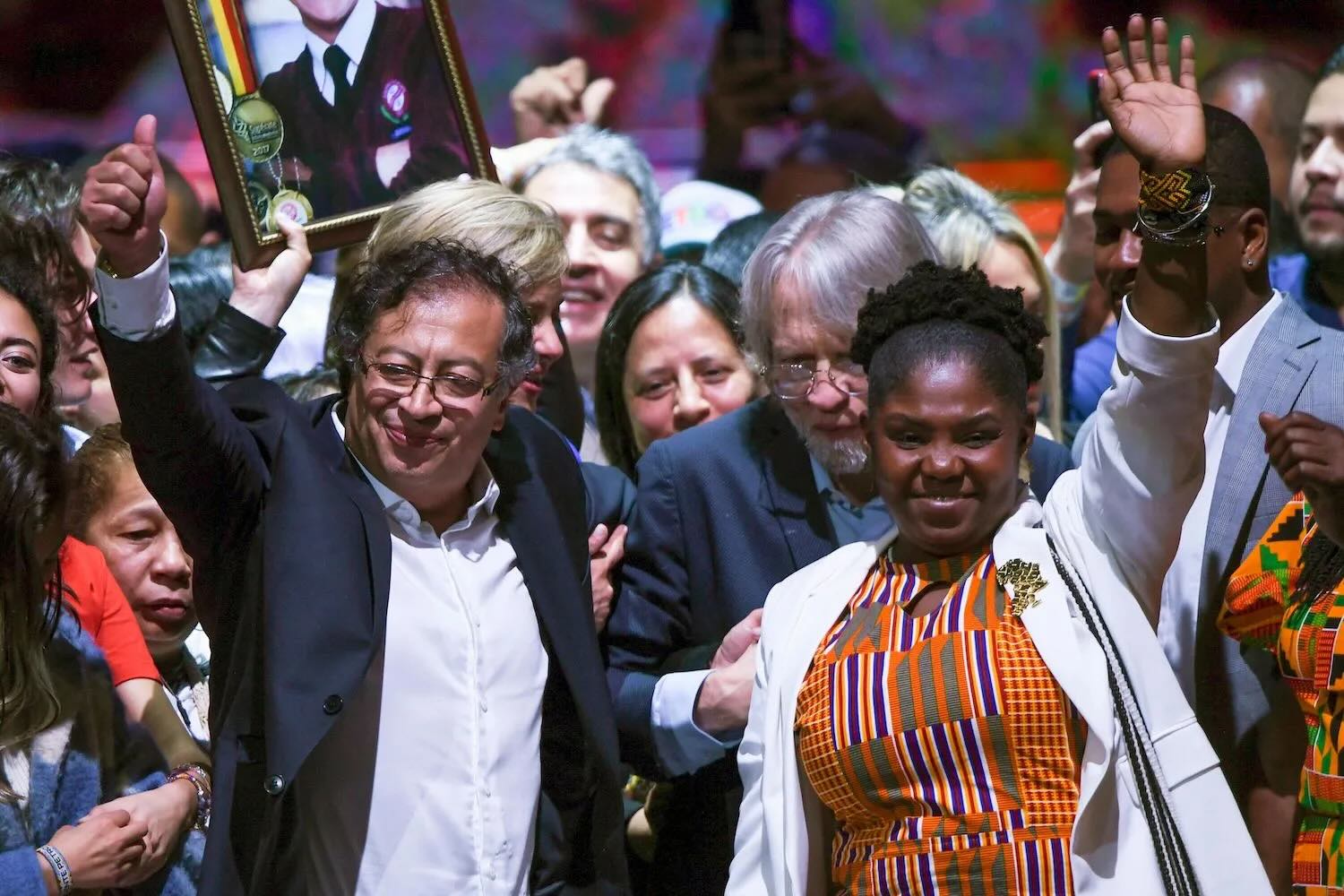
    Gustavo Petro became the first leftist President of Colombia on June 19, 2022, in decades (Freeman, 2023). His Presidential victory also marked the first-ever Afro-Colombian, Francia Marquez, to take office as Vice President. Unlike his liberal predecessors, the change in power was smooth from his rightist counterparts. As a leftist, there were questions about his merit and reputation as the country’s leftists were primarily likened to insurgents and militants. While the 2016 Peace Accords dismantled and disarmed most militants from the Fuerzas Armadas Revolucionarias de Colombia or FARC, the associations took longer to change.

    President Petro, however, is having quite the start to office. He is leading a policy of ‘Total Peace’, an effort to include all factions and players in the internal conflict and arrive at an end to the insurgency; his presidency plans to shift Colombia’s economic dependency on trade from the US, fossil fuels and the illicit drug trade to a more sustainable approach (Freeman, 2023), that would be similar to the Green Theory. One can interpret his actions as playing on both sides of the solid and historical US-Colombia ties (Santa Eulalia, 2022). Owing to the associations with his left-leaning tendencies, his moves are somewhat open to more scrutiny by the public. After all, no incumbent President has been re-elected to office in the last 15 elections (Freeman, 2023).

    A significant part behind his election to office has been the general public’s displeasure at rising economic inequalities between people, the inability of the previous government to provide and implement social welfare schemes and the financial toll caused by inactivity during the Covid-19 pandemic. While Drekonja-Konrat (1986) argues that most Latin-American countries can shape their foreign policies to the extent that it doesn’t hurt US interests, Petro is challenging the very notion of keeping his voters happy (Santa Eulalia, 2022). The truth in the details is that they are pretty co-dependent; Colombia needs the support of the US in tackling drug issues and the matter of the guerrilla militant groups, while the US views Colombia as a key strategic partner in the region. Accordingly, Petro has to carefully cater to his vote-bank’s anti-Americanism and yet maintain cordial ties with the US. It is a fragile line to tread, but the room to navigate and keep the US and the public happy is also quite small. Political revisionism is prevalent, given Petro is trying to appease both sides of support, constantly showing evident links as to how a country’s domestic politics can affect its foreign policy.

    References

    Drekonja-Kornat., G. (1983). Colombia: Learning the Foreign Policy Process, Journal of Inter-American Studies and World Affairs, 25(2). Pp- 229-250.

    Drekonja-Kornat., G. (1986). The rise of Latin America’s foreign policy: Between hegemony and autonomy. Latin American Research Review, 21(1), 239-259.

    Freeman, W. (February 2023). Colombia tries a transformative Left Turn, Council on Foreign Relations. Retrieved from: https://www.cfr.org/article/colombia-tries-transformative-left-turn

    García-Perdomo, V.,  Harlow, S. & Brown, D. K., (2022). Framing the Colombian Peace Process: Between Peace and War Journalism, Journalism Practice.

    Georgie, R. (2022). Peace that antagonises: Reading Colombia’s peace process as a hegemonic crisis, Security Dialogue, pp – 1-19.

    Gomez-Suarez, A. & Newman, J., (2013). Safeguarding Political Guarantees in the Colombian Peace Process: have Santos and FARC learnt the lessons from the past?, Third World Quarterly, 34(5), pp – 819-837.

    Hey, J. A. K. (1997). Three Building Blocks of a Theory of Latin American Foreign Policy, Third World Quarterly, 18(4), pp -631-658.

    King, G., Keohane, R.O, & Verba, S. (1994). Designing Social Inquiry: Scientific Inference in Qualitative Research.Princeton, NJ, Princeton University Press.

    Monroy, M. C. & Sánchez, F. (2017) Foreign Policy Analysis and the Making of Plan Colombia, Global Society, 31(2), pp – 245-271.

    Santaeulilah, I. (October 2022). Petro Playing Both Sides in Colombia-US Relations, El Pais. Retrieved from: https://english.elpais.com/international/2022-10-26/petro-playing-both-sides-in-colombia-us-relations.html

    Feature Image Credit: Foreign Policy
     

  • Role of Merchant Marine in Indian Maritime Security

    Role of Merchant Marine in Indian Maritime Security

    [powerkit_button size=”lg” style=”info” block=”false” url=”https://admin.thepeninsula.org.in/wp-content/uploads/2022/05/Role-Of-Merchant-Marine-in-Indian-Maritime-Security-1.pdf” target=”_blank” nofollow=”false”]
    Download
    [/powerkit_button]

    Introduction:

    The Merchant Marine plays only a modest role in contributing towards securing India’s maritime neighbourhood or for that matter for any nation. On the other hand, its indirect contribution to security- largely through the economic dimension is significant.

    This paper seeks to explore the economic dimension of merchant ships and in doing so, endeavours to bring out the resultant contribution to maritime security.

    With my domain knowledge, I hope to cover global maritime, and its current scenario in India. I have spent 28 years at Sea of which 18 years in Command as Captain and an additional 25 years ashore in Senior Management positions. I have recently relocated back to India after 5 years in Sri Lanka and a year in Seychelles. So, I do consider it a privilege to share my experience.

    Global Maritime:

    Shipping is the life blood of global economy.  Without shipping, intercontinental trade, the bulk transport of raw materials, and the import/export of affordable food and manufactured goods would simply not be possible. The international shipping industry is responsible for the carriage of around 90% of world trade. Seaborne trade continues to expand, bringing benefits for consumers across the world through competitive freight costs. Thanks to the growing efficiency of shipping as a mode of transport and increased economic liberalisation, the prospects for the industry’s further growth continue to be strong.

    There are over 58,000 merchant ships trading internationally, transporting every kind of cargo. The world fleet is registered in over 150 nations, and manned by over 2 million seafarers of virtually every nationality. Ships are technically sophisticated, high value assets (larger hi-tech vessels can cost over US $200 million to build), and the operation of merchant ships generates an estimated annual income of over US $1.2 trillion in freight rates.

    [powerkit_button size=”lg” style=”info” block=”true” url=”https://admin.thepeninsula.org.in/wp-content/uploads/2022/05/Role-Of-Merchant-Marine-in-Indian-Maritime-Security-1.pdf” target=”_blank” nofollow=”false”]
    Read More
    [/powerkit_button]

    Feature Image Credits: Financial Times

  • “Aapada mein Avasar”: Examining India’s Engagement with the International Community Amidst the Pandemic

    “Aapada mein Avasar”: Examining India’s Engagement with the International Community Amidst the Pandemic

    [powerkit_button size=”lg” style=”info” block=”true” url=”https://admin.thepeninsula.org.in/wp-content/uploads/2022/05/TPF-Issue-Brief-Aapada-mein-Avasar-1_compressed-2.pdf” target=”_blank” nofollow=”false”]
    Download PDF
    [/powerkit_button]

    Abstract

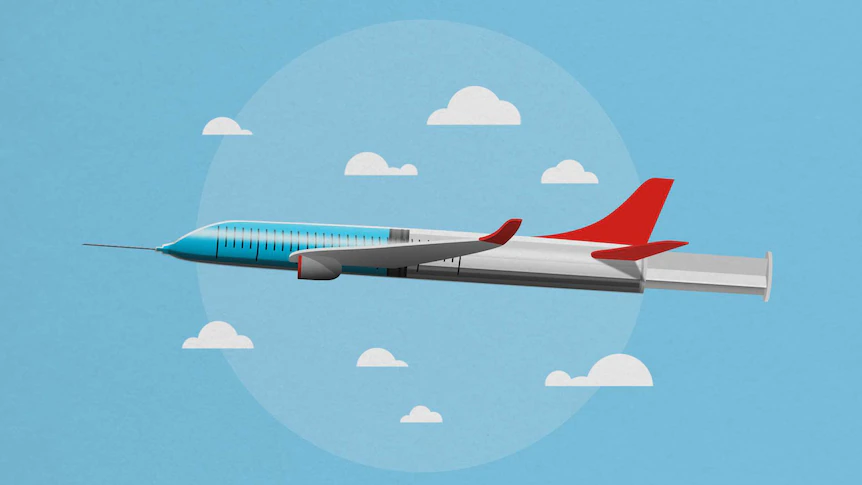
    Health security has often been considered an issue of “low politics”. However, in the past two years, the global economy has suffered the most since the Great Depression and global supply chains have been hampered. The developed countries were caught off-guard at par with the rest of the world with global resource inequities at display. As the developed world resorted to “medicine nationalism” and “vaccine nationalism,” their credibility as “global leaders” was sharply questioned. Amidst this, the allegations of the pandemic’s origins generated reactions from an emergent China which stopped concealing its geopolitical ambitions and adopted an unapologetically aggressive posture. Moreover, the credibility of a prominent international organization, the World Health Organization, in terms of its inability in notifying and managing the pandemic was heavily criticised. Each of these occurrences having emerged from a global health crisis has unexpectedly altered the prioritization of matters in the international order, and thereby international diplomacy.

    With the developing and least developed countries deprived of critical medical supplies due to hoarding by developed countries – India’s active engagement in medical diplomacy in the initial phase garnered international appreciation. While it cannot be looked at in a transactional sense, it visibly helped India push for its geopolitical interests in the middle of a global crisis – finding the adequate avasar (possibilities) in the ongoing aapada (crisis). Although flaws on the domestic front existed during the first wave, their impact on India’s medical diplomacy was limited. However, a domestic crisis during the second wave turned out to be an eye-opener and prominently impacted foreign policy initiatives. Considering the lessons so learnt and applied in managing the third wave, this paper examines the tremendous domestic potential of India, while also looking at its historical legacy. In doing so, it emphasises the relevance of domestic affairs as a determinant of successful medical diplomacy outreach – thereby impacting the larger foreign policy objectives.

    Introduction

    While health security has often been relegated as a low-priority issue in the geopolitical landscape, the last two years have unprecedentedly changed everything. A majority of developed nations have appeared helpless in managing the human catastrophe thereby resorting to vaccine and medicine protectionism. To put this on record, over six million people worldwide have lost their lives (COVID Live – Coronavirus Statistics, 2022) during these two years – with the maximum number of lives lost in the United States of America. The global economy has suffered the most since the Great Depression as a fallout of extended total lockdowns that hampered global supply chains. Moreover, an unexpected, unrealised over-dependency of global supply chains on a single country’s economy – China – caught the international community unprepared. Gradually, newer possibilities and threats have emerged through a changing character of the global economy, society, as well as politics and warfare – each of these shifting to the virtual domain.

    [powerkit_button size=”lg” style=”info” block=”true” url=”https://admin.thepeninsula.org.in/wp-content/uploads/2022/05/TPF-Issue-Brief-Aapada-mein-Avasar-1_compressed-2.pdf” target=”_blank” nofollow=”false”]
    Read More
    [/powerkit_button]

    Feature Image Credits: ABC

  • Responsible Decision-making in the Face of Corona – A Need for a Metric

    Responsible Decision-making in the Face of Corona – A Need for a Metric

    [powerkit_button size=”lg” style=”info” block=”false” url=”https://admin.thepeninsula.org.in/wp-content/uploads/2022/02/Issue-Brief-TPF_Corona-Metric-2_compressed-1-12-1.pdf” target=”_blank” nofollow=”false”]
    DOWNLOAD PDF
    [/powerkit_button]


    Abstract

    The asymmetry of the human mind in treating the information that is currently available and the information we do not have is remarkable. During the Covid-19 pandemic, many people have been conscious to take precautions to prevent contracting the virus oneself or their family members. However, the consequences of a person infecting another are not consciously considered by everyone while going on about their ‘new normal’ life making daily transactions that involve the labour of a multitude of people. Nobody pauses to wonder whether anyone in the supply chain of the product or service consumed by an individual has contracted the virus or died due to the virus in the process of its production. This is because that information is unavailable to us in a tangible form for our minds to perceive and hence it chooses to ignore it. Although the number of cases increases with every wave, people have started accepting it or rather have become desensitised to the number of lives lost to Covid-19, mainly because these deaths are unseen. This article explores whether such a pondering – number of people infected and consequently lives compromised – would be a consideration in the decision-making in the production and consumption of products and services. If so, is there a need to develop a metric to inform us of this number? Would it be feasible to have such a metric? This article attempts to quantify these unseen deaths, so as to sensitise people to the consequences of a person getting infected.

    Introduction:

    Now, two years after the onset of the Covid-19 pandemic, most people reading this would have lost one or more relatives, friends, colleagues or an acquaintance due to the infection. I am no exception. But the trigger for this article is the death of a couple, Razia and Nasir (names changed) that happened in the summer of 2021. Their small fruits and vegetable outlet, by a synergic arrangement, was situated within the spacious premises of another outlet – a cold storage that dispenses meat, poultry and fish for the upwardly mobile residents living in a posh locality of Bangalore. 

    [powerkit_button size=”lg” style=”info” block=”true” url=”https://admin.thepeninsula.org.in/wp-content/uploads/2022/02/Issue-Brief-TPF_Corona-Metric-2_compressed-1-12-1.pdf” target=”_blank” nofollow=”false”]
    READ MORE
    [/powerkit_button]

    Featured Image Credit: OSORIOartist

  • The Economics of Clean Energy: Transitioning to Renewables in a Post-COVID Era

    The Economics of Clean Energy: Transitioning to Renewables in a Post-COVID Era

    “the climate emergency is a race we are losing, but it is a race we can win” – Antonio Guterres, UN Secretary General

    Even without a global health pandemic, our world is still facing a crisis of staggering proportions.  In the 21st century the threat of climate change has outweighed almost all the other threats put together. Such is the pressing nature of the issue that it has even prompted re-branding of nomenclature from ‘climate change’ to ‘climate crisis’ – because that is what it is, a crisis. But as the UN secretary general António Guterres points out, “the climate emergency is a race we are losing, but it is a race we can win”.

    In this light, it is high time a discourse on transition to clean energy systems takes centre stage. With climate change progressing at an alarming rate, the need for clean energy has only been compounded.  At a time of great disruption for the world owing to an unprecedented health crisis with severe economic and social ramifications, a transition to renewables could be the way forward. As governments around the world lead COVID-19 recovery efforts, the verdict is clear that we cannot go back to our old systems – a transition to clean energy must be on the forefront of national agendas.  While the road to recovery is long and might take years, it is also the perfect opportunity for governments to accelerate clean energy adoption by putting this transition at the heart of post-COVID-19 social and economic recovery plans.

    While COVID-19 has certainly slowed down this transition by disrupting and delaying several renewable energy expansion and installation projects, the outlook on clean energy still looks very promising. In Q1 2020, global use of renewable energy in all sectors increased by about 1.5% relative to Q1 2019, while the overall share of renewables in global electricity generation jumped to nearly 28% from 26% in Q1 2019. While this does not reflect the impact of COVID-19 on capacity expansion, as the increase in use is largely due to expansion efforts in the preceding years, it is still a positive sign.

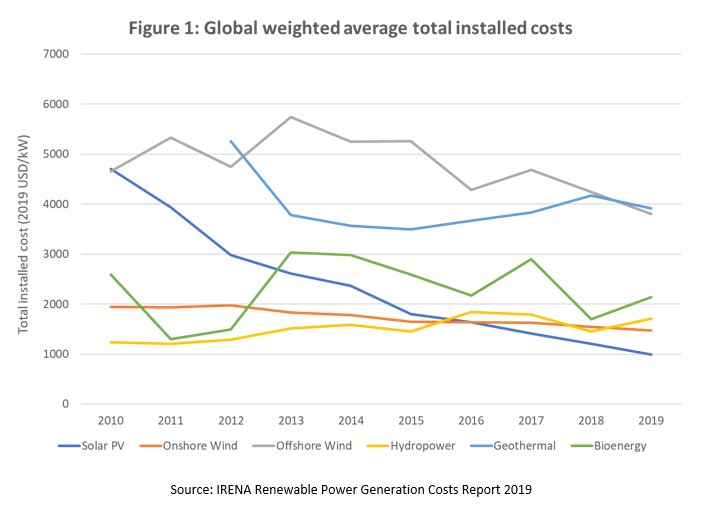
    Solar PV has had the most remarkable fall during this period, with the levelized cost of electricity (LCOE) falling almost 82% over the last decade. Closely following are CSP and On-shore Wind, both of which have fallen 47% and 38% respectively

    Even without factoring in the current global scenario, the rationale for transition has never been more compelling. Over the past decade, the cost of renewables has fallen to record lows (as shown in Figure 1), making it more attractive than ever before to invest in clean energy. Solar PV has had the most remarkable fall during this period, with the levelized cost of electricity (LCOE) falling almost 82% over the last decade. Closely following are CSP and On-shore Wind, both of which have fallen 47% and 38% respectively. Batteries, which have been appraised as one of the key enabling technologies in accelerating the shift to clean energy, have also recorded significantly lower costs in the past couple of years. Battery technologies such as Lithium-ion and Vanadium-flow have long been considered the missing link in ensuring continuity of supply for Wind and Solar generated power, which often depend on the vagaries of the weather. The LCOE for Lithium-Ion batteries has fallen by 35% since 2018, owing to advancements in technology. The only increases in cost have been recorded by Geothermal and Hydropower.

    With the cost of renewables falling, fossil fuel options are looking more and more expensive. According to IRENA (International Renewable Energy Agency), by 2020 Solar PV and onshore wind will be less expensive than the cheapest fossil fuel alternative. In the past, one of the key reasons why fossil fuels such as oil and gas were considered attractive options was because they were highly subsidized and incentivized. The true cost of these non-renewable sources minus the subsidies may well be much higher. The conventional cost of fossil fuels also does not factor in the environmental costs associated with carbon emissions. The extraction and use of these resources are often accompanied by several negative externalities associated with environmental degradation, pollution and global warming. This failure to account for the emissions and their impact has been termed by many as one of the greatest market failures the world has seen.

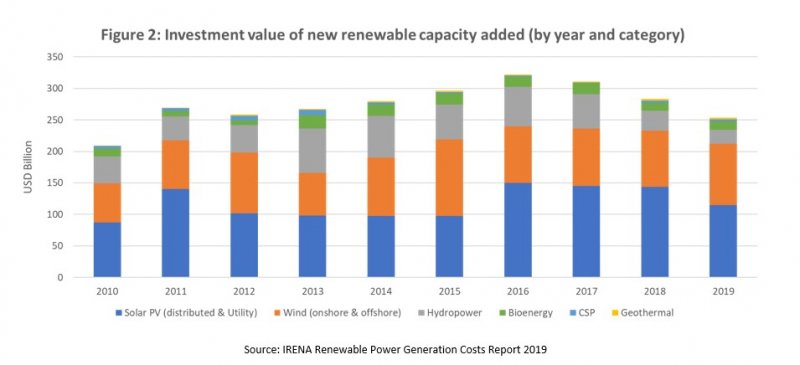
    Thus, falling costs of renewables coupled with the growing pressure on fossil fuels has presented the world with a unique opportunity to accelerate the adoption of clean energy. As governments pump more money into economies as part of COVID recovery efforts, the same level of investments can now yield greater returns owing to falling costs. Globally, investments in renewable capacity and technology have been on the rise and have shown remarkable growth, especially for Solar and Wind. Investments in Solar PV (Utility) in particular have shown astounding growth, increasing over 200% since 2010 to reach $69.4 billion in 2019. Total investments across renewables stands at $253.6 billion, having grown 21% in the last decade.

    While renewable capacity and investments have been growing, so has the demand for electricity. This growth in demand has somewhat offset the impact of transition to renewables. While mainstream adoption of clean energy is still progressing in the right direction, policy makers are worried that the pace of transition is not fast enough to offset growing demands. Unless renewable technology can scale up quickly and bridge the demand-supply gap, this excess demand will inevitably have to be met by fossil fuels.

    The IRENA estimates that investments in clean energy could boost global GDP by close to $98 trillion by 2050

    Despite several roadblocks still existing for large-scale adoption of clean energy to be made feasible, governments and institutions are putting climate action at the forefront now more than ever before. Post COVID-19, as economic recovery consolidates, we cannot afford to put clean energy on the back burner. Across the world, clean energy technologies such as electric vehicles, solar and wind energy are becoming increasingly mainstream. According to a UN report, global investment in renewables is set to triple in the next 10 years. If governments continue to sustain this momentum, the benefits are manifold. The IRENA estimates that investments in clean energy could boost global GDP by close to $98 trillion by 2050. Thus, the rationale is clear and more compelling than ever for a shift to clean energy. The robustness and resilience of economies to future global shocks will be determined by how quickly and effectively they transition to renewables and reduce dependence on fossil fuels.


    References

    [1] The Climate Crisis – A Race We Can Win. (2020). United Nations.

    https://www.un.org/en/un75/climate-crisis-race-we-can-win

    [2] Renewables 2019 – Global Status Report. Ren 21. Retrieved from: https://www.ren21.net/wp-content/uploads/2019/05/gsr_2019_full_report_en.pdf

    [3] Global Energy Review 2020. (2020, April). IEA.

    https://www.iea.org/reports/global-energy-review-2020/renewables

    [4] Renewable Power Generation Costs Report 2019. (2020, June). IRENA. https://www.irena.org/publications/2020/Jun/Renewable-Power-Costs-in-2019

    [5] Henze, V. (2019, March 26). Battery Power’s Latest Plunge in Costs Threatens Coal, Gas. Bloomberg NEF. 

    Battery Power’s Latest Plunge in Costs Threatens Coal, Gas | BloombergNEF (bnef.com)

    [6] Sinha, S. (2020, September 23). How renewable energy can drive a post-COVID recovery. World Economic Forum.

    https://www.weforum.org/agenda/2020/09/renewable-energy-drive-post-covid-recovery/


    Image Credit: AZoCleantech.com

  • Blue Economy: A Prospective Strategy For Sustainable Economy

    Blue Economy: A Prospective Strategy For Sustainable Economy

    Oceans, seas and coastal areas are the world’s largest ecosystems. They play a vital role in the food security and livelihood of billions of people all around the globe and contribute to the economic prosperity of many countries. Marine environments are able to provide jobs as well as nutrition, but increased human and economic interventions due to uncoordinated and not poorly researched development policies can pressurize and threaten the environment in the long-term. The United Nations Conference on sustainable development held in Rio de Janeiro in 2012 coined the concept of Blue Economy, defining the concept as a distinction between socio-economic development and environmental damages, which is the traditional view of global status quo. The concept is aligned with main stream economic activities in the marine and coastal ecosystems while incorporating the need to integrate the conservation and sustainable management of these ecosystems. These include the lowering of greenhouse gases emissions during consumption. A sustainable blue economy is basically a marine/ocean-based economy that contributes to food security, eradication of poverty, employment and income while providing socio-economic benefits for present and future generations. It should encompass the restoration, protection and sustenance of diverse, productive and intrinsic values of the marine and coastal ecosystem. This model should be based primarily on cleaner technologies, renewable energy resources and circular economy for securing economic and social stability by considering the capacity of the planet. Fisheries, shipping and ports, marine-based tourism, seabed mining and marine renewable energy are the main sectors in a blue economy framework.
    A sustainable blue economy is basically a marine/ocean-based economy that contributes to food security, eradication of poverty, employment and income while providing socio-economic benefits for present and future generations.
    Coastal economy includes activities related to employment, output and wages in the coastal ecosystem. Marine economy is the cluster of industries which includes the sectors that focuses on a common market for the final products, using similar technology or labour or similar natural resources. Marine economy can be considered as the subset of coastal economy. The concept of blue economy has multiple interpretations as it covers a variety of activities, locations and sectors.

    Key Economic Benefits

    The key economic issues addressed by the ‘blue economy’ concept are:
    Food Security and Protein Demand: The fisheries sector encompassing aquaculture and plants is a source of considerable amount of proteins, calories and fats which promote food security in a country. Food security can be fully ensured only if the access to food is enhanced by lowering the barriers of trade, reducing food wastage, increasing the availability of nutritious food and providing efficient food distribution system in countries that suffer from deficit. For ensuring a healthy life, a balanced diet of proteins and fats should be supplied. Food basket should consist of a minimum amount of protein intake, and fish is an important source of animal protein. It benefits countries even if they have a lower daily average consumption.Rising Coastal Tourism: A major sector of blue economy is coastal tourism with immense potential for employment and growth in the economy. Developing a focused policy addressing the potential and constraints of the tourism industry can yield concrete results. Scuba diving, bird watching, sea angling, boating, and other segments like hotels, restaurants, water sports have potential for huge investments and can contribute to a robust blue economy in the country.Seaborne Trade: Sea is considered as a cost-effective carbon friendly mode of transportation used widely around the world. 90 % of global trade is done through sea routes. In the blue economy framework, priorities and policies should be towards promoting trade especially through sea routes by making it more systematic and futuristic.Alternative Sources for Energy: If large renewable energy remains untapped in a country, blue economy can be a major source of clean energy. The demand for clean and affordable energy is increasing across the world. Blue economy can be a great source of clean and affordable energy. The Oceans are huge resources for renewable energy, like wave energy, tidal energy, solar energy etc. Exploitation of the oceans can reduce the pressure on finite traditional energy resources.

    India’s Blue Economy Potential

    Blue economy in India can be considered as the total sum of all economic activities that are based and sourced from marine and coastal resources. Deep sea mining, Offshore oil, fisheries contribute majorly towards the country’s blue economy. India has a coastline of about 8118kms and exclusive economic zones that cover almost 2 million sq kms including a continental shelf of 530000 kms. Almost 1.5 million kms of this continental shelf has been explored in the Bay of Bengal and the Arabian Sea. Majority of India’s population are based in coastal metro cities like Chennai, Mumbai and Kolkata. More than a million people are employed in full time coastal fishing activities while more than 1.3 million people are employed in post-harvest fisheries and allied activities. India contributes to more than 10 % of world’s fish varieties. The country ranks second in worldwide fish production with a growth rate of 7 % annually and ranks second in aquaculture activities as well. The Malabar coast, Konkan belt and other coastal areas have shown considerable increase in influx of tourists over the years. Polymetallic nodules and sulphides are two of the major mineral resources that are commercially available in India. India is also an offshore gas giant and the country is trying to substitute terrestrial sources of energy with offshore reserves and renewable sources in the future. The Sagarmala project is considered as a pioneering initiative by the government to steer the country into the path of blue economy. The project was in initiated in 2015, costing around 8700 billion rupees and is proposed to be implemented over 20 years.The Sagarmala project is considered as a pioneering initiative by the government to steer the country into the path of blue economy.To create a sustainable blue economy, significant investments in research and development need to be carried out in accordance with planning and execution of a detailed region-specific blue economy model. Goals for different economic, social and ecological segments as well as respective policies should be integrated in the framework. Governments, social and private organizations and communities should collaborate and contribute to the framework by assigning achievable goals. These goals should be assessed and reported with all the members in the framework so that performance is consistently monitored. Economic instruments like taxes, subsidies, tariff and quotas can be used to internalize the benefits which are both economic and environmental. International, laws, treaties and agreements can help to implement a global blue economy system and network to ease trade and flow of labour. By linking terrestrial economy with marine economy, a sustainable green economy on land can also be developed. Each country should develop its own blue economy framework by recognizing its potential to contribute to and strengthen a sustainable and eco-friendly global economy.

    References

    Asher, M., 2018. India’s Blue Economy Initiatives: Establishing New Growth Nodes and Helping to Address Regional Imbalances.
    Benzaken, D., 2017. Blue Economy in The Indian Ocean Region: Status And Opportunities. S. Rajaratnam School of International Studies.
    Economist Intelligence Unit, 2015. The Blue Economy: Growth, Opportunity And A Sustainable Ocean Economy. Events World Ocean Summit. Economist Intelligence Unit.
    Llewellyn, L., English, S. and Barnwell, S., 2016. A roadmap to a sustainable Indian Ocean blue economy. Journal of the Indian Ocean Region, 12(1), pp.52-66.
    Mohanty, S., Dash, P., Gupta, A. and Gaur, P., 2015. Prospects Of Blue Economy In The Indian Ocean. Research and Information System for Developing Countries.
    Roy, A. (2019, January 11). Blue Economy in the Indian Ocean: Governance Perspectives for sustainable development in the region. Retrieved from https://www.orfonline.org/research/blue-economy-in-the-indian-ocean-governance-perspectives-for-sustainable-development-in-the-region-47449Image Credit: Adobe Stock

  • COVID-19: Fighting CoronaVirus

    COVID-19: Fighting CoronaVirus

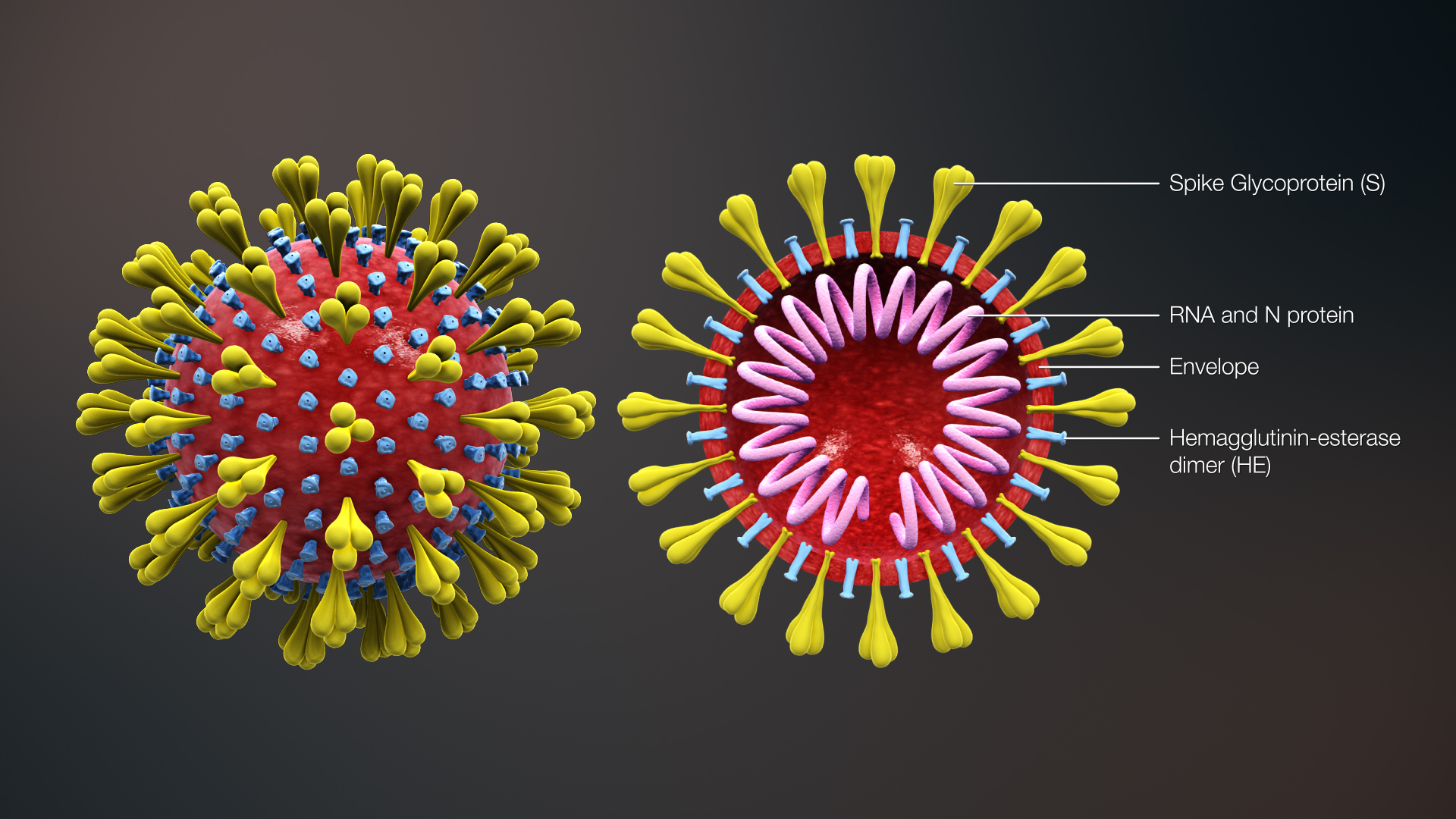
    At the end of December, public health officials from China informed the World Health Organization that they had a problem: an unknown, new virus was causing pneumonia-like illness in the city of Wuhan in Hubei province. They quickly determined that it was a coronavirus and that it was rapidly spreading through and outside of Wuhan.

    Today, the entire world is seized with the menace of CoronaVirus (COVID-19) believed to have originated in China. The first reported case was on 31 December 2019 and now 188 countries are affected. The World Health Organisation (WHO) declared it a pandemic on 11 March 2020. Although China has now reported that it controlled and contained the epidemic, the virus has spread rapidly to cover almost the entire globe. The new hotspots are USA, Italy, and Spain, with Italy and Spain reporting  10779 and 7340 deaths respectively while the USA accounts for 2489 deaths; compared to China’s 3304 deaths . India as on 30 Mar 2020 had reported 1100 cases with a death toll of 29.   Till date 735,015 cases are reported and the numbers are rising. 34,804 people have died and 156,122 have recovered. A total of 544,089 cases are still active and about 5% of these are critical. Of the closed cases, 18% have been reported to have died. Worst affected is Italy. India has  reported 1100 cases as on 30th March 2020 and in the last two days more than 200 cases have been added to the affected number. In this connection, the alarming aspect is that while it took 40 days for the first fifty cases to come up, the next 50 were reported within a day , despite the Janata Curfew on 22 March. This makes the situation critical and though India may not be  in Stage III (community spread) as yet, it looks like that we are close to it. According to media reports on 23 March 2020, Kerala and Bhilwara in Rajasthan have probably descended to Stage-III. Dr Ramanan Laxminarayanan, Director of Center for Disease, Economics and Policy has warned that India could be dealing with a tsunami of COVID-19. As per his estimate, India could be dealing with as many as 300 million cases of which 4-5 million could be serious. India needs to take a note of this rate criticality. As the Prime Minister in his address to the nation stated, the situation is grave,  serious and every Indian needs to act responsibly to fight the menace with determination and show utmost discipline in personal conduct.

    Image Credit : Wikipedia Commons

  • COVID-19: India’s Friendly diplomacy and SAARC Initiative

    COVID-19: India’s Friendly diplomacy and SAARC Initiative

    The corona virus is now a worldwide pandemic that is threatening or impacting populations across over 160 countries. India has initiated robust measures to tackle this most disruptive threat. Keeping in mind the safety of its citizens abroad, India has acted swiftly in evacuating Indians in Wuhan  and other affected provinces in China. India, in tune with its neighbourhood first policy, has pitched in to provide support to other SAARC nations in evacuating their nationals as well. In the early stages of the pandemic, on 3 February 2020, India evacuated 323 Indians from Wuhan including 7 Maldivians. “My thanks and gratitude to PM @narendramodi, EM @DrSJaishankar and the Government of India for expeditiously evacuating the 7 Maldivians residing in Wuhan, China. This gesture is a fine example of the outstanding friendship and camaraderie between our two countries”, tweeted Maldivian President Mr.Solih expressing his sense of gratitude for this help. The Indian Embassy in Maldives tweeted regarding the synergy between both the countries, “Pandemics do not know national boundaries, which makes it even more essential to reach out to neighbours and stand by them in this global fight against the #CoronaPandemic #NeighbourhoodFirst.”

    Focus on Safety and Evacuation through Friendly diplomacy

    A week later, as evacuation efforts were still underway, Embassy of India in Beijing tweeted on 17th February – “GOI will send a consignment of medical supplies on a relief flight to Wuhan later this week to support China to fight the COVID 19 pandemic. On its return, the flight will have limited capacity to take on board Indian citizens wishing to return to India from Wuhan/Hubei”. Upon China’s request for medical masks, gloves and suits India sent a consignment of 15 tonnes of medical supplies aboard C-17 Globemaster—the largest military aircraft in the Indian Air Force’s inventory. This was not only an act of humanitarian assistance but also a move regarded as friendly diplomacy by India. According to MEA’s spokesperson, “India had also received requests from Bhutan, Maldives, Iran and Italy, for assistance and essential supplies such as surgical masks and protective gear which are being processed.”

    By February 6, India began to restrict entry of foreign nationals as a precautionary measure. Notification by an immigration official stated, “Foreigners who have been to China on or after 15th January 2020 are not allowed to enter India from any air, land or seaport, including Indo-Nepal, Indo-Bhutan, Indo-Bangladesh or Indo-Myanmar land borders.” The official also added, “All visas issued to Chinese passport holders coming from anywhere in the world, including regular(sticker)& e-visa issued before 5 Feb, have been suspended with immediate effect.” India had also offered to step in to help Pakistanis. The Ministry of External Affairs spokesperson stated that India was willing to evacuate Pakistani nationalsif such a situation arises.”

    Leading  the SAARC Initiative against COVID-19

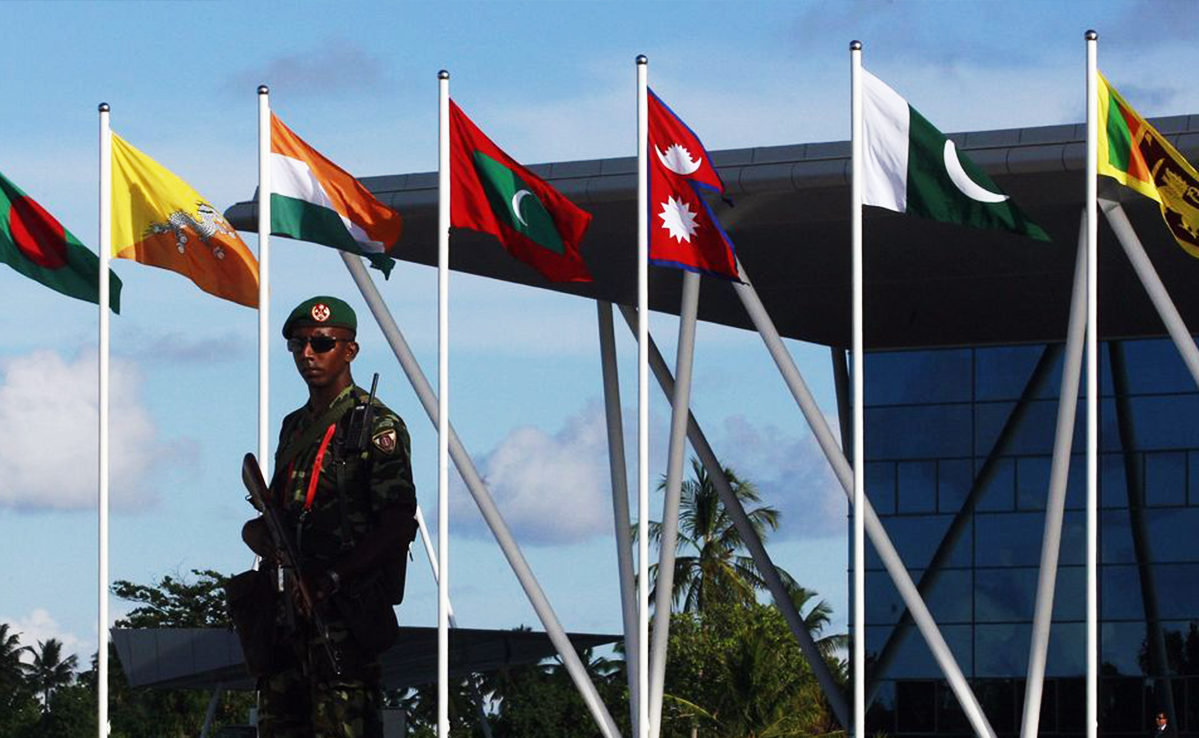
    In an act of pragmatic diplomacy that promotes regionalism and addressing the need of the hour for combating COVID-19 in South Asia, PM Modi hosted a SAARC Meeting with his counterparts on video on March 15th. In this meeting, he emphasised the importance of the region coming together for battling the COVID-19. This brings SAARC back into the picture after several years of stagnation, and at a time when the regional organisation seemed to be losing its importance. With India sharing borders with certain SAARC countries, it became imperative for India to pool in its neighbours. PM Modi chalked out a common strategy for the countries to combat the virus and set an example for the rest of the world. He added that the guiding mantra should be “prepare, not panic.” He had several initiatives to offer to fellow South Asian countries — from online training capsules for emergency response teams, to common research platforms to conduct research on controlling epidemic diseases and keeping a rapid response team of doctors and specialists onstand-by at the disposal for our neighbouring nations. PM Modi also asked experts to come together to assess the economic impact, “long-term economic consequences of COVID-19, and how best to insulate internal trade and local value chains from its impact.” India proposed to create an COVID-19 Emergency Fund based on voluntary contributions from all the countries with India pooling in the first US$10 million for the fund. This fund has been active for the past one week with funds flowing in from  South Asian countries—Nepal has contributed 10 crores, Bhutan US$100,000, Bangladesh US$15,00,000, Maldives US$ 2,00,000, Sri Lanka U$15,00,000 and the Afghan government offering US$1 million. This has revitalised the functioning of the SAARC and has brought collective responsibility to the table. How the region continues to battle and win the pandemic might be a pilot test for collaborative efforts in the future. All heads of states of SAARC attended the virtual conference with the exception of Pakistan. Considering that the Special Assistant to Pakistan Prime Minister (on Health) was assigned for a Head of States meeting, India might well consider exercising the option of providing Pakistan with participating and observing the meeting stopping short of addressing the head of states. Afterall, as usual the habit of raking up the Kashmir issue at multilateral forums, was witnessed again.

    In follow-up to the live video conference, India has received requests from neighbouring countries for aid from the Emergency Fund which was set up. According to an MEA spokesperson, “The quantum of assistance, which has been requested so far, has crossed $1 million USD. Supplies to Bhutan and Maldives have been dispatched.”

    Apart from evacuating Indians, GOI has sent a 14-member medical team and supply of consignments to Maldives wherein the medical team did a successful knowledge transfer. As on 23 March, India has continued its efforts to bring back Indian nationals from abroad, 121 stranded nationals in Uzbekistan have been flown back to India. A total of 590 people from Iran who have been evacuated are currently being quarantined in Jaisalmer.  Embassy and consulate in Iran have begun supplying essentials to approximately 1000 Indian fishermen from Tamil Nadu, Gujarat and Kerala in Iran’s southern provinces of Bushehr & Hormozgan. Similarly, 218 Indian students were evacuated from Italy, while transit passengers (Indian nationals) were brought back to Delhi via special flights. A 24×7 MEA COVID-19 control room has been set up with hotlines for Indians in distress abroad and the ministry has also reached out to Indians abroad by sharing hotline numbers using social media handles for easy access.

    As India announced a 21-day lockdown on 24 March to control the contagion, WHO praised PM Modi for his efforts.  “India stands at an important turning point in its fight against COVID-19. Extraordinary situations demand extraordinary measures. The Prime Minister has taken bold and decisive steps to break the chain of transmission. It is equally vital that this window is used for further ramping up measures to find, isolate, test, treat and trace. WHO stands together in solidarity with India and its people and is committed to providing all the support that is needed,” said Dr Henk Bekedam, WHO Representative to India.

     Views expressed are author’s own.

  • COVID-19: Need for technology intervention in India

    COVID-19: Need for technology intervention in India

    Much of the globalized world is experiencing a standstill due to the COVID-19 Pandemic Crisis. While world leaders are establishing measures to cope with the large scale outbreak, technology has been in the forefront as a crucial aspect of recovery. From sanitizer drones to virtual workspaces — the adoption of computing technology in healthcare, businesses and governance has seen an unprecedented rise.

    However, due to India’s unique factors of dense population and per capita poverty — the country’s response to this crisis will be an important case study. The World Health Organization’s guidelines insist that people should wash their hands regularly but over 163 million people residing in India do not have access to clean water. When access to fundamental resources are limited, one can only assume that access to robust healthcare facilities are also limited. The stark contrast in the capacity to handle this crisis will be tested when the local communication of COVID-19 reaches the second and third tier cities. As a primary effort in flattening the curve, the government has announced a 21 day country-wide lockdown. In spite of the measure being welcomed, if the country fails to control the spread, the lack of modern infrastructure and medical professionals will result in catastrophic consequences.

    This is reflected in the adoption of technology in primary healthcare centres. Medical professionals say there is a shortage of around 70,000 ventilators and the existing resources are being utilized by critical at-risk patients. The surging requirement of intensive care medical devices, including ventilators and high-end diagnostic and robotic surgery instruments is a growing concern. While domestic manufacturing and innovation have been scarce, Indian companies like Skanray Technologies are struggling to meet the immediate demand due to the international airline ban. Companies find it difficult to import crucial equipment such as chips, controllers and sensors from China — hindering their ability to produce these equipment on time.

    Globally, innovative technologies that seemed gimmicky in the past are being brought into mainstream practice. Drones have been deployed to carry medical samples and to spray disinfectants across the country. Robots are put in hospitals which aid in remote diagnosing and thermal sensing of the patients. The same is also used as service bots that bring food and toiletries to people.

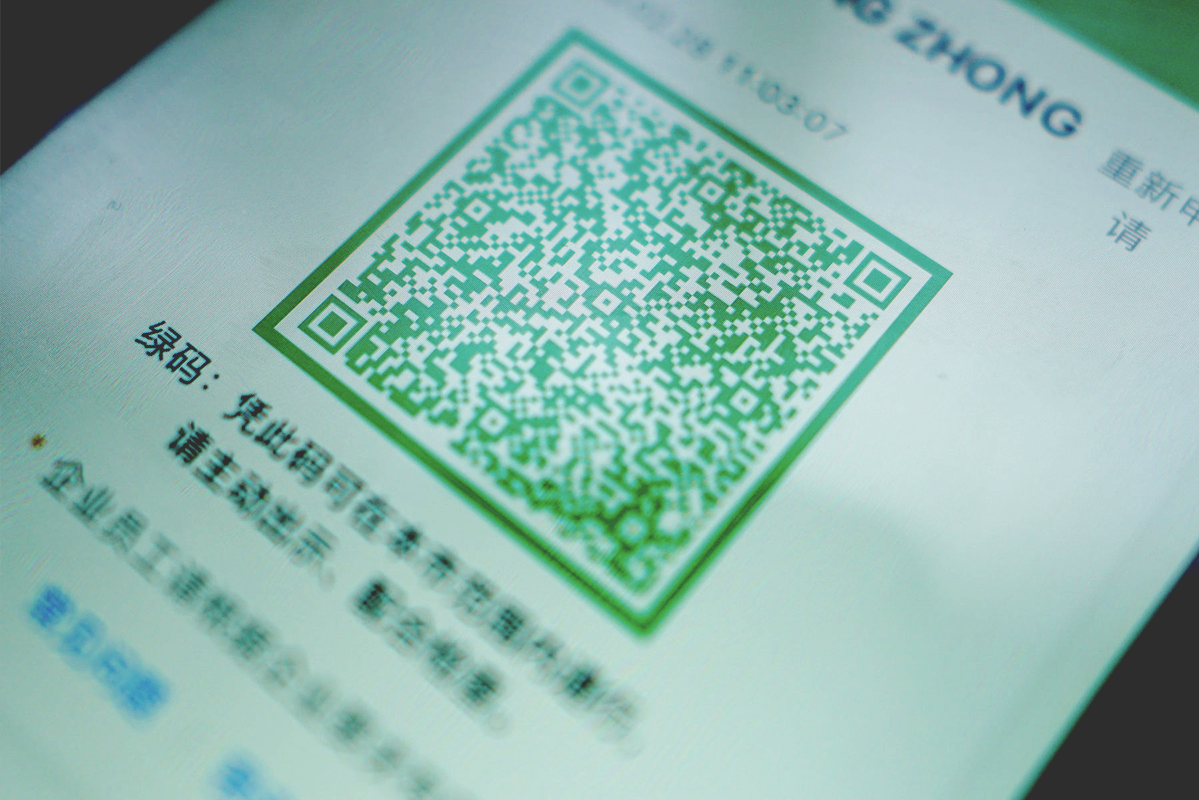
    Facial recognition cameras are commonplace in China and a growing trend in other countries. Technology companies like SenseTime have built contactless temperature detection software that have been integrated into the cameras for wider coverage of people with fever. Big data analytics being done on these massive feeds has resulted in prediction algorithms which can determine whether a person has come in contact with another infected person. This data is then relayed via telecom companies to inform the individuals to self-quarantine.

    Complex surveillance systems come with their share of privacy concerns. While the lines between responsible surveillance and invasion of privacy become blurred, one cannot overlook the fact that some of these drastic measures are working. In China, the official reports indicate that the domestic cases are under control and newer cases of the virus are classified as imported. In a time of crisis, an open-minded analysis of these “draconian” measures would seem justified. However, this pandemic has not provided any justification of collecting these sensitive data in secrecy.

    Flawless implementation of such systems in India would have to hurdle through multiple policy hoops and comprehensive definitions of data privacy. However, inexpensive technologies such as drones and robotics should spark interest in the country. Medical professionals at the forefront of this battle could benefit from such technology that can reduce their risk of contracting the virus. Alongside technology, modern day practices of preliminary diagnoses such as telemedicine should be encouraged.

    Information and communication technologies across the country have made this battle a lighter burden than what it could have been. While the rate of awareness is significantly higher in the age of social media, it is important to note its duality. Online medical information and guidelines are accessible by at least 34% of the total population compared to the 7.5% in 2010. However, this information influx has also resulted in rumour mongering and exaggeration of outlier incidents — causing trivial worry and needless panic. In the past five years, rapid penetration of the internet has occurred in all sections of society but it has not ensured awareness in responsible use of the technology.

    On the other hand, the quarantined lifestyle has increased the need for virtual workspace. Facebook’s CEO, Mark Zuckerberg reported that traffic for their video streaming and messaging platform had grown multifold. Microsoft also reported a 40% increase in their active user base of collaboration software. High speed fiber internet’s extension throughout India will help in fragmenting this dense working population to multiple locations. With virology experts anticipating an effective vaccine at the earliest of 18 months — some of these altered lifestyles could become the new norm.

    Years following the second world war, measures were actively put in place to prevent another global conflict. The COVID-19 Crisis could leave a similar impact on the world where pandemic response and technology experience drastic reforms. However, the lens of India should vision this wake up call towards something more fundamental — uniformity in primary healthcare, civic infrastructure and technology intervention.

    Views expressed are author’s own. 

  • Taiwan Elections 2020: Emphasising Taiwan’s Democracy, Nationalism and Sovereignty

    Taiwan Elections 2020: Emphasising Taiwan’s Democracy, Nationalism and Sovereignty

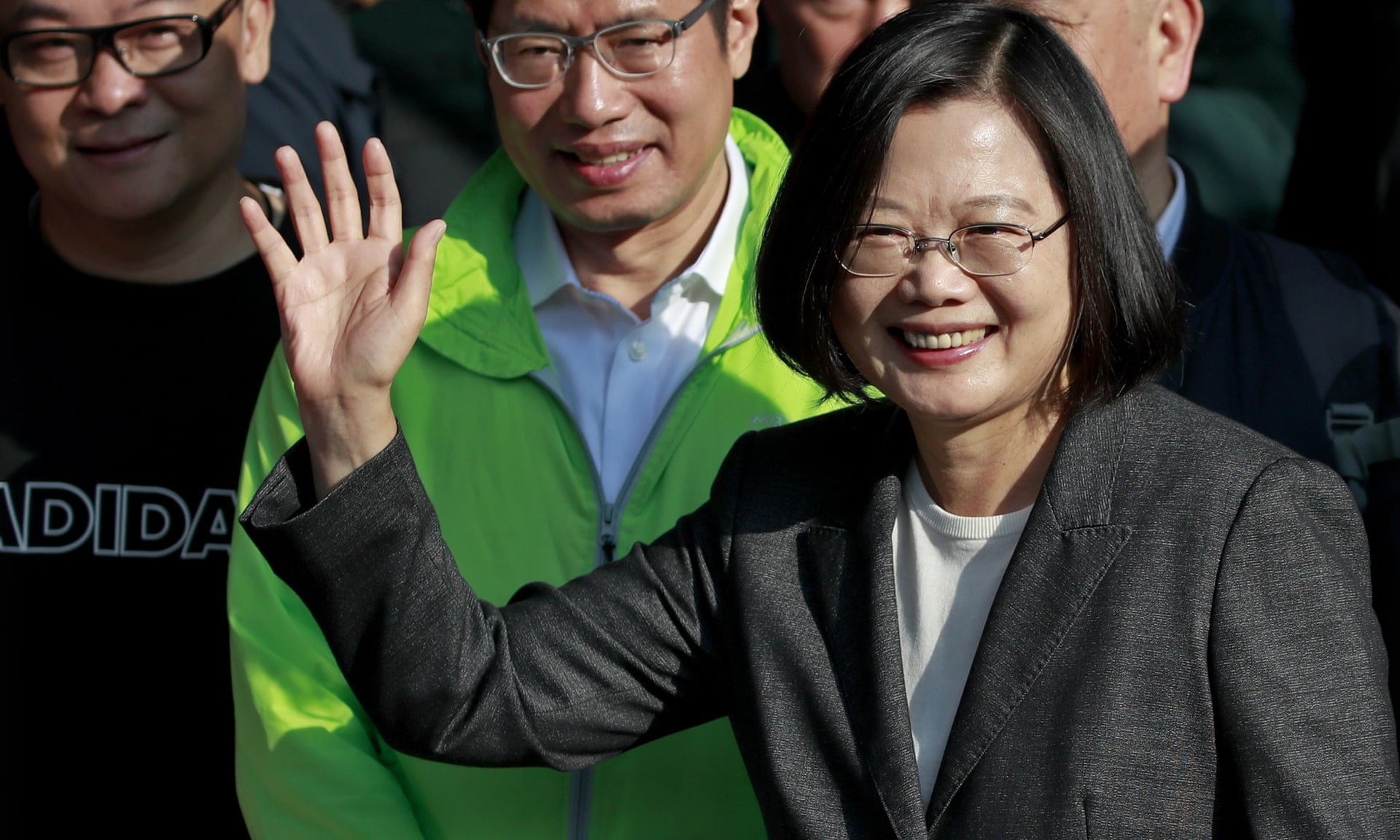
    Taiwan’s first female President, Tsai Ing-Wen of the pro-democratic DPP Party won a landslide victory for second term in the national elections held in January. China condemns Tsai’s victory by reiterating its “one country, two systems model.
    Election Results: Voice for Democracy and Sovereignty

    Taiwan’s president, Tsai Ing-wen won re-election on January 11rth  by a historic landslide, a decisive result widely seen as a rebuke to Beijing’s efforts to integrate Taiwan into the ‘one-China’ concept. The DPP (Democratic Progressive Party), rode on Tsai’s popularity and maintained control of the Legislative Yuan, the country’s parliament. DPP has consistently taken a very ‘Taiwan nationalistic’ approach and has been a strong opponent of Beijing’s ‘one-China policy’ and the so-called ‘1992-consensus’. This landslide victory and a second term gives Tsai the power to uphold Taiwan’s commitment to democracy. Taiwanese voted to reject China’s “one country, two systems model” while still maintaining support for Tsai’s stand on the “1992 consensus”, which would dictate the Cross-Strait ties based on “peace, parity, democracy and dialogue”.

    On winning the elections, President Tsai remarked – China must ‘face reality’ of Taiwan’s independence and called on China to ‘review’ it’s current policy toward the de facto nation that Beijing claims is part of its territory.

    China refuses to acknowledge the victory of pro-democratic forces and maintains that this development would not alter its “one-China” principle. China’s Foreign Ministry stated that “regardless of what happens in Taiwan, the basic facts won’t change: there is only one China in the world and Taiwan is part of China.”

    In the voting week, Xi Jinping ushered in a range of measures “to further promote economic and cultural exchanges and cooperation between the two sides of the Taiwan Strait”. Despite these positive announcements, he sent a Chinese aircraft carrier to sail through the Straits to intimidate, should Tsai’s victory initiate a declaration of independence.

    The Chinese army also conducted a naval and air force drill on 9-10 February in a threatening attempt to which Washington responded with the US Air Force sending two surveillance planes as an expression of solidarity with Taiwan.

    Election results and impact on KMT

    In the aftermath of the astounding defeat in January, the opposition KMT has been forced to re-examine its policies and priorities. The party elected Mr Johnny Chiang, a 48-year old lawyer, as its president in March first week. Chiang represents the younger generation who are more focused on separate Taiwan identity, reflecting DPP’s resonance across the young voters. KMT has some serious issues to resolve if it wants to remain relevant in Taiwan. It is constrained by its linkage to the inconvenient history of Taiwan and a support base that is seen as focused on benefitting from cross-Strait engagement, and in some cases, unique access to the CCP through party-to-party ties. The main internal issue is the party’s cross-Strait policy with China, whether 1992 consensus will endure as the foundation for official mechanisms. Chiang is seen as one who will most likely ‘discard’ the 1992 consensus arguing that the consensus has lost its utility and undergone ‘distortion’ when linked with the ‘one country, two systems’ model used in Hong Kong.

    Background: 1992 Consensus – discarded by rising Taiwanese identity?

    Taiwan was ruled for more than three decades by the nationalist army, the Kuomintang (KMT),which fled to the island in 1949 after being defeated by the Chinese Communist Party (CCP) and created a rival government, the Republic of China, better known as today’s Taiwan. It has since transformed into a multiparty democracy, under a government and political system, completely separate from China’s. KMT’s position stems from the legacy of the Chinese civil war with the CCP, which is a complicated history of KMT and CCP vying to represent ‘one China’ as the ‘Republic of China’ by KMT and the ‘People’s Republic of China’ by CCP. KMT, in view of this history, is seen as the most pro-mainland of Taiwan’s two major political parties. In contrast, the DPP has always maintained much tougher stance with Beijing. It has played a prominent role in democratisation of Taiwan and places greater emphasis on uniqueness of Taiwanese identity and a history of more than 100 years that is separate from that of China’s. From the late 1980s when democratisation of Taiwan began, more and more Taiwanese are embracing a Taiwanese consciousness and favouring independence even though maintaining status quo still remains the majority priority for the moment. Majority of the youth, and 60-70% of Taiwanese are fiercely conscious of their Taiwanese identity, and view Taiwan as an independent and sovereign nation-state. This also means that the idea and legacy of nationalist party’s ROC is  seen as impractical, in consonance with geopolitical realities.

    The 1992 Consensus, seen as having enabled the growth of Taipei-Beijing cooperation, revolves around the issue of ‘one-China’ interpretation – ‘that there is only one China and that Taipei and Beijing agree to disagree on which government is its legitimate representative’ has been the foundation of cross-Strait relations. It was curated by the KMT and the PRC wherein in principle they agree that there is “One China”. However, the contentious terminology “One China” can be interpreted by either side having accorded its own meaning. The CCP believes “one China” is the “People’s Republic of China,” while Taiwan believes “one China” should mean the ROC established in 1912 and hitherto exists.

    The KMT government in 2008-16, led by Ma Ying-jeou used the so-called 1992 Consensus to strengthen economic, trade and cultural relations between Taiwan and PRC. It led to rapid development of  economic links  and integration with PRC while political issues were kept away. Trade, indirect investment, and travel via Hong Kong grew steadily. By 2014, over 40% of Taiwan’s trade was with the mainland, and some 80% of its foreign direct investment (FDI) went to China; Taiwan businesses operated more than one hundred thousand businesses on the mainland. Taiwan-China two ay trade in 2019 was USD 244.35 billion. The trade balance has, consistently been in Taiwan’s favour.

    KMT’s strategy, under Ma’s leadership, focused on reviving Chinese nationalism and was aimed at anchoring Taiwan in the Chinese nation, bridging the gap with PRC, opposing Taiwan independence, favouring reconciliation and eventually unification between the two sides of the Straits. By 2012-13 this approach gave rise to suspicions amongst the Taiwanese about Ma’s rapprochement policy. Paradoxically it strengthened the predominance of Taiwanese identity, which is stronger amongst the youth. This resulted in KMT’s internal fractures in 2012-13, its loss in local elections of 2014, the turbulence of the Sunflower revolution of 2014, and its huge loss to DPP in the presidential elections of 2016.

    The ideological battle between the Democratic Progressive Party(DPP) and the Kuomintang (KMT) has persisted since 2016 (when Tsai became President) and the DPP refused to recognise the “1992 consensus”. In 2000, Tsai as the minister of Mainland Affairs Council (MAC) said, “The so-called ‘one China, differing interpretations’ is only a usage by our side to describe the process of the meeting. It is a way of description that the new government can accept, but it does not mean that we have accepted Beijing’s ‘one-China, two models principle.’

    Though DPP lost the local elections in 2018 to the pro-China Kuomintang party (KMT), and had no hopes of winning the presidential 2020 elections, Tsai has been trying to replace the Chinese identity with the Taiwanese identity by promising people that the Taiwanese sovereignty will be protected. By articulating “maintenance of status quo”, she indicates that she may not actually pursue outright independence in order to maintain a peaceful environment that helps growth and development; in effect allowing PRC to see it as a support for “One China” in principle and being open to cross-Strait dialogue. But she makes it clear to rest of the world – “we don’t have a need to declare ourselves an independent state. We are an independent country already and we call ourselves the Republic of China, Taiwan.”

    Diversifying Economic and Trade Strategies

    During her presidency in 2016, she had initiated “new south-bound policy (NSP)” to strengthen relations with selected countries in South and South-East Asia and gain entry into regional blocs. As the US unveiled its Indo-Pacific strategy of Free and Open Indo-Pacific (FOIP), Taiwan saw great benefits in dove-tailing it’s NSP strategy into the Indo-Pacific. The NSP has made notable gains in the first term, and Tsai’s re-election offers great opportunity to diversify the gains in the second term. The Chinese have been  aggressively countering this strategy by compelling nations to switch allegiance to China. This had resulted in Taiwan having only close to 16 diplomatic allies which include small nations like Belize and Naru. Despite this, major nations have come around the issue to strengthen ties with Taiwan through economic and cultural centres. Nevertheless, the ‘New South-bound Partnership’ strategy is a conscious effort by Taiwan to reduce its economic dependency on the mainland. Taiwan has aggressively pursued economic partnerships with countries like India, and has encouraged investments by Taiwanese companies. Its investments in South-East Asia has more than doubled in this period.

    China has also been accused of meddling with local Taiwanese elections in 2018, according to Wang William Liqiang, a self-identified Chinese spy presently seeking political asylum in Australia. As a counter-strategy and to prevent foreign influence in the country’s elections, Taiwan’s legislature passed the anti-infiltration act on 31 December 2019, which criminalises external meddling. According to MAC Chief Chen Ming-tong, “[the act] aims to counter infiltration”. He added that it acts “as a corrective measure to ensure normal cross-Strait exchanges and reduce politically-motivated infiltration and intervention by Beijing. The Act prevents hostile external powers from engaging, through local collaborators, in illegal lobbying and election campaigning, disrupting rallies and assemblies, and making political donations.”

    Rising anti-Chinese sentiment has gained momentum due to the recent protests in Hongkong. Young voters have been deeply influenced by this and are supporting Tsai. This is supplanted by the economic slowdown which affected Taiwan and has divided the Taiwanese voters—those who support the Economic Cooperation Framework Agreement (ECFA) with China and those who don’t.

    Taiwan had also altered its economic policy since the election of DPP in 2016, wherein industrial restructuring has resulted in a large businesses (heavy industries) moving to China in order to reduce the labour cost. This has led to an increase in trade and investment in China. However, the catch is that since both governments don’t recognise each other, the Taiwanese companies are exposed to high risk and no dispute settlement is prevalent currently nor is it guided by international norms. China continues to be Taiwan’s largest trading partner, accounting for nearly 30% of the island’s total trade. However, Taiwan’s investment into the mainland has been declining over the last five years, and so also mainland’s investment in Taiwan.

    The Future

    The ‘one-China policy’ is a zero-sum game between the PRC and the ROC. China has always reiterated that only by accepting China’s authoritarian rule can the Taiwanese people attain prosperity and peace. From the beginning of 2005, the “carrots and sticks” policy has been predominant in the Cross-Strait relations. Since China’s policy has backfired, she is capable of adopting coercive measures—economic crippling, isolation by cutting off diplomatic allies, direct invasion or meddling with internal politics. If Beijing decides to use force, it could spiral into a regional conflict inviting Taiwan’s allies and heavy economic repercussions.

    China’s isolation strategy with respect to Taiwan is a constant challenge, which influences majority of the Taiwanese to maintain status quo in current environment. Status quo can mean different things to different people. Chinese president Xi’s aggressive articulation in 2019 of ‘one-China policy’ with respect to Taiwan and the events in Hong Kong has triggered a massive nationalistic fervour in support of democracy and Taiwan identity amongst the younger population.

    China has repeatedly said that it will bring Taiwan under its authority by any means necessary, including force. Analysts believe Xi Jinping aims to achieve that by 2049, the deadline for the country to achieve its ‘great rejuvenation’. Beijing’s refusal of renouncing the possible use of force for unification is reflected in the continued military build-up on the Fujian coast. By 2014, PLA had over 1500 ballistic and cruise missiles targeting Taiwan, ten times more than in 2000, and more accurate and destructive than in 2000.

    Chinese state media have downplayed President Tsai’s election, but there is no doubt that China considers it as a major setback to its reunification efforts. The election has resulted in a cooling off period for cross-Strait relations, and the global ‘Corona Virus pandemic’ has only added to put this off any priority for some time.

    Only time will tell if Taiwan and China manage to engage in dialogue and come to a consensus regarding their irreconcilable differences. As democracy and  pro-democratic forces continue to strengthen and sustain Taiwanese identity and nationalism, Taiwan’s functioning as a sovereign independent state is stronger than ever, while Beijing’s strategy of geo-economic boxing-in Taiwan into accepting its ‘one-China’ policy looks less probable. On the other hand, giving legitimacy to Tsai’s government will be a tricky call for many countries as they have to walk a tight rope in order not to rupture relations with China. How different nations recognise and engage with the new Taiwanese government will definitely be a contributing factor in determining Taiwan’s future.