Category: International & Transnational Affairs

  • The US retreat from Afghanistan: Looking back on an ill-conceived peace deal and a hasty withdrawal

    The US retreat from Afghanistan: Looking back on an ill-conceived peace deal and a hasty withdrawal

    Under an agreement signed on February 29, 2020, between Qatar, The US and the Taliban, the US agreed to withdraw all its troops within 14 months of signing the accord. In return, the Taliban pledged to prevent any terrorist group from operating in Afghanistan against the US and its allies. The pact also envisaged a prisoner swap, the start of intra-Afghan dialogue and sanction removals against the Taliban. But, as we have seen, the peace deal accelerated the collapse of the Afghan state on which the US spent trillions of dollars.

    Trump also permitted the US chief negotiator Zalmay Khalilzad to place the withdrawal of US forces on the negotiating table with the Taliban, throwing away their biggest bargaining chip. The Taliban themselves seemed surprised that the US put the withdrawal of US troops on the negotiating table.

    The US started the peace talks with four specific goals. An end to violence by declaring a ceasefire, an Intra-Afghan political settlement, Taliban renunciation of Al-Qaeda and long-term presence of intelligence assets and special operation forces in Afghanistan for counterterrorism operations, and a timeline for US troops withdrawal[1]. However, with the presidential elections approaching in 2020, Trump was being increasingly restless and wanted a quicker exit. So, to accelerate talks, the long-standing demand for the presence of special operation forces in a counterterrorism mission along with inter-Afghan led peace talks were jettisoned. Trump also permitted the US chief negotiator Zalmay Khalilzad to place the withdrawal of US forces on the negotiating table with the Taliban, throwing away their biggest bargaining chip. The Taliban themselves seemed surprised that the US put the withdrawal of US troops on the negotiating table.

    The US committed itself to a set of measurable commitments, while the Taliban did not. The idea was to create an environment of good faith. However, the Taliban never reciprocated the ‘good faith’ shown by the US, except to ensure safe passage for the retreating US troops. Once the deal was struck, violence increased in the country.

    The Taliban never agreed to a ceasefire or a political settlement. While the intra-afghan dialogue was a part of the deal struck between the Taliban and the US, there was a lack of progress, with the Afghan government and the Taliban blaming each other for the impasse. Violence escalated by almost 50% after the start of the intra-afghan dialogue.

    The peace deal also included a prisoner swap agreement where the Taliban would release up to 1000 prisoners and the Afghan government release up to 5000 prisoners. The Afghan government asked the Taliban prisoners for a written guarantee that they would not return to the battlefield. However, thousands immediately rejoined the insurgency. The Taliban commander, Maulawi Talib, who led a Taliban assault on the capital of Helmand, Lashkargah, was one among the 5000 prisoners released. There was an uptick in violence after the prisoner swap was completed. Afghan officials said the agreement went through only because of pressure from Washington.

    The Taliban proved reluctant to break ties with Al-Qaeda, too, according to a UNSC report. Under the peace deal, the Taliban agreed not to allow al-Qaeda or any other extremist group to operate in areas under their control. However, the Taliban needs allies and Al-Qaeda is one reliable ally. Further, the Haqqani network, an integral part of the Taliban, is known to harbour close links with Al-Qaeda. While stopping a future terrorist attack emanating from Afghanistan will be in the Taliban’s interests, it is unlikely they will break relations with Al-Qaeda after years of close collaboration.

    It was clear from the beginning that the viability of the agreement depended on the US willingness to call off the withdrawal in the future if the Taliban renegade on their promises. But that decision fell to president Biden, who has always made it clear that Afghanistan is a lost cause.

    When Biden came to power, the situation in Afghanistan was deteriorating. The choice he had, according to Biden himself, was to either expand US presence or follow through with the agreement. The dilemma was a result of poor policies pursued during the trump era. The US has been bogged down in Afghanistan for 20 years, and the resolve of president Biden to not escalate meant that the US followed through with the agreement. The peace talks became a cover for complete US disengagement.

    The US withdrawal accelerated the collapse of the Afghan state. The uncertainty of the Doha talks demoralized the Afghan military, who saw it as a deal between the Taliban and the US that guaranteed Taliban victory.

    With the collapse of morale, everything that was rotting started collapsing as well.  Around 30000 troops existed on paper, but the numbers were inflated due to a phenomenon called ‘ghost’ soldiers – soldiers on the official payroll but who never showed up for fighting. There were reports that the soldier was not paid and there were not enough supplies.

    Jack Watling, a research fellow for land warfare and military sciences at the Royal United Services Institute in London, said that the Afghan military collapse was not a reflection of military capability, but a reflection of a collapse in the will to fight.

    In truth, ever since the surge in troops authorized by the Obama administration right after coming to power, what every successive US President wanted was an orderly withdrawal from Afghanistan. The most baffling thing is that the US resorted to negotiation when its leverage was the weakest. Perhaps, in hindsight, greater efforts could have been made during the time of President Obama to find a peaceful solution to the conflict.

    In the end, it was more of a retreat than a withdrawal. The US made concrete measurable commitments while the Taliban made promises, which they can now afford to renegade on.

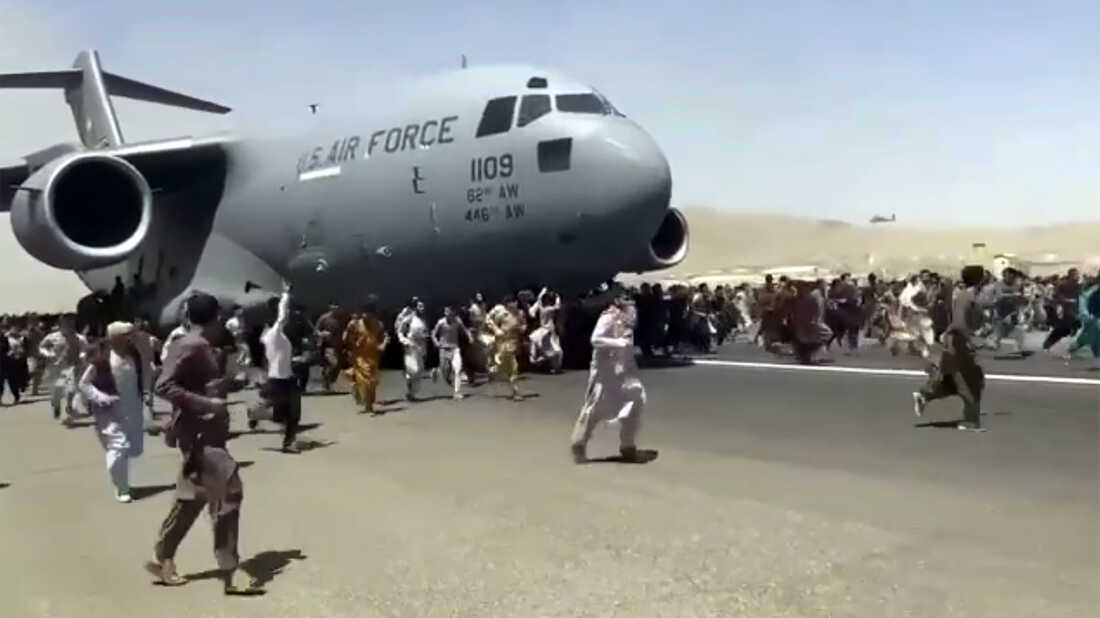
    The scenes in Kabul airport was anything but orderly. More than 2000 marines had to be brought in to secure the Kabul airport as the Taliban rolled into Kabul for the first time since 2001. “The past 17 days have seen our troops execute the largest airlift in U.S. history, evacuating over 120,000 U.S. citizens, citizens of our allies, and Afghan allies of the United States,” the US president said in the statement. An attack by the Islamic State in Khorasan Province (ISKP) on Kabul airport killed 13 U.S. service members and 170 Afghans.

    In the end, it was more of a retreat than a withdrawal. The US made concrete measurable commitments while the Taliban made promises, which they can now afford to renegade on.


    [1] Pg. 667, carter


    Feature Image Credit: www.npr.org

  • The Game of Thrones in Kabul: Taliban’s 2nd Innings

    The Game of Thrones in Kabul: Taliban’s 2nd Innings

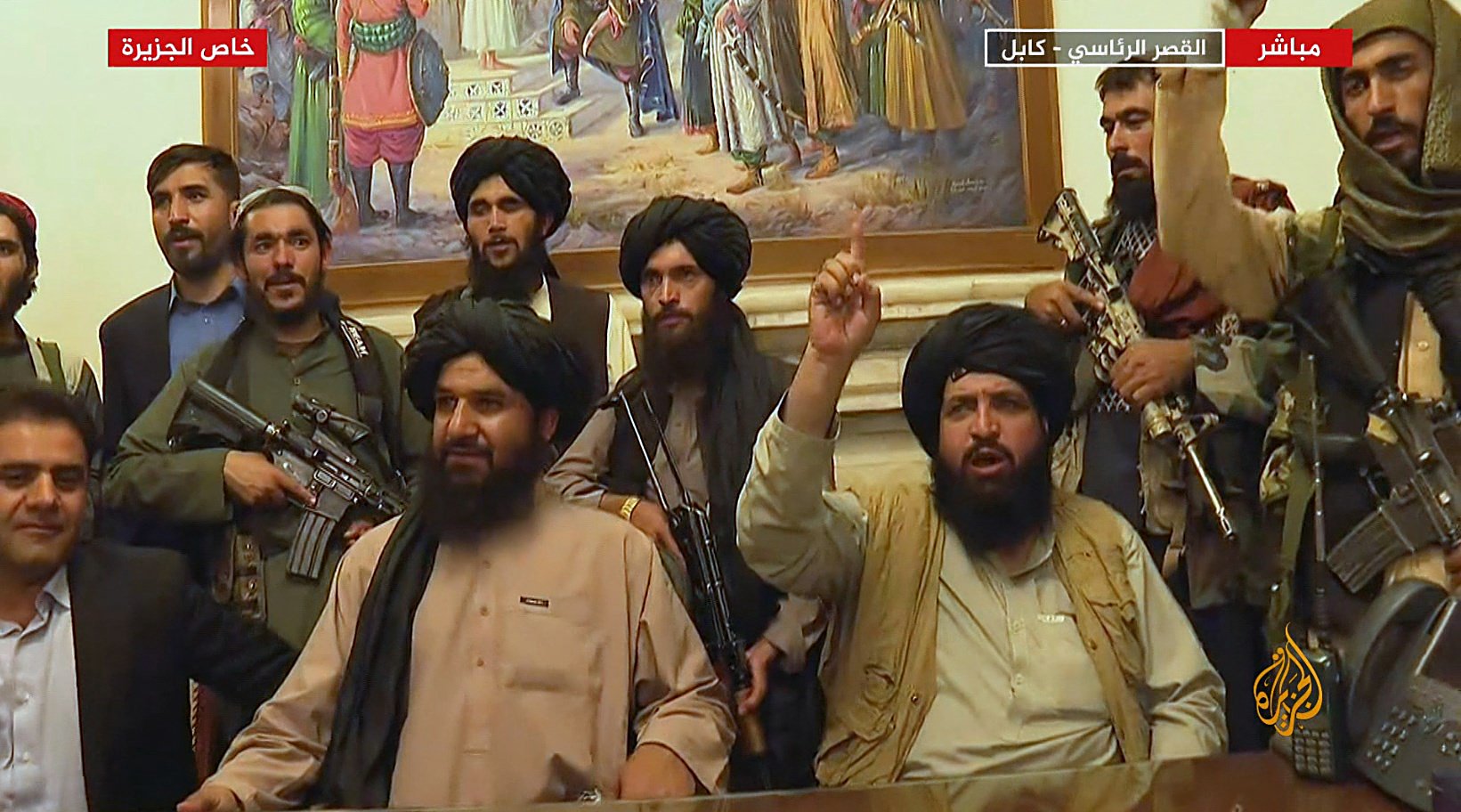
    The trajectory of politics in the volatile region of Afghanistan and its neighbourhood is in flux. A month has gone by since the Taliban rebels swept into the capital and occupied the Presidential Palace in Kabul on August 15. Many faces in the interim government announced by the Taliban are globally designated, terrorists. Till now there are only scanty details about the Taliban’s plans for governance. As the Taliban is an integrated group of multiple tribal power centres, there are conflicting views given by different factions. The hard-line zealots are looking to reimpose their harshly interpreted version of the Sharia laws. The graffiti on the walls are being erased across Afghan towns. Music is muted. Schools and cultural institutions are currently shut. The Taliban has changed the name of the democratic state to the name during Taliban 1.0, an  Islamic Emirate of Afghanistan, a theological state where democracy has no place.

    Surprising everyone, the Taliban announced their ministerial portfolios and postponed the swearing-in ceremony that was planned for September 9, the 20th anniversary of the 9/11 terror attacks. Mullah Hassan Akhund has been named the prime minister. Whether he is acceptable to all the factions is still in doubt. The Haqqani group, a virulent anti-Indian faction, has garnered powerful ministries. The Interior Ministry will be headed by Alhaj Mullah Sirajuddin Haqqani of the Haqqani Network, while Taliban co-founder Mullah Abdul Ghani Baradar has been accredited with the portfolio of the deputy prime minister.

    Sirajuddin Haqqani is long designated as a global terrorist by the US.  The cabinet is likely to expand later. The leaders are yet to come up with some heavyweight names including the judiciary chief. The Islamic Emirate of Afghanistan will be under the supreme leadership of Sheikh Haibatullah Akhundzada. He was head of Sharia courts under the Taliban 1.0 regime from 1996 to 2001 and was responsible for the harsh and brutal interpretation and implementation of Sharia law.  Molvi Muhammad Yaqoob is in charge of the Ministry of Defence, while Molvi Ameer Khan Muttaqi is announced as the Foreign Minister.

     Four Haqqani leaders are allocated portfolios in the cabinet. The tussle between the Haqqani and Yaqoob factions is already public. The Haqqani network intends to retain complete control of Kabul and thus dominate Afghanistan while the Yaqoob faction led by Mullah Baradar, with their power centre in Kandahar, favours an inclusive government featuring the minorities as well. The Haqqani faction functions with the full support of Pakistan and is masterminded by the ISI. This factional feud could spill out to weaken the Taliban ultimately.

    The Taliban’s cabinet doesn’t reflect the ethnic diversity of Afghanistan, and nearly half the strength consists of members from the previous government in 1996-2001. A slew of challenges has already emerged for the new regime. The first is the problem of recognition and legitimacy by the general population and non-voter citizens across the state. The second challenge will be ensuring inclusive governance, claiming undisputed leadership across the territory, as well as dealing with Al Qaida and the Islamic State Khorasan. Economic reconstruction of the devastated economy, coupled with achieving diplomatic recognition by the global community is the major challenge.

    Afghanistan is known for its mosaic culture. In Article 4 of the Afghan Constitution, 14 major ethnic groups are recognized. Apart from the major populace belonging to Pashtun, Tajik, Hazara and Uzbek, there are ethnic minorities like Turkmen, Baluch, Pashai, Nuristani, Aymaq, Arab, Qirghiz, Qizilbash, Gujur,  Brahui. There are also micro-ethnic settlements across the state.

    Taliban has neither showed empathy towards the minorities nor respected the constitution. Out of the thirty-three ministers and high-level names in the Taliban’s cabinet, two appointees are Tajik (Qari Din Mohammad Hanif, Minister of Economic Affairs and Qari Faseehuddin, Army Chief), and only one name is Uzbek (Molvi Abdul Salam Hanafi, Second deputy to PM). Despite a considerable Hazara demography, no ministry is allocated to anyone belonging to Hazaras or even Shia Islam. .

    Women make up almost half of the 40 million Afghan population. Significantly, no female candidate is projected as a minister in the newly formed ministry. Even though Abdul Baqi Haqqani, the Higher Education Minister clarified that females will be permitted to pursue higher education, there are serious concerns over girls’ education. During the Taliban’s incumbency between 1996-2001, girls and women were barred from attending classes and working outside. The Taliban has renamed the Women’s Affairs Ministry the Ministry of Vice and Virtue.

    After the collapse of Amrullah Saleh led interim government in Panjshir, Afghanistan is being ruled by only one incumbent – The Taliban. But Amrullah Saleh and Ahmed Massoud have formed the Government in Exile in Dushanbe, Tajikistan. With this announcement, the global community is likely to recognize only one among the two- the government of the Islamic Republic of Afghanistan in Exile and the Taliban-led Islamic Emirate of Afghanistan.


    In order to alter the negative global perception towards them, the Taliban will have to ensure civic rights, human rights and women’s right to work and study. Establishing political stability and non-violence should be clearly demonstrated. To continue ruling poverty-stricken, strife-torn and war-ravaged Afghanistan, the Taliban will have to work on better external engagements within their ideological frameworks. The United Nations and European Union will continue to engage the Taliban on humanitarian grounds, provided the Taliban works to ensure hope and optimism. Through an official communique to Secretary-General on September 15, the Taliban nominated Mohammad Suhail Shaheen and appealed for the UN representation of the Taliban.

    Aid and trade – these two remain the most significant challenges for the Taliban. Apart from the Islamic states like Pakistan, Iran, Qatar and Turkey, the Taliban has been engaging Russia and China for their support. Under these circumstances, Pakistan is expected to negotiate with the Taliban on Haqqani’s power and control in the provinces along the Durand line. Bringing Tehrik-e-Taliban (Pakistan) under control will be a challenge for Islamabad. Pakistan’s military establishment will seek to cut commercial channels between Afghanistan and India and gains in favour of Pakistan.  India continues its wait and watch policy towards considering diplomatic or political links with the Taliban.

    The tussle for power and dominance between the main factions may spawn severe political instability and civil war. The perennial inter-tribe rivalries across the provinces of Afghanistan will complicate the issues further. [TPF]

    Image Credit: inews.co.uk

  • Does ASEAN Need a New Approach to Code of Conduct for the South China Sea?

    Does ASEAN Need a New Approach to Code of Conduct for the South China Sea?

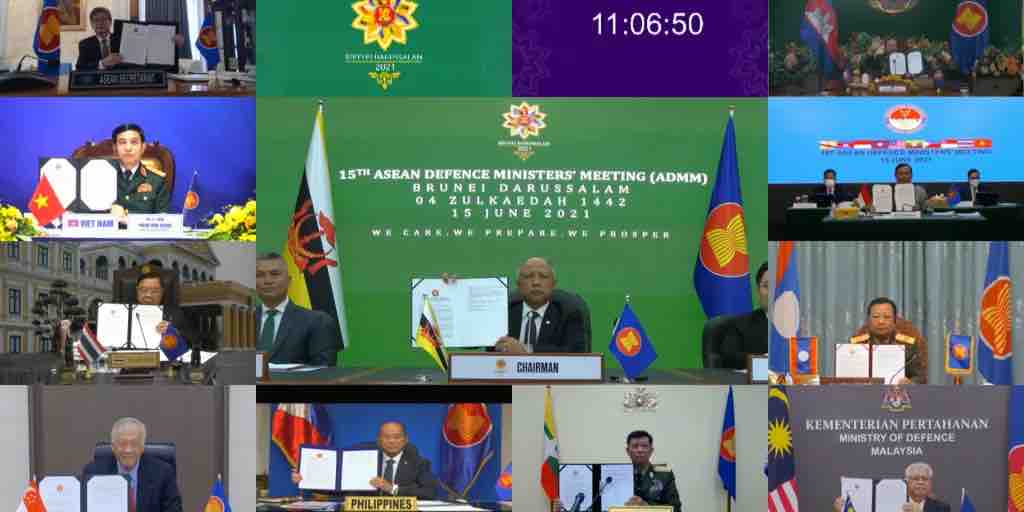
    Reference to Declaration on the Conduct of Parties in the South China Sea (DOC), Guidelines for the Implementation of the DOC, and formulations such as early adoption of a Code of Conduct in the South China Sea (COC) have featured in the ASEAN Chairman’s Statement of East Asia Summit Foreign Ministers’ Meeting since 2013 when Brunei Darussalam had held the Chairmanship of the ASEAN. These references were reiterated, and the section relating to the South China Sea in the ASEAN Chairman’s Statement for the 11th East Asia Summit Foreign Ministers’ Meeting in August 2021 under the leadership of Brunei Darussalam, is no different.

    While the Chinese intent is a welcome development, its new “Maritime Traffic Safety Law of the People’s Republic of China” (MTSL) that came into effect on 01 September 2021, has caused turbulence among the claimant States.

    Meanwhile, China’s Ministry of Foreign Affairs Statement of 5 August 2021 notes that a new goal has been set by China under which Beijing and ASEAN would “refrain from unilateral actions that aggravate tensions and widen differences, or using force or threat of force in particular”. While the Chinese intent is a welcome development, its new “Maritime Traffic Safety Law of the People’s Republic of China” (MTSL) that came into effect on 01 September 2021, has caused turbulence among the claimant States. As per the MTSL guidelines and procedures, vessels must “report the name, call sign, current position, next port of call and even estimated time of arrival to Chinese authorities”.

    The Philippines has decided to “ignore” the new Chinese Regulations and Philippine Defence Secretary Delfin Lorenzana has clarified his country’s stand on the issue that “we do not honour those laws by the Chinese within the West Philippine Sea because we consider that we have the sovereign right within this waters. So we will not recognise this law of the Chinese,” The Vietnamese Foreign Ministry too has reiterated strict compliance with the 1982 UNCLOS “when promulgating documents of domestic law related to the sea”.

    The Pentagon has accused China of “Unlawful and sweeping maritime claims, including in the South China Sea, pose a serious threat to the freedom of the seas, including the freedoms of navigation and overflight, free trade and unimpeded lawful commerce, and the rights and interests of the South China Sea and other littoral nations,” and the Defense Department spokesman has stated that the country will “ continue to fly, sail and operate wherever international law allows,”

    By all counts, an early conclusion of CoC in the South China Sea is only wishful given that the idea has been on the table for over two and a half decades since 1996. At that time there was euphoria among ASEAN foreign ministers that a CoC in the South China Sea could be the “foundation for long term stability in the area and foster understanding among claimant countries.”

    There is now a view that it is time to change the “objective from coming up with a comprehensive CoC”; instead, ASEAN and China must work towards “incremental development of a series of agreements” that could “eventually become the CoC in the future”

    The ASEAN has made earnest efforts and continues to negotiate a legally binding CoC but its finalization has eluded it. There is now a view that it is time to change the “objective from coming up with a comprehensive CoC”; instead, ASEAN and China must work towards “incremental development of a series of agreements” that could “eventually become the CoC in the future”. This can be achieved by developing “more realistic” and “smaller accords” that can help “de-escalate potential contentious situations”.

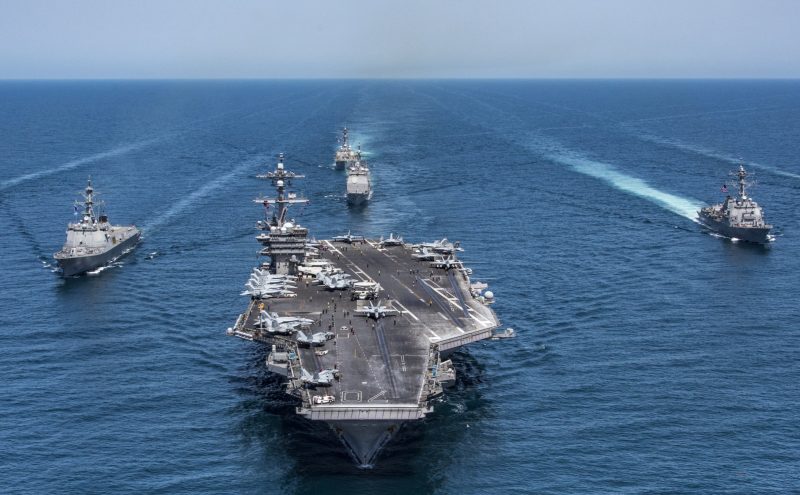
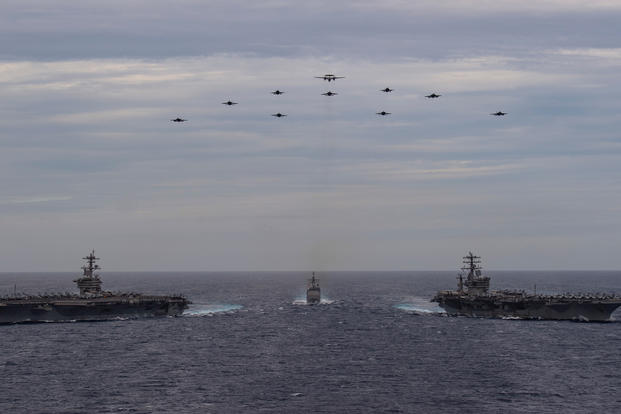
    The above argument merits attention for at least two important reasons. First, the South China Sea is simmering due to US-China military contestations. The US Navy continues to engage in exercises and the current deployment in the South China Sea by USS Carl Vinson Carrier Strike Group and Air Wing of the Future is a reflection of the US’ commitment to field “combat-ready force to protect and defend the collective maritime interests of the U.S. and its regional allies and partners”. Also, the US Navy has conducted FONOPs relentlessly and is now joined by the US Coast Guard. The Quad Member States have also dispatched their warships to the South China Sea for Malabar Naval exercises and the European navies led by France and Britain are operating in the region. These multi-nation naval manoeuvers have prompted China to respond through similar actions and the PLA Navy and the Air Force are persistently deployed in the region. This ‘state of affairs’ will continue.

    Second, there is a view that while the CoC should necessarily be consistent with the 1982 UNCLOS and should not “prejudice legitimate rights and interests of nations not a party to discussions,” this assessment can potentially trigger clamour among other stakeholders who have politico-diplomatic, economic and strategic interests in the region and have vehemently argued for a rules-based system and have challenged China’s expansive claims in the South China Sea as also its non-adherence to the 2016 PCA ruling.

    Under such circumstances, there are no incentives for China and it is deliberately delaying the finalization of the COC; it prefers to pursue a “business as usual” approach causing immense insecurity in the minds of the claimant States. Meanwhile, there is now a sense of urgency among the ASEAN Member States to finalize the CoC and their “patience” is wearing thin.


    Feature Image Credit: Nikkei Asia

  • The United States Must Airdrop Aid to the Blockaded Regions of Afghanistan

    The United States Must Airdrop Aid to the Blockaded Regions of Afghanistan

    With the Afghan economy is on the verge of collapse, the United Nations has warned that half of the population in Afghanistan needs humanitarian aid. While the U.S. military’s combat operations in Afghanistan have come to an end, Washington has pledged to remain engaged with the country through diplomacy, development, and humanitarian aid. After the sudden collapse of the U.S.-backed government on August 15, 2021, the Taliban swiftly seized 33 of Afghanistan’s 34 provinces –  the last standing is Panjshir. As Panjshir leads the resistance, it has also become a safe refuge for many Afghans escaping the wrath of the Taliban.

    The Panjshir Valley is surrounded by magnificent mountains and a roaring river at its heart. It has historically been an unconquered territory, be it against the Soviet Union in the 1970s or the Taliban in the 1990s. The current resistance force is led by Mr. Ahmad Massoud, the son of the legendary anti-Soviet freedom fighter Ahmad Shah Massoud, who was tragically assassinated by al-Qaeda in collaboration with the Taliban two days before the horrific attacks of 9/11. Mr. Ahmad Massoud is now leading the National Resistance Front (NRF) of Afghanistan, alongside Vice President Mr. Amrullah Saleh, who has proclaimed himself as care-taker President in the absence of President Ashraf Ghani, who has fled the country.

    While people across the country suffer from the shortage of food and basic needs, the situation in Panjshir is dire as the NRF and Taliban are fighting tooth and nail. Notably, several of Massoud’s closest aides have been killed, allegedly by Pakistan’s drones, and there is an active blockade imposed on the valley by the Taliban. The NRF’s attempts to negotiate a peace deal with the Taliban, which included some level of autonomy for Panjshir under a decentralized Islamic democratic system were rebuffed. The Taliban insists on a centralized and puritanical theocracy with the group as the dominant power at the center.  While both sides have sustained casualties, reports indicate a devastating toll on the civilian population.

    The Panjshir valley has been surrounded by the Taliban from all entry points, and they have callously enforced an active blockade, inhibiting humanitarian relief from reaching the afflicted. Internet and telephone communication lines have been cut off for several days. Mr. Saleh has appealed to the international community for humanitarian assistance, but his pleas for help have fallen on deaf ears. The Taliban has confirmed the blockade, by saying that due to fighting goods and food items have not entered the province for some four days but promised to reopen the supply lines. The Taliban also claimed to have captured the entire province, including the capital Bazarak. However, the NRF reports resumption of fierce fighting across the province. This is at a time when Ahmad Massoud has called for a national uprising which has inspired some movements in other provinces. Additionally, several women have also participated in protesting for their rights in cities like Kabul, Herat, and Mazar e Sharif.

    Many amongst the ranks of the NRF are former members of the Afghanistan National Defense and Security Forces (ANDSF). They have risked their lives fighting alongside American troops against al-Qaeda, the Taliban, and the Islamic State Khorasan, and many feel abandoned while they continue to resist. While we do not know a lot about the intensity of the issue due to complete media blackout, some with access on the ground report of the catastrophic humanitarian crisis is unfolding in places like Panjshir and Andarab, a district in neighboring Baghlan province. Upwards of a quarter of a million civilians are trapped in these areas,  and desperately need “food supplies, including baby formula, rice, wheat, and other perishables” and medicine.

    While the U.S. military’s combat mission has ended in Afghanistan,  America and its allies can provide critical assistance through humanitarian aid as originally planned. Some small amount of aid from the United Arab Emirates and Bahrain have reached Kabul, but a lot more needs to be done to prevent the catastrophe that the United Nations has warned about. One of the quickest ways to get aid across the country would be through airdropping. The US has conducted several airdrop missions in the past including one in 2014 in Iraq. The US should start with airdropping the much-needed supplies in areas such as Panjshir and other regions where the Taliban has imposed blockades. This can bring great relief to the people in need. Delays in delivering humanitarian aid could risk the lives of many people from starvation and medical attention.

    Image Credit: www.foreignpolicy.com 

  • The Fall of Kabul and dealing with the Taliban 2.0

    The Fall of Kabul and dealing with the Taliban 2.0

    The debacle of the democratic apparatus in Afghanistan was inevitable. After pumping billions in aid and significant bloodshed, the US government ended its longest war in defeat, the war in Afghanistan under the euphemism of ‘Global War on Terror’. Right after occupying the White House, the Biden administration has followed the path of its predecessors and commanded the complete withdrawal of troops from Afghanistan. The 2020 – Doha peace agreement between the US government and the Taliban brought a scant number of outcomes. Even during the presence of international forces in Afghanistan, the Taliban leaders disrespected the peace agreement and violated significant features of the agreement – that is a ceasefire. Following the agreement, over 5000 prisoners belonging to the separatist groups- were released by the Afghan government, under pressure from the US. Quite naturally, these prisoners were back with their militant outfits, thus strengthening the Taliban’s fighting capability.

    As of now, India has not taken any part in the peace negotiations with the Taliban. One of the major reasons is in the past the Indian government has never recognised the Taliban as a legitimate actor and vouched for a peace negotiation that should be Afghan-led, Afghan controlled and Afghan-owned. Currently, there are speculations about the likely power structure and composition of the government in Afghanistan, but it is quite clear the Taliban will govern the country by Sharia law. At this time of fast transition, the countries in South Asia are seeking to gain diplomatic leverage in the situation.

    India has a huge stake in Afghanistan’s reconstruction. In 2016 Indian Prime Minister and Afghan President Ashraf Ghani inaugurated the Salma dam project in Afghanistan. This 200 million dollar project is part of the larger developmental approach of the Indian government to Afghanistan. But recently, the equipment of the Salma dam was captured by the Taliban. In this scenario, it is unlikely that the Dam project will receive further Indian logistical support in future. Similarly, uncertainty beleaguers the Chabahar Project. India was one of the largest bilateral donors to Afghanistan during the war on terror. It ranges from infrastructure building to the promotion of democracy and small development projects. Almost $3 billion has been invested in and on Afghanistan in capacity building, education, infrastructure and security counts. This developmental commitment has made India the most dependable country and strategic partner for Afghanistan so far. However, now that the Taliban is in full control, the Indian government needs to find a diplomatic solution on how to go ahead with the various projects and commitments in Afghanistan.

    Except for Panjshir province, the entire country is under Taliban control. The president, head of the state, has left the country. Led by interim President Amrullah Saleh and Ahamad Masoud, the Resistance Force from Panjshir Valley is fiercely fighting against the Taliban. Under such circumstances, the conservative approach of the Indian government, as it has begun to talk to the Taliban, could ruin the decades’ long reputation and developmental efforts in Afghanistan. India has legitimate concerns in Afghanistan and should protect its interests carefully. The absence of the US forces and elected Afghan government makes the task very difficult for the government of India. In the past, the Indian government cooperated with the elected Afghan government based on their shared interests and values of democracy, freedom, rule of law and respect for human rights. But the past approach may not work anymore under the Taliban leadership. In the past, the Ministry of External Affairs stated that it is in touch with ‘various stakeholders’ in Afghanistan and other regional countries. Indian officials believe that a ‘double’ peace’ i.e. one within Afghanistan and around the country is necessary for the region. To ensure safety for the Indians living in Afghanistan, the government has already evacuated all Indians employed by the Indian embassy. India has also started emergency E-visa facilities for Afghan citizens. With regard to the diplomatic relationship with the Taliban, the government is following a ‘wait and watch policy with its extended neighbour. The Taliban leadership has announced that they would like to have good relations with the Indian government and access to the Indian market through Pakistan. The Taliban also wants these two countries to resolve their issues as its interests are linked to the two countries. The government of India is yet to respond. The Afghan media personnel, translators, performance artists, civilians are being hunted down by the Taliban soldiers. In this scenario, India will carefully assess the situation and the reliability of the Taliban to make its further move.

    While India is still on the horns of a dilemma over the direct dialogue with the Taliban, India’s arch-rival Pakistan is busy re-establishing its hold and is trying to isolate India diplomatically from the region. Pakistan was one of the first countries to recognise the Taliban as a legitimate actor in the 90s. Last year, the government of Pakistan welcomed an Afghan Taliban delegation led by Mullah Abdul Ghani Baradar. In the meeting, Pakistan showed their support for peace and blamed India as a spoiler of peace in the war-torn country. But reports suggest otherwise. According to the US Defense Intelligence Agency, Pakistan harbours Taliban leaders along with other insurgent groups such as the Haqqani network, Jaish-e-Mohammed and Laskar-e-Taiba. Such groups have the potential to disrupt the security and stability in South Asia. The report also says that the strategic objective of the Pakistan government is to counter the Indian influence in Afghanistan. In a recent interview, Pakistan foreign affairs minister Shah Mahmood Qureshi said that the violence in Afghanistan led to a refugee exodus to Pakistan but they cannot take more refugees. Last year, the High Council for National Reconciliation leader Abdullah Abdullah said that Pakistan holds the key role in the Afghan peace process and India should keep their profile low in the Afghan situation.

    As the Taliban emerges in its second avatar while reframing its extremist Islamic ideology, China is poised to become the critical player in the region.  Under a slew of conditions negotiated with the Taliban, China will enhance its role through rapid investments and enabling Afghanistan to integrate into its Belt and Road Initiative. An unstable, dry and war-torn Afghanistan doesn’t offer any attractive economic proposition at the moment. As the economic challenges loom on the Taliban government, it can’t simply sustain on drugs. The Taliban have to rely on China, Pakistan and some Central Asian republics to rebuild its economy. Afghanistan’s unexploited mineral wealth, worth a trillion or more, is a great opportunity for the Taliban to leverage economic gains by engaging China, Iran, Russia, and Turkey. An alliance of China, Pakistan, Iran or Turkey may lead to the marginalisation of India’s role and effectiveness in Afghanistan.

    Whether India will recognize the Taliban is not clear yet but India can’t simply meditate either. Under India’s presidency, the UN Security Council passed Resolution 2593 on Afghanistan. Chairing a session India’s Foreign Secretary Harsh V Shringla has clarified that India won’t tolerate if Afghan territory turns into a sanctuary of terrorists and threat for the neighbouring states. Apart from human rights, Shringla emphasized Women’s participation in society.

    India along with its all partners should advocate for strict observation of the Taliban led governance. Having invested over $3 billion over the last two decades in the reconstruction of Afghanistan, India’s considerable contribution cannot be ignored. The recent meeting between India’s envoy Deepak Mittal and the Taliban’s foreign minister-designate Stanekzai at the Taliban’s request signals a possibility for a changed approach and environment from that of the Taliban 1.0. India’s immediate priority should be the safe evacuation of the Indian origin people and stranded Afghans.


    Image Credit: www.dawn.com

  • India, the Sino-US Rivalry, and the post-pandemic World Order

    India, the Sino-US Rivalry, and the post-pandemic World Order

    India has a vital stake in the geopolitical contest between the US and China, particularly in the context of the rising Sino-Indian rivalry. India’s strategies, therefore, must focus on ensuring its security and its freedom of action in global affairs. It will also need to play an active role in reforming the world to more equitable and multipolar governance.

    The global disruption caused by the Covid-19 pandemic that engulfed the world at the end of 2019 and continues to this day is the biggest economic, political, and technological disruption since the Second World War. The pandemic has exposed the serious deficiencies in national healthcare systems in all countries, developed and developing. More importantly, the pandemic has raised questions on the relevance and effectiveness of the current world order, about the future of international organisations and multilateral frameworks, and poses challenges to international political and economic relations.


    Read more

  • Harmony – the soft power of the East-Asian civilizations

    Harmony – the soft power of the East-Asian civilizations

    To date, the Western understanding of freedom as liberation still seems to be the hegemonic discourse. But as we know from Thomas Hobbes excessive freedom is leading to civil wars – and the ideology of unlimited freedom in the market economy and over excessive consumption is burning the world in climate change.

    East Asia and South-East Asia are emerging as the world’s largest economic powerhouse and perhaps even as a technological superpower.  Nevertheless, a deeper understanding of the consequences of this process will remain elusive, unless we squarely look at the puzzles surrounding the norms and preferences of major East Asian states. In contrast to the Western neo-liberal model, which puts excessive emphasis on individual freedom leading in the Western countries to the dissolution of the social fabric of the societies, there is an authoritarian temptation to maintain social cohesion in light of the dramatic social transformation worldwide. But mere authoritarianism is not compatible with the progress of societies because it does lack the incentive to rise above your current situation. We all know we started to live in a new world different from what we used to. But it is still early to name or define this Chameleon-like world of incessant transformation. Western triumphalism, perhaps understandable after the end of the Cold War, was long gone. Perhaps, we are destined to live in limbo for the near future. In order to cope with this process, East Asia needs not only economic and technological progress but also the soft power of ideas. To date, the Western understanding of freedom as liberation still seems to be the hegemonic discourse. But as we know from Thomas Hobbes excessive freedom is leading to civil wars – and the ideology of unlimited freedom in the market economy and over excessive consumption is burning the world in climate change.

    Harmony in the Confucian tradition is also not a fixed status, but the task is to harmonize the contrasts and opposites.

    An alternative value system might be the Confucian and East Asian concepts of harmony.  Harmony is not sameness but implies tensions like those in a symphony. In music, we find a lot of contrasts for example in a symphony of Beethoven but at the same time, we enjoy the harmony of the whole composition. Already in the first very old appearances of the concept of harmony, it is related to the singing of birds and music in general. Harmony is therefore related to the balancing of contrasts. Harmony in the Confucian tradition is also not a fixed status, but the task is to harmonize the contrasts and opposites. And of course, a part of harmony is related to freedom, but unrestricted freedom is not the ultimate goal. The question, therefore, is how to limit unrestricted freedom without suppressing the people? The answer might be to harmonize and balance freedom with equality.

    The question, therefore, is how to limit unrestricted freedom without suppressing the people? The answer might be to harmonize and balance freedom with equality.

    As in a symphony, real harmony is achieved when we are able to balance the contrasts of life: between the whole and the part, being born and dying, the individual and the community, between freedom and equality. We could compare such a balance with a water wave. If there are no movements and waves at all, the sea is dying – if it is a Tsunami the waves are destructive for the individual and the community. Harmony is superseding the Western discourse of absolute freedom because in a harmonious society freedom is not abandoned but a part of the greater whole.  Neither the authoritarian rule nor excessive freedom should be the alternative for world order in the twenty-first century – what we desperately need in a burning world is a harmony or floating balance between and within our societies as well as us as individuals.


    Feature Image: The Idea of Harmony wsimag.com

  • US Policy in the South China Sea since 2016 PCA Ruling

    US Policy in the South China Sea since 2016 PCA Ruling

    In the foreseeable future, ASEAN will become more divided over South China Sea issues in the Biden era. The conflicts brought about by geopolitical competitions and maritime disputes in the South China Sea will become more challenging and uncertain


    The US does not lay any territorial claim in the South China Sea and had not taken any position on sovereignty over islands, reefs, and features in the South China Sea. Its 2010 policy was of not taking “sides on the competing territorial disputes over land features in the South China Sea, we believe claimants should pursue their territorial claims and accompanying rights to maritime space in accordance with the UN convention on the law of the sea”. Towards that end, the US had consistently urged the contesting parties to settle disputes based on international law and without intimidation-coercion. Even in 2016, the US had encouraged claimants to resolve their disputes “free from coercion or the use or threat of force” after endorsing the Permanent Court of Arbitration (PCA) award to the Philippines.

    However, in July 2020, the US revised its South China Sea policy through a Position Paper titled “U.S. Position on Maritime Claims in the South China Sea”. The Paper questioned China’s “claims to offshore resources across most of the South China Sea” and categorically stated that these are “completely unlawful, as is its campaign of bullying to control them,” This was in sharp contrast to the 2010 policy articulations.

    Since the publication of the Position Paper, South China Sea has appeared in Statements by respective US political leaders. For instance, at the G 7 summit on 11-13 June 2021, President Joe Biden was able to rally the leaders of the grouping and succeeded in a consensus over the critical necessity of a free and open Indo-Pacific and the G7 leaders also expressed concerns about the “situation in the East and South China Seas” and strongly opposed “any unilateral attempts to change the status quo and increase tensions”.

    There is continuity in US policy on the South China Sea since President Trump’s administration and the issue has figured prominently in US’ statements particularly in the context of coercion and intimidation of its smaller neighbours by China.  Secretary of State Mike Pompeo drew attention to the “trampling” of the “sovereign rights of its neighbours” and “destabilizing the region” as also causing “untold environmental devastation” of 3,000 acres of the sea space in the South China Sea; furthermore, “the United States will act until we see Beijing discontinue its coercive behaviour in the South China Sea, and we will continue to stand with allies and partners in resisting this destabilizing activity.” Also, he was uncompromising on US’ commitment to its ASEAN partners in safeguarding sovereign rights to “offshore resources, consistent with their rights and obligations under international law.”

    President Biden’s Administration has continued to pursue a similar policy as that of the predecessor. For instance, in his conversation with National Security Advisor Jake Sullivan on 1 July 2021 with Vietnamese Deputy Prime Minister Pham Binh Minh, they discussed the South China Sea, including the United States’ support for the 2016 arbitral tribunal award.

    It is not surprising that a Chinese commentator has observed that “Biden administration’s South China Sea policy has attached great importance to US allies within and outside the region, this precisely reflects its Cold War mentality” and is reflected in the US-Philippine Mutual Defence Treaty, which now applies to the South China Sea and freedom of navigation operations (FONOP)  in the South China Sea continues unabated. For instance, in 2017 there was one FONOP by the US, in 2018 there were three incidents, nine in 2019; 15 in 2020; and then this year four FONOPs have been reported. There is also a new emphasis on mini multilateralism in the form of Quadrilateral Security Dialogue (QUAD) to support its “traditional strategy of relying on allies and partners” to “establish a new regional order dominated by the US”.

    The Chinese commentator’s assertion that “in the foreseeable future, ASEAN will become more divided over South China Sea issues in the Biden era. The conflicts brought about by geopolitical competitions and maritime disputes in the South China Sea will become more challenging and uncertain” merits attention.

    Last week, while speaking in a forum on global security issues at Tsinghua University in Beijing, China’s Foreign Minister Wang Yi said that the US’ Indo-Pacific strategy is aimed at countering Beijing and the strategy “should be dumped at a trash heap.” Wang also observed that China would oppose any framework of cooperation to “fuel rivalry” and “an action to accelerate division” ostensibly referring to Taiwan.

    Finally, a continuous war of words between political leaders of the US and China over the South China Sea can be expected to continue. Notwithstanding that ASEAN Member States can be expected to continue to engage China for a legally binding Code of Conduct and at the 19th Senior Officials’ Meeting on the Implementation of the Declaration on the Conduct of Parties in the South China Sea (DOC) held on June 7, 2021, in Chongqing, all “parties agreed to resume as soon as possible the second reading of the Single Draft COC Negotiating Text and strive for the early conclusion of negotiations”.

    Feature Image: USS Ronald Reagon in the South China Sea. Credit: asiatimes.com

  • Wage theft plagues India’s  migrant workers

    Wage theft plagues India’s migrant workers

    Though the South Asian country has relied heavily on remittances from its international migrant workers, the government has been remiss in ensuring their protection and welfare. As labor violations spike amid the COVID-19 pandemic, these workers are left to fend for themselves.

    In August 2020, a group of around forty Indian construction workers staged a hunger strike in Kraljevo, Serbia, demanding to be paid. In addition to not receiving months’ worth of wages from their employer, they had been working 10-12 hours a day without proper food or access to healthcare and were living in cramped, unhygienic quarters during the COVID-19 pandemic.

    The migrant workers from across India first arrived in Serbia in mid-2019. According to the Building and Wood Workers’ International (BWI), a global union federation, around 150 Indians were employed across the Balkan country for the construction of the Corridor 11 project. In a Zoom interview, two of the workers recounted how their troubles with getting paid had begun soon after arrival. When their situation didn’t improve, the first group was repatriated to India in January and February 2020. The rest, including those protesting in Kraljevo, were repatriated by September 2020.

    Much of the Indian government’s efforts have been focused on Gulf countries, where, based on data from the International Labour Organization (ILO), around 9 million Indians live and work. However, the BWI warns that Europe is fast becoming a hub for the exploitation and trafficking of third-country nationals. In Serbia, other reports of exploitation of migrant groups from China and Turkey have recently come to light.

    When he heard about the stranded Indian workers, Ramachandra Khuntia, chair of the BWI Indian Affiliates Council and a former Member of Parliament (MP) contacted the Indian Ministry of External Affairs (MEA) and the Indian embassy in Belgrade multiple times.

    the BWI warns that Europe is fast becoming a hub for the exploitation and trafficking of third-country nationals.

    What followed was a cross-border initiative involving labor unions, the Indian government, and Serbian anti-trafficking organization ASTRA. “We were finally able to bring the workers back home. But ‘til today, they have yet to receive their wages from the employer,” says Khuntia.

    “The payment of arrear wages is usually dealt with by the labor department in the host country, but the matter can be pursued through the Indian embassy,” explains Khuntia, adding that despite assurances from the Indian government and the Indian embassy in Serbia, the payments seem nowhere in sight.

    Indian construction workers stage a hunger strike in Kraljevo, Serbia, in August 2020. Amid the COVID-19 pandemic, wage theft has soared across the world, and often, the victims are migrant workers from India, who receive patchy support from their own government and have to rely on unions or non-profits for help. (Photo credit: BWI/Boobalan D) 

    Job loss and other ordeals

    Wage theft — the illegal practice of denying workers the money that they are rightfully owed — has dramatically increased during the COVID-19 pandemic. In addition to the non- or incomplete payment of wages, employees have to deal with job loss, non-payment of termination benefits, poor working conditions, and hurried repatriation without the chance to register their grievances.

    Migrant workers’ troubles begin in their country of origin, not abroad. “It is a new form of slavery that begins before they even leave the country in the form of recruiting fees. Recruiting agents and others involved are selling dreams to migrant workers.”

    Ponkumar Ponnuswamy, president of TKTMS, a construction workers’ union in Tamil Nadu that was directly involved in the process of repatriating the stranded workers, says that each of the workers is owed anywhere between the equivalent of US$1,300 and US$2,600 by the aforementioned company, depending on how long they were in Serbia. For the workers who were put through this trying ordeal, their unpaid wages represent a substantial amount of money that would have otherwise gone towards debt repayments, medical treatments, and basic subsistence.

    “I think it is a huge loss not only at the individual level but also at the country level,” says S. Irudaya Rajan, an expert on Indian migration and member of the Kerala government’s COVID-19 expert committee. Migrant workers constitute an integral part of the global economy, with their remittances adding up to over three times the amount of international aid and foreign direct investment combined. India, the world’s largest source of international migrants, received US$82 billion in remittances in 2019 according to World Bank data, a sum that has helped keep millions out of poverty.

    “COVID-19 has become a great opportunity for exploitation,” says Rajan, who is currently heading a study on counter-migration from the Gulf to assess wage theft.

    But according to him, migrant workers’ troubles begin in their country of origin, not abroad. “It is a new form of slavery that begins before they even leave the country in the form of recruiting fees,” he says. “Recruiting agents and others involved are selling dreams to migrant workers.”

    The Indian government requires recruiting agents to register themselves with the Protector General of Emigrants. Despite this, many illegal agents continue operating across the country. (Photo credit: Yamuna Matheswaran)

    Is the Indian government doing enough?

    In theory, the Indian government offers various resources for those who emigrate for work: registration portals, insurance schemes, awareness programs, and helplines. They also provide a list of registered recruiting agents (RAs) across the country.

    But the reality of emigration is far more complex, even confusing. For instance, it would be safe to assume that only a fraction of the RAs operating in India is registered with the MEA. A 2018 investigation by the Migrant Forum in Asia (MFA), with the support of ILO, found that in the state of Punjab alone the number of unregistered agents ran into several thousands, despite the 2014 Punjab Travel Professionals Regulation Act requiring mandatory registration of all consultants, agents, and advisors involved in sending people abroad.

    These unscrupulous agents make emigrants more vulnerable to exploitation by charging illegal fees and pushing unfair contracts. Some workers arrive in a foreign country only to learn that the job they were recruited for doesn’t exist, says Rajan. Others end up without appropriate visas or permits and are never registered in the system.

    The MEA limits the service fees RAs can charge their clients, which caps at INR 20,000 (around US$270). But Rajeev Sharma, Regional Policy Officer at BWI’s South Asia office, says that many of the workers have paid far more depending on the state they hailed from.

    “Workers from Punjab, for instance, paid up to INR 100,000 (US$1,365) to 150,000 (US$2,048) to the agent,” he says. “We don’t know how they managed to fund their journey, they may have run into debt – so it’s not just the salary, so many other issues are involved.” When asked about this practice, one of the agencies involved – an unregistered ‘Shakti Tread Test Centre’ run by Muktinath Yadav in Deoria, Uttar Pradesh – gave no response.

    “Covid-19 has become a great opportunity for exploitation” – Dr. S Irudaya Rajan, an expert on Indian Migration

    Indian missions abroad are tasked with ensuring the welfare of overseas Indian nationals. The migrant workers and union members state, however, that the Indian embassy in Serbia failed to even register their grievances properly. The Embassy of India in Belgrade did not respond to requests for comment. In response to an inquiry about grievance redressal mechanisms for repatriated migrant workers, the MEA’s Protector General of Emigrants instead pointed to the Pravasi Bharatiya Sahayata Kendra, a general helpline.

    Amnesty International raised concerns about the state of migrant workers under Covid-19 in the Gulf.
    Image Credit: amnesty.org

    “Grievance portals address a lot of topics, including pre-departure issues. However, there needs to be a specific focus on wage theft, particularly during COVID-19,” says Rajan. He stresses the importance of collective bargaining by various governments at the South Asia level, as well as proper grievance registration by Indian embassies in order to pursue the necessary legal steps.

    Recognizing the lack of global mechanisms to address wage theft, Congress MP Shashi Tharoor stated during a panel discussion last year that an escrow fund could be set up, with employers depositing six months’ worth of wages in order to protect workers against non-payment.

    Need for awareness building

    In the case of the Indian migrant workers in Serbia, it was labor unions that initially came to their rescue, following through until they had arrived safely back to their respective homes. When asked if there is enough awareness among migrants themselves about their rights and the resources available to them, Rajan says: “Absolutely not, and I think that is where we are failing.”

    “Migration has three cycles,” he explains. “The first — pre-migration cycle — happens in our country,” and steps to protect migrant workers need to start here. Rajan believes that the government should make pre-departure orientation programs, including skills training, mandatory. “Most workers don’t even know the currency of the host country. They know, in rupees, how much they expect to make and in how much time.”

    Khuntia, of the BWI Indian Affiliates Council, highlights the utter importance of signing bilateral agreements with host countries regarding wages, healthcare, and social security so that those emigrating can feel secure. “And if anything were to happen, by virtue of this bilateral agreement, the Indian government can negotiate with the host country and provide relief to the workers,” he concludes.

    “If everybody were cheated, there would be no migration,” says Rajan. But it’s important to share not only success stories but also those of struggles, he continues, to raise awareness among prospective migrants. It’s not about “how many people we send” but about how well-informed our migrant workers are when they are deployed abroad, he says.

    This article was first published on Asia Democracy Chronicles.

    Feature Image: dw.com

  • The Modernisaton of the PLA during a Time of Crises and Plague

    The Modernisaton of the PLA during a Time of Crises and Plague

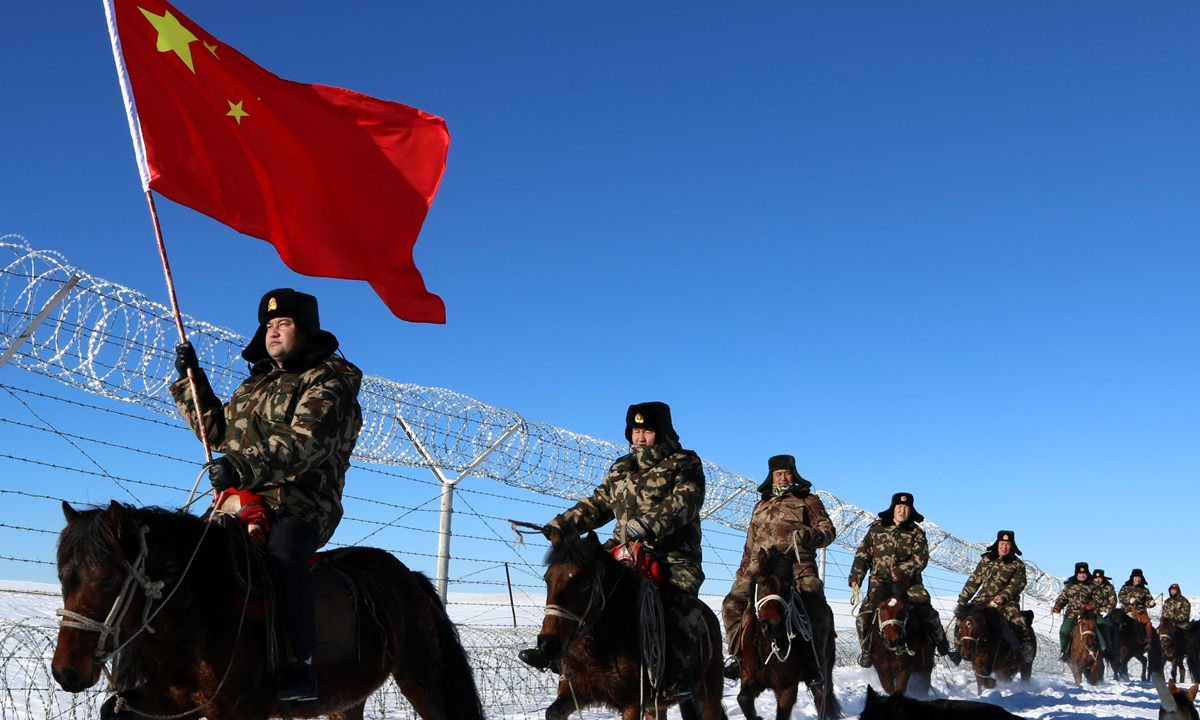
    Since the days of Sun-Tzu, China’s military leaders have always been aware that to defeat an enemy at the nation’s gates, you have to maintain a communal armed force: that is, a military force that is an integral part of ordinary peoples’ lives.   However, since the time of the Han dynasty, the military power of the Chinese people has always been intimately associated with the idea of living harmoniously within the realm of Heaven (t’iem). The people have also needed to be willing to accept the authority of the “Son of Heaven” (t’iem-tzu), which means ultimately a supreme personality that will guide the Chinese masses in times of peace and war. In the early twenty-first century, the concept of “Heaven” in the People’s Republic of China is the embodied in the Communist Party of China (CPC) and its current economic power and military influence is well beyond the shores of mainland China and even of east Asia; it can be felt, for example, in South America and in Africa.  Its polar star, Xi Jinping, has emerged as an undisputed, authoritative leader, just as Mao Zedong was – who pioneered China’s modern military theory.  What Xi has done is to take Mao’s theory of warfare and transformed it into a modern conception of a military machine that is both Chinese in concept and Westernized in its pragmatism, military readiness and its deployment.

    From my perspective as a military historian, I would state that the Communist Party of China with its Central Military Commission is a sophisticated parallel to the command and control of the People’s Liberation Army (PLA), which is under the operational control of the Central Military Commission of the CCP Central Committee—the Party’s CMC. The overall Chinese leadership have been aware since the Persian Gulf War of the prowess of the American armed forces against the Iraqi army. It understood then, during that momentous time in history, the urgent need to modernize the Chinese armed forces – much as the Stalin-era Soviet military and political leadership were both impressed with and fearful of the modernization of the emergent Nazi armed forces, which included the army, air force and navy echelons. It can be said unequivocally that Stalin saw the need to prepare for a major regional war with fascist Germany, just as the Chinese leadership is aware that eventually, it will have to wage war against the United States. Unless their American adversary implodes from within, leaving disparate fiefdoms across its landscape, or a new military leadership develops within the United States due to a sophisticated insurrection or military coup and a Second American Civil War ensues, there remains a danger of war between the two nation-states. An America with a fascist government and military hierarchy whose ultimate political desire is to destroy socialist China, despite the possibility of a thermo-nuclear war, is still a possibility.

    The Chinese leadership were undoubtedly grim in their early analysis of what awaited them: if they were not prepared to solidify their armed forces with the capability to withstand violent dissent within their borders as well as to fight a war beyond the Great Wall of China, then their demise or ruin was inevitable. The Chinese leadership, I am sure, has looked closely at the decisions made prior to World War II by Stalin and the Soviet political leadership.  Although eager to strike first against the armies of Hitler, Stalin found himself unable to undertake a “first strike” as Lenin had advocated, and tragedy ensued with the loss of 29 to 30 million Soviet military and civilian lives during the Great Patriotic War. The Chinese leadership is more than aware of what almost mortally wounded the USSR: namely the failure of the Soviet military leadership to prepare quickly enough by modernizing the armed forces in time and by creating a defensive border force that could have blunted more quickly the Nazi tanks and the thousands of German fascist troops that crossed the Minsk or Pripet Marshes through Poland and which tore through the heart of Soviet Russia. The Communist leadership of China know that if it is not ready to confront the United States, let alone its secondary adversary, India, then it is gambling with its very existence. Xi and his military council members are not gamblers when it comes to war; they are strategists who know that to keep Heaven you have to fight for it.

    In my analysis of the contemporary military prowess of the People’s Republic of China, I will address the issues not through a dogmatic application of military theory but instead by looking at recent essays or articles that have arrived at certain conclusions or made particular observations regarding the Chinese military infrastructure, while nevertheless understanding that even the observations in these journals or periodicals that I cite are not facts set in stone. I remember in my youth that Mao Zedong would quote authors, philosophers and poets in his military theory and allude to them in his poetry when writing about military periods in his own life, without losing the inner core of his final analysis of the art of war as it he perceived it during and after the Chinese Revolution.

    In terms of the substance of the Chinese army, it is undergoing a creative build-up, meaning that its military commanders are more focused on quality troops than on simple numbers of servicemen and servicewomen on the battlefield. An essay, written for the Council on Foreign Relations, titled “China’s Modernizing Military”, states:

    “The army is the largest service and was long considered the most important, but its prominence has waned as Beijing seeks to develop an integrated fighting force with first-rate naval and air capabilities. As the other services expanded, the army shrunk to around 975,000 troops, according to the International Institute for Strategic Studies (IISS). Reforms have focused on streamlining its top-heavy command structure; creating smaller, more agile units; and empowering lower-level commanders. The army is also upgrading its weapons. Its lightweight Type 15 tank, for example, came into service in 2018 and allows for engagement in high-altitude areas, such as Tibet.” [1]

    The author of the essay implies that the Chinese military command is more concerned with smaller infantry units and creating lighter tanks (bringing to mind the light French tanks that could outrun the heavier German tanks during the invasion of 1940, but which lacked their firepower). But such light tanks will not necessarily be a powerful weapon against the more powerful American, technologically advanced tanks.  These light tanks are not on par with the modern Russian T-14 Armata, which is “based on a modular combat platform, which can also serve as a basis for other armoured variants such as heavy infantry fighting vehicle (IFV) and armoured personnel carrier (APC)”.[2]  However, the PLA has a powerful heavy tank that is equal in fighting power to the T-72 or the American M1A2 SEP Abrams tank, in that “In comparison to older Chinese-made tanks, the MBT has improved capabilities in terms of protection, power and mobility. It has a crew of three. ZTZ 99 was made to compete with western tanks, while its technology is used to improvise the more economical ZTZ 96. Regiments in China’s Shenyang and Beijing military areas currently deploy the MBT Z”.[3]What is factual in terms of actual combat experience is that the T-72 has seen major combat just as the American Abrams tank has, while the Russian T-14 Armata and the Chinese ZTZ 96 have not been properly put to the test yet on the world’s battlefields. I, therefore, observe that the decisive factor will be the readiness of the PLA, with its modernized air force and navy giving support both in retreat and offensive attacks, depending on what the context requires at a given moment.

    Just over a year ago, the American Department of Defense was quoted by the Brookings Institute recalling its report of twenty years earlier:

    “DoD’s 2000 report assessed that the PLA was slowly and unevenly adapting to the trends in modern warfare. The PLA’s force structure and capabilities focused largely on waging large-scale land warfare along China’s borders. The PLA’s ground, air, and naval forces were sizable but mostly obsolete. Its conventional missiles were generally of short-range and modest accuracy. The PLA’s emergent cyber capabilities were rudimentary; its use of information technology was well behind the curve; and its nominal space capabilities were based on outdated technologies for the day.”[4]

    In this description of the capabilities of the PLA, there was almost a complete dismissal of the fighting ability of the Chinese infantrymen, which should have included an evaluation of its Marine Special Forces. The report had implied that the PLA was basically a mainland Chinese army whose mission was to defend or wage war along its borders and went on to belittle the PLA further by stating with a certain arrogance that:

    “Even if the PRC could produce or acquire modern weapons, the PLA lacked the joint organizations and training needed to field them effectively. The report assessed that the PLA’s organizational obstacles were severe enough that if left unaddressed they would “inhibit the PLA’s maturation into a world-class military force[5].”

    However, Brookings notes, the latest DoD report acknowledges that:

    “The PRC has marshalled the resources, technology, and political will over the past two decades to strengthen and modernize the PLA in nearly every respect[6].”

    Benjamin Brimelow likewise acknowledges the reforms and writes, with less bellicose language and more precision:

    “China’s 11 military regions were restructured into five, the ballistic-missile force became its own branch of the armed forces, and the PLA marine corps, which had been disbanded in 1957, was reestablished.

    “Xi also created the PLA’s Strategic Support Force to support the PLA’s cyber warfare, space warfare, and electronic warfare operations, and the Joint Staff Department, which acts as a commanding organ between all branches of the PLA and the Central Military Commission.

    “Xi has increased the PLA’s budget in an effort to create a world-class military by the year 2050. China is now the second-biggest spender on defence in the world, behind the US, and the largest in Asia.”[7]

    What the author implies in the above quote is that China’s Communist Party leadership and its military leadership is not standing by idly waiting to be destroyed by outside or indeed enemies from within. It is instead advancing – slowly but steadily – in creating an army, air force and navy that will equal and eventually exceed the present United States armed forces in their sophistication and in their deadliness.  While the American army, air force and navy comprise volunteers, the armed forces of the People’s Republic of China are conscripted and are doctrinally trained so that they have a serious commitment to the health and sovereignty of the Chinese motherland. The history of the Chinese Armed Forces is still imbued with the aspirations of the military virtues of the era of Mao although the principles have been changed in accordance with the context of the present period of world history. It would be naïve to think that Chinese troops have the same divisions, disunity and deep racism that exist in the modern United States Army, even though there are thousands of American military servicemen men and women who are sincerely dedicated to the preservation of the United States, despite dissent within the ranks as revealed by the attempted insurrection on January 6th. There were active and former military men and women involved in the violent acts at the Capitol, a clear signal of disunity within the American army as well, although the National Guard seemed committed to preventing the Trump regime from gaining the initiative in creating a populist fascist government.

    It is with caution that I make an observation about China’s navy, which although it has now assumed ascendancy as the world’s largest navy is not necessarily totally capable of defending mainland China or defeating its adversaries on the high seas. However, the American newspaper, The New York Times, has been calm in its assessment of Chinese naval power, explaining it in a balanced way:

    “A modernization program focused on naval and missile forces has shifted the balance of power in the Pacific in ways the United States and its allies are only beginning to digest. While China lags in projecting firepower on a global scale, it can now challenge American military supremacy in the places that matter most to it: the waters around Taiwan and in the disputed South China Sea. That means a growing section of the Pacific Ocean — where the United States has operated unchallenged since the naval battles of World War II — is once again contested territory, with Chinese warships and aircraft regularly bumping up against those of the United States and its allies.”[8]

    I would say that although the Chinese navy has carried out great improvements in the bolstering of its anti-missile ships and nuclear submarines, it still lags seriously behind the United States Navy in terms of quality naval ships, partly because it has yet to achieve strike capabilities comparable to the Seawolf and Virginia class submarines that the United States has not only in the Pacific region but in other far-off oceans and seas as well.  I would suggest that perhaps the strategic goal of the Chinese navy high command is to create large quantities of submarines so as to defeat a potential adversary with more advanced submarine technology. I am reminded in this instance of how Soviet tank designers were able to create and mass-produce T-34 tanks which moved faster on the battlefield and were able to withstand enemy shell hits because of their unique cup-turret design. Although the T-34 was not as sophisticated as the Panzerkampfwagen V or Panther and Tiger tanks created by the German military engineers during World War II, Soviet engineers – like modern China’s military engineers – were pragmatic in their weapon designs.  In any case, the two nations, the United States and the People’s Republic of China, may engage as naval powers in a battle of wills over the disputed islands in the Paracels, and a major naval battle there in the future will decide who not only controls the South China Sea but all the Pacific Ocean territories as well.

    I have attempted in this essay to cover the probabilities or capabilities of the People’s Republic of China’s emerging military strength, which I would more modestly call military maturity rather than “world-class”. It is her modern missile capabilities that I think will be the major deciding factor should a Third World War break out. The American journalist that I mentioned earlier in this essay, Brimelow, said this about Chinese missile capabilities:

    “The PLA Rocket Force (PLARF) has become one of the most intimidating missile forces in the world. China never signed the Intermediate-range Nuclear Forces Treaty (INF) and was never subject to its limits, so it has been free to invest heavily in ballistic missiles.”[9]

    It is the powerful and continual growth of high-velocity and long-range ballistic missiles within the Chinese arsenal, including the in-depth deployment of intercontinental missiles across mainland China, that the United States, as well as her allies, should actually fear because it is missile firepower with nuclear warheads that will be the deciding factor should a Third World War emerge on the world’s stage.

    The contest for military ascendancy or military parity is not simply a competition between the United States and China, as there are multiple other rivalries across the world’s continents. As China, Russia and other nation-states in the Middle East and South America continue to resist the United States’ hegemonic project for economic and military superiority, political and military tensions will increase between these two multi-polar major competing forces.  Also, because of various other international social factors, including the breakdown of cultural and economic structures that the pandemic in 2020 destroyed on a worldwide basis, there will be a desire to assert the hitherto hidden agenda for emerging nation-states’ independence rather than submitting to the status quo of the self-destructive imperialist powers.  A boldness will emerge in which these nation-states will no longer want to be second-best to Western Europe or to North America.

    Since the Long March, in which the nucleus of the People’s Liberation Army emerged under the guidance of Chairman, Mao Zedong and Zhou Enlai, the first Premier of the People’s Republic of China, there have been at times both steps forward and reversals in terms of the qualitative and quantitative achievements that China’s military strength represents. China showed its resilience and determination in fighting American military forces during the Korean War, revealing that its troops were not intimidated by American troops; during the Vietnam War, Chinese military advisers played a major role in strategy and tactics in helping General Giap and his field commanders to fight a sophisticated war of independence against the United States military armies, particularly at the Battle of Dien Bien Phu.  In 2014, a retired Vietnamese professor, Dao Nguyen Cat, was interviewed by the Xinhua news agency, and “on the occasion of the 60th anniversary of Vietnam’s victory in the Battle of Dien Bien Phu, Cat said that with the rare support of Chinese forces, the Vietnamese troops were able to successfully drive away the French colonial forces from the province of Dien Bien Phu, 300 km northwest of the capital Hanoi”.[10]  Professor Cat, who served as an official of Vietnam’s Central Propaganda Committee at Dien Bien Phu Campaign, Cat was quoted as saying: “Definitely without China’s support, we would have failed to defeat the French colonial masters… They not only gave training courses from the command posts but also went directly to the battlefield to talk with our soldiers. They supplied Vietnam not only weapons but also with food…”[11]  The military advisers and military supplies given by the leadership of the PLA at that time in history, regarding the Vietnam War, known by the Vietnamese people as The American War, reveal that Chinese leadership were moving forward in honing their military skills beyond their borders.

    The reversal of military progress came during the nineteen sixties and late seventies in the form of territorial disputes. First, in March 1969, there was a military clash between the Soviet Union and China: a seven-month undeclared military conflict that occurred near Zhenbao (Damansky) Island on the Ussuri (Wusuli) River, near Manchuria. The conflict between the two Communist nation-states would eventually result in a ceasefire, which led to a return to the status quo; however, a balanced history is yet to be written on how the two parties view each other as ideological threats, all this taking place during the period of the Culture Revolution.  Secondly, the Sino-Vietnamese War was a border war fought between China and Vietnam in early 1979. Rightly or wrongly, China created an offensive attack in response to Vietnam’s actions against the Khmer Rouge in 1978, ending the dominance of the Chinese-backed Khmer Rouge. What is regrettable but not surprising is that two socialist nation-states were unable through diplomacy to decide how to end their dispute regarding the Khmer Rouge’s various mistakes in its destruction of thousands of lives that could have contributed to the Communist cause in Southeast Asia.  However, China then began to gain influence, sending economic aid and military advisors to Africa, including Cuba and Venezuela – which reveals the wise and ancient observation by Sun Tzu who said “To win one hundred victories in one hundred battles is not the acme of skill. To subdue the enemy without fighting is the acme of skill.”  The Chinese Communist Party know how to achieve a military strategy without going to war.

    In May 2020 there was an actual hand-to-hand struggle between Chinese and Indian troops at locations along the Sino-Indian border, including near the disputed Pangong Lake in Ladakh and the Tibet Autonomous Region, and near the border between Sikkim and the Tibet Autonomous Region. During the last days of May 2020, Chinese forces objected to Indian road construction in the Galwan river valley, and there then ensued violent verbal exchanges between the two military camps, resulting in deaths and taking of prisoners on both sides. Although I will not attempt to describe in any detail how each side viewed the territorial dispute, I will say that the complexities between China and India, only reinforce why China is so protective of its borders and why India has chosen the United States as its major ally.  We have read similar accounts in ancient historical texts: Thucydides wrote about it in The War of The Peloponnesians And The Athenians, therefore we should not be surprised that in our own day, these small conflicts can lead to greater military build-up and to territorial jealousies which ensnare two parties or various parties into an eventual war that cannot be quelled, but which rather leads to disaster.

    In closing, I would like to quote the eminent Marxist historian, Domenico Losurdo, who wrote about the People’s Republic of China that “The foundations of the People’s Republic of China, following an epic national liberation struggle, certainly did not result in an immediate end to the situation of danger. To the end… the Korean War… challenged US hegemony in Asia, a memorable lesson…”[12].  This makes clear to me that the epic struggle of the modern Chinese people and the People’s Liberation Army has not yet reached its zenith in world history.


    References:


    [1]  https://www.cfr.org/backgrounder/chinas-modernizing-military

    [2] https://www.army-technology.com/projects/t-14-armata-main-battle-tank/

    [3] https://www.army-technology.com/projects/type99chinese-main/

    [4] https://www.brookings.edu/blog/order-from-chaos/2020/09/04/what-the-pentagons-new-report-on-china-means-for-u-s-strategy-including-on-taiwan/

    [5] Ibid.

    [6] Ibid.

    [7] https://www.businessinsider.com/chinese-military-is-improving-but-us-has-more-combat-experience-2020-7

    [8] https://www.nytimes.com/2018/08/29/world/asia/china-navy-aircraft-carrier-pacific.html

    [9]  https://www.businessinsider.com/chinese-military-is-improving-but-us-has-more-combat-experience-2020-7

    [10] http://www.china.org.cn/world/2014-05/07/content_32317279.htm

    [11]  Ibid.

    [12] Domenico Losurdo, War and Revolution, trans. By Gregory Elliott. New York & London: Verso Books,2015, 257.


    Image Credit: ecns.cn