Category: Healthcare & Public Health

  • Life In Post-370 Kashmir: Battling The Pandemic Amid Communications Blockade

    Life In Post-370 Kashmir: Battling The Pandemic Amid Communications Blockade

    When British sovereignty over India lapsed in 1947, Kashmir, the Muslim majority state under the rule of Hindu ruler Maharaja Hari Singh chose to remain independent. However, that independence was short lived as Pakistani raiders invaded Kashmir and Hari Singh turned to India for assistance. India promised to help on the condition that Hari Singh signed the Instrument of Accession, according to which defence, communication and external affairs of the state will be handed over to the Indian administration. Since then Kashmir had enjoyed special status under Article 370 of the Indian Constitution. Under article 370, Kashmir had its own state flag, constitution and autonomy over the internal administration of the state. With Article 370 along with Article 35A, the residents of Jammu and Kashmir lived under a separate set of laws, including those related to citizenship, ownership of property and fundamental rights, as compared to residents of other Indian states.Kashmir has been in the midst of unrest and turmoil for decades, as Pakistan inspired religious fundamentalism led to the growth of terrorism and insurgency. Constant communication and internet ban, and curfew have been part of everyday life for the people of Kashmir. Kashmir accounts for about 60% of the communication and internet ban that happens in India. Internet in the valley was cut off for four months in 2016 following the uprising after the killing of Burhan Wani.
    On 5th August 2019, the BJP-led Indian government, headed by Prime Minister Narendra Modi stripped Kashmir of its special status by revoking Article 370. Home Minister Amit Shah introduced the Jammu and Kashmir Re- organization Bill in the Parliament and was passed with a majority. The ‘Jammu and Kashmir Re-organisation Bill‘ divided the erstwhile Jammu and Kashmir into two Union Territories – Jammu & Kashmir and Ladakh.

    Over the last five decades and more, Article 370 has been hollowed out by various governments that were in power in the erstwhile state.

    Analysis and contention that Article 370, in its present form has been diluted over the years and that it existed just in name is indeed true. Over the last five decades and more, Article 370 has been hollowed out by various governments that were in power in the erstwhile state. Despite this, Article 370 guaranteed the people of Kashmir certain benefits such as exclusive land rights and job reservation among others. With the scrapping of Article 370, people of the valley fear that it will usher in a change in the demographics of the erstwhile state. As J&K loses it special status, people will lose their exclusive land rights, various reservations and other benefits that they enjoyed. There is also a fear among the people that with the scrapping, settler colonization will take place in the valley like it happened in Palestine.Following the announcement, the valley was placed under a lockdown including communication and internet ban. Several political leaders including former chief minister Omar Abdullah and Mehbooba Mufti were placed under house arrest. Opinions of the leaders of the valley were not taken into consideration before the Indian government decided to scrap article 370. Kashmir politics, over the years, has been dominated by narrow selfish interests of political parties and political families, which has led to significant loss of confidence of the people. Continued terrorism and religious fundamentalism has vitiated the atmosphere over decades. In such an environment it is difficult to ascertain peoples’ perception of the government’s action, as self-proclaimed leaders may not reflect the ground situation. The central government, armed with extensive intelligence inputs and analysis, feels that the region’s 1.25 crore people long for economic development, better quality of life, and better opportunities in education and employment. However, imposition of a complete lockdown of the valley for nearly six months may have been counterproductive. The situation became more complicated as the Covid-19 pandemic hit the valley.

    Statistics, however, tell a different story – Jammu and Kashmir did better than several other Indian states including Gujarat, the “model state”, in terms of human development index, infant mortality rate, life expectancy etc.

    Home Minister Amit Shah claimed that Article 370 led to isolation of J&K from the rest of India and was the root cause of armed militancy, poor economic growth, and poverty in the valley. Statistics, however, tell a different story – Jammu and Kashmir did better than several other Indian states including Gujarat, the “model state”, in terms of human development index, infant mortality rate, life expectancy etc. Regarding the statement that Article 370 facilitated militancy in the valley, there has been no evidence to prove the same. However, militants care little about Article 370. There has been no decline in militant activities even after the abrogation of Article 370. Militant attacks and counter-insurgency operations continue at high intensity.The aftermath of the decision saw communication and internet being suspended or curtailed effectively for 9 months. The justification given by the government was to stop the spread of false information and prevent terrorist activities in the valley. This communication blockade was the longest in the history of a democratic country and it cut off Kashmir from the rest of the world. Adverse impact on education has been huge due to the lockdown. As educational institutions remain closed for nearly 8 months, education in the valley has taken a back seat. Even when situation in the valley seemed to return to normalcy, parents were unwilling to send their children to school. As the world was hit with the Covid-19 pandemic, schools and universities across the country and the world have resorted to online classes but that is not the case in Kashmir. It is a challenge for students to use online classes on the 2G network that is currently allowed in the valley. It is practically impossible to load and download the study materials in a 2G network. Even this network, primitive by today’s standards, is often unstable and unreliable.
    In March 2020,exactly after 213 days, internet service i.e. only 2G service, was restored in the valley but it was snapped again on May 6 after security forces closed in on Hizbul Mujahedeen Commander Riyaz Naikoo. The frequent communication blockade is of serious concern at a time when the world is fighting the Covid pandemic. Militant activities continue to disrupt peace and security, as is seen by the latest snapping of internet amid CASO (cordon and search operations) launched by J&K police in Srinagar district. India shuts down internet more than any other democracy in the world.

    It is of utmost importance that the Centre restore high speed internet service in the valley so that people can receive information on Covid-19 in local language and help prevent the spread of the virus.

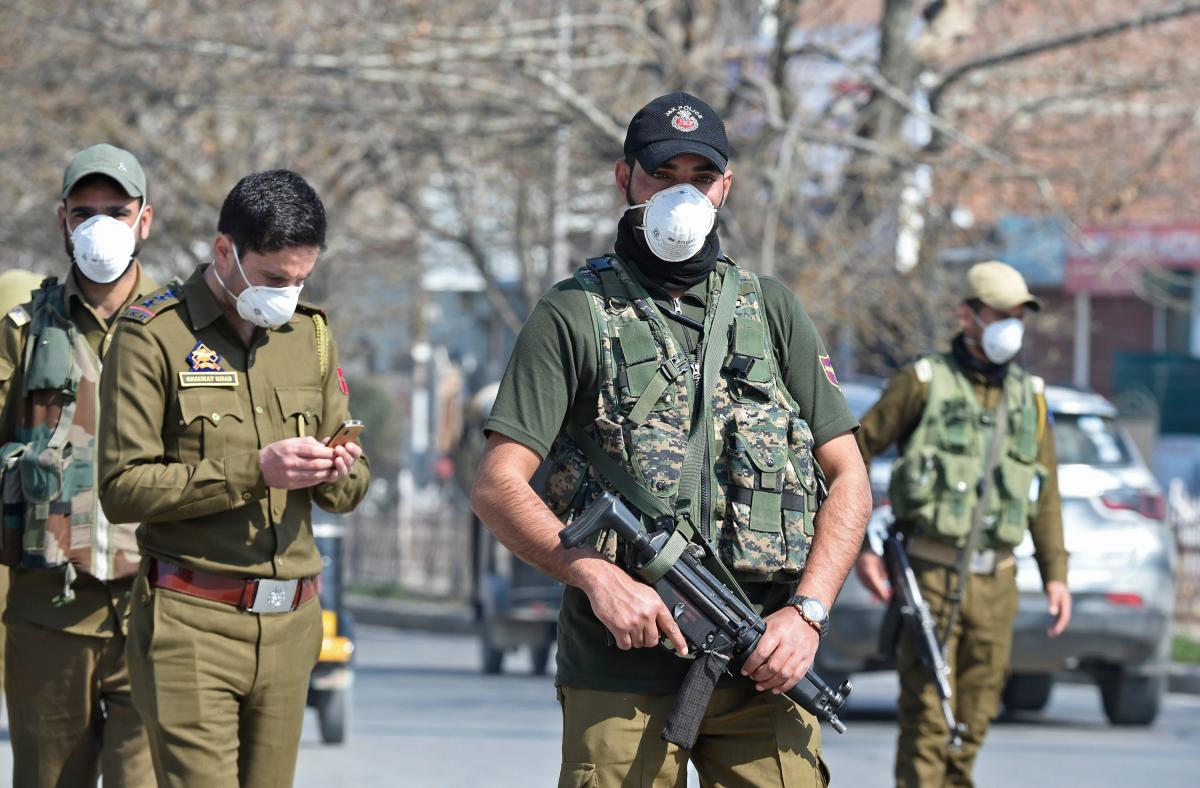
    The valley was declared a red zone as the number of covid cases in the union territory crossed 6424 and recorded 90 deaths. Disruption of communications has made the battle against Covid-19 difficult as it causes delays in taking the necessary steps to fight the pandemic. Even before the internet was snapped on May 6, doctors across the valley faced difficulty in downloading the guidelines issued by WHO. With limited access to internet, healthcare workers across the valley find it difficult to access regular updates, research and announcements regarding the pandemic and accurate tracking of transmission within the region. People support groups are helping each other in this time of crisis. Apart from Covid related restrictions issued via newspapers, radio and SMS, there is no access to campaigns designed for social media. With the lack of reliable information, there is a high possibility for misinformation. It is of utmost importance that the Centre restore high speed internet service in the valley so that people can receive information on Covid-19 in local language and help prevent the spread of the virus.Terrorist and insurgent outfits are revamping their tactics to exploit the pandemic situation and widen the pre-existing schisms. Infiltrations have increased as recent spurt in terrorist encounters indicate. The Covid-19 pandemic has added to the difficult situation in which the people of Kashmir are stuck in. The future of Kashmir looms in darkness due to the pandemic and several other challenges that most states have never and most likely will never experience. Kashmir was shut down through a state imposed lockdown in August 2020. As it was emerging from the lockdown towards normalcy, the pandemic brought about a lockdown that now has the peoples’ consent for the first time. This has turned out to be the world’s longest lockdown. However, the pandemic has provided the government an opportunity to get closer to the people by providing rehabilitation assistance, food supplies, and facilitating educational improvisations amid communications breakdown. Amid the pandemic crisis, the state becomes an test case for democracies across the world for the battle between control for ‘development’ and control of ‘liberty’.Image Credit: Deccan Herald
  • Coronavirus: Fighting The Invisible Enemy

    Coronavirus: Fighting The Invisible Enemy

    The coronavirus pandemic is the biggest disruptive global health threat in more than a century. The economic, political, and social life of people in all countries has been adversely affected as never before. This new strain of the coronavirus has posed significant challenges to people, researchers, medical fraternity, and governments across the world. It poses serious health risk to the elderly and has stressed national health systems significantly. The development of a vaccine, despite global efforts, is not likely to be available any time before mid 2021. The Peninsula Foundation, through two doctors Ms Keerthika Gnanasegaran and Ms Vishnupriya Rajasegaran have put together complete information on the Coronavirus in simple and easy to understand details. Ms Avanti A Srinivasan, a high school student describes her experience and opinion of the crisis.

    Download Full Paper

  • Sanitation & Hygiene Concerns in Government Schools in Tamilnadu: Need for Digital Intervention

    Sanitation & Hygiene Concerns in Government Schools in Tamilnadu: Need for Digital Intervention

    Ensuring that there are proper health and hygiene facilities and awareness for girls at the school level is an extremely important building block for quality education. 

    Introduction

    Achieving quality education at school level is a dynamic process that needs to revise the elements according to the needs of the social setting. One such element is a  policy that promises an education system to promote gender equality from the grassroots. The problem needs an intervention with an enhanced infrastructure for maintaining sanitation and hygiene for girl students and a holistic understanding of gender issues through awareness that leads to organic social change. The state, undoubtedly, is responsible to ensure quality education and resolve the gaps in education using innovative methods. Tamil Nadu is one of the best performing states as far as literacy rate is concerned. However, realistic social barriers still exist that need intervention and customized strategy. According to the 2011 census, Tamil Nadu stood third after Kerala and Maharashtra. The male literacy rate was around 87% and the female literacy rate was around 73%. 

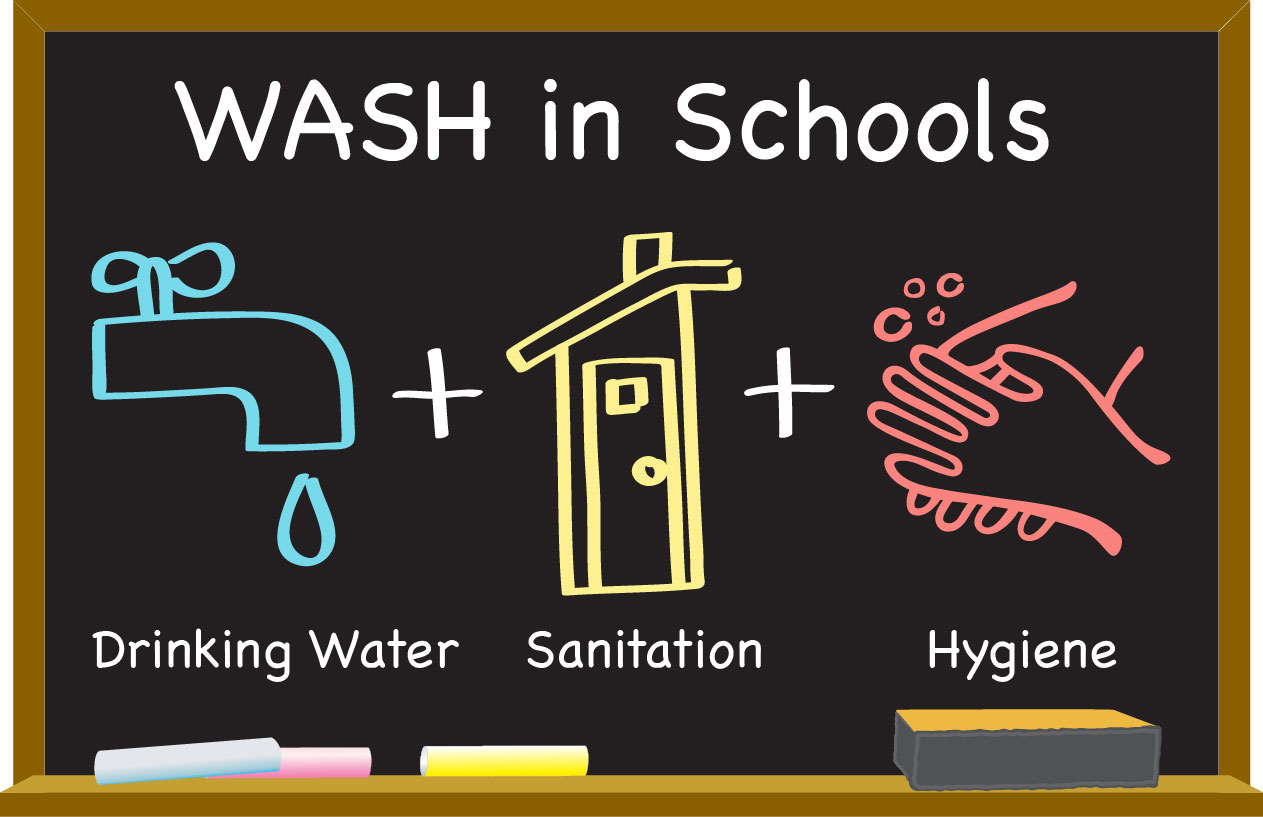
    This article attempts to decode the most important factors,sanitation and hygiene, in ensuring ‘quality’ of education for girls. This particular aspect encompasses three main Sustainable Development Goals (SDG) of the UN; Quality Education, Gender Equality and Water & Sanitation. The last goal of providing access to clean water, sanitation and hygiene (WASH) particularly in rural areas is the means to achieve the former two goals of gender equality and quality education. 

    Need to prioritize WASH for quality education

    Tamil Nadu employs more than 50% of its women in remunerative labour. Girls tend to drop out of schools either because of customary practices or because of the demand for labour. In some cases The lack of awareness and knowledge on menstruation and menstrual practices are also major factors contributing to this drop out. Despite several initiatives and attempts at establishing proper sanitation and hygiene practices particularly in schools, most of these initiatives fail to gain attention across social barriers, especially those initiatives surrounding menstruation and their importance. This exposes the limitation of community-based initiatives and their impact. Specifically Water, Sanitation and Hygiene practices, commonly known as WASH. Tamil Nadu is estimated to have 6.1 million adolescent girls and yet around 7837 schools have either dysfunctional toilets or no toilet facilities at all. The implication of such poor infrastructure is an adverse impact on learning and results in drop out from schools in most of the cases. Ensuring that there are proper health and hygiene facilities and awareness for girls at the school level is an extremely important building block for quality education. 

    The lack of awareness and knowledge on menstruation and menstrual practices are also major factors contributing to this drop out. Despite several initiatives and attempts at establishing proper sanitation and hygiene practices particularly in schools, most of these initiatives fail to gain attention across social barriers, especially those initiatives surrounding menstruation and their importance.

    Access to toilets and sanitation facilities is a privilege that only a few have access to particularly in rural areas where people practice open defecation owing to the lack of toilets. Tamil Nadu has performed brilliantly in this respect since the implementation of Swachh Bharat Abhiyan Scheme in 2014. Over 48 lakh toilets were built in rural areas since 2014, with Tamil Nadu becoming an open-defecation free state. 

    The Government of India recognized the role played by sanitation and hygiene in ensuring that quality education is delivered. In 2014, the MHRD had launched the ‘Swachh Bharat Swachh Vidyalay’ initiative. The scheme was implemented to ensure that there were separate functional toilets for girls and boys. In addition to ensuring separate toilets, the scheme also focuses on maintaining a certain level of hygiene and sanitation. While it is not enough that this initiative  has been implemented in schools across the country, it is also important that parents, teachers and children are aware of the same. Proper hygiene and sanitation does not end in school,  it is imperative that this awareness is spread in local communities and villages as well. As a part of the scheme, government schools in rural and urban areas are eligible to nominate themselves for the ‘Swachh Vidyalay Puraskar’. This acts as an incentive for schools across the country to improve their WASH standards. 

    Capitalizing the Digital Wave

    With Tamil Nadu’s rural internet penetration through mobile phones at 41.98%, there is a significant potential that can be tapped in the state’s ICT usage. While creating awareness is one side of the coin, spreading awareness is another. This is where the potential of ICT can be harnessed, in spreading awareness. The government of Tamil Nadu has made available textbooks, lessons and other educational material on their ‘DIKSHA’ portal which is essentially a YouTube channel. On this channel, students from different classes can access their study material. This could be one of the possible means through which awareness can be created across districts and villages on the importance of sanitation and hygiene. 

    Some of the government schools in Tamil Nadu have demonstrated an exceptional WASH record, thereby proving the fact that if the administration is focused the results can be excellent as shown by Thiruvallur and Vellore districts. Schools in these districts have maintained excellent sanitation and hygiene standards and have been recipients of the SVP.  The initiatives taken by these schools to spread awareness on the importance of sanitation and hygiene have largely been behaviour oriented. By involving parents and the larger community, these initiatives have been successful and effective as well. Community-based initiatives are to create and spread awareness on various social welfare schemes. Apart from creating awareness, such initiatives also tend to bring communities together. The implementation of the SBSV scheme has facilitated the use of ICT as well. While the integration of ICT in the process is a welcome change, there is a lack of clarity on what exactly it is being used for. 

    Importance of awareness on Menstrual Hygiene 

    It has been established that several initiatives were taken in the past and are being taken to improve ‘WASH’ practices in the country, particularly in schools to improve enrollment rates as well as reduce dropout rates. Educational institutions in the country, particularly schools have an inherent responsibility to educate adolescent girls on menstruation, talk about the changes it brings about in a girl’s body. A 2014 report by Dasra foundation posits that close to 23 million girls drop out of school annually due to a lack of awareness. 79% of girls and women in Tamil Nadu were not aware of menstrual hygiene and practices that are followed at the time of menstruation. Lack of awareness of menstrual hygiene and the practices that are required to be followed at the time of menstruation makes a girl/woman extremely susceptible to infections. This is largely attributed to the stigma that is created around menstruation and the notion that it is an ‘impure’ phenomena. A study conducted in 2015, in Padappai, points out that only 43.33% of girls were aware of menstruation when they experienced it the first time. The source of information in most of these cases was the mother while the teachers and schools had a very small part to play in the process. Therefore,  a layer of stigma surrounding the issue is apparent that is far from being institutionalized. Institutionalizing the issue would lead to it being discussed in schools, which in turn would normalize it and break the stigma around it. There are a plethora of possibilities that ICT brings about. Schools could tap into this potential and make use of it to communicate effectively to their students. In rural India particularly, simply creating awareness and breaking the stigma around menstruation will not suffice. Often, this stigma is reinforced by  women in the family. In order to move beyond this, schools must ensure that lessons on menstruation are conducted for both girls and boys alike. Not only does this induce awareness among boys but it also makes them more sensitive to the issue. 

    A 2014 report by Dasra foundation posits that close to 23 million girls drop out of school annually due to a lack of awareness. 79% of girls and women in Tamil Nadu were not aware of menstrual hygiene and practices that are followed at the time of menstruation.

    Awareness through Digital Platform

    Tried and tested methods of spreading awareness in a community has generated results but is not enough. Improving sanitation and hygiene standards in learning institutions requires the participation of all the stakeholders involved in the process. While this may be an initial attempt at de-stigmatizing the issue, undoing centuries of discrimination and oppression requires a systemic approach. Tamil Nadu government’s ‘DIKSHA’ portal is a good place to start. In addition to developing online resources, there must also be some sort of portal that mandates uploading information related to the sanitation and hygiene measures that are being taken in schools. Additionally, it is important to use digital interventions to create awareness and reinforce the message in a timely manner. While infrastructure creation is a part of the goal, it is equally important to establish the need for it and educate people. This is where the digital intervention comes into the picture. One of the goals in Tamil Nadu’s Vision 2023 Project is to encourage PPP as a mechanism for infrastructure creation. This could be one of the potential means through which awareness is spread by introducing digital interventions in rural areas. It could either include installing a TV in Gram Panchayat offices which could display campaigns on the importance of sanitation and hygiene/menstrual hygiene, etc. With respect to creating awareness on menstrual hygiene which is a systemic issue because of the stigma attached to it – the solution needs to be systemic as well. For starters, creating conversation around menstruation is extremely important. Something called the ‘culture of silence’ exists in Kenya particularly in rural areas where girls refrain from speaking about menstruation and puberty. Identifying practices like this is a start when it comes to de-stigmatizing menstruation. While removing GST on sanitary napkins is one way to make the product more accessible, it is important to make people realize why there is a need for using one in the first place and the consequences of not using it. This brings us to the question of whether it is enough for the state to build infrastructure alone and if its responsibility ends there as opposed to also creating awareness on how to go about using the said infrastructure as well as educating people on its importance. 

    Ensuring  Effective Policies

    Some of the government schools in Tamil Nadu have demonstrated an exceptional WASH record, thereby proving the fact that if the administration is focused the results can be excellent as shown by Thiruvallur and Vellore districts. Schools in these districts have maintained excellent sanitation and hygiene standards and have been recipients of the SVP. 

    Initiatives like the SBA, SBSV and SVP are focussed around creating infrastructure and incentivizing schools to implement hygiene practices. Sanitation happens to be a state subject, and each state faces its own challenges with respect to addressing the problem. For instance in a state like Tamil Nadu where there is decent infrastructure, the drop-out rate for girls is still on the higher side. A lack of awareness on menstrual hygiene has also contributed to the drop-out rates in the state. Evidence suggests that not all government schools in Tamil Nadu have toilets and the ones that have toilets, do not maintain them well. Perhaps now the state must implement initiatives that focus on capacity building and behavioural change in order to ensure that the results are more impactful and also long-lasting. The initiatives that the state implements in the future must focus on intrinsically motivating people to implement sanitation and hygiene practices in their lives. Apart from that, the state must also conduct follow-up workshops that engage with people and communities and teach them how to use toilets, etc. In addition, whenever a new initiative/scheme is launched, state governments must also make sure that there are bodies/committees in place in every district that happens to be a beneficiary of the scheme. As communication becomes easier and more efficient in the digital age, initiatives that are implemented in the future must focus on knowledge creation. 


    References 

    https://www.orfonline.org/expert-speak/gender-dimensions-of-school-closures-in-india-during-covid19-lessons-from-ebola-66643/

    https://poshan.outlookindia.com/story/poshan-news-strong-connect-between-sanitation-and-health/348492

    https://swachhindia.ndtv.com/23-million-women-drop-out-of-school-every-year-when-they-start-menstruating-in-india-17838/

    https://www.ncbi.nlm.nih.gov/pmc/articles/PMC6286883/

    http://sujal-swachhsangraha.gov.in/sites/default/files/Five%20schools-%20WASH%20in%20School%20-%20practices%2C%20Tamil%20Nadu-%20Clean%20school%20.pdf

    https://mhrd.gov.in/sites/upload_files/mhrd/files/upload_document/Swachh_Vidyalay_Puraskar_Guidelines.pdf

    https://www.researchgate.net/publication/294638502_Awareness_about_menstrual_hygiene_among_adolescent_girls_in_rural_area_of_Kancheepuram_district_-_Tamilnadu

    https://timesofindia.indiatimes.com/city/chennai/tn-second-in-rural-smartphone-use/articleshow/67291628.cms

    https://www.researchgate.net/publication/333561228_Availability_and_Utilization_of_Sanitation_Facilities_A_Micro_Study_from_Rural_Tamil_Nadu

    https://swachhindia.ndtv.com/swachh-bharat-abhiyan-tamil-nadu-to-go-open-defecation-free-on-october-2-25278/#:~:text=Tamil%20Nadu’s%20Swachh%20Bharat%20Abhiyan%20Journey&text=The%20state%20has%20a%20total,declared%20free%20from%20open%20defecation.&text=Tamil%20Nadu%20has%20improved%20its,per%20cent%20in%20four%20years.&text=Over%2048%20lakh%20toilets%20(48,since%202014%20in%20rural%20areas.

    https://www.wsscc.org/2016/08/10/wsscc-menstrual-hygiene-management-training-kenya-breaks-silence-menstruation/

  • Responding to COVID-19: A Framework for Analysis

    Responding to COVID-19: A Framework for Analysis

    Beginning December 2019 in Wuhan in China’s Hubei province, Coronavirus (Covid -19) has overwhelmed the healthcare systems and affecting education, travels, events and the economies worldwide. Governments all over have taken or bracing themselves to take extraordinary measures to contain the threat. In some countries, the measures taken to contain the epidemic appear as putting the nation under a state of siege. Some governments are adapting rather extreme measures – complete lock-down of the cities, the provinces and even the country itself, school closures, travel ban, cancellation of flights. Questions are being asked about how much freedom we are prepared to give up, for how long and onto whose hands?

    The paper argues that with threats and vulnerabilities transcending national boundaries and challenging most advanced knowledge and information systems in this era of intense globalization, the need for harsh and often draconian measures can hardly be over emphasized. At the same time there could be problems and unwelcome consequences in putting too much power in the hands of the governments dealing with the threat for an indefinite period of time. In view of this, the securitization framework as put forth by the Copenhagen School could be a better tool to deal with situations of unexpected crises such as what SARS epidemic proved it to be or what Covid-19 would inevitably entail.

    This paper is originally published in Vol 7 No 5 (2020): Advances in Social Sciences Research Journal and is republished by TPF under the Creative Commons Attribution 4.0 International Licence.

    Download Full Research Paper

  • Artificial Intelligence in the Battle against Coronavirus (COVID-19): A Survey and Future Research Directions

    Artificial Intelligence in the Battle against Coronavirus (COVID-19): A Survey and Future Research Directions

    Artificial intelligence (AI) has been applied widely in our daily lives in a variety of ways with numerous success stories. AI has also contributed to dealing with the coronavirus disease (COVID-19) pandemic, which is currently happening around the globe. This paper presents a survey of AI methods being used in various applications in the fight against the deadly COVID-19 outbreak and outlines the crucial roles of AI research in this unprecedented battle. We touch on a number of areas where AI plays as an essential component, from medical image processing, data analytics, text mining and natural language processing, the Internet of Things, to computational biology and medicine. A summary of COVID-19 related data sources that are available for research purposes is also presented. Research directions on exploring the potentials of AI and enhancing its capabilities and power in the battle are thoroughly discussed. It is envisaged that this study will provide AI researchers and the wider community an overview of the current status of AI applications and motivate researchers in harnessing AI potentials in the fight against COVID-19.

    Download Full Research Paper

  • A Novel Behavioural Economics Nudge to Fight the Novel Coronavirus

    A Novel Behavioural Economics Nudge to Fight the Novel Coronavirus

    The last time that the Olympics and the Wimbledon were cancelled, were during the world war. Nuclear bomb was the weapon that ended the war. But what is the weapon that can end the war against this Covid-19?

    Research in behavioural economics finds that often one panics, or fears more than necessary, due to a bias in thinking that goes by the name of ‘Probability Neglect’; not considering the true probability of the event occurring, but being influenced by the gravity of the adversity.

    Cass Sunstein (Feb 28, 2020), who co-authored the book ‘Nudge’ with the Nobel laureate Richard Thaler for his contribution to Behavioural Economics observes in a column in Bloomsberg:

    ‘But one thing is clear: A lot of people are more scared than they have any reason to be. They have an exaggerated sense of their own personal risk.’

    A similar view has been expressed by Mark Travers (March 6, 2020) in the Forbes.

    The reasoning for several such publications advocating that panic on the grounds of a person contracting the virus, is unjustified goes something like this: The probability of a person contracting the virus is extremely low (of the order of .0001, which could vary depending on the place one lives and such other factors). Further, 80% of those who contract the virus need no hospitalisation and would recover as they would recover from a common flu, and the fatality percentage is very low – Although the overall fatality rate is about 2%, if the one who has contracted the disease is in his forties, the fatality risk is only about 0.4%.

    Though inordinate fear and panic may be unjustified from an analysis of the personal risk involved, such fear is functional, particularly in the context of the present scenario. Why? The measures to contain the pandemic are primarily social distancing and washing hands. These are to be practised by individuals, and so fear in the minds of individuals, would promote the effective practise of the measures needed to control the virus.

    It is here that I wish to segregate fear, in the context of this pandemic, into two categories: fear that stems from Concern for the Self and fear that stems from Concern for Others.

    Fear stemming from a Concern for the Self is the fear that grips one from the likelihood of being infected and the consequences one would suffer thereby. It is fear caused by one’s love for the self. Risk of one contracting the disease, being hospitalised and dying, was shown to be so low and consequently fear that stems from Concern for the Self, despite Probability Neglect bias, has been low. If this fear had gripped the public, the spread of the virus would have been arrested by people effectively practising social distancing.

    Fear stemming from a Concern for Others is the fear that grips one due to the consequences others would suffer due to one being infected. It is fear caused by one’s love for others, one’s fellow human beings.

    A brief analysis of consequences others would suffer, with a minimum of technicalities, is presented here. The primary purpose of these computations is to project in quantitative terms a realistic picture (erring on the conservative side without exaggerating) for one to appreciate. The next four paragraphs demand the reader to engage System-2 thinking. System-2 thinking is lazy, and behavioural economics predicts a disposition in the reader to skim through – discarding the matter as an elaboration of what is already known – without following the computations that demand System-2 effort. The author gently nudges, that the reader pursues through this difficulty for the next four paragraphs to truly place the consequences in the forefront of one’s consciousness. (For a detailed understanding of System-1 thinking and System-2 thinking, I recommend that the prudent reader consults ‘Thinking, Fast and Slow’, a classic authored by Daniel Kahneman (2011), another Nobel laureate, for his contribution to Behavioural Economics.)

    A parameter R0, Basic Reproduction Number, refers to the mean number of individuals an infected person directly infects. It would be appropriate to consider R0 = 2, a conservative value for the current corona virus crisis. Another variable is the Generation Time, the mean time that an infected person takes to infect another person, since being infected. It would be appropriate to consider a value of 7 days (1 week) as the Generation Time for this virus, since this virus starts infecting others even before one is diagnosed with the disease.

    Considering the above mentioned values, an infected person, whom we will call Mr. Prime, would have infected two others after one week (Generation Time). After two weeks the two others infected, would have infected four others. Thus the total number infected by Mr. Prime at the end of two weeks is 6 (2 directly infected by Mr. Prime at the end of one week + another 4 indirectly infected by Mr. Prime at the end of two weeks). Continuing this way, at the end of four Generation Times (4 weeks), the numbers infected by Mr. Prime would be 30. The reader is encouraged to check this out by simple mind arithmetic. To aid one’s memory, if we approximate 4 weeks as a month, it is easy to see that in 30 days Mr. Prime would have effectively infected 30 others.

    Extending this further, one can see that in two months (8 weeks), Mr. Prime has been the sole cause for effectively infecting 510 people. (Research in behavioural economics foresees that a few prudent readers may observe that the number infected ought to be 900 and less prudent readers may suggest the number 60, and only few would agree with the number 510 as proposed by this author. This is the influence of the gullible System-1 thinking. Effortful System-2 thinking can however, lead a prudent reader to see that the number infected is indeed 510, under the given considerations.)

    We further examine the consequences of people getting infected. If Mr. Prime has infected about 500 people in two months, 20% of them would get (or shortly would be) hospitalised and 2% of the 500 would die. Thus Mr. Prime would have been responsible for hospitalisation of 100 people (contributing to the mayhem for the demand of ventilators) and for the death of 10 people (2% of 500). It can be said that Mr. Prime, by having not taken steps to prevent himself from being infected, has effectively killed ten people; a case of serial homicides by negligent behaviour.

    A corona infected person turns out to be a serial killer even before he or she has been diagnosed with the virus, and has no control over the serial killing sequence that has got triggered. Generally when a person is sick, people’s sympathies are with him or her and the sick person is seen as a victim. But the foregoing analysis shows, a corona infected person as a perpetrator. Not a very comforting perspective, as no one wishes to be a serial killer. Another way of describing the corona virus could be as a virus that when it infects, a normal human being turns into a serial killer, like a psychopath (-that you fall sick is a small matter).

    But this perspective has potential to induce a very functional fear, panic, of having blood on one’s hands. This fear can lead to people being paranoid about being infected by the corona virus. Well, this fear bordering on panic and paranoia could be an effective weapon to stop the pandemic from spreading.

    Are all those who have been diagnosed with Covid-19 guilty of being serial killers? The answer is no. Though they have indeed turned out to be killers, they are not guilty of being killers; they had not seen the virus from this perspective at the time of their being infected. But, despite being sensitised to this perspective, if one had not turned every stone to take the precautions, and had ended with an infection, yes, he indeed is guilty of being a serial killer.

    The war against Novel Corona virus can indeed be fought with the functional fear that stems from Concern for Others, love for your fellow human being; and not from fear that stems from Concern for the Self.

    A gentle nudge: Love your neighbour as yourself to end this war.


    References:

    Sunstein, Cass R; Feb 28, 2020; ‘The Cognitive Bias that Makes Us Panic About Coronavirus’, ‘Technology and Ideas’, Bloomberg

    Travers, Mark; Mar 06, 2020; ‘Psychology Research Explains Panic Over Coronavirus – and How You Can Calm Down’, Editor’s Pick, Forbes

    Kahneman, Daniel; 2011, ‘Thinking, Fast and Slow’, Allen Lane, Penguin Books


    Image Credit: Evgeni Tcherkasski on Unsplash

  • COVID-19: Coronavirus highlights the class divide in India

    COVID-19: Coronavirus highlights the class divide in India

    It would indeed be revealing, as well as quite embarrassing, particularly for the privileged middle and upper classes, if a survey is undertaken to locate and spot the residential blocks in the different cities of India where the instances of COVID-19 cases have occurred. That will also show how and from where the infection is spreading to other people and other localities. It is not at all difficult to do that; mapping through GIS is an easy exercise

    Needless to say, almost all of these cases surely are in the neighborhoods inhabited by the richer and privileged sections of the society, and most of them are those who have a travel history of having been abroad. After their return they have infected those who have come in contact with them.

    Fine, many of them have been isolated or quarantined, if not actually hospitalised, and as a consequence of the lockdown have the extravagance of ‘work from home’ (it is another matter that post-lockdown the TV viewership has increased sharply). Many of them also have the advantage of drawing their regular, guaranteed salary at the end of the month.

    At the other polar opposite of the class edifice, at the bottom of the pyramid, are the multitude of hapless groups of people, sections of our own society, the ‘others’, who for absolutely no fault of theirs, not to talk of any crime committed, have overnight been thrown out of everything — jobs, wages, shelters, source of income, and the like. This was because a nation-wide lockdown was imposed as a result of the overseas excursions of those at the other end (the upper end) of the class hierarchy.

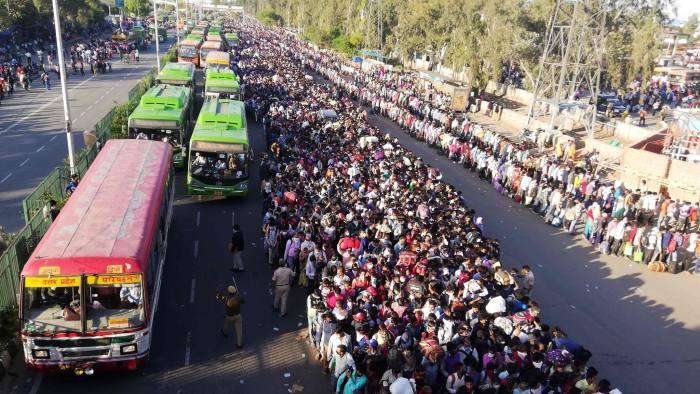
    Besides the urban homeless and the needy, those who have been made to bear the brunt of this lockdown are the migrant labour who have become, during the last few years, a given in most of our cities and town. These migrant workers (aka ‘guest’ workers) are reluctantly accepted in many places; mainly because they come cheap and the ‘locals’ mostly refrain from doing certain kinds of jobs in the vicinity of their own habitations and locales (they may, however, do more demeaning jobs away from their own dwellings, say in West Asia/Gulf or other overseas contexts). These ‘guests’ are now being thrown to the wolves and the weather.

    As the State had no contingent plan for these migrant labour, an institution-created famine-like situation has arisen due to the starvation that they have been facing. After five days of lockdown the central government woke up to the misery of these souls and directed the state governments and the union territories to provide shelter and food to them. In the interim these people had a choice; either starve to death or risk breaking the physical distance barrier and get susceptible to the virus. Hopefully, now that their plight has been highlighted, things will get better for these ‘guests’.

    The luxury of the so-called social distance does not operate in their ambit as lower class habitations as also other allied spaces that pertain to them are extremely dense by definition. Almost all seem to have chosen the option of reaching their respective homes going by the thronging witnessed at bus stops and highway halting points for buses and trucks. However, to no avail as the states in their wisdom have shut all borders for them by suspending all forms of transport.

    During Partition in 1947, people moved due to issues between the two countries. Now the mass movement of people is also because of a partition — a partition between the rich and the poor, within the national borders, across state borders wherein each state is guarding its territory with vehemence. The State has failed utterly on two counts; one, in not anticipating such an event, and second, in not being able to either prevent or combat the movement.

    It is really poignant that the choice is between death by hunger and death by the virus. Given such a choice, the poor feel it is better to die in their native place than in a strange locale. Also, if they do beat starvation death and live, the chances of recovery and survival from the virus appear to be higher even if they are infected. It is death by starvation that is most galling for them as evidenced by empirical responses that are obtained by sources that are interacting with them.

    It is such an unfortunate thing that all crises always seem to impact the poor in the worst negative way possible. Floods, droughts, hurricanes or what have you invariably target the less privileged. It is utterly ironical that the present crisis that has emerged among the upper echelons in India due to Covid-19 too does so.

    It is also pertinent to point out as to how the ilk of the original carriers of the virus, the upper classes, are planning their strategies in combating the absence of their domestics, cooks, drivers as can be ‘seen’ from the debates and dialogue of the resident welfare associations and similar bodies on social media. The dominant narrative is ‘no work, no pay’. Those who say they will pay, are making it sound as if they are achieving martyrdom by their act.

    This article was published earlier by “Moneycontrol

    Views expressed are the author’s own.

    Image Credit: www.ft.com

  • COVID-19: Fighting CoronaVirus

    COVID-19: Fighting CoronaVirus

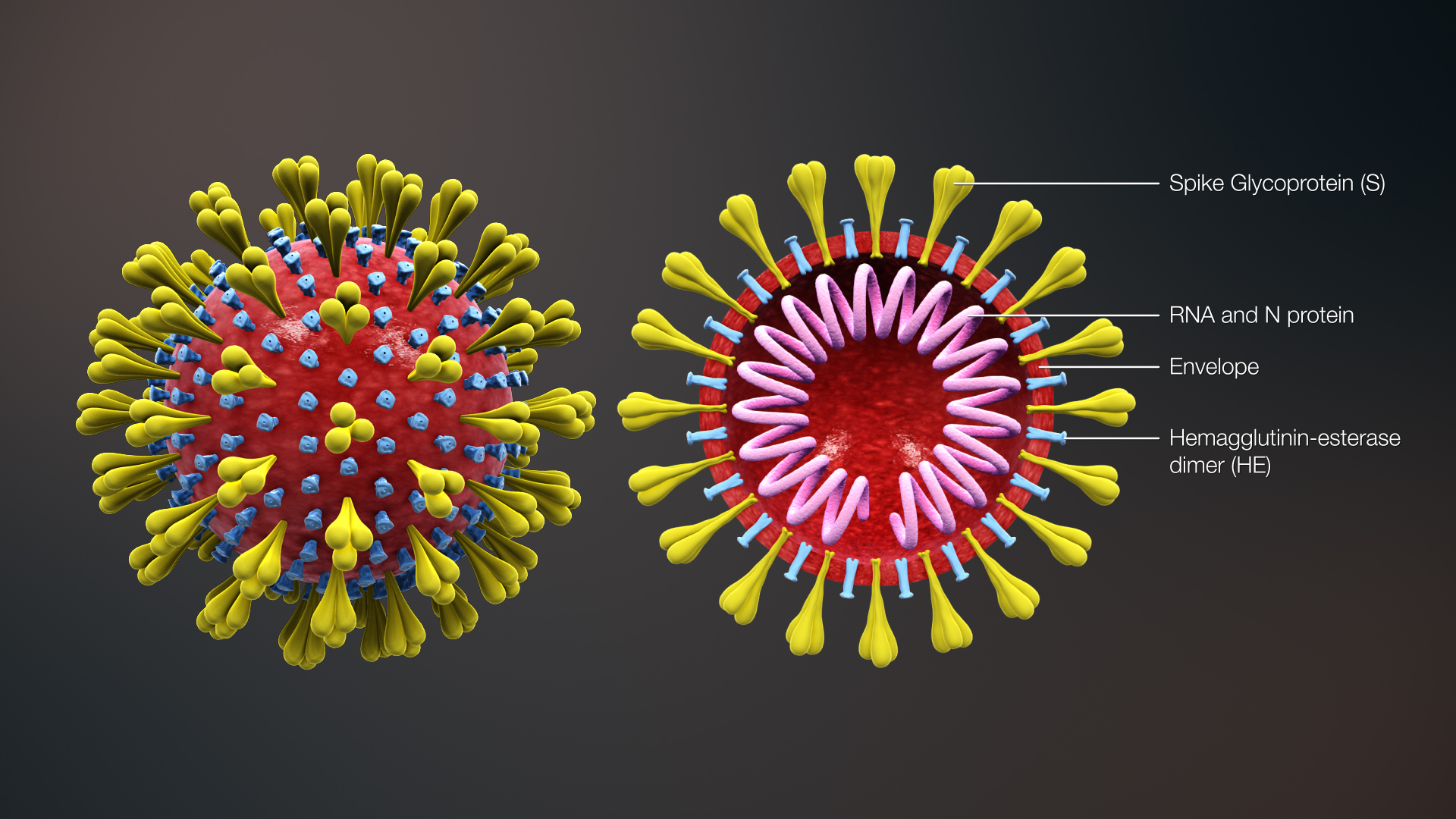
    At the end of December, public health officials from China informed the World Health Organization that they had a problem: an unknown, new virus was causing pneumonia-like illness in the city of Wuhan in Hubei province. They quickly determined that it was a coronavirus and that it was rapidly spreading through and outside of Wuhan.

    Today, the entire world is seized with the menace of CoronaVirus (COVID-19) believed to have originated in China. The first reported case was on 31 December 2019 and now 188 countries are affected. The World Health Organisation (WHO) declared it a pandemic on 11 March 2020. Although China has now reported that it controlled and contained the epidemic, the virus has spread rapidly to cover almost the entire globe. The new hotspots are USA, Italy, and Spain, with Italy and Spain reporting  10779 and 7340 deaths respectively while the USA accounts for 2489 deaths; compared to China’s 3304 deaths . India as on 30 Mar 2020 had reported 1100 cases with a death toll of 29.   Till date 735,015 cases are reported and the numbers are rising. 34,804 people have died and 156,122 have recovered. A total of 544,089 cases are still active and about 5% of these are critical. Of the closed cases, 18% have been reported to have died. Worst affected is Italy. India has  reported 1100 cases as on 30th March 2020 and in the last two days more than 200 cases have been added to the affected number. In this connection, the alarming aspect is that while it took 40 days for the first fifty cases to come up, the next 50 were reported within a day , despite the Janata Curfew on 22 March. This makes the situation critical and though India may not be  in Stage III (community spread) as yet, it looks like that we are close to it. According to media reports on 23 March 2020, Kerala and Bhilwara in Rajasthan have probably descended to Stage-III. Dr Ramanan Laxminarayanan, Director of Center for Disease, Economics and Policy has warned that India could be dealing with a tsunami of COVID-19. As per his estimate, India could be dealing with as many as 300 million cases of which 4-5 million could be serious. India needs to take a note of this rate criticality. As the Prime Minister in his address to the nation stated, the situation is grave,  serious and every Indian needs to act responsibly to fight the menace with determination and show utmost discipline in personal conduct.

    Image Credit : Wikipedia Commons

  • COVID-19: India’s Friendly diplomacy and SAARC Initiative

    COVID-19: India’s Friendly diplomacy and SAARC Initiative

    The corona virus is now a worldwide pandemic that is threatening or impacting populations across over 160 countries. India has initiated robust measures to tackle this most disruptive threat. Keeping in mind the safety of its citizens abroad, India has acted swiftly in evacuating Indians in Wuhan  and other affected provinces in China. India, in tune with its neighbourhood first policy, has pitched in to provide support to other SAARC nations in evacuating their nationals as well. In the early stages of the pandemic, on 3 February 2020, India evacuated 323 Indians from Wuhan including 7 Maldivians. “My thanks and gratitude to PM @narendramodi, EM @DrSJaishankar and the Government of India for expeditiously evacuating the 7 Maldivians residing in Wuhan, China. This gesture is a fine example of the outstanding friendship and camaraderie between our two countries”, tweeted Maldivian President Mr.Solih expressing his sense of gratitude for this help. The Indian Embassy in Maldives tweeted regarding the synergy between both the countries, “Pandemics do not know national boundaries, which makes it even more essential to reach out to neighbours and stand by them in this global fight against the #CoronaPandemic #NeighbourhoodFirst.”

    Focus on Safety and Evacuation through Friendly diplomacy

    A week later, as evacuation efforts were still underway, Embassy of India in Beijing tweeted on 17th February – “GOI will send a consignment of medical supplies on a relief flight to Wuhan later this week to support China to fight the COVID 19 pandemic. On its return, the flight will have limited capacity to take on board Indian citizens wishing to return to India from Wuhan/Hubei”. Upon China’s request for medical masks, gloves and suits India sent a consignment of 15 tonnes of medical supplies aboard C-17 Globemaster—the largest military aircraft in the Indian Air Force’s inventory. This was not only an act of humanitarian assistance but also a move regarded as friendly diplomacy by India. According to MEA’s spokesperson, “India had also received requests from Bhutan, Maldives, Iran and Italy, for assistance and essential supplies such as surgical masks and protective gear which are being processed.”

    By February 6, India began to restrict entry of foreign nationals as a precautionary measure. Notification by an immigration official stated, “Foreigners who have been to China on or after 15th January 2020 are not allowed to enter India from any air, land or seaport, including Indo-Nepal, Indo-Bhutan, Indo-Bangladesh or Indo-Myanmar land borders.” The official also added, “All visas issued to Chinese passport holders coming from anywhere in the world, including regular(sticker)& e-visa issued before 5 Feb, have been suspended with immediate effect.” India had also offered to step in to help Pakistanis. The Ministry of External Affairs spokesperson stated that India was willing to evacuate Pakistani nationalsif such a situation arises.”

    Leading  the SAARC Initiative against COVID-19

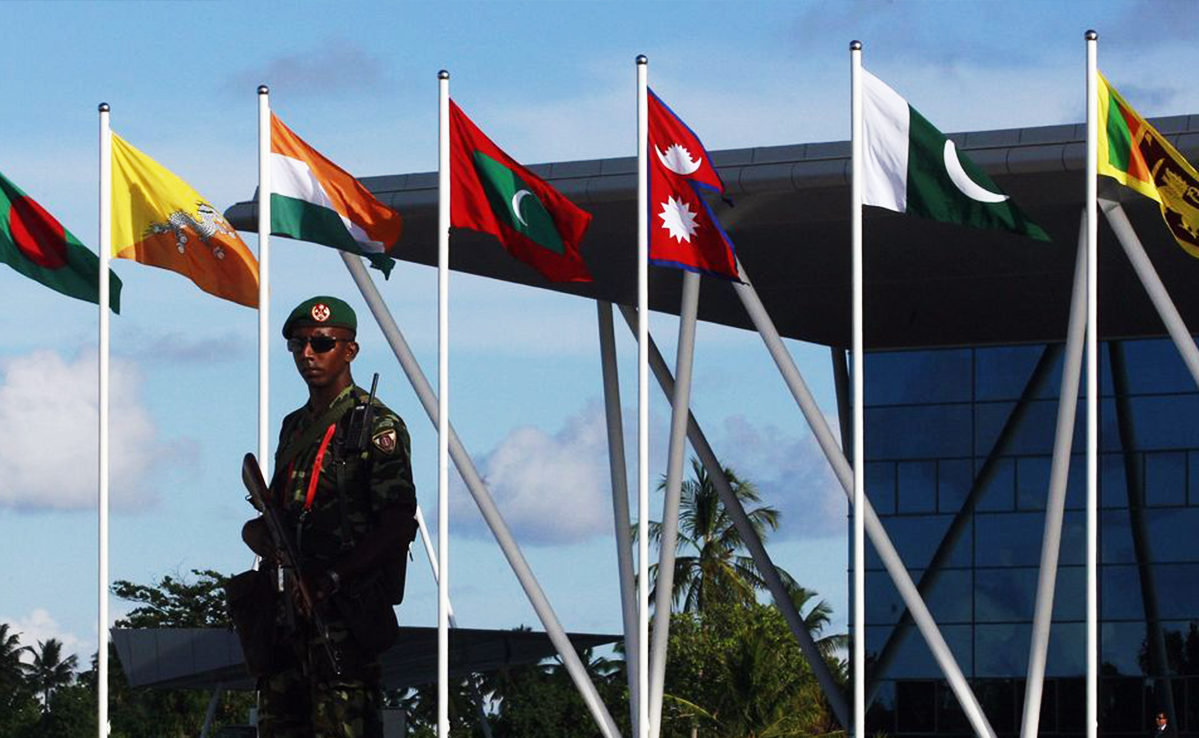
    In an act of pragmatic diplomacy that promotes regionalism and addressing the need of the hour for combating COVID-19 in South Asia, PM Modi hosted a SAARC Meeting with his counterparts on video on March 15th. In this meeting, he emphasised the importance of the region coming together for battling the COVID-19. This brings SAARC back into the picture after several years of stagnation, and at a time when the regional organisation seemed to be losing its importance. With India sharing borders with certain SAARC countries, it became imperative for India to pool in its neighbours. PM Modi chalked out a common strategy for the countries to combat the virus and set an example for the rest of the world. He added that the guiding mantra should be “prepare, not panic.” He had several initiatives to offer to fellow South Asian countries — from online training capsules for emergency response teams, to common research platforms to conduct research on controlling epidemic diseases and keeping a rapid response team of doctors and specialists onstand-by at the disposal for our neighbouring nations. PM Modi also asked experts to come together to assess the economic impact, “long-term economic consequences of COVID-19, and how best to insulate internal trade and local value chains from its impact.” India proposed to create an COVID-19 Emergency Fund based on voluntary contributions from all the countries with India pooling in the first US$10 million for the fund. This fund has been active for the past one week with funds flowing in from  South Asian countries—Nepal has contributed 10 crores, Bhutan US$100,000, Bangladesh US$15,00,000, Maldives US$ 2,00,000, Sri Lanka U$15,00,000 and the Afghan government offering US$1 million. This has revitalised the functioning of the SAARC and has brought collective responsibility to the table. How the region continues to battle and win the pandemic might be a pilot test for collaborative efforts in the future. All heads of states of SAARC attended the virtual conference with the exception of Pakistan. Considering that the Special Assistant to Pakistan Prime Minister (on Health) was assigned for a Head of States meeting, India might well consider exercising the option of providing Pakistan with participating and observing the meeting stopping short of addressing the head of states. Afterall, as usual the habit of raking up the Kashmir issue at multilateral forums, was witnessed again.

    In follow-up to the live video conference, India has received requests from neighbouring countries for aid from the Emergency Fund which was set up. According to an MEA spokesperson, “The quantum of assistance, which has been requested so far, has crossed $1 million USD. Supplies to Bhutan and Maldives have been dispatched.”

    Apart from evacuating Indians, GOI has sent a 14-member medical team and supply of consignments to Maldives wherein the medical team did a successful knowledge transfer. As on 23 March, India has continued its efforts to bring back Indian nationals from abroad, 121 stranded nationals in Uzbekistan have been flown back to India. A total of 590 people from Iran who have been evacuated are currently being quarantined in Jaisalmer.  Embassy and consulate in Iran have begun supplying essentials to approximately 1000 Indian fishermen from Tamil Nadu, Gujarat and Kerala in Iran’s southern provinces of Bushehr & Hormozgan. Similarly, 218 Indian students were evacuated from Italy, while transit passengers (Indian nationals) were brought back to Delhi via special flights. A 24×7 MEA COVID-19 control room has been set up with hotlines for Indians in distress abroad and the ministry has also reached out to Indians abroad by sharing hotline numbers using social media handles for easy access.

    As India announced a 21-day lockdown on 24 March to control the contagion, WHO praised PM Modi for his efforts.  “India stands at an important turning point in its fight against COVID-19. Extraordinary situations demand extraordinary measures. The Prime Minister has taken bold and decisive steps to break the chain of transmission. It is equally vital that this window is used for further ramping up measures to find, isolate, test, treat and trace. WHO stands together in solidarity with India and its people and is committed to providing all the support that is needed,” said Dr Henk Bekedam, WHO Representative to India.

     Views expressed are author’s own.

  • COVID-19: Need for technology intervention in India

    COVID-19: Need for technology intervention in India

    Much of the globalized world is experiencing a standstill due to the COVID-19 Pandemic Crisis. While world leaders are establishing measures to cope with the large scale outbreak, technology has been in the forefront as a crucial aspect of recovery. From sanitizer drones to virtual workspaces — the adoption of computing technology in healthcare, businesses and governance has seen an unprecedented rise.

    However, due to India’s unique factors of dense population and per capita poverty — the country’s response to this crisis will be an important case study. The World Health Organization’s guidelines insist that people should wash their hands regularly but over 163 million people residing in India do not have access to clean water. When access to fundamental resources are limited, one can only assume that access to robust healthcare facilities are also limited. The stark contrast in the capacity to handle this crisis will be tested when the local communication of COVID-19 reaches the second and third tier cities. As a primary effort in flattening the curve, the government has announced a 21 day country-wide lockdown. In spite of the measure being welcomed, if the country fails to control the spread, the lack of modern infrastructure and medical professionals will result in catastrophic consequences.

    This is reflected in the adoption of technology in primary healthcare centres. Medical professionals say there is a shortage of around 70,000 ventilators and the existing resources are being utilized by critical at-risk patients. The surging requirement of intensive care medical devices, including ventilators and high-end diagnostic and robotic surgery instruments is a growing concern. While domestic manufacturing and innovation have been scarce, Indian companies like Skanray Technologies are struggling to meet the immediate demand due to the international airline ban. Companies find it difficult to import crucial equipment such as chips, controllers and sensors from China — hindering their ability to produce these equipment on time.

    Globally, innovative technologies that seemed gimmicky in the past are being brought into mainstream practice. Drones have been deployed to carry medical samples and to spray disinfectants across the country. Robots are put in hospitals which aid in remote diagnosing and thermal sensing of the patients. The same is also used as service bots that bring food and toiletries to people.

    Facial recognition cameras are commonplace in China and a growing trend in other countries. Technology companies like SenseTime have built contactless temperature detection software that have been integrated into the cameras for wider coverage of people with fever. Big data analytics being done on these massive feeds has resulted in prediction algorithms which can determine whether a person has come in contact with another infected person. This data is then relayed via telecom companies to inform the individuals to self-quarantine.

    Complex surveillance systems come with their share of privacy concerns. While the lines between responsible surveillance and invasion of privacy become blurred, one cannot overlook the fact that some of these drastic measures are working. In China, the official reports indicate that the domestic cases are under control and newer cases of the virus are classified as imported. In a time of crisis, an open-minded analysis of these “draconian” measures would seem justified. However, this pandemic has not provided any justification of collecting these sensitive data in secrecy.

    Flawless implementation of such systems in India would have to hurdle through multiple policy hoops and comprehensive definitions of data privacy. However, inexpensive technologies such as drones and robotics should spark interest in the country. Medical professionals at the forefront of this battle could benefit from such technology that can reduce their risk of contracting the virus. Alongside technology, modern day practices of preliminary diagnoses such as telemedicine should be encouraged.

    Information and communication technologies across the country have made this battle a lighter burden than what it could have been. While the rate of awareness is significantly higher in the age of social media, it is important to note its duality. Online medical information and guidelines are accessible by at least 34% of the total population compared to the 7.5% in 2010. However, this information influx has also resulted in rumour mongering and exaggeration of outlier incidents — causing trivial worry and needless panic. In the past five years, rapid penetration of the internet has occurred in all sections of society but it has not ensured awareness in responsible use of the technology.

    On the other hand, the quarantined lifestyle has increased the need for virtual workspace. Facebook’s CEO, Mark Zuckerberg reported that traffic for their video streaming and messaging platform had grown multifold. Microsoft also reported a 40% increase in their active user base of collaboration software. High speed fiber internet’s extension throughout India will help in fragmenting this dense working population to multiple locations. With virology experts anticipating an effective vaccine at the earliest of 18 months — some of these altered lifestyles could become the new norm.

    Years following the second world war, measures were actively put in place to prevent another global conflict. The COVID-19 Crisis could leave a similar impact on the world where pandemic response and technology experience drastic reforms. However, the lens of India should vision this wake up call towards something more fundamental — uniformity in primary healthcare, civic infrastructure and technology intervention.

    Views expressed are author’s own.