Category: Geopolitics & Geo-economics

  • Small States, Sovereign Wealth Funds and Subtle Power: A study of Qatar  and the United Arab Emirates

    Small States, Sovereign Wealth Funds and Subtle Power: A study of Qatar and the United Arab Emirates

    [powerkit_button size=”lg” style=”info” block=”false” url=”https://admin.thepeninsula.org.in/wp-content/uploads/2022/03/Adithya-Swf-Research-Paper_compressed.pdf” target=”_blank” nofollow=”false”]
    Download
    [/powerkit_button]

    Abstract

    This paper argues that Sovereign Wealth Funds can be an important foreign policy tool for small states. The author analyzes select investments of the Sovereign Wealth Funds of Qatar, Abu Dhabi and Dubai in the theoretical framework of subtle power. Subtle power is a means of exerting influence behind the scenes. This paper categorically analyzes sovereign wealth fund investments to understand how they contribute to the three sources of subtle power; physical and military protection, branding efforts, and diplomacy. The author does not dispute that these Sovereign Wealth Funds have financial motives, but adds nuance to the literature by arguing that they also hold political motivations. The paper finds that the structural difference in the governance model of Qatar and the UAE has resulted in a variation in the foreign policy roles of their Sovereign Wealth Funds. In the UAE’s case, Abu Dhabi’s Sovereign Wealth Fund takes the lead in matters related to physical security and diplomacy, whereas Dubai’s Sovereign Wealth Fund focuses on national branding efforts. Meanwhile, for Qatar, QIA acts as the primary instrument exuding subtle power across all three categories.

    [powerkit_button size=”lg” style=”info” block=”true” url=”https://admin.thepeninsula.org.in/wp-content/uploads/2022/03/Adithya-Swf-Research-Paper_compressed.pdf” target=”_blank” nofollow=”false”]
    Read the Full Paper
    [/powerkit_button]

  • Vietnam-China Relations in 2022: Continuity and No Change

    Vietnam-China Relations in 2022: Continuity and No Change

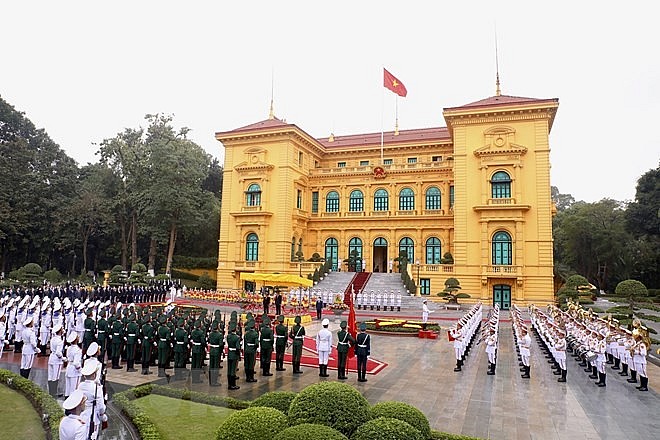
    The year 2022 has begun on a positive note for Vietnam and China, and the General Secretary of the Communist Party of Vietnam (CPV) Central Committee Nguyen Phu Trong and General Secretary of the Communist Party of China (CPC) Central Committee and President Xi Jinping exchanged Spring Festival congratulatory messages.

     President Xi Jinping impressed on upholding the “spirits of good neighbours, good friends, good comrades and good partners, consolidate traditional friendship ….push for new achievements in China-Vietnam relations, elevate regional cooperation to new heights, and build a community with a shared future for mankind”.….”, and  General Secretary of CPV Nguyen Phu Trong emphasised on “promoting the sustainable, sound and stable development of relations both between the two parties and between the two countries… inject new impetus into the efforts to push Vietnam-China good-neighbourly friendship and comprehensive strategic partnership of cooperation to a higher level.”

    Both leaders expressed satisfaction with the state of relations between the CPV and CPC, and, looking ahead to 2022, hoped to maintain close communication. Also, Vietnamese Prime Minister Pham Minh Chinh and Premier Li Keqiang agreed to “properly manage differences, to push forward the China-Vietnam comprehensive strategic cooperative partnership”.  While that may be so, the bilateral relationship between the two countries presents a mixed bag of economic opportunities as well as strategic challenges. 

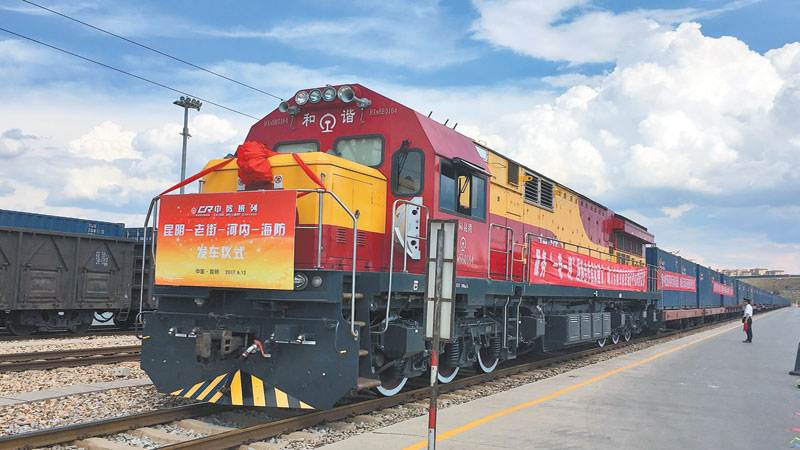
    the China-Vietnam freight train (launched in August 2017) run by the China Railway Nanning Group Co Ltd is a success story. It connects South China’s Guangxi Zhuang autonomous region with the Vietnam border and carries a variety of goods between China and ASEAN countries. In 2021, as many as 346 train trips were made, representing an increase of over 108 per cent from the previous year

     As far as bilateral economic relations are concerned, bilateral trade has grown.  In this regard, the China-Vietnam freight train (launched in August 2017) run by the China Railway Nanning Group Co Ltd is a success story. It connects South China’s Guangxi Zhuang autonomous region with the Vietnam border and carries a variety of goods between China and ASEAN countries. In 2021, as many as 346 train trips were made, representing an increase of over 108 per cent from the previous year. A total of 400 China-Vietnam freight train trips are expected to be made in 2022. China is also willing to provide more “customs clearance convenience for Vietnam’s high-quality agricultural products”, particularly durians, mangosteens, and longans.


    Prime Minister Pham Minh Chinh and Premier Li Keqiang have agreed to give a boost to their bilateral ties through the Regional Comprehensive Economic Partnership (RCEP) that came into force earlier this year. China has assured Vietnam that it is ready to “push for the effective implementation of the agreement, promote the regional economic integration to a higher level and bring more benefits to the people in the region”.

    at the strategic level, Vietnam continues to confront contentious initiatives by China, particularly on the issue of the South China Sea

     However, at the strategic level, Vietnam continues to confront contentious initiatives by China, particularly on the issue of the South China Sea. On March 7, pursuant to Hainan Maritime Safety Administration’s announcement on China’s military drills in the East Sea, Vietnam requested China to “respect and not to violate the nation’s exclusive economic zone and continental shelf, and not to take actions that complicate the situation, thereby contributing to maintaining peace, security and stability in the East Sea area. Vietnam has exchanged views with China on this issue”.

     Vietnamese Foreign Ministry spokesperson Le Thi Thu Hang observed that part of the area where Chinese military drills are planned is under the jurisdiction of Vietnam (exclusive economic zone and continental shelf of Vietnam) and reiterated that Vietnam always adheres to international law, especially the 1982 United Nations Convention on the Law of the Sea (UNCLOS). This has been refuted by China and it’s Foreign Ministry spokesman Zhao Lijian defended the military exercises by stating that the drill is lawful…“China’s military exercise on its own doorstep is reasonable and lawful. It is beyond reproach.” It is now learnt that China may have cordoned a part of the sea area close to Vietnam ostensibly to salvage a crashed military aircraft “while its forces searched for it, and also to conduct drills”.


    Notwithstanding the above challenges, it is fair to argue that the trajectory of Vietnam-China bilateral relations will not change in 2022 and can be expected to follow trends of the last year.  Vietnam is steadfast in its adherence to the one-China principle and supports China to play a greater role in regional and international affairs. This should go as a signal to the US which can be expected to send many political-diplomatic-military delegations to Vietnam in 2022 to influence the leadership, but Hanoi can be expected to pursue an independent foreign policy. 

    Feature Image: The Independent

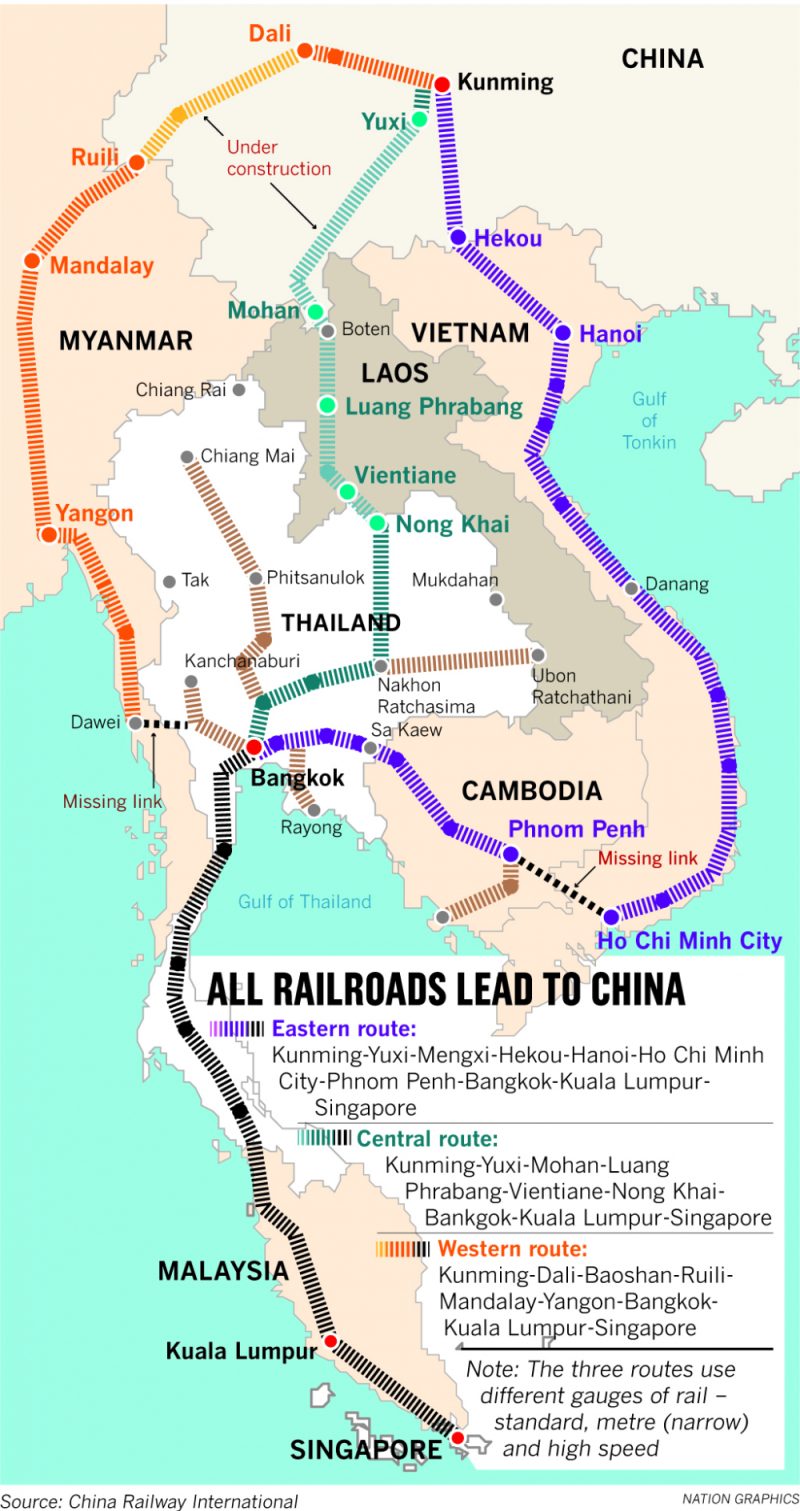
    Map: www.isanrealestate.com

  • RCEP, Indo-Pacific Economic Framework and Vietnam

    RCEP, Indo-Pacific Economic Framework and Vietnam

    The World Bank projection for the RCEP is indeed very impressive and the Member States will see GDP increase by 1.5 per cent. Furthermore, by some estimates, the RCEP could add almost US$ 200 billion to the global economy by 2030.

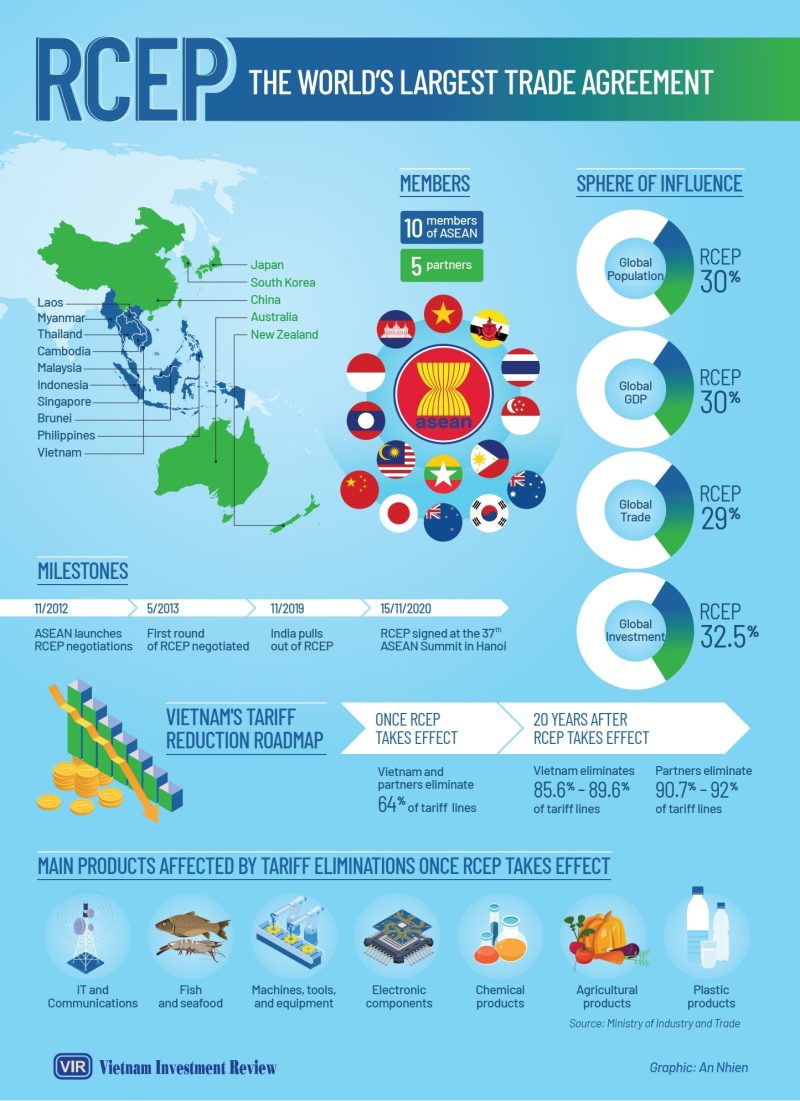
    ASEAN Member States, Australia, China, Japan, South Korea, and New Zealand have heralded the Regional Comprehensive Economic Partnership (RCEP) on 01 January 2022. This 15 Member consortium is the largest economic grouping and constitutes nearly 30 per cent of the global population which relates to a market of 2.3 billion people with an output value of about US$26.2 trillion with over a quarter in world exports. The World Bank projectionfor the RCEP is indeed very impressive and the Member States will see GDP increase by 1.5 per cent. Furthermore, by some estimates, the RCEP could add almost US$ 200 billion to the global economy by 2030.

    Infographics Credit: Vietnam Investment Review

    As far as Vietnam is concerned, the leaders in Hanoi must be happy to see the RCEP take concrete shape given that it was signed in November 2020 during the ASEAN Summit under Vietnam’s chairship. Vietnam, according to Fitch Solutions, is expected to benefit enormously from the RCEP particularly the IT, footwear, agriculture, automobiles, and telecommunications sectors being the major export categories. The RCEP will also provide Vietnam access to huge consumer markets which could be double the size of those included in the CPTPP. Vietnam can potentially move to become a high-tech manufacturer, and the RCEP can facilitate “local firms increase exports and attract high-quality goods for its consumers. Likewise, agriculture and fisheries product exports will benefit”.

    Vietnam, according to Fitch Solutions, is expected to benefit enormously from the RCEP particularly the IT, footwear, agriculture, automobiles, and telecommunications sectors being the major export categories

    Vietnam’s economic outlook for 2022 is positive with numerous growth opportunities. The National Assembly has identified (2021-2025 period) focus areas in sectors such as “digital economy, hi-tech industries, developing the urban economy, strengthening regional connectivity, strengthening the role of key economic zones, and restructuring to achieve a green and sustainable economy among others”. These sectors can be expected to grow given that the country has strong economic indicators notwithstanding the downturn in economic growth due to COVID-19. This is premisedon “investor-friendly policies, relative economic and political stability, cost efficiency, and consumer demand prospects, supply chains restructuring in Asia” which will attract both old and new investors.

    However, Vietnam should also be prepared for the ongoing and impending geo-economic and geopolitical triggers emerging from contestation between the US and China. During the East Asia Summit in October 2021, President Biden announced that the US was considering a major trade and economic initiative in the form of an “Indo-Pacific economic framework”. Soon thereafter Commerce Secretary Gina Raimondo visited Japan, Malaysia, Singapore, and South Korea to “begin discussions on potential negotiations that could start in early 2022”. Besides some Members of Congress, the new framework is also inspired by Australia and Japan, who had called for a “more active U.S. trade policy, including U.S. leadership in regional trade initiatives”. Above all, the initiative should be seen as a move by the Biden Administration to put to rest any doubts in the minds of regional leaders that the US “lacks an economic and trade strategy sufficient to counter China’s increasing economic influence” in the aftermath of President Trump decision to withdraw from the proposed 12-nation Trans-Pacific Partnership (TPP) in 2017.

    The new US economic framework, it is hoped, will also lessen fears in the minds of regional countries arising from the geopolitical-geostrategic issues between the US and China. The US’ “free and open Indo-Pacific” strategy which pivots on ‘rule of law’ is essentially diplomatic and military and is symbolized by the Quadrilateral Security Dialogue among the US, Japan, India, and Australia (the Quad) and the Australia-United Kingdom-United States (AUKUS) security partnership.

    The Quad has made significant progress and the first-ever in-person Leaders’ Summit was held in September 2021. It was agreed to advance practical cooperation on 21st-century challenges such as “ ending the COVID-19 pandemic, including by increasing production and access to safe and effective vaccines; promoting high-standards infrastructure; combatting the climate crisis; partnering on emerging technologies, space, and cyber security; and cultivating next-generation talent”. The leaders also called for building quality infrastructure in the Indo-Pacific region which was targeted against China’s Belt and Road Initiative (BRI).  As far as the AUKUS is concerned, the rationale is quite clear and is driven by the growing Chinese assertiveness amid fears of extreme coercion against regional countries particularly Taiwan and the claimants of the South China Sea.

    The RCEP and the “Indo-Pacific economic framework” are significant developments but can potentially pose a dilemma for Vietnam

    The RCEP and the “Indo-Pacific economic framework” are significant developments but can potentially pose a dilemma for Vietnam. There are numerous economic benefits to be accrued from the RCEP, but at the same time there are both economic and strategic rewards from the “Indo-Pacific economic framework”.  The US Indo-Pacific strategy has not found much favour in Hanoi; instead, Vietnam has chosen to support and pursue the ASEAN Outlook for Indo Pacific (AOIP) which envisages ASEAN Centrality and the East Asia Summit (EAS), as the underlying principle for promoting cooperation in the Indo-Pacific region.


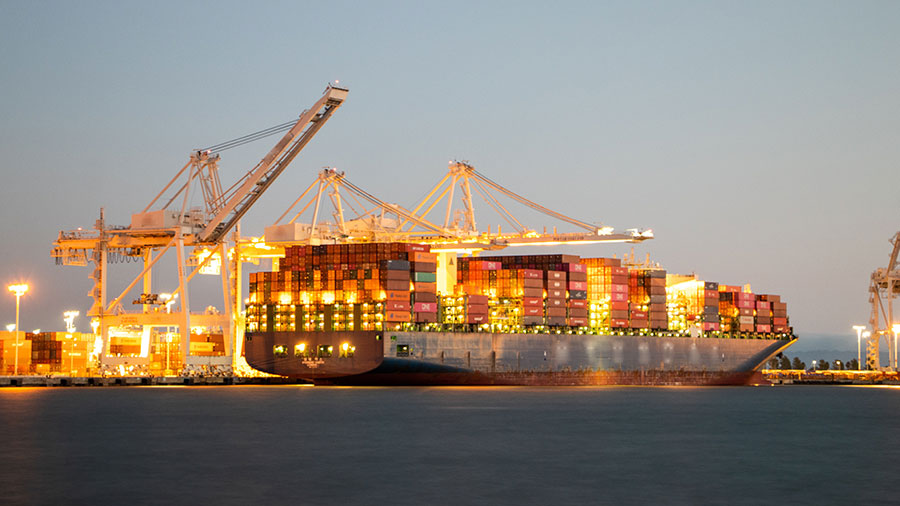
    Feature Image Credit: worldakkam.com

  • Infrastructure development is high priority for Vietnam-Lao PDR relations

    Infrastructure development is high priority for Vietnam-Lao PDR relations

    The year 2022 is singularly important for Vietnam-Lao PDR relations. It marks the 60th anniversary of the bilateral diplomatic relations, and 45 years of the Vietnam-Laos Treaty of Amity and Cooperation. Both sides have accorded high priority to the current year, and Prime Minister Pham Minh Chinh extended the invitation to Lao Prime Minister Phankham Viphavanh to visit to commemorate the above events.  Accordingly, Prime Minister Viphavanh is in Vietnam and is leading a high-level delegation.

    Prime Minister Pham Minh Chinh, according to reports, will also co-chair the 44th meeting of the Vietnam-Laos Inter-Governmental Committee and launch the Vietnam-Laos Solidarity and Friendship Year 2022. This would help to “get a better understanding of each other’s socio-economic situation, development orientations and external policies” particularly during the ongoing COVID-19 pandemic.

    The visit is also intended to boost Vietnam-Laos cooperation strategy for the 2021-2030 period and the five-year cooperation plan for the 2021-2025 period that are now into the second year and involve bilateral engagements in multiple domains such as politics, diplomacy, security-defence, economy, science-technology, culture, and education-training.

    COVID-19 would be high on the agenda of both leaders given that the pandemic is impacting their countries. They are in the midst of the fourth wave with 8,236 and 354,075 active cases (as of 05 Jan 2022) respectively.

    In December 2021, the Lao government announced opening up of the country for trade and tourism in three phases: First phase – January 1, 2022; Second phase – April 1, 2022; and the Third phase July 1, 2022. In the first phase, 17 countries, including Vietnam and many neighbouring ASEAN countries, besides some European countries, China, the US, Australia and Canada would be welcomed. The Lao economy is impacted by COVID-19 and was projected to grow at 3 per cent, a figure lower than 4 per cent as approved by the Laotian National Assembly. This attributed to the pandemic and prolonged lockdowns that disrupted economic activities and companies, retail and wholesale shops had to shut down.

    Leaders in Vientiane recognize the importance of regional development particularly in the Cambodia-Laos-Vietnam Development Triangle Area (CLV-DTA)

    Vietnam and Lao PDR are also engaged in major connectivity projects. Lao is a landlocked country and ports in Vietnam provide the country access to the sea to engage in international seaborne commerce.

    Last year, during President Nguyen Xuan Phuc visit to Laos, 14 agreements spanning a wide range of issues were signed. The leaders agreed to fast-track joint projects including Vung Ang No.1, 2, 3 port projects, the Hanoi-Vientiane Expressway, Vientiane-Vung Ang Railway, Lao-Vietnam Friendship Park in Vientiane, Nongkhang Airport and hospitals in Lao Houaphan and Xiangkhouang Provinces.

    One of their flagship joint projects is the 1,450 kilometres long East-West Economic Corridor (EWEC). It is a road-building project and is supported by the Asia Development Bank (ADB). Its western leg includes Thailand, and in the east, it terminates at the Vietnamese port of Da Nang which is a major gateway to the Pacific.

    Similarly, the 555 kilometres railway link (452 kilometres in Laos and 103 kilometres in Ha Tinh central province in Vietnam) between Vientiane and the Vietnamese deep-water port of Vung Ang is important. It gives Laos yet another access to the sea. Importantly, it is being jointly developed and Laos would hold a 60% stake in the project, and Vietnam with 40%.

    China is also engaged in connectivity projects in Laos. In December 2021, after six years of construction, the Laos-China Railway project was finally operationalized. It is a complex project and includes 61 kilometres of bridges and 198 kilometres of tunnels and reduce travel time between Vientiane to the Chinese border from 15 hours by road to four hours. It will be operated by the Laos-China Railway Co., a joint venture between China Railway group and two other Chinese government-owned companies with a 70% stake and a Laotian state company with 30%.

    Vietnam offers Laos an alternative to Chinese infrastructure investments and it ranks third among investors in Lao with total investments of US$ 5.16 billion in 209 projects. There are fears that the Chinese funded projects do not generate economic benefits for Laos, instead these only benefit China.

    There are geopolitical dynamics at play in the CLV-DTA that are targeted against China, and Cambodia and Laos acknowledge Vietnam’s leadership

    Vietnam cannot match up with the Chinese investments in Laos, but leaders in Vientiane recognize the importance of regional development particularly in the Cambodia-Laos-Vietnam Development Triangle Area (CLV-DTA). Vietnam for example has invested nearly US$ 4 billion in Cambodia and as noted above over US$ 5 billion in Laos. It is fair to assume that there are geopolitical dynamics at play in the CLV-DTA that are targeted against China, and Cambodia and Laos acknowledge Vietnam’s leadership.

    Images Credit: Vietnam times

  • India, the Sino-US Rivalry, and the post-pandemic World Order

    India, the Sino-US Rivalry, and the post-pandemic World Order

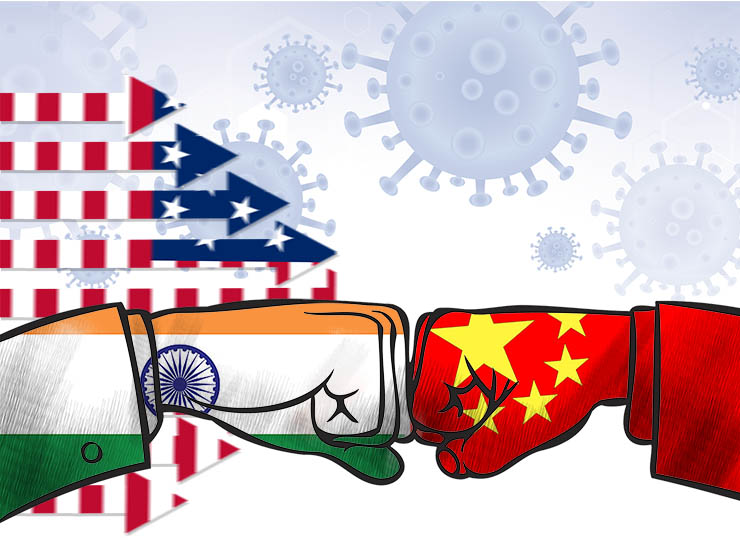
    India has a vital stake in the geopolitical contest between the US and China, particularly in the context of the rising Sino-Indian rivalry. India’s strategies, therefore, must focus on ensuring its security and its freedom of action in global affairs. It will also need to play an active role in reforming the world to more equitable and multipolar governance.

    The global disruption caused by the Covid-19 pandemic that engulfed the world at the end of 2019 and continues to this day is the biggest economic, political, and technological disruption since the Second World War. The pandemic has exposed the serious deficiencies in national healthcare systems in all countries, developed and developing. More importantly, the pandemic has raised questions on the relevance and effectiveness of the current world order, about the future of international organisations and multilateral frameworks, and poses challenges to international political and economic relations.


    Read more

  • Economic prospect of Vietnam under new leadership

    Economic prospect of Vietnam under new leadership

    The International Monetary Fund (IMF) has projected a positive outlook for the post-pandemic global economic recovery for 2021. This is notwithstanding the uncertainty associated with numerous mutations of the Coronavirus emerging in different parts of the world and successes with the vaccine which is now into full-fledged production to meet global demands. Furthermore, according to the IMF, the world economy could grow by 6% in 2021, up from the 5.5% forecast in January 2021. Another significant development in the post-pandemic economic recovery would be a “generational shift towards higher government spending” with projections of over US$ 10 trillion being allocated by the governments across the world to absorb the “shock of the COVID pandemic”. In this context, the Vietnamese government can be expected to make significant post-Pandemic investments.

    Prime Minister Chinh who was an earlier member of the national steering committee for anti-corruption also announced that the government would “drastically and persistently push for anti-corruption.”

    Earlier this month, the Vietnamese National Assembly elected Pham Minh Chinh as the new Prime Minister of the country. In his inaugural speech, Prime Minister Pham Minh Chinh said that his administration’s economic policies would continue as hitherto i.e. “socialism with a market orientation” and will centre on “economic reforms, developing digital economy and focusing on solving difficulties for industries and businesses.” Prime Minister Chinh who was an earlier member of the national steering committee for anti-corruption also announced that the government would “drastically and persistently push for anti-corruption.”

    There is a strong element of continuity in the Vietnamese government policies concerning economic reforms, investments, and addressing the bottlenecks in economic growth since the last five-year plan. The projections for economic growth during 2021-2025 are high and pegged at 6.5%-7%. This compares well with the last five-year plan which witnessed 5.9% growth. The per capita GDP is also projected to improve from US$ 2,750 at the end of 2020 to $4,700-$5,000 by 2025.

    While these are indeed very promising economic indicators, according to risk consultancy Eurasia Group, Prime Minister Chinh will also have to deal with additional challenges such as reforms required for “new trade deals” necessitating additional infrastructure, respond to existing bottlenecks impacting on the manufacturing sector as also sustained and reliable energy requirements.

    Prime Minister Chinh would have to skillfully manoeuvre Vietnam’s relations with the US and China who are among its top trading partners.

    At another level, Prime Minister Chinh would have to skillfully manoeuvre Vietnam’s relations with the US and China who are among its top trading partners. As far as the US is concerned, US imports from Vietnam increased to $64.8 billion in the first 10 months of 2020, and the trade deficit increased to $56.6 billion in 2020. Hanoi has now won over the US in the context of being labelled as a “currency manipulator”. The Biden Administration’s first foreign-exchange policy report has removed Vietnam from the list of countries that are known to prevent “effective balance of payments adjustments or gaining unfair competitive advantage in international trade”. This suggests that the US is not taking a confrontationist approach.

    Similarly, Vietnam’s trade with China is an inescapable part of its economic growth. China is its top trading partner and the bilateral trade in 2020 was US$ 133 billion. The future projections for Vietnam –China bilateral trade are quite promising given that China would continue to be the strongest economy in the coming years which will have numerous spinoffs for Vietnam. Perhaps it merits attention that China is the seventh-largest foreign investor in Vietnam.

    By all counts, Prime Minister Chinh would continue to pursue the national mantra of “socialism with a market orientation” and engage and promote pragmatic economic policies, open the national economy to global markets and importantly balancing relations with China and the US. The US-China trade war has been a trigger for a large number of countries particularly Japan shifting businesses into Vietnam. This has led to Vietnam being labelled as a “mini-China” and is best represented by the fact that Vietnam’s “factory-heavy growth model, sizable population, low labour and land costs, rapid gross domestic product and geographical placement” make it the preferred destination for setting up a business and attracting investments.

    While that may be so, Vietnam would have to diversify from manufacturing cheap goods for exports to investing in its service industry as also in innovation and tech startups. Vietnam is likely to witness a surge in the digital economy and this segment could expand to US$52 billion by 2025. In particular, e-commerce and digital banking are significant growth sub-sectors.

    it is not unthinkable to anticipate Chinese companies too making a beeline and moving production to Vietnam to lessen the risks of the US-China trade war which has now taken a very strong geopolitical and geostrategic turn.

    Today, Vietnam can boast of three comprehensive strategic partnerships, fourteen strategic partnerships, and 13 comprehensive partnerships with different countries. Besides, the conditions are ripe for Vietnam to attract investors beyond Asia and the EU-Vietnam FTA is an important trigger for encouraging European firms to explore investment opportunities in Vietnam. Also, it is not unthinkable to anticipate Chinese companies too making a beeline and moving production to Vietnam to lessen the risks of the US-China trade war which has now taken a very strong geopolitical and geostrategic turn. Under the circumstances, Vietnam would have to diversify its strategic relations and not be left hostage to one partner.

    Featured Image: Hanoi to Ho Chi Minh

  • To Become Atmanirbhar, Bharat Needs Strong R&D

    To Become Atmanirbhar, Bharat Needs Strong R&D

    India has gone full circle from Gandhi’s days of Swadeshi to Nehru’s vision of self-reliant India to New Economic Policies of indiscriminate opening of the economy to Atmanirbhar Bharat. In between lip service was paid to Swadeshi in 1998 but the government continue with the indiscriminate opening up of the economy. Even agriculture was not left untouched with the opening up of 1400 commodities after the Seattle round of negotiations in 1999.

    What is Atmanirbharta?

    What do we understand by atmanirbhar – is it at the narrow level of producing most things that we need ourselves or at the wider philosophical level? If the latter, it implies independence of thought and development of socially relevant knowledge. It could lead to an alternate vision of development and prosperity for the nation.

    In an open economy people will then buy the foreign produced cheaper goods. So, the more important aspect of atmanirbharta is the philosophical aspect.

    The idea of producing most things ourselves runs into a contradiction in a globalizing world which is premised on marketization. Most things are being produced cheaper and better somewhere else, including our cultural symbols such as gulal, diyas and ganesh statue. In an open economy people will then buy the foreign produced cheaper goods. So, the more important aspect of atmanirbharta is the philosophical aspect.

    Opening up the Economy

    In 1991, with the New Economic Policies we gave up the idea of ourselves producing most things that we need. Our global trade increased dramatically with the percentage of export plus import of goods and services in GDP rising from around 17% in 1991 to about 55.8% by 2013. In 2019 it is down to about 40%.

    With the evolution of Washington Consensus in the 1980s, based on the idea of marketization, the world started to integrate in the 1990s with all countries showing a sharp rise in trade to GDP ratio. China captured a large share of the world markets and built a huge trade surplus. Its foreign exchange reserves rose to over $3.5 trillion. This gave it enormous clout globally not only with developing countries but also with the developed countries.

    The idea of atmanirbharta or self-reliance underwent a change. It became a matter of global competition to gain market share globally. One imported more to export more. Growth was supposed to depend on this. South East Asia and China were given as examples of success of such openness and rapid improvement in the living standard of the population. China post-Mao successfully adopted such a strategy. It was a large economy so it could not even be said that India cannot do what Singapore can do.

    Globalization is all about development of technology and India has lagged behind in that.

    Lessons from China

    What are the lessons India can learn from China’s achievements in the last thirty years? Apart from the fact that it is an authoritarian state with a strong sense of nationalism, its advances in research are stupendous.

    China has invested huge sums in building a strong infrastructure and research base in Universities, Institutions and Industry. It has one of the highest investment and savings rate in the world at 44 per cent in 2019. India’s comparative figure for 2019 is around 30%. It has developed the 5G technology faster than others and is willing to provide it cheaper than its competitors. This is also the case with many other lines of production such as, electronics, pharmaceuticals, automobiles and toys. It has moved rapidly in various fields such as development of artificial intelligence and applications of internet for commerce and financial sectors.

    Globalization is all about development of technology and India has lagged behind in that.

    China has had the long term vision to develop this rapidly by investing heavily in Research and Development. After getting technology from foreign companies, it has advanced the same by mastering it. Unfortunately, India has not done so and has repeatedly imported the next level of technology.

    Need for strong R&D

    India’s investment in R&D has been minimal. The private sector has been investing little in technology development. And, the public sector has been hamstrung in technology development by lack of autonomy, bureaucratization and corruption.

    Global competitiveness requires rapid development of technology. It requires massive investment in both absorption and development of technology. Instead, India’s investment in R&D has been minimal. The private sector has been investing little in technology development. And, the public sector has been hamstrung in technology development by lack of autonomy, bureaucratization and corruption.

    Research and Development require autonomy for researchers and a long term vision. Of course resources are also required but autonomy and vision are crucial and these have been weak in India. The same Indian researchers are able to do well in foreign lands but when in India they are not able to deliver. Our research establishment are rather feudal in approach and work within rigid hierarchies so that often talent gets suppressed.

    a culture of promoting independent and critical thinking is largely missing and that reacts back on research and generation of new ideas.

    Universities are the places where autonomy is greater and a long term vision can flourish away from the immediate profit motive. But unfortunately most of our universities are also bureaucratized and do not give autonomy to the academics. The authorities largely with bureaucratized and feudal mindset see independent thinking as a threat to themselves and, therefore, put up road blocks in the path of the independent thinkers thereby frustrating them and making their functioning difficult. Often the independent minded are seen as trouble makers and a challenge to the domination of the authorities. This is true not only in social sciences but also in the case of sciences in most universities. Thus, a culture of promoting independent and critical thinking is largely missing and that reacts back on research and generation of new ideas.

    Imperatives of Strengthening R&D

    Atmanirbharta in the present day world does not imply closing the economy but having the strength to face the challenge from other nations. This has to be based on a long term vision and cannot be achieved in the short run or by ad hoc measures.

    It requires high quality education right from the school stage. Thus, the education budget has to be expanded and teaching paid much higher attention than given at present. The status of teachers has to be enhanced so that talented people come in to academia.

    The world has been globalizing for thousands of years with trade and exchange of knowledge across nations and across continents. But earlier it was a slow two way process. Colonization turned into a one way process with western knowledge and thought establishing its hegemony globally and more so in India. That killed the internal dynamism of Indian society. It reinforced feudalism in India and decimated the quest for socially relevant knowledge generation.

    There has to be a continuum in knowledge generation but with an Indian perspective. India has to have the self-confidence that it can move ahead without denying the last few hundred years. Denial is only a sign of weakness.

    As Gandhi suggested, there is need for Indian modernity. Achieving that is crucial. Can it be based on denying what has happened over the last 250 years and going to what existed prior to that? Such a gap would undermine our understanding of social developments in India. That would be a recipe for repeating our mistakes. There has to be a continuum in knowledge generation but with an Indian perspective. India has to have the self-confidence that it can move ahead without denying the last few hundred years. Denial is only a sign of weakness.

    Denial would prevent us from understanding the nature of globalization we are undergoing and therefore we would not be able to work out any correctives that are needed. It would lead to much confusion in society. For instance, we would not be able to understand why consumerism is sweeping the world, including the poor in India or why our research lacks dynamism. In brief, Atmanirbharta requires India to move with self-confidence and not be in denial.


  • BeiDou: China’s Space Flight to Global Dominance

    BeiDou: China’s Space Flight to Global Dominance

    Technological independence and Economic prowess define a ‘Great power’ in today’s Information Age. In an era of rapid technological advancements, China has emerged as an economic and technology juggernaut, rising in stature as a global superpower. Ever since the beginning of Deng Xiaoping’s modernisation strategy, China has invested heavily in its science and technology sector aiming to reduce its dependency on foreign technology. After nearly three decades of the relentless pursuit of technological competence, China has now established itself as a dominant force in innovation and technology. One such milestone because of its relentless pursuit is the establishment of its indigenous Global Navigation Satellite System (GNSS), The BeiDou Navigation Satellite System (BDS). BeiDou marks China’s entry into an elite club of GNSS systems, becoming one of only four global navigation systems worldwide. It cements China’s place as a prominent Space Power and as a potential suitor among countries for future space co-operation. BeiDou will directly rival the Global Positioning System (GPS) of the U.S. and its cheap costs with greater accuracy could bring an end to the monopoly of GPS in the global navigation systems arena.

    Military Objectives

    ‘National security’ is the primary reason for the development of the BDS navigation system. China’s ambition to build an indigenous satellite navigation system stemmed from the “embarrassment” it suffered during the Taiwan strait missile crisis in 1996[1]. It is believed that two of the warning missiles fired by the PLA, close to Taiwan’s Keelung military base, failed to hit the designated target due to the sudden disruption of the GPS. Missiles launched rely on Position Navigation and Timing (PNT) data, provided by a constellation of satellites, to navigate accurately to their designated target. With the BeiDou Navigation System (BDS) online, the Chinese military possesses a military and strategic autonomy and no longer requires to be dependent solely on the GPS for tracking and navigation. BeiDou aims to offer the Chinese PLA with precision-guided missile delivery systems, robust communication systems, enhanced cyber and drone warfare capabilities. Thus, integrating BeiDou into military systems and equipment will enable China to effectively bypass any constraints on GPS imposed by the U.S.[2].

    The BDS navigation system offers signals at a higher bandwidth, thus providing better accuracy than the GPS. Its global position accuracy is under 10 cm in the Asia-Pacific compared to the GPS’s 30cm [3]. BeiDou’s higher accuracy and affordable prices may encourage many countries to consider it as a viable alternative to GPS service provided by the U.S. Many militaries today fear manipulation of the navigation signals by the U.S. in times of conflict, as they are solely reliant on GPS for precision guidance and navigation. The BDS is compatible with GPS, GLONASS & GALILEO navigation systems, thus offering militaries with a fool-proof alternative. This dynamism will be a key strategic asset to any country during conflict situations[4]. One such example of countries moving away from GPS is Pakistan, which is all set to incorporate BeiDou into its civil and military domain as part of its defence and strategic cooperation with China. It gives Pakistan access to precise geospatial data for application in surveying and mapping, construction and scientific studies[5]. With Pakistan on a defence equipment buying spree from China, its military would gradually be fully integrated with the BDS navigation system soon, moving away from its reliance on GPS. This shows China’s pursuit of establishing its indigenous navigation system in the Asian region, putting an end to the GPS hegemony.

    Space Silk Road

    The BeiDou navigation satellite system is of critical importance to China’s Belt and Road Initiative (BRI). The BDS navigation system will ensure accurate navigation capabilities that will complement the Land and Maritime Silk routes, which are a part of the larger Belt and Road Initiative of China. The Space Silk road aims to establish an array of space capabilities including a fully operational space station, ground infrastructure, launch services, satellites, aerospace industries and BDS related industries[6]. It offers a wider dimension to China’s ambitions for BRI and could promote greater growth and development of its space infrastructure and technology. It also promotes civil-military dual-use technologies and provides a platform for enhancing China’s indigenisation in communication, satellite navigation, aerospace and artificial intelligence[7]. It aims to provide the international community with credible alternative infrastructure and promote further cooperation in space-innovation and space-technology. China’s Space Silk Road legitimises its stake as a credible leader in space and a growing superpower in the international system.

    Over 30 countries including Pakistan, Saudi Arabia, Myanmar, Thailand, Laos and Indonesia have already signed agreements with China to integrate the BDS navigational system in the domestic sectors like transportation, communication, etc. They have also allowed the construction of ground stations, which would improve the accuracy and range of the BDS navigation system. The Space Silk road aims to tap into the lucrative satellite navigation industry, its system and components market enabling China to wield greater influence in third countries and their economy[8]. The BDS navigation satellite system is the centrepiece of the Space Silk Road under China’s Belt and Road Initiative and is of massive strategic and geopolitical importance in China’s ambition to establish itself as a global superpower.

    Economic Implications of BeiDou

    It is clear as day that any country that possesses an economic might wields greater influence in the world’s geopolitics. The U.S. has been the dominant force in the world economy until the turn of the 21st century, but not anymore. China’s meteoric rise to economic supremacy is deeply rooted in its aim to knock the U.S. right off their perch and take its place as a global leader in technology innovation and manufacturing. It aims to be the focal point of global manufacturing and offer nations credible and high-tech equipment and exercise a greater foothold in the global markets. ‘Made in China 2025’ espouses this ambition of China to cement its place as a global manufacturing leader in strategic industries like information technology, communication systems, a global navigation system, aerospace, railways, agricultural machinery etc. which are critical to the economic competitiveness and growth in the 21st century[9].

    A major cornerstone of the ‘Made in China 2025’ and the ‘13th 5-year plan’ is to fast-track the commercial applications of the BeiDou navigation satellite system. The Global Navigation Satellite System (GNSS) industry is estimated to be worth US$82.4 billion and is forecast to grow at an average rate of 7% p.a. through 2023 with over 3.6 billion GNSS devices currently in use worldwide. China aims to gain control of this lucrative market, which would give it economic superiority against the U.S. in the GNSS downstream industry and also aims to break the monopoly that the GPS enjoys in the satellite navigation industry. As of 2012, the U.S. led the GNSS downstream industry with a share of 31% followed by Japan 26%, the E.U. 25.8% and China with 7% share. China aims to capture 60% of the domestic GNSS downstream industry and 80% of important applications, becoming globally competitive by 2020. It envisions to build an industrial chain comprising all parts of the GNSS downstream industry ranging from chips, modules, antennae, receivers etc, all compatible with the BDS navigation system. China expects Beidou to have a global market penetration of 60% and attain worldwide coverage by 2020[10].

     In sheer numbers, it projects the GNSS market to grow by US$81.5 billion and have a compounded annual growth rate of 6.6%. Estimated at US$155.1 billion in 2027, the GNSS global market is expected to reach US$228.7 billion by 2027 growing at a CAGR of almost 6% between 2020-2027. The U.S. GNSS market is estimated to be worth US$42 billion in 2020 while China, being the world’s second-largest economy is likely to reach a GNSS market size worth US$47.8 billion in 2027 with a CAGR of 8.6%, effectively getting even with or overtaking the U.S. in the global GNSS market[11]. In a study carried out by a North Carolina based research organization RTI International, sponsored by the U.S. government’s National Institutes of Standards and Technology, between 1984-2017 GPS has generated economic benefits to the tune of US$1.4 trillion. The largest contributing sectors were the telecommunications industry with US$685.9 billion, telematics with US$325 billion and location-based services on smartphones with US$215 billion. It is estimated that losing GPS service business would have a US$1 billion per day impact on the economy[12].

    In a recent report published in the White Paper on the Development of China’s Satellite Navigation and Location Services Industry (2020), released by the GNSS and LBS Association of China, China’s satellite navigation and location-based services industry achieved an output of US$48.58 billion in 2019. The industry’s core sector associates with the development and implementing satellite navigation technology including chips, devices, algorithms, software, navigation data, terminal equipment and infrastructure. The BDS navigation system alone has contributed a whopping 80% of output value generated from these sectors[13]. The sheer scope and economic opportunity in the GNSS sector substantiate China’s dogged persistence to gain control of this industry. As the global navigation satellite systems move towards interoperability soon, BeiDou could lead the race to offer high-tech navigation systems and equipment compatible with GPS, GLONASS, GALILEO to the international community. Implementing the BDS navigation system has bolstered China’s standing in the international community as an economic powerhouse and stands as a testament to the country’s resilience and steadfast vision to become a global superpower and a leader in space.

    BeiDou’s Geopolitical Implications and the Future of Space

    The BeiDou Navigation Satellite System is an important strategic asset for China, in its ambitions to achieve global supremacy and establish itself as a leader in Space. China looks to use BeiDou’s scope and potential to achieve its larger geopolitical and strategic goals in the military and economic domain. On the economic front, this would negatively affect U.S. companies operating in the Chinese markets, as China has taken steps to reward its domestic sector to promote BeiDou and expand its GNSS industry. Effectively, U.S. suppliers would be driven out of the market by the local Chinese suppliers whose equipment would be on par or even better than equipment bought from the West. It would enable China to create a global industrial chain of satellite navigation and telecommunication equipment, which are of the highest quality and at affordable prices, wooing third countries and providing a credible alternative to the Western equipment. This serves well to two of China’s prominent strategic objectives of establishing itself as a leading global economy and driving the U.S. out of the Asian markets.

    Considering heightened U.S. presence in the highly contested South China Sea and China’s lingering territorial disputes with neighbouring countries, BeiDou’s initial deployment in South East Asia offers China strategic advantage and Area Access/Area Denial capabilities. Incorporating the BDS navigation system, possessing greater accuracy than GPS, in both ballistic and cruise missile systems offers China with precision-guided weapons capability, thus acting as an effective deterrent and strategic threat to the U.S. in the region. Greater precision and accuracy implies greater reconnaissance capabilities, digital espionage and enhanced tracking capabilities, thus countries like the U.S. feel BeiDou poses a critical security threat to their national security[14] With the BeiDou navigation satellite system going online, all roads lead to China realizing its dream of an Asia devoid of the West and attaining military autonomy over the U.S., especially in South East Asia.

    The BDS satellite navigation system is the third dimension of China’s strategic Belt and Road Initiative, aiming to achieve global coverage from all fronts. It is an effective foreign policy tool that China can utilise to garner international support and cooperation. With over 130 countries on board China’s BRI project, BeiDou would be a critical asset to attract more countries aboard its ambitious project. Achieving global coverage through BRI, supported by BeiDou, would increase China’s standing in the international community and mark another step towards the end of U.S. dominance in the global geopolitical arena.

    The global ambitions of China with its BeiDou navigation system bring with it a sense of caution and uncertainty in the geopolitical arena. Behind the veil of China’s good Samaritan measures, lie the desires of a power-hungry dragon. The BDS navigation system and its subsequent GNSS downstream industrial chain offer countries lucrative opportunities, but at what cost? Recent patterns would show clearly China’s cut-throat diplomacy with its BRI project. Deceived by vast sums of money in the BRI project, countries who were aboard the project were pushed into a debt-trap by the Chinese, ceding control over their markets and economy to China. BeiDou could be just another tool China could use to seize control of the third country’s markets and strong-arm them to bend to their will and desire.

    In the geopolitical arena of Space, China’s emergence as a space power would no longer give the U.S. leverage that it had been enjoying in the international institutions on discussions and matters on Space technology and governance. BeiDou could be China’s ticket to space superiority. It could give China the upper hand in GNSS discussions and the ability to wield greater influence in Space innovation and technology. History has taught us frequently that once a nation or group of nations achieve technology superiority in any sector, they monopolize it to safeguard their strategic interests and consolidate their position of power. A good example would be the discriminatory Non-Proliferation Treaty which, under the pretext of bringing order in the domain of Nuclear Technology, has only achieved to limit the capabilities and ambitions of aspiring nuclear states driving a wedge between haves and have-nots. The signatory parties themselves show no compliance with the guidelines of the Treaty. Today, there are nine countries having space launch capabilities. China’s place at the top in countries having space capabilities is fast becoming a reality, and its role in the politics of Space presents an interesting conundrum. China’s pattern of unilateral acts of aggression and its zero-sum approach could sow the seeds for its hegemony in Space. BeiDou could be the most important piece for China in the jigsaw of Space, setting the precedent for an interesting future in the geopolitics of Space, possibly tilting the fine margins of power in favour of the Dragon that is poised to take its decisive flight.


    References

    [1] Chan, Minnie. “‘Unforgettable Humiliation’ Led to Development of GPS Equivalent.” South China Morning Post [Hong Kong], 13 Sept. 2009, www.scmp.com/article/698161/unforgettable-humiliation-led-development-gps-equivalent

    [2] Sloane, Heath. “Precision Politics: China’s Answer to GPS Comes Online.” The Diplomat, 7 Apr. 2020, https://thediplomat.com/2020/04/precision-politics-chinas-answer-to-gps-comes-online/

     [3] Woo, Ryan, and Liangping Gao. “China Set to Complete Beidou Network Rivalling GPS in Global Navigation.” Reuters [Beijing], 12 June 2020, www.reuters.com/article/us-space-exploration-china-satellite-idUSKBN23J0I9

    [4] Xiaoci, Deng. “China Completes BDS Navigation System, Reduces Reliance on GPS.” Global Times, 23 June 2020, www.globaltimes.cn/content/1192482.shtml.

    [5] “Pakistan Military to Use Chinese Navigation System BeiDou to Improve Interoperability.” The Economic Times, 21 Aug. 2020, https://economictimes.indiatimes.com/news/defence/pakistan-military-to-use-chinese-navigation-system-beidou-to-improve-interoperability/articleshow/77675471.cms?from=mdr

     [6]  Ibold, Sebastian. “China’s Space Silk Road.” Belt and Road Initiative, 12 Apr. 2018, www.beltroad-initiative.com/space-silk-road.

    [7] Aluf, Dale. “China’s Space Silk Road Reaches Mars and beyond.” Asia Times, 31 July 2020, https://asiatimes.com/2020/07/chinas-space-silk-road-reaches-mars-and-beyond/

    [8] China Briefing. Dezan Shira & Associates, www.china-briefing.com/news/made-in-china-2025-explained. Accessed 4 Nov. 2020.

    [9] United States Chamber of Commerce. “Made in China 2025: Global Ambitions Built on Local Ambitions”. Washington D.C.: 16 March 2017, https://www.uschamber.com/report/made-china-2025-global-ambitions-built-local-protections-0

     [10]  Wilson, Jordan. “China’s Alternative to GPS and its implications for the United States”, U.S. – China Economic and Security Review Commission. 5 January 2017. https://www.uscc.gov/research/chinas-alternative-gps-and-its-implications-united-states

    [11] “Global Global Navigation Satellite System (GNSS) industry.” ReportLinker, July2020, www.reportlinker.com/p05443565/Global-Global-Navigation-Satellite-System-GNSS-Industry.html?utm_source=PRN.

    [12] RTI International, “Economic Benefits of the Global Positioning System”. North Carolina. 31 May 2019. https://www.rti.org/publication/economic-benefits-global-positioning-system-gps

    [13] Global Times. “China’s Satellite Navigation Industry Turned up $49 Billion in 2019.” Global Times, 23 Sept. 2019, www.globaltimes.cn/content/1188659.shtml.

    [14]https://www.uscc.gov/sites/default/files/Research/Staff%20Report_China’s%20Alternative%20to%20GPS%20and%20Implications%20for%20the%20United%20States.pdf

  • International Institutions in post-Covid Era

    International Institutions in post-Covid Era

    Pandemic exposes inadequacies in the 21st century world

    At the Munich Security Conference 2020, the Indian External Affairs Minister stated that multilateralism has weakened, and attributed it to the inadequacy of international institutions, established seventy-five years ago, to cope with the challenges of 21st century. This was just before the coronavirus became a global pandemic. Today, among other aspects of society that are challenged by the pandemic, its impact on the world has exposed the inability of international organizations to develop a globally cooperative strategy. The September edition of the UNSC meeting held regarding the coronavirus pandemic saw the United States, China, and Russia fight bitterly over responsibility and responsiveness to the pandemic. Instead of building constructive solutions to face the challenge each country focused on accusing others. Similarly, although the Covid-19 global response pledging event secured 7.4 billion euros, their origins (whether new or retargeting of approved grants), method of fund application, proposed call for global research sharing platforms are either ambiguous or not yet set up. Hence, although international organizations have promoted dialogue, the jury is still out on their efforts towards alleviating the crisis or cushioning its impact. The pandemic thus leads to questions about their effectiveness and what post-covid international institutions might look like.

    Given the manner in which various nation-states represent, contribute to, and run international organizations it is definitive that the nature of international institutions is susceptible to change.

    Institutionalism and International Organisations

    International Organisations such as the United Nations and its predecessor the League of Nations mark the variety of multilateralism brought to life based on the theory of institutionalism. Institutionalism originated from the thought that if humans are fundamentally good but act otherwise it is because of anarchy in the international system, and through institutions fostering international cooperation anarchy can be countered to promote the fundamental good in human nature. The final goal of institutionalism stood to promote supranational organizations. However, there have been drawbacks in bringing practicality to this theory. These institutions are built on belief (an individual external factor to the institution itself brought by participants) and power in international institutions is extended when states surrender part of their sovereignty. The changes and differences in individual beliefs cause significant changes in institutions in both the way they operate and the consequences of their operations. Given the manner in which various nation-states represent, contribute to, and run international organizations it is definitive that the nature of international institutions is susceptible to change. Hence, better international coordination and responses to the past crisis such as the 2008 financial crisis, controlling the Ebola breakout in West Africa were also a result of the leftist individual beliefs of participants. However, with global politics inclining towards the right, with waves of hyper-nationalism sweeping across nations, efforts towards multilateralism have taken a back seat. Stephen Walt maintained that the pandemic will reinforce nationalism as the world retreats from hyper-globalization to reduce future vulnerabilities and will create a world that is ‘less open, less prosperous, and less free’. The pandemic has put the world on a trajectory towards the right with politicians becoming more authoritative, and thus multilateralism will see significant changes in the post-covid era.

    Rise of narrow Nationalism and Right Wing Politics

    Despite the rise of right-wing politics globally, the benefits of multilateralism cannot be foregone. Multilateralism in international institutions in past crises followed a model wherein the United States took the lead across various organizations and coordinated the world towards a united response. Since such leadership has been replaced with great power politics, multilateralism has taken an operational role instead of a supervisory role. The main difference between the two roles is that the latter had better potential to progress as a supranational organization while the former traverses as a platform offering supporting services to different countries. Examples of this are efforts led by NATO to use their airlifting capabilities to move vital medical equipment and food supplies, and WHO’s initiative to share guidelines and important research to countries who then took individual decisions. In the current trajectory, these changes in institutional consequences can lead towards three possibilities in the future of multilateralism:

    At the risk of sounding highly pessimistic, the institutional belief in multilateralism is likely to see a steep decline and sovereignty surrendered to international organizations will erode. The role of the UN and its organs may change focus on global data collection, analysis, and politically motivated discussions from the current (weakening) narrative of progress, development, conflict prevention, and resolution.

    • As Robert Kaplan argues, Coronavirus has become the watershed movement segregating the upcoming era as Globalisation 2.0 with the rise of autocracies, social and class divides, and new emerging global divisions. This image of globalization 2.0 can be used to reflect on what the next era of multilateralism will be. In the continuing trajectory with no clear international leadership, international institutions would reduce to becoming a platform of dialogue in great power politics with the initiative and effectiveness of resolutions substantially watered down. At the risk of sounding highly pessimistic, the institutional belief in multilateralism is likely to see a steep decline and sovereignty surrendered to international organizations will erode. The role of the UN and its organs may change focus on global data collection, analysis, and politically motivated discussions from the current (weakening) narrative of progress, development, conflict prevention, and resolution. For instance, the pandemic-induced embargo on the movement of people would in turn catalyse the degeneration of organs such as the UNHCR as the dialogue focuses on data collection and blame allocation instead of refugee crisis management. The international political narrative will shift from globalism to regionalism for effective conflict resolution.


    • As US-China rivalry hampers effective policymaking, relatively smaller powers will lead the narrative in these institutions. The foundations for this possibility are already evident. The United Kingdom and other European countries have been increasingly calling for global summits to promote multilateralism. Their efforts can be theorized to be an enmeshment strategy similar to that used by small states in ASEAN. The objective of this strategy is to alleviate the high risks of major powers directly competing by creating interdependence (if not directly between the great powers) among the various actors in the system through increased multilateral participation to an extent that great powers are tied down in this system and their interests are intertwined such that conflict would become costly. Thus smaller powers prevent the complete breakdown of international organizations by continuing to promote dialogue and ensure the persistence of multilateralism, albeit weaker, but prevent the division into two great-power blocs as with the first scenario. This approach where smaller states remain neutral to great power influences would in turn result in the latter’s effort to win over small states characterized by the exploitation of the cold war by small states. Although the US has so far managed to step away from this, with the oncoming elections it is likely that a change in administration would enable the enmeshment strategy to prevent an extreme global division.


    • Taking an optimistic view, the pandemic may catalyse the trajectory towards Ikenberry’s Multilateralism 3.0 where power in the institutions is more reflective of present-day world powers. Given the shift in American foreign policy and lack of initiative, the pandemic could become an important shaper for other Asian powers to get higher representation to balance China’s rise. Although this demonstrates an idealistic situation far from the rightist trajectory, Ikenberry concedes to the fact that in the short-run countries will be nationalistic but in the long run, democracies will break out from the authoritarian, nationalistic regimes to promote a pragmatic and protective internationalism. Ikenberry makes this interpretation based on the enlightenment world leaders had following the destruction and suffering from the world wars. Hence, the pandemic marks the starting point for the butterfly effect which will lead to wartime-like geopolitics, followed by enlightenment to build stronger international institutions with representations reflective of the new world order and better capable of dealing with issues the current institutions struggle to resolve.

    Conclusion

    Although international cooperation would be the sensible means to navigate through the pandemic and other crisis induced by the pandemic, due to factors external to the institution, such as domestically controlled participant change – multilateralism will see considerable weakening. Among the three possibilities identified for the future of international institutions, only time can tell which path the world will take. However, a combination of the second possibility in the short run progressing to the third over the long run is the most optimistic option to work upon for a better pathway to navigate through this crisis.

    Image: Pixabay

  • UAE-Israel Deal: An Analysis of its Regional Impact

    UAE-Israel Deal: An Analysis of its Regional Impact

    Introduction

    The recently brokered Abraham Accords Peace Agreement between the United Arab Emirates and Israel marks the beginning of the potential shift in West Asia’s existing power relations. Driven by their security interests, and in an attempt to amplify their power projections in the region, the two countries have come together, in what is being seen, as an opposition to the Iranian axis of influence. Although the normalization of relations with Israel marks a huge setback for the possibility of a Palestinian Statehood, several Arab countries are expected to jump on the bandwagon, with Bahrain having already concluded a treaty after UAE. This article highlights the eclectic mix of reactions from various players in West Asia and the potential opportunities and setbacks it brings with itself.

    Palestine

     Several countries held strongly pro-Palestine policies during the Cold War and decolonization period. However, in the last few decades, many have established ties with Israel; Egypt in 1979, and Jordan in1994 and now UAE and Bahrain in 2020. That being said, majority of the Arab and Gulf countries still officially do not recognize Israel. The United Arab Emirates announced its decision to normalize relations with Israel on 12th August 2020. There are many reasons why UAE and Bahrain decided to establish diplomatic relations with Israel; according to some analysts it is to counter Iran’s influence in the region, but for some it is also to establish trade and business contacts.

    However, do these developments indicate that countries in the Arab world are moving gradually into accepting Israel’s occupation of Palestinian lands as ‘fait accompli’? A significant development that needs to be recognised is the fact that many West Asian countries no longer demand the return of Palestinian lands as a precondition to normalizing ties with Israel.

    The Palestinians in the West Bank and Gaza have strongly criticised the deal and see it as betrayal of their rights and cause by the international community.

    It is long-known that Israel will not return to pre-1967 boundaries; in May 2020 Benjamin Netanyahu explicitly stated his plan to annex the West Bank. He has, however, postponed the implementation of his decision, probably indefinitely, in the interests of the deal that is likely to benefit Israel greatly.

    The Palestinians in the West Bank and Gaza have strongly criticised the deal and see it as betrayal of their rights and cause by the international community.  Banners  displaying “Treason” and “No to normalization with the occupier’ have come up across the region.  The Palestinian Authority, in very obvious response, have rejected the deals. These accords, as they rightly fear, affect the future of Palestinian sovereignty and legitimize Israel’s occupation.

    Turkey  

     President Recep Tayyip Erdogan sees himself as the champion of Muslims ever since he came to power in 2002. Under Erdogan, Turkey has pursued a clear pro-Palestinian stance. Turkey has indeed provided aid to Palestine at various times, including during COVID-19. It has criticized Trump’s peace plan for the Israel-Palestine conflict, for ignoring Palestinians’ legitimate rights. Not surprisingly, Turkey is clearly unhappy with UAE’s and Bahrain’s steps to normalize ties with Israel. Turkey has threatened with the option of halting diplomatic relations with UAE over the deal.

    However, for Palestinians Turkey’s statements ring hypocritical and hallow. Turkey was one of the earliest and the first Muslim majority state to recognize Israel in 1949. Turkey and Israel have a long history of intelligence cooperation. Even in the current situation, Turkey is focused more on dealing with the UAE on this issue, rather than Israel. Nevertheless, speaking for Palestinian rights in the international forum is equally important. In that respect, Turkey’s voice in support of the Palestinian cause is an important one.

    Saudi Arabia

     Saudi Arabia, long seen as the champion of Islamic nations, particularly in view of the fact that it is home to the two holiest shrines of Islam. Therefore, this peace agreement is a shock to the conservatives who form the majority in the Kingdom. This move by the UAE is seen as going along with the Jewish regime that denies the rights of the Palestinian Muslims. However, the Foreign Minister, Faisal bin Farhan Al Saud said the deal could be seen as positive, but his country will not normalize relations until peace is signed with the Palestinians,  within the framework of the Arab Peace Initiative.  Saudi Arabia’s track record of its unwavering support to the Palestinian cause from the days of the Yom Kippur war, also known as Ramadan War, makes the nation’s stance on the ‘Abraham Accords’ more influential than any other Gulf country. The advocacy for Palestinian state runs deep in the Saudi people. As a result, Saudi leadership’s slightest inclination towards the agreement could spark unrest among its citizens.

    The current regime under the Crown Prince of Saudi Arabia, Mohammed bin Salman (MBS), who is a very capable leader compared to his predecessors because of his broader outlook to mend diplomatic ties with the regional enemies, yields an element of uncertainty as he may be inclined towards the accord. The political and ideological differences between the people of Saudi and their leader might spark cynicism towards the government; hence, support for the accord is implausible in the short term.

    Israel, which shares the Red Sea coastline with the country and is a major player in technology innovations in the region, makes it an ideal ally for the Kingdom.

    The idea, however, is not wholly inconceivable because of MBS’s Vision 2030. Upon ascending the throne, the Crown Prince has constructed an elaborate plan to detach the Kingdom’s dependence on its natural resources and focus on bringing in diverse investments into the country. One of the main plans is to develop the Red Sea Coastline by exploiting its tourism prospects by building a smart city. Israel, which shares the Red Sea coastline with the country and is a major player in technology innovations in the region, makes it an ideal ally for the Kingdom. One of the other factors that could generate a coalition between Saudi Arabia and Israel is their common enemy, Iran.

    If MBS does accept the accord, it may not come as a surprise, but that does not warrant the fact that there is a high possibility of the decision shocking many conservative and religious establishments.  In retrospect, that could give birth to the “new” Saudi Arabia that the crown prince has promised to build.

    Qatar

    Qatar, which is considered the most developed state in the Gulf region, is in the middle of a diplomatic standoff with the regional players. Its dispute with the two major states, Saudi Arabia and UAE, has made the state go out of its way to establish diplomatic ties with parties that are not particularly approved by the GCC. The state has not given any official statement on the accord, but it’s closeness with Iran may be taken as an unofficial veto to the accord in itself. Qatar’s close relationship with the US and Iran has been a subject of debate ever since the Gulf crisis, but the state has somehow managed not to let the relationship cut across each other. This particular agreement with Israel orchestrated by the Trump government could pressure Qatar to push and resolve its issues with the UAE.

    Like any other Arab country, Qatar has advocated for the Palestinian state. It took it a little further by investing in the Gaza Strip, funding welfare payments to the coastal territory. One can suspect that the Emirati’s decision to form a coalition with the Israeli state will only deepen the ties between Qatar and Palestine.

    Though the Qatar government has been silent about the accord, Doha based news media, Al Jazeera has not shied away from raising concerns regarding the agreement. It even went to the extent of calling the accord ‘PR stunt’ initiated by the UAE. It’s support to Palestine and capitalisation of the hashtag ‘normalization as betrayal’ have received a lot of criticism from those countries that support the agreement. Qatar has always been hostile to Israel’s treatment towards the Palestinian state but has managed to have practical relations with Israel.

    Iran  

    As the world witnesses the coming together of the United Arab Emirates and Israel, two of the former adversaries, it comes as no surprise that Iran has been aggressively lashing out against the deal. With Iran still reeling under the economic pressure of the US sanctions, President Rouhani has called the deal a ‘betrayal’, aimed at satisfying the United States at a time when President Trump prepares himself to run in the national election in November. The leader of Iran-backed Hezbollah has also condemned the deal on similar grounds. Iran’s disapproval stems from two main factors – first, from its support for the Palestinian statehood; and second, more realistically, due to the increasing influence of Israel-United States nexus in the region and consequently its declining axis of influence. Iran’s insecurity is speculated to have stemmed from the confluence of actors that oppose the Islamic Republic’s attempts to establish its hegemony in the region. The confluence opens up the possibility of shifting the regional balance of power in favour of Israel, and Saudi Arabia, under the shadow of the United States. While Saudi Arabia and Israel do not yet have an official diplomatic relationship, various reports suggesting backdoor diplomacy between the two countries have surfaced over the years. The common factor bringing the two countries together has most often been assumed as the perceived threat from Iran.

    Iran and UAE, on the other hand, while maintaining a meaningful trade relationship, continue to have persistent sources of bilateral tension.

    On the other hand, while Iran and Israel have often been engaged in rhetoric of bellicose jingoism towards one another, it is essential to note that both the countries maintained a friendly relationship before the Iranian revolution of 1979, with Iran being the second Muslim country recognizing the state of Israel.

    Iran and UAE, on the other hand, while maintaining a meaningful trade relationship, continue to have persistent sources of bilateral tension, one of which is the unresolved territorial dispute over the islands of Greater Tunb, Lesser Tunb, and Abu Musa, which lie near the critical Strait of Hormuz, providing access to key shipping lanes. Despite UAE’s historical claims over their sovereignty, the islands that were forcefully occupied by Iran continue to be a strain in the relationship between the two countries. A second irritant is a growing relationship between UAE and the United States, with the former becoming one of the largest importers of US weapons and providing the US with military bases and intelligence on Iran. Worried about the growing Iranian aggression, the country has maintained a strong security relationship with the United States and has often supported the UNSC resolutions to bar sensitive materials and technology to Iran.

    Yemen

    The conflict in Yemen that began to unravel with the spread of Arab Spring in 2011 has resulted in an unprecedented loss of civilian lives across the country, making Yemen one of the world’s worst humanitarian crises. The Israel-UAE deal, which reflects the beginning of normalization of ties between Arab countries and Israel, cannot be seen in isolation from the region’s larger volatile landscape. The Peace Treaty, as it is being termed, brings with itself a plethora of threats that seek to shift the existing power relations, without aiming at the cessation of violence. UAE’s increasing outreach must be looked at in the context of its increasingly interventionist policies, especially in Yemen. The deal may ultimately lead to more interference and militarization in Yemen, prolonging the prospects for conflict resolution, and sustaining hostile conditions.

    Varied responses to the deal can be seen with the Yemeni government, and the Houthis, an armed group championing Yemen’s Zaidi Shia Muslim minority, coming out in opposition to the deal in a bid to continue their support for Palestine. On the other hand, it comes as no surprise that members of the Southern Transitional Council (southern separatists), which gets its support from the UAE, have applauded the treaty to build cooperation between UAE and Israel.

    Interest and interference in Yemen are of tremendous strategic significance to both Israel and UAE.

    Interest and interference in Yemen are of tremendous strategic significance to both Israel and UAE. In a show of its strengthening military projection, UAE seized control of the Yemeni island of Socotra, located in the Indian Ocean,allegedly allowing Israel to establish its presence in the region. The archipelago sits at a crucial strategic position en-route to Bab el-Mandeb, providing access to key shipping lanes.

    On the other hand, while there exists no diplomatic relationship between Yemen and Israel, the latter has often been seen intervening in the ongoing conflict in Yemen, “under the pretext of defending its interests in the Red Sea and the Strait of Bab-El-Mandeb”. With a military base already constructed at Emba Soira in Eritrea, Israel continues to increase its strategic presence across the Strait. Further, as speculations about the possible Houthi-Iran cooperation spread across the region, Israel’s surveillance centres continue to monitor the armed group’s actions and other actors in Yemen.

    Conclusion

    Palestine is a very sensitive and rousing issue for most of the citizens in West Asia. It is a shared memory of betrayal and expulsion; indeed, many politicians in West Asia use Palestine as an element in their speech and citizens also use it during slogans referring to Palestine protests.

    That being said, these deals are coming at a time when Israel is increasing its hawkish behaviour towards the Palestinians. Once the annexation happens, one cannot help but wonder how it could change the landscape of West Asia. Thus far, the progress made is the mild indication of some major players in the region favouring the accord.  Analysts suspect that the support for the accord will gain momentum in the long-term side-tracking religious, cultural and social identities to maintain diplomatic relations for economic growth.  If all countries, therefore, become friendly with Israel, will the annexation only receive loud threats with no actions?

    This study is put together by Dharika Athray, Rupal Anand, and Vrinda Aiyaswamy. All of them are Research Interns at TPF.