Category: External Articles

  • The Ukraine crisis: Its impact on India

    The Ukraine crisis: Its impact on India

    India has to tread a fine line in this imbroglio: Taking care of the welfare and evacuation of Indian students and the possibility of an oil price hike.

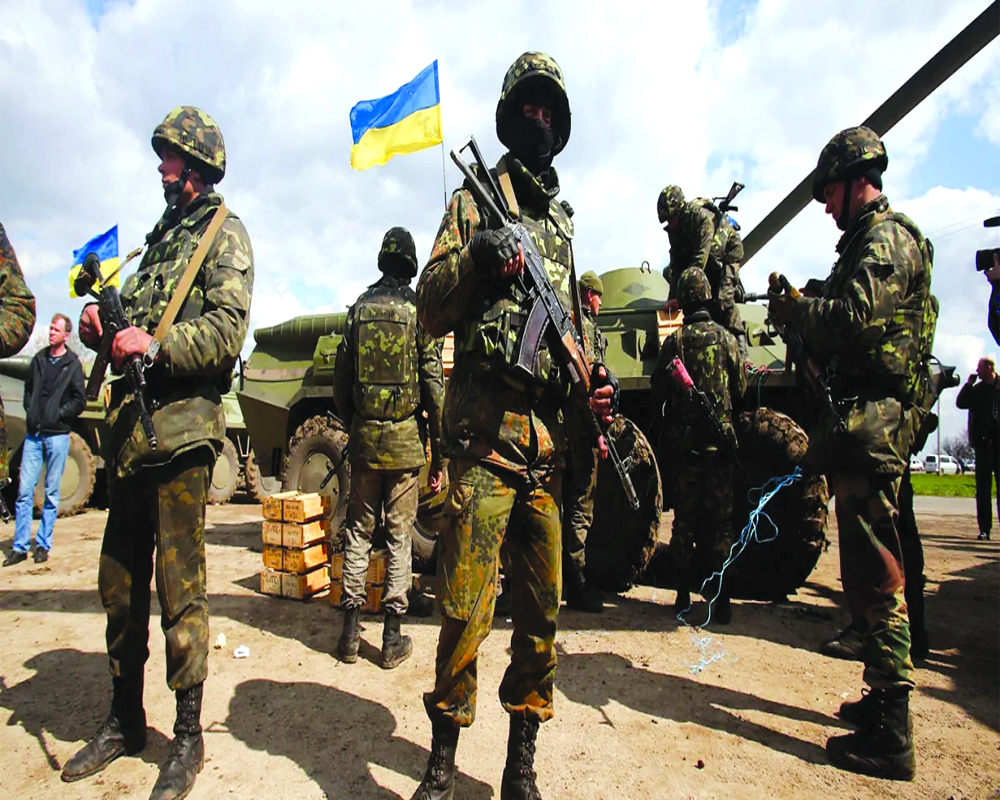
    The face-off over Ukraine between Russia and the United States and its Nato allies has been dominating the headlines for a while now with tensions ratcheting up as we receive dire public warnings every day of a Russian invasion any day now. Clearly, the possibility of Russian intervention there, and the consequent escalation of sanctions against them, is very real and concerning.

    While Ukraine may be a developing country and the poorest in Europe, by no means is it a pushover. It is the second-largest country there, behind Russia, by area, and in terms of population the eighth largest with its 42 million inhabitants. It has been independent since 1991, following the collapse of the Soviet Union, though it had been a part of the Russian Empire and the Soviet Union since the 18th century. If there is one lesson that Putin and the Russian military should have learnt from America’s disastrous interventions in Iraq and Afghanistan is that invasions are relatively easy to accomplish, but keeping restive and hostile populations under control is a wholly different proposition.

    [powerkit_button size=”lg” style=”info” block=”true” url=”https://www.dailypioneer.com/2022/columnists/the-ukraine-crisis–its-impact-on-india.html” target=”_self” nofollow=”false”]
    Read More
    [/powerkit_button]
  • FCRA, NGOs and the Question of Which Foreign Funding Is in National Interest

    FCRA, NGOs and the Question of Which Foreign Funding Is in National Interest

    Foreign interests and influences come with foreign capital and these are far stronger than what the funds flowing to NGOs bring with them.

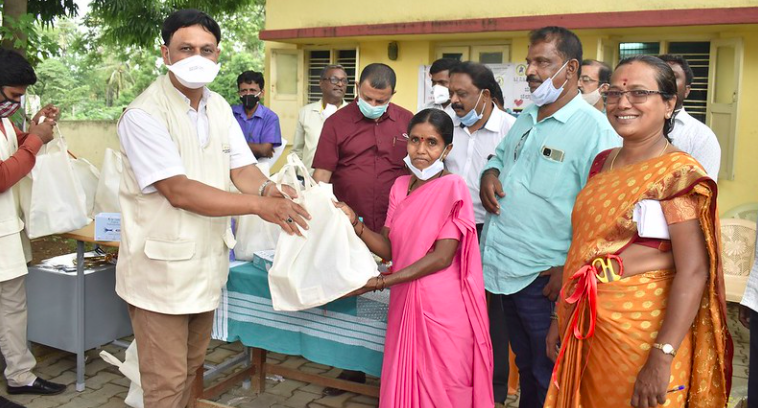
    The Foreign Contribution (Regulation) Act (FCRA) registration or license that enables the licensees to get foreign funds has either not been renewed or cancelled for many non-governmental organisations or NGOs.
    Problems created for of one of the best known of them, Missionaries of Charity, drew international attention and criticism since the organisation has been doing yeoman’s work in giving succour to the poor. Under pressure, permission was restored for the organisation and along with it the FCRA of prestigious institutions like IIT Delhi and JNU were also restored.

    Why did all this happen in the first place?


    Read More

  • Dissonance and disharmony the military could do without

    Dissonance and disharmony the military could do without

    In a few months from now, the campaigning season opens up along the LAC with China, with the likelihood that the ongoing tensions and stand-off may very well spill over into something more serious, may be even limited conflict perhaps?

    In such unsettled times the military leadership must obviously be singularly focused on countering challenges that it is likely to confront in the coming days. Thus, any needless controversy that embroils the military at this critical juncture, especially of the politically motivated variety, will tend to divert the leadership’s attention from the task at hand and adversely impact the morale of the rank and file.


    Read More

  • Governor vs Chief Minister | Political meddling with educational institutions must stop

    Governor vs Chief Minister | Political meddling with educational institutions must stop

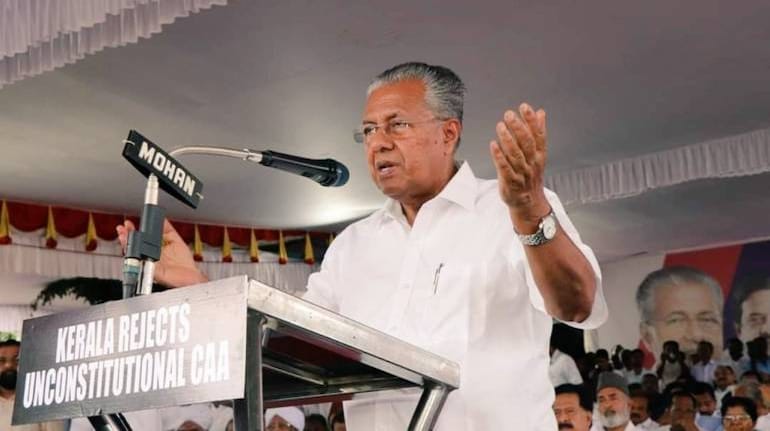
    The rather ugly spat between Governor of Kerala Arif Mohammed Khan and Chief Minister Pinarayi Vijayan as regards the latter’s alleged interference in the appointment of vice-chancellors in state universities should not surprise anyone familiar with the Indian academic scene. That the incident has come out in the open, too, should not alarm those with even a semblance of awareness of what goes on in the realm of education in India.

    In almost all states allegations of political intrusion in various appointments in educational institutions have been made, more or less consistently. The only difference this time is that the Governor/Chancellor has expressed his anguish and discomfort, in writing, to the Chief Minister. In many other cases it is the Chief Minsters or their Cabinet colleagues who have alleged that the office of the Governor/Chancellor has intervened in academic appointments.


    Read More

  • AFSPA in the N-E: Is status quo the answer?

    AFSPA in the N-E: Is status quo the answer?

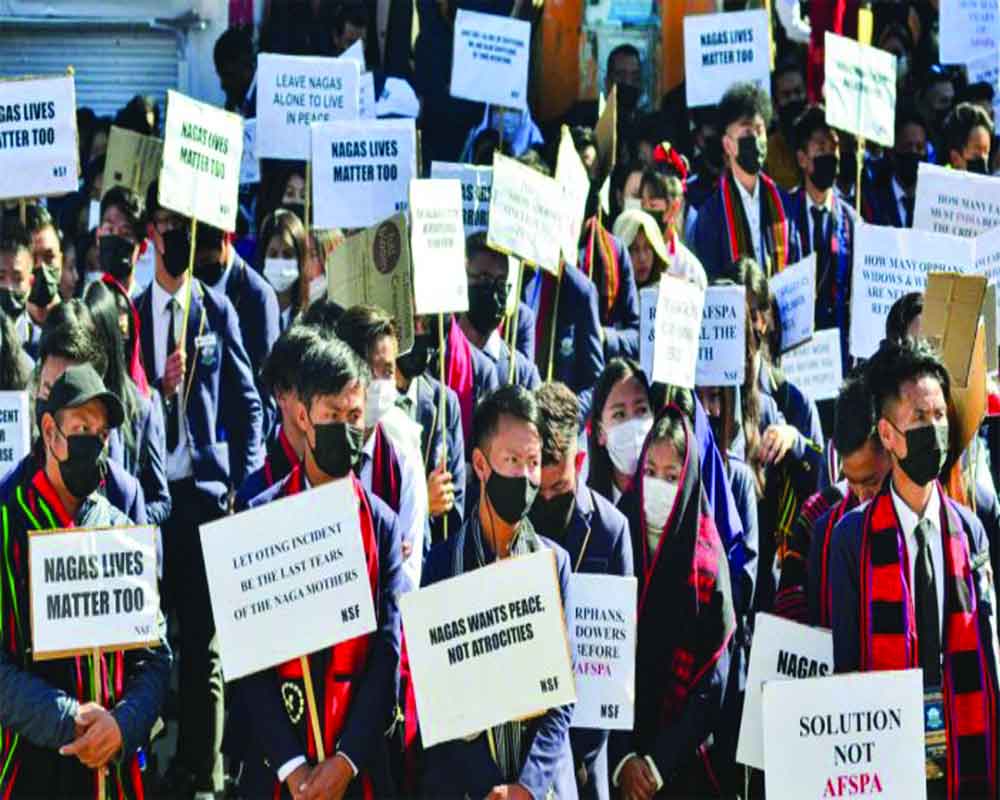
    The recent Nagaland incident involving the Army Special Forces again underlines that such cases are unavoidable in the existing milieu

    Much has already been written on the tragic incident that occurred recently in the Tiru-Oting area of Mon district, Nagaland. In a case of mistaken identity, six coal miners were killed by a troop of the Army Special Forces. Subsequent escalation led to more deaths, including that of a Special Forces soldier, murdered in retaliation by villagers. The Army was quick to express regret, though it does not take away from the fact that in the existing milieu, such incidents are unavoidable.

    The truth is that the Special Forces personnel did their job with brutal efficiency. They were operating on supposedly credible intelligence and allegedly acted decisively once the vehicle transporting the miners did not stop, with tragic consequences. That they rushed two wounded miners to a civil hospital does suggest they acted in good faith.


    Read More

  • Indian citizenship concepts and definitions need a revisit

    Indian citizenship concepts and definitions need a revisit

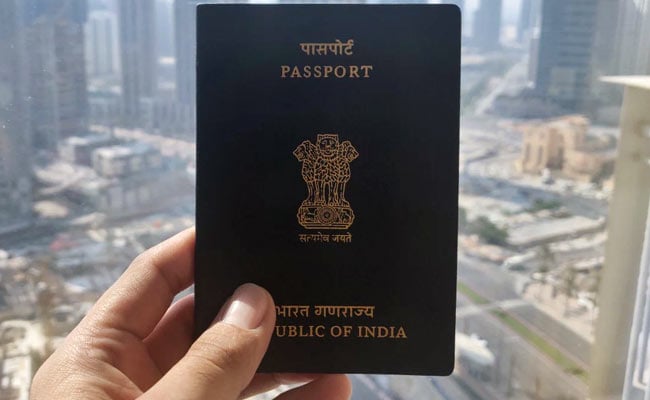
    More than 600,000 Indians gave up their citizenship during the last five years, Union Minister of State for Home Nityanand Rai informed the Lok Sabha. While 133,000 Indians gave up citizenship in 2017, it was 134,000 in 2018, 144,000 in 2019, 85,248 in 2020 and 111,000 in 2021 until 30 September. The dip during 2020 was, without any doubt, because of the pandemic. What entails in revoking citizenship is the surrender of the Indian passport as mandated by the Indian authorities since India does not allow dual citizenship unlike her co-subcontinental countries Pakistan and Bangladesh.

    While we do not have an idea about the reasons for the revocation of citizenship, the fact remains that these erstwhile Indian citizens, across the globe, have opted for citizenship of different countries (and that includes the passport of the country concerned) where they have been residents for varying periods. For all practical purposes, looked at from the lens of India’s Ministry of Foreign Affairs, these former Indian citizens are “foreigners”. It may not be out of place to point out here that Padma Bhushan awardee and former ambassador to the US, Abid Hussain, had famously remarked that Indians have their heart in India, but their money in Swiss banks.


    Read More

  • Periyar: A social justice champion and beyond

    Periyar: A social justice champion and beyond

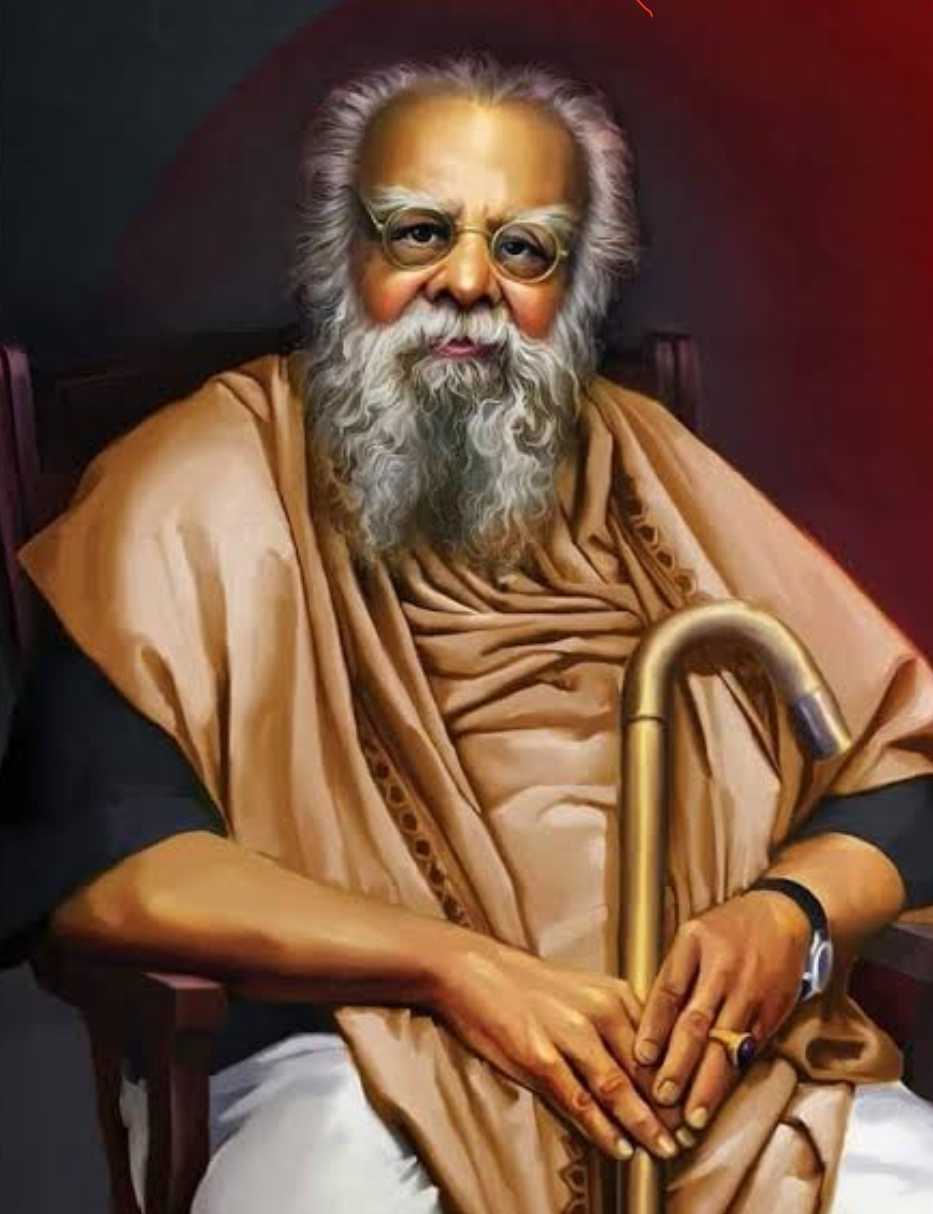
    Periyar remains hugely influential and relevant to the politics in Tamil Nadu because of his stance on caste, social justice and rationalist worldview of religion. One need not be an atheist to understand and appreciate Periyar. He continues to be the chief patriarch of Dravidian movement and parties committed to social justice.

    Periyar was one of the most underrated social revolutionaries and political philosophers of twentieth century. Indian political system and its north centric obsession placed him at the periphery more as a dissent than as an untiring crusader for social justice. This prejudice is due to the nature of political discourse revolving around the great divide based on Aryan-Dravidian identity, language, socio-religious and cultural ethos. Periyar challenged the foundations of Indian philosophy with its roots in the Brahmanical Hindu worldview of caste and karma.


    Read More

  • Military leadership: In the eye of storm

    Military leadership: In the eye of storm

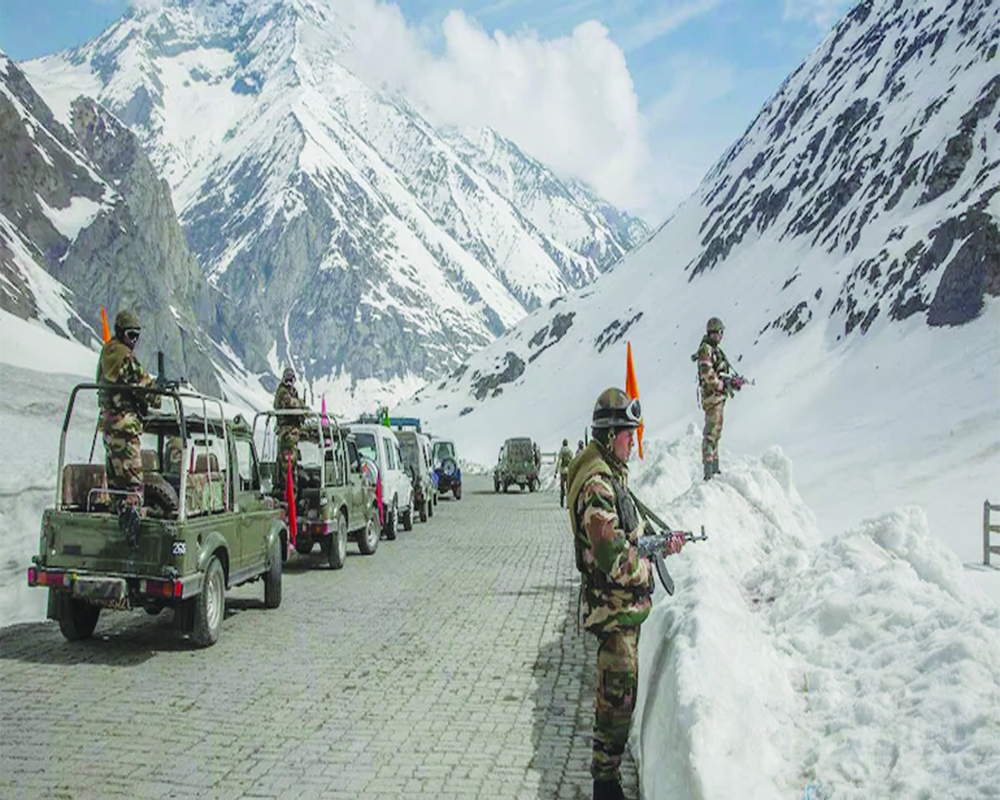
    Politicians are trying hard to keep behind curtains the true state of affairs along the Line of Actual Control but it’s only adding to credibility deficit

    The acrimonious exchanges between both sides on the heels of the 13th Corps Commander-level talks in Ladakh, an exercise in futility and procrastination, have drawn adverse attention to the manner in which the Union Government has kept its own citizens in the dark as to the true state of affairs along the Line of Actual Control in Ladakh and elsewhere. Equivocation has its costs, and the recently released videos and photographs of our personnel taken prisoners at Galwan have left us embarrassed and angered, mainly at the folly and shortsightedness of our leadership for not coming clean on the issue in the first place. All that its rather inept attempts to keep the genie in the bottle have achieved is to play into the hands of the excellent Information Warfare capabilities the Chinese possess, allowing them to shape the narrative to their advantage.


    Read More

  • India, the Sino-US Rivalry, and the post-pandemic World Order

    India, the Sino-US Rivalry, and the post-pandemic World Order

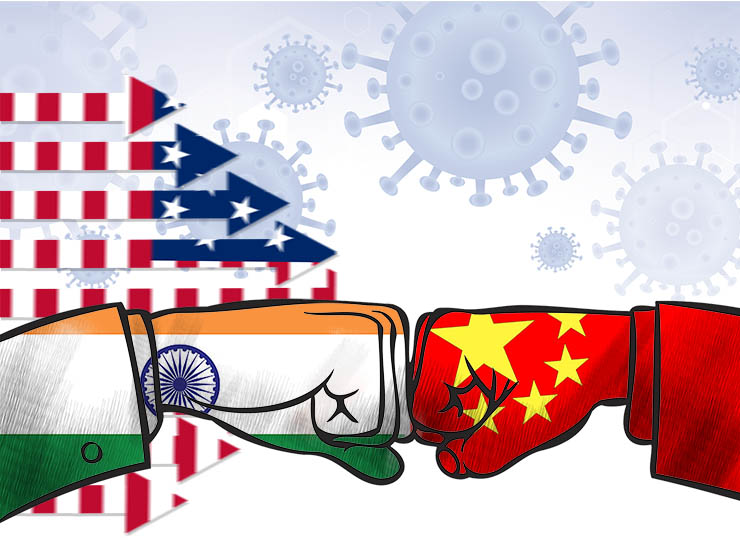
    India has a vital stake in the geopolitical contest between the US and China, particularly in the context of the rising Sino-Indian rivalry. India’s strategies, therefore, must focus on ensuring its security and its freedom of action in global affairs. It will also need to play an active role in reforming the world to more equitable and multipolar governance.

    The global disruption caused by the Covid-19 pandemic that engulfed the world at the end of 2019 and continues to this day is the biggest economic, political, and technological disruption since the Second World War. The pandemic has exposed the serious deficiencies in national healthcare systems in all countries, developed and developing. More importantly, the pandemic has raised questions on the relevance and effectiveness of the current world order, about the future of international organisations and multilateral frameworks, and poses challenges to international political and economic relations.


    Read more

  • International Migration in Pandemic Times: Disrupted Links, Remittances and Migrantophobia

    International Migration in Pandemic Times: Disrupted Links, Remittances and Migrantophobia

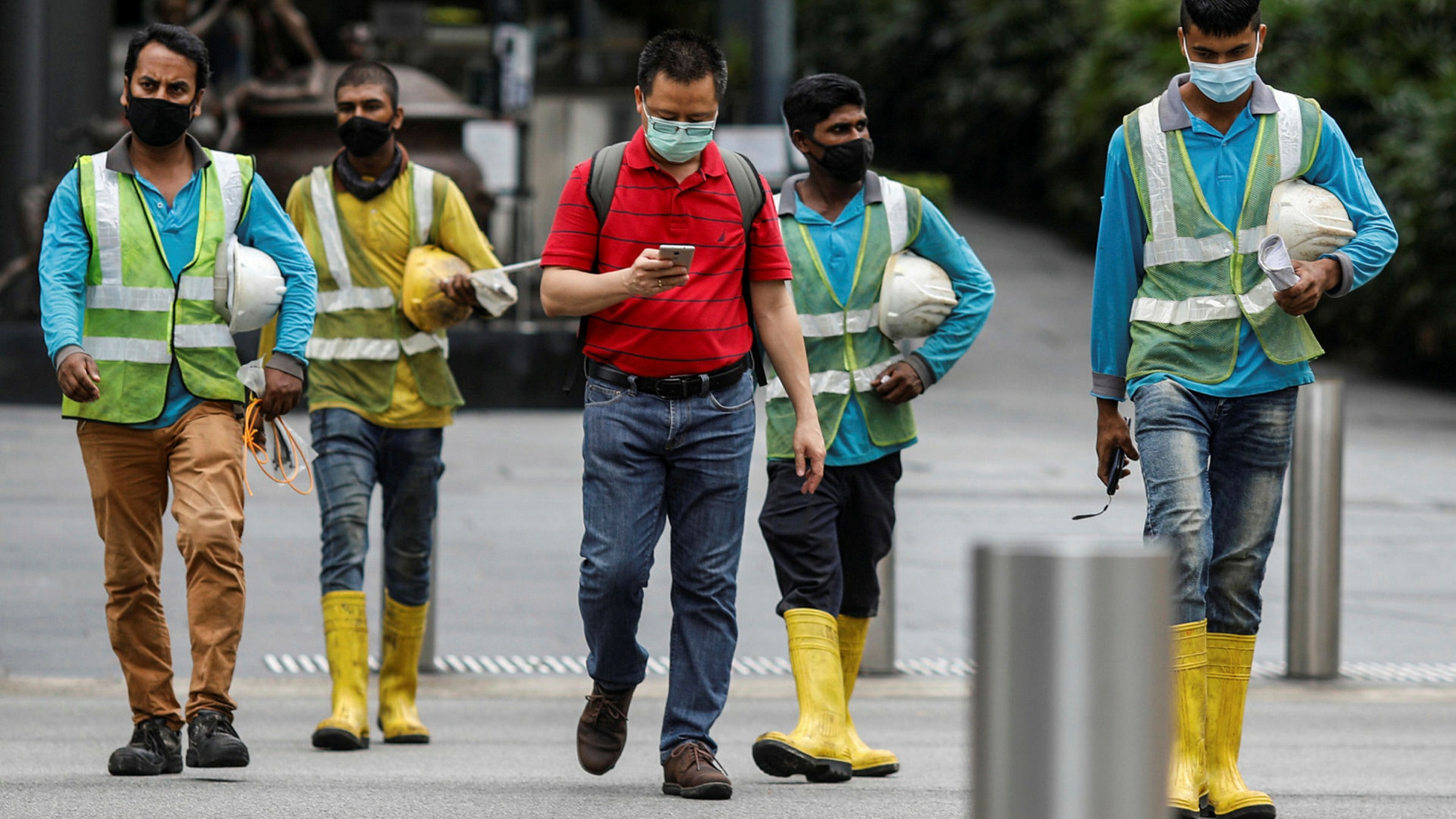
    The COVID-19 pandemic has severely limited international migration due to border closures and has forced millions of people to return home. According to expert estimates, the pandemic reduced the number of international migrants by the middle of 2020 by about 2 million people: to 281 million people instead of the expected 283 million people.

    In 2020, immigration to the countries of the Organisation for Economic Cooperation and Development (OECD) was half what it had been in 2019; in Canada the number of immigrants decreased by 45%, and in Australia – by 70%.

    To compensate the negative impact on its economy, Canada launched a recruitment programme to bring in 400,000 immigrants in 2021, 2022 and 2023. The number of migrants who came to Saudi Arabia decreased by 90%.

    The pandemic partly realised a hypothetical situation long idealised among migrantophobes: “how much better it would be if the migrants went back where they came from.” Although some, rather than all migrants returned to their homelands, the host countries were able to really feel what it was like to do without them.

    COVID-19 has greatly affected territorial mobility both between countries and regions, and within specifi c states. As a result, migration fl ows and remittances declined, accompanied by a rise in migrantophobia and xenophobia in the main destination countries. These crises overlapped with the fact that migration has been a major political issue in North America and Europe over the past years.


    Click here for the Valdai Discussion Club Report