Category: Energy Security & Natural Resources

  • China’s Role in reducing the Global Carbon Footprint: The 2060 Promise and Geopolitics on the Climate Front

    China’s Role in reducing the Global Carbon Footprint: The 2060 Promise and Geopolitics on the Climate Front

    Introduction

    The devastating role carbon plays in climate change cannot be underestimated. The rise in global surface temperatures, air pollution, and sea levels are visible effects of a rapidly changing environment. China, the world’s second most populous country, is also the largest emitter of greenhouse gases[i]. According to the CAIT database, in 2020, China emitted what amounted to 27% of the total greenhouse gas emissions in the world[ii]. Under President Xi Jinping, China has moved to position itself as an “ecological civilization”, striving to advance its role in global climate protection[iii]. China’s endeavours received acclaim when it became one of the first major countries to ratify the Paris Agreement in 2015, pledging to attain peak emissions by 2030 and net zero carbon emissions by 2060. This article aims to delineate China’s strategies and motivations for addressing carbon emissions and contrast these with the measures implemented by Western and developing countries to diminish their carbon footprint.

    China’s Image and Geopolitics in the Climate Sector

    Considering China’s position on the world stage as one of the largest and fastest-growing economies in the world, it has faced international pressure to take accountability for its contribution to climate change. China has previously argued that as a developing country, it should not have to share the same responsibilities of curbing climate change that developed countries, whose emissions went “unchecked for decades”, have[iv]. Nonetheless, they have pledged to lead by example in the climate sector. A large part of President Xi’s campaign to amplify China’s climate ambitions may come from appeasing the West while also setting up leadership in the clean energy sector to better cement its role as a superpower. According to a New York Times article, their promise to contribute to climate protection could be used to soothe the international audience and to counterbalance the worldwide anger that China faces over their oppression of the Uyghur Muslims in the Xinjiang province and their territorial conflicts in the South China Sea and Taiwan[v]. President Xi’s pledge at the UN to reach peak emissions before 2030 may have been an attempt to depict China as a pioneering nation striving to achieve net zero carbon emissions, serving as an alternative powerful entity for countries to turn to in lieu of the United States. This holds particular significance, as the USA remained mute about taking accountability for its own carbon emissions and withdrew from the Paris Agreement during Donald Trump’s presidency[vi]. This also shows China’s readiness to employ the consequences of climate change on its geopolitical agenda[vii].

    The future actions of China may significantly influence the climate policies of both developing and developed nations, potentially establishing China as a preeminent global force in climate change mitigation.

    China has endeavoured to shape its image in the climate sector. In 2015, despite being classified as a developing country, China refrained from requesting climate finance from developed countries and instead pledged $ 3.1 billion in funding to assist other developing countries in tackling climate change[viii]. As per the World Bank’s Country Climate and Development Report for China, China is poised to transform “climate action into economic opportunity.”[ix] By transitioning to a net zero carbon emissions economy, China can generate employment opportunities while safeguarding its non-renewable resources from depletion. China’s economy is also uniquely structured to seize the technological and reputational benefits of early climate action[x]. The future actions of China may significantly influence the climate policies of both developing and developed nations, potentially establishing China as a preeminent global force in climate change mitigation. Nonetheless, if China fails to fulfil its commitment to attain net zero carbon emissions by 2060, it may suffer substantial reputational damage, particularly given its current status as a pioneer in “advancing low carbon energy supply”[xi].

    Domestic Versus International Efforts in the Clean Energy Race

    However, domestic and international factors could affect China’s goal to peak emissions and the deadlines it has set for itself. A global event that may have affected their efforts to peak carbon emissions was the COVID-19 pandemic, in which the rise in carbon emissions from industries and vehicles was interrupted[xii]. However, after the pandemic, China’s economy saw swift growth, and in 2021, China’s carbon emissions were 4% higher than in the previous year[xiii]. Not only is China back on track to peak carbon emissions by 2030, but the International Energy Agency and World Energy Outlook 2023 also found that “China’s fossil fuel use will peak in 2024 before entering structural decline.”[xiv]
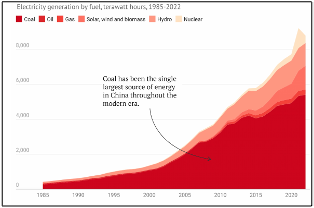
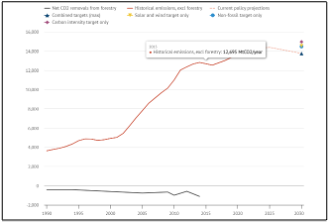
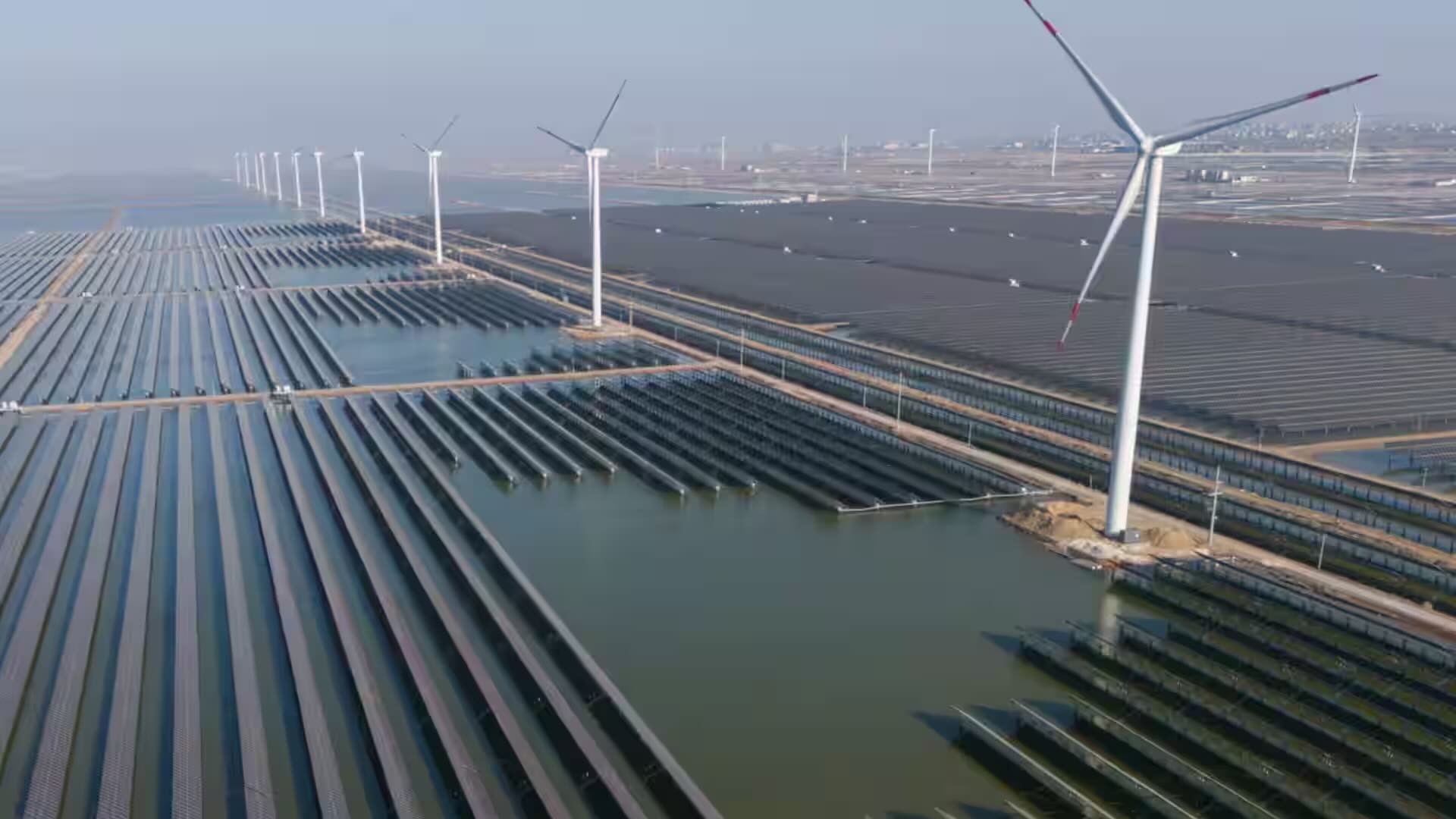
    Although China’s industrial sector is heavily reliant on coal and fossil fuels, it also boasts the world’s largest production of electric vehicles and is a leader in manufacturing solar panels and wind turbines[xv]. In contrast, developed countries, particularly the US, which withdrew from the Paris Agreement in 2017 during the Trump presidency, appear to be making less of an effort towards environmental protection.

    Developing countries, while not entirely possessed of the immense sprawl of China’s economy and population, are nonetheless not at the level of transitioning to clean energy that China is. India, too, has pledged to be carbon neutral by 2070 and to have emissions peak by 2030. Given its increasing economic growth rate, India must decrease its carbon intensity at the same pace. India lags behind China when it comes to manufacturing solar panels and other renewable energy sources. India’s central government is preparing to push energy modernization to “align with global energy transition trends.”[xvi] According to the Economic Times, particular emphasis has been laid on renewable energy sources like solar capacity and e-vehicles in the 2024-25 budget.[xvii]

    China and International Cooperation for Climate Protection

    With China producing sufficient solar capacity in 2022 to lead the rest of the world considerably and the deployment of solar power expected to rise until 2028, it is essential that the West does not make the mistake of isolating China

    Given that China has emerged as the leading manufacturer of electric vehicles (EVs), it remains to be seen whether developed and developing countries will leverage their supply chains to combat their own climate crises. While opportunities are plentiful for Western businesses to integrate with China’s cutting-edge alternatives for traditional energy sources, the United States has adopted a hardline stance towards China[xviii]. The US has imposed 100 per cent tariffs on Chinese-made e-vehicles, and solar cells face tariffs at 50 per cent.[xix] Simultaneously, rivalry and competition between the two countries on the climate front may help combat the climate dilemma and ever-increasing carbon emissions by avoiding the collective action problem. However, this will depend heavily on smooth cooperation and effective communication between Chinese authorities and developed nations within the EU and the USA[xxi]. Empowering domestic groups within countries can raise awareness of climate crises. A poll conducted in China revealed that 46% of the youth considered climate change the “most serious global issue.”[xxii] According to a survey conducted by the United Nations, 80% of people worldwide say they want climate action[vii]. With China producing sufficient solar capacity in 2022 to lead the rest of the world considerably and the deployment of solar power expected to rise until 2028, it is essential that the West does not make the mistake of isolating China[xxiii].

    Conclusion

    China has a significant advantage in its renewable energy sector. Western countries and other developing economies rely heavily on China’s green exports to address climate change urgently. China’s stringent measures to curb emissions from its coal-based industries and the growing output from its alternative energy sources reflect its proactive stance in becoming a global leader in addressing climate change — a position that surpasses other nations’ efforts. While it is debatable whether China’s commitment to reduce its carbon emissions was a political strategy to appease Europe, it is undeniable that tackling climate change is a pressing issue. With the public’s overwhelming support for implementing change in the climate sector, governments worldwide must prioritise their citizens’ needs and cooperate to develop policies that ensure a sustainable future for our planet.


    Notes:

    [i] Saurav Anand, “Solar Capacity, EVs, and Nuclear SMRs to Get Budget Boost for Energy Security – ET EnergyWorld,” ETEnergyworld.com, July 11, 2024, https://energy.economictimes.indiatimes.com/news/renewable/solar-capacity-evs-and-nuclear-smrs-to-get-budget-boost-for-energy-security/111648384?action=profile_completion&utm_source=Mailer&utm_medium=newsletter&utm_campaign=etenergy_news_2024-07-11&dt=2024-07-11&em=c2FuYS5zYXByYTIyMUBnbWFpbC5jb20.

    [ii]Saurav Anand, “Solar Capacity, EVs, and Nuclear Smrs to Get Budget Boost for Energy Security – ET EnergyWorld,” ETEnergyworld.com, July 11, 2024, https://energy.economictimes.indiatimes.com/news/renewable/solar-capacity-evs-and-nuclear-smrs-to-get-budget-boost-for-energy-security/111648384?action=profile_completion&utm_source=Mailer&utm_medium=newsletter&utm_campaign=etenergy_news_2024-07-11&dt=2024-07-11&em=c2FuYS5zYXByYTIyMUBnbWFpbC5jb20.

    [iii]Shameem Prashantham and Lola Woetzel, “To Create a Greener Future, the West Can’t Ignore China,” Harvard Business Review, April 10, 2024, https://hbr.org/2024/05/to-create-a-greener-future-the-west-cant-ignore-china.

    [iv]“Fact Sheet: President Biden Takes Action to Protect American Workers and Businesses from China’s Unfair Trade Practices,” The White House, May 14, 2024, https://www.whitehouse.gov/briefing-room/statements-releases/2024/05/14/fact-sheet-president-biden-takes-action-to-protect-american-workers-and-businesses-from-chinas-unfair-trade-practices/?utm_source=dailybrief&utm_medium=email&utm_campaign=DailyBrief2024May14&utm_term=DailyNewsBrief.

    [v]Noah J. Gordon et al., “Why US-China Rivalry Can Actually Help Fight Climate Change,” Internationale Politik Quarterly, March 24, 2023, https://ip-quarterly.com/en/why-us-china-rivalry-can-actually-help-fight-climate-change.

    [vi] Simon Evans Hongqiao Liu, “The Carbon Brief Profile: China,” Carbon Brief, November 30, 2023, https://interactive.carbonbrief.org/the-carbon-brief-profile-china/.

    [vii]“Climatechange,” United Nations, accessed July 18, 2024, https://www.un.org/en/climatechange#:~:text=The%20world’s%20largest%20standalone%20public,to%20tackle%20the%20climate%20crisis.

    [viii]Martin Jacques, “China Will Reach Climate Goal While West Falls Short,” Global Times, accessed July 19, 2024, https://www.globaltimes.cn/page/202402/1306788.shtml#:~:text=There%20has%20been%20constant%20low,than%202050%20for%20carbon%20zero.

    [ix] Steven Lee Myers, “China’s Pledge to Be Carbon Neutral by 2060: What It Means,” The New York Times, September 23, 2020

    [x] Simon Evans, Hongqiao Liu et al, “The Carbon Brief Profile: China,” Carbon Brief, November 30, 2023, https://interactive.carbonbrief.org/the-carbon-brief-profile-china/.

    [xi] China | nationally determined contribution (NDC), accessed July 17, 2024, https://www.climatewatchdata.org/ndcs/country/CHN?document=revised_first_ndc.

    [xii] Simon Evans, Hongqiao Liu et al, “The Carbon Brief Profile: China,” Carbon Brief, November 30, 2023, https://interactive.carbonbrief.org/the-carbon-brief-profile-china/.

    [xiii] Steven Lee Myers, “China’s Pledge to Be Carbon Neutral by 2060: What It Means,” The New York Times, September 23, 2020,https://www.nytimes.com/2020/09/23/world/asia/china-climate-change.html.

    [xiv] Steven Lee Myers, “China’s Pledge to Be Carbon Neutral by 2060: What It Means,” The New York Times, September 23, 2020, https://www.nytimes.com/2020/09/23/world/asia/china-climate-change.html.

    [xv] Simon Evans, Hongqiao Liu et al, “The Carbon Brief Profile: China,” Carbon Brief, November 30, 2023, https://interactive.carbonbrief.org/the-carbon-brief-profile-china/.

    [xvi] Matt McGrath, “Climate Change: China Aims for ‘Carbon Neutrality by 2060,’” BBC News, September 22, 2020, https://www.bbc.com/news/science-environment-54256826.

    [xvii] Simon Evans, Hongqiao Liu et al, “The Carbon Brief Profile: China,” Carbon Brief, November 30, 2023, https://interactive.carbonbrief.org/the-carbon-brief-profile-china/.

    [xviii] World Bank Group, “China Country Climate and Development Report,” Open Knowledge Repository, October 2022, https://openknowledge.worldbank.org/entities/publication/ef01c04f-4417-51b6-8107-b688061a879e.

    [xix] World Bank Group, “China Country Climate and Development Report,” Open Knowledge Repository, October 2022, https://openknowledge.worldbank.org/entities/publication/ef01c04f-4417-51b6-8107-b688061a879e.

    [xx] World Bank Group, “China Country Climate and Development Report,” Open Knowledge Repository, October 2022, https://openknowledge.worldbank.org/entities/publication/ef01c04f-4417-51b6-8107-b688061a879e.

    [xxi] Steven Lee Myers, “China’s Pledge to Be Carbon Neutral by 2060: What It Means,” The New York Times, September 23, 2020.

    [xxii]  Steven Lee Myers, “China’s Pledge to Be Carbon Neutral by 2060: What It Means,” The New York Times, September 23, 2020.

    [xxiii] Simon Evans, Hongqiao Liu et al, “The Carbon Brief Profile: China,” Carbon Brief, November 30, 2023, https://interactive.carbonbrief.org/the-carbon-brief-profile-china/.


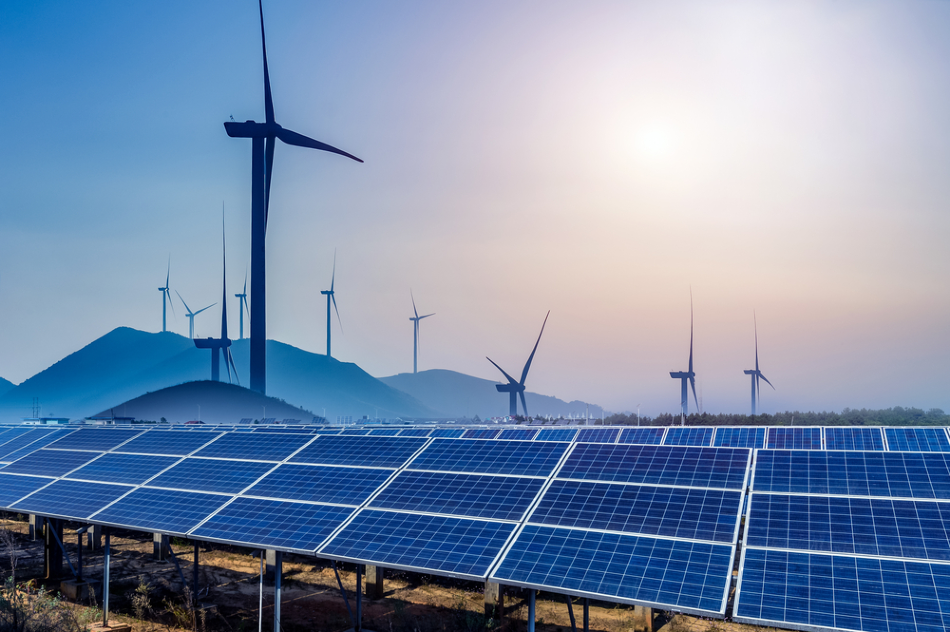
    Feature Image: wionews.com  China leads the charge: Beijing develops two-thirds of global wind and solar projects.

     

  • The “loss and damage” agenda at COP27

    The “loss and damage” agenda at COP27

    The dialogues on Climate Change Action have failed to produce effective measures. At the heart of the problem is the refusal of the developed countries to accept the reality that they were the beneficiaries of the industrial revolution, colonialism, and imperialism and have contributed the maximum to the current problems humanity faces on account of climate change. Hence, two-thirds of the world’s assertion that developed nations bear the costs of implementing corrective measures is very valid and logical.

    The 27th Conference of Parties (COP) of the United Nations Framework Convention on Climate Change (UNFCCC) was hosted by the Government of the Arab Republic of Egypt from 06 November to 18 November (extended to 20 November). This conference comes at a time when the world witnessed massive heatwaves, flooding in Pakistan, wildfires across Spain and California, and droughts in East Africa. The mission of the conference is to take collective action to combat climate change under the Paris agreement and the convention. After a decade of climate talks, the question is, “are countries ready to take collective action against climate change”?

    Developed Nations’ Responsibility and Accountability

    Financial compensation remains a huge contestation point between developed and developing countries. Developing countries or the Global South face the adverse effects of climate change and demand compensation for the historical damage caused by colonialism and resource extraction that aided in the development of the Global North. This includes countries in the EU and the United States. Developed countries bear the most responsibility for emissions leading to global temperature rise — between 1751 and 2017, the United States, the EU and the UK were responsible for 47% of cumulative carbon dioxide emissions compared to just 6% from the entire African and South American continents. At COP15 in Copenhagen in 2009, Global North nations agreed to pledge $100 billion (€101 billion) annually by 2020 to help developing countries adapt to the impacts of climate change, for example, by providing farmers with drought-resistant crops or paying for better flood defences. But according to the Organization for Economic Cooperation and Development (OECD), which tracks funding, in 2020 wealthy countries pledged just over $83 billion.

    Developed countries bear the most responsibility for emissions leading to global temperature rise — between 1751 and 2017, the United States, the EU and the UK were responsible for 47% of cumulative carbon dioxide emissions compared to just 6% from the entire African and South American continents.

    Such compensation for loss and damage has been a focal point in all climate summits since 1991. In terms of institutional developments, the COP19 conference in 2013 established the Warsaw Mechanism for Loss and Damage, which is supposed to enhance global understanding of climate risk, promote transnational dialogue and cooperation, and strengthen “action and support”. At COP25, the Santiago Network on Loss and Damage (SNLD) was set up to provide research and technical assistance on the issue of loss and damage from human-induced climate change. The meeting did not discuss the working process of the network and hence it was taken up in COP26, where no elaborate changes were made. Although in COP26, the Glasgow facility to finance solutions for loss and damage was brought by G77 countries, developed countries such as the US and the EU bloc did not go beyond agreeing to a three-year dialogue.

    Developed countries constantly focus on holding dialogues rather than coming up with solutions for climate risk mitigation.

    The US’s stance on financing vulnerable countries to find solutions against climate change is constantly shifting. The trend indicates that the US wants to focus on curbing global warming rather than dwell on past losses and damages that have already occurred. The Global North is reluctant to acknowledge the mere definition of loss and damage, as an acknowledgement will make them liable for 30 years’ worth of climate change impact.  Developed countries constantly focus on holding dialogues rather than coming up with solutions for climate risk mitigation. In a statement prior to COP27, U.S. climate envoy John Kerry expressed concern about how the shifting focus on loss and damage “could delay our ability to do the most important thing of all, which is [to] achieve mitigation sufficient to reduce the level of adaptation.”

    USA’s leads Evasive Tactics

    The Bonn Summit held in June 2022 which set a precedent for the COP27 agenda ended in disagreement as the US and EU refused to accept funding for loss and damage as an agenda. Although, during the conclusion of COP27, the countries were successful in agreeing to establish a fund for loss and damage. Governments also agreed to establish a ‘transitional committee’ to make recommendations on how to operationalize both the new funding arrangements and the fund at COP28 next year. The first meeting of the transitional committee is expected to take place before the end of March 2023.

    Parties also agreed on the institutional arrangements to operationalize the Santiago Network for Loss and Damage, to mobilise technical assistance to developing countries that are particularly vulnerable to the adverse effects of climate change. Governments agreed to move forward on the Global Goal on Adaptation, which will conclude at COP28 and inform the first Global Stocktake, improving resilience amongst the most vulnerable. New pledges, totalling more than USD 230 million, were made to the Adaptation Fund at COP27. These pledges will help many more vulnerable communities adapt to climate change through concrete adaptation solutions.

    Despite a groundbreaking agreement, the most common question asked by the public is “are the climate summits any good?”

    The question arises due to the absence of effective leadership to monitor or condemn nations over the destruction of the environment. The summits have created a sense of accountability for all nations, irrespective of the stage of vulnerability. While vulnerable states bear a higher cost due to climate change, all states collectively pledge to reduce carbon emissions and achieve net-zero emissions by 2050. While a monitoring mechanism is absent, non-governmental organisations (NGOs) and civil societies actively advocate for climate change mitigation measures and also criticise both state and non-state actors for their lack of initiatives against the cost. Incidentally, COP27 partnered with Coca-Cola for sponsorship and many activists slammed the move as Coca-Cola is one of the top five polluters in 2022, producing around 120 billion throwaway plastic bottles a year.

    Apart from that, many other funding networks and initiatives have been introduced to support vulnerable countries against climate change. Under Germany’s G7 presidency, the G7 along with the vulnerable 20 countries or V20  launched the Global Shield against Climate Risks during COP27. The Shield gathers activities in the field of climate risk finance and preparedness together under one roof. Under the Shield, solutions to provide protection will be devised that can be implemented swiftly if climate-related damages occur. At COP27, Chancellor Olaf Scholz announced Germany’s contribution of 170 million euros to the Shield. Of this, 84 million euros are earmarked for the central financing structure of the Shield, the other funds for complementary instruments of climate risk financing, which will be implemented towards concrete safeguarding measures over the next few years.

    On 20 September, Denmark became the first developed country in the world to provide financial compensation to developing countries for ‘loss and damage’ caused by climate change. The country pledged approximately EUR 13 million (100 million Danish krone) to civil society organisations based in developing nations working on climate change-related loss and damage. Germany and Denmark are so far the only financial supporters of the initiative launched at COP27.

    What can India do?

    India has launched Mission LiFE, an initiative to bring a lifestyle change that reduces the burden on the environment. During the event, the MoEFCC – UNDP Compendium ‘Prayaas Se Prabhaav Tak – From Mindless Consumption to Mindful Utilisation’ was launched. It focuses on reduced consumption, circular economy, Vasudhaiva Kutumbakam, and sustainable resource management. India has also signed the Mangrove Alliance for Climate (MAC), determined to protect mangroves and create a carbon sink of 3 billion CO2 by expanding the forest cover.

    India has maintained a stance where it has neither advocated for nor against financial compensation for loss and damage. However, it has always called on developed countries to provide finance for developing technology or sharing technical know-how to reduce climate risk. Such an approach can help other countries to push for financial aid to develop technology instead of using their own resources.

    Further, India holds a unique position among developing countries as an emerging economy. With its diplomatic prowess under the Modi government, India can play an ideal role in negotiating with developed countries. India has maintained a stance where it has neither advocated for nor against financial compensation for loss and damage. However, it has always called on developed countries to provide finance for developing technology or sharing technical know-how to reduce climate risk. Such an approach can help other countries to push for financial aid to develop technology instead of using their own resources. India is also focused on phasing out the use of fossil fuels and not just the use of coal, which is another consistent move that adds to the country’s credentials. With the weaponization of energy by Russia since the onset of the Ukraine war, India’s call for action has garnered intensive support from both developed and developing nations. With the support of the Global South, India can assume a leadership role in establishing south-south cooperation with respect to climate risk mitigation and shift to renewable energy such as solar power.

    Conclusion

    Climate funds are important for designing and implementing solutions as developing and vulnerable countries find it difficult to diversify resources from developmental activities. The question largely remains whether the COP27 countries will adhere to the agreement concluded at the summit. There is no conclusive evidence on when the fund will be set up and the liability if countries fail to contribute to the fund. Eventually, it comes down to the countries- both state and non-state actors to effectively reduce fossil fuel consumption and reduce wastage, as many countries still focus on exploiting African gas reserves to meet their energy requirements. Ambitious goals with no actual results are a trend that is expected to continue till the next summit, and with such a trend the world has a long way to go to curb the temperature at 1.5 degree Celsius at pre-industrial levels.

    Feature Image Credit: www.cnbc.com

    Article Image: aljazeera.com 

  • Reality of India’s Performance as put Forth by the Environmental Performance Index (EPI)

    Reality of India’s Performance as put Forth by the Environmental Performance Index (EPI)

    India ranked 117 out of 180 countries as per the latest “The State of India’s Environment Report 2021” released by the Centre for Science and Environment (CSE) in June 2021, while it ranked 87th out of 115 countries in the Energy Transition Index (ETI) released by the World Economic Forum in 2021

    Taking adequate measures to combat climate change and global warming has become a key priority of nation-states today. With a global understanding that reducing greenhouse gas emissions, achieving carbon neutrality, and switching to renewable sources of energy are the ways forward for sustainable development, countries around the world, including India, have made various pledges and commitments to achieve defined targets in respect of climate change and environmental protection. While developing countries have called for the adoption of the principle of ‘Common but Differentiated Responsibilities and Respective Capabilities’ (CBDR–RC), India, as the third largest carbon emitter in the world, has considerable responsibility in enacting the much-needed changes. In the budget presented for 2022-23, the Indian government has pledged to reach net-zero carbon emissions by 2070, and achieve a non-fossil fuel energy capacity of 500 GW by 2030. It further seeks to meet 50% of the energy requirements from renewable sources, while also reducing the total projected carbon emissions by 1 billion tonnes and reducing the carbon intensity of the economy to less than 45%. These are stiff targets to achieve, maybe even impractical in the view of some analysts.

    While the Indian government has celebrated the inauguration of various policies and schemes which would contribute to these lofty goals, India’s performance according to global indices reveal an immediate need for a change of tactics.  India ranked 117 out of 180 countries as per the latest “The State of India’s Environment Report 2021” released by the Centre for Science and Environment (CSE) in June 2021, while it ranked 87th out of 115 countries in the Energy Transition Index (ETI) released by the World Economic Forum in 2021. Similar positions have been held by the country in other notable indices like the Climate Change Performance Index (CCPI) where India was ranked 10th out of 60 countries and the European Union released by German Watch. Thus, India’s rank of 180 out of 180 countries in the Environment Performance Index came as a surprise to many. 

    The Environment Performance Index presents a data-driven summary of the state of sustainability around the world using 40 performance indicators based on climate change performance, environmental health, and ecosystem vitality. It is released biennially by the Yale Centre for Environmental Law and Policy and the Columbia University Centre for International Earth Science Information Network in partnership with the World Economic Forum. India’s position in the latest 2022 report is a step down from EPI-2020 where it ranked 168th with a score of 27.6. 

    India’s aggregate score according to EPI -2022 is 18.9 with the report stating that “India slips to the bottom of the rankings for the first time, with increasingly hazardous air quality and quickly rising greenhouse gas emissions.” Further, according to EPI, India also ranks poorly in terms of rule of law, corruption control, and government performance. On its release, the results have been contested by the Indian government which claimed that many of the indicators used are based on “unfounded assumptions” and that these were based on “surmises and unscientific methods”. 

    According to the concerns raised by the Indian government, Projected GHG Emissions Levels in 2050 which is the new indicator in the Climate Policy Objective,  is calculated in the Environment Performance Index using the average rate of change in emissions over the previous ten years rather than modelling that takes into account a longer time period and which considers other factors like the level of renewable energy capacity and usage, extra carbon sinks, energy efficiency and the like in the individual nations. While the principle of ‘Common But Differentiated Responsibility and Respective Capabilities’ (CBDR–RC) has been enshrined in the United Nations Framework Convention on Climate Change (UNFCCC) acknowledges the different capabilities and differing responsibilities of individual countries in addressing climate change, the EPI report’s emphasis on data and statistics have led to the overlooking of this principle in the course of its analysis. The time period used by the EPI of 10 years with regards to projected Greenhouse Gas emissions is unlike other indices like the CCPI (Climate Change Performance Index) which uses a timeframe of 5 years for its calculations (to take into consideration the new and renewed commitments made by countries at the 2015 Paris conference). The CCPI in comparison also uses a past trends indicator under the category of GHG emissions (with a 40 % weightage) where historical GHG emissions (Co2, Methane, Fluorinated gases, Nitrous Oxide) are considered with reference to the base year of 1990 as put forth by the Kyoto Protocol. The absence of acknowledgement of India’s historical emissions which have been minimal i.e.:  from 1870 to 2019, its emissions have added up to a minuscule 4 percent of the global total is also noticeable in the EPI findings. 

    The exclusion of the Indian Forest cover, which is far greater than many countries, as a vital carbon sink is a significant downfall of the EPI analysis

    Forests and wetlands have been globally acknowledged as vital carbon sinks with great effectiveness in controlling carbon levels. The world’s forests absorb a total of 15.6 gigatons of CO2 per year although these figures are threatened by threats like deforestation, natural disasters, and forest fires. According to the latest Forest Survey of India report, the total forest cover in India (2022) is 7,13,789 square kilometres which are 21.71% of the total geographical area. In comparison, Denmark, which topped the EPI rankings 2022, officially possesses  608,078 ha or 6080.78 square kilometres of forest corresponding to 14.1% of the land area. The exclusion of the Indian Forest cover, which is far greater than many countries, as a vital carbon sink is a significant downfall of the EPI analysis. 

    Wetland ecosystems have been scientifically proven as one of the most biologically productive areas on the planet. They provide a wide range of important services, such as food, water, groundwater recharge, water purification, flood moderation, erosion control, microclimate regulation and landscape aesthetics outside of being viable carbon sinks. According to the National Wetland Inventory and Assessment compiled by the Indian Space Research Organisation (ISRO), wetlands are spread over 1,52,600 square kilometres (sq. km) in India which is 4.63 percent of the total geographical area of the country. The difference in topography of the high-ranking countries in the index with India can mean that the effect of wetlands and forests can have a significant impact on India’s rankings as opposed to countries like Denmark where wetlands make up only 0.6 % of the land area where the impact is comparatively much lower. 

    The government further argues that the equity principle is given relatively little weightage in the form of statistics such as GHG emission per capita and GHG emission intensity trend which can be found to be grounded in the EPI’s disregard of the CBDR principle. The EPI rankings with regards to GHG emissions are also in contrast to other indices like the CCPI where seven G20 countries received a very low rating for their performance, including Russia (with 165 ranking with respect to GHG emissions and an overall ranking of 112), Australia (with 171 ranking with respect to GHG per capita and an overall rank of 17), the United States (with 167 ranking with respect to GHG per capita and overall rating of 43), and Canada (with 169 ranking with respect to GHG emissions and overall rating of 49). 

    While the EPI utilises indicators like Pesticides and N mgmt index under the category of agriculture and solid waste, recycling and ocean plastics under the category of waste management, other indicators such as agricultural biodiversity, soil health, food loss and waste are also not included in the report despite the fact that these are critical for developing nations with significant agrarian populations. Furthermore, the index computes the geographical distribution of various ecosystems but makes no mention of their efficiency and functioning with regard to climate change which can have a significant impact when gauging factors like biodiversity, waste management, air quality and fisheries. 

    India installed 15.4 gigawatts (GW) of renewable energy projects in 2021 alone but operations of these projects remain a fraction of these capacities

    Thus, it can be found that certain critiques of the Environment Performance Index are well founded and must be acknowledged, and respective changes must be introduced to improve the reach, relevance, and functionality of the index. However, even with the addition of these factors, the fact remains that India’s performance on climate action is still underwhelming with significant gaps between capabilities and action in reality. India installed 15.4 gigawatts (GW) of renewable energy projects in 2021 alone but operations of these projects remain a fraction of these capacities. Therefore, the government must concentrate on redoubling its efforts to meet its 2030 targets and use the reports of various indices including the Environment Performance Index as a gauge of the country’s closeness to achieving its promised goals. 

    Feature Image Credits: The New York Times

  • Technology, Politics and China’s Quest for Energy Dominance

    Technology, Politics and China’s Quest for Energy Dominance

    [powerkit_button size=”lg” style=”info” block=”false” url=”https://admin.thepeninsula.org.in/wp-content/uploads/2022/05/Technology-Politics-and-Chinas-Quest-for-Renewable-Energy-Dominance-3.pdf” target=”_blank” nofollow=”false”]
    Download
    [/powerkit_button]

    Abstract:

    This paper will empirically investigate the role of technology in international politics through a case study of China’s development of renewable energy infrastructure (solar PV and wind energy) and its impact on international politics. This paper looks at how technology helps shape a state’s identity using renewable energy technology as an explanatory variable. The paper employs Grygiel’s Model of Geopolitics to analyse the case study; geopolitics because much of China’s development in the renewable sector has been a function of its geography and abundance of natural resources.

    Introduction:

    China has experienced decades of near double-digit economic growth and since the 2000s, has witnessed a growing population and rapid industrialization that has correspondingly driven demand for energy. Its expeditious implementation of economic reforms has elevated it to the status of a global power capable of challenging the US-established status quo. Stability is increasingly being viewed as a function of China’s behaviour vis-à-vis its strategic rivals, primarily the US, and to a lesser extent Japan, India, Russia and the littoral states of Southeast Asia. But more importantly, it has been China’s near fanatic fervour to rise as a technologically superior state, as the US emerged post the World Wars, that has generated interest. The modernization of its military, near the meteoric rise of installed capacities for renewable sources of energy and technological revolution, underscores the importance and role technological advancement plays in a state’s development. Technology and international politics have a near symbiotic relationship and the former has the potential to fundamentally alter the way states exercise their sovereignty in pursuit of their national interests.

    [powerkit_button size=”lg” style=”info” block=”true” url=”https://admin.thepeninsula.org.in/wp-content/uploads/2022/05/Technology-Politics-and-Chinas-Quest-for-Renewable-Energy-Dominance-3.pdf” target=”_blank” nofollow=”false”]
    Read the Full Paper
    [/powerkit_button]

  • Climate Change: A Review of the Rural Electrification Policies and Barriers to adopting Renewable Energy in Rural India

    Climate Change: A Review of the Rural Electrification Policies and Barriers to adopting Renewable Energy in Rural India

    Energy is crucial for a country’s growth and sustainable development. But over one-third of the world’s population, mostly consisting of people in rural areas of developing countries, do not have access to clean, affordable energy.

    The climate crisis is a battle that countries have been fighting for decades now. The policies and strategies developed by different countries have helped in small ways in achieving their energy and climate goals. One strategy among all countries is the development and improvement in the use of renewables. Various studies, across different fields, have shown us the need for countries to shift to this alternative set of energy sources that will sustain life in the long run. The use of renewable energy in both urban and rural areas should be monitored and developed to achieve the sustainable development goals that countries have vowed to achieve.

    Energy is crucial for a country’s growth and sustainable development. But over one-third of the world’s population, mostly consisting of people in rural areas of developing countries, do not have access to clean, affordable energy. This is an important factor contributing to the low standards of living in rural areas of developing countries.

    In India, more than two-thirds of the population live in rural areas whose primary source of income is agricultural activities. But a large proportion of the rural population does not have consistent access to energy. To this population, new alternative sources of energy remain unaffordable and inaccessible due to poverty and lack of adequate infrastructure, respectively. Hence, we find that the rural populations continue to use traditional sources of energy such as coal, fuelwood, agricultural waste, animal dung, etc. Not only do these cause pollution and quick erosion of natural resources, but they impact negatively on people’s health. The need for transitioning to the use of renewable energy, especially in the country’s rural areas is of prime importance. But, to achieve this, the government must bring out policies that will guide this transition. Moreover, it is important that the government positively supports companies – both private and public – that generate the required technology and research that transforms the available renewable energy sources into energy that the public can consume.

    Rural Electrification in India

    The Electricity Act of 2003 enabled the building of electricity infrastructure across the rural and remote regions of the country and thus, easy access to electricity for most of the people. The Indian Government launched the Rajiv Gandhi Grameen Vidyutikaran Yojana (RGGVY) in 2005, to extend electricity to all unelectrified villages. The programme focused largely on developing electrification infrastructure across villages in India and providing free connections to all rural households living below the poverty line. Further, state governments received a 90% grant from the central government which aided in extending electrification infrastructure to over one lakh villages during the period 2005–2013. Moreover, the central government worked towards increasing implementation efficiencies by engaging central PSUs in some states.

    In 2015, the NDA Government launched the Deen Dayal Upadhyaya Gram Jyoti Yojana (DDUGJY) under which, the villages that remained un-electrified under the RGGVY, were electrified. The scheme has also been significant in supporting distribution networks in rural areas, largely concerning metering distribution transformers, feeders, and consumers in rural areas (Gill, Gupta, and Palit 2019).

    The central government further introduced standalone mini-grids programs, under the DDUGJY in 2016. Guided by the National mini-grid policy, State governments also contributed through various mini-grid policies to promote decentralised renewable energy solutions. Further, the Unnat Jyothi Affordable LEDs for All was introduced to encourage the efficient use of energy and under this scheme, LED bulbs were distributed to all households with a metered connection at subsidised rates. The Ujwal DISCOM Assurance Yojana was also introduced under the DDUGJY to allow a financial turnaround and operational improvement of Discoms. According to the UDAY scheme, discoms were expected to improve operational efficiency and bring AT&C losses down to 15%.

    While the schemes were successfully implemented then, the rate of rural household electrification was still slow. Evaluations of the schemes found various limitations, such as high upfront connection costs, poor quality of supply, poor maintenance services, to name a few. Additionally, some states had also started initiating their electricity-access programmes to accelerate the electrification process, such as the West Bengal Rural Electrification Programme, the Har Ghar Bijli scheme in Bihar, the Bijuli Bati mobile-based app to enable last-mile connectivity and household connections in Odisha (Gill, Gupta, and Palit 2019). To address this issue, the central government then launched the Pradhan Mantri Sahaj Bijli Har Ghar Yojana (PM Saubhagya) in September 2017, with the ambitious target of providing electricity connections to all un-electrified rural households by March 2019. Under this scheme, the government has electrified all of 597,464 census villages in the country (Bhaskar 2019).

     Barriers to adopting Renewable Energy in Rural Areas

    This section focuses on the issues that restrict the efficient adaptation of renewable energy in rural areas. As the government continues to promote renewable energy in rural communities, it should keep in mind these following limitations and develop mechanisms to overcome them as and when they arise. While employing renewables to supply electricity, the problem of grid integration arises. Most electricity grids and the technology used, are designed and placed around fossil fuels. However, when they transition now to more non-conventional forms of energy such as wind and solar, the designs and placements of power generation systems have to change rapidly. Thus, heavy emphasis should be placed on improving the research and infrastructure required to make this transition as smooth as possible. That is, the government should research the most optimal locations for wind turbines and solar panels, as not all lands in rural areas can be employed for this purpose. Otherwise, it may negatively impact the quality of agricultural lands. Upon conducting the required research, the infrastructure to connect all areas to the electricity grids must be developed and well-financed by the government to satisfy the energy demands of the rural population. For instance, in Germany, while the wind power potential is in the northern regions, major demand for it is in the southern region. Thus, the country’s energy transition process emphasizes upgrading the electricity grid infrastructure that would make it possible for power to flow from north to south (UNCTAD 2019). Further, the planning should also focus on balancing the energy mix in the power grid. The transition to renewables will not be a quick one, which implies that for the short term the power grid will be a mix of different sources of energy. Thus, the plans should design the grids in such a way that the proportion of each energy source balances one another so that there is no leakage or wastage in the system, especially given the fact that energy storage technology is still underdeveloped in the country.

    For many years now, there has been an emphasis on the potential of decentralised electricity comprising off-grid or mini-grid systems to help with rural electrification. The government introduced a national mini-grid policy in 2016 to promote decentralised renewable energy. With the increase in the use of solar energy, solar-powered mini-grid systems were found to be more economical and accessible to rural households (Comello et al. 2016). These systems could substantially improve the people’s standard of living and eliminate the use of harmful fuels such as kerosene oil for simple household appliances such as lamps and cooking stoves. However, an IEA report found evidence that this potential is limited, and would not be beneficial for large, productive, income-generating activities. Thus, mini-grids are often considered a temporary solution, until grid connectivity is achieved (IEA 2017).

    Whether a grid system or an off-grid system is implemented, high connection charges will automatically limit the rural population’s ability to connect to the grid.

    A major challenge that the government must keep in mind is affordability. Whether a grid system or an off-grid system is implemented, high connection charges will automatically limit the rural population’s ability to connect to the grid. On the one hand, better access to electricity will increase productivity and lead to the growth and development in the region but on the other hand, most of the rural communities live below the poverty line and will not be able to afford the connection, even if they have access to it. While decentralised energy sounds economical and sounds like an obvious solution, it is also limited in capacity.

    Another factor that the government must keep in mind for the adaptation of renewable energy in rural areas is the situation of state and private distribution companies (discoms) in India that play a pivotal role in the rural electrification process. While the government set the goals and adopted a strategy to electrify all rural households under the Saubhagya scheme, it was the discoms’ responsibility to implement these strategies and achieve the goals. A TERI report found that the discoms had difficulty carrying out the electrification process because the strategy adopted by the government had not considered the difference in demographics in the rural areas (Gill, Gupta, and Palit 2019). That is, each area differs in population size, density, and topography and the discoms found it hard to implement a similar strategy to all places alike. Moreover, the financial status of many state-run discoms has been stressed over the past year due to increasing losses and lack of adequate support from the respective State governments. Over the past year, dues to power generators have increased to Rs 1.27 trillion (Economic Times 2021). The annual 2021 budget’s outlay of over Rs 3 trillion, to be spent over five years, to improve the viability of state-run discoms, is a step in the right direction. The TERI report also found that discoms face institutional burdens in the electrification process (Gill, Gupta, and Palit 2019). The companies are most often strapped for time and must deal with huge amounts of paperwork. Simultaneously, they have to be physically present to install the necessary infrastructure and manage the labour employed in different states. In the end, it remains to be seen how the discoms will manage to monitor and review the electricity infrastructure in the rural areas, especially given the huge amounts of debt that they are trapped in.

    The government must also work towards increasing and incentivising private sector participation. While the private companies were interested in taking up tenders for the production of electricity through renewable energy sources in the past, the recent withdrawal of benefits such as accelerated depreciation has been a cause for concern. Companies like Suzlon Energy Ltd. face lower returns on their investment, thus deterring them from investing in future projects. Removal of benefits also discourages smaller companies that are looking to invest in this sector as it increases not only the cost but uncertainty about the government’s policies. Companies will refrain from investing if they do not anticipate a high return in the future. For grid connection systems to be successful and efficient in the long term, the government must ensure a strong governance structure, and a stable and enabling policy environment that constantly encourages fresh private sector participation. Concerning the rural electrification process, the government must encourage private sector participation because it would complement the public sector companies thus sharing the burden of production, installations, and technology as well as the process of maintenance and regular checks once the grid connection is complete.

    A shift to renewable energy in rural areas will no doubt have a positive impact on the health and well-being of the population. It will also improve the standard of living and in most cases, the productivity of the people. But the change has to be a gradual process. Even if renewable energy and electricity are affordable and accessible to the people, alternative cooking fuels and technology will take time to be accepted in practice as they may not have the same performance quality as traditional stoves and appliances that the people are used to. To overcome this hurdle, the government must ensure that the policies formed will guide the adjustment to renewables for many years to come. Moreover, the government must spread knowledge and awareness about the benefits of shifting to appliances that are sourced through renewable sources of energy. Besides, some rural households collect firewood for not just individual consumption but also to sell it (IEA 2017). This is a source of income for these households hence, the government should tread carefully when they implement programs that seek to reduce the collection and use of firewood. For years now, the government has promoted and subsidised the use of LPG within rural communities, as an alternative for other harmful sources of energy. While it has helped improve people’s health to some extent, it would be beneficial for the government to gradually nudge the decrease in the use of LPG and increase the use of renewable alternatives. Apart from the definite benefits to the environment, such a change would serve to reduce the rural-urban energy gap in India.

    The shift to renewable energy sources holds huge amounts of risks and uncertainty. But, despite this, there is a need to make long-term, accurate forecasts of energy demand and develop drafts of policies beforehand that would guide the process of supplying energy to satisfy the demand. Energy supply projects necessitate this because they have long gestation and implementation periods. With the climate crisis advancing rapidly, it would serve the government well to be prepared.

    International Collaboration

     International cooperation can play a crucial role in expanding the distribution of renewables. It can help countries benefit from shared infrastructure, technology, and lessons. The challenge thus lies in designing policies that will facilitate this technology and infrastructure transfer, especially in countries where the renewable energy sector is emerging. International organizations such as the Commission on Science and Technology for Development can play an important role in supporting such collaborations. Policies should also facilitate mechanisms that will help improve the current capabilities in developing countries.

    For instance, the Indo-German Energy Programme – Access to Energy in Rural Areas was signed to create a favourable environment for rural renewable energy enterprises so that they can provide easily accessible energy services to the rural population.

    The bilateral collaboration brought in local and international professional expertise to support private sector development, to identify and improve viable sources of finance, and to help design government schemes to achieve sustainable energy security and provide clean cooking energy solutions to the rural population. The GIZ – the German Corporation for International Cooperation – worked closely with India’s Ministry of New and Renewable Energy (MNRE) to successfully implement the program. The program succeeded in training more than 10,000 professionals to qualify as energy auditors. It has also helped increase private sector investment and develop a calculation to determine the CO2 emissions for the Indian electricity supply grid.

    Way Forward

     Research and innovation are essential to improve renewable options for producing clean cooking fuel. There is also a need for location-based research to produce appropriate workable technologies. Long-term policies and outcomes are important to consider. So, conducting significant research will not only help understand the present conditions but will also help policymakers make informed decisions in the future. It is also important to educate and communicate to the rural population about the relative advantages of using modern energy sources over traditional sources. For instance, consumers may be unaware of the health impacts of using traditional sources of energy for cooking. Moreover, they may distrust conventional alternatives due to their unfamiliarity with them. Thus, the responsibility falls on the government to properly inform them of the need for the shift to renewables and curb the spread of misinformation.

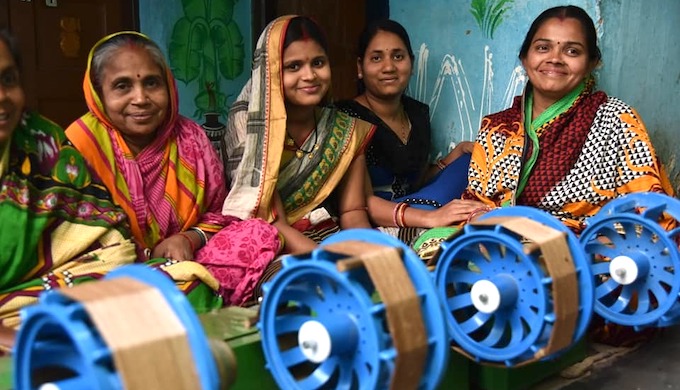
    Further, alternative solutions will only succeed if they are established in cooperation with the local users. “The women in rural areas play an important role when it comes to energy transition” (IEA 2017). Several initiatives such as the Global Alliance for Clean Cookstoves, SEforALL, and ECOWAS address the joint issues of gender empowerment, energy poverty, health, and climate (IEA 2017). Training and capacity building are key to the shift to renewable sources of power. And in rural energy applications, this can be improved by taking into account the gender issues that plague society. There is a high possibility that rural engineers, once trained, might migrate to urban areas in search of more lucrative work. In response to this, the Barefoot College International Solar Training Programme takes a different approach to capacity-building in rural areas and trains the grandmothers in villages who are more certain to stay and help develop the community.

    a shift to clean energy in rural areas that houses the section of the population that lives below the poverty line will be more successful if it is seen as a strategy to broaden community development.

    Thus, a shift to clean energy in rural areas that houses the section of the population that lives below the poverty line will be more successful if it is seen as a strategy to broaden community development. This includes higher employment, better infrastructure, roads, and telecommunications.  This process requires careful design of policies and the establishment of a supportive environment that includes not just innovative business models but also maintenance systems that will sustain the development in the long run.

    Conclusion

     To summarize, rural electrification and the transition to renewable energy in rural areas have been a part of the government’s agenda for many years now, irrespective of the ruling party at the centre. Necessary policies have been introduced to guide the process. While it is great that the government recently achieved universal electrification, it remains to be seen whether the quality of power provided to these villages meets the needs of the population. Further, in this process, state-owned discoms have taken a serious financial hit and it is a tough road to recovery from here. Adding on, the COVID pandemic has slowed down the development and recovery of these discoms. The government should first increase budget outlays in the following years and create a system to monitor the use of these finances. Second, it could turn to privatisation. Privatising discoms on a larger scale would reduce the financial and risk burden on the government and ensure efficient functioning of the companies. Additionally, it is important that while policies are being designed, the deciding parties have a complete understanding of the socio-economic situation of the communities within which they will make changes. To do this, experts who have studied the layout of these rural areas extensively should be involved in the process, along with leaders from the respective districts who are bound to be more aware of the situation and the problems in their areas. More importantly, the government should keep the process of the transition to alternative energy sources transparent and keep an open line of communication with the rural population to earn their trust before they make significant changes. Finally, India is one of the largest consumers of different renewable sources of energy. While it is important to make changes to the policies in this sector, it is also imperative that the government tries to maintain stability in policies that support the companies which help satisfy the growing energy demand in the country.


    References

    1. Bhaskar, Utpal. 2019. “All villages electrified, but last-mile supply a challenge.” mint, December 29, 2019. https://www.livemint.com/industry/energy/all-villages-electrified-but-last-mile-supply-a-challenge-11577642738875.html.
    2. Comello, Stephen D., Stefan J. Reichelstein, Anshuman Sahoo, and Tobias S. Schmidt. 2016. “Enabling Mini-grid Development in Rural India.” Stanford University. https://law.stanford.edu/wp-content/uploads/2016/04/IndiaMinigrid_Working_Paper2.pdf
    3. Economic Times. 2021. “Discom debt at Rs 6 trillion; negative outlook on power distribution: ICRA.” The Economic Times. https://economictimes.indiatimes.com/industry/energy/power/discom-debt-at-rs-6-trillion-negative-outlook-on-power-distribution-icra/articleshow/81431574.cms?from=mdr.
    4. Gill, Bigsna, Astha Gupta, and Debajit Palit. 2019. “Rural Electrification: Impact on Distribution Companies in India.” The Energy and Resources Institute. https://www.teriin.org/sites/default/files/2019-02/DUF%20Report.pdf.
    5. IEA. 2017. “Energy Access Outlook: From Poverty to Prosperity.” International Energy Agency. https://www.iea.org/reports/energy-access-outlook-2017.
    6. UNCTAD. 2019. “The Role of Science, Technology and Innovation in Promoting Renewable Energy by 2030.” United Nations Conference on Trade and Development. https://unctad.org/system/files/official-document/dtlstict2019d2_en.pdf.

    Feature Image: The Better India 

    Image 1: www.alliancemagazine.org

    Image 2: indiaclimatedialogue.net

  • Retrofit Winglets for Wind Turbines

    Retrofit Winglets for Wind Turbines

    Retrofit Winglets for Wind Turbines

    Vijay Matheswaran1 and L Scott Miller2
    Wichita State University, Wichita, KS 67260
    Patrick J Moriarty3
    National Renewable Energy Laboratory, Golden, CO 80401

    The benefits of using winglets on wind turbines has been well documented. However, adding winglets to wind turbine blades leads to significant increases in blade root bending moments, requiring expensive structural reinforcement with cost and weight drawbacks. A unique design philosophy for retrofitting winglets on existing wind turbines is presented. These retrofit winglets offer an increase in power produced without the need for structural reinforcement. Predicted performance and cost benefits are illustrated via a study using the NREL 5MW reference wind turbine. The addition of winglets resulted in a 2.45% increase in Coefficient of Power (Cp) and 1.69% increase in Annual Energy Production (AEP).

    Nomenclature

    Cp = coefficient of power

    V¥ = freestream velocity

    𝑟i = blade section radius

    𝜃t = blade section twist

    𝐼$ = Initial Cost per year

    𝑀$ = Annual Operating Expense

    Et = Annual Energy Output

    I. Introduction

    The idea of winglets on wind turbines is one that has been periodically explored in the past few decades. The earliest studies incorporating blade tip devices on wind turbines were done by Gyatt and Lissamann1. Drawing from advanced tip shapes that were being applied to fixed wing aircraft to reduce drag, the authors tested four tip designs on a 25kW Carter Wind Turbine in San Gorgonio Pass, California. Further studies were carried out in subsequent decades. Van Bussel2 developed a simple momentum theory for blade winglet configurations. Imamura et al.3 analyzed the effects on winglets on wind turbines using a free-wake vortex lattice method. Guanna and Johansen4 developed a free wake lifting line model to compute the effects of winglets, comparing it with CFD results obtained using EllipSys3D. Johansen and Sorenson5 did further studies on increasing power coefficient with the use of winglets, showing that adding winglets definitely changes the downwash distribution, leading to an increase in the power produced by a wind turbine.

    While the benefit of adding winglets has been well documented, there are drawbacks to adopting the traditional method of doing so. The addition of large, heavy winglets to maximize aerodynamic benefit leads to significant increases in root bending moments. Imamura et al.6 analyzed the effects of winglets on wind turbine blades using a free-wake vortex lattice method. Their study showed that a winglet at an 80°cant angle and height of 10% of the rotor radius resulted in a 10% increase in the blade root flapwise bending moment. This situation may require blade structural reinforcement, making winglets an expensive and often infeasible proposition. In order to address this, a novel design philosophy has been developed, allowing the use of retrofit winglets that offer an increase in power produced, but without the need to structurally reinforce the blade. This paper outlines the design philosophy, tools

    used and results from initial simulations.

    II. Design Philosophy for Retrofit Winglets

    The key differentiator between this study and prio winglet studies is the design philosophy: designing a lightweight winglet at minimum cost that, while providing an improvement in the turbine’s Coefficient of Power (Cp), does not require blade structural reinforcement. Such a winglet does not seek to maximize Cp, but rather minimize blade bending moments with an acceptable increase in Cp. This is accomplished by balancing the centrifugal force and aerodynamic normal force generated by the winglet. Balancing forces minimizes increases in blade root bending moment, negating the need for an exceptionally strong winglet and allowing it to be light, and requiring noreinforcement of the main blade. Savings in weight are strongly related to cost, so a lighter winglet implies a cheaper, more cost effective one. Accordingly, the best winglet is not one that offers the maximum increase in Cp, but rather offers an increase in Cp while ensuring forces are balanced within a threshold. Figure 1 presents a freebody diagram of the retrofit winglet. A qualitative plot highlighting the design philosophy and the optimal design space is presented in Figure 2. To be able to guage the effects of winglets developed using the mentioned design philosophy, it was decided to use the NREL 5MW wind turbine7 as a reference turbine, and implement a vortex lattice method and cost function to evaluate aerodynamic efficacy and feasibility. The NREL 5MW reference wind turbine is a conceptual three-bladed upwind turbine that was primarily designed to support concept studies. It is heavily based on the Repower 5MW wind turbine; however, in cases where detailed information is not available, data from publicly available conceptual studies is used.

    1 PhD Candidate, Department of Aerospace Engineering, AIAA Student Member

    2Professor and Chair, Department of Aerospace Engineering, AIAA Associate Fellow

    3Team Lead, Wind Plant Aerodynamics, AIAA Member


    Click here for access to the Paper

  • Analysing Denmark’s Offshore Wind Energy Sector: Lessons for India

    Analysing Denmark’s Offshore Wind Energy Sector: Lessons for India

    Globally, Europe has the highest capacity of power generated from offshore wind energy. Amongst the European countries, Denmark, the UK and Germany have been pioneers and are currently leading as the largest power producers from offshore wind energy. Danish assistance has been in high demand to help countries shorten their implementation time for offshore wind turbine projects. In 2019, India entered into a bilateral agreement with Denmark to develop an offshore wind market and related technical capabilities. According to a document published by the Danish government, their authorities have specialised technical knowledge that can help Indian authorities establish framework conditions for the rollout of offshore wind power.

    Denmark’s Offshore Wind Energy Sector  

    The Danish Government has set a target of reducing greenhouse gas emissions by 70%, as compared to 1990 levels, by 2030 and having 100% of Danish energy supplied through renewable sources by 2050, apart from achieving net-zero emissions by the same time. The scarcity of proper onshore sites and the abundance of shallow waters with wind resources drove its move to offshore wind, in the early 1990s,. In Denmark, there is a strong symbiosis between energy and industrial policy because of many leading offshore wind energy companies having Danish roots such as DONG, Vestas, Bladt, Siemens Wind, etc. India must achieve such a symbiosis in its offshore wind policies so that the industry can be successful in the long term.

    Denmark’s ambitious targets coupled with their evolving policies in terms of bureaucratic procedures, environmental safety, and finance, among others, have driven the growth of the offshore wind energy sector since the 90s. This analysis looks at each of these segments.

    Consent Procedures:         The Danish Energy Agency (DEA) has been a single point of access to all offshore wind energy companies when it comes to issues related to permits. Meaning, the DEA grants all permits which include permits from other appropriate government authorities such as the Danish Nature Agency, Ministry of Defence, and the Danish Maritime Authority. This is the one-stop-shop and has been adopted not only in Denmark but in many other European countries. Such a method ensures rapid and un-bureaucratic application processing and ease of doing business. This also avoids a lot of confusion.

    Grid Connectivity:             The financing of the grid connection for offshore wind farms depends on how it is established:

    • Enterprises can follow the Government’s action plan for offshore wind development wherein the DEA will invite bids to tender for pre-specified sites or
    • Enterprises can follow the ‘open-door principle’ wherein independent applications can be made for any site and upon complete assessment by the DEA, it will invite bids to tender for the site, given that the results of the assessment are positive.

    In the first case, the grid operator will finance the connection, including step-up transformers. Such socialisation of grid costs is an attractive feature for project developers in Denmark.

    However, in the second case, the responsibility falls on the developer. We may also expect costs of any necessary grid reinforcement to be borne by the developer. The three private offshore wind farms established in Denmark, following the ‘open-door principle’ – Samsø, Rønland, and Middelgrunden – have had no notable problems. These projects are, however, within 3km of the coast, which would imply that the grid connection costs were not exorbitant.

    Environmental Assessment:          In Denmark, an extensive environmental assessment takes place before the construction of an offshore wind farm. The DEA provides companies or enterprises a license to conduct preliminary studies, including environmental (Environmental Impact Assessment) and technical (ground investigation) studies, either directly after a tender (first process) or following the receipt of the first satisfactory planning documentation (second process).

    For instance, in the case of the Anholt farm, one of the largest offshore wind farms with a capacity of 400 MW, the project team performed an extensive environmental assessment that included the impact on marine animals in the area and their habitats, noise calculations, air emissions, and the potential risk to ship traffic. Using data from other wind farm projects like Denmark’s Nysted Wind Farm, and undergoing their analysis, the Anholt project team projected only minor, insignificant affects.

    Financial Incentives:          In Denmark, they support offshore wind farms through a feed-in tariff system, which is set through a competitive auction process. Power off-take in Denmark is largely managed through the DEA. There is no renewable purchase obligation in place in Denmark, but electrical power from renewable energy has priority access to the grid. In some cases, the owner may choose to sell the electrical power to utilities or other power suppliers through a Power Purchase Agreement (PPA). If the power price drops to zero or negative, there is an oversupply of electricity – then renewable projects do not receive any support. Hence this motivates generators to curtail output and help supply-side grid management.

    De-risking the development process:          The Danish Government undertakes geotechnical studies, wind resource assessment, and environmental surveys before a site being leased. The lease areas are then auctioned off to the lowest bidder. This hugely benefits developers as the site is effectively de-risked, leading to a lower tender price. If this were not the case, the developers would have to include risk provisions and contingency, owing to uncertainty regarding the ground conditions. Further, de-risking a site would increase willingness to plan and bid for the sites leased.

    Simply put, the Danish offshore wind energy policies developed by the DEA and the Government have evolved over the years to tackle situations as they occur. This has led to sustained growth in the sector and has succeeded in powering close to 50% of the country’s electricity demand. Besides successfully developing its sector, it has been an outstanding example to many countries in Europe such as the UK and Germany. The UK has adopted the one-stop-shop model to ease procedural difficulties. Germany has adopted the open-door procedure of establishing offshore wind farms.

    India’s Offshore Wind Energy Sector

    The offshore wind energy sector in India is in its nascent stage. Its 2015 National Offshore Wind Energy Policy shows that the Ministry of New and Renewable Energy (MNRE) will act as the nodal Ministry for the development of Offshore Wind Energy in India that will monitor offshore wind energy development in the country. It will also work closely with other government entities for the use of maritime space within the Exclusive Economic Zone (EEZ).

    The Ministry has set a short-term target of 5.0 GW of offshore wind installations by 2022 and a long-term target of 30 GW by 2030 which, according to government documents, is expected to give the confidence to project developers in the Indian market. Over 95% of commercially exploitable wind resources are concentrated in seven states – Andhra Pradesh, Gujarat, Karnataka, Madhya Pradesh, Maharashtra, Rajasthan, and Tamil Nadu. But the land resources required for onshore wind projects are gradually becoming a major constraint. This could very well cause an increase in the market-determined tariffs of onshore wind energy in the future. Offshore wind power, however, offers a viable alternative in such a scenario. The Indian government, like Denmark, has to make policies to the best of their effort that will bring confidence to developers and de-risk the development of the sector to further encourage developers.

    Although India has a huge potential in the renewable energy sector, the developers’ issues remain unresolved. For instance, Gujarat and Tamil Nadu have most of the high potential sites off their coasts to develop offshore wind energy. But a major concern for offshore wind developers would be the problem of grid integration. The two states already have a high degree of solar and wind renewables integrated into their power grid. By adding on power generated through offshore wind energy, they will face a significant hurdle with the evacuation and integration of this additional power. Without proper renewable energy storage systems, there is also the added burden to maintain an equilibrium between the supply and demand of power generated through the variable sources as otherwise, there will be a great deal of wastage and an unnecessary surge in the prices.

    Adding on to the problems faced by developers, benefits such as accelerated depreciation were recently withdrawn and as a result, investments have slowed down. Thus, project developers not only want accelerated depreciation to be reintroduced, but they also want assurance from the government that such fiscal benefits will continue for the long-term. If these fiscal benefits are reintroduced, developers will feel more optimistic about their prospects in the sector. Further, it would also encourage small developers to invest more in the sector.

    Another area that is causing considerable angst for the wind project developers in India is the delay in realising the payments due to them from the state electricity boards. These delays affect the cash flows, thereby threatening the viability of many of these projects. Such experiences will make offshore project developers cautious in venturing into making large investments into the sector.

    In terms of policies that Indian policymakers can adopt from Denmark are the one-stop-shop and an open-door procedure of establishing offshore wind farms. Having the MNRE as a single point of access would make the bidding and tendering process more efficient. This is because a developer has to coordinate with various departments such as the MNRE, the ministry of defence, the ministry of external affairs, nature and wildlife, etc before they can start producing in an offshore wind farm. It would also benefit to have an open-door procedure, but only in the long term. Initially, though, the government should identify possible sites and work on de-risking the development process to encourage more participation in the bidding process.

    Conclusion

    In line with its Paris Agreement commitments, India is working to ensure that by 2030, 40% of its power generation capacity will come from non-fossil fuel sources. Currently, renewable energy makes up 36% of India’s power capacity through mainly small and large hydro, onshore wind, and solar energy. Producing power through offshore wind energy will be a welcome addition to the existing sources.

    During the RE-Invest 2020 conference, the MNRE Joint Secretary announced that the Indian government is looking into setting up structures for power purchase agreements and offshore wind auctions. Thus, to successfully implement its plans, it will require further offshore wind resource data and analysis to identify viable project sites and, revive industry demand for this market.

    Feature Image Credit: www.renewablesnow.com

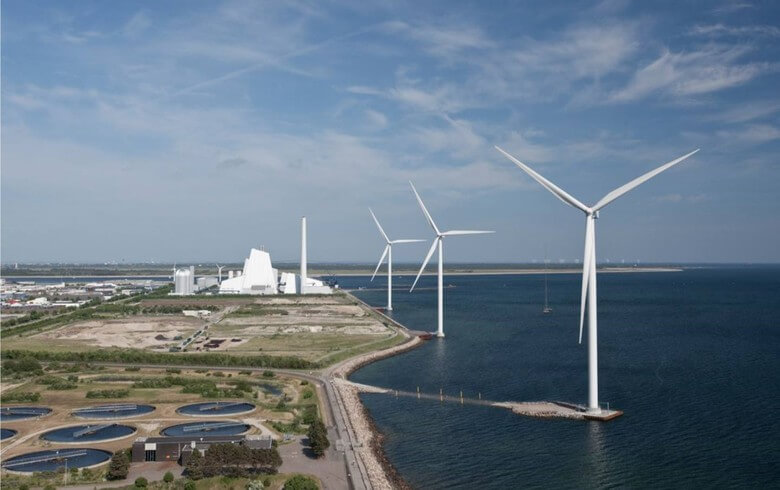
    Image: Anholt Offshore Wind Farm


  • The Economics of Clean Energy: Transitioning to Renewables in a Post-COVID Era

    The Economics of Clean Energy: Transitioning to Renewables in a Post-COVID Era

    “the climate emergency is a race we are losing, but it is a race we can win” – Antonio Guterres, UN Secretary General

    Even without a global health pandemic, our world is still facing a crisis of staggering proportions.  In the 21st century the threat of climate change has outweighed almost all the other threats put together. Such is the pressing nature of the issue that it has even prompted re-branding of nomenclature from ‘climate change’ to ‘climate crisis’ – because that is what it is, a crisis. But as the UN secretary general António Guterres points out, “the climate emergency is a race we are losing, but it is a race we can win”.

    In this light, it is high time a discourse on transition to clean energy systems takes centre stage. With climate change progressing at an alarming rate, the need for clean energy has only been compounded.  At a time of great disruption for the world owing to an unprecedented health crisis with severe economic and social ramifications, a transition to renewables could be the way forward. As governments around the world lead COVID-19 recovery efforts, the verdict is clear that we cannot go back to our old systems – a transition to clean energy must be on the forefront of national agendas.  While the road to recovery is long and might take years, it is also the perfect opportunity for governments to accelerate clean energy adoption by putting this transition at the heart of post-COVID-19 social and economic recovery plans.

    While COVID-19 has certainly slowed down this transition by disrupting and delaying several renewable energy expansion and installation projects, the outlook on clean energy still looks very promising. In Q1 2020, global use of renewable energy in all sectors increased by about 1.5% relative to Q1 2019, while the overall share of renewables in global electricity generation jumped to nearly 28% from 26% in Q1 2019. While this does not reflect the impact of COVID-19 on capacity expansion, as the increase in use is largely due to expansion efforts in the preceding years, it is still a positive sign.

    Solar PV has had the most remarkable fall during this period, with the levelized cost of electricity (LCOE) falling almost 82% over the last decade. Closely following are CSP and On-shore Wind, both of which have fallen 47% and 38% respectively

    Even without factoring in the current global scenario, the rationale for transition has never been more compelling. Over the past decade, the cost of renewables has fallen to record lows (as shown in Figure 1), making it more attractive than ever before to invest in clean energy. Solar PV has had the most remarkable fall during this period, with the levelized cost of electricity (LCOE) falling almost 82% over the last decade. Closely following are CSP and On-shore Wind, both of which have fallen 47% and 38% respectively. Batteries, which have been appraised as one of the key enabling technologies in accelerating the shift to clean energy, have also recorded significantly lower costs in the past couple of years. Battery technologies such as Lithium-ion and Vanadium-flow have long been considered the missing link in ensuring continuity of supply for Wind and Solar generated power, which often depend on the vagaries of the weather. The LCOE for Lithium-Ion batteries has fallen by 35% since 2018, owing to advancements in technology. The only increases in cost have been recorded by Geothermal and Hydropower.

    With the cost of renewables falling, fossil fuel options are looking more and more expensive. According to IRENA (International Renewable Energy Agency), by 2020 Solar PV and onshore wind will be less expensive than the cheapest fossil fuel alternative. In the past, one of the key reasons why fossil fuels such as oil and gas were considered attractive options was because they were highly subsidized and incentivized. The true cost of these non-renewable sources minus the subsidies may well be much higher. The conventional cost of fossil fuels also does not factor in the environmental costs associated with carbon emissions. The extraction and use of these resources are often accompanied by several negative externalities associated with environmental degradation, pollution and global warming. This failure to account for the emissions and their impact has been termed by many as one of the greatest market failures the world has seen.

    Thus, falling costs of renewables coupled with the growing pressure on fossil fuels has presented the world with a unique opportunity to accelerate the adoption of clean energy. As governments pump more money into economies as part of COVID recovery efforts, the same level of investments can now yield greater returns owing to falling costs. Globally, investments in renewable capacity and technology have been on the rise and have shown remarkable growth, especially for Solar and Wind. Investments in Solar PV (Utility) in particular have shown astounding growth, increasing over 200% since 2010 to reach $69.4 billion in 2019. Total investments across renewables stands at $253.6 billion, having grown 21% in the last decade.

    While renewable capacity and investments have been growing, so has the demand for electricity. This growth in demand has somewhat offset the impact of transition to renewables. While mainstream adoption of clean energy is still progressing in the right direction, policy makers are worried that the pace of transition is not fast enough to offset growing demands. Unless renewable technology can scale up quickly and bridge the demand-supply gap, this excess demand will inevitably have to be met by fossil fuels.

    The IRENA estimates that investments in clean energy could boost global GDP by close to $98 trillion by 2050

    Despite several roadblocks still existing for large-scale adoption of clean energy to be made feasible, governments and institutions are putting climate action at the forefront now more than ever before. Post COVID-19, as economic recovery consolidates, we cannot afford to put clean energy on the back burner. Across the world, clean energy technologies such as electric vehicles, solar and wind energy are becoming increasingly mainstream. According to a UN report, global investment in renewables is set to triple in the next 10 years. If governments continue to sustain this momentum, the benefits are manifold. The IRENA estimates that investments in clean energy could boost global GDP by close to $98 trillion by 2050. Thus, the rationale is clear and more compelling than ever for a shift to clean energy. The robustness and resilience of economies to future global shocks will be determined by how quickly and effectively they transition to renewables and reduce dependence on fossil fuels.


    References

    [1] The Climate Crisis – A Race We Can Win. (2020). United Nations.

    https://www.un.org/en/un75/climate-crisis-race-we-can-win

    [2] Renewables 2019 – Global Status Report. Ren 21. Retrieved from: https://www.ren21.net/wp-content/uploads/2019/05/gsr_2019_full_report_en.pdf

    [3] Global Energy Review 2020. (2020, April). IEA.

    https://www.iea.org/reports/global-energy-review-2020/renewables

    [4] Renewable Power Generation Costs Report 2019. (2020, June). IRENA. https://www.irena.org/publications/2020/Jun/Renewable-Power-Costs-in-2019

    [5] Henze, V. (2019, March 26). Battery Power’s Latest Plunge in Costs Threatens Coal, Gas. Bloomberg NEF. 

    Battery Power’s Latest Plunge in Costs Threatens Coal, Gas | BloombergNEF (bnef.com)

    [6] Sinha, S. (2020, September 23). How renewable energy can drive a post-COVID recovery. World Economic Forum.

    https://www.weforum.org/agenda/2020/09/renewable-energy-drive-post-covid-recovery/


    Image Credit: AZoCleantech.com

  • Revisiting India’s Renewable Energy Sector Policy and Limitations

    Revisiting India’s Renewable Energy Sector Policy and Limitations

    One of the most important results in India from the pandemic-driven lockdown that began in March 2020 was the reduction in carbon emissions and its beneficial impact on the environment. Travel restrictions and a decrease in industrial production have caused significant reductions in emissions. But these reductions were temporary. The results, however, highlights the need for India to reduce its dependence on carbon-emitting energy sources and shift the majority of its energy production to renewable sources that will better equip India towards achieving and even exceeding its  Paris Agreement targets.

    The Indian renewable energy sector is the world’s fourth-largest, after the US, China, and Germany. Its wind energy sector has the fourth-highest total installed capacity, 38.124 GW, in the world. Tamil Nadu, Maharashtra, Karnataka, and Gujarat are the leading states in wind energy.  The solar energy sector has emerged as a significant player in the power generation capacity since the establishment of the National Solar Mission 2010. India achieved 5th global position in solar power distribution with an installed capacity of 35,739 MW as of August 2020.

    Yet, over the years, the wind energy sector faced several problems such as an imbalance between demand and supply, persistent energy shortages, insufficient funds, high-transmission and distribution losses, and poor institutional infrastructure. Thus, it is important to identify the exact causes and find solutions so that upcoming projects can be better planned. This article identifies and analyses a few important barriers faced by the renewable energy sector.

    Barriers to the sector

    First, India’s renewable energy infrastructure, despite its considerable growth over the decades, lacks consistent standards as compared to other countries. Wind energy technology has not kept pace with the modernisation achieved across the world.  Research, both in public and private sectors, is one way to mitigate the problem. Despite 80% of the technology being domestic, a significant quantity of manufactured components is imported from China. A mix of foreign and indigenous parts (with different quality and technical standards) results in inconsistency in the technology used which reduces the power plants’ overall efficiency. The Government, in a move to promote domestic manufacturers and “self-sufficiency”, has levied customs duty of 20-25% on solar cells imported from China.

    A 2019 study suggests that the country would require an investment of Rs 1.65-1.75 lakh crore per year to generate cheaper power.

    Second, the renewable energy sector is capital-intensive and requires high capital investment initially to set up the farms. One way to source funds is to increase private sector participation. With increased competition among the private sector to develop technology, the country would gain from the lower costs of power generation and higher employment opportunities. A 2019 study suggests that the country would require an investment of Rs 1.65-1.75 lakh crore per year to generate cheaper power. The Government needs to encourage companies like ReGen Powertech Pvt Ltd., through generation-based incentives and tax holidays, that will invest in renewable energy power plants for its long-term financial benefits, despite the risk factors involved. At a time when investments in the sector are growing, the Government’s move to rescind benefits, may not impact the big players but will certainly have an adverse impact on the volume of investments from small investors, who largely depend on the Government’s support.

    Another financial barrier the sector faces is the lack of proper reinvestment. As the benefits from this sector are usually accrued in the long-term, the Government invests revenue from power generation in short-term development projects instead of reinvesting in the energy sector. Thus, for new solar energy projects to succeed, the efficient allocation of funds is pertinent. Alternatively, India could also follow Germany’s path. In Germany, since the energy transition set off in 2000, tens of thousands began investing in solar panels on their houses and buying shares in wind turbine producing companies, thus increasing capital. The government has actively engaged people in small cooperatives to favour energy transition from fossils to renewable sources.

     According to a recent report by the Institute for Energy Economics and Financial Analysis (IEEFA), the total hybrid capacity is at 148 MW and is expected to increase almost 80 times in the next three years.

    Third, the intensity of the wind and solar energy availability is unstable, and it restricts the total power generated. Additionally, the setting up of separate wind and solar power plants is expensive. Thus, the government’s National Wind Solar Hybrid Policy of 2018 is highly pertinent. According to the policy, the two sources of energy complement each other, since solar can fuel power in the day and wind at night. This also means that the solar panels and wind turbines can be set up on the same farm, thus reducing costs. According to a recent report by the Institute for Energy Economics and Financial Analysis (IEEFA), the total hybrid capacity is at 148 MW and is expected to increase almost 80 times in the next three years.

    In relation, the renewable energy sector also faces the problem of storage. Although India has developed battery storage facilities, it lacks a central framework to control the use of energy storage systems. The technology available is not enough to store energy from all power grids. This implies that an equilibrium has to be maintained between the demand and supply of power from renewable energy to reduce wastage. But this is an onerous task. The Solar Energy Corporation of India (SECI) has recently encouraged bids for designing, engineering, and constructing new solar projects with provisions for battery storage systems. The recent World Energy Outlook report by the International Energy Agency (IEA) predicts that India will become the largest market for utility-scale battery storage by 2040.

    The Government should treat PV waste separately and bring out recycling policies that will sustain the solar energy sector in the long run.

    Lastly, the sector faces disposal issues as there is no proper system in place to dispose of broken solar panels and wind blades. Broken solar panels emanate harmful chemicals that are detrimental to the environment and consequently, public health. Solar PV waste is by default considered e-waste and is therefore guided by the e-Waste Management Rules, 2016. According to this, manufacturers are liable for the disposal of PV waste. But this regulation is inadequate. The Government should treat PV waste separately and bring out recycling policies that will sustain the solar energy sector in the long run. Europe, for instance, has set up a recycling plant that separates the different parts of the panel and recycles them individually. Given the increasing pace at which the solar energy sector is growing in India, setting up a similar method of waste management will benefit the sector and ergo the country’s future.

    Conclusion

    While India is responsible for nearly 6.65% of total global carbon emissions, it is also leading in the renewable energy sector. Its share of coal-based power plants in new installations declined significantly from 62% in 2016 to just 19% in 2017, whereas solar power led with around 45% of total power capacity additions. But to maintain this development, the Central and State governments should make coordinated efforts and bring out policies that ensure that power is affordable to all people, and efficiently manage renewable energy waste to not only reach its energy targets but also to ensure its overall development and growth.

  • US-China Tensions Could Spill Into Lancang-Mekong River Basin

    US-China Tensions Could Spill Into Lancang-Mekong River Basin

     The Lancang-Mekong River is the 12th longest river and runs through six countries i.e. China (upper riparian), Myanmar, Thailand, Laos, Cambodia and Vietnam (the lower riparian)and finally discharges into South China.

    A recent US government-funded study has noted that in 2019 China held back large amounts of water upstream in dams on the Mekong River which caused a  severe drought in the downstream countries,[1] prompting a US ambassador in the region accusing China of “hoarding” water and “harming the livelihoods of millions of people in downstream countries”.[2] Likewise, another report by Stimson Centre, a Washington-based think tank, has corroborated the above and pointed that in 2019 “upstream dams at Nuozhadu and Xiaowan had restricted around 20 billion cubic meters of water between July and November” and that current “satellite images show those dams are once again poised to restrict a similar amount of water from July 2020 through the end of this year … Portions of the Mekong mainstream are once again dropping to historically low levels,”[3]

    China has dismissed the reports and the Global Times in an article cited a report by the Tsinghua University and clarified that the “river dams in China [instead] helped alleviate drought along Lancang-Mekong”; furthermore, in November 2019, the Mekong River Commission (MRC) had concluded that “the drought was caused by insufficient rainfall during the wet season with a delayed arrival and earlier departure of the monsoon rain and an El Niño event that led to abnormally high temperatures and high evapotranspiration”.[4]

    At the heart of this problem is that China has built as many as 11 dams on the 4,800 kilometres long Lancang-Mekong River that originates in the Tibetan Plateau.

    At the heart of this problem is that China has built as many as 11 dams on the 4,800 kilometres long Lancang-Mekong River that originates in the Tibetan Plateau.  The Lancang-Mekong River is the 12th longest river and runs through six countries i.e. China (upper riparian), Myanmar, Thailand, Laos, Cambodia and Vietnam (the lower riparian)and finally discharges into South China.

    China has been reluctant to share hydrological data particularly during the dry seasons and releases water during rainy seasons causing flooding in lower riparian countries. This is despite the 2002 MoU under which China had agreed to provide daily river flow and rainfall data from two monitoring stations in Yunnan Province during the wet season, and the periodic MRC Heads of Government meeting over a Summit which is held every four years.

    Earlier this year, the Chinese State Councilor and Foreign Minister Wang Yi had assured that his country would “give positive consideration to share the full-year hydrological information with Mekong countries and enhance cooperation under the Lancang-Mekong Cooperation (LMC) framework to ensure reasonable and sustainable use of water resources”.[5]

    Perhaps a recent statement by the MRC may temporarily obviate suspicions over China not sharing hydrological information on the Lancang-Mekong River which notes that it welcomes China’s sharing of data “ throughout the year” as also for the “ establishment of an information-sharing platform for water resources cooperation led by China and Myanmar”.[6] Also, during the 3rd Mekong-Lancang Cooperation (MLC) Leaders’ Meeting, the Global Center for Mekong Studies (GCMS) has been tasked to study the potential benefits from “aligning and synergizing the MLC and the New International Land-Sea Trade Corridor with a vast market”.[7]

    It has been observed that although the 1995 Agreement on the Cooperation for the Sustainable Development of the Mekong River Basin is legally binding, it “does not have a compliance mechanism such as punitive measures on the party that violates the spirit and principles of the Agreement.

    In 1995, the upper and lower riparian countries had adopted Agreement on the Cooperation for the Sustainable Development of the Mekong River Basin which lays out “principles and norms of regional cooperation in managing the river basin”. A formal dialogue process under the MRC was instituted to address issues relating to Mekong River and the Member States agreed to “promote common procedures and practices throughout the region for data collection, storage and analysis to support data sharing and integration of existing data management systems based on the voluntary participation of countries and institutions.”[8] In 2001, they adopted the “Procedures for Data and Information Exchange and Sharing,” or PDIES to enable the Member States to share data ‘to provide real-time water level information and more accurate flood forecasting.

    It has been observed that although the 1995 Agreement on the Cooperation for the Sustainable Development of the Mekong River Basin is legally binding, it “does not have a compliance mechanism such as punitive measures on the party that violates the spirit and principles of the Agreement. The conflict resolution mechanism is also not clearly stipulated”.[9] This is one of the many reasons for discord among the Parties which needs to be addressed by the MRC whose mandate includes dispute resolution.

    Be that as it may, the lower Mekong countries have set up the Mekong Water Data Initiative, and at the 10th Ministerial Meeting of the Lower Mekong Initiative (LMI) in 2017 to ‘create a robust, integrated, and transparent platform for collecting, sharing, and managing data on the Mekong River system.’[10]

    there are fears that the Lancang-Mekong River issue is slowly shaping into a major ASEAN-China bilateral issue similar to the contestation in the South China Sea.

    At another level, there are fears that the Lancang-Mekong River issue is slowly shaping into a major ASEAN-China bilateral issue similar to the contestation in the South China Sea; and the current situation is being described as “becoming a geopolitical issue, much like the South China Sea, between the United States and China,”[11] Perhaps the biggest worry is that the Lancang-Mekong River should not attract contestation between the US and China which surely is going to make the region more turbulent. It would thus be prudent that ASEAN and China work on a Code of Conduct to manage the river affairs or add more robustness in the existing dialogue mechanism over the Lancang-Mekong River.

     
    End Notes
    [1] “China could have choked off the Mekong and aggravated a drought, threatening the lifeline of millions in Asia”, https://www.cnbc.com/2020/04/28/china-choked-off-the-mekong-which-worsened-southeast-asia-drought-study.html  (accessed 12 September 2020).
    [2] “Water wars: Mekong River another front in U.S.-China rivalry”, https://www.japantimes.co.jp/news/2020/07/25/asia-pacific/mekong-river-us-china/  (accessed 12 September 2020).
    [3] “The next US-China battleground: Chinese dams on the Mekong River?”,https://www.scmp.com/week-asia/politics/article/3095581/next-us-china-battleground-chinese-dams-mekong-river  (accessed 12 September 2020).
    [4] “River dams in China helped alleviate drought along Lancang-Mekong, research finds”, https://www.globaltimes.cn/content/1194654.shtml  (accessed 10 September 2020).
    [5] “River dams in China helped alleviate drought along Lancang-Mekong, research finds”, https://www.globaltimes.cn/content/1194654.shtml  (accessed 10 September 2020).
    [6] “Lancang-Mekong cooperation provide stronger impetus for regional development and prosperity”, http://www.lmcchina.org/eng/hzdt_1/t1812281.htm  (accessed 12 September 2020)
    [7] “Full text of Co-chairs’ Statement on Cooperation of Synergizing the MLC and the New International Land-Sea Trade Corridor of the Third MLC Leaders’ Meeting”, http://www.lmcchina.org/eng/zyxw_5/t1808947.htm  (accessed 12 September 2020).
    [8] “Joint Statement To Strengthen Water Data Management and Information Sharing in The Lower Mekong”,
    https://www.lowermekong.org/news/joint-statement-strengthen-water-data-management-and-information-sharing-lower-mekong (accessed 14 April 219)
    [9] “Code of Conduct for the Mekong”,https://vannarithchheang.com/2018/04/04/code-of-conduct-for-the-mekong/  (accessed 12 September 2020).
    [10] “Mekong River Commission keen to improve data sharing and management in the Lower Mekong Basin”, https://mrcmekong.org/news-and-events/news/mrc-keen-data-management-in-mekong-basin/  (accessed 12 September 2020.
    [11] “Water wars: Mekong River another front in U.S.-China rivalry”, https://www.japantimes.co.jp/news/2020/07/25/asia-pacific/mekong-river-us-china/  (accessed 12 September 2020).
     
    Image: Mekong Riverside, Phnom Penh-Cambodia