Category: Economics, Trade, & Markets

  • The catastrophe of modern capitalism: Inequality as an aim in Neo-Liberal-Ideology

    The catastrophe of modern capitalism: Inequality as an aim in Neo-Liberal-Ideology

    Neoliberalism is the dominant form of capitalism that began in the 1980s as a way to promote global trade and grow all economies. That was a false promise, whereas in essence it supported individuals amassing massive wealth in the name of market forces, at the expense of common man by ensuring states minimise their role and eliminate welfare economics. It ensured least-developed and developing economies remained resource providers to developed economies, exemplifying extraction and exploitation. Neoliberalism is a top down economic policy that does not benefit those who are impoverished. The inequality we see on a global scale is mind-numbing. In 2006, the world’s richest 497 people were worth 3.5 trillion US dollars representing 7% of the world’s GDP. That same year, the world’s lowest income countries that housed 2.4 billion people were worth just 1.4 trillion US dollars, which only represents 3.3% of the world’s GDP. The situation today is far worse as Andreas Herberg-Rothe explains in his critical analysis below. The world is in urgent need of freeing itself from the clutches of neoliberal capitalism. 


    ..neoliberalism contains a general tendency towards an extensive economisation of society. Thus, inequality transcends the economy and becomes the dominant trend in society, as in racism, radical extremism, and hate ideologies in general: Us against the rest, whoever the rest may be.


    Following on from the initial question about Hannah Arendt’s thesis that equality must be confined to the political sphere, we must ask how democracy and human rights can be preserved in the face of social inequality on an extraordinary scale. By the end of this century, 1% of the world’s population will own as much as the “rest” of the other 99%. And already today, only 6 people own more property than 3.6 billion. Let us take a closer look at some of the ideas of the currently dominant neo-liberalism, which sheds some light on the acceptance of these current obscene inequalities. For this ideology, social inequality is a means to greater wealth. However, since it sets no limits on social inequality, it can be used to legitimize even obscene inequalities. We argue that neoliberalism as an ideology is the result of the spread of a specific approach to economic thought that has its roots in the first half of the twentieth century, when Walter Lippmann’s seminal book “An Inquiry into the Principles of the Good Society” (1937), followed by Friedrich August von Hayek’s “The Road to Serfdom” (1944), gave rise to neoliberalism. During the Cold War period, neoliberals gained more and more ground in establishing a global system. With the support of Milton Friedman and his “Chicago Boys,” the first attempt to establish a pure neoliberal economic system took place in Chile under the military dictatorship of General Pinochet in the 1970s. In the last decade of the Cold War, neoliberal architects such as Margaret Thatcher and Ronald Reagan began to impose the new economic model. Since the end of the Cold War, the final development was that neoliberalism became THE hegemonic economic system, as capitalism was de jure allowed to spread unhindered worldwide, and neoliberalism continued on its way to becoming the dominant belief system.

    The critical message in this sense is the following: This process is not limited to an economic dimension – neoliberalism contains a general tendency towards an extensive economisation of society. Thus, inequality transcends the economy and becomes the dominant trend in society, as in racism, radical extremism, and hate ideologies in general: Us against the rest, whoever the rest may be.

    When we talk about global inequality in the era of neoliberalism, we are referring to two other major developments: To this day, inequality between the global North and South persists. While the total amount of poverty has decreased, as seen in the World Bank’s report (2016), there is still a considerable gap between those countries that benefit from the global economy and those that serve as cheap production or commodity areas. The second development takes place in countries that are more exposed to the neoliberal project. In this sense, societies are turning into fragmented communities where the “losers of neoliberalism” are threatened by long-term unemployment, a life of poverty, social and economic degeneration.

    After three decades of intense global neo-liberalism, the result has been a significant increase in social inequalities, polarization and fragmentation of societies (if not the entire world society), not to mention a global financial crisis in 2008 caused by escalating casino capitalism and the policies of a powerful global financial elite.

    We are witnessing a global and drastic discontent of peoples, fears and anger, feelings of marginalization, helplessness, insecurity and injustice. After three decades of intense global neo-liberalism, the result has been a significant increase in social inequalities, polarization and fragmentation of societies (if not the entire world society), not to mention a global financial crisis in 2008 caused by escalating casino capitalism and the policies of a powerful global financial elite. We witness a global and drastic dissatisfaction of the peoples, fears, and anger, the feelings of marginalization, helplessness, insecurity, and injustice. After three decades of intense worldwide Neo-Liberalism, the result significantly intensified social inequalities, polarization, and fragmentation of societies (if not the entire world society), not to mention a global financial crisis in 2008 caused by escalating casino capitalism and the policy of a powerful global finance elite.

    The central critique is that neoliberalism includes social inequality as part of its basic theory. Such capitalism emphasizes the strongest/fittest (parts of society) and uses inequality as a means to achieve more wealth.

    Remarkably and frighteningly, the situation outlined does not provoke the oppressed, marginalised, and disadvantaged populations to turn against their oppressors and their exploitation. These people tend to sympathize with ideological alternatives, either with more triumphant (right-wing) populist movements and parties or are attracted by radical/fundamentalist religious groups such as the Islamic State. The result is an increase in polarization and violence, and even more protracted wars and religious-ideological disputes. Europe is not exempt from the trend toward obscene social inequality. We also find a polarization between rich and poor, between those who have good starting conditions and those who have little chance of prosperity, between those who are included and those who feel excluded. The fact that Europe has so far largely avoided populist parties gaining administrative power (although we have already witnessed this process in France, Hungary and Poland) may be due to the remnants of the welfare state. In this respect, at least a minimum of financial security remains and limits the neoliberal trend. In the United States, on the other hand, a flawless populist could reach the highest office. The people, stuck in their misery, fear and insecurity, voted for a supposed alternative to the neoliberal establishment, but above all against other social outcasts whom they blamed for their misery. This brings us to the central critique of neoliberalism, a system that has caused fundamental social oddities, the impact of which as an ideology has been highlighted above. The central critique is that neo-liberalism includes social inequality as part of its basic theory. Such capitalism emphasizes the strongest/fittest (parts of society) and uses inequality as a means to achieve more wealth.

    In an interview with the German magazine Wirtschaftswoche, Hayek spoke bluntly about the neoliberal value system: He emphasizes that social inequality, in his view, is not at all unfortunate, but rather pleasant. He describes inequality as something simply necessary (Hayek, 1981). In addition, he defines the foundations of neo-liberalism as the “dethronement of politics” (1981). First, he points out the importance of protecting freedom at all costs (against state control and the political pressure that comes with it). The neoliberals see even a serious increase in inequality as a fundamental prerequisite for more economic growth and the progress of their project. One of the most renowned critics of neoliberalism in Germany, Christoph Butterwegge (2007), sees in this logic a perfidious reversal of the original intentions of Smith’s (reproduced in 2013) inquiry into the wealth of nations in the current precarious global situation. The real capitalism of our time – neoliberalism – sees inequality as a necessity for the functioning of the system. It emphasizes this statement: The more inequality, the better the system works. The hardworking, successful, and productive parts of society (or rather the economy) deserve their wealth, status, and visible advantage over the rest (the part of society that is seen as less strong or less ambitious). The deliberate production of inequality sets in motion a fatal cycle that leads to the current tense global situation and contributes to several intra-societal conflicts.

    The market alone is the regulating mechanism of development and decision-making processes within a society dominated by neo-liberalism, and as such is not politics at all. This brings us closer to the relationship between neoliberalism and democracy. The understanding of democracy in neoliberal theory is, so to speak, different. Principles such as equality or self-determination, which are prominent in the classical understanding of democracy, are rejected. Neo-liberalism strives for a capitalist system without any limits set by the welfare state and even the state as such, in order to shape, enforce and legitimize a society dominated only by the market economy. Meanwhile there are precarious tendencies recognizable, where others than the politically legitimized decision-makers dictate the actual political and social direction (e.g. the extraordinarily strong automobile lobby with VW, BMW and Mercedes in Germany or big global players in the financial sector like the investment company BlackRock). Neoliberalism only seemingly embraces democracy. The elementary democratic goals (protection of fundamental and civil rights and respect for human rights) can no longer be fully realized. Democracy cannot defend itself against neo-liberalism if political decision-makers do not resolutely oppose the neo-liberal zeal for expansion into all areas of society. The dramatic increase in inequality coincides with the failure of the state as an authority of social compensation and adjustment, as neoliberalism eliminates the state as an institution that mediates conflicts in society. To put it in a nutshell: Whereas in classical economic liberalism the state’s role is to protect and guarantee the functioning of the market economy, in neoliberalism the state must submit to the market system.

    Our discussion of neoliberalism here is not about this conceptualization and its history, which would require a separate article. Nevertheless, we want to emphasize that in neo-liberalism, social inequality is a means to achieve more wealth for the few. Therefore, we argue that there must be a flexible but specific limit to social inequality in order to achieve this goal, while excessive inequality is counterproductive.

    As noted above, moderate levels of inequality are not necessarily wrong per se. In a modern understanding, it also contributes to a just society in which merit, better qualifications, greater responsibility, etc. are rewarded. The principle of allowing differences, as used in the theory of the social market economy, is a remarkably positive one when such differentiation leads to the well-being of the majority of people in need. However, neo-liberalism adopts a differentiation that intensifies inequality to a very critical dimension. The current level of social inequality attacks our system of values, endangers essential democracy, and destroys the social fabric of societies. Even if we consider a “healthy” level of inequality to be a valuable instrument for a functioning market society, what has become the neoliberal reality has nothing to do with such an ideal. Neoliberalism implies an antisocial state of a system in which inequality is embedded in society as its driving mechanism. Consequently, we witness a division between rich and poor in times of feudalism. A certain degree of social equalization through the welfare state and a minimum of social security is no longer guaranteed. The typical prerequisites today are flexibility, performance, competitiveness, etc. – In general, we see the total domination of individualism within neo-liberalism, leading to the disintegration of society. In one part of the world, mainly in the Global South, we observe the decline of entire population groups. In contrast, in other parts of the world we see fragmented societies in hybrid globalization and increasing tendencies towards radical (religious) ideologies, violence and war.

    It must be acknowledged that neoliberalism was one of the causes of the rise of the newly industrialized nations, but the overemphasis on individual property also contributes to obscene inequality and thus to the decline of civilized norms.

    The Polish-British sociologist Zygmunt Bauman summed up this problem by comparing it to the slogan of the French Revolution: “Liberté, Egalité, Fraternité”. According to the proponents of the time, each element could only be realized if all three remained firmly together and became like a body with different organs. The logic was as follows: “Liberté could produce Fraternité only in company with Egalité; cut off this medium/mediating postulate from the triad – and Liberté will most likely lead to inequality, and in fact to division and mutual enmity and strife, instead of unity and solidarity. Only the triad in its entirety is capable of ensuring a peaceful and prosperous society, well integrated and imbued with the spirit of cooperation. Equality is therefore necessary as a mediating element of this triad in Bauman’s approach. What he embraces is nothing less than a floating balance between freedom and equality. It must be acknowledged that neoliberalism was one of the causes of the rise of the newly industrialized nations, but the overemphasis on individual property also contributes to obscene inequality and thus to the decline of civilized norms. When real socialism passed into history in 1989 (and rightly so), the obscene global level of social inequality could be the beginning of the end (Bee Gees) of neo-liberalism, centered on the primacy of individual property, which is destroying the social fabric of societies as well as the prospects for democratic development. Individual property is a human right, but it must be balanced with the needs of communities, otherwise it would destroy them in the end.


    Feature Image Credit: cultursmag.com

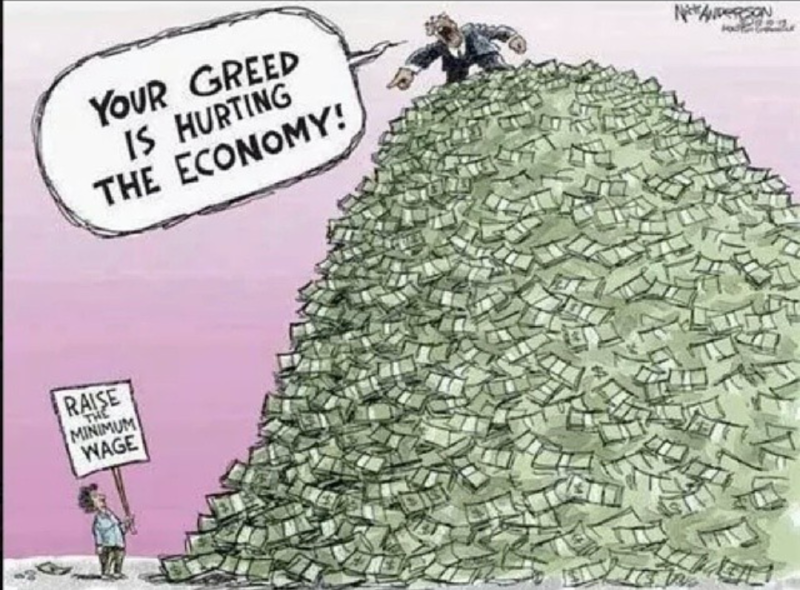
    Cartoon Image Credit: ‘Your greed is hurting the economy’ economicsocialogy.org

  • The US economic war on China

    The US economic war on China

    The anti-China policies come out of a familiar playbook of US policy-making. The aim is to prevent economic and technological competition from a major rival.

    China’s economy is slowing down. Current forecasts put China’s GDP growth in 2023 at less than 5%, below the forecasts made last year and far below the high growth rates that China enjoyed until the late 2010s. The Western press is filled with China’s supposed misdeeds: a financial crisis in the real estate market, a general overhang of debt, and other ills. Yet much of the slowdown is the result of US measures that aim to slow China’s growth. Such US policies violate World Trade Organization rules and are a danger to global prosperity. They should be stopped.
    The anti-China policies come out of a familiar playbook of US policy-making. The aim is to prevent economic and technological competition from a major rival. The first and most obvious application of this playbook was the technology blockade that the US imposed on the Soviet Union during the Cold War. The Soviet Union was America’s declared enemy and US policy aimed to block Soviet access to advanced technologies.

    At the end of the 1980s and early 1990s, the US deliberately sought to slow Japan’s economic growth. This may seem surprising, as Japan was and is a US ally. Yet Japan was becoming “too successful,” as Japanese firms outcompeted US firms in key sectors, including semiconductors, consumer electronics, and automobiles.

    The second application of the playbook is less obvious, and in fact, is generally overlooked even by knowledgeable observers. At the end of the 1980s and early 1990s, the US deliberately sought to slow Japan’s economic growth. This may seem surprising, as Japan was and is a US ally. Yet Japan was becoming “too successful,” as Japanese firms outcompeted US firms in key sectors, including semiconductors, consumer electronics, and automobiles. Japan’s success was widely hailed in bestsellers such as Japan as Number One by my late, great colleague, Harvard Professor Ezra Vogel.
    In the mid-to-late 1980s, US politicians limited US markets to Japan’s exports (via so-called “voluntary” limits agreed with Japan) and pushed Japan to overvalue its currency. The Japanese Yen appreciated from around 240 Yen per dollar in 1985 to 128 Yen per dollar in 1988 and 94 Yen to the dollar in 1995, pricing Japanese goods out of the US market. Japan went into a slump as export growth collapsed. Between 1980 and 1985, Japan’s exports rose annually by 7.9 percent; between 1985 and 1990, export growth fell to 3.5 percent annually; and between 1990 and 1995, to 3.3 percent annually. As growth slowed markedly, many Japanese companies fell into financial distress, leading to a financial bust in the early 1990s.

    In the mid-1990s, I asked one of Japan’s most powerful government officials why Japan didn’t devalue the currency to re-establish growth. His answer was that the US wouldn’t allow it.

    Now the US is taking aim at China. Starting around 2015, US policymakers came to view China as a threat rather than a trade partner. This change of view was due to China’s economic success. China’s economic rise really began to alarm US strategists when China announced in 2015 a “Made in China 2025” policy to promote China’s advancement to the cutting edge of robotics, information technology, renewable energy, and other advanced technologies. Around the same time, China announced its Belt and Road Initiative to help build modern infrastructure throughout Asia, Africa and other regions, largely using Chinese finance, companies, and technologies.

    After winning the 2016 election on an anti-China platform, Trump imposed unilateral tariffs on China that clearly violated WTO rules. To ensure that WTO would not rule against the US measures, the US disabled the WTO appellate court by blocking new appointments.

    The US dusted off the old playbook to slow China’s surging growth. President Barrack Obama first proposed to create a new trading group with Asian countries that would exclude China, but presidential candidate Donald Trump went further, promising outright protectionism against China. After winning the 2016 election on an anti-China platform, Trump imposed unilateral tariffs on China that clearly violated WTO rules. To ensure that WTO would not rule against the US measures, the US disabled the WTO appellate court by blocking new appointments. The Trump Administration also blocked products from leading Chinese technology companies such as ZTE and Huawei and urged US allies to do the same.

    When President Joe Biden came to office, many (including me) expected Biden to reverse or ease Trump’s anti-China policies. The opposite happened. Biden doubled down, not only maintaining Trump’s tariffs on China but also signing new executive orders to limit China’s access to advanced semiconductor technologies and US investments. American firms were advised informally to shift their supply chains from China to other countries, a process labelled “friend-shoring” as opposed to offshoring. In carrying out these measures, the US completely ignored WTO principles and procedures.

    The US strongly denies that it is in an economic war with China, but as the old adage goes, if it looks like a duck, swims like a duck, and quacks like a duck, it’s probably a duck. The US is using a familiar playbook, and the Washington politicians are invoking martial rhetoric, calling China an enemy that must be contained or defeated.

    The results are seen in a reversal of China’s exports to the US. In the month that Trump came into office, January 2017, China accounted for 22 per cent of US merchandise imports. By the time Biden came into office in January 2021, China’s share of US imports had dropped to 19 per cent. As of June 2023, China’s share of US imports had plummeted to 13 per cent. Between June 2022 and June 2023, US imports from China fell by a whopping 29 per cent.

    Of course, the dynamics of China’s economy are complex and hardly driven by China-US trade alone. Perhaps China’s exports to the US will partly rebound. Yet Biden seems unlikely to ease trade barriers with China in the lead-up to the 2024 election.

    Unlike Japan in the 1990s, which was dependent on the US for its security, and so followed US demands, China has more room for maneuver in the face of US protectionism. Most importantly, I believe, China can substantially increase its exports to the rest of Asia, Africa, and Latin America, through policies such as expanding the Belt and Road Initiative. My assessment is that the US attempt to contain China is not only wrongheaded in principle but destined to fail in practice. China will find partners throughout the world economy to support a continued expansion of trade and technological advances.


    Feature Image Credit: The limits of US-China Economic Rivalry www.setav.org

  • Role of Merchant Marine in Indian Maritime Security

    Role of Merchant Marine in Indian Maritime Security

    [powerkit_button size=”lg” style=”info” block=”false” url=”https://admin.thepeninsula.org.in/wp-content/uploads/2022/05/Role-Of-Merchant-Marine-in-Indian-Maritime-Security-1.pdf” target=”_blank” nofollow=”false”]
    Download
    [/powerkit_button]

    Introduction:

    The Merchant Marine plays only a modest role in contributing towards securing India’s maritime neighbourhood or for that matter for any nation. On the other hand, its indirect contribution to security- largely through the economic dimension is significant.

    This paper seeks to explore the economic dimension of merchant ships and in doing so, endeavours to bring out the resultant contribution to maritime security.

    With my domain knowledge, I hope to cover global maritime, and its current scenario in India. I have spent 28 years at Sea of which 18 years in Command as Captain and an additional 25 years ashore in Senior Management positions. I have recently relocated back to India after 5 years in Sri Lanka and a year in Seychelles. So, I do consider it a privilege to share my experience.

    Global Maritime:

    Shipping is the life blood of global economy.  Without shipping, intercontinental trade, the bulk transport of raw materials, and the import/export of affordable food and manufactured goods would simply not be possible. The international shipping industry is responsible for the carriage of around 90% of world trade. Seaborne trade continues to expand, bringing benefits for consumers across the world through competitive freight costs. Thanks to the growing efficiency of shipping as a mode of transport and increased economic liberalisation, the prospects for the industry’s further growth continue to be strong.

    There are over 58,000 merchant ships trading internationally, transporting every kind of cargo. The world fleet is registered in over 150 nations, and manned by over 2 million seafarers of virtually every nationality. Ships are technically sophisticated, high value assets (larger hi-tech vessels can cost over US $200 million to build), and the operation of merchant ships generates an estimated annual income of over US $1.2 trillion in freight rates.

    [powerkit_button size=”lg” style=”info” block=”true” url=”https://admin.thepeninsula.org.in/wp-content/uploads/2022/05/Role-Of-Merchant-Marine-in-Indian-Maritime-Security-1.pdf” target=”_blank” nofollow=”false”]
    Read More
    [/powerkit_button]

    Feature Image Credits: Financial Times

  • Economic Relevance of Quad as a Regional Strategic Forum

    Economic Relevance of Quad as a Regional Strategic Forum

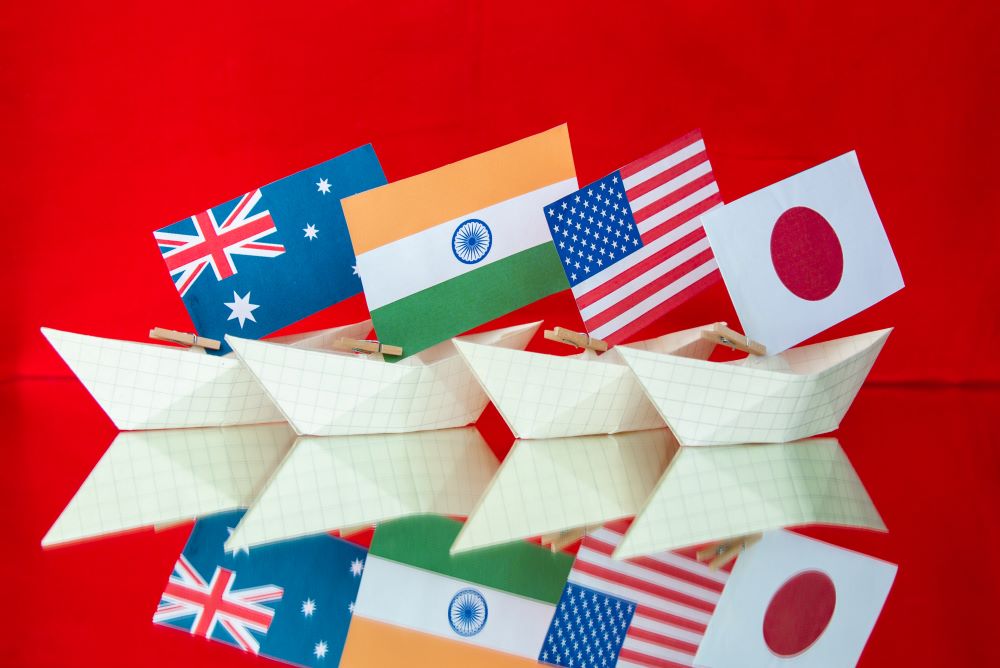
    The QUAD, a grouping of the United States, Japan, India, and Australia, began as a “Tsunami Core Group,” an impromptu group formed in response to the devastating Boxing Day tsunami of 2004. This core group brought together the four nations to swiftly mobilise and coordinate multilateral disaster relief and humanitarian assistance operations. The first meeting of the initial QUAD took place in May 2007 during the ASEAN Regional Forum (ARF) meeting in Manila. The meeting was characterised as an “informal grouping” that discussed themes of mutual interest to the dialogue participants (Buchan & Rimland, 2020). The group was established to deal with the immediate challenges posed by the tsunami and was never intended to become permanent. However, early cooperative efforts sparked a debate about QUAD’s overarching goal. When Australia withdrew from the QUAD in 2008, it ceased to exist. It was revived in 2017 against the backdrop of an increasingly assertive Chinese posture, and the emergence of the idea of the Indo-Pacific as a single maritime zone.

    The first QUAD meeting, after its revival, happened on 12 November 2017, when the four ‘like-minded’ partners discussed seven key issues: the rules-based order in Asia; freedom of navigation and overflight in the maritime commons; respect for international law; enhancing connectivity; maritime security; the North Korean threat and non-proliferation; and terrorism (Jain, 2022). The QUAD aims to bring diverse perspectives together in a shared vision for a free and open Indo-Pacific, and it strives for a region that is free, open, inclusive, healthy, and anchored in democratic values.

    Economic Potential

    There are numerous reasons to increase economic engagement within the QUAD nations—the four countries, with a combined population of over 1.8 billion people, represent a quarter of the world’s population and over $30 trillion in GDP. In 2018, trade between the four countries totalled more than $440 billion, with nearly $6 trillion in trade with the rest of the world. QUAD intends to use both public and private resources to construct high-quality infrastructure in the Indo-Pacific region. According to the MEA’s website, since 2015, QUAD partners have invested more than $48 billion in regional infrastructure development. The commitment of the QUAD to regional infrastructure development can be strengthened by integrating India into the existing ‘Australia-Japan-US Trilateral Infrastructure Partnership’ and by broadening their reach into the Indo-Pacific region (“Fact Sheet: QUAD Leaders’ Summit,” n.d.). Except for India and the United States, the remaining two countries are also Regional Comprehensive Economic Partnership (RCEP) members. This shows that, notwithstanding territorial and security differences, trade and commerce are still the primary focus (“Economic Dimension Key to QUAD Success”, 2021). Further, the Covid-19 pandemic has harmed the global economy, including the QUAD nations, in areas ranging from employment to investment. Thus, by bolstering their economic ties for greater freedom and cooperation, the group will facilitate a faster recovery from the pandemic’s effects.

    The Indian Ocean, not the Indo-Pacific, is central to India’s vision. In the short term, India’s engagement with the Indo-Pacific framework will be primarily diplomatic and economic and will be constrained by the Indian Ocean’s strategic primacy and constraints on its sea-power projection

    QUAD and the Indian Economy

    India’s strong economic ties with the QUAD economies are reflected in its bilateral trade volume with each member. During 2019-2020, these three economies accounted for 15% of India’s total trade. The United States contributes the most with 11%, followed by Japan and Australia, with 2.15 and 1.6 per cent, respectively. Further, India already has a free-trade agreement with Japan, which was implemented in 2011, and negotiations with Australia and the United States are ongoing. India can now use this critical multilateral forum to help facilitate trade negotiations and increase economic activity with member economies (“Economic Dimension Key to QUAD Success” 2021).

    According to Lunev and Shavlay (2018), the emergence of China, the expansion of India’s economic and strategic clout, and, most importantly, the growing importance of the Indian Ocean as a strategic trade route carrying nearly two-thirds of global oil shipments and a third of bulk cargo, have entailed a shift in the security architecture from the Asia-Pacific to the Indo-Pacific. These factors have contributed to the rise of regional stakeholders advocating for a free and open Indo-Pacific, resulting in the re-establishment of the QUAD. However, India’s maritime interests and strategies are at odds with those of the other QUAD members. The Indian Ocean, not the Indo-Pacific, is central to India’s vision. In the short term, India’s engagement with the Indo-Pacific framework will be primarily diplomatic and economic and will be constrained by the Indian Ocean’s strategic primacy and constraints on its sea-power projection.

    The South and East China Seas, the Western Pacific, and the Indian Ocean are of particular concern to the United States and Japan. Unless and until these disagreements are resolved, QUAD’s effectiveness as an entity will be called into question

    Tokyo Summit 

    The Tokyo Summit is the QUAD Leaders’ fourth interaction since their first virtual meeting in March 2021, in-person Summit in Washington DC in September 2021, and virtual meeting in March 2022. The Tokyo Summit took place against the backdrop of the ongoing Russia-Ukraine conflict and its repercussions. The joint statement issued following the QUAD summit in Tokyo on May 24, 2022, is more comprehensive than the first three summits. It has attempted to clarify the broad framework for cooperation by outlining eight specific areas. These include Peace and Stability; Covid-19 and Global Health Security; Infrastructure; Climate; Cybersecurity; Critical and Emerging Technologies; QUAD Fellowship; Space; and Maritime Domain Awareness and Humanitarian Assistance and Disaster Relief (HADR) (Luthra, n.d.). A comprehensive QUAD joint statement and the launch of the Indo-Pacific Economic Framework (IPEF) are key developments of the Tokyo summit. QUAD leaders also announced a maritime initiative to combat illegal fishing at the Tokyo summit, and a pledge to invest $50 billion in infrastructure in the Indo-Pacific to combat China’s growing power (“QUAD Joint Leaders’ Statement”, 2022).

    The QUAD has long been criticised for lacking a common purpose or a substantive agenda. Furthermore, none of the objectives cited as reasons for bringing the four states together are unique to the QUAD. Other actors and institutions in the region already exist for these purposes.  Thus, there is a need for QUAD partners to better articulate their distinct rationale for cooperation and collaborative efforts.

    India is a key player due to its naval power and strategic location, and should thus be an active participant. However, there are differences in areas of interest among the QUAD nations, complicating its effectiveness. The South and East China Seas, the Western Pacific, and the Indian Ocean are of particular concern to the United States and Japan. Unless and until these disagreements are resolved, QUAD’s effectiveness as an entity will be called into question. While India is frequently portrayed as the holdout — and has recently been the most vocal — objections have come from other countries as well. The potential impact on Sino-Australian relations continues to make some in Australia nervous. Beijing’s reaction has factored into American caution as well, as has the preference for a trilateral format (Madan, 2017).  

    India requires investment, attractive financing for infrastructure, technology, and access to key raw materials, particularly rare earth elements, among the QUAD nations. QUAD’s other members are looking for market access and dependable investment destinations. Broadening QUAD’s current strategic focus to strengthen economic ties under the partnership’s auspices would be a win-win situation for all countries involved in such a scenario.

    Bibliography

    Buchan, P., & Rimland, B. (2020). Defining the diamond: The past, present, and future of the quadrilateral security dialogue. Defining the Diamond: The Past, Present, and Future of the Quadrilateral Security Dialogue | Center for Strategic and International Studies. Retrieved July 22, 2022, from https://www.csis.org/analysis/defining-diamond-past-present-and-future-quadrilateral-security-dialogue 

    “Economic Dimension Key to Quad Success.” 2021. The Statesman. February 23, 2021. https://www.thestatesman.com/opinion/economic-dimension-key-quad-success-1502953752.html.

    “Fact Sheet: Quad Leaders’ Summit.” n.d. Www.mea.gov.in. https://www.mea.gov.in/bilateral-documents.htm?dtl/34319/Fact+Sheet+Quad+Leaders+Summit.

    JAIN, Purnendra. 2022. “India’s Changing Approach to the Quadrilateral Security Dialogue.” East Asian Policy 14 (01): 56–70. https://doi.org/10.1142/s1793930522000046.

    Lunev, Sergey, and Ellina Shavlay. 2018. “Russia and India in the Indo-Pacific.” Asian Politics & Policy 10 (4): 713–31. https://doi.org/10.1111/aspp.12430.

    Luthra, Girish. n.d. “Forward from the Tokyo Quad Summit and IPEF.” ORF. https://www.orfonline.org/expert-speak/forward-from-the-tokyo-quad-summit-and-ipef/.

    Madan, Tanvi. 2017. “The Rise, Fall, and Rebirth of the ‘Quad.’” War on the Rocks. November 16, 2017. https://warontherocks.com/2017/11/rise-fall-rebirth-quad/.

    “Quad Joint Leaders’ Statement.” 2022. The White House. May 24, 2022. https://www.whitehouse.gov/briefing-room/statements-releases/2022/05/24/quad-joint-leaders-statement/.

    Rahman, Mohammad Masudur, Chanwahn Kim, and Prabir De. 2020. “Indo-Pacific Cooperation: What Do Trade Simulations Indicate?” Journal of Economic Structures 9 (1). https://doi.org/10.1186/s40008-020-00222-4.

    Feature Image Credits: Resilinc

  • Contract Farming in India: A long-pending Reform but not a Panacea for all Agri-issues

    Contract Farming in India: A long-pending Reform but not a Panacea for all Agri-issues

    India’s agricultural sector has for long been mired in issues of low productivity, land fragmentation, poor infrastructure, and inadequate delivery mechanisms among others that have often rendered farmers, victims of a system, without proper regulatory mechanisms. The requirement for better infrastructure, technology, and quality-produce has been at the forefront while pushing for more private investment into the sector. However, real gains in agriculture can only be seen when all farmers gain equal access to this investment and receive fair benefits.

    Around 126 million farmers in the country, as of today, are small and marginal farmers with an average holding size of 0.6 hectares.  It means they cannot produce a surplus and can barely sustain their families, a leading factor in the agrarian crisis that has befallen India.

    India’s agrarian crisis: A quick snapshot

    In India, small and marginal farmers makeup 86.2% of all farmers in India but own only 47.3% of crop area. Around 126 million farmers in the country, as of today, are small and marginal farmers with an average holding size of 0.6 hectares.  It means they cannot produce a surplus and can barely sustain their families, a leading factor in the agrarian crisis that has befallen India. Fragmentation of holdings also hinders access to government-offered new technology and farm support schemes fundamental to making the sector profitable. Experts believe that the only way out is to provide farmers with access to better technology and markets and to make small farms more economically viable through diversification into high-value crops and massive capital investments in value chains.

    To address these issues, the government recently passed three agricultural reform bills–The Farmers’ Produce Trade and Commerce (Promotion and Facilitation) Bill, 2020; The Farmers (Empowerment and Protection) Agreement of Price Assurance and Farm Services Bill, 2020; and The Essential Commodities (Amendment) Bill, 2020. Essentially, the bills break the monopolistic powers of the Agriculture Produce Management Committee (APMC) markets, allow contract farming, and remove stocking limits on traders for many commodities, with some caveats still in place.

    Among the concerns raised, many believe that enabling contract farming will leave small farmers vulnerable and at the mercy of private players, leaving them worse off than before.

    The bills, in the views of many, are inherently anti-farmer in nature, triggering farmer protests across the country and the Union Minister for Food Processing Harsimrat Kaur Badal resigning in protest. Among the concerns raised, many believe that enabling contract farming will leave small farmers vulnerable and at the mercy of private players, leaving them worse off than before.

    Reforms and changes to liberalize the Indian Agri-market was long due, with bills of similar nature pursued both at the Union and State level.

    Liberalization of Indian agriculture through the years

    In fact, the first attempt at the reforms in agricultural markets was made by the union government in 2003 with the model Agricultural Produce Marketing Committee (APMC) Act,  which made new market channels, such as direct purchase, private wholesale markets, and contract farming (CF), legal for farmers and buyers alike. Set against the backdrop of poorly functioning APMC markets (regulated and unregulated), that even today cannot deliver MSPs to the farmers, the bill pushed States to amend their own APMC Acts.  Today, in all major agricultural States, there are many cases of contract farming and direct purchase by various groups of traders dealing with farm produce. Yet contract farming faced setbacks, as it was still within the APMC domain and hence saw a conflict of interest with even traders and commission agents strongly opposing it.

    In order to resolve this deadlock, a new and improvised Agricultural Produce, and Livestock Marketing (Promotion and Facilitation) Act, 2017 (APLMA, 2017) was passed by the government in order to take contract farming out of the APMC domain. This led to the birth of a separate model act on Agricultural Produce and Livestock Contract Farming and Services 2018 (Promotion and Facilitation – APLCFS2018). Among other major provisions, the act mandated the removal of market fees and commission charges to buyers resulting in a saving of 5%–10% of transaction cost, thus making the market more conducive to private players. However, all said and done, contrary to popular belief, the Indian experience with contract farming (CF) is not new.

    The first widely acknowledged incident of contract farming in the Indian context was the entrance of Pepsi Foods Ltd. into Punjab in 1989. The company intended to specifically focus on exports of value-added processed foods. This led to the birth of PepsiCo’s backward linkage with farmers of Punjab. The PepsiCo model of contract farming opened up new options for farmers, led to productivity increase, and introduced modern technology for the tomato crop. Following the Pepsico example, local firms such as Nijjar in Punjab and Bhilai Engineering in Madhya Pradesh also took up a tomato contract cultivation.

    The Indian experience with Contract Farming: Are farmers really benefitting?

    Studies of the CF system in India have tried to establish whether crops under the contract system have better outcomes than those under non-contracts/traditional systems. Findings show that contract production gave much higher gross and net returns compared with that from the traditional crops of wheat, paddy, and potato, those under non-contract situations. This was because of the higher yield and assured price under contracts and better-quality inputs.

    The Punjab and Haryana CF experience has been far from satisfactory with studies revealing that contract growers faced many problems like the undue quality cut on produce by firms, delayed deliveries at the factory, delayed payments, low price, and pest attack on the contract crop which raised the cost of production. The firms also manipulated provisions of the contracts in practice and also delayed payments up to 60 days. But it locked growers into these contracts because of the firm-specific fixed investments they had made.

    It is clear then that CF often protected company interest at the expense of the farmer and did not cover farmer’s production risk e.g. crop failure, and kept the right of the company to change price, and offered prices based on open market prices.

    It is clear then that CF often protected company interest at the expense of the farmer and did not cover farmer’s production risk e.g. crop failure, and kept the right of the company to change price, and offered prices based on open market prices. This is a serious issue as market prices are volatile and even premiums may not help a farmer if market prices go down significantly, which is not uncommon in India. (MSPs which benefit only 6% of Indian farmers have also been historically low in recent times)

    Contract farming in India was also mainly carried out with only large and medium farmers.  This bias in favour of large/medium farmers perpetuated the practice of reverse tenancy in regions like Punjab where contract farmers leased inland from marginal and small farmers for contract production, creating even larger issues of land control versus ownership.

    Given the big farmer preference and the pernicious harms that CF brings with it, the heralding of a new era of Agri reforms thus rightfully raises the question of what the road ahead looks like for small farmers in India.

    The road ahead: Viable modes of contract farming for Indian farmers

    The only way that small farmers can realistically realize returns and stand their ground is through organizing themselves in the form of Farmer- producer organizations, bargaining cooperatives, and group contracts. Producer organizations are beneficial as they amplify the political voice of smallholder producers, create opportunities for producers to get more involved in value-adding activities such as input supply, credit, processing, marketing, and distribution. They also lower the transaction costs for the processing/marketing agencies working with growers and negotiate fair contracts for buyers and growers.  The legal system in India has made available the organizational option of the Producer Companies (co-operative companies) under the Companies Act, in which farmers in many states have gone ahead with various existing and new projects.

    Another form of organization that can be explored is that of New Generation Co-operatives (NGCs) which are voluntary, more market-oriented, member responsive, self-governed, and avoid free-riding and horizon problems as they have contractual equity-based transactions with grower members and limited membership.

    Collective action through cooperatives or associations is important not only to reduce the information asymmetry between the growers and the firm, but also to help small farmers adapt to new patterns and greater levels of competition.

    Collective action through cooperatives or associations is important not only to reduce the information asymmetry between the growers and the firm, but also to help small farmers adapt to new patterns and greater levels of competition. Thus, there is a need to promote/encourage farmer groups for CF as in Thailand where besides contract grower groups, the potato growers co-operative also dealt with a multinational contracting company on behalf of its members.

    On legal grounds, there needs to be a serious consideration of protection accorded to contract growers as a group. In Japan, subcontracting agencies have seen legal protection given to them in their relations with large firms. These laws specify the duties and forbidden acts for the large parent firm such as defaulting on payments and are monitored and kept in check by the Fair Trade Commission. Necessary safeguards and flexible systems need to come in the legal sphere to protect small farmer interests. The new 2020 Agri bills largely leave regulation out of the purview of government responsibility and have no mention of how contracts are to be regulated.

    State support to CF arrangements needs to account for the size of holdings else it will not be beneficial to small farmers at all.  In Thailand, the state not only provided coordination and support of local authorities but also initially provided interest compensation to farmers to encourage participation and lower costs. Subsequently, the practice was replaced by low-interest loans. They gave training in CF to farmers and state intervention helped the farm sector by promoting competition.

    Policy design should focus on small farmers

    The glaring problem that burdens small farmers is that they are simply not assured of a strong support mechanism from private players to protect their interests in aspects like delayed payments and deliveries, contract cancellation damages, inducement/force/intimidation to enter a contract, disclosure of material risks, competitive performance-based payments, and sharing of production risks. Only when they can be guaranteed that they will not be exploited on such grounds can the benefits of CF arrangements materialize.

    Thus policies concerning the design of contract agreements need to be fair and should ensure clauses on increased competition for procurement instead of monopsony, a guaranteed market for farmer produce, effective repayment mechanism, market information for farmers to effectively bargain with companies, a commitment to fair sharing of risk and innovating pricing mechanisms( bonus, fixed price, share in equity, and quality-based pricing).

    The 2020 Agri bills may have been too ambitious in opening up markets to private players without locking-in adequate safeguards for farmers.

    Contract farming is not a panacea to the issues that plague the agricultural sector in India. It is not an end but a welcome step towards agricultural development. The 2020 Agri bills may have been too ambitious in opening up markets to private players without locking-in adequate safeguards for farmers. If contract farming needs to see returns in the Indian context, it cannot do so until it recognizes that the twin planks of efficiency and inclusivity need to go hand in hand.

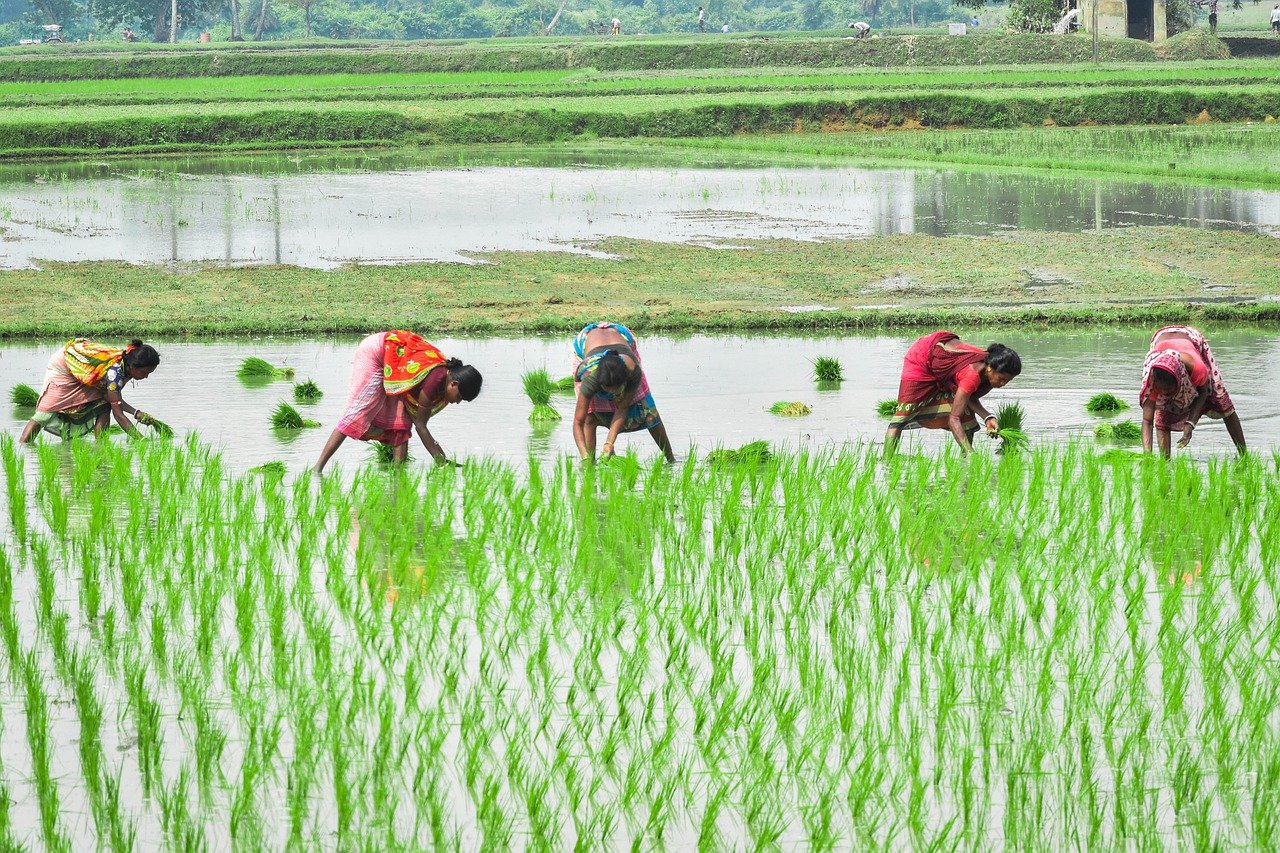
    Image: Rice fields by Nandlal Sarkar from Pixabay

  • Forecasting Unemployment Rate during the Pandemic

    Forecasting Unemployment Rate during the Pandemic

    Forecasting
    Forecasting, in simpler terms, is a process of predicting future values of a variable based on past data and other variables that are related to the variable being forecasted. For example, values of future demand for tickets for a particular airline company depend on past sales and the price of its tickets.
    Time-series data is used for forecasting purposes. According to Wikipedia ‘A time series is a series of data points indexed in time order. Most commonly, a time series is a sequence taken at successive equally spaced points in time. Thus, it is a sequence of discrete-time data.’ An example of time series data for monthly airline passengers is given below:

    Figure 1


    More technically, it is modelled through a stochastic process, Y(t). In a time series data, we are interested in estimating values for Y(t+h) using the information available at time t.  
    Unemployment rate
    Unemployment is the proportion of people in the labour force who are willing and able to work but are unable to find work. It is an indicator of the health of the economy because it provides a timely measure of the state of labour market and hence, overall economic activities. In wake of the impact of Covid-19 on economic activities throughout the world, unemployment rate analysis and forecasts have become paramount in assessing economic conditions.
    In India, unemployment rates have been on the higher end in recent times. According to data released by Statistics Ministry, unemployment rate for FY18 was 6.1%, the highest in 45 years. It is no co-incidence that GDP rates have also been declining successively for the past few years. The shock that Covid-19 has given to the economy has only worsened our situation. The unemployment rate rose to 27.1% as a whopping 121.5 million were forced out of work.
     

    Figure 2


    Source: CMIE
    Methodology
    The data used to forecast unemployment rates was sourced from CMIE website, which surveys over 43,000 households to generate monthly estimates since January 2016. The data has 56 monthly observations ranging from January 2016 to August 2020, data before 2016 was not available.
    Four popular econometric forecasting models (ARIMA, Naïve, Exponential Smoothing, Holt’s winter method) were used and the best performing model was chosen to forecast unemployment till December 2020.
    The forecasting models were programmed in R. The relevant codes are available upon request with the author. The Dicky-Fuller test and the Chow test for structural breaks were conducted using STATA, results of which are presented further in the article.
    Before beginning the analysis, I believe that the limitations of the analysis should be mentioned:

    • The sample size of 56 observations is not sufficient for a thorough analysis, ideally the sample size should have been 2-3 times larger than the available data. Smaller sample sizes lead to skewed forecasting results which are prone to errors.
    • The unemployment data from CMIE is an estimate and is a secondary source. In India, primary data is only collected once in 3-4 years, thus the forecasting results are only as good as the source of the data.
    • This is a univariate analysis, an Okun’s law based analysis of Unemployment rate as a function of GDP (output) and past trends would have been more suitable. However, since GDP data is only available quarterly and there are only 56 monthly observations available, it would have rendered the analysis insignificant with only 19 quarterly observations.
    • Forecasting being based on past trends, is prone to errors. The negative shock provided by Covid-19 to the economies worldwide has made it all the more difficult to forecast. A Bloomberg study analysed over 3,200 forecasts by IMF since 1999 and found that over 93% of the forecasts underestimated or overestimated the results with a mean error of 2 percentage points.

     
    Checking the stationarity of data
    In order to model build a model, we need to make sure that the series is stationary. For intuitively checking the stationarity, I plotted the data over time as indicated in Figure 2 above. I also plotted the correlograms (autocorrelations versus time lags) as shown in Figure 8 and 9 in appendix. The plot of data over time indicate varying mean, variance and covariance. The ACF and PACF plot show that autocorrelations function are persistent indefinitely.
    We perform the Augmented Dickey Fuller test at 2 lags. Result of the ADF test is shown in Table 1 below. The test statistic is insignificant at 5 per cent and the p-value is 0.1709, which is more than the accepted benchmark of 0.05. We fail to reject the null hypothesis of non-stationarity. We conclude that our series is non-stationary.

    Dicky-Fuller test on raw data

    Table 1

    —– Interpolated Dickey-Fuller —–
    Test statistic 1% critical value 5% critical value 10%critical value
    Z(t) -2.303 -3.576 -2.928 -2.599


    MacKinnon approximate p-value for Z(t) = 0.1709

    Converting the non-stationary series into stationary

    In order to transform the non-stationary series into stationary, we use differencing method (computing difference between consecutive observations).
    We plot the data over time, ACF and PACF again as shown in Figure 5 below and figure 10 and 11 in appendix, respectively. From the figures, we can intuitively say that the transformed series is stationary. Further, we used Augmented Dickey-Fuller tests to ascertain the stationary of our series. Table 2 shows the result of the ADF test. The test statistic is significant at 1,5 and 10 per cent levels and the p-value is less than 0.05. We reject the null hypothesis of non-stationarity of our series. The tests confirm that the series is stationary.
     

    Dicky-Fuller test on first difference data

    Table 2

    —– Interpolated Dickey-Fuller —–
    Test statistic 1% critical value 5% critical value 10%critical value
    Z(t) -5.035 -3.576 -2.928 -2.599

    MacKinnon approximate p-value for Z(t) = 0.0000


    Figure 3


    Naïve model
    Naïve models are the simplest of forecasting models and provide a benchmark against which other more sophisticated models can be compared. Thus, a Naïve model serves as an ideal model to start any comparative analysis with. In a naive model, the forecasted values are simply the values of the last observation. It is given by
    y^t+h|t=yt.
    Forecast results from Naïve method are presented below in figure 4 and table1.
     

    Figure 4


    Table 1


    Point forecast Lo 80 High 80 Low 95 High 95
    Sept 8.35 4.861900 11.83810 3.0154109 13.68459
    Oct 8.35 3.417081 13.28292 0.8057517 15.89425
    Nov 8.35 2.308433 14.39157 -0.8897794 17.58978
    Dec 8.35 1.373799 15.32620 -2.3191783 19.01918

     
    Box-Jenkins Approach
     

    1. Identification of ARIMA (p, d, q) model

     
    The data was split into training and testing dataset in 80:20 ratio. The training data was used for estimating the model, while the model was tested on the remaining 20 percent data. This is done in order to forecast the future values of the time series data.
    p, d and q in (p, d, q) stand for number of lags, difference and moving average respectively.
    The model best fitting the data was (0,1,3) as its Akaike Information Criterion (AIC) was the lowest amongst all the possible combinations of the order of the ARIMA model.
    The residuals from Arima model were found to be normally distributed, with a mean of 0.09 and zero correlation. This causes a bias in the estimates. To solve the problem of bias, we will add 0.09 to all forecasts. The ACF and line graph of residuals is attached in the appendix.
    After identification and estimation, several diagnostic tests were conducted to check if there were any uncaptured information in the model. Results of the diagnostics tests have been omitted from the article in interest of length.
     

    1. Forecasting

     
    The model that has been constructed was used to forecast unemployment rates for the next four months. The results are presented below in figure 5 and table 2.
     

    Figure 5


    Table 2


    Point forecast Lo 80 High 80 Low 95 High 95
    Sept 9.04 5.978858 11.93987 4.401073 13.51765
    Oct 9.77 5.183039 14.1951 2.797671 16.58054
    Nov 10.3 5.364191 15.06267 2.797157 17.62971
    Dec 10.3 5.280182 15.14668   2.668678   17.75819

     
    Exponential Smoothing method
    It is one of the most popular classic forecasting models. It gives more weight to recent values and works best for short term forecasts when there is no trend or seasonality in dataset. The model is given by:
    Ŷ(t+h|t) = ⍺y(t) + ⍺(1-⍺)y(t-1) + ⍺(1-⍺)²y(t-2) + …
    with 0<<1
    As observed in the model, recent time periods have more weightage in the model and the weightage keeps decreasing exponentially as we go further back in time.
    The ⍺  is the smoothing factor here whose value was chosen to be 0.9 since it had the lowest RMSE among all other values.
    The forecast results are presented below:
     

    Figure 6


    Table 3


    Point forecast Lo 80 High 80 Low 95 High 95
    Sept 8.30 4.739288 11.87260 2.8512134 13.76068
    Oct 8.30 3.507498 13.10439 0.9673541 15.64454
    Nov 8.30 2.532806 14.07908 -0.5233096 17.13520
    Dec 8.30 1.700403 14.91149 -1.7963595   18.40825

     
    Holt Winters’ method
    The simple exponential function cannot be used effectively for data with trends. Holt-Winters’ exponential smoothing method is a better suited model for data with trends. This model contains a forecast equation and two smoothing equations. The linear model is given by:
    yt+h = lt + hbt
    l= αyt + (1-α)lt-1
    bt = β(lt-lt-1)+ (1-β)bt-1
    where, lt is the level (smoothed value).
    h is the number of steps ahead.
    bt is the weighted average of the trend.
    Just like the simple exponential smoothing method, lt shows that it is a weighted average of yt
    The α  is the smoothing factor here whose value was chosen to be 0.99 and  the β  value 0.0025 since they had the lowest RMSE among all other values.
    The forecast results are presented below:
     

    Figure 7


    Table 4


    Point forecast Lo 80 High 80 Low 95 High 95
    Sept 8.34 4.749288 11.9326 2.84121 13.84
    Oct 8.33 3.24 13.4243 0.54541 16.11977
    Nov 8.32 2.0800 14.5678 -1.2253 17.87316
    Dec 8.31 1.0963 15.53419 -2.725103   19.35565

     
    Evaluation
    To compare the models the two parameters chosen are:

    • Root mean square error (RMSE)
    • Mean absolute error (MAE)

    MAE is a measure of mean error in a set of observations/predictions. RMSE is the square root of the mean of squared differences between prediction and actual observation. RMSE is more useful when large errors are not desirable and MAE is useful otherwise.
    RMSE and MAE statistics for all the models are presented below:

    Naive ARIMA Exp Smoothing Holt Winters’
    RMSE 2.72 2.24 2.73 2.7
    MAE 1.05 1.034 1.06 1.05

     
    From the table it is clear that ARIMA/Box Jenkins method has both the lowest RMSE and MAE among the models under consideration while Exponential smoothing method has the highest MAE and RMSE among all.
    Therefore, the unemployment rate forecasts as per the Box Jenkins method for the next four months are:
     

    Sept 9.04
    Oct 9.77
    Nov 10.3
    Dec 10.3

     
    The way ahead?

    • The unemployment rate is expected to rise in the coming months. This is a bad sign for an economy that is already suffering.
    • With GDP forecasts getting lower and lower for the current financial year, the govt needs to act quick to mitigate the potential damage.
    • It is impossible to correctly ascertain the total impact of covid-19 on the economy and the range of the impact, but it is safe to say that we will be seeing the effects for a long time to come in some form or other.
    • We might see more and more people slip into poverty, depression, increased domestic violence and with potentially long term impact on human development parameters like child mal-nutrition, enrolment rates etc among other things.

    Some possible solutions

    1. Expansionary monetary policy: It is a common tool of dealing with high unemployment rate in the short term. Under expansionary monetary policy, the central bank reduces the rate of interest on which it lends money to the banks, subsequently the banks lower their rates which leads to a higher amount of loans being taken by business owners. This extra capital helps businesses to hire more workers and expand production, which in turn reduces unemployment rate.
    2. Expansionary fiscal policy: Under expansionary fiscal policy the government increases its spending, particularly in the infra-structure sector. It spends more money to build dams, roads, bridges, highways etc. This increased spending leads to an increase in employment as these projects require labour.
    3. Expand the scope of NREGS to urban areas permanently and a higher minimum wage for all : NREGS has proved to be really effective in alleviating poverty, improving quality of life and decreasing unemployment rate in rural areas. Given the unprecedented circumstances, the govt can consider expanding its scope to urban areas, so that it could provide employment to the millions of unemployed workers there. This increase in expenditure could also help the govt revive consumer demand, which is essential if we want to help the GDP get back on track.
    4. A stimulus package aimed at putting money into the hands of the poor :

    The govt should also consider providing at least a one-time transfer of funds to people just like the US govt did. Such a transfer of putting money directly into the hands of the poor is the most effective way of reviving consumer demand in the economy and many economists around the world have been calling for such a plan to be implemented. There is no better way of increasing consumer expenditure other than putting money into the hands of cash-starved people.
     
    Appendix:
     

    Figure 8


    Figure 9


    Figure 10


    Figure 11


    Figure 12


    Figure 13


  • Vietnam: Economic Prospects in Post Second Wave Covid-19

    Vietnam: Economic Prospects in Post Second Wave Covid-19

    The global community is into the ninth month of the COVID-19 pandemic and international efforts to develop a vaccine are at advanced stages.  Meanwhile in Russia over 250 Moscow residents received a dose of Sputnik V[i] and the Chinese Center for Disease Control and Prevention (CDC) has announced that the vaccine will be ready by November this year.[ii]Similarly, many American, British, European, and Indian companies are developing the vaccine which is at different levels of trials.  While the above progress is very encouraging, the global COVID-19 infections continue to rise and as on 13 October, according to the World Health Organisation (WHO), the total confirmed cases of COVID-19 were 37,601,848 people including 1,077,799 deaths.[iii] The top four countries with the highest infections were the US, India, Brazil and Russia.

    Vietnam’s COVID response since 23 January 2020, when the first case was detected, has been noteworthy. It successfully contained the spread of the virus by instituting local quarantine measures in early stages, declaring a state of emergency in February, and banning flights to and from China. For the next two months, Vietnam maintained strict COVID related measures including national lockdown and it was only in late April that some restrictions were removed in localities if they had contained the virus; but non-essential public services remained suspended. The opening up continued slowly with the resumption of flights to select destinations and cross-border travel restrictions were lifted. Meanwhile, Vietnam registered to buy a Russian Covid-19 vaccine as also developing vaccine on its own.

    In August, the second largest COVID-19 outbreak (after Danang) was reported in Quang Nam Province. The ‘second wave’ has now been successfully controlled.

    However, in July, Danang, a tourist hotspot, reported several new cases and a massive evacuation of nearly 80,000 tourists was undertaken. In August, the second largest COVID-19 outbreak (after Danang) was reported in Quang Nam Province. The ‘second wave’ has now been successfully controlled. As of 15 September, in Vietnam (total population 95,540,000) there were 1063 cases; 35 deaths; 261,004 tests had been conducted, and 11cases per million was recorded.[iv]

    Vietnam’s economic outlook in the ‘post-COVID Second Wave’ is a mixed bag of opportunities and challenges. There are at least four issues which merit attention. First, the Vietnamese economy, like any other global economies, suffered due to the pandemic. The 2020 first-half growth was about 1.8% compared with 7% in 2019 (year-on-year), but the Vietnamese economy has shown enormous resilience when compared with major global economies who have recorded negative growth. This is due to the proficient handling of the pandemic and the country is now on a quick and steady recovery path. The HSBC has revised Vietnam’s 2020 growth forecast from 1.6% to 3.0%.[v]

    It is also important to mention that the Vietnamese government has offered attractive incentives to multinational investors to help them “move up the value chain” and build supply chains in the country.

    Second, there are clear signs that Vietnam continues to be an attractive destination for foreign investments. This trend is not only due to global conglomerates moving out of China and seeking new destinations with attractive options for setting up of their businesses, but Vietnamese handing of the pandemic has provided them enormous business confidence in the country. According to the Ministry of Planning and Investment, total foreign investment in the first half was worth US$18.47 billion.[vi] Japanese (Panasonic), South Korean (LG Electronics), US (Foxconn; Apple) and the European (Heineken) companies moved to Vietnam. It is also important to mention that the Vietnamese government has offered attractive incentives to multinational investors to help them “move up the value chain” and build supply chains in the country.

    Third, is about renewable energy. Vietnam’s current energy generation mix is skewed towards coal (18,516 MW) and hydrocarbons (8,978 MW). Notwithstanding the COVID-19, the country’s average electricity consumption per day during the first few months of 2020 was 615 million KWh, an increase of 7.5 per cent compared with 2019.[vii] It is estimated that “Vietnam’s energy demand will increase by over 10 per cent by the end of 2020, followed by an eight per cent growth per year in 2021 to 2030.” The “government wants to reduce its greenhouse gas emissions by eight per cent by 2030” for which investments in renewable sources of energy such as solar and wind would have to be made,

    Fourth, is about immersion in Industry 4.0 technologies. There are now clear trends of widespread digital transformation across the globe and is impacting every aspect of the industry from commercial operations, technology management, use in fintech to support banking and financial services, new business models through analytics, and human resource management.  These technologies can potentially boost productivity and improve Vietnam’s GDP. For that innovative national policies for growth are needed. Also, the human resource would require ‘up-skilling, reskilling and retooling’ to embrace these technologies.  The industry leaders too have to recognize the importance of educating themselves and using new technologies as also adopting innovative models for their operations.

    Vietnam should build upon its successes of handling the COVID-19 pandemic and ‘build back better’ by offering long-term stimulus for investments and accord high priority to zero-carbon technologies to spur inclusive and resilient growth.

    Finally, Vietnam should build upon its successes of handling the COVID-19 pandemic and ‘build back better’ by offering long-term stimulus for investments and accord high priority to zero-carbon technologies to spur inclusive and resilient growth. It must adopt strategies for investments in technologies, products and services as also create new jobs tailored for Industry 4.0.


    Notes

    [i] “Russia Covid-19 vaccine: Over 250 people in Moscow get inoculated, says report”, https://www.livemint.com/news/world/russia-covid-19-vaccine-over-250-people-in-moscow-get-inoculated-says-report-11600085464168.html  (accessed 16 September 2020).
    [ii] “China coronavirus vaccine may be ready for public in November: Official”, https://www.hindustantimes.com/world-news/china-coronavirus-vaccine-may-be-ready-for-public-in-november-official/story-1DzVCBrdOwleJXxuw0wvyI.html  (accessed 16 September 2020).
    [iii] “WHO Coronavirus Disease (COVID-19) Dashboard”, https://covid19.who.int/?gclid=CjwKCAjwzIH7BRAbEiwAoDxxTlG5T6XZYiHVHBesW5cmAa9DKUytaVgH01haDH10TpmFA3OP-2s_phoCk9sQAvD_BwE  (accessed 16 September 2020).
    [iv] “Southeast Asia Covid-19 Tracker”, https://www.csis.org/programs/southeast-asia-program/southeast-asia-covid-19-tracker-0#National%20Responses  (accessed 16 September 2020).
    [v] “Vietnam’s positive growth in Q2 defies market expectations: HSBC”, http://hanoitimes.vn/vietnam-positive-growth-in-q2-defies-market-expectations-hsbc-313035.html  (accessed 16 September 2020).
    [vi] “Vietnam expects imminent new wave of foreign investment”, https://www.nationthailand.com/news/30392781?utm_source=homepage&utm_medium=internal_referral  (accessed 15 September 2020).
    [vii] “Assessing Vietnam’s Economic Prospects for Foreign Investors After COVID-19”, https://www.vietnam-briefing.com/news/assessing-vietnams-economic-prospects-foreign-investors-after-covid-19.html/  (accessed 15 September 2020).

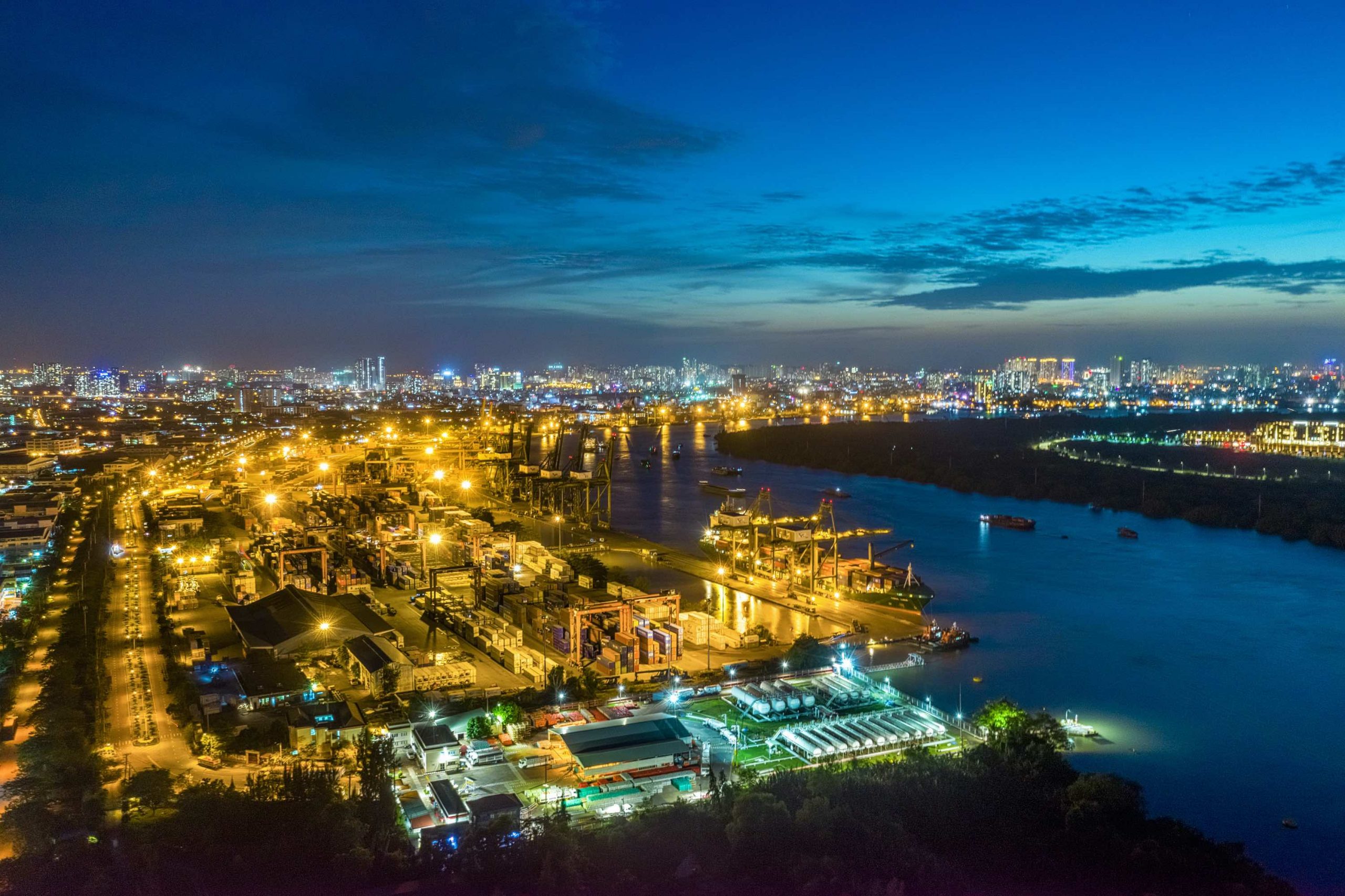
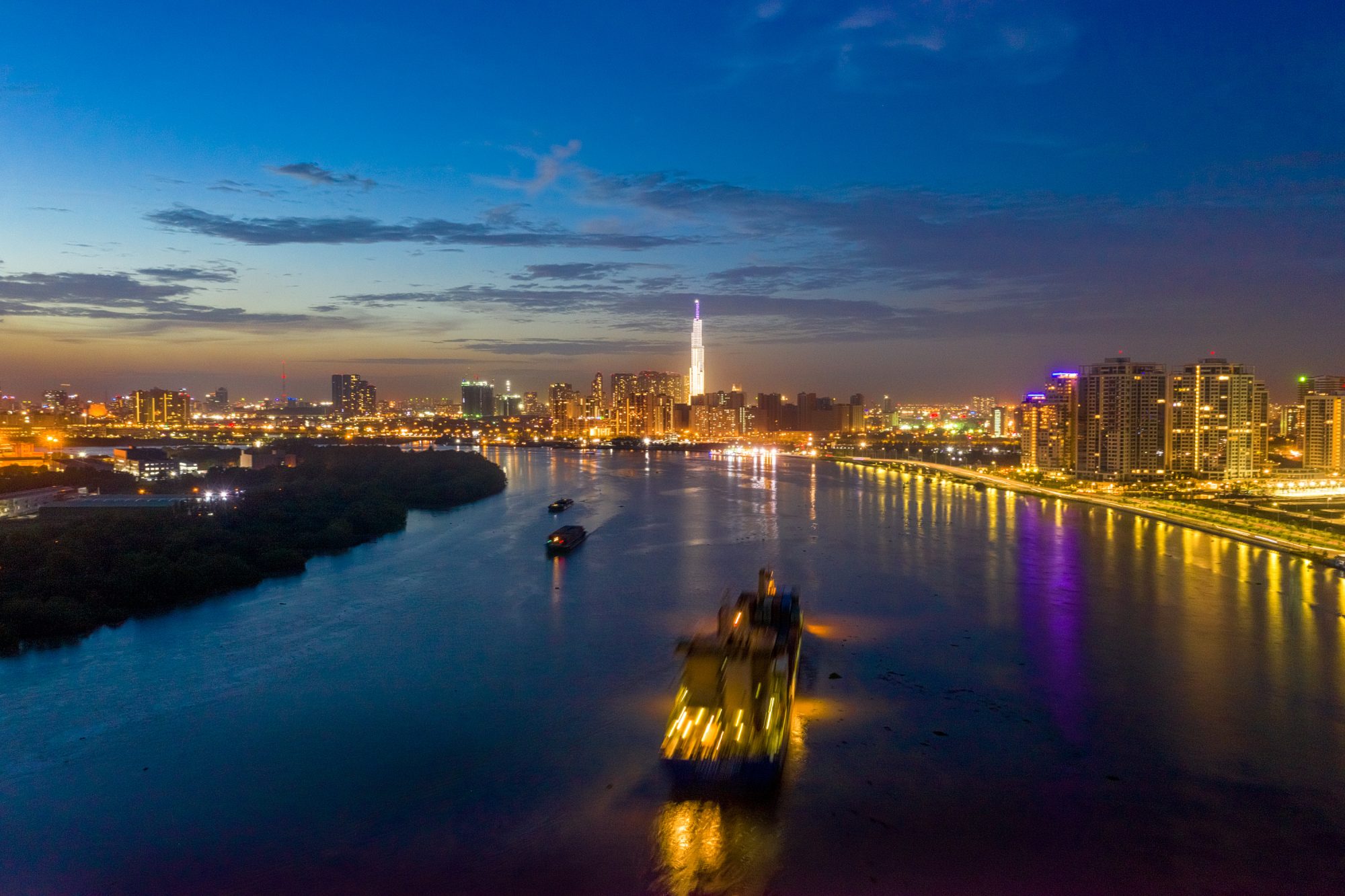
    Image: Ho chi-min City

  • InsurTech In India

    InsurTech In India

    It is not an unknown to anyone that the third, or Digital, Revolution, and the Fourth- The Technological Revolution has transformed the world order and the way daily activities are conducted. From a linear to an exponential growth rate of the revolutions, all the sectors- minor and major have seen unprecedented changes. The financial sector, though slow and cautious, is not an exception to these transformations.

    FinTech, or Financial Technology is the integration of technology into the offering of financial service to improve and automate their delivery and usage. Regular activities like online transfer of money to purchase of equity through an online platform come under the umbrella of Fintech. The Global Fintech Market has been valued at $127.66 bn by 2018 and was estimated (before COVID) to grow at 24.7% per annum. India is the 3rd largest fintech centre with FinTech investments of nearly $3.7 bn.

    Financial systems globally have incorporated certain level of digitalization and have experienced growth. One of the major markets that were perceived to have huge potential for Fintech investments is Insurance. Reducing vulnerability to financial loss, mobilization of funds and capital formation, and funding of infrastructural (or long term) projects had made the Insurance sector attractive for both demand-side and supply side parties for centuries, essentially making it a necessary financial instrument. Given this, the insurance penetration in the world is still quite low, and this industry is perceived as ripe for disruption and innovation by the FinTech Start-Ups.

    Insurtech, coined in 2010, is a combination of insurance and Fintech i.e. exploiting the wave of the digital revolution to improve insurance provision, innovation, and cost reduction. Insurtech employs artificial intelligence for customization of insurance products, simplification of pricing and underwriting for the products, cost reduction through disintermediation and automation, easy and quick settlement of claims and provide a platform for innovation. For example, claim settlement in motor insurance could be automized and made digital intensive, by uploading photographs of the accident and relevant documents to verify the claim, and online processing and approval of the claim. Blockchain technology would be of critical here for collaboration and common sharing of data and transactions with other insurance players, to avoid fraud by customer( for example, repetitive claims). Use of technology would also enable extending of services to those previously left out of the system.

    Why InsurTech?

    Say for example, in health insurance, an insurer would obtain only point-in-time data (through medical tests) about the policyholder which is not completely sufficient to make accurate risk assessment and underwriting. Once the customer is on-boarded, there is no effective way an insurer could know or keep track of the risk entailed in activities of the agent. That is the problem of moral hazard[1] which is a most relevant in case of motor insurance (at the individual level) or marine insurance (at the institutional level). InsurTech extract information from repositories like Big Data, BlockChain[2][3] or information records of Technology-driven devices (IoT devices like wearables and trackers) to maintain a regular stream of data that enables them to price the risk better and provide appropriate incentives to customers’ to reduce their risk exposure.

    For example, Pedometers to count steps walked in a day, fitness devices that capture heartbeat, oxygen intake, blood pressure etc, or even information recorded by smartphones (sometimes linked to the wearables) is used as input data that helps insurers to gain better insights(to a limited extent)  into the behavioural pattern of the policyholder. This is additional information available to the tech-driven InsurTechs that gives them an edge over the conventional insurance companies in assessing the risk more accurately. The analysis could be utilized to motivate customers to maintain good health by providing incentives like health-score based reduction in premium or other tangible benefits like discounts on health products, free subscriptions etc.

    There are several types of innovations[4] that fall within the scope of InsurTech—Digital platforms, Internet of Things (IoT), Big Data Comparators, Robo Adviser, Machine Learning, Artificial Intelligence, Blockchain, P2P (peer to peer), Usage-based and so on. India, being one of the largest smartphone users could take advantage of the Existing mobile and digital penetration to extend the outreach of insurance products (life, health, pension schemes) into untapped segments in the country- like youth and low-income customers.

    Risk assessment, underwriting and Fraud detection is done by the analysis of the accumulated data using Artificial intelligence and Machine Learning techniques. Artificial intelligence (AI) refers to the simulation of human intelligence in machines that are programmed to think like humans and mimic their actions. Machine Learning (ML), [5]a subset of Artificial Intelligence, is the science and engineering of making machines ‘learn’ by finding patterns in data in an automated manner, using sophisticated methods and algorithms.

    So how does Insurtech aspire to be the face of the insurance market?

    With the digital revolution and rapid increase in the use of mobile phones, insurtech sees an opportunity to reach out to its customers in a fast and convenient way. Data resources like Big data and SaaS, about the customers collected from multiple sources could be employed to draw better inference from raw data and target the pool of potential customers. Unlike traditional insurance, Artificial Intelligence (AI) and Machine Learning(ML) could be used to develop chat bots and multiply interaction between agent and customer for assessing and customize the products in line with their needs. New Technologies (like Robotic process automation) could be used to reduce human intervention and automate the mundane activities like underwriting the contracts, claim settlement and also reducing operational costs. Moreover, AI and ML enable fraud detection from the pattern of activities of the customer. Unlike established insurers, insurtech have the flexibility to steer clear of legacy products and provide tailor-made products for the customers according to their needs and demand.

    Incumbents, or the established insurers, are viewing this as an opportunity and catalyst of innovation rather than a threat to their market penetration and customer acquisition. Collaboration of incumbents with the nascent start ups is a win-win situation, with the integration of best of both the worlds- the established infrastructure and market share of incumbents and innovative products, niche targeting and better pricing by employing AI and ML algorithms of the Insurtech.

    Insurtech in the World

                US homes nearly half of the InsurTech start-ups, followed by UK and India, and is an avenue for 63% of the insurtech investments.


    Source: InsurTech 2020 , Research Insights by Imaginea


                Some of the innovative on-demand insurance products launched by Insurtech around the world include-

    • MANGO: a Mexican- retirement and life insurance intermediary, for obtaining life insurance in minutes without excessive paperwork and confusing coverages.
    • Go Girl: women-only drivers insurance. It involves lower premiums for good drivers, free courtesy car repairs and an inbuilt accident and theft insurance. Complete transaction is conducted online.
    • VisitorCoverage: a travel medical insurance for only non-US citizens. It also provides insurance for public emergency health screening including Covid-19 and other tests.
    • Fizzy: an mobile insurance for delays in flights for 2hours or more
    • Dapp: Etherisc, a Munich Based insurance platform , offers a crop insurance, providing an instant payout of insurance in case of flood or drought.
    • AgUnity and Etherisc, a austalian start up to provide insurance covers directly to farmers to reduce the last mile challenges in providing insurance to customers who need it.

    InsurTech in India

    Currently, there are 24 life insurance and 39 non- life insurance companies in India (incumbents). In spite of that, India with a population of 121 billion has less that 4% (3.7% to GDP) of insurance penetration and a lapsation rate (unpaid premium for >6 months) as high as 20% compared to 15-20% in other Asian countries. As of 2017, at least 75% or 988 million Indians do not have life cover and 56% of population do not have any significant health coverage (out of 44%, 26% are covered by Rashtriya Swasthya Bima Yojana and only 8% by insurers).

    Incidentally, Indian insurance industry for a long time has relied on one-size-fits-all insurance products in the market, but now the dynamics of the insurance market are changing. Innovative products like usage-based insurance, micro insurance and on-demand insurance are flooding the Indian market. The large section of uninsured population is a candy store of opportunities for competent start ups that are in search of potential markets.

    • Usage based insurance: insurance products with low premium, paid periodically based on usage like pay-per-mile auto insurance; individual habits-based life insurance.
    • Need – based insurance: based on specific needs of the customer like theft insurance when away from home, theft insurance for valuables in the rented house. IRCTC travel insurance – in collaboration with ICICI Lombard, Royal Sundaram and Shriram general. Paytm launches a e-wallet insurance, refunding money stolen or accessed unauthorized.
    • Sachet-size insurance: provision of products like insurance against dengue (dengue insurance) to accident and life insurance, at a low premium rates is the agenda of this insurance.  Toffee Insurance – gurgoan based insurance start up, offers insurance against cycle theft and mosquito related diseases for a premium starting from Rs 20.

    [innovative ideas like Tinder-Date-Gone-Bad insurance to cover for restaurant bills and gift expenses are all our millennials and Gen X need to mobilize some cash for insurance].

    These are the some of the innovative products tailor-made for its customers according to their needs and economy. The primary incentive behind these innovations is to create an environment where customers are introduced to the benefits of insurance, who would ultimately vouch for the long-term insurances.

    Paytm which has users mostly in Tier II and Tier III cities has partnered with insurers to provide insurance services like premium payment and policy renewal and has  launched PayTm Insurance in early 2020, tying up with leading insurance firms in india. Amazon and Flipkart have collaborated with ACKO and AEGON LIFE respectively to provide Point-of-Sale insurance(for example, insurance on electronics). Ola provides commutation insurance for the rides at Rs 1. IRDA and the incumbents have viewed this disruption as an opportunity to improve penetration and provision of service. Collaboration with incumbents would also reduce barriers to trade for the emerging start ups and would provide financial support for more innovations. IRDA granted licenses to AKCO, DIGIT INSURANCE, COCO by DHFL and reliance health insurance to work as “neo-insurers”; a sandbox was established for the initial testing of new innovations before launching them into the market; guidelines and regulations were laid down for the functioning of insurtech, under the supervision of IRDA.

    Though at nascent stage, Insurtech has already attracted $3 billion investments worldwide. India has attracted nearly $183 million investments, as of 2019.


    Source: Predictions, BusinessToday.in 


    Source: Predictions

    IRDAI on Insurtech

                IRDA is the Insurance Regulatory and Development Authority of India. The demand for linking wearables to product designing by the insurers prompted the setting up of a working group to look into the new innovations and wearables. The main purpose/aim of working committee was to make recommendations for supervisory and regulatory frameworks for InsurTech.

    What should be the Regulator’s role in encouraging innovation”[6]       

    IRDA working committee has recognized that customers’ needs have evolved over time which cannot be fulfilled by traditional insurance alone. IRDA subsequently acknowledged that use of technology will, not only aid in new innovations and better service provision, but also helps insurers assess risk better, develop new business models, processes and products, through the use of data collected through various devices (for example: IoT[7] devices in the automobile to assess policyholders’ driving behaviour, which are recorded as data points). Insurers are embracing innovations with focus on data analytics, and sophisticated data models that help the identify, understand and quantify risk.
    Nevertheless, IRDA also acknowledged that this data capture poses several threats and challenges to the insurer and the customer. IRDA recognized the need for a regulator to understand the fast moving innovations in the sector, and develop proper knowledge and skills that foster Insurtech, simultaneously protecting the customers’ interests. In its report, it has made some recommendations regarding supervisory and regulatory framework with respect to InsurTech – Risk assessment, risk Improvement, product design and product pricing.

    For a better insight into the status quo of InsurTech worldwide, IRDA working committee looked into the variety of measures insurance regulatory bodies in other countries have observed.

    • Financial Conduct Authority (UK): FCA has taken initiative to look out for upcoming start ups and understand their potential problems, alongside with providing direct support (advisory support and clearing regulatory ambiguities); it has established a sandbox for pilot testing of new products on live customers on a small scale.
    • BaFin, Germany: it has adopted a technologically neutral position, i.e no special treatment is accorded to InsurTech owing to their innovative nature. Regulations to the insurers are strictly based on the functions performed by them.
    • Mexico: Regulators felt it is too early for developing separate regulations for Insurtech and they would be supervised under the existing regulations.

    Notable observations

    “From purchasing a policy to raising a claim, the process is time consuming, resource driven, and paper intensive. Technology can address these concerns and make the customer experience very smooth and hassle free.”

    “Digital technology could extend the reach coverage into largely untapped areas such as lower income segments, by reducing costs and allowing businesses to engage with customers in more compelling and relevant ways”

    “The use of technology has an impact on product design and the efficiency of inclusive insurance delivery.”

    “The consent of the customer to share data is a must for participation in such products.”

    “Insurers may be allowed to capture data as per their product requirements, but within the scope of insurance and underwriting need.”

    “The provider shall capture and give the insurance companies only the specified information, and the privacy of data arrangement will be directly between the insured and the provider.”

    “Insurers shall develop robust internal monitoring mechanisms to ensure that data leakages do not take place as this data could be misused for monetary benefits (e.g., sending promotional offers to customer based on his location etc.).”

    “The products can evolve and be tested in a sandbox environment before fully going live and a transition strategy should be proposed for when the proposed product exits the sandbox environment.”

                 Working Committee insisted on maintaining transparency and follow protocol for data collection, data usage and data sharing with third parties. It suggested that there is a need for portability/ sharing of data between the insurers. They could employ block chain technology unto this purpose.

    IRDA permits the insurers to offer discounts or offers to the customer based on the data collected. Premium and other benefits like discounts or subsidized or free health services  could be determined by the performance, progress, and consistency in individual’s (say health) score arrived at by analysing data obtained from single or multiple sources.

    Data Mining and Security

    Data collection could be done through proprietary or third party services. However,

    • Consent and customer access: The insurer should provide the details of the data collected to the customer and he should have access to this data (on a portal etc). There should be complete transparency about the data collected (should be as per/after his consent) and the benefits bestowed.
    • Usage: The usage of data should be as per the notice given to the customers. Regulations have to provide appropriate safeguards against data misuse
    • Disclosure: Insurer should not share the data with any third party, except for analytical services, provided they(analytical firms) satisfy the framework laid down.
    • BlockChain: BlockChain is an effective way to ensure transparency and security (encrypted records-blocks which are resistant to modification of data) which makes them ideal for recording of events and transactions. This is an ideal platform to ensure security and sharing to data among insurers.

    Concerns

    • It is important to maintain a right balance between protection of policyholders’ interest and promoting innovation.
    • There is a chance that some segment of populated may be rendered commercially uninsurable. Risk granulation might worsen the affordability and exclusion of certain sections in the society.
    • Innovations might disrupt the traditional risk pooling mechanism of the incumbents
    • Technology might disrupt the conventional business models of the insurers. There is a possibility of minimized engagement (integration) between insurers and customers.
    • Data insecurity is a prominent challenge.
    • Overreliance on technology could be a threat.
    • Supervisors ought to develop adequate technical resources, knowledge and skills to make sure there are no lapses.

    Recommendations

    • Insurers should perform a cost-benefit analysis, because the cost is ultimately borne by policyholders
    • (As mentioned) Product pricing and premium reviews, incentives to customers can be based on data collected through devices.
    • Such products must be tested in the sandbox before launch in the market.
    • Provision for adding wearbles data pricing for existing products. Details of usage of wearble devices should be a part of product filing.

    Interview

                InsurTech is still newbie. I found it more appropriate to  interview  few analysts who have hands on experience in the insurance market and have worked, supervised or studied about InsurTech and InsurTech start ups.

    I have interviewed 4 analysts

    Dr Sahil: A medical graduate(Cancer Biology) who ventured into Insurance sector. He is a experienced professional with an in-depth knowledge of healthcare and Insurance industry. Had the opportunity to be a part of 4 startups Currently working as a Director in a new and upcoming zen space of Insurtech- Meta InsurTech.

    Aparajit Bhattacharya: Senior-level Insurance professional experienced as Business Head of public and private companies. He is also a seasoned executive with an in-depth understanding of emerging technologies and their commercial applications, also having international business expertise, having conducted business in South Asia, Nigeria. Motivated self-starter who earned multiple sales achievement awards during the early career, as well as sustained recognition for Co-Founded Start-Up- Insure First.

    Rahul Mathur: He has completed his Master’s degree from the University of Warwick. He worked as a  Insurance Product Manager at Laka Insurance focused on product development, strategy and research. Presently, he is based in London working as a consulting analyst for a Start-up lead at the London chapter of Accenture’s FinTech Innovation Lab. He is also an Ambassador for Asia Insurtech Podcast, Asia’s first podcast dedicated to InsurTech and innovation in insurance featuring entrepreneurs, thought leaders and investors.

    Neerav:  Senior-level insurance professional.

    1. Where does insurTech stand today in India?

    Dr.Sahil:  InsurTech is basically employing AI and ML methods, and other technological tools, that reduce human intervention and processing time and increases efficiency in the insurance sector processes. InsurTech can help in early and easy, simplified purchase, processing and settlement of claims. According to me, we haven’t really reached that stage yet. Currently, we are in a behavioural changing phase, through digitalization of insurance Claims processing is still paper intensive (physical documents). The farthest we have gone so far is the approval of sandbox for testing products. But we are still behind in R&D and new products are yet to come out.

    Aparajit: InsurTech is a mix of insurance and technology. Though AI seems like a catchy concept, it hasn’t entered insurance globally. Presently, InsurTech is majorly dominated by Cloud-Based API. In the coming decade, more insurtech start ups and intermediaries will subscribe to using blockchain to automate activities more than AI.

    Neerav: InsuTech is mainly AI driven ecosystem that aids in reducing human intervention, cost and time, and improves accuracy. It cannot be regarded as a separate field. It has touched all areas in insurance so far, from risk analysis to price determination. But we are certainly slower than some countries like Singapore which have been using more advanced technologies.

    Rahul: More incumbents are willing to engage with Start ups to do business for example- partnerships with Riskcovry for distribution via APIs. Situations have changed for the insurance industry. Digit has scaled to $313M GWP for FY20 via commercial lines business. Private players are laying an active role in insurance. InsurTech has penetrated almost all areas in insurance including risk analysis, and price determination.

    1. What has been the Biggest success of InsurTech so far? What more could be done?


    Dr.Sahil: Sandbox is a appaudable success. New products are entering markets right now. But country needs to be more adaptable. As a premium- driven economy, we are attracted to cheaper premium products, which defeats the purpose of insurance. Awareness is still a big challenges in India.

    Aparajit:  One of the major successes is digital customer onboarding ( and acquisition) . Social media and search engines are creating awareness. Specially after covid, awareness about insurance (mostly health) has increased. InsurTech also created a excellent API culture for customer acquisition.

    Secondly, Sandbox is a commendable breakthrough, indicating that regulator is working on creating a conducive environment for growth of insurtechs. IRDA is also promoting e-commerce sales in Insurance. In Additional, various business-to-business start ups that work on administration, customer onboarding have also developed. These are some appreciable successes so far.

    Neerav: Insurers in India have become more adaptive to change and are more open to suggestions, new technologies and actively building internal infrastructure. They are looking for ultimate outcome.

    Rahul: Biggest success of InsurTech so far is lowering operational cost resulting in lower premiums (e.g.how). Secondly, B2B2C (business to business to customer) distribution via new affinity channels like e-commerce and payments apps entering into insurance (Patym premium payment). Incumbents have realized the need for change and “innovation”. As more InsurTechs enter the space, incumbents are becoming increasingly comfortable working alongside Technology companies (they are starting to appoint “Heads of Innovation” and create standalone teams for new affinity)

    1. What do you think are the niche areas that InsurTech could cater to?

    Dr.Sahil: There are numerous opputunities for InsurTech. There are numerous pools of customers that need to be insured. So the questionhere shifs to what should be done by the insurtechs to tap into these pools. To achieve these oppurtunities, Increased interaction between insurers, early processing and common data repository are 3 component areas that needs work on initially. For example, in case of health insurance, digital recording of medical report results, prescriptions and OPD slips saves huge amount of processing time (even for third party administrator) for the customer. Moreover, creating a central repository of relevant data, accessible to all insurers, would avoid be beneficial.

    Aparajit: India is one of the fastest growing insurance markets in the world. Yet,it has less than 4% penetration. InsurTech is an necessary means of reaching out to less insured tier II and tier III cities, which entails high capital costs if done in the traditional way. Secondly, unorganized sector workers are more likely uninsured for most part. Insurtech could bridge this gap through digital customer onboarding, virtual distribution of policies, e- kyc etc Digital Customer acquisition, identity verification (through e- Aadhaar), quick accessing of product details as per customer needs etc could be done without the need for physical infrastructure. Thus, API driven InsurTech would be the key to solve the low penetration problem in India.

    Neerav : there are two  types of distributors-  retail and corporate. Corporate have broadly foussed on launching Apps say, a wellness app for pharmacy buying and telecalls. Gradually, it will be expanding to other customers (retails). The main focus would be on customers in tier II cities and rural areas, rather than in metrocities.

    Rahul: InsurTech has prospective future in Drone insurance. The upcoming use for electrical vehicles opens up doors for new product- electrical vehicles insurance. InsurTech also has huge scope in Micro insurance and insurance in sharing economy. 

    1. Personal Data Security is one of the biggest challenges India is facing. How are the new Start ups assuring the customer data safety?

    Dr.Sahil: InsurTech is all about data. And Tech doesn’t happen overnight. It has various layers that need to be designed before a robust technology takes form.

    1. Functionality or purpose of the innovation
    2. Independence in the working
    3. The Load taking capacity
    4. Security measures

    Younger population currently prefers hassle free processing through digital platform, hence data security is not the first thing on mind. This is surely a big challenge, but this is a task for a later stage. Moreover, In India, Most insurtechs are intermediaries and the essential processes like underwriting, policy issue, claim settlement are done at the insurers’ end. So in ideal situations, insurers should be responsible for Data security. Alternatively, Government, a more informed member, should take responsibility to ensure data security and measures in case of a data leak where parties involved are punished.

    Aparajit: InsurTechs abide by the data safety protocols, system audits reports and security protocols mandated by IRDA. Mostly all the Servers are located in india, which reduces risk to considerable extent. However, data threat is very much of a real problem and IRDA will come up with new measures in due course of time to tackle this effectively.

    Neerav : Big companies are mainly following European data security standards and

    Guidelines and hence are legally insulated. But in practical sense, there are still gaps. Risk prevails. Challenges are there but we will figure out more ways. Infact, this isone of the many reasons, incumbents are hesitant to invest in newbies.

    Rahul: Typically, start-ups are built on AWS[8] or MS Azure or GCP(cloud based platforms) which comes with in-built security features  that incumbents who use on-premise services would not have access to. Moreover, Incumbents tend to be more vulnerable since they are the targets of cyber criminals owing to the size of their operations. Typically, leading InsurTech companies with increasing investments (Series A/B) have a full-service cyber security team (but this varies by company).

    1. How can we increase the awareness about Insurance in India?

    Dr.Sahil: Agents, more often than not, focus on appraisal and incentives. Similarly, customers are concerned with cheaper premium with more benefits. Improving customer welfare is hardly talked about. This is a consequence of lack of awareness. Insurer should focus on post sales engagement. Inception of a chat bot or common call centre, agnostic touch point not represented by any one company could be a innovative start.

    Aparajit: Social media and search engines playing a major role in creating awareness- like  insurance specific pages on facebook, Linkedin. API culture of InsuTech also actively creates awareness. For the benefit of customers, simplification and bullet pointing the terms and conditions in policy underwriting is a suggestion.

    Neerav: Most effective way is ‘word of mouth’. Customers will do away with agents, only if they see a better alternative in new technology. Though Advertising is effective promotion, it has a limited impact. Lack of awareness has negatively impacted customers’ welfare for a long time.

    1. In my opinion, one of the implications of digital insurance is lesser personal contact and more digital interaction between the agents and the customers. Do you think this could transform into challenge in any context?

    Dr.Sahil: As mentioned before, Agent is certainly more concerned about his benefits. Post sale of product, subsequent contact with agent will be for claim processing and settlement or maturity. thus, evidently, it is more profitable to be more interactive with the insurer. Most queries by the clients are not complex or tech related (like clauses of a claim) and could be answered by Chatbots. Chatbots infact make his process more efficient- make it phygital- physical person plus digital model. Many Insurers like policy bazaar, HDFC have already employed this technology. Is time agents also adapt to this change.

    Aparajit: Unlike popular belief, digitalization can infact improve the productivity of Agent if taken advantage of. Typically, an Agent could contact 2-3 clients per day, given the distance and time factor. Digital arrangement is cost effective in the sense that it reduces transaction costs and travelling time, increases agent productivity and outreach.  Tier II and III cities are becoming with active on online platforms and are looking for online modes of communication. Voice and video could become the new mode of communication, the new normal.

    Neerav: Not really. This was a problem of past. On the contrary, InsurTech could make huge difference in Tier II and III cities which are highly dependent on agents. InsurTech would promote awareness, and provide more transparent information and advice unlike an agent. Agents could still be a source of contact forsecond opinion, but InsurTech could replace agents at primary level.

    Rahul: It is difficult to say certainly. For more established agents/brokers who own large books, they might just return to business as usual The younger generation of agents &amp; brokers might accept the support that digital platform provides (lower commissions but higher volume) since they are less embedded in the “old ways”. It is also important to consider that customers at different points in their life would want different levels of service ranging from digital to Face-to-Face.

    1. IRDA has been welcoming to the changes in the sector. Do you think there is more to be done?

    Dr.Sahil: IRDA has done a great job so far in welcoming InsurTech into the country and establishing the sandbox. But It has to move beyond the role of a regulator and expand its capabilities in technology and insurtech.

    Aparajit:  Yes, there is a lot of scope for IRDA as a regulator. But the pace has been set, which is a progressive step. Finance ministry and IRDA could promote digitalization and modrenization in LIC.

    Neerav: No. IRDA has been very supportive and cautious. As long as the product quality meets the standards, IRDA would approve and promote the product and the firm. Although, may be Public sector firms in the economy could be given a nudge by the government and IRDA.

    Rahul: Sandbox is a good starting point and  Standardization of clauses, exclusions and claim settlements in Health is a welcome move. However, there is a  Lack of clarity on policy wordings and interpretation which makes it harder for brokers/customers to compare products on features beyond price. In addition, there is a need for Centrally pooled underwriting capacity for innovation. This is a global problem where any start-up or platform which requires “product innovation” in insurance has to chase multiple carriers. Similar to how the IRDA used to operate the Third-Party motor pool, it should consider operating an innovation pool for capacity (application system like Sandbox)

    1. Covid 19 is the biggest pandemic any country has faced so far. Yet, it is believed that Covid could in fact accelerate digitalization. Do you believe that? Do you think this holds true for India? What will be its short term and long term impacts?

     Dr.Sahil: Covid has succeded in driving a behavioural change in the customers. People have become more adaptive to digitalization of processes. This could be a long lasting effect. Yet, this seems to a  very limited group, expansion of which depends on the InsurTechs now. However, In my opinion, InsurTech per se is covid independent.

    Aparajit:

    Traditionally, There are 4 distribition channels for insurance- bancassurance, agency, direct sales and brokers and corporate agents. Prior to Covid, agency and bancassurance owned  major market share and digital platforms have less than 5% contribution. But currently, with  bancassurance and agency which are not technologically prepared, are shut and digital platforms have taken their place. Policy bazaar’s business has increased by 30% due to their digital front which is certainly going to sustain even when bancasssurance and agents revive. Thus, in this way, InsurTech will be efficient, removing manual and menial (repetitive) works. Some jobs would become obsolete, and those employees could be used for other human intensive activities. Though motor and travel insurance companies have expected short term losses, these can be recovered as the industry revives.  Insurtech was initially met with scepticism. Adopting digitalization was considered “optional”. Covid has certain ways exposed the inefficiencies in the industry. It is now a question of how fast industry can adopt technology for the long term benefit.

    Neerav: Covid infact has a multifold effect on the industry. It could change the business is done by the insurers. Gradually, a virtual work culture may develop, where client meetings are held digitally. This is entail large cost benefits.  Smaller cities and towns are moving towards digital payments and service, which has become a necessity now. It also achieving a gradual behavioural change and adaptation to technology. Insurance industry will see a change

    Rahul: Some B2B InsurTechs (like policybazaar.com, Metamophsys) have seen several inquiries come in and sales cycles shorten. Executives understood the limitations of not having digital capabilities to administer policies, renewals and claims remotely, and incumbents are inclining rapidly towards digital operations. This effect is bound to remain for a long period. Moreover, Awareness of the importance of health insurance is likely to remain. Health Insurance was one of the few segments to maintain positive YoY growth in April and May 2020)

                Presently, nearly 60- 65%  of population in India is young. They would form a major share of insurance demand in the forthcoming years and InsurTech and incumbents should be prepared for this. Demand for Renters policies and gadget protection policies will increase rapidly. Health Insurance also holds more oppurtunities for innovation and disruption. A more customer centric approach will pave the way for InsurTech.

    Evidently, Insurtech needs to happen as it is an effective way to create awareness among customers, for them to look beyond return on investment or fear. Insurance is a precaution against an eventuality and should be considered a long term investment.

    Appendix

    List of InsurTechs in India

    India: InsureTech Acitivity (Sorted by Type and then Alphabetical Order)
    Name Type Description Founded in Location
    Konsult Enabler Mobile app offering health consultations with potential insurance leads 2015 Delhi
    SatSure Enabler Crop damage assessment service 2015 Bangalore
    Trak N Tell Enabler A leading telematics solution provider 2009 Delhi
    BharatSaves Enabler Online insurace shopping by Google N/A Bangalore
    Xceedance Enabler Insurance analytics and consulting to P&C carriers 2013 Bangalore
    Senseforth Enabler Conversational AI – has developed SPOK, an email bot HDFC Life Insurance 2012 Bangalore
    Ask Arvi Enabler Health Insurance Assistant / Conversational AI 2017 Mumbai
    Girnar Software Intermediary IT company offering mobile and web solutions. Operators of CarDekho.com car buying portal 2007 Jaipur
    Demyto Intermediary A portal for car services with the ability to request an insurance quote 2015 Pune
    EasyPolicy Intermediary Life and P&C insurance comparison site 2011 Noida
    Wishfin Intermediary Insurance and finance marketplace, formerly known as Deal4Loans 2015 Delhi
    Pickme India Intermediary Gadget insurance 2011 Mumbai
    YuMiGo Intermediary Travel insurance aggregator 2015 Delhi
    Turtlemint Intermediary Insurance aggregator with online quotes and form assist 2015 Mumbai
    RenewBuy Intermediary Car insurance aggreagtor 2015 Noida
    Coverfox Intermediary Insurance aggregator with online quotes and form assist 2013 Mumbai
    ETInsure Intermediary Insurance aggregator with online quotes and form assist 2016 Delhi
    121Policy Intermediary Insurance aggregator with online quotes and form assist 2016 Kolkata
    GIBL Intermediary Insurance aggregator with online quotes 2013 Kolkata
    GramCover Intermediary An insurance marketplace for the rural sector. 2016 Delhi
    PolicyMantra Intermediary Insurance aggregator with online quotes and form assist 2010 Mumbai
    PolicyBazaar Intermediary Insurance aggregator with online quotes and form assist 2008 Gurgaon
    CarDekho Intermediary Car search portal that also provides online car insurance quotes (Subsidiary of Girnar) 2016 Gurgaon
    PolicyBoss Intermediary Online insurance aggregator 2003 Mumbai
    Acko General Insurance Primary India’s first online insurance company 2017 Mumbai

     
    References

    [1] Moral Hazard is the case where the insured assumes more risk, since the burden of the loss is borne by someone else( insurer)

    [2] Blockchain or distributed registry technology is a digital ledger that stores active transaction data without intermediate control by using a consensus system to validate transactions. Blockchain operates on a principle of transparency for fixed record keeping.

    [3] InsurTech -Working Group Findings & Recommendations (IRDA)

    [4] InsurTech -Working Group Findings & Recommendations (IRDA)

    [5] InsurTech -Working Group Findings & Recommendations (IRDA)

    [6] InsurTech -Working Group Findings & Recommendations (IRDA)

    [7] Internet of Things

    [8] Amazon Web Services

     
    This is a working paper. Comments are welcome and can be forwarded to aqf19surya@mse.ac.in
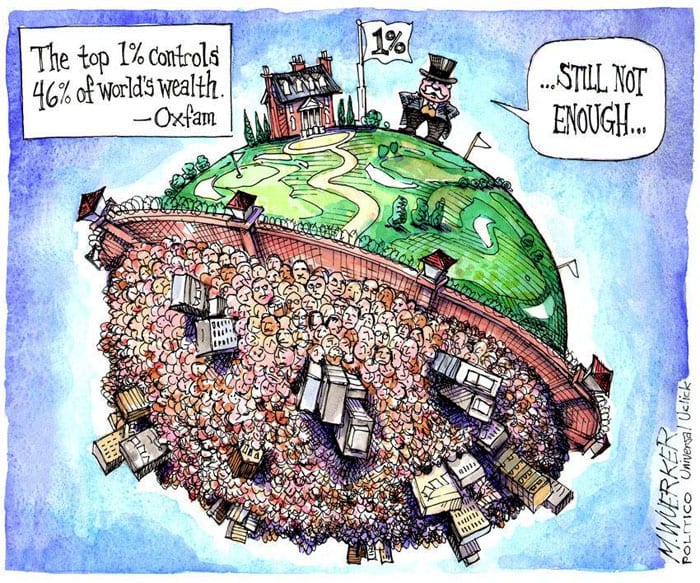
     

  • Vietnam: Bright Economic Outlook post-COVID

    Vietnam: Bright Economic Outlook post-COVID

    COVID-19 is truly a ‘Black Swan’ event and its impact is being felt across the globe. There is widespread worry about the future of economic growth in the post-pandemic period and the World Bank has observed that the pandemic caused the deepest global recession since Second World War. [i] There are at least three reasons which triggered and added to the current crisis. First, it has involved the US and China in a trade war since July 2018, when US President Donald Trump imposed wide-ranging tariffs on China for its alleged unfair trade practices. In August 2019, Trump ordered U.S. companies to “immediately start looking for an alternative to China, including bringing your companies home and making your products in the USA.”[ii] China responded in a similar manner with counter tariffs on US goods. Since then numerous negotiations between them have been held, the last in June 2020 at Hawaii, did not yield any breakthrough. This revengeful tariff war has now blown into a full-fledged trade war and President Trump aggravated with the renewed threat of a “complete decoupling from China.”

    There is widespread worry about the future of economic growth in the post-pandemic period and the World Bank has observed that the pandemic caused the deepest global recession since Second World War.

    Second, amid the trade war, the Corona-19 pandemic made matters worse for the two protagonists. The US accused China of withholding information about the Wuhan virus which was detected in December 2019 and Beijing did not make public the information till January 2020 after which it spread across the globe from Europe to the US. The pandemic has caused massive disruptions in supply chains and some countries have decided to shift businesses out of China. For instance, Prime Minister Shinzo Abe government announced US $2.2 billion stimulus package to help companies shift production out of China back to Japan or elsewhere.[iii]

    Third, the new security law in Hong Kong has triggered an exodus by several companies to move out of China. The Law “targets acts of secession, subversion, terrorism and collusion with foreign forces, with life in prison for those committing the most serious offences”[iv] has scared common people. Many technology companies, startups, entrepreneurs are now confronted with uncertainty and are exploring alternative destinations.[v]

    many companies are being forced to shut down their operation in China and rethink-reevaluate-reinvest in new destinations to remain buoyant for the time being and slowly make their networks more resilient across sectors for the future.

    Furthermore, the pandemic exposed the weaknesses and susceptibilities of many organizations, business houses and industries particularly those that are intimately connected and dependent on China to fulfil their need for raw materials or finished products. Consequently, many companies are being forced to shut down their operation in China and rethink-reevaluate-reinvest in new destinations to remain buoyant for the time being, and slowly make their networks more resilient across sectors for the future. According to a leading business research and advisory company, “tariffs imposed by the U.S. and Chinese governments during the past years have increased supply chain costs by up to 10% for over 40% of organizations” and “popular alternative locations are Vietnam, India, and Mexico.” [vi]

    Vietnam and Thailand have a very good scorecard in their fight against COVID-19 and are rearing to attract investments and kick start the economy.

    Even before COVID-19 pandemic crisis, in 2019, five Asian countries i.e. Malaysia, India, Thailand, Indonesia and Vietnam (MITI-V) or “Mighty Five” had been identified as “up-and-coming players” with high potential for being world’s next manufacturing hubs.[vii] Among these, Vietnam and Thailand have a very good scorecard in their fight against COVID-19 and are rearing to attract investments and kick start the economy.

    According to the World Economic Forum, Vietnam’s economic rise is marked by trade liberalization, domestic reforms through deregulation, lowering the cost of doing business and investments made in human resource development.[viii] During the first six months of the current year, FDI commitments was at over US$15 billion which is a positive outlook for the country. In fact, Vietnam has attracted FDI from 136 countries and territories with nearly 32,000 projects with a combined value of US$378 billion. Among these Japan is the second largest investor with over US$60 billion. Last month, Vietnam’s Ministry of Planning and Investment, Embassy of Japanese at Hanoi, Japan External Trade Organization (JETRO), and Japan Bank for International Cooperation (JBIC) held a virtual conference to explore FDI investments “especially in the context of Japanese government providing a US$2.3 billion aid package for Japanese firms to diversify their supply chains”.[ix]

    Vietnam has many common export products from China such as broadcasting equipment, and could emerge as the “top exporter of broadcasting equipment to developed countries” but is constrained by “smaller GDP and workforce”; but its   progresses in infrastructure could potentially make it a more appealing option.[x]

    Vietnam has attracted FDI from 136 countries and territories with nearly 32,000 projects with a combined value of US$378 billion. Among these Japan is the second largest investor with over US$60 billion.

    Besides, there are other contenders such as Thailand and India to attract FDI and these two countries offer attractive FDI policies and manufacturing infrastructure. In mid-2019, as many as 200 American companies were planning to move their manufacturing base from China and were looking at India.[xi] Similar trends have been reported from South Korea [xii] and Japan [xiii] who could migrate to “production-conducive economies like India, Vietnam and Thailand”.[xiv]

    According to one estimate, FDI “across the globe may decline by 40% this year due to the Covid-19 crisis”[xv], but by all counts and accounts, Vietnam is a resounding success story.  It is a stable economy, possesses necessary infrastructure and facilities, and above all it enjoys “multilateral and bilateral agreements with foreign countries”[xvi], which makes it a popular destination in the post-COVID economic revival outlook.

    Notes

    [i] “Global Economic Prospects”, https://www.worldbank.org/en/publication/global-economic-prospects (accessed 16 July 2020).
    [ii] “Trump says he’s ordering American companies to immediately start looking for an alternative to China”, https://www.cnbc.com/2019/08/23/trump-says-hes-ordering-american-companies-to-immediately-start-looking-for-an-alternative-to-china.html (accessed 30 July 2020).
    [iii] “Coronavirus Impact: Japan to offer $2.2 billion to firms shifting production out of China”, https://www.businesstoday.in/current/world/coronavirus-impact-japan-to-offer-22-billion-to-firms-shifting-production-out-of-china/story/400721.html (accessed 30 July 2020).
    [iv] “Hongkongers contemplate a second exodus”, https://www.scmp.com/week-asia/politics/article/3093517/home-and-away-after-national-security-law-hongkongers (accessed 30 July 2020).
    [v] “Tech Firms Begin to Abandon Hong Kong over Security Law”, https://webcache.googleusercontent.com/search?q=cache:tmQW3Yjx5vcJ:https://www.bloomberg.com/news/articles/2020-07-20/tech-firms-begin-to-abandon-hong-kong-because-of-security-law+&cd=13&hl=en&ct=clnk&gl=in (accessed 30 July 2020).
    [vi] “Gartner Survey Reveals 33% of Supply Chain Leaders Moved Business Out of China or Plan to by 2023”, https://www.gartner.com/en/newsroom/press-releases/2020-06-24-gartner-survey-reveals-33-percent-of-supply-chain-leaders-moved-business-out-of-china-or-plan-to-by-2023 (accessed 30 July 2020).
    [vii] “5 China Sourcing Alternatives In Asia”, https://www.intouch-quality.com/blog/5-alternatives-to-sourcing-from-china (accessed 30 July 2020).
    [viii] “Vietnam races ahead of China in economic growth: opportunities and challenges for Vietnam in the post-COVID- 19 period”, https://timesofindia.indiatimes.com/blogs/ChanakyaCode/vietnam-races-ahead-of-china-in-economic-growth-opportunities-and-challenges-for-vietnam-in-the-post-covid-19-period/ (accessed 30 July 2020).
    [ix] Ibid.
    [x] “COVID-19: Developing countries and shrouded opportunities”, https://www.orfonline.org/expert-speak/covid-19-developing-countries-and-shrouded-opportunities/ (accessed 30 July 2020).
    [xi] “About 200 US firms aim to move manufacturing base from China to India post-general election: USISPF”, https://www.businesstoday.in/current/economy-politics/about-200-us-firms-aim-to-move-manufacturing-base-from-china-to-india-post-general-election-usispf/story/341011.html ( 30 July 2020).
    [xii] “Korean companies keen to move out of China to India”, http://timesofindia.indiatimes.com/articleshow/75130387.cms?utm_source=contentofinterest&utm_medium=text&utm_campaign=cppst (30 July 2020).
    [xiii] “Global firms look to shift from China to India”, https://www.livemint.com/industry/manufacturing/global-firms-look-to-shift-from-china-to-india-11587494725838.html  (30 July 2020).
    [xiv] “India isn’t ready yet for foreign companies that want to quit China”, https://theprint.in/opinion/india-isnt-ready-yet-for-foreign-companies-that-want-to-quit-china/415040/ (accessed 30 July 2020).
    [xv] “1,000 Japanese firms looking for investment opportunities in Vietnam”, http://hanoitimes.vn/1000-japaneses-firms-looking-for-investment-opportunities-in-vietnam-313133.html (accessed 30 July 2020).
    [xvi] “Vietnam races ahead of China in economic growth: opportunities and challenges for Vietnam in the post-COVID- 19 period”, https://timesofindia.indiatimes.com/blogs/ChanakyaCode/vietnam-races-ahead-of-china-in-economic-growth-opportunities-and-challenges-for-vietnam-in-the-post-covid-19-period/ (accessed 30 July 2020).


    Image: Ho Chi Minh city and Saigon River – Credit: Adobe Stock

  • Trade during the Sangam Age: Exploring the Sangam literature and Keezhadi excavations

    Trade during the Sangam Age: Exploring the Sangam literature and Keezhadi excavations

    The sculpted marvels which bejewel the ancient temples all across Tamil Nadu stand testimony to the magnificence of Sangam age (3rd century BC to 3rd century AD) and the prolific artistic innovations which are characteristic of that period. But that’s not all there is to it. Matching the artistic and cultural fervour, trade activities were also at an all-time high during the Sangam age. Evidentiating this claim, the Sangam literature chronicles details of all the fine merchandise which were produced in Ancient Tamilakam. Building up on their strengths, the Tamils ventured into lands far and wide, establishing trading associations in foreign countries, some of which till date retain imprints of their existence. Coupled with manifest cultural similarities, archaeological and inscriptional evidence add on to the credibility of Sangam literature by making a strong case for the existence of an extensive trade between Tamilakam and the rest of the Old World.

    Sangam Literature: Valuable source of Information on Trade

    Pattinappalai, one of the poems (301 lines in ‘Vanji’ meter and Asiriyapa/Akaval meter) in Pattuppāṭṭu which is a corpus of ten poems, talks in great detail about Kaveripoompattinam, the capital city of the Early Cholas.

    Even though only half of what is claimed to have been created remains, the Sangam literature is too big a chunk to be thoroughly studied in a short time. There might still be parts of it that are waiting to be looked into. But of what has been discovered, the details pertinent to trade can predominantly be found in three major literary works, namely Pattuppāṭṭu, Silappatikaram and its sequel Manimekalai. Pattinappalai, one of the poems (301 lines in ‘Vanji’ meter and Asiriyapa/Akaval meter) in Pattuppāṭṭu which is a corpus of ten poems, talks in great detail about Kaveripoompattinam, the capital city of the Early Cholas. The port of Puhar / Kaveripoompattinam had ” an abundance of horses brought over the seas, sacks of black pepper brought overland in carts, gemstones and gold from the northern mountains, and sandalwood and eaglewood from the Western hills, pearls from the southern seas and coral from the eastern seas, grains from the regions of Ganga and Kaveri, food grains from Eelam (Sri Lanka) and products from Burma and other rare and great commodities.”

    A description of the port warehouses of Kaveripoompattinam in Pattuppattu is revealing of the flourishing trade – “Like the monsoon season when clouds absorb ocean waters and come down as rains on mountains, limitless goods for export come from inland and imported goods arrive in ships. Fierce, powerful tax collectors are at the warehouses collecting taxes and stamping the Chola tiger symbols on goods that are to be exported.”

    Silappatikaram and Manimekalai, on the other hand, talk about the cities of Madurai, Puhar and Kanchipuram, which served as major centres for cloth weaving, from whence fine quality fabrics were manufactured and exported through the Coromandel Coast. Silk, cotton and wool are some of the fabrics which are mentioned to have been exported from the coast. The epics also present a vivid description of the urban market scenes. The details paint the picture of a buzzing market where trade was carried out in a variety of supreme quality products, starting from agricultural products like black pepper, food grains, areca nuts, white sugar, eaglewood to luxury commodities like gold, pearls, gems, jewels, coral and silk, among other things. In fact, the urban markets are said to have had a separate street dedicated to food grains alone. So high was the demand for food grains that despite having close to eighteen indigenous varieties, grains also had to be imported from other countries in exchange for white salt. Likewise, the demand for aromatic products were too high to be met by home-gown eagle woods and sandalwoods, resulting in the import of the same from South East Asian countries, particularly from China and Indonesia.

    Tamilakam: Maritime Trade hub-centre between the East and the West

    Both literary and archaeological evidence have time and again reaffirmed one another; the merchants of Tamilakam had traded with the East and the West with equal flair. While there is a substantial amount foreign and native literature, and archaeological findings to assert the latter, there is relatively less evidence to support the former. And not only did Tamilakam engage in direct trade with the West, but because all products from Southeast Asia had to be sent through ports along the coast of South India, Tamilakam also acted as the hub-centre for the trade between the East and the West.

    Commodities from Tamilakam had a great demand in Rome. Black pepper, cardamom, pearls and gemstones, especially Beryl which was mined from sites in Kodumanal, Padiyur and Vaniyampadi, were highly sought after in Rome.

    With regard to the West, Tamil merchants have had a long-standing trade relationship with the Egyptians and the Romans. Beginning from the period when Alexandria was the centre of Mediterranean commerce, trade with the West extended well into the time when Rome assumed dominance and became the centre-stage of Mediterranean economy. Trade with Tamilakam was in fact a deciding factor in the question of dominance in sea trade. The Arabs held ground against the competing Romans by monopolizing the knowledge regarding direct sea route to India and information about the source markets in India. Nevertheless, eventually the Romans established direct trade links with India and Rome became the largest market ground for Indian products. Commodities from Tamilakam had a great demand in Rome. Black pepper, cardamom, pearls and gemstones, especially Beryl which was mined from sites in Kodumanal, Padiyur and Vaniyampadi, were highly sought after in Rome.


    Picture: Interpretation map from ‘The Periplus of the Erythraean Sea”.

    In the interpretations of a historical document called ‘The Periplus of the Erythraean Sea, originally authored by a Greek Navigator in the 1st century, there is said to have been  mentions of a marketplace called Poduk’e in the historical text . G.W.B. Hunting Ford, a historian, has postulated that this place might have been Arikamedu, a location two miles away from modern day Pondicherry.  Hunting Ford also notes that Roman pottery have been excavated in Arikamedu and that these evidence point at the possibility that this region might have been a trading centre for Roman goods in the 1st century AD. Arikamedu, known as Poduk’e in the Greco-Roman world was a manufacturing hub of textiles particularly of Muslin clothes, fine terracotta objects, jewelleries from beads of precious and semi-precious stones, glass and gold. The city had an extensive glass bead manufacturing facilities and is considered as “mother of all bead centres” in the world. Most of their production were aimed for export.

    Picture: Arikamedu – credit: Wikipedia

    Arikamedu, known as Poduk’e in the Greco-Roman world was a manufacturing hub of textiles particularly of Muslin clothes, fine terracotta objects, jewelleries from beads of precious and semi-precious stones, glass and gold. The city had an extensive glass bead manufacturing facilities and is considered as “mother of all bead centres” in the world.

    Descriptions of Puhar, Korkai, Muziris and Arikamedu in Sangam literature indicate extensive presence of Yavanas’ (foreigners) settlements in port cities on account of trade. Pattinapalai describes the port activities and the Chola customs revenue system in detail.

    Keezhadi: Evidences of  Industrial and Trade Centre

     In addition to these, the Keezhadi excavation, conducted by the Archaeological Survey of India in 2016, has unearthed around 13000 antiquities like shells, glass beads, rusted old coins, weapons, pottery of various kinds and iron tools, belonging to the Sangam age. Among the fine quality red and black ware bowls excavated in the region, are the Roman roulette wares which evidentiate the existence of trade links between the Tamils and Romans. Moreover, seven furnaces were discovered at the site and these, according to the archaeologists, are an indication of the possibility that the site might have been a textile unit and settlers in the region might have been involved in industrial activities.

    Keezhadi findings places the Sangam age to an even earlier period starting from 6th century BC. As per Amarnath Ramakrishna, who led the first two phases of excavations, Keezhadi site was one among the 100 sites of possible human habitation shortlisted for excavation. Discovery of Tamil Brahmi inscriptions and graffiti that date back to earliest times as compared to any other findings in India. Quite obviously, Keezhadi points to the potential of a huge trading and manufacturing habitation and a distinct civilization – the Tamil Vaigai River Valley Civilisation. The Sangam literature is rich and a huge treasure trove of information that needs to be researched extensively.


    Picture: Australian seaboard, Statue of Garuda and Tamil Inscriptions, symbolising maritime culture – Credit: ancient-origins.net

    Maritime Trade in Tamilakam: A Core Activity

    Several artefacts with Tamil Brahmi inscriptions have been excavated in foreign countries as well. In Thailand, potsherd with Brahmi inscriptions were unearthed. Likewise, Cheena Kazhakam ( Chinese gold coins) were discovered in Srivijaya (modern day Sumatra in Indonesia) and Kadaram (modern day Kedah in Malaysia), places which were under the occupation of the Cholas.

    The aforementioned evidence when correlated with the inscriptional evidence, found in foreign lands about Tamil trading settlements, will help in the historical reconstruction of the maritime trade links of Ancient Tamilakam and will attest to the extensive nature of trade carried out by the Tamils during the Sangam age.


    References

     Mukund, Kanakalatha. The Trading World of the Tamil Merchant: Evolution of Merchant Capitalism in the Coromandel. Orient Blackswan, 1999. https://books.google.co.in/books?id=tjXdDYChdGsC&lpg=PP1&pg=PP1#v=onepage&q&f=false.

    Mukund, Kanakalatha. The World of the Tamil Merchants. Portfolio Books Limited, 2015. https://books.google.co.in/books?id=Bha2eLqMPWcC&lpg=PT6&ots=tw2qDuzDlf&dq=trade during sangam age kanakalatha mukund&pg=PT5#v=onepage&q=trade during sangam age kanakalatha mukund&f=false.

    “Roman Trade with India.” Roman Trade with India – New World Encyclopedia. Accessed June 24, 2020. https://www.newworldencyclopedia.org/entry/Roman_trade_with_India#cite_ref-31.

    Kannan, Gokul. “Keezhadi Excavation Points to Vaigai River Civilisation in Sangam Period.” Deccan Chronicle. October 1, 2016. Accessed June 24, 2020. https://www.google.com/amp/s/www.deccanchronicle.com/amp/nation/in-other-news/011016/keezhadi-excavation-points-to-vaigai-river-civilisation-in-sangam-period.html.

    Annamalai, S. “Uncovered: Pandyas-Romans Trade Link.” The Hindu. May 16, 2017. Accessed June 24, 2020. https://www.google.com/amp/s/www.thehindu.com/news/national/tamil-nadu/archaeological-excavation-in-sivaganga-uncovers-pandya-roman-trade-links/article10879282.ece/amp

    Saju, M.T. “Tamil Trade Ships That Sailed to Foreign Shores.” Times of India. March 29, 2018. Accessed June 24, 2020. https://www.google.com/amp/s/timesofindia.indiatimes.com/blogs/tracking-indian-communities/tamil-trade-ships-that-sailed-to-foreign-shore

    Main Image: Keezhadi Excavation Site – Credit – ASI