Category: COVID-19

  • COVID-19: Fighting CoronaVirus

    COVID-19: Fighting CoronaVirus

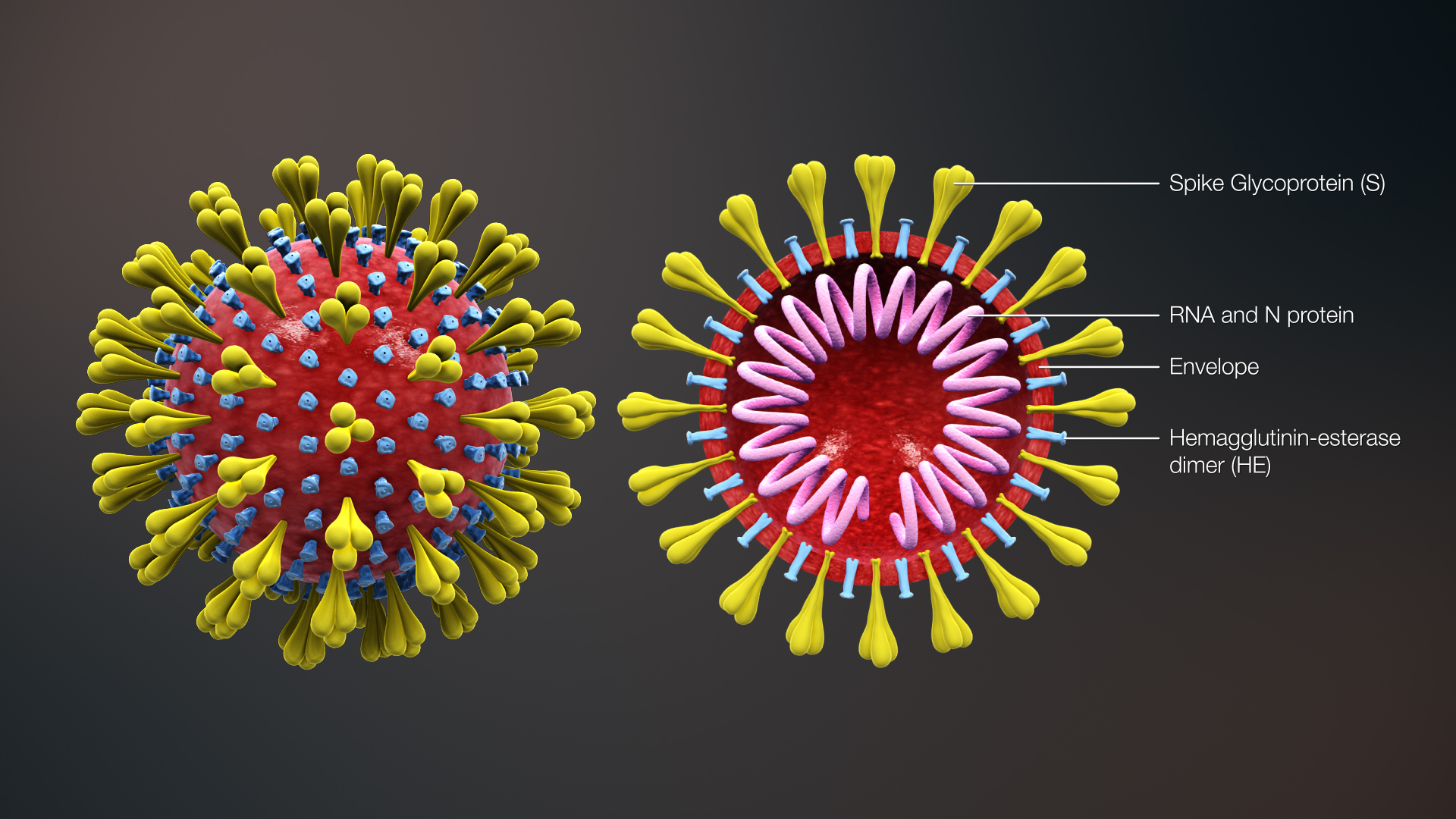
    At the end of December, public health officials from China informed the World Health Organization that they had a problem: an unknown, new virus was causing pneumonia-like illness in the city of Wuhan in Hubei province. They quickly determined that it was a coronavirus and that it was rapidly spreading through and outside of Wuhan.

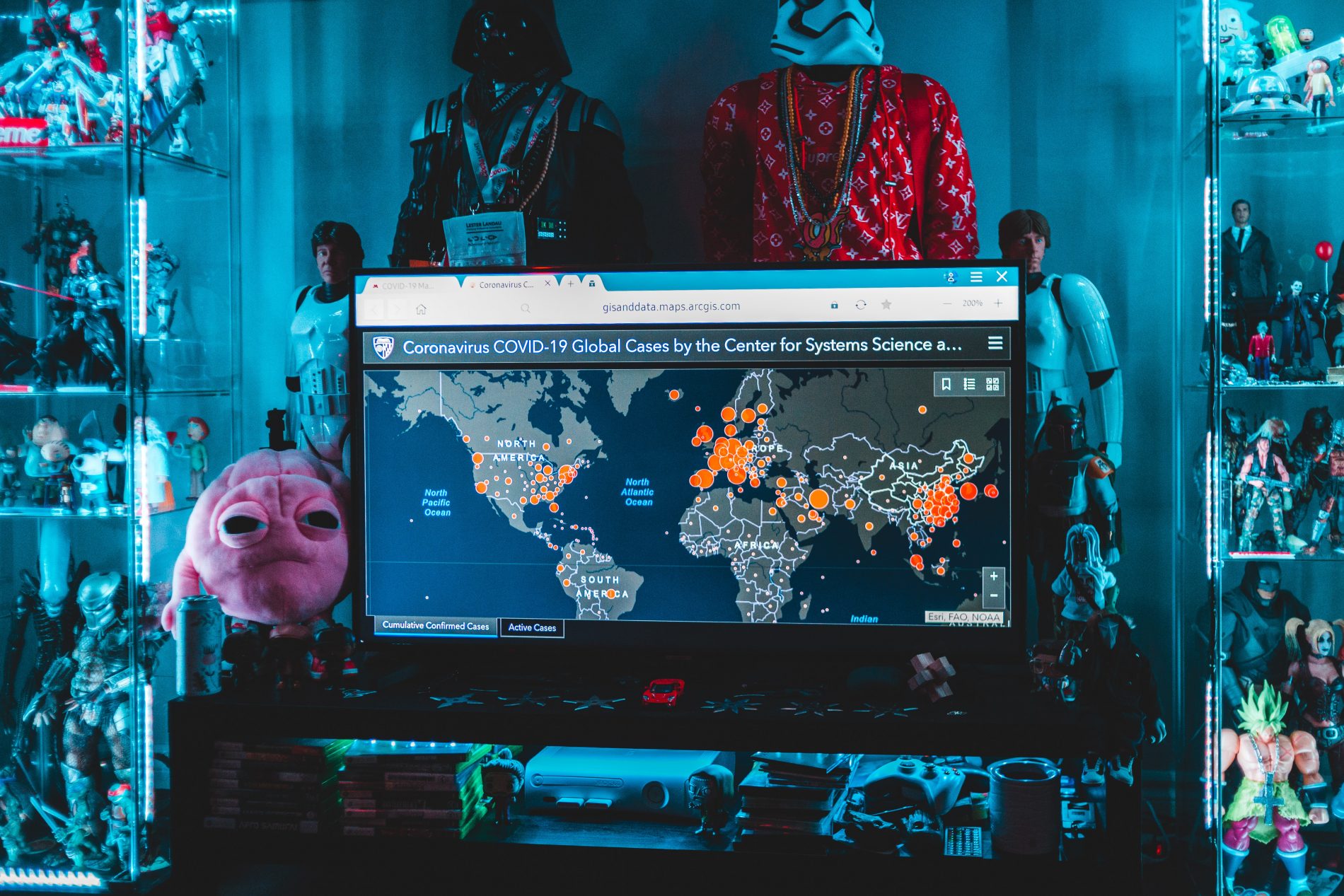
    Today, the entire world is seized with the menace of CoronaVirus (COVID-19) believed to have originated in China. The first reported case was on 31 December 2019 and now 188 countries are affected. The World Health Organisation (WHO) declared it a pandemic on 11 March 2020. Although China has now reported that it controlled and contained the epidemic, the virus has spread rapidly to cover almost the entire globe. The new hotspots are USA, Italy, and Spain, with Italy and Spain reporting  10779 and 7340 deaths respectively while the USA accounts for 2489 deaths; compared to China’s 3304 deaths . India as on 30 Mar 2020 had reported 1100 cases with a death toll of 29.   Till date 735,015 cases are reported and the numbers are rising. 34,804 people have died and 156,122 have recovered. A total of 544,089 cases are still active and about 5% of these are critical. Of the closed cases, 18% have been reported to have died. Worst affected is Italy. India has  reported 1100 cases as on 30th March 2020 and in the last two days more than 200 cases have been added to the affected number. In this connection, the alarming aspect is that while it took 40 days for the first fifty cases to come up, the next 50 were reported within a day , despite the Janata Curfew on 22 March. This makes the situation critical and though India may not be  in Stage III (community spread) as yet, it looks like that we are close to it. According to media reports on 23 March 2020, Kerala and Bhilwara in Rajasthan have probably descended to Stage-III. Dr Ramanan Laxminarayanan, Director of Center for Disease, Economics and Policy has warned that India could be dealing with a tsunami of COVID-19. As per his estimate, India could be dealing with as many as 300 million cases of which 4-5 million could be serious. India needs to take a note of this rate criticality. As the Prime Minister in his address to the nation stated, the situation is grave,  serious and every Indian needs to act responsibly to fight the menace with determination and show utmost discipline in personal conduct.

    Image Credit : Wikipedia Commons

  • COVID-19: India’s Friendly diplomacy and SAARC Initiative

    COVID-19: India’s Friendly diplomacy and SAARC Initiative

    The corona virus is now a worldwide pandemic that is threatening or impacting populations across over 160 countries. India has initiated robust measures to tackle this most disruptive threat. Keeping in mind the safety of its citizens abroad, India has acted swiftly in evacuating Indians in Wuhan  and other affected provinces in China. India, in tune with its neighbourhood first policy, has pitched in to provide support to other SAARC nations in evacuating their nationals as well. In the early stages of the pandemic, on 3 February 2020, India evacuated 323 Indians from Wuhan including 7 Maldivians. “My thanks and gratitude to PM @narendramodi, EM @DrSJaishankar and the Government of India for expeditiously evacuating the 7 Maldivians residing in Wuhan, China. This gesture is a fine example of the outstanding friendship and camaraderie between our two countries”, tweeted Maldivian President Mr.Solih expressing his sense of gratitude for this help. The Indian Embassy in Maldives tweeted regarding the synergy between both the countries, “Pandemics do not know national boundaries, which makes it even more essential to reach out to neighbours and stand by them in this global fight against the #CoronaPandemic #NeighbourhoodFirst.”

    Focus on Safety and Evacuation through Friendly diplomacy

    A week later, as evacuation efforts were still underway, Embassy of India in Beijing tweeted on 17th February – “GOI will send a consignment of medical supplies on a relief flight to Wuhan later this week to support China to fight the COVID 19 pandemic. On its return, the flight will have limited capacity to take on board Indian citizens wishing to return to India from Wuhan/Hubei”. Upon China’s request for medical masks, gloves and suits India sent a consignment of 15 tonnes of medical supplies aboard C-17 Globemaster—the largest military aircraft in the Indian Air Force’s inventory. This was not only an act of humanitarian assistance but also a move regarded as friendly diplomacy by India. According to MEA’s spokesperson, “India had also received requests from Bhutan, Maldives, Iran and Italy, for assistance and essential supplies such as surgical masks and protective gear which are being processed.”

    By February 6, India began to restrict entry of foreign nationals as a precautionary measure. Notification by an immigration official stated, “Foreigners who have been to China on or after 15th January 2020 are not allowed to enter India from any air, land or seaport, including Indo-Nepal, Indo-Bhutan, Indo-Bangladesh or Indo-Myanmar land borders.” The official also added, “All visas issued to Chinese passport holders coming from anywhere in the world, including regular(sticker)& e-visa issued before 5 Feb, have been suspended with immediate effect.” India had also offered to step in to help Pakistanis. The Ministry of External Affairs spokesperson stated that India was willing to evacuate Pakistani nationalsif such a situation arises.”

    Leading  the SAARC Initiative against COVID-19

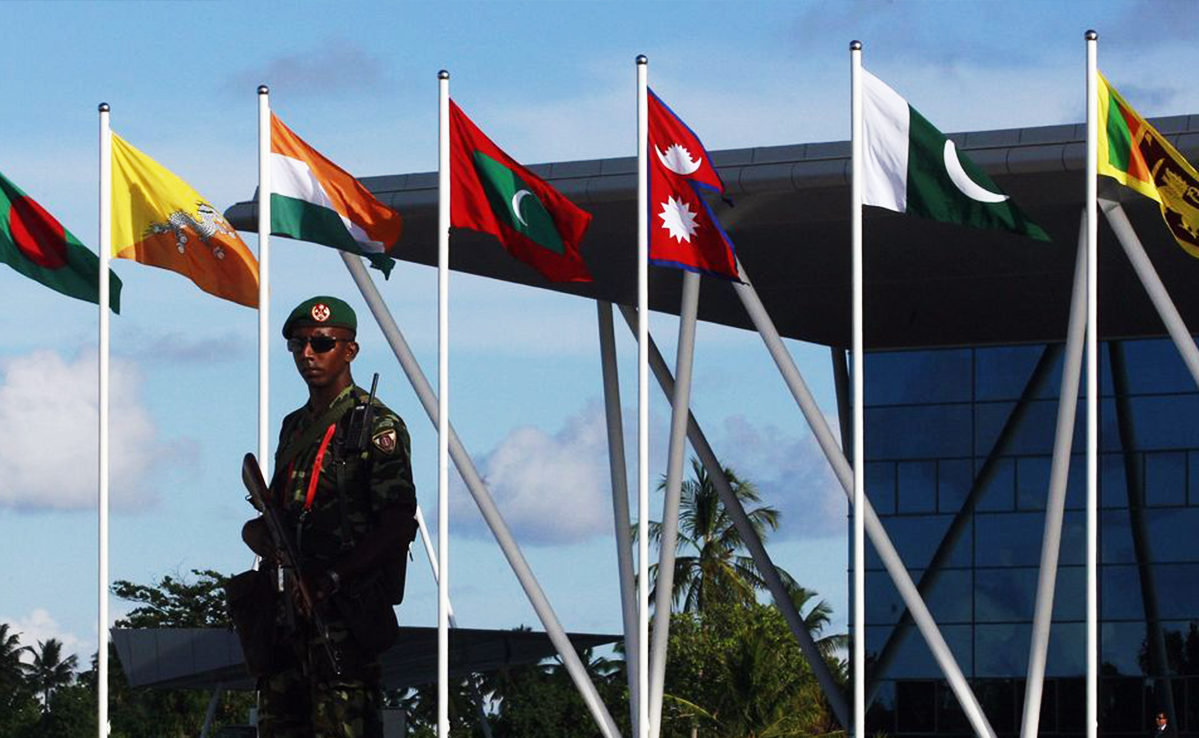
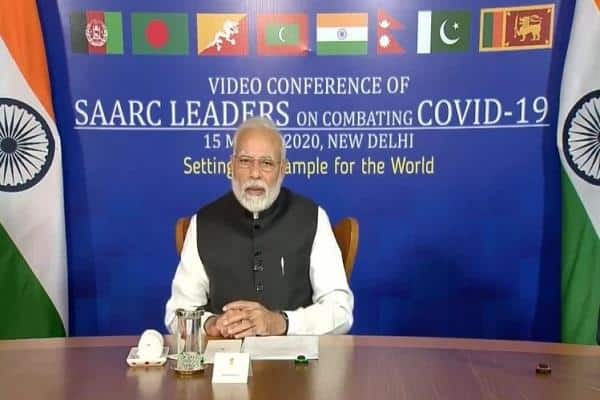
    In an act of pragmatic diplomacy that promotes regionalism and addressing the need of the hour for combating COVID-19 in South Asia, PM Modi hosted a SAARC Meeting with his counterparts on video on March 15th. In this meeting, he emphasised the importance of the region coming together for battling the COVID-19. This brings SAARC back into the picture after several years of stagnation, and at a time when the regional organisation seemed to be losing its importance. With India sharing borders with certain SAARC countries, it became imperative for India to pool in its neighbours. PM Modi chalked out a common strategy for the countries to combat the virus and set an example for the rest of the world. He added that the guiding mantra should be “prepare, not panic.” He had several initiatives to offer to fellow South Asian countries — from online training capsules for emergency response teams, to common research platforms to conduct research on controlling epidemic diseases and keeping a rapid response team of doctors and specialists onstand-by at the disposal for our neighbouring nations. PM Modi also asked experts to come together to assess the economic impact, “long-term economic consequences of COVID-19, and how best to insulate internal trade and local value chains from its impact.” India proposed to create an COVID-19 Emergency Fund based on voluntary contributions from all the countries with India pooling in the first US$10 million for the fund. This fund has been active for the past one week with funds flowing in from  South Asian countries—Nepal has contributed 10 crores, Bhutan US$100,000, Bangladesh US$15,00,000, Maldives US$ 2,00,000, Sri Lanka U$15,00,000 and the Afghan government offering US$1 million. This has revitalised the functioning of the SAARC and has brought collective responsibility to the table. How the region continues to battle and win the pandemic might be a pilot test for collaborative efforts in the future. All heads of states of SAARC attended the virtual conference with the exception of Pakistan. Considering that the Special Assistant to Pakistan Prime Minister (on Health) was assigned for a Head of States meeting, India might well consider exercising the option of providing Pakistan with participating and observing the meeting stopping short of addressing the head of states. Afterall, as usual the habit of raking up the Kashmir issue at multilateral forums, was witnessed again.

    In follow-up to the live video conference, India has received requests from neighbouring countries for aid from the Emergency Fund which was set up. According to an MEA spokesperson, “The quantum of assistance, which has been requested so far, has crossed $1 million USD. Supplies to Bhutan and Maldives have been dispatched.”

    Apart from evacuating Indians, GOI has sent a 14-member medical team and supply of consignments to Maldives wherein the medical team did a successful knowledge transfer. As on 23 March, India has continued its efforts to bring back Indian nationals from abroad, 121 stranded nationals in Uzbekistan have been flown back to India. A total of 590 people from Iran who have been evacuated are currently being quarantined in Jaisalmer.  Embassy and consulate in Iran have begun supplying essentials to approximately 1000 Indian fishermen from Tamil Nadu, Gujarat and Kerala in Iran’s southern provinces of Bushehr & Hormozgan. Similarly, 218 Indian students were evacuated from Italy, while transit passengers (Indian nationals) were brought back to Delhi via special flights. A 24×7 MEA COVID-19 control room has been set up with hotlines for Indians in distress abroad and the ministry has also reached out to Indians abroad by sharing hotline numbers using social media handles for easy access.

    As India announced a 21-day lockdown on 24 March to control the contagion, WHO praised PM Modi for his efforts.  “India stands at an important turning point in its fight against COVID-19. Extraordinary situations demand extraordinary measures. The Prime Minister has taken bold and decisive steps to break the chain of transmission. It is equally vital that this window is used for further ramping up measures to find, isolate, test, treat and trace. WHO stands together in solidarity with India and its people and is committed to providing all the support that is needed,” said Dr Henk Bekedam, WHO Representative to India.

     Views expressed are author’s own.

  • COVID-19: Need for technology intervention in India

    COVID-19: Need for technology intervention in India

    Much of the globalized world is experiencing a standstill due to the COVID-19 Pandemic Crisis. While world leaders are establishing measures to cope with the large scale outbreak, technology has been in the forefront as a crucial aspect of recovery. From sanitizer drones to virtual workspaces — the adoption of computing technology in healthcare, businesses and governance has seen an unprecedented rise.

    However, due to India’s unique factors of dense population and per capita poverty — the country’s response to this crisis will be an important case study. The World Health Organization’s guidelines insist that people should wash their hands regularly but over 163 million people residing in India do not have access to clean water. When access to fundamental resources are limited, one can only assume that access to robust healthcare facilities are also limited. The stark contrast in the capacity to handle this crisis will be tested when the local communication of COVID-19 reaches the second and third tier cities. As a primary effort in flattening the curve, the government has announced a 21 day country-wide lockdown. In spite of the measure being welcomed, if the country fails to control the spread, the lack of modern infrastructure and medical professionals will result in catastrophic consequences.

    This is reflected in the adoption of technology in primary healthcare centres. Medical professionals say there is a shortage of around 70,000 ventilators and the existing resources are being utilized by critical at-risk patients. The surging requirement of intensive care medical devices, including ventilators and high-end diagnostic and robotic surgery instruments is a growing concern. While domestic manufacturing and innovation have been scarce, Indian companies like Skanray Technologies are struggling to meet the immediate demand due to the international airline ban. Companies find it difficult to import crucial equipment such as chips, controllers and sensors from China — hindering their ability to produce these equipment on time.

    Globally, innovative technologies that seemed gimmicky in the past are being brought into mainstream practice. Drones have been deployed to carry medical samples and to spray disinfectants across the country. Robots are put in hospitals which aid in remote diagnosing and thermal sensing of the patients. The same is also used as service bots that bring food and toiletries to people.

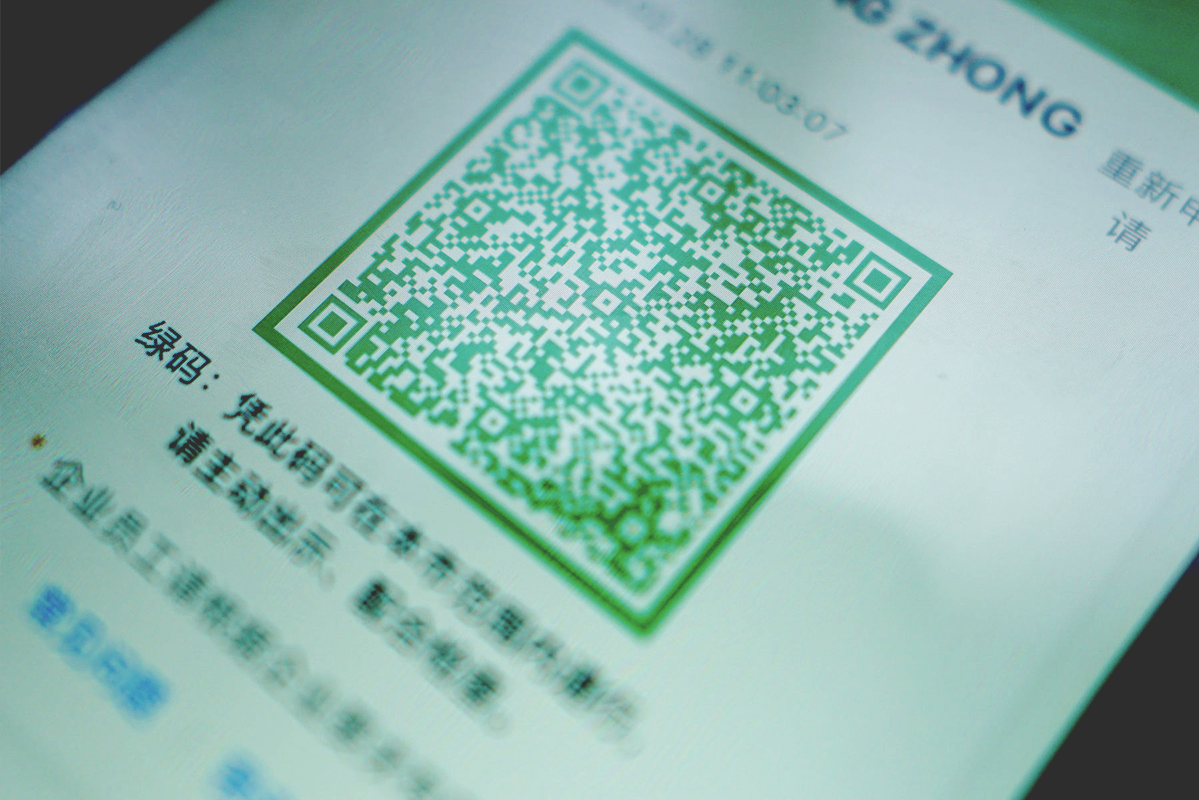
    Facial recognition cameras are commonplace in China and a growing trend in other countries. Technology companies like SenseTime have built contactless temperature detection software that have been integrated into the cameras for wider coverage of people with fever. Big data analytics being done on these massive feeds has resulted in prediction algorithms which can determine whether a person has come in contact with another infected person. This data is then relayed via telecom companies to inform the individuals to self-quarantine.

    Complex surveillance systems come with their share of privacy concerns. While the lines between responsible surveillance and invasion of privacy become blurred, one cannot overlook the fact that some of these drastic measures are working. In China, the official reports indicate that the domestic cases are under control and newer cases of the virus are classified as imported. In a time of crisis, an open-minded analysis of these “draconian” measures would seem justified. However, this pandemic has not provided any justification of collecting these sensitive data in secrecy.

    Flawless implementation of such systems in India would have to hurdle through multiple policy hoops and comprehensive definitions of data privacy. However, inexpensive technologies such as drones and robotics should spark interest in the country. Medical professionals at the forefront of this battle could benefit from such technology that can reduce their risk of contracting the virus. Alongside technology, modern day practices of preliminary diagnoses such as telemedicine should be encouraged.

    Information and communication technologies across the country have made this battle a lighter burden than what it could have been. While the rate of awareness is significantly higher in the age of social media, it is important to note its duality. Online medical information and guidelines are accessible by at least 34% of the total population compared to the 7.5% in 2010. However, this information influx has also resulted in rumour mongering and exaggeration of outlier incidents — causing trivial worry and needless panic. In the past five years, rapid penetration of the internet has occurred in all sections of society but it has not ensured awareness in responsible use of the technology.

    On the other hand, the quarantined lifestyle has increased the need for virtual workspace. Facebook’s CEO, Mark Zuckerberg reported that traffic for their video streaming and messaging platform had grown multifold. Microsoft also reported a 40% increase in their active user base of collaboration software. High speed fiber internet’s extension throughout India will help in fragmenting this dense working population to multiple locations. With virology experts anticipating an effective vaccine at the earliest of 18 months — some of these altered lifestyles could become the new norm.

    Years following the second world war, measures were actively put in place to prevent another global conflict. The COVID-19 Crisis could leave a similar impact on the world where pandemic response and technology experience drastic reforms. However, the lens of India should vision this wake up call towards something more fundamental — uniformity in primary healthcare, civic infrastructure and technology intervention.

    Views expressed are author’s own. 

  • COVID-19: Anti Coronavirus Measures and their Environmental and Social Impact

    COVID-19: Anti Coronavirus Measures and their Environmental and Social Impact

    In the bleak reality of the corona virus outbreak, all human activity slowing down or being halted, has brought about one positive change – for the environment. Fuel consumption going down, factories shut, and fewer vehicles on the road has resulted in carbon emissions reducing, leading to less pollution both in the air, on land and in water.

    Air pollution

    To measure the Air Quality Index (AQI), System of Air Quality and Weather Forecasting and Research (SAFAR), under the Ministry of Earth Sciences, Government of India, has 6 categories for air quality. Ranging from 51- 100 is known as “satisfactory” or “very good”, from 101-200 is “moderate”, from 201-300 is “poor” 300-400 is seen as “very poor” and lastly, between 401-500 fall under the “hazardous.” In New Delhi, known as the world’s most polluted capital city, governmental lockdown orders have resulted in the Air Quality Index dropping to a level considered “satisfactory.” Images of clear blue skies in the capital have been released showing the absence of smog. Other major pollution emitting cities such as Mumbai is at the moderate level, and Pune is at a satisfactory level. It is no doubt that the reduction in the number of vehicles on the road has resulted in better AQI during the virus outbreak.

    Furthermore, European Space Agency (ESA) satellite images show that nitrogen dioxide (NO2) levels over China due to industries, power plants and vehicles have plunged drastically between January and February 2020. It is hoped that observations such as these will encourage a quicker shift to clean energy sources for the betterment of society.

    Water pollution

    Venice, Italy, connected solely by canals and also a popular tourist destination, saw its canals virtually empty once lockdowns were announced. The deprivation of tourists cut back much of the pollution and as a result, the polluted canal waters were seen to be clearer. Other activities requiring travel over water, including trade and leisure activities on ships being reduced also works in favour of the environment. The planet is definitely benefitting from the measures against the pandemic.

    Fuel consumption and price

    Fuel consumption has dropped notably worldwide, as industries and factories have either cut back or suspended their activity; many people are no longer commuting, but working from home. These factors are also leading to a significant drop in fuel prices. Indian demand dropped 10-11% in the first two weeks of March alone. According to the International Energy Agency (IEA), there has been a 90,000 barrel per day drop from 2019, in the global oil demand. In restricting the movement of people, both within cities and across national and international borders, the drop in demand has hit the tourism industry hard.

    The tourism industry

    Though business is affected, it is definitely a time for nature to rejuvenate and replenish in this time of lockdown. One of the major players of the tourism industry, the airline industry could take a hit up to $113 billion according to the International Air Travel Association. With travel cuts, cancellation of flights and lower demand in many countries, this has been an eye-opener in the amount of pollution caused by these activities. Deserted streets, at popular tourist locations such as Venice, New York City, Paris leave an eerie impression, but on the positive side shows the implementation of lockdowns and cooperation of people in going back home.

    Outcomes

    The all India three week lockdown will definitely see a reduction in pollution and improvement in quality of air, though cooperation of the people remains a worry. The outbreak of the virus has shone light on the much needed assessment required on the grave damage human activities have done to ecosystems, and consider the need to protect the future of those ecosystems. As the majority of the international system moves activity to the digital platform, nature is rejuvenated in the absence of humans. But more importantly, it is hoped that businesses will strategize on systemic changes, such as providing work from home options as this means less people commuting, less traffic, and less pollution.

    If COVID-19 is teaching us one thing, it is how interconnected and interdependent all systems are. Human ignorance and irresponsibility is only fueling the spread of the virus. Though the unpredictability of the pandemic has caught us off guard, it serves as a good wakeup call to make much needed change in various levels of individual choice, organizational and business strategy and governmental action. Pandemic response has taken priority in governmental agenda globally over tackling climate change issues, strategies being used in pandemic response have unintended favourable outcomes for the environment, simultaneously.

    Social Impact

    Little is mentioned about the social behaviour implications of the virus spread. One major positive outcome could be the health and hygiene habits that have been announced in keeping healthy in times of pandemic crisis. Awareness has brought to the forefront the importance of a simple action such as washing hands. The World Health Organization has a set of guidelines that would help in the fight against the outbreak. Social activity changes, such as remaining indoors, not being able to go out for a meal, movie or meet with friends has left many discussions on the ramifications on mental health. While this is a very real issue, it is vital to the health and wellbeing of everyone that containing the spread of the virus is the primary need of the hour.

    Views expressed are author’s own. 

  • Lessons from countering the corona-virus for war and violence:  Containment, Common Security and Cooperation

    Lessons from countering the corona-virus for war and violence: Containment, Common Security and Cooperation

    The world is engulfed in the ‘Corona Virus’ pandemic. As national health systems are being stretched to their limits, countries are closing their borders, banning travel, and isolating themselves…all in an international co-operative strategy to contain its spread and eliminate this pandemic. Andreas Herberg-Rothe sees valuable lessons in this international co-operation to be used to contain war and violence. Taking a leaf out of the broad ‘containment theory’ articulated by the late George Kennan in an anonymous article published in 1947 in the FP magazine, Andreas proposes a containment strategy for the world from the scourge of terrorism, religious fanaticism, and wars for world dominance (both proxy as well as interventions). This strategy for ‘common security’ can succeed only if it respects pluralism of cultures, religions, and social orders…M Matheswaran.


    The initial measures against the spread of the new corona-virus could be summarized by one word – containment of the virus and hindering its spreading. This current prominence of the concept of containment could be used for other world problems. By having a closer look at the concept of containment it becomes obvious that it also included the concept of common security and cooperation – the same is true with the corona-virus. We are witnessing a worldwide expansion of war and violence, which should be countered by a new containment, just as George Kennan emphasized as early as 1987: “And for these reasons we are going to have to develop a wider concept of what containment means (…) – a concept, in other words, more responsive to the problems of our own time – than the one I so light-heartedly brought to expression, hacking away at my typewriter there in the northwest corner of the War College building in December of 1946.” Nearly seventy-five years have already passed, since George Kennan formulated his original vision of containment. Although his original concept would be altered, in application by various administrations of the US-Government, in practice it has been incorporated within the concept and politics of common security, which has been the essential complement to pure militarily containment. These ideas are still valid – and as Kennan himself pointed out, they are in more need of explication and implementation than ever.

    The disinhibition of war and a new containment

    The triumphant advance of democracy and free markets in the wake of the Soviet collapse seemed to be unstoppable, to the point where it appeared for a time as if the twenty-first century would be an age defined by economics and thus, to a great extent, peace.  However, these expectations were quickly disappointed, not only because of the ongoing massacres and genocide in Africa, but also by the return of war to Europe (primarily in the former Yugoslavia), together with the attacks of September 11, 2001 in the USA, the Iraq war, the war in Syria with its on-going, violent consequences. A struggle against a new totalitarianism of an Islamic type appears to have started, in which war and violence are commonly perceived as having an unavoidable role. One can also speak of a new dimension to violence with respect to its extent and brutality – as exemplified by the extreme violence of the ongoing civil wars in Africa and the Middle East.  Additionally we are facing completely new types of threats, for example the possession of weapons of mass destruction by terrorist organizations or the development of atomic bombs by “problematic” states like North Korea. The potential emergence of a new Superpower, China, and perhaps of new “great” powers like India may lead to a new arms race, which presumably have a nuclear dimension as well. In the consciousness of many, violence appears to be slipping the leash of rational control, an image the media has not hesitated for foster, especially with respect to Africa. Will there be “another bloody century,” as Colin Gray has proposed?

    Although the current situation and the foreseeable future is not as immediately ominous as in the Cold War, it may be even worse in the long run. On one side, the prospect of planetary self-destruction via nuclear overkill, which loomed over the Cold War– and what could be worse than that, has been successfully averted. On the other hand, after having been granted a brief respite in the 1990s, mankind now feels itself to be confronting a “coming anarchy” of unknown dimensions and a new conflict between the US and China seems to be inevitable. If the horrific destructive potential threat of the Cold War has been reduced in scale, less cataclysmic possibilities have also become more imminent.

    As compared to the Cold War, there is no longer an exclusive actor to be contained, as the Soviet Union was. Even if one were to anticipate China’s emergence as a new superpower in the next twenty years, it would not be reasonable, in advance of this actually happening, to  develop a strategy of military containment against China similar to that against the Soviet Union in the 50s and 60s of  last century, since doing so might well provoke the kind of crises and conflicts that such a strategy would be intended to avoid. The attempt to build up India as counter-weight to China and facilitating its nuclear ambitions, for instance, might risk undermining the international campaign to limit the proliferation of nuclear weapons in the world. Therefore we need quite another concept of containment, which could not be perceived as a threat to China.

    The second difference is, that current developments in the strategic environment display fundamentally conflicting tendencies: between globalization and struggles over identities, locational advantages, and interests; between high-tech wars and combat with “knives and machetes” or suicide bombers; between symmetrical and asymmetrical warfare; between the privatization of war and violence and their re-politicization and re-ideologization as well as wars over “world order”; between the formation of new regional power centres and the imperial-hegemonic dominance of the only Superpower; between international organized crime and the institutionalization of regional and global institutions and communities; between increasing violations of international law and human rights on one side  and their expansion on the other. A strategy designed to counter only one of these conflicting tendencies may be problematic with respect to the others.  I therefore stress the necessity of striking a balance between competing possibilities.

    The third difference is that the traditional containment was perceived mainly as military deterrence of the Soviet Union, although in its original formulation by George Kennan it was quite different from such a reductionism. Our main and decisive assumption is that a new containment must combine traditional, military containment on one side, and a range of opportunities for cooperation on the other. That’s not only necessary with respect to China, but even to the political Islam, in order to reduce the appeal of militant Islamic movements to millions of Muslim youth.

    Such an overarching perspective has to be self-evident, little more than common sense, because it has to be accepted by quite different political leaders and peoples. The self-evidence of this concept could go so far that one could ask why we are discussing it. On the other hand, such a concept must be able to be distinguished by competing concepts. Last but not least, it should be regarded as an appropriate concept to counter contemporary developments. Finally, taking into account, that Kennan’s concept would not have succeeded, if it had been directed against the actions of the international community or the United States, it should be to some extend only brings to expression, what the international community is already doing anyway.

    A concept that realized these demands of a political concept for contemporary needs was that of “common security”, developed in the 1970s. In the special situation of the cold war and of mutual deterrence this concept didn’t imply a common security shared among states with similar values and policies. On the contrary, this concept, perhaps developed for the first time by Klaus von Schubert, emphasized a quite different meaning. Traditionally, opponents have understood security as security from each other. The new approach laid down by Klaus von Schubert derived from the assumption, that in a world of multiple capacities of annihilating the planet, security could only be defined as common security. This small difference between security from each other and common security — shared security against a universal threat — was nothing less than a paradigm change in the Cold war.

    The question of course remains, how to deter the true-believers, members of terrorist networks or people like the previous President of Iran, for whom even self-destruction may be a means of hastening millenarian goals. Of course, the “true-believers” or the “hard-core terrorist” could hardly be deterred. But this is just the reason, why containment should not be reduced to a strategy of deterrence. The real task even in these cases therefore is to act politically and militarily in a manner, that would enable to separate the “true believers” from the “believers” and those from the followers. This strategy can include military actions and credible threats, but at the same time it should be based on a double strategy of offering a choice between alternatives, whereas the reduction to military means would only intensify violent resistance. Additionally, even the true believers could be confronted with the choice, either further to be an accepted part of their social and religious environment (or to be excluded from them) or to reduce their millenarian aspirations. Of course, by following this strategy, there is no guarantee, that each terrorist attack could be averted. But this is not the real question. Assuming, that the goal of the terrorists and millenarian Islamists is to provoke an over-reaction of the West in order to ignite an all-out war between the West and the Islamic world, there is no choice than trying to separate them from their political, social and religious environment.

    The concept of containment and contemporary warfare

    The goal of the war on terror should not try to gain victory, because no one could explain, what victory would mean with regard to this special war. Moreover, trying to gain a decisive victory about the terrorists would even produce much more of them.  The additional problem is not only, how we ourselves conceive the concept of victory, but even more important, in which ways for example the low-tech enemies define victory and defeat. That is an exercise, that requires cultural and historical knowledge much more than it does gee-whiz technology.

    Instead one could argue, that the goal is “to contain terror”, which is of course something quite different from appeasement.  An essential limitation of the dangers, posed by terrorist organizations could be based on three aspects: first, a struggle of political ideas for the hearts and minds of the millions of young people; second the attempt to curb the exchanges of knowledge, financial support, communication between the various networks with the aim of isolating them on a local level; and finally, but only as one of these three tasks, to destroy what one could label the terrorist infrastructure. In my understanding, trying to achieve victory in a traditional military manner would not only fail, but additionally would perhaps lead to much more terrorism in the foreseeable future.

    The concept of the “centre of gravity” in warfare can provide another illustration of the way in which my conception makes a difference. Clausewitz defines war as an act of violence to compel our enemy to do our will. This definition suits our understanding of war between equal opponents, between opponents in which one side doesn’t want to annihilate the other or his political, ethnic or tribal body. But in conflicts between opponents with a different culture or ethnic background, the imposition of ones will on the other is often perceived as an attempt to annihilate the other’s community and identity. Hence, for democratic societies, the alternative is only to perceive war as an act of violence where, rather than compelling our own will to the opponent, your opponent is rendered unable any more to pursue his own will violently, unable to use his full power to impose his will on us or others. Consequently the abilities of his power must be limited, that he is no more able to threaten or fight us in order to compel us to do his will.

    The purpose of containing war and violence, therefore, is, to remove from the belligerent adversary his physical and moral freedom of action, but without attacking the sources of his power and the order of his society. The key to “mastering violence” is to control certain operational domains, territory, mass movement, and armaments, but also information and humanitarian operations. But this task of  “mastering violence” should no longer be perceived as being directed against the centre of gravity, but to the “lines” of the field of gravitation. Instead of an expansion of imposing one’s own will on the adversary up to the point of controlling his mind, as the protagonists of Strategic Information Warfare put it, the only way of ending conflict in the globalized  21st century is to set limits for action, but at the same time to give room for action (in the sense, Hannah Arendt used this term) and even  resistance, which of course has the effect of legitimising action within those limits.

    The overall political perspective on which the concept of the containing of war and violence in world society rests therefore consists of the following elements, the “pentagon of containing war and violence”:

    ▪ the ability to deter and discourage any opponent to fight a large scale war and to conduct pin-point military action as last resort,

    ▪ the possibility of using military force in order to limit and contain particularly excessive, large-scale violence which has the potential to destroy societies;

    ▪ the willingness to counter phenomena which help to cause violence such as poverty and oppression, especially in the economic sphere, and also the recognition of a pluralism of cultures and styles of life in world society;

    ▪ the motivation to develop a culture of civil conflict management (concepts which can be summed up with the “civilizational hexagon”, global governance, and democratic peace), based on the observation, that the reduction of our action to military means have proved counterproductive and would finally overstretch the military capabilities

    and

    ▪ restricting the possession and proliferation of weapons of mass destruction, their delivery systems, as well as of small arms, because the unhindered proliferation of both of them is inherently destructive to social order.

    The position I have put forward is oriented towards a basically peaceful global policy, and treats the progressive limitation of war and violence as both an indefinite, on-going process and as an end in itself. The lasting and progressive containment of war and violence in world society is therefore necessary for the self-preservation of states, even their survival and of the civility of individual societies and world society.    

    Image Credit:Photo by Erik Mclean on Unsplash
     

  • Modi’s move to engage SAARC on COVID-19 shows his capacity to surprise

    Modi’s move to engage SAARC on COVID-19 shows his capacity to surprise

    Category : Global Health/SAARC

    Title : Modi’s move to engage SAARC on COVID-19 shows his capacity to surprise

    Author : Kanwal Sibal 16-03-2020

    Former foreign secretary, Kanwal Sibal, observes that Prime Minister Modi’s initiative to organise a video-conference of Saarc leaders to develop together a roadmap to fight the challenge of COVID-19 is a well thought out strategy and shows his capacity to surprise. Modi’s move could inject new life into Saarc, just when India was seen as downgrading the Saarc platform for stronger regional cooperation and promoting Bimstec.

    Read More