Category: Climatology & Environment

  • India’s Duality on Growth and EIA Regulations

    India’s Duality on Growth and EIA Regulations

    Amidst the first nationwide Covid-19 emergency lockdown, the Ministry of Environment, Forest and Climate Change [MoEF&CC] published the draft Environment Impact Assessment (EIA) notification 2020 to replace the earlier 2006 notification under the Environment (Protection) Act, 1986. EIA is a process to estimate the overall environmental impacts of projects by taking into consideration the views of the people to decide whether the proposed project is approved for operation. Implementation of EIA is a form of control over the exploitative malpractices of private players while at the same time, it could also form a prerequisite for grants and loans by various international financing institutions.

    The major flaw with the previous EIA which even the current draft failed to fix was its low integration with other frameworks of ecological governance and public policy.
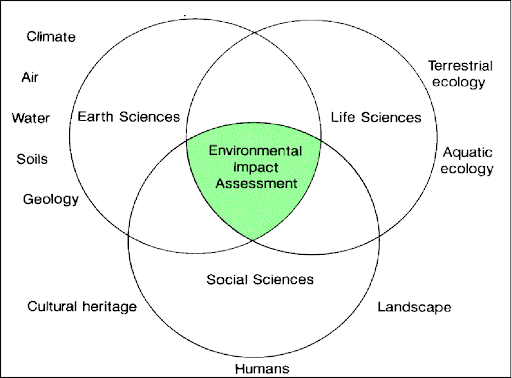
    Commonly the EIA has an entire process of reporting depending on the country and the industry. India follows four major steps in this process: scoping (issuing terms of reference), preparation of the report, public consultation, final expert appraisal. The major flaw with the previous EIA which even the current draft failed to fix was its low integration with other frameworks of ecological governance and public policy. The argument of rent-seeking, red-tape bureaucracy, delay in clearance were legitimate criticism by the current government and developers when we look into the number of scattered amendments made to EIA 2006.

    However, the aim of making the new draft more transparent and pragmatic was proposed through the removal of several activities from consultation and granting post-facto approval. It dismantles the notion of prior clearance from expert committees based on the categorization (A, B1 and B2), construction project size (built-up area up to 150,000 sq. m), reduction in monitoring period (from every 6 months to once a year), exemptions to ‘strategic’ programs and ‘border regions’ all of which were set arbitrarily (Gupta 2020). Reducing the notice period for a public hearing from 30 days to 20 days further dilutes the effectiveness.

    While massive online protests, public feedbacks and petitions ensued, there were cases of websites blocked by filing Unlawful Activities Prevention Act (UAPA) to few environmental groups such as ‘Fridays For Future’ and others

    Additionally, the possibility of granting resumption through remediation of ecological damage based on assessment goes against the precautionary principle of avoiding environmental harm. The notification also excludes reporting public violations, instead only reports by government and regulatory authority, appraisal community and violator-promoter are reckoned. According to many activists, the reluctance of the MoEF&CC in translating the draft document in vernacular languages for people without any literacy in Hindi and English further favour the majority. While massive online protests, public feedbacks and petitions ensued, there were cases of websites blocked by filing Unlawful Activities Prevention Act (UAPA) to few environmental groups such as ‘Fridays For Future’ and others (Kunal 2020).

    Nonetheless, the Ministry has appointed the National Environmental Engineering Research Institute (NEERI) to compile the comments received from the public. Post which the final draft will be scrutinised by the committee headed under SR Wate, former director of NEERI who was already given the mandate to re-engineering EIA 2006 and had chaired panels such as appraisal on post-factor clearance (Jackson and Gunasekar 2020). This poses a predicament, as the appointment of the above-mentioned individual might already have a biased viewpoint over the draft.

    The global economy, particularly the developed countries are working towards building an entire ecosystem of environmental, social and governance (ESG) investing. They were developed while keeping societal impact and the conservation and preservation of nature in mind. Various civil groups and governments are becoming more and more acceptable in forfeiting their wealth which increases their domestic input costs in an order to choose merchandise producing lower greenhouse gas emissions. Many mutual funds and portfolios are available for ESG investing though there has not been a uniform standard set to determine these stocks make the cut (Borate 2020).

    The adverse effect of polluting industries can be noted from the Environment Performance Index (EPI) 2020 by researchers in Yale and Columbia University which ranked India at 168th position out of 180 countries (“India EPI – Country Scorecard.” 2020).

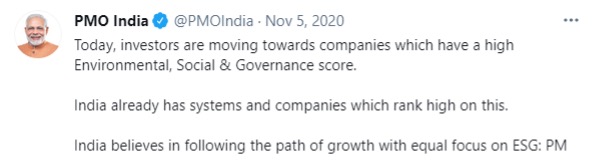
    EIA draft presents a contradiction on the government’s aim of emphasising ESG metric (Figure Below). We notice a diversion in the policymaking when the recent National Guidelines on Responsible Business Conduct (NGRBC) was laid down by the Ministry of Corporate Affairs (MCA) in 2019. Based on which the subsequent consultation paper of the Business Responsibility and Sustainability Report (BRSR) from the top 100 to top 1000 listed market companies were released by the Securities and Exchange Board of India (SEBI) (Consultation paper 2020).
     

    EIA based on its principle was supposed to be a tool for the protection of natural resources and marginalised community who receive negative externalities from the polluting industries. The adverse effect of which can be noted from the Environment Performance Index (EPI) 2020 by researchers in Yale and Columbia University which ranked India at 168th position out of 180 countries (“India EPI – Country Scorecard.” 2020).

    The author’s opinion over the larger framework is that environmental costs are being balanced with post-facto redressal. The emphasis put upon the private sector for green investing and other mandatory disclosures cannot be followed by diminishing the baseline surveys and the benchmark of EIA regulations. This can lead to more frequent outcomes of incidents such as Assam’s Baghjan oil spill and fire and the Vizag gas leak incident. Instead, the government should develop policies that restrain further ecological damages in the first place.


    References:

    Borate, Neil. “ESG Investments Are Fast Gaining Traction in India.” Mint, 11 Nov. 2020, www.livemint.com/money/personal-finance/esg-investments-are-fast-gaining-traction-in-india-11605111323843.html.

    Consultation Paper on the Format for Business Responsibility and Sustainability Reporting. SEBI, 2020, www.sebi.gov.in/reports-and-statistics/reports/aug-2020/consultation-paper-on-the-format-for-business-responsibility-and-sustainability-reporting_47345.html.

    Gupta, Debayan, et al. The Draft EIA Notification, 2020: Reduced Regulations and Increased Exemptions Part I & II, 31 July 2020, www.cprindia.org/research/reports/draft-eia-notification-2020-reduced-regulations-and-increased-exemptions-part-i-ii.

    “India EPI – Country Scorecard.” Environment Performance Index (EPI), 2020, epi.yale.edu/epi-results/2020/country/ind.

    Jackson, Jacqueline, and Karthik Gunasekar. “Decoding the Current Status of Draft EIA 2020.” The News Minute, 23 Sept. 2020, www.thenewsminute.com/article/decoding-current-status-draft-eia-2020-133728.

    Kunal, Kumar. UAPA Charge in Notice to Environmental Group Fridays for Future Due to ‘Clerical Error’: Delhi Police. India Today, 23 July 2020, www.indiatoday.in/india/story/uapa-charge-in-notice-to-environmental-group-fridays-for-future-due-to-clerical-error-delhi-police-1703716-2020-07-23.

    Vencatesan, Anjana. “[Commentary] The Two Faces of Environmental Regulation.” Mongabay, 21 Dec. 2020, india.mongabay.com/2020/12/commentary-the-two-faces-of-environmental-regulation/.
  • Analysing Denmark’s Offshore Wind Energy Sector: Lessons for India

    Analysing Denmark’s Offshore Wind Energy Sector: Lessons for India

    Globally, Europe has the highest capacity of power generated from offshore wind energy. Amongst the European countries, Denmark, the UK and Germany have been pioneers and are currently leading as the largest power producers from offshore wind energy. Danish assistance has been in high demand to help countries shorten their implementation time for offshore wind turbine projects. In 2019, India entered into a bilateral agreement with Denmark to develop an offshore wind market and related technical capabilities. According to a document published by the Danish government, their authorities have specialised technical knowledge that can help Indian authorities establish framework conditions for the rollout of offshore wind power.

    Denmark’s Offshore Wind Energy Sector  

    The Danish Government has set a target of reducing greenhouse gas emissions by 70%, as compared to 1990 levels, by 2030 and having 100% of Danish energy supplied through renewable sources by 2050, apart from achieving net-zero emissions by the same time. The scarcity of proper onshore sites and the abundance of shallow waters with wind resources drove its move to offshore wind, in the early 1990s,. In Denmark, there is a strong symbiosis between energy and industrial policy because of many leading offshore wind energy companies having Danish roots such as DONG, Vestas, Bladt, Siemens Wind, etc. India must achieve such a symbiosis in its offshore wind policies so that the industry can be successful in the long term.

    Denmark’s ambitious targets coupled with their evolving policies in terms of bureaucratic procedures, environmental safety, and finance, among others, have driven the growth of the offshore wind energy sector since the 90s. This analysis looks at each of these segments.

    Consent Procedures:         The Danish Energy Agency (DEA) has been a single point of access to all offshore wind energy companies when it comes to issues related to permits. Meaning, the DEA grants all permits which include permits from other appropriate government authorities such as the Danish Nature Agency, Ministry of Defence, and the Danish Maritime Authority. This is the one-stop-shop and has been adopted not only in Denmark but in many other European countries. Such a method ensures rapid and un-bureaucratic application processing and ease of doing business. This also avoids a lot of confusion.

    Grid Connectivity:             The financing of the grid connection for offshore wind farms depends on how it is established:

    • Enterprises can follow the Government’s action plan for offshore wind development wherein the DEA will invite bids to tender for pre-specified sites or
    • Enterprises can follow the ‘open-door principle’ wherein independent applications can be made for any site and upon complete assessment by the DEA, it will invite bids to tender for the site, given that the results of the assessment are positive.

    In the first case, the grid operator will finance the connection, including step-up transformers. Such socialisation of grid costs is an attractive feature for project developers in Denmark.

    However, in the second case, the responsibility falls on the developer. We may also expect costs of any necessary grid reinforcement to be borne by the developer. The three private offshore wind farms established in Denmark, following the ‘open-door principle’ – Samsø, Rønland, and Middelgrunden – have had no notable problems. These projects are, however, within 3km of the coast, which would imply that the grid connection costs were not exorbitant.

    Environmental Assessment:          In Denmark, an extensive environmental assessment takes place before the construction of an offshore wind farm. The DEA provides companies or enterprises a license to conduct preliminary studies, including environmental (Environmental Impact Assessment) and technical (ground investigation) studies, either directly after a tender (first process) or following the receipt of the first satisfactory planning documentation (second process).

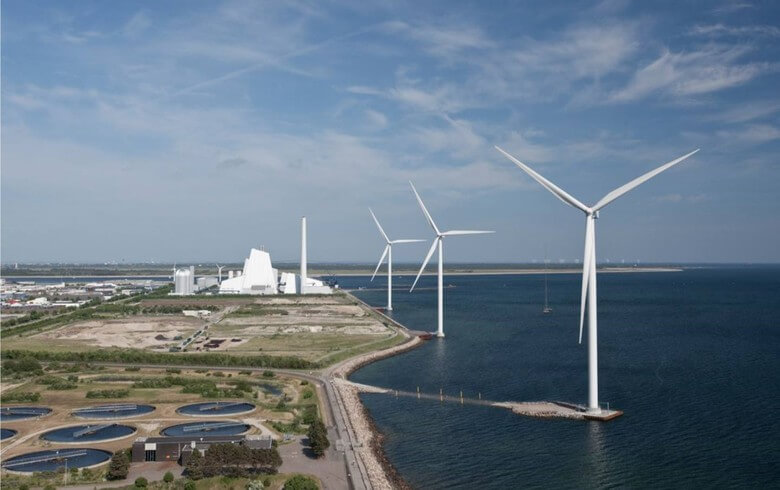
    For instance, in the case of the Anholt farm, one of the largest offshore wind farms with a capacity of 400 MW, the project team performed an extensive environmental assessment that included the impact on marine animals in the area and their habitats, noise calculations, air emissions, and the potential risk to ship traffic. Using data from other wind farm projects like Denmark’s Nysted Wind Farm, and undergoing their analysis, the Anholt project team projected only minor, insignificant affects.

    Financial Incentives:          In Denmark, they support offshore wind farms through a feed-in tariff system, which is set through a competitive auction process. Power off-take in Denmark is largely managed through the DEA. There is no renewable purchase obligation in place in Denmark, but electrical power from renewable energy has priority access to the grid. In some cases, the owner may choose to sell the electrical power to utilities or other power suppliers through a Power Purchase Agreement (PPA). If the power price drops to zero or negative, there is an oversupply of electricity – then renewable projects do not receive any support. Hence this motivates generators to curtail output and help supply-side grid management.

    De-risking the development process:          The Danish Government undertakes geotechnical studies, wind resource assessment, and environmental surveys before a site being leased. The lease areas are then auctioned off to the lowest bidder. This hugely benefits developers as the site is effectively de-risked, leading to a lower tender price. If this were not the case, the developers would have to include risk provisions and contingency, owing to uncertainty regarding the ground conditions. Further, de-risking a site would increase willingness to plan and bid for the sites leased.

    Simply put, the Danish offshore wind energy policies developed by the DEA and the Government have evolved over the years to tackle situations as they occur. This has led to sustained growth in the sector and has succeeded in powering close to 50% of the country’s electricity demand. Besides successfully developing its sector, it has been an outstanding example to many countries in Europe such as the UK and Germany. The UK has adopted the one-stop-shop model to ease procedural difficulties. Germany has adopted the open-door procedure of establishing offshore wind farms.

    India’s Offshore Wind Energy Sector

    The offshore wind energy sector in India is in its nascent stage. Its 2015 National Offshore Wind Energy Policy shows that the Ministry of New and Renewable Energy (MNRE) will act as the nodal Ministry for the development of Offshore Wind Energy in India that will monitor offshore wind energy development in the country. It will also work closely with other government entities for the use of maritime space within the Exclusive Economic Zone (EEZ).

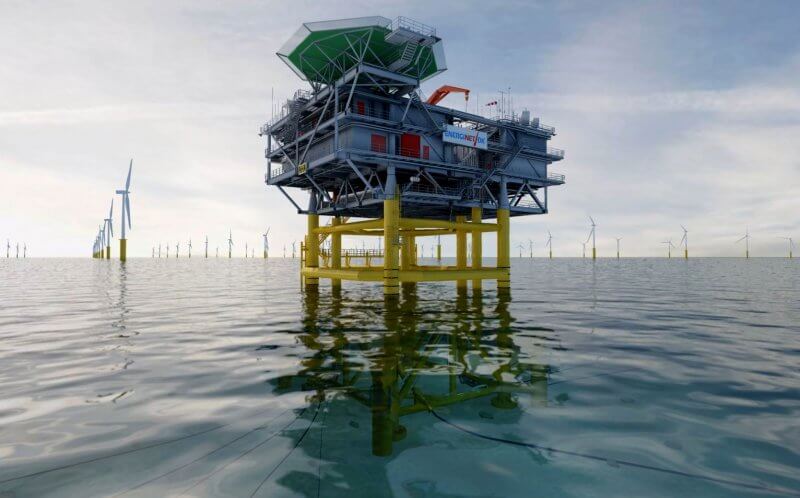
    The Ministry has set a short-term target of 5.0 GW of offshore wind installations by 2022 and a long-term target of 30 GW by 2030 which, according to government documents, is expected to give the confidence to project developers in the Indian market. Over 95% of commercially exploitable wind resources are concentrated in seven states – Andhra Pradesh, Gujarat, Karnataka, Madhya Pradesh, Maharashtra, Rajasthan, and Tamil Nadu. But the land resources required for onshore wind projects are gradually becoming a major constraint. This could very well cause an increase in the market-determined tariffs of onshore wind energy in the future. Offshore wind power, however, offers a viable alternative in such a scenario. The Indian government, like Denmark, has to make policies to the best of their effort that will bring confidence to developers and de-risk the development of the sector to further encourage developers.

    Although India has a huge potential in the renewable energy sector, the developers’ issues remain unresolved. For instance, Gujarat and Tamil Nadu have most of the high potential sites off their coasts to develop offshore wind energy. But a major concern for offshore wind developers would be the problem of grid integration. The two states already have a high degree of solar and wind renewables integrated into their power grid. By adding on power generated through offshore wind energy, they will face a significant hurdle with the evacuation and integration of this additional power. Without proper renewable energy storage systems, there is also the added burden to maintain an equilibrium between the supply and demand of power generated through the variable sources as otherwise, there will be a great deal of wastage and an unnecessary surge in the prices.

    Adding on to the problems faced by developers, benefits such as accelerated depreciation were recently withdrawn and as a result, investments have slowed down. Thus, project developers not only want accelerated depreciation to be reintroduced, but they also want assurance from the government that such fiscal benefits will continue for the long-term. If these fiscal benefits are reintroduced, developers will feel more optimistic about their prospects in the sector. Further, it would also encourage small developers to invest more in the sector.

    Another area that is causing considerable angst for the wind project developers in India is the delay in realising the payments due to them from the state electricity boards. These delays affect the cash flows, thereby threatening the viability of many of these projects. Such experiences will make offshore project developers cautious in venturing into making large investments into the sector.

    In terms of policies that Indian policymakers can adopt from Denmark are the one-stop-shop and an open-door procedure of establishing offshore wind farms. Having the MNRE as a single point of access would make the bidding and tendering process more efficient. This is because a developer has to coordinate with various departments such as the MNRE, the ministry of defence, the ministry of external affairs, nature and wildlife, etc before they can start producing in an offshore wind farm. It would also benefit to have an open-door procedure, but only in the long term. Initially, though, the government should identify possible sites and work on de-risking the development process to encourage more participation in the bidding process.

    Conclusion

    In line with its Paris Agreement commitments, India is working to ensure that by 2030, 40% of its power generation capacity will come from non-fossil fuel sources. Currently, renewable energy makes up 36% of India’s power capacity through mainly small and large hydro, onshore wind, and solar energy. Producing power through offshore wind energy will be a welcome addition to the existing sources.

    During the RE-Invest 2020 conference, the MNRE Joint Secretary announced that the Indian government is looking into setting up structures for power purchase agreements and offshore wind auctions. Thus, to successfully implement its plans, it will require further offshore wind resource data and analysis to identify viable project sites and, revive industry demand for this market.

    Feature Image Credit: www.renewablesnow.com

    Image: Anholt Offshore Wind Farm


  • The Economics of Clean Energy: Transitioning to Renewables in a Post-COVID Era

    The Economics of Clean Energy: Transitioning to Renewables in a Post-COVID Era

    “the climate emergency is a race we are losing, but it is a race we can win” – Antonio Guterres, UN Secretary General

    Even without a global health pandemic, our world is still facing a crisis of staggering proportions.  In the 21st century the threat of climate change has outweighed almost all the other threats put together. Such is the pressing nature of the issue that it has even prompted re-branding of nomenclature from ‘climate change’ to ‘climate crisis’ – because that is what it is, a crisis. But as the UN secretary general António Guterres points out, “the climate emergency is a race we are losing, but it is a race we can win”.

    In this light, it is high time a discourse on transition to clean energy systems takes centre stage. With climate change progressing at an alarming rate, the need for clean energy has only been compounded.  At a time of great disruption for the world owing to an unprecedented health crisis with severe economic and social ramifications, a transition to renewables could be the way forward. As governments around the world lead COVID-19 recovery efforts, the verdict is clear that we cannot go back to our old systems – a transition to clean energy must be on the forefront of national agendas.  While the road to recovery is long and might take years, it is also the perfect opportunity for governments to accelerate clean energy adoption by putting this transition at the heart of post-COVID-19 social and economic recovery plans.

    While COVID-19 has certainly slowed down this transition by disrupting and delaying several renewable energy expansion and installation projects, the outlook on clean energy still looks very promising. In Q1 2020, global use of renewable energy in all sectors increased by about 1.5% relative to Q1 2019, while the overall share of renewables in global electricity generation jumped to nearly 28% from 26% in Q1 2019. While this does not reflect the impact of COVID-19 on capacity expansion, as the increase in use is largely due to expansion efforts in the preceding years, it is still a positive sign.

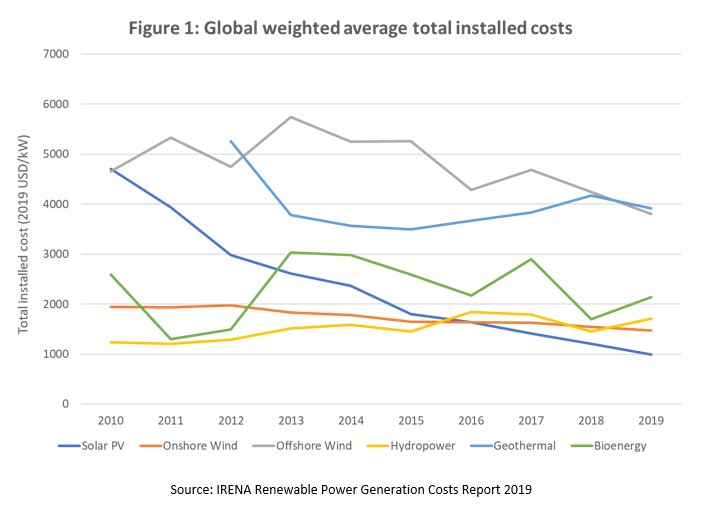
    Solar PV has had the most remarkable fall during this period, with the levelized cost of electricity (LCOE) falling almost 82% over the last decade. Closely following are CSP and On-shore Wind, both of which have fallen 47% and 38% respectively

    Even without factoring in the current global scenario, the rationale for transition has never been more compelling. Over the past decade, the cost of renewables has fallen to record lows (as shown in Figure 1), making it more attractive than ever before to invest in clean energy. Solar PV has had the most remarkable fall during this period, with the levelized cost of electricity (LCOE) falling almost 82% over the last decade. Closely following are CSP and On-shore Wind, both of which have fallen 47% and 38% respectively. Batteries, which have been appraised as one of the key enabling technologies in accelerating the shift to clean energy, have also recorded significantly lower costs in the past couple of years. Battery technologies such as Lithium-ion and Vanadium-flow have long been considered the missing link in ensuring continuity of supply for Wind and Solar generated power, which often depend on the vagaries of the weather. The LCOE for Lithium-Ion batteries has fallen by 35% since 2018, owing to advancements in technology. The only increases in cost have been recorded by Geothermal and Hydropower.

    With the cost of renewables falling, fossil fuel options are looking more and more expensive. According to IRENA (International Renewable Energy Agency), by 2020 Solar PV and onshore wind will be less expensive than the cheapest fossil fuel alternative. In the past, one of the key reasons why fossil fuels such as oil and gas were considered attractive options was because they were highly subsidized and incentivized. The true cost of these non-renewable sources minus the subsidies may well be much higher. The conventional cost of fossil fuels also does not factor in the environmental costs associated with carbon emissions. The extraction and use of these resources are often accompanied by several negative externalities associated with environmental degradation, pollution and global warming. This failure to account for the emissions and their impact has been termed by many as one of the greatest market failures the world has seen.

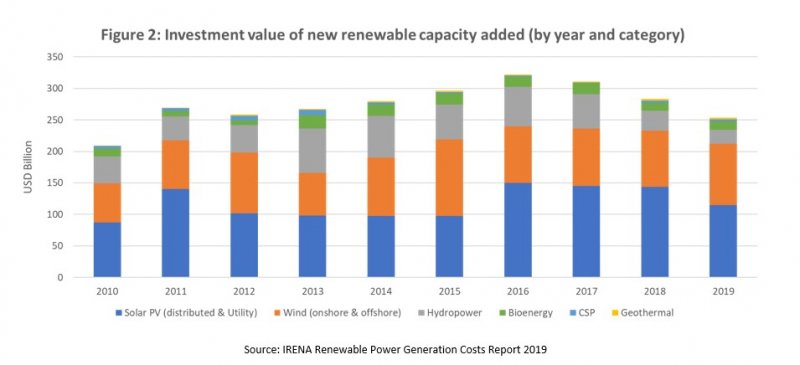
    Thus, falling costs of renewables coupled with the growing pressure on fossil fuels has presented the world with a unique opportunity to accelerate the adoption of clean energy. As governments pump more money into economies as part of COVID recovery efforts, the same level of investments can now yield greater returns owing to falling costs. Globally, investments in renewable capacity and technology have been on the rise and have shown remarkable growth, especially for Solar and Wind. Investments in Solar PV (Utility) in particular have shown astounding growth, increasing over 200% since 2010 to reach $69.4 billion in 2019. Total investments across renewables stands at $253.6 billion, having grown 21% in the last decade.

    While renewable capacity and investments have been growing, so has the demand for electricity. This growth in demand has somewhat offset the impact of transition to renewables. While mainstream adoption of clean energy is still progressing in the right direction, policy makers are worried that the pace of transition is not fast enough to offset growing demands. Unless renewable technology can scale up quickly and bridge the demand-supply gap, this excess demand will inevitably have to be met by fossil fuels.

    The IRENA estimates that investments in clean energy could boost global GDP by close to $98 trillion by 2050

    Despite several roadblocks still existing for large-scale adoption of clean energy to be made feasible, governments and institutions are putting climate action at the forefront now more than ever before. Post COVID-19, as economic recovery consolidates, we cannot afford to put clean energy on the back burner. Across the world, clean energy technologies such as electric vehicles, solar and wind energy are becoming increasingly mainstream. According to a UN report, global investment in renewables is set to triple in the next 10 years. If governments continue to sustain this momentum, the benefits are manifold. The IRENA estimates that investments in clean energy could boost global GDP by close to $98 trillion by 2050. Thus, the rationale is clear and more compelling than ever for a shift to clean energy. The robustness and resilience of economies to future global shocks will be determined by how quickly and effectively they transition to renewables and reduce dependence on fossil fuels.


    References

    [1] The Climate Crisis – A Race We Can Win. (2020). United Nations.

    https://www.un.org/en/un75/climate-crisis-race-we-can-win

    [2] Renewables 2019 – Global Status Report. Ren 21. Retrieved from: https://www.ren21.net/wp-content/uploads/2019/05/gsr_2019_full_report_en.pdf

    [3] Global Energy Review 2020. (2020, April). IEA.

    https://www.iea.org/reports/global-energy-review-2020/renewables

    [4] Renewable Power Generation Costs Report 2019. (2020, June). IRENA. https://www.irena.org/publications/2020/Jun/Renewable-Power-Costs-in-2019

    [5] Henze, V. (2019, March 26). Battery Power’s Latest Plunge in Costs Threatens Coal, Gas. Bloomberg NEF. 

    Battery Power’s Latest Plunge in Costs Threatens Coal, Gas | BloombergNEF (bnef.com)

    [6] Sinha, S. (2020, September 23). How renewable energy can drive a post-COVID recovery. World Economic Forum.

    https://www.weforum.org/agenda/2020/09/renewable-energy-drive-post-covid-recovery/


    Image Credit: AZoCleantech.com

  • Revisiting India’s Renewable Energy Sector Policy and Limitations

    Revisiting India’s Renewable Energy Sector Policy and Limitations

    One of the most important results in India from the pandemic-driven lockdown that began in March 2020 was the reduction in carbon emissions and its beneficial impact on the environment. Travel restrictions and a decrease in industrial production have caused significant reductions in emissions. But these reductions were temporary. The results, however, highlights the need for India to reduce its dependence on carbon-emitting energy sources and shift the majority of its energy production to renewable sources that will better equip India towards achieving and even exceeding its  Paris Agreement targets.

    The Indian renewable energy sector is the world’s fourth-largest, after the US, China, and Germany. Its wind energy sector has the fourth-highest total installed capacity, 38.124 GW, in the world. Tamil Nadu, Maharashtra, Karnataka, and Gujarat are the leading states in wind energy.  The solar energy sector has emerged as a significant player in the power generation capacity since the establishment of the National Solar Mission 2010. India achieved 5th global position in solar power distribution with an installed capacity of 35,739 MW as of August 2020.

    Yet, over the years, the wind energy sector faced several problems such as an imbalance between demand and supply, persistent energy shortages, insufficient funds, high-transmission and distribution losses, and poor institutional infrastructure. Thus, it is important to identify the exact causes and find solutions so that upcoming projects can be better planned. This article identifies and analyses a few important barriers faced by the renewable energy sector.

    Barriers to the sector

    First, India’s renewable energy infrastructure, despite its considerable growth over the decades, lacks consistent standards as compared to other countries. Wind energy technology has not kept pace with the modernisation achieved across the world.  Research, both in public and private sectors, is one way to mitigate the problem. Despite 80% of the technology being domestic, a significant quantity of manufactured components is imported from China. A mix of foreign and indigenous parts (with different quality and technical standards) results in inconsistency in the technology used which reduces the power plants’ overall efficiency. The Government, in a move to promote domestic manufacturers and “self-sufficiency”, has levied customs duty of 20-25% on solar cells imported from China.

    A 2019 study suggests that the country would require an investment of Rs 1.65-1.75 lakh crore per year to generate cheaper power.

    Second, the renewable energy sector is capital-intensive and requires high capital investment initially to set up the farms. One way to source funds is to increase private sector participation. With increased competition among the private sector to develop technology, the country would gain from the lower costs of power generation and higher employment opportunities. A 2019 study suggests that the country would require an investment of Rs 1.65-1.75 lakh crore per year to generate cheaper power. The Government needs to encourage companies like ReGen Powertech Pvt Ltd., through generation-based incentives and tax holidays, that will invest in renewable energy power plants for its long-term financial benefits, despite the risk factors involved. At a time when investments in the sector are growing, the Government’s move to rescind benefits, may not impact the big players but will certainly have an adverse impact on the volume of investments from small investors, who largely depend on the Government’s support.

    Another financial barrier the sector faces is the lack of proper reinvestment. As the benefits from this sector are usually accrued in the long-term, the Government invests revenue from power generation in short-term development projects instead of reinvesting in the energy sector. Thus, for new solar energy projects to succeed, the efficient allocation of funds is pertinent. Alternatively, India could also follow Germany’s path. In Germany, since the energy transition set off in 2000, tens of thousands began investing in solar panels on their houses and buying shares in wind turbine producing companies, thus increasing capital. The government has actively engaged people in small cooperatives to favour energy transition from fossils to renewable sources.

     According to a recent report by the Institute for Energy Economics and Financial Analysis (IEEFA), the total hybrid capacity is at 148 MW and is expected to increase almost 80 times in the next three years.

    Third, the intensity of the wind and solar energy availability is unstable, and it restricts the total power generated. Additionally, the setting up of separate wind and solar power plants is expensive. Thus, the government’s National Wind Solar Hybrid Policy of 2018 is highly pertinent. According to the policy, the two sources of energy complement each other, since solar can fuel power in the day and wind at night. This also means that the solar panels and wind turbines can be set up on the same farm, thus reducing costs. According to a recent report by the Institute for Energy Economics and Financial Analysis (IEEFA), the total hybrid capacity is at 148 MW and is expected to increase almost 80 times in the next three years.

    In relation, the renewable energy sector also faces the problem of storage. Although India has developed battery storage facilities, it lacks a central framework to control the use of energy storage systems. The technology available is not enough to store energy from all power grids. This implies that an equilibrium has to be maintained between the demand and supply of power from renewable energy to reduce wastage. But this is an onerous task. The Solar Energy Corporation of India (SECI) has recently encouraged bids for designing, engineering, and constructing new solar projects with provisions for battery storage systems. The recent World Energy Outlook report by the International Energy Agency (IEA) predicts that India will become the largest market for utility-scale battery storage by 2040.

    The Government should treat PV waste separately and bring out recycling policies that will sustain the solar energy sector in the long run.

    Lastly, the sector faces disposal issues as there is no proper system in place to dispose of broken solar panels and wind blades. Broken solar panels emanate harmful chemicals that are detrimental to the environment and consequently, public health. Solar PV waste is by default considered e-waste and is therefore guided by the e-Waste Management Rules, 2016. According to this, manufacturers are liable for the disposal of PV waste. But this regulation is inadequate. The Government should treat PV waste separately and bring out recycling policies that will sustain the solar energy sector in the long run. Europe, for instance, has set up a recycling plant that separates the different parts of the panel and recycles them individually. Given the increasing pace at which the solar energy sector is growing in India, setting up a similar method of waste management will benefit the sector and ergo the country’s future.

    Conclusion

    While India is responsible for nearly 6.65% of total global carbon emissions, it is also leading in the renewable energy sector. Its share of coal-based power plants in new installations declined significantly from 62% in 2016 to just 19% in 2017, whereas solar power led with around 45% of total power capacity additions. But to maintain this development, the Central and State governments should make coordinated efforts and bring out policies that ensure that power is affordable to all people, and efficiently manage renewable energy waste to not only reach its energy targets but also to ensure its overall development and growth.

  • COVID-19: Anti Coronavirus Measures and their Environmental and Social Impact

    COVID-19: Anti Coronavirus Measures and their Environmental and Social Impact

    In the bleak reality of the corona virus outbreak, all human activity slowing down or being halted, has brought about one positive change – for the environment. Fuel consumption going down, factories shut, and fewer vehicles on the road has resulted in carbon emissions reducing, leading to less pollution both in the air, on land and in water.

    Air pollution

    To measure the Air Quality Index (AQI), System of Air Quality and Weather Forecasting and Research (SAFAR), under the Ministry of Earth Sciences, Government of India, has 6 categories for air quality. Ranging from 51- 100 is known as “satisfactory” or “very good”, from 101-200 is “moderate”, from 201-300 is “poor” 300-400 is seen as “very poor” and lastly, between 401-500 fall under the “hazardous.” In New Delhi, known as the world’s most polluted capital city, governmental lockdown orders have resulted in the Air Quality Index dropping to a level considered “satisfactory.” Images of clear blue skies in the capital have been released showing the absence of smog. Other major pollution emitting cities such as Mumbai is at the moderate level, and Pune is at a satisfactory level. It is no doubt that the reduction in the number of vehicles on the road has resulted in better AQI during the virus outbreak.

    Furthermore, European Space Agency (ESA) satellite images show that nitrogen dioxide (NO2) levels over China due to industries, power plants and vehicles have plunged drastically between January and February 2020. It is hoped that observations such as these will encourage a quicker shift to clean energy sources for the betterment of society.

    Water pollution

    Venice, Italy, connected solely by canals and also a popular tourist destination, saw its canals virtually empty once lockdowns were announced. The deprivation of tourists cut back much of the pollution and as a result, the polluted canal waters were seen to be clearer. Other activities requiring travel over water, including trade and leisure activities on ships being reduced also works in favour of the environment. The planet is definitely benefitting from the measures against the pandemic.

    Fuel consumption and price

    Fuel consumption has dropped notably worldwide, as industries and factories have either cut back or suspended their activity; many people are no longer commuting, but working from home. These factors are also leading to a significant drop in fuel prices. Indian demand dropped 10-11% in the first two weeks of March alone. According to the International Energy Agency (IEA), there has been a 90,000 barrel per day drop from 2019, in the global oil demand. In restricting the movement of people, both within cities and across national and international borders, the drop in demand has hit the tourism industry hard.

    The tourism industry

    Though business is affected, it is definitely a time for nature to rejuvenate and replenish in this time of lockdown. One of the major players of the tourism industry, the airline industry could take a hit up to $113 billion according to the International Air Travel Association. With travel cuts, cancellation of flights and lower demand in many countries, this has been an eye-opener in the amount of pollution caused by these activities. Deserted streets, at popular tourist locations such as Venice, New York City, Paris leave an eerie impression, but on the positive side shows the implementation of lockdowns and cooperation of people in going back home.

    Outcomes

    The all India three week lockdown will definitely see a reduction in pollution and improvement in quality of air, though cooperation of the people remains a worry. The outbreak of the virus has shone light on the much needed assessment required on the grave damage human activities have done to ecosystems, and consider the need to protect the future of those ecosystems. As the majority of the international system moves activity to the digital platform, nature is rejuvenated in the absence of humans. But more importantly, it is hoped that businesses will strategize on systemic changes, such as providing work from home options as this means less people commuting, less traffic, and less pollution.

    If COVID-19 is teaching us one thing, it is how interconnected and interdependent all systems are. Human ignorance and irresponsibility is only fueling the spread of the virus. Though the unpredictability of the pandemic has caught us off guard, it serves as a good wakeup call to make much needed change in various levels of individual choice, organizational and business strategy and governmental action. Pandemic response has taken priority in governmental agenda globally over tackling climate change issues, strategies being used in pandemic response have unintended favourable outcomes for the environment, simultaneously.

    Social Impact

    Little is mentioned about the social behaviour implications of the virus spread. One major positive outcome could be the health and hygiene habits that have been announced in keeping healthy in times of pandemic crisis. Awareness has brought to the forefront the importance of a simple action such as washing hands. The World Health Organization has a set of guidelines that would help in the fight against the outbreak. Social activity changes, such as remaining indoors, not being able to go out for a meal, movie or meet with friends has left many discussions on the ramifications on mental health. While this is a very real issue, it is vital to the health and wellbeing of everyone that containing the spread of the virus is the primary need of the hour.

    Views expressed are author’s own. 

  • PDC 3: Sustainable Living Practices: Individuals Role in Tackling Climate Change

    PDC 3: Sustainable Living Practices: Individuals Role in Tackling Climate Change

    A semi formal session on recording the ideas of Chennai youth on various sustainable living practices that an individual could undertake. The session began with defining a need for an individual to take part in the process of creating an ecosystem keeping the environment in mind. Firstly, the consumerism thriving on profits was challenged and sustainability as a concept had to take the front seat. To achieve this individuals have to write off the status element attached to adopting a pattern as a consumer. In making awareness among public, there is a lack of relatable factor to any outcome of climate change. State has a much larger role to play in rewarding a sustainable practice and penalizing a business or act that would damage the environment. Mainstreaming of eco friendly products and discouraging corporate that pollute the environment, state has to bridge the science and public in the area of climate change. As individuals, it is important to question state’s inability to maintain an environmental standard.

    Past Event: 30 Nov 2019

  • Winds of Climate Change Blow across South Asia

    Winds of Climate Change Blow across South Asia

    The India-Pakistan enmity is possibly the world’s most intractable and obdurate, with a mutual misreading of history made extremely volatile with the brandishing of nuclear weapons. Despite having two giant militaries at each others’ throats, the more immediate existential challenges that India and Pakistan face are related to how climate change and misuse of common natural resources have combined to confront both together. It is not the militaries which will determine our fates, but the degree of cooperation the two nations can summon. Our problems are common and perhaps India and Pakistan will find the good sense to act together?

    Looking at the climate change challenges Pakistan and India face together, collective action — as unlikely as it seems — may just be what is needed to secure the lives and livelihoods of future generations.

    According to climate researchers at Germanwatch, Pakistan ranks eighth on the Global Climate Risk Index, with over 145 catastrophic events — heat waves, droughts and floods — reported in the past 20 years. On the other hand, India ranks among the top 20 vulnerable countries in terms of climate risk. Pakistan is home to around 47 per cent of the Indus Basin, and India to around 39 per cent. The Indus Waters Treaty has been in effect since 1960. The recent political bickering aside, the Indus Waters Treaty has managed to survive the test of time, yet fails to comprehensively address climate change. Then again, at the time it was enacted, many of the stark realities we know today were not understood.

    According to the Pakistan Council of Research in Water Resources, Pakistan officially crossed the water scarcity line in 2005. The United Nations Development Programme and the Pakistan Council of Research in Water Resources have issued warnings about the upcoming scarcity of groundwater in just six years.

    According to some estimates, Pakistan is the fourth-largest user of its groundwater and over 70 per cent of drinking requirements and 50 per cent of irrigation needs are met through groundwater extraction. Due to excessive pumping, it is estimated that water tables could fall by as much as 20 per cent by 2025.

    South Asia is drained by the Indus, Ganga and Brahmaputra river basins, which collectively form the Indo-Gangetic Basin (IGB) and include some of the highest-yielding aquifers of the world. The aquifers associated with these river basins cross the international borders of the contiguous South Asian countries, forming numerous trans-boundary aquifers, including the Indus basin aquifers (between India and Pakistan), Ganga and Brahmaputra basin aquifers (between Bangladesh and India), the aquifers of the tributaries to the Ganga (between Nepal and India), the aquifers of the tributaries to the Brahmaputra (between Bhutan and India, and between India and Bangladesh).

    At the beginning of every hydrologic year, 4,000 billion cubic meters (bcm) water enters the South Asian hydrological systems, of which almost half is lost by poorly understood and un-quantified processes (such as overland flow, surface discharge through rivers to the oceans, submarine groundwater discharge and evaporation). The annual groundwater withdrawals in the region are estimated to exceed 340 bcm, and represent the most voluminous use of groundwater in the world. South Asia faces an acute shortage of drinking water and other usable waters in many areas, as it is seeing a rapid rise in water demand and change in societal water use pattern because of accelerated urbanisation and changes in lifestyle. In many urban and rural areas of the region, surface waters have been historically used as receptacles of sewage and industrial waste, rendering them unfit for domestic use, prompting a switch to groundwater and rainwater sources to meet drinking and agricultural water needs. At present, about 60–80 per cen
    t of the domestic water supplies across South Asia are met by groundwater.

    Irrigation accounts for 85 per cent of groundwater withdrawals and is considered to be the main contributor to groundwater depletion with the maximum possible groundwater footprint seen in the Gangetic aquifers.

    Among the main contributors to water stress in India and Pakistan are poor water resource management and poor water service delivery, including irrigation and drainage services. Moreover, the lack of reliable water data, subsequent analysis and consequent poor planning and allocation is leading to environmentally unviable methods of water withdrawal, causing an alarming reduction in groundwater.

    In both countries, water stress is attributed first and foremost to the massive population growth. Another cause is the lack of sufficient urban water treatment facilities, which prevent the usability of river water for drinking and irrigation.

    Air pollution contributes substantially to premature mortality and disease burden globally, with a greater impact in low-income and middle-income countries than in high-income countries. The northern plains of South Asia has one of the highest exposure levels to air pollution globally.

    The major components of air pollution are ambient particulate matter pollution, household air pollution, and to a smaller extent ozone in the troposphere, the lowest layer of atmosphere. The major sources of ambient particulate matter pollution are coal burning for thermal power production, industry emissions, construction activity and brick kilns, transport vehicles, road dust, residential and commercial biomass burning, waste burning, agricultural stubble burning, and diesel generators.

    In India and Pakistan, farm residues are burnt after harvesting in October to November, which affects the air quality of the region. In Pakistan, most of the rice cultivation takes place in Punjab, and the same is true for India’s Punjab due to suitable climatic conditions for the crop. In both countries, stubble burning is the key cause of smog. According to India’s new and renewable energy sources ministry, India’s Punjab contributes 44-51 million tonnes of residue annually. According to the estimates, paddy areas burnt every year in Indian Punjab and Haryana are 12.68 million hectares and 2.08 million hectares respectively. According to a study, farmers burn 30-90 per cent of residue, which contributes to the smog formation, not just in the immediate region, but the entire Indo-Gangetic plain. With air pollution levels lurking in the “extremely poor” band for almost half the year, the northern regions of South Asia may not be able to host healthy populations for very long.

    The number of deaths attributable to ambient particulate matter pollution in India in 2017 was 0·67 million and the number attributable to household air pollution was 0·48 million. The number of deaths due to ambient particulate matter pollution in Pakistan in 2017 was 60,000.

    Climate change over 3,000 years ago destroyed the Indus Valley Civilisation and it went into oblivion, leaving behind traces of what befell the people here before. The next few decades are extremely critical. Can we summon some good sense to survive or go the way of the Meluhans? The verses of Allama Iqbal, albeit in another context, still hold true: Watan ki fiqr kar nadaan museebat aane wali hai/ Teri barbadiyon ke mashware hain aasmanon mein…/ Na samjhoge tou mit jaoge Hindustan walon/ Tumari daastan tak bhi na hoge daastanon mein. (Think of the homeland, O ignorant one! Hard times are coming./Conspiracies for your destruction are afoot in the heavens./You will be finished if you do not care to understand, O ye people of India!/Even the mention of your being will disappear from the world’s chronicles).

    The author is a prolific commentator on economic, security, and China issues. He is a Trustee/Governing Council member of TPF.

    This article was published earlier in Deccan Chronicle.

    Image source: www.pri.org

  • Greenhouse Gases and Dietary Changes

    Greenhouse Gases and Dietary Changes

    Vijay Sakhuja                                                                                       July 22, 2019/Commentary

    The 21st century has been rightly labelled the ‘Climate Century’ and there is visible urgency to contain global temperature rise to 2˚C or below. Among the many initiatives currently underway to achieve that, deep cuts in global emissions in greenhouse gases (GHG) have been suggested.

    One of the major contributors of GHG is the livestock sector; in particular, beef and cattle milk production result in anthropogenic GHG and represent 65 percent of the sector’s emissions i.e. 41 and 20 per cent respectively totalling about 4.6 giga tonnes carbon dioxide (CO2) equivalent. Meanwhile, pork, poultry and eggs contribute less than ten percent each. Besides, there are other closely associated producers of GHG in this sector such as cattle feed production and processing, enteric fermentation from ruminants, manure storage and processing, and the balance is attributable to the processing and sector supply chains.

    According to the Food and Agriculture Organization (FAO) of the United Nations, nearly half of the global agriculture production is consumed by live stock and just 37 per cent is for humans. Another study by the American Oil Chemists’ Society (AOCS) provides some very alarming outcomes and notes that it takes about 7 kilogram of grain in dry weight to produce 1 kilogram of live weight for bovine, around 4 kilograms for 1 kilogram of live weight for pigs, and for poultry it is just over 2 kilograms. Furthermore, the United States Department of Agriculture notes that agriculture takes up 80 to 90 per cent U.S. water consumption, and the Environmental Working Group observes that one pound of eggs require 477 gallons of water and almost 900 gallons for one pound of cheese. If that be so, it is fair to argue that there is otherwise surplus plant-based food available for humans.

    Livestock as a source of food is expected to grow in the coming years. This is driven by the projected increase in global population from 7.6 billion is expected to reach 8.6 billion in 2030, 9.8 billion in 2050 and 11.2 billion in 2100. Consequently, any strong growth in the livestock sector to support the protein requirements of the growing population would result in higher GHG emissions. This necessitates urgent interventions to reduce emissions and can be achieved through sizeable reductions in the production and consumption of beef and cattle milk and balancing it with higher production of pork and poultry. However, that may not be sufficient.

    In recent times interesting and promising initiatives by both the public and private sectors to promote agro-vegetable based diet among the people has been noticed. For instance, in the US, the sale of dairy and related products witnessed eight per cent drop from $14.7 billion in 2017 to $13.6 billion in 2018. One of the reasons for this drop has been the consumer shift toward plant-based alternatives for milk from oats, cashew, almond and soy. The US market trends suggest that the plant based dairy alternatives are currently valued at $17.3 billion and could double by 2023. The current meat value chain is about $1,900 billion and the livestock economy is a promising domain. Nearly 1 billion people are involved in the rearing, processing, distribution and sale of livestock, with half of those reliant on livestock for their livelihood. Significantly, livestock sector constitutes only 40 per cent of the agriculture as a whole that makes up approximately 3 per cent of global GDP.

    While vegetarianism has been in vogue for a long time, it is veganism which is fast gaining popularity particularly among the Western countries such as the U.S., Canada, the UK and some countries in Europe. The vegan diet is being prompted on at least three counts; first is the issue of human health and a number of scientific studies have confirmed the benefits of plant-based diet that reduces the risk of chronic illnesses and diseases; second is the issue of sustainability and the international community has come to realize the critical need to reduce GHG emissions; and third is the growing understanding among the humans of the sustainability of veganism. In fact the vegan food industry is investing in vegan fashion, vegan leather to replace animal hide footwear and numerous other such products are making debut in the international market and gaining popularity among people at large.

    This has led to a war between meat industry and vegan lobbyists who are promising options such as vegan meats, cheeses, milks, and other products. For instance, global plant milk market is expected to grow from over $8 billion in 2016 to $21 billion by 2024 and would be led by soy and coconut milk.

    Finally, consumers are increasingly concerned about the impacts that animal-based foods have on land and water use, human health and above all on the environment, particularly in the context of GHG.

    Dr Vijay Sakhuja is Trustee, The Peninsula Foundation, Chennai. 

    Photo by Helena Lopes from Pexels

  • China’s Climate Diplomacy and Energy Security

    China’s Climate Diplomacy and Energy Security

    Sakshi Venkateswaran                                                                                July 14, 2019/Analysis

    In the last two years, China has become the leading destination for energy investment. A significant portion of this investment lies in the renewable energy sector of China that has undergone rapid development, accounting for about 45% of global investment(126.6 billion) in 2017. The country overtook Germany in the production of solar panels and solar energy generation in 2014 and in 2015 China’s production of wind energy accounted for one third of global wind energy capacity and needless to say, China has always dominated the market in the production of hydro energy. This has led to widespread speculation of the country being a “renewable energy superpower” following a report by the Global Commission on the Geopolitics of Energy. It has also taken active steps to combat climate change in the form of revamping its energy policies. However, these positive shifts are not without issues. China still remains a net importer of coal and highest emitter of greenhouse gases. This article attempts to understand China’s climate change diplomacy against the backdrop of its energy security concerns and if there is any truth to China becoming a renewable energy superpower.

    The 2018 UN Intergovernmental Panel on Climate Change (IPCC) report highlighted that there was only 12 years to control global warming temperatures to 1.5 °Cfollowing which even a half degree rise would prove catastrophic in the form of unprecedented floods, droughts and millions being pushed towards poverty.  Even maintaining the 1.5 °C would require a complete overhaul in the energy, transportation, infrastructure and industrial sectors and global carbon emissions would need to reach net zero by 2050. The Paris Climate Accord was instrumentalized with the intention of capping carbon emissions and containing global warming temperatures below 2 °C. Since the Paris Agreement in 2015, perceptions toward climate change has seen massive shifts following extreme weather patterns in several countries. For one, the US has been strong in their intention to withdraw from the Paris Agreement while several others have taken steps to address climate change by decisive shifts in environmental and energy policies. Chief among them has been China’s actions to counter the climate crisis by investing in renewable energy.

    With a population of more than 1.4 billion and a boom in growth since the 2000s, China has been experiencing rising living standards and industrialization. As a consequence, China’s energy consumption has seen a surge as well. Historically, China’s major sources of energy have been its vast domestic coal reserves and imports of crude oil and natural gas from Russia and Middle East. This has resulted in China competing with the US for the position of being the largest emitter of carbon dioxide. In acknowledgment of this, the Chinese have been the first to invest billions in renewable energy.

    China’s Energy Landscape

    China’s investment in renewable energy began as early as 1949 with the construction of the world’s largest hydroelectric plant, the Three Gorges Dam over the Yangtze River. The reason the Chinese shifted towards hydroelectric energy was the rising dependency on imports and harmful effects to the environment due to the usage of coal. Prior to the Sino-Soviet split in 1960, China had been importing close to 50% of its oil from the Soviet Union. However, a combination of losing the Soviet’s support, economic collapse and a shift from being a net exporter of oil to being a net importer in 1993 accelerated China’s desire for energy self-sufficiency. Since the 2000s the country’s oil and natural gas imports from Russia and Middle East have exhibited a dramatic increase. In 2016 China’s imports of crude oil reached a record high of 68%while natural gas imports hit 33% in 2017.

    Concern regarding the emission of greenhouse gases and inefficient use of coal for power generation prompted a shift in the subsequent energy policies that China released. The Chinese established several economic and technological policies to promote energy conservation. An energy saving branch consisting of a three-tier system was set up within the central and local governments and enterprises in the 1980s. Under the 1988 Energy Conservation Law numerous policies were implemented beginning with the ‘Energy Conservation Propaganda Week’ in an attempt to increase energy efficiency and energy conservation. The government also began providing loans and tax incentives to entrepreneurs who developed small hydropower and wind power plants.

    Even the 13th Five Year Plan by the Energy Bureau of China revealed its plans to restrict coal to 58%of its energy mix by 2020 as opposed to previous levels of more than 60%. The country’s shift to renewable energy has garnered itself the title of being the world’s renewable energy superpower”; a title that has increasingly found its way into academic and policy circles.

    China’s Climate Diplomacy

    Climate change or rather, the climate crisis has metaphorically lit a fire under the member states signed on to the Paris Agreement to combat the greatest threat posed to mankind. Germany has rallied several EU member states to achieve “climate neutrality” by 2050 with net zero carbon emissions. Amidst mounting public pressure and weekly climate protests by students (Fridays for Future), several governments have convened in Bonnin Germany from June 17th to 27th of this year for a climate summit to address the carbon emissions. China has been proactive in that regard; having already shifted to electric vehicles and invested in technologies of carbon capture and storage among other initiatives. China’s share of electricity generation from renewable energy accounted for 26.4%in 2017. The country has also made large investments in the power sector in Africa, specifically for electricity generation in the last 20 years. They contributed up to 30% of capacities of which 56%of the total capacity comprised of renewable sources in 2016.

    Given these numbers regarding renewable energy and its position on climate change, it might be reasonable to speculate that China’s behavior in the international system — its dispute over the South China Sea (SCS) with the Southeast Asian countries, challenging the established status quo of the US as a superpower, the Belt and Road Initiative (BRI) and increasing energy diversification in Russia, Central Asia, Latin America and Africa — is an attempt at addressing its current energy insecurity.

    China claims the entirety of the SCS on the basis of historicity, what they refer to as the nine dash line; a claim that is contested by several countries in Southeast Asia. According to reports by the World Bank the SCS has proven reserves of natural gas and oil. China’s rising energy security concerns over the Malacca Strait, Strait of Lombok, Sunda and Ombai Weitar and the Persian Gulf compound its behavior regarding the SCS as more than 50% of China’s trade travels these waters. Another issue that arises is US’s presence and influence it wields in the region.

    In the last 10 years China’s imports of crude oil from the Middle East has been on the decline. Russia, Angola, Brazil and Venezuela have increasingly taken up a major portion in China’s energy mix (14%, 12%, 5.1% and 4% respectively). The influence that the US wields in the Middle East and the general instability pose a very credible threat to China’s imports. Recently, with the US unilaterally leaving the Iran nuclear deal and the return of sanctions on the country, any state continuing to trade with Iran has been under economic fire from the US (China, India, Turkey etc.). In such a scenario China’s focus on renewable energy would prove an alternative as well as a challenge to the US’s power in the international system. 

    Addressing the climate crisis has been on the agenda of energy policies of several countries. That China has taken a massive step towards that end impacts US’s credibility on that front. The Trump administration has made their position on climate change explicitly clear with their decision to withdraw from the Paris Climate Accord. China’s renewable energy generation will damage US’s optics. Barring this, investment in renewable energy could have an effect on the economies of oil rich countries in the Middle East. China’s ambitions to challenge the existing global order by strengthening their military and economy depend upon its strategies to combat their energy insecurity. Hence, the strategic value in investing in renewable energy.

    However, China’s energy shifts do not come without its own set of logistical issues. In spite of leading most of the world in the production of wind, solar and hydro energy, the percent of these in domestic electricity generation remains low. Only 19.2%, 3.8% and 1.2% of hydro, wind and solar power was utilized for domestic electricity generation in spite of a net installed capacity of 344 GW, 148.6 GW and 77.5 GW respectively in 2016. Though there has been incremental rises in these numbers, China still has a long way to go before attaining energy self-sufficiency. China still relies on heavy imports of coal from its neighbours such as Australia, Mongolia, Indonesia and Russia. The country’s usage of coal rose by 1% in 2018 though its share in the energy mix decreased to 59%, a 1.4% decrease from 2017.

    Conclusion

    The blame and burden for finding a solution to the climate crisis cannot solely rest on the shoulders of developing economies contrary to frequent statements made by the US President who blames Russia, China and India for climate change while ignoring the US’s emission of greenhouse gases. The bottom line is that the US and most of the West had almost 200 years to industrialize and develop their economies. Countries such as India and China have only experienced industrialization and a developing economy in the last 50 or so years. In such a situation, the scale to measure with whom the blame for climate change lays is skewed. Specifically in the case of China, a burgeoning population drove the need for rapid growth. Therefore, it is still a commendable fact that China has been environmentally conscious in the development of its economy. It remains one of the few countries on track to meet the Paris Climate Agreement targets for carbon emissions. 

    All this aside, it is rather premature to refer to China as a “renewable energy superpower” at this point in time. The numbers regarding the use of renewables in domestic electricity generation do not paint a picture of a country poised to change its energy dependency from fossil fuels to renewable energy. China’s goal of becoming a global superpower by 2049 does not just include powering up economically and militarily. Even a developed economy implies growth across the entire country and not just in certain provinces, as is the present situation in China. But it is increasingly becoming evident that any country that reaches their target to combat climate change along with being an economic and military powerhouse stand to become a global influencer and dictate the terms of the international system. If recent developments are any indication, China needs to continue its sustained efforts at decarbonization to attain the influence and recognition it seeks from the international community.

    Sakshi Venkateswaran is a Research Intern at The Peninsula Foundation.

    Image by Skeeze from Pixabay.