Category: China

  • ASEAN Unity Critical for South China Sea:  But Time to Address Newer Issues

    ASEAN Unity Critical for South China Sea: But Time to Address Newer Issues

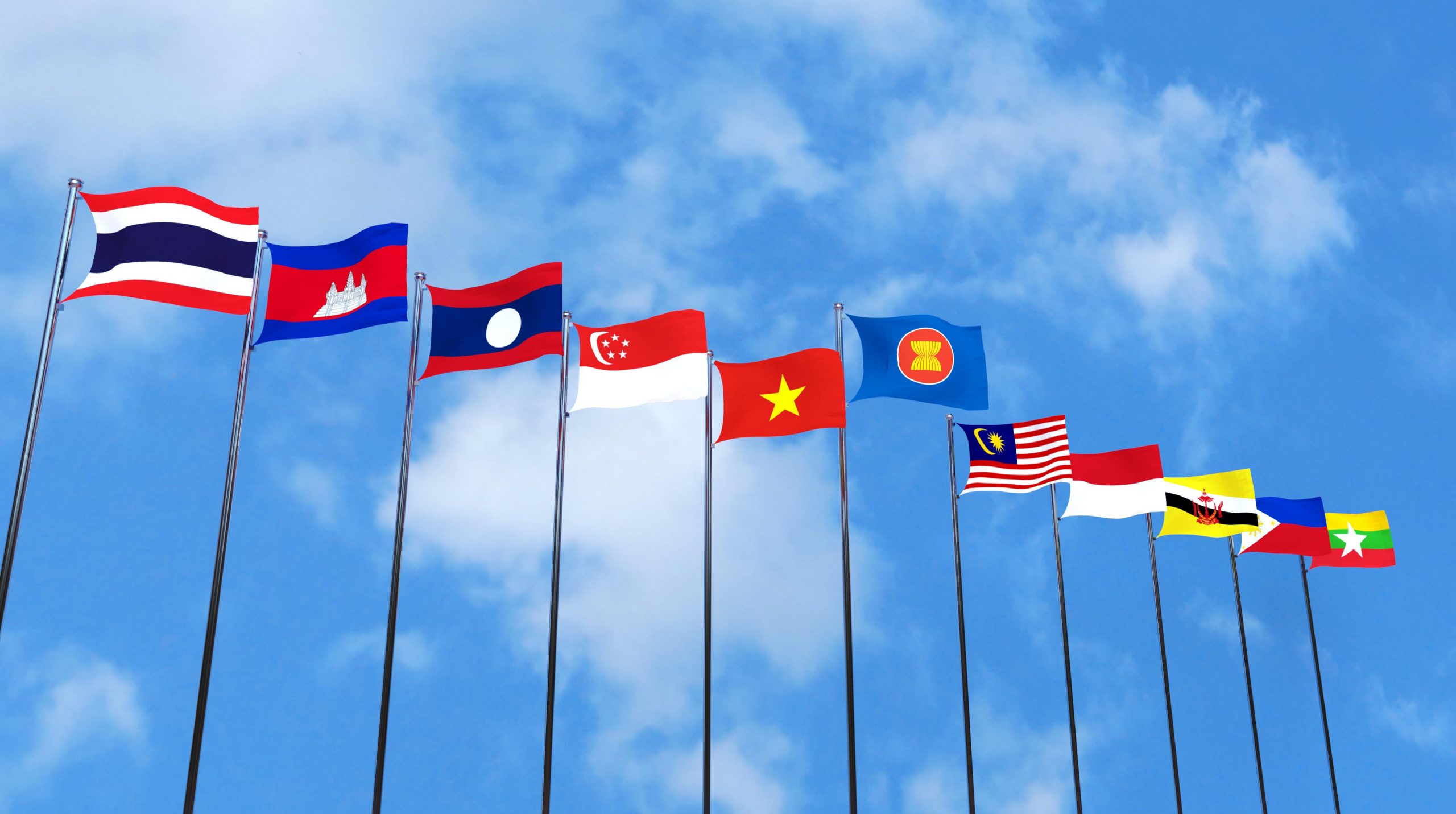
    Perhaps the most defining character of the ASEAN in the last six decades of its existence has been ‘Unity’ among its Member States who have scrupulously adhered to the fundamental principles contained in the various treaties signed by the Member States. The ‘ASEAN Way’ is unique and helps them to remain ‘united’ despite diversity in their political systems, national economic indicators, development levels, and military capabilities. ASEAN has also done well to be labelled as the ‘driver of regional integration’ and promoted a variety of regional political, security and economic initiatives to ensure peace and stability. It has managed with sophistication and alacrity relations with its partner countries bilaterally as also through multilateral structure.

    The ‘ASEAN Way’ is unique and helps them to remain ‘united’ despite diversity in their political systems, national economic indicators, development levels, and military capabilities.

    ASEAN’s engagements with China are through various political and diplomatic exchanges such as Summits and several ASEAN led mechanisms also provide opportunities to its Member States to engage China. The free trade agreement (FTA) is particularly important and catalytic for trade and both sides have taken upon themselves to accelerate negotiations of the Regional Comprehensive Economic Partnership (RCEP).

    At the strategic level, ASEAN Member States have been quite disillusioned with China over its intention to resolve disputes in South China Sea; but the ASEAN leadership has assiduously pursued the Code of Conduct in the South China Sea and succeeded in completing the first reading of the Single Draft COC Negotiating Text. It is now putting pressure on China to quickly conclude the CoC in the stipulated timeframe to ensure region remains peaceful and stable to enable member countries to invest in national and regional development.

    Ironically some ASEAN Member States have not been keen to openly making reference to Chinese reclamation in South China Sea and near continuous buildup of military infrastructure on islands and features in the Parcels and the Spratly group of islands.

    The report card of ASEAN Unity vis a vis China, so far, has been just about quite decent with at least two exceptions when China was suspected of interfering in ASEAN matters; first in 2012, Cambodia resisted reference to South China Sea in the Chairman’s statement, and again in 2016 soon after the South China Sea Arbitration award.[i]

    Ironically some ASEAN Member States have not been keen to openly making reference to Chinese reclamation in South China Sea and near continuous buildup of military infrastructure on islands and features in the Parcels and the Spratly group of islands. While Vietnam and the Philippines have openly confronted China over their claims in South China Sea, Malaysia chose to pursue “quiet diplomacy” but has stubbornly displayed “lawfare in the South China Sea”;[ii] Brunei has remained quiet because its policy makers “see little choice but to remain quiescent about its dispute with China,” Notwithstanding that, the Chairman’s Statement of the 36th ASEAN Summit 26 June 2020 is a clear display of their ‘unity’ and they have collectively expressed concerns on the Chinese activities and recognised the seriousness of a series of incident at sea which have eroded trust and confidence.

    To some extent ASEAN has succeeded in internationalising the Chinese non-compliance of international treaties such as the 1982 UNCLOS to which Beijing is a signatory.

    Today, South China Sea issue has made global headlines. The US has unabashedly rejected Chinese claims over South China Sea and China is accused of not adhering to internal law. To some extent ASEAN has succeeded in internationalizing the Chinese non-compliance of international treaties such as the 1982 UNCLOS to which Beijing is a signatory as also retained a “minimal formal consensus on the South China Sea, rejecting the pernicious idea that the waterway is only the concern of littoral states, and resisting Chinese pressures to avoid discussion of the issue in ASEAN -led forums, certainly contributed to this outcome.”[iii]

    Perhaps it is time for the ASEAN to bring to the forefront the Lachang-Mekong river issue. Several trans-boundary river management issues and concerns between China (the upper riparian and Thailand, Laos, Cambodia and Vietnam (the lower riparian) have emerged over the years. China has been building dams on the river and its tributaries; has avoided sharing full hydrological data particularly during dry seasons; and released river water untimely. The lower riparian states have called for a ‘code of conduct’ and a ‘rule based trans-boundary resource management’ mechanism for the Mekong River between the upper and the lower riparian states.[iv]

    It is tempting to believe that China has successfully stifled lower riparian member states concerns through sops and infrastructure development projects under the Belt and Road Initiative. Interestingly, Lancang-Mekong Cooperation (LMC), the most active forum is dominated by China.

    Non-riparian ASEAN members are accused of “minimal interest” in the Lancang-Mekong issues and they “generally do not participate”. Even attempts to interest the rest of ASEAN on Mekong issues “are met with only the pretense of polite interest”. [v]

      If ASEAN is to preserve ‘unity’ it must see maritime and continental Southeast Asia as one strategic space and take into account challenges faced by ASEAN Member States who border China on land particularly Myanmar who has accused China of interfering in its internal politics and arming the ethnic armed groups operating near the Chinese border,[vi]  and Laos[vii] that is economically and militarily weak to fend off Chinese pressures unlike Vietnam which has withstood Chinese pressures on land and at sea. Otherwise, China will open yet another contentious front for the ASEAN.  Finally, under the circumstances, prudence necessitates that ASEAN should prepare to incorporate newer issues other than the South China Sea in its agenda!

    Notes:
    [i] “ASEAN deadlocked on South China Sea, Cambodia blocks statement, https://www.reuters.com/article/us-southchinasea-ruling-asean/asean-deadlocked-on-south-china-sea-cambodia-blocks-statement-idUSKCN1050F6 (accessed 18 July 2020).
    [ii] “US-China tensions: why is Malaysia so quiet about the South China Sea?”, https://www.scmp.com/week-asia/politics/article/3093715/us-china-tensions-why-malaysia-so-quiet-about-south-china-sea (accessed 18 July 2020).
    [iii] “Why Asean should treat the Mekong like the South China Sea”, https://www.scmp.com/week-asia/opinion/article/3093546/why-asean-should-treat-mekong-south-china-sea (accessed 18 July 2020).
    [iv] Chheang Vannarith, “Code of conduct for the Mekong”, https://www.khmertimeskh.com/298648/code-of-conduct-for-the-mekong/ (accessed 19 July 2020).
    [v]“Why Asean should treat the Mekong like the South China Sea”, https://www.scmp.com/week-asia/opinion/article/3093546/why-asean-should-treat-mekong-south-china-sea (accessed 18 July 2020).
    [vi] “After ASEAN & India, Now Myanmar Accuses China of Creating trouble on the Border”, https://eurasiantimes.com/now-myanmar-accuses-china-for-creating-trouble-in-the-country/ (accessed 19 July 2020).
    [vii] China also claims its right over a large part of Laos on historical precedents (China’s Yuan Dynasty, 1271-1368). “China faces territorial issues with 18 nations; check details”, https://zeenews.india.com/world/china-faces-territorial-issues-with-18-nations-check-details-2292826.html (accessed 19 July 2020).

    Image: Adobe Stock
  • What After The Galwan Incident?

    What After The Galwan Incident?

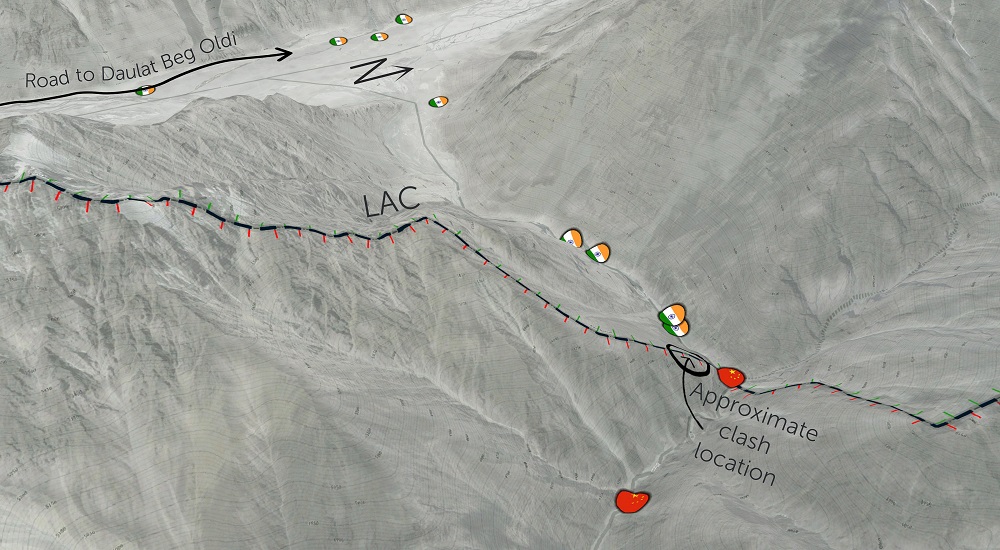
    As one writes, a phase of the events in the Galwan valley near the Line of Actual Control (LAC) has come to an end. Inputs from government, media and private commentators, have provided a perspective of the events preceding the incidents of 15/16 June and thereafter till the current day. For the world, the occasion has provided the opportunity yet again to witness the fighting spirit and junior leadership of all ranks of the Indian Army, who despite being outnumbered, were able to inflict far greater casualties on their adversaries, in inhospitable terrain under fading light conditions. The sacrifices of the men of 16 BIHAR, 3 PUNJAB, 3 Medium Regiment, and individual personnel from 81 Field Regiment, Corps of Signals and the Army Medical Corps have added lustre to the reputation of the Indian military. Their deeds shall remain enshrined in the memory of a grateful nation. At this watershed moment, we salute them.
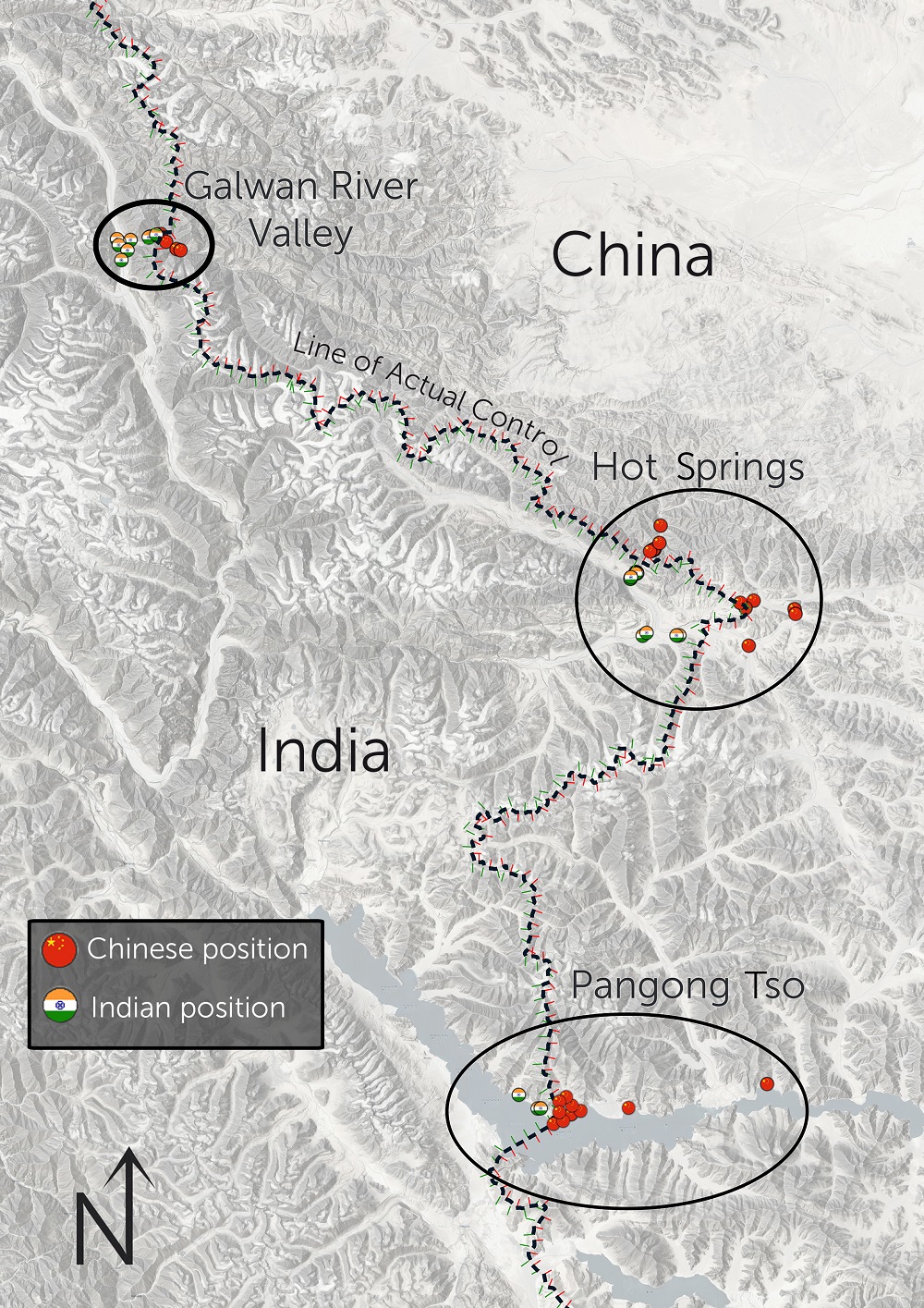
    China is contesting control over settled areas (Galwan), exploiting laid down rules and norms of border management by resorting to use of primitive weapons instead of firearms, and pushing the envelope on the ground in attempting to increase areas under control such as at Hot Springs and Pangong Tso – all actions just short of war.
    One theory gaining currency in attempting to understand China’s recent behaviour, pertains to its unhappiness over what it perceives as alteration of the status quo on the LAC by designating Ladakh as a Union Territory – resulting in active collusion with Pakistan which shares Beijing’s sentiments on this issue, amongst others. However, there is no doubt that the strategy applied by China in East Ladakh comes straight out of its manual on Grey Zone Warfare. It is contesting control over settled areas (Galwan), exploiting laid down rules and norms of border management by resorting to use of primitive weapons instead of firearms, and pushing the envelope on the ground in attempting to increase areas under control such as at Hot Springs and Pangong Tso – all actions just short of war.

    While the situation on the Pangong Tso awaits resolution, what is amply clear is that the era of explaining away patrol clashes on the LAC to the Indian public, in terms of ‘varying perceptions held by both sides’, is past. By its perfidious actions in East Ladakh this year, China has shredded in letter and spirit the border agreements built up over the last three decades. The recent incidents have brought greater clarity to the public mind, with a consensus that China’s salami slicing tactics cannot be tolerated any further. Indian soldiers see the LAC as a line marked on the map. Commanders are clear that the areas up to that line are to be either physically occupied or patrolled at will from bases in the vicinity, supplemented by other forms of surveillance. As per media reports, the Government has over the weekend ‘revised the Rules of Engagement’, giving ‘a free hand to the Army’ to deal with occurrences of this nature. By implication, in future if patrols cannot resolve their face offs peacefully, there will be no resorting to hand to hand scuffles with primitive weapons – unsuccessful efforts at border management will give way to border defence, through resort to tactical military operations.
    As per media reports, the Government has over the weekend ‘revised the Rules of Engagement’, giving ‘a free hand to the Army’ to deal with occurrences of this nature. By implication, in future if patrols cannot resolve their face offs peacefully, there will be no resorting to hand to hand scuffles with primitive weapons – unsuccessful efforts at border management will give way to border defence, through resort to tactical military operations.
    Response to this new paradigm places another set of challenges before the Indian Army. Prior to May 2020, Galwan was not in the category of disputed areas, as understood in LAC parlance. Neither had any Chinese activity been sensed in the preceding years. While construction of the DSDBO road could be the trigger, the fact that an area where the LAC had lain undisturbed since 1962 could become the scene of such a violent action, warrants scrutiny of PLA intent across the board. Previous assumptions with respect to the PLAs likely areas of interest across the entire Northern border, therefore, certainly warrants a relook. Conclusions drawn would mandate contingency planning and consequent tasking at strategic, operational and tactical levels. Such plans doubtless exist. However, it is obvious that their scope, timelines, and imperatives for successful implementation will need review in conjunction with the other services.
    Outcomes of such reviews would inevitably renew the focus on capability building and in the middle term, might even alter priorities for the same. Substantial enhancements in the areas of surveillance, tactical and strategic air mobility and real time communication links continue to retain their importance. Induction of greater varieties of kinetic non-contact weapon systems, complemented by force multipliers such as cyber warriors and special forces too remain on top of the list. Also, the continued ceasefire violations on the Line of Control to the West, and the relentless tempo of counter terrorist operations in the Valley during this period smack of collusion and tell a tale which defence planners must take note of. Developing the desired capability will be predicated on guaranteed funding and fast track procedures. It is heartening to peruse reports in the Economic Times of 22 June that the Government has granted emergency financial powers up to Rs 500 crore per procurement project to each service for buying weapons and ammunition. Even if new projects cannot be initiated immediately because of fund constraints imposed by the Covid-19 pandemic and otherwise, it is time for stalled ones like the Mountain Strike Corps to be quickly completed. The example of the PLA which has almost completed its reorganisation for fighting wars of the future and tested the response of its field force during the Covid-19 pandemic, must be taken note of.
    Thanks to the Galwan episode, the vital aspect of border infrastructure has gained nationwide attention. There is perceptive increase in the pace of development over the last few years. The sequence and methodology however are dictated essentially by two factors – availability of resources (funds and specialist equipment) and the need for calibrating messages implicit in such actions to China. Despite Covid-19 constraints, the current crisis mandates that funds currently earmarked for infrastructure development continue to flow so that development progresses, albeit at a slower pace. As regards messaging to China, we have reached a watershed moment. As high level military talks continue and spell out the Indian position on the ground to the Chinese, creating an ‘all of nation approach’ for tackling China becomes necessary.
    Galwan incident has ensured that the negative perception of China worldwide is now shared by almost all sections of Indian society. This bitterness is fuelled by the sheer brutality of the Chinese military and duplicity of the Chinese government, bringing back memories of 1962 for many who have only heard of that era. It is driven further by a realisation of the scale of India’s dependence on China, be it in the import of manufactured goods of all hues, or technology, and the consequent harm to Indian interests and livelihoods. Awareness has spread amongst Indians that China’s constant working against India’s interests in world fora, be it in vetoing expansion of the permanent membership of the Security Council for ‘technical reasons’, blocking its membership in the Nuclear Suppliers Group or introducing discussions on Kashmir are all part of its plan to obstruct India’s progress to its rightful place in the comity of nations. In attempting to correct an unequal economic relationship, ensuring that India retains its position in the region and preventing erosion of its influence in South Asia and beyond, all elements of the Indian state have their tasks cut out. It becomes imperative now to prepare a different toolkit with a wider range of options (including those not envisaged earlier) to manage India-China relations. Such options now require to be coordinated at all levels of the government and intimated to stakeholders including industry and other influencers for implementation. This coordination is long overdue. Resetting the economic relationship will not be easy. However, announcement of a practical time bound and holistic road map which has been thought through with all stakeholders would be a beginning.
    Galwan incident has ensured that the negative perception of China worldwide is now shared by almost all sections of Indian society.
    To supplement the proposed policy outlined above, articulation of a holistic Strategic Narrative vis-a-vis China becomes necessary. Such a narrative would pertain to as many aspects as possible – bilateral issues (including border management), local and regional matters, so that consistent, coherent and long term views are voiced, keeping in mind the national interest. information operations would be a subset of such a narrative, and briefings organised as frequently as possible would be useful force multipliers. It might be necessary for the concerned sections in the newly formed Department of Military Affairs and the Department of Defence to coordinate these aspects. India must also actively consider the possibilities that other forms of conflict, including hybrid warfare, are necessary to exploit and invest in the same. Here too, employment of such methodologies by China is an example. China has been refining its doctrine of ‘Unrestricted Warfare’ since the early 90s. The effects are there to see in South China Sea and elsewhere. It is executing certain aspects of this strategy against India on the Northern borders.
    Managing relations with China is destined to remain the major preoccupation for Indian strategic thinkers in coming years. Tensions along the LAC are but one manifestation of this problem. Both nations are hostage to geography. China’s behaviour over the last decade has influenced Indian foreign and military policies like no other, causing India to take decisions that were not in the realms of possibility earlier. Articulating a holistic China strategy through an all of government approach within the overall ambit of a National Security Strategy to ensure that India achieves its rightful place, has never been so important.
    Image Credit: ASPI:The Strategist – Nathan Ruser

  • China’s support to Syria: In Conflict and Redevelopment

    China’s support to Syria: In Conflict and Redevelopment

    China is looking to ramp up relations with Syria both as part of its strategic Belt and Road Initiative (BRI) but also to take advantage of the multi-billion dollar reconstruction effort that is expected to materialise following the gradual winding down of the war.


    Syria is an ancient civilisation and also an important part of the ancient silk route, with cities such as Palmyra, Aleppo and Damascus playing an important role in trade and travel between the East and the West. While the discovery of a maritime route between Europe and Asia has to some extent diminished its importance in this regard, Syria is still strategically important. China is looking to ramp up relations with Syria both as part of its strategic Belt and Road Initiative (BRI) but also to take advantage of the multi-billion dollar reconstruction effort that is expected to materialise following the gradual winding down of the war.

    China’s non-interference policy is an integral aspect of its involvement and role in the Middle East. During the course of the Syrian war, China has consistently supported the Bashar Al Assad government on the diplomatic front – through the exercise of the veto power against the resolutions introduced in the United Nations Security Council either condemning the Syrian government, calling for ceasefire or for imposing sanctions on suspected war criminals. While negotiating the renewal of border crossings for aid, China agreed on the need for humanitarian assistance but emphasised on state sovereignty. China’s policy of non-interference has served it well in strengthening bilateral relations and advancing its interests.

    One of the reasons for the diplomatic support extended by China to the Syrian government is also the involvement of the Uighur fighters in the Syrian conflict which has greatly bothered China. While it has never got directly involved militarily in the Syrian conflict there are unconfirmed media reports which suggested that China was sharing military intelligence with the Syrian government and also sent its military advisors to Syria to help it in its fight against the rebels. In this sense, it saw Syria as a key player in its fight against religious extremism thereby preventing its export to its own volatile Xinjiang province.

    With the Syrian conflict slowly winding down and Bashar Al Assad’s hold on Syria greatly strengthened more than at any other time since the beginning of the civil war, China is ramping up its diplomatic efforts in Syria  using trade as an important policy tool to ramp up the relations between the two great civilisations.

    Based on Chinese government’s invitation Syria has participated in the second BRI summit held in Beijing in April 2019. Previously in 2018, China held a Trade Fair on Syrian reconstruction projects which was attended by nearly one thousand Chinese companies and which saw investment proposals of nearly USD two billion. The collapse of most of the industry in Syria due to the war has also resulted in a significant increase of cost-effective Chinese imports into Syria ranging from toys to car parts and industrial machinery and equipment.

    China is also leveraging its economic strength fully by using aid as a foreign policy tool. In 2019,  Xinhua reported on the  that an economic cooperation agreement was signed between Syria’s Planning and International Cooperation Commission (PICC) and the Chinese embassy in Damascus. As part of this agreement, a donation will be set aside to fund a series of humanitarian projects as agreed upon by both sides.

    The collapse of most of the industry in Syria due to the war has also resulted in a significant increase of cost-effective Chinese imports into Syria ranging from toys to car parts and industrial machinery and equipment.

    China is expected to be a key player in the international reconstruction and development effort that is expected to take place in Syria due to its strong bilateral ties with not only Syria but also its alignment with Russian and Iranian position on Syria , these two players being the major supporters of Bashar Al Assad’s government in the civil war. While Russia and Iran are surely expected to carve out a large part of the reconstruction contracts between themselves, their capacity to make the huge investments in these projects, estimated to be worth anywhere between USD 200 million to USD 1  trillion is doubtful. This creates the ripe opportunity for China to enter the reconstruction business effort either by themselves or, as is more likely, in partnership with Russian and Iranian governments or businesses.

    Beyond the business opportunities provided by the potential reconstruction of Syria, China is also strategically interested in Syria. China was always interested in securing access to the Ports of Tartus and Latakia on Syria’s Mediterranean coast. Such an access is expected to complement Beijing’s interests in the Greek port Piraeus (COSCO shipping, the Chinese state-owned shipping and logistics services supplier company in the Port authority) and the Israeli port of Haifa, in securing a trade route to Europe. In alignment with these strategic interests, Chinese companies’ area also exploring the possibility of upgrading the deep seaport of Tripoli, Lebanon to allow it to accommodate larger vessels and also the possibility of building a railroad that would connect Beirut and Tripoli in Lebanon to Homs and Aleppo in Syria.

    Beyond the business opportunities provided by the potential reconstruction of Syria, China is also strategically interested in Syria. China was always interested in securing access to the Ports of Tartus and Latakia on Syria’s Mediterranean coast.

    Chinese investments into and trade ties with Syria however, risk the attraction of US sanctions on Syria. The arrest of Meng Wanzhou, Chief Financial Officer of Huawei, , in Canada, based on a request by the United States highlights the extent of these risks. “The Caesar Syria Civilian Protection Act”, also known as “The Caesar Act”, a United States legislation that sanctions the Syrian government, including Syrian president Bashar al-Assad, for war crimes against the Syrian population, parts of which  are now incorporated  in the “National Defense Authorization Act for Fiscal Year 2020” greatly tightened the sanctions environment against the Syrian government and a number of its industries potentially impacting the Chinese investments and trade ties. While China has called for an end to sanctions stating they were “inhuman,” they have been wary of being targeted by sanctions and further straining their relations with the US. However, it is unlikely that the sanctions would have a significant effect on China given the size of China’s economy and its ability to circumvent sanctions while dealing with Iran and North Korea. China, as part of its ‘mask diplomacy,’ is increasingly providing aid to the Syrian government in their efforts against Covid-19. This serves the dual purpose of strengthening China-Syria relations and strengthening China’s narrative of Covid-19.

    To conclude, China has been a staunch supporter of the incumbent Syrian government of Bashar Al Assad during the almost decade long Syrian civil war and is set to reap the benefits from the post-war Syrian reconstruction effort in conjunction with the Russians and the Iranians to advance its interests.

    Image: Middle East Institute


  • China Tightening its grip on Indian Ocean

    China Tightening its grip on Indian Ocean

    Category : International Affairs/China

    Title : China Tightening its grip on Indian Ocean

    Author : G Parthasarathy 10-02-2020

    In comparison to India, China has moved ahead to strengthen its maritime ties with countries across the Indian Ocean. With the expansion of its submarine fleet and commissioning of its aircraft carriers and fifth generation aircraft, China has augmented its naval strength significantly. Ambassador G Parthasarathy looks at China’s expanding profile in the Indian Ocean and India’s response.

    Read More

  • US-China Trade Wars on IPR and what it means for India

    US-China Trade Wars on IPR and what it means for India

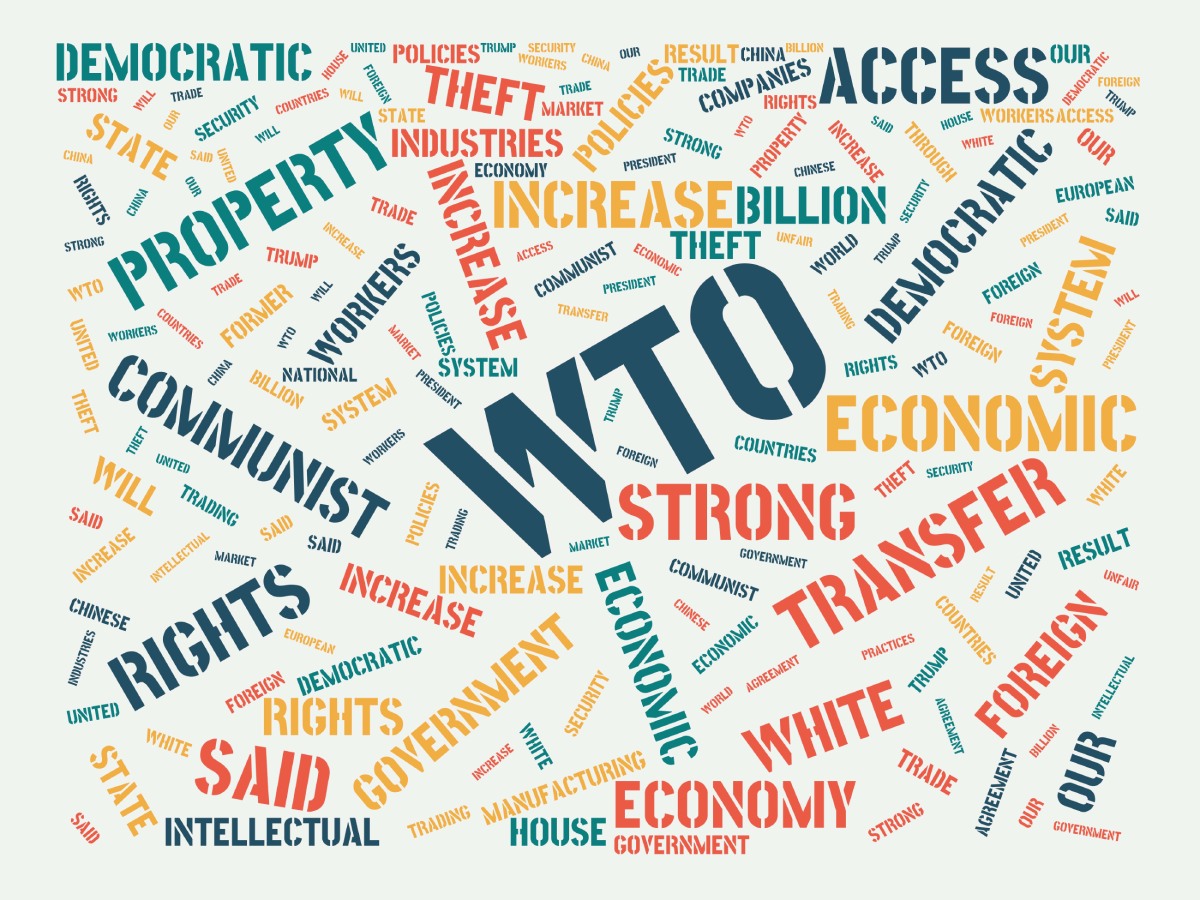
    Each incumbent in the White House since the entry of PR China into the WTO in 2001 has agonized over the protections provided by the Communist state to intellectual property rights. As China’s capacities increased and as Chinese enterprises continued to operate in an unrestrained fashion, the US Government along with other European countries raised the pressure on Beijing to change its behaviour. They refused to accept at face value Chinese protestations that these actions were compliant with WTO provisions. US responses covered the entire range of domestic law actions, bilateral pacts and approaching the WTO. A study of these actions, with the benefit of hindsight, shows it was lacking in both scope and determination. US President Donald Trump’s efforts which sparked the trade war has been the most dramatic and effective till date. Both US and China agree that their IPR differences are fundamental in nature and will be addressed in its entirety in the second phase. In this regard, the cat and mouse legal games being witnessed in the case of Huawei and its 5G ambitions  deservec scrutiny. Simultaneously the Trump Administration has doubled down on the WTO and reduced its dispute settlement body into a pale shadow of its original self. India is also a target of US actions on the IPR front, albeit of a lesser degree compared to PR China. WTO case law is instructive and there are lessons to be learned even outside of the US-China trade dispupte framework. In terms of the impact of the US-China IPR differences on India, three broad dimensions can be identified. The first one pertains to the WTO regime and other regional trade arrangements. Second, India needs to brace for further action at the WIPO and on the larger question of what US withdrawal from multilateral bodies means for the rest of the international community. Thirdly, Indian Government and companies need to try and leverage the opportunities that maybe created by China’s reforms in the IPR  fieldincluding the Pilot Free Trade Zone at Shanghai.

    Download Full Research Paper

    This paper is also published in AALCO journal.

  • Hong Kong’s Pro-Democracy Movement and the Chinese Conundrum

    Hong Kong’s Pro-Democracy Movement and the Chinese Conundrum

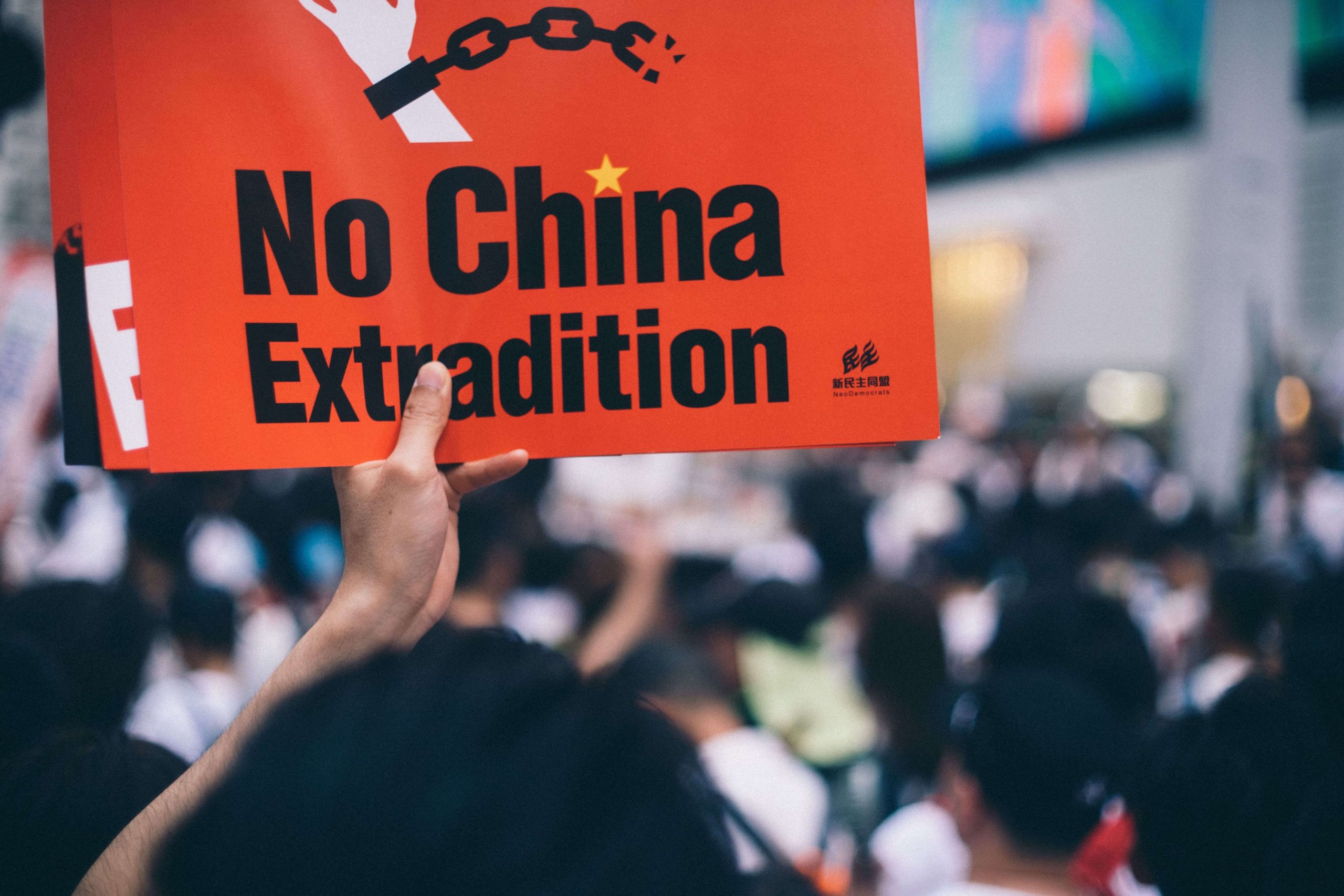
    The protest that erupted in Hong Kong since early June, triggered by stark objections to the extradition bill, has spiraled into a pro-democracy movement in the region. Beyond the political situation, the widespread, leaderless yet organised demonstrations reveal deep social and economic frustrations of the Hong Kongers. As the unrest enters its fourth month, the course of the events in the upcoming days also remains crucial for People’s Republic of China that is gearing up for its 70thanniversary on 1stOctober. With the rest of the world keenly observing Beijing’s measures, China seems to be in a conundrum, often changing its reactionary responses towards Hong Kong.

    Despite wide opposition, the pro-China Legislative Council (LegCo) in Hong Kong passed an extradition bill, usurping the democratic members presiding the bills committee.  While the current laws permit Hong Kong to extradite people upon legislature’s approval, the government introduced the bill claiming that it was unfeasible and could alert targets to flee before proper action. Eventually, following massive protests, the bill was suspended as people claimed that the proposed changes allowing Hong Kongers to be tried in mainland China will erode the region’s autonomy and freedom. Dissidents asserted that the Chinese legal system is opaque and often subordinate to the political structures, not always respectful of the rule of law. Although the citizens succeeded in removing the bill, the protests gained momentum towards larger demands of democracy.

    In 1997, when the British returned Hong Kong to China, Beijing allowed the region to retain a high degree of independence, with the mainland responsible only for defence and diplomacy. Although “one country, two systems”, set to expire in 2047, states political and economic autonomy, only 40 of the 70 LegCo members are directly elected by the people (others nominated by business houses mostly pro-China)  and the Chief Executive is appointed by a 1200 member committee, approved by China. Over the years, multiple protests for democracy have been observed in Hong Kong due the uncertainty post 2047 and increasing Chinese influence, like the Umbrella Movement in 2014. Currently, the discontent with the largely pro-China administration and its failure to represent the Hong Kongers, galvanised by the extradition bill, refuelled the pro-democracy movement in Hong Kong now primarily demanding free election of Hong Kong’s leader and LegCo, withdrawal of the suspended extradition bill and stepping down of Carrie Lam (present Chief Executive).

    The longest and largest unrest in Hong Kong since reunifying with the mainland seems to be spreading to include all sections of the population including lawmakers, civil servants, and even business houses. Mostly led by youth below 30 years, the movement has evolved to be a fight for the future of Hong Kong. Unlike older Hong Kongers, the younger generation did not grow up in a British colony and does not identify with the mainland, manifesting no pride in returning to the Chinese regime. According to Hong Kong University Public Opinion Program, the number of people expressing pride in being a Chinese citizen is at a record low, with an overwhelming majority identifying as Hong Kongers rather than Chinese. Despite being (seemingly) a leaderless rebellion, the sense of desperation and fear of Hong Kong losing its autonomy are powering the movement. While the driverless protests prevent protestors from becoming state targets, the nature of the crisis can easily turn violent and escalate since there is no set course of action, such as breaking into the legislature, shutting the city’s subways and airports, etc.  Many suggest that the protest is constantly gainingmomentumas the political frustration is also fuelled by socio-economic issues. Studies have revealed wide income disparities, especially in the last 45 years. Hong Kong has emerged as the most unequal nation amongst developed nations with the highest Gini coefficient- 0.539 (2017).  After Hong Kong was returned to China, it was hit by the Asian Financial Crisis in 1997 and SARS threat in 2003, worsening recession and unemployment, eventually leading to higher integration with the mainland in terms of trade and investment. As the GDP fell from an average rate of 5.1 percent in 1977-1997 to 2.6 percent in 1997-2017, the wealth gap widened as well. The younger generation equates the blame of poor economic opportunities, rising income inequality and reduced upward mobility to the pro China initiatives of the Hong Kong administration, which is not directly elected by the people. Aging population, low minimum wages, skyrocketing real estate, etc require immediate government policies to tackle the resulting social issues. In the absence of appropriate government action, the demand for a democratic government that acts in Hong Kong’s interests have strengthened.

    Interestingly, the official Chinese response to the Hong Kong situation has been constantly evolving over the course of the protests. Initially, the unrest was hardly covered in Chinese media and traces of Hong Kong incidents were censored from the mainland’s social media platforms. Further, the Chinese state downplayed the number of protestors, claiming that majority of the public in Hong Kong were in favour of the introduced extradition bill. As the movement gained momentum, Beijing portrayed the protestors as a radical, violent minority. Eventually, as pro-democracy demands were raised, Chinese official statements were released comparing the agitation to a “colour revolution”, a term used to highlight a direct threat to Chinese party and its authority. Since then, police force and violence have heightened, and paramilitary forces amassing in the nearest city of Shenzhen has been reported. Following this, Beijing signalled that it has a responsibility to intervene as the Hong Kong administration’s capacity to h andle the situations seems ineffective. In parallel, Hong Kong’s administration repeatedly stressed that the ongoing demonstrations are disrupting the economy, a strategy to undermine support to the protestors.  Additionally, Beijing have also claimed that foreign “black hands” are operating and funding the revolution, since pro democratic leaders were photographed with US leaders and protestors defaced the national symbol at central liaison office (Chinese representative authority in Hong Kong). Overall, this narrative seems to actively reduce positive sentiments towards Hong Kong protestors in the mainland. Moreover, Chinese origin accounts on social media have been found propagating a campaign against the dissenters. Twitter suspended over 2,00,000 accounts, and Facebook removed 7 pages, 3 groups and 5 accounts on account of depicting protestors as violent criminals or terrorist aimed at influencing public opinion around the globe. For directly connecting to younger masses, Beijing has also roped in popular figures like Jackie Chan and pop singers. However, despite these hard and soft measures, China has largely failed in curbing the ongoing crisis.

    The varying responses to contain the rebellion highlight Chinese helplessness. Beijing’s long term strategy of subtly eroding Hong Kong’s autonomy has effectively been defeated. Ruthlessly crushing pro-democracy demands, as it did in Tiananmen Square protests, will undermine China’s carefully constructed role as a responsible state actor. Moreover, unlike the Tiananmen protestors, Hong Kongers have no allegiance to the mainland and are conditioned to certain levels of freedom. Suppressing their rights and removing its current level of autonomy will work against China and could further create tensions in Taiwan, prompting the island to declare real independence. Furthermore, it will invite international repercussions as UK has already announced diplomatic retaliation if the Sino British declaration is not honoured by the Chinese and US has hinted that the special privileges it extends to Hong Kong will be reconsidered if its status is changed. Despite Hong Kong’s declining significance to Beijing, it still handles  75 percent of offshore RMB payments and 63 percent of FDI into China. However, failure to quell the protests will hamper China’s image of invincibility and imply that Beijing caved in against mob action. This will weaken national pride amongst mainlanders, from which the Communist Party derives its strength. China seems to be caught in a tough spot, between one that wants to achieve stability by instituting leadership change and upholding one country two systems approach with integrity, and one that wants to portray itself as an ambitious rising power with unquestionable strength.

    Renuka Paul is Research Analyst with The Peninsula Foundation.

    Image Credit: Photo by Joseph Chan on Unsplash.

  • China’s Climate Diplomacy and Energy Security

    China’s Climate Diplomacy and Energy Security

    Sakshi Venkateswaran                                                                                July 14, 2019/Analysis

    In the last two years, China has become the leading destination for energy investment. A significant portion of this investment lies in the renewable energy sector of China that has undergone rapid development, accounting for about 45% of global investment(126.6 billion) in 2017. The country overtook Germany in the production of solar panels and solar energy generation in 2014 and in 2015 China’s production of wind energy accounted for one third of global wind energy capacity and needless to say, China has always dominated the market in the production of hydro energy. This has led to widespread speculation of the country being a “renewable energy superpower” following a report by the Global Commission on the Geopolitics of Energy. It has also taken active steps to combat climate change in the form of revamping its energy policies. However, these positive shifts are not without issues. China still remains a net importer of coal and highest emitter of greenhouse gases. This article attempts to understand China’s climate change diplomacy against the backdrop of its energy security concerns and if there is any truth to China becoming a renewable energy superpower.

    The 2018 UN Intergovernmental Panel on Climate Change (IPCC) report highlighted that there was only 12 years to control global warming temperatures to 1.5 °Cfollowing which even a half degree rise would prove catastrophic in the form of unprecedented floods, droughts and millions being pushed towards poverty.  Even maintaining the 1.5 °C would require a complete overhaul in the energy, transportation, infrastructure and industrial sectors and global carbon emissions would need to reach net zero by 2050. The Paris Climate Accord was instrumentalized with the intention of capping carbon emissions and containing global warming temperatures below 2 °C. Since the Paris Agreement in 2015, perceptions toward climate change has seen massive shifts following extreme weather patterns in several countries. For one, the US has been strong in their intention to withdraw from the Paris Agreement while several others have taken steps to address climate change by decisive shifts in environmental and energy policies. Chief among them has been China’s actions to counter the climate crisis by investing in renewable energy.

    With a population of more than 1.4 billion and a boom in growth since the 2000s, China has been experiencing rising living standards and industrialization. As a consequence, China’s energy consumption has seen a surge as well. Historically, China’s major sources of energy have been its vast domestic coal reserves and imports of crude oil and natural gas from Russia and Middle East. This has resulted in China competing with the US for the position of being the largest emitter of carbon dioxide. In acknowledgment of this, the Chinese have been the first to invest billions in renewable energy.

    China’s Energy Landscape

    China’s investment in renewable energy began as early as 1949 with the construction of the world’s largest hydroelectric plant, the Three Gorges Dam over the Yangtze River. The reason the Chinese shifted towards hydroelectric energy was the rising dependency on imports and harmful effects to the environment due to the usage of coal. Prior to the Sino-Soviet split in 1960, China had been importing close to 50% of its oil from the Soviet Union. However, a combination of losing the Soviet’s support, economic collapse and a shift from being a net exporter of oil to being a net importer in 1993 accelerated China’s desire for energy self-sufficiency. Since the 2000s the country’s oil and natural gas imports from Russia and Middle East have exhibited a dramatic increase. In 2016 China’s imports of crude oil reached a record high of 68%while natural gas imports hit 33% in 2017.

    Concern regarding the emission of greenhouse gases and inefficient use of coal for power generation prompted a shift in the subsequent energy policies that China released. The Chinese established several economic and technological policies to promote energy conservation. An energy saving branch consisting of a three-tier system was set up within the central and local governments and enterprises in the 1980s. Under the 1988 Energy Conservation Law numerous policies were implemented beginning with the ‘Energy Conservation Propaganda Week’ in an attempt to increase energy efficiency and energy conservation. The government also began providing loans and tax incentives to entrepreneurs who developed small hydropower and wind power plants.

    Even the 13th Five Year Plan by the Energy Bureau of China revealed its plans to restrict coal to 58%of its energy mix by 2020 as opposed to previous levels of more than 60%. The country’s shift to renewable energy has garnered itself the title of being the world’s renewable energy superpower”; a title that has increasingly found its way into academic and policy circles.

    China’s Climate Diplomacy

    Climate change or rather, the climate crisis has metaphorically lit a fire under the member states signed on to the Paris Agreement to combat the greatest threat posed to mankind. Germany has rallied several EU member states to achieve “climate neutrality” by 2050 with net zero carbon emissions. Amidst mounting public pressure and weekly climate protests by students (Fridays for Future), several governments have convened in Bonnin Germany from June 17th to 27th of this year for a climate summit to address the carbon emissions. China has been proactive in that regard; having already shifted to electric vehicles and invested in technologies of carbon capture and storage among other initiatives. China’s share of electricity generation from renewable energy accounted for 26.4%in 2017. The country has also made large investments in the power sector in Africa, specifically for electricity generation in the last 20 years. They contributed up to 30% of capacities of which 56%of the total capacity comprised of renewable sources in 2016.

    Given these numbers regarding renewable energy and its position on climate change, it might be reasonable to speculate that China’s behavior in the international system — its dispute over the South China Sea (SCS) with the Southeast Asian countries, challenging the established status quo of the US as a superpower, the Belt and Road Initiative (BRI) and increasing energy diversification in Russia, Central Asia, Latin America and Africa — is an attempt at addressing its current energy insecurity.

    China claims the entirety of the SCS on the basis of historicity, what they refer to as the nine dash line; a claim that is contested by several countries in Southeast Asia. According to reports by the World Bank the SCS has proven reserves of natural gas and oil. China’s rising energy security concerns over the Malacca Strait, Strait of Lombok, Sunda and Ombai Weitar and the Persian Gulf compound its behavior regarding the SCS as more than 50% of China’s trade travels these waters. Another issue that arises is US’s presence and influence it wields in the region.

    In the last 10 years China’s imports of crude oil from the Middle East has been on the decline. Russia, Angola, Brazil and Venezuela have increasingly taken up a major portion in China’s energy mix (14%, 12%, 5.1% and 4% respectively). The influence that the US wields in the Middle East and the general instability pose a very credible threat to China’s imports. Recently, with the US unilaterally leaving the Iran nuclear deal and the return of sanctions on the country, any state continuing to trade with Iran has been under economic fire from the US (China, India, Turkey etc.). In such a scenario China’s focus on renewable energy would prove an alternative as well as a challenge to the US’s power in the international system. 

    Addressing the climate crisis has been on the agenda of energy policies of several countries. That China has taken a massive step towards that end impacts US’s credibility on that front. The Trump administration has made their position on climate change explicitly clear with their decision to withdraw from the Paris Climate Accord. China’s renewable energy generation will damage US’s optics. Barring this, investment in renewable energy could have an effect on the economies of oil rich countries in the Middle East. China’s ambitions to challenge the existing global order by strengthening their military and economy depend upon its strategies to combat their energy insecurity. Hence, the strategic value in investing in renewable energy.

    However, China’s energy shifts do not come without its own set of logistical issues. In spite of leading most of the world in the production of wind, solar and hydro energy, the percent of these in domestic electricity generation remains low. Only 19.2%, 3.8% and 1.2% of hydro, wind and solar power was utilized for domestic electricity generation in spite of a net installed capacity of 344 GW, 148.6 GW and 77.5 GW respectively in 2016. Though there has been incremental rises in these numbers, China still has a long way to go before attaining energy self-sufficiency. China still relies on heavy imports of coal from its neighbours such as Australia, Mongolia, Indonesia and Russia. The country’s usage of coal rose by 1% in 2018 though its share in the energy mix decreased to 59%, a 1.4% decrease from 2017.

    Conclusion

    The blame and burden for finding a solution to the climate crisis cannot solely rest on the shoulders of developing economies contrary to frequent statements made by the US President who blames Russia, China and India for climate change while ignoring the US’s emission of greenhouse gases. The bottom line is that the US and most of the West had almost 200 years to industrialize and develop their economies. Countries such as India and China have only experienced industrialization and a developing economy in the last 50 or so years. In such a situation, the scale to measure with whom the blame for climate change lays is skewed. Specifically in the case of China, a burgeoning population drove the need for rapid growth. Therefore, it is still a commendable fact that China has been environmentally conscious in the development of its economy. It remains one of the few countries on track to meet the Paris Climate Agreement targets for carbon emissions. 

    All this aside, it is rather premature to refer to China as a “renewable energy superpower” at this point in time. The numbers regarding the use of renewables in domestic electricity generation do not paint a picture of a country poised to change its energy dependency from fossil fuels to renewable energy. China’s goal of becoming a global superpower by 2049 does not just include powering up economically and militarily. Even a developed economy implies growth across the entire country and not just in certain provinces, as is the present situation in China. But it is increasingly becoming evident that any country that reaches their target to combat climate change along with being an economic and military powerhouse stand to become a global influencer and dictate the terms of the international system. If recent developments are any indication, China needs to continue its sustained efforts at decarbonization to attain the influence and recognition it seeks from the international community.

    Sakshi Venkateswaran is a Research Intern at The Peninsula Foundation.

    Image by Skeeze from Pixabay.