Category: China

  • Chinese Roulette: Which Way Will the Wind Blow?

    Chinese Roulette: Which Way Will the Wind Blow?

    The 2022 campaigning season along the Sino-Indian Line of Actual Control (LAC) opens up in just a matter of months. By all reckoning, the situation is likely to continue remaining extremely volatile, uncertain and tense. While some believe that it may have been this Government’s abrogation of Article 370 and the Home Minister’s statement in Parliament that invited a strong response from the Chinese, the truth is that we are yet to fully comprehend the Chinese leadership’s motivation for damaging, if not jettisoning, over three decades of Confidence Building Measures (CBMs) and growing economic ties, though the latter seems not to have been impacted in the short term, by resorting to unprovoked aggressive action in Eastern Ladakh and elsewhere.

    In addition, we continue to see a steady build-up of forces and infrastructure, as well as cartographic aggression in the form of renaming of villages in Arunachal Pradesh and the passage of the Land Border Law, effective from 1st January 2022. All of this strongly suggests that the situation will get much worse before it gets better, and we are more likely to see increased Chinese assertiveness and determination to settle territorial disputes on its own terms. Moreover, by its actions in Eastern Ladakh, it has already occupied territory up to its Claim Line of 1959. This begs the question, obviously difficult to answer with any degree of certainty, as to whether there is a likelihood of further Chinese escalation leading to a limited conflict?

    Clearly, the Government is also seized of the problem, as is obvious from the Defence Minister’s statement, while inaugurating border infrastructure, that “We faced our adversary in the northern Sector recently with grit and determination. It could not have been done without proper infrastructural development. In today’s uncertain environment, the possibility of any kind of conflict cannot be ruled out.”i It must be emphasised that conflict is not something that we either desire or is in our interest, especially given the Omicron tsunami that appears to be gathering momentum and the adverse impact that the pandemic has already had on our economy.

    It is therefore quite apparent from the Modi Government’s actions that it has been extremely circumspect and cautious in its response following China’s occupation of our territory, by some estimates extending over a 1600 Sq. Km. Clearly, it has no intention of either attempting to push back the PLA from the intrusion sites, or for that matter, occupying territory elsewhere, as a quid pro quo and bargaining chip for later. However, there is a view that occupying Indian claimed territory in Aksai Chin as a quid pro quo is not a bargain but an acknowledgement that Aksai Chin is alien territory. Therefore this Government has attempted to engage China in talks, both at the diplomatic and military level, though with little success to show for its efforts. Given the mismatch in force levels, this level of military and diplomatic engagement is understandable, though Mr. Modi’s unwillingness to personally call out the Chinese for their provocative behaviour may well give, them and the world at large, an impression of an eagerness to crawl, when just asked to bend.

    However, a deeper examination of events does suggest that the Government has not taken Chinese bullying lightly, and has, in fact, responded in an extremely measured manner, militarily. Following the Galwan incident, it has mirrored Chinese troop accretions by deploying additional forces in Eastern Ladakh, along with armour and other supporting elements. Its pro-active occupation of the Kailash Heights, though these troops were subsequently withdrawn as a part of reciprocal action by the PLA in the Pangong Tso Sector, hinted at the possibility of similar, but more offensive actions, being replicated elsewhere. The reorientation of the Army with the earmarking of a second Mountain Strike Corps for offensive operations has substantially added to the Army’s capabilities and would adversely impact the PLA’s force ratio dynamics. Most importantly, the upgrade of communication infrastructure, not just in Ladakh but elsewhere along the LAC as well, has been greatly speeded up and is coming to fruition, thereby significantly enhancing our defensive capabilities.

    To help us understand if China is likely to resort to force in the ongoing stand-off, an examination of historical precedent may give us some vital clues. As Prof M Taylor Pravel of MIT notes, two characteristics have defined China’s use of force. Firstly, “along its continental border, China has employed force in frontier disputes where it has faced militarily powerful opponents (i.e., states that could possibly challenge its otherwise strong claims). Although the local military balance is difficult to measure with precision, China has on average been vastly stronger in the overall military balance…. India in 1962, the Soviet Union in 1969, and Vietnam in the early 1980s. At the same time, China has refrained from employing force against its weaker continental neighbours. Second, China has used force in disputes where the strength of its claims have been weak, especially when it has occupied little or none of the contested territory. In these disputes, China has been sensitive to any further decline in its bargaining power.”ii

    This suggests that even with neighbours that de facto accept Chinese interpretations of its territorial claims, China is still extremely wary of actions that they may undertake to change the existing relative balance of power along with its disturbed periphery, and prefers to use force against them to delay/stop their progress. For example, there is evidence to suggest Nehru’s Forward Policy and the refuge given to the Dalai Lama were a serious cause of concern to the Chinese leadership. This is borne out by declassified United States documents pertaining to the capture of Longju in August 1959, which reveal that “the late August clashes point of a mode of thought which has remained an ingredient in the Chinese leaders’ calculations on the border dispute: ‘When the Indians show a temperament to advance on the ground, we must alter their frame of mind by letting military action take over political caution. Besides, military risk itself is negligible, because we are the stronger side’.”iii A perception within the Chinese leadership that appears to have remained unchanged in the intervening years, and is especially pertinent at the present time, given President Xi Jinping’s penchant for following in the footsteps of late Chairman Mao Zedong.

    In addition, there are some other factors that have a bearing on this issue of force escalation. For one, it is fairly common for autocratic governments to attempt to conjure up external threats to unify the people against a common enemy, and divert their attention from serious domestic challenges that may lead to unrest or hurt their own leadership position. In this context, as Kalpit Mankikar, a Fellow with the Observer Research Foundation who focuses on China points out, prior to the 1962 Conflict Chairman Mao faced serious internal dissension against his leadership and it had more to do with the intra-CCP power struggle. Mao’s Great Leap Forward (GLP) had been criticised, and for the first time, he had to demit office as State President, forced to hand over to his heir apparent Liu Shaoqi, which came as a huge jolt to him.

    President Xi now finds himself in rather similar circumstances as the economy stutters, in no small measure due to his government’s crackdown on multiple Chinese sectors and companies that have been mascots of growth over the years. His emphasis has been on the idea of “common prosperity” or “reasonable adjustment of excessive incomes and encouraging high-income groups and businesses to return more to society”iv, a blatantly populist measure, that was initially very well received by the average Chinese citizen. However, the enforcement of new regulations in this regard, the so-called “Three Red Lines”, has had a devastating impact on real estate companies such as Evergrande, which hold approximately 75% of all retail investments, bringing them to the verge of bankruptcy, and creating internal turmoil, uncertainty and dissent as the average citizen sees his savings completely wiped out. The likelihood of a domino effect on other facets of the economy cannot be wished away and is bound to adversely impact President Xi’s efforts to stay in power after the end 2022, when his term officially ends.

    In these circumstances creating and tackling an external threat along its borders, as the prevailing situation along the LAC is made out to be, will certainly divert attention and may very well pay great dividends. For example, while President Xi would have preferred to undertake actions to integrate Taiwan, he is hampered by the very real likelihood of The United States and its allies coming to the aid of Taiwan. Taking on India at the LAC is a relatively easier option, as interference by the United States and its allies is likely to be restricted to providing moral and material support at best. Furthermore, it could be viewed as a dress-rehearsal that would allow the PLA to gain vital operational experience, something it has been bereft of since the Sino- Vietnam Conflict of 1979, apart from ensuring a protected flank. Moreover, a successful termination of such a campaign would setback Indian aspirations by decades and severely dent Mr. Modi’s reputation and popularity, much as 1962 did in the case of Pandit Nehru. Not only would such action have a sobering impact on Taiwan’s dealings with the Chinese, but also in the manner other South East and Central Asian neighbours respond to Chinese hegemonistic designs as well.

    It is in this context that the new Land Border Law, now in effect, is likely to be extremely problematic for two reasons, and may well act as the trigger for any future conflict. Firstly, it attempts to give Chinese acts of cartographic aggression, such as differing perceptions on the exact alignment of the LAC, renaming of towns and villages in Arunachal Pradesh, and its acts of ‘salami- slicing’ over the years, a veneer of legality. Secondly, there is a clause in the Law that can be interpreted to suggest that it prohibits the construction of permanent facilities in the vicinity of the LAC without sanction from Chinese authorities, which would obviously be unacceptable to any sovereign state, especially given the manner in which it is rapidly developing communication infrastructure and settlements bordering the LAC.

    Increasing troop concentrations, especially in terms of armour and ballistic/air-defence missiles, in the Tibet Autonomous Region (TAR) along with the external and internal difficulties confronting President Xi suggests a high possibility of a conflict breaking out within the year. There are analysts, including some in this country, who believe that the PLA will be able to achieve a decisive victory given the over-all force disparity, especially in cyber, space and missile capabilities, as was the case in the 1962 Conflict. However, they have tended to disregard the adverse impact of climate and altitude, both on personnel and equipment, that gives a distinct advantage to a military fighting internal lines.

    The PLA can hardly afford to ignore its extended and extremely vulnerable lines of communication, however well developed, and the uncertain internal security environment within TAR and Xingjian. Most importantly, the PLAAF will be operating with greatly reduced capabilities from bases within TAR because of the altitudes involved, while being adversely impacted while operating from bases outside the Region given the extended ranges involved. Finally, the Indian Military does have a sizeable force, reasonably well-equipped with two Mountain Strike Corps and a Division plus of Special Operations Forces in place for offensive operations that will act as a deterrent to Chinese misadventure.

    It understands, however contrarian its public pronouncements may be, that the Indian Armed Forces are a very different force from what they encountered in 1962. Not only is the Indian Army far more experienced and battle-hardened in high altitude and mountain warfare than the PLA, but it will be the Indian Air Force, not utilised in 1962, that will be the battle-winning factor in any conflict. In addition, the employment of the Tibetan manned Special Frontier Force (SFF) in the Kailash Ranges, which received worldwide accolades, would have certainly caused immense disquiet within the Chinese leadership. The SFFs actions and rise of the Taliban have surely given an immense boost to the Independence Movements in both TAR and Xinjiang. Most importantly President Xi and his acolytes must be fully aware that anything other than a decisive victory, will for all intents and purposes, be perceived as a defeat and be the final nail in his coffin.

    Will all of this be sufficient to deter the Chinese from escalating the stand-off? The truth is that while we are inherently placed in an advantageous position, primarily due to location and circumstance, neither deterrence nor success is guaranteed. The fact of the matter is that over the past two decades the military has not just been neglected, but has also been deliberately discriminated against by the political and bureaucratic establishment. The damage that has been done, both to its organisational culture, morale and capabilities will need focus, effort and time to reverse. Most importantly, threats of this nature are best tackled by a nation that is united and willing to place its complete trust in its political leadership. Does our political establishment have the maturity, foresight, integrity and vision to provide the leadership we deserve and need? To quote the poet, philosopher and singer, Bob Dylan, “the answer, my friend, is blowing in the wind”…

    i The Times of India, New Delhi 29 December 2021, p 19.

    ii M Taylor Fravel, Power Shifts and Escalation: Explaining China’s Use of Force in Territorial Disputes, International Security, Winter 2007/2008, Vol 32 No 3, p 56

    https://www.jstor.org/stable/30130518?seq=1&cid=pdf-reference#references_tab_contents

    iii The Sino-Indian Dispute, Section 1:1950-59, DD/I Staff Study, CIA/RSS March 02, 1963, Approved for Release May 2007, p 33.

    iv Bloomberg News, China Eyes Wealth Redistribution in Push for ‘Common Prosperity’, 18 August 2021

    The article was originally published in Indian Defence Review, Jan – Mar 2022, Vol 37 (1) Pg 50.

    Featured Image Credits: CNBC
  • Vietnam-China Relations in 2022: Continuity and No Change

    Vietnam-China Relations in 2022: Continuity and No Change

    The year 2022 has begun on a positive note for Vietnam and China, and the General Secretary of the Communist Party of Vietnam (CPV) Central Committee Nguyen Phu Trong and General Secretary of the Communist Party of China (CPC) Central Committee and President Xi Jinping exchanged Spring Festival congratulatory messages.

     President Xi Jinping impressed on upholding the “spirits of good neighbours, good friends, good comrades and good partners, consolidate traditional friendship ….push for new achievements in China-Vietnam relations, elevate regional cooperation to new heights, and build a community with a shared future for mankind”.….”, and  General Secretary of CPV Nguyen Phu Trong emphasised on “promoting the sustainable, sound and stable development of relations both between the two parties and between the two countries… inject new impetus into the efforts to push Vietnam-China good-neighbourly friendship and comprehensive strategic partnership of cooperation to a higher level.”

    Both leaders expressed satisfaction with the state of relations between the CPV and CPC, and, looking ahead to 2022, hoped to maintain close communication. Also, Vietnamese Prime Minister Pham Minh Chinh and Premier Li Keqiang agreed to “properly manage differences, to push forward the China-Vietnam comprehensive strategic cooperative partnership”.  While that may be so, the bilateral relationship between the two countries presents a mixed bag of economic opportunities as well as strategic challenges. 

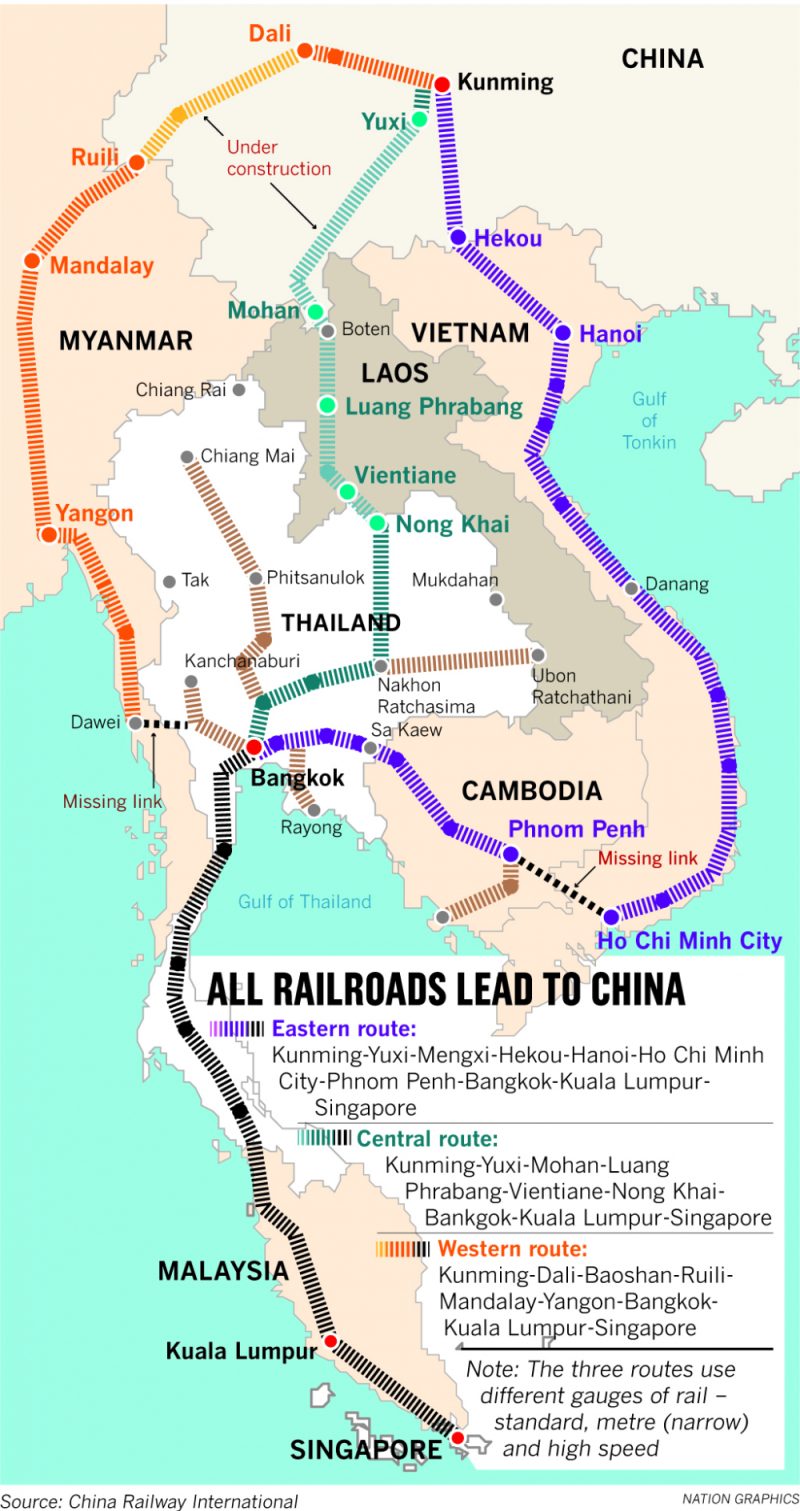
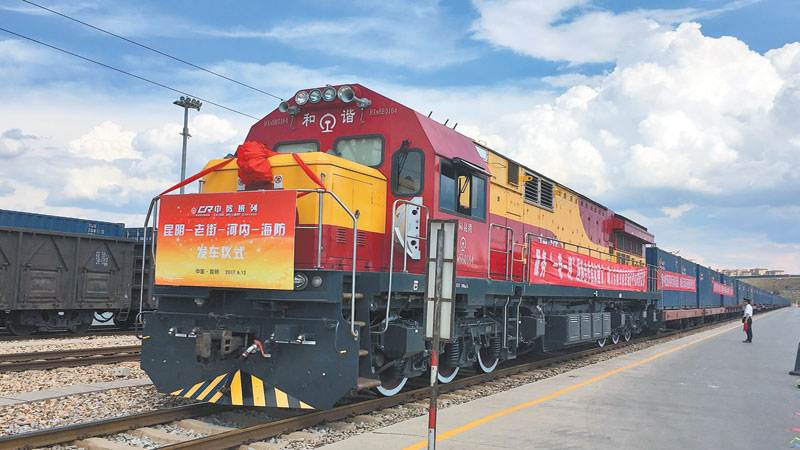
    the China-Vietnam freight train (launched in August 2017) run by the China Railway Nanning Group Co Ltd is a success story. It connects South China’s Guangxi Zhuang autonomous region with the Vietnam border and carries a variety of goods between China and ASEAN countries. In 2021, as many as 346 train trips were made, representing an increase of over 108 per cent from the previous year

     As far as bilateral economic relations are concerned, bilateral trade has grown.  In this regard, the China-Vietnam freight train (launched in August 2017) run by the China Railway Nanning Group Co Ltd is a success story. It connects South China’s Guangxi Zhuang autonomous region with the Vietnam border and carries a variety of goods between China and ASEAN countries. In 2021, as many as 346 train trips were made, representing an increase of over 108 per cent from the previous year. A total of 400 China-Vietnam freight train trips are expected to be made in 2022. China is also willing to provide more “customs clearance convenience for Vietnam’s high-quality agricultural products”, particularly durians, mangosteens, and longans.


    Prime Minister Pham Minh Chinh and Premier Li Keqiang have agreed to give a boost to their bilateral ties through the Regional Comprehensive Economic Partnership (RCEP) that came into force earlier this year. China has assured Vietnam that it is ready to “push for the effective implementation of the agreement, promote the regional economic integration to a higher level and bring more benefits to the people in the region”.

    at the strategic level, Vietnam continues to confront contentious initiatives by China, particularly on the issue of the South China Sea

     However, at the strategic level, Vietnam continues to confront contentious initiatives by China, particularly on the issue of the South China Sea. On March 7, pursuant to Hainan Maritime Safety Administration’s announcement on China’s military drills in the East Sea, Vietnam requested China to “respect and not to violate the nation’s exclusive economic zone and continental shelf, and not to take actions that complicate the situation, thereby contributing to maintaining peace, security and stability in the East Sea area. Vietnam has exchanged views with China on this issue”.

     Vietnamese Foreign Ministry spokesperson Le Thi Thu Hang observed that part of the area where Chinese military drills are planned is under the jurisdiction of Vietnam (exclusive economic zone and continental shelf of Vietnam) and reiterated that Vietnam always adheres to international law, especially the 1982 United Nations Convention on the Law of the Sea (UNCLOS). This has been refuted by China and it’s Foreign Ministry spokesman Zhao Lijian defended the military exercises by stating that the drill is lawful…“China’s military exercise on its own doorstep is reasonable and lawful. It is beyond reproach.” It is now learnt that China may have cordoned a part of the sea area close to Vietnam ostensibly to salvage a crashed military aircraft “while its forces searched for it, and also to conduct drills”.


    Notwithstanding the above challenges, it is fair to argue that the trajectory of Vietnam-China bilateral relations will not change in 2022 and can be expected to follow trends of the last year.  Vietnam is steadfast in its adherence to the one-China principle and supports China to play a greater role in regional and international affairs. This should go as a signal to the US which can be expected to send many political-diplomatic-military delegations to Vietnam in 2022 to influence the leadership, but Hanoi can be expected to pursue an independent foreign policy. 

    Feature Image: The Independent

    Map: www.isanrealestate.com

  • China’s New Land Border Law

    China’s New Land Border Law

    On October 23, 2021, the Standing Committee of the National People’s Congress, the highest legislative body of the People’s Republic of China passed the Land Boundary Law along adding to its new Maritime Law as well as China Coast Guard Law passed earlier in 2021, which shows China’s intention in pursuing an aggressive policy on its territorial claims. The land boundary law came into effect on January 1, 2022. The law is likely motivated partially by the possible implications over developments in Afghanistan that could potentially have a destabilising effect in Xinjiang, growing violence in Myanmar-China border but more by the India-China geopolitical tussle.  The timing of the law is clearly related to the escalating border tensions with India and in the South China Sea. India and China have been engaged in border stand-off since May 2020.[i] Closer scrutiny of this law, consisting of 62 articles in seven chapters, indicates that China is stepping up its aggressive tone when it comes to border disputes, demonstrated by its rhetoric that China will “resolutely defend territorial sovereignty and land border security.”[ii] It states that the main aim of the law is to “standardise and strengthen the security and stability of land borders” and “safeguard national sovereignty, security and territorial integrity.”[iii] In other words, Beijing will take all measures to safeguard its interests within its specified borders by any means be it military or economic. The law effectively uses a civil-military fusion strategy emphasising improvement of public services and infrastructure along the borders as also incorporating the local population in territorial defence. The law prohibits any party from engaging in any border activities which would “endanger national security or affect China’s friendly relations with neighbouring countries”.[iv]

    Zhang Yesui, a spokesperson for the National People’s Congress stated that the law became necessary to safeguard China’s interests at the border and to regulate national borders, border defence management, and international cooperation in border affairs.[v] This law has serious implications for all 14 countries sharing borders with China. By incorporating the sovereignty claim over disputed territories China has effectively legitimised the use of force along its 22,4577 kilometres of borders as of January 01, 2022. Even though China has guaranteed that these laws aren’t meant to dislodge any international laws and treaties, it is evident that China is adopting aggressive policies to attain its goals.

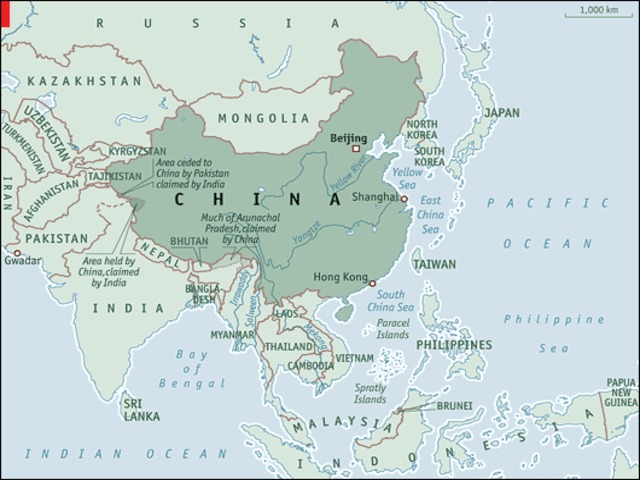
    The new law has serious implications for India. Firstly, since the 1962 war, the Line of Actual Control (LAC) is the de facto border between India and China, and both countries have different interpretations of the LAC over at least 13 different locations.[vi] Article 4 of the law states China’s sovereignty and territorial integrity as sacred and inviolable and applies this dictum to the disputed territories.[vii] Thus this law makes the earlier agreement of Peace and Tranquillity along the disputed Sino-India border almost irrelevant.  Secondly, the law forbids any form of construction of facilities “near” China’s border. This is elucidated in Article 10 deals with border defence construction including its river waters management under the term flood control. These issues are deliberately kept vague, and they could interfere with any form of construction on the border. This could again become contentious as both the countries are engaged in an “infrastructure arms race” on their sides of the border. Thirdly, the new law has made a special mention of the role of civilians concerning the development of villages and towns in the borderlands. The law reflects China’s intention to increase civilian settlements bordering India, Nepal, and Bhutan.[viii] This move goes in tandem with China’s agenda of “developing the border regions, enriching the local people” introduced in 1999 and is seen as a strategy to legitimise its territorial claims.[ix]

    The law has a problematic stance with international law, as Beijing is circumventing these by enacting domestic laws to give it legal backing for its unlawful actions. It shows that international law is ineffective against powerful states. The new law goes against the ethos of the Vienna Convention on Law of Treaties of 1969 (VCLT), which is an instrument that regulates the treaties between states. It establishes internationally recognised norms of behaviour by states in crisis or conflict situations. It is important to note that under the general principles of international law, unilateral declarations do tend to have a legal character of their own as explained under the Law of Treaties. It is imperative that such unilateral declarations must not affect the rights of other states and must go through two different stages to be considered legally acceptable. Firstly, there should be a unilateral statement by an actor and secondly, the said statement must either be accepted by the party/parties concerned or must go unchallenged. In this case, several parties have issues with China’s new land border law.[x]

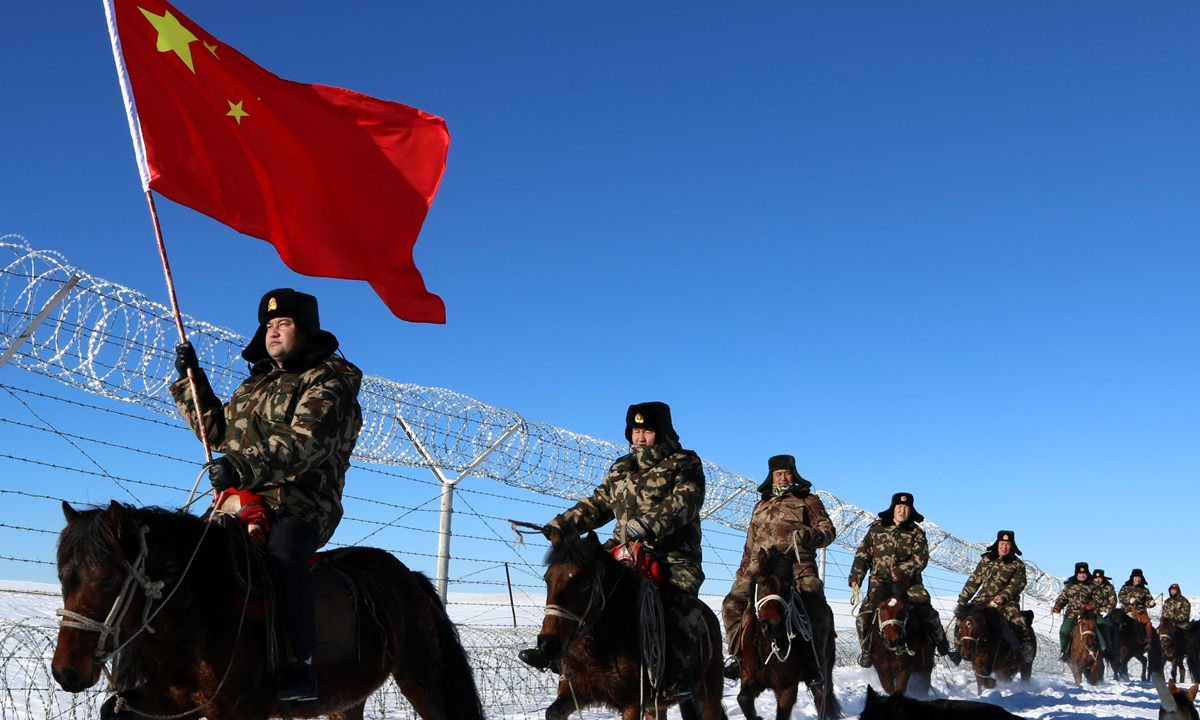
     As Beijing’s ‘Land border law’ came into effect on January 1st, the PLA released a propaganda video showing the Chinese flag and soldiers in the Galwan valley, with a banner reading ‘never yield an inch of land’. Earlier China released a statement renaming 15 places in India’s border state of Arunachal Pradesh. Chinese maps have consistently shown the entire state of Arunachal Pradesh, Barahoti plains in Uttarakhand, and areas up to the 1959 claim line in Ladakh as its territory.[xi] China will use the new law to claim these areas as its sovereign territory thus deeming it non-negotiable. It is playing realpolitik to increase pressure on India by escalating the friction points.[xii] The current situation at the India-China border has the potential to spiral out of control, as both sides are deploying heavy armaments and forces on the border, and in essence, the new law makes the border dispute a ticking time-bomb with far-reaching consequences for the world.

    Reference

    [i] Philip, Snehesh Alex. “Chinese Troops Challenge India at Multiple Locations in Eastern Ladakh, Standoff Continues.” ThePrint, 24 May 2020, https://theprint.in/defence/chinese-troops-challenge-india-at-multiple-locations-in-eastern-ladakh-standoff-continues/428304/.

    [ii] Wei, Changhao. “NPCSC Adopts New Laws on Family Education and Land Borders, Amends Audit Law & Authorizes New Regulatory and Military Reforms.” NPC Observer, 18 Nov. 2021,https://npcobserver.com/2021/10/26/npcsc-adopts-new-laws-on-family-education-and-land-borders-amends-audit-law-authorizes-new-regulatory-and-military-reforms/.

    [iii]  Panag , Lt Gen H S. “China’s Land Border Law Is More Sinister than It Lets on. India Needs a Course Correction.” ThePrint, 11 Nov. 2021, https://theprint.in/opinion/chinas-land-border-law-is-more-sinister-than-it-lets-on-india-needs-a-course-correction/764463/.

    [iv] 13th National People’s Congress. “Land Border Law of the People’s Republic of China.” The National People’s Congress of the People’s Republic of China, 23 Oct. 2021, http://www.npc.gov.cn/npc/c30834/202110/5a3d27747cc542f8bcde9030a83218e2.shtml.

    [v] Huang, Kristin. “What ‘New Challenges’ Does China’s New Border Defence Law Aim to Tackle?” South China Morning Post, 31 Oct. 2021, https://www.scmp.com/news/china/diplomacy/article/3154139/what-new-challenges-does-chinas-new-border-defence-law-aim.

    [vi] Fravel, Taylor M. “Analysis | Why Are China and India Skirmishing at Their Border? Here’s 4 Things to Know.” The Washington Post, WP Company, 2 June 2020, https://www.washingtonpost.com/politics/2020/06/02/why-are-china-india-skirmishing-their-border-heres-4-things-know/.

    [vii] Kalita, Jayanta. “China’s New Border Law Could Further Complicate Boundary Disputes”, The Irrawaddy, November 22, 2021.  https://www.irrawaddy.com/opinion/guest-column/chinas-new-border-law-could-further-complicate-boundary-disputes.html

    [viii] Pasricha, Anjana. “Chinese Border Villages in Disputed Territory Put India on Alert.” VOA, 2 Apr. 2021, https://www.voanews.com/a/east-asia-pacific_voa-news-china_chinese-border-villages-disputed-territory-put-india-alert/6204062.html.

    [ix] Jianqiang, Yang. “Deputy Director of the National Ethnic Affairs Commission, Answered Questions from the Chinese Government Website on the ‘Eleventh Five-Year Plan’ for the Action to Promote Frontiers and Enrich the People.” Central Government Portal, 18 June 2007, http://www.gov.cn/zwhd/2007-06/18/content_652065.htm.

    [x] Pandey, Utkarsh. “The India-China Border Question: An Analysis of International Law and State Practices.” ORF, 23 Dec. 2020, https://www.orfonline.org/research/the-india-china-border-question/.

    [xi] “China’s new border laws implemented under Galwan video: All you need to know about the legislation and why is it a concern for India.” Firstpost, January 03, 2022.  https://www.firstpost.com/india/chinas-new-border-laws-implemented-amid-galwan-video-all-you-need-to-know-about-the-legislation-and-why-is-it-a-concern-for-india-10253481.html

    [xii] Siddiqui, Huma. “China continues its belligerence, renamed 15 places in Arunachal: India should expect more such actions, say experts”, Financial Express, December 31, 2021. https://www.financialexpress.com/defence/china-continues-its-belligerence-renamed-15-places-in-arunachal-india-should-expect-more-such-actions-say-experts/2395218/


    Feature Image Credi: Global Times

    Map Credit: jagranjosh.com

  • Environmental Impacts of the Belt And Road Initiative

    Environmental Impacts of the Belt And Road Initiative

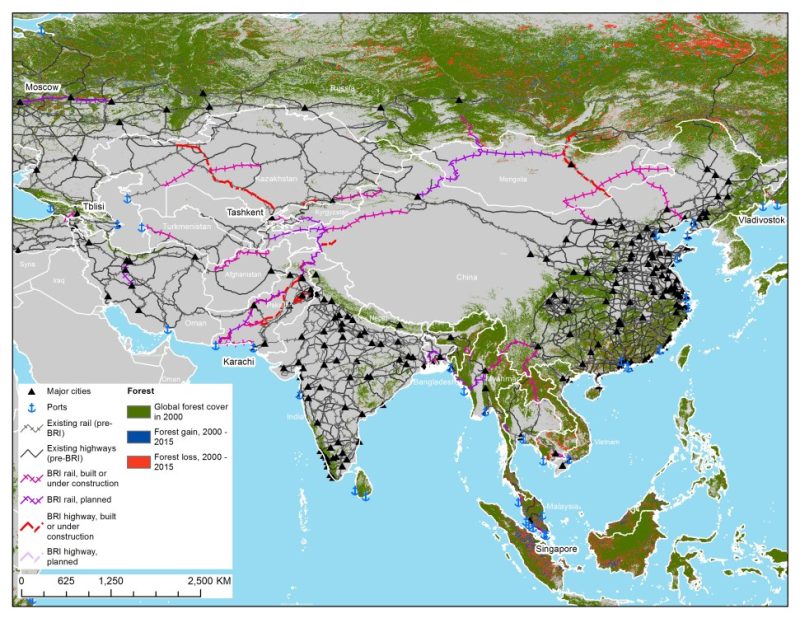
    China’s Belt and Road Initiative (BRI), initially known as One Belt One Road (OBOR), was first announced in 2013 by President Xi Jinping. It aims to interconnect Asia, Europe, and Africa through two interlinked projects: the Belt as the land route, and the Road as the maritime route. The BRI aims to contribute significantly to overall economic or monetary development, as well as in the power generation area, it can further develop energy access and unwavering reliability in regions with quickly developing energy demand. Nonetheless, the BRI’s financial advantages and development of power frameworks might come at the cost of significant  environmental degradation. The sheer size of the BRI has ignited increasing global concerns about the potential environmental damage. These concerns include ecologically sensitive areas, concern about the large amounts of raw materials needed, and locking in of various environmentally detrimental forms of infrastructure, for example, non-renewable energy (fossil fuel) related framework.

    The BRI projects are instrumental in meeting the global CO2 emission targets; if all the BRI member states fail to reach the CO2 emission targets, that would result in a 2.7° C increase in the average global temperature.

    There are numerous BRI projects which would pass through ecologically sensitive areas, thus compromising on such fragile regions. Some have even described BRI as the “riskiest environmental project in history”. The BRI has far-reaching influence, and it is estimated that the BRI investments are impacting over 60 per cent of the global population. The BRI projects are instrumental in meeting the global CO2 emission targets; if all the BRI member states fail to reach the CO2 emission targets, that would result in a 2.7° C increase in the average global temperature.

    Securing and protecting the environment while encouraging financial advancement under the BRI will be extremely difficult and challenging, as the initiative crosses a different scope of fragile and delicate environments. Biophysical conditions range from woods and steppes in Russia; to ice, snow, and permafrost across the Tibetan Plateau; and tropical rainforests in Malaysia. Observers are worried about the natural threat that the BRI presents. Infrastructure advancement, trade, and investment ventures under the BRI could bring negative ecological impacts that might offset its economic gains. The possible effects of the BRI are complex and manifold. Foundation projects affect biological systems and wildlife, yet in addition aberrant impacts like logging, poaching, and settlement, adding to deforestation and other land related changes. The BRI could result in biodiversity loss because of fragmentation and debasement of various habitats, and cause increment in greenhouse gas emission due to the development and upkeep of transportation infrastructures and further Chinese interest in coal-terminated power plants. It could likewise speed up extraction of natural resources, like water, sand, and ferrous metal minerals and ores in nations along the BRI.

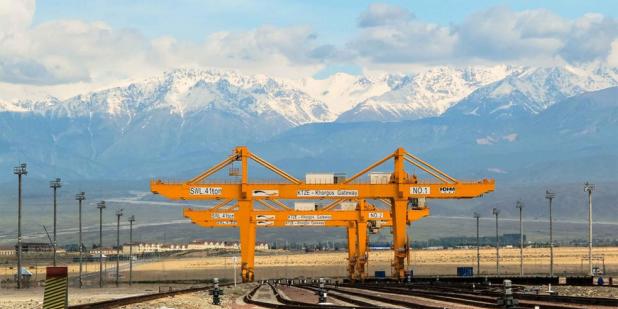
    One such danger from BRI is the Russia–China Amur Bridge transport corridor, which takes apart two nature reserves with old growth forests. BRI framework will influence practically all of Eurasia’s biggest stream frameworks. Also, numerous BRI courses, for example the Karakoram Highway, go through geo-dynamically active regions. The Karakoram Highway linking the Xinjiang province in China to Gwadar Port in Pakistan, goes through Himalayan areas known for “extremely high geodynamic action” like seismic tremors, avalanches, frigid disintegration and erratic storms, but alternative pathways are even worse. In the Aral Sea, Central Asia, combined effects from the socio-ecological communications between misadministration, over-water system and serious contamination causing water shortage are amplified by truly dysfunctional transboundary management which can possibly result in armed conflicts. Heavily polluting Chinese concrete plants migrating to Tajikistan has been referred to as one illustration of this. Also, a logging ban in China’s Heilongjiang area caused spill-over impacts for forests overseas. Additionally, trade changes methods of production and utilization, changing income and along these lines contamination levels. As indicated by the Kuznets curve, pollution increments at first as income develops, yet over a defining moment, contamination falls as higher earnings bring innovative upgrades and expanding interest for ecological conveniences. Financial development might build the modern contamination base, known as scale effects. Negative scale effects and positive effects for the climate are hard to separate observationally, and quantitative examinations differ on whether the scale or procedure impact is bigger. Various toxins likewise respond diversely to exchange related changes. For instance, a Chinese report joining scale and method effects proposed that trade expanded SO2, and dust fall, however, decreased substance oxygen interest, arsenic and cadmium.

    Arranging and resolving natural issues related with the BRI is colossally complex and multi-scaled. Understanding the attributes of the effects of BRI on the environment is the initial step for conceiving strategy and plans for addressing its effects on guaranteed sustainable development. The main mechanism to achieve the sustainability objectives of the BRI is cooperation, “characterized by governance guidance, business commitment, and social participation”. In any case, environmental governance accompanies different difficulties, first, BRI specific and related approaches are not unyielding, but rather dependent on intentional and corporate self-administrative instruments. China’s vision of a “green BRI” is probably not going to be acknowledged without any stricter approaches that set out concrete and substantial set of activities. Second challenge, for the environmental governance of the BRI is to address tele couplings.

    The Chinese government is taking a functioning, yet delicate way to deal with the environmental governance of the BRI. China utilizes the BRI as a stage to introduce itself as the rule-maker/rule-taker in global ecological administration as it further mobilizes existing environmental governance organisations and assembles new ones. Be that as it may, the environmental stability of the BRI doesn’t just rely on the environmental governance endeavours of Chinese actors, however, strikingly on the implementation, checking, and authorization of environmental laws and guidelines in BRI host nations. Finally, and most importantly the most significant errand for future research is to exactly explore whether environmental standards or norms be subject to California or Shanghai effects.


    References


    Callahan, William A. China dreams: 20 visions of China’s future Oxford University Press, 2013, p. 1

    Adolph, C., Quince, V., & Prakash, A. (2017). The Shanghai effect: Do exports to China affect labor practices in Africa? World Development, 89, 1–18. https://doi.org/10.1016/j.worlddev.2016.05.0091

    Andrews-Speed, P., & Zhang, S. (2018). China as a low-carbon energy leader: Successes and limitations. Journal of Asian Energy Studies, 2(1), 1–9. https://doi.org/10.24112/jaes.02010123

    Abbott, K. W. (2017). Orchestration: Strategic ordering in polycentric climate governance. In A. Jordan, D. Huitema, H. Van Asselt, & J. Forster (Eds.), Governing climate change (pp. 188–209). Cambridge: Cambridge University Press. https://doi.org/10.1017/9781108284646.01221

    Cefic 2011 Cefic (2011) Guidelines for Measuring and Managing CO2 Emission from Freight Transport Operations, http://www.cefic.org/Documents/RESOURCES/Guidelines/Transport-and-Logistics/Best%20Practice%20Guidelines%20-%20General%20Guidelines/Cefic-ECTA%20Guidelines%20for%20measuring%20and%20managing%20CO2%20emissions%20from%20transport%20operations%20Final%2030.03.2011.pdf?epslanguage=eni

    Randrianarisoa, Laingo M., Anming Zhang, Hangjun Yang, Andrew Yuen, and Waiman Cheung. “How ‘belt’and ‘road’are related economically: modelling and policy implications.” Maritime Policy & Management 48, no. 3 (2021): 432-460.

    Cockburn , Henry. “China’s $8 Trillion ‘Silk Road’ Construction Programme ‘Riskiest Environmental Project in History’.” The Independent. Independent Digital News and Media, May 20, 2018. https://www.independent.co.uk/climate-change/news/china-belt-and-road-initiative-silk-route-cost-environment-damage-a8354256.html.

    “Decarbonizing the Belt and Road Initiative: A Green Finance Roadmap.” Vivid Economics. Accessed October 1, 2021. https://www.vivideconomics.com/casestudy/decarbonizing-the-belt-and-road-initiative-a-green-finance-roadmap/.

    Ascensão, F.; Fahrig, L.; Clevenger, A.P.; Corlett, R.T.; Jaeger, J.A.G.; Laurance, W.F.; Pereira, H.M. Environmental challenges for the Belt and Road Initiative. Nat. Sustain. 2018, 1, 206–209.

    Teo, Hoong C., Alex M. Lechner, Grant W. Walton, Faith K.S. Chan, Ali Cheshmehzangi, May Tan-Mullins, Hing K. Chan, Troy Sternberg, and Ahimsa Campos-Arceiz. 2019. “Environmental Impacts of Infrastructure Development under the Belt and Road Initiative” Environments 6, no. 6: 72. https://doi.org/10.3390/environments6060072


    Feature Image Credit: USC US-China Institute

    Map Credit: Brookings Institution


  • Indian Foreign Secretary visits Colombo: Attempt to reset India-Sri Lanka ties

    Indian Foreign Secretary visits Colombo: Attempt to reset India-Sri Lanka ties

    India and Sri Lanka are immediate neighbours that share cultural, historical and religious ties spanning over thousands of years. Indian tourists to Sri Lanka are a major source of tourism revenue for the island nation. Despite all these ties, the bilateral relations continue to be impacted by considerable mistrust. Recent increase in tensions between the two South Asian neighbours is a result of the island nation allowing China to enhance its strategic footprints in Sri Lanka and increase its influence in the region. Despite certain inconsistencies in the Indo-Sri Lankan bilateral relationship, it will still be in the best interests of both countries to enhance their relationship amid the uncertain shifts in the geopolitical landscape.

    Indian Foreign Secretary’s visit to Colombo

    India’s foreign secretary Harsh Vardhan Shringla concluded a four-day state visit to the Island nation on October 5. His sojourn commenced at a time when Colombo expressed her eagerness to ink a few defence pacts with New Delhi.

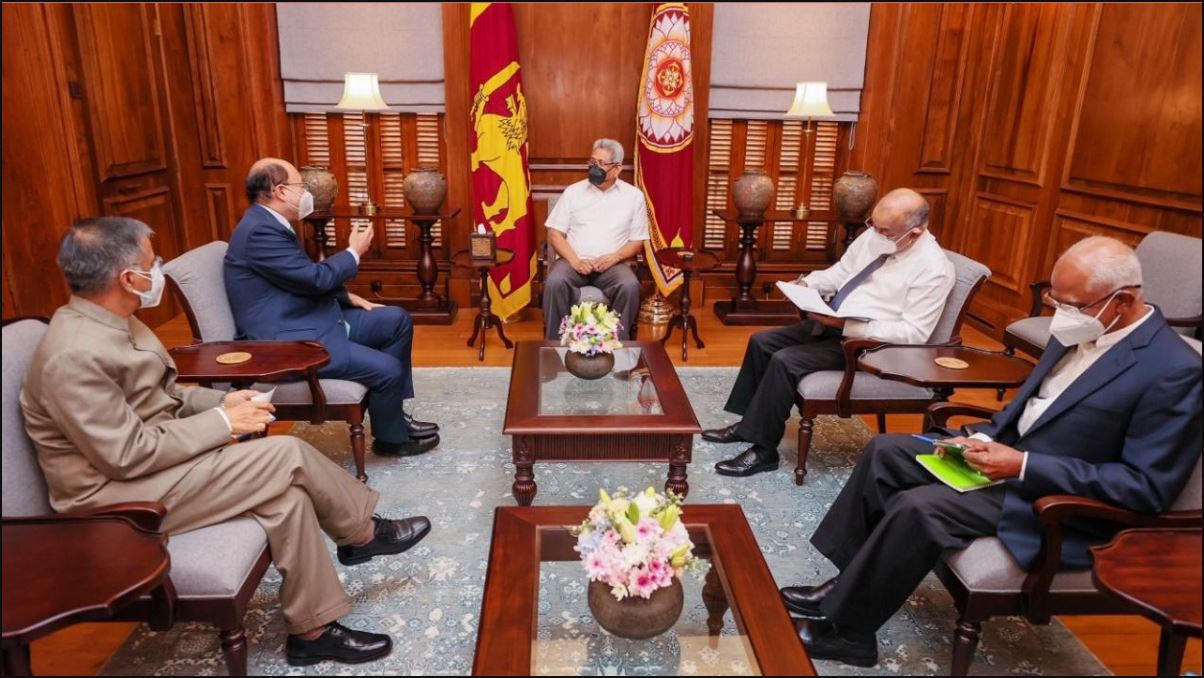
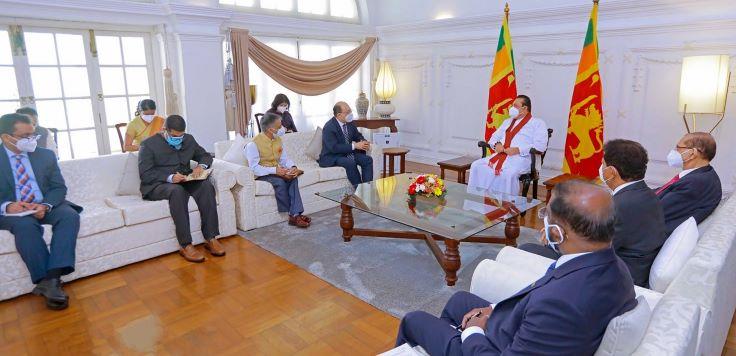
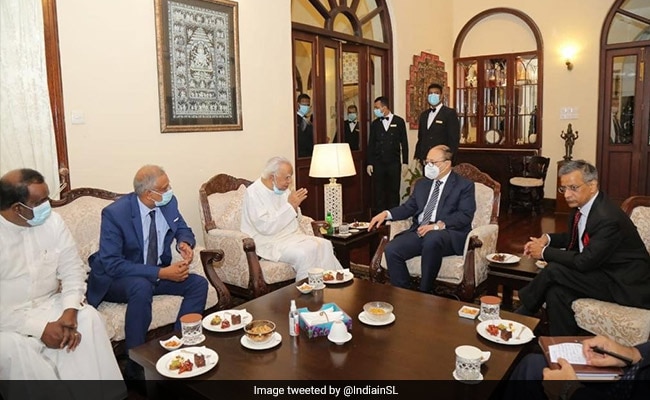
    The visit was eventful as well as broad-based. The Foreign Secretary  held a meeting with the Sri Lankan President Gotabaya Rajapaksa on tourism, power generation, and cooperation in economic recovery. To reset the strained relations with Colombo, Shringla’s schedule was kept tight and focused on closed-door discussions. He called on Sri Lankan Prime Minister Mahinda Rajapaksa, Finance Minister Basil Rajapaksa, Foreign Minister G.L. Peiris and Foreign Secretary Admiral Jayanath Colombage (Rerd). From the capital, Shringla hopped from one town to another. He visited and held meetings in Kandy, Trincomalee and Jaffna to enhance bilateral ties.


    While in Trincomalee, he explored the possibilities for materializing the India-Sri Lanka energy partnership. In separate meetings with  Tamil National Alliance (TNA), Tamil Progressive Alliance (TPA), and Ceylon Workers’ Congress (CWC), Shringla voiced India’s firm support to the implementation of the 13th Amendment, a constitutional amendment that would empower the Tamil minorities but continues to be held in abeyance by the Sri Lankan government. During his visit, Shringla launched a few Indian initiatives like Model Housing Village’ in the northern district of Vavuniya, a school building at Vadamarachchi in Jaffna, and the Saraswathy Central College building in Pussellawa in Kandy. India had earlier constructed over 46,000 houses for the war-affected families in north.

    New Delhi has supplied to Colombo 100 tons of liquid medical oxygen, 26 tons of medicines and ambulances as part of its support to the Island’s efforts to overcome the pandemic. The state has also received about half a million Covid vaccines from India. Sri Lanka’s Suwa Seriya programme was supported by India. Sri Lanka and India together have implemented a USD 400 million currency swap agreement and one more is expected to happen.

    Colombo Crisis

     India’s External Affairs minister S. Jaishankar and Sri Lankan Foreign minister GL Peiris had a tête-à-tête on the side lines of UNGA in September. Weeks after Dr S. Jaishankar’s visit to Sri Lanka in the first week of January this year, Indian fishermen were killed by the Sri Lankan Navy, which resulted in renewed tensions between the two countries.  Moreover, the cancellation of the tripartite Memorandum of Understanding (MoU) between Sri Lanka, India, and Japan for the development of the strategically located East Container Terminal (ECT) at the Colombo Port in February, added more salt to the already strained relations between the two neighbours.

    What became an even more controversial issue was when Sri Lanka cleared a Chinese energy project in three islands off the Jaffna peninsula that is barely 50 km from Tamil Nadu coast. Recently, Sri Lankan parliament passed the Colombo Port City Economic Commission Act to oversee a huge Chinese luxury oceanside development project. This gives China a significant foothold in the country and will allow it to enhance its strategic presence throughout the region. Accordingly, India emphasised that it expected Sri Lanka to be “mindful” of ties with New Delhi, particularly in the security realm.

    Interestingly, the series of events that have taken place this year came after the statement given by Sri Lankan Foreign Secretary Jayanath Colombage last year regarding Sri Lanka’s adoption of an “India first approach”, which reflects Colombo’s supposed willingness to protect New Delhi’s strategic interests in the region. However, despite these guarantees, the geopolitical shifts occurring in South Asia make it arduous for Sri Lanka to maintain consistently positive relations with its neighbour.

    Ties that continue to stand

     China has become a critical factor in the Indo-Sri Lankan bilateral equation. The East Asian giant’s deep pockets have become a more attractive economic option for Sri Lanka vis-à-vis India. While India took five months to approve a loan moratorium requested by Sri Lanka last year, China approved an additional USD 500 million loan expeditiously. Moreover, the issue involving the Tamil cause continues to sustain the long-standing trust deficit between the two South Asian neighbours.

    However, this is not to say that Sri Lanka will disregard India for its partnership with China. Colombo is aware of the risks involved in engaging deeply with China. Sri Lanka is no stranger to Beijing’s debt trap that compromises its sovereignty. Despite Rajapaksa’s cordial ties with China, Sri Lanka will have to inevitably reconsider its priorities if this continues to persist.

    While China may have the upper hand in mega-infrastructure projects, India’s role in cementing its people-to-people ties with Sri Lanka and taking the lead in the education, health, and tourism sectors, continue to give it considerable edge in the overall inter-state dynamics. Apart from being its major trading partner, India has also demonstrated its proactive partnership by being the first responder in humanitarian assistance.  Most importantly, India has no interest in compromising Sri Lanka’s territorial integrity and sovereignty. Additionally, India continues to reiterate that it gives priority to Sri Lanka under key regional frameworks such as its Neighbourhood First Policy and Security and Growth for All in the Region (SAGAR).

    Sri Lanka is also aware of this and has tried to make up for its decisions that have compromised India’s interests. Despite cancelling the ECT tri-partite MoU, Sri Lanka has taken the prerogative to permit Indian companies to develop its West Container Terminal (WCT). Moreover, the scheduled address by Pakistani Prime Imran Khan, to the Sri Lankan Parliament during his visit to Sri Lanka in February, was also cancelled. Recently, much attention has been placed on Sri Lanka’s “roadmap” to restore ties with India and address several important issues such as the fishermen’s issues, building connectivity, trade and investment, and promoting religious links.

    A way forward

     At a time when India’s Indo-Pacific concerns are on the rise, New Delhi is perturbed by Beijing’s diplomatic successes in Sri Lanka and throughout South Asia. China’s quick responses and its its large funding are attractions that has swayed the Island nation towards a pro-China policy. Given the endemic corruption and the Chinese-engineered Sinhala chauvinism with anti-India stance has forced Indian companies to become very cautious about investing in Sri Lanka. But India is ahead of China when it comes to tourism, and health care. Sri Lankan students are now eligible to compete in India’s National Eligibility cum Entrance Test (NEET) and Joint Entrance Examination for the IITs. Last year India’s allocation of $50million for counter-terrorism and $15 million for promoting the Buddhist links drew tremendous positive attention of Lankan policymakers. The first pilgrims’ flight from Sri Lanka to Kushinagar in Uttar Pradesh is expected to take off soon. From the days of Julius Jeyawardane Sri Lanka has evolve a very crafty and nuanced diplomatic strategy, a truly Chanakyan approach. India will need to be equally crafty to checkmate the Chinese inroads into Sri Lanka. [TPF].


    Feature Image Credit: Lankaxpress


  • Does ASEAN Need a New Approach to Code of Conduct for the South China Sea?

    Does ASEAN Need a New Approach to Code of Conduct for the South China Sea?

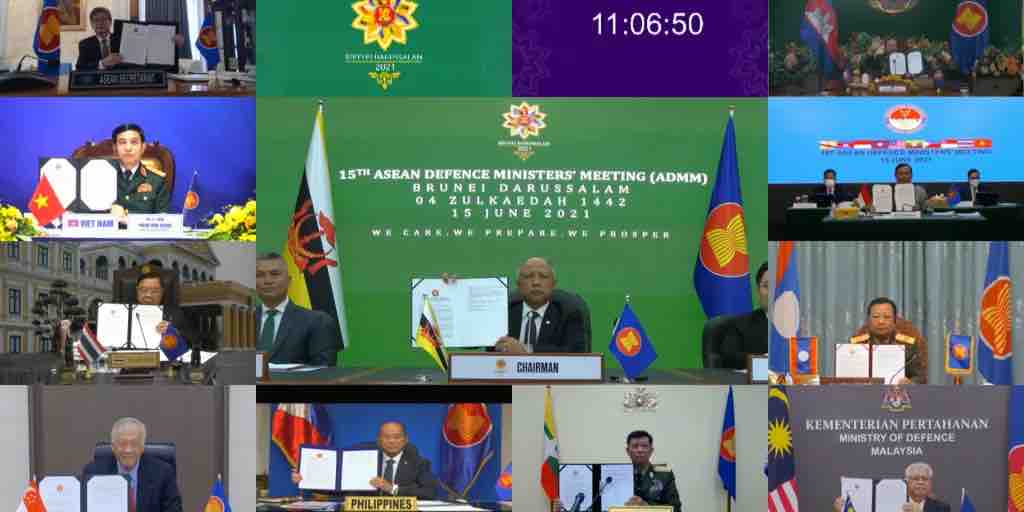
    Reference to Declaration on the Conduct of Parties in the South China Sea (DOC), Guidelines for the Implementation of the DOC, and formulations such as early adoption of a Code of Conduct in the South China Sea (COC) have featured in the ASEAN Chairman’s Statement of East Asia Summit Foreign Ministers’ Meeting since 2013 when Brunei Darussalam had held the Chairmanship of the ASEAN. These references were reiterated, and the section relating to the South China Sea in the ASEAN Chairman’s Statement for the 11th East Asia Summit Foreign Ministers’ Meeting in August 2021 under the leadership of Brunei Darussalam, is no different.

    While the Chinese intent is a welcome development, its new “Maritime Traffic Safety Law of the People’s Republic of China” (MTSL) that came into effect on 01 September 2021, has caused turbulence among the claimant States.

    Meanwhile, China’s Ministry of Foreign Affairs Statement of 5 August 2021 notes that a new goal has been set by China under which Beijing and ASEAN would “refrain from unilateral actions that aggravate tensions and widen differences, or using force or threat of force in particular”. While the Chinese intent is a welcome development, its new “Maritime Traffic Safety Law of the People’s Republic of China” (MTSL) that came into effect on 01 September 2021, has caused turbulence among the claimant States. As per the MTSL guidelines and procedures, vessels must “report the name, call sign, current position, next port of call and even estimated time of arrival to Chinese authorities”.

    The Philippines has decided to “ignore” the new Chinese Regulations and Philippine Defence Secretary Delfin Lorenzana has clarified his country’s stand on the issue that “we do not honour those laws by the Chinese within the West Philippine Sea because we consider that we have the sovereign right within this waters. So we will not recognise this law of the Chinese,” The Vietnamese Foreign Ministry too has reiterated strict compliance with the 1982 UNCLOS “when promulgating documents of domestic law related to the sea”.

    The Pentagon has accused China of “Unlawful and sweeping maritime claims, including in the South China Sea, pose a serious threat to the freedom of the seas, including the freedoms of navigation and overflight, free trade and unimpeded lawful commerce, and the rights and interests of the South China Sea and other littoral nations,” and the Defense Department spokesman has stated that the country will “ continue to fly, sail and operate wherever international law allows,”

    By all counts, an early conclusion of CoC in the South China Sea is only wishful given that the idea has been on the table for over two and a half decades since 1996. At that time there was euphoria among ASEAN foreign ministers that a CoC in the South China Sea could be the “foundation for long term stability in the area and foster understanding among claimant countries.”

    There is now a view that it is time to change the “objective from coming up with a comprehensive CoC”; instead, ASEAN and China must work towards “incremental development of a series of agreements” that could “eventually become the CoC in the future”

    The ASEAN has made earnest efforts and continues to negotiate a legally binding CoC but its finalization has eluded it. There is now a view that it is time to change the “objective from coming up with a comprehensive CoC”; instead, ASEAN and China must work towards “incremental development of a series of agreements” that could “eventually become the CoC in the future”. This can be achieved by developing “more realistic” and “smaller accords” that can help “de-escalate potential contentious situations”.

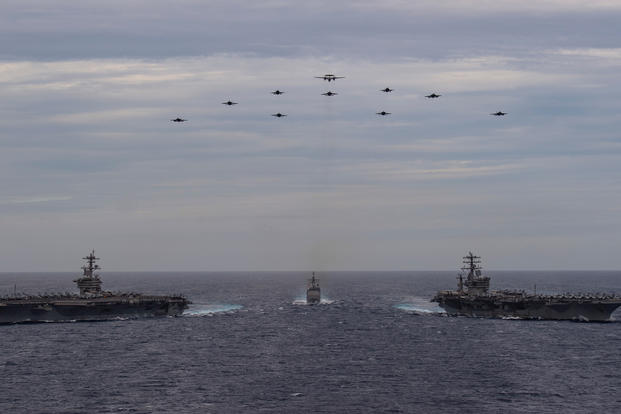
    The above argument merits attention for at least two important reasons. First, the South China Sea is simmering due to US-China military contestations. The US Navy continues to engage in exercises and the current deployment in the South China Sea by USS Carl Vinson Carrier Strike Group and Air Wing of the Future is a reflection of the US’ commitment to field “combat-ready force to protect and defend the collective maritime interests of the U.S. and its regional allies and partners”. Also, the US Navy has conducted FONOPs relentlessly and is now joined by the US Coast Guard. The Quad Member States have also dispatched their warships to the South China Sea for Malabar Naval exercises and the European navies led by France and Britain are operating in the region. These multi-nation naval manoeuvers have prompted China to respond through similar actions and the PLA Navy and the Air Force are persistently deployed in the region. This ‘state of affairs’ will continue.

    Second, there is a view that while the CoC should necessarily be consistent with the 1982 UNCLOS and should not “prejudice legitimate rights and interests of nations not a party to discussions,” this assessment can potentially trigger clamour among other stakeholders who have politico-diplomatic, economic and strategic interests in the region and have vehemently argued for a rules-based system and have challenged China’s expansive claims in the South China Sea as also its non-adherence to the 2016 PCA ruling.

    Under such circumstances, there are no incentives for China and it is deliberately delaying the finalization of the COC; it prefers to pursue a “business as usual” approach causing immense insecurity in the minds of the claimant States. Meanwhile, there is now a sense of urgency among the ASEAN Member States to finalize the CoC and their “patience” is wearing thin.


    Feature Image Credit: Nikkei Asia

  • The Fall of Kabul and dealing with the Taliban 2.0

    The Fall of Kabul and dealing with the Taliban 2.0

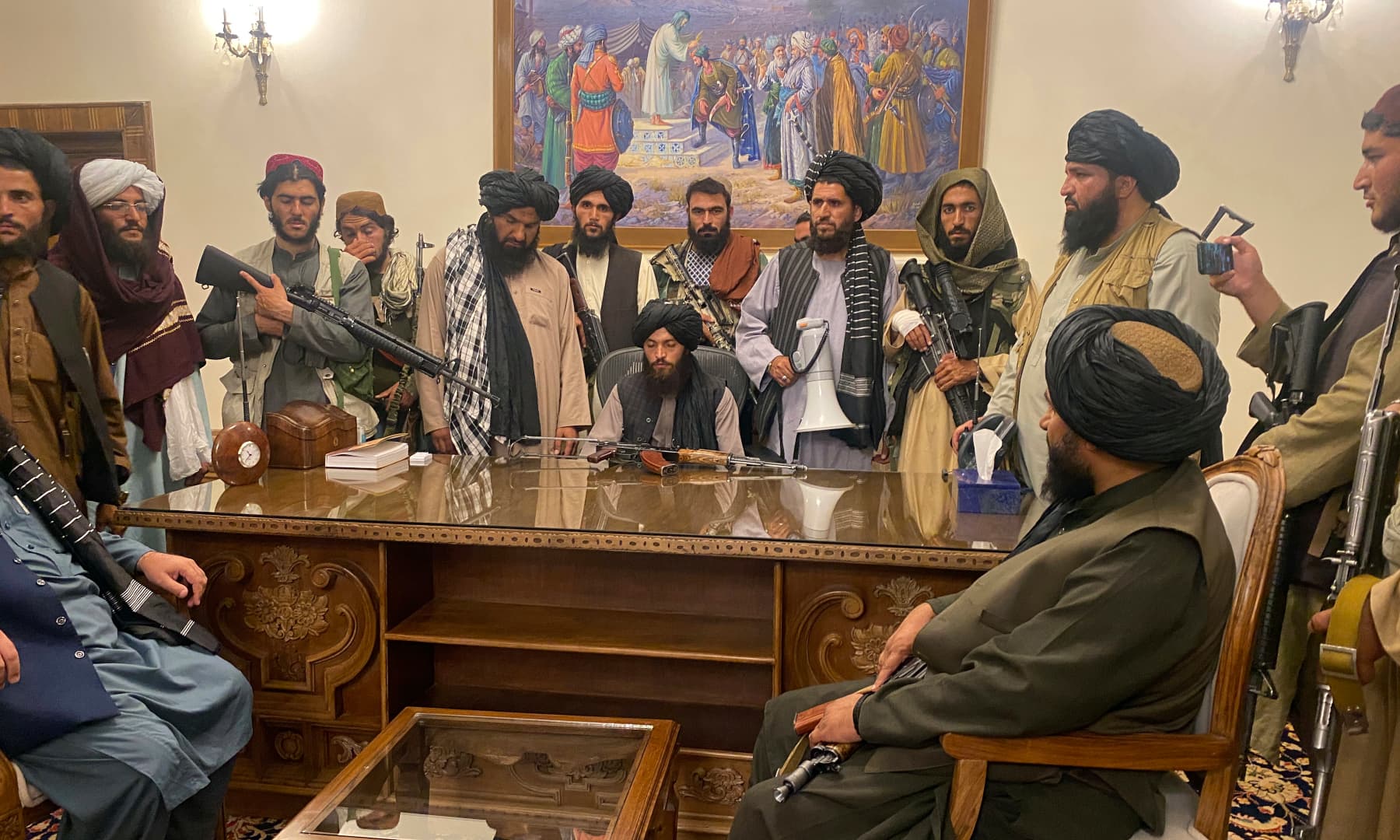
    The debacle of the democratic apparatus in Afghanistan was inevitable. After pumping billions in aid and significant bloodshed, the US government ended its longest war in defeat, the war in Afghanistan under the euphemism of ‘Global War on Terror’. Right after occupying the White House, the Biden administration has followed the path of its predecessors and commanded the complete withdrawal of troops from Afghanistan. The 2020 – Doha peace agreement between the US government and the Taliban brought a scant number of outcomes. Even during the presence of international forces in Afghanistan, the Taliban leaders disrespected the peace agreement and violated significant features of the agreement – that is a ceasefire. Following the agreement, over 5000 prisoners belonging to the separatist groups- were released by the Afghan government, under pressure from the US. Quite naturally, these prisoners were back with their militant outfits, thus strengthening the Taliban’s fighting capability.

    As of now, India has not taken any part in the peace negotiations with the Taliban. One of the major reasons is in the past the Indian government has never recognised the Taliban as a legitimate actor and vouched for a peace negotiation that should be Afghan-led, Afghan controlled and Afghan-owned. Currently, there are speculations about the likely power structure and composition of the government in Afghanistan, but it is quite clear the Taliban will govern the country by Sharia law. At this time of fast transition, the countries in South Asia are seeking to gain diplomatic leverage in the situation.

    India has a huge stake in Afghanistan’s reconstruction. In 2016 Indian Prime Minister and Afghan President Ashraf Ghani inaugurated the Salma dam project in Afghanistan. This 200 million dollar project is part of the larger developmental approach of the Indian government to Afghanistan. But recently, the equipment of the Salma dam was captured by the Taliban. In this scenario, it is unlikely that the Dam project will receive further Indian logistical support in future. Similarly, uncertainty beleaguers the Chabahar Project. India was one of the largest bilateral donors to Afghanistan during the war on terror. It ranges from infrastructure building to the promotion of democracy and small development projects. Almost $3 billion has been invested in and on Afghanistan in capacity building, education, infrastructure and security counts. This developmental commitment has made India the most dependable country and strategic partner for Afghanistan so far. However, now that the Taliban is in full control, the Indian government needs to find a diplomatic solution on how to go ahead with the various projects and commitments in Afghanistan.

    Except for Panjshir province, the entire country is under Taliban control. The president, head of the state, has left the country. Led by interim President Amrullah Saleh and Ahamad Masoud, the Resistance Force from Panjshir Valley is fiercely fighting against the Taliban. Under such circumstances, the conservative approach of the Indian government, as it has begun to talk to the Taliban, could ruin the decades’ long reputation and developmental efforts in Afghanistan. India has legitimate concerns in Afghanistan and should protect its interests carefully. The absence of the US forces and elected Afghan government makes the task very difficult for the government of India. In the past, the Indian government cooperated with the elected Afghan government based on their shared interests and values of democracy, freedom, rule of law and respect for human rights. But the past approach may not work anymore under the Taliban leadership. In the past, the Ministry of External Affairs stated that it is in touch with ‘various stakeholders’ in Afghanistan and other regional countries. Indian officials believe that a ‘double’ peace’ i.e. one within Afghanistan and around the country is necessary for the region. To ensure safety for the Indians living in Afghanistan, the government has already evacuated all Indians employed by the Indian embassy. India has also started emergency E-visa facilities for Afghan citizens. With regard to the diplomatic relationship with the Taliban, the government is following a ‘wait and watch policy with its extended neighbour. The Taliban leadership has announced that they would like to have good relations with the Indian government and access to the Indian market through Pakistan. The Taliban also wants these two countries to resolve their issues as its interests are linked to the two countries. The government of India is yet to respond. The Afghan media personnel, translators, performance artists, civilians are being hunted down by the Taliban soldiers. In this scenario, India will carefully assess the situation and the reliability of the Taliban to make its further move.

    While India is still on the horns of a dilemma over the direct dialogue with the Taliban, India’s arch-rival Pakistan is busy re-establishing its hold and is trying to isolate India diplomatically from the region. Pakistan was one of the first countries to recognise the Taliban as a legitimate actor in the 90s. Last year, the government of Pakistan welcomed an Afghan Taliban delegation led by Mullah Abdul Ghani Baradar. In the meeting, Pakistan showed their support for peace and blamed India as a spoiler of peace in the war-torn country. But reports suggest otherwise. According to the US Defense Intelligence Agency, Pakistan harbours Taliban leaders along with other insurgent groups such as the Haqqani network, Jaish-e-Mohammed and Laskar-e-Taiba. Such groups have the potential to disrupt the security and stability in South Asia. The report also says that the strategic objective of the Pakistan government is to counter the Indian influence in Afghanistan. In a recent interview, Pakistan foreign affairs minister Shah Mahmood Qureshi said that the violence in Afghanistan led to a refugee exodus to Pakistan but they cannot take more refugees. Last year, the High Council for National Reconciliation leader Abdullah Abdullah said that Pakistan holds the key role in the Afghan peace process and India should keep their profile low in the Afghan situation.

    As the Taliban emerges in its second avatar while reframing its extremist Islamic ideology, China is poised to become the critical player in the region.  Under a slew of conditions negotiated with the Taliban, China will enhance its role through rapid investments and enabling Afghanistan to integrate into its Belt and Road Initiative. An unstable, dry and war-torn Afghanistan doesn’t offer any attractive economic proposition at the moment. As the economic challenges loom on the Taliban government, it can’t simply sustain on drugs. The Taliban have to rely on China, Pakistan and some Central Asian republics to rebuild its economy. Afghanistan’s unexploited mineral wealth, worth a trillion or more, is a great opportunity for the Taliban to leverage economic gains by engaging China, Iran, Russia, and Turkey. An alliance of China, Pakistan, Iran or Turkey may lead to the marginalisation of India’s role and effectiveness in Afghanistan.

    Whether India will recognize the Taliban is not clear yet but India can’t simply meditate either. Under India’s presidency, the UN Security Council passed Resolution 2593 on Afghanistan. Chairing a session India’s Foreign Secretary Harsh V Shringla has clarified that India won’t tolerate if Afghan territory turns into a sanctuary of terrorists and threat for the neighbouring states. Apart from human rights, Shringla emphasized Women’s participation in society.

    India along with its all partners should advocate for strict observation of the Taliban led governance. Having invested over $3 billion over the last two decades in the reconstruction of Afghanistan, India’s considerable contribution cannot be ignored. The recent meeting between India’s envoy Deepak Mittal and the Taliban’s foreign minister-designate Stanekzai at the Taliban’s request signals a possibility for a changed approach and environment from that of the Taliban 1.0. India’s immediate priority should be the safe evacuation of the Indian origin people and stranded Afghans.


    Image Credit: www.dawn.com

  • India, the Sino-US Rivalry, and the post-pandemic World Order

    India, the Sino-US Rivalry, and the post-pandemic World Order

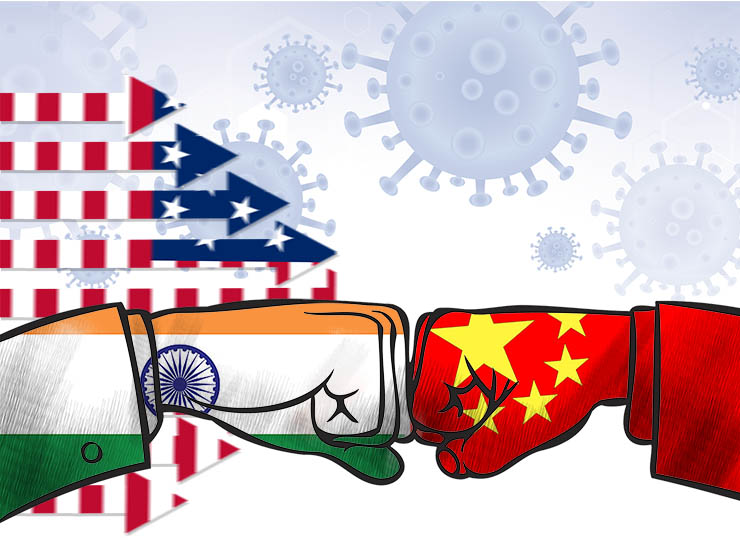
    India has a vital stake in the geopolitical contest between the US and China, particularly in the context of the rising Sino-Indian rivalry. India’s strategies, therefore, must focus on ensuring its security and its freedom of action in global affairs. It will also need to play an active role in reforming the world to more equitable and multipolar governance.

    The global disruption caused by the Covid-19 pandemic that engulfed the world at the end of 2019 and continues to this day is the biggest economic, political, and technological disruption since the Second World War. The pandemic has exposed the serious deficiencies in national healthcare systems in all countries, developed and developing. More importantly, the pandemic has raised questions on the relevance and effectiveness of the current world order, about the future of international organisations and multilateral frameworks, and poses challenges to international political and economic relations.


    Read more

  • The Modernisaton of the PLA during a Time of Crises and Plague

    The Modernisaton of the PLA during a Time of Crises and Plague

    Since the days of Sun-Tzu, China’s military leaders have always been aware that to defeat an enemy at the nation’s gates, you have to maintain a communal armed force: that is, a military force that is an integral part of ordinary peoples’ lives.   However, since the time of the Han dynasty, the military power of the Chinese people has always been intimately associated with the idea of living harmoniously within the realm of Heaven (t’iem). The people have also needed to be willing to accept the authority of the “Son of Heaven” (t’iem-tzu), which means ultimately a supreme personality that will guide the Chinese masses in times of peace and war. In the early twenty-first century, the concept of “Heaven” in the People’s Republic of China is the embodied in the Communist Party of China (CPC) and its current economic power and military influence is well beyond the shores of mainland China and even of east Asia; it can be felt, for example, in South America and in Africa.  Its polar star, Xi Jinping, has emerged as an undisputed, authoritative leader, just as Mao Zedong was – who pioneered China’s modern military theory.  What Xi has done is to take Mao’s theory of warfare and transformed it into a modern conception of a military machine that is both Chinese in concept and Westernized in its pragmatism, military readiness and its deployment.

    From my perspective as a military historian, I would state that the Communist Party of China with its Central Military Commission is a sophisticated parallel to the command and control of the People’s Liberation Army (PLA), which is under the operational control of the Central Military Commission of the CCP Central Committee—the Party’s CMC. The overall Chinese leadership have been aware since the Persian Gulf War of the prowess of the American armed forces against the Iraqi army. It understood then, during that momentous time in history, the urgent need to modernize the Chinese armed forces – much as the Stalin-era Soviet military and political leadership were both impressed with and fearful of the modernization of the emergent Nazi armed forces, which included the army, air force and navy echelons. It can be said unequivocally that Stalin saw the need to prepare for a major regional war with fascist Germany, just as the Chinese leadership is aware that eventually, it will have to wage war against the United States. Unless their American adversary implodes from within, leaving disparate fiefdoms across its landscape, or a new military leadership develops within the United States due to a sophisticated insurrection or military coup and a Second American Civil War ensues, there remains a danger of war between the two nation-states. An America with a fascist government and military hierarchy whose ultimate political desire is to destroy socialist China, despite the possibility of a thermo-nuclear war, is still a possibility.

    The Chinese leadership were undoubtedly grim in their early analysis of what awaited them: if they were not prepared to solidify their armed forces with the capability to withstand violent dissent within their borders as well as to fight a war beyond the Great Wall of China, then their demise or ruin was inevitable. The Chinese leadership, I am sure, has looked closely at the decisions made prior to World War II by Stalin and the Soviet political leadership.  Although eager to strike first against the armies of Hitler, Stalin found himself unable to undertake a “first strike” as Lenin had advocated, and tragedy ensued with the loss of 29 to 30 million Soviet military and civilian lives during the Great Patriotic War. The Chinese leadership is more than aware of what almost mortally wounded the USSR: namely the failure of the Soviet military leadership to prepare quickly enough by modernizing the armed forces in time and by creating a defensive border force that could have blunted more quickly the Nazi tanks and the thousands of German fascist troops that crossed the Minsk or Pripet Marshes through Poland and which tore through the heart of Soviet Russia. The Communist leadership of China know that if it is not ready to confront the United States, let alone its secondary adversary, India, then it is gambling with its very existence. Xi and his military council members are not gamblers when it comes to war; they are strategists who know that to keep Heaven you have to fight for it.

    In my analysis of the contemporary military prowess of the People’s Republic of China, I will address the issues not through a dogmatic application of military theory but instead by looking at recent essays or articles that have arrived at certain conclusions or made particular observations regarding the Chinese military infrastructure, while nevertheless understanding that even the observations in these journals or periodicals that I cite are not facts set in stone. I remember in my youth that Mao Zedong would quote authors, philosophers and poets in his military theory and allude to them in his poetry when writing about military periods in his own life, without losing the inner core of his final analysis of the art of war as it he perceived it during and after the Chinese Revolution.

    In terms of the substance of the Chinese army, it is undergoing a creative build-up, meaning that its military commanders are more focused on quality troops than on simple numbers of servicemen and servicewomen on the battlefield. An essay, written for the Council on Foreign Relations, titled “China’s Modernizing Military”, states:

    “The army is the largest service and was long considered the most important, but its prominence has waned as Beijing seeks to develop an integrated fighting force with first-rate naval and air capabilities. As the other services expanded, the army shrunk to around 975,000 troops, according to the International Institute for Strategic Studies (IISS). Reforms have focused on streamlining its top-heavy command structure; creating smaller, more agile units; and empowering lower-level commanders. The army is also upgrading its weapons. Its lightweight Type 15 tank, for example, came into service in 2018 and allows for engagement in high-altitude areas, such as Tibet.” [1]

    The author of the essay implies that the Chinese military command is more concerned with smaller infantry units and creating lighter tanks (bringing to mind the light French tanks that could outrun the heavier German tanks during the invasion of 1940, but which lacked their firepower). But such light tanks will not necessarily be a powerful weapon against the more powerful American, technologically advanced tanks.  These light tanks are not on par with the modern Russian T-14 Armata, which is “based on a modular combat platform, which can also serve as a basis for other armoured variants such as heavy infantry fighting vehicle (IFV) and armoured personnel carrier (APC)”.[2]  However, the PLA has a powerful heavy tank that is equal in fighting power to the T-72 or the American M1A2 SEP Abrams tank, in that “In comparison to older Chinese-made tanks, the MBT has improved capabilities in terms of protection, power and mobility. It has a crew of three. ZTZ 99 was made to compete with western tanks, while its technology is used to improvise the more economical ZTZ 96. Regiments in China’s Shenyang and Beijing military areas currently deploy the MBT Z”.[3]What is factual in terms of actual combat experience is that the T-72 has seen major combat just as the American Abrams tank has, while the Russian T-14 Armata and the Chinese ZTZ 96 have not been properly put to the test yet on the world’s battlefields. I, therefore, observe that the decisive factor will be the readiness of the PLA, with its modernized air force and navy giving support both in retreat and offensive attacks, depending on what the context requires at a given moment.

    Just over a year ago, the American Department of Defense was quoted by the Brookings Institute recalling its report of twenty years earlier:

    “DoD’s 2000 report assessed that the PLA was slowly and unevenly adapting to the trends in modern warfare. The PLA’s force structure and capabilities focused largely on waging large-scale land warfare along China’s borders. The PLA’s ground, air, and naval forces were sizable but mostly obsolete. Its conventional missiles were generally of short-range and modest accuracy. The PLA’s emergent cyber capabilities were rudimentary; its use of information technology was well behind the curve; and its nominal space capabilities were based on outdated technologies for the day.”[4]

    In this description of the capabilities of the PLA, there was almost a complete dismissal of the fighting ability of the Chinese infantrymen, which should have included an evaluation of its Marine Special Forces. The report had implied that the PLA was basically a mainland Chinese army whose mission was to defend or wage war along its borders and went on to belittle the PLA further by stating with a certain arrogance that:

    “Even if the PRC could produce or acquire modern weapons, the PLA lacked the joint organizations and training needed to field them effectively. The report assessed that the PLA’s organizational obstacles were severe enough that if left unaddressed they would “inhibit the PLA’s maturation into a world-class military force[5].”

    However, Brookings notes, the latest DoD report acknowledges that:

    “The PRC has marshalled the resources, technology, and political will over the past two decades to strengthen and modernize the PLA in nearly every respect[6].”

    Benjamin Brimelow likewise acknowledges the reforms and writes, with less bellicose language and more precision:

    “China’s 11 military regions were restructured into five, the ballistic-missile force became its own branch of the armed forces, and the PLA marine corps, which had been disbanded in 1957, was reestablished.

    “Xi also created the PLA’s Strategic Support Force to support the PLA’s cyber warfare, space warfare, and electronic warfare operations, and the Joint Staff Department, which acts as a commanding organ between all branches of the PLA and the Central Military Commission.

    “Xi has increased the PLA’s budget in an effort to create a world-class military by the year 2050. China is now the second-biggest spender on defence in the world, behind the US, and the largest in Asia.”[7]

    What the author implies in the above quote is that China’s Communist Party leadership and its military leadership is not standing by idly waiting to be destroyed by outside or indeed enemies from within. It is instead advancing – slowly but steadily – in creating an army, air force and navy that will equal and eventually exceed the present United States armed forces in their sophistication and in their deadliness.  While the American army, air force and navy comprise volunteers, the armed forces of the People’s Republic of China are conscripted and are doctrinally trained so that they have a serious commitment to the health and sovereignty of the Chinese motherland. The history of the Chinese Armed Forces is still imbued with the aspirations of the military virtues of the era of Mao although the principles have been changed in accordance with the context of the present period of world history. It would be naïve to think that Chinese troops have the same divisions, disunity and deep racism that exist in the modern United States Army, even though there are thousands of American military servicemen men and women who are sincerely dedicated to the preservation of the United States, despite dissent within the ranks as revealed by the attempted insurrection on January 6th. There were active and former military men and women involved in the violent acts at the Capitol, a clear signal of disunity within the American army as well, although the National Guard seemed committed to preventing the Trump regime from gaining the initiative in creating a populist fascist government.

    It is with caution that I make an observation about China’s navy, which although it has now assumed ascendancy as the world’s largest navy is not necessarily totally capable of defending mainland China or defeating its adversaries on the high seas. However, the American newspaper, The New York Times, has been calm in its assessment of Chinese naval power, explaining it in a balanced way:

    “A modernization program focused on naval and missile forces has shifted the balance of power in the Pacific in ways the United States and its allies are only beginning to digest. While China lags in projecting firepower on a global scale, it can now challenge American military supremacy in the places that matter most to it: the waters around Taiwan and in the disputed South China Sea. That means a growing section of the Pacific Ocean — where the United States has operated unchallenged since the naval battles of World War II — is once again contested territory, with Chinese warships and aircraft regularly bumping up against those of the United States and its allies.”[8]

    I would say that although the Chinese navy has carried out great improvements in the bolstering of its anti-missile ships and nuclear submarines, it still lags seriously behind the United States Navy in terms of quality naval ships, partly because it has yet to achieve strike capabilities comparable to the Seawolf and Virginia class submarines that the United States has not only in the Pacific region but in other far-off oceans and seas as well.  I would suggest that perhaps the strategic goal of the Chinese navy high command is to create large quantities of submarines so as to defeat a potential adversary with more advanced submarine technology. I am reminded in this instance of how Soviet tank designers were able to create and mass-produce T-34 tanks which moved faster on the battlefield and were able to withstand enemy shell hits because of their unique cup-turret design. Although the T-34 was not as sophisticated as the Panzerkampfwagen V or Panther and Tiger tanks created by the German military engineers during World War II, Soviet engineers – like modern China’s military engineers – were pragmatic in their weapon designs.  In any case, the two nations, the United States and the People’s Republic of China, may engage as naval powers in a battle of wills over the disputed islands in the Paracels, and a major naval battle there in the future will decide who not only controls the South China Sea but all the Pacific Ocean territories as well.

    I have attempted in this essay to cover the probabilities or capabilities of the People’s Republic of China’s emerging military strength, which I would more modestly call military maturity rather than “world-class”. It is her modern missile capabilities that I think will be the major deciding factor should a Third World War break out. The American journalist that I mentioned earlier in this essay, Brimelow, said this about Chinese missile capabilities:

    “The PLA Rocket Force (PLARF) has become one of the most intimidating missile forces in the world. China never signed the Intermediate-range Nuclear Forces Treaty (INF) and was never subject to its limits, so it has been free to invest heavily in ballistic missiles.”[9]

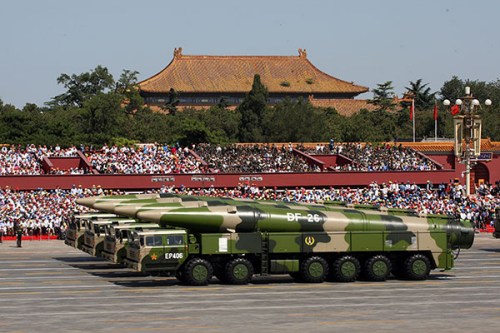
    It is the powerful and continual growth of high-velocity and long-range ballistic missiles within the Chinese arsenal, including the in-depth deployment of intercontinental missiles across mainland China, that the United States, as well as her allies, should actually fear because it is missile firepower with nuclear warheads that will be the deciding factor should a Third World War emerge on the world’s stage.

    The contest for military ascendancy or military parity is not simply a competition between the United States and China, as there are multiple other rivalries across the world’s continents. As China, Russia and other nation-states in the Middle East and South America continue to resist the United States’ hegemonic project for economic and military superiority, political and military tensions will increase between these two multi-polar major competing forces.  Also, because of various other international social factors, including the breakdown of cultural and economic structures that the pandemic in 2020 destroyed on a worldwide basis, there will be a desire to assert the hitherto hidden agenda for emerging nation-states’ independence rather than submitting to the status quo of the self-destructive imperialist powers.  A boldness will emerge in which these nation-states will no longer want to be second-best to Western Europe or to North America.

    Since the Long March, in which the nucleus of the People’s Liberation Army emerged under the guidance of Chairman, Mao Zedong and Zhou Enlai, the first Premier of the People’s Republic of China, there have been at times both steps forward and reversals in terms of the qualitative and quantitative achievements that China’s military strength represents. China showed its resilience and determination in fighting American military forces during the Korean War, revealing that its troops were not intimidated by American troops; during the Vietnam War, Chinese military advisers played a major role in strategy and tactics in helping General Giap and his field commanders to fight a sophisticated war of independence against the United States military armies, particularly at the Battle of Dien Bien Phu.  In 2014, a retired Vietnamese professor, Dao Nguyen Cat, was interviewed by the Xinhua news agency, and “on the occasion of the 60th anniversary of Vietnam’s victory in the Battle of Dien Bien Phu, Cat said that with the rare support of Chinese forces, the Vietnamese troops were able to successfully drive away the French colonial forces from the province of Dien Bien Phu, 300 km northwest of the capital Hanoi”.[10]  Professor Cat, who served as an official of Vietnam’s Central Propaganda Committee at Dien Bien Phu Campaign, Cat was quoted as saying: “Definitely without China’s support, we would have failed to defeat the French colonial masters… They not only gave training courses from the command posts but also went directly to the battlefield to talk with our soldiers. They supplied Vietnam not only weapons but also with food…”[11]  The military advisers and military supplies given by the leadership of the PLA at that time in history, regarding the Vietnam War, known by the Vietnamese people as The American War, reveal that Chinese leadership were moving forward in honing their military skills beyond their borders.

    The reversal of military progress came during the nineteen sixties and late seventies in the form of territorial disputes. First, in March 1969, there was a military clash between the Soviet Union and China: a seven-month undeclared military conflict that occurred near Zhenbao (Damansky) Island on the Ussuri (Wusuli) River, near Manchuria. The conflict between the two Communist nation-states would eventually result in a ceasefire, which led to a return to the status quo; however, a balanced history is yet to be written on how the two parties view each other as ideological threats, all this taking place during the period of the Culture Revolution.  Secondly, the Sino-Vietnamese War was a border war fought between China and Vietnam in early 1979. Rightly or wrongly, China created an offensive attack in response to Vietnam’s actions against the Khmer Rouge in 1978, ending the dominance of the Chinese-backed Khmer Rouge. What is regrettable but not surprising is that two socialist nation-states were unable through diplomacy to decide how to end their dispute regarding the Khmer Rouge’s various mistakes in its destruction of thousands of lives that could have contributed to the Communist cause in Southeast Asia.  However, China then began to gain influence, sending economic aid and military advisors to Africa, including Cuba and Venezuela – which reveals the wise and ancient observation by Sun Tzu who said “To win one hundred victories in one hundred battles is not the acme of skill. To subdue the enemy without fighting is the acme of skill.”  The Chinese Communist Party know how to achieve a military strategy without going to war.

    In May 2020 there was an actual hand-to-hand struggle between Chinese and Indian troops at locations along the Sino-Indian border, including near the disputed Pangong Lake in Ladakh and the Tibet Autonomous Region, and near the border between Sikkim and the Tibet Autonomous Region. During the last days of May 2020, Chinese forces objected to Indian road construction in the Galwan river valley, and there then ensued violent verbal exchanges between the two military camps, resulting in deaths and taking of prisoners on both sides. Although I will not attempt to describe in any detail how each side viewed the territorial dispute, I will say that the complexities between China and India, only reinforce why China is so protective of its borders and why India has chosen the United States as its major ally.  We have read similar accounts in ancient historical texts: Thucydides wrote about it in The War of The Peloponnesians And The Athenians, therefore we should not be surprised that in our own day, these small conflicts can lead to greater military build-up and to territorial jealousies which ensnare two parties or various parties into an eventual war that cannot be quelled, but which rather leads to disaster.

    In closing, I would like to quote the eminent Marxist historian, Domenico Losurdo, who wrote about the People’s Republic of China that “The foundations of the People’s Republic of China, following an epic national liberation struggle, certainly did not result in an immediate end to the situation of danger. To the end… the Korean War… challenged US hegemony in Asia, a memorable lesson…”[12].  This makes clear to me that the epic struggle of the modern Chinese people and the People’s Liberation Army has not yet reached its zenith in world history.


    References:


    [1]  https://www.cfr.org/backgrounder/chinas-modernizing-military

    [2] https://www.army-technology.com/projects/t-14-armata-main-battle-tank/

    [3] https://www.army-technology.com/projects/type99chinese-main/

    [4] https://www.brookings.edu/blog/order-from-chaos/2020/09/04/what-the-pentagons-new-report-on-china-means-for-u-s-strategy-including-on-taiwan/

    [5] Ibid.

    [6] Ibid.

    [7] https://www.businessinsider.com/chinese-military-is-improving-but-us-has-more-combat-experience-2020-7

    [8] https://www.nytimes.com/2018/08/29/world/asia/china-navy-aircraft-carrier-pacific.html

    [9]  https://www.businessinsider.com/chinese-military-is-improving-but-us-has-more-combat-experience-2020-7

    [10] http://www.china.org.cn/world/2014-05/07/content_32317279.htm

    [11]  Ibid.

    [12] Domenico Losurdo, War and Revolution, trans. By Gregory Elliott. New York & London: Verso Books,2015, 257.


    Image Credit: ecns.cn

  • China’s New Coast Guard Act: Vietnam could lead Response

    China’s New Coast Guard Act: Vietnam could lead Response

    China’s new Coast Guard Act has put the ‘cat among the pigeons’ and the South China Sea claimants Brunei, Malaysia, Philippines, Vietnam and Taiwan are visibly worried. The Act has also attracted international attention; for some, it is an act of war and for others, it violates the 1982 United Nations Convention on the Law of the Sea (UNCLOS).

    The Act came into effect last month on 01 February. In its administrative content, the Act is the culmination of at least two reorganizations of the Chinese Coast Guard (CCG) that began in 2013 involving administrative and operational control of five closely associated national maritime law enforcement agencies, also referred to as the Five Dragons , that were brought under one umbrella. In 2018, CCG became part of the People’s Armed Police Force.

    Under the new Act, it is feared, the CCG would conduct operations just like the PLA Navy and would be directly controlled by the Chinese Communist Party Central Committee. The CCG is empowered with powerful ‘security and control measures’ and has the rights to take necessary actions to “restrain foreign military vessels and foreign vessels used for non-commercial purposes in waters under China’s jurisdiction from violating the laws or regulations of China” which is potentially in contravention to the 1982 UNCLOS.

    The Act has also attracted international attention; for some, it is an act of war and for others, it violates the 1982 United Nations Convention on the Law of the Sea (UNCLOS).

    Under Article 20, the CCG may demolish “buildings, structures, and various fixed or floating devices” built by foreigners “in the sea areas and islands under our jurisdiction”, and Article 47 authorizes the agency to “directly use weapons if there is no time for warning or if there is a risk of serious harm after giving a warning.”

    It is the latter that prompted Japan to label the Act as “blatantly threatening” and “aimed directly at the Senkakus” raisingspeculation that the Japanese Coast Guard, which hitherto could “fire weapons directly at foreign vessels in cases of self-defence and emergency escape” may now “ fire on foreign official vessels under laws by regarding vessels aiming to land on the Senkaku Islands as committing violent crimes”.

    However, it is fair to say that some of the provisions contained in the Chinese Coast Guard Act are not extraordinary. Navies, Coast Guards and law enforcement agencies of many countries are administratively controlled by the ministries of national defence and routinely operate with the national navies albeit pursue different rules of engagements. Many maritime law enforcement agencies are also known to intercept and even sink foreign fishing vessels especially when these engage in IUU fishing. These naturally attract diplomatic protests from the affected countries including China.

    Be that as it may, the ASEAN and China signed the Code for Unplanned Encounters at Sea (CUES) in the South China Sea in 2016 under which both sides are committed to “maintaining regional peace and stability, maximum safety at sea, promoting good neighbourliness and reducing risks during mutual unplanned encounters in air and at sea, and strengthening cooperation among navies”. This agreement is for the navies and draws upon the CUES (voluntary and non-binding) adopted by the Western Pacific Naval Symposium (WPNS).

    The new Chinese Coast Guard Act may have created an opportunity for ASEAN and China to conceptualize CUES that is tailored to the mandate of the Coast Guards i.e. law enforcement. The issue can also be on the agenda of the Heads of Asian Coast Guard Agency Meeting (HACGAM), a grouping of 22 Member States and multilateral organisations, which aims at cooperative and proactive efforts to address maritime issues confronting the region.

    Among the ASEAN member countries, Vietnam is well placed to lead the initiative for at least three reasons.  First, it is a claimant and some of the features in the South China Sea are under its control; second, it has a larger Coast Guard when compared to the capabilities of the other ASEAN claimants; and third, the Vietnamese Communist Party maintains close contacts with their counterparts in China and this could be a useful channel to facilitate a dialogue.

    However, it remains to be seen if Beijing would allow debate and discussion on the Coast Guard Act particularly when it also involves contested areas such as the South China Sea. For that deft diplomacy by Vietnam could be a good idea.

    Feature Image: www.japantimes.co.jp