Category: China

  • Dynamics Of Trade Surplus

    Dynamics Of Trade Surplus

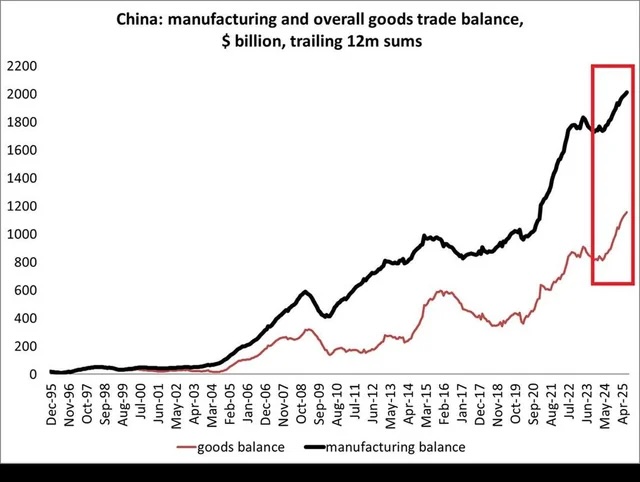
    While a trade surplus is usually seen as a positive sign of economic health because it indicates a country is exporting more than it imports, a persistent and large trade surplus, especially by major global players like China, has also generated geopolitical and economic tensions worldwide.

    Interestingly, in the decades preceding China’s emergence as a major exporter, from the end of World War II to the early 1970s, the United States ran trade surpluses, primarily due to its industrial strength and its role as a key exporter in the global market —a position China has only recently assumed.

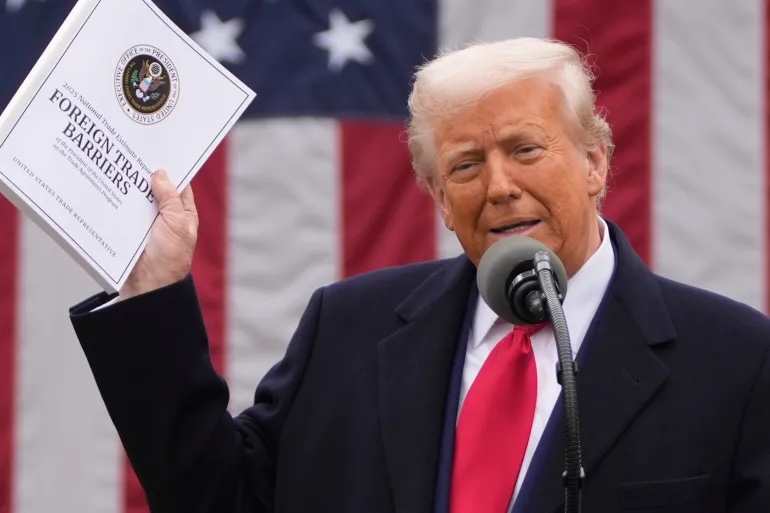
    The issue of trade surplus is now becoming the new nuisance in global affairs. Those who benefit from it support it; others protest. However, the discussion of this topic arises from actions by US President Trump, who is attempting to manipulate trade tariffs to influence global trade in favour of the American economy. While a trade surplus is usually seen as a positive sign of economic health because it indicates a country is exporting more than it imports, a persistent and large trade surplus, especially by major global players like China, has also generated geopolitical and economic tensions worldwide. A recent US Treasury report accused China of disrupting the global economic balance through its substantial trade surplus. This article critically examines the financial mechanisms behind trade surpluses, the strategic narratives of developed nations, and the counter-narratives of developing economies, with a particular focus on China.

    The latest semi-annual US Treasury report (June 2025) did not label China as a currency manipulator but criticised its lack of transparency in managing the renminbi. Instead, it added countries such as Ireland and Switzerland to its “monitoring list” based on trade surplus and intervention metrics. The report highlights China’s opaque exchange rate practices and suggests that intervention through state tools (e.g., sovereign wealth funds) should be more closely monitored.

    Western media and think tanks argue that China’s surplus fuels its industrial oversupply, causing global spillovers and structural trade imbalances. This has harmed local industries in emerging economies by flooding markets with cheap Chinese goods made in factories connected to the Belt and Road Initiative. As a result, many of these countries are now imposing anti-dumping duties to safeguard their domestic industries.

    China’s larger economic footprint means its external balance continues to significantly influence trading partners.
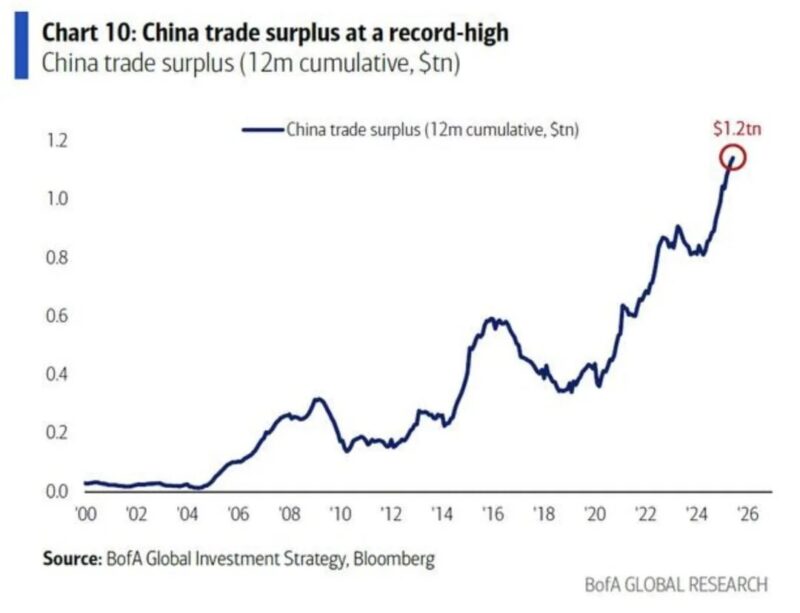
    For China, a trade surplus serves both as a consequence and a policy. The IMF contends that China’s surplus mainly stems from internal macroeconomic factors — such as weak household consumption and excess industrial capacity — rather than intentional export strategies or outright manipulation. Although this surplus rate is lower than at the peak of the “China shock” in the 2000s, China’s larger economic footprint means its external balance continues to significantly influence trading partners. IMF models suggest that weak domestic demand — driven by property downturns and low consumer confidence — has caused a decline in consumption in China and has pushed the real renminbi lower, which in turn enhances exports. This has further amplified the trade surplus.

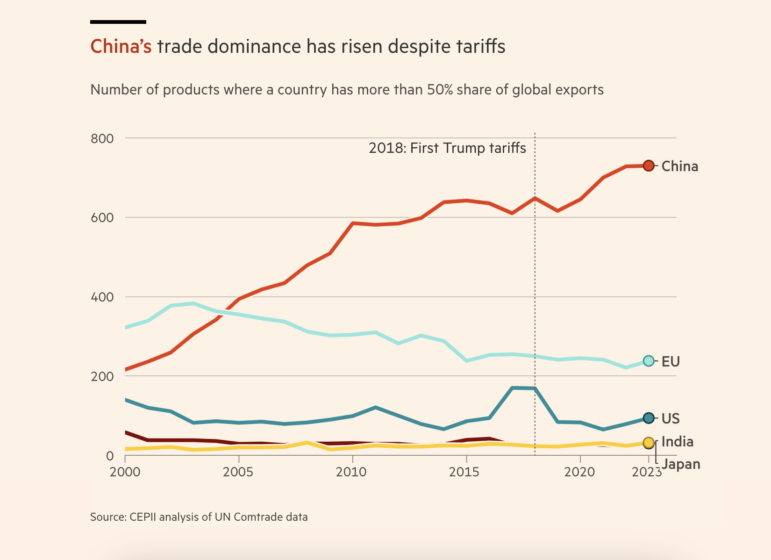
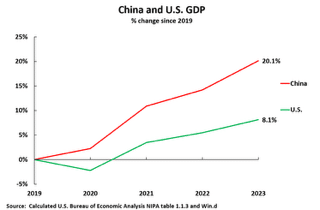
    However, Western policymakers and scholars argue that Beijing’s industrial model, underpinned by subsidies and exchange rate policies, amplifies this surplus into a global oversupply and trade friction. Brookings researchers describe this as a “mercantilist trade policy,” characterised by low domestic consumption, state-driven subsidies, and a focus on exports. The resulting surplus—now larger relative to global GDP than during the 2008 peak—puts pressure on trading partners despite US tariffs that have failed to reduce the bilateral trade deficit.

    Statistical Distortions: “Missing Imports”

    The most revealing statistic is that from 2018 to 2024, official US data revealed a $66 billion reduction in imports from China, while Chinese records indicated a $91 billion increase in exports to the US, a discrepancy of $157 billion. Much of this is due to the US de minimis rule, which permits parcels valued at under USD 800 to enter the country duty-free and bypass detailed customs reporting. E-commerce giants like Temu and Shein exploit this loophole, and 1.36 billion de minimis parcels entered the US market in 2024 alone, most of which originated from China. This underreporting skews trade data, underestimating China’s market reach and downplaying the structural impact of the surplus.

    Global Spillovers and E-commerce Consequences

    These surplus-driven shipments have severely impacted U.S. domestic retailers. However, bricks-and-mortar firms face import duties, labour regulations, intellectual property standards, and environmental rules. They cannot compete with low-value imports, which are not subject to duties or other regulations. Recent changes in U.S. policy have directly addressed the de minimis loophole, and an exemption for low-value Chinese imports was removed as of 2 May 2025, causing parcel duties to rise to 145%. This has caused small U.S. retailers to halt shipments, and platforms like Temu have been using local warehouses to circumvent fees, only to have the policy to be temporarily rolled back on May 14, highlighting the unstable political climate surrounding e-commerce regulation.

    Impact on Emerging Economies
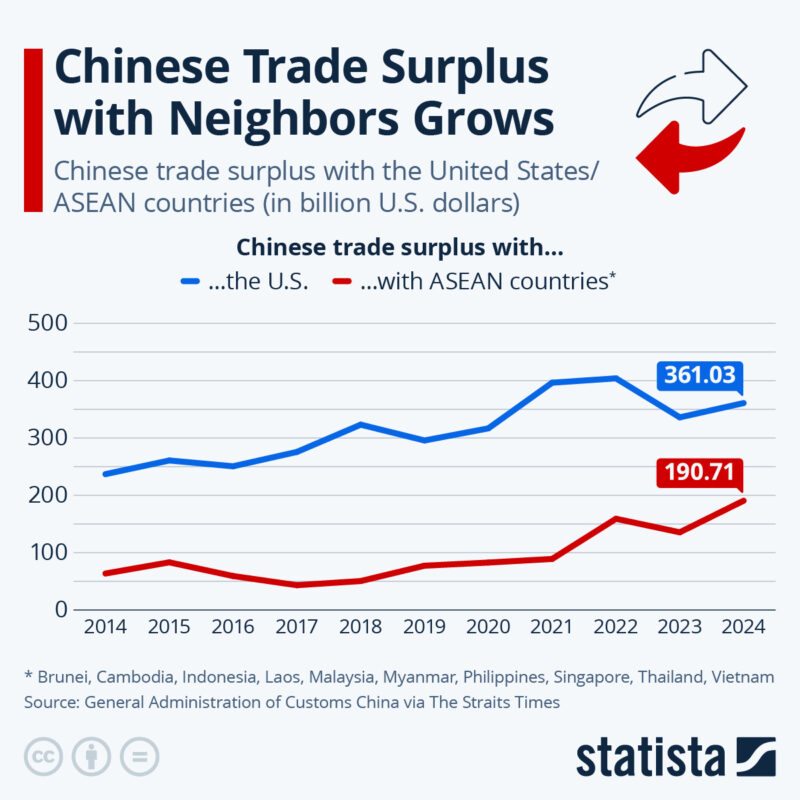
    Developing countries are increasingly feeling the impact of China’s surplus-led export model. According to the World Bank, two-thirds of developing economies are expected to see their GDP growth slow from 4.2 per cent to 3.8 per cent by 2025, due to ongoing trade frictions, particularly between the US and China. Inexpensive Chinese goods, whether cheaper solar panels, electronics, or textiles, also pose a threat to emerging markets, and many are fighting back with anti-dumping duties and trade defence measures. At the same time, countries like Brazil, Indonesia, South Africa, and India have imposed tariffs, launched dumping investigations, and reconsidered their trade dependencies. Even countries that are traditionally aligned with China are concerned about the surging Chinese exports. An additional concern is that FDI in developing countries has declined to its lowest level since 2005, reaching just $435 billion in 2023. There is a risk that investment will fall further, raising concerns about investment, infrastructure, and poverty reduction.

    The Times article explains that Donald Trump’s tariffs did not reduce Chinese imports. Even with highly aggressive tariffs, the share of U.S. imports from China decreased by only 7 to 8 percentage points from 2018 to 2024, although industry estimates suggest that the actual fall in Chinese-origin goods entering U.S. supply chains is smaller (perhaps around 3 to 4 percentage points), due to relabelling and third-party routing.

    This raises stark questions about the effectiveness of the counter-tariff cycle. The overall outcome of this tariff war is simply a confusing and panicked state of affairs. The Times article explains that Donald Trump’s tariffs did not reduce Chinese imports. Even with highly aggressive tariffs, the share of U.S. imports from China decreased by only 7 to 8 percentage points from 2018 to 2024, although industry estimates suggest that the actual fall in Chinese-origin goods entering U.S. supply chains is smaller (perhaps around 3 to 4 percentage points), due to relabelling and third-party routing.

     Theoretical perspectives

    Dependency Theory and the Prebisch–Singer Hypothesis argue that developing countries experience declining terms of trade because they focus on primary goods, whereas industrialised nations retain advantages in high-value manufacturing. However, China has challenged this idea by dominating global markets in both primary and advanced products. As a result, we might reasonably conclude that even rising industrial powers, when driven by surplus, tend to uphold the global structures of dependency. Models like Unequal and Ecologically Unequal Exchange demonstrate how trade surpluses frequently involve a systematic undervaluation of labour and environmental costs in poorer countries, redirecting wealth to the Global North.

    These theories emphasise how global trade undervalues labour, worsens resource extraction, and causes environmental degradation, thereby transferring wealth from peripheral to core countries. Research suggests that Chinese-led global supply chains contribute to environmental damage and resource depletion in exporting countries, externalising ecological costs, which worsens the structural disadvantages for those nations. China’s GVC-enabled export surge often externalises ecological costs to commodity-exporting nations.

    Macroeconomic accounting theory states that a capital account deficit indicates a trade surplus, which means that for China, this results in capital inflows. Consequently, China needs to impose tight controls on its currency to maintain financial stability. With a current account surplus of approximately 3% of GDP, global capital flows, combined with managed exchange rates and the accumulation of foreign reserves—mainly US Treasuries—demonstrate structural policies designed to keep the renminbi weak and direct money into Western securities.

    The current trade environment is shaped by negotiation frameworks, such as the US–China truce, and tools, such as WTO rules and anti-dumping procedures. However, the US is now expanding its pressure on Europe, targeting its large goods surplus and digital tax regimes in an effort to rebalance trade.

    Global Debate
    IMF chief economist Pierre Olivier Gourinchas emphasised that “external balances are determined by macroeconomic fundamentals, not the link to trade and industrial policy, which is more tenuous”. The IMF analysis from the spring meetings similarly implies that internal imbalances (such as differences in savings and investment) influence external current account outcomes, and that China’s surplus reflects its high savings rate, low consumption, and industrial overcapacity. Therefore, while US officials describe China’s trade surplus as a sign of mercantilist excess, IMF analysis reminds us that external imbalances are a reflection of underlying macroeconomic divisions: in China’s case, a high savings rate, low consumption, and industrial overcapacity.

    Inderjit Gill, Chief Economist and Senior Vice President for Development Economics at the World Bank, said: “In the rest of the world, the developing world is now a development-free zone.”

    Surplus narratives are tools of structural power: while developed nations try to portray surplus as distortion, dumping, and manipulation to justify tariffs, subsidies, and monitoring, developing countries aim to reframe them as ecological exchange and dependency to highlight systemic inequalities

    Growth in developing economies, which has ratcheted down from 6 per cent in the 2000s to 5 per cent in the 2010s, and then to less than 4 per cent in the 2020s, mirrors the decline in global trade growth, from 5 per cent in the 2000s to around 4.5 per cent in the 2010s, and below 3 per cent in the 2020s. This illustrates the bilateral nature of the trade surplus. First, fundamentally, surplus narratives are tools of structural power: while developed nations try to portray surplus as distortion, dumping, and manipulation to justify tariffs, subsidies, and monitoring, developing countries aim to reframe them as ecological exchange and dependency to highlight systemic inequalities.

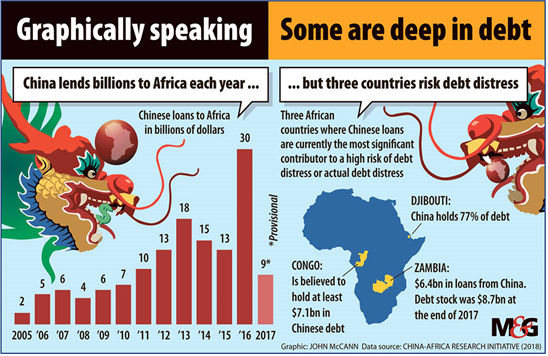
    China promotes an alternative narrative about its surplus, arguing that it stems from genuine investment, state-led development, and economies of scale, rather than protectionism or currency manipulation. Belt and Road infrastructure is presented as development, not geopolitical trap – although critics raise concerns of “debt-trap diplomacy”.

    Interestingly, in the decades preceding China’s emergence as a major exporter, from the end of World War II to the early 1970s, the United States ran trade surpluses, primarily due to its industrial strength and its role as a key exporter in the global market —a position China has only recently assumed.

    A paper by Robert Stehrer titled “What Is behind the US Trade Deficit?” published in ‘The Vienna Institute for International Economic Studies’ (WIW), traces the historical US trade deficit back to the 19th century and places it in a global context. A reading of it would show a broader narrative at play.

    Policy Roadmap

    Stricter transparency rules are essential to close statistical loopholes and create a level playing field by mandating the disclosure of foreign exchange interventions and de minimis trade flows (such as e-commerce transactions below US$800). These flows can artificially keep a country’s exports cheap and imports expensive, thereby inflating its trade surplus. Countries with persistent surpluses (exceeding 3% of GDP) should participate in a dialogue-based “Global Adjustment Protocol” that includes concessional finance for structural reforms, aiming to strike a balance between conditionality and developmental needs.

    One crucial step in this direction would be to include a green surplus index as part of a Green Current Account Score, which measures environmental degradation and natural resource depletion, thereby aligning surplus behaviour with sustainability goals.

    The urgent need is for reform of international organisations, liberating the IMF and WTO from Western dominance, transforming them into genuinely global entities or replacing them with organisations like the BRICS bank (NDB) and AIIB. Additionally, they should be empowered with greater authority to monitor global imbalances and suggest corrective measures, such as managing capital flows instead of imposing unilateral tariffs. This would help streamline WTO procedures, reducing delays, and defend policy space—such as supporting trade defence measures (anti-dumping duties, safeguards) by emerging economies.

    Conclusion:

    This article argues, through an economic analysis of current trade affairs, how hegemonic powers manipulate the political landscape. Trade surpluses are not merely economic aggregates—they are narrative tools in international power politics, with developed countries portraying surpluses as dumping or currency manipulation to justify tariffs and regulatory barriers. Conversely, surplus nations (both developed and emerging) describe their surpluses as the result of sound investments, economies of scale, and effective state guidance.

    From the macroeconomic surplus in the economy to the underreported e-commerce inflows, the reality of modern trade imbalances is far more complex than what mercantilist rhetoric suggests. An analysis of China’s experience demonstrates this point. The next phase of global trade reforms should emphasise transparency, robust multilateral regulations, and ecological responsibility. Beyond mercantilist rhetoric, there is a need for systemic frameworks that accurately reflect economic realities and sustainable goals—only then can tensions caused by surpluses be managed in a balanced and lasting manner.


     References:


    Feature Image Credit: Aljazeera.com

    Graphs Credits: Reddit; Financial Times; Statista
  • China and the US: Conventional and Nuclear Military Strategies

    China and the US: Conventional and Nuclear Military Strategies

    Occasional Paper: 9/2024

    China and the US: Conventional and Nuclear Military Strategies

    Abstract

    China’s military strategy focuses on developing asymmetric capabilities to counter the United States’ technological advantages and superior military budget by investing in precision missiles, advanced targeting systems, and system destruction warfare. The US initiated the Defence Innovation Initiative to prioritise autonomous learning systems and high-speed projectiles; however, it diminished under the Trump administration, leaving the US reliant on legacy weapons systems vulnerable to new-generation autonomous and hypersonic weapons. Despite China’s advancements, the US maintains a significant advantage in nuclear warheads, with 5,800 compared to China’s 320 in 2020, consistent with Mao’s “minimum deterrent” strategy. While China’s nuclear arsenal primarily comprises strategic weapons, the US possesses both tactical and strategic types. The US complacency regarding China’s military challenge may stem from its nuclear superiority; however, as China progresses technologically, the US risks falling behind by relying on outdated weapons systems, often maintained due to their economic significance in key congressional districts.

    Key Words: #nuclear warheads, #hypersonic weapons, #precision weapons, #asymmetric capabilities, #system destruction warfare, #autonomous learning systems 


    Introduction

    Since the beginning of the millennium, China has decided to outsmart the United States’ military strength through a very particular strategy. It aimed at overcoming America’s technological advantages and much superior military budget by investing significant resources in asymmetrical capabilities. As Mark Leonard wrote, China was attempting to become an “asymmetric superpower” outside the realm of conventional military power (Leonard, 2008, p. 106).

    Asymmetric superpower

    Conscious that the Soviet Union had driven itself into bankruptcy by accepting a ruinous competition for military primacy with the US, China looked for cheaper ways to compete. As a result, it invested billions in an attempt to make a generational leap in military capabilities, able to neutralize and trump America’s superior conventional forces. In other words, instead of rivalling the United States on its own game, it searched to engage it in a different game altogether. It was the equivalent of what companies like Uber, Netflix, Airbnb or Spotify did in relation to the conventional economic sectors with which they competed. A novel by P.W. Singer and August Cole depicts how, through surprise and a whole array of asymmetric weapons, China defeats the superior forces of the United States (Singer and Cole, 2016).

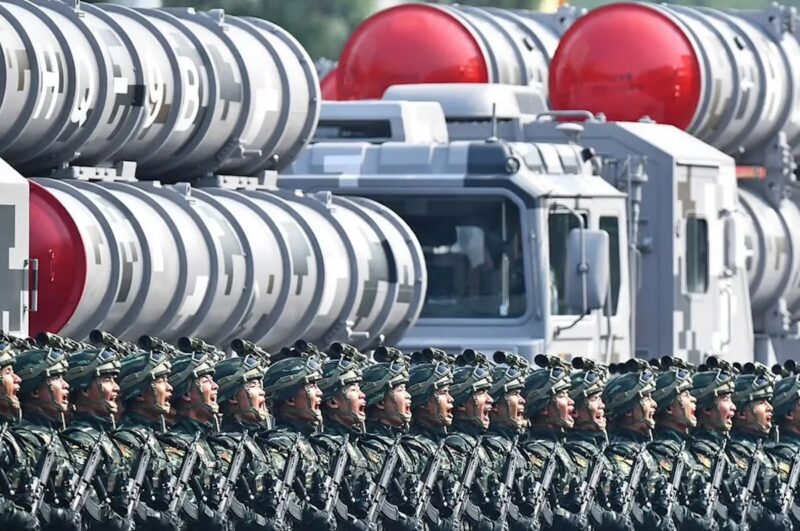
    In essence, these weapons are dual-focused. On the one hand, they emphasize long and intermediate-range precision missiles and advanced targeting systems, able to penetrate battle network defences during the opening stages of a conflict. On the other hand, they aim at systems destruction warfare, able to cripple the US’ command, control, communication and intelligence battle network systems. The objective in both cases is to target the US’ soft spots with weapons priced at a fraction of the armaments or systems that they strive to destroy or render useless. The whole notion of asymmetric weapons, indeed, is based on exploiting America’s military weaknesses (like its dependence on information highways or space satellites) while neutralizing its strengths (like its fleet of aircraft carriers). Michael Pillsbury describes this situation in graphic terms: “For two decades, the Chinese have been building arrows designed to find a singular target – the Achilles’ heel of the United States” (Pillsbury, 2015, p. 196).

    America’s military legacy systems

    To counter China’s emerging military threat, the Obama administration put in motion what it called the Defence Innovation Initiative. This was also known as the Third Offset Strategy, as it recalled two previous occasions in the 1950s and the 1970s when, thanks to its technological leaps, the US could overcome the challenges posed by the Soviet military. Recognizing that the technological superiority, which had been the foundation of US military dominance for years, was not only eroding but was being challenged by China, the Pentagon defined a series of areas to be prioritized. Among them were the following: Autonomous learning systems, human-machine collaborative decision-making, network-enabled autonomous weapons, and high-speed projectiles (Ellman, Samp and Coll, 2017).

    However, as with many other initiatives representing the Obama legacy, this one began fading into oblivion with Trump’s arrival to power. As a result, the vision of significantly modernizing America’s military forces also faded (McLeary, 2017). This implied reverting to the previous state of affairs, which still lingers nowadays. In Raj M. Shah and Christopher M. Kirchhoff’s words: “We stand at the precipice of an even more consequential revolution in military affairs today. A new way of war is bearing down on us. Artificial-intelligence-powered autonomous weapons are going global. And the US military is not ready for them (…). Yet, as this is happening, the Pentagon still overwhelmingly spends its dollars on legacy weapons systems. It continues to rely on an outmoded and costly technical production system to buy tanks, ships and aircraft carriers that a new generation of weapons – autonomous and hypersonic – can demonstrably kill” (Shah and Kirchhoff, 2024).

    Legacy systems -aircraft carriers, fighter jets, tanks – are deliberately manufactured in key congressional districts around the country so that the argument over whether a weapons system is needed gets subsumed by the question of whether it produces jobs

    Indeed, as Fareed Zakaria put it: “The United States defence budget is (…) wasteful and yet eternally expanding (…). And the real threats of the future -cyberwar, space attacks- require different strategies and spending. Yet, Washington continues to spend billions on aircraft carriers and tanks” (Zakaria, 2019). A further quote explains the reason for this dependence on an ageing weapons inventory: “Legacy systems -aircraft carriers, fighter jets, tanks – are deliberately manufactured in key congressional districts around the country so that the argument over whether a weapons system is needed gets subsumed by the question of whether it produces jobs” (Sanger, 2024, p. 193). Hence, while China’s military advances towards a technological edge, America’s seems to be losing both focus and fitness.

    Minimum deterrence nuclear strategy

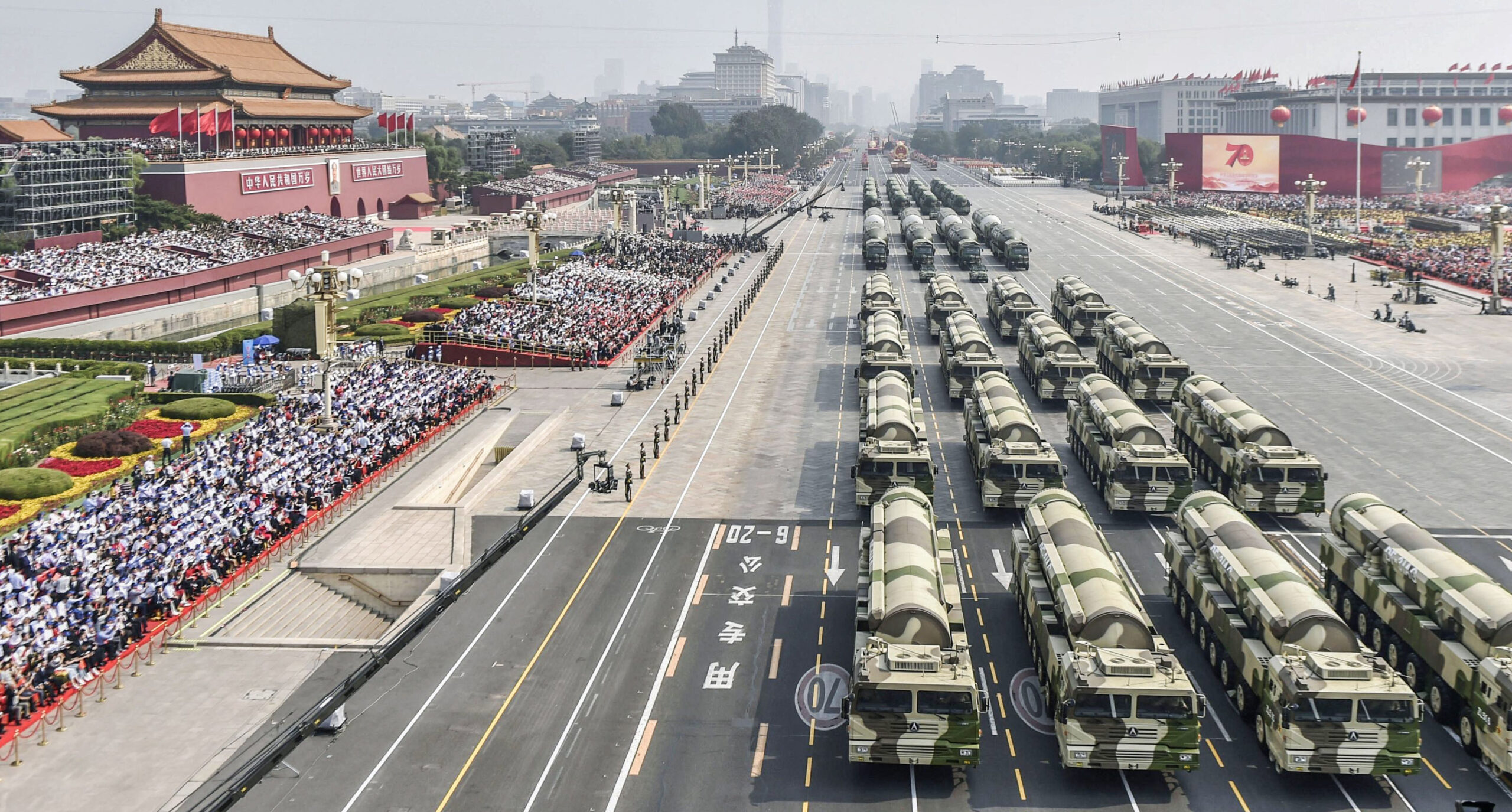
    Perhaps this American complacency concerning China’s disruptive weapons and overall military challenge could be explained by an overreliance on its nuclear superiority. Indeed, in 2020, in the comparison of nuclear warheads, the United States possessed overwhelming superiority with 5,800 against China’s 320 (Arms Control Association, 2020). This was consistent with the legacy of Mao’s “minimum deterrent” strategy. Within the above count, two kinds of nuclear weapons are involved – tactical and strategic. The former, with smaller explosive capacity, are designed for use in battlefields. With a much larger capacity, the latter aims at vital targets within the enemy’s home front. In relation to tactical nuclear weapons, America’s superiority is total, as China doesn’t have any. Nonetheless, in terms of long-range, accuracy, and extensive numbers, China’s conventional ballistic missiles (like the DF-26, also known as the Guam killer) can become an excellent match to the US’ tactical nuclear weapons (Roblin, 2018). The big difference between both countries, thus, is centred on America’s overwhelming superiority in strategic nuclear warheads.

    China’s minimum deterrent nuclear strategy was based on the assumption that, within cost-benefit decision-making, a limited nuclear force, able to target an adversary’s strategic objectives, could deter a superior nuclear force. This required retaliatory strike capacities that can survive a first enemy attack. In China’s case, this is attainable through road-mobile missiles that are difficult to find and destroy, and by way of missiles based on undetectable submarines. Moreover, Beijing’s hypersonic glide vehicle -whose prototype was successfully tested in July 2021- follows a trajectory that American systems cannot track. All of these impose restraint in the use of America’s more extensive arsenal and undermine its ability to carry out nuclear blackmail.

    there is no US defence that “could block” China’s hypersonic glide vehicle “not just because of its speed but also due to its ability to operate within Earth’s atmosphere and to change its altitude and direction in an unpredictable manner while flying much closer to the Earth’s surface”

    For the above aim, Beijing has developed new nuclear ballistic missiles, cruise missiles, and a sea-based delivery system. These include the DF-41 solid-fuel road-mobile intercontinental ballistic missile (with a range of 15,000 kilometres) or the submarine-launched JL-3 solid-fuel ballistic missile (whose range is likely to exceed 9,000 kilometres). To launch the JL-3 missiles, China counts with four Jin-class nuclear submarines, with an upgraded fifth under construction, each armed with twelve nuclear ballistic missiles (Huang, 2019; Panda, 2018). On top of that, there is no US defence that “could block” China’s hypersonic glide vehicle “not just because of its speed but also due to its ability to operate within Earth’s atmosphere and to change its altitude and direction in an unpredictable manner while flying much closer to the Earth’s surface” (Sanger, 2024, p. 190). All of this shows that America’s overwhelming superiority in terms of strategic nuclear warheads results in more theoretical than practical. What might justify a first American strategic nuclear strike on the knowledge that a Chinese retaliatory one could destroy New York, Chicago, Los Angeles, or all of the three together?

    Matching the US’ overkill nuclear capacity

    Being an asymmetric superpower while sustaining a minimum but highly credible deterrent nuclear strategy implied much subtility in terms of military thinking. One, in tune with the best Chinese traditions exemplified by Sun Tsu’s The Art of War and Chan-Kuo T’se’s Stratagems of the Warring States. However, in this regard, as in many others, Xi Jinping is sowing rigidity where subtility and flexibility prevailed. A perfect example of this is provided by its intent to match the US in terms of strategic nuclear warheads. In David E. Sanger’s words: “But now, it seemed apparent, Chinese leaders had changed their minds. Xi declared that China must ‘establish a strong strategic deterrence system’. And satellite images from near the cities of Yumen and Hami showed that Xi was now ready to throw Mao’s ‘minimum deterrent’ strategy out of the window” (Sanger, 2024, p. 200).

    Three elements attest to the former. Firstly, 230 launching silos are under construction in China. Secondly, these silos are part of a larger plan to match the US’ “triad” of land-launched, air-launched, and sea-launched nuclear weapons. Thirdly, it is estimated that by 2030, China will have an arsenal of 1,000 strategic nuclear weapons, which should reach 1,500 by 2035. The latter would imply equalling the Russian and the American nuclear strategic warheads (Sanger, 2024, p. 197; Cooper, 2021; The Economist, 2021; Hadley, 2023). 

    Xi Jinping is thus throwing overboard the Chinese capability to neutralize America’s strategic nuclear superiority at a fraction of its cost, searching to match its overkill capacity. In essence, nuclear arms seek to fulfil two main objectives. In the first place, intimidating or dissuading into compliance a given counterpart. In the second place, deterring by way of its retaliatory capacity, any first use of nuclear weapons by a counterpart.

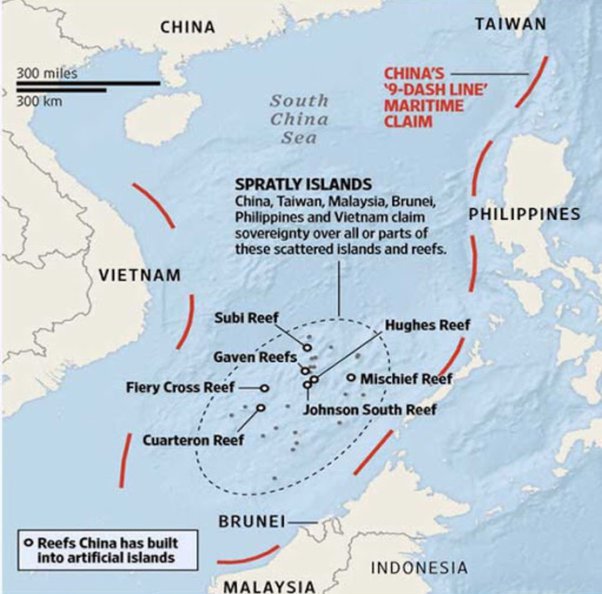
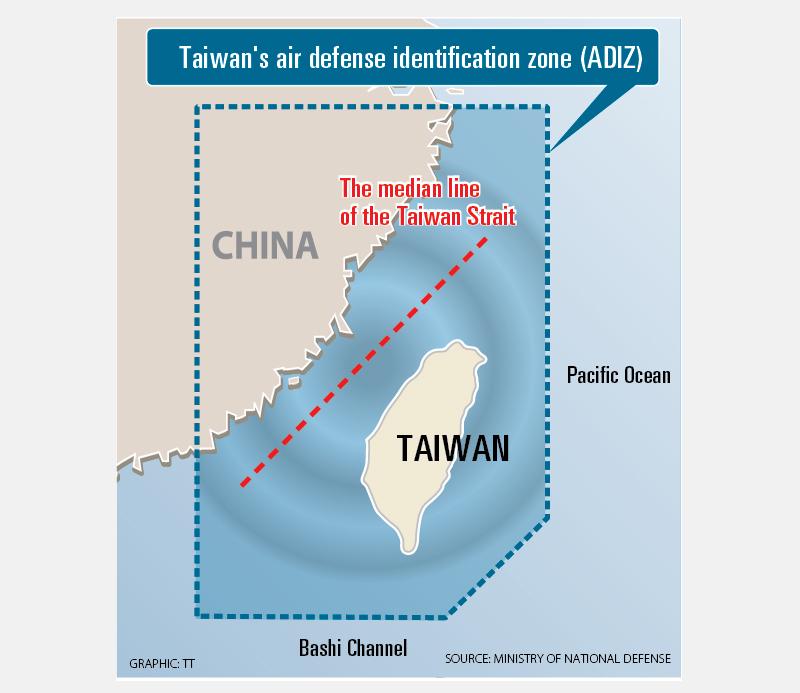
    As seen, the second of those considerations was already guaranteed through its minimum deterrence strategy. In relation to the first, China already enjoys a tremendous dissuading power and the capacity to neutralize intimidation in its part of the world. Indeed, it holds firm control over the South China Sea. This is for three reasons. First, through its possession and positioning there, of the largest Navy in the world. Second, by way of the impressive firepower of its missiles, which includes the DF21/CSS-5, capable of sinking aircraft carriers more than 1,500 miles away. Third, via the construction and militarization of 27 artificial islands in the Paracel and Spratly archipelagos. All of this generates an anti-access and denial of space synergy, capable of being activated at any given time against hostile maritime forces. In other words, China cannot be intimidated into compliance by the United States in the South China Sea scenario (Fabey, 2018, pp. 228-231). Nor, in relation to Taiwan, could America’s superior nuclear forces dissuade Beijing to invade if it so decides. The US, indeed, would not be willing to trade the obliteration of Los Angeles or any other of its major cities by going nuclear in the defence of Taiwan.

    Simultaneously confronting two gunfighters

    It was complicated enough during the Cold War to defend against one major nuclear power. The message of the new [Chinese] silos was that now the United States would, for the first time in its history, must think about defending in the future against two major nuclear powers with arsenals roughly the size of Washington’s – and be prepared for the possibility that they might decide to work together

    Matching the US’ nuclear overkill capacity will not significantly alter the strategic equation between both countries. If anything, it would only immobilize in easy-to-target silos, the bulk of its strategic nuclear force. However, Xi’s difficult-to-understand decision makes more sense if, instead of thinking of two nuclear powers, we were to think of a game of three. This would entail a more profound strategic problem for the United States that David E. Sanger synthesizes: “It was complicated enough during the Cold War to defend against one major nuclear power. The message of the new [Chinese] silos was that now the United States would, for the first time in its history, must think about defending in the future against two major nuclear powers with arsenals roughly the size of Washington’s – and be prepared for the possibility that they might decide to work together” (Sanger, 2024, p. 201). This working together factor should be seen as the new normal, as a revisionist block led by China and Russia confronts America’s system of alliances and its post-WWII rules-based world order.

    Although the United States could try to increase the number of its nukes, nothing precludes its two competitors from augmenting theirs as well, with the intention of maintaining an overwhelming superiority. According to Thomas Schelling, leading Game Theory scholar and Economics Nobel Prize winner, the confrontation between two nuclear superpowers, in parity conditions, was tantamount to that of two far-west gunfighters: Whoever shot first had the upper hand. This is because it can destroy a significant proportion of its counterpart’s nuclear arsenal (Fontaine, 2024). In the case in point, Uncle Sam would have to simultaneously confront two gunfighters, each matching his skills and firepower. Although beyond a certain threshold, there wouldn’t seem to exist a significant difference in the capacity of destruction involved, nuclear blackmail could be imposed upon the weakest competitor. In this case, the United States.

    Conclusion

    From an American perspective, overreliance on its challenged nuclear power makes no sense. Especially if it translates into a laid-back attitude in relation to the current technological revolution in conventional warfare. If Washington doesn’t go forward with a third offset military strategy, it could find itself in an extremely vulnerable position. Just two cases can exemplify this. Aircraft carriers are becoming obsolete as a result of the Chinese DF21-CSS5 missile, able to sink them 1,500 miles away, in the same manner in which war in Ukraine is showing the obsolescence of modern tanks when faced with portable Javelins and drones. If the US is not able to undertake a leap forward in conventional military weapons and systems, it will be overcome by its rivals in both conventional and nuclear forces. For Washington, no doubt about it, this is an inflexion moment.


    References:

    Arms Control Association (2020). “Nuclear weapons: Who has what at a glance”, August.

    Cooper, Helene (2021). “China could have 1,000 nuclear warheads by 2030, Pentagon says”. The New York Times, November 3.

    Ellman, Jesse, Samp, Lisa, Coll, Gabriel (2017). “Assessing the Third Offset Strategy”. Center for Strategic & International Studies, CSIS, March.

    Fabey, Michael (2018) Crashback: The Power Clash Between US and China in the Pacific. New York: Scribner.

    Fontaine, Phillipe (2024). “Commitment, Cold War, and the battles of self: Thomas Schelling on Behavior Control”. Journal of the Behavioral Sciences, April.

    Hadley, Greg (2023). “China Now Has More ICBM Launchers than the US”. Air & Space Forces Magazine. February 7.

    Huang, Cary (2019). “China’s show of military might risk backfiring”. Inkstone, October 19.

    Leonard, Mark (2008). What Does China Think? New York: HarperCollins.

    McLeary, Paul (2017). “The Pentagon’s Third Offset May be Dead, But No One Knows What Comes Next”. Foreign Policy, December 18.

    Panda, Ankit (2018). “China conducts first test of new JL-3 submarine-launched ballistic missile”. The Diplomat, December 20.

    Pillsbury, Michael (2015). The Hundred-Year Marathon. New York: Henry Holt and Company.

    Roblin, Sebastien (2018). “Why China’s DF-26 Missile is a Guam Killer”. The National Interest, November 9.

    Sanger, David E. (2024). New York: Crown Publishing Books.

    Shah, Raj M. and Kirchhoff, Christopher M. (2024). “The US Military is not Ready for the New Era of Warfare”. The New York Times, September 13.

    Singer, P.W. and Cole, August (2016). Ghost Fleet: A Novel of the Next World War. Boston: Eamon Dolan Book.

    The Economist (2021). “China’s nuclear arsenal has been extremely modest, but that is changing”, November 20.

    Zakaria, Fareed (2019). “Defense spending is America’s cancerous bipartisan consensus”. The Washington Post, July 18.


    Feature Image Credit: NikkeiAsia

    Text Image: AsiaTimes.com

  • China’s Role in reducing the Global Carbon Footprint: The 2060 Promise and Geopolitics on the Climate Front

    China’s Role in reducing the Global Carbon Footprint: The 2060 Promise and Geopolitics on the Climate Front

    Introduction

    The devastating role carbon plays in climate change cannot be underestimated. The rise in global surface temperatures, air pollution, and sea levels are visible effects of a rapidly changing environment. China, the world’s second most populous country, is also the largest emitter of greenhouse gases[i]. According to the CAIT database, in 2020, China emitted what amounted to 27% of the total greenhouse gas emissions in the world[ii]. Under President Xi Jinping, China has moved to position itself as an “ecological civilization”, striving to advance its role in global climate protection[iii]. China’s endeavours received acclaim when it became one of the first major countries to ratify the Paris Agreement in 2015, pledging to attain peak emissions by 2030 and net zero carbon emissions by 2060. This article aims to delineate China’s strategies and motivations for addressing carbon emissions and contrast these with the measures implemented by Western and developing countries to diminish their carbon footprint.

    China’s Image and Geopolitics in the Climate Sector

    Considering China’s position on the world stage as one of the largest and fastest-growing economies in the world, it has faced international pressure to take accountability for its contribution to climate change. China has previously argued that as a developing country, it should not have to share the same responsibilities of curbing climate change that developed countries, whose emissions went “unchecked for decades”, have[iv]. Nonetheless, they have pledged to lead by example in the climate sector. A large part of President Xi’s campaign to amplify China’s climate ambitions may come from appeasing the West while also setting up leadership in the clean energy sector to better cement its role as a superpower. According to a New York Times article, their promise to contribute to climate protection could be used to soothe the international audience and to counterbalance the worldwide anger that China faces over their oppression of the Uyghur Muslims in the Xinjiang province and their territorial conflicts in the South China Sea and Taiwan[v]. President Xi’s pledge at the UN to reach peak emissions before 2030 may have been an attempt to depict China as a pioneering nation striving to achieve net zero carbon emissions, serving as an alternative powerful entity for countries to turn to in lieu of the United States. This holds particular significance, as the USA remained mute about taking accountability for its own carbon emissions and withdrew from the Paris Agreement during Donald Trump’s presidency[vi]. This also shows China’s readiness to employ the consequences of climate change on its geopolitical agenda[vii].

    The future actions of China may significantly influence the climate policies of both developing and developed nations, potentially establishing China as a preeminent global force in climate change mitigation.

    China has endeavoured to shape its image in the climate sector. In 2015, despite being classified as a developing country, China refrained from requesting climate finance from developed countries and instead pledged $ 3.1 billion in funding to assist other developing countries in tackling climate change[viii]. As per the World Bank’s Country Climate and Development Report for China, China is poised to transform “climate action into economic opportunity.”[ix] By transitioning to a net zero carbon emissions economy, China can generate employment opportunities while safeguarding its non-renewable resources from depletion. China’s economy is also uniquely structured to seize the technological and reputational benefits of early climate action[x]. The future actions of China may significantly influence the climate policies of both developing and developed nations, potentially establishing China as a preeminent global force in climate change mitigation. Nonetheless, if China fails to fulfil its commitment to attain net zero carbon emissions by 2060, it may suffer substantial reputational damage, particularly given its current status as a pioneer in “advancing low carbon energy supply”[xi].

    Domestic Versus International Efforts in the Clean Energy Race

    However, domestic and international factors could affect China’s goal to peak emissions and the deadlines it has set for itself. A global event that may have affected their efforts to peak carbon emissions was the COVID-19 pandemic, in which the rise in carbon emissions from industries and vehicles was interrupted[xii]. However, after the pandemic, China’s economy saw swift growth, and in 2021, China’s carbon emissions were 4% higher than in the previous year[xiii]. Not only is China back on track to peak carbon emissions by 2030, but the International Energy Agency and World Energy Outlook 2023 also found that “China’s fossil fuel use will peak in 2024 before entering structural decline.”[xiv]

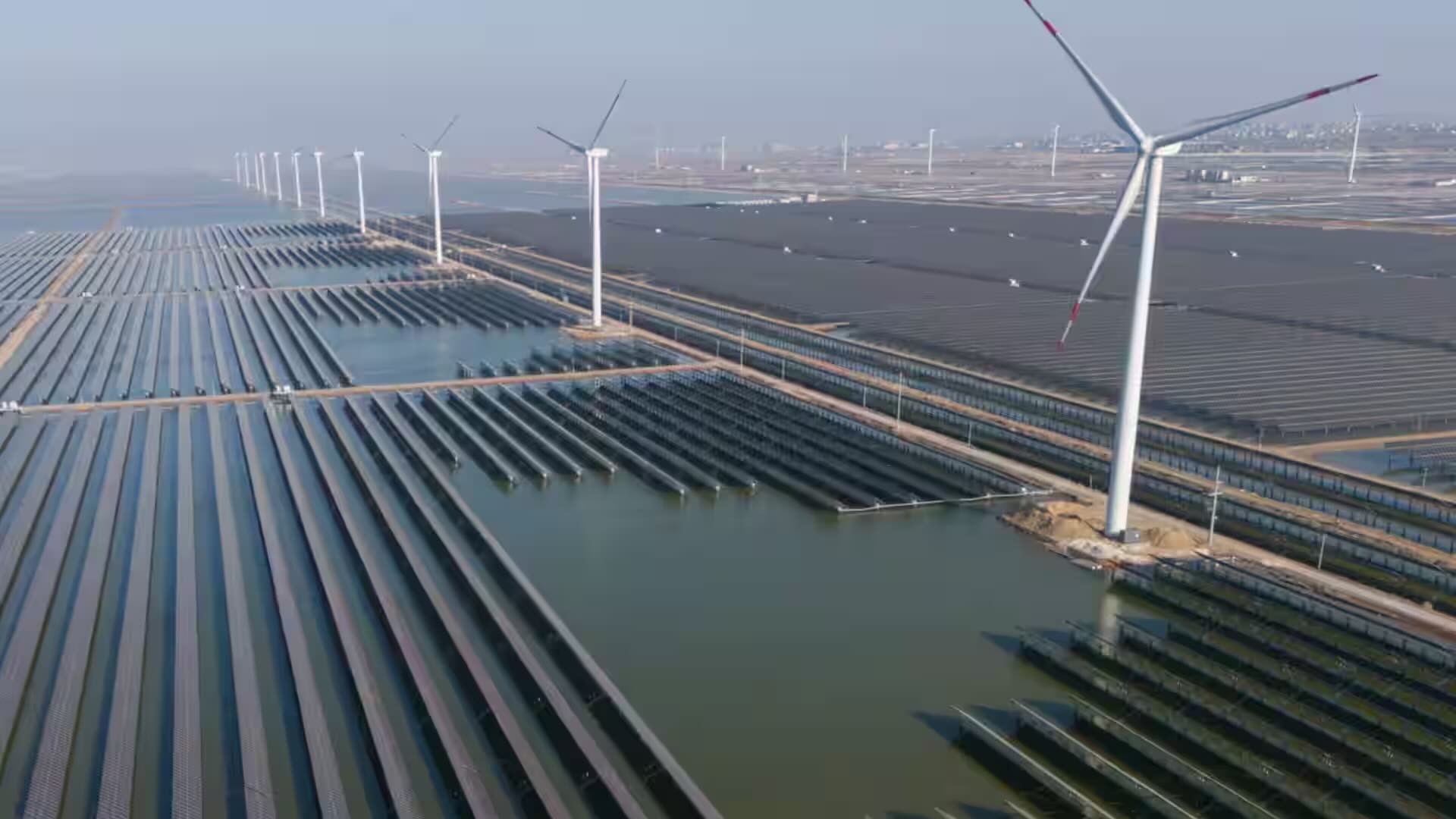
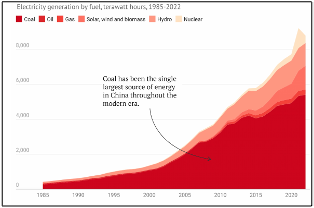
    Although China’s industrial sector is heavily reliant on coal and fossil fuels, it also boasts the world’s largest production of electric vehicles and is a leader in manufacturing solar panels and wind turbines[xv]. In contrast, developed countries, particularly the US, which withdrew from the Paris Agreement in 2017 during the Trump presidency, appear to be making less of an effort towards environmental protection.

    Developing countries, while not entirely possessed of the immense sprawl of China’s economy and population, are nonetheless not at the level of transitioning to clean energy that China is. India, too, has pledged to be carbon neutral by 2070 and to have emissions peak by 2030. Given its increasing economic growth rate, India must decrease its carbon intensity at the same pace. India lags behind China when it comes to manufacturing solar panels and other renewable energy sources. India’s central government is preparing to push energy modernization to “align with global energy transition trends.”[xvi] According to the Economic Times, particular emphasis has been laid on renewable energy sources like solar capacity and e-vehicles in the 2024-25 budget.[xvii]

    China and International Cooperation for Climate Protection

    With China producing sufficient solar capacity in 2022 to lead the rest of the world considerably and the deployment of solar power expected to rise until 2028, it is essential that the West does not make the mistake of isolating China

    Given that China has emerged as the leading manufacturer of electric vehicles (EVs), it remains to be seen whether developed and developing countries will leverage their supply chains to combat their own climate crises. While opportunities are plentiful for Western businesses to integrate with China’s cutting-edge alternatives for traditional energy sources, the United States has adopted a hardline stance towards China[xviii]. The US has imposed 100 per cent tariffs on Chinese-made e-vehicles, and solar cells face tariffs at 50 per cent.[xix] Simultaneously, rivalry and competition between the two countries on the climate front may help combat the climate dilemma and ever-increasing carbon emissions by avoiding the collective action problem. However, this will depend heavily on smooth cooperation and effective communication between Chinese authorities and developed nations within the EU and the USA[xxi]. Empowering domestic groups within countries can raise awareness of climate crises. A poll conducted in China revealed that 46% of the youth considered climate change the “most serious global issue.”[xxii] According to a survey conducted by the United Nations, 80% of people worldwide say they want climate action[vii]. With China producing sufficient solar capacity in 2022 to lead the rest of the world considerably and the deployment of solar power expected to rise until 2028, it is essential that the West does not make the mistake of isolating China[xxiii].

    Conclusion

    China has a significant advantage in its renewable energy sector. Western countries and other developing economies rely heavily on China’s green exports to address climate change urgently. China’s stringent measures to curb emissions from its coal-based industries and the growing output from its alternative energy sources reflect its proactive stance in becoming a global leader in addressing climate change — a position that surpasses other nations’ efforts. While it is debatable whether China’s commitment to reduce its carbon emissions was a political strategy to appease Europe, it is undeniable that tackling climate change is a pressing issue. With the public’s overwhelming support for implementing change in the climate sector, governments worldwide must prioritise their citizens’ needs and cooperate to develop policies that ensure a sustainable future for our planet.


    Notes:

    [i] Saurav Anand, “Solar Capacity, EVs, and Nuclear SMRs to Get Budget Boost for Energy Security – ET EnergyWorld,” ETEnergyworld.com, July 11, 2024, https://energy.economictimes.indiatimes.com/news/renewable/solar-capacity-evs-and-nuclear-smrs-to-get-budget-boost-for-energy-security/111648384?action=profile_completion&utm_source=Mailer&utm_medium=newsletter&utm_campaign=etenergy_news_2024-07-11&dt=2024-07-11&em=c2FuYS5zYXByYTIyMUBnbWFpbC5jb20.

    [ii]Saurav Anand, “Solar Capacity, EVs, and Nuclear Smrs to Get Budget Boost for Energy Security – ET EnergyWorld,” ETEnergyworld.com, July 11, 2024, https://energy.economictimes.indiatimes.com/news/renewable/solar-capacity-evs-and-nuclear-smrs-to-get-budget-boost-for-energy-security/111648384?action=profile_completion&utm_source=Mailer&utm_medium=newsletter&utm_campaign=etenergy_news_2024-07-11&dt=2024-07-11&em=c2FuYS5zYXByYTIyMUBnbWFpbC5jb20.

    [iii]Shameem Prashantham and Lola Woetzel, “To Create a Greener Future, the West Can’t Ignore China,” Harvard Business Review, April 10, 2024, https://hbr.org/2024/05/to-create-a-greener-future-the-west-cant-ignore-china.

    [iv]“Fact Sheet: President Biden Takes Action to Protect American Workers and Businesses from China’s Unfair Trade Practices,” The White House, May 14, 2024, https://www.whitehouse.gov/briefing-room/statements-releases/2024/05/14/fact-sheet-president-biden-takes-action-to-protect-american-workers-and-businesses-from-chinas-unfair-trade-practices/?utm_source=dailybrief&utm_medium=email&utm_campaign=DailyBrief2024May14&utm_term=DailyNewsBrief.

    [v]Noah J. Gordon et al., “Why US-China Rivalry Can Actually Help Fight Climate Change,” Internationale Politik Quarterly, March 24, 2023, https://ip-quarterly.com/en/why-us-china-rivalry-can-actually-help-fight-climate-change.

    [vi] Simon Evans Hongqiao Liu, “The Carbon Brief Profile: China,” Carbon Brief, November 30, 2023, https://interactive.carbonbrief.org/the-carbon-brief-profile-china/.

    [vii]“Climatechange,” United Nations, accessed July 18, 2024, https://www.un.org/en/climatechange#:~:text=The%20world’s%20largest%20standalone%20public,to%20tackle%20the%20climate%20crisis.

    [viii]Martin Jacques, “China Will Reach Climate Goal While West Falls Short,” Global Times, accessed July 19, 2024, https://www.globaltimes.cn/page/202402/1306788.shtml#:~:text=There%20has%20been%20constant%20low,than%202050%20for%20carbon%20zero.

    [ix] Steven Lee Myers, “China’s Pledge to Be Carbon Neutral by 2060: What It Means,” The New York Times, September 23, 2020

    [x] Simon Evans, Hongqiao Liu et al, “The Carbon Brief Profile: China,” Carbon Brief, November 30, 2023, https://interactive.carbonbrief.org/the-carbon-brief-profile-china/.

    [xi] China | nationally determined contribution (NDC), accessed July 17, 2024, https://www.climatewatchdata.org/ndcs/country/CHN?document=revised_first_ndc.

    [xii] Simon Evans, Hongqiao Liu et al, “The Carbon Brief Profile: China,” Carbon Brief, November 30, 2023, https://interactive.carbonbrief.org/the-carbon-brief-profile-china/.

    [xiii] Steven Lee Myers, “China’s Pledge to Be Carbon Neutral by 2060: What It Means,” The New York Times, September 23, 2020,https://www.nytimes.com/2020/09/23/world/asia/china-climate-change.html.

    [xiv] Steven Lee Myers, “China’s Pledge to Be Carbon Neutral by 2060: What It Means,” The New York Times, September 23, 2020, https://www.nytimes.com/2020/09/23/world/asia/china-climate-change.html.

    [xv] Simon Evans, Hongqiao Liu et al, “The Carbon Brief Profile: China,” Carbon Brief, November 30, 2023, https://interactive.carbonbrief.org/the-carbon-brief-profile-china/.

    [xvi] Matt McGrath, “Climate Change: China Aims for ‘Carbon Neutrality by 2060,’” BBC News, September 22, 2020, https://www.bbc.com/news/science-environment-54256826.

    [xvii] Simon Evans, Hongqiao Liu et al, “The Carbon Brief Profile: China,” Carbon Brief, November 30, 2023, https://interactive.carbonbrief.org/the-carbon-brief-profile-china/.

    [xviii] World Bank Group, “China Country Climate and Development Report,” Open Knowledge Repository, October 2022, https://openknowledge.worldbank.org/entities/publication/ef01c04f-4417-51b6-8107-b688061a879e.

    [xix] World Bank Group, “China Country Climate and Development Report,” Open Knowledge Repository, October 2022, https://openknowledge.worldbank.org/entities/publication/ef01c04f-4417-51b6-8107-b688061a879e.

    [xx] World Bank Group, “China Country Climate and Development Report,” Open Knowledge Repository, October 2022, https://openknowledge.worldbank.org/entities/publication/ef01c04f-4417-51b6-8107-b688061a879e.

    [xxi] Steven Lee Myers, “China’s Pledge to Be Carbon Neutral by 2060: What It Means,” The New York Times, September 23, 2020.

    [xxii]  Steven Lee Myers, “China’s Pledge to Be Carbon Neutral by 2060: What It Means,” The New York Times, September 23, 2020.

    [xxiii] Simon Evans, Hongqiao Liu et al, “The Carbon Brief Profile: China,” Carbon Brief, November 30, 2023, https://interactive.carbonbrief.org/the-carbon-brief-profile-china/.


    Feature Image: wionews.com  China leads the charge: Beijing develops two-thirds of global wind and solar projects.


  • China has achieved escape velocity: it is now unstoppable

    China has achieved escape velocity: it is now unstoppable

    The 21st century is shaping up to be the Asian, Eurasian, and Chinese century.

    While the Hegemon spent at least $7 trillion – and counting – on unwinnable Forever Wars, China is spending $1 trillion in an array of Belt and Road Initiative (BRI) projects across the Global South: the emphasis is digital/transportation connectivity corridors. Geoeconomic imperatives intertwined with rising geopolitical influence.

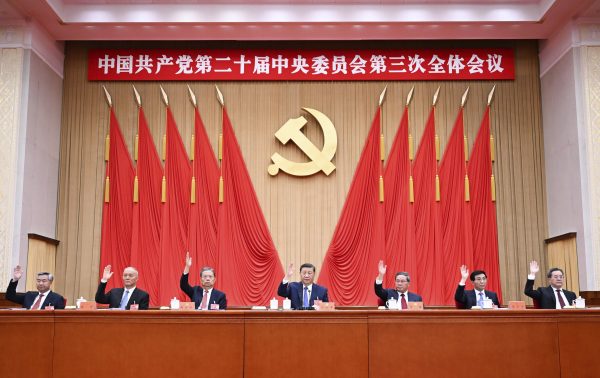
    The four-day, twice-a-decade plenum of the Communist Party of China that took place last week in Beijing, designing an economic road map all the way to 2029, was a stunning affair in more ways than one.

    Let’s start with continuity – and stability. There’s no question after the plenum that Xi Dada, or The Big Panda, will stay on the helm until 2029 – the end of the current five-year economic drive.

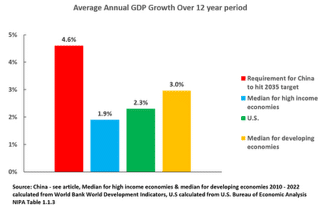
    And if Xi is healthy enough, he will stay until 2035: the fateful and uber-game-changing target year for China to exhibit a GDP per capita of $30,000, with massive worldwide reverberations.

    Here, we see the confluence between the progression of “socialism with Chinese characteristics” and the defining contours, if not of a Pax Sinica, at least of the non-Hegemon-centric, multi-nodal world (italics mine).

    The proverbial U.S. Think Tankland/Sinophobia axis has been hysterical on China not being able to sustain a 5% a year growth rate for the next few years – the target once again stressed at the plenum.

    The Chinese themselves have not bothered about the growth rate for a long time, since in 2018 they switched to a strategy of so-called qualitative development, that is, not at the expense of traditional industries, but on the basis of high technologies and the creation of new areas, such as the production of new energy sources and artificial intelligence.

    A Russian analysis by the Center for Geopolitical Forecasts makes a crucial point: “The Chinese themselves have not bothered about the growth rate for a long time, since in 2018 they switched to a strategy of so-called qualitative development, that is, not at the expense of traditional industries, but on the basis of high technologies and the creation of new areas, such as the production of new energy sources and artificial intelligence.”

    That’s the rationale behind Made in China 2025 – which is being implemented at breakneck speed: high-tech development leading the way towards a “high-level socialist market economy”, to be consolidated by 2025 and fully constructed by 2035.

    The next step will be to attain the status of “modernized socialist power” by 2049, at the 100th anniversary of the People’s Republic of China (PRC).

    The plenum proved once more that “socialism with Chinese characteristics” – or, for the recalcitrant, Chinese-modified capitalism – is “people-centric”. The supreme values are national interest and the people’s interests – attested by the fact that large private corporations remain under the strategic control of the CPC.

    It’s idle to try to find in the final communique at the end of the plenum any restrictions on private capital on the path to “universal prosperity”. The key point is that the role of capital should always be subordinated to the concept of “socialism with Chinese characteristics”.

    Watch the reform ship steadily sailing

    Everything is explained here in nearly didactic terms, chronicling the birth of the “Decision of the CPC Central Committee on further comprehensive deepening of reforms to promote Chinese modernization”.

    What is now already referred to colloquially all across China as “The Decision” spreads across 15 parts and 60 articles, divided into three main sections, proposing more than 300 important reforms.

    “The Decision”, in full, has not yet been published; only the road map of how Beijing planners got there. Of course, this is no mere policy paper; it’s a quintessentially CPC-style dissertation in which the details of economic and political measures are obscured by clouds of images and metaphors.

    Take a look, for instance, at this passage:

    “To ensure that the reform ship sails forward steadily, the ‘Decision’ proposes that further comprehensive deepening of reform must implement the “six principles”: adhere to the party’s overall leadership, adhere to the people-centred approach, adhere to the principle of maintaining the integrity and promoting innovation, adhere to system building as the main line, adhere to the comprehensive rule of law, and adhere to a systematic approach.”

    Most of the “Decision” – 6 parts in a total of 13 – is about economic reform. Will China pull it off? Of course, it will.

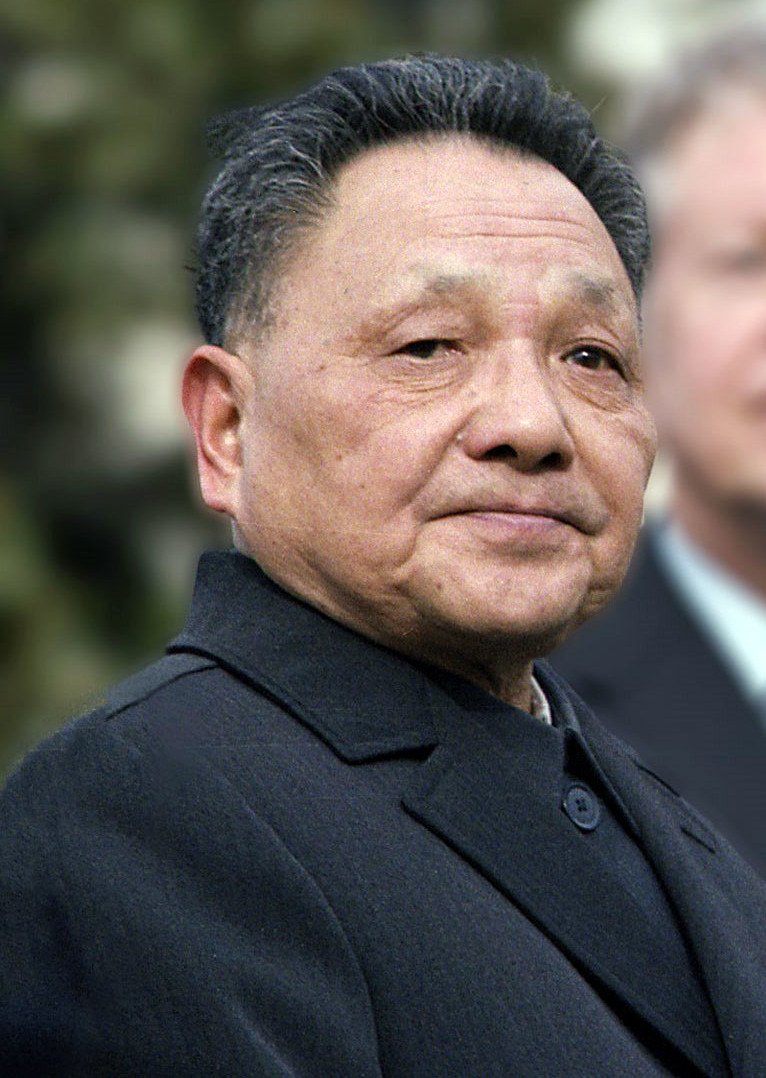
    Just look at the precedents. In 1979, the Little Helmsman Deng Xiaoping started to transform a nation of farmers and peasants into a well-oiled machine of efficient industrial workers. Along the way, GDP per capita was multiplied by no less than 30 times.

    Now, the ramifications of Made in China 2025 are turning a nation of factory workers into a nation of engineers. Of 10,5 million university graduates a year, a third are engineers.

    The emphasis on AI has led, among other examples, to the automobile industry being able to produce a $9,000 EV in complete automation and make a profit. China is already a global leader in EVs (BYD building plants in Brazil, Thailand, Turkey, Hungary), solar power, drones, telecom infrastructure (Huawei, ZTE), steel, shipbuilding – and soon, also semiconductors (thank you, Trump sanctions).

    While the Hegemon spent at least $7 trillion – and counting – on unwinnable Forever Wars, China is spending $1 trillion in an array of Belt and Road Initiative (BRI) projects across the Global South: the emphasis is digital/transportation connectivity corridors. Geoeconomic imperatives intertwined with rising geopolitical influence.

    Hegemon hysteria aside, the fact is the Chinese economy will grow by a whopping $1.7 trillion only in 2024. That is more than in all but the last three years – because of the Covid effect.

    And Beijing borrowed exactly zero yuan for this growth. The U.S. economy, by comparison, may grow by $300 billion in 2024, but Washington had to borrow $3.3 trillion for that to happen.

    Researcher Geoff Roberts has compiled a very useful list of what China is doing right.

    And when it comes to the nitty gritty, the numbers are staggering. Here are just a few, apart from GDP growth:

    • Foreign goods trade is up 6.1% to $2.9 trillion year-on-year.
    • The trade surplus is at $85 billion, up 12% compared to 2023.
    • ASEAN trade is up by 10.5% to $80 billion; China is the number one trade partner of individual ASEAN members.
    • China had a record crop of 150 million tons of cereal grains.
    • The courier sector handled 80 billion parcels, up 23% year-on-year.
    • SMIC is the world’s number two pure-play foundry after Taiwan’s TSMC.
    • China Telecom paid $265 million for 23% of QuantumCTek, the patenter of Micius, the world’s first quantum communications satellite.
    • Commercial aerospace launched 39% of China’s 26 rockets.
    • Invention patents rose 43% to 524,000. China is the first country with 4 million domestic invention patents in force.
    • Baidu’s 1,000 robotaxis in Wuhan will break even in Q4 and will be profitable next year.
    • China has 47% of the world’s top AI talent. It added no less than 2000 AI courses to school and college curricula since 2019.
    • On world-class institutions doubling as research leaders, 7 out of 10 are Chinese, including the top one: the Chinese Academy of Sciences, ahead of Harvard.

    Exceptionalist China “experts” believe their own fantasy that the U.S. allied with occupied Japan, Germany and South Korea would be able to match and surpass China’s pull with the Global Majority, because they have more resources and more capital.

    Nonsense. Even more nonsense is to believe that the Hegemon’s NATO “partners” – as in vassals – will follow the leader in creating cutting-edge technology.

    The high-speed train that matters has already left the station. The 21st century is shaping up to be the ‘Asian, Eurasian, and Chinese’ century.


    Feature Image Credit: The Diplomat

    The article is republished from the Strategic Culture Foundation.

  • “And Now to some serious Governance”

    “And Now to some serious Governance”

    A time comes for each leader and government to rise above pettiness, discarding ill will and hatred towards all. For the BJP, now uniquely in its third term, this is the time to show the nation that it is a party with a difference. For the opposition equally, this is the time to cooperate with the government on critical issues impacting the country.  


    Since my retirement from active service, I have avoided politics and political writings like the plague, but the avoidable happenings of the past few months have caused me, like am sanguine would have to millions of our countrymen, pain and a sense of despair.

    India has conducted over 18   general elections to its Parliament since 1952 with a lot of fury and vibrancy, but the Lok Sabha 2024 general elections were indeed an example of abysmally low-level politics transcending our better senses.

            How the world’s largest democracy indulged in its Lok Sabha 2024 elections was hardly complimenting to it considering the unquestionable fact that among the emerging nations in the world, call it from the Global South, the conduct of our elections showed some among those participating in poor light. Between competing political parties, enlightened debates and mutual civility were sadly lacking.   India has conducted over 18   general elections to its Parliament since 1952 with a lot of fury and vibrancy, but the Lok Sabha 2024 general elections were indeed an example of abysmally low-level politics transcending our better senses. India, which carries a fair amount of moral authority and is considered an example of a true and vibrant democracy, cannot let its hallowed image be sullied attributable to the selfish electoral games of some of its political leaders. The party in power at the Centre, the principal Opposition party and all those regional parties at the helm in the states have to display adequate maturity and a modicum of propriety and civility towards each other and not politicize each and every aspect of governance or national issues impacting India. The opposition, as it shows the mirror to the government on critical issues of governance, must not criticise each and every act of the government as a matter of routine.

             With the outcome of the general elections now done and dusted and the previous BJP government back in power, albeit with a clear reduction in its seats tally from 303 down to 240, it must get down to the exacting business of good governance from the Centre. That the same government, with its experience of the last ten continuous years in power, fielding more or less the same faces in the Cabinet in critical ministries and importantly serviced by the same bureaucrats should have, relatively speaking, not such an arduous task in governance. However, the thrust for fair, equitable, and sensitive handling of all critical matters across the nation has to come from the top political leadership. All our states must never feel discrimination by the Centre, especially in financial allocations urgently required for developmental works and disaster management. Additionally, the new government must take stern measures to keep rising inflation and unnecessary governmental expenditure under check before the economy takes a severe nose-dive.

             The Modi government, with the continuous experience of the last ten years, will have more than a good idea of the systemic improvements required and about areas needing additional financial resources and effort. It is unnecessary to worry too much about criticisms from the opposition but to carry on regardless in developmental works, without fear or favour, and with impartiality towards all the states in the true spirit of federalism. A time comes for each leader and government to rise above pettiness, discarding ill will and hatred towards all. For the BJP, now uniquely in its third term, this is the time to show the nation that it is a party with a difference. For the opposition equally, this is the time to cooperate with the government on critical issues impacting the country.

             New Delhi’s hands will be full of the nation’s diverse and formidable challenges, requiring attention and effectiveness. On the foreign policy front, India will have to walk the tightrope of maintaining strategic autonomy and sustaining its good relations with both the US and Russia. However, as it determinedly confronts an overly assertive China, India needs to use its economic clout and sophisticated diplomacy to get its South Asian neighbourhood closer to it and each other, avoiding the debt trap diplomacy and financial machinations of China.

    The number of terror-related incidents in J&K has gone up substantially in the last three months, and Pakistan will have to be kinetically chastened.

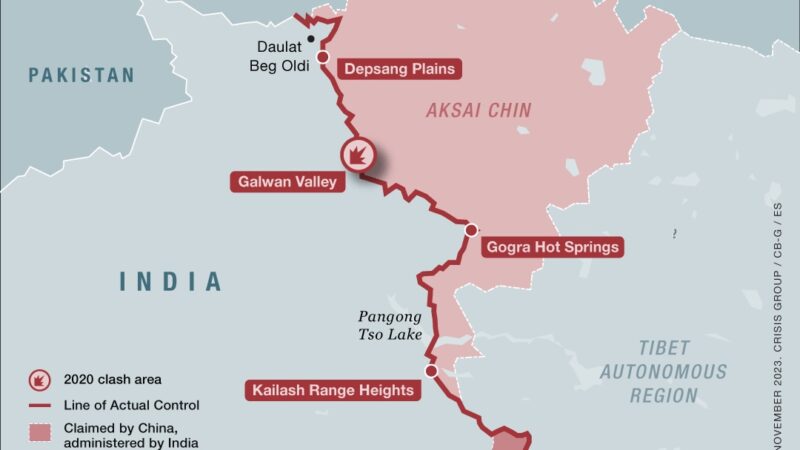
          India must, at the appropriate level, convey to China that their confrontationist attitude towards us will be harmful to the Chinese, too and may propel India to rethink its existing Tibet policy. Nevertheless, India must maintain the utmost vigil along the 3485 km Line of Actual Control/ IB, which it shares with  China. Meanwhile, Pakistan once again needs to be cautioned against stepping up terror activities in J&K  or elsewhere in the Indian hinterland. India is in full knowledge of Pakistan’s many fault lines. Still, it has refrained from exploiting these, and Pakistan must also cooperate in ensuring a peaceful and prosperous South Asian neighbourhood independent of China’s wily stratagems. The number of terror-related incidents in J&K has gone up substantially in the last three months, and Pakistan will have to be kinetically chastened.

    Meanwhile, India’s preparations to successfully improve its security capabilities to confront a two-front war must go ahead with realism and an unfailing determination. Measures to augment capital expenditure for major defence acquisitions must be identified. Transformative defence reforms like the introduction of integrated theatre commands will need the attention of the Centre. In addition, India must take all steps to restore peace in our restive NE states.

             The Modi government has come in for some criticism abroad on its human rights record and dealings with its Muslim population. This unjust criticism must be dealt with judiciously and with maturity. India’s overall inclusiveness and celebration of its diversity are unique examples for the entire world, especially the nations of the Global South. We must never deviate or be even seen to shift from this noble orientation.

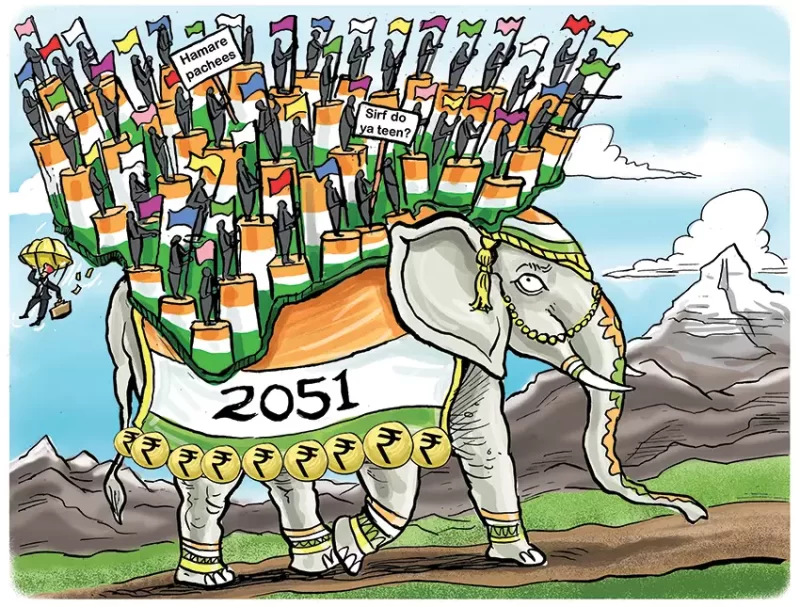
    Reduction of the yawning gap between the countless ultra-rich and those millions in abject poverty is essential as we boast of becoming the 5th largest economy in the world. The many human indices where we are faltering also need to be addressed.

             As economic strength is the pillar that propels and sustains progress, the Modi government must take measures to improve our economic health. Reduction of the yawning gap between the countless ultra-rich and those millions in abject poverty is essential as we boast of becoming the 5th largest economy in the world. The many human indices where we are faltering also need to be addressed.

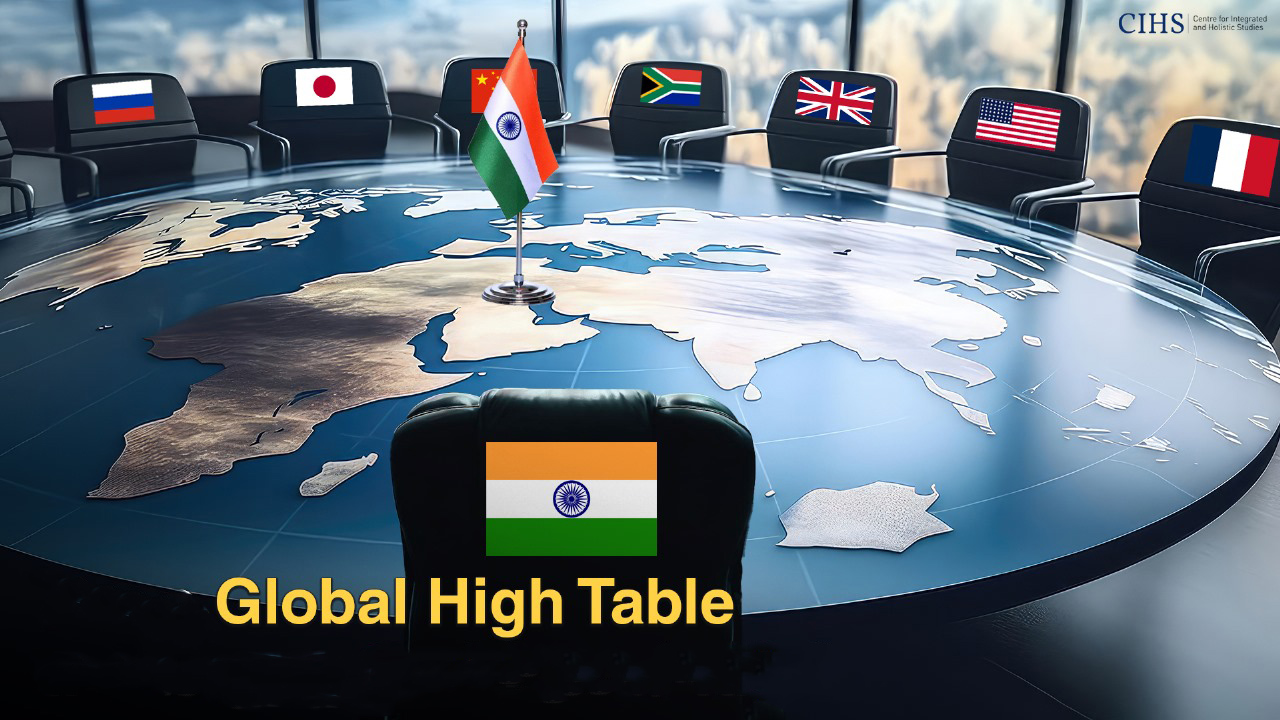
             By all yardsticks, India is deservingly on the cusp of acquiring a seat on the global high table. Let us not squander away this golden opportunity by internal squabbling but instead work together in addressing crucial issues that affect our nation; we must seize this opportunity.

    Feature Image Credit:  vskbharat.com    

    Cartoon Credit: Times of India

  • Can a Muscular Response deter Chinese Aggression?

    Can a Muscular Response deter Chinese Aggression?

    The Sino-Indian War of 1962, which is seen as a humiliating defeat for India, continues to rankle all Indians. Clearly, it is seen as a result of poor leadership both at the political and military levels. In hindsight, many believe that the PLA could have been routed had India regrouped its Army and used the IAF in a massive counterattack. It was November, and with the onset of winter and the closing of the Himalayan passes, the PLA could have been demolished completely. That we didn’t even think of it shows the serious vacuum in strategic thinking. More than half a century later, and with the Indian military much stronger and battle-hardened, it is inexplicable why India’s leadership is shy of following an aggressive strategy, including the use of force proactively against China. Brigadier Deepak Sinha, a vetran and TPF’s Senior Fellow, raises this question while correlating the current situation with that of 1962.

    There is an urgent need for us all to shed our divisive politics, long-held dogmas and skewed perceptions, forget fanciful visions and face reality, especially when it comes to the question of national security. The last thing we need is for petty politics and fragile egos to control our nation’s destiny. Nothing can be more consequential, traumatic or shameful than being bested by a rival on the battlefield. The consequences of our “defeat” in the Sino-Indian Conflict of 1962 continue to rankle and haunt us to this day.

    Quite clearly, the fear psychosis that permeates our higher military and political leadership is palpable.

    Indeed, our reluctance, for fear of escalation, to launch a quid-pro-quo riposte and grab disputed territory elsewhere as a bargaining chip following the PLA’s blatant land grab of disputed territory in Eastern Ladakh is a clear indication of this. This was reinforced by an earlier interview with ANI by our Foreign Minister, who stated, “Look, they (China) are the bigger economy. What am I going to do? As a smaller economy, I am going to pick up a fight with the bigger economy? It is not a question of being reactionary, it’s a question of common sense….” Quite clearly, the fear psychosis that permeates our higher military and political leadership is palpable.

    On the other hand, the Chinese leadership has a very different perception of our capabilities as was reflected back in 1959 following the Longju incident. A declassified United States document of that time points out that “the late August clashes point to a mode of thought which has remained an ingredient in the Chinese leaders’ calculations on the border dispute: ‘When the Indians show a temperament to advance on the ground, we must alter their frame of mind by letting military action take over political caution. Besides, military risk itself is negligible because we are the stronger side.” Obviously, over the years, they have been given no reason to believe otherwise. In order to understand what ails us, it is worth briefly examining the course of the 1962 conflict to get a clearer idea of the extent of our loss at the hands of the Chinese. That should help us understand why, over fifty years later, we continue to remain so traumatised and fearful.

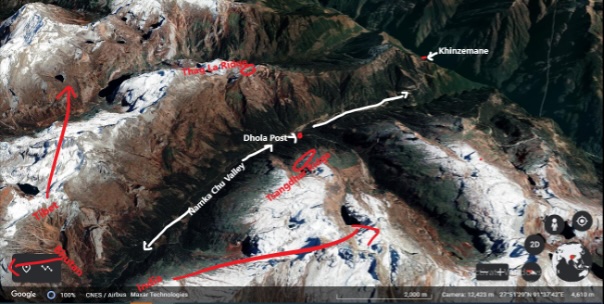
    The opening skirmish of that conflict occurred in the North East with the capture, on 8th Sept, of the isolated Assam Rifles post at Dhola, on the southern slopes of the Thag La ridgeline. This post was surrounded and completely dominated by PLA positions on higher ground, and its loss was a foregone conclusion. The actual conflict commenced at approximately 0500 hours on 20th October, when the PLA launched a massive infantry attack, supported by artillery, on the 7 Infantry Brigade positions. The Brigade was deployed in a tactically unsound manner on direct orders of GOC 4 Corps, Lt Gen B M Kaul, along the Southern banks of the Namka Chu River over a 20 Km frontage instead of on the heights overlooking the river.
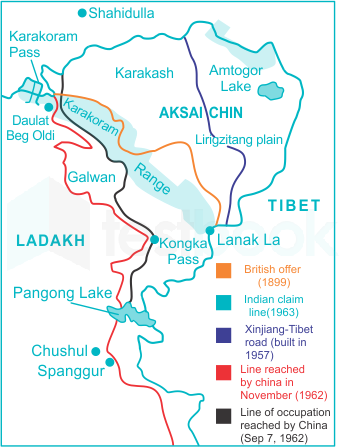
    The battalions were deployed in platoon penny pockets, lacking mutual support, in temporary positions with no overhead cover. Artillery support was restricted to just one battery of Heavy Mortars and a troop of two field guns with limited ammunition. No intelligence was available to the Brigade Headquarters or any of the other higher headquarters as to PLA force levels or their intentions. The assault came as a surprise and just four hours later, by 0900 Hours, the Brigade ceased to exist as a fighting force. Within just another 96 Hours, the strategic border town of Tawang, approximately 100 Km in-depth, held by an understrength battalion, was attacked and captured without a fight.

    Almost simultaneously in the Northern Theatre, isolated forward positions at Aksai Chin and the Pangong Tso area were also cleared after a brief skirmish. After an administrative pause of approximately a month, the PLA launched the next phase of its offensive with its assault on the Walong positions on 16th Nov and on the main defences of the 4 Infantry Division at Bomdi La, Se La and on the Division Headquarters at Dirang Dzong. Simultaneously, on 20th Nov, Chushul came under attack by an Infantry Divison. On 21st Nov the Chinese announced a unilateral ceasefire and subsequently withdrew to positions occupied by them prior to the commencement of the conflict.

    There are three main deductions that can be drawn from an examination of the facts. Firstly, that the conflict was, in essence, extremely limited in terms of time, space and force levels involved. From an army of 550,000 personnel, approximately 20,000 personnel were committed into this conflict, primarily due to our limited logistical capabilities. The conflict was primarily restricted to the tactical level only, at battalion level and below. While the conflict itself was spread over one month, the tactical engagements themselves lasted a few hours at best, and on one or two occasions where stiffer resistance was put up, extending to 48-72 Hours. Unfortunately, given the terrain, lack of field fortifications, etc, casualties suffered were relatively high, with approximately fifteen hundred killed, similar numbers wounded, two thousand missing and another 4000 taken prisoner. The Air Force, which could have played a critical role in blunting the PLA attacks and destroying their lines of communications, was deliberately confined to the logistics role for reasons that are still not clear, while the Navy remained a bystander.

    Sadly, our military and political leadership exhibited an utter lack of moral courage, determination and willpower by quietly acquiescing to the unilateral ceasefire, thereby kicking the main irritant of the demarcation of borders further up the road, where it has once again come to bite us on our posteriors.

    Secondly, far from being a major defeat, as has been commonly made out, it was at best a temporary reverse that could, and should, have been countered with the use of fresh troops under a more determined and professional leadership. More importantly, the PLA understood this fact and, therefore, undertook a unilateral withdrawal to its earlier pre-war line of defences. It must have been fully cognisant that if hostilities were to continue, it would find itself in an increasingly untenable position with its supply lines already badly stretched and being further impacted with the onset of winter. It would only have been a matter of time before the Indian Army got over its shock, regrouped and reorganised itself and launched a counter-offensive to recapture lost territory. Sadly, our military and political leadership exhibited an utter lack of moral courage, determination and willpower by quietly acquiescing to the unilateral ceasefire, thereby kicking the main irritant of the demarcation of borders further up the road, where it has once again come to bite us on our posteriors.

    Thirdly, what continues to remain totally inexplicable is the reasons why our military and political leadership continue to remain so traumatised and scared to this day. The truth is that the narrative that emanated following the reverses was set by officers and men belonging to units that, for the most part, had withdrawn before coming in contact with the PLA. They were low on morale and had come to believe the Chinese were supermen who could not be stopped by mere mortals. It was from amongst the experience and perception of these personnel that pamphlets on the tactics and capabilities of the PLA were subsequently formulated that continue to be relied on to this day, thereby giving further credence to that distorted narrative.

    The fact of the matter is that in any future conflict, the PLA will be fighting over 2000 Kms away from its home bases, supported along communication lines that run over some of the most difficult and inhospitable terrain in the world. They are also easily susceptible to interdiction, given the nature of the terrain. In addition, they would have to contend with a hostile and badly oppressed population not just within Tibet but in Xingjian as well, which could revolt if a suitable opportunity arose. This would require the PLA to deploy additional forces for rear area security to prevent disruption of the lines of communication.

    Moreover, while there are sizeable disparities in aspects such as force levels and capabilities, infrastructure development and economic strength, one needs to be cognizant of the fact that we have also made tremendous strides with regard to infrastructure development, logistics and offensive capabilities. Our forces still hold the edge vis-à-vis combat experience and operating in mountains, while the Air Force continues to hold the upper hand in the TAR purely on account of terrain profile and radius of action. Most importantly, the availability of two Mountain Strike Corps gives us immense flexibility, if properly utilized, to grab the initiative and force a decision dilemma on the PLA. In the circumstances, the reason for our extreme reluctance to stand up against the Chinese bully must lie elsewhere. One distinct possibility is that our political leadership lacks faith in the military leadership and its ability to fight and win.

    This will seem at odds with the fact that the military has a splendid history of having always successfully completing any task given to it. If anything, it has been grossly misused by the Central and State Governments to carry out tasks that are not in their ambit, whether these be organizing the Commonwealth Games or construction of railway over-bridges, because the concerned departments and agencies have been unable to produce the requisite results. Clearly, this mistrust, primarily in the sphere of civil-military relations, has more pernicious roots and is very deeply embedded in the politico-bureaucratic psyche.

     Interestingly, in the Official History of the 1962 Conflict with China, available in the public domain but yet to be published, the Chief Editor, Dr S N Prasad, concludes that the chief reason for our defeat was that the political establishment was unable to avoid war while it was in the process of transforming the military establishment. Given Prime Minister Nehru’s apprehensions about the military taking control, he wanted to change it from being, as Mr Prasad puts it, a “close-knit professional body, deliberately isolated from the citizen. Its predominant motive force remained esprit de corps and not identification with the people… Perhaps he wanted to model it after the People’s Liberation Army of China, more egalitarian, flexible, closer to the people………Such basic changes required a committed, or at least a pliant, band of army officers in key positions. So mediocre Thapar was selected instead of the doughty Thorat as Army Chief, and Bijji Kaul was made CGS……. “

      He further goes on to add that “To carry out this transformation of the national defence set up, a decade of peace was absolutely essential. For establishing indigenous weapons manufacture, money had to be found by cutting arms imports. The armed forces would be short of equipment and stores for several years till the new arms factories started producing. The officer cadre was a house divided within itself till the new breed fully took over. A period of transition was inevitable, during which the fighting machine would not be fully efficient and would be vulnerable………Therein seems to lie the basic cause of the debacle of 1962. India failed to avoid a war during the transition period. Lulled by faulty political assessment and wrong intelligence forecasts, the country got caught in a war when it was least prepared.

    With Mr Modi’s ascension to power, we came a full circle as he took it upon himself to steer it away from its apolitical and secular character towards a more ideologically compatible institution that would be in sync with his Party’s long-held vision of making India into a Hindu Rashtra.

    Fortuitously for the country, Nehru’s vision for a transformed military was stymied by the 1962 Conflict and the most important lesson that his successors assimilated quickly was to stay away from interfering in the internal affairs of the military as that could gravely damage internal cohesion and morale. With Mr Modi’s ascension to power, we came a full circle as he took it upon himself to steer it away from its apolitical and secular character towards a more ideologically compatible institution that would be in sync with his Party’s long-held vision of making India into a Hindu Rashtra.

    Towards this end Mr Modi has smartly used the concept of “deep selection” to ensure key senior appointments were filled by officers displaying an affinity for his government’s ideology, regardless of existing rules, seniority or merit. This, in turn, made them personally beholden to him, and he was thus able to use them to take ownership and deflect criticism from initiatives that were pushed through by his government regardless of their adverse impact on long-standing and cherished customs and traditions or on the operational capabilities of the Services. This has led to schisms within the institution, damaged the integrity and cohesion of the chain of command and cast a big question mark on the apolitical and secular character of the Services.

    In this context, a politically compromised Chief of Defence Staff and other senior officers shamefully endorsed the PMO, thrusting down the ill-conceived Agnipath Scheme on the military with not a single objection being raised. This scheme has all but destroyed the basic ethos of our fighting arms, ensuring that the deeply entrenched and effective Regimental System has been severed at the roots. Given their ignorance of matters military, they would have been ignorant of Winston Churchill’s wise advice that “Regiments are not like houses. They cannot be pulled down and altered structurally to suit the convenience of the occupier or the caprice of the owner. They are more like plants; they grow slowly if they are to grow strong…and if they are blighted or transplanted, they are apt to wither.”

    And wither they have, the resulting adverse impact on morale is not difficult to gauge. This is undoubtedly being further exacerbated by the considerable voids in manpower, with combat units reportedly functioning at less than 75% of their authorised strength, and truncated peace tenures to fill up operational voids in Eastern Ladakh, Manipur and Jammu & Kashmir. In addition, the government’s emphasis on the ‘Atman Nirbhar Abhiyan’ and ‘Make in India Scheme’ has resulted in deficiencies, even if temporary, in the holdings of weapons systems, ammunition and other warlike stores. Given all these factors, the military obviously finds itself in an extremely precarious situation, committed to its fullest capacity with limited options available. Ironically, a government that lays such a great emphasis on our Hindu origins, culture and history has managed to display a profound ignorance of statecraft and warfare, as brought out in Kautilya’s Arthashastra. In this classic, Chanakya points to the necessity for a strong army because, for all nation-states, there are only two states of being: either conquer or be conquered.

    …at the present time, we are once again confronted with an extremely turbulent geopolitical situation, with the world’s attention on the ongoing crises in Europe and the Middle East. The situation today, in many ways, is clearly reminiscent of the period on the eve of the 1962 Conflict. For reasons not very different from then, the Indian Military finds itself in a very similar situation as well.In these circumstances, the real question that we should be asking ourselves is not whether we can overcome our past traumas and face down the PLA, but more importantly, whether China will seize this opportunity to recalibrate the Sino-Indian relationship through the use of force.

    Interestingly, in 1962, China launched major operations against us at the end of the campaigning season, which could have been jeopardised by unseasonal snow. Obviously, this was because, at that time, the world’s attention was riveted to the Cuban Missile Crisis. Similarly, at the present time, we are once again confronted with an extremely turbulent geopolitical situation, with the world’s attention on the ongoing crises in Europe and the Middle East. In addition, the United States is deeply immersed in its own internal problems with presidential elections just around the corner and with little time for other matters.

    The situation today, in many ways, is clearly reminiscent of the period on the eve of the 1962 Conflict. Moreover, at that time, Chairman Mao was under intense pressure as his Great Leap Forward experiment had failed, and he had been removed from his appointment as State President. Today, President Xi also finds himself under similar pressure following his disastrous Zero Covid and hard-line economic policies that have tanked the economy. For reasons not very different from then, the Indian Military finds itself in a very similar situation as well.

    Undoubtedly, the political leadership and the military top brass must be fully cognizant of this state of affairs. Clearly, they are in no position to stare down the PLA. What makes matters worse is that following the General Elections, Mr. Modi’s authority and standing have been greatly diminished. Where does this leave those senior officers who have progressed by hanging on to his ideological coat-tails? Has the authority and credibility of the CDS, an out-and-out political appointee and loyalist, been affected within the Chiefs of Staff Committee of which he is the Chairman? What will be its impact on the move towards the establishment of theatre commands? In these circumstances, the real question that we should be asking ourselves is not whether we can overcome our past traumas and face down the PLA, but more importantly, whether China will seize this opportunity to recalibrate the Sino-Indian relationship through the use of force.


    Feature Image Credit: Border Clashes between India and China ‘regularly covered up’  The Telegraph

    Namka Chu and Dhola Post Picture credit: www.indiasentinels.com

  • Xi Jinping: Assessing his Foreign Policy

    Xi Jinping: Assessing his Foreign Policy

    All foreign policies must aim at attaining purpose, credibility, and efficiency. Purpose defines the main objectives that the country wishes to achieve through its international relations. Credibility comes from international recognition of its actions in this field. And efficiency allows implementation, at the lowest possible cost, of the desired purpose. These three notions, although interwoven and influencing each other, keep their own specificity.

             How does Xi Jinping’s foreign policy qualify in these three areas?

    Purpose

    Its purpose, in tune with that of the Chinese Communist Party before his arrival to power, is sufficiently clear. By 2049, the centenary of the founding of the People’s Republic, China should have achieved a prominence commensurate to its glorious past. According to former Australian Prime Minister Kevin Rudd, China marches towards the perception of its global destiny with a clear strategy in mind. Such destiny is none other than the resurrection of its historical glory (Rudd, 2017). Projects such as the Chinese Dream of National Rejuvenation, Made in China 2025, and the Belt and Road Initiative, converge in defining concrete goals that lead in that direction. This includes China’s “Great Unification” with Taiwan, the consolidation of a hegemonic position within the South China Sea, making China the epicentre of an Asian-led world economic order, and creating a global infrastructure and transportation network with China at its head. Xi Jinping visualizes the next ten to fifteen years as a window of opportunity to shift China’s correlation of power with the United States. Hence, Beijing seeks the convergence of energies and political determination towards this window of opportunity. The strategic compass of Xi’s foreign policy could not be more precise. Few countries show a clearer sense of its purpose.

    Credibility

             His foreign policy credibility presents a more mixed result. Vis-à-vis the Western World and several of its neighbours, China’s credibility is at a very low point. However, the situation is different in relation to the Global South, where Xi’s foreign policy promotes four interconnected initiatives to expand China’s influence. Besides the Belt and Road, whose objective is creating a China-led global infrastructure and transportation network, there is also the Global Development Initiative, the Global Security Initiative, and the Global Civilization Initiative. The first, the Global Development Initiative, aims to contrast the unequal distribution of benefits that characterize the West-led development projects with the inclusiveness and balanced nature of this China-led multilateral development project [Hass, 2023]. The other two initiatives, global security and global civilization, present rational and balanced options clearly differentiated from America’s overbearing approach to these areas. In the former case, China’s proposal promotes harmonious solutions to differences among countries through dialogue and consultation [Chaziza, 2023]. The Global Civilization Initiative, on its side, fosters cooperation and interchange between different civilizations, whereby the heterogeneity of cultures and the multiplicity of identities is fully respected [Hoon and Chan, 2023].

    The Hambantota Port in Sri Lanka is one of thousands project that China has helped finance in recent years – Image Credit: The Brussels Times (The so-called China’s debt-trap is a narrative trap).

           However, three dark areas emerge in Beijing’s credibility with respect to the Global South. Number one is the frustration prevailing in many of these smaller and underdeveloped nations, resulting from the contradiction between China’s openness as a lender and its severity as a creditor. This has given rise to the suspicion of a hidden agenda on its part and has led to the coining of the phrase “debt trap diplomacy”. Number two derives from the arrogance shown by Beijing towards the rights of several of its weakest neighbours, disregarding international law. This seems to delineate a tributary vision of its relations with them. Although this only affects China’s neighbourhood, it projects a haughtiness that contradicts its formulations about a more harmonious, equitable and inclusive world order. Number three is the apparent contradiction between Beijing’s proclamation regarding the value of the heterogeneity of cultures and the diversity of identities and its treatment of non-Han Chinese minorities at home. A feature susceptible to reproducing itself abroad. All the above generates a distance between words and deeds that casts a shadow of doubt concerning China’s sincerity. Hence, even within the Global South, China’s credibility shows a mixed result.

    Efficiency

    Finally, there is the area of efficiency. It is a very complex one, particularly given China’s over-ambitious purpose. It must be said that until 2008, Beijing succeeded in rising as a significant power without alarming neighbours or the rest of the world. It even attained the geopolitical miracle of doing so without alarming the United States. Indeed, few countries have made such a systematic and conscious effort to project a constructive international image as China has done to this date. This included the notion of “peaceful rise”, which implied a path different from that followed by Germany before World War I and Japan during World War II when they tried to overhaul the international political landscape. China’s path, on the contrary, relied upon reciprocity and the search for mutual benefit with other countries. It was a brilliant soft power marketing strategy that gave China huge goodwill dividends (Cooper Ramo, 2007).

    “Observe carefully; secure our position; cope with affairs calmly; hide our capacities and bide time; be good at maintaining a low profile; and never claim leadership” – Deng Xioping

    Regarding its reunification with Taiwan, it relied on “one country, two systems” and the economic benefits of their interconnection as the obvious means to propitiate their joining together. Regarding its maritime disputes in the South China Sea, after having deferred the resolution of this issue to a more propitious moment, it proposed a Code of Conduct to handle it in the least contentious possible manner. In general, similar approach was evident in Beijing’s handling of various contentious issues.  Beijing’s leadership followed Deng Xiaoping’s advice to his successors: “Observe carefully; secure our position; cope with affairs calmly; hide our capacities and bide time; be good at maintaining a low profile; and never claim leadership” (Kissinger, 2012, p. 441).

    “Like Europe, it has many twenty-first century qualities. Its leaders preach a doctrine of stability and social harmony. Its military talks more about soft than hard power. Its diplomats call for multilateralism rather than unilateralism. And its strategy relies more on trade than war to forge alliances and conquer new parts of the world” – Mark Leonard on China in 2008

    Writing in 2008, before the change towards a more assertive foreign policy materialized, Mark Leonard said about China: “Like Europe, it has many twenty-first century qualities. Its leaders preach a doctrine of stability and social harmony. Its military talks more about soft than hard power. Its diplomats call for multilateralism rather than unilateralism. And its strategy relies more on trade than war to forge alliances and conquer new parts of the world” (Leonard, 2008, p. 109). This phrase encapsulates well how China was perceived worldwide, including by the Western World. Not surprisingly, a 2005 world survey on China by the BBC stated that most countries in five continents held a favourable view of that nation. Even more significant was the fact that even China’s neighbours viewed it favourably (Oxford Analytica, 2005). It was a time when all doors opened to China.

    2008 represented a turning point. The convergence of several events that year changed China’s perception of its foreign policy role, making it more assertive. Among such events the most significant was the global economic crisis of 2008, the worst crisis since 1929, resulting from America’s financial excesses; other important events were the sweeping efficiency with which China avoided contagion; the fact that China’s economic growth was the fundamental factor in preserving the world from a major economic downturn; and the boost to Chinese self-esteem after the highly successful Beijing Olympic games of that year. In sum, the time in which China had to keep hiding its strengths seemed to have ended.

    Although this turning point materialized under Hu Jintao, changes accelerated dramatically after Xi Jinping’s ascend to power. He not only sharpened the edges of the country’s foreign policy but made it more aggressive, even reckless. Xi’s eleven years’ tenure in office has translated into a proliferation of international trouble spots. His overreach and overbearing style misfired, generating a concerted and strong reaction against China. As a result, the costs linked to attaining China’s purpose have skyrocketed. This deserves a more detailed analysis of China’s foreign policy efficiency under Xi.

    Intimidatory policies and actions

             Xi Jinping’s intimidatory policies and actions on international affairs have been extensive, bringing with them immense resistance.

    After dusting off a plan that had remained on paper for years, Xi decided to build seven artificial islands on top of the South China Sea coral reefs. After assuring President Obama they would not be militarized, he proceeded otherwise. Contravening international maritime law, he assigned 12 nautical miles of Territorial Sea and 200 miles of Exclusive Economic Zone to these artificial outposts.

    Under the protection of the People’s Liberation Navy, an oil rig was built in the waters claimed by Vietnam as its EEZ. Disrespecting the International Court of Justice’s ruling about the Philippines’ waters in the South China Sea, China has forcefully enforced its exclusionary presence in them. China’s Coast Guard is now authorized to use lethal force against foreign vessels operating within maritime areas under its jurisdiction claims. This, notwithstanding that China’s claimed jurisdiction, goes far beyond what is recognized by the U.N. Convention on the Law of the Sea or the International Court of Justice while disputed by several other countries.

    The People’s Liberation Army (PLA) began to ignore the median line in the Taiwan Strait, which it had respected for decades. Frequent and increasingly bold incursions within Taiwan’s Air Defence Identification Zone and reiterated calls to the PLA to prepare for war in Taiwan have become the new normal. The Senkaku-Diaoyu islands, disputed with Japan, have been declared one of China’s core interests, thus closing the door to a negotiated solution. This has translated into the systematic incursion of Chinese maritime law enforcement ships and planes into the territorial and contiguous maritime space of these islands, currently occupied by Japan. Beijing unilaterally imposed an Air Defence Identification Zone over two-thirds of the East China Sea, forcing foreign aircraft to identify themselves under threat of “defensive measures” by the PLA Air Force.

             Since 2017, China has reneged on the quite borders with India and engaged in a series of border skirmishes. It has resorted to intrusions into border regions under dispute resulting in a major skirmish in Ladakh with significant casualties, the first since 1987. In 2023, China released an official standard map showing India’s state of Arunachal Pradesh in Northeast India and Askai Chin plateau in the Indian territory of Ladakh in the west, as official parts of its territory, despite India’s objections. At the same time, it renamed 11 places in Arunachal Pradesh with Chinese names. When South Korea decided to deploy the US Army’s THAAD (Terminal High-Altitude Area Defence) ballistic missile defence, as protection against the growing North Korean threat, China put in motion an economic boycott of South Korean products and services. When Australia and New Zealand protested against Chinese interference in their domestic political systems, Beijing openly threatened to impose economic sanctions on governments or private actors criticising China’s behaviour. A few years later, it effectively banned most Australian exports when Canberra proposed an international scientific investigation on the origins of COVID-19. When Canada detained Huawei’s heiress, Meng Wanzhou, answering an American judicial request, Beijing jailed and presented accusations against two Canadian businessmen based in China (releasing them hours after Meng was released).

    Antagonizing Americans and Europeans

             Xi’s rhetoric in relation to the U.S. has been highly aggressive. Reversing the terms of Deng Xiaoping’s advice to his successors to hide China’s strengths while bidding for right time, Xi has alerted America about its intent to challenge and displace it as the foremost power soon. He has repeatedly referred; to the primacy of China in the emerging world order as its most important objective, to the next ten to fifteen years as the inflexion point when a change in the correlation of power between the two countries should be taking place, to the need to overcome the U.S.’ technological leadership, to the necessity for the PLA to ready itself to wage and win wars, and to the next ten years as a time of confrontation and dangerous storms.

    Xi Jinping starts his European tour in Paris on May6, 2024, his first in five years as China-EU trade relation have hit a low. Picture Source: Sky News.

             China’s actions have also antagonized the Europeans. These relate to China’s refusal to use the term “invasion” when referring to Russia’s actions in Ukraine; supporting the arguments provided by Russia concerning the causes of the war; placing the responsibility of the conflict on the US and the NATO; abstaining from voting in the U.N. on the West’s resolutions against Russia; demonstrating its strong strategic relations with Russia that is described as “partnership without limits”; the conduct of military exercises with Russia while war rages on in Ukraine; and providing indirect support for Russia’s war effort through surveillance drones, computer chips, and other critical components for its defence industry. Though all of the above are sovereign decisions of China, Europe, as China’s major trading partner, expects some support to their position and a neutral approach to the conflict from China.

    For the most part, Beijing’s above foreign policy actions were duly accompanied by a bellicose so-called “wolf warrior diplomacy”. It aggressively reacted to perceived criticism of the Chinese government.

    Domestic actions impacting its Image Abroad

    However, with its aggressive display in the international arena, some domestic actions have negatively permeated abroad. Brushing aside Deng Xiaoping’s commitment to respect Hong Kong’s autonomy for a period of fifty years, Xi reclaimed complete jurisdiction over such territory since his arrival to power. Within a process of actions and reactions, accelerated by the progressive strangulation of Hong Kong’s liberties, Beijing finally imposed a National Security Law over the territory. This ended the Hong Kong Basic Law, which guaranteed its autonomy. By burying the principle of “one country, two systems” established by Deng, Beijing was, at the same time, closing out any possibility of Taiwan’s willing accession to the People’s Republic. Henceforward, only force may accomplish that result.

    On the other hand, the brutal Sinicization of Xinjiang Province has shaken the liberal conscience of Western countries, with particular reference to Europe. The Uyghur population re-education camps have been compared to the Soviet’s Gulag. Beijing’s combative reaction to any foreign criticism in this regard, has compounded China’s image crisis in Europe.

    Any remaining trace of the so-called peaceful emergence of China has completely disappeared under Xi Jinping. Under his rudder, China has brought to the limelight a revisionist and tributary vision of the international order. Not surprisingly, interwoven policies and decisions emanating from different geographical points have been converging to contain China. In an unnecessary way, Beijing under Xi has been instrumental in multiplying the barriers to realising its purpose.

    Keeping China at bay

    The number of initiatives to keep China at bay has multiplied. Its list includes the following. The U.S., Japan, Australia and India created a strategic quadrilateral forum known as the Quad, which is none other than a factual alliance aimed at the containment of China. More formally, Australia, the United Kingdom, and the United States gave birth to a strategic military alliance with the same goal. On its side, Japan and Australia signed a security cooperation agreement.

    Leaving aside its restrained post-war defence policy, Japan doubled its defence budget to 2 per cent of its GDP. This will transform Japan to number three position worldwide regarding military expenditure, just behind the U.S. and China. Within the same context, Japan and the U.S. established a joint command of its military forces while agreeing to create a shared littoral force equipped with the most modern anti-ship missiles. Meanwhile, Japan is set to arm itself with state-of-the-art missiles. Overcoming their longstanding mutual mistrust, Japan and South Korea, jointly with the U.S., established a trilateral framework to promote a rules-based Indo-Pacific region. On the same token, Japan, the Philippines, and the U.S. held a first-ever trilateral summit aimed at defence cooperation and economic partnership. They pledged to protect freedom of navigation and overflight in the South China and East China Seas. Several joint naval exercises have taken place in the South China Sea to defend the principle of freedom of navigation, with France participating in the latest one.

    After several fruitless years of attempting to mollify China’s position concerning their maritime dispute in the South China Sea, the Philippines decided to renew its Mutual Defence Treaty with the U.S., which had elapsed in 2016. Meanwhile, most Southeast and East Asian countries on China’s periphery are rapidly increasing their military spending while  still continuing to support the U.S. security umbrella. Although pledging to remain neutral, even Vietnam, a traditional de facto ally of China, decided to upgrade its diplomatic relations with Washington to the highest level.

    America’s several decades policy of “strategic ambiguity” in relation to Taiwan evaporates as a result of China’s increasing threats and harassment to the island. On top of unambiguous support to Taipei by the President and the Congress, the Pentagon has formulated a military doctrine for  Taiwan’s defence in case of invasion. The idea of defending Taiwan if invaded is also taking shape in Japan.

    The European Union adhered to the U.S., the United Kingdom and Canada in sanctioning the Chinese authorities involved in human rights abuses in Xinjiang (the first such European sanction since Tiananmen in 1989). Equally, and for the same reasons, the European Parliament refused to ratify the long-time negotiated investment agreement between China and the European Union. China’s aggressive reaction to such a decision only toughened the European position further. Significantly, European contacts with Taiwan have increased as its democratic nature, and China’s harassment of it are providing a new light on the subject. In that context, the European Parliament officially received Taiwan’s Minister of Foreign Affairs.

    A gigantic containment Bloc

    France and Germany sent warships to navigate the South China Sea in defiance of Beijing’s claimed ownership of 90 per cent of the Sea. NATO’s updated “Strategic Concept” document, which outlines primary threats to the alliance, identified China for the first time as a direct threat to its security: “The People’s Republic of China’s (PRC) stated ambitions and coercive policies challenge our interests, security and values (…) It strives to subvert the rules-based international order, including in the Space, Cyber and Maritime domains (…)The deepening strategic partnership between the People’s Republic of China and the Russian Federation and their mutually reinforcing attempts to undercut the rules-based international order run counter to our values and interests” (NATO, 2022). Not surprisingly, NATO’s last summit included the heads of state and governments of Australia, New Zealand, Japan and South Korea.

    As a result of Xi Jinping’s actions and policies, China is now being subjected to a gigantic geostrategic containment force—a true block integrated by nations and organizations from four continents. For a country like China, which traditionally identified with political subtlety and enjoyed universal goodwill until not so long ago, this change in its strategic environment is not a small development. Xi’s calculations that acting boldly had become possible as China was powerful enough, its economy big enough, its neighbours dependent on it, and the U.S. resolve as uncertain have proved wrong and grossly misfired. At this point, China’s conundrum might leave China with few options short of war. According to former Australian Prime Minister Kevin Rudd, the 2020s have become the “decade of living dangerously”, as, within it, a war between China and the U.S. will most probably erupt (Rudd, 2022, chapter 16).

    In sum

    An evaluation of Xi Jinping’s foreign policy, using the notions of purpose, credibility, and efficiency as bases, would present the following result. Its purpose is crystal clear, which translates into a high mark. Credibility, on its part, shows mixed results: Not entirely unsatisfactory nor satisfactory. In terms of efficiency, though, Xi Jinping has openly failed. The lack of efficiency associated with his outreach adversely affects the attainment of China’s foreign policy purpose, creating countless barriers to its fulfilment. This lack of efficiency affects the country’s credibility as well. The downturn has been dramatic when comparing the current situation of China’s foreign policy to the one that prevailed before 2008 and, more precisely, to Xi Jinping’s ascension to power.


    References:

    Chaziza, M. (2023) “The Global Security Initiative: China’s New Security Architecture for the Gulf”, The Diplomat, May 5.

    Cooper Ramo, J. (2007). Brand China. London: The Foreign Policy Centre.

    Hass, R. (2023) “China’s Response to American-led ‘Containment and Suppression’”, China Leadership Monitor, Fall, Issue 77.

    Hoon, C.Y. and Chan, Y.K., (2023) “Reflections on China’s Latest Civilisation Agenda”, Fulcrum, 4 September.

    Kissinger, H. (2012). On China. New York: Penguin Books.

    Leonard, M. (2008). What Does China Think? New York: Public Affairs.

    NATO (2022). “NATO 2022 Strategic Concept”, June 29.

    Oxford Analytica (2005). “Survey on China”, September 20th.

    Rudd, K. (2022). The Avoidable War. New York: Public Affairs.

    Rudd, K. (2017). “Xi Jinping offers a long-term view of China’s ambitions”, Financial Times, October 23.


    Feature Image: bloomberg.com – Xi Jinping on visit to Belgrade, Serbia on 07 May 2024 (Xi says China will “never forget” the U.S. bombing of its Embassy)

  • China’s economy is still far out growing the U.S. – contrary to Western media “fake news”

    China’s economy is still far out growing the U.S. – contrary to Western media “fake news”

    GDP data for China, the U.S., and the other G7 countries for the year 2023 has now been published. This makes possible an accurate assessment of China’s, the U.S., and major economies performance—both in terms of China’s domestic goals and international comparisons. There are two key reasons this is important.

    • First for China’s domestic reasons: to achieve a balanced estimate of China’s socialist economic situation and therefore the tasks it faces.
    • Second, because the U.S. has launched a quite extraordinary propaganda campaign, including numerous straightforward factual falsifications, to attempt to conceal the real international economic facts.

    The factual situation is that China’s economy, as it heads into 2024, has far outgrown all other major comparable economies. This reality is in total contradiction to claims in the U.S. media. This in turn, therefore, demonstrates the extraordinary distortions and falsifications in the U.S. media about this situation. It confirms that, with a few honourable exceptions, Western economic journalism is primarily dominated by, in some cases quite extraordinary, “fake news” rather than any objective analysis. Both for understanding the economic situation, and the degree of distortion in the U.S. media, it is therefore necessary to establish the facts of current international developments

    China’s growth targets

    Starting with China’s strategic domestic criteria, it has set clear goals for its economic development over the next period which will complete its transition from a “developing” to a “high-income” economy by World Bank international standards. In precise numbers, in 2020’s discussion around the 14th Five Year plan, it was concluded that for China by 2035: “It is entirely possible to double the total or per capita income”. Such a result would mean China decisively overcoming the alleged “middle income trap” and, as the 20th Party Congress stated, China reaching the level of a “medium-developed country by 2035”.

    In contrast, a recent series of Western reports, widely used in anti-China propaganda, claim that China’s economy will experience sharp slowdown and will fail to reach its targets.

    Self-evidently which of these outcomes is achieved is of fundamental importance for China’s entire national rejuvenation and construction of socialism—as Xi Jinping stated, China’s: “path takes economic development as the central task, and brings along economic, political, cultural, social, ecological and other forms of progress.” But the outcome also affects the entire global economy—for example, a recent article by the chair of Rockefeller International, published in the Financial Times, made the claim that what was occurring was China’s “economy… losing share to its peers”. The Wall Street journal asserted: “China’s economy limps into 2024” whereas in contrast the U.S. was marked by a “resilient domestic economy.” The British Daily Telegraph proclaimed China has a “stagnant economy”. The Washington Postheadlined that: “Falling inflation, rising growth give U.S. the world’s best recovery” with the article claiming: “in the United States… the surprisingly strong economy is outperforming all of its major trading partners.” This is allegedly because: “Through the end of September, it was more than 7 percent larger than before the pandemic. That was more than twice Japan’s gain and far better than Germany’s anaemic 0.3 percent increase.” Numerous similar claims could be quoted from the U.S. media.

    U.S. use of “fake news”

    Reading U.S. media claims on these issues, and comparing them to the facts. it is impossible to avoid the conclusion that what is involved is deliberate “fake news” for propaganda purposes—as will be seen, the only alternative explanation is that it is disgracefully sloppy journalism that should not appear in supposedly “quality” media. For example, it is simply absurdly untrue, genuinely “fake news”, that the U.S. is “outperforming all of its major trading partners”, or that China has a “stagnant economy”. Anyone who bothers to consult the facts, an elementary requirement for a journalist, can easily find out that such claims are entirely false—as will be shown in detail below.

    To first give an example regarding U.S. domestic reports, before dealing with international aspects, a distortion of U.S. economic growth in 2023 was so widely reported in the U.S. media that it is again hard to avoid the conclusion that this was a deliberate misrepresentation to present an exaggerated view of U.S. economic performance. Factually, the U.S. Bureau of Economic Analysis, the U.S. official statistics agency for economic growth, reported that U.S. GDP in 2023 rose by 2.5%—for comparison China’s GDP increased by 5.2%. But a series of U.S. media outlets, starting with the Wall Street Journal, instead proclaimedthat the “U.S. economy grew 3.1% over the last year”.

    This “fake news” on U.S. growth was created by statistical “cherry picking”. In this case comparing only the last quarter of 2023 with the last quarter of 2022, which was an increase of 3.1%, but not by taking GDP growth in the year as a whole “last year”. But U.S. growth in the earlier part of 2023 was far weaker than in the 4th quarter—year on year growth in the 1stquarter was only 1.7% and in the 2nd quarter only 2.4%. Taking into account this weak growth in the first part of the year, and stronger growth in the second, U.S. growth for the year as a whole was only 2.5%—not 3.1%. As it is perfectly easy to look up the actual annual figure, which was precisely published by the U.S. statistical authorities, it is hard to avoid the conclusion that this was a deliberate distortion in the U.S. media to falsely present a higher U.S. growth rate in 2023 than the reality.

    It may be noted that even if U.S. GDP growth had been 3.1% then China’s was much higher at 5.2%. But the real data makes it transparently clear that China’s economy grew more than twice as fast as the U.S. in 2023—showing at a glance that claims that the U.S. is “outperforming all of its major trading partners”, or that China has a “stagnant economy” were entirely “fake news”.

    Many more examples of U.S. media false claims could be given, but the best way to see the overall situation is to systematically present the overall facts of growth in the major economies.

    What China has to do to achieve its 2035 goals

    Turning first to assessing China’s economic performance, compared to its own strategic goals of doubling GDP and per capita GDP between 2020 and 2035, it should be noted that in 2022 China’s population declined by 0.1% and this fall is expected to continue—the UN projects China’s population will decline by an average 0.1% a year between 2020 and 2035. Therefore, in economic growth terms, the goal of doubling GDP growth to 2035 is slightly more challenging than the per capita target and will be concentrated on here—if China’stotal GDP goal is achieved then the per capita GDP one will necessarily be exceeded.

    To make an international comparison of China’s growth projections compared with the U.S., the U.S. Congressional Budget Office (CBO), responsible for the official growth projections for the U.S. economy on which its government’s policies rely, estimates there will be 1.8% annual average U.S. GDP growth between 2023 and 2023—with this falling to 1.6% from 2034 onwards. This figure is slightly below the current U.S. 12-year long term annual average GDP growth of 2.3%—12 being the number of years from 2023 to 2035. To avoid any suggestion of bias against the U.S., and in favour of China, in international comparisons here the higher U.S. number of 2.3% will be used.

    The results of such figures are that if China hits its growth target for 2035, and the U.S. continues to grow at 2.3%, then between 2020 and 2035 China’s economy will grow by 100% and the U.S. by 41%—see Figure 1. Therefore, from 2020 to 2035, China’s economy would grow slightly more than two and a half times as fast as the U.S.

    The strategic consequences of China’s economic growth rate

    The international implications of any such growth outcomes were succinctly summarised by Martin Wolf, chief economics commentator of the Financial Times. If China’s economy continues to grow substantially faster than Western ones, and it achieves the status of a “medium-developed country by 2035”, then, in addition to achieving high domestic living standards, China’s will become by far the world’s largest economy. As Wolf put it: “The implications can be seen in quite a simple way. According to the IMF, China’s gross domestic product per head (measured at purchasing power) was 28 per cent of U.S. levels in 2022. This is almost exactly half of Poland’s relative GDP per head… Now, suppose its [China’s] relative GDP per head doubled, to match Poland’s. Then its GDP would be more than double that of the U.S. and bigger than that of the U.S. and EU together.” By 2035 such a process would not be completed on the growth rates already given, and measuring by Wolf’s chosen measure of purchasing power parities (PPPs) China’s economy by 2035 would be 60% bigger than that of the U.S. But even that would make China by far the world’s largest economy.

    Wolf equally accurately notes that the only way that such an outcome would be prevented from occurring is if China’s economy slows down to the growth rate of a Western economy such as the U.S. Clearly, if China’s economic growth slows to that of a Western economy, then, naturally, China will never catch up with the West—it will necessarily simply stay the same distance behind. Therefore. as Wolf accurately puts it the outcomes are:

    What is the economic future of China? Will it become a high-income economy and so, inevitably, the largest in the world for an extended period, or will it be stuck in the ‘middle income’ trap, with growth comparable to that of the U.S.?

    The progress in achieving China’s strategic economic goals

    Turning to the precise figure required to achieve China’s 2035 target, China’s goal of doubling GDP required average annual growth of at least 4.7% a year between 2020 and 2035. So far China, as Figure 1 shows, is ahead of this goal—annual average growth in 2020-2022 was 5.7%, meaning that from 2023-2035 annual average 4.6% growth is now required.

    China’ 5.2% GDP increase in 2023 therefore once again exceeded the required 4.6% growth rate to achieve its 2035 goal—as shown in Figure 1. From 2020 to 2023 the required total increase in China’s GDP to hit its 2035 target was 14.9%, whereas in fact its growth was 17.5%. This is in line with the 45-year record since 1978’s Reform and Opening Up, during which entire period the medium/long term targets set by China have always been exceeded.

    Therefore. to summarise, there is no sign whatever in 2023, or indeed in the period since 2020, that China will fail to meet its target of doubling GDP between 2020 and 2035—China is ahead of this target. Such a 4.6% growth rate would easily ensure China becomes a high-income economy by World Bank criteria well before 2035—the present criteria for this being per capita income of $13,846.

    It should be noted, as discussed in in detail below, that a clear international conclusion flows from this necessary 4.6% annual average growth rate for China to achieve its strategic goals. It means that China must continue to grow much faster than the Western economies throughout this period to 2035—that is in line with China’s current trend. However, if China were to slow down to the growth rate of a Western economy, then it will fail to achieve its strategic goals to 2035, may not succeed in becoming a high income economy, and will necessarily remain the same distance behind the West as now. The implications of this will be considered below.

    Systematic comparisons not “cherry picking”

    Having considered China’s performance in 2023 terms of achieving its own domestic strategic goals we will now turn to actual results and a comparison of China with other international economies. This immediately shows the factual absurdity, the pure “fake news” of claims such as that the U.S. has “the world’s best recovery“ and “the United States… is outperforming all of its major trading partners.” On the contrary China has continued to far outgrow the U.S. economy not only in 2023 but in the entire last period. China’s outperformance of the other major Western economies, the G7, is even greater that of the U.S.

    Entirely misleading claims regarding such international comparisons, used for propaganda as opposed to serious analysis, are sometimes made because data is taken from extremely short periods of time which are taken out of context—unrepresentative statistical “cherry picking” or, as Lenin put it, a statistical “dirty business”. Such a method is always erroneous, but it is particularly so during periods which were affected by the impact of the Covid pandemic as these caused extremely violent short-term economic fluctuations related to lock downs and similar measures. China’s assertion of superior growth is based on its overall performance, not an absurd claim that it outperforms every other economy, on every single measure, in every single period! Therefore, in making international comparisons, the most suitable period to take is that for since the beginning of the pandemic up to the latest available GDP data. As comparison of China with the U.S. is the most commonly made one, and particularly concentrated on by the U.S. media campaign, this will be considered first.

    China’s and the U.S.’s growth in 2023

    It was already noted that in 2023 China’s GDP grew by 5.2% and the U.S. by 2.5%—China’s economy growing more than twice as fast as the U.S. But it should also be observed that 2023 was an above trend growth year for the U.S.—U.S. annual average growth over a 12-year period is only 2.3% and over a 20-year period it is only 2.1%. Therefore, although in 2023 China’s economy grew more than twice as fast as the U.S., that figure is actually somewhat flattering for the U.S. Figure 2shows that in the overall period since the beginning of the pandemic China’s economy has grown by 20.1% and the U.S. by 8.1%—that is China’s total GDP growth since the beginning of the pandemic was two and half times greater than the U.S. China’s annual average growth rate was 4.7% compared to the US’s 2.0%.

    Economic performance of China and the three major global economic centres

    Turning to wider international comparisons than the U.S. such data immediately shows the extremely negative situation in most “Global North” economies and China’s great outperformance of them. To start by analysing this in the broadest terms, Figure 3 shows the developments in the world’s three largest economic centres—China, the U.S., and the Eurozone. These three together account for 57% of world GDP at current exchange rates and 46% in purchasing power parities (PPPs). No other economic centre comes close to matching their weight in the world economy.

    Regarding the relative performance of these three major economic centres, at the time of writing data has not been published for the Euro Area for the whole year of 2023 —which would be the ideal comparison. However, it has been published for the the Euro area for the four quarters of 2023 individually and trends can be calculated on that basis. These show that In the four years to the 4th quarter of 2023, covering the period since the beginning of the pandemic, China’s economy has grown by 20.1%, the U.S. by 8.2%, and the Eurozone by 3.0%. China’s economy therefore grew by two and a half times as fast as the U.S. while the situation of the Eurozone could accurately be described as extremely negative with annual average GDP growth in the last four years of only 0.7%.

    Such data again makes it immediately obvious that claims in the Western media that China faces economic crisis, and the Western economies are doing well is entirely absurd—pure fantasy propaganda disconnected from reality.

    Relative performance of China and the G7

    Turning to analysing individual countries, then comparing China to all G7 states, i.e. the major advanced economies, shows the situation equally clearly—see Figure 4. Data for China and all G7 economies has now been published for the whole of 2023. The huge outperformance by China of all the major advanced economies is again evident.

    Over the four years since the beginning of the pandemic China’s economy grew by 20.1%, the U.S. by 8.1%, Canada by 5.4%, Italy by 3.1%, the UK by 1.8%, France by 1.7%, Japan by 1.1% and Germany by 0.7%.

    In the same period China’s economy therefore grew two and a half times as fast as the U.S., almost four times as fast as Canada, almost seven times as fast as Italy, 11 times as fast as the UK, 12 times as fast as France, 18 times as fast as Japan and almost 29 times as fast as Germany.

    In terms of annual average GDP growth during this period China’s was 4.7%, the U.S. 2.0%, Canada 1.3%, Italy 0.8%, the UK 0.4%, France 0.4%, Japan 0.3% and Germany 0.2%.

    It may therefore be seen that China’s economy far outperformed the U.S., while the performance of all other major G7 economies may be quite reasonably described as extremely negative—all having annual average economic growth rates of around or even under 1%.

    Comparison of China to developing economies

    A comparison using the IMF’s January 2024 projections can also be made to the major developing economies—the BRICS. Figure 5 shows this, using the factual result for China and the IMF projections for the other countries. Over the period since the start of the pandemic, from 2019-2023, China’s GDP grew by 20.1%, India by 17.5%, Brazil by 7.7%, Russia by 3.7% and South Africa by 0.9%.

    This data confirms that the major Global South economies are growing faster than most of the major Global North economies, which is part of the rise of the Global South and draws attention to the good performance of India. But China grew more than two and half times more than all the BRICS economies except India—China’s growth was 15% greater than India’s. It should be noted that India is at a far lower stage of development than the other BRICS economies—all the others fall in the World Bank classification of upper middle-income economies whereas India falls into the lower middle income group.

    Comparison of China’s growth to Western economies

    Finally, this outperformance by China casts light on what is necessary to achieve its own 2035 strategic targets. China’s 4.6% growth rate necessary to meet these goals means that it must continue to maintain a growth rate far higher than Western economies—Figure 6 shows this in overall terms in addition to individual comparisons given to major economies above. Whereas China must achieve an annual average 4.6% growth rate the median growth rate of high income “Western” economies is only 1.9%, the U.S. is 2.3%, and the median for developing economies is 3.0%.That is, to achieve its 2035 goals China must grow twice as fast as the long term trend of the U.S., almost two and a half times as fast as the median for high income economies, and more than 50% faster than the median for developing economies. As already seen, China is more than achieving this.

    But such facts immediately show why it is an extremely misleading when proposals are made that China should move towards the macro-economic structure of a Western economy. If China adopts the structure of a Western economy then, of course, China will slow down to the same growth rate as Western economies—and therefore fail to achieve its 2035 economic goals. China will be precisely stuck in the negative outcome of the situation accurately diagnosed by Martin Wolf.

    What is the economic future of China? Will it become a high-income economy and so, inevitably, the largest in the world for an extended period, or will it be stuck in the ‘middle income’ trap, with growth comparable to that of the U.S.?

    Conclusion

    In conclusion, it addition to objectively analysing 2023’s economic results, it is also necessary in the light of this factual situation to make a remark regarding Western, in particular U.S. “journalism”.

    None of the data given above is secret, all is available from public readily accessible sources. In many cases it does not even require any calculations and simply published data can be used. But the U.S. media and journalists report information that is systematically misleading and in many cases simply untrue. While it lagged China in creating economic growth the U.S. was certainly the world leader in creating “fake economic news”! What was the reason, what attitude should be taken to it?

    First, to avoid accusations of distortion, it should be stated that there were a small handful of Western journalists who refused to go along with this type of distortion and fake news. For example Chris Giles, the Financial Times economics commentator, in December, sharply attacked “an absurd way to compare economies… among people who should know better.” Giles did not do this because of support for China but because, quite rightly, he warned that spreading false or distorted information led to serious errors by countries doing so: “Coming from the UK, which lost its top economic dog status in the late 19th century but still has some delusions of grandeur, I can understand American denialism… But ultimately, bad comparisons foster bad decisions.” But the overwhelming majority of U.S. and Western journalists continued to spread fake news. Why?

    First, the fact that identical distortions and false information appeared absolutely simultaneously across a very wide range of media makes it clear that undoubtedly U.S. intelligence services were involved in creating it—i.e. part of the misrepresentation and distortions were entirely deliberate and conscious, aimed at disguising the real situation.

    Second, another part was merely sloppy journalism—that is journalists who could not be bothered to check facts.

    Third, supporting both of these factors was “white Western arrogance”—an arrogant assumption, rooted in centuries of European and European descended countries dominating the world, that the West must be right. Therefore, such arrogance made it impossible to acknowledge or report the clear facts that China’s economy is far outperforming the West.

    But whether it was conscious distortion, sloppy journalism, or conscious or unconscious arrogance, in all these cases no respect should be given to the Western “quality” media. It is not trying to find out the truth, which is the job of journalism, it is simply spreading false propaganda.

    It remains a truth that if a theory and the real world don’t coincide there are only two courses that can be taken. The first, that of a sane person, is to abandon the theory. The second, that of a dangerous one, is to abandon the real world—precisely the danger that Chris Giles pointed to. What has been appearing in the Western media about international economic comparisons regarding China is precisely abandonment of the real world in favour of systematic fake news.


    This article was published earlier in mronline.org and is republished under Creative Commons Attribution-Non Commercial-No Derivatives 4.0 International License

    Feature Image Credit: China will continue to lead global growth in 2024 – globaltimes.cn

  • The US economic war on China

    The US economic war on China

    The anti-China policies come out of a familiar playbook of US policy-making. The aim is to prevent economic and technological competition from a major rival.

    China’s economy is slowing down. Current forecasts put China’s GDP growth in 2023 at less than 5%, below the forecasts made last year and far below the high growth rates that China enjoyed until the late 2010s. The Western press is filled with China’s supposed misdeeds: a financial crisis in the real estate market, a general overhang of debt, and other ills. Yet much of the slowdown is the result of US measures that aim to slow China’s growth. Such US policies violate World Trade Organization rules and are a danger to global prosperity. They should be stopped.
    The anti-China policies come out of a familiar playbook of US policy-making. The aim is to prevent economic and technological competition from a major rival. The first and most obvious application of this playbook was the technology blockade that the US imposed on the Soviet Union during the Cold War. The Soviet Union was America’s declared enemy and US policy aimed to block Soviet access to advanced technologies.

    At the end of the 1980s and early 1990s, the US deliberately sought to slow Japan’s economic growth. This may seem surprising, as Japan was and is a US ally. Yet Japan was becoming “too successful,” as Japanese firms outcompeted US firms in key sectors, including semiconductors, consumer electronics, and automobiles.

    The second application of the playbook is less obvious, and in fact, is generally overlooked even by knowledgeable observers. At the end of the 1980s and early 1990s, the US deliberately sought to slow Japan’s economic growth. This may seem surprising, as Japan was and is a US ally. Yet Japan was becoming “too successful,” as Japanese firms outcompeted US firms in key sectors, including semiconductors, consumer electronics, and automobiles. Japan’s success was widely hailed in bestsellers such as Japan as Number One by my late, great colleague, Harvard Professor Ezra Vogel.
    In the mid-to-late 1980s, US politicians limited US markets to Japan’s exports (via so-called “voluntary” limits agreed with Japan) and pushed Japan to overvalue its currency. The Japanese Yen appreciated from around 240 Yen per dollar in 1985 to 128 Yen per dollar in 1988 and 94 Yen to the dollar in 1995, pricing Japanese goods out of the US market. Japan went into a slump as export growth collapsed. Between 1980 and 1985, Japan’s exports rose annually by 7.9 percent; between 1985 and 1990, export growth fell to 3.5 percent annually; and between 1990 and 1995, to 3.3 percent annually. As growth slowed markedly, many Japanese companies fell into financial distress, leading to a financial bust in the early 1990s.

    In the mid-1990s, I asked one of Japan’s most powerful government officials why Japan didn’t devalue the currency to re-establish growth. His answer was that the US wouldn’t allow it.

    Now the US is taking aim at China. Starting around 2015, US policymakers came to view China as a threat rather than a trade partner. This change of view was due to China’s economic success. China’s economic rise really began to alarm US strategists when China announced in 2015 a “Made in China 2025” policy to promote China’s advancement to the cutting edge of robotics, information technology, renewable energy, and other advanced technologies. Around the same time, China announced its Belt and Road Initiative to help build modern infrastructure throughout Asia, Africa and other regions, largely using Chinese finance, companies, and technologies.

    After winning the 2016 election on an anti-China platform, Trump imposed unilateral tariffs on China that clearly violated WTO rules. To ensure that WTO would not rule against the US measures, the US disabled the WTO appellate court by blocking new appointments.

    The US dusted off the old playbook to slow China’s surging growth. President Barrack Obama first proposed to create a new trading group with Asian countries that would exclude China, but presidential candidate Donald Trump went further, promising outright protectionism against China. After winning the 2016 election on an anti-China platform, Trump imposed unilateral tariffs on China that clearly violated WTO rules. To ensure that WTO would not rule against the US measures, the US disabled the WTO appellate court by blocking new appointments. The Trump Administration also blocked products from leading Chinese technology companies such as ZTE and Huawei and urged US allies to do the same.

    When President Joe Biden came to office, many (including me) expected Biden to reverse or ease Trump’s anti-China policies. The opposite happened. Biden doubled down, not only maintaining Trump’s tariffs on China but also signing new executive orders to limit China’s access to advanced semiconductor technologies and US investments. American firms were advised informally to shift their supply chains from China to other countries, a process labelled “friend-shoring” as opposed to offshoring. In carrying out these measures, the US completely ignored WTO principles and procedures.

    The US strongly denies that it is in an economic war with China, but as the old adage goes, if it looks like a duck, swims like a duck, and quacks like a duck, it’s probably a duck. The US is using a familiar playbook, and the Washington politicians are invoking martial rhetoric, calling China an enemy that must be contained or defeated.

    The results are seen in a reversal of China’s exports to the US. In the month that Trump came into office, January 2017, China accounted for 22 per cent of US merchandise imports. By the time Biden came into office in January 2021, China’s share of US imports had dropped to 19 per cent. As of June 2023, China’s share of US imports had plummeted to 13 per cent. Between June 2022 and June 2023, US imports from China fell by a whopping 29 per cent.

    Of course, the dynamics of China’s economy are complex and hardly driven by China-US trade alone. Perhaps China’s exports to the US will partly rebound. Yet Biden seems unlikely to ease trade barriers with China in the lead-up to the 2024 election.

    Unlike Japan in the 1990s, which was dependent on the US for its security, and so followed US demands, China has more room for maneuver in the face of US protectionism. Most importantly, I believe, China can substantially increase its exports to the rest of Asia, Africa, and Latin America, through policies such as expanding the Belt and Road Initiative. My assessment is that the US attempt to contain China is not only wrongheaded in principle but destined to fail in practice. China will find partners throughout the world economy to support a continued expansion of trade and technological advances.


    Feature Image Credit: The limits of US-China Economic Rivalry www.setav.org

  • BRICS: On 1 January 2024, the World’s Centre of Gravity will Shift

    BRICS: On 1 January 2024, the World’s Centre of Gravity will Shift

    As is often the case in history, the actions of a dying empire create common ground for its victims to look for new alternatives, no matter how embryonic and contradictory they are. The diversity of support for the expansion of BRICS is an indication of the growing loss of the political hegemony of imperialism.

    On the last day of the BRICS summit in Johannesburg, South Africa, the five founding states (Brazil, Russia, India, China, and South Africa) welcomed six new members: Argentina, Egypt, Ethiopia, Iran, Saudi Arabia, and the United Arab Emirates (UAE). The BRICS partnership now encompasses 47.3 per cent of the world’s population, with a combined global Gross Domestic Product (by purchasing power parity, or PPP,) of 36.4 per cent. In comparison, though the G7 states (Canada, France, Germany, Italy, Japan, the United Kingdom, and the United States) account for merely 10 per cent of the world’s population, their share of the global GDP (by PPP) is 30.4 per cent. In 2021, the nations that today form the expanded BRICS group were responsible for 38.3 percent of global industrial output while their G7 counterparts accounted for 30.5 percent. All available indicators, including harvest production and the total volume of metal production, show the immense power of this new grouping. Celso Amorim, advisor to the Brazilian government and one of the architects of BRICS during his former tenure as foreign minister, said of the new development that ‘[t]he world can no longer be dictated by the G7’.

    Certainly, the BRICS nations, for all their internal hierarchies and challenges, now represent a larger share of the global GDP than the G7, which continues to behave as the world’s executive body. Over forty countries expressed an interest in joining BRICS, although only twenty-three applied for membership before the South Africa meeting (including seven of the thirteen countries in the Organisation of Petroleum Exporting Countries, or OPEC). Indonesia, the world’s seventh largest country in terms of GDP (by PPP), withdrew its application to BRICS at the last moment but said it would consider joining later. Indonesia’s President Joko Widodo’s comments reflect the mood of the summit: ‘We must reject trade discrimination. Industrial down streaming must not be hindered. We must all continue to voice equal and inclusive cooperation’.

    The facts are clear: the Global North’s percentage of world GDP fell from 57.3 per cent in 1993 to 40.6 per cent in 2022, with the US’s percentage shrinking from 19.7 per cent to only 15.6 per cent of global GDP (by PPP) in the same period – despite its monopoly privilege. In 2022, the Global South, without China, had a GDP (by PPP) greater than that of the Global North.

    BRICS does not operate independently of new regional formations that aim to build platforms outside the grip of the West, such as the Community of Latin America and Caribbean States (CELAC) and the Shanghai Cooperation Organisation (SCO). Instead, BRICS membership has the potential to enhance regionalism for those already within these regional fora. Both sets of interregional bodies are leaning into a historical tide supported by important data, analysed by Tricontinental: Institute for Social Research using a range of widely available and reliable global databases. The facts are clear: the Global North’s percentage of world GDP fell from 57.3 per cent in 1993 to 40.6 per cent in 2022, with the US’s percentage shrinking from 19.7 per cent to only 15.6 per cent of global GDP (by PPP) in the same period – despite its monopoly privilege. In 2022, the Global South, without China, had a GDP (by PPP) greater than that of the Global North.

    The West, perhaps because of its rapid relative economic decline, is struggling to maintain its hegemony by driving a New Cold War against emergent states such as China. Perhaps the single best evidence of the racial, political, military, and economic plans of the Western powers can be summed up by a recent declaration of the North Atlantic Treaty Organisation (NATO) and the European Union (EU): ‘NATO and the EU play complementary, coherent and mutually reinforcing roles in supporting international peace and security. We will further mobilise the combined set of instruments at our disposal, be they political, economic, or military, to pursue our common objectives to the benefit of our one billion citizens’.

    Why did BRICS welcome such a disparate group of countries, including two monarchies, into its fold? When asked to reflect on the character of the new full member states, Brazil’s President Luiz Inácio Lula da Silva said, ‘What matters is not the person who governs but the importance of the country. We can’t deny the geopolitical importance of Iran and other countries that will join BRICS’. This is the measure of how the founding countries made the decision to expand their alliance. At the heart of BRICS’s growth are at least three issues: control over energy supplies and pathways, control over global financial and development systems, and control over institutions for peace and security.

    A larger BRICS has now created a formidable energy group. Iran, Saudi Arabia, and the UAE are also members of OPEC, which, with Russia, a key member of OPEC+, now accounts for 26.3 million barrels of oil per day, just below thirty per cent of global daily oil production. Egypt, which is not an OPEC member, is nonetheless one of the largest African oil producers, with an output of 567,650 barrels per day. China’s role in brokering a deal between Iran and Saudi Arabia in April enabled the entry of both of these oil-producing countries into BRICS. The issue here is not just the production of oil, but the establishment of new global energy pathways.

    The Chinese-led Belt and Road Initiative has already created a web of oil and natural gas platforms around the Global South, integrated into the expansion of Khalifa Port and natural gas facilities at Fujairah and Ruwais in the UAE, alongside the development of Saudi Arabia’s Vision 2030. There is every expectation that the expanded BRICS will begin to coordinate its energy infrastructure outside of OPEC+, including the volumes of oil and natural gas that are drawn out of the earth. Tensions between Russia and Saudi Arabia over oil volumes have simmered this year as Russia exceeded its quota to compensate for Western sanctions placed on it due to the war in Ukraine. Now these two countries will have another forum, outside of OPEC+ and with China at the table, to build a common agenda on energy. Saudi Arabia plans to sell oil to China in renminbi (RMB), undermining the structure of the petrodollar system (China’s two other main oil providers, Iraq and Russia, already receive payment in RMB).

    Both the discussions at the BRICS summit and its final communiqué focused on the need to strengthen a financial and development architecture for the world that is not governed by the triumvirate of the International Monetary Fund (IMF), Wall Street, and the US dollar. However, BRICS does not seek to circumvent established global trade and development institutions such as the World Trade Organisation (WTO), the World Bank, and the IMF. For instance, BRICS reaffirmed the importance of the ‘rules-based multilateral trading system with the World Trade Organisation at its core’ and called for ‘a robust Global Financial Safety Net with a quota-based and adequately resourced [IMF] at its centre’. Its proposals do not fundamentally break with the IMF or WTO; rather, they offer a dual pathway forward: first, for BRICS to exert more control and direction over these organisations, of which they are members but have been suborned to a Western agenda, and second, for BRICS states to realise their aspirations to build their own parallel institutions (such as the New Development Bank, or NDB). Saudi Arabia’s massive investment fund is worth close to $1 trillion, which could partially resource the NDB.

    BRICS’s agenda to improve ‘the stability, reliability, and fairness of the global financial architecture’ is mostly being carried forward by the ‘use of local currencies, alternative financial arrangements, and alternative payment systems’. The concept of ‘local currencies’ refers to the growing practice of states using their own currencies for cross-border trade rather than relying upon the dollar. Though approximately 150 currencies in the world are considered to be legal tender, cross-border payments almost always rely on the dollar (which, as of 2021, accounts for 40 per cent of flows over the Society for Worldwide Interbank Financial Telecommunications, or SWIFT, network).

    Other currencies play a limited role, with the Chinese RMB comprising 2.5 per cent of cross-border payments. However, the emergence of new global messaging platforms – such as China’s Cross-Border Payment Interbank System, India’s Unified Payments Interface, and Russia’s Financial Messaging System (SPFS) – as well as regional digital currency systems promise to increase the use of alternative currencies. For instance, cryptocurrency assets briefly provided a potential avenue for new trading systems before their asset valuations declined, and the expanded BRICS recently approved the establishment of a working group to study a BRICS reference currency.

    Following the expansion of BRICS, the NDB said that it will also expand its members and that, as its General Strategy, 2022–2026 notes, thirty per cent of all of its financing will be in local currencies. As part of its framework for a new development system, its president, Dilma Rousseff, said that the NDB will not follow the IMF policy of imposing conditions on borrowing countries. ‘We repudiate any kind of conditionality’, Rousseff said. ‘Often a loan is given upon the condition that certain policies are carried out. We don’t do that. We respect the policies of each country’.

    In their communiqué, the BRICS nations write about the importance of ‘comprehensive reform of the UN, including its Security Council’

    In their communiqué, the BRICS nations write about the importance of ‘comprehensive reform of the UN, including its Security Council’. Currently, the UN Security Council has fifteen members, five of whom are permanent (China, France, Russia, the UK, and the US). There are no permanent members from Africa, Latin America, or the most populous country in the world, India. To repair these inequities, BRICS offers its support to ‘the legitimate aspirations of emerging and developing countries from Africa, Asia, and Latin America, including Brazil, India, and South Africa to play a greater role in international affairs’. The West’s refusal to allow these countries a permanent seat at the UN Security Council has only strengthened their commitment to the BRICS process and to enhance their role in the G20.

    The entry of Ethiopia and Iran into BRICS shows how these large Global South states are reacting to the West’s sanctions policy against dozens of countries, including two founding BRICS members (China and Russia). The Group of Friends in Defence of the UN Charter – Venezuela’s initiative from 2019 – brings together twenty UN member states that are facing the brunt of illegal US sanctions, from Algeria to Zimbabwe. Many of these states attended the BRICS summit as invitees and are eager to join the expanded BRICS as full members.

    We are not living in a period of revolutions. Socialists always seek to advance democratic and progressive trends. As is often the case in history, the actions of a dying empire create common ground for its victims to look for new alternatives, no matter how embryonic and contradictory they are. The diversity of support for the expansion of BRICS is an indication of the growing loss of the political hegemony of imperialism.

    This article was published earlier in tricontinental.org and is republished under the Creative Commons.