
Category: Aerospace and Defence

  • Indian Air Force at 91:  Challenges and Opportunities

    Indian Air Force at 91: Challenges and Opportunities

    The Indian Air Force, created on October 8, 1932, completes 91 years of glorious service as it celebrates the Air Force Day today, October 8, 2023. As the IAF celebrates its annual day with customary elan, it is a time to reflect and assess the future in terms of challenges and opportunities. On the operational front, the die is already cast with two nuclear-powered neighbours, one in political and economic turmoil and the other continuing an aggressive posture. A three-yearlong standoff on the northern border with no signs of reconciliation makes the environment precarious.

    China, with its goal of becoming the leading military power with global reach by 2049, has moved fast to replace and transform its antiquated equipment, systems, and organizations, especially after observing the 1991 Gulf War. Reorganization of the PLA in the last decade, consolidation of forces under one command to oversee military operations against India and creation a Special Support Group (SSG) has enhanced its force application capabilities. Specifically, the upgradation of military infrastructure, airfields, and helipads just north of India is a matter of concern. Robust military hardware production for modern systems and investment in R&D in new-era fields like quantum computing, quantum radars, artificial intelligence, and aircraft and weapon systems development have facilitated significant growth in PLA’s capabilities. Qualitatively and quantitatively, India cannot match the Chinese economy, military hardware, military industry, or infrastructure in the foreseeable future. The only way forward for India is to use its resources in a focused manner to achieve its well-defined strategic goals commensurate with available resources. Lessons from the ongoing Russia-Ukraine war, a contest between unequal forces, are relevant in our context.

    Force Structure Challenges to Overcome

    Besides the operational challenges the Indian Air Force faces on the borders, there are issues related to equipment and organization.
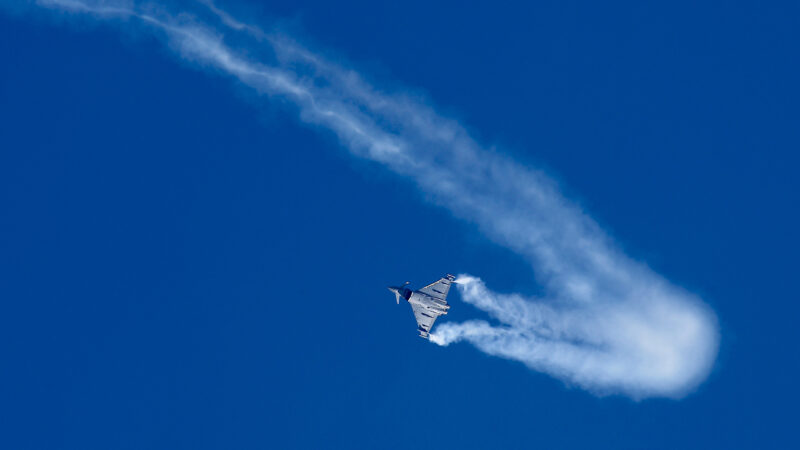
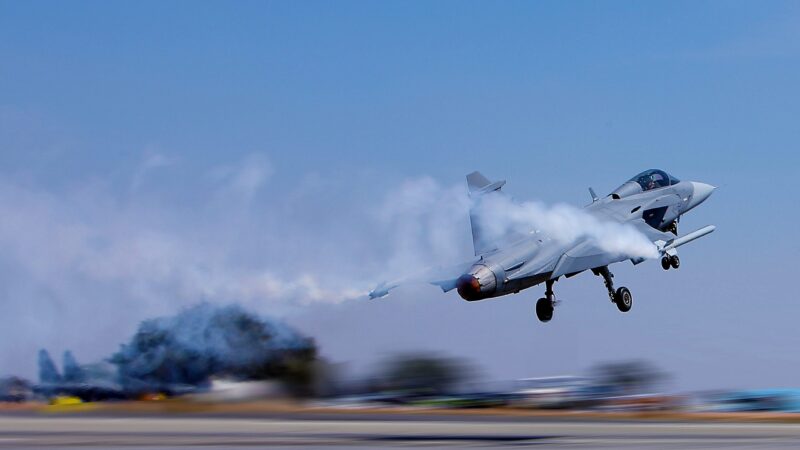
     

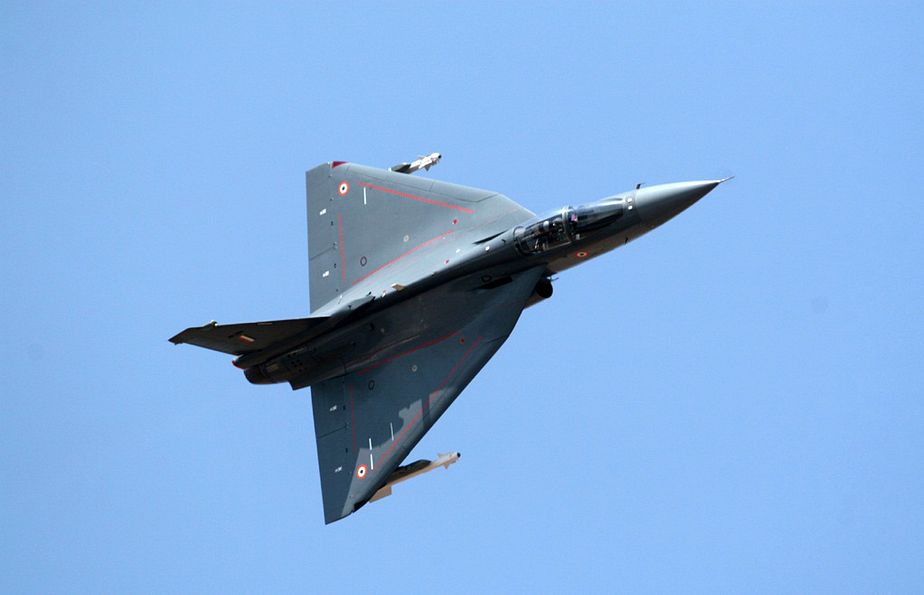
    The salience of combat aircraft in battlespace is well known. However, combat aircraft numbers are declining worldwide, with older systems paving the way for modern and more capable platforms. In India, the decline has been rather steep, and replacements are not potent enough to offset the quantity quality. Against an authorization of over 1000 combat aircraft, the Indian armed forces are now in the region of 600. This decline will continue, and by 2030, IAF combat aircraft strength will be down to 450 with the phase-out of MiG-21, MiG-29, Jaguar, and Mirage-2000 fleets. The induction of 36 Rafales, the prolonged induction of LCA, and the planned acquisition of more Su30MKIs will not be able to reverse the declining trend. The ambitious plans for India’s fifth-generation aircraft, AMCA, are still far away. Given this reality, the IAF must make do with, at best, 34-36 fighter squadrons in the 2035 timeframe. It must work on operational strategies based on superior tactics and a local favourable balance of power in case a war is inevitable during this period.

    In the critical area of force multipliers, the numbers have been nearly static since their initial induction in 2003 concerning IL-78 In-Flight Refuellers and in 2010 concerning AWACS. The number of long-range weapons is somewhat limited. And in the surveillance and space domains, the resources are meagre. The situation is unlikely to change in the foreseeable future.
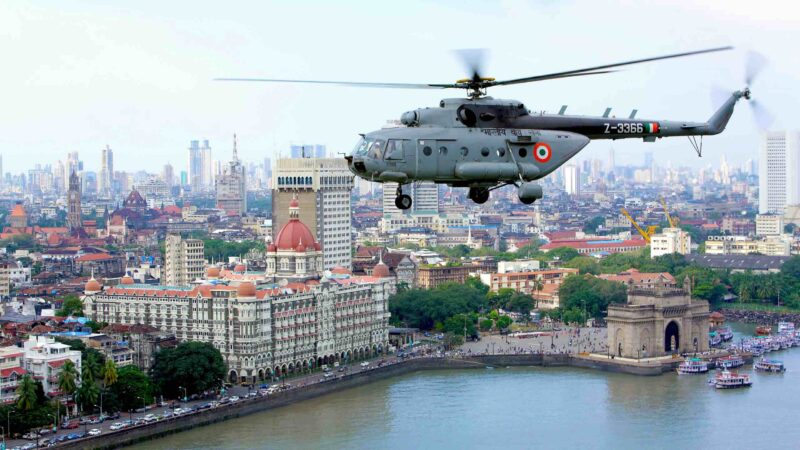
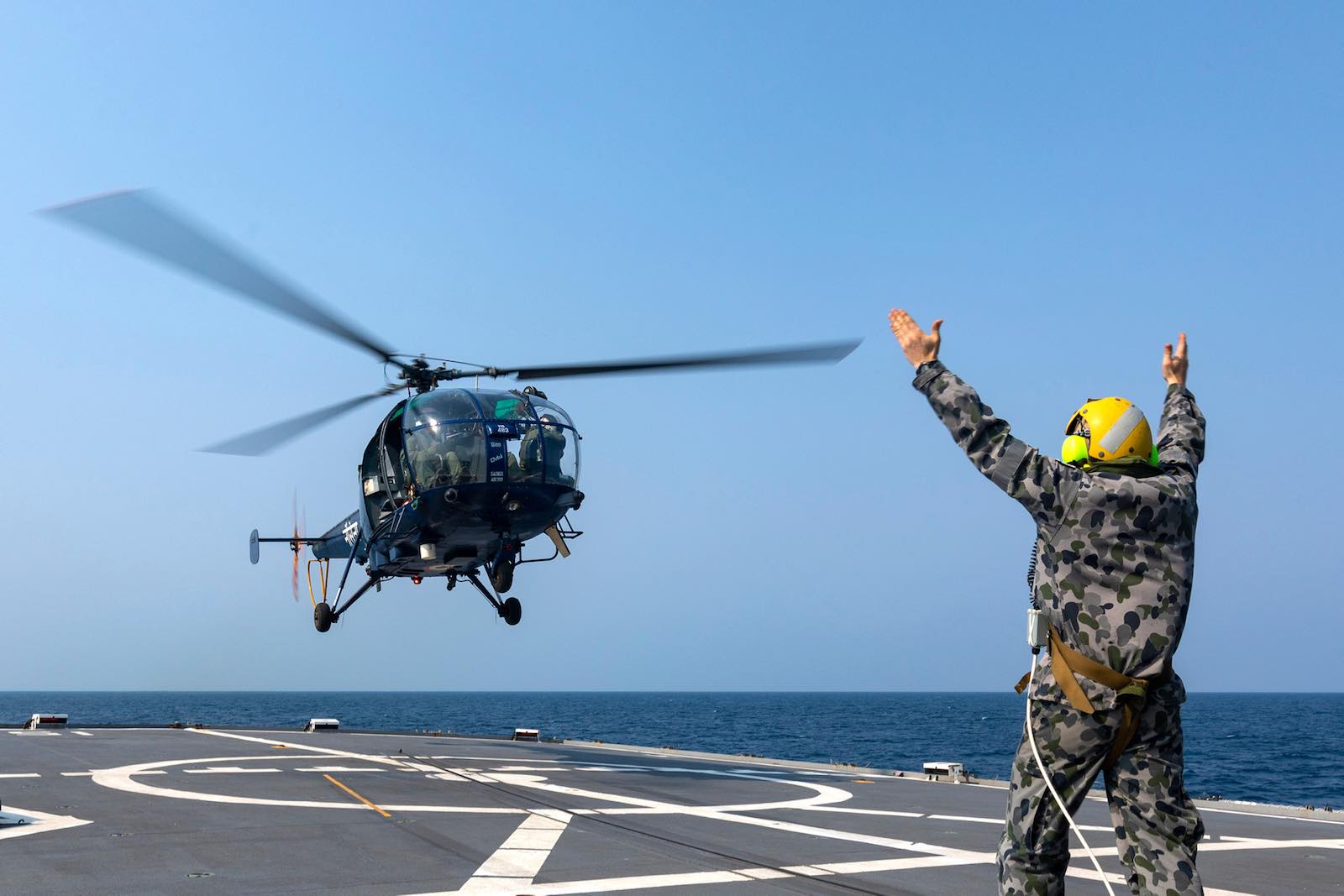
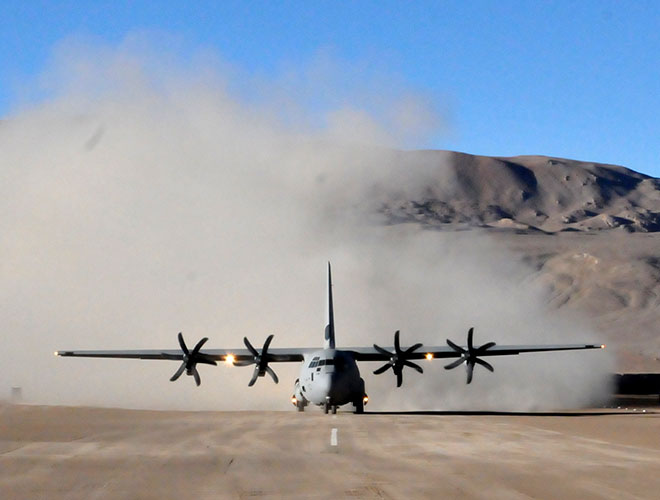
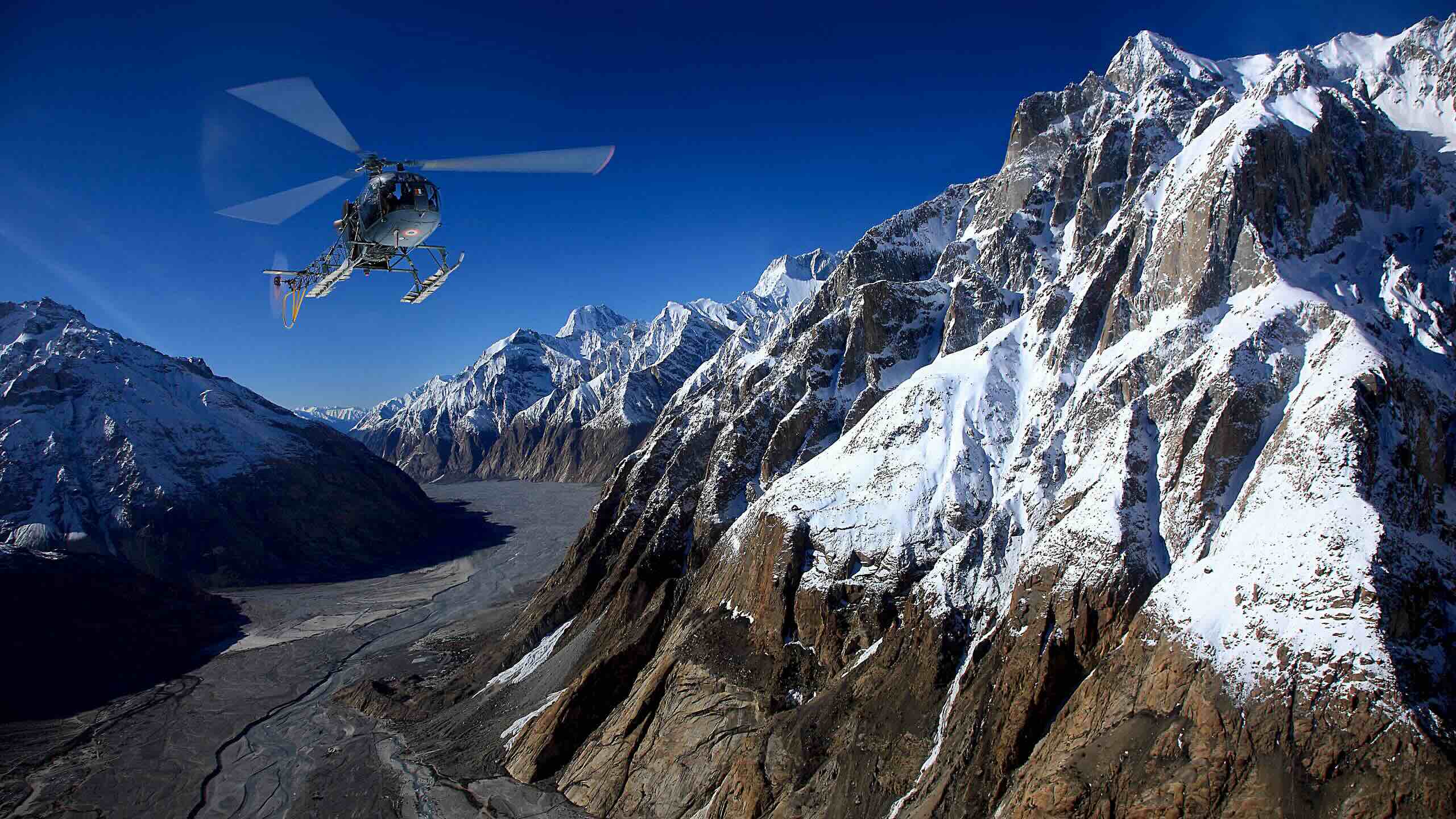
    There are positive changes regarding airlift capability, and single-wave airlift capability is gradually increasing with the commencement of induction of the first of the 56 new C-295 transport aircraft replacing vintage Avro. Despite the gradual phase-out of heavy lift Il-76 and light transport aircraft An-32, the fleet of C-17 and C-130 will sustain the requisite airlift capability that enabled the rapid deployment of Indian Army units in Ladakh against PLA build-up. Similarly, the enhanced number of more versatile and potent indigenous helicopters, ALH and LCH, will increase local mobility and firepower.

    The area that is yet to take centre stage is the Unmanned systems. Although the numbers and types increase due to imports, recent conflicts have demonstrated their hugely versatile utility. This aspect needs more attention to offset the capability deficit owing to the reduced number of combat aircraft. Tasks like intelligence, surveillance, reconnaissance, and ground and maritime attack can be effectively performed by unmanned aerial systems, resulting in the release of aircraft for other roles.

    New and more capable radars and integrated networks are replacing the older systems, giving a robust defensive capability. These need to be backed by long-range and quick-reaction surface-to-air weapon systems. Currently, the numbers are limited, and the area to be covered is extensive. Agility in planning, deployment and redeployment is the key to effective defence with limited resources.

    Evolving Battlespace and the Imperative of Jointness
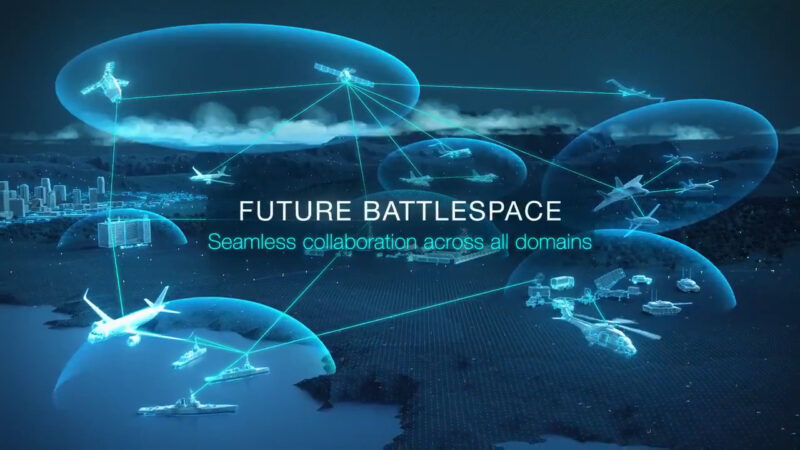
    The battle space is evolving. Conflict hybridization has accelerated the expansion of battlespace, leading to enhanced significance of battlespace transparency. Induction of hypersonic systems, fast relocation of combat elements, and reduced times for systems operationalization have compressed the reaction time. This time-compression for action has tilted the offence-defence balance in favour of the offence. The concept of operations needs to factor in these realities, especially when dealing with a potent and stronger adversary with significant reverse capability.

    Organisationally, the integration of three wings of the Indian armed forces will likely pick up pace in the coming year(s). Integration is now an operational necessity and needs to be fast-tracked. Once theatre commands come into being, the most critical factor will be the allocation and plan of utilization of various combat assets that are limited in numbers but can operate seamlessly between multiple sectors. Will the integration model follow the complex assignment of such resources? That will be suboptimal and possibly counterproductive to enhancing combat capability through integration. IAF will have to make a holistic plan to exploit the full combat potential of its assets, irrespective of how the integration model pans out. Organisationally, this will be the most significant challenge for the men and women in blue in the coming year(s).

    Conclusion

    In the last five decades, India has taken the pole position in money spent on military hardware imports. Saudi Arabia is a distant second, spending less than half of Indian expenditure in this sector. How did India reach here? Public sector monopoly in defence has not yielded the desired results for the last seven decades. Inadequate focus and investment in R&D, captive customers, the Indian armed forces not hand-holding the industry, restrictive policies, monopoly of the public sector, dependency on imported military hardware and inability to leverage large imports for technology access are the factors contributing to this state. Atamnirbhar, from being a rhetoric, is gradually taking shape with orders being placed on Indian enterprises. The policy of earmarking part of the capital budget for Indian manufacturers will undoubtedly encourage the Indian defence industry. Although production efficiency and quality control have been a concern regarding the public sector, things are likely to improve as they face competition from the private sector. The lack of control over critical technologies in areas of aero engines, air-launched weapons, and electronic warfare systems remains a severe vulnerability. Opening the defence sector for private entities, allowing DRDO to share available testing facilities and technology, and creating defence manufacturing corridors are steps in the right direction.

    Capability differential and information differential between the competing sides form the basis of military operations. A classical information matrix about the opposing force includes intent, strategy, military doctrine, and military objectives; besides the overall direction that military strategy gives, an operational plan and its execution are based on an information matrix to achieve defined goals with the least cost or in the minimum possible timeframe. IAF, with its new doctrine IAP2000-22, endeavours to capture the essence of these changes. Indian Air Force needs to be ready with its limited assets and deter war. IAF must augment its limited resources with courage, ingenuity and clever resource employment to outwit the adversary. Given the limited resources and challenges ahead, the IAF will need to be a smart force for efficient management of resources and clever exploitation of force application.

    Photo Credits: Sunil Jain

    The views expressed are the author’s own and do not reflect that of the TPF or the IAF.
  • The Asymmetric Indo-US Technology Agreement Points to India’s Weak R&D Culture

    The Asymmetric Indo-US Technology Agreement Points to India’s Weak R&D Culture

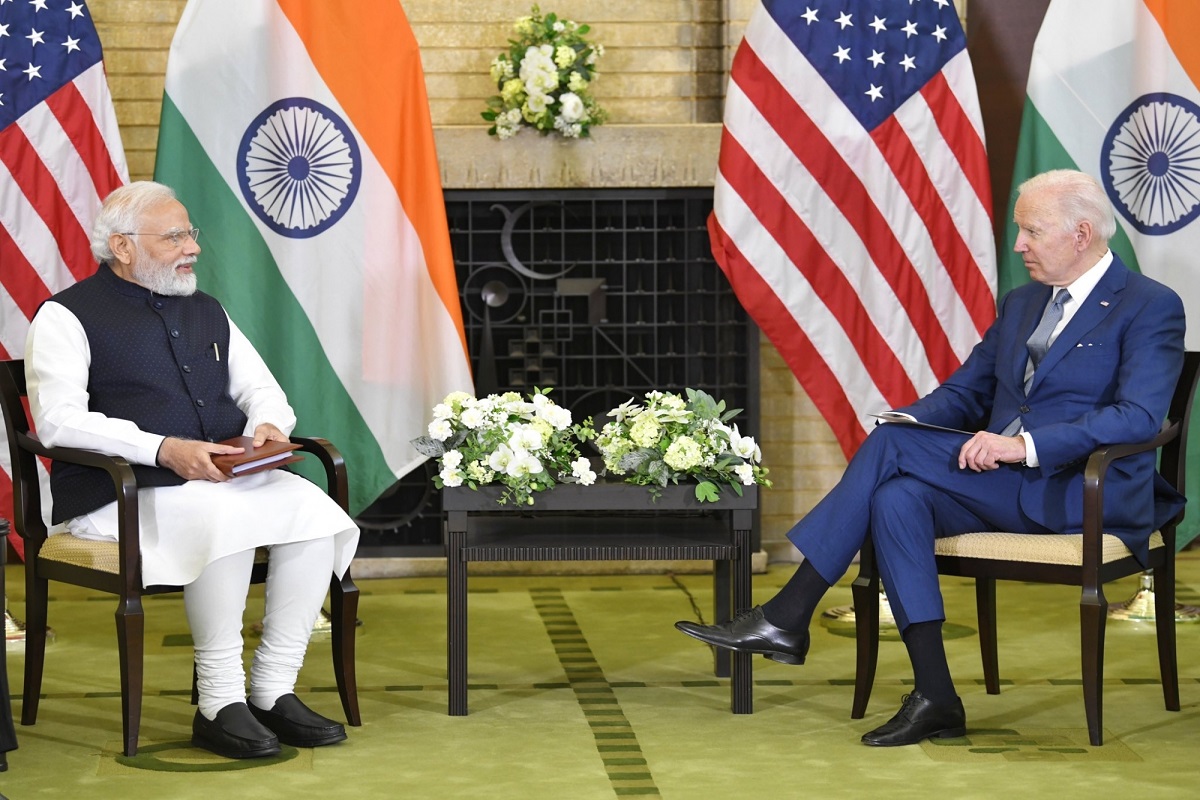
    Prime Minister Narendra Modi’s state visit to the USA resulted in four significant agreements and the visit is hailed as one of very important gains for India and Indo-US strategic partnership. The focus has been on defence industrial and technology partnership. Media and many strategic experts are seeing the agreements as major breakthroughs for technology transfers to India, reflecting a very superficial analysis and a lack of understanding of what really entails technology transfer. Professor Arun Kumar sees these agreements as a sign of India’s technological weakness and USA’s smart manoeuvring to leverage India for long-term defence and technology client. The visit has yielded major business gains for USA’s military industrial complex and the silicon valley. Post the euphoria of the visit, Arun Kumar says its time for India to carefully evaluate the relevant technology and strategic policy angles.


    The Indo-US joint statement issued a few days back says that the two governments will “facilitate greater technology sharing, co-development and co-production opportunities between the US and the Indian industry, government and academic institutions.” This has been hailed as the creation of a new technology bridge that will reshape relations between the two countries

    General Electric (GE) is offering to give 80% of the technology required for the F414 jet engine, which will be co-produced with Hindustan Aeronautics Limited (HAL). In 2012, when the negotiations had started, GE had offered India 58%. India needs this engine for the Light Combat Aircraft Mark 2 (LCA Mk2) jets.

    The Indian Air Force has been using LCA Mk1A but is not particularly happy with it. It asked for improvements in it. Kaveri, the indigenous engine for the LCA under development since 1986, has not been successful. The engine development has failed to reach the first flight.

    So, India has been using the F404 engine in the LCA Mk1, which is 40 years old. The F414 is also a 30-year-old vintage engine. GE is said to be offering 12 key technologies required in modern jet engine manufacturing which India has not been able to master over the last 40 years. The US has moved on to more powerful fighter jet engines with newer technologies, like the Pratt & Whitney F135 and GE XA100.

    India is being allowed into the US-led critical mineral club. It will acquire the highly rated MQ-9B high-altitude long-endurance unmanned aerial vehicles. Micron Technologies will set up a semiconductor assembly and test facility in Gujarat by 2024, where it is hoped that the chips will eventually be manufactured. The investment deal of $2.75 billion is sweetened with the Union government giving 50% and Gujarat contributing 20%. India is also being allowed into the US-led critical mineral club.

    There will be cooperation in space exploration and India will join the US-led Artemis Accords. ISRO and NASA will collaborate and an Indian astronaut will be sent to the International Space Station. INDUS-X will be launched for joint innovation in defence technologies. Global universities will be enabled to set up campuses in each other’s countries, whatever it may imply for atmanirbharta.

    What does it amount to?

    The list is impressive. But, is it not one-sided, with India getting technologies it has not been able to develop by itself.

    Though the latest technology is not being given by the US, what is offered is superior to what India currently has. So, it is not just optics. But the real test will be how much India’s technological capability will get upgraded.

    Discussing the New Economic Policies launched in 1991, the diplomat got riled at my complaining that the US was offering us potato chips and fizz drinks but not high technology, and shouted, “Technology is a house we have built and we will never let you enter it.”

    What is being offered is a far cry from what one senior US diplomat had told me at a dinner in 1992. Discussing the New Economic Policies launched in 1991, the diplomat got riled at my complaining that the US was offering us potato chips and fizz drinks but not high technology, and shouted, “Technology is a house we have built and we will never let you enter it.”

    Everyone present there was stunned, but that was the reality.

    The issue is, does making a product in India mean a transfer of technology to Indians? Will it enable India to develop the next level of technology?

    India has assembled and produced MiG-21 jets since the 1960s and Su-30MKI jets since the 1990s. But most critical parts of the Su-30 come from Russia. India set up the Mishra Dhatu Nigam in 1973 to produce the critical alloys needed and production started in 1982, but self-sufficiency in critical alloys has not been achieved.

    So, production using borrowed technology does not mean absorption and development of the technology. Technology development requires ‘know-how’ and ‘know-why’.

    When an item is produced, we can see how it is produced and then copy that. But we also need to know how it is being done and importantly, why something is being done in a certain way. Advanced technology owners don’t share this knowledge with others.

    Technology is a moving frontier

    There are three levels of technology at any given point in time – high, intermediate, and low.

    The high technology of yesterday becomes the intermediate technology of today and the low technology of tomorrow. So, if India now produces what the advanced countries produced in the 1950s, it produces the low-technology products of today (say, coal and bicycles).

    If India produces what was produced in the advanced countries in the 1980s (say, cars and colour TV), it produces the intermediate technology products of today. It is not to say that some high technology is not used in low and intermediate-technology production.

    The high technologies of today are aerospace, nanotechnology, AI, microchips and so on. India is lagging behind in these technologies, like in producing passenger aircraft, sending people into space, making microchips, quantum computing, and so on.

    The advanced countries do not part with these technologies. The World Trade Organisation, with its provisions for TRIPS and TRIMS (Trade-Related Aspects of Intellectual Property Rights and Trade-Related Investment Measures), consolidated the hold of advanced countries on intermediate and low technologies that can be acquired by paying royalties. But high technology is closely held and not shared.

    Advancements in technology

    So, how can nations that lag behind in technology catch up with advanced nations? The Nobel laureate Kenneth Arrow pointed to ‘learning by doing’ – the idea that in the process of production, one learns.

    So, the use of a product does not automatically lead to the capacity to produce it, unless the technology is absorbed and developed. That requires R&D.

    Schumpeter suggested that technology moves through stages of invention, innovation and adaptation. So, the use of a product does not automatically lead to the capacity to produce it, unless the technology is absorbed and developed. That requires R&D.

    Flying the latest Airbus A321neo does not mean we can produce it. Hundreds of MiG-21 and Su-30 have been produced in India. But we have not been able to produce fighter jet engines, and India’s Kaveri engine is not yet successful. We routinely use laptops and mobile phones, and they are also assembled in India, but it does not mean that we can produce microchips or hard disks.

    Enormous resources are required to do R&D for advanced technologies and to produce them at an industrial scale. It requires a whole environment which is often missing in developing countries and certainly in India.

    Enormous resources are required to do R&D for advanced technologies and to produce them at an industrial scale. It requires a whole environment which is often missing in developing countries and certainly in India.

    Production at an experimental level can take place. In 1973, I produced epitaxial thin films for my graduate work. But producing them at an industrial scale is a different ballgame. Experts have been brought from the US, but that has not helped since high technology is now largely a collective endeavour.

    For more complex technologies, say, aerospace or complex software, there is ‘learning by using’. When an aircraft crashes or malware infects software, it is the producer who learns from the failure, not the user. Again, the R&D environment is important.

    In brief, using a product does not mean we can produce it. Further, producing some items does not mean that we can develop them further. Both require R&D capabilities, which thrive in a culture of research. That is why developing countries suffer from the ‘disadvantage of a late start’.

    A need for a focus on research and development

    R&D culture thrives when innovation is encouraged. Government policies are crucial since they determine whether the free flow of ideas is enabled or not. Also of crucial importance is whether thought leaders or sycophants are appointed to lead institutions, whether criticism is welcomed or suppressed, and whether the government changes its policies often under pressure from vested interests.

    Unstable policies increase the risk of doing research, thereby undermining it and dissuading the industry. The result is the repeated import of technology.

    The software policy of 1987, by opening the sector up to international firms, undermined whatever little research was being carried out then and turned most companies in the field into importers of foreign products, and later into manpower suppliers. Some of these companies became highly profitable, but have they produced any world-class software that is used in daily life?

    Expenditure on R&D is an indication of the priority accorded to it. India spends a lowly 0.75% of its GDP on R&D. Neither the government nor the private sector prioritises it. Businesses find it easier to manipulate policies using cronyism. Those who are close to the rulers do not need to innovate, while others know that they will lose out. So, neither focus on R&D.

    Innovation also depends on the availability of associated technologies – it creates an environment. An example is Silicon Valley, which has been at the forefront of innovation. It has also happened around universities where a lot of research capabilities have developed and synergy between business and academia becomes possible.

    This requires both parties to be attuned to research. In India, around some of the best-known universities like Delhi University, Allahabad University and Jawaharlal Nehru University, coaching institutions have mushroomed and not innovative businesses. None of these institutions are producing any great research, nor do businesses require research if they can import technology.

    A feudal setup

    Technology is an idea. In India, most authority figures don’t like being questioned. For instance, bright students asking questions are seen as troublemakers in most schools. The emphasis is largely on completing coursework for examinations. Learning is by rote, with most students unable to absorb the material taught.

    So, most examinations have standard questions requiring reproduction of what is taught in the class, rather than application of what is learned. My students at JNU pleaded against open-book exams. Our class of physics in 1967 had toppers from various higher secondary boards. We chose physics over IIT. We rebelled against such teaching and initiated reform, but ultimately most of us left physics – a huge loss to the subject.

    Advances in knowledge require critiquing its existing state – that is, by challenging the orthodoxy and status quo. So, the creative independent thinkers who generate socially relevant knowledge also challenge the authorities at their institutions and get characterised as troublemakers. The authorities largely curb autonomy within the institution and that curtails innovativeness.

    In brief, dissent – which is the essence of knowledge generation – is treated as a malaise to be eliminated. These are the manifestations of a feudal and hierarchical society which limits the advancement of ideas. Another crucial aspect of generating ideas is learning to accept failure. The Michelson–Morley experiment was successful in proving that there is no aether only after hundreds of failed experiments.

    Conclusion

    The willingness of the US to provide India with some technology without expecting reciprocity is gratifying. Such magnanimity has not been shown earlier and it is obviously for political (strategic) reasons. The asymmetry underlines our inability to develop technology on our own. The US is not giving India cutting-edge technologies that could make us a Vishwaguru.

    India needs to address its weakness in R&D. As in the past, co-producing a jet engine, flying drones or packaging and testing chips will not get us to the next level of technology, and we will remain dependent on imports later on.

    This can be corrected only through a fundamental change in our R&D culture that would enable technology absorption and development. That would require granting autonomy to academia and getting out of the feudal mindset that presently undermines scientific temper and hobbles our system of education.


    This article was published earlier in thewire.in

    Feature Image Credit: thestatesman.com


  • New ‘Drone Rules’ is set to transform Drone business in India

    New ‘Drone Rules’ is set to transform Drone business in India

    Not many would know that Goldman Sachs has predicted that in the next five years the drone market will be worth over a hundred billion US dollars. India became an IT hub in the 1990s and Indian programmers were sought-after during the dot-com boom. This was not because of some great policy decisions that we took at that time but rather it was because of no policy on the subject. There were times when computers gathered dust in some ministries because the minister felt computers are sinister equipment that could take away people’s livelihood.

    ‘Drones’ are said to be the next big thing that the world has ever seen since IT and Dotcom in terms of technology disruption and touching the lives of people in all spheres. Traditional modes of transportation of goods, surveillance, survey, and foraying into newer areas like agriculture, marine et cetera are some areas where the drone is already making waves.

    The recent ‘Draft Drone Rules’, released for public comments by the civil aviation ministry, is a welcome change from the previous one which gave the impression that obtaining a license would be a herculean task. Some companies like AutomicroUAS Aerotech Pvt ltd and many others did obtain a license using provisions of the previous policy. The new draft policy is a more user and business-friendly drone policy. This is a very good and the first decision by the new civil aviation minister, Jyotiraditya Scindia, after assuming office.  Some of the highlights of the new drone policy are: –

    • Up to 500 kgs of drone Aircraft Rules, 1937 is no more applicable. This is a significant change because the Aircraft rules 1937 is specifically applicable for airplanes that carry humans and therefore, have been made with that purpose.
    • There are a significant number of people who fly nano and micro drones in India. Including operators of model aircraft. Ubiquitous drones include drones flying at marriage parties and increased use of drone shots in the entertainment field. These people now can fly these drones/model aircraft without having a drone pilot license. This singular step itself will bolster not only self-employment but also reduce unemployment in the country. Being a drone pilot is also looked at as one of the coolest things today.
    • Drone imports will still be controlled by DGFT (director-general foreign trade). This currently could be looked at as a bit of an impediment for those entrepreneurs who are dependent on imports of certain drone parts. However, in the long run, this provision could bolster making those parts in India and selling them abroad. Easing of import of drones/drone parts currently and bringing in stricter rules as time goes by would have been a better option. This aspect could be looked at by the government to promote innovators and children who are looking to learn, for who importing certain critical drone components is vital. It is highly recommended that drone imports controlled by DGFT be done away with for the time being.
    • The creation of a drone corridor is likely to change the face of the Indian Economy. Logistics Operation, last-mile connectivity, the short haul of goods between two towns, and the cost of connectivity between places are set to change dramatically. This change alone, in my opinion, is likely to bring a significant impact in times to come. Not many have realized the power of creating drone corridors and all that remains to be seen is how this rule is taken forward by the government in improving logistics connectivity and creation of drone highways in times to come.
    • The drone research and development Organisation as a provision in the rule is futuristic and is likely to change the face of the drone industry in India. Correctly harnessed and nurtured, this rule could enable the development of many centres of excellence of drones. The government needs to create an equivalence of ‘Silicon Valley’ for the drones so that organisations dealing with hardware, software, artificial intelligence et cetera can come together and take this endeavour forward.
    • There are several companies across the world that are working on unmanned traffic management (UTM) including an Indian company called Avianco. These companies now could collaborate with the government of India in providing unmanned traffic information and could work as a service provider for tracking of drones as well as providing drone operators with simple NPNT permission, which is one of the provisions in the new drone policy.
    • Third-party drone insurance could be adequate as specified in the rules. However, drones are costly equipment. Readers would be surprised to know that most of these drones are costlier than small hatchback cars. Therefore, owners of these drones may want to go for comprehensive insurance. This is a huge opportunity for insurance and insurance facilitation companies like TropoGo, in the area of drone insurance. In times to come, the number of drone insurance policies may well overtake the number of vehicle insurance policies in the world. Since drones are set to replace many of the traditional workforce and industries.
    • ‘Drone promotion Council’ as specified in these rules should have come up as of yesterday, but it’s never too late. Those countries who missed this ‘Drone-Bus’ may get left behind in the overall economic progress in times to come. Therefore, setting up the ‘drone promotion council’ is the need of the hour.
    • Highlights of the new ‘Draft Drones Rules’ are shown below:


    The new drone policy of India is a welcome change. It is a well-thought-out, simplified policy that India has seen in recent times. This policy aligns with Prime Minister Modi‘s vision for India in terms of reducing unemployment, improving ease of doing business, self-employment, making India go digital, and becoming a technology leader in the world. What the future holds will entirely depend on how these rules are interpreted and implemented efficiently without the usual horrors of the red-tapism of the past.


    Image Credit: www.geospatialworld.net


  • Drone Threats: Detecting and Countering Them

    Drone Threats: Detecting and Countering Them

    The drone attack at the Jammu airbase in the early hours of Sunday, June 27, was a first-of-its-kind in India. It has rattled the security forces, but more than that, it has shown how acts of terror can be perpetrated in the future. To get battle-ready, we need to understand the different kinds of drones, how they work and how lethal they can be.

    Size Matters

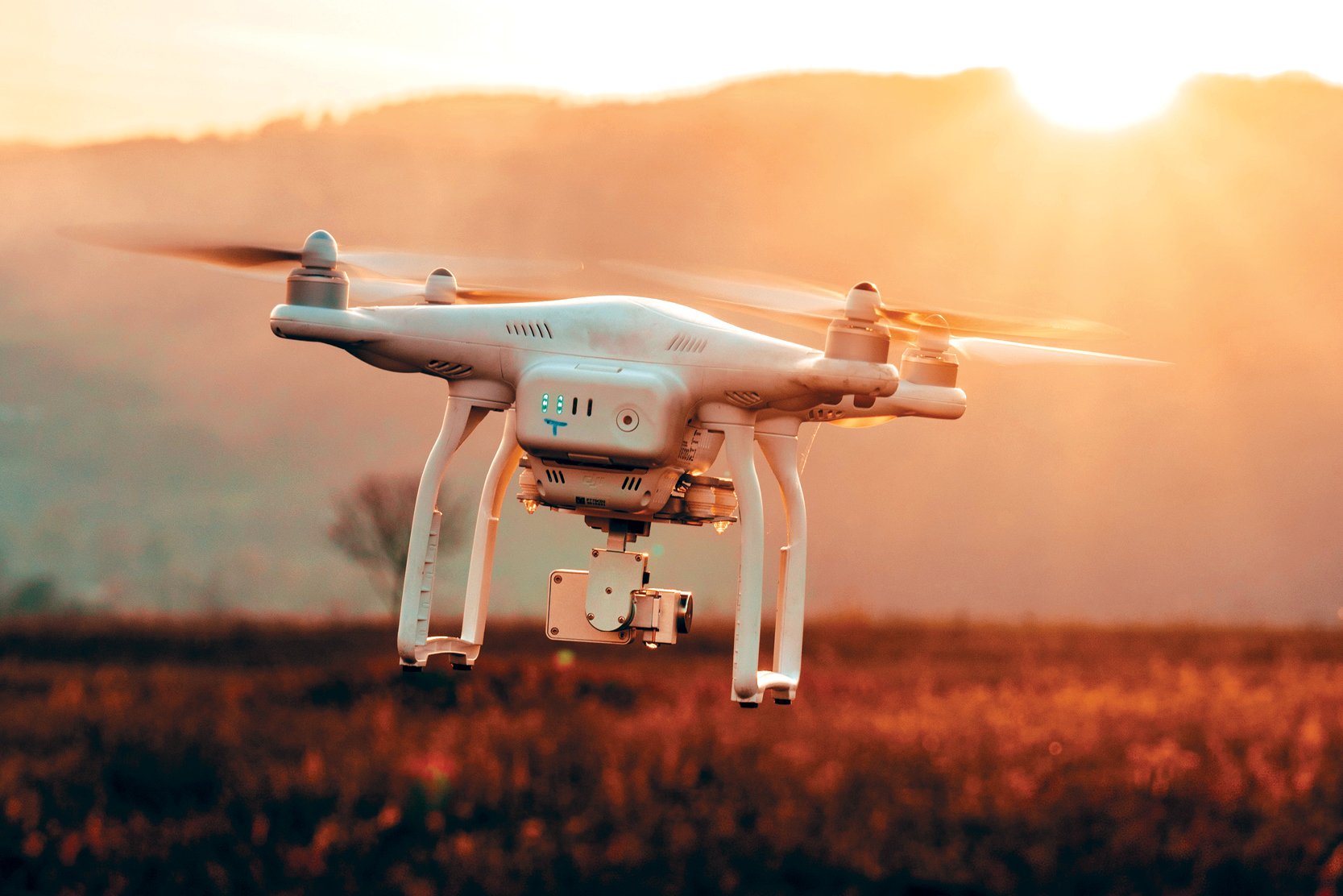
    Drones come in different sizes and shapes. Their major classification is fixed-wing and rotary-wing. They can be classified as per:

    1. Weight
    2. Function
    3. Area of application

    In India, the Ministry of Civil Aviation (MoCA) classifies them as per their weight. Drones weighing below 250 gms are called nano drones, above 250 gms but below 2 kgs are called micro drones, above 2 kgs but below 25 kgs are small drones. Anything above 25 kgs is a large drone, as per MoCA in India.

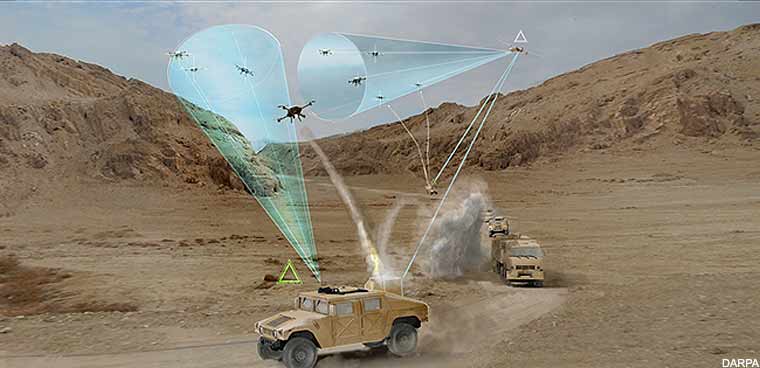
    Small toy drones can be classified as nano drones. Although these nano drones can be quite lethal in intelligence gathering, like armed drones without artificial intelligence and machine learning (AI/ML) (which would give it pinpoint accuracy), they aren’t lethal. Most countries have exempted these drones from the legal gamut because they largely fall in the toy category. However, swarms of these drones designed to explode and controlled by a mother ship can be quite lethal. And currently, no countermeasures to such drones exist. Recently, F/A-18 Hornet launched such a swarm to demonstrate the capability of such nano drones.

    Equation quickly changes in the micro drone category. As the weight of the drone increases, so does its lethality, and being a manageable size, these drones have found favour with many enthusiasts. These are the class of drones that were researched by the open source communities in the early 2000s. They indeed ushered in the age of drones. Designed well, they have an endurance limit of over 40 minutes and can travel in an autonomous mode for over 30 km one way. Mostly made of plastics, polymers, these drones can be difficult to detect and prosecute.

    Small drones are the ones that are increasingly being used by anti-national elements. Be it to drop contraband, weapons, or to carry out a Kamikaze-style attack. Even the low-end of small drones (up to 6 kgs) can carry an adequate amount of explosives to cause serious damage. These are also the drones that are used in helping humanity. These drones can be fixed-wing, rotary-wing, or hybrid.

    To own and fly a drone weighing more than 250 gms and less than or equal to 25 kgs, whether, for commercial or recreational purposes, one would need Operator Permit-I. To get this permit one needs to go through the due diligence process of the DGCA (Directorate General of Civil Aviation), MoCA.

    The same procedure applies if you want to become a drone pilot in India. The due diligence, examination, and certification process is similar to that of a manned aircraft pilot. The only difference, you just need to clear the 10th standard exams to become a drone pilot. The due diligence process includes paperwork like police verification, checking Aadhaar, and passport details, among other things. Therefore, only a bonafide citizen of India with no criminal record can become a drone pilot in India.

    How to Counter Drones

     Drones can be countered through three methods, namely:

    1. By jamming the drone controller frequency (2.4 GHz, 5.8 GHz, occasionally 433 MHz and 900 MHz).
    2. By jamming the GNSS or Global Navigation Satellite Systems, like GPS, GLONASS, GAGAN, the Indian Regional Navigation Satellite System, also known as NAVIC, etc.
    3. The hard kill option of shooting the drone down using guns, lasers, and electromagnetic guns always exists.

    To counter drones, you need to detect them first. It can be done in three ways, namely:

    1. Use drone radar: It works like a conventional radar, which sends out energy and looks for reflected energy to pick up these drones. Challenge however is that the reflected energy from the small drones is so low that it becomes impossible to pick nano and micro drones with drone radars.
    2. Pick up drone control signal: Picking up drone control signals is fairly easy because they operate in the ISM (industrial, scientific, and medical) band of frequencies. However, most WiFi and other equipment work on this frequency, and separating drone frequency signatures from these becomes a challenge.
    3. Pick up noise generated by the propeller tips: This is another method to pick up drones. In ideal conditions, it has proven effective in picking up drones at a very large range. However, the challenge is if the ambient noise is higher and ambient conditions are not suitable, drones don’t get picked up at all.

    Drones for Good

     Drones today are being used for a variety of services, beyond the military.

    1. Disaster relief and humanitarian assistance: Drones are proving to be indispensable in this area. Be it floods, forest fire, COVID assistance or locust control, drones are everywhere, doing what they do, silently.
    2. In scientific quest: Drones are doing a wonderful job in this area, be it marine applications, studying agriculture, soil/ water pollution, carrying out weather surveys, name an area and drones can be put to task.
    3. In the entertainment industry: Drones have replaced expensive helicopters, and today even the producer of a low-budget show can get a drone shot at minimum cost. As a result, drone shots are now seen in shows and movies more than ever.

    Tip of the Iceberg

    Drones for good far outweigh the application of drones for anti-national and terror activities. The drone industry needs to be nurtured if any country aspires to become an economic giant in the future. No wonder Goldman Sachs has said that the $100-billion drone industry is just the tip of the iceberg in terms of its business potential over the next five years.

  • Retrofit Winglets for Wind Turbines

    Retrofit Winglets for Wind Turbines

    Retrofit Winglets for Wind Turbines

    Vijay Matheswaran1 and L Scott Miller2
    Wichita State University, Wichita, KS 67260
    Patrick J Moriarty3
    National Renewable Energy Laboratory, Golden, CO 80401

    The benefits of using winglets on wind turbines has been well documented. However, adding winglets to wind turbine blades leads to significant increases in blade root bending moments, requiring expensive structural reinforcement with cost and weight drawbacks. A unique design philosophy for retrofitting winglets on existing wind turbines is presented. These retrofit winglets offer an increase in power produced without the need for structural reinforcement. Predicted performance and cost benefits are illustrated via a study using the NREL 5MW reference wind turbine. The addition of winglets resulted in a 2.45% increase in Coefficient of Power (Cp) and 1.69% increase in Annual Energy Production (AEP).

    Nomenclature

    Cp = coefficient of power

    V¥ = freestream velocity

    𝑟i = blade section radius

    𝜃t = blade section twist

    𝐼$ = Initial Cost per year

    𝑀$ = Annual Operating Expense

    Et = Annual Energy Output

    I. Introduction

    The idea of winglets on wind turbines is one that has been periodically explored in the past few decades. The earliest studies incorporating blade tip devices on wind turbines were done by Gyatt and Lissamann1. Drawing from advanced tip shapes that were being applied to fixed wing aircraft to reduce drag, the authors tested four tip designs on a 25kW Carter Wind Turbine in San Gorgonio Pass, California. Further studies were carried out in subsequent decades. Van Bussel2 developed a simple momentum theory for blade winglet configurations. Imamura et al.3 analyzed the effects on winglets on wind turbines using a free-wake vortex lattice method. Guanna and Johansen4 developed a free wake lifting line model to compute the effects of winglets, comparing it with CFD results obtained using EllipSys3D. Johansen and Sorenson5 did further studies on increasing power coefficient with the use of winglets, showing that adding winglets definitely changes the downwash distribution, leading to an increase in the power produced by a wind turbine.

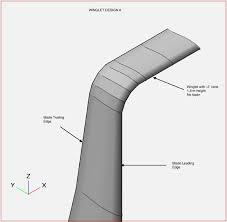
    While the benefit of adding winglets has been well documented, there are drawbacks to adopting the traditional method of doing so. The addition of large, heavy winglets to maximize aerodynamic benefit leads to significant increases in root bending moments. Imamura et al.6 analyzed the effects of winglets on wind turbine blades using a free-wake vortex lattice method. Their study showed that a winglet at an 80°cant angle and height of 10% of the rotor radius resulted in a 10% increase in the blade root flapwise bending moment. This situation may require blade structural reinforcement, making winglets an expensive and often infeasible proposition. In order to address this, a novel design philosophy has been developed, allowing the use of retrofit winglets that offer an increase in power produced, but without the need to structurally reinforce the blade. This paper outlines the design philosophy, tools

    used and results from initial simulations.

    II. Design Philosophy for Retrofit Winglets

    The key differentiator between this study and prio winglet studies is the design philosophy: designing a lightweight winglet at minimum cost that, while providing an improvement in the turbine’s Coefficient of Power (Cp), does not require blade structural reinforcement. Such a winglet does not seek to maximize Cp, but rather minimize blade bending moments with an acceptable increase in Cp. This is accomplished by balancing the centrifugal force and aerodynamic normal force generated by the winglet. Balancing forces minimizes increases in blade root bending moment, negating the need for an exceptionally strong winglet and allowing it to be light, and requiring noreinforcement of the main blade. Savings in weight are strongly related to cost, so a lighter winglet implies a cheaper, more cost effective one. Accordingly, the best winglet is not one that offers the maximum increase in Cp, but rather offers an increase in Cp while ensuring forces are balanced within a threshold. Figure 1 presents a freebody diagram of the retrofit winglet. A qualitative plot highlighting the design philosophy and the optimal design space is presented in Figure 2. To be able to guage the effects of winglets developed using the mentioned design philosophy, it was decided to use the NREL 5MW wind turbine7 as a reference turbine, and implement a vortex lattice method and cost function to evaluate aerodynamic efficacy and feasibility. The NREL 5MW reference wind turbine is a conceptual three-bladed upwind turbine that was primarily designed to support concept studies. It is heavily based on the Repower 5MW wind turbine; however, in cases where detailed information is not available, data from publicly available conceptual studies is used.

    1 PhD Candidate, Department of Aerospace Engineering, AIAA Student Member

    2Professor and Chair, Department of Aerospace Engineering, AIAA Associate Fellow

    3Team Lead, Wind Plant Aerodynamics, AIAA Member


    Click here for access to the Paper

  • Evaluating the Make in India Policy for Defence Manufacturing and Technology Acquisition

    Evaluating the Make in India Policy for Defence Manufacturing and Technology Acquisition

    Led by the Department of Industrial Policy & Promotion, Ministry of Commerce, the Make in India policy (“MII”) extends to 25 focused sectors. Among these is the defence sector, where the nature of the sector renders MII extremely important and relevant. This is outlined by India’s status as the second-largest standing army and third-largest military spender in the world.[1] Yet, it remains the second-largest arms importer and its exports merely amount to 0.2% of the global pie.[2] China is the fifth-largest arms exporter at 5.5% of the global share.[3] However, this is likely to fall in the post-pandemic world, where China’s credibility has been severely tainted.[4] This represents an opportunity for Indian defence manufacturers to attract present and future foreign investment.

    Against this background, MII was enacted with two objectives: (1) to increase domestic manufacturing of defence equipment; and (2) address the national security interest of self-sufficiency over key technologi. There are two ways in which technology up-gradation can happen: (1) indigenous efforts; and (2) transfer of technology, through international agreements. In this article, I flag the main challenges to argue that India has significantly underperformed in both. Subsequently, I propose macro-policy changes to address identified challenges.

    Evaluating technological upgradation in the Defence sector in india

    1. Evaluating ‘Indigenous Efforts’

    Indigenous efforts are confronted with three main challenges:

    • Inadequate Investment for Research & Development (R&D)

    Only 5.7% of the defence budget is allocated to R&D,[5] despite successive parliamentary committees recommending at least 10% to meet minimum requirements.[6] The average allocation among global rivals like USA, UK, France, and China is well above 15%.[7] Even private-sector players in India, like Tata, L&T, and Mahindra and Mahindra, invest less than 1% of their turnover in R&D, as against the average of 10% in the aforementioned countries.[8] The producer lacks the basic R&D required even for making marginal improvements in performance to the product, or altering it based on user-specifications.[9] The effect of this is that the resulting product is obsolete in an already disruptive market. Thus, a buyer, even if domestic, is unwilling to accept such an obsolete product at higher prices merely for the sake of indigenous production.

    • Shortage of Skilled Workforce

    A skilled workforce is the key to achieving self-sufficiency in defence manufacturing because of the highly specialized nature of this sector and the workforces’ vision and skills determine the efficacy of the produced/procured domestic technology. This shortage exists at both the research and procurement level.

    At the research level, there is a severe shortage of skilled human resources, in terms of quantity and quality, at R&D organizations like DRDO.[10] With more than 3,500 engineering colleges producing about 1.5 million engineering graduates annually, India has an unparalleled talent availability.[11] However, only 17.5% of these graduates are employable because colleges lack proper infrastructure and faculty,[12] along with current curriculum ignoring industry skills, defined career paths, and evolving technologies.[13] Thus, organizations are compelled to spend significantly in making fresh talent “employable”.

    While India has a decent pool of highly qualified low-cost engineers and scientists,[14] they are unwilling to work in the public sector due to limited opportunities and low growth potential,[15] where most defence R&D is undertaken. As the departure of 132 scientists in the last five years from DRDO shows,[16] even those employed mostly do not continue long-term due to better opportunities elsewhere.[17] The contribution of most of these scientists has been limited to the production of academic articles,[18] which hasn’t seen any significant and meaningful absorption in the policy. Therefore, the policy has been unable to capture the huge latent employment potential in this sector.[19]

    This position must be contrasted against global competitors like the US and China, where the highly skilled and employable workforce is significantly and routinely absorbed into the most impactful R&D organization, whether private or public.[20] Moreover, unlike other leading countries, India lacks any training and education infrastructure specialized for R&D personnel in the defence sector. These countries have developed specialist defence schools that have managed to produce large pools of exclusive talent. France itself has managed to produce 134,000 specialist employees.[21]

    At the procurement level, the asset acquisition process is not tasked to a dedicated cadre of the workforce.[22] Further, there are no educational or training programs for employees involved in this process.[23] Thus, there is the loss in terms of the benefits of specialization, especially in a sector where progress is characterized by specialization.

    • Limited Involvement of the Private Sector

    There is a significant lack of incentive for greater private sector involvement. The private sector is commercially motivated to establish its manufacturing base only when it has a good chance, or preferably guarantee, of getting frequent and sizeable orders.[24] However, the current manufacturing and procurement process has ignored this motivation but is also completely converse to it.

    As the BJP government’s Rafale fiasco indicates, the procurement processes lack transparency, and frequently fraught with allegations and counter-allegations.[25] This disincentivizes both domestic and global private sector players from conducting business.

    Despite unprecedented inclusion of the private sector, it is widely believed in the private sector that the government is biased towards public sector undertakings, denying a level-playing field for the private sector and even denying opportunities to bid.[26]

    The government’s Strategic Partnership Model, aimed at inviting world-class defence giants to collaborate with Indian entities, has unduly restricted autonomy. Under this program, the government chooses the Indian partner for the foreign OEM, without consulting them.[27] Global defence giants, like Airbus, Lockheed Martin, ThyssenKrupp, and Dassault, have shown interest in contracting with the Indian private sector.[28] However, it is a combination of these factors that this interest has largely failed to materialise into successfully concluded deals.

    Even where, despite these disincentives, the private sector has been involved, this has been in non-critical and less required areas. Most of India’s defence imports are in the category of major platforms such as fighter aircraft, helicopters, naval guns, and anti-submarine missiles.[29] However, the private sector initiatives are predominantly in the category of ammunitions (including rockets and bombs), and surveillance and tracking systems.[30]

    1. Evaluating ‘Transfer of Technology’

    There has been no transfer of technology (“ToT”) in the critical defence procurement process. All major contracts under MII have been “off the shelf”, and without any crucial ToT.[31] As per the CAG Report, between 2007 and 2018, the government concluded 46 offset contracts but failed to implement the ToT agreements in any of them.[32]

    The failure here can be attributed to successive governments unduly hoping that India’s status as a large arms importer would necessarily make international players compliant as regards sharing their intellectual property (“IP”). While foreign companies have shown interest in contracting with Indian players, the large purchase orders have been inadequate to incentivize foreign players to share their IP.[33]

    The government has also been overly ambitious of ToT as a means of technology upgradation. Even implementing the negotiated ToT is not the end because the more challenging issues of absorption of this technology and ownership of IP remain.[34] Moreover, the ToT route provides India only with the ‘know-how’, without any insight into the ‘know-why’.[35] As India’s acquisition of the Sukhoi Su-30 has shown, the public sector is critically dependent on the OEMs, here the Russians, for even minor systemic upgradations.

    Way Forward

    The government must increase allocation to defence R&D to at least 10% and must incentivize greater contributions from the private sector. Existing capabilities and services at training and diploma centres must be upgraded through public-private partnerships. There must be a separate and devoted institutional structure for all procurement-related functions. The procurement policy must also aim at buying talent, besides technology, to bridge technology gaps. The education curriculum at engineering universities needs to be modernized, with a focus on employability. Specialist defence schools must also be established. However, it is most important that the public sector aims at retaining its talent through unique and lucrative incentive structures.

    To incentivize the private sector through minimum order guarantees, the government must utilize ‘public procurement of innovation’. Under this policy tool, the government uses its exchequer to artificially generate demand for an emerging innovative solution, unavailable on a commercial scale.[36] The private sector can further be incentivized by streaming the procurement and dispute resolution process. As for procurement, a fast-track procedure with single-window clearances can be adopted.[37] As for dispute resolution a permanent arbitration tribunal must be established to expeditiously settle disputes with finality.[38]

    Conclusion

    Firstly, the indigenous efforts at technology up-gradation have failed due to limited R&D output, shortage of skilled workforce, and limited private sector involvement. The R&D budgetary allocation is way below the recommended and global standard. The shortage of skilled workforce is both at the research and procurement due to a lack of education and training infrastructure specific to the defence sector, low employability among most graduates, and unwillingness to work in the public sector among highly qualified graduates. The private sector has been disincentivized due to a lack of order guarantees, the unrealistic and retroactive manner of the procurement process, the constant allegations and counter-allegations, and the continued bias towards the public sector. Moreover, the private sector has been involved in non-critical and less required areas.

    Secondly, while the government has concluded ToT agreements, it has been inefficient in enforcing them. Moreover, even if this were to succeed, it has not established any action plan for absorbing this technology and addressing ownership of IP. It has also been overly ambitious of the utility of ToT.


    References

    [1] Kuldip Singh, ‘Yes, Indian Military Can Go the ‘Make in India’ Way – Just Not Yet’ (The Quint, 25 May 2020) <https://www.thequint.com/voices/opinion/india-armed-forces-defence-sector-military-expenditure-budget-technology-upgrade-make-in-india> accessed 19 December 2020.

    [2] Arjun Srinivas, ‘Private defence business gets one more nudge’ (LiveMint, 1 October 2020) <https://www.livemint.com/news/india/private-defence-business-gets-one-more-nudge-11601460654397.html> accessed 19 December 2020.

    [3] Snehesh Alex Philip, ‘China has become a major exporter of armed drones, Pakistan is among its 11 customers’ (The Print, 23 November 2020) <https://theprint.in/defence/china-has-become-a-major-exporter-of-armed-drones-pakistan-is-among-its-11-customers/549841/> accessed 4 January 2021.

    [4] Rajan Kochhar, ‘Preparing defence sector for post COVID-19 world: Time to treat private sector as equal partner’ (Economic Times, 5 May 2020) <https://government.economictimes.indiatimes.com/news/governance/opinion-make-in-india-a-dream-or-reality-for-the-armed-forces/75552970> accessed 19 December 2020.

    [5] Jayant Singh, ‘Industry Scenario’ (Invest India) <https://www.investindia.gov.in/sector/defence-manufacturing> accessed 19 December 2020.

    [6] Prof (Dr) SN Misra, ‘Make in India: Challenges Before Defence Manufacturing’ (2015) 30(1) Indian Defence Rev <http://www.indiandefencereview.com/news/make-in-india-challenges-before-defence-manufacturing/2/> accessed 19 December 2020.

    [7] ‘Government Expenditures on Defence Research and Development by the United States and Other OECD Countries: Fact Sheet’ (2020) Congressional Research Service R45441 <https://fas.org/sgp/crs/natsec/R45441.pdf> accessed 19 December 2020; A Sivathanu Pillai, ‘Defence R&D’ in Vinod Misra (ed), Core Concerns in Indian Defence and the Imperatives for Reforms (Pentagon Press & IDSA 2015) 132-133.

    [8] Misra (n 6).

    [9] Amitabha Pande, ‘Defence, Make in India and the Illusive Goal of Self Reliance’ (The Hindu Centre for Public Policy, 11 April 2019) <https://www.thehinducentre.com/the-arena/current-issues/article26641241.ece> accessed 19 December 2020.

    [10] Azhar Shaikh, Dr. Uttam Kinange, & Arthur Fernandes, ‘Make in India: Opportunities and Challenges in the Defence Sector’ (2016) 7(1) Intl J Research in Commerce & Management 13, 14-15.

    [11] Kishore Jayaraman, ‘How Can India Bridge The Skill Gap in Aerospace & Defence Sector?’ (All Things Talent, 24 September 2018) <https://allthingstalent.org/2018/09/24/how-can-india-bridge-skill-gap-in-aerospace-defence-sector/> accessed 30 December 2020.

    [12] Dr. JP Dash & BB Sharma, ‘Skilling Gaps in Defence Sector for ‘Make in India’’ (2017) 32(2) Indian Defence Rev <http://www.indiandefencereview.com/spotlights/skilling-gaps-in-defence-sector-for-make-in-india/> accessed 30 December 2020.

    [13] Jayaraman (n 10); Dhiraj Mathur, ‘Unlocking defence R&D in India – Do we have the skill?’ (Firstpost, 6 April 2016)<https://www.firstpost.com/business/unlocking-defence-rd-in-india-do-we-have-the-skill-2715650.html> accessed 30 December 2020.

    [14] Mathur (n 13).

    [15] PR Sanjai, ‘Indian aerospace sector needs one million skilled workforce in next 10 years’ (Livemint, 20 February 2015) <https://www.livemint.com/Politics/hRJQjq7ZKVXQ5RFkzWbmAJ/Indian-aerospace-sector-needs-one-million-skilled-workforce.html> accessed 30 December 2020.

    [16] PTI, ‘132 scientists left DRDO on personal grounds in last 5 years: Govt’ (Economic Times, 12 March 2020) <https://economictimes.indiatimes.com/news/defence/132-scientists-left-drdo-on-personal-grounds-in-last-5-years-govt/articleshow/74579857.cms?from=mdr> accessed 30 December 2020.

    [17] Dash (n 12).

    [18] PTI, ‘India is world’s third largest producer of scientific articles: Report’ (Economic Times, 18 December 2019) <https://economictimes.indiatimes.com/news/science/india-is-worlds-third-largest-producer-of-scientific-articles-report/articleshow/72868640.cms?from=mdr> accessed 30 December 2020.

    [19] ‘Make in India: An Overview of Defence Manufacturing in India’ (2015) Singhania & Partners LLP Report <https://www.gita.org.in/Attachments/Reports/Make-in-India-Defence-Manufacturing-in-India.pdf> accessed 19 December 2020.

    [20] Ranjit Ghosh, ‘Defence Research and Development: International Approaches for Analysing the Indian Programme’ (2015) IDSA Occasional Paper 41, 11-34 <https://idsa.in/system/files/opaper/OP41__RanjitGhosh_140815.pdf> accessed 19 December 2020.

    [21] Dash (n 12).

    [22] Shaikh (n 10) 15.

    [23] Ibid.

    [24] Rohit Srivastava, ‘New measures for self-sufficiency in defence – industry perspective’ (Indian Defence Industries, 19 May 2020) <https://indiandefenceindustries.in/defence-reforms-industry-perspective> accessed 19 December 2020.

    [25] Pradip R Sagar, ‘How ‘Make in India’ in defence sector is still an unfulfilled dream’ (The Week, 25 May 2019) <https://www.theweek.in/theweek/current/2019/05/25/how-make-in-india-in-defence-sector-is-still-an-unfulfilled-dream.html> accessed 19 December 2020.

    [26] Ibid; Lt. Gen. (Retd.) (Dr). Subrata Saha, ‘Execution key for defence manufacturing in India’ (LiveMint, 2 April 2020) <https://www.livemint.com/Opinion/Gx9NVPGvIsVbVzLTJ0VouK/Execution-key-for-defence-manufacturing-in-India.html> accessed 19 December 2020.

    [27] Prasanna Karthik, ‘India’s strategic partnership policy is counter-productive in its current form’ (Observer Research Foundation, 8 June 2020) <https://www.orfonline.org/expert-speak/indias-strategic-partnership-policy-is-counter-productive-in-its-current-form-67511/> accessed 19 December 2020.

    [28] Sagar (n 25).

    [29] Srinivas (n 3).

    [30] Ibid.

    [31] Singh (n 1); Sagar (n 25).

    [32] Joe C Mathew, ‘Defence offset policy performance dismal: CAG’ (Business Today, 24 September 2020) <https://www.businesstoday.in/current/economy-politics/defence-offset-policy-performance-dismal-cag/story/416872.html> accessed 19 December 2020.

    [33] Lieutenant Commander L Shivaram (Retd), ‘Understanding ‘Make in India’ in the Defence Sector’ (2015) 145(601) J United Service Institution of India <https://usiofindia.org/publication/usi-journal/understandingmake-in-india-in-the-defence-sector/> accessed 19 December 2020.

    [34] Lt Gen A B Shivane, ‘India needs outcome oriented defence reforms’ (Indian Defence Industries, 22 May 2020) <https://indiandefenceindustries.in/india-outcome-oriented-reforms> accessed 19 December 2020.

    [35] Misra (n 6).

    [36] E. Uyarra & J. Edler, ‘Barriers to Innovation through Public Procurement: A Supplier Perspective’ (2014) 34(10) Science Direct <https://www.sciencedirect.com/science/article/pii/S0166497214000388> accessed 19 December 2020.

    [37] Kochhar (n 4).

    [38] Lt. Gen. (Retd.) Dalip Bharadwaj, ‘‘Make in India’ in defence sector: A distant dream’ (Observer Research Foundation, 7 May 2018) <https://www.orfonline.org/expert-speak/make-in-india-defence-sector-distant-dream/> accessed 19 December 2020.

  • India-Australia Strategic Partnership: Leveraging Aerospace Capacity

    India-Australia Strategic Partnership: Leveraging Aerospace Capacity

    Category : India India’s, Military, India-Australia Relations
    Title : India-Australia strategic partnership: Leveraging aerospace capacity
    Author : M Matheswaran 02-06-2020

    The forthcoming virtual summit between Indian Prime Minister Narendra Modi and Australian Prime Minister Scott Morrison assumes considerable significance for an India-Australia strategic partnership, particularly as it comes against the backdrop of heightened friction with China for both countries. Enhanced defence cooperation between the two countries could be an important signal to Beijing of the costs of overly assertive strategic behaviour – whether in the Himalaya or in trade. For some years, defence cooperation has largely focused on the naval relationship. Now is the time for enhanced air-power cooperation.

    Read More

  • Daulet Beg Oldi: Operating from the World’s Highest Airfield

    Daulet Beg Oldi: Operating from the World’s Highest Airfield

    [vc_row][vc_column][vc_column_text css=”.vc_custom_1594635921306{margin-bottom: 0px !important;}”]

    Daulet Beg Oldi (DBO) is a historic campsite in Ladakh on an ancient trade route connecting Ladakh to the Tarim Basin. It is named after Sultan Said Khan (Daulet Beg), who died here on his return journey after the invasion of Ladakh and Kashmir. DBO is strategically significant as it is close to the Siachen Glacier, the Karakoram Pass, and China’s Xinjiang-Karakoram highway. The Chip Chap river flows just to the south of DBO from east to west. It has an airstrip at an altitude of 5064 meters (16,614 ft), the world’s highest airstrip. India activated DBO as a military base and Advanced Landing Ground (ALG) following the border dispute with the PRC in the late 1950s. The IAF activated DBO airfield in 1962 and it became a crucial ALG since then. DBO continued to be in use till 1966. The airfield was damaged following an earthquake in 1966, which put a stop to its further use. The IAF maintains many of the forward posts and villages in the himalayan regions through airdrops using a string of ALGs. Following increased belligerence from China, DBO was reactivated in 2008. The completion of the Darbuk-Shyok-DBO road added immense logistical strength to the Indian military in the region. Since 2013, China has intensified its probing incursions in this region. The recent clash in the Galwan valley is a high point of increasing tensions along the borders.

    Operations from the DBO have been a huge challenge, given its high altitude, mountainous terrain, and loose soil conditions. Group Captain A G Bewoor VM (Retd), an air force veteran with immense transport flying experience, describes the challenges overcome by the IAF in activating the DBO through first landings spaced out by 46 years.

    Download Full Paper

    The Law of Armed Conflict and its continuing relevance to the South Asian Region[/vc_column_text][/vc_column][/vc_row]

  • India’s impending Fighter Aircraft Choices: Finding the Elusive Solution?

    India’s impending Fighter Aircraft Choices: Finding the Elusive Solution?

    Category : Defence & Aerospace/India

    Title : India’s impending Fighter Aircraft Choices: Finding the Elusive Solution?

    Author : M Matheswaran 02.02.2020

    The Indian Air Force has been afflicted with decreasing force strength due to phasing out of old aircraft and increasing obsolescence of its fleets. Despite the induction of Rafale and Tejas, the IAF will continue to face challenges of reducing numbers and a large chunk of old platforms in its inventory. The IAF is facing serious shortages in its fighter aircraft strength. Air Marshal M Matheswaran examines the possible strategy that can best address IAF’s choice of fighter aircraft for its future.

    Read More