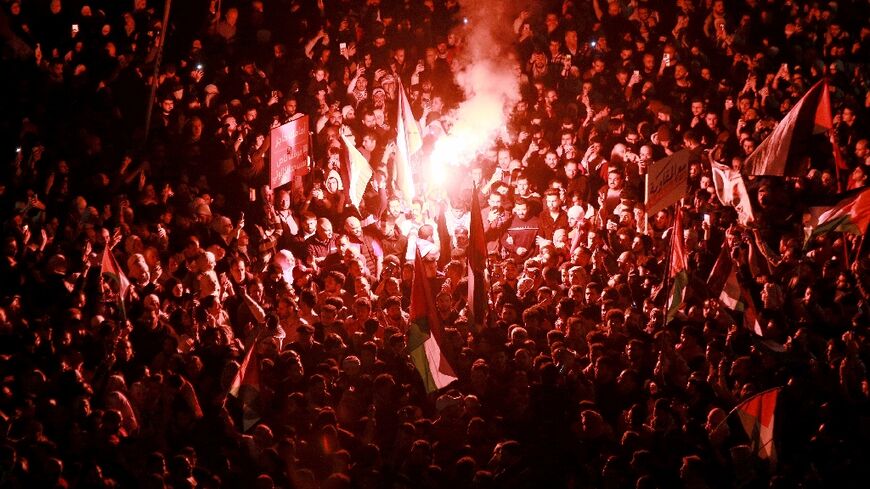
Amman Protests in April in support of Palestinians. Image from Reuters.
On a Tuesday evening outside the al-Kalouti mosque in Amman, Jordan, a crowd of men, women and children has gathered. They carry Palestinian flags and hold placards that read: “Food, Water and Medicine are Rights Not Privileges” and “Stop Ethnic Cleansing”. Some display images of Benjamin Netanyahu, Joe Biden and Abdel Fattah el-Sisi alongside condemnatory messages. In a voice close to breaking, a man yells: “We’re sorry, people of Gaza.”
“It’s like my life is moving in slow motion. Looking at how the world is reacting and how people still justify the killing shows just how much our lives are worth in their eyes.” It triggers many emotions, she said, especially for the older generation that went through the Nakba, or the mass displacement and dispossession of Palestinians during the 1948 Arab-Israeli war.
In Jordan, which shares a border with Israel and the West Bank, a heavy atmosphere has prevailed since October. Over half of Jordan’s population is Palestinian or of Palestinian origin, and in the capital of Amman, that number is far higher. Many have family in Palestine. “People are living in a ghost-like state,” said Jumana Abdin, a Palestinian Jordanian woman who lives and works in Amman. “It’s like my life is moving in slow motion. Looking at how the world is reacting and how people still justify the killing shows just how much our lives are worth in their eyes.” It triggers many emotions, she said, especially for the older generation that went through the Nakba, or the mass displacement and dispossession of Palestinians during the 1948 Arab-Israeli war.
“In Germany, you have to wonder if you might get in trouble for expressing support for Palestine, but Amman feels like a refuge,” said David Ghannam, a Palestinian German working in the development sector in Amman, who travelled to Gaza in early 2023. “There’s a sense of unity in Amman. We’re all collectively mourning the loss of innocent lives.”
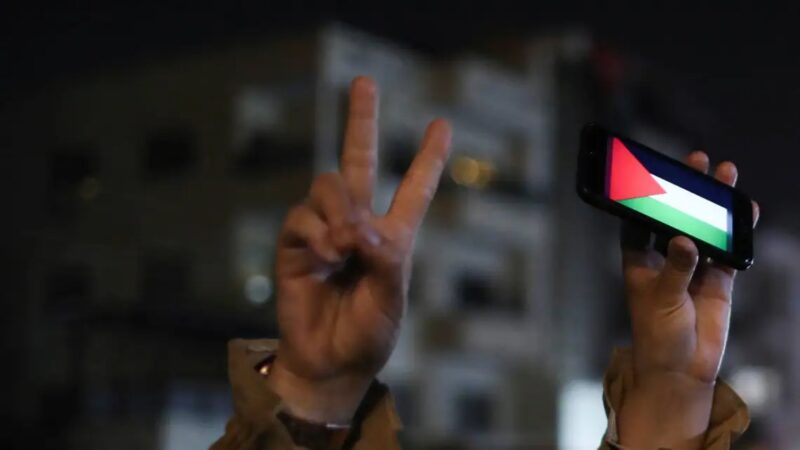
Across Amman, signs of solidarity are ever-present: Palestinian flags hanging from shopfronts and in cafes; watermelon imagery on billboards, clothing and stationery; people donning keffiyehs; daily demonstrations near the mosque. Fundraisers are regularly held for Gaza, and businesses have carried out strikes in solidarity. Starbucks and McDonald’s stores across the city remain empty. In supermarkets, customers are embracing local products, a shift that stems from a refusal to purchase products from countries actively supporting Israel, such as the US and Germany.
Another byproduct of the war has been a drastic drop in the number of tourists arriving in Jordan. Petra, which used to draw 4,000-5,000 daily visitors prior to October, has seen as few as 400 visitors on some days, according to the regional tourism authority. Bedouin-run shops in the famous archaeological site remain deserted. “We went through difficult days because the Bedouins’ main source of income is tourism,” said Hussein W, who runs the Harmony Luxury Camp in Wadi Rum. “Now the situation is better as visitors who did come spread the word saying things here are safe and stable. But we hope for an end to the war.”
During the month of Ramadan, Amman’s streets usually come alive with decorations, and a festive air descends as people break their fasts at sunset with a variety of foods. This Ramadan, however, was different. “People are [hesitant] to exhibit any sense of celebration,” said Abdin. “Streets are less busy, restaurants are emptier, and people are staying at home more. On the other hand, fasting for over 14 hours heightened our sense of solidarity with our brothers and sisters in Gaza, who are going days without food or water.”
Feature Image: al-monitor.com Jordanians keep up Ramadan Rallies for Gaza Ceasefire.
This article was published in April 2024 in mint lounge
Indian migrant workers have been targeted to work at mega construction projects in EU-candidate state Serbia. A group of workers is not willing to give up fighting for their salary, despite the legal loopholes that a company registered in America has used to contract them for work in Serbia
When Boobalan Dhanapal, 41, arrived in Serbia in July 2019, he was eager to work and send money back home. He was joined by fellow construction workers from Chennai, a coastal city in the southern Indian state of Tamil Nadu. Boobalan, who has a degree in civil engineering, was recruited to work as a construction foreman for a monthly salary of Є 440 (approx. 38,500 Indian rupees), inclusive of food and housing. At the time, it sounded like a good deal.
In 2019, over 150 men from various Indian states began working for GP Nikolić, a Serbian construction company, on a number of infrastructure projects across the Balkan country.
Though the South Asian country has relied heavily on remittances from its international migrant workers, the government has been remiss in ensuring their protection and welfare. As labor violations spike amid the COVID-19 pandemic, these workers are left to fend for themselves.
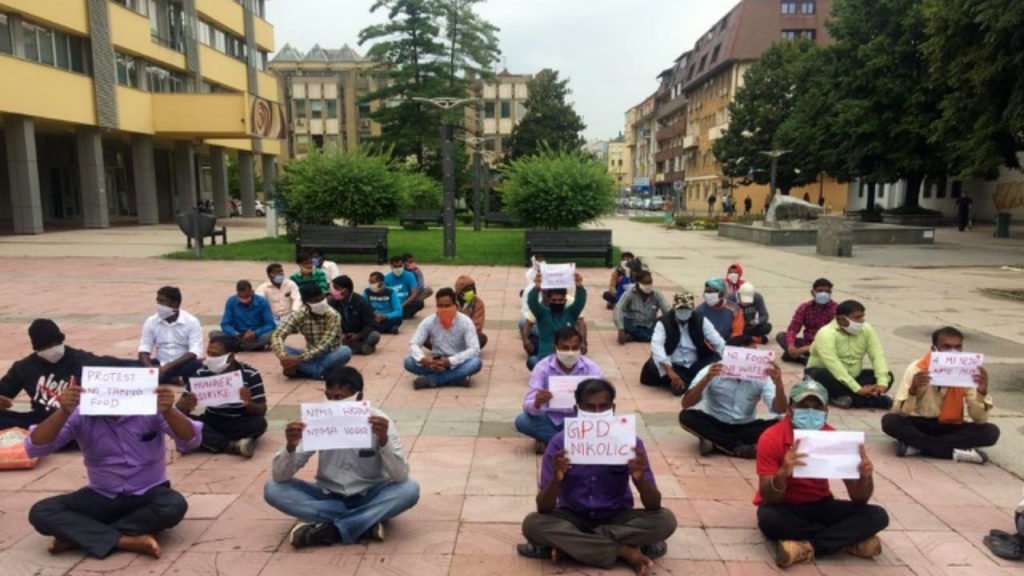
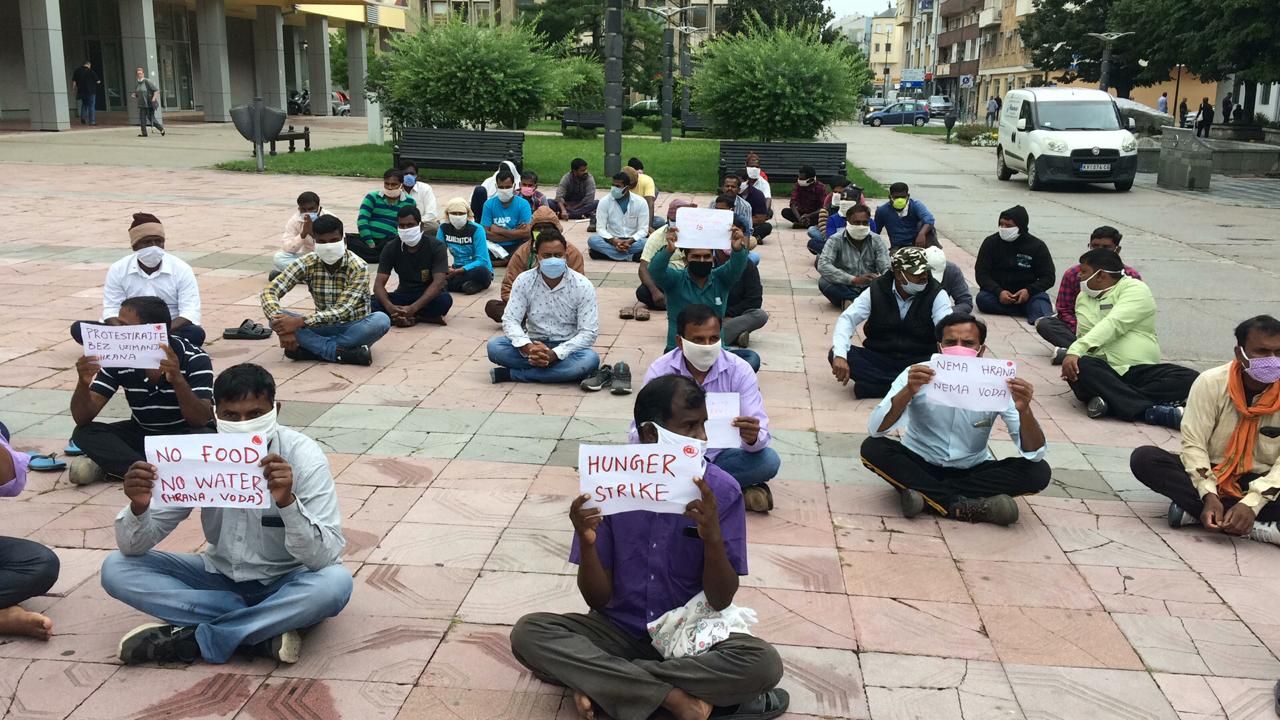
In August 2020, a group of around forty Indian construction workers staged a hunger strike in Kraljevo, Serbia, demanding to be paid. In addition to not receiving months’ worth of wages from their employer, they had been working 10-12 hours a day without proper food or access to healthcare and were living in cramped, unhygienic quarters during the COVID-19 pandemic.
The migrant workers from across India first arrived in Serbia in mid-2019. According to the Building and Wood Workers’ International (BWI), a global union federation, around 150 Indians were employed across the Balkan country for the construction of the Corridor 11 project. In a Zoom interview, two of the workers recounted how their troubles with getting paid had begun soon after arrival. When their situation didn’t improve, the first group was repatriated to India in January and February 2020. The rest, including those protesting in Kraljevo, were repatriated by September 2020.
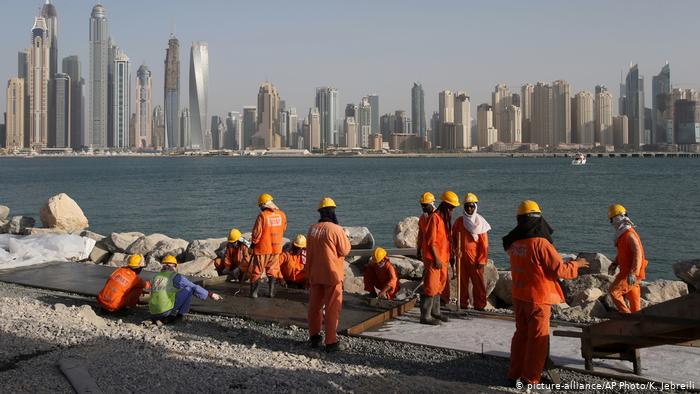
Much of the Indian government’s efforts have been focused on Gulf countries, where, based on data from the International Labour Organization (ILO), around 9 million Indians live and work. However, the BWI warns that Europe is fast becoming a hub for the exploitation and trafficking of third-country nationals. In Serbia, other reports of exploitation of migrant groups from China and Turkey have recently come to light.
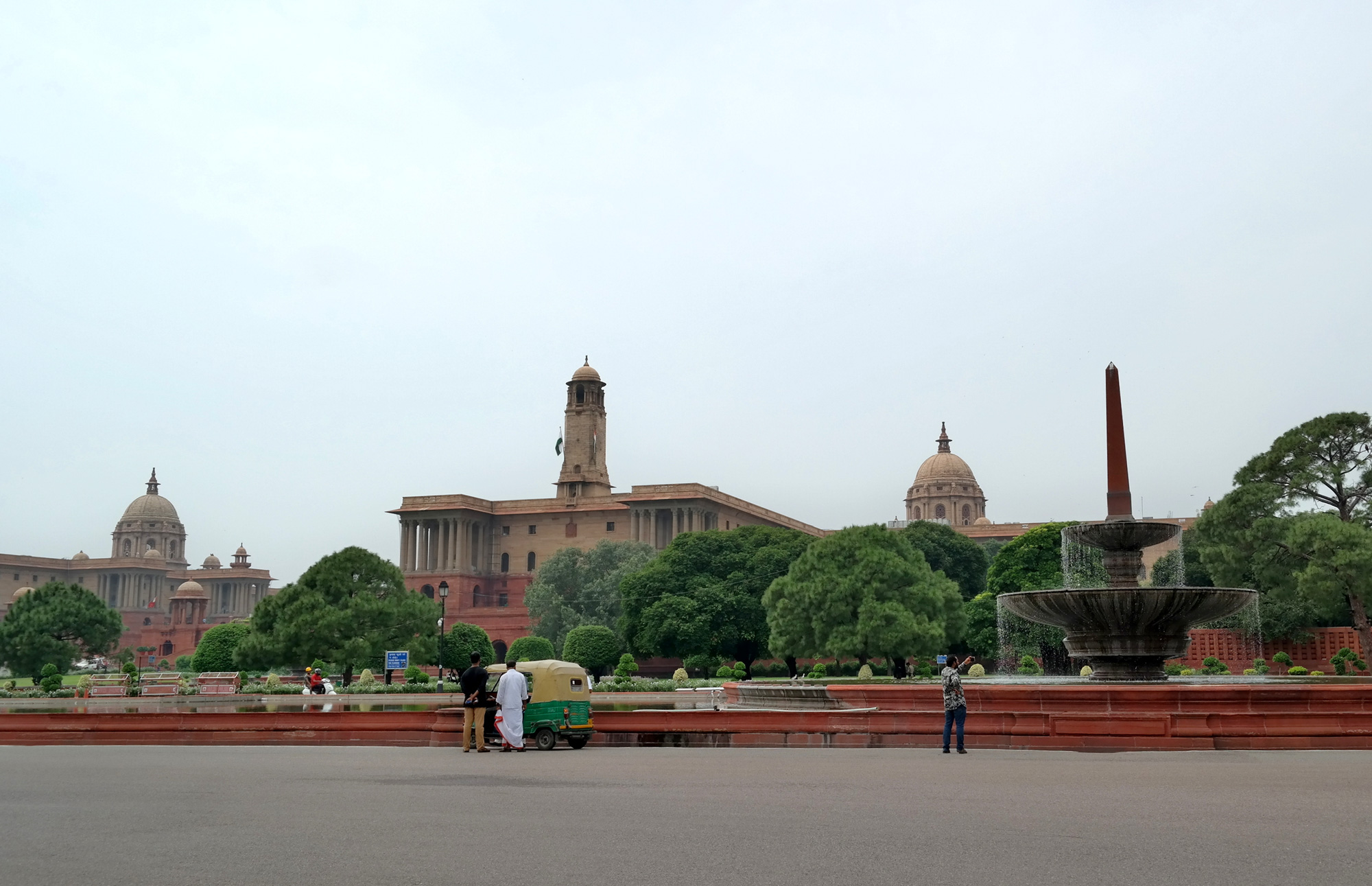
When he heard about the stranded Indian workers, Ramachandra Khuntia, chair of the BWI Indian Affiliates Council and a former Member of Parliament (MP) contacted the Indian Ministry of External Affairs (MEA) and the Indian embassy in Belgrade multiple times.
the BWI warns that Europe is fast becoming a hub for the exploitation and trafficking of third-country nationals.
What followed was a cross-border initiative involving labor unions, the Indian government, and Serbian anti-trafficking organization ASTRA. “We were finally able to bring the workers back home. But ‘til today, they have yet to receive their wages from the employer,” says Khuntia.
“The payment of arrear wages is usually dealt with by the labor department in the host country, but the matter can be pursued through the Indian embassy,” explains Khuntia, adding that despite assurances from the Indian government and the Indian embassy in Serbia, the payments seem nowhere in sight.
Indian construction workers stage a hunger strike in Kraljevo, Serbia, in August 2020. Amid the COVID-19 pandemic, wage theft has soared across the world, and often, the victims are migrant workers from India, who receive patchy support from their own government and have to rely on unions or non-profits for help. (Photo credit: BWI/Boobalan D)
Job loss and other ordeals
Wage theft — the illegal practice of denying workers the money that they are rightfully owed — has dramatically increased during the COVID-19 pandemic. In addition to the non- or incomplete payment of wages, employees have to deal with job loss, non-payment of termination benefits, poor working conditions, and hurried repatriation without the chance to register their grievances.
Migrant workers’ troubles begin in their country of origin, not abroad. “It is a new form of slavery that begins before they even leave the country in the form of recruiting fees. Recruiting agents and others involved are selling dreams to migrant workers.”
Ponkumar Ponnuswamy, president of TKTMS, a construction workers’ union in Tamil Nadu that was directly involved in the process of repatriating the stranded workers, says that each of the workers is owed anywhere between the equivalent of US$1,300 and US$2,600 by the aforementioned company, depending on how long they were in Serbia. For the workers who were put through this trying ordeal, their unpaid wages represent a substantial amount of money that would have otherwise gone towards debt repayments, medical treatments, and basic subsistence.
“I think it is a huge loss not only at the individual level but also at the country level,” says S. Irudaya Rajan, an expert on Indian migration and member of the Kerala government’s COVID-19 expert committee. Migrant workers constitute an integral part of the global economy, with their remittances adding up to over three times the amount of international aid and foreign direct investment combined. India, the world’s largest source of international migrants, received US$82 billion in remittances in 2019 according to World Bank data, a sum that has helped keep millions out of poverty.
“COVID-19 has become a great opportunity for exploitation,” says Rajan, who is currently heading a study on counter-migration from the Gulf to assess wage theft.
But according to him, migrant workers’ troubles begin in their country of origin, not abroad. “It is a new form of slavery that begins before they even leave the country in the form of recruiting fees,” he says. “Recruiting agents and others involved are selling dreams to migrant workers.”
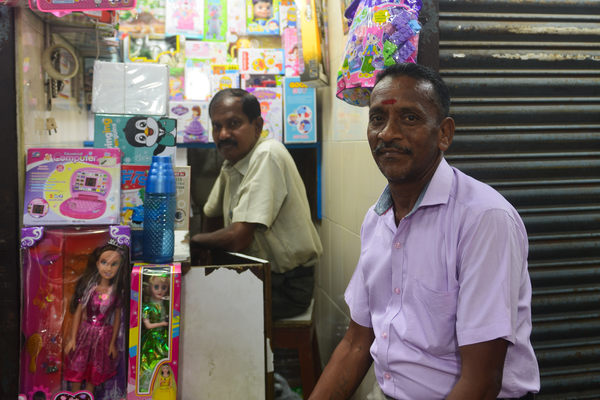
The Indian government requires recruiting agents to register themselves with the Protector General of Emigrants. Despite this, many illegal agents continue operating across the country. (Photo credit: Yamuna Matheswaran)
Is the Indian government doing enough?
In theory, the Indian government offers various resources for those who emigrate for work: registration portals, insurance schemes, awareness programs, and helplines. They also provide a list of registered recruiting agents (RAs) across the country.
But the reality of emigration is far more complex, even confusing. For instance, it would be safe to assume that only a fraction of the RAs operating in India is registered with the MEA. A 2018 investigation by the Migrant Forum in Asia (MFA), with the support of ILO, found that in the state of Punjab alone the number of unregistered agents ran into several thousands, despite the 2014 Punjab Travel Professionals Regulation Act requiring mandatory registration of all consultants, agents, and advisors involved in sending people abroad.
These unscrupulous agents make emigrants more vulnerable to exploitation by charging illegal fees and pushing unfair contracts. Some workers arrive in a foreign country only to learn that the job they were recruited for doesn’t exist, says Rajan. Others end up without appropriate visas or permits and are never registered in the system.
The MEA limits the service fees RAs can charge their clients, which caps at INR 20,000 (around US$270). But Rajeev Sharma, Regional Policy Officer at BWI’s South Asia office, says that many of the workers have paid far more depending on the state they hailed from.
“Workers from Punjab, for instance, paid up to INR 100,000 (US$1,365) to 150,000 (US$2,048) to the agent,” he says. “We don’t know how they managed to fund their journey, they may have run into debt – so it’s not just the salary, so many other issues are involved.” When asked about this practice, one of the agencies involved – an unregistered ‘Shakti Tread Test Centre’ run by Muktinath Yadav in Deoria, Uttar Pradesh – gave no response.
“Covid-19 has become a great opportunity for exploitation” – Dr. S Irudaya Rajan, an expert on Indian Migration
Indian missions abroad are tasked with ensuring the welfare of overseas Indian nationals. The migrant workers and union members state, however, that the Indian embassy in Serbia failed to even register their grievances properly. The Embassy of India in Belgrade did not respond to requests for comment. In response to an inquiry about grievance redressal mechanisms for repatriated migrant workers, the MEA’s Protector General of Emigrants instead pointed to the Pravasi Bharatiya Sahayata Kendra, a general helpline.
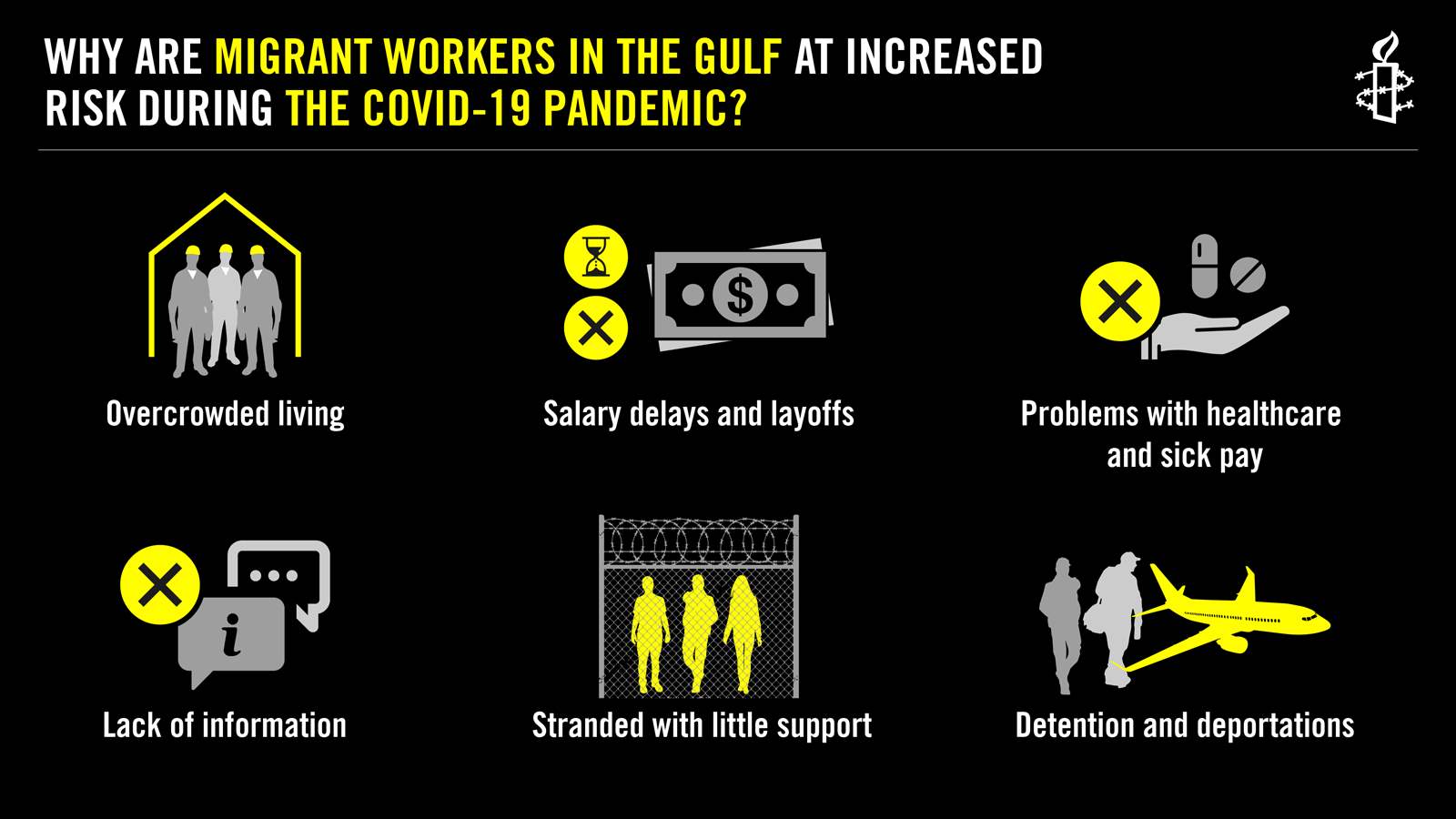
Amnesty International raised concerns about the state of migrant workers under Covid-19 in the Gulf. Image Credit: amnesty.org
“Grievance portals address a lot of topics, including pre-departure issues. However, there needs to be a specific focus on wage theft, particularly during COVID-19,” says Rajan. He stresses the importance of collective bargaining by various governments at the South Asia level, as well as proper grievance registration by Indian embassies in order to pursue the necessary legal steps.
Recognizing the lack of global mechanisms to address wage theft, Congress MP Shashi Tharoor stated during a panel discussion last year that an escrow fund could be set up, with employers depositing six months’ worth of wages in order to protect workers against non-payment.
Need for awareness building
In the case of the Indian migrant workers in Serbia, it was labor unions that initially came to their rescue, following through until they had arrived safely back to their respective homes. When asked if there is enough awareness among migrants themselves about their rights and the resources available to them, Rajan says: “Absolutely not, and I think that is where we are failing.”
“Migration has three cycles,” he explains. “The first — pre-migration cycle — happens in our country,” and steps to protect migrant workers need to start here. Rajan believes that the government should make pre-departure orientation programs, including skills training, mandatory. “Most workers don’t even know the currency of the host country. They know, in rupees, how much they expect to make and in how much time.”
Khuntia, of the BWI Indian Affiliates Council, highlights the utter importance of signing bilateral agreements with host countries regarding wages, healthcare, and social security so that those emigrating can feel secure. “And if anything were to happen, by virtue of this bilateral agreement, the Indian government can negotiate with the host country and provide relief to the workers,” he concludes.
“If everybody were cheated, there would be no migration,” says Rajan. But it’s important to share not only success stories but also those of struggles, he continues, to raise awareness among prospective migrants. It’s not about “how many people we send” but about how well-informed our migrant workers are when they are deployed abroad, he says.
Title : India Meets Myanmar at a Bustling Bazaar in Chennai
Author : Yamuna Matheswaran 12-03-2020
Refugee/Migrant issues have plagued countries both in their domestic governance and international relations. While nations gain immensely from migrants’ contribution, governments and politicians do not hesitate to throw them out when their utility is more relevant or they become the scapegoat of their politics. Indians have migrated to various lands in search of employment, trade, and better prospects as entrepreneurs. Tamils have travelled to Burma and many other countries through trade over millenniums. In recent times Tamils and other Indian migration happened during the British Raj. Indians in Burma – primarily Tamils hailing from Tamil Nadu, but also Bengalis, Telugus, and other groups – worked as farmers, civil servants, traders, moneylenders, day labourers, and security personnel. Their world came crashing down in 1962 when military dictator Ne Win seized power and stripped ethnic minorities of their businesses, land, and claims to citizenship leading to an exodus of refugees to India, mostly Tamils. Yamuna Matheswaran revisits the Burmese refugees in Chennai and its issues 50 years down the line.
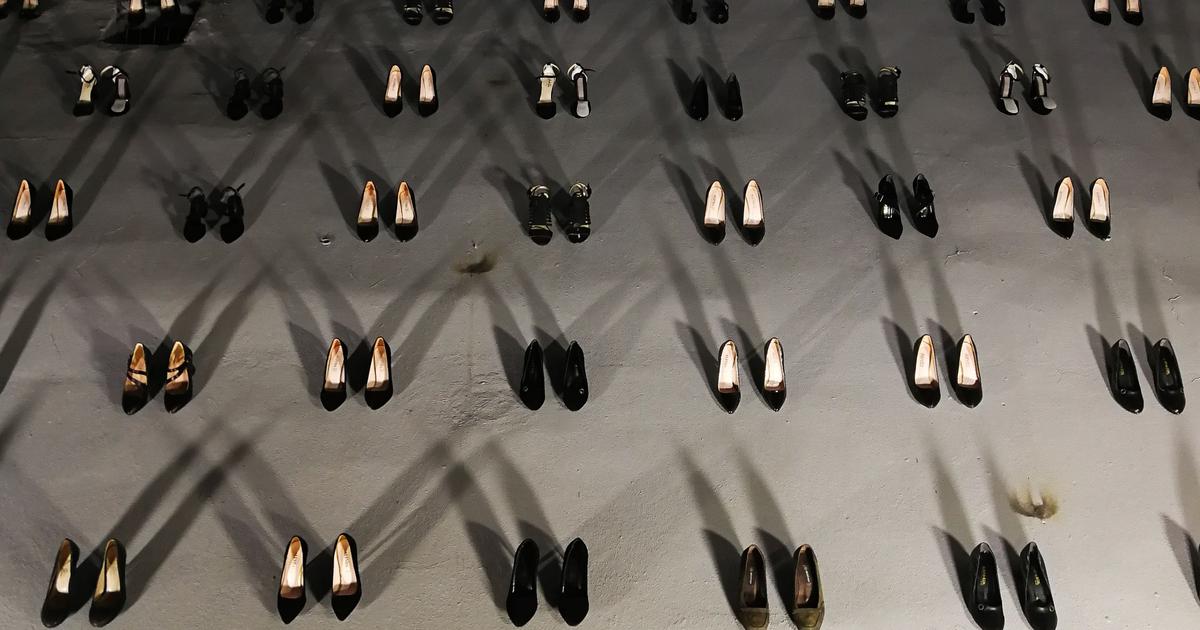
Title : The Art of Resistance: 440 shoes on a public wall highlight the chilling murders of Turkish women
Author : Matheswaran 09-02-2020
Turkish society has long grappled with the issue of domestic and sexual violence against women. Much like in India, the patriarchy is the main reason behind the loss of many lives. Ms Yamuna Matheswaran points to a very innovative display project by a Turkish artist Vahit Tuna in Istanbul that serves to capture the attention of people on the issue of violence against women.
Read More
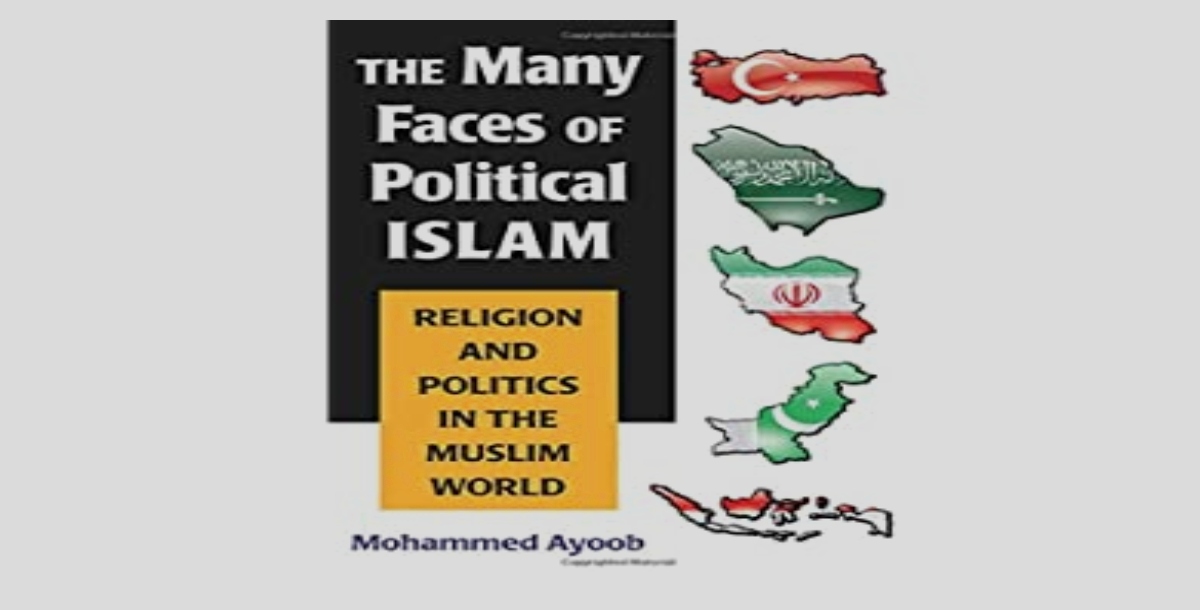
Author: Mohammed Ayoob. The University of Michigan Press, 2007, 232 pp.
One of the major misconceptions about Islam in the modern world, Mohammed Ayoob argues, is that it is a monolithic, inherently violent religion. The purpose of Ayoob’s book, in a nutshell, appears to be to rectify these misconceptions. He elaborates on the diverse nature of Islamist groups that currently exist or have existed in the past, shedding light on the divergent paths taken by them in order achieve their respective ideologies.
A key argument brought forth is that a number of political groups with strict Islamist ideologies are turning towards pragmatism and opening up to the process of moderation and democratisation. Ayoob, a Distinguished Professor of International Relations at Michigan State University, repeatedly emphasises the importance of context, using meticulous case studies to augment his points. Additionally, he demonstrates how external factors, influences and interferences over the years have shaped the Middle East—specifically how the incomplete and forced process of state-making and nation-building is at the root of the unstable reality in a number of nations today.
Style & Content
The Many Faces of Political Islam provides a unique but crucial perspective that remains relevant today. It elucidates aspects commonly ignored by the mass media, and does so in a largely unbiased, objective manner. Ayoob, however, tends to downplay violent tendencies of the Islamist groups he talks about, including Hezbollah and Hamas. One might wonder why, but perhaps this is because it’s an aspect that audiences are already familiar with, having dominated global headlines particularly since 9/11.
Incidentally, many historical aspects are presented in a summarised manner, such as the events leading up to the 1979 Islamic Revolution in Iran, or the characteristics of the Nasser, Sadat and Mubarak regimes and their respective relations with the United States. In this regard, basic knowledge about the region is required. Ayoob’s method of comparing and contrasting, his intricate detailing of the ‘where, when, why and how’ of various political groups and movements that have taken shape in the last couple of centuries further facilitates one’s understanding of the subject.
Key Themes
Ayoob states that the nature and intensity of the opposition depends upon and is directly proportional to the degree of repression created by the regimes in place. To reference one of the quotes employed in the book, one by Carrie Rosefsky Wickham: “political openings [even short of democratization] can encourage Islamist opposition leaders to moderate their tactics.” (p. 80, line 38)
Several essential arguments, such as Islam being a non-monolithic religion, extremist factions being fringe elements whose agendas are only marginal to the pertinent issues that mainstream Islamist groups are concerned with, and how mainstream parties are moving in the direction of moderation and democratisation, are frequently recalled throughout the course of the book.
Ayoob has produced a comprehensive, easy-to-follow analysis on the enormous diversity in a domain broadly categorised as political Islam. The book exemplifies how authoritative regimes, foreign occupation and external interference in the region have produced varied forms of opposition groups, and raises questions regarding the biased perception of Islam in present-day societies, particularly in the West. Those seeking to gain a nuanced understanding of the subject, as well as those harbouring opposing viewpoints, will find The Many Faces of Political Islam to be an enlightening read.
Towards the end of 2010, I travelled to Bangladesh with the rest of my graduate school cohort to study various developmental approaches within the country’s healthcare, garment, banking, and agricultural sectors. It was an enlightening trip–one that allowed me to understand not only the intricacies of international development but to also gain a more nuanced perspective of the country as a whole.
“To understand Bangladesh, you have to understand the war.”
– Omar Rahman, Professor, Independent University, Bangladesh
Scores of Bangladeshis lost their lives in the struggle for independence in 1971 in what was then known as East Pakistan, and nearly 10 million crossed the border into India as the war waged on. They had no army, minimal weaponry and, realistically speaking, not much of a chance for survival against the genocidal tactics employed by the Pakistani Army–actions that its allies, the United States and China, refused to condemn. They fought back, however, and in doing so displayed the same extraordinary resilience that was demonstrated by its students during the Bengali Language Movement of 1952. On 16 December 1971, the new nation of Bangladesh was born.
Taking a bus ride through the cacophonic streets of Dhaka, thoughts raced through my mind: how simultaneously similar and different Bangladesh was from my own home country of India, how accommodating its people were, and how–despite growing up in congested Indian cities–Dhaka’s traffic was the craziest thing I’d ever seen. It still is. After all, Dhaka has a density of 47,400 people per sq. km, and around 37,000 cars are said to be added to its roads every year.
In 2017, Bangladesh’s population stood at approx. 164 million compared to 152 million in 2010. But the population growth rate has been in steady decline since 1986, and the implementation of various developmental approaches have contributed significantly to that decline. (Population Data from World Bank)
An Overview of the Facts
Bangladesh has its share of problems, and then some. For starters, there is the tangible dilemma of overpopulation. But unlike India, which is well on its way to becoming the most populated country on the planet, the total fertility rate in Bangladesh has been successfully lowered from nearly 7 births per woman in the late 60s to 2.104 in 2016. Even so, Dhaka remains one of the world’s most densely populated cities. And with increased longevity, concerns have arisen over the lack of facilities and infrastructure required to care for the country’s growing elderly population.
All around Dhaka, construction sites are aplenty, and dust from these sites worsens the already noxious city air. It’s no surprise then that Bangladesh experiences issues of environmental degradation, while also being susceptible to the devastating impacts of climate change. Scores of people, including millions whose livelihoods depend upon agriculture, have been affected by the frequent cyclones, floods and droughts.
The drainage systems aren’t too different from the ones in Indian cities, and heavy rains even for brief periods can disrupt normal life and cause flooding and waterlogging. Setbacks with the electricity supply, cases of arsenic poisoning in groundwater and ineffective methods of trash disposal are some of the issues that constitute the miscellany of Bangladesh’s woes. Political tensions, attacks on journalists and widespread problems of corruption hinder effective governance of the nation.
In spite of these modern-day problems, Bangladesh is on the right track to eliminating extreme poverty by 2030. According to data from the World Bank, the percentage of the population living in extreme poverty ($1.90, 2011 PPP) fell below 14% in recent years, compared to over 40% in 1991-92. And while it still ranks among the poorest highly populated countries in the world, the GDP growth rate of Bangladesh hit an astounding 7.86% in 2018.
In its less-than-fifty-years of existence, Bangladesh has pioneered breakthroughs in the fields of public health and microfinance, passed noteworthy drug policies, significantly improved aspects of agricultural production, and achieved unprecedented growth in its GDP largely attributed to the development of its garment industry. Notably, it has attained these goals by incorporating its women into the national economy by means of several women-centric initiatives. Institutions such as icddr,b, BRAC, and Proshika are models of the kind of development that is directed by the locals and is, hence, ultimately more sustainable.
The Microfinance Revolution
After Mohammad Yunus founded Grameen Bank in 1982, microfinance became a phenomenon in the developing world, providing small loans free of collateral, lifting thousands of people out of poverty and making businesspersons out of the extremely poor.
Over the years, however, the field has been tainted by reports of corruption and mismanagement. Criticism has focused on the fact that loans are frequently issued to the poor with the sole purpose of reaping profits, thus overlooking the necessary supplementary steps. Does the borrower have a plan for increasing income generation with the help of the loan? Do they have the necessary qualities/resources for said business plan? Is the money in actuality utilised in income generating projects or elsewhere? Often borrowers, who are ill-educated about the various facets of microcredit loans, make use of the newly acquired capital to purchase goods, pay school fees, etc. With no increment in revenues, they inevitably enter into a vicious cycle of debt, and are forced to undertake another loan in order to repay the previous one. MFI collection agents and their coercion tactics have also been listed as a reason for an increase in suicides among borrowers.
In contrast, Gonoshasthaya Kendra’s seasonal loans, which require the borrowers to start making repayments after the harvest, seem more logical. Nonetheless, researchers have pointed out that although microfinance might not have a transformative effect on the lives of people, it does have a positive impact. For one, increasing reliability of and access to credit leads to an increased sense of agency and freedom in one’s life.
Pioneering Healthcare Initiatives
From facilitating the local manufacture of drugs to offering affordable health insurance to poorer sections of society, Bangladesh has made extraordinary advancements in the public health sector.
Set up in 1972, Gonoshasthaya Kendra (GK) was the first health centre in newly independent Bangladesh. It was established by Dr Zafrullah Chowdhury with the aim of making basic healthcare accessible to the rural population. Dr Chowdhury was also instrumental in the conceptualisation of the breakthrough National Drug Policy of 1982, which ensured the safety, availability and affordability of essential drugs. GK’s services have since expanded beyond affordable primary healthcare to include work education, nutrition, agricultural cooperatives, disaster management, rehabilitation and women’s empowerment. Hygiene and sanitation in many of GK’s wards has been a persistent issue however, and poses high threats of nosocomial infections.
The International Centre for Diarrhoeal Disease Research, Bangladesh (icddr,b) originated in 1960 as the Cholera Research Laboratory in the sub-district of Matlab and was officially named icddr,b in 1978. Primarily a research institute, it has been credited with playing a key role in the discovery of oral rehydration therapy (ORS) to combat cholera and diarrhoea, the latter being a leading cause of infant mortality. The institute also focuses on neonatal care, treatments for tuberculosis, malaria and HIV/AIDS, and carries out meticulous demographic surveillance. At the time working on rotavirus vaccine trials, icddr,b’s clinical studies have since contributed to the development of affordable rotavirus vaccines. The institute relies on the funding it receives from several donors, since government expenditure on healthcare (as percentage of total GDP and budget) has reduced to a point where it is the lowest among 21 Asian countries, according to a 2018 United Nations survey.
Cleanliness and technological resources of icddr,b’s hospital in Dhaka appeared to be far better than that of the GK hospital in Savar. However, doctors at icddr,b were quick to commend GK on its effective performance. It’s a matter of concern for GK, though, that a number of its students that graduate from its university, Gono Bishwabidyalay, choose to work for other institutions/hospitals, either for economic reasons or to pursue further specialization or be able to contribute to the research arena, leading to a shortage of doctors.
The Façade of the Fashion Industry
Bangladesh is the world’s second largest exporter of readymade apparel, second only to China. Garments constitute 80% of the nation’s earnings from exports, and in 2015, Bangladesh exported clothing worth over $26 billion, mainly to Europe and the United States.
The garment industry has revolutionised Bangladesh’s economy and significantly impacted its society. A large majority of its workers are female; increased economic freedom has led to women bearing fewer children, thus contributing to declining fertility rates and tackling the dilemma of overpopulation. From the looks of it, it seemed like a win-win situation: the garment industry employed numerous people in developing countries, increased foreign investment and was responsible for an increase in the annual GDP growth rate. International brands now paid a fraction of the production costs that they used to, while oblivious buyers continued shopping at Zara, Forever 21, Russell Europe and Walmart, unaware that they were paying starkly different prices for clothes that had all been manufactured under the roof of the same factory.
But the entire world got a reality check with the tragic Rana Plaza building collapse in 2013, which claimed 1,134 lives and was termed a “mass industrial homicide”. But long before that horrifying incident, workers had already been calling for liveable wages and safer work environments, and other deadly incidents had led to periodic loss of lives.
On 12 December 2010, on our way to the airport, we drove past one of Bangladesh’s export processing zones and caught a glimpse of what appeared to be a peaceful protest against delays in the implementation of a wage hike. We later came to learn that the protest had turned violent, claiming at least three lives and leaving dozens of people injured.
The factory we visited at the time, Knit Asia Ltd., boasted good working conditions and facilities including a free childcare centre and regular fire drills. It was one of Bangladesh’s leading garment manufacturers, and also owned the largest biological effluent treatment plant in the country. However, that is more the exception than the norm.
In 2010, Bangladesh’s garment workers received the lowest wages in the world – as little as $45 per month. That amounted to a measly $0.25 an hour, when compared to the hourly wages of $0.48 and $0.57 earned by workers in China and India at the time, respectively. From what I garnered, it cost Russell Europe $3 to manufacture a polo shirt in 2010, which was then sold for approximately $7.
The profit made from the sale of a single piece of the polo shirt exceeded the factory worker’s daily wage.
In 2019, minimum wage for garment workers in Bangladesh is approximately $95 (or 8,000Tk) a month. It was not enough to make a decent living then, and it still isn’t today, and workers are still fighting to be paid a living wage. Since consumer demand dictates how the garment industry functions, we as buyers have a responsibility to utilise this power to generate awareness and take a stand against inhumane practices by choosing ethical brands over fast fashion.
The Role of Women in Development
“Bangladesh shows what happens if you take women seriously as agents of development. It not only halved the rate of fertility within a generation, but also increased women’s influence within their own households. For the first time, wives controlled the size of families.” – Out of the Basket, The Economist (3 Nov 2012)
The role of women in mainstream Bangladeshi society is a contradiction of sorts. Women are the principal participants in the microfinance sector, a majority of the paramedics that work in villages are female, and they constitute 80% of the workers in garment factories. Nearly every institution that we came into contact with – BRAC, GK, icddr,b, Proshika – had a project that focussed on empowering rural women. However, like in other countries rooted in patriarchy, sexual harassment is rampant, female enrolment rate in universities is low, and women do not enjoy the same freedom and social stature as men.
Regardless, the empowerment of women is crucial to development. It has been demonstrated that women are more likely than men to spend their incomes/loans on the welfare of the entire family as opposed to squandering it on nonessential goods. Increasing women’s access to education and economic security also results in reduced birth rates, which ultimately alleviates myriad issues associated with overpopulation.
To Harbour a Dream
Upon the conclusion of our study tour, what stood out to me most was the hospitality of the people who went out of their way to ensure that we were comfortable and well-fed at all times, with plenty of tea and biscuits between meals. To this day, I remember my experience of travelling around Bangladesh fondly. The lessons that it has taught me in the field of development – about what works as well as what doesn’t – remain invaluable. Considering the number of NGOs that are at work in Bangladesh – reportedly over 2,500 – I wonder if collaboration might render them more effective.
Nevertheless, this land that has been twice occupied and weathered innumerable floods and famines is a prime example of what locally pioneered methods of just and sustainable development can achieve.
Working with iDE during the last few days of our tour provided the most tangible example of how something as simple and affordable as a treadle pump can truly empower families. How I’d love to hear that the bottle gourd-growing couple eventually realized their dream of travelling abroad! But the essential part is the fact that one is prepared to harbour a dream.
Yamuna Matheswaran is a freelance writer, artist, and technical editor at TPF. She has a Master’s degree in International Studies from the University of Denver and is currently based in New Delhi.