Author: Vijay Sakhuja

  • Vietnam’s Future Strategy to fight COVID-19

    Vietnam’s Future Strategy to fight COVID-19

    Vietnam’s experiences with fighting the COVID-19 pandemic has been highlighted not only as a success story but a good model. It pursued an aggressive containment policy, rigorous contact tracing procedures and effective quarantine regimes. It successfully contained the three waves of the Pandemic that infected 9,635 Vietnamese people including 55 deaths and 3636 have recovered since February 2020.  The majority of these have occurred from April to June 2021. Besides, effective public communications and awareness campaign, and availability of testing kits were instrumental in limiting the spread of the virus.

    However, Vietnam is now witnessing the Fourth Wave which has impacted at least three major cities and some provinces. Perhaps the most worrying part of this wave is that new variants of the Coronavirus are being detected among people. This variant is known to spread more quickly especially in areas where there is a high concentration of people such as industrial parks.

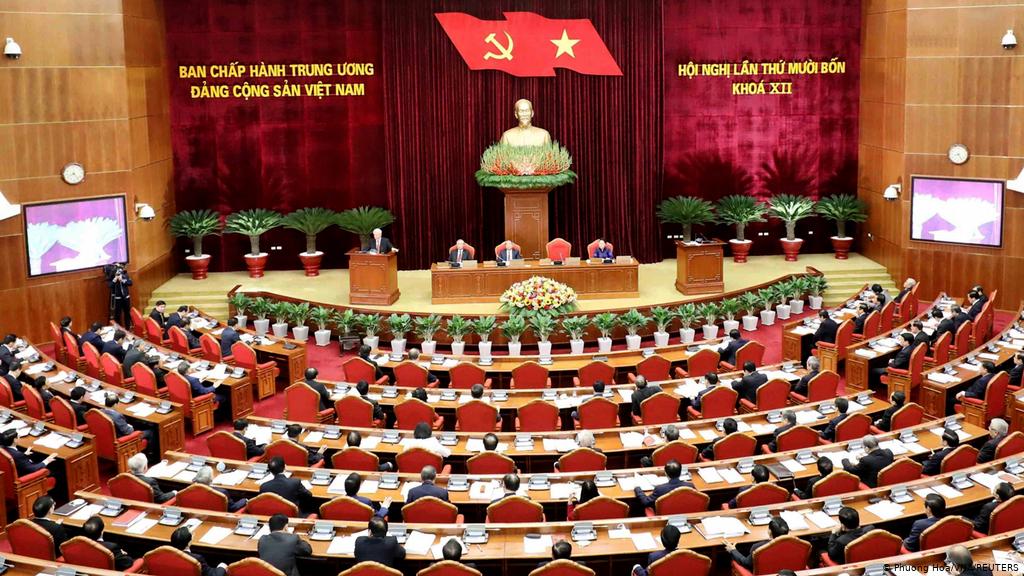
    Given the severity of the Fourth Wave of Covid-19, there is visible concern among the political leadership, and Prime Minister Pham Minh Chinh has called upon the entire political machinery and Vietnamese people to take extreme steps to “fighting the pandemic” similar to situations where they would be fighting an enemy.  Prime Minister Chinh did not shy away from warning the people that any deliberate attempts to disregard “national regulations on pandemic prevention and therefore, spread the virus to the communities, against the joint efforts of the whole nation and people, should be strictly punished.”

    It is now widely accepted that vaccine production is both technology-intensive and cannot be developed overnight. While the developing countries led by India and South Africa have been pushing for waving off Trade Related Intellectual Property Rights (TRIPS) protection for COVID-19 vaccines, and have been supported by the U.S. and EU at the World Trade Organization, yet countries must build national capacities to produce vaccines. In this context, the Vietnamese government hopes to not only buy COVID-19 vaccines but set up a production plant and supply to other needy countries.

    There are four vaccines under development in Vietnam at (a) Nanogen Pharmaceutical Biotechnology JSC; (b) Institute of Vaccines and Medical Biologicals; (c)  Vaccine and Biological Production Company No 1’ and (d) Polyvac. The Vietnam Military Medical University is actively participating in COVID-19 vaccine development at home.

    Vietnam is also has a forward-looking vaccine import strategy pivoting on “patent-based production and local research and production”. This, it is believed would help the country achieve “herd immunity in late 2021 or mid-2022”. This strategy is significant given that Vietnam has nearly 100 million people including children who would require COVID-19 vaccination.  Nearly 30 million doses were acquired from the British-Swedish AstraZeneca vaccine and the vaccination programme started in March 2021. There are plans to acquire 20 million Russian Sputnik V vaccines; may buy 5 million doses from Moderna and 31 million from Pfizer. Meanwhile, Vietnam has also approved China’s Sinopharm for emergency use. Also, homegrown vaccines are expected to fill in the gap of 30 million doses.

    Similarly, vaccine production infrastructure is a financially demanding activity. The Vietnamese government plans to apportion VND 16 trillion for the vaccination program. It plans to procure 150 million doses of vaccines in 2021 to cover 70 per cent of its population and this is estimated to cost VND25.2 trillion ($1 billion). In June 2021, the government launched the Fund for Vaccination and Prevention of Coronavirus Disease 2019.

    As per the Finance Ministry’s state budget department,  in “addition to the [public] budget, it is necessary to mobilize more resources from the voluntary contributions of domestic and foreign organizations and individuals, to join with the state,”  During a live broadcast to launch the campaign for public participation in raising funds to acquire/locally produce Covid-19 vaccine, Prime Minister Pham Minh Chinh called on the Vietnamese people to financially support a mass vaccination roll-out. This call has attracted a positive response and several companies, organizations and individuals have come forward. According to the Ministry of Finance, as of 05 June 2021, i.e., ten days since the announcement of the fund, as many as 950 organizations and more than 124,600 individuals had contributed VND 928 billion ($40.2 million). Besides domestic contributors, several foreign companies such as Hanwha Life Insurance and Daewoo of South Korea, Japan’s Tokio Marine and Taiwanese insurer Cathay Life have announced contributions. Minister of Finance Ho Duc Phoc has underscored transparency in the management of the fund and stated that his ministry is “committed to using this fund publicly and transparently,”

    Vietnam’s preference to import as also set up domestic infrastructure to set up production are indeed noteworthy; however, the challenge would be to run an accelerated mass vaccination program and achieve a high degree of herd immunity.

    Image Credit: www.dw.com
  • Economic prospect of Vietnam under new leadership

    Economic prospect of Vietnam under new leadership

    The International Monetary Fund (IMF) has projected a positive outlook for the post-pandemic global economic recovery for 2021. This is notwithstanding the uncertainty associated with numerous mutations of the Coronavirus emerging in different parts of the world and successes with the vaccine which is now into full-fledged production to meet global demands. Furthermore, according to the IMF, the world economy could grow by 6% in 2021, up from the 5.5% forecast in January 2021. Another significant development in the post-pandemic economic recovery would be a “generational shift towards higher government spending” with projections of over US$ 10 trillion being allocated by the governments across the world to absorb the “shock of the COVID pandemic”. In this context, the Vietnamese government can be expected to make significant post-Pandemic investments.

    Prime Minister Chinh who was an earlier member of the national steering committee for anti-corruption also announced that the government would “drastically and persistently push for anti-corruption.”

    Earlier this month, the Vietnamese National Assembly elected Pham Minh Chinh as the new Prime Minister of the country. In his inaugural speech, Prime Minister Pham Minh Chinh said that his administration’s economic policies would continue as hitherto i.e. “socialism with a market orientation” and will centre on “economic reforms, developing digital economy and focusing on solving difficulties for industries and businesses.” Prime Minister Chinh who was an earlier member of the national steering committee for anti-corruption also announced that the government would “drastically and persistently push for anti-corruption.”

    There is a strong element of continuity in the Vietnamese government policies concerning economic reforms, investments, and addressing the bottlenecks in economic growth since the last five-year plan. The projections for economic growth during 2021-2025 are high and pegged at 6.5%-7%. This compares well with the last five-year plan which witnessed 5.9% growth. The per capita GDP is also projected to improve from US$ 2,750 at the end of 2020 to $4,700-$5,000 by 2025.

    While these are indeed very promising economic indicators, according to risk consultancy Eurasia Group, Prime Minister Chinh will also have to deal with additional challenges such as reforms required for “new trade deals” necessitating additional infrastructure, respond to existing bottlenecks impacting on the manufacturing sector as also sustained and reliable energy requirements.

    Prime Minister Chinh would have to skillfully manoeuvre Vietnam’s relations with the US and China who are among its top trading partners.

    At another level, Prime Minister Chinh would have to skillfully manoeuvre Vietnam’s relations with the US and China who are among its top trading partners. As far as the US is concerned, US imports from Vietnam increased to $64.8 billion in the first 10 months of 2020, and the trade deficit increased to $56.6 billion in 2020. Hanoi has now won over the US in the context of being labelled as a “currency manipulator”. The Biden Administration’s first foreign-exchange policy report has removed Vietnam from the list of countries that are known to prevent “effective balance of payments adjustments or gaining unfair competitive advantage in international trade”. This suggests that the US is not taking a confrontationist approach.

    Similarly, Vietnam’s trade with China is an inescapable part of its economic growth. China is its top trading partner and the bilateral trade in 2020 was US$ 133 billion. The future projections for Vietnam –China bilateral trade are quite promising given that China would continue to be the strongest economy in the coming years which will have numerous spinoffs for Vietnam. Perhaps it merits attention that China is the seventh-largest foreign investor in Vietnam.

    By all counts, Prime Minister Chinh would continue to pursue the national mantra of “socialism with a market orientation” and engage and promote pragmatic economic policies, open the national economy to global markets and importantly balancing relations with China and the US. The US-China trade war has been a trigger for a large number of countries particularly Japan shifting businesses into Vietnam. This has led to Vietnam being labelled as a “mini-China” and is best represented by the fact that Vietnam’s “factory-heavy growth model, sizable population, low labour and land costs, rapid gross domestic product and geographical placement” make it the preferred destination for setting up a business and attracting investments.

    While that may be so, Vietnam would have to diversify from manufacturing cheap goods for exports to investing in its service industry as also in innovation and tech startups. Vietnam is likely to witness a surge in the digital economy and this segment could expand to US$52 billion by 2025. In particular, e-commerce and digital banking are significant growth sub-sectors.

    it is not unthinkable to anticipate Chinese companies too making a beeline and moving production to Vietnam to lessen the risks of the US-China trade war which has now taken a very strong geopolitical and geostrategic turn.

    Today, Vietnam can boast of three comprehensive strategic partnerships, fourteen strategic partnerships, and 13 comprehensive partnerships with different countries. Besides, the conditions are ripe for Vietnam to attract investors beyond Asia and the EU-Vietnam FTA is an important trigger for encouraging European firms to explore investment opportunities in Vietnam. Also, it is not unthinkable to anticipate Chinese companies too making a beeline and moving production to Vietnam to lessen the risks of the US-China trade war which has now taken a very strong geopolitical and geostrategic turn. Under the circumstances, Vietnam would have to diversify its strategic relations and not be left hostage to one partner.

    Featured Image: Hanoi to Ho Chi Minh

  • China’s New Coast Guard Act: Vietnam could lead Response

    China’s New Coast Guard Act: Vietnam could lead Response

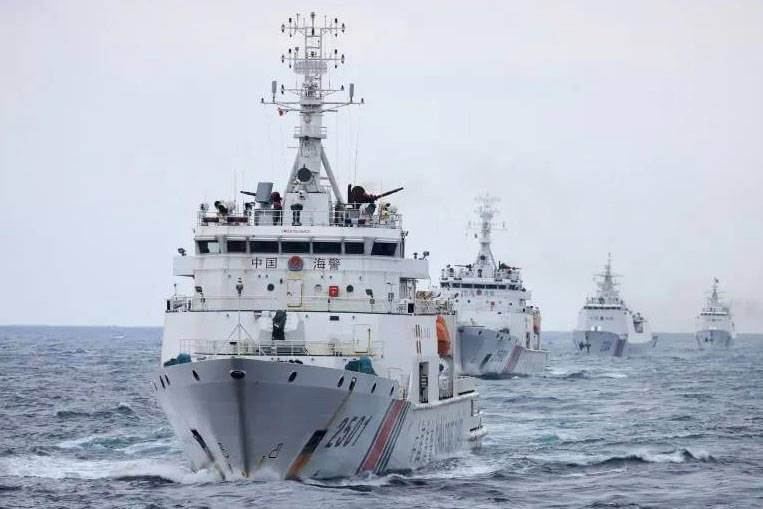
    China’s new Coast Guard Act has put the ‘cat among the pigeons’ and the South China Sea claimants Brunei, Malaysia, Philippines, Vietnam and Taiwan are visibly worried. The Act has also attracted international attention; for some, it is an act of war and for others, it violates the 1982 United Nations Convention on the Law of the Sea (UNCLOS).

    The Act came into effect last month on 01 February. In its administrative content, the Act is the culmination of at least two reorganizations of the Chinese Coast Guard (CCG) that began in 2013 involving administrative and operational control of five closely associated national maritime law enforcement agencies, also referred to as the Five Dragons , that were brought under one umbrella. In 2018, CCG became part of the People’s Armed Police Force.

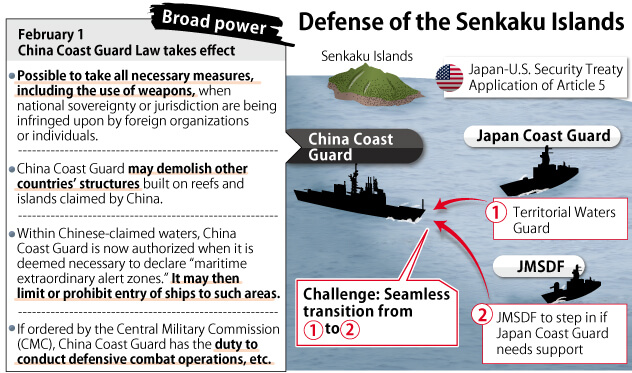
    Under the new Act, it is feared, the CCG would conduct operations just like the PLA Navy and would be directly controlled by the Chinese Communist Party Central Committee. The CCG is empowered with powerful ‘security and control measures’ and has the rights to take necessary actions to “restrain foreign military vessels and foreign vessels used for non-commercial purposes in waters under China’s jurisdiction from violating the laws or regulations of China” which is potentially in contravention to the 1982 UNCLOS.

    The Act has also attracted international attention; for some, it is an act of war and for others, it violates the 1982 United Nations Convention on the Law of the Sea (UNCLOS).

    Under Article 20, the CCG may demolish “buildings, structures, and various fixed or floating devices” built by foreigners “in the sea areas and islands under our jurisdiction”, and Article 47 authorizes the agency to “directly use weapons if there is no time for warning or if there is a risk of serious harm after giving a warning.”

    It is the latter that prompted Japan to label the Act as “blatantly threatening” and “aimed directly at the Senkakus” raisingspeculation that the Japanese Coast Guard, which hitherto could “fire weapons directly at foreign vessels in cases of self-defence and emergency escape” may now “ fire on foreign official vessels under laws by regarding vessels aiming to land on the Senkaku Islands as committing violent crimes”.

    However, it is fair to say that some of the provisions contained in the Chinese Coast Guard Act are not extraordinary. Navies, Coast Guards and law enforcement agencies of many countries are administratively controlled by the ministries of national defence and routinely operate with the national navies albeit pursue different rules of engagements. Many maritime law enforcement agencies are also known to intercept and even sink foreign fishing vessels especially when these engage in IUU fishing. These naturally attract diplomatic protests from the affected countries including China.

    Be that as it may, the ASEAN and China signed the Code for Unplanned Encounters at Sea (CUES) in the South China Sea in 2016 under which both sides are committed to “maintaining regional peace and stability, maximum safety at sea, promoting good neighbourliness and reducing risks during mutual unplanned encounters in air and at sea, and strengthening cooperation among navies”. This agreement is for the navies and draws upon the CUES (voluntary and non-binding) adopted by the Western Pacific Naval Symposium (WPNS).

    The new Chinese Coast Guard Act may have created an opportunity for ASEAN and China to conceptualize CUES that is tailored to the mandate of the Coast Guards i.e. law enforcement. The issue can also be on the agenda of the Heads of Asian Coast Guard Agency Meeting (HACGAM), a grouping of 22 Member States and multilateral organisations, which aims at cooperative and proactive efforts to address maritime issues confronting the region.

    Among the ASEAN member countries, Vietnam is well placed to lead the initiative for at least three reasons.  First, it is a claimant and some of the features in the South China Sea are under its control; second, it has a larger Coast Guard when compared to the capabilities of the other ASEAN claimants; and third, the Vietnamese Communist Party maintains close contacts with their counterparts in China and this could be a useful channel to facilitate a dialogue.

    However, it remains to be seen if Beijing would allow debate and discussion on the Coast Guard Act particularly when it also involves contested areas such as the South China Sea. For that deft diplomacy by Vietnam could be a good idea.

    Feature Image: www.japantimes.co.jp

  • Vietnam-US Relations under Biden Likely to Remain Unchanged

    Vietnam-US Relations under Biden Likely to Remain Unchanged

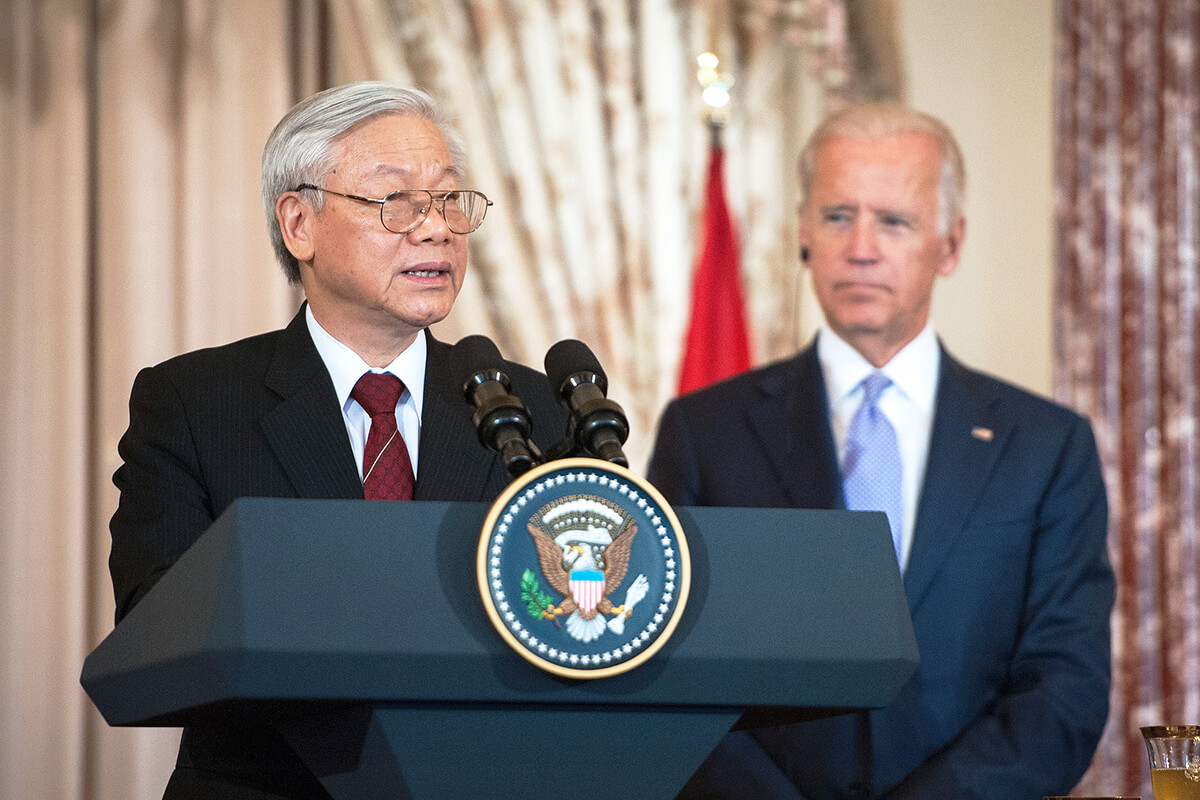
    Communist Party Chief and State President Nguyen Phu Trong and Prime Minister Nguyen Xuan Phuc have sent a congratulatory message to U.S. President-elect Joe Biden. Both leaders have also expressed hope that their comprehensive partnership will “continue to develop in a stable, effective manner, benefiting people of both countries and promoting peace, security, stability, cooperation and development in the region and the world”. Meanwhile, Vice President Dang Thi Ngoc Thinh sent a congratulatory message to the U.S. Vice president-elect Kamala Harris. The Vietnamese leaders also invited Biden and Harris to visit Vietnam.

    The Biden administration could even explore new “areas in which to deepen ties with Vietnam in the economic, political, military, and people-to-people spheres”.

    While these messages and invitations are part of customary diplomacy, strategic commentators across domains believe that US-Vietnam relations will continue as hitherto under President-elect Joe Biden’s Presidency. They argue that the US acknowledges Vietnam’s geopolitical and geostrategic heft, and the new administration will continue to give top priority to cooperation with Vietnam. The Biden administration could even explore new “areas in which to deepen ties with Vietnam in the economic, political, military, and people-to-people spheres”.

    As far as economic relations, the Vietnam-US bilateral trade has grown significantly from US$ 450 million in 1994 to US$ 75.7 billion in 2019. However, in the last few months, a thorny issue has come up. In October 2020, the U.S. Trade Representative announced an investigation of Vietnam for its large trade surplus with the US. The trade deficit widened to US$ 44.3 billion in the first nine months in 2020, as against US$ 33.96 billion in 2019. It has also been noted that some of it is because of US companies exiting China and setting up new supply chains in Vietnam. However, it is unlikely that trade deficit would have an adverse impact on bilateral relations, which would continue to remain “relatively good under Biden unless complicated by an unexpected upsurge in trade tensions.”

    As far as strategic issues, US-Vietnam defence diplomacy had received impetus under President Trump. The bilateral cooperation in security and defence matters between the two militaries has been at an all-time high. In particular, naval cooperation has been top of the agenda and USS Carl Vinson, a US aircraft carrier, made a historic port call to Da Nang in March 2018. This was significant, given that there had been no such port call by an aircraft carrier to Vietnamese ports since the end of the Vietnam War in 1975. Another visit of the aircraft carrier USS Theodore Roosevelt followed this in March 2020, clearly showcasing growing defence cooperation between the US and Vietnam.

    Perhaps what merits attention is that Vietnam strictly adheres to ‘three-no policy’ i.e. no military alliances; no foreign troops stationed on Vietnamese soil; and no partnering with a foreign power to combat another.

    It is important to keep in mind that such port visits are a significant element of naval diplomacy by any navy. Vietnam has welcomed naval, coast guard, and marine patrol vessels from friendly countries. For instance, in 2018 a Japanese submarine and in 2019 a Canadian warship visited Vietnamese ports; likewise, many other navies have made goodwill visits. It dispatches Vietnamese military personnel and vessels for International Fleet Reviews and other similar events. Also, in 2019, Vietnam signed the Framework Participation Agreement (FPA) with the European Union (EU) which will provide it “new opportunities for Vietnam to portray itself as a cooperative and pro-active power through land and maritime missions” and “participate and contribute to EU’s Common Security and Defence (CSDP) missions and operations”

    Perhaps what merits attention is that Vietnam strictly adheres to ‘three-no policy’ i.e. no military alliances; no foreign troops stationed on Vietnamese soil; and no partnering with a foreign power to combat another. In this context, it is useful to recall the visit to Hanoi by U.S. Secretary of State Mike Pompeo in October 2020. The surprise visit was labelled as an occasion to celebrate the 25th anniversary of diplomatic normalisation of bilateral relations, Pompeo’s tour was also to share with the Vietnamese leaders the US “Free and Open Indo-Pacific” (FOIP) strategy and seek their support.

    There is every reason to believe that Vietnam is unlikely to gravitate towards the US, notwithstanding the fact that its relations with China have been quite rancorous particularly over territorial disputes in the South China Sea, military-naval buildup on the reclaimed features and harassment by Chinese Coast Guard ships of Vietnamese fishing vessels operating in the Paracel Islands including intentional ramming. Vietnam is unlikely to offer affirmation to the US FOIP or the Quadrilateral Security Dialogue (QSD), a grouping of Australia, India, Japan and US to balance against China.

    We can expect Vietnam to exercise strategic autonomy and its position of ‘not taking sides’ pivoting on its ‘three-no policy’ could prove to be an incentive for the Biden Administration to pursue an enhanced and constructive engagement with Vietnam.

    There are clear signs of contestation between the US and China, which might create Blocks (with the US or with China) that might upset the peace and stability in the region. We can expect Vietnam to exercise strategic autonomy and its position of ‘not taking sides’ pivoting on its ‘three-no policy’ could prove to be an incentive for the Biden Administration to pursue an enhanced and constructive engagement with Vietnam.

    Image Credit: Atlantic Sentinel

  • Vietnam: Economic Prospects in Post Second Wave Covid-19

    Vietnam: Economic Prospects in Post Second Wave Covid-19

    The global community is into the ninth month of the COVID-19 pandemic and international efforts to develop a vaccine are at advanced stages.  Meanwhile in Russia over 250 Moscow residents received a dose of Sputnik V[i] and the Chinese Center for Disease Control and Prevention (CDC) has announced that the vaccine will be ready by November this year.[ii]Similarly, many American, British, European, and Indian companies are developing the vaccine which is at different levels of trials.  While the above progress is very encouraging, the global COVID-19 infections continue to rise and as on 13 October, according to the World Health Organisation (WHO), the total confirmed cases of COVID-19 were 37,601,848 people including 1,077,799 deaths.[iii] The top four countries with the highest infections were the US, India, Brazil and Russia.

    Vietnam’s COVID response since 23 January 2020, when the first case was detected, has been noteworthy. It successfully contained the spread of the virus by instituting local quarantine measures in early stages, declaring a state of emergency in February, and banning flights to and from China. For the next two months, Vietnam maintained strict COVID related measures including national lockdown and it was only in late April that some restrictions were removed in localities if they had contained the virus; but non-essential public services remained suspended. The opening up continued slowly with the resumption of flights to select destinations and cross-border travel restrictions were lifted. Meanwhile, Vietnam registered to buy a Russian Covid-19 vaccine as also developing vaccine on its own.

    In August, the second largest COVID-19 outbreak (after Danang) was reported in Quang Nam Province. The ‘second wave’ has now been successfully controlled.

    However, in July, Danang, a tourist hotspot, reported several new cases and a massive evacuation of nearly 80,000 tourists was undertaken. In August, the second largest COVID-19 outbreak (after Danang) was reported in Quang Nam Province. The ‘second wave’ has now been successfully controlled. As of 15 September, in Vietnam (total population 95,540,000) there were 1063 cases; 35 deaths; 261,004 tests had been conducted, and 11cases per million was recorded.[iv]

    Vietnam’s economic outlook in the ‘post-COVID Second Wave’ is a mixed bag of opportunities and challenges. There are at least four issues which merit attention. First, the Vietnamese economy, like any other global economies, suffered due to the pandemic. The 2020 first-half growth was about 1.8% compared with 7% in 2019 (year-on-year), but the Vietnamese economy has shown enormous resilience when compared with major global economies who have recorded negative growth. This is due to the proficient handling of the pandemic and the country is now on a quick and steady recovery path. The HSBC has revised Vietnam’s 2020 growth forecast from 1.6% to 3.0%.[v]

    It is also important to mention that the Vietnamese government has offered attractive incentives to multinational investors to help them “move up the value chain” and build supply chains in the country.

    Second, there are clear signs that Vietnam continues to be an attractive destination for foreign investments. This trend is not only due to global conglomerates moving out of China and seeking new destinations with attractive options for setting up of their businesses, but Vietnamese handing of the pandemic has provided them enormous business confidence in the country. According to the Ministry of Planning and Investment, total foreign investment in the first half was worth US$18.47 billion.[vi] Japanese (Panasonic), South Korean (LG Electronics), US (Foxconn; Apple) and the European (Heineken) companies moved to Vietnam. It is also important to mention that the Vietnamese government has offered attractive incentives to multinational investors to help them “move up the value chain” and build supply chains in the country.

    Third, is about renewable energy. Vietnam’s current energy generation mix is skewed towards coal (18,516 MW) and hydrocarbons (8,978 MW). Notwithstanding the COVID-19, the country’s average electricity consumption per day during the first few months of 2020 was 615 million KWh, an increase of 7.5 per cent compared with 2019.[vii] It is estimated that “Vietnam’s energy demand will increase by over 10 per cent by the end of 2020, followed by an eight per cent growth per year in 2021 to 2030.” The “government wants to reduce its greenhouse gas emissions by eight per cent by 2030” for which investments in renewable sources of energy such as solar and wind would have to be made,

    Fourth, is about immersion in Industry 4.0 technologies. There are now clear trends of widespread digital transformation across the globe and is impacting every aspect of the industry from commercial operations, technology management, use in fintech to support banking and financial services, new business models through analytics, and human resource management.  These technologies can potentially boost productivity and improve Vietnam’s GDP. For that innovative national policies for growth are needed. Also, the human resource would require ‘up-skilling, reskilling and retooling’ to embrace these technologies.  The industry leaders too have to recognize the importance of educating themselves and using new technologies as also adopting innovative models for their operations.

    Vietnam should build upon its successes of handling the COVID-19 pandemic and ‘build back better’ by offering long-term stimulus for investments and accord high priority to zero-carbon technologies to spur inclusive and resilient growth.

    Finally, Vietnam should build upon its successes of handling the COVID-19 pandemic and ‘build back better’ by offering long-term stimulus for investments and accord high priority to zero-carbon technologies to spur inclusive and resilient growth. It must adopt strategies for investments in technologies, products and services as also create new jobs tailored for Industry 4.0.


    Notes

    [i] “Russia Covid-19 vaccine: Over 250 people in Moscow get inoculated, says report”, https://www.livemint.com/news/world/russia-covid-19-vaccine-over-250-people-in-moscow-get-inoculated-says-report-11600085464168.html  (accessed 16 September 2020).
    [ii] “China coronavirus vaccine may be ready for public in November: Official”, https://www.hindustantimes.com/world-news/china-coronavirus-vaccine-may-be-ready-for-public-in-november-official/story-1DzVCBrdOwleJXxuw0wvyI.html  (accessed 16 September 2020).
    [iii] “WHO Coronavirus Disease (COVID-19) Dashboard”, https://covid19.who.int/?gclid=CjwKCAjwzIH7BRAbEiwAoDxxTlG5T6XZYiHVHBesW5cmAa9DKUytaVgH01haDH10TpmFA3OP-2s_phoCk9sQAvD_BwE  (accessed 16 September 2020).
    [iv] “Southeast Asia Covid-19 Tracker”, https://www.csis.org/programs/southeast-asia-program/southeast-asia-covid-19-tracker-0#National%20Responses  (accessed 16 September 2020).
    [v] “Vietnam’s positive growth in Q2 defies market expectations: HSBC”, http://hanoitimes.vn/vietnam-positive-growth-in-q2-defies-market-expectations-hsbc-313035.html  (accessed 16 September 2020).
    [vi] “Vietnam expects imminent new wave of foreign investment”, https://www.nationthailand.com/news/30392781?utm_source=homepage&utm_medium=internal_referral  (accessed 15 September 2020).
    [vii] “Assessing Vietnam’s Economic Prospects for Foreign Investors After COVID-19”, https://www.vietnam-briefing.com/news/assessing-vietnams-economic-prospects-foreign-investors-after-covid-19.html/  (accessed 15 September 2020).

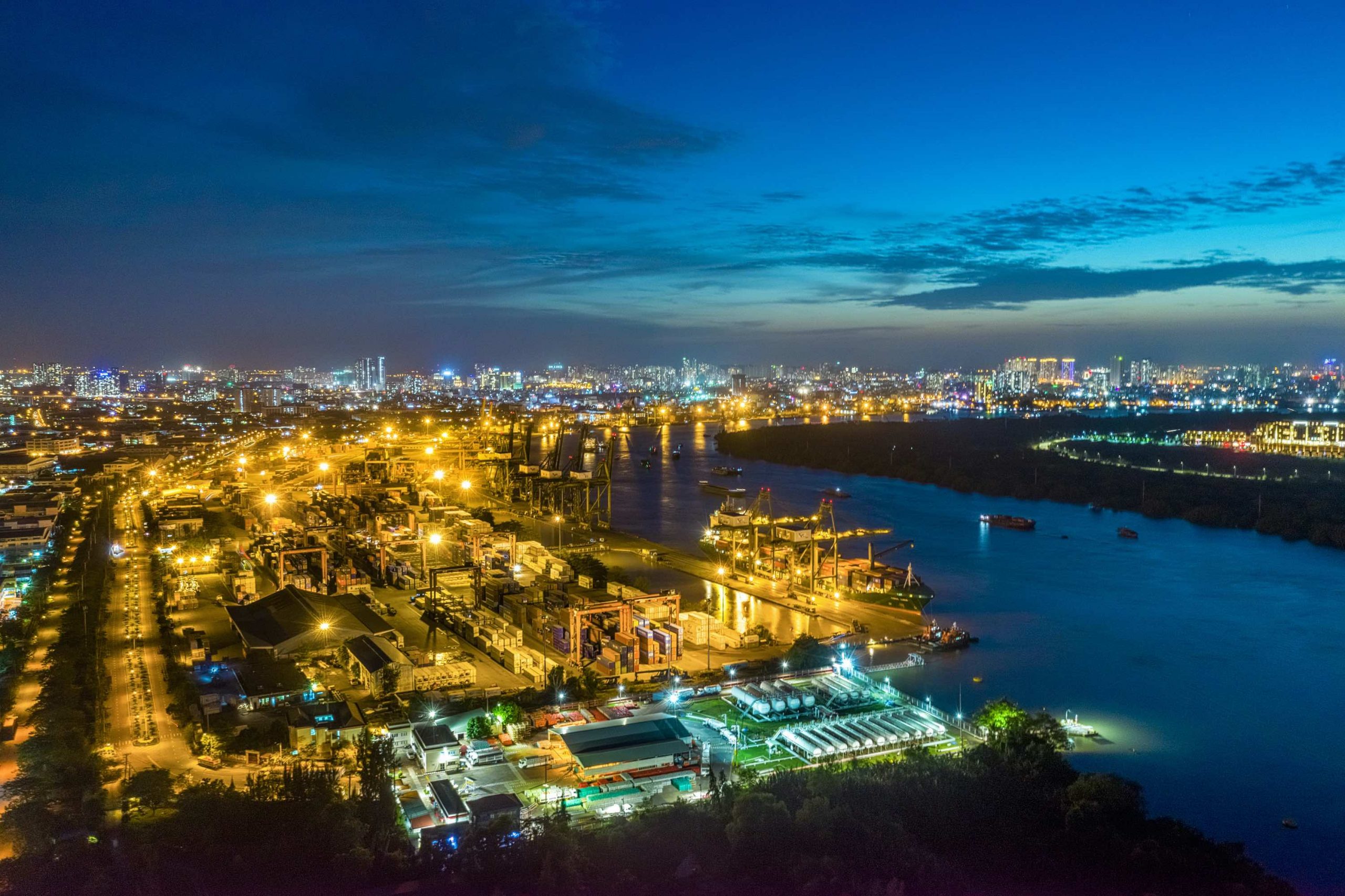
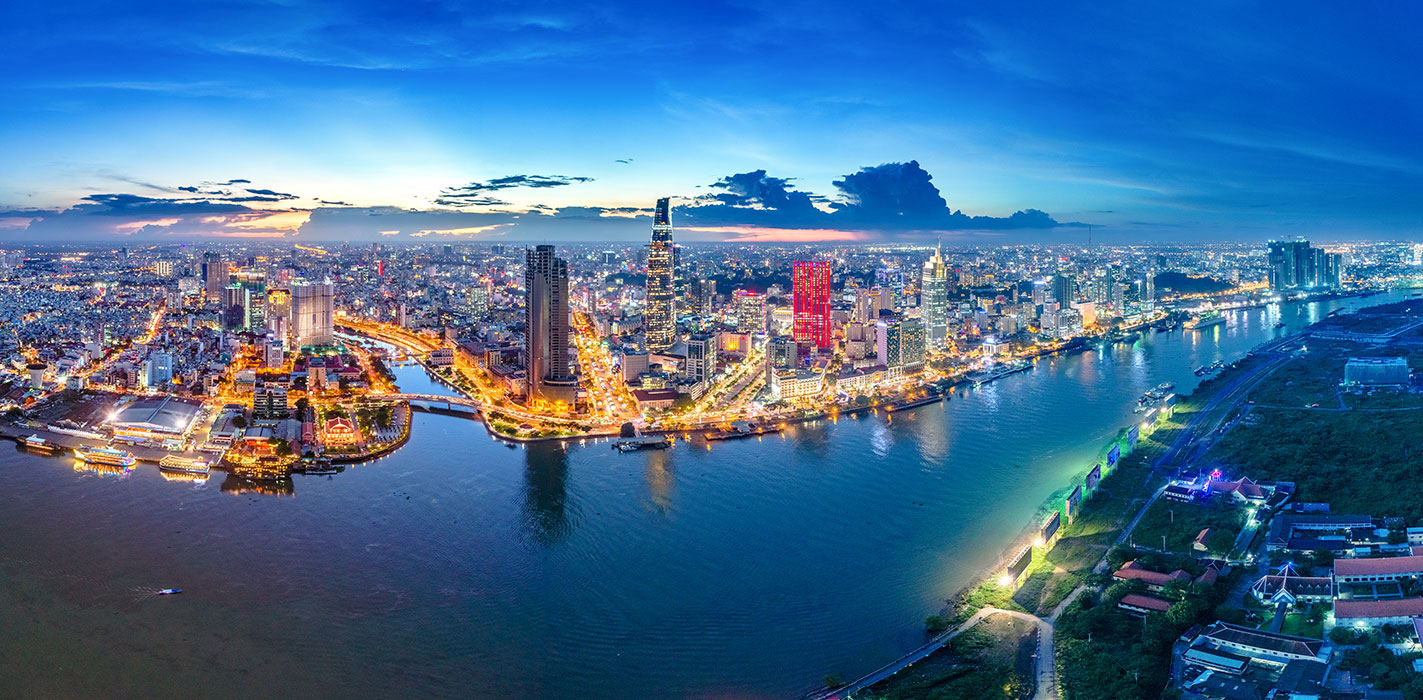
    Image: Ho chi-min City

  • Chinese Economic Sops over the South China Sea: A Mixed Bag of Successes

    Chinese Economic Sops over the South China Sea: A Mixed Bag of Successes

    The South China Sea is a resource-rich sea space and its net worth is estimated to be US$ 2.5 trillion.[i]  The proven oil reserves are around 7.7 billion barrels and natural gas reserves could be around 266 trillion cubic feet.[ii] The Chinese strategy in the South China Sea against other claimant States is a mix of aggressive posturing including the threat of use of force as also offering economic incentives and sops such as ‘joint development of resources’ in the contested waters.

    Deng preferred a “moderate approach” i.e. “sovereignty remains ours; shelve disputes; pursue joint development.

    The idea of joint development can be attributed to Deng Xiaoping, the Chinese leader and author of market-economy reforms in the 1980s that earned him the title of ‘Architect of Modern China’. Deng preferred a “moderate approach” i.e. “sovereignty remains ours; shelve disputes; pursue joint development.”[iii]


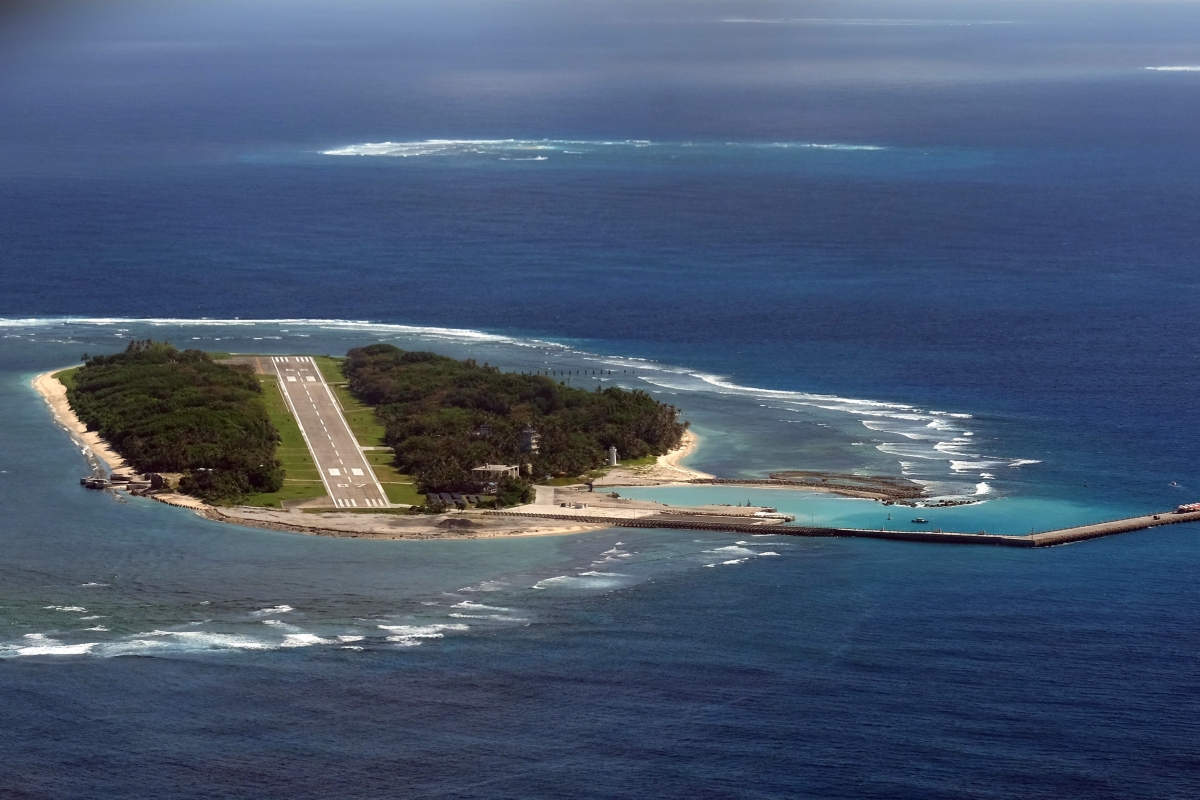
    Map Credit: The Australian Naval Institute

    China’s current thinking on joint development of resources in South China is built around at least seven policy choices i.e. (a) promote good faith in the South China Sea; (b) limit unilateral activities in disputed areas; (c) focus on less-sensitive areas of the South China Sea; (d) reach joint development arrangements by establishing relevant working mechanism; (e) begin the process in areas where there are only two claimants; (f) define sea areas for the joint development by seeking consensus, and (g) discuss the feasibility of setting up a Spratly Resource Management Authority (SRMA) with supranational character.[iv] Further, it has been argued that the ASEAN-China Single Draft Negotiating Text of the Code of Conduct (COC) is “conducive to creating benign bilateral relations, which serves as a prerequisite to joint development”.[v]

    The general belief among the claimants is that China thinks ‘what is mine [Chinese] is of course mine, but what is your [claimants] is also mine’

    However, the above policy choices for joint development and intention are flawed and dismissed by the aggrieved claimants of the South China Sea. The general belief among the claimants is that China thinks ‘what is mine [Chinese] is of course mine, but what is your [claimants] is also mine’; i.e.  Chinese joint development initiatives are based on the wrong assumption that what belongs to China is for China only to develop, and what belongs to other claimants is for development.

    In 2018, China and the Philippines signed a Memorandum of Understanding on Cooperation on Oil and Gas Development. President Xi Jinping urged President Philippine President Rodrigo Duterte to “set aside disputes, eliminate external interference, and concentrate on conducting cooperation, making pragmatic efforts and seeking development”; furthermore, “both sides can take a ‘bigger step’ in the joint development of offshore oil and gas”.[vi] The Philippines proposed a “60-40 sharing arrangement in its favour” and both sides could then develop the “Reed Bank, the main site of the oil and gas reserves, despite the arbitration award declaring that Manila had sovereign rights to exploit them”.[vii]

    Similarly, Brunei has an ongoing arrangement with China on bilateral joint development/cooperation in the South China Sea. Economic and strategic considerations are Brunei’s twin drivers; it has been “pushing hard to diversify its economy away from the oil and gas industry” for a long time and the “unstable oil market, a slow foreign investment growth (especially in non-oil and gas sector) and a contracting national GDP” has acted as a catalyst to diversify and “joint development” is an integral part of Brunei’s wider economic diversification strategy. [viii]

    Unlike the Philippines and Brunei, Malaysia and Vietnam have shied away from joint development of resources with China in the South China Sea.

    Unlike the Philippines and Brunei, Malaysia and Vietnam have shied away from joint development of resources with China in the South China Sea. This is despite the March 2005 China, the Philippines and Vietnam Tripartite Agreement for Joint Marine Scientific Research in Certain Areas in the South China Sea by respective national oil companies.

    Malaysia is not averse to joint development with other claimants except China and at least four such projects were undertaken i.e. (a) Malaysia-Thai Joint Development Authority in the Gulf of Thailand based on the 1979 MOU; (b) 1992 MOU which designates overlapping continental shelf claims (about 2000km square) in the Gulf of Thailand as Commercial Arrangement Area (CAA); (c) the 2009 CAA between Brunei and Malaysia; and (d) Fisheries MOU between Malaysia and Indonesia, quasi-joint exploitation of fisheries resources, in overlapping claim area of about 14,300 square kilometres in the Straits of Malacca.[ix]

    Vietnam’s boundary and territorial disputes with China in the South China Sea including clashes over the Parcels have resulted in mistrust and preclude joint development with China. In essence, Vietnam does not accept joint development in areas that belong to Vietnam according to the UNCLOS 1982.

    Vietnam promotes international cooperation on resource development and has a rich body of laws to support such initiatives such as the 1982 United Nations Law of the Sea, the Petroleum Law (Article 3, No. 12), the Navigation Law, Fisheries Law, the Law on Natural Resources and Environment of Sea and Islands (Article 4, No. 5), the Tourism Law, and the Mineral Law. However, its boundary and territorial disputes with China in the South China Sea including clashes over the Parcels have resulted in mistrust and preclude joint development with China. In essence, Vietnam does not accept joint development in areas that belong to Vietnam according to the UNCLOS 1982.

    The US rejects Chinese maritime claim in the South China Sea and proclaimed “any PRC action to harass other states’ fishing or hydrocarbon development in these waters – or to carry out such activities unilaterally – is unlawful.”[x]Furthermore, while extending help to Vietnam on the matter, US Secretary of State Michael Pompeo announced that “America stands with our South-East Asian allies and partners in protecting their sovereign rights to offshore resources, consistent with their rights and obligations under international law.”


    Notes

    [i]China Escalates Coercion against Vietnam’s Longstanding Oil and Gas Activity in the South China Sea”, https://china.usembassy-china.org.cn/china-escalates-coercion-against-vietnams-longstanding-oil-and-gas-activity-in-the-south-china-sea/  (accessed 15 September 2020).

    [ii] “South China Sea: Beijing has a major natural advantage in the geopolitical power game”, https://economictimes.indiatimes.com/news/defence/south-china-sea-beijing-has-a-major-natural-advantage-in-the-geopolitical-power-game/articleshow/76423659.cms (accessed 15 September 2020).
    [iii] “Xi Jinping and China’s Maritime Disputes”, https://taylorfravel.com/2013/08/xi-jinping-and-chinas-maritime-disputes/  (accessed 15 September 2020).
    [iv] “Joint development in the South China Sea: China’s incentives and policy choices”,https://www.tandfonline.com/doi/full/10.1080/24761028.2019.1685427  (accessed 15 September 2020).
    [v] Ibid.
    [vi] “China Focus: Xi, Duterte meet on pushing forward ties”, http://www.xinhuanet.com/english/2019-08/30/c_138350348.htm  (accessed 15 September 2020).
    [vii] “China’s Xi sees bigger role for joint energy exploration with Philippines”, https://www.reuters.com/article/us-china-philippines/chinas-xi-sees-bigger-role-for-joint-development-of-offshore-oil-gas-with-philippines-idUSKCN1VK00M  (accessed 15 September 2020).
    [viii] “Cooperative Research Report on Joint Development in the South China Sea: Incentives, Policies & Ways Forward”, http://www.iis.fudan.edu.cn/_upload/article/files/9f/21/992faf20465fae26c23ccce1ecc6/f003a68f-eb6a-4b09-a506-3c00897b0862.pdf  (accessed 15 September 2020).
    [ix] “Cooperative Research Report on Joint Development in the South China Sea: Incentives, Policies & Ways Forward”, http://www.iis.fudan.edu.cn/_upload/article/files/9f/21/992faf20465fae26c23ccce1ecc6/f003a68f-eb6a-4b09-a506-3c00897b0862.pdf  (accessed 15 September 2020).
    [x] “China pressurizes Vietnam to cancel, compensate offshore firms operating in South China Sea”, https://energy.economictimes.indiatimes.com/news/oil-and-gas/china-pressurises-vietnam-to-cancel-compensate-offshore-firms-operating-in-south-china-sea/77189060  (accessed 15 September 2020).
     
    Image Credit: nbcnews.com

  • US-China Tensions Could Spill Into Lancang-Mekong River Basin

    US-China Tensions Could Spill Into Lancang-Mekong River Basin

     The Lancang-Mekong River is the 12th longest river and runs through six countries i.e. China (upper riparian), Myanmar, Thailand, Laos, Cambodia and Vietnam (the lower riparian)and finally discharges into South China.

    A recent US government-funded study has noted that in 2019 China held back large amounts of water upstream in dams on the Mekong River which caused a  severe drought in the downstream countries,[1] prompting a US ambassador in the region accusing China of “hoarding” water and “harming the livelihoods of millions of people in downstream countries”.[2] Likewise, another report by Stimson Centre, a Washington-based think tank, has corroborated the above and pointed that in 2019 “upstream dams at Nuozhadu and Xiaowan had restricted around 20 billion cubic meters of water between July and November” and that current “satellite images show those dams are once again poised to restrict a similar amount of water from July 2020 through the end of this year … Portions of the Mekong mainstream are once again dropping to historically low levels,”[3]

    China has dismissed the reports and the Global Times in an article cited a report by the Tsinghua University and clarified that the “river dams in China [instead] helped alleviate drought along Lancang-Mekong”; furthermore, in November 2019, the Mekong River Commission (MRC) had concluded that “the drought was caused by insufficient rainfall during the wet season with a delayed arrival and earlier departure of the monsoon rain and an El Niño event that led to abnormally high temperatures and high evapotranspiration”.[4]

    At the heart of this problem is that China has built as many as 11 dams on the 4,800 kilometres long Lancang-Mekong River that originates in the Tibetan Plateau.

    At the heart of this problem is that China has built as many as 11 dams on the 4,800 kilometres long Lancang-Mekong River that originates in the Tibetan Plateau.  The Lancang-Mekong River is the 12th longest river and runs through six countries i.e. China (upper riparian), Myanmar, Thailand, Laos, Cambodia and Vietnam (the lower riparian)and finally discharges into South China.

    China has been reluctant to share hydrological data particularly during the dry seasons and releases water during rainy seasons causing flooding in lower riparian countries. This is despite the 2002 MoU under which China had agreed to provide daily river flow and rainfall data from two monitoring stations in Yunnan Province during the wet season, and the periodic MRC Heads of Government meeting over a Summit which is held every four years.

    Earlier this year, the Chinese State Councilor and Foreign Minister Wang Yi had assured that his country would “give positive consideration to share the full-year hydrological information with Mekong countries and enhance cooperation under the Lancang-Mekong Cooperation (LMC) framework to ensure reasonable and sustainable use of water resources”.[5]

    Perhaps a recent statement by the MRC may temporarily obviate suspicions over China not sharing hydrological information on the Lancang-Mekong River which notes that it welcomes China’s sharing of data “ throughout the year” as also for the “ establishment of an information-sharing platform for water resources cooperation led by China and Myanmar”.[6] Also, during the 3rd Mekong-Lancang Cooperation (MLC) Leaders’ Meeting, the Global Center for Mekong Studies (GCMS) has been tasked to study the potential benefits from “aligning and synergizing the MLC and the New International Land-Sea Trade Corridor with a vast market”.[7]

    It has been observed that although the 1995 Agreement on the Cooperation for the Sustainable Development of the Mekong River Basin is legally binding, it “does not have a compliance mechanism such as punitive measures on the party that violates the spirit and principles of the Agreement.

    In 1995, the upper and lower riparian countries had adopted Agreement on the Cooperation for the Sustainable Development of the Mekong River Basin which lays out “principles and norms of regional cooperation in managing the river basin”. A formal dialogue process under the MRC was instituted to address issues relating to Mekong River and the Member States agreed to “promote common procedures and practices throughout the region for data collection, storage and analysis to support data sharing and integration of existing data management systems based on the voluntary participation of countries and institutions.”[8] In 2001, they adopted the “Procedures for Data and Information Exchange and Sharing,” or PDIES to enable the Member States to share data ‘to provide real-time water level information and more accurate flood forecasting.

    It has been observed that although the 1995 Agreement on the Cooperation for the Sustainable Development of the Mekong River Basin is legally binding, it “does not have a compliance mechanism such as punitive measures on the party that violates the spirit and principles of the Agreement. The conflict resolution mechanism is also not clearly stipulated”.[9] This is one of the many reasons for discord among the Parties which needs to be addressed by the MRC whose mandate includes dispute resolution.

    Be that as it may, the lower Mekong countries have set up the Mekong Water Data Initiative, and at the 10th Ministerial Meeting of the Lower Mekong Initiative (LMI) in 2017 to ‘create a robust, integrated, and transparent platform for collecting, sharing, and managing data on the Mekong River system.’[10]

    there are fears that the Lancang-Mekong River issue is slowly shaping into a major ASEAN-China bilateral issue similar to the contestation in the South China Sea.

    At another level, there are fears that the Lancang-Mekong River issue is slowly shaping into a major ASEAN-China bilateral issue similar to the contestation in the South China Sea; and the current situation is being described as “becoming a geopolitical issue, much like the South China Sea, between the United States and China,”[11] Perhaps the biggest worry is that the Lancang-Mekong River should not attract contestation between the US and China which surely is going to make the region more turbulent. It would thus be prudent that ASEAN and China work on a Code of Conduct to manage the river affairs or add more robustness in the existing dialogue mechanism over the Lancang-Mekong River.

     
    End Notes
    [1] “China could have choked off the Mekong and aggravated a drought, threatening the lifeline of millions in Asia”, https://www.cnbc.com/2020/04/28/china-choked-off-the-mekong-which-worsened-southeast-asia-drought-study.html  (accessed 12 September 2020).
    [2] “Water wars: Mekong River another front in U.S.-China rivalry”, https://www.japantimes.co.jp/news/2020/07/25/asia-pacific/mekong-river-us-china/  (accessed 12 September 2020).
    [3] “The next US-China battleground: Chinese dams on the Mekong River?”,https://www.scmp.com/week-asia/politics/article/3095581/next-us-china-battleground-chinese-dams-mekong-river  (accessed 12 September 2020).
    [4] “River dams in China helped alleviate drought along Lancang-Mekong, research finds”, https://www.globaltimes.cn/content/1194654.shtml  (accessed 10 September 2020).
    [5] “River dams in China helped alleviate drought along Lancang-Mekong, research finds”, https://www.globaltimes.cn/content/1194654.shtml  (accessed 10 September 2020).
    [6] “Lancang-Mekong cooperation provide stronger impetus for regional development and prosperity”, http://www.lmcchina.org/eng/hzdt_1/t1812281.htm  (accessed 12 September 2020)
    [7] “Full text of Co-chairs’ Statement on Cooperation of Synergizing the MLC and the New International Land-Sea Trade Corridor of the Third MLC Leaders’ Meeting”, http://www.lmcchina.org/eng/zyxw_5/t1808947.htm  (accessed 12 September 2020).
    [8] “Joint Statement To Strengthen Water Data Management and Information Sharing in The Lower Mekong”,
    https://www.lowermekong.org/news/joint-statement-strengthen-water-data-management-and-information-sharing-lower-mekong (accessed 14 April 219)
    [9] “Code of Conduct for the Mekong”,https://vannarithchheang.com/2018/04/04/code-of-conduct-for-the-mekong/  (accessed 12 September 2020).
    [10] “Mekong River Commission keen to improve data sharing and management in the Lower Mekong Basin”, https://mrcmekong.org/news-and-events/news/mrc-keen-data-management-in-mekong-basin/  (accessed 12 September 2020.
    [11] “Water wars: Mekong River another front in U.S.-China rivalry”, https://www.japantimes.co.jp/news/2020/07/25/asia-pacific/mekong-river-us-china/  (accessed 12 September 2020).
     
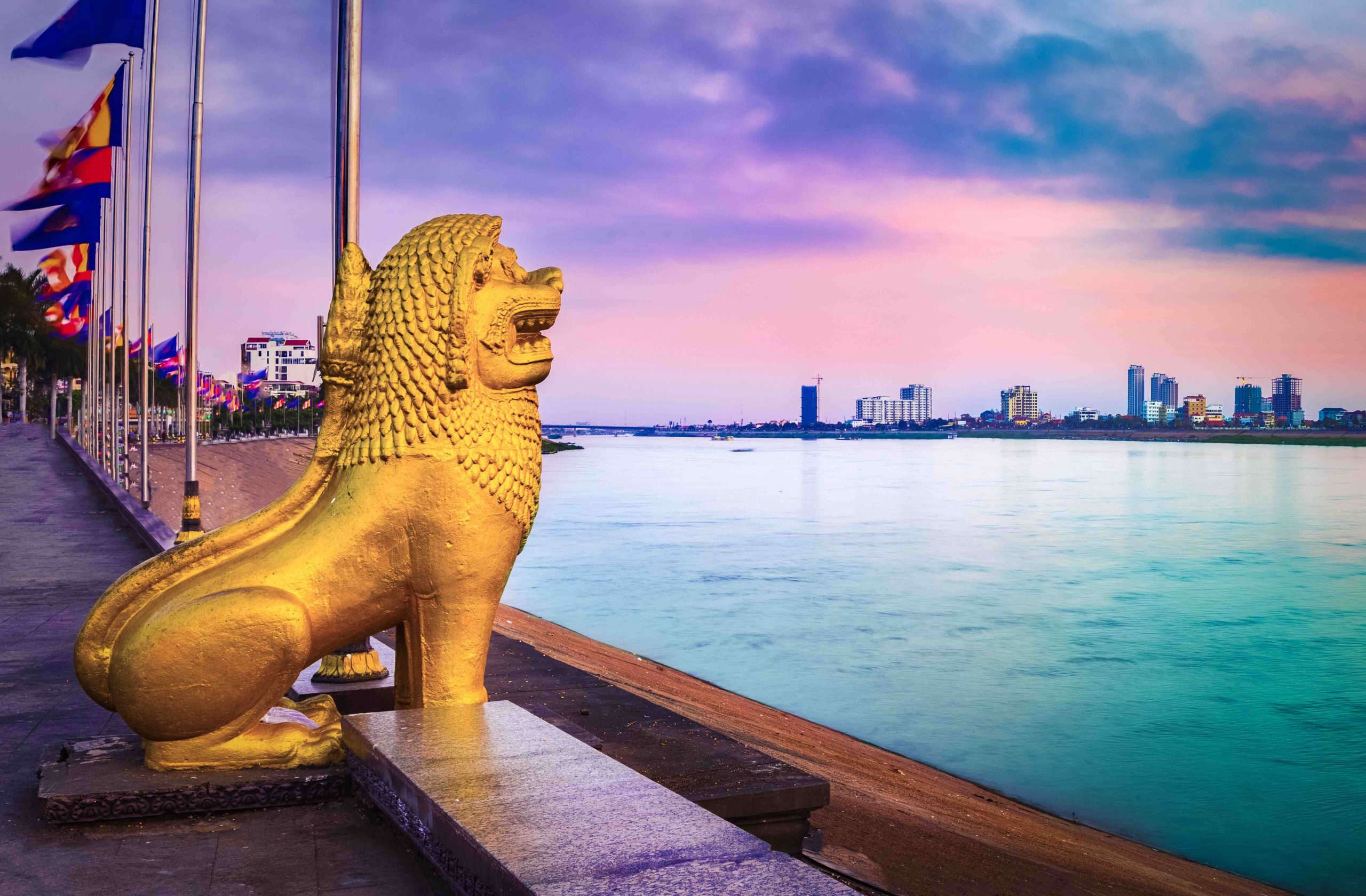
    Image: Mekong Riverside, Phnom Penh-Cambodia

  • What Triggered Recent Chinese Naval Exercises in the South China Sea?

    What Triggered Recent Chinese Naval Exercises in the South China Sea?

    During the last few months, the PLA Navy along with the PLA Air Force conducted several exercises in the South China Sea. China used these maneuvers to deter Taiwan against its growing relationships with the US, and as a tool of “strategic communication” to signal to the US of its military capabilities to project power and defend its national interests. There are at least five important reasons that could have triggered such aggressive posturing by China.

    First is COVID-19. After Wuhan was designated as the source-destination of COVID-19 in January this year and over 80,000 of its residents were reported to have been infected by the virus, the Chinese leadership sought to boost its image among its people who had been struggling by lockdowns.[i] In the first half of February, China chose to divert international attention away from the pandemic by deploying fighter jets and bombers to intimidate Taiwan which had been critical of China over its handling of the virus. This prompted Taipei to advise authorities in Beijing to “focus on preventing the spread of the epidemic” and admonished it for “inciting nationalism at home to shift public focus away from challenges at hand” and labelled it as a “game not worth the candle”.[ii]

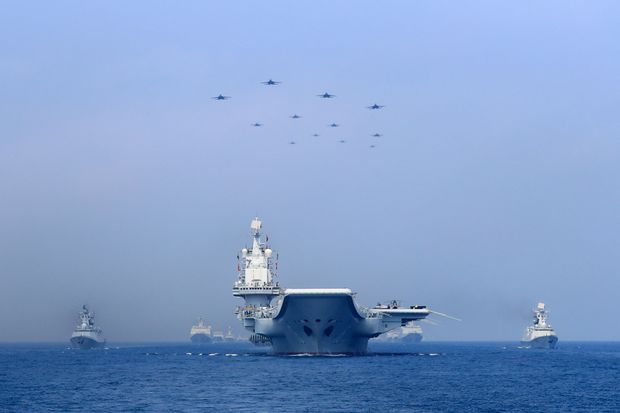
    the PLA Navy, led by the aircraft carrier Liaoning, conducted naval exercises and the taskforce sailed through the Miyako Strait, Bashi Channel and the South China Seaostensibly to display its military readiness during the pandemic. 

    Also, while the global community struggled to combat the pandemic and at least three US Navy carriers afflicted by COVID-19 virus, the PLA Navy, led by the aircraft carrier Liaoning, conducted naval exercises and the taskforce sailed through the Miyako Strait, Bashi Channel and the South China Sea[iii] ostensibly to display its military readiness during the pandemic. The PLA Air Force too showcased it combat readiness and fighter jets intruded into Taiwan’s air space. However, the US responded by three-carrier deployment including dual-carrier operations; B-52 Stratofortress bombers operated from Guam and the nuclear submarines were forward-deployed to conduct “contingency response operations.”[iv]

    Second, China was rattled after the US turned the Taiwan Allies International Protection and Enhancement Initiative (TAIPEI) Act into law to show that “it has the support of both branches of government, which is required for a strong and effective U.S. foreign policy”.[v] Similarly, it also introduced a new Bill ‘Taiwan Defence Act’ in the US Congress[vi] which requires the Department of Defense to provide weapons to Taipei. The Trump administration also announced a military package worth US$ 180 million to improve Taiwan’s capability against “regional threats and to strengthen homeland defense,” [vii]

    Third, is about the Pacific Deterrence Initiative (PDI) which entails fiscal support for military activities and associated infrastructure investment plans[viii] in the Pacific Ocean. The PDI is similar to the 2014 European Deterrence Initiative (targeted against Russia) and is meant to advance US priorities in the Indo-Pacific region. It aims to “focus resources on key capability gaps to ensure U.S. forces have everything they need to compete, fight, and win in the Indo-Pacific” is conspicuously targeted against China.

    India, in response to Chinese posturing in the Himalayas, deployed its naval ship in the South China Sea. This unexpected Indian posturing challenging China in its own backyard and operating in close cooperation with the US Navy, has caused alarm bells in Beijing.

    Fourth, China is concerned about the Quadrilateral Security Dialogue (QSD), a grouping of Australia, India, Japan and the US, which China believes is meant to contain it. Since 2018, India has been hosting the Malabar series of naval exercises which include Japan and the US; but this is being expanded to include Australia. The geographic focus of the Malabar exercises had so far remained in the Bay of Bengal or the Pacific Ocean (around Guam and Japanese waters), could now shift to the South China Sea. India, in response to Chinese posturing in the Himalayas, deployed its naval ship in the South China Sea. This unexpected Indian posturing challenging China in its own backyard and operating in close cooperation with the US Navy, has caused alarm bells in Beijing.

    Chinese worries about the Quad are further aggravated after Taiwanese President Tsai Ing-wen, amid rising tensions between Taiwan and China around the South China Sea region, has called for a joint alliance of democratic nations to uphold “a strategic order that encourages cooperation, transparency and problem-solving through dialogue, not threats of war”.[ix]

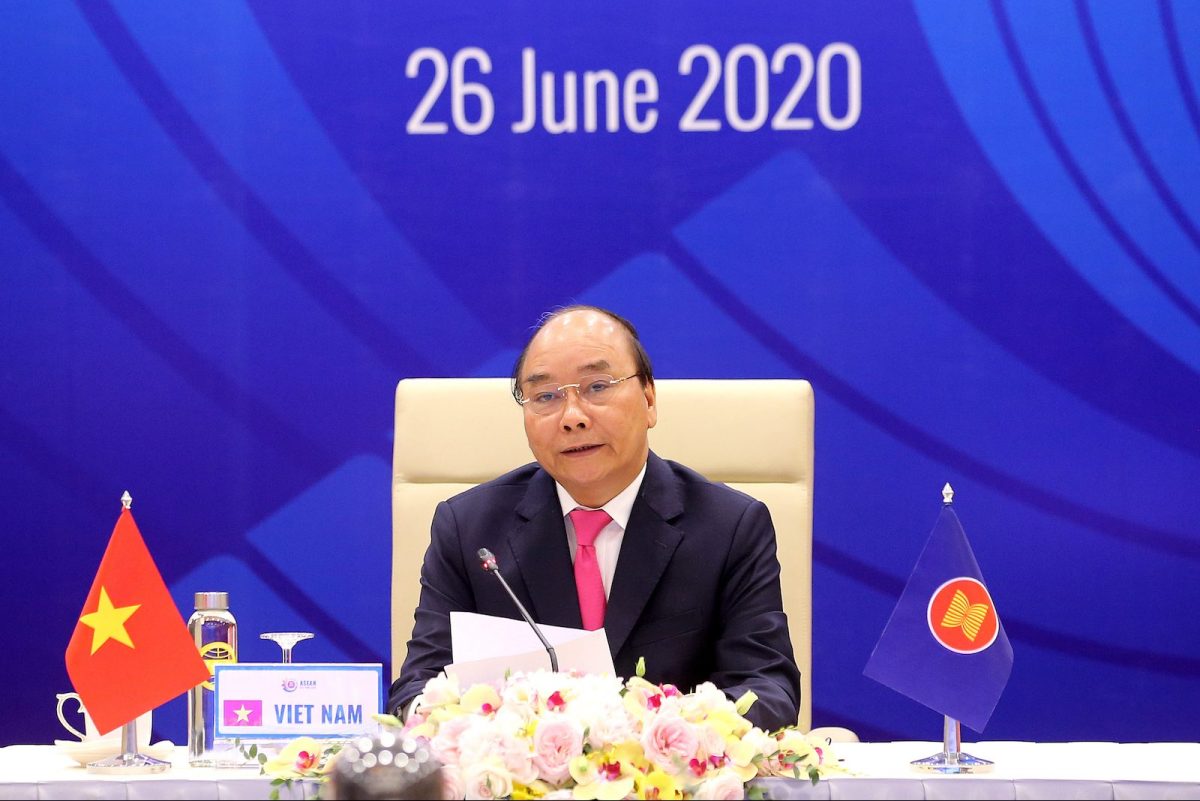
    Fifth, is related to Code of Conduct (CoC) for South China Sea between China and the ASEAN. The Chairman’s Statement of the 36th ASEAN Summit has “emphasised the need to maintain and promote an environment conducive to the COC negotiations”[x] and Prime Minister Nguyen Xuan Phuc has urged China to accelerate talks on an effective and efficient COC in line with international law, including the 1982 UNCLOS.[xi] China has in the past disregarded the urgency over the finalization of the CoC and has dragged the issue far too long, but now appears to have realized that there is high degree of unity among the Member States over the South China Sea issue and attempted to reassure ASEAN of its intentions to pursue the issue hopefully in right earnest.

    Among other political, diplomatic and economic toolkits to appease the ASEAN Member States, it also chose to conduct military exercises to intimidate Malaysia, Philippines and Vietnam.

    Among other political, diplomatic and economic toolkits to appease the ASEAN Member States, it also chose to conduct military exercises to intimidate Malaysia, Philippines and Vietnam. It relented only after Philippines Foreign Secretary Teodoro Locsin Jr denounced as ‘illegal provocations’ Chinese air patrols over the South China Sea and threatened if “something happens that is beyond incursion but is in fact an attack on say a Filipino naval vessel … [that] means then I call up Washington DC,”

    China’s attempts to dominate the regional security affairs, non-adherence to the 1982 United Nations Law of the Sea, coercion of other claimants to the disputed features in South China Sea and its intimidation of Taiwan has not gone well among the ASEAN Member States. ASEAN sees US’ formidable capabilities and above all its commitment to keep the Indo-Pacific ‘free and open’ against any attempts by China, as reassuring.

    In his recent remarks at the 10th East Asia Summit Foreign Ministers’ Meeting,[xii] Secretary of State Michael R. Pompeo assured his counterparts from 17 countries that the US shares and supports the “principles of openness, inclusiveness, transparency, and respect for international law contained in the US’ Indo-Pacific vision, ASEAN’s Outlook on the Indo Pacific, and the visions of many other EAS Member States”.

     
    Image Credit: The Globe and Mail and VoA
     
     
    References

    [i] “China Sends Ships, Planes over Disputed Seas to Show Strength after COVID-19 Outbreak”, https://www.voanews.com/east-asia-pacific/china-sends-ships-planes-over-disputed-seas-show-strength-after-covid-19-outbreak  (accessed 08 September 2020).

    [ii] “The ROC Firmly Defends its Sovereignty: The CCP Should Immediately Stop its Military Provocations and not Misjudge the Situation”, https://www.mac.gov.tw/en/News_Content.aspx?n=A921DFB2651FF92F&sms=37838322A6DA5E79&s=3AF953C12D84A525  (accessed 08 September 2020).
    [iii] “   Chinese aircraft carrier Liaoning conducts exercises in South China Sea: PLA Navy spokesperson”, https://www.globaltimes.cn/content/1185471.shtml  (accessed 08 September 2020).
    [iv] “Pacific Fleet Submarines: Lethal, Agile, Underway”, https://www.navy.mil/submit/display.asp?story_id=112909 (accessed 06 July 2020).
    [v] “Trump and the TAIPEI Act”, https://thediplomat.com/2020/04/trump-and-the-taipei-act/  (accessed 08 September 2020).
    [vi] Under the 1978 Taiwan relations Act the United States “will make available to Taiwan such defence articles and defence services in such quantity as may be necessary to enable Taiwan to maintain a sufficient self-defence capabilities”;
    [vii] “Trump administration approves arms sale to Taiwan amid China tensions”, https://edition.cnn.com/2020/05/21/politics/us-taiwan-arms-sale/index.html (accessed 20 June 2020).
    [viii] “Investments in theater missile defense, expeditionary airfield and port infrastructure, fuel and munitions storage, and other areas will be key to America’s future force posture in the Indo-Pacific.” See “The Pacific Deterrence Initiative: Peace through Strength in the Indo-Pacific”, https://warontherocks.com/2020/05/the-pacific-deterrence-initiative-peace-through-strength-in-the-indo-pacific/ (accessed 20 June 2020).
    [ix] “Fed-Up of Chinese Threats, Taiwanese President Urges ‘Coalition of Democracies’ to Confront Beijing”, https://eurasiantimes.com/fed-up-of-chinese-threats-taiwanese-pm-urges-coalition-of-democracies-to-confront-beijing/ (accessed 09 September 2020).
    [x] “Chairman’s Statement of the 36th ASEAN Summit 26 June 2020” https://asean.org/storage/2020/06/Chairman-Statement-of-the-36th-ASEAN-Summit-FINAL.pdf (accessed 14 July 2020).
    [xi] “Pompeo: China cannot be allowed to treat the South China Sea as its maritime empire”, https://vietnamtimes.org.vn/pompeo-china-cannot-be-allowed-to-treat-the-south-china-sea-as-its-maritime-empire-21832.html (accessed 14 July 2020).
    [xii] “Secretary Pompeo’s Participation in the 10th East Asia Summit Virtual Foreign Ministers’ Meeting”, https://china.usembassy-china.org.cn/secretary-pompeos-participation-in-the-10th-east-asia-summit-virtual-foreign-ministers-meeting/  (accessed 10 September 2020).

  • Consolidating India-ASEAN Strategic Partnership under Chairmanship of Vietnam

    Consolidating India-ASEAN Strategic Partnership under Chairmanship of Vietnam

    During the first six months of the year, there were 26 meetings and most of these were through video-conferencing, exhibiting a high degree of commitment by the ASEAN under the Chairmanship of Vietnam.    

    Vietnam’s Chairmanship of the ASEAN comes at a time of immense turbulence marked by COVID-19 pandemic, disruption in the global supply chains resulting in economic recession among major economies, and strategic instability in the Indo-Pacific region marked by high tensions between the United States and China in the South China Sea. However, the ASEAN calendar of engagements with its Partner countries has remained busy, and Vietnam has spearheaded the Organisation with adeptness and alacrity and sustained the momentum of the ASEAN’s mandate through meetings and conversations.  During the first six months of the year, there were 26 meetings and most of these were through video-conferencing, exhibiting a high degree of commitment by the ASEAN under the Chairmanship of Vietnam.

     On 16 June 2020, at the 20th ASEAN-India Joint Cooperation Committee Meeting, through a video conference, India and the ASEAN “reaffirmed their commitment to further strengthen and deepen their cooperation.” Both sides noted the progress made for the implementation of the ASEAN-India Plan of Action (2016-2020), and “shared their commitment to complete the development of the new Plan of Action for 2021-2025 to further strengthen their strategic partnership over the next five years”.[i]

    A month later Secretary (East), Ministry of External Affairs (MEA), India, participated in the 22nd annual meeting of the Senior officials of ASEAN countries and India, and commended Viet Nam’s ASEAN chairmanship. Both sides “agreed to continue assisting each other’s citizens affected by the coronavirus outbreak”; provide “ASEAN countries with detailed information about the Indo-Pacific Ocean Initiative proposed by Indian Prime Minister Narendra Modi at the 16th ASEAN-India Summit in 2019”; welcomed “ASEAN bringing into play its role in fostering cooperation, dialogue and trust building in the region”; and conveyed India’s support for “efforts to seriously and fully implement the Declaration on the Conduct of Parties in the East Sea and build an efficient and effective Code of Conduct in the waters in line with international law and the 1982 UN Convention on the Law of the Sea”.[ii]

    COVID-19 Pandemic

    India and ASEAN are confronted with COVID-19 pandemic and there is ample evidence that both sides have conveyed their intention to fight the pandemic together. Prime Minister Modi engaged the leaders of Indonesia, Myanmar, Thailand, Singapore and Vietnam through telephonic conversations and assured support to ASEAN Member States. Likewise, Indian Foreign Secretary Harsh Vardhan Shringla has had weekly tele-conversations with counterparts from US, Australia, Japan, South Korea, New Zealand, and Vietnam to share ideas and best practices in the Indo-Pacific region for responding to COVID-19 pandemic.[iii]

    It is an opportune moment for the officials of the health departments in India and ASEAN to set up a dedicated virtual platform/dashboard designated as ‘India-ASEAN Meeting for Health Development (AI-MHD) that can be pluggedinto the ‘ASEAN Emergency Operations Centre (EOC) Network, the ASEAN Risk Assessment and Risk Communication Centre, the ASEAN Bio Diaspora Virtual Center (ABVC) and the ASEAN Centre for Humanitarian Assistance on disaster management (AHA Centre) for future public health emergencies’.

     India’s External Affairs Minister Dr. S. Jayashankar, in his remarks at the 6th Roundtable Meeting of ASEAN-India Network of Think Tanks (AINTT), noted that “the impact of the Coronavirus has been beyond our collective imagination. Current estimates put the cumulative loss in the range of USD 5.8-8.8 trillion or approximately 6.5-9.7% of the global GDP.[iv]

    ASEAN Outlook on the Indo Pacific (AOIP)

    India has acknowledged the importance of the ASEAN Outlook on the Indo Pacific (AOIP) and New Delhi is committed to “explore cooperation in the key areas outlined in the AOIP, covering maritime cooperation, connectivity, sustainable development and economic cooperation, in order to contribute to the maintenance of peace, freedom and prosperity in the region”.[v] Similarly, ASEAN has endorsed synergies in various sectors and promoted regional frameworks under India’s Act East Policy, and SAGAR (Security and Growth for All in the Region) vision. Although health and pandemic issues are conspicuously absent in the AIOP and SAGAR, but these are surely part of the broader thematic issues contained therein.

    India is committed to positive contribution to ASEAN-led mechanisms such as the East Asia Summit (EAS), the ASEAN Regional Forum (ARF), the ASEAN Defence Ministers’ Meeting-Plus (ADMM-Plus). It is a staunch believer of ‘rule of law’ and India believes that a Code of Conduct is a useful solution to reduce tensions in the South China Sea.

    On November 04, 2019, Prime Minister Narendra Modi launched the Indo Pacific Oceans’ Initiative (IPOI) at the East Asia Summit held in Bangkok, Thailand.[vi] It is an “ an open global initiative” and “ draws on existing regional cooperation architecture and mechanisms to focus on seven central pillars conceived around Maritime Security; Maritime Ecology; Maritime Resources; Capacity Building and Resource Sharing; Disaster Risk Reduction and Management; Science, Technology and Academic Cooperation; and Trade Connectivity and Maritime Transport.”

    Cooperation, Dialogue and Trust Building

    India is committed to positive contribution to ASEAN-led mechanisms such as the East Asia Summit (EAS), the ASEAN Regional Forum (ARF), the ASEAN Defence Ministers’ Meeting-Plus (ADMM-Plus). It is a staunch believer of ‘rule of law’ and India believes that a Code of Conduct is a useful solution to reduce tensions in the South China Sea. India’s Foreign Minister has stated that India is working in conjunction with Vietnam and “responses to that (CoC) are being handled by the Vietnamese and that is the way it should be,” [vii]

                Finally, it has been noted that “as we come out of this pandemic, let us be clear on one fact. The world will never be the same again. That means new thinking, fresh ideas, more imagination and greater openness. We need to go beyond orthodoxies, whether of trade, politics or security. These are domains that all of you debate regularly and I am sure today you will have a very productive discussion.”[viii]  It is useful for ASEAN and India to explore commonalities and convergences in the ASEAN Outlook on the Indo Pacific (AOIP) and the Indo Pacific Oceans’ Initiative (IPOI). In this context, Vietnam has the unique opportunity to further expand, deepen and strengthen the ASEAN India Strategic Partnership.


    Notes

    [i] “ASEAN, India strengthen cooperation”, https://asean.org/asean-india-strengthen-cooperation/ (accessed 20 August 2020).

    [ii] “ASEAN, Indian senior officials gather at online 22nd meeting”, https://www.asean2020.vn/xem-chi-tiet1/-/asset_publisher/ynfWm23dDfpd/content/asean-indian-senior-officials-gather-at-online-22nd-meeting (accessed 20 August 2020).


    [iii] “Cooperation among select countries of the Indo-Pacific in fighting COVID-19 pandemic”, https://mea.gov.in/press-releases.htm?dtl/32691/Cooperation+among+select+countries+of+the+IndoPacific+in+fighting+COVID19+pandemic (accessed 20 August 2020).

    [iv] “Remarks by EAM during the 6th Roundtable Meeting of ASEAN-India Network of Think Tanks (AINTT)”,https://www.mea.gov.in/Speeches-Statements.htm?dtl/32904/Remarks_by_EAM_during_the_6th_Roundtable_Meeting_of_ASEANIndia_Network_of_Think_Tanks_AINTT(accessed 20 August 2020).

    [v] “ASEAN Outlook On The Indo-Pacific” https://asean.org/storage/2019/06/ASEAN-Outlook-on-the-Indo-Pacific_FINAL_22062019.pdf (accessed 20 August 2020).

    [vi] “Ministry of External Affairs Indo-Pacific Division Briefs”, https://mea.gov.in/Portal/ForeignRelation/Indo_Feb_07_2020.pdf (accessed 20 August 20200.

    [vii] “Incident between Indian, Chinese militaries was ‘not skirmish but face-off’: Jaishankar”,https://economictimes.indiatimes.com/news/defence/incident-between-indian-chinese-militaries-was-not-skirmish-but-face-off-  (accessed 20 August 2020).

    [viii] “Remarks by EAM during the 6th Roundtable Meeting of ASEAN-India Network of Think Tanks (AINTT)”, https://www.mea.gov.in/Speeches-Statements.htm?dtl/32904/Remarks_by_EAM_during_the_6th_Roundtable_Meeting_of_ASEANIndia_Network_of_Think_Tanks_AINTT (accessed 20 August 2020).


    Image Credit: Asia Times

  • Vietnam: Bright Economic Outlook post-COVID

    Vietnam: Bright Economic Outlook post-COVID

    COVID-19 is truly a ‘Black Swan’ event and its impact is being felt across the globe. There is widespread worry about the future of economic growth in the post-pandemic period and the World Bank has observed that the pandemic caused the deepest global recession since Second World War. [i] There are at least three reasons which triggered and added to the current crisis. First, it has involved the US and China in a trade war since July 2018, when US President Donald Trump imposed wide-ranging tariffs on China for its alleged unfair trade practices. In August 2019, Trump ordered U.S. companies to “immediately start looking for an alternative to China, including bringing your companies home and making your products in the USA.”[ii] China responded in a similar manner with counter tariffs on US goods. Since then numerous negotiations between them have been held, the last in June 2020 at Hawaii, did not yield any breakthrough. This revengeful tariff war has now blown into a full-fledged trade war and President Trump aggravated with the renewed threat of a “complete decoupling from China.”

    There is widespread worry about the future of economic growth in the post-pandemic period and the World Bank has observed that the pandemic caused the deepest global recession since Second World War.

    Second, amid the trade war, the Corona-19 pandemic made matters worse for the two protagonists. The US accused China of withholding information about the Wuhan virus which was detected in December 2019 and Beijing did not make public the information till January 2020 after which it spread across the globe from Europe to the US. The pandemic has caused massive disruptions in supply chains and some countries have decided to shift businesses out of China. For instance, Prime Minister Shinzo Abe government announced US $2.2 billion stimulus package to help companies shift production out of China back to Japan or elsewhere.[iii]

    Third, the new security law in Hong Kong has triggered an exodus by several companies to move out of China. The Law “targets acts of secession, subversion, terrorism and collusion with foreign forces, with life in prison for those committing the most serious offences”[iv] has scared common people. Many technology companies, startups, entrepreneurs are now confronted with uncertainty and are exploring alternative destinations.[v]

    many companies are being forced to shut down their operation in China and rethink-reevaluate-reinvest in new destinations to remain buoyant for the time being and slowly make their networks more resilient across sectors for the future.

    Furthermore, the pandemic exposed the weaknesses and susceptibilities of many organizations, business houses and industries particularly those that are intimately connected and dependent on China to fulfil their need for raw materials or finished products. Consequently, many companies are being forced to shut down their operation in China and rethink-reevaluate-reinvest in new destinations to remain buoyant for the time being, and slowly make their networks more resilient across sectors for the future. According to a leading business research and advisory company, “tariffs imposed by the U.S. and Chinese governments during the past years have increased supply chain costs by up to 10% for over 40% of organizations” and “popular alternative locations are Vietnam, India, and Mexico.” [vi]

    Vietnam and Thailand have a very good scorecard in their fight against COVID-19 and are rearing to attract investments and kick start the economy.

    Even before COVID-19 pandemic crisis, in 2019, five Asian countries i.e. Malaysia, India, Thailand, Indonesia and Vietnam (MITI-V) or “Mighty Five” had been identified as “up-and-coming players” with high potential for being world’s next manufacturing hubs.[vii] Among these, Vietnam and Thailand have a very good scorecard in their fight against COVID-19 and are rearing to attract investments and kick start the economy.

    According to the World Economic Forum, Vietnam’s economic rise is marked by trade liberalization, domestic reforms through deregulation, lowering the cost of doing business and investments made in human resource development.[viii] During the first six months of the current year, FDI commitments was at over US$15 billion which is a positive outlook for the country. In fact, Vietnam has attracted FDI from 136 countries and territories with nearly 32,000 projects with a combined value of US$378 billion. Among these Japan is the second largest investor with over US$60 billion. Last month, Vietnam’s Ministry of Planning and Investment, Embassy of Japanese at Hanoi, Japan External Trade Organization (JETRO), and Japan Bank for International Cooperation (JBIC) held a virtual conference to explore FDI investments “especially in the context of Japanese government providing a US$2.3 billion aid package for Japanese firms to diversify their supply chains”.[ix]

    Vietnam has many common export products from China such as broadcasting equipment, and could emerge as the “top exporter of broadcasting equipment to developed countries” but is constrained by “smaller GDP and workforce”; but its   progresses in infrastructure could potentially make it a more appealing option.[x]

    Vietnam has attracted FDI from 136 countries and territories with nearly 32,000 projects with a combined value of US$378 billion. Among these Japan is the second largest investor with over US$60 billion.

    Besides, there are other contenders such as Thailand and India to attract FDI and these two countries offer attractive FDI policies and manufacturing infrastructure. In mid-2019, as many as 200 American companies were planning to move their manufacturing base from China and were looking at India.[xi] Similar trends have been reported from South Korea [xii] and Japan [xiii] who could migrate to “production-conducive economies like India, Vietnam and Thailand”.[xiv]

    According to one estimate, FDI “across the globe may decline by 40% this year due to the Covid-19 crisis”[xv], but by all counts and accounts, Vietnam is a resounding success story.  It is a stable economy, possesses necessary infrastructure and facilities, and above all it enjoys “multilateral and bilateral agreements with foreign countries”[xvi], which makes it a popular destination in the post-COVID economic revival outlook.

    Notes

    [i] “Global Economic Prospects”, https://www.worldbank.org/en/publication/global-economic-prospects (accessed 16 July 2020).
    [ii] “Trump says he’s ordering American companies to immediately start looking for an alternative to China”, https://www.cnbc.com/2019/08/23/trump-says-hes-ordering-american-companies-to-immediately-start-looking-for-an-alternative-to-china.html (accessed 30 July 2020).
    [iii] “Coronavirus Impact: Japan to offer $2.2 billion to firms shifting production out of China”, https://www.businesstoday.in/current/world/coronavirus-impact-japan-to-offer-22-billion-to-firms-shifting-production-out-of-china/story/400721.html (accessed 30 July 2020).
    [iv] “Hongkongers contemplate a second exodus”, https://www.scmp.com/week-asia/politics/article/3093517/home-and-away-after-national-security-law-hongkongers (accessed 30 July 2020).
    [v] “Tech Firms Begin to Abandon Hong Kong over Security Law”, https://webcache.googleusercontent.com/search?q=cache:tmQW3Yjx5vcJ:https://www.bloomberg.com/news/articles/2020-07-20/tech-firms-begin-to-abandon-hong-kong-because-of-security-law+&cd=13&hl=en&ct=clnk&gl=in (accessed 30 July 2020).
    [vi] “Gartner Survey Reveals 33% of Supply Chain Leaders Moved Business Out of China or Plan to by 2023”, https://www.gartner.com/en/newsroom/press-releases/2020-06-24-gartner-survey-reveals-33-percent-of-supply-chain-leaders-moved-business-out-of-china-or-plan-to-by-2023 (accessed 30 July 2020).
    [vii] “5 China Sourcing Alternatives In Asia”, https://www.intouch-quality.com/blog/5-alternatives-to-sourcing-from-china (accessed 30 July 2020).
    [viii] “Vietnam races ahead of China in economic growth: opportunities and challenges for Vietnam in the post-COVID- 19 period”, https://timesofindia.indiatimes.com/blogs/ChanakyaCode/vietnam-races-ahead-of-china-in-economic-growth-opportunities-and-challenges-for-vietnam-in-the-post-covid-19-period/ (accessed 30 July 2020).
    [ix] Ibid.
    [x] “COVID-19: Developing countries and shrouded opportunities”, https://www.orfonline.org/expert-speak/covid-19-developing-countries-and-shrouded-opportunities/ (accessed 30 July 2020).
    [xi] “About 200 US firms aim to move manufacturing base from China to India post-general election: USISPF”, https://www.businesstoday.in/current/economy-politics/about-200-us-firms-aim-to-move-manufacturing-base-from-china-to-india-post-general-election-usispf/story/341011.html ( 30 July 2020).
    [xii] “Korean companies keen to move out of China to India”, http://timesofindia.indiatimes.com/articleshow/75130387.cms?utm_source=contentofinterest&utm_medium=text&utm_campaign=cppst (30 July 2020).
    [xiii] “Global firms look to shift from China to India”, https://www.livemint.com/industry/manufacturing/global-firms-look-to-shift-from-china-to-india-11587494725838.html  (30 July 2020).
    [xiv] “India isn’t ready yet for foreign companies that want to quit China”, https://theprint.in/opinion/india-isnt-ready-yet-for-foreign-companies-that-want-to-quit-china/415040/ (accessed 30 July 2020).
    [xv] “1,000 Japanese firms looking for investment opportunities in Vietnam”, http://hanoitimes.vn/1000-japaneses-firms-looking-for-investment-opportunities-in-vietnam-313133.html (accessed 30 July 2020).
    [xvi] “Vietnam races ahead of China in economic growth: opportunities and challenges for Vietnam in the post-COVID- 19 period”, https://timesofindia.indiatimes.com/blogs/ChanakyaCode/vietnam-races-ahead-of-china-in-economic-growth-opportunities-and-challenges-for-vietnam-in-the-post-covid-19-period/ (accessed 30 July 2020).


    Image: Ho Chi Minh city and Saigon River – Credit: Adobe Stock