Author: Vijay Sakhuja

  • Seabed: “to mine or not to mine”

    Seabed: “to mine or not to mine”

    Seabed mining offers new vistas for business partnerships and joint ventures among different industries in the offshore mining supply chains.

    The month-long debate “to mine or not to mine” has ended inconclusively at the 28th session of the International Seabed Authority (ISA) Assembly from 28 June to 28 July 2023 in Kingston, Jamaica amid calls for a “ban /suspension/precautionary pause” on any extractive activities.
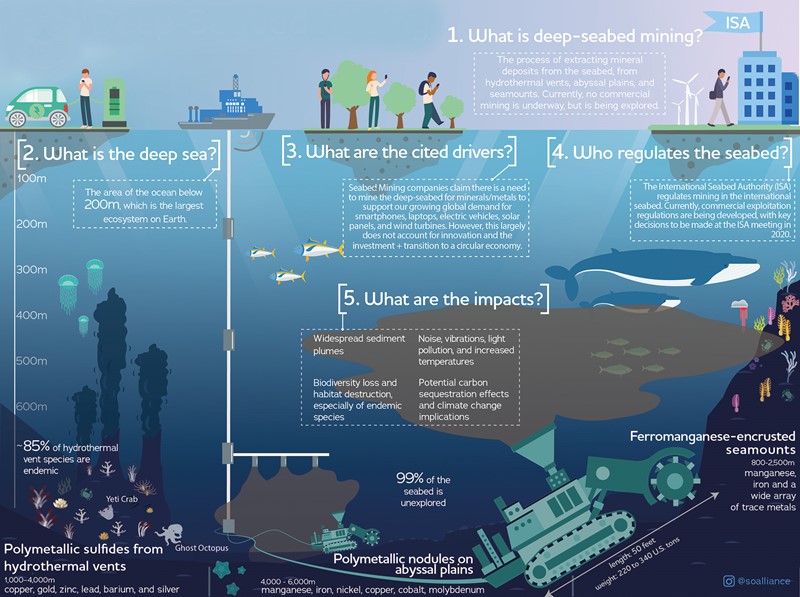
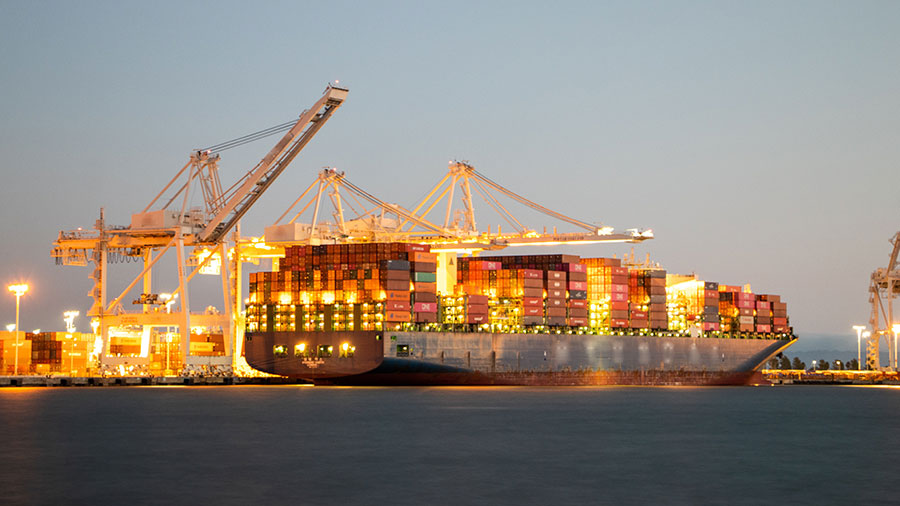
    Figure Credit: eandt.theiet.org

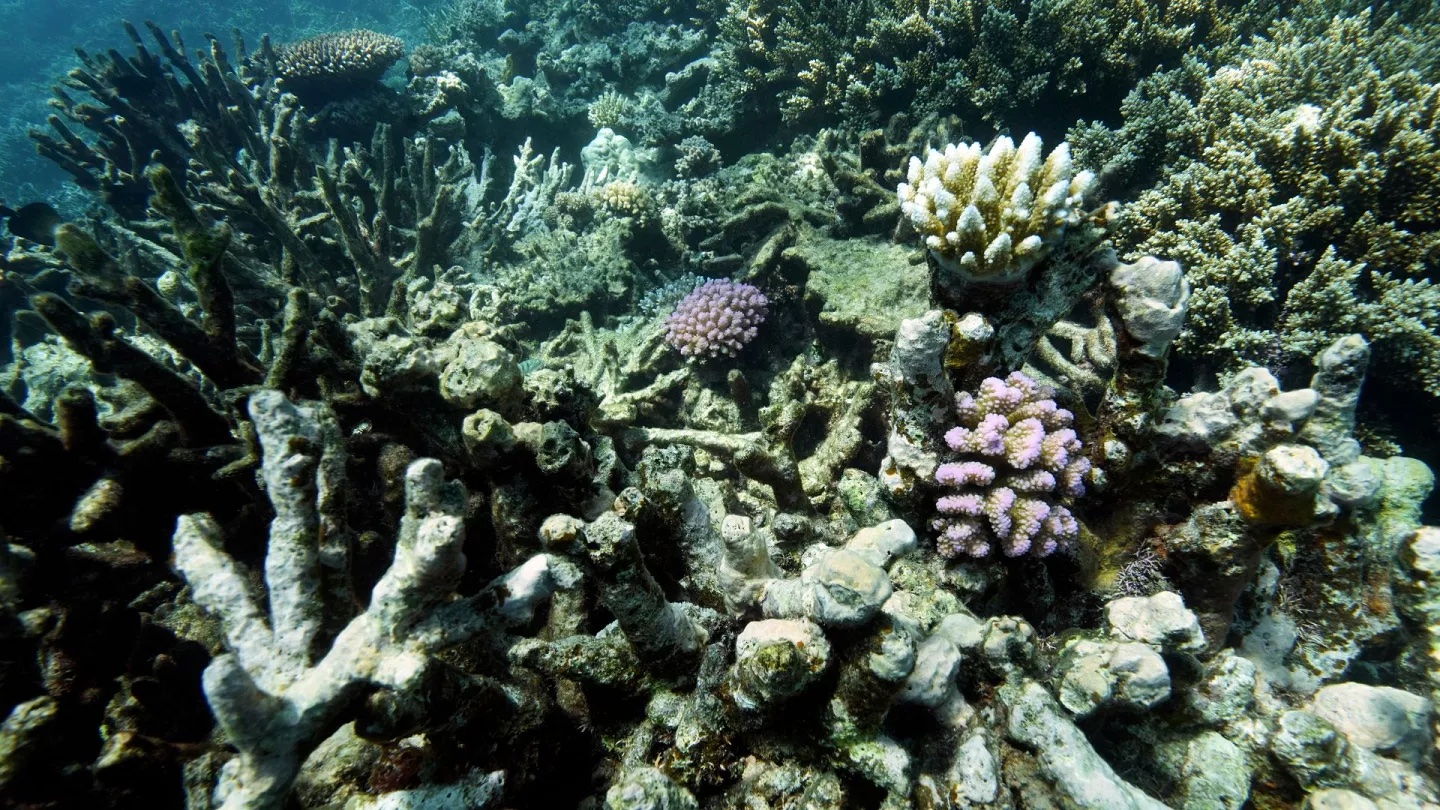
    The ‘naysayers’ vehemently argued for the protection of the oceans given that these large bodies of water are already experiencing multiple and diverse nature and human-induced challenges such as climate change, unsustainable fishing, marine pollution etc. Furthermore, any attempt to mine the seabed will have far-reaching adverse impacts on marine life and result in biodiversity loss keeping in mind that human knowledge about the deep sea ecosystems is very little.

    Those in favour of seabed mining attempted to convince that energy transition is critical for sustainable development and for that a sustained supply of nickel, manganese, cobalt, and copper, is inescapable. These metals/minerals would have to be sourced from the seabed. For the time being, the representatives of the ISA Member States and other stakeholders have returned home to mull over the issue of seabed mining.

    The sudden hyper-activity at the ISA is a result of the June 2021 submission by Nauru, a Pacific island nation which submitted an application for approval from the ISA to commence extraction activities relying on the “two-year rule,” under which the “Council shall complete the adoption of the relevant rules, regulations, and procedures (RRPs) within two years from the submission”. The two-year deadline expired on 9 July 2023, but the ISA Council, a 36-member body executive arm responsible for approving contracts with private corporations and government entities, among other things, announced that it would “continue the negotiations on the draft exploitation regulations”.

    Meanwhile, at home, the Government of India is all set to exploit oceanic resources. Earlier this month, the Indian Parliament (Rajya Sabha and Lok Sabha) passed the Offshore Areas Mineral (Development and Regulation) Amendment Bill 2023 which enables extraction activities in offshore areas for mineral resources.

    It is true that offshore resource development has been a much-neglected area other than the oil and gas sectors. This is notwithstanding the seminal contributions made by the Geological Survey of India (GSI) which has been leading offshore scientific research and survey activities since the early sixties. The Marine and Coastal Survey Division (MCSD) of the GSI conducts numerous related activities including seabed mapping and exploration within the Indian EEZ and is supported by three ocean-going vessels.

    According to the GSI, as of January 2023, nearly 95 % of India’s EEZ of 2.159 million square kilometres has been surveyed. Since 2022, the GSI has been carrying our seabed mapping in international waters and has covered over 70,000 square kilometres till December 2023 for “generation of baseline data along with the search for possible mineral occurrences in the Ninety East Ridge near the Equator, Indian Ocean and the Laxmi Basin (Block-I, II and III), Arabian Sea by deploying its vessels”.

    The Indian EEZ is endowed with 1,53,996 million tonnes of live mud particularly off Gujarat and Maharashtra coasts, and 745 million tonnes of construction-grade sand has been found along the Kerala coast. The Bay of Bengal coast (Odisha, Andhra Pradesh and Tamil Nadu) and the Arabian Sea coast (Maharashtra and Kerala) are rich in heavy mineral and Polymetallic Ferro-Manganese nodules are available in the Andaman Sea and waters off Lakshadweep islands.

    Polymetallic nodules (Copper, Cobalt, Nickel, Manganese, Rare earth, etc.) are particularly important to support India’s mission to promote the use of clean energy. In November 2022, during the G20 summit in Indonesia Prime Minister Narendra Modi told the participating countries that by 2030, half of India’s electricity will be “generated from renewable sources,”

    The Offshore Areas Mineral (Development and Regulation) Amendment Bill 2023, among many issues, has introduced a number of initiatives including the “auction” of offshore mineral exploration sites and mining rights to companies, including from the private sector, thus creating a level playing field for business competition. The Bill provides for two types of operating rights through auction to the private sector (a) production lease and (b) composite license. It merits mention that the provision for “renewal of production leases has been scrapped with a 50-year lease period to remove uncertainty for operators” which will “give confidence to investors by bringing in transparency and fair play,”

    Seabed mining offers new vistas for business partnerships and joint ventures among different industries in the offshore mining supply chains. For instance, lifting of the extracted ore and carrying it to storage sites ashore is an opportunity for the maritime transportation sector. Similarly, environmental impact assessment, and restoration techniques when needed is a unique industry. Likewise, Industry 4.0 technology developers have opportunities to support Marine Spatial Planning (MSP), bio-remediation, bio-prospecting, and a variety of other seabed mining sectors.

    This article was published earlier in kalingainternational.com

    Feature Image Credit: euronews.com
  • Vietnam-China Relations in 2022: Continuity and No Change

    Vietnam-China Relations in 2022: Continuity and No Change

    The year 2022 has begun on a positive note for Vietnam and China, and the General Secretary of the Communist Party of Vietnam (CPV) Central Committee Nguyen Phu Trong and General Secretary of the Communist Party of China (CPC) Central Committee and President Xi Jinping exchanged Spring Festival congratulatory messages.

     President Xi Jinping impressed on upholding the “spirits of good neighbours, good friends, good comrades and good partners, consolidate traditional friendship ….push for new achievements in China-Vietnam relations, elevate regional cooperation to new heights, and build a community with a shared future for mankind”.….”, and  General Secretary of CPV Nguyen Phu Trong emphasised on “promoting the sustainable, sound and stable development of relations both between the two parties and between the two countries… inject new impetus into the efforts to push Vietnam-China good-neighbourly friendship and comprehensive strategic partnership of cooperation to a higher level.”

    Both leaders expressed satisfaction with the state of relations between the CPV and CPC, and, looking ahead to 2022, hoped to maintain close communication. Also, Vietnamese Prime Minister Pham Minh Chinh and Premier Li Keqiang agreed to “properly manage differences, to push forward the China-Vietnam comprehensive strategic cooperative partnership”.  While that may be so, the bilateral relationship between the two countries presents a mixed bag of economic opportunities as well as strategic challenges. 

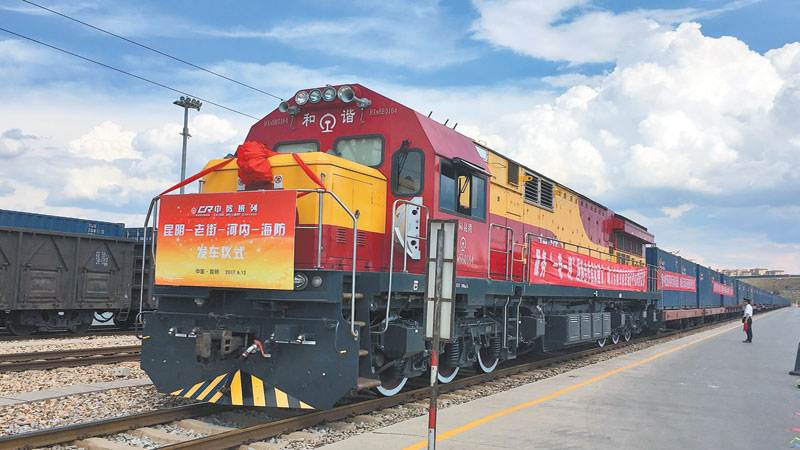
    the China-Vietnam freight train (launched in August 2017) run by the China Railway Nanning Group Co Ltd is a success story. It connects South China’s Guangxi Zhuang autonomous region with the Vietnam border and carries a variety of goods between China and ASEAN countries. In 2021, as many as 346 train trips were made, representing an increase of over 108 per cent from the previous year

     As far as bilateral economic relations are concerned, bilateral trade has grown.  In this regard, the China-Vietnam freight train (launched in August 2017) run by the China Railway Nanning Group Co Ltd is a success story. It connects South China’s Guangxi Zhuang autonomous region with the Vietnam border and carries a variety of goods between China and ASEAN countries. In 2021, as many as 346 train trips were made, representing an increase of over 108 per cent from the previous year. A total of 400 China-Vietnam freight train trips are expected to be made in 2022. China is also willing to provide more “customs clearance convenience for Vietnam’s high-quality agricultural products”, particularly durians, mangosteens, and longans.


    Prime Minister Pham Minh Chinh and Premier Li Keqiang have agreed to give a boost to their bilateral ties through the Regional Comprehensive Economic Partnership (RCEP) that came into force earlier this year. China has assured Vietnam that it is ready to “push for the effective implementation of the agreement, promote the regional economic integration to a higher level and bring more benefits to the people in the region”.

    at the strategic level, Vietnam continues to confront contentious initiatives by China, particularly on the issue of the South China Sea

     However, at the strategic level, Vietnam continues to confront contentious initiatives by China, particularly on the issue of the South China Sea. On March 7, pursuant to Hainan Maritime Safety Administration’s announcement on China’s military drills in the East Sea, Vietnam requested China to “respect and not to violate the nation’s exclusive economic zone and continental shelf, and not to take actions that complicate the situation, thereby contributing to maintaining peace, security and stability in the East Sea area. Vietnam has exchanged views with China on this issue”.

     Vietnamese Foreign Ministry spokesperson Le Thi Thu Hang observed that part of the area where Chinese military drills are planned is under the jurisdiction of Vietnam (exclusive economic zone and continental shelf of Vietnam) and reiterated that Vietnam always adheres to international law, especially the 1982 United Nations Convention on the Law of the Sea (UNCLOS). This has been refuted by China and it’s Foreign Ministry spokesman Zhao Lijian defended the military exercises by stating that the drill is lawful…“China’s military exercise on its own doorstep is reasonable and lawful. It is beyond reproach.” It is now learnt that China may have cordoned a part of the sea area close to Vietnam ostensibly to salvage a crashed military aircraft “while its forces searched for it, and also to conduct drills”.


    Notwithstanding the above challenges, it is fair to argue that the trajectory of Vietnam-China bilateral relations will not change in 2022 and can be expected to follow trends of the last year.  Vietnam is steadfast in its adherence to the one-China principle and supports China to play a greater role in regional and international affairs. This should go as a signal to the US which can be expected to send many political-diplomatic-military delegations to Vietnam in 2022 to influence the leadership, but Hanoi can be expected to pursue an independent foreign policy. 

    Feature Image: The Independent

    Map: www.isanrealestate.com

  • RCEP, Indo-Pacific Economic Framework and Vietnam

    RCEP, Indo-Pacific Economic Framework and Vietnam

    The World Bank projection for the RCEP is indeed very impressive and the Member States will see GDP increase by 1.5 per cent. Furthermore, by some estimates, the RCEP could add almost US$ 200 billion to the global economy by 2030.

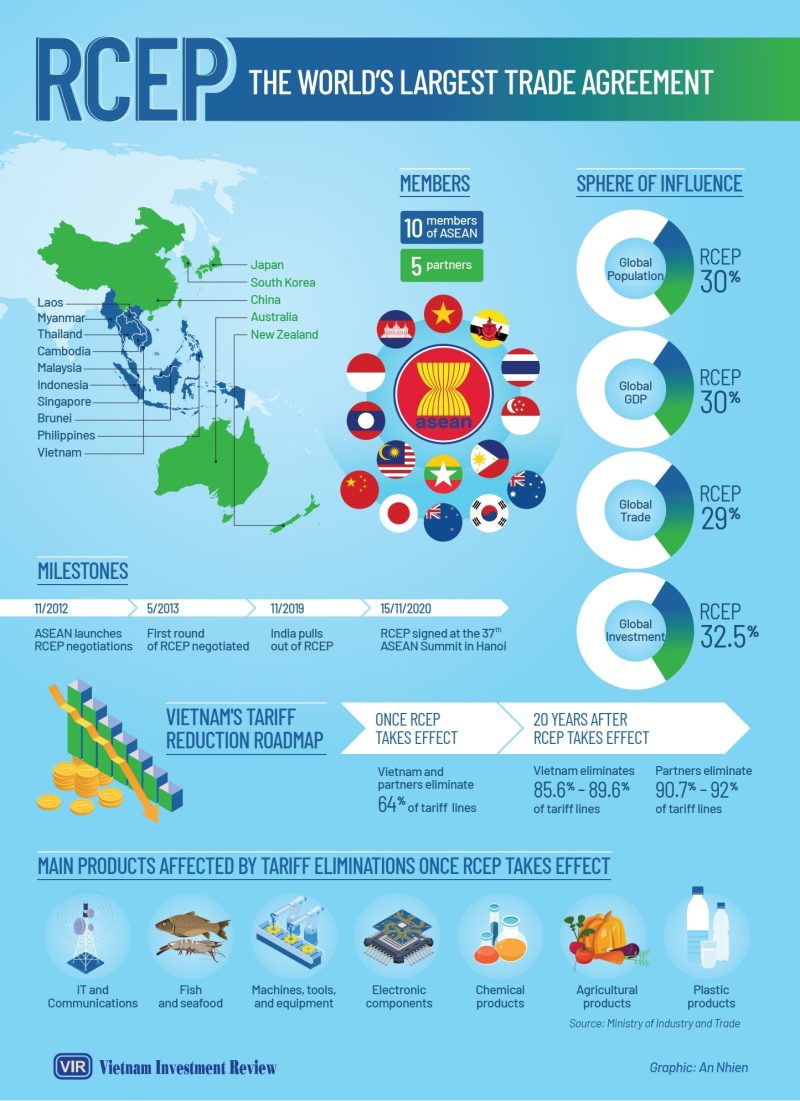
    ASEAN Member States, Australia, China, Japan, South Korea, and New Zealand have heralded the Regional Comprehensive Economic Partnership (RCEP) on 01 January 2022. This 15 Member consortium is the largest economic grouping and constitutes nearly 30 per cent of the global population which relates to a market of 2.3 billion people with an output value of about US$26.2 trillion with over a quarter in world exports. The World Bank projectionfor the RCEP is indeed very impressive and the Member States will see GDP increase by 1.5 per cent. Furthermore, by some estimates, the RCEP could add almost US$ 200 billion to the global economy by 2030.

    Infographics Credit: Vietnam Investment Review

    As far as Vietnam is concerned, the leaders in Hanoi must be happy to see the RCEP take concrete shape given that it was signed in November 2020 during the ASEAN Summit under Vietnam’s chairship. Vietnam, according to Fitch Solutions, is expected to benefit enormously from the RCEP particularly the IT, footwear, agriculture, automobiles, and telecommunications sectors being the major export categories. The RCEP will also provide Vietnam access to huge consumer markets which could be double the size of those included in the CPTPP. Vietnam can potentially move to become a high-tech manufacturer, and the RCEP can facilitate “local firms increase exports and attract high-quality goods for its consumers. Likewise, agriculture and fisheries product exports will benefit”.

    Vietnam, according to Fitch Solutions, is expected to benefit enormously from the RCEP particularly the IT, footwear, agriculture, automobiles, and telecommunications sectors being the major export categories

    Vietnam’s economic outlook for 2022 is positive with numerous growth opportunities. The National Assembly has identified (2021-2025 period) focus areas in sectors such as “digital economy, hi-tech industries, developing the urban economy, strengthening regional connectivity, strengthening the role of key economic zones, and restructuring to achieve a green and sustainable economy among others”. These sectors can be expected to grow given that the country has strong economic indicators notwithstanding the downturn in economic growth due to COVID-19. This is premisedon “investor-friendly policies, relative economic and political stability, cost efficiency, and consumer demand prospects, supply chains restructuring in Asia” which will attract both old and new investors.

    However, Vietnam should also be prepared for the ongoing and impending geo-economic and geopolitical triggers emerging from contestation between the US and China. During the East Asia Summit in October 2021, President Biden announced that the US was considering a major trade and economic initiative in the form of an “Indo-Pacific economic framework”. Soon thereafter Commerce Secretary Gina Raimondo visited Japan, Malaysia, Singapore, and South Korea to “begin discussions on potential negotiations that could start in early 2022”. Besides some Members of Congress, the new framework is also inspired by Australia and Japan, who had called for a “more active U.S. trade policy, including U.S. leadership in regional trade initiatives”. Above all, the initiative should be seen as a move by the Biden Administration to put to rest any doubts in the minds of regional leaders that the US “lacks an economic and trade strategy sufficient to counter China’s increasing economic influence” in the aftermath of President Trump decision to withdraw from the proposed 12-nation Trans-Pacific Partnership (TPP) in 2017.

    The new US economic framework, it is hoped, will also lessen fears in the minds of regional countries arising from the geopolitical-geostrategic issues between the US and China. The US’ “free and open Indo-Pacific” strategy which pivots on ‘rule of law’ is essentially diplomatic and military and is symbolized by the Quadrilateral Security Dialogue among the US, Japan, India, and Australia (the Quad) and the Australia-United Kingdom-United States (AUKUS) security partnership.

    The Quad has made significant progress and the first-ever in-person Leaders’ Summit was held in September 2021. It was agreed to advance practical cooperation on 21st-century challenges such as “ ending the COVID-19 pandemic, including by increasing production and access to safe and effective vaccines; promoting high-standards infrastructure; combatting the climate crisis; partnering on emerging technologies, space, and cyber security; and cultivating next-generation talent”. The leaders also called for building quality infrastructure in the Indo-Pacific region which was targeted against China’s Belt and Road Initiative (BRI).  As far as the AUKUS is concerned, the rationale is quite clear and is driven by the growing Chinese assertiveness amid fears of extreme coercion against regional countries particularly Taiwan and the claimants of the South China Sea.

    The RCEP and the “Indo-Pacific economic framework” are significant developments but can potentially pose a dilemma for Vietnam

    The RCEP and the “Indo-Pacific economic framework” are significant developments but can potentially pose a dilemma for Vietnam. There are numerous economic benefits to be accrued from the RCEP, but at the same time there are both economic and strategic rewards from the “Indo-Pacific economic framework”.  The US Indo-Pacific strategy has not found much favour in Hanoi; instead, Vietnam has chosen to support and pursue the ASEAN Outlook for Indo Pacific (AOIP) which envisages ASEAN Centrality and the East Asia Summit (EAS), as the underlying principle for promoting cooperation in the Indo-Pacific region.


    Feature Image Credit: worldakkam.com

  • Infrastructure development is high priority for Vietnam-Lao PDR relations

    Infrastructure development is high priority for Vietnam-Lao PDR relations

    The year 2022 is singularly important for Vietnam-Lao PDR relations. It marks the 60th anniversary of the bilateral diplomatic relations, and 45 years of the Vietnam-Laos Treaty of Amity and Cooperation. Both sides have accorded high priority to the current year, and Prime Minister Pham Minh Chinh extended the invitation to Lao Prime Minister Phankham Viphavanh to visit to commemorate the above events.  Accordingly, Prime Minister Viphavanh is in Vietnam and is leading a high-level delegation.

    Prime Minister Pham Minh Chinh, according to reports, will also co-chair the 44th meeting of the Vietnam-Laos Inter-Governmental Committee and launch the Vietnam-Laos Solidarity and Friendship Year 2022. This would help to “get a better understanding of each other’s socio-economic situation, development orientations and external policies” particularly during the ongoing COVID-19 pandemic.

    The visit is also intended to boost Vietnam-Laos cooperation strategy for the 2021-2030 period and the five-year cooperation plan for the 2021-2025 period that are now into the second year and involve bilateral engagements in multiple domains such as politics, diplomacy, security-defence, economy, science-technology, culture, and education-training.

    COVID-19 would be high on the agenda of both leaders given that the pandemic is impacting their countries. They are in the midst of the fourth wave with 8,236 and 354,075 active cases (as of 05 Jan 2022) respectively.

    In December 2021, the Lao government announced opening up of the country for trade and tourism in three phases: First phase – January 1, 2022; Second phase – April 1, 2022; and the Third phase July 1, 2022. In the first phase, 17 countries, including Vietnam and many neighbouring ASEAN countries, besides some European countries, China, the US, Australia and Canada would be welcomed. The Lao economy is impacted by COVID-19 and was projected to grow at 3 per cent, a figure lower than 4 per cent as approved by the Laotian National Assembly. This attributed to the pandemic and prolonged lockdowns that disrupted economic activities and companies, retail and wholesale shops had to shut down.

    Leaders in Vientiane recognize the importance of regional development particularly in the Cambodia-Laos-Vietnam Development Triangle Area (CLV-DTA)

    Vietnam and Lao PDR are also engaged in major connectivity projects. Lao is a landlocked country and ports in Vietnam provide the country access to the sea to engage in international seaborne commerce.

    Last year, during President Nguyen Xuan Phuc visit to Laos, 14 agreements spanning a wide range of issues were signed. The leaders agreed to fast-track joint projects including Vung Ang No.1, 2, 3 port projects, the Hanoi-Vientiane Expressway, Vientiane-Vung Ang Railway, Lao-Vietnam Friendship Park in Vientiane, Nongkhang Airport and hospitals in Lao Houaphan and Xiangkhouang Provinces.

    One of their flagship joint projects is the 1,450 kilometres long East-West Economic Corridor (EWEC). It is a road-building project and is supported by the Asia Development Bank (ADB). Its western leg includes Thailand, and in the east, it terminates at the Vietnamese port of Da Nang which is a major gateway to the Pacific.

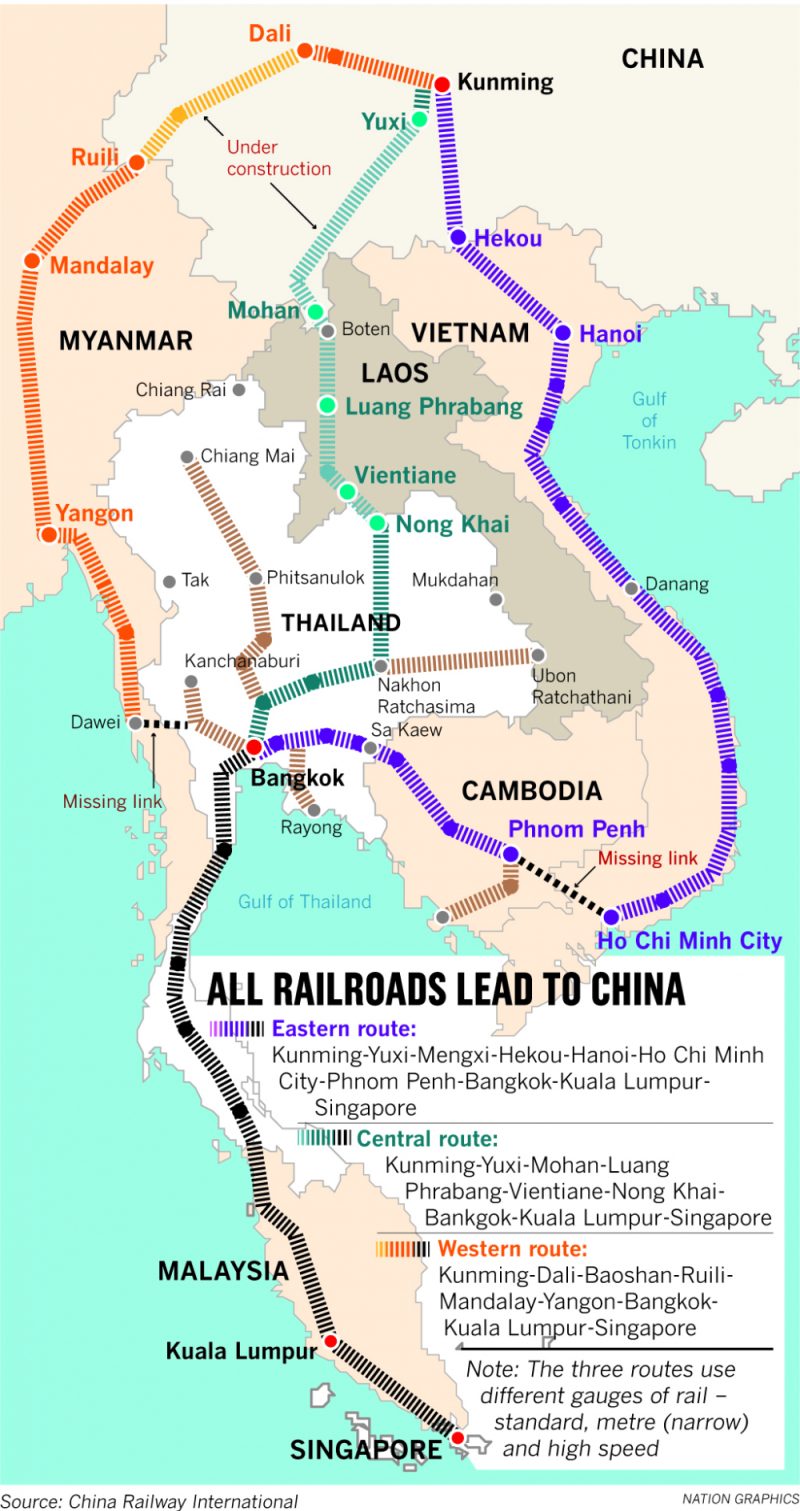
    Similarly, the 555 kilometres railway link (452 kilometres in Laos and 103 kilometres in Ha Tinh central province in Vietnam) between Vientiane and the Vietnamese deep-water port of Vung Ang is important. It gives Laos yet another access to the sea. Importantly, it is being jointly developed and Laos would hold a 60% stake in the project, and Vietnam with 40%.

    China is also engaged in connectivity projects in Laos. In December 2021, after six years of construction, the Laos-China Railway project was finally operationalized. It is a complex project and includes 61 kilometres of bridges and 198 kilometres of tunnels and reduce travel time between Vientiane to the Chinese border from 15 hours by road to four hours. It will be operated by the Laos-China Railway Co., a joint venture between China Railway group and two other Chinese government-owned companies with a 70% stake and a Laotian state company with 30%.

    Vietnam offers Laos an alternative to Chinese infrastructure investments and it ranks third among investors in Lao with total investments of US$ 5.16 billion in 209 projects. There are fears that the Chinese funded projects do not generate economic benefits for Laos, instead these only benefit China.

    There are geopolitical dynamics at play in the CLV-DTA that are targeted against China, and Cambodia and Laos acknowledge Vietnam’s leadership

    Vietnam cannot match up with the Chinese investments in Laos, but leaders in Vientiane recognize the importance of regional development particularly in the Cambodia-Laos-Vietnam Development Triangle Area (CLV-DTA). Vietnam for example has invested nearly US$ 4 billion in Cambodia and as noted above over US$ 5 billion in Laos. It is fair to assume that there are geopolitical dynamics at play in the CLV-DTA that are targeted against China, and Cambodia and Laos acknowledge Vietnam’s leadership.

    Images Credit: Vietnam times

  • Vietnam Successfully Delivers at the UNSC

    Vietnam Successfully Delivers at the UNSC

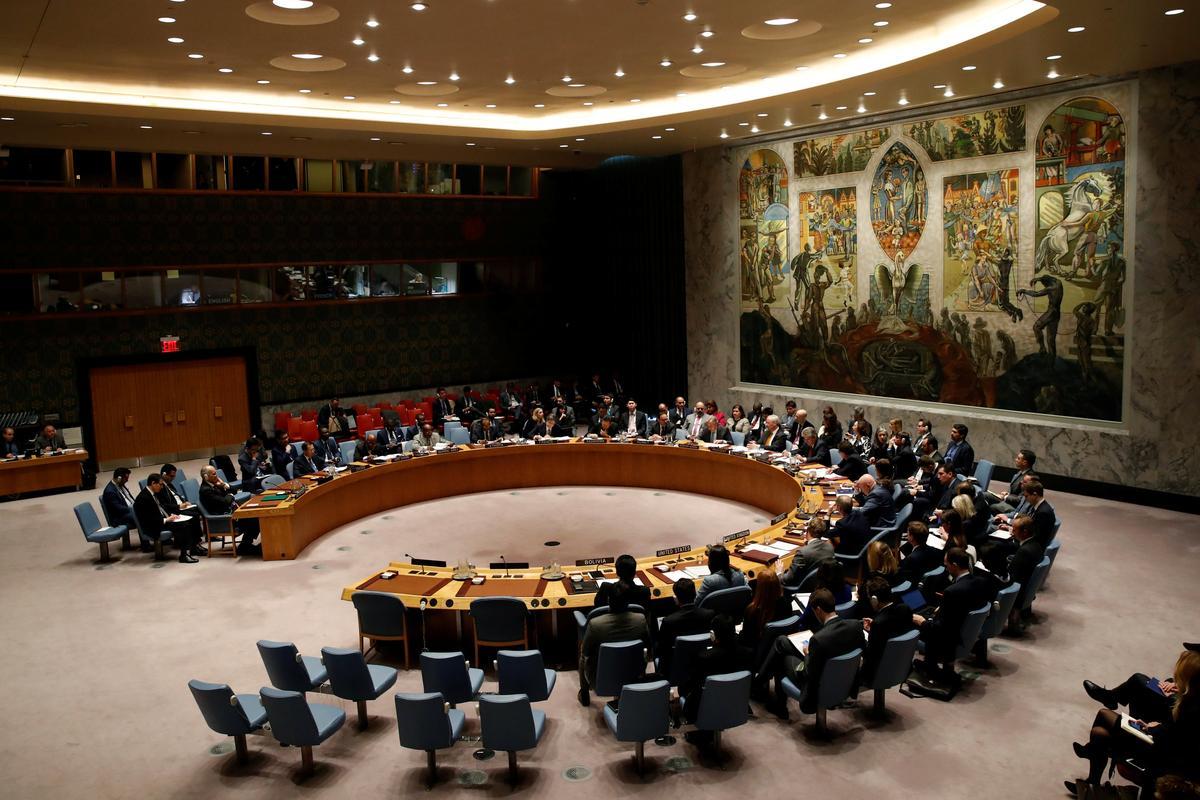
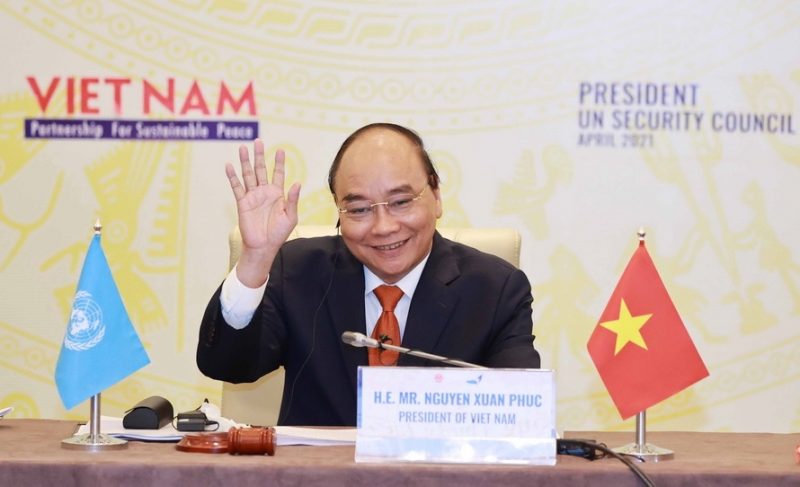
    Vietnamese leaders and people have every reason to celebrate the successful completion of their country’s role as a non-permanent member of the United Nations Security Council (UNSC) for the years 2020 and 2021. Before assuming the responsibilities at the UNSC it had announced that it will “make the most of its two years to contribute to improving the effectiveness of the Council, to foster dialogue to help find peaceful solutions to conflicts and to bring the voice of small countries to the work of the council” with particular focus on “conflict prevention, preventive diplomacy, peaceful settlement of disputes, and strengthened implementation of Chapter VI of the UN Charter,” By all accounts, the country achieved all set goals notwithstanding the “complicated and unpredictable socio-economic, political, and security developments as well as unprecedented challenges, including the widespread impact of the COVID-19 pandemic”.

    Vietnam has accrued international prestige not only as an important regional actor but also responsible international actor whose focus is on Chapter VI and Chapter VIII of the UN Charter

    During the above period, Vietnam served twice as President of UNSC in January 2020 and April 2021. It led to several events and initiatives, and these were acknowledged by other members of the UNSC; above all, these received an active response. Some of the important proposals led by Vietnam were (a) two resolutions on reappointing the prosecutor and reviewing the two-year operation of the International Residual Mechanism for Criminal Tribunals (IRMCT)  and on the protection of essential infrastructure; (b) three President’s statements on respecting the UN Charter, strengthening the relationship between the UN and regional organisations in promoting trust-building and resolving the consequences of mines; (c) one press statement on the terrorist attack in Indonesia; and (d) the Hanoi declaration on women, peace and security. It also promoted issues concerning UN peacekeeping and called on the international community to “respond to and reduce climate change impacts on international peace and security”.

    Vietnam also supported issues raised by other non-permanent members of the UNSC. For instance, Prime Minister Pham Minh Chinh supported Indian Prime Minister Modi’s Five Principles and assured that Vietnam is “committed to working with India and other Council members in promoting dialogue, cooperation and mutual respect, for global peace and prosperity”. He too made three proposals i.e. (a) sustainably utilizing the oceans and seas; (b) comprehensive and holistic maritime security through “cooperation, dialogue and international law” and led by the UN; and (c) uphold legal obligations in line with international law, especially the United Nations Charter and UNCLOS 1982.

    In the context of the latter, Prime Minister Chinh made known that his country was “determined” to engage with ASEAN and China to “seriously, fully and effectively implement the 2002 Declaration of Conduct of Parties in the South China Sea (DOC) and negotiate an effective and substantive Code of Conduct of Parties in the South China Sea (COC) consistent with international law, in particular, UNCLOS 1982”.

    The country can be credited for raising the issue of the South China Sea at the United Nations 

    During its tenure-ship as a non-permanent member of the UNSC, Vietnam concurrently held the Chairship of the ASEAN in 2020.  The country can be credited for raising the issue of the South China Sea at the United Nations. In his message to the High-level General Debate of the UN General Assembly, President Nguyen Phu Trong conveyed that while Vietnam is committed to the “maintenance and promotion of peace, stability, maritime security and safety and freedom of navigation in the East Sea (South China Sea)” and upholding international law, particularly the 1982 UNCLOS, emphasised and called on “all concerned parties to exercise restraint, avoid unilateral acts that would complicate the situation, and settle disputes and differences through peaceful means with due respect for diplomatic and legal processes.” It is not surprising that there was a reaction from Beijing and the Chinese Foreign Ministry spokesperson stated that the “Security Council is not a suitable place to discuss the South China Sea issue,”

    In essence, Vietnam not only addressed international-transnational-global issues at the UNSC, but it also raised regional issues such as the South China Sea which is the collective voice of the ASEAN as well as the claimant States. This is a big politico-diplomatic advantage for the ASEAN and Vietnam has accrued international prestige not only as an important regional actor but also responsible international actor whose focus is on Chapter VI and Chapter VIII of the UN Charter.


    Feature Image Credit: VnExpress International

  • India and Vietnam Need to set up an Industry 4.0 Technology Task Force

    India and Vietnam Need to set up an Industry 4.0 Technology Task Force

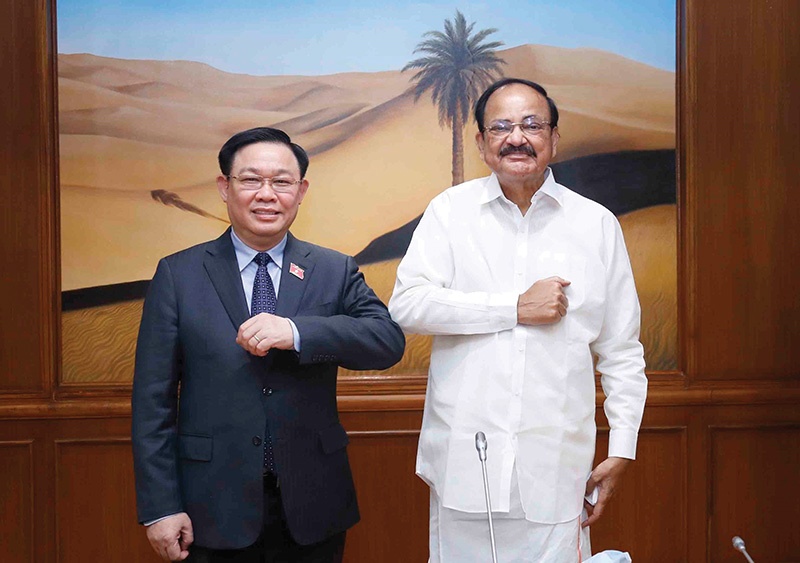
    Amid the ongoing difficult times marked by the COVID-19 pandemic and the fear of its highly virulent Omicron variant spreading across the globe, India and Vietnam pledged to further deepen the Comprehensive Strategic Partnership.  In this context, the recent visit to India by National Assembly Chairman Vuong Dinh Hue to New Delhi this month has strengthened the relationship between the two countries.  Also, next year, India and Vietnam would be celebrating the 50thanniversary of the establishment of their diplomatic relations and their legislative bodies plan to organise commemorative joint events both in New Delhi and Hanoi.

    Chairman Vuong Dinh Hue held wide-ranging discussions in New Delhi with India’s Vice President of India and Chairman of Rajya Sabha, Shri M Venkaiah Naidu and these focused on international matters of common concern and other global challenges. Both sides aim to contribute to global peace, security, stability and development in the region. At the bilateral level, issues concerning COVID-9, socio-economic development in respective countries, economy, trade & investment, energy, security-defence, science-technology, air connectivity, culture, education and training were also the agenda. As many as 12 MoUs were exchanged between Vietnamese and Indian enterprises in the fields of public health, provision of pharmaceutical materials, drug and vaccine production, oil and gas, information technology and technology transfer, education, and tourism.

    India acknowledged and extended gratitude for the timely supply by Vietnam of oxygen and related equipment and the gifting of 40,000 facemasks to the Indian Red Cross Society. As a reciprocal and goodwill gesture, India has announced a donation of 2,00,000 doses of indigenously developed Bharat Biotech COVAXIN to Vietnam through Duc Minh, Bharat Biotech’s local partner in Vietnam. It is useful to mention that Bharat Biotech has been working with Duc Minh Medical JSC, towards the commercialisation of INDIRAB (Inactivated Rabies Vaccine).

    The bilateral cooperation and mutually beneficial partnership between India and Vietnam in the field of energy are noteworthy. For the last three decades, India’s ONGC Videsh Limited (OVL) has been engaged in Vietnam’s offshore energy projects in the South China Sea. New Delhi is now seeking a 15-year extension of the existing arrangement beyond May 2023 when the current MOU between OVL and PetroVietnam (PVN) expires. India hopes that Vietnam and other claimants including China can establish a binding ‘Conduct of Conduct’ and develop concrete mechanisms to institutionalize a regional dialogue among the claimants and other stakeholders to serve for de-escalation of tensions.

    During his interactions, Chairman Vuong Dinh Hue was also assured of India’s support for the ASEAN Outlook for Indo Pacific (AOIP). External Affairs Minister S Jaishankar has noted that “From the Indian perspective, Vietnam is a key partner both in the ASEAN and the Indo-Pacific context,” It was also reiterated that there is strong convergence between India’s Indo-Pacific Oceans Initiative (IPOI) and the AOIP and India is looking forward to continuing working closely with Vietnam.

    In an interview with a major Indian media house, Chairman Vuong Dinh Hue emphasised investments in the digital sphere to usher in Fourth Industrial Revolution in Vietnam. This fits into Vietnam’s call for greater investment from Indian corporations in fields such as information technology, innovation and renewable energy. Industry 4.0 technologies are high on Vietnam’s agenda and the Party and the State have introduced several policies, guidelines and programs to harness these technologies.  In particular, the country hopes that the digital component of the economy could account for about 20% of the GDP. According to a consulting company, Vietnam’s “GDP may rise by US$28.5-62.1 billion by 2030 depending on the level of technology put into use by businesses, or equivalent to an increase of between 7-16% of the GDP”.

    Earlier this year, Vietnam issued the National Strategy on the Fourth Industrial Revolution by 2030 under which Vietnam hopes to be named among the 40 top performers in the Global Innovation Index (GII), the top 30 in the International Telecommunication Union (ITU)’s Global Cybersecurity Index (GCI) and the top 50 in the United Nations (UN)’s e-Government Development Index (EGDI) by 2030.

    Vietnam is committed to expanding international cooperation and integration in science and technology, particularly the Fourth Industrial Revolution technologies. India too has similar ambitions and PM Modi highlighted the issue at the WEF’s Davos Digital Agenda, how India is harnessing AI and other technologies of the fourth industrial revolution for achieving its developmental objectives and for promoting social good. Given the political will of both sides, India and Vietnam could explore setting up a task force to ascertain areas of convergences.


    Image Credit: vir.com.vn

  • Vietnam and Russia Commit to Engagements across Domains

    Vietnam and Russia Commit to Engagements across Domains

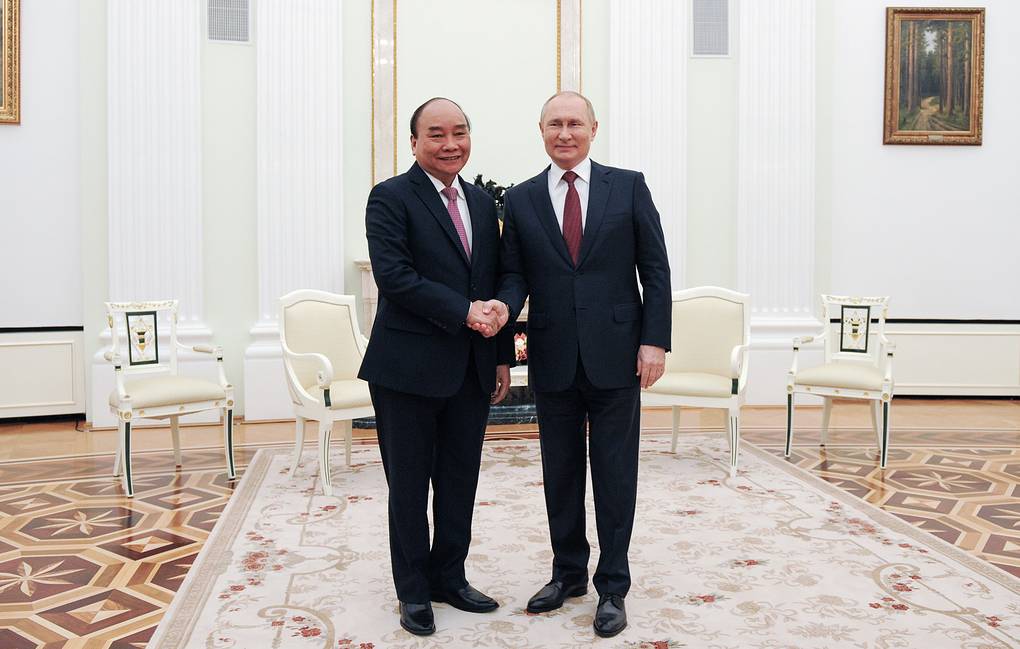
    Vietnamese President Nguyen Xuan Phuc has completed a “very successful and meaningful” visit to Russia with both sides making commitments to reinforce the comprehensive strategic partnership that spans multifaceted engagements across domains. Vietnam figures prominently in the Russian foreign policy and their bonhomie is best demonstrated by the fact that President Vladimir Putin has visited the country five times, a number more than any other country.

    Russian President Vladimir Putin and President of Vietnam Nguyen Xuan Phuc made a statement in the wake of their talks in Moscow – “The relations of comprehensive strategic partnership between the Russian Federation and the Socialist Republic of Vietnam are based upon years-long traditions of friendship and mutually beneficial cooperation, laid down by the previous generations. They have been tested by time, they are not affected by conjuncture oscillations, and serve as an example of mutually respectful cooperation that corresponds to the basic interests of the two countries”

    President Nguyen Xuan Phuc’s visit to Russia merits attention from at least five perspectives. First at the politico-diplomatic levels: both sides have a common understanding of international issues; they endorse a multipolar world order; guided by the principles of resolving major conflicts in the world through diplomacy based on respect for international law. Moscow also acknowledges the increasing role of the ASEAN and Vietnam as important Member State. Russia has also agreed to “explore promising areas of cooperation” within the framework of the ASEAN Outlook for Indo-Pacific.

    Second, the Vietnam-Russia bilateral trade has made significant strides. Their bilateral trade reached US$4.05 billion in the first ten months of 2020 and Russia ranked 24 among 129 countries and territories investing in Vietnam. Russia plans to increase its offshore energy business in the country and the joint statement notes that “creation of favourable conditions for the expansion of activities of Russian and Vietnamese oil and gas companies in the territories of the two states and the implementation of joint projects in third countries in accordance with international law, including the 1982 UN Convention on the Law of the Sea, and the national legislation of Russia and Vietnam”;  however, it is important to mention that there are frequent standoffs. For instance, there was a major standoff in the Vanguard Bank involving 50 Vietnamese and 40 Chinese vessels over the operations of the drilling rig Hakuryu 5 operated by Russia’s Rosneft in Vietnam’s oil and gas Block 06-01.

    Third, their bilateral defence and security cooperation is well established and in September this year, Russian Foreign Minister Sergey Lavrov and his Vietnamese counterpart Bui Thanh Son announced plans to ramp up military-technical cooperation including setting up a centre for nuclear science and technologies in Vietnam. Vietnamese military has acquired Russian origin naval and air platforms (Kilo Class submarines and SU-30MKK fighter jets) and the bilateral trade in arms increased from US$ 293 million (1993-99) to US$ 6514 million (1999-2018) and constituted nearly 84 per cent of all its military purchases.

    Fourth is about the COVID-19 pandemic that continues to rage in the world and its new variant Omicron bringing new fears. Vietnam has been impacted severely by the pandemic and has recently begun to open up. The US and China have provided it with vaccines. During President of Vietnam Nguyen Xuan Phuc visit to Russia, the  Russian Direct Investment Fund has signed an agreement for the “expansion of cooperation with partners in Vietnam aimed at the production of the Russian Sputnik V vaccine” involving the Russian pharmaceutical company Binnopharm Group and Vietnam’s T&T GROUP. RDIF, leading to creating a full-cycle production of Sputnik V in Vietnam.

    Fifth is the US-led Indo Pacific initiatives that clearly target China.  It merits mention that the joint statement issued at the end of the Summit notes that Russia and Vietnam “do not enter alliances and do not sign agreements with third countries to carry out actions that harm each other’s independence, sovereignty, territorial integrity and basic interests,” and that “the development of Russian-Vietnamese relations is not aimed against any third side.”

    Vietnam has no plans to align with the US’ Indo Pacific strategy or any US initiatives that target China even though it has disputes with China in the South China Sea. Russia has stayed clear of the South China Sea disputes and has not supported China. It is conscious that it enjoys cordial relations with the majority of the ASEAN Member States.

    Meanwhile, the Russian Navy recently conducted joint exercises with the ASEAN navies including the Vietnamese Navy. The Russian ambassador to the ASEAN has stated that the exercises were about “peace, stability and prosperity in the region,” and the Indonesian first fleet commander said the exercise “enhance the interoperability and understanding between the Russian and ASEAN militaries”. Interestingly, these exercises are also being viewed as signalling ASEAN’s principle of non-alignment, particularly in current times of high regional tensions given that the ASEAN navies held similar exercises with the PLA Navy. The ASEAN Member States routinely conduct bilateral military-naval exercises with the navies of the US, Japan, Australia, India, France and the UK.

    Vietnam has adopted a pragmatic foreign policy and successive leadership have successfully managed tensions in the South China Sea. Likewise, Russia has major stakes in augmenting regional stability which provides for crucial convergences between Hanoi and Moscow.


    Feature Image Credit: tass.com

  • Cambodia Assumes Chairmanship of the ASEAN

    Cambodia Assumes Chairmanship of the ASEAN

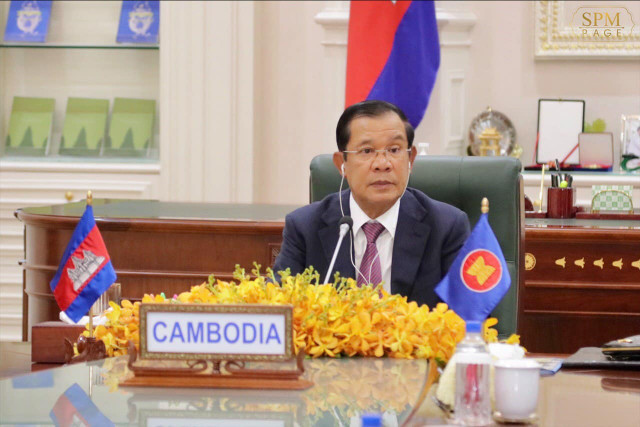
    While there is euphoria in Phnom Penh over the new responsibility, Prime Minister Hun Sen inherits at least five challenges from the previous ASEAN Chairmanship under Brunei.

    The gavel representing the ASEAN has arrived in Phnom Penh and it is a proud moment for the country to hold the position of Chairmanship of the Association of Southeast Asian Nations (ASEAN) for the third time after joining the grouping in 1999. In his customary remarks, Prime Minister Hun Sen announced that his country is “committed to leading ASEAN by championing the 2022 theme of “ASEAN Act” – Addressing Challenges Together – to increase harmony, peace and prosperity across the whole region”. He also assured to “uphold the core spirit of ASEAN’s basic principles of “One Vision, One Identity and One Community,”

    While there is euphoria in Phnom Penh over the new responsibility, Prime Minister Hun Sen inherits at least five challenges from the previous ASEAN Chairmanship under Brunei. First is the South China Sea.  Prime Minister HunSen did not hesitate to refer to it as “an unwelcome guest which now turns up on ASEAN’s doorstep annually and without fail”. He even labelled it a “very hot rock” amid fears that his country could be  “tossed” requiring sophisticated diplomacy wherein it is necessary to “catching it to avoid getting burned”

    In this context, it is useful to recall the 26 October 2021 Chairman’s Statement of the 24th ASEAN-China Summit which emphasised the “importance of non-militarisation and self-restraint in the conduct of all activities by claimants and all other states, including those mentioned in the DOC that could further complicate the situation and escalate tensions in the South China Sea”. China continues to engage in exploration activities in the region much to the discomfort of the Philippines. Malaysia, Vietnam and Indonesia. Also, the Chinese coast guard vessels have engaged in coercion and their operations potentially undermine the ongoing negotiations on the Code of Conduct in the South China Sea (COC).

    The second is about ASEAN’s post-pandemic economic recovery. So far ASEAN Member States’ economic indicators are quite promising and marked by positive growth rates. Cambodia has an opportunity to prepare the region and the human resources for the impending disruption that will be marked by Industry 4.0 technologies. It requires regional digitalisation and impetus to fintech through innovation pivoting on resilience across sectors. This issue is also highlighted in the Chairman’s Statement of the 38th and 39th ASEAN Summits. The ASEAN Leaders’ Statement on Advancing Digital Transformation in ASEAN has also called for strengthening “regional digital integration and transformation to enhance the region’s competitiveness, and turn the current pandemic crisis into an opportunity through digital transformation.”

    The third issue is about Myanmar. It may be recalled that Myanmar did not participate in the 38th and 39thASEAN Summits after the ASEAN decided to bar Myanmar’s military chief Min Aung Hlaing to join the meeting. This decision, by all accounts, was a “rare bold step by a regional grouping known for its non-interference and engagement”. Prime Minister Hun Sen is concerned about the possibility of a humanitarian crisis in the country and was quite candid to note that the “situation in Myanmar could escalate – and maybe even turn into a full-scale civil war – and so Cambodia must be well-prepared and ready to deal with any potential crisis there.”

    The fourth priority for Cambodia as the Chairmanship of the ASEAN would be to take forward the objectives and principles of the ASEAN Outlook for Indo Pacific (AIOP) initiative. ASEAN’s engagement in the wider Asia-Pacific and Indian Ocean regions would be in four key areas i.e.  Maritime cooperation, connectivity, UN SDGs 2030, economic and other possible areas of cooperation. However, the grouping believes that the existing ASEAN-led mechanisms should drive the AIOP for which Cambodia would have to marshal all diplomatic skills at its disposal to convince the major players in the Indo-Pacific of the importance of the AOIP as also about ASEAN’s centrality.

    Although AUKUS did not feature in Prime Minister Hun Sen’s remarks or the Chairman’s statement on the 38th and 39th ASEAN Summits, it looms large in the minds of the Member States

    Fifth, Cambodia would have to develop a sophisticated response to the AUKUS which has added a new dimension to the existing security challenges emerging from the QUAD which is allegedly targeted against China. Although AUKUS did not feature in Prime Minister Hun Sen’s remarks or the Chairman’s statement on the 38th and 39th ASEAN Summits, it looms large in the minds of the Member States. Indonesian and Malaysian are concerned fearing that the development can result in an arms race and encourage the buildup of power projection capabilities; however, the Philippines has welcomed the AUKUS.  The current situation is akin to the division among the ASEAN Member States over the presence of the Western military in the region. AUKUS has provoked China too and it can potentially intensify US-China military contestation in the western Pacific that further adds to insecurities among the Southeast Asian countries.

    Finally, Cambodia’s Chairmanship of the ASEAN attracts numerous challenges but it remains to be seen how Phnom Penh steers the ASEAN in the coming months particularly when the US too has come down heavily with sanctions on Cambodia after it permitted a Chinese company to build military-naval infrastructure at the Ream Naval Base arguing that it threatens regional security.

    Image Credit: cambodianess.com

  • Does ASEAN Need a New Approach to Code of Conduct for the South China Sea?

    Does ASEAN Need a New Approach to Code of Conduct for the South China Sea?

    Reference to Declaration on the Conduct of Parties in the South China Sea (DOC), Guidelines for the Implementation of the DOC, and formulations such as early adoption of a Code of Conduct in the South China Sea (COC) have featured in the ASEAN Chairman’s Statement of East Asia Summit Foreign Ministers’ Meeting since 2013 when Brunei Darussalam had held the Chairmanship of the ASEAN. These references were reiterated, and the section relating to the South China Sea in the ASEAN Chairman’s Statement for the 11th East Asia Summit Foreign Ministers’ Meeting in August 2021 under the leadership of Brunei Darussalam, is no different.

    While the Chinese intent is a welcome development, its new “Maritime Traffic Safety Law of the People’s Republic of China” (MTSL) that came into effect on 01 September 2021, has caused turbulence among the claimant States.

    Meanwhile, China’s Ministry of Foreign Affairs Statement of 5 August 2021 notes that a new goal has been set by China under which Beijing and ASEAN would “refrain from unilateral actions that aggravate tensions and widen differences, or using force or threat of force in particular”. While the Chinese intent is a welcome development, its new “Maritime Traffic Safety Law of the People’s Republic of China” (MTSL) that came into effect on 01 September 2021, has caused turbulence among the claimant States. As per the MTSL guidelines and procedures, vessels must “report the name, call sign, current position, next port of call and even estimated time of arrival to Chinese authorities”.

    The Philippines has decided to “ignore” the new Chinese Regulations and Philippine Defence Secretary Delfin Lorenzana has clarified his country’s stand on the issue that “we do not honour those laws by the Chinese within the West Philippine Sea because we consider that we have the sovereign right within this waters. So we will not recognise this law of the Chinese,” The Vietnamese Foreign Ministry too has reiterated strict compliance with the 1982 UNCLOS “when promulgating documents of domestic law related to the sea”.

    The Pentagon has accused China of “Unlawful and sweeping maritime claims, including in the South China Sea, pose a serious threat to the freedom of the seas, including the freedoms of navigation and overflight, free trade and unimpeded lawful commerce, and the rights and interests of the South China Sea and other littoral nations,” and the Defense Department spokesman has stated that the country will “ continue to fly, sail and operate wherever international law allows,”

    By all counts, an early conclusion of CoC in the South China Sea is only wishful given that the idea has been on the table for over two and a half decades since 1996. At that time there was euphoria among ASEAN foreign ministers that a CoC in the South China Sea could be the “foundation for long term stability in the area and foster understanding among claimant countries.”

    There is now a view that it is time to change the “objective from coming up with a comprehensive CoC”; instead, ASEAN and China must work towards “incremental development of a series of agreements” that could “eventually become the CoC in the future”

    The ASEAN has made earnest efforts and continues to negotiate a legally binding CoC but its finalization has eluded it. There is now a view that it is time to change the “objective from coming up with a comprehensive CoC”; instead, ASEAN and China must work towards “incremental development of a series of agreements” that could “eventually become the CoC in the future”. This can be achieved by developing “more realistic” and “smaller accords” that can help “de-escalate potential contentious situations”.

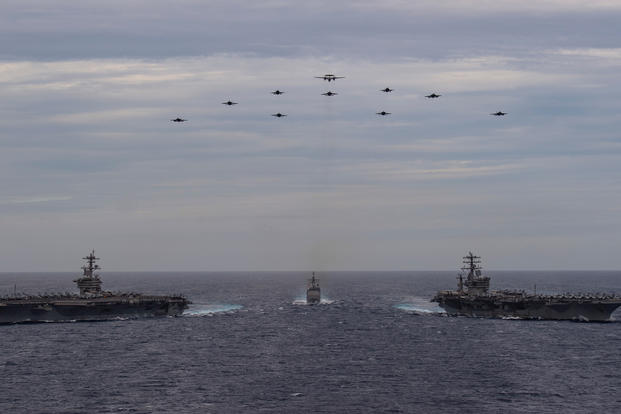
    The above argument merits attention for at least two important reasons. First, the South China Sea is simmering due to US-China military contestations. The US Navy continues to engage in exercises and the current deployment in the South China Sea by USS Carl Vinson Carrier Strike Group and Air Wing of the Future is a reflection of the US’ commitment to field “combat-ready force to protect and defend the collective maritime interests of the U.S. and its regional allies and partners”. Also, the US Navy has conducted FONOPs relentlessly and is now joined by the US Coast Guard. The Quad Member States have also dispatched their warships to the South China Sea for Malabar Naval exercises and the European navies led by France and Britain are operating in the region. These multi-nation naval manoeuvers have prompted China to respond through similar actions and the PLA Navy and the Air Force are persistently deployed in the region. This ‘state of affairs’ will continue.

    Second, there is a view that while the CoC should necessarily be consistent with the 1982 UNCLOS and should not “prejudice legitimate rights and interests of nations not a party to discussions,” this assessment can potentially trigger clamour among other stakeholders who have politico-diplomatic, economic and strategic interests in the region and have vehemently argued for a rules-based system and have challenged China’s expansive claims in the South China Sea as also its non-adherence to the 2016 PCA ruling.

    Under such circumstances, there are no incentives for China and it is deliberately delaying the finalization of the COC; it prefers to pursue a “business as usual” approach causing immense insecurity in the minds of the claimant States. Meanwhile, there is now a sense of urgency among the ASEAN Member States to finalize the CoC and their “patience” is wearing thin.


    Feature Image Credit: Nikkei Asia

  • US Policy in the South China Sea since 2016 PCA Ruling

    US Policy in the South China Sea since 2016 PCA Ruling

    In the foreseeable future, ASEAN will become more divided over South China Sea issues in the Biden era. The conflicts brought about by geopolitical competitions and maritime disputes in the South China Sea will become more challenging and uncertain


    The US does not lay any territorial claim in the South China Sea and had not taken any position on sovereignty over islands, reefs, and features in the South China Sea. Its 2010 policy was of not taking “sides on the competing territorial disputes over land features in the South China Sea, we believe claimants should pursue their territorial claims and accompanying rights to maritime space in accordance with the UN convention on the law of the sea”. Towards that end, the US had consistently urged the contesting parties to settle disputes based on international law and without intimidation-coercion. Even in 2016, the US had encouraged claimants to resolve their disputes “free from coercion or the use or threat of force” after endorsing the Permanent Court of Arbitration (PCA) award to the Philippines.

    However, in July 2020, the US revised its South China Sea policy through a Position Paper titled “U.S. Position on Maritime Claims in the South China Sea”. The Paper questioned China’s “claims to offshore resources across most of the South China Sea” and categorically stated that these are “completely unlawful, as is its campaign of bullying to control them,” This was in sharp contrast to the 2010 policy articulations.

    Since the publication of the Position Paper, South China Sea has appeared in Statements by respective US political leaders. For instance, at the G 7 summit on 11-13 June 2021, President Joe Biden was able to rally the leaders of the grouping and succeeded in a consensus over the critical necessity of a free and open Indo-Pacific and the G7 leaders also expressed concerns about the “situation in the East and South China Seas” and strongly opposed “any unilateral attempts to change the status quo and increase tensions”.

    There is continuity in US policy on the South China Sea since President Trump’s administration and the issue has figured prominently in US’ statements particularly in the context of coercion and intimidation of its smaller neighbours by China.  Secretary of State Mike Pompeo drew attention to the “trampling” of the “sovereign rights of its neighbours” and “destabilizing the region” as also causing “untold environmental devastation” of 3,000 acres of the sea space in the South China Sea; furthermore, “the United States will act until we see Beijing discontinue its coercive behaviour in the South China Sea, and we will continue to stand with allies and partners in resisting this destabilizing activity.” Also, he was uncompromising on US’ commitment to its ASEAN partners in safeguarding sovereign rights to “offshore resources, consistent with their rights and obligations under international law.”

    President Biden’s Administration has continued to pursue a similar policy as that of the predecessor. For instance, in his conversation with National Security Advisor Jake Sullivan on 1 July 2021 with Vietnamese Deputy Prime Minister Pham Binh Minh, they discussed the South China Sea, including the United States’ support for the 2016 arbitral tribunal award.

    It is not surprising that a Chinese commentator has observed that “Biden administration’s South China Sea policy has attached great importance to US allies within and outside the region, this precisely reflects its Cold War mentality” and is reflected in the US-Philippine Mutual Defence Treaty, which now applies to the South China Sea and freedom of navigation operations (FONOP)  in the South China Sea continues unabated. For instance, in 2017 there was one FONOP by the US, in 2018 there were three incidents, nine in 2019; 15 in 2020; and then this year four FONOPs have been reported. There is also a new emphasis on mini multilateralism in the form of Quadrilateral Security Dialogue (QUAD) to support its “traditional strategy of relying on allies and partners” to “establish a new regional order dominated by the US”.

    The Chinese commentator’s assertion that “in the foreseeable future, ASEAN will become more divided over South China Sea issues in the Biden era. The conflicts brought about by geopolitical competitions and maritime disputes in the South China Sea will become more challenging and uncertain” merits attention.

    Last week, while speaking in a forum on global security issues at Tsinghua University in Beijing, China’s Foreign Minister Wang Yi said that the US’ Indo-Pacific strategy is aimed at countering Beijing and the strategy “should be dumped at a trash heap.” Wang also observed that China would oppose any framework of cooperation to “fuel rivalry” and “an action to accelerate division” ostensibly referring to Taiwan.

    Finally, a continuous war of words between political leaders of the US and China over the South China Sea can be expected to continue. Notwithstanding that ASEAN Member States can be expected to continue to engage China for a legally binding Code of Conduct and at the 19th Senior Officials’ Meeting on the Implementation of the Declaration on the Conduct of Parties in the South China Sea (DOC) held on June 7, 2021, in Chongqing, all “parties agreed to resume as soon as possible the second reading of the Single Draft COC Negotiating Text and strive for the early conclusion of negotiations”.

    Feature Image: USS Ronald Reagon in the South China Sea. Credit: asiatimes.com