Author: Imran Khurshid

  • The Pakistan Paradox: Courted by Rivals, Valued Only Against India

    The Pakistan Paradox: Courted by Rivals, Valued Only Against India

    Pakistan’s presence at China’s Victory Day parade exposed a more profound truth: its value lies not in strategic brilliance but in being a pawn for both Washington and Beijing. Far from balancing, Islamabad survives as a tool in the great power game against India.

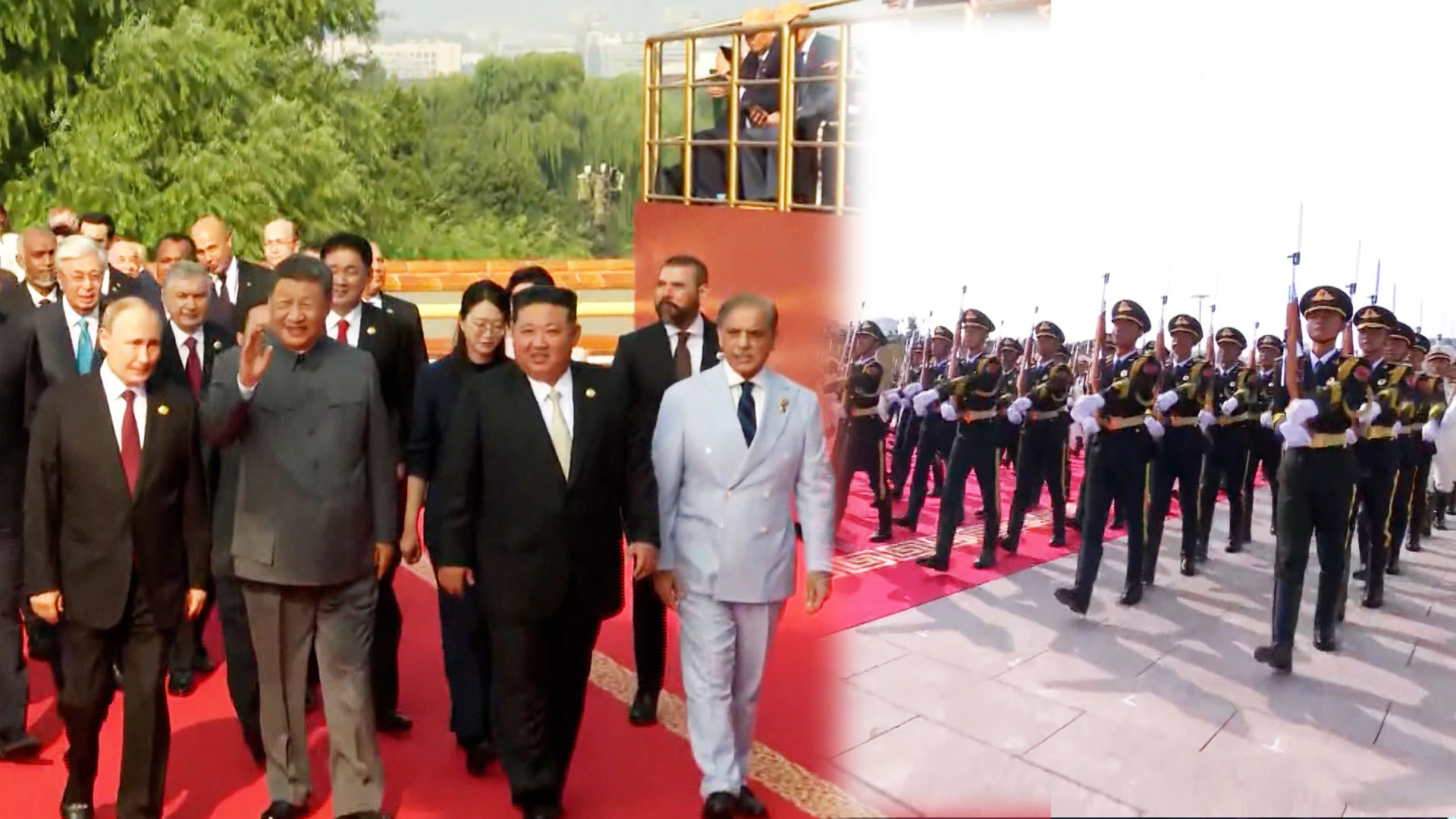
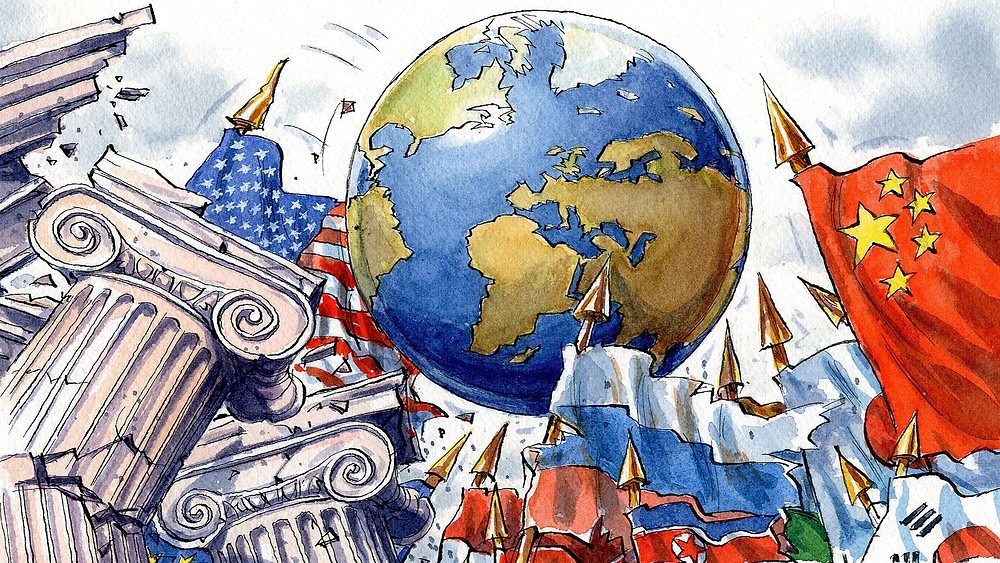
    China’s recent Victory Day parade on September 3, 2025, was more than a ceremonial display; it was a calculated act of strategic signalling to the West. By showcasing its formidable military hardware and hosting close allies such as Russia’s Vladimir Putin and North Korea’s Kim Jong-un, Beijing sought to project its emergence as a great power, much as it did during the 2008 Olympics. By bringing these leaders together, China signalled not only unity but also the contours of an emerging alternative world order that challenges Western dominance.

    The parade sent “chill waves” across Western capitals, with even Donald Trump admitting that he closely followed the event. On social media, he sardonically addressed China: “Please give my warmest regards to Vladimir Putin and Kim Jong Un, as you conspire against the United States of America.” On September 5, 2025, he further voiced his frustration, declaring that the U.S. had “lost India and Russia to deepest, darkest China,” a remark that reflected Washington’s growing unease over Beijing’s expanding influence.

    India, notably absent from China’s Victory Day parade on September 3, 2025, made its own strategic moves. Prime Minister Narendra Modi visited Japan on August 29–30, ahead of the Shanghai Cooperation Organisation (SCO) summit in Tianjin on August 31–September 1. By going to Tokyo first and then to Tianjin, Modi signalled to the West that India continues to prioritise its commitments in the Indo-Pacific, while also reminding Beijing that New Delhi remains open to engagement. During the SCO summit, Modi’s remark that India’s engagement with China “should not be seen through third-country lenses” was intended to reassure the West of India’s balancing strategy.

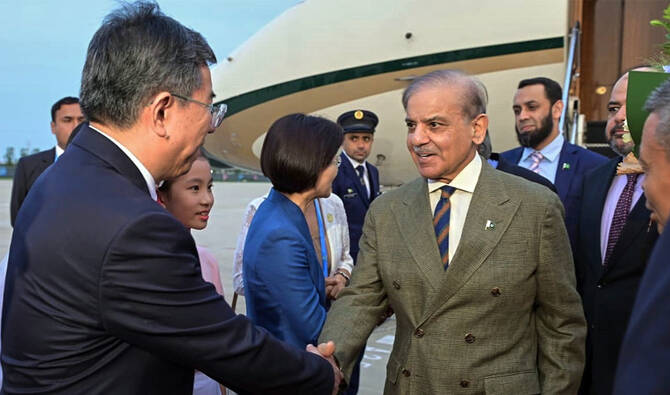
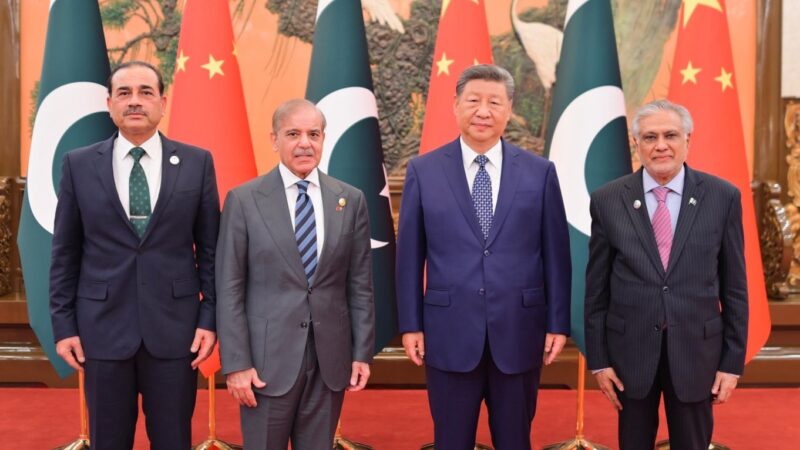
    Yet, amid this choreography of great powers, one country’s presence at the Victory Day parade raised eyebrows: Pakistan. Prime Minister Shehbaz Sharif stood alongside leaders who openly challenge the Western-led order—figures the West often labels as part of an “axis of evil”—despite Pakistan being nominally allied with the United States. What was even more surprising was the silence of Washington and its partners. Had it been India’s leader at the parade, the Western outcry would have been deafening. But when Pakistan did it, no questions were asked. Why this extraordinary tolerance?

    The explanation lies not in Pakistan’s own strategic brilliance. Unlike India, Pakistan lacks genuine strategic agency or independent decision-making capacity. It has long been dependent on external patrons and remains heavily constrained by domestic crises. The narrative advanced by some strategic experts that Islamabad is engaged in a masterful balancing act between Washington and Beijing is misleading. Instead, both the U.S. and China tolerate Pakistan’s duplicity because of its enduring strategic utility against India.

    Washington knows Pakistan’s record all too well. During the War on Terror, Islamabad received over $33 billion in U.S. aid while simultaneously providing sanctuary to Taliban leaders. U.S. officials, including President Trump, repeatedly acknowledged this duplicity. In a tweet on January 1, 2018, Trump stated: ‘The United States has foolishly given Pakistan more than 33 billion dollars in aid over the last 15 years, and they have given us nothing but lies & deceit, thinking of our leaders as fools. They give safe haven to the terrorists we hunt in Afghanistan, with little help. No more!”

    Similarly, Congressman Ted Poe, Chairman of the House Subcommittee on Terrorism, introduced a bill in 2016 calling for Pakistan to be declared a “state sponsor of terrorism,” stating that Pakistan was “not only an untrustworthy ally but has also aided and abetted the enemies of the United States”. Counterterrorism cooperation is, therefore, not the real reason Washington continues to indulge Pakistan. Nor are West Asia’s dynamics or connectivity goals the central factor, though they play a role.

    The real reason is India. Pakistan serves as a pressure valve for Washington to use whenever New Delhi strays from American strategic priorities. Similarly, for Beijing, Pakistan is an indispensable grey-zone tool against India — a reliable proxy that complicates India’s security calculus without requiring direct Chinese involvement. This explains why China continues to describe its relationship with Pakistan as ‘higher than the Himalayas, deeper than the oceans, sweeter than honey, and stronger than steel,’ even though Beijing is fully aware that the “honey” and other lofty adjectives in this partnership are largely rhetorical, given Pakistan’s military establishment has historically maintained close ties with the Pentagon and U.S. defense agencies.

    Recent developments illustrate this pattern. Despite Islamabad striking a minerals deal in Balochistan with the U.S.—an area where China has invested heavily through the China-Pakistan Economic Corridor (CPEC) and even frequently loses its workers to terrorist attacks—Beijing has not retaliated.

    China has invested nearly $60 billion in CPEC projects, including Gwadar Port and associated infrastructure, yet continues to tolerate Pakistan’s parallel engagement with the U.S. Even though just days ago, China exited funding for certain sections of CPEC, such as the Karachi–Rohri stretch of the Main Line-1 railway, the broader corridor remains intact and firmly under Beijing’s control.

    Similarly, Washington has been remarkably quiet about the expansion of CPEC and its recent announcement to extend it into Afghanistan, despite this development directly strengthening Chinese influence in South and Central Asia, which contradicts U.S. national security strategies, including the Indo-Pacific strategy designed to counterbalance China. Imagine if India were to engage China in a similar manner; the Western backlash would be immediate and fierce.

    The silence over Pakistan reveals the underlying logic: both Washington and Beijing find it useful to maintain Islamabad as a strategic lever against India. For China, Pakistan provides military intelligence, operational support, and a constant security distraction for New Delhi, keeping India tied down on its western front. For the U.S., Pakistan is less a partner in counterterrorism than a tool to remind India of the costs of drifting too far from American preferences.

    Thus, Pakistan’s position is not the result of deft balancing or sophisticated statecraft. It is tolerated, even courted, by two rival great powers because of its instrumental value in their respective strategies against India. Far from being an Independent balancer, Pakistan remains a dependent actor whose importance derives almost entirely from the leverage it provides to others.

    For India, the lesson is clear. The tolerance extended to Pakistan by both Washington and Beijing is not about Islamabad’s capabilities or credibility — both powers know well its history of duplicity. Instead, it reflects the centrality of India in global strategy and the willingness of other powers to use Pakistan as a pawn in their broader geopolitical contest. Recognising this reality is essential for shaping New Delhi’s responses, ensuring that India continues to strengthen its autonomy and strategic weight in the Indo-Pacific and beyond.

    Feature Image Credit: India Today

    Pictures in Text: www.arabnews.com, www.nationalheraldindia.com, www.deccanherald.com

  • India–U.S. Ties Beyond the Trump Show

    India–U.S. Ties Beyond the Trump Show

    With its deep institutional roots and strategic clarity, the India–U.S. relationship is well-positioned to advance further, driven not by transient rhetoric but by enduring common purpose

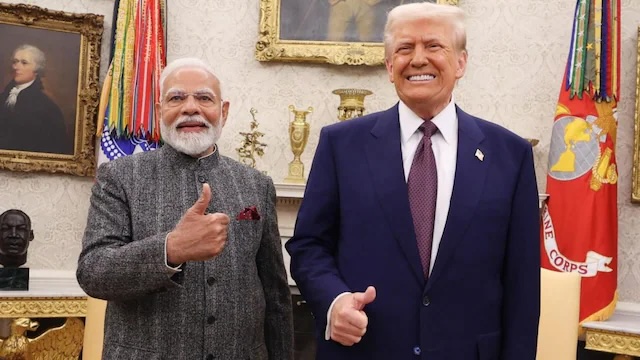
    U.S. President Donald Trump’s repeated assertions about mediating a ceasefire between India and Pakistan have reignited long-standing apprehensions surrounding external involvement in the Kashmir issue. His remarks, including those referenced during a U.S. court hearing in May 2025—where U.S. Commerce Secretary Howard Lutnick testified that the Trump administration’s trade policies helped avert a potential nuclear confrontation in South Asia—were met with widespread criticism from strategic experts and policymakers alike. New Delhi has remained steadfast in its position: the issue of Jammu and Kashmir is strictly bilateral and not subject to international mediation.

    Diaspora Influence and Institutional Depth

    Despite Trump’s controversial rhetoric, the India–U.S. relationship has matured well beyond the influence of individual leaders. It now stands as a robust, multi-dimensional partnership, underpinned by shared strategic interests, deepening economic ties, and strong people-to-people linkages. This is evident through the formalization of the relationship via key agreements and strategic initiatives. Today, it is regarded as a promising and one of the most consequential partnerships of the 21st century, given its potential to reshape the dynamics of the Indo-Pacific region and beyond. Moreover, this strength is particularly reflected in the vibrant Indian diaspora in the United States—numbering over four million—one of the most educated and affluent immigrant communities in the country, playing an increasingly influential role in shaping policy.


    The diaspora’s clout in U.S. policymaking has grown remarkably. A striking example of this influence was witnessed during the COVID-19 crisis in 2021. At a critical juncture, when the Biden administration had imposed export restrictions on essential medical supplies, Indian-Americans mounted an organized lobbying campaign. Their efforts succeeded in convincing the administration to reverse the ban and dispatch critical medical equipment and raw materials for vaccines to India. This intervention demonstrated the community’s capacity to influence key policy decisions at the highest levels. Their role is not limited to crisis management. The Indian-American community has been instrumental in advancing landmark initiatives such as the U.S.–India civil nuclear agreement, and today, many Indian-Americans serve in influential roles within the U.S. government. This diaspora acts as a cultural and strategic bridge, enhancing bilateral understanding and reinforcing long-term cooperation.

    The evolving India–U.S. partnership is bolstered by a diverse and committed set of stakeholders,including government institutions, private enterprises, think tanks, academic bodies, and civil society in both nations. Crucially, U.S. institutions such as the State Department and Congress continue to regard India as a vital strategic partner, particularly in the context of the Indo-Pacific strategy and broader efforts to counterbalance China’s growing regional influence. These institutions take a long-term, bipartisan approach to India–U.S. relations, one that is grounded in continuity and strategic alignment rather than reactive or transactional impulses, such as those reflected in Trump’s pronouncements.

    Strategic Continuity

    Trump’s leadership style has often been described as transactional, business-oriented, and self-promoting. He frequently projects himself as a master negotiator and dealmaker, but many of his actions suggest otherwise. His tendency to prematurely claim success and take credit has often weakened his own negotiating position, whether in the context of Ukraine, North Korea, Iran, or South Asia. For instance, Trump repeatedly announced breakthroughs in negotiations between Russia and Ukraine that never materialized, thereby weakening his credibility and diminishing his effectiveness as a serious diplomatic actor.

    While Trump’s erratic rhetoric may generate headlines, it is critical not to exaggerate its impact on this deeply rooted relationship. His habitual tendency to seek the spotlight and amplify his personal role in global diplomacy often lacked substantive backing or long-term vision.

    In the case of India and Pakistan, Trump’s attempt to “hyphenate” the relationship—suggesting he could broker a deal between both nations—ignored the decades-long efforts by previous U.S. administrations to de-hyphenate the ties and treat each relationship on its own strategic merits. His statement that “they’ve been fighting for 1,500 years” reveals a superficial understanding of South Asian geopolitics and history. Such remarks reflect a lack of diplomatic nuance and strategic depth.

    In contrast, previous U.S. presidents devoted sustained efforts toward cultivating strategic trust with India—especially in light of their fraught Cold War history and the lingering presence of anti-American sentiment within Indian political and intellectual circles. During this era, American foreign policy toward India embodied a form of strategic altruism, emphasizing long-term engagement grounded in mutual respect rather than immediate concessions or gains. Successive administrations—Republican and Democratic alike, including Trump’s own during his first term—recognized the importance of winning India’s trust, acknowledging its historic skepticism of U.S. intentions and its adherence to a non-aligned foreign policy stance.

    These efforts bore fruit in the form of landmark agreements and growing strategic alignment across a broad spectrum of areas, including defense cooperation, civil nuclear energy, high technology, artificial intelligence, cybersecurity, and counterterrorism. Recent developments—including the Initiative on Critical and Emerging Technologies (iCET), the U.S.–India Major Defense Partnership Framework (2025–2035), the COMPACT Initiative, and collaborations through platforms like INDUS-X and the Artemis Accords—have deepened cooperation. These engagements signify that the India–U.S. partnership is now an essential component of the 21st-century global security and economic architecture.

    the India–U.S. partnership rests on far more stable and enduring foundations: bipartisan consensus within the U.S. strategic establishment, shared democratic values, converging geopolitical interests, and institutional mechanisms that safeguard continuity and progress.

    While Trump’s erratic rhetoric may generate headlines, it is critical not to exaggerate its impact on this deeply rooted relationship. His habitual tendency to seek the spotlight and amplify his personal role in global diplomacy often lacked substantive backing or long-term vision.  Even his relationship with Elon Musk—once a vocal ally who contributed nearly $300 million to pro-Trump political efforts during the 2024 campaign—has deteriorated into public conflict, highlighting the unpredictability of Trump’s leadership style. In stark contrast, the India–U.S. partnership rests on far more stable and enduring foundations: bipartisan consensus within the U.S. strategic establishment, shared democratic values, converging geopolitical interests, and institutional mechanisms that safeguard continuity and progress.

    West Asia dynamics: No Indian shift

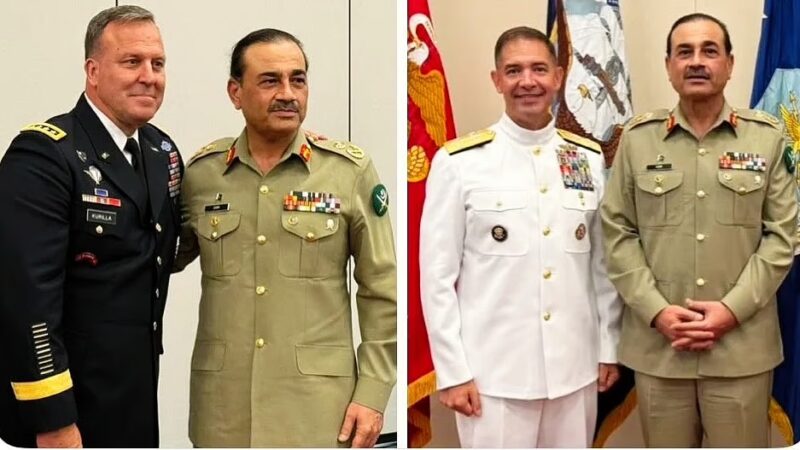
    Moreover, recent U.S. gestures toward Pakistan—including inviting Pakistan’s Army Chief to U.S. Army Day celebrations, public praise for its leadership, the release of funds for upgrading the F-16 fleet—and support in securing IMF bailout packages—should be analysed through the lens of broader strategic imperatives, particularly concerning Iran. Amid escalating tensions with Tehran and recent Israeli airstrikes on Iranian targets by its close ally Israel, Washington may be positioning itself for potential regional contingencies and wider escalation. In this context, logistical access to Pakistani military bases—notably Noor Khan Airbase, and other facilities which, according to senior analyst Imtiaz Gul, is already under partial U.S. operational control—could become critical. Pakistan has a history of facilitating U.S. military operations, such as during the War on Terror. Given its proximity to Iran, Pakistan is strategically well-placed to support U.S. initiatives in the region.

    The U.S. may also seek to ensure that Pakistan remains aligned with Western objectives should Israel act unilaterally against Iran. Therefore, recent goodwill gestures by the U.S. toward Pakistan should be interpreted not as a shift away from India, as some within the Indian strategic establishment might fear, but as part of a calculated strategy to secure regional flexibility amid evolving geopolitical uncertainties in West Asia.

    Ultimately, the strength and resilience of the India–U.S. relationship derive from its firm institutional foundation and shared strategic vision. It is largely insulated from the whims of transient political figures. Despite periodic turbulence, the partnership has demonstrated remarkable continuity and adaptability. Key U.S. national security documents—including the Indo‑Pacific Strategy and the National Security Strategy—consistently describe India as a “major defense partner” and an indispensable actor in the effort to balance China’s regional ambitions. These structural commitments ensure that the bilateral relationship remains on a trajectory of deepening cooperation. As articulated in the 2022 U.S. Indo-Pacific Strategy, India is seen as a “like-minded partner and leader in South Asia and the Indian Ocean, active in and connected to Southeast Asia,” and a “driving force of the Quad and a net security provider in the region.”

    Conclusion

    Today, the India–U.S. relationship stands as a beacon of mutual trust, strategic alignment, and forward-looking engagement. Decades of deliberate diplomacy, institutional investment, and cultural linkage have given rise to one of the most promising partnerships of the 21st century. While figures like President Trump may generate momentary uncertainty, they lack the capacity to derail the deep-rooted and multidimensional nature of this partnership. The future of India–U.S. relations remains bright, anchored in shared democratic ideals, strategic complementarity, and a common vision for a free, open, and inclusive Indo-Pacific.

    Feature Image credit: news18.com

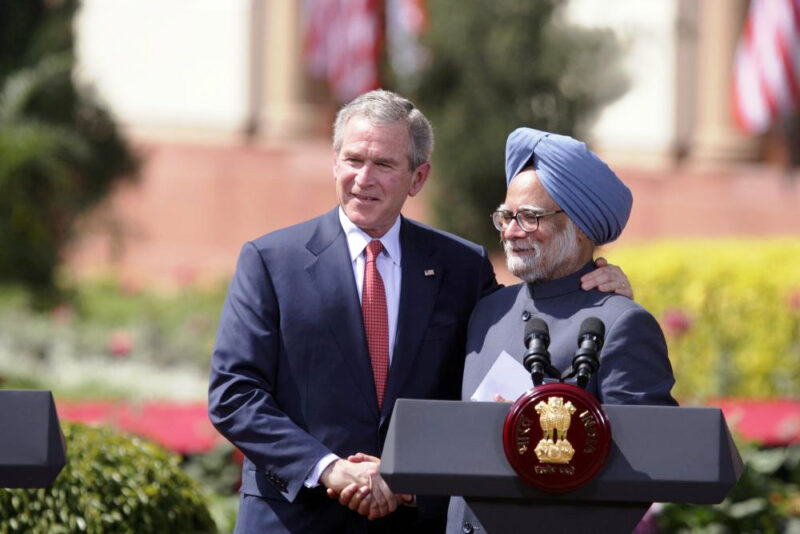
    Image of  President Bush and PM Manmohan Singh: wikipedia India-United States Civil Nuclear Deal.

  • Kashmir at a Crossroads: Pahalgam Terror Attack Amid Democratic Gains

    Kashmir at a Crossroads: Pahalgam Terror Attack Amid Democratic Gains

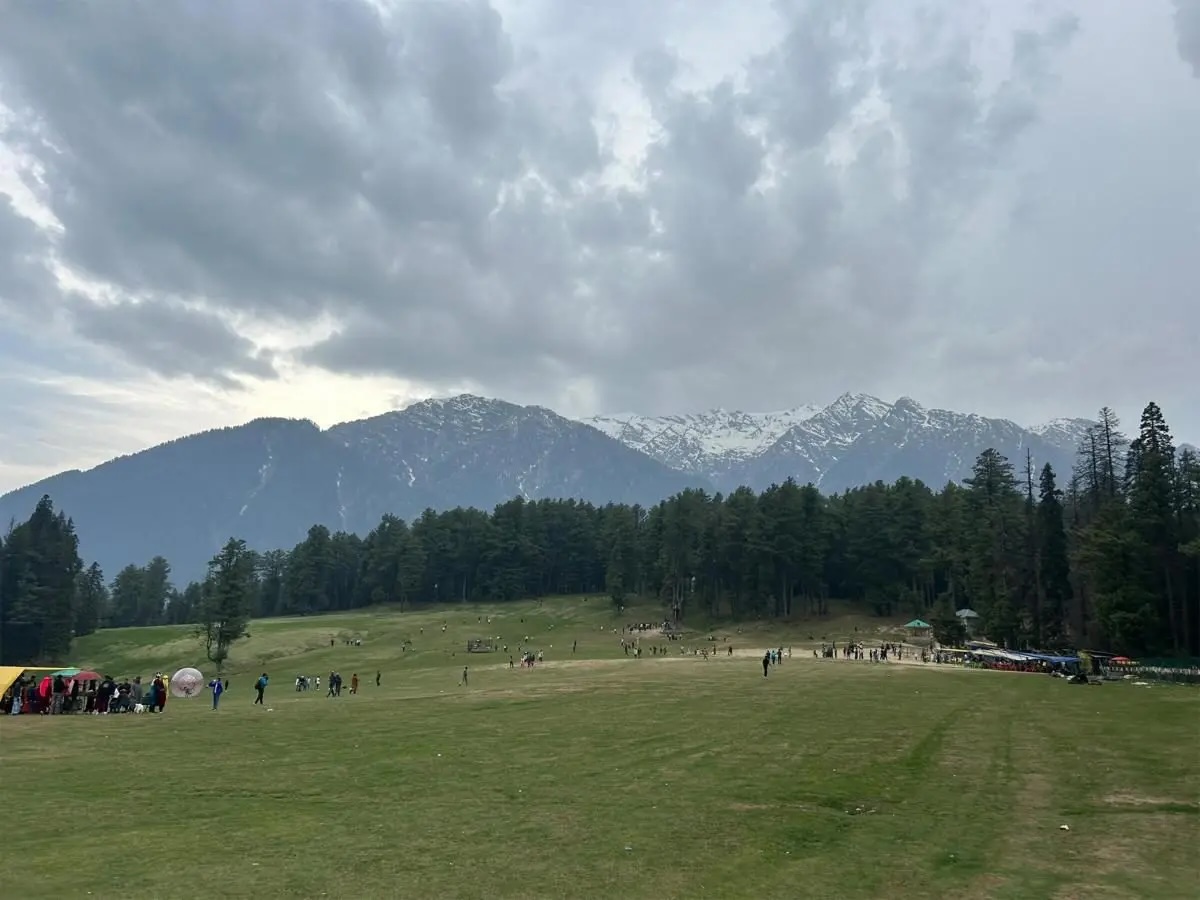
    The recent deadly terror attack on April 22 in Phalgham, near the Baisaran Valley, in which 26 innocent people were killed and more than a dozen others injured, has served as a stark reminder that external threats—particularly Pakistan-backed terrorism—remain a grave challenge to the region’s hard-won stability.

    Jammu and Kashmir is witnessing a remarkable and unprecedented political shift. In a development that would have seemed unimaginable a few years ago, many separatist groups, historically associated with anti-India activities, have abandoned their secessionist stance and re-entered the democratic mainstream. This transformation is not sudden—it reflects years of sustained government outreach, targeted policy reforms, and a persistent invitation to dialogue. Together, these efforts have fostered an environment of relative peace, reshaping public sentiment and political engagement across the valley. However, the recent deadly terror attack on April 22 in Phalgham, near the Baisaran Valley, in which 26 innocent people were killed and more than a dozen others injured, has served as a stark reminder that external threats—particularly Pakistan-backed terrorism—remain a grave challenge to the region’s hard-won stability.

    In a significant turn of events in April 2024, key factions of the Hurriyat Conference, such as the J&K Tahreeqi Isteqlal and J&K Tahreek-l-Istiqamat, publicly renounced separatism and embraced the democratic process. Their decision marks a critical shift in the political discourse of the region, challenging long-standing narratives of alienation and conflict. Union Home Minister Amit Shah hailed this move, declaring, “Under the Modi government, separatism is breathing its last, and the triumph of unity is echoing across Kashmir.” The reintegration of these groups into the democratic fold indicates the success of New Delhi’s long-term outreach and governance initiatives, as well as the strengthening of its position on the global stage regarding Jammu & Kashmir.

    the candidacy of individuals such as Sayar Ahmad Reshi (Kulgam), Aijaz Ahmad Mir (Zainapora), Talat Majeed (Pulwama), Mohammad Sikandar Malik (Bandipora), and Farooq Ahmad Genie (Beerwah) sent a powerful message—both domestically and internationally—of a growing trust in democratic processes and a shift away from violence.

    The 2024 Assembly elections further illustrated this transformation. Over 25 former militants, separatists, and members of the banned Jamaat-e-Islami contested as independent candidates. Although none of them secured a win, the candidacy of individuals such as Sayar Ahmad Reshi (Kulgam), Aijaz Ahmad Mir (Zainapora), Talat Majeed (Pulwama), Mohammad Sikandar Malik (Bandipora), and Farooq Ahmad Genie (Beerwah) sent a powerful message—both domestically and internationally—of a growing trust in democratic processes and a shift away from violence.

    Central to this transformation is the 2019 abrogation of Article 370. While Article 370 did not cause terrorism, it fostered a psychological and political sense of separateness. Its existence reinforced a feeling of isolation, suggesting that Jammu and Kashmir was distinct from the rest of India and that its political destiny remained unsettled, thereby encouraging subnational identity and sentiments of exclusion. Local political elites often exploited this narrative of exclusivity and exceptionalism for their political objectives, constantly telling people that Jammu and Kashmir had a “special relationship” with the Union of India, having its own constitution, flag, and national anthem. This exacerbated the sense of alienation and fueled anti-India sentiment.

    Article 370 served as a protective shield for corrupt politicians and bureaucrats from central investigation agencies, as it limited the powers of these agencies, allowing corruption to flourish unabatedly. On the global stage, Article 370 was utilised as a geostrategic tool against India.

    Moreover, domestically, the real benefits of Article 370 never reached the common people. Instead, it supported the interests of a few influential political families, such as the likes of the Muftis and the Abdullahs, etc., while the ordinary citizen continued to face hardship and underdevelopment. Additionally, Article 370 served as a protective shield for corrupt politicians and bureaucrats from central investigation agencies, as it limited the powers of these agencies, allowing corruption to flourish unabatedly. On the global stage, Article 370 was utilised as a geostrategic tool against India. References to Jammu & Kashmir’s semi-autonomous status and its separate flag and constitution created a misleading impression internationally—that it was some foreign territory under Indian occupation. Many significant powers often utilised this narrative to exert pressure on India and further their geopolitical objectives.

    Since its removal, the region has witnessed measurable progress. Terrorist incidents have plummeted by 81%—from 228 in 2018 to just 43 in 2023. Civilian and security force casualties have similarly declined. Stone pelting, once a near-daily occurrence, has disappeared entirely, with 2,654 such incidents in 2010 dropping to zero by 2023. Hartals and forced shutdowns have become a thing of the past. Educational outcomes have also improved. The number of colleges has risen from 94 to 147. Prestigious institutions such as IIT, IIM, and AIIMS have been established. Medical colleges increased from four to eleven, and the region now boasts 15 nursing colleges. Medical seat availability has grown from 500 to over 1,300.

    The region’s Gross State Domestic Product (GSDP) has more than doubled—from ₹1 lakh crore in 2014–15 to ₹2.27 lakh crore in 2022–23. In tourism, a record 2.36 crore visitors arrived in 2024, including over 65,000 foreign tourists.

    Economically, Jammu and Kashmir is undergoing a boom. Investments surged from ₹297 crore in 2019–20 to ₹2,153 crore in 2022–23, with another ₹6,000 crore in the pipeline. The region’s Gross State Domestic Product (GSDP) has more than doubled—from ₹1 lakh crore in 2014–15 to ₹2.27 lakh crore in 2022–23. In tourism, a record 2.36 crore visitors arrived in 2024, including over 65,000 foreign tourists. Global events like the G20 Tourism Working Group meeting and the Legends League Cricket (LLC) have put Jammu and Kashmir on the international map. Infrastructure development is progressing rapidly. Mega projects such as the USBRL Tunnel 50, Z-Morh Tunnel, and the iconic Chenab Rail Bridge—the highest in the world—are transforming connectivity. The Vande Bharat train now connects Katra with Srinagar. Symbolising civic normalcy, the Muharram procession returned to Srinagar in 2024 after a 34-year ban.

    However, the recent Pahalgam terror attack is a stark reminder that Pakistan continues to act as the primary external disruptor of peace and progress in Jammu & Kashmir. Despite the undeniable local yearning for peace and development, Pakistan’s strategic objective to “bleed India with a thousand cuts” remains unchanged. Its support for terrorism and infiltration undermines the region’s stability.

    Pakistan’s proxy war not only attempts to destabilise India but also hampers the development trajectory of Jammu & Kashmir, which had been flourishing in education, infrastructure, and economic growth.

    The attack, which targeted civilians and spread fear among tourists, has had immediate consequences: many tourists have cancelled bookings, impacting the Valley’s booming tourism sector. It reflects how Pakistan’s proxy war not only attempts to destabilise India but also hampers the development trajectory of Jammu & Kashmir, which had been flourishing in education, infrastructure, and economic growth.

    While local recruitment into militancy has declined and radicalisation has significantly reduced, Pakistan’s designs persist. Security agencies have reported the presence of 35–40 foreign terrorists operating in small groups in the Jammu division, with recent attacks in Reasi, Kathua, and Kishtwar proving that infiltration is now affecting eight out of ten districts. New Delhi must now recalibrate its approach. While the ecosystem-based strategy addressing governance, development, and security has yielded positive outcomes, the Pakistan problem requires a distinct strategic lens. Counterterrorism efforts must be intensified, international diplomacy must expose Pakistan’s continued support for terror, and internal resilience must be strengthened to protect gains made post-Article 370.

    In conclusion, nearly six years after the abrogation of Article 370, Jammu & Kashmir has indeed embarked on a transformative journey. But the road ahead must account for persistent external threats. The people of the region overwhelmingly desire peace, progress, and integration—but Pakistan’s continued interference demands a more robust, strategic, and multidimensional response.