Author: Anand Kumar Sethi

  • Dagshai And Kasauli – The Afghanistan Connection

    Dagshai And Kasauli – The Afghanistan Connection

    With Afghanistan, the Taliban, and the for-ever conflict grabbing the headlines across the world over the last few months, it is well to recognise that the histories of India and Afghanistan are intertwined from time immemorial. Anand Sethi digs into the 19th and 20th-century history to bring out some fascinating connections between Dagshai in Himachal Pradesh and Afghanistan – Team TPF
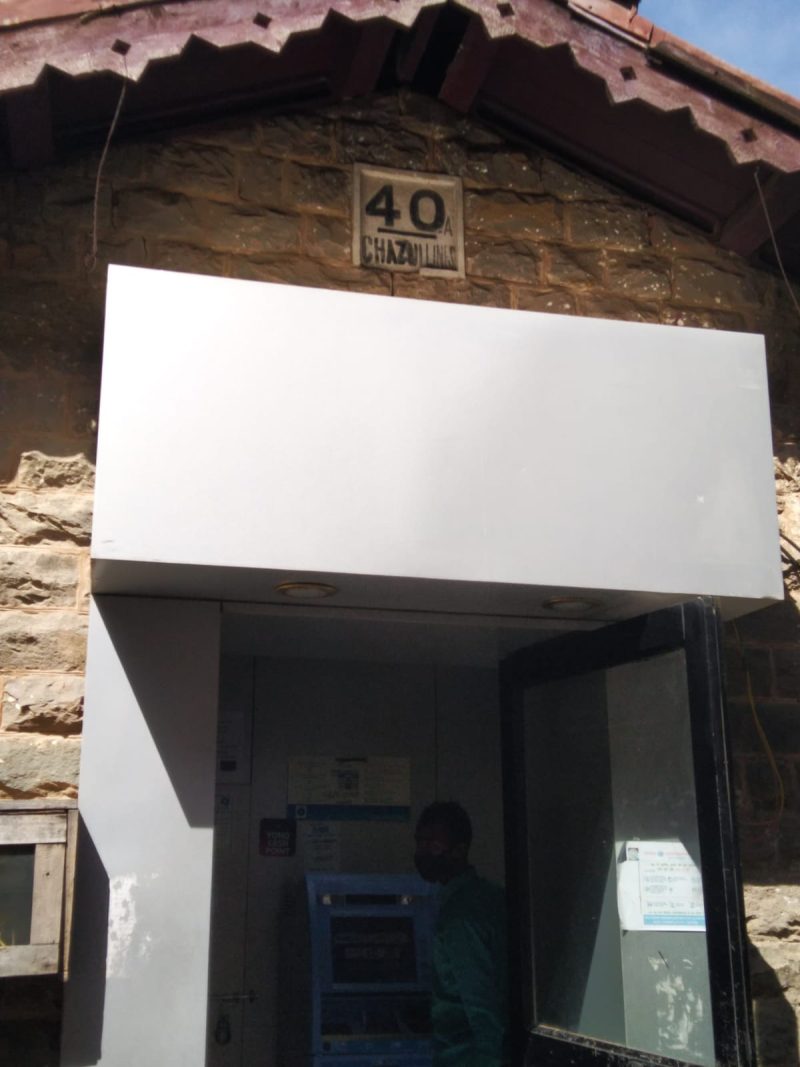
    The Automatic Teller Machine (ATM) in Dagshai Cantonment is quite unique. Set up some 14 years ago at the instance of a dynamic Commanding Officer of the then Gorkha Rifles Battalion stationed in Dagshai, the ATM is housed in a smallish, stand-alone, colonial-era stone-built sloped roof hutment which most likely served as an extension of the kitchen facilities for a cluster of similarly constructed nearby barracks. It is quite unique. It communicates with the infrastructure by means of a huge, floor-mounted, satellite dish antenna. Given the nearly non – existent banking facilities, this ATM has served as our ‘go-to’ facility to withdraw cash for our personal expenses during the exasperating COVID times!

    On normal working times and days, with the troops busy with their official duties, there is usually only a rare person ahead of one at the ATM. Social distancing is the least of the problems here. However, on this particular day a few months back there were two persons ahead of me to use the ATM. This prompted a little ‘walkabout’ to while away the time and to maintain social distancing. While returning I noticed that there was some inscription or lettering on a whitish background near the top of the hutment but quite obscured due to the collection of grime, mud, rainwater stains that had accumulated over many years. Upon completing the ATM transaction I managed to clamber up and did a vigorous cleaning of the inscription.  What emerged was the signage: ’40 A GHAZNI LINES’. This was quite incredible! There has never been any mention of Dagshai having had a ‘Ghazni Lines’. Certainly not in any maps or documents painstakingly collected over the years by me for our ‘Dagshai Jail Museum’. Evidently, some Regiment(s) had gone from Dagshai to fight in the battles at Ghazni during the Afghan wars (or stationed in Dagshai afterward), received their ‘Battle Honours’ there.
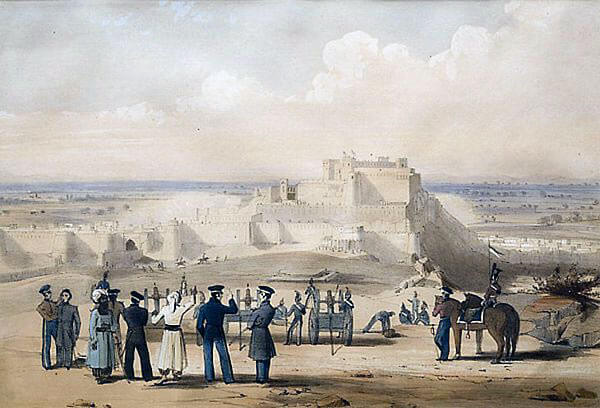
    Research conducted indicates that no formations linked with Dagshai were involved in the Battle of Ghazni (‘Ghuznee’) in September 1842. However, two Regiments with clear Dagshai connections were very much in the ‘Battle Order’ during the First Battle of Ghazni in July 1839 (Gen. Sir John Keane versus Hyder Khan). Both received the Ghazni Battle Honours. One was the 1st Bengal Fusiliers who had been stationed in Dagshai during the tumultuous period of 1856 – 57. They of course had the dubious distinction of having as one of their Officers the ‘infamous’ (Brevet) Major William Hodson (whose portrait hangs amongst the ‘infamous Dagshaiites’ in our Jail Museum), the one who in 1857 apprehended Bahadur Shah Zafar and killed the royal princes. However, it is somewhat doubtful that the 1st Bengal Fusiliers had the Ghazni Lines in Dagshai named after their Battle Honours. The unit was away from Dagshai for a large part of their stay doing duties in and around Delhi during the 1857 ‘troubles’.

    The most likely formation to have the Ghazni Lines in Dagshai named after them would thus be the 2ndRegiment of Foot (Queen’s Royal West Surrey – the Queen, in this case, being Queen Catherine of Braganza, wife of King Charles II), presently operating as the Princess of Wales Royal Regiment.  This was the second senior-most line Regiment (after the Royal Scots) in the regular British Army. (The 1stBengal Fusiliers, on the other hand, was a formation of the East India Company’s Army, during their Dagshai stay). They were first garrisoned in Dagshai in 1870 -71. They not only took part in the 1839 battle at Ghazni but also got Battle Honours at the Battle of Khelat later that year. The Regimental History of the 2nd Regiment of Foot carries this interesting piece – “The formidable Ghazni fortress protected by thick 60 feet high walls prevented a major problem especially due to the lack of heavy artillery. The capture of Ghazni fortress was made possible only because Mohan Lal, a Kashmiri interpreter, spy, and assistant to the Political Officer Captain Sir Alexander Burnes, managed to discover that one of the gates to the fortress was somehow left poorly defended”. An interesting trivia about the 2nd Regiment of Foot – they were the only British Regiment where the Officers were allowed to remain seated while drinking the Loyal Toast to the Monarch. Apparently, this was so because the Regiment had been attached to the Royal Navy for a period of time and adopted the Navy’s tradition of sitting!

    The case for the 2nd Regiment of Foot for having set up Dagshai’s Ghazni Lines gets strengthened by the fact that they returned to Dagshai for the period 1895 – 96.  The Regiment went back to fight in Afghanistan in 1897, this time in Tirah (now in Khyber Pakhtunkhwa, Pakistan) before being garrisoned in Peshawar in 1902. They returned to Dagshai in 1916 for a short third spell in the garrison.

    Arguably, the Regiment with Dagshai as well as old Afghanistan links would be the Gordon Highlanders (earlier the 92nd Regiment of Foot). First stationed in Dagshai in 1860, the Regiment acquired as their Regimental Tune (still is the Regimental Tune and my mobile phone caller tune), the now-classic Pipes and Drums composition “Dagshai Hills” in 9/8 format march by the famous John Wallace. The Gordons fought in the Second Afghan War (1878 – 80) and saw action at Charasaib, Sherpur, and Kandahar where they took part in a winning battle after marching 320 miles from Kabul in just 23 days.

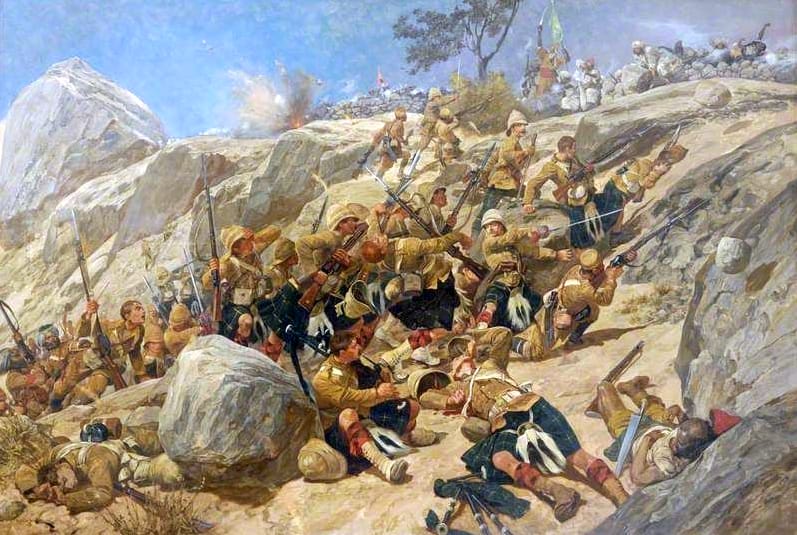
    The greatest battle achievement of the Gordons, however, was at Dargai (near Tirah and now part of Pakistan’s Kabul Pakhtunkhwa). In 1897 the heights at Dargai were held by a strong contingent of Afridi tribesmen. As part of the Tirah campaign, at the time the 21 valiant soldiers of the 36th Battalion (Now 4th Sikhs) of the Sikh Regiment were putting up their heroic stand at Saragarhi, the Gordons were tasked to capture the Dargai height at all costs. On October 20th, 1897 the Gordon Highlanders, with their flanks protected by the Gurkhas and Sikhs, attacked the Afridi-held hilltop redoubt. Despite numerous attempts, the Gordon’s were unable to take the height and had suffered numerous casualties. The Commanding Officer called out to his Pipers, led by Sergeant Piper George Findlater to keep playing ‘Dagshai Hills’ until the hill was taken. Findlater, despite being shot all over his body and bleeding profusely kept on playing the Regimental Tune until Dargai Hill was captured.

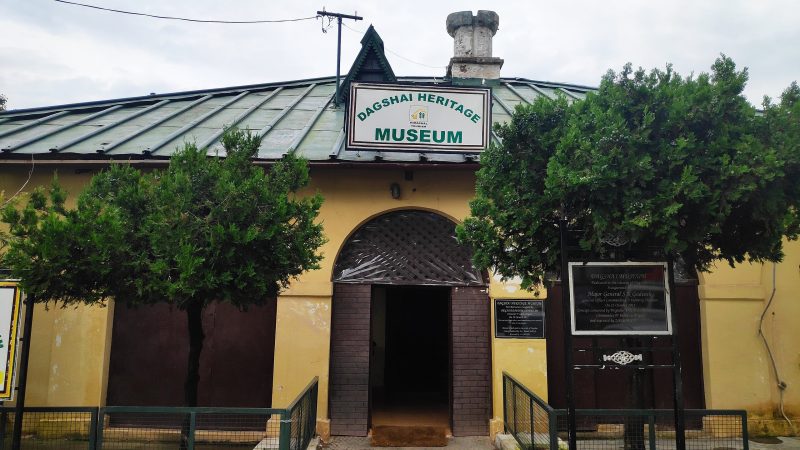
    For his extraordinary valour, Piper Findlater was awarded the Victoria Cross which he received in person from Queen Victoria. A huge painting to commemorate this famous battle hangs in the Officers Mess room of the Gordon Highlanders in Aberdeen, Scotland.  A large replica is available to view in our Dagshai Jail Museum along with other exhibits related to the Gordon Highlanders. The Pipe Bands of every formation that gets posted to Dagshai learns to play ‘Dagshai Hills’ and is played at the beginning of the Army Band display at the annual ‘Dagshai Concert’.

    Several of the formations garrisoned in Kasauli (then ‘Kussowlie’) also took part in the various Afghan Wars. Most notable amongst these were the Somerset Light Infantry (action at Jalalabad), 9th Regiment of Foot – Norfolks (action at Kabul), 66th Regiment – King’s Royal Rifles (action at Maiwand), and the 8thKing’s Regiment of Foot (action in the Kurram Valley). However, Kasauli’s Afghanistan connection is predominantly that of the famous Warburton family.

    During the First Afghan War in 1839 when the Bengal and Bombay Divisions of the East India Company (‘John Company’) Army along with some formations of regular British Army troops in India, in support of the ousted Shah Shuja, attacked Afghanistan in an attempt to retake Afghanistan from the ‘usurper’ Amir Dost Mohammed Khan’s forces and their allied tribal warriors.

    Amongst the ‘John Company’ troops was a 27-year-old Lt. Robert Warburton of the 6th Battalion, Bengal Foot Artillery. During the war, Lt. Robert Warburton found himself imprisoned in an Afghan lockup near the famous Buddhist site of Bamyan. A young lady named Shah Jahan Begum Durrani, a niece of Shah Shujah as well as that of Amir Dost Mohammed Khan was married (apparently against her wishes) to Sardar Faiz Talab Khan, a senior advisor to Dost Mohammed, and had a son (named Jahandad Khan) born from him in August 1840. Dost Mohammed and Faiz Talab Khan fled Kabul late in 1839 as the British troops advanced. Dost Muhammad was later to be exiled to Mussoorie.
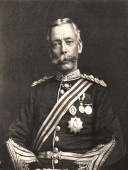
    What ensued seems like scenes from a potboiler Hindi movie. Apparently, Shah Jahan Begum had met Lt. Robert Warburton in Kabul before she was married off. Clearly, as it turned out, Shah Jahan Begum had already become fond of Robert and this may have been the reason that she was hastily married off against her wishes. With her husband, Sardar Faiz Talib Khan having left along with Amir Dost Mohammed, Shah Jahan Begum managed to get hold of a few of her Durrani tribesmen and went hastily to Bamyan.

    At Bamyan, she and her Durrani followers somehow managed to free Robert Warburton from custody and hastily fled, escorted by the Durrani tribesmen. Somewhere during this daring escape, in November of 1840, Lt. Robert Warburton and Shah Jahan Begum got officially married. A son (also named Robert Warburton) was born to them in July 1842 whilst they were still holed up in Ghilzai (aka ‘Khilji’) fort. By early 1843 the four of them, Lt. Warburton, Shah Jahan Begum, Jahandad Khan, and little Robert Warburton) somehow managed to sneak into Peshawar. On arrival in Peshawar Lt. Robert Warburton officially adopted young Jahandad Khan and had him renamed John Paul Warburton.

    In 1864 John Paul Warburton joined the Punjab Police. Over the next few years, he had a spectacular career as a highly efficient Police Officer busting many criminal gangs and putting into jail scores of offenders. For his efforts, John Paul Warburton (aka Jahandad Khan) became popularly known all across Punjab as ‘Button Saheb – Controller of Devils”. From 1864 through 1900 when he retired, ‘Button Saheb’ had successful postings at Karnal, Delhi, Ludhiana, etc. In a rare eulogy, the famous Rudyard Kipling wrote – “He is supposed to have the gift of invisibility and executive control over many devils.” Needless to say, Kipling’s character Strickling (“Plain Tales From The Hills”) is based on Button Saheb. The then government in appreciation of his services gifted John Paul Warburton a large piece of land in Gujranwala District. This town with its own mainline railway station still exists in Pakistan as ‘Warburton’.

    From 1900 through 1909 Button Saheb served as the Special Advisor to the Patiala State Police with the rank of Inspector General. On his finally quitting service in 1909 John Paul Warburton along with his family came to live in Kasauli after having acquired ‘Gilbert House’ (presently the residence of the Brigade Commander and the former home of the historic figure  Maj. General Walter Raleigh Gilbert. In 1919 Button Saheb tragically died in the driveway of ‘Gilbert House’ after he fell off his favourite horse which had been ‘disturbed’ by his grandchildren and friends playing nearby.

    John Paul Warburton and his wife Mary Meakins had seven children. His youngest son’s (Robert Paul) granddaughter, Pamela Warburton (aka Durrani Warburton) was the last of the family to occupy ‘Gilbert House’. Old-time residents of Kasauli still talk about the regal style that Durrani Warburton lived in and especially about her going around Kasauli in an ornate Rickshaw pulled by fully liveried bearers.

    Durrani or Dani Warburton occupied ‘Gilbert House’ in Kasauli until 1943. She never married but was reputed to be a spectacular tennis player having been Punjab Singles Champion five times. Durrani Warburton did yeoman community service through the years of World War II and for her efforts was awarded the title of ‘Kaiser –i- Hind’.

    The senior Robert Warburton died in Peshawar on Nov. 10th, 1863. Button Saheb’s half-brother, Col. Sir Robert Warburton Jr, KCIE, also joined the Royal Artillery. Later he went on to found the ‘Khyber Rifles’ and died in April 1899 in Kensington, London.

    Needless to say, there have been other individuals and families that have Dagshai / Kasauli – Afghanistan connections. Most notably of course being Rudyard Kipling and the three redoubtable Lawrence brothers. But let this wait for another piece someday.
  • Lest We Forget: The Forgotten Army

    Lest We Forget: The Forgotten Army

    Military history records the fighting at Nyaung U, Irrawaddy as in the words of Slim himself, “the longest opposed river crossing of World War 2”. Dhillon and his men, despite being hugely outnumbered, with no air cover or artillery, held their ground from February 4th to February 11th, 1945.


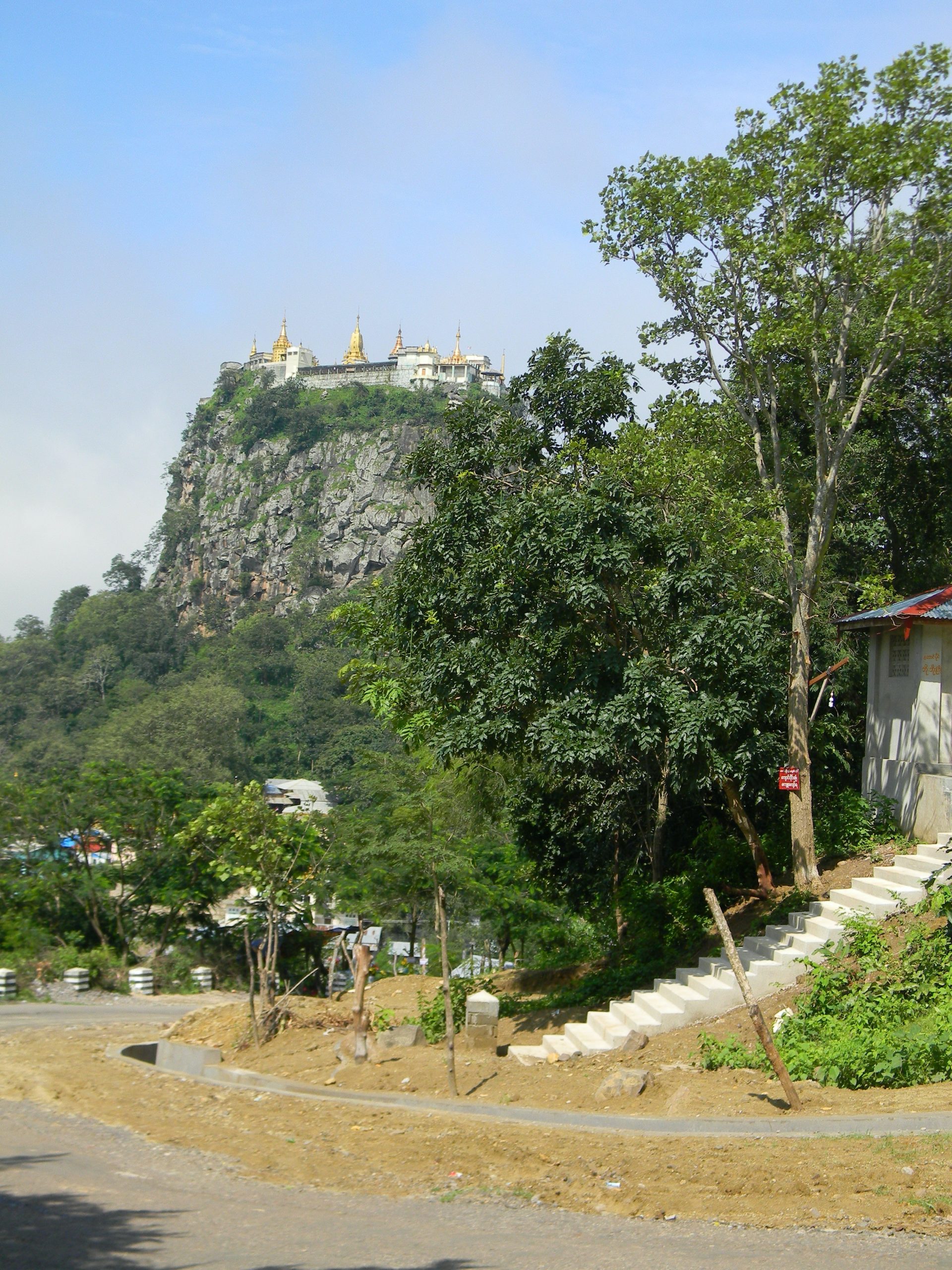
    Mt. Popa (Photo on left) is in the heart of Myanmar (old Burma). It is like a largish pimple on an otherwise smooth cheek. It is the only hill, steep from all sides in an otherwise flat terrain. It is now an extinct volcano.

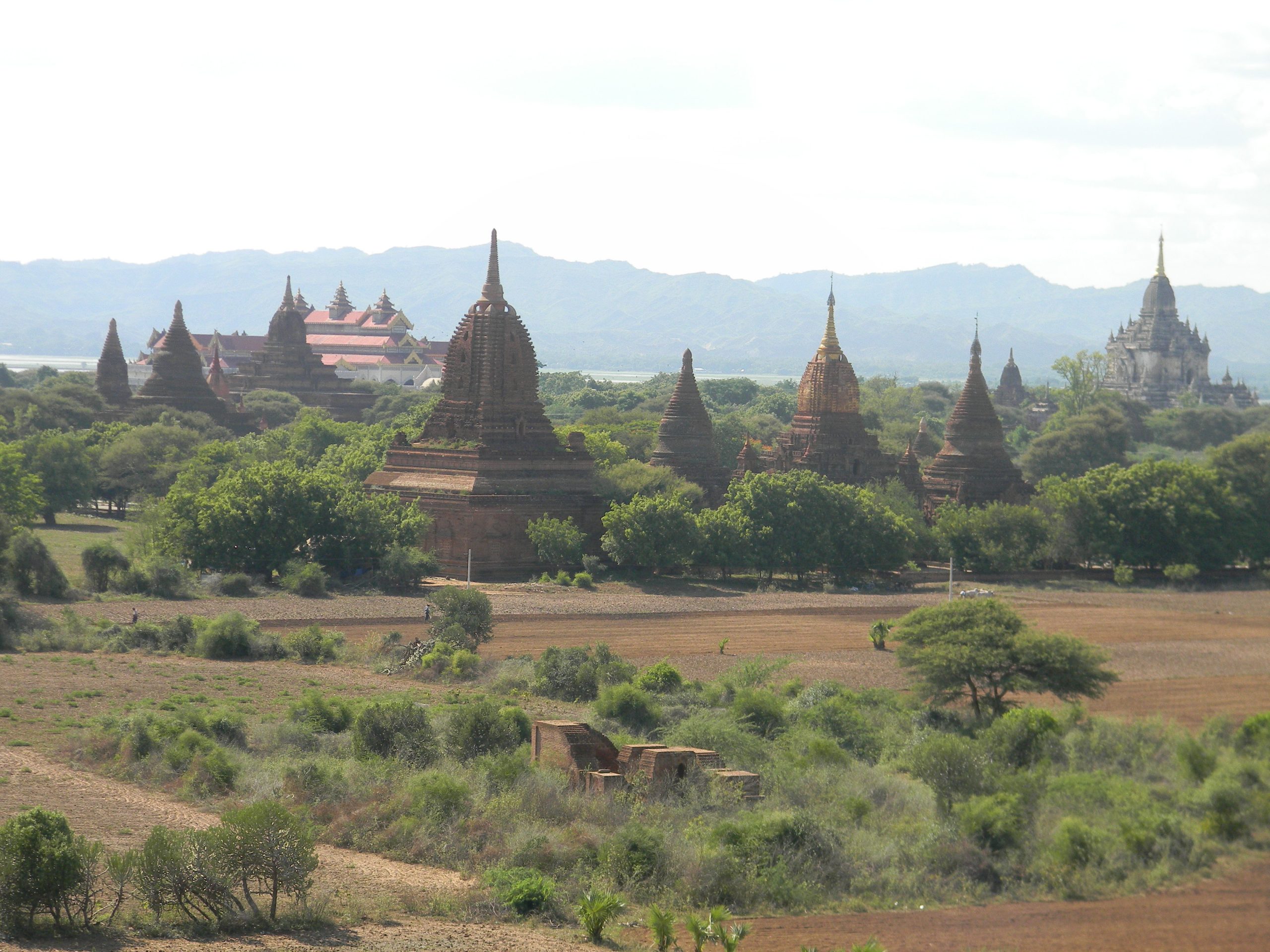
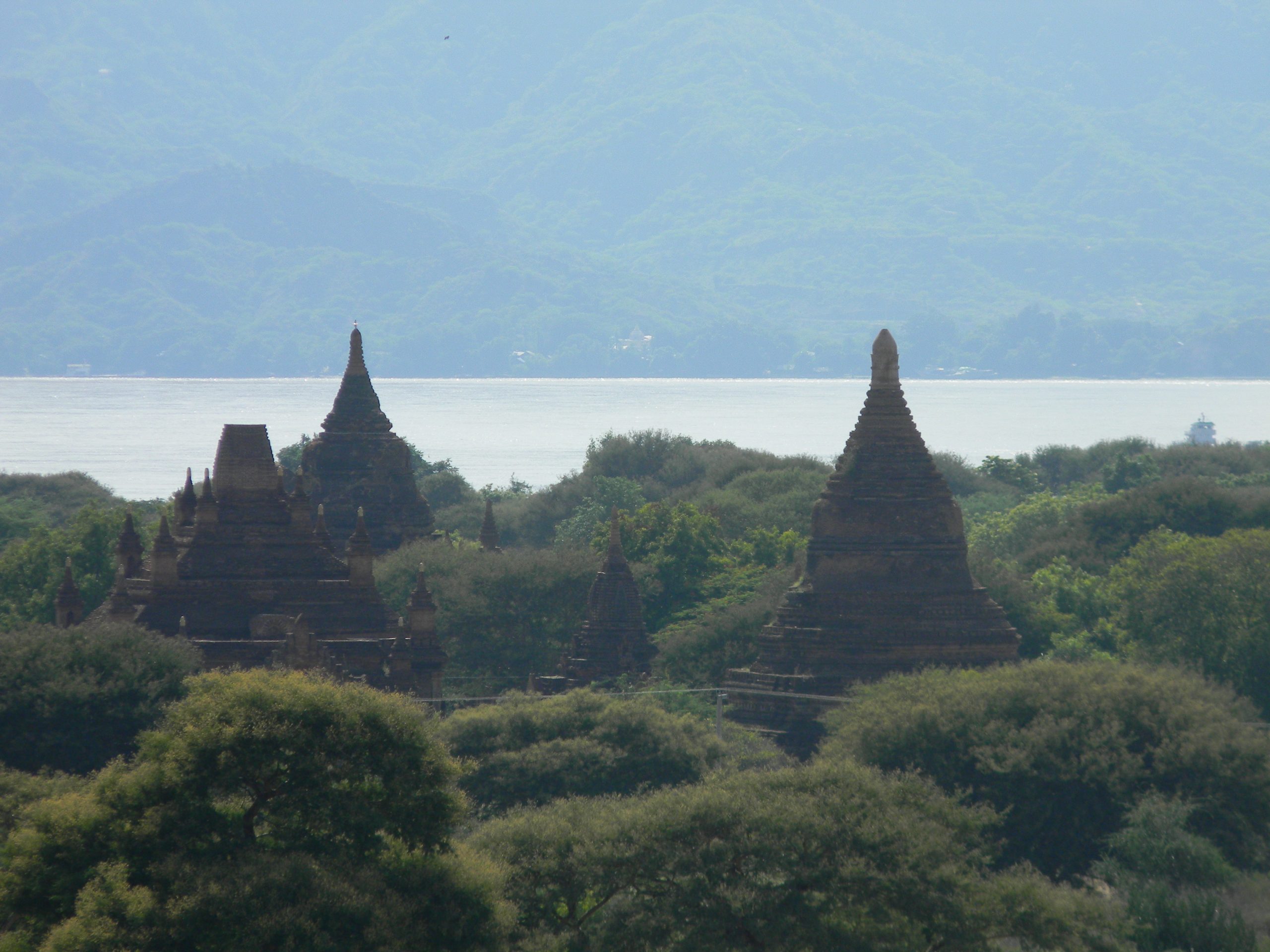
    My wife and I arrive at Mt. Popa from Yangon (Rangoon) after an interesting plane ride on a rickety old aircraft to Nyaung U, the airport of the ancient capital city of Bagan (two Photos as below) the city of the four thousand Pagodas).  We then take a taxi (non A/C) ride over a terribly bumpy road partially running alongside a massive pipeline being laid by the Chinese to transport oil from the Myanmar coast to South China.

    Bagan

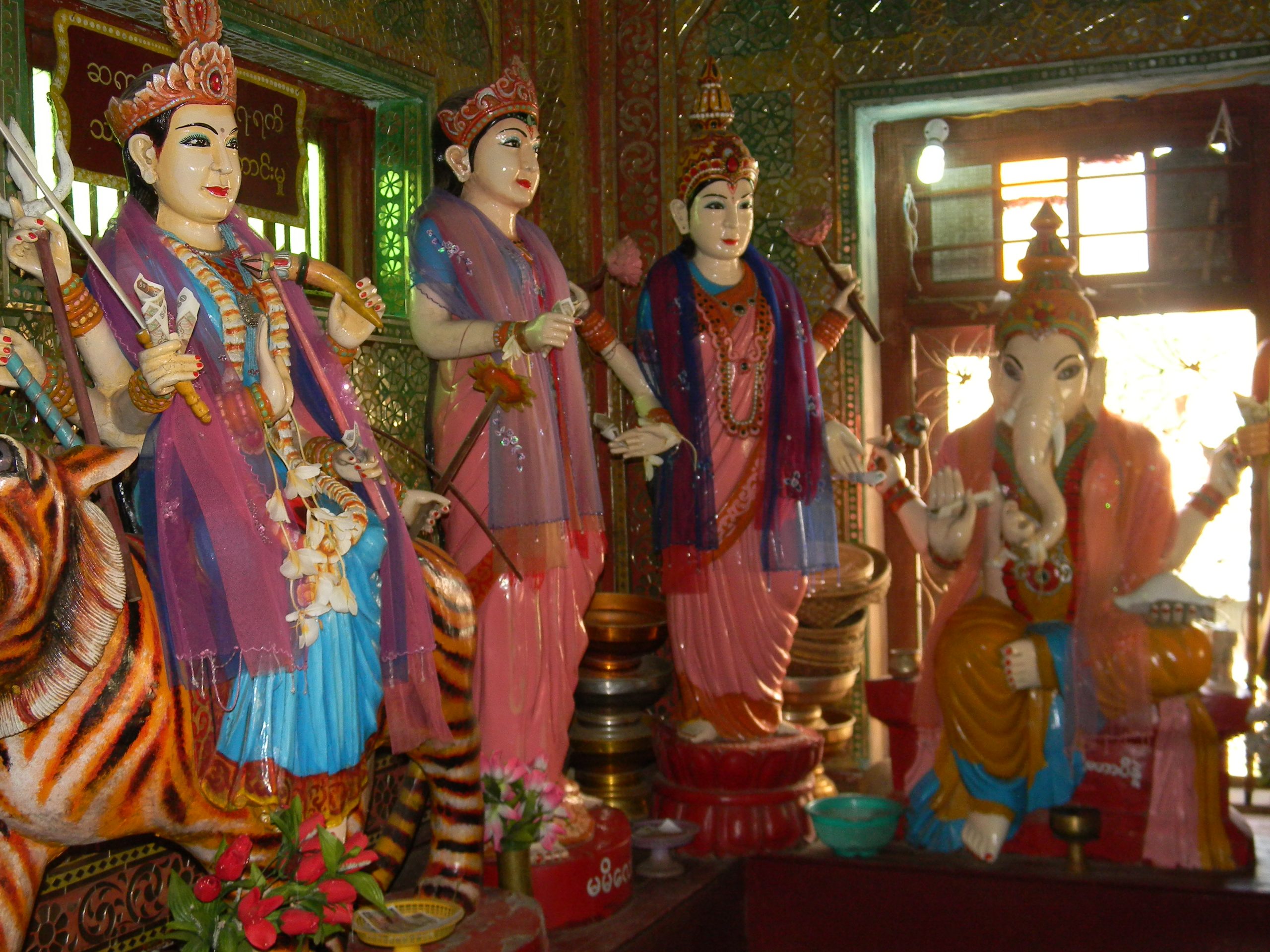
    We are not at Mt. Popa as the regular tourist or as pilgrims to the holy sites around. We do however go and seek blessings from the deity (Photo as below) at the base of the mountain. The deity is much like some in India – it seeks offerings only in the form of liquor.

    Deity at Mt Popa

    The blessings we seek, hopefully will enable us to find an elusive little place called LEGYI. It is in the region nearby but sadly is not marked on a map. The tourist office in Yangon do not know about it. I, fortunately, had some idea about its whereabouts gleaned from the records of my late Uncle (Col. Prem Sahgal) and late Aunt (Capt. Lakshmi Sahgal) of the INA –  Indian National Army (Azad Hind Fauj). Their home in Kanpur was called ‘Legyi House’.

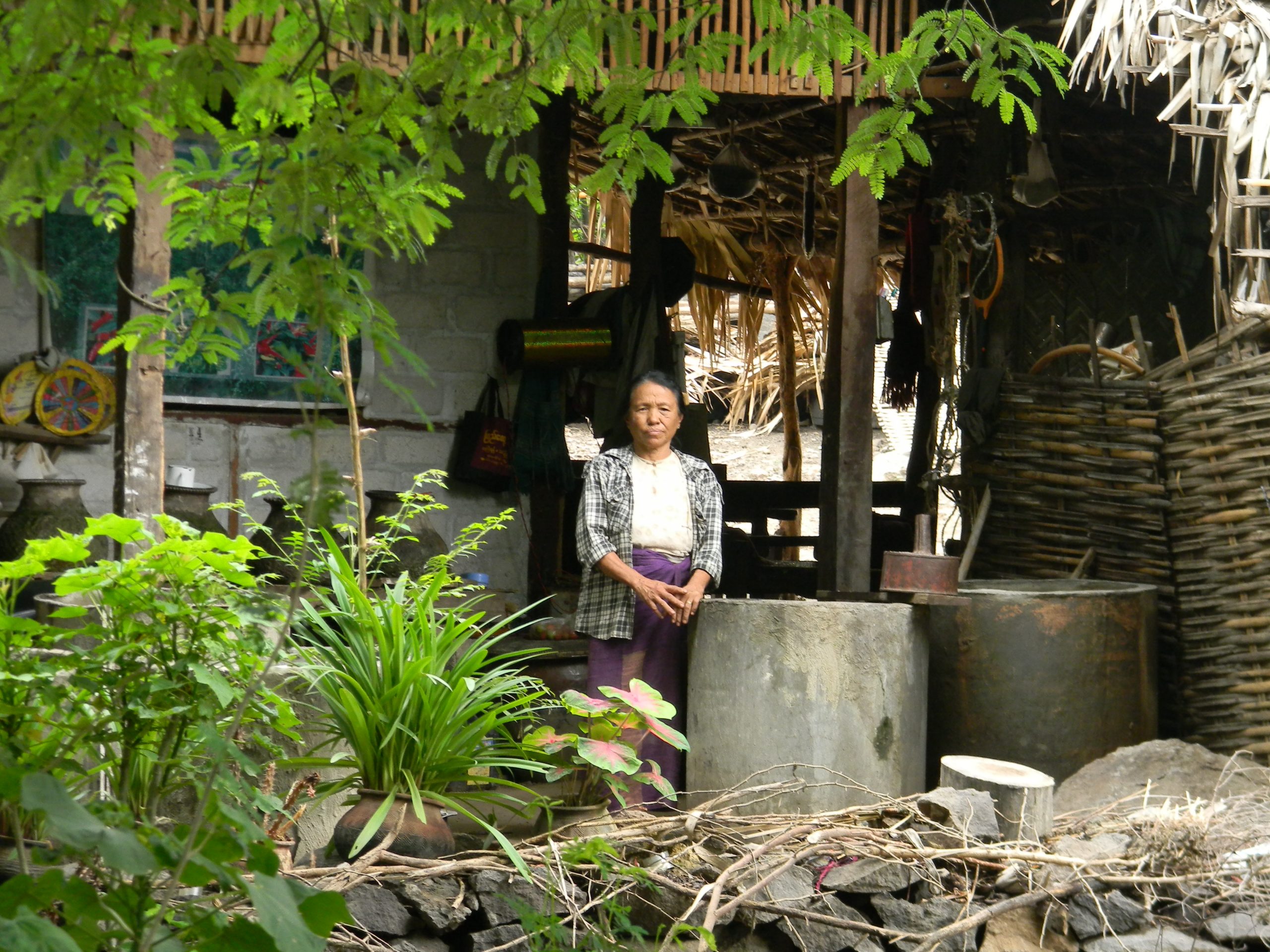
    We drive on from Mt. Popa on a small road in the general direction of the Irrawaddy River and Mandalay. Our guide makes the driver stop every few kilometres to ask about Legyi but in vain. Finally at the crossroads of a small village the guide talks to a little old lady. Amazingly the old lady (Photo on the left) knows where the place is. It is right next to her ancestral home. It is the place, as the old lady said, ‘where this great battle took place many years ago’. She asks where we are from. On being told that we are from India she castigates us. The Japanese come regularly bearing the favourite foods and music of their soldier ancestors but no Indians. Apparently we are the first Indians there after the ‘big battle’ in February 1945!

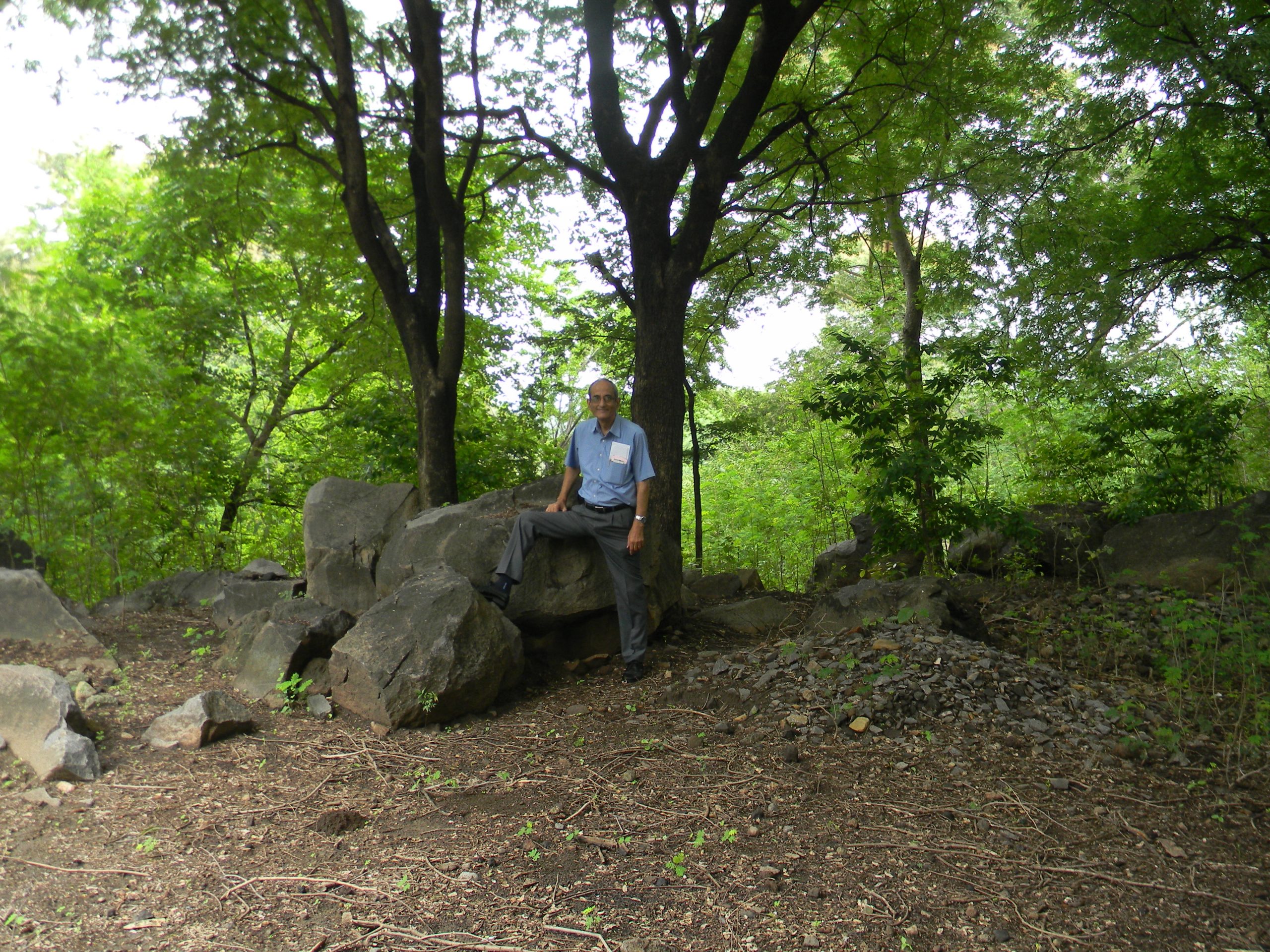
    Legyi (Photos as below) is the small knoll of a battleground where one of the battalions of  INA’s  2nd Infantry Regiment (under the command of Col. Prem Sahgal) troops valiantly held their ground for days against repeated attacks by formations of the overwhelming might of (then) General Slim’s massive 14th Army. With no Air Force cover or artillery, and with an almost non – existent supply line, they should have been easily wiped out in a matter of hours. Yet they held ground for over a week. They fought valiantly and inflicted huge casualties, largely with the use of guerrilla tactics making Legyi arguably the INA’s most successful battle action.

    Author at Legyi

    Just before the ferocious fighting took place at Legyi, some 50 kilometers north east, just beyond modern day Nyaung U airport, another notable encounter took place.  Two battalions of the INA were tasked to delay and frustrate the imminent attempt by Gen. Messervy’s 7th Indian Division, part of Slim’s 14th Army, to make the crossing of the Irrawaddy River. With 1200 men these battalions, under the Command of Col. Gurbaksh Singh Dhillon, had the daunting task of stalling to the absolute limit the crossing of the river by some 30,000 troops amassed on the river’s western bank. Military history records the fighting at Nyaung U, Irrawaddy as in the words of Slim himself, “the longest opposed river crossing of World War 2”. Dhillon and his men, despite being hugely outnumbered, with no air cover or artillery, held their ground from February 4th to February 11th, 1945.

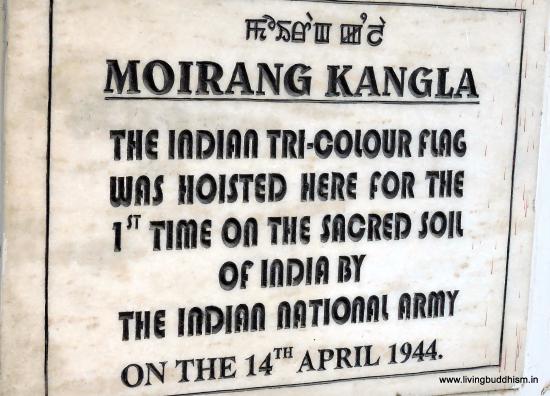
    Lest it be forgotten the INA, starting from Farrer Park Race Course in Singapore went all the way up and crossed the Indian border fighting to plant the National Flag at Imphal, much as the British tried to deride this valiant army.

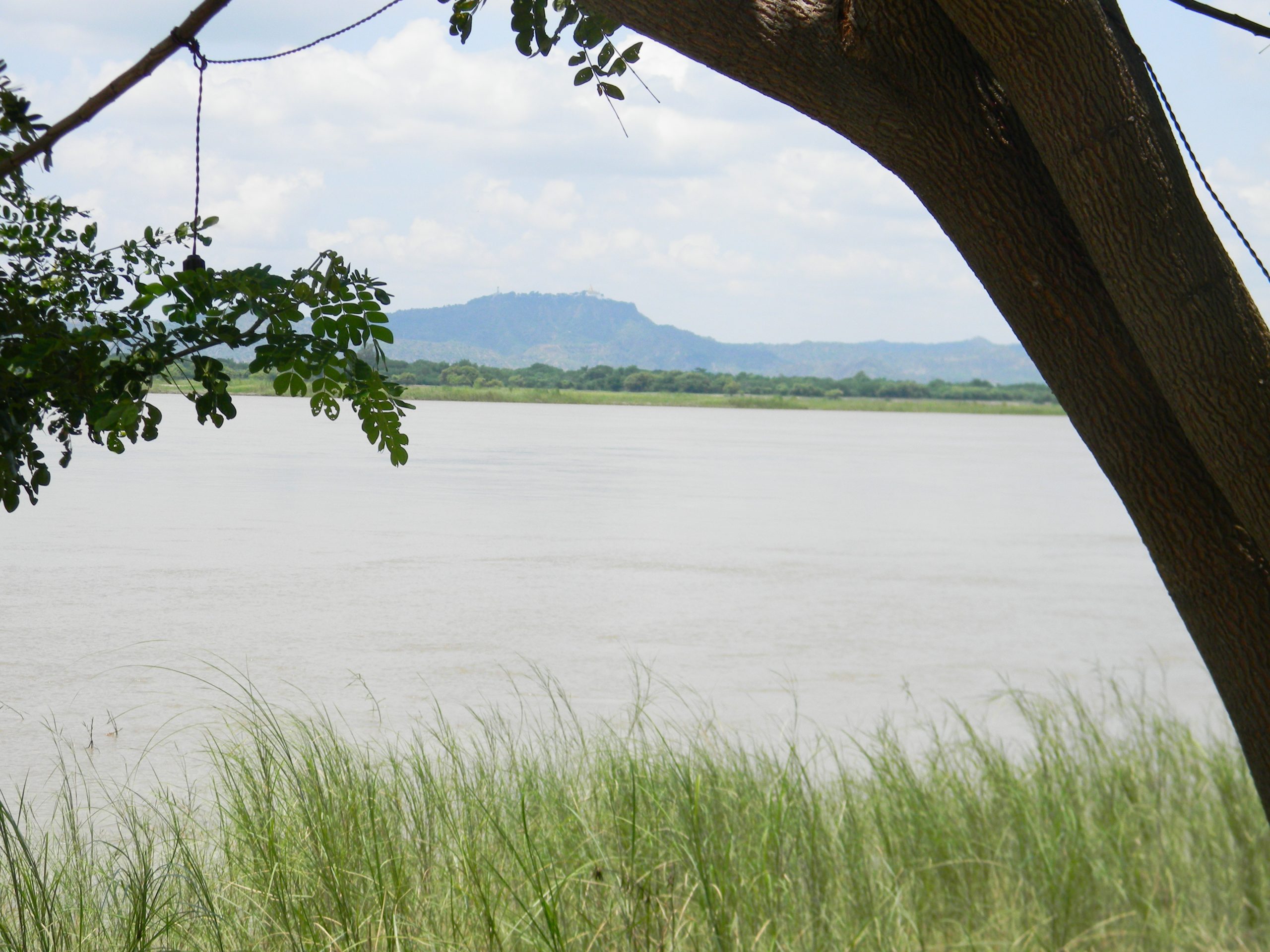
    When we, on our visit, reached the eastern bank of the Irrawaddy at Nyaung U (Photo on left) from Legyi we could visualise what a herculean task Dhillon and his men had performed. The river there is enormous in width. It is rapid flowing, almost torrential. The massive Brahmaputra at Guwahati is not even half that. How did the small force manage to fight back all the frontal and outflanking assaults?

    The INA actions at Legyi and Nyaung U are perhaps the best examples of what a truly secular force comprising Hindu, Muslim, Sikhs, Christians, the lot under the command of Indian officers can achieve when they fight for the cause of the country – in this case, Independence. Lest it be forgotten the INA, starting from Farrer Park Race Course in Singapore went all the way up and crossed the Indian border fighting to plant the National Flag at Imphal, much as the British tried to deride this valiant army.

    Let us recall, it was on February 17, 1942, that the Indian officers and men of Lt General Arthur Percival’s army in the then Malaya marched into Farrer Park Stadium under the command of the senior most Indian officer, Col Zaman Kiani. There were no British officers and men with them. Gen Percival and his army had ceded Singapore to the conquering Japanese two days earlier. The British officers decided that they would surrender separately at Changi. The Indians troops were ordered to surrender by themselves at Farrer Park, pretty much abandoned to their own fate by their British colleagues. After their surrender, they were separately incarcerated at Neesoon Camp in Seletar. Peter Ward Fay writes in The Forgotten Army: India’s Armed Struggle for Independence: “Much later, in the chorus of anger and embarrassment that rose among Englishmen on the subject of the INA, no one was heard to suggest that Percival should have refused to let himself and his colleagues be separated from their brothers in arms, the Indian officers.” This was to be a crucial factor in what ensued.

    For their valiant stand against Slim’s 14th Army, Sahgal and Dhillon along with their superior officer, Gen. Shah Nawaz Khan were placed under arrest. They were to be made examples of for their audacity! After the termination of hostilities at the end of the war the three were brought to Delhi and incarcerated in a remote part of the Red Fort awaiting a Court Martial to be held within the premises of the Fort.

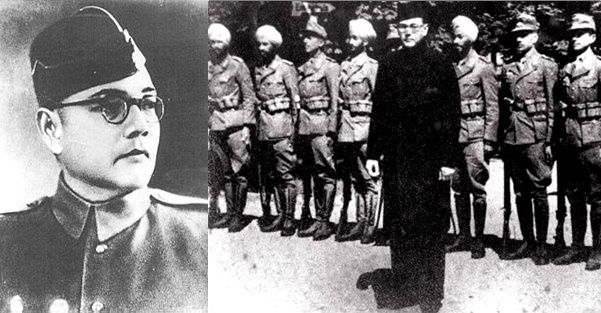
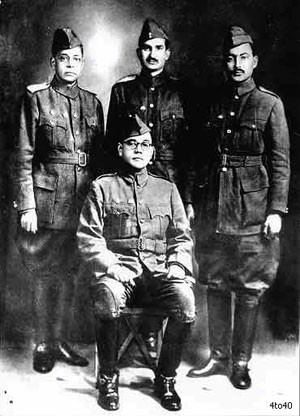
    This, for the usually astute British, was quite a blunder. First to select for trial a Hindu, a Sikh and a Muslim (exemplifying INA’s secular make up and credentials) and then to hold the trial in Delhi’s Red Fort, the very icon that Netaji Subhash Chandra Bose, the Supreme Commander, had projected as the goal to be attained. Worse, the trial would be held in the same premises where India’s last Emperor Bahadur Shah Zafar was tried, sentenced and deported to Rangoon where he died. The symbolism perhaps had somehow escaped the colonial rulers.

    Also that independent undivided India’s first Government, with Netaji Subhash Chandra Bose having taken his oath as its first Prime Minister had been formed in Singapore. News now came in that the National flag had already been hoisted at Imphal and at Port Blair in the Andamans. Free India’s first currency notes and stamps had been issued. The nation was in uproar!

    When the curtain of secrecy was finally lifted and the ‘INA Red Fort Trial’ began, the populace finally got to know about the INA, the extraordinary fight by its men as well as women. Also that independent undivided India’s first Government, with Netaji Subhash Chandra Bose having taken his oath as its first Prime Minister had been formed in Singapore. News now came in that the National flag had already been hoisted at Imphal and at Port Blair in the Andamans. Free India’s first currency notes and stamps had been issued. The nation was in uproar!

    Many of the then leading politicians with legal backgrounds volunteered to lead the legal defence team – Nehru, Katju, Patel et al. My grandfather, a sitting Judge of the Punjab High Court, applied and received leave of absence to supervise the legal defence arrangements for the ‘Lal Qila 3’. He rejected the offers by the politico lawyers. Instead he opted for the one he thought was quite simply the best legal mind of the country – Bhulabhai Desai. He would be the lead attorney.

    The then Advocate General, Sir Nowshirman Engineer for the prosecution argued that the three accused had committed treason by violating the oath they had taken on being inducted as officers into the British Indian Army. Bhulabhai Desai in defence argued for some ten hours over a period of two days. Firstly, he claimed, the so called oath of office became invalid when Gen. Percival and the British Officers decided to surrender separately at Changi in Singapore and ordered all Indians to go to the surrender ceremony at the Farrer Park Race Course.

    Equally importantly Bhulabhai Desai argued (1) that an enslaved nation had the legal right to engage in military action to free itself from a foreign coloniser (2) That the INA fought on the behalf of a properly constituted Government of free India recognised by other international governments, and (3) That the INA was a properly constituted disciplined army, managed entirely be competent Indian Officers with this army having its own uniforms, ranks, ethos, and ‘regalia’.

    To put it succinctly what Bhulabhai Desai told the Court Martial was that it was as a sovereign nation with a recognised Government in place, that India had declared war on Britain and sent its Army i.e. the INA, to fight.

    To put it succinctly what Bhulabhai Desai told the Court Martial was that it was as a sovereign nation with a recognised Government in place, that India had declared war on Britain and sent its Army i.e. the INA, to fight. Hence under International Law the Indian National Army had the status of a legitimate ‘belligerent’. Accordingly the defendants could in no case be tried for treason or other offences under a Penal Code based on British ‘Municipal Law’, as Desai put it.

    To quote from Bhulabhai’s arguments, he stated “….The position now is that international law has reached this stage that if liberty and democracy are to have any meaning all over the world, and not merely just for a part of it, and this is not politics, it is law – any war made for the purpose of liberating oneself from foreign yoke is completely justified by modern international law. And it will be a travesty of justice if we were to be told as a result of any decision arrived at here or otherwise, that the Indian may go as a soldier to fight for freedom of England against Germany, for England against Italy, for England against Japan, and yet a stage may not be reached when a free Indian State may not wish to free itself from any country including England itself.”[1]

    Whether these lucid arguments had any real effect on the senior British Officers sitting on the Court Martial Bench and influenced their decision, we do not quite know. The final sentence against the three defendants whilst finding them guilty of treason did not go as far as delivering death sentences. The three brave officers were dismissed from service and forfeited any pay and allowances due.

    At the news of the release of Shah Nawaz Khan, Prem Saghal and Gurbaksh Singh Dhillon from their detention cells in the Red Fort there were massive and jubilant countrywide celebrations. The colonial administration, we now know, took due notice – not only of the exploits of the INA, the nationwide consternation during the Red Fort trial and jubilations at its end, but also of the Naval Mutiny at (then) Bombay and the Air Force Mutiny at Karachi around the same time.

    “…..Gandhi is not a problem. We can deal with him and handle him. The Congress is also not a problem. We can easily deal with them. But now that India and Indians know about the INA as also about the mutinies in the Royal Indian Navy and the Royal Indian Air Force, the Indians know that we have lost the love of the Indian Armed Forces. It is time to leave India!” …. note to the Viceroy, Field Marshal Wavell from the then Commander-in-Chief in India, Field Marshal Sir Claude Achinleck 

    Deep down in the 4th basement level in a temperature and humidity controlled hall of the British Library near Euston Station, London are stored the ‘India Office Records’. These records are pretty nearly everything that the British colonial rulers had with them in India and transported them back ‘in toto’ before Aug. 15th, 1947. Amongst these records is a document penned by the Commander in Chief in India – Field Marshall Sir Claude Auchinleck. It is a Memo to the then Viceroy – Field Marshall Wavell. The purport of this extraordinary memorandum is that “…..Gandhi is not a problem. We can deal with him and handle him. The Congress is also not a problem. We can easily deal with them. But now that India and Indians know about the INA as also about the mutinies in the Royal Indian Navy and the Royal Indian Air Force, the Indians know that we have lost the love of the Indian Armed Forces. It is time to leave India!” As Alex von Tunzelmann writes in his excellent book[2] “… neither Gandhi nor Congress party agitations forced British hands. It was…. the possibility of full scale military revolt due to the influence of Subhas Bose (and the INA) which led to the British exit from India.

    And yet generations of young Indian students in schools and colleges are still being taught that it was Gandhi and the Congress that got India’s independence!! They are still being taught that Nehru was India’s first Prime Minister. Yes he was but that of ‘DIVIDED INDIA’. The record shows that it was Subhash Chandra Bose – Netaji, who was the first Prime Minister – OF AN UNDIVIDED INDIA.

    JAI HIND!


     References

    [1] “Two Historic Trials in Red Fort” – Moti Ram; Roxy Print Press, 1946.

    [2] “Indian Summer: The Secret History of the End of an Empire”; Alex von Tunzelmann;


    All colour photos by the author.